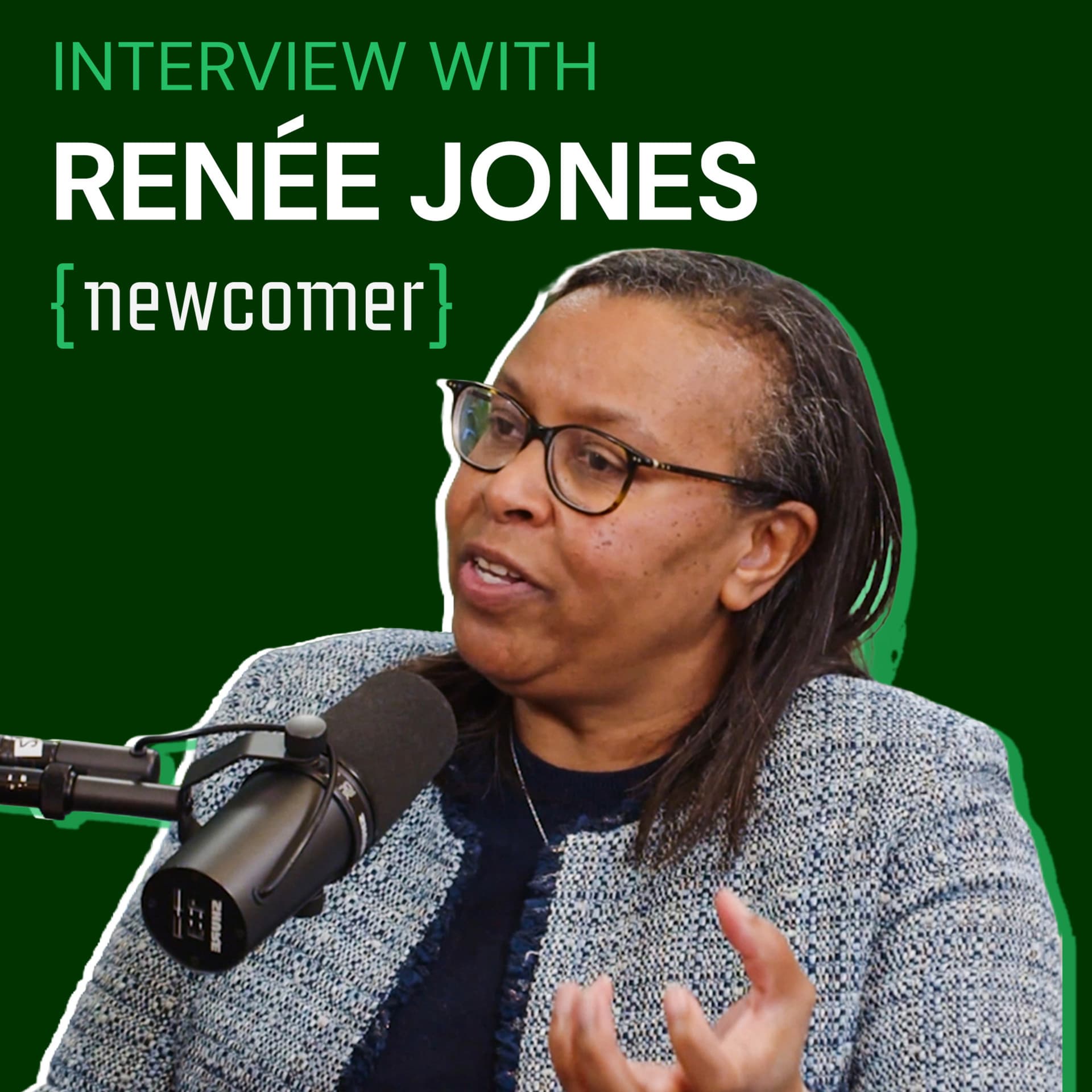
In short
Katie Drummond, Wired’s global editorial director, discusses why Wired is turning more skeptical toward Silicon Valley’s incumbents, the fight over whether Wired is “for sale,” and how AI should be regulated after social media’s failures.
Guest backgrounds
Katie Drummond previously edited Gizmodo (editor-in-chief) and later served as editorial director overseeing Gawker’s portfolio during the bankruptcy and Univision acquisition. She now leads Wired at Condé Nast. Host Eric Newcomer is a venture-capital-focused journalist and author.
Key claims
Wired is not “anti-tech” and is not selling to Trey Stevens/Founders Fund; it’s thriving as a business and still doing rigorous editorial work. Tech anger at media reflects “loss of agency” among the public. Social media regulation failed, and AI needs meaningful oversight despite regulators’ limited technical understanding. Wired should avoid a “hot take factory” while keeping institutional point of view and factual accuracy.
Notable examples
Coverage of Silicon Valley aligning with the GOP/Trump (Stephen Levy story); Wired’s planned AI-and-work package; Wired’s updated AI policy (AI for research/outline/headlines allowed; AI-generated drafts not published; AI imagery only with clear labeling).
Written by AI. May contain mistakes. Listen to the episode to check what was said.
Chapters
Tap a time to open that second in VOBackground on Katie Drummond and Wired
1:23 to 2:12
Katie shares her background and her current role at Wired Magazine.
“hosted by me, Eric Newcomer, author and creator of the Newcomer Substack.”
Transition from Gawker to Wired
2:12 to 4:05
Discussing Katie's experiences at Gawker and her transition to Wired.
“I wasn't sure if he was going to show up.”
The Current State of Wired and Tech Industry Criticism
4:05 to 5:14
Katie addresses critiques of Wired's stance on the tech industry.
“Someone else is lucky enough to have that job.”
Wired's Responsibility in Covering Tech
5:14 to 8:02
Discussion on Wired's responsibility to ask critical questions about the tech industry.
“And so I think the narrative that it's not working, it may not be working for some people.”
The Changing Role of Tech Innovators
8:02 to 9:21
Examining how former rebels in tech have now become incumbents.
“It is Wired's responsibility in this moment, I believe, to ask serious questions about the incumbents, about this industry, about these companies, how they are being run.”
Critical Journalism in the Age of Social Media
9:21 to 11:30
Katie discusses the need for harder questions in tech journalism today.
“Like that's not where I'm looking for those stories.”
AI Industry Perspectives and Regulation
11:30 to 14:00
Discussion on AI, its potential, and the importance of preemptive regulation.
“And, you know, the Arab Spring, and this is the great democratizer and yada, yada, so forth and so forth.”
Regulating AI: Cautionary Tales and Job Loss
14:00 to 16:45
Discussing the need for regulation in AI amidst potential job losses and disruption.
“deeply understand the technology that they're regulating.”
The Journalist's Opinion: A Balance of Voices
16:45 to 19:05
Exploring the role of journalist opinions and the importance of personal voice in reporting.
“Do I think that the lawmakers, you know, sitting around in DC right now are the right people to come together to solve this?”
Personal Perspectives: Balancing Family and Tech
19:05 to 21:34
Discussing how personal experiences as a parent shape views on technology and journalism.
“But I want voice and personality in our stories.”
Show all 23 chapters
The Role of Journalism in Society
21:34 to 24:11
Debating the responsibilities of journalists in defining aspirational figures and accountability.
“So when I started Newcomer and I was like a guy, it is easy to say like, what is the editorial like perspective of Newcomer?”
Navigating Tech Coverage: Heroes and Dilemmas
24:11 to 28:00
Discussing how to celebrate innovation while addressing the challenges of the tech industry.
“I don't know what the answer is, but I think part of why people got so mad at journalists is it was like, oh, quibble with everybody.”
Tech Bros and Media Relations
28:00 to 29:51
A discussion on the perception of tech executives and media engagement.
“It's not my job, though, to bring Mark Zuckerberg along.”
Journalists' Role and Public Engagement
29:51 to 31:16
Exploring the responsibilities of journalists and their interactions with the public.
“But I mean, journalists, we push other people.”
Silicon Valley's Media Perception
31:16 to 32:49
Analyzing Silicon Valley's view on media coverage and public sentiment.
“But Balaji and Taylor Lorenz sat down and it was funny.”
AI Sentiment and Public Frustration
32:49 to 34:37
Discussing the public's frustration with AI and the feeling of loss of control.
“recently you know like we're we're available we're down we're happy to do interviews we're happy to have tough conversations.”
AI's Impact on Society
34:37 to 37:06
Exploring potential positive uses of AI in healthcare and education.
“like negative sentiment towards AI goes.”
Access and Inequality in Technology
37:06 to 41:32
The challenges of access to AI technology and its implications for society.
“practically beneficial and that is used at a sort of societal level in a way that has a democratizing effect and that creates access and creates all of the opportunity that we sometimes hear about.”
Complex Relationship with Technology
41:32 to 42:00
Reflecting on the duality of using technology while criticizing the industry.
“I just continue to come back to, you know, I did a post when I got married, just like thinking about like, congratulations.”
The Complicated Relationship with Technology
42:00 to 44:16
Explore the nuanced feelings people have towards technology and social media.
“Like I feel so dumb to be like, do you use Instagram?”
AI Policies in Journalism
44:16 to 46:28
Hear about Wired's new AI policy and its implications on journalism.
“I have not found them to be particularly enjoyable, useful, productive for me personally.”
Tech's Shift to Conservative Politics
46:28 to 48:54
Discuss the reasons behind the tech industry's shift towards conservative politics.
“I think the more interesting stuff to me is building our own investigative tools with it and sort of our reporting tools.”
Media's Influence on Tech Leaders
48:54 to 53:01
Analyze the media's role in shaping the behavior of tech leaders and their decisions.
“Because I don't want this interview to come across like I'm deeply upset about that.”
Transcript
Automatic transcript. May contain errors.0:00We're talking about a trillion dollar industry. We're talking about an industry that wields an enormous amount of control. Every single facet of the way we live our lives is in some way shaped by the technology industry. It is Wired's responsibility in this moment to ask serious questions about the incumbents, about this industry, about these companies, how they are being run. How is this technology being commercialized? The narrative that we hate technology is ridiculous. As a business, we're doing very well. It may not be the audience that Wired drew 20 years ago. They were the rebels and the renegades and the creatives and the freaks and the lunatics, right?
0:36And I mean all of those things with the highest compliment because I love that kind of person.
0:39Eric Newcomer:Every podcast I do, I like talk with Claude for a little bit, like, oh, what's interesting? And it thought that I was going to interview you and split your throat, right? And you're asking questions. It thought you were going to come gunning for me. Tech wants to take over Wired Magazine, the once friendly cheerleader for all things quirky in tech is now fairly sour. Leading Wired is Katie Drummond, the global editorial director. She was once in the Gawker empire. I worked with her briefly at Bloomberg, and now she's in the hot seat with tech elite, like Peter Thiel acolyte Trey Stevens, saying they want to buy Wired and basically reverse her strategy.
1:16Eric Newcomer:So we got into what she's trying to achieve at Wired, the reporting they're doing, and the debate about tech journalism. Welcome to the Newcomer Podcast hosted by me, Eric Newcomer, author and creator of the Newcomer Substack. Find us at newcomer.co for an insider's look into venture capital and everything going on in Silicon Valley.
1:42Eric Newcomer:Katie Drummond, Global Editorial Director of Wired. Thank you so much for joining me. Thank you for having me. Nice to see you again. Yeah, it's been a long time. It's been a long time. We were briefly both at Bloomberg. Yeah, I would say 10 years ago I was there, a little longer. Oh my God, yeah. I guess you were at the beginning of my time there. Yeah. When did you leave? Oh man, I left in 2020 to start Newcomer. Okay, wow, that was a long time ago. Yeah. So there's lots to talk about. I think it's funny that I'm fresh off, you know, the most recent podcast episode. I wasn't sure if he was going to show up.
2:17Eric Newcomer:You know, it was this guy, Aaron D'Souza, who's funded by Peter Thiel as a whole. startup, you know, antagonizing the media, trying to help people subject of its scrutiny respond. And here now it's sort of the media sort of class itself embodied, you know, Oh my God, I don't know about that. No, I know you think for yourself, but I'm excited to have sort of the media side of the conversation. Well, and I mean, I was at Gawker Media when the bankruptcy happened. So I lived it. Thank you to all involved. That was a really special time in my career. What was your role at Gawker at the time? I was the editor-in-chief of Gizmodo.
2:55And then when Univision, as Univision was acquiring us out of bankruptcy, I took over as editorial director overseeing the portfolio of brands, which previously John Cook had been doing. And that was right as Gawker was being shuttered because Univision didn't want to buy that asset. So I ran the brands, the blogs. Love a blog. I ran the blogs through the Univision acquisition and then yada yada yada was pregnant and at some point was like I don't think the baby and I can survive in this environment like I was like I have to leave it was really a lot of stress because of your job or because of the bankruptcy because no no I mean the the job stability thing I'm very sort of comfortable with the fact that there is none yeah um ever in media it was like a like mental health and stress and just sort of
3:48Eric Newcomer:it was really tough um but sorry brought on by the lawsuit or brought on by the way gawker as a company just the whole thing i mean going through the bankruptcy going through gawker shutting down the the level of stress that the the entire staff was dealing with and the scrutiny and the eyeballs and the commentary and trying to sort of and then the univision coming in which was like a very different kind of media company to say the least um and trying to sort of like bridge that divide was really tough i think in this moment in my career i would have embraced that challenge i think in that moment i was trying to have a baby yeah it was it was not gonna thrive i think i think the writing was there was no way it was a match made in hell i think it was yeah yeah it was not not long for this world um you know i reached out to have you on because trey stevens you know one of the top partners at founders fund decided to tweet like i want to buy wired you know it's it's not working and gary tan i think wrote basically an essay and palmer lucky it was like oh yeah it's not the wired i once knew what what do you yeah what was your response is wired up for sale are you selling to trey stevens we are not selling to trey stevens i'm not the ceo of condé Nast.
5:01Someone else is lucky enough to have that job. But no, Wired is not for sale. I love working at Condé Nast. I love working for Anna. I love working for Roger. They're very supportive of the work that we do. We're on a really good run. We're having a lot of success. And so I think the narrative that it's not working, it may not be working for some people. Right. It was out of
5:22Eric Newcomer:touch with the business story of Wired. It's like they might not like the message. Sure. Sure. As a business, we're doing very well. As an editorial operation, we're also finding a really receptive audience. It may not be the audience that Wired drew 20 years ago, but that was 20 years ago. It's not 20 years ago today. Today is today. It's 2026. You know, look, I, it's funny too, because I am, am not on X. So my only interaction with this commentary is by way of like screenshot. I simply like, I'm not available to participate in that dialogue. They're welcome to reach out any time. I'm happy to have a conversation with any of them.
6:01We've had many of them, you know, sit down with Wired in the two and a half years that I've been running it. Trey sat down for an interview with Steven a little over a year ago. I had Alexis Ohanian on the podcast that I host.
6:12Eric Newcomer:That's Steven Levy you were referenced. Yeah, Steven Levy sat down with Trey and that was a great interview and Alexis and I had a great conversation. I think he was also on board the Trey Buys Wired train, Twitter train. Alexis Ohanian. Yes. Oh, yes. I didn't see that one. um look i mean but yeah what do you make of the i mean fundamentally i guess the critique is basically wired used to be for the tech industry now it's against it i mean they're not wrong that wired is fairly skeptical of the tech industry now like why why the turn you know i saw i was reading actually an interview steven did with nick bostrom um from last week and he described himself in that interview as a as a fretful optimist and i loved that and i think that that speaks a lot to who I am and sort of how I identify and how I think about Wired.
7:00And I think one of the key distinctions that it's really important for me to make about how we cover the tech industry and technology and how it's commercialized and how it's deployed is that a lot of the people who are feeling anguish about Wired and what we do and how we do it in this moment were the insurgents 20 years ago, 30 years ago. They were the rebels and the renegades and the creatives and the freaks and the lunatics, right? And I mean, all of those things with the highest compliment, because I love that kind of person. They were doing new, big, bold things. They were taking new, big, bold bets.
7:33They are now in many cases, and again, this is not a monolith, they are the incumbents, they are running billion dollar VC firms, they are running billion dollar companies, they are the establishment. And the establishment vis-a-vis the tech industry, we're talking about a trillion dollar industry, we're talking about an industry that wields an enormous amount of control about how we live our lives. Every single facet of the way we live our lives is in some way shaped by the technology industry. It is Wired's responsibility in this moment, I believe, to ask serious questions about the incumbents, about this industry, about these companies, how they are being run.
8:14How is this technology being commercialized? How is it or is it not being regulated? And what voice does the tech industry have in that conversation. Those are really material questions when we think about the way people live now and the way they will live in the future, which is what Wired is all about. That doesn't mean that we used to love the tech industry and now we hate it. I think that's a very simplistic and damagingly simplistic narrative. I simply don't think that that's true. What we do aspire to do though is champion and celebrate the renegades and insurgents and interesting thinkers and people who are really trying new things, I want to stand to hold those people up and champion them and cover them and do so with, of course, rigorous journalism, but with great enthusiasm.
9:01And I think you're going to see we have a really interesting project at the end of the year that is designed to do exactly that and to really sort of plant that stake in the ground for Wired is like, no, we are actually a place that does this. The narrative that we hate technology is ridiculous.
9:15Eric Newcomer:So you're making an effort to sort of seek out things in tech that you're excited about or what's the effort? Exactly. But again, I'm not looking to Amazon. I'm not looking to meta. Like that's not where I'm looking for those stories. I'm trying to find the people, the new upstarts who are trying new things. Like I want to find that. Like we just, we have this package coming out in a couple of weeks about AI and work and it's all sorts of different stories in all sorts of different formats. It's really fun. But for example, like one of the pieces I wanted in that package was what are people vibe coding?
9:47Like just like normal, like teenagers, people in their garages, you know, someone after work on the couch. Like what is the cool stuff that people are making? Like I want to cover that, but I don't cover meta or Amazon or any of these behemoths the same way I would cover sort of one person with a crazy idea. I think we need to look at those two things differently. And I think that's what Wired is doing.
10:08Eric Newcomer:In your answer, it's sort of like Silicon Valley, they were the underdogs. Now, sort of they're the big dogs. Obviously, the coverage would be different. I think there's also a piece of it that was sort of our reaction in the newsletter. In Newcomer was just the tech set sort of acts like there was these wired people and then there are these new people and they've totally ruined the brand. But in some ways, like people like Steven Levy, it's like their view, people grow. Like they watch the tech industry behave a certain way and their own attitudes have changed over time. like in some ways what the tech industry has done has soured some people about certain aspects of what how they i mean i don't know that i would use the word sour eric but i would say like you know critical thinking is a really important attribute for a journalist i think stephen is such a good example of this stephen has been in in and covering the industry for many many decades he's done fantastic work he's authored books he's you know does all sorts of great journalism he wrote what i think is probably one of my favorite wired stories that we've run in the last two and a half years, which was a cover story last year about how Silicon Valley had transformed itself to more closely align with the GOP and the Trump administration.
11:15Stephen Levy wrote that story. Stephen Levy's view from where he sits, looking at Silicon Valley and saying, like, what happened? What happened here? And he just sought to answer that question. And he wrote a fantastic piece about it. So I would not say soured, but I think there is a necessity to ask harder questions than maybe we were asking in the early 2000s when social media was poised to connect the world and make everybody happy, healthy, and wealthy. And, you know, the Arab Spring, and this is the great democratizer and yada, yada, so forth and so forth. I think social media has done a lot of, of, I think social media has done some good things for, well, Well, I think social media has been largely very damaging, right?
12:02And I think social media has been incredibly ineffectively regulated. And I think a lot of people, including journalists, have learned hard lessons about what that coverage needs to look like to ask the hard questions now before in 10 years we're all looking backwards and saying like, yeah, I guess that actually didn't work out the way we all said it was going to. Right.
12:21Eric Newcomer:I wonder if the poor behavior of social media has unfairly tainted the AI industry from the beginning. I mean, clearly you see it with regulators where they didn't get in front of Facebook early enough. And now with AI, there's much more of a sense. There was, but now they're not really doing it. Who knows? But there was this sort of attitude of like, oh, we need to be much earlier this time. Do you think that's fair, I guess? I mean, to me, I like a lot of things about AI that I didn't like about social media. Like at its best, AI is sort of, you know, these models are judged based on how well they do on truth, you know, tests that assess like true facts about the world.
13:00Eric Newcomer:And like, in some ways they can be sort of a consensus builder instead of social media, which is just amplifying the stuff that gets us in greatest. Obviously that all could change, but do we need to learn the lessons from social media when it comes, I guess, to the AI age? Well, I think that social media is a, and sort of what happened there vis-a-vis regulation and sort of public perception, you know, early adoption, having your nine-year-old on Instagram, like all of these things. I do think it is a very worthwhile cautionary tale, right? And I think that that's really important. And I think that that will affect any new technology that is expected to or does have widespread adoption and that creates the kind of industry and the kind of revenue potential that AI does.
13:46I mean, AI, though, I would also say, is separate and distinct from social media in that it is in and of itself, an incredibly powerful transformational technology. And so I think, sure, social media offers us and hopefully lawmakers who I think very rarely actually deeply understand the technology that they're regulating. I do think it offers us that cautionary tale and that reminder that we need to get ahead of this stuff, right? Like lawmakers are not exactly known for moving quickly and with agility when it comes to regulating tech. But I also think that AI sort of stands as a league of its own in terms of how disruptive it has the potential to be.
14:22And so in my view, that cautionary tale, if social media provides one, is a worthwhile tale to be paying attention to. Because I think to let AI continue to be commercialized, be deployed, to be introduced in all of these different environments to all of these different populations and cohorts without any meaningful regulation, in my view, and again, I'm sharing my view, is a scary proposition. We're talking about the potential for significant job loss, right? Like workplace disruption. That alone merits serious consideration. Serious consideration. I think there's a lot that we could talk about.
14:58Eric Newcomer:Yeah, I really disagree with the let them attitude. I mean, it's sort of in America, and I feel like we should live in a world where the default is people are allowed to do whatever they want. And there isn't this sort of assumption of the government needs to be in between something that's getting created and the populace. And it's only if there's sort of actual evidence of significant harm that the government should step in versus an attitude of... That is your view. Yeah, that's my view. But when you think about AI, do you see evidence of the potential for significant harm? Certainly. Yeah. I mean, people in the AI industry, of course, are worried about existential risk.
15:34Eric Newcomer:There are certainly things that people should look at. So it's okay. So we agree. I agree that I couldn't tell if we were fighting or not. I disagreed with like sort of the, I guess, burden of proof on regulation. I sort of think that it it's sort of like it should be a pretty big deal to regulate something rather than a like regular regulator sort of sitting around and waiting for the opportunity. And I would also say, but don't you think that AI is that kind of big deal? I think it's if anything in technology merits a close look from regulators, what else would? Social media regulation has largely failed, right?
16:09Eric Newcomer:GDPR is silly. It's almost like self-parodying. And so I just don't have much optimism. I mean, you say that the regulators don't really get the technology. So I don't really want to be encouraging people who don't get the technology to feel like, oh, we got to do something when they've had a crack at it before. They didn't do a very good job. I think we're between a bit of a rock and a hard place in this. I'm not saying that there's an I'm not saying, Oh, group of lawmakers, they're going to get together, they're going to come up with something really smart. And this is all gonna be solved. I think it's gonna be really messy.
16:38But I think to say, hands off, we got a race, race, race and get this everywhere. America, America, I am concerned about that tack. I think that that is concerning. Do I think that the lawmakers, you know, sitting around in DC right now are the right people to come together to solve this? No, not necessarily. I don't. But I think something meaningful does need to happen here. I mean, even talking about job loss and the potential for mass unemployment, that will, I imagine, require some kind of governmental intervention if indeed what is being forecast by some of these people comes to pass. And again, that's an if, but it's feeling less and less like an if as things go on.
17:21Eric Newcomer:I want to get even more meta for a second. what's what's your relationship with like opinion right so obviously you offer opinions you know you recently had on on canning valley your podcast with the big interview uh that hacks creators on from the tv show and you you had a line that was like you know some some of i don't know if it was the tech industry our readers want us want me to be more sort of like gung-ho about ai yeah maybe than i am and you are in in this conversation already you obviously have opinions like i love journalists having opinions. Like part of why I left Bloomberg was like, I wanted to say I was anti-Trump.
17:54Eric Newcomer:I just like, I wanted to also within the stuff I cover in Silicon Valley, sometimes say, I don't know. And sometimes say, I don't know this story, the boring version of the story could lead you to a conclusion. I'm just going to say, I'm pretty convinced that this, this is the thing, but, but, you know, you have a publication with lots of different people that is often viewed from nowhere. Like what, what is your view on sort of you as an individual hosting a podcast, having opinions and then sort of how you think about opinion and the publication that's a really good question i mean i think that wired it's interesting that you would say view from nowhere a little tough um you know writer like the writers don't you don't you don't like that phrase well i think when i think about view from nowhere i'm thinking like bbc i think that one of the joys for me and and the places publications where i have flourished and been happiest is when um when there is the ability for writers to inject voice, personality, sometimes point of view into their journalism.
18:52What I don't like is running a hot take factory. And what I don't want Wired to be, and I don't think we are by any means is, you know, a group of journalists sitting around like publishing screeds all day. I think that that is like, kind of a poor use of everyone's time. I don't think that that's like helpful. But I want voice and personality in our stories. I want our journalists to feel like they can bring themselves to the page or to the video or to the podcast. And I like to have a degree of sort of flexibility and looseness with that, while always sticking very, very much to the facts. I mean, I think the single most important thing that we can do is be factually accurate in our journalism.
19:30But we certainly have an institutional point of view. I mean, we have been very clear about what we think about the Trump administration. We're not offering sort of like a view from nowhere, like, the president of the United States did this. Like we have things to say about what the president of the United States is doing right now.
19:45Eric Newcomer:And you've had great coverage of Doge. Thank you. Yeah. Yeah. And so it's been very strong. You know, I feel like you came one of the sort of real accomplishments of your tenure so far. Thank you. Great, like political tech. Well, you tell that to the Pulitzer committee because we tried and they didn't listen. But I appreciate it. Other, you know, yes, it has been recognized and celebrated. And the team did did such amazing work with that. And I'm very happy to bring myself to Wired. You know, I'm, if people haven't noticed a girl, I'm the first woman to run Wired since 1999. I have points of view.
20:20I have, you know, my own considerations that I bring to these really nuanced, complicated issues, such as AI. You know, I have a husband who loves AI. He loves it. It's all he does. He covers it professionally. He uses it day in and day out. He is like an avid, avid adopter.
20:39Eric Newcomer:Who is a media figure? His name is Carl Franzen. He's the executive editor of VentureBeat. Thank you. Oh, what a power couple. Oh, yes. We're very powerful. But we also have an eight-year-old daughter. And so I'm thinking about it as a mom. I'm thinking as a parent, sort of, you know, there's the social media bit of it for her. But also, how am I thinking about the ways she should and shouldn't be interacting with AI? What do I want her to be ready for? And then I have my own personal experiences and use cases. And so I think it's a good thing for journalists to be human beings. And I think audiences connect with humans.
21:11I think that that is sort of one of the things we have going for us, especially as AI sort of takes on more and more of the creative process and the editorial process in some parts of the internet and some content operations, not at Wired, is that we're real people and we're doing journalism and telling stories as real people. And we're bringing ourselves to the publication. I think that that's valuable. I think audiences value that.
21:34Eric Newcomer:So when I started Newcomer and I was like a guy, it is easy to say like, what is the editorial like perspective of Newcomer? Because it's what I believe personally. Yeah. But I thought it created positive pressure on me to have like, what is my actual view? Like if I'm criticizing this, what am I sort of recommending? And I think as a publication gets bigger and it has sort of different points of view, but sort of a general stance, I guess my concern is that, and this is how I get back to the regulation issue, that they're going to be sort of like opposed that we're like, we don't like the tech industry.
22:10Eric Newcomer:It should be regulated, but it's not like in one person or like sort of policy wonked in such a way that it's like, this is the type of regulation we want from these people. And so you create this sort of like pro-regulatory like posture that's not fully fleshed out. Like do Do you see the critique I'm making or like it feels like you can sort of have like a posture without sort of like owning like, OK, what is what is the answer you're offering in terms like what regulations you want? Sure. I mean, I certainly don't think it's our job to offer policy recommendations or to have sort of a stringent, you know, institutional point of view on tech regulation.
22:52I think it's our job to have interesting conversations and ask interesting questions and to bring ourselves to those conversations. And I think for me, that's where it starts and ends. I think that Wired Big Picture has institutional points of view that are reflected in the work of our journalists. But I think there's a lot of space in there to explore questions.
Read the full transcript
23:11Eric Newcomer:It's like a conversation starter rather than reader. Yeah. And I think that, and this is true of many publications, but I think Wired 20 years ago, longer, whatever, in previous eras, was very happy to position itself as a fortune teller, and as a publication that had all the answers and knew where this was all going. And I think one of the differences with me, people can like it or hate it, is that I think that that's a lie. And I think that no publication knows where this is all going. I think this is an incredibly complicated transformational moment. And for us to posture as if we can tell the future and that we know where it's all going and how it should shake out would be incorrect and disingenuous.
24:02And I don't want to do that. I want to bring our audience along with us as we try to figure this out. I think that's kind of the best distillation I can give you.
24:11Eric Newcomer:I feel like our society needs heroes. I don't know what the answer is, but I think part of why people got so mad at journalists is it was like, oh, quibble with everybody. But it's like, who is the hero? It sounds like maybe this project you're working on, you're like, oh, we're trying to identify some. But do you see this problem of like, we need to build as a society, build up some like this is who you should aspire to be? Or what do you think of the role of the journalist is creating like aspirational type figures? Well, never at the expense of accuracy. But I do think part of Wired's role, and depending on what you cover as a journalist, part of your role is to say, this person or this company or this startup or this academic institution, this is really interesting.
25:00This person is doing something really interesting. Or this person has a really interesting point of view that's different that you haven't heard before, and we're going to introduce you to them. I think that that is certainly within Wired's purview. I think candidly, in the last two years, especially the last year and a half since Trump was elected, look, I run a well-resourced, healthy newsroom, but we cannot do everything all the time. And so I think I do think a lot of coverage has been very focused rightly on what the fuck is going on over there. And we got to do that stuff. That is of paramount importance to me.
25:34And I prioritize that coverage. I do. But I do think there's more space for us to carve out in exactly what you're describing, which is saying like, that's really cool. And we're going to introduce you to this person. We're going to tell you about what they're doing. And so again, we have found sort of like a lane where we can do that in a wired way that we're really excited about. And like, I do agree with you, too, just to keep rambling. um things can feel really hard right now right things have felt hard for a long like 10 years things have felt pretty tough you know Trump 1.0 COVID it's just it's like and I do worry about the sort of narrative around media and journalists as like doom and gloom doom and gloom doom and gloom so dystopian always so negative look accountability journalism is accountability journalism.
26:20And it's really important. It's what I do as a person. It's like in my blood. But I do think finding those moments of levity for an audience, those moments of joy, of humor, of aspiration, finding things to celebrate, I do genuinely think that is really important. And that is certainly something I want people to see with Wired. I want them to feel that like, yes, they published that incredible investigation into, you know, Jim Dolan and Madison Square Garden. And then I read this piece about this incredible scientific discovery around Parkinson's disease. Like I want both of those things to exist in one place.
26:57And I think they can. And I think they do. I do think there's more we can do over here. And I think we have some fun plans to do it.
27:03Eric Newcomer:If I, you know, look at my own writing and some people watching this, we'll see this as a critique. Other people will like it. But I mean, I think our hero is sort of, you know, we do these like story of the cap table piece, which is investor like built up a position in the company and they made a lot of money. Like in some ways, newcomer doesn't cheer for like assholes. Like I've written very negatively about like Chamath, Pali Hapitiya, you know, we certainly snark about Elon plenty, but I think, you know, it's like a pro capitalist publication that celebrates people like doing, I guess the day-to-day business of Silicon Valley.
27:37Eric Newcomer:and you know like a lot of these companies i mean you know sass is getting destroyed but you know a lot of companies are sort of boring software companies they're not sort of palantir they're sort of like amoral you know making you know tech workers slightly more efficient or you know companies slightly more efficient like do you have a house view or do you have a view against i guess the day-to-day of like the tech industry or sort of like boring software like do you think that's like a bad thing for people to be doing it's a good thing like what do you because i feel like you know i had kara swisher on the podcast recently yeah she told me oh great and i got sort of mad at her about like tech bros well i think she got mad at you too yeah yeah we went back and forth and she said yeah what's her version of it or about what you're saying plus or minus a few additional details i just think well you can say whatever you want um she's great yeah no i mean i just think you know there's certainly people doing things i disagree with in the tech industry yeah but i think the rank and file like i think the tech bro thing has just been so dismissive that it, like, we could have brought those people along, right?
28:39Eric Newcomer:Like some of them have turned to this sort of like MAGA, anti-media, whatever, like anti-elite, just insanity, partially because we can't say, oh, like, congratulations, you build a business and that's what society depends on. It's not my job, though, to bring Mark Zuckerberg along. Not Mark Zuckerberg. It's not my job. That is not my job. But I'm asking about like the boring, you know, software CEO, like Mark Benioff. Like he used to be the like. before he made ill-advised phone calls to the new york times on his private jet he was a cool dude yeah i mean but he was already like yeah i was going off the rails look i mean it's it's i just it's not it's not my job and i do not believe it is any journalist job to bring along executives they they are big boys they're big guys they're grown-ups i'm a grown-up they make their own decisions about their political affiliations they make their own decisions about how they want to receive the coverage.
29:31Eric Newcomer:I want to know more about what Kara said in advance. Or what? She said you guys bickered. Right, isn't it? She bickers with people all the time. Like, I feel like... And then I was like, that's good to know. I better listen to that one. She does bicker. I mean, I'm not trying to, you know... I wasn't ready to dig her by surprise. This is going to live rent-free in your head now. You're going to be sweating this much. No, no, she sent me a, like, you know, a very Kara response afterwards. I'm not surprised. Yeah, I think she likes to debate. I think that's... But I mean, journalists, we push other people.
29:55Eric Newcomer:Like, don't you think journalists... I feel like we've in some ways have sort of escaped some of the back and forth that we expect. Oh, like we push other people, but we don't like to be ourselves. And then we say, oh, I'm just sort of the person asking questions or like telling stories or whatever, you know. Well, sometimes that's true. Look, I'm not running a multi-billion dollar conglomerate. Well, this is funny. People are welcome to ask me questions. Exactly. They can email me. In the air and just use the thing. Just don't send more death threats, you know. Do you get a lot of death threats?
30:23Eric Newcomer:Yeah. Yeah. That's terrible, obviously. Thank you. It's fine. It's part of the job, but like just email me and we can go back and forth. Like I'm happy to sit down and have coffee with Trey or whoever. Have you engaged with them at all? Well, no, I'm not on Twitter. This all existed in Twitter. Did it transcend Twitter in any way? Yes, it transcended Twitter via screenshot into wired Slack. But no, no. But like I'm available. I don't see myself as being sort of like, I mean, look, the job of journalists is to ask questions, find stories, tell those stories. Like, that's the job. But for me, as the overseer of a newsroom of journalists, like, I'm happy to have a debate.
31:08I'm happy to sit down with someone and say, OK, you don't like what Wired is doing. Let's talk about it. I'll tell you what I think. You tell me what you think. You don't have to read it.
31:16Eric Newcomer:I had a funny, Balaji Srinivasan, you know, who used to work at Andreessen Horowitz and the author of The Network State and sort of a media antagonist, you know, went on one of the like the monitoring the situation, you know, the new Andreessen tech show. Yes, they're monitoring. Yeah, exactly. Not really going well. But Balaji and Taylor Lorenz sat down and it was funny. I felt like a subtext of it was that he was almost sad that like he wasn't fighting with journalists anymore. That like during the pandemic, we'd all like lost our minds and we're fighting with them. And then, but it's like, I, I, but they sort of retreated from direct engagement, right?
31:56Eric Newcomer:Like Mark Andreessen will occasionally like put in his Twitter account, like, or like not, not up for us answering hard questions. or, you know, he changes it. I guess what I'm saying is that I agree with you that one of the virtues in the corner of journalists is that we're generally game to talk about it. And a lot of these people who actually, like, wield the levers of power, just, like, sidestep answering any hard questions and are literally, like, building their own media platforms Yeah, I mean, they're going direct, you know? They're going direct. And they can do what they would like. I mean, that is their prerogative.
32:29I think I think it is I can understand why that has been the reaction like I get it but we're always here to talk and have conversations you know like we're available
32:44Eric Newcomer:we're available like you'd interview any of them of course right totally and we have and we have recently you know like we're we're available we're down we're happy to do interviews we're happy to have tough conversations. We're happy to disagree. And for that to be adult and professional and diplomatic and respectful and all those things, but we're still going to cover the hell out of you. That's the job. To what extent do you think Silicon Valley's anger that the media turned against it is really anger that the public turned against it? A lot of it. A lot of it. And I think they see media as a vehicle by which that public sentiment was, you know.
33:22Eric Newcomer:That it was the media's fault that the media moved it rather than reflecting that the media sort of riled up the general public um and contributed to negative sentiment i think what the media by and large and again this is not a monolith i mean different outlets approach things differently they told stories that needed to be told i mean this is new we publish newsworthy information and we have editors and lawyers and fact checkers to make sure that the information we're publishing is newsworthy information. A company doesn't have to, or an executive, they don't have to like what we're publishing, but the job is to publish it.
33:56And so I think this idea that we are, as a monolith, kind of like the bad guys who sowed public dissent, or dismay or disgust at this industry, I mean, I think it's a very overly simplistic narrative. I think what a lot of the public feels, and I think we're seeing this play out in AI now, is a loss of agency. I think they look at that industry and they feel like I this is happening to me and I feel like I don't have a say and I'm very very frustrated by that right I think that a lot of it boils down to agency and I think that that as as AI continues to permeate through society I think that's going to be really
34:34Eric Newcomer:interesting I know you don't love getting into prognosticating but just where do you think this like negative sentiment towards AI goes. No, I mean, I'm, that's the thing is I'm not a fortune teller, but I like to think about this stuff. I mean, I think that's, that's kind of the job is to, to think about it. And I think that's a really interesting question because I think there is so much ill will. I think there is so much anger. I think there is such a feeling of, of loss of control and loss of agency. And I think that that's fascinating. um i also think that if you look at a lot of the language coming out of the executives running these companies they are not doing themselves any favors you're not doing yourself any favors by coming out and saying all these jobs are going to be wiped out existential threat could be very bad it's like they're not they're not helping their case you know well what do you yeah i'm really torn on that issue specifically because at once as a journalist i sort of root for them being honest It's like if they think, oh, there's a 10 % chance every job is eliminated, they should say that.
35:39Eric Newcomer:On the other hand, Dario, that clip just like runs endlessly. It's everywhere. I mean, I think about him saying that all the time because it just never goes away. And it's just a piece of his answer. I think it's like the full thing is like if we don't do anything type. Yes. And I think that they are operating, unfortunately for them, from a place of deficit of trust, right? So if you are in the general public, you already kind of look at the tech industry with, you know, kind of like, I don't know about you guys. And then you hear them saying that stuff. Of course, you're going to be upset. Of course, you're going to feel like this is happening to me and I might lose my job or this data center is being built in my town and there's nothing I can do about it.
36:17You know, it's there's this this palpable frustration. my hope for where it goes right is that individual people and again it's hard to talk about this as such a monolith but that what i want is for individuals to find the use cases for ai that makes sense for them in their lives right and that will be very different for whoever you are whatever your circumstances are what i hope is that there can be a democratizing effect right around access to health care around access to education that stuff is is fascinating to me and so promising. And I wish there was more conversation about that stuff. I wish they were spending more time talking about what could it look like from the point of view of education and learning, right?
36:56If this technology was available, not only across the United States, but like around the world, like what's what is possible there? Because that's really interesting. So I would hope that there can be sort of meaningful moves towards AI as technology being used by people in ways that is practically beneficial and that is used at a sort of societal level in a way that has a democratizing effect and that creates access and creates all of the opportunity that we sometimes hear about. That is my hope, right? I think what people are feeling right now, and if you work at any company and you have a CEO, not talking about Conde Nast, and genuinely not, but if you have a CEO who's saying, you know, I need 40 % productivity gains from AI, of course you're going to feel like this, because it's not being handed down to you in a practical, useful way, right?
37:46So I guess I didn't tell you what I think is going to happen. I'm telling you what I hope happens. And the path to get there feels very muddy right now. It feels very muddy. And I'm someone who is a control freak and who likes to have all the answers. And I think something that is frustrating for me about the AI conversation is that I just don't. I don't. And I'm curious what you think, like what has to go right for this technology in 10 years to have had a net beneficial impact on the lives of everyday Americans, right? Like what would that have to look like?
38:19Eric Newcomer:I mean, to me, my concerns are probably much more, and this is probably a very Silicon Valley take, but the access to the technology being sort of gatekept to the wealthy, right? Because if you think about what they're fundamentally doing, it's that you spend money and you get out intelligence. So on the one hand, that's an amazing, powerful tool. Like I think they should be leading with the fact everybody now has access to this like genius with tons of information who can do lots of work that we're handing to you at great subsidies at the moment you know and if anything my concerns are more that like you know the people with capital like in everything are going to get to sort of have more of that for themselves just because they happen to be rich at the time this technology was created but i think based on everything we've seen from what the technology can actually do people who use it have access to it you can figure out like lots of interesting stuff like i i just we use it regularly for proofreading like i think it's super helpful and just like my strategic planning i feel like we like dump a bunch like i'm like go through my emails like what what are my priorities right now it's like a good sort of like thought partner on that like prepping for these every podcast i do i like talk with claude for a little bit like oh what's interesting and it thought that i was going to interview you and split your throat right that was questions i thought you were going to come gunning for me which you haven't but obviously you're definitely and i like it i wish more more people would turn the mic back i like it but it's i'm just curious about your point of view more willing than many guests yeah no i think this is i think this is all really interesting and it's almost like there's an it's almost like there's a need and our the package that we're doing has a bit of this as sort of a joke but like it's like a national curriculum for this stuff right because i think again if you don't work in tech if you are not adjacent to tech in some way like if you don't like work at wired um and you're just hearing about this stuff you're reading a little bit about it your ceo is sending emails about it that sound kind of vaguely threatening like you might lose your job you see that clip of dario on instagram you read in the newspaper that like there's a data center being built you're just freaked out and mad you're not actually learning okay how do i how do I use OpenClaw?
40:28Like, how does that actually work? What's the best way to use ChatGPT? Like, it's the inequity of access that you're talking about, I think is a real thing. The financial piece of it for sure, but also just like the baseline ability to engage with the tools.
40:42Eric Newcomer:But they're there. Like, to some degree, I do think - They're there, but like, come on. We're talking about like two busy parents in Kansas City, Missouri with three kids. You know, like, we're not talking about you and me. We're not talking about you and me. I feel like they bear some responsibility. like I do need to person. Well sure, a modicum of responsibility. But again, this is - It's like being subsidized right now. You know, it's like - A trillion dollar industry sort of that feels like it's just encroaching on their lives. So sure, they bear some responsibility for to educate themselves, so on and so forth.
41:10But this is such -
41:11Eric Newcomer:It's like a self-educating tool. It's a tool that if you go to it, you say, what can you do for me? It'll start coming up with ideas. Easy for Eric to say. I think easy for Eric to say. Anyway, this is, it's fascinating. And I wish I could tell you, well, this is exact in 10 years. This is it. I just don't think anyone knows. And I think if they say they know they're a liar, I think they're a liar. Do you know where it's going to go? I mean, it's impossible to prick. Exactly. I just continue to come back to, you know, I did a post when I got married, just like thinking about like, congratulations.
41:40Eric Newcomer:Thank you. It was a little while ago now. Now I'm in the, I have a seventh month old. So that's a new milestone post. Thank you. That's the right, the correct congrats. But, um, you know, I took stock of like all the technology that was involved. And there's like an insane amount, like a lot of it's mundane, but it's like everything from registry to like logistics, like you share it. Like I feel so dumb to be like, do you use Instagram? But I do think I'm shocked that there's so much resentment about technology when I think if you went out and you talk to any random person, technology is like ubiquitous in their lives.
42:15Eric Newcomer:Like it's like you think they don't like the experience when they're using it. They don't count the ones that they do like. Like, I just don't understand. I think this is sort of the tech industry's core frustration. It's like, you know, I don't know Mark Zuckerberg, but it's like people use the products. They seem to like them, yet they say they hate the industry so much. Do you use Instagram? I do use Instagram. You don't drive joy from using Instagram? I know I do. I'm I am that that is sort of what I was about to say, which is I think for a lot of people. And I think ultimately, like, there's a complexity to this.
42:50I don't think it's as simple as saying, I love Instagram. I hate the tech industry. I think it's, I use Instagram because it's where all of my friends are and I love to follow celebrities or I have to be on it for work or whatever the reason. It's hard for me to stop, right? These products are very hard to stop using. Once you start, they're addictive and they have consequences, right? Maybe it's, I use Instagram. When my 14 year old started using it, she developed XYZ. like the technology, the products are complicated. They are not unequivocally good or unequivocally bad. So I think it's less that people love the products, hate the industry.
43:29I think they have a complicated relationship with both. And I think if you don't have a complicated relationship with both, you're probably not asking enough questions. You're probably not curious enough about why am I finding myself on TikTok for two hours every night? Or what is the story behind that US acquisition of this product that was from China and now it's not and Larry Ellison's involved. I think if you just love the product, no questions asked, you're probably not asking enough questions about why. And I think once you start to ask those questions and learn a little bit more, it becomes more complicated.
44:03So sure, there are some people who have disavowed all social media and hate the tech industry and want to go live in a log cabin. I think for most people, though, it's just a complicated thing. It's a complicated thing, right? Like I don't use X anymore. I don't use Facebook. I have not found them to be particularly enjoyable, useful, productive for me personally. Oh yeah.
44:25Eric Newcomer:X is like a poison that I consume so that my readers hopefully don't have to. It's like, I will ingest this poison so you can escape it. I'm not prescribing it to people. Plenty of wire journalists are still sort of power users on there, but I use Instagram it's a meta product I'm aware I have a complicated relationship with it like everybody else I use TikTok are you um no I don't make TikToks don't go looking I just consume passively on the couch have you given like corporate guidance on do use AI tools or don't or like what's are people allowed to proofread their stories with AI like I assume you've said AI can't write your stories or what's the line?
45:03Yeah, we have actually a new policy rolling out over the summer that's updated and we're going to publish that on our site so it will be available to our audience and we're going to share it with the staff. So I won't share it here because the staff haven't seen it. The management team are going through it and adding notes, but it's what I think you would expect, which is can you use it to generate imagery? Can you use it to generate a draft of your story? No. Can you use it for research purposes or interview prep or to suggest, you know, how you might outline a story or, um, to, you know, offer you headline suggestions that you can then like brainstorm and workshop.
45:41Yes. Like it's a very helpful tool in that regard. So there are certainly some use cases where it's like, absolutely. Like some of you on staff may find this unhelpful in some of these respects. For others of you, it might be like transformational in terms of how you're able to do your job. We want to create that for the staff. What we don't want is to publish AI generated work in any regard. If we're going to publish, let's say, AI generated imagery, it would be because we are using it for illustrative purposes, right? The story is about a new image generation tool. We're going to show how that works.
46:15So we're writing a story about an AI generated like deep fake. And we're going to show what that is with labels and all the requisite kind of disclaimers for our audience. So it's pretty simple. And we are also using AI. I think the more interesting stuff to me is building our own investigative tools with it and sort of our reporting tools. And so we have a team working on that for all sorts of things.
46:40Eric Newcomer:Do you think AI will get a scoop? Yeah, I think it will facilitate the getting of scoops. And some human gets to take credit for it. I think if you can go through thousands of hours of video footage and pull out snippets where certain keywords are mentioned, yes, it can absolutely facilitate a reporter, but you have to know how to use it. And so I think what we're working on, I don't think we're working on this. We are working on a suite of tools that will be internal to Wired, obviously vetted and approved by my parent company, Condé Nast, that we would then train the staff on. It's a small team.
47:09And so I think for us, we certainly see it from a reporting point of view as a strategic advantage. If we have really clever, we have really clever people who work at Wired. And if we can have tools that are created by those clever people that are as clever as they are, I think it gives us some nice advantages in our investigative work. And so I'm excited about that. But yeah, we're not, we're not publishing AI generated stories and we will not be. I think human generated, human generated storytelling for humans is what we're going to stick with.
47:39Eric Newcomer:I think it's a good brand to have. I think that will have staying power. What about you? Yeah, I mean, I think very similar. I think I'm less certain on how much I need to like sort of pound my fist and say there will never be AI pros in this. On the one hand, I think we're already starting to see subsects that are using it. And so differentiating from them. I mean, I think it's clear that it's validated by me, but I don't know if I have some fundamental problem if like I put a story in a cloud and it like says, you know, this line would be more clever. like this and if I agree like I'm publishing the best story so I don't have a strong I don't know like human only sort of I guess point of view on this but I definitely see myself as sort of you know the one creating it and need to be sort of primarily creating it and think that that will be a differentiator and part of being premium over time which obviously your brands are meant to be premium is that it comes from a human oh yes they are premium yes sorry but it But it's also your strategy that they are premium.
48:41Eric Newcomer:But this is going back to some and we're getting towards the end. But why do you think some people, so much of tech turned MAGA? What is your sort of diagnosis of what happened? Because I don't want this interview to come across like I'm deeply upset about that. In some ways, my view is like, I'm so mad about the fascist tendencies and the Trump support that I'm almost like, whoa, was all this sort of like, I don't know, piddling negativity that just sort of like push some of them away, not worth what we got, which is like such a souring. And I do think talking to, I had Matt Mahan on the podcast, who's not doing very well in his run for California governor.
49:23Eric Newcomer:But in some ways, it's just like, I mean, Daniel Lurie is the most popular mayor. I know. I interviewed him in December last year. And literally, I think what he succeeds is like, he says, thank you to tech. He says like, good job. Like, he still criticizes them some, but it's like, oh yeah, you're in a like, okay endeavor. And so I do think like they're insanely sensitive to just like not, and I get it. They're like, we're A students in many cases trying to build like the life I was supposed to build. And then they get to the end of it. And like, you know, the media class, myself included, are sort of like, no, we don't like you anyway.
49:55Eric Newcomer:And they're like, what the heck? And like, so I guess, do you, do you disagree with that narrative that we like, that by being sort of negative, we lost ones that we could have kept? I mean, obviously there's something deeper and darker to like support sort of a fascist agenda, but what is your gloss? Well, again, I come back to, it is not my job, Eric, to keep anyone. It is not my job to keep a grown man. They make their own decisions. So I just, I reject that premise, but I will answer the question. And it's a good question. It's one I tried, I've tried to ask a lot of people this too, because I'm genuinely curious.
50:27And I think it's a few things. And I think it's not all the same answer for every individual that we would be talking about. I think some of it is hurt feelings for sure. Thin skin, hurt feelings, anger, animosity, not only towards the sort of perceived like progressive left-wing media, but towards the Biden administration, right? I think they found the Biden administration really difficult and unwieldy to work with. And I think there's a lot to that. I don't dismiss that out of hand by any measure. So I think it's sort of hurt feelings.
50:54Eric Newcomer:The crypto industry should have been able to buy the SEC as the American way. No, I think they were notoriously thorny and uncooperative and just like tough to even get time with. Like I've heard that a lot and there is something there. So I think sort of frustration and anger and hurt feelings. And then I think the second bit of it for some of them is just sheer opportunism, right? And I don't even necessarily mean that in the worst way. You're the CEO of a company. You're Tim Cook. Right. What do you do is your responsibility is to who? shareholders you're going to do what well you're going to present that tchotchke in the oval office right and you're going to like be mortified presumably but it's it's opportunism if you're someone like sam altman and you and you see the window to get in and start to sort of shape things the way you wanted them to be shaped or it's fiduciary duty right they're running businesses so i think some of it was that just like we got to play with the hand that we've been dealt and that looks disgusting and traditionally like you know the business owners have been supportive of fascism like throughout history it's like if it's good for business and i'm not saying that i agree with that but i think that that that is what we're seeing i called tim cook a quizling so i i think he should have taken a stand what's the point of having sort of the one of the most powerful companies in the world being the ceo of that company having such a reputation for being a thoughtful leader and then like you said it better than i could throw it all away but it's they're running companies and they see that as their primary duty um and the third one is maybe some them were just kind of always like that and now they get to be who they really are and they feel very comfortable they are not sort of dressed up as a republican for four years and not even a republican a fascist they just like always sucked in that way and now they can just suck very publicly um so i think it's like those three things some or all of them are true for most of those people.
52:55But I think this narrative of like, media did this is come on. Come on.
53:00Eric Newcomer:Yeah, I mean, it gives us too much power. But in some ways, the tech set is convinced media, you know, most powerful force in the world. Well, the good thing for them is they can start their own. And it seems like they are right. I do think that's the answer. It's funny, like to bring this full circle on the wired, you know, acquisition idea. I think it's just like, build your own successfully. Like they don't really seem to be able to. We're doing our thing. Right. They can go do their thing. Nobody's stopping them. That's capitalism. And you know what? Build your own. Don't destroy a brand that has evolved into a particular thing.
53:32Maybe we'll do Trey Stevens Wired. Maybe we'll do a special issue.
53:36Eric Newcomer:Are you doing that? Maybe we will. I don't know. I can't say. He's going to commission. Or like he's going to. People aren't going to know. He can guest edit the issue. Is this an invitation? Trey, call me. All right. Katie Drummond, this was so much fun. This was really fun. Thank you for having me. That's our episode. Thank you so much, Katie Drummond, for coming on the show. Enjoy the conversation. This is the Newcomer Podcast. Please like, comment, subscribe, support the channel. Please follow along for more at the substack, newcomer.co. Otherwise, I'll see you in a week or so for the next Newcomer Podcast.
54:08Eric Newcomer:Thanks for listening.
From the publisher
WIRED's global editorial director on why Silicon Valley wants to control the press and what she's doing about it.
Katie Drummond, global editorial director of WIRED, sits down with Eric Newcomer to talk about the simmering war between tech and media. From surviving the Gawker bankruptcy to now running one of the most scrutinized publications in tech, Katie doesn't hold back on why figures like Peter Thiel and Trae Stevens want to buy or dismantle WIRED, why so much of Silicon Valley turned toward Trump, and what serious tech journalism looks like in 2026.
Listen to Katie's podcast Uncanny Valley: https://podcasts.apple.com/us/podcast/uncanny-valley-wired/id266391367
Subscribe for weekly conversations with the founders, investors, and executives shaping the tech industry.