In short
No Such Thing As A Fish: Episode Summary
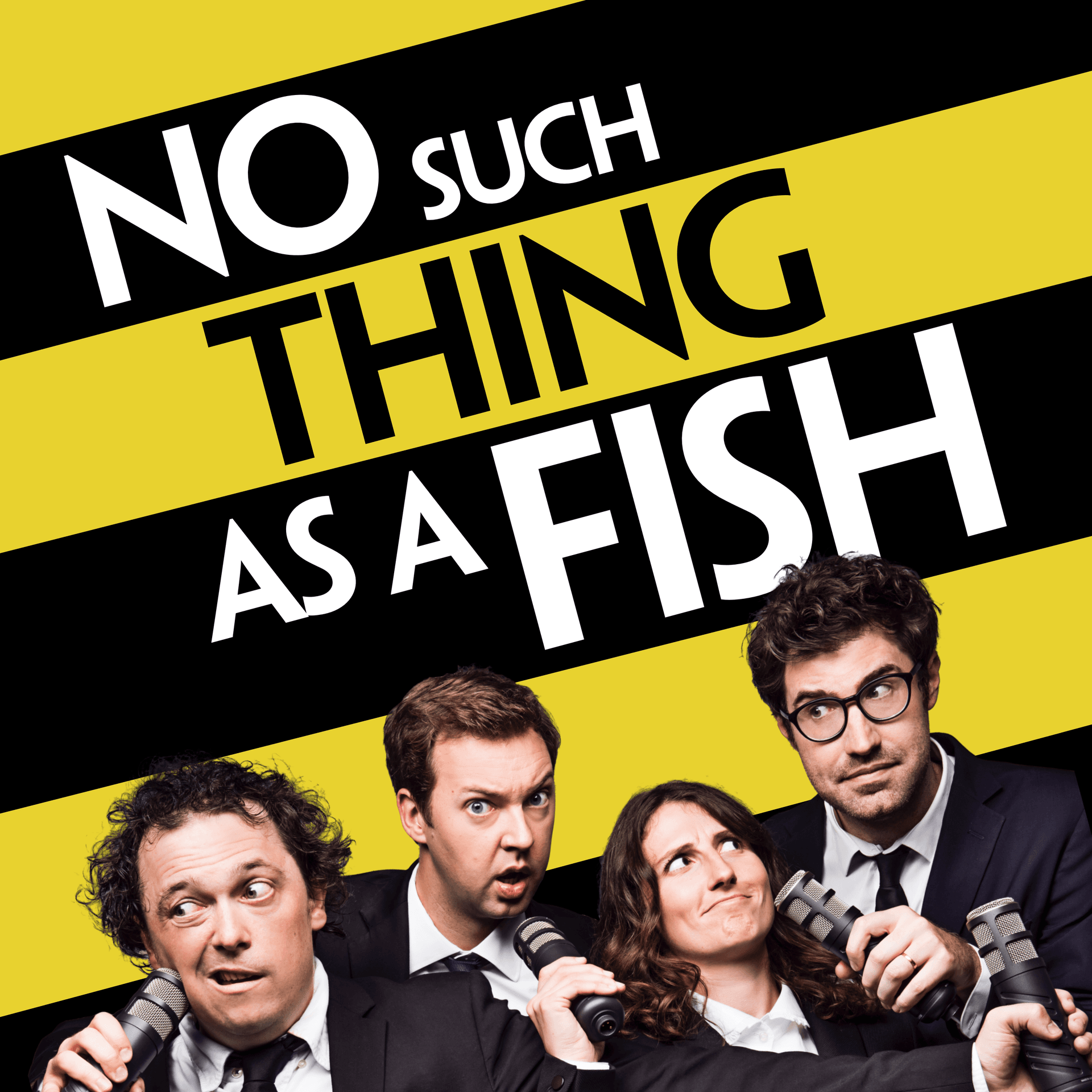
Podcast Title No Such Thing As A Fish
Episode Title No Such Thing As The Official Podcast Of Wyoming
Episode Description In this episode, hosts Dan Schreiber, James Harkin, Andrew Hunter Murray, and guest Mary Roach delve into fascinating topics such as blood banks, breast implants, and the role of moss in solving crimes.
---
Key Contributors
- Hosts: Dan Schreiber, James Harkin, Andrew Hunter Murray
- Guest: Mary Roach, an acclaimed author known for her engaging non-fiction books on various subjects.
---
Main Topics Discussed
- Blood Banks
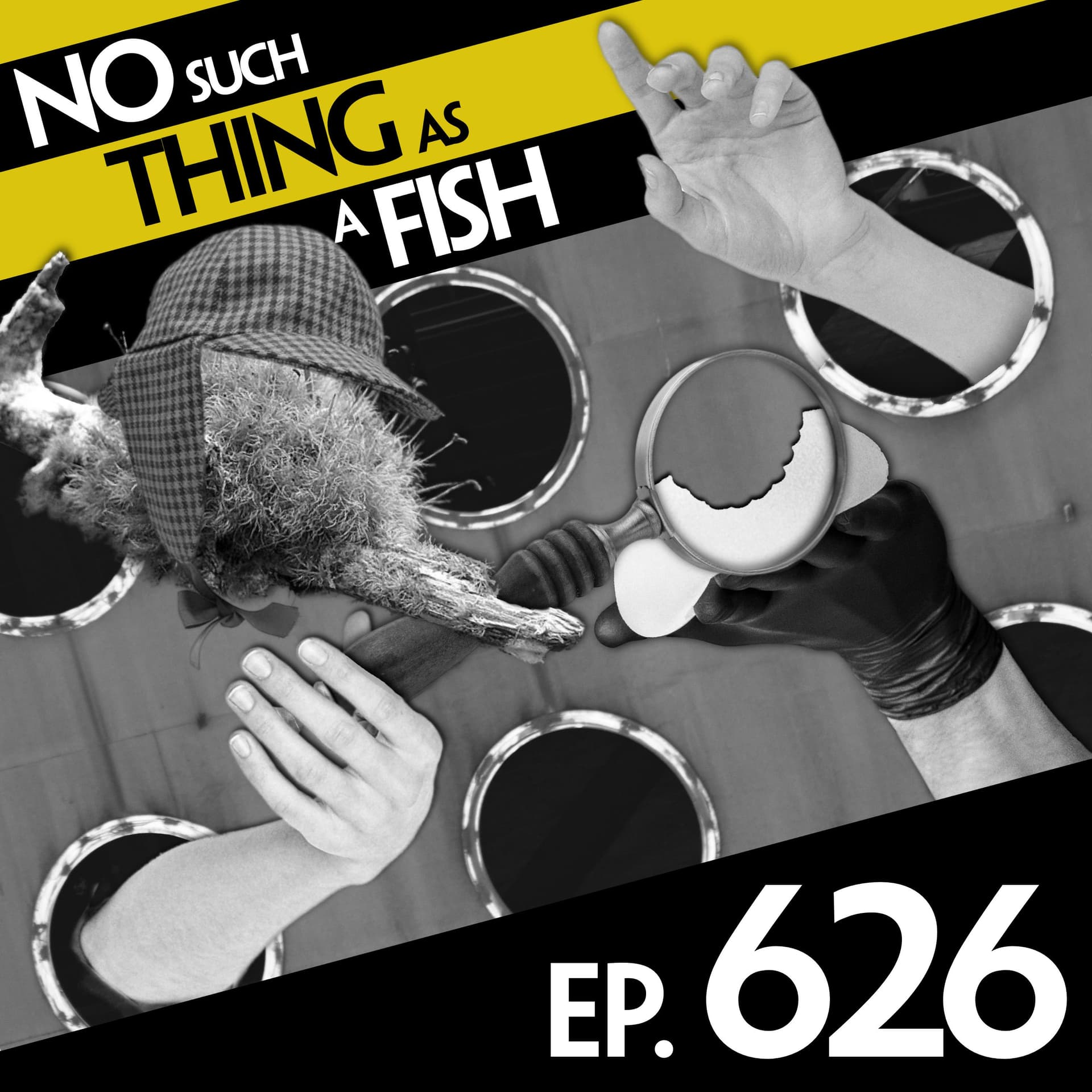
- Historical Insight: Discussion on early blood banks from around 1915, where donors would sit behind walls with holes to avoid seeing needles and blood.
- Fear of Needles: Conversations about how perceptions of needles have changed over time, with personal anecdotes from the hosts.
- Notable Figures: Mention of Bernard Fantus, a pioneer of blood banks.
- Forensic Botany and Moss
- Moss in Crime Solving: James presents a fact on how moss can be used in forensic investigations to determine the time of death and link suspects to crime scenes.
- Moss Characteristics: Discussion on variations in moss species and their growth patterns that can provide crucial information in criminal cases.
- Case Studies: Reference to Professor Patricia Wiltshire, known for her pollen analysis in forensic investigations.
- Breast Implants
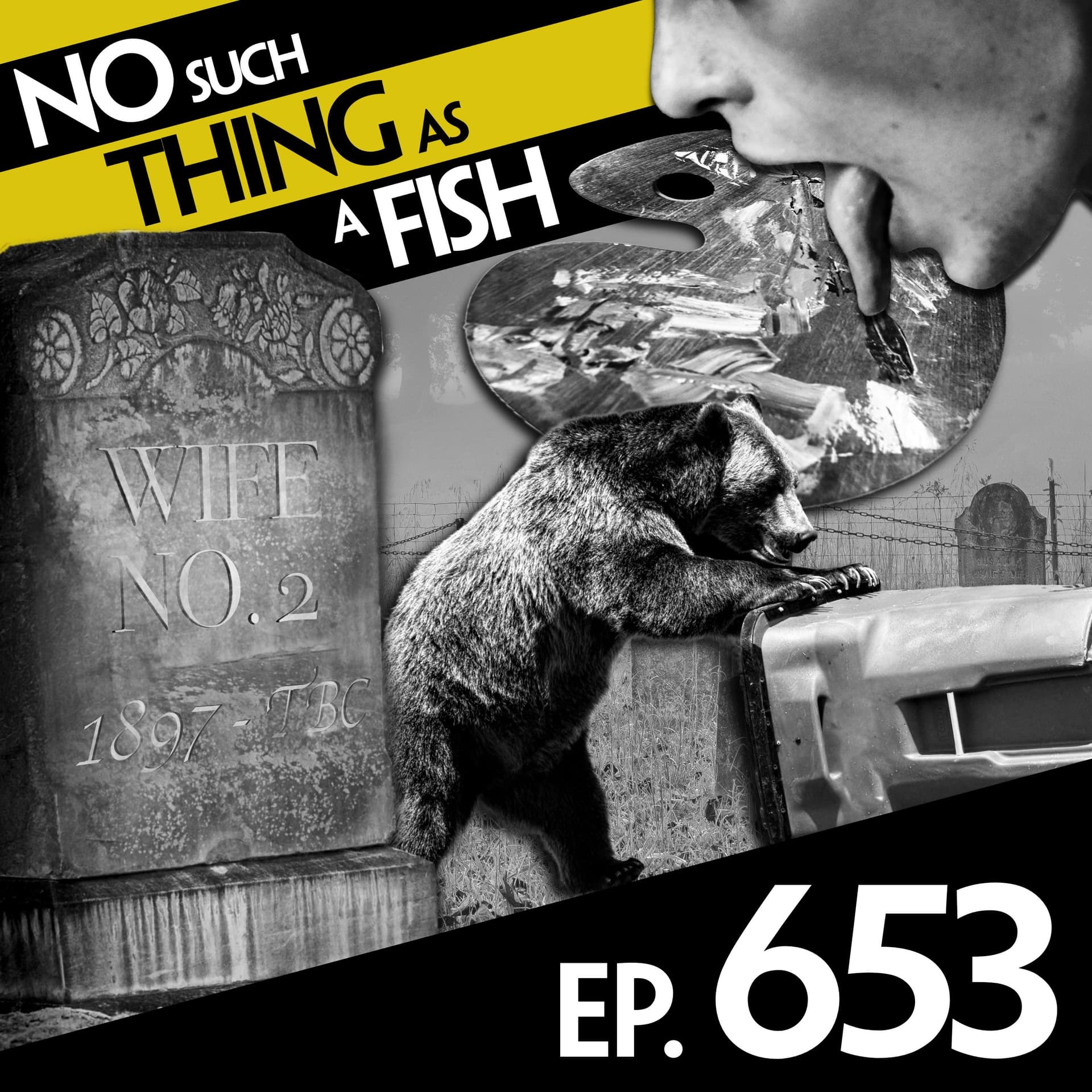
- First Breast Implants: Mary shares the story of the first breast implants, which involved a dog named Esmeralda and the subsequent human trial on Timmy Jean Lindsay.
- Historical Context: Discussion on how societal attitudes towards body image and breast enhancement have evolved, notably post-World War II.
- Surgical Innovations: Insights into the development and commercialization of breast implants in the 1960s.
- New Mexico's Official State Smell
- Unusual State Symbol: Andy introduces the fact that New Mexico has a designated state smell: the aroma of roasting green chilies.
- Cultural Significance: Discussion about the importance of chili peppers in New Mexican culture and the local cuisine.
- State Questions: The state question "red or green" regarding chili preferences in restaurants, and the playful state answer "Christmas" for a mix of both.
---
Key Takeaways
- Mary Roach's Influence: The episode highlights Mary Roach's contributions to the field of science communication and her engaging storytelling style.
- Interesting Historical Facts: The discussions provide entertaining and surprising historical contexts behind common medical practices and state symbols.
- Fun and Informative Style: The show's format blends humor with informative content, showcasing the hosts' chemistry and ability to engage listeners with a variety of topics.
---
Conclusion This episode of *No Such Thing As A Fish* is a delightful exploration of quirky facts and historical anecdotes, driven by the expertise of guest Mary Roach. The discussion flows seamlessly among diverse subjects, illustrating the show's commitment to making learning enjoyable and engaging.
For more information and to listen to the episode, visit [No Such Thing As A Fish](http://nosuchthingasafish.com).
Written by AI. May contain mistakes. Listen to the episode to check what was said.
Chapters
Tap a time to open that second in VOPodcast Format and Structure
2:21 to 2:42
The hosts introduce the format of the podcast and the segments to come.
Mary's Fact About Early Blood Banks
2:42 to 3:45
Mary shares a fascinating historical fact about early blood banks and their unique donor setup.
“Hello and welcome to another episode of No Such Thing as a Fish, a weekly podcast coming to you from four undisclosed locations around the world.”
Needle Fear and Personal Experiences
3:45 to 4:32
The hosts discuss their fears of needles and personal experiences with blood donation.
Historical Context of Blood Donation
4:32 to 5:38
The conversation shifts to the historical context of blood donation, including early pioneers.
“I don't know if you guys have it, but I really don't like needles at all.”
Cadaver Blood Clinics and Their Impact
5:38 to 8:00
Mary discusses the concept of cadaver blood clinics in Russia and their implications.
“Well, I have a good theory about why this might be.”
Charles Drew's Contributions and Challenges
8:00 to 9:21
The hosts explore Charles Drew's significant contributions to blood banking and the racial challenges he faced.
“violent death means the blood keeps longer but anyway there are all these papers on it and uh cadavers uh were drained and there was a lot of people dying suddenly in the 1920s in russia as well.”
Carbonated Water and Blood Donation Analogies
9:21 to 10:40
They draw an analogy between the process of carbonated water transport and blood donation.
“He was a director of the American Red Cross and he retired because of this exact racial segregation.”
Remarkable Blood Donation Stats
10:40 to 12:00
Discussion about a notable individual who has donated a significant amount of blood.
“because they're a lot lighter to transport.”
Mad Cow Disease and Blood Donation Restrictions
12:00 to 13:17
The hosts discuss restrictions on blood donations related to Mad Cow Disease and its historical context.
Surprising Bear Encounter Story
13:17 to 14:02
The hosts share a wild story about a hunter's encounter with a bear and his unusual self-defense.
“Okay, so this is an American story, Mary, and you might have come across it because you've written a book about animals and the law.”
Show all 29 chapters
Bear Encounter and Gag Reflexes
14:02 to 14:48
Discover a wild bear encounter that highlights an unexpected survival instinct.
Moss: The Underappreciated Crime Solver
14:49 to 16:36
Learn how moss is potentially important in forensic investigations.
“Okay, my fact this week is that moss can solve crimes, but it's woefully underappreciated.”
Forensic Botany Insights
16:37 to 18:48
Explore the fascinating role of forensic botany in solving crimes.
“Those forensic botany people, they don't get the love that they should.”
Climate Change and Moss Spores
18:49 to 22:21
Understand how climate change is affecting the release of moss spores.
“So that's an extra bit of data that you can get from it.”
Hair and Crime: A Strange Connection
22:22 to 24:41
Delve into the connections between hair types, forensics, and crime solving.
“So that's another way that you can study things using something you had no intention of studying at the time you started.”
The Origins of Breast Implants
24:42 to 29:14
Discover the unusual history of the first breast implants and their surprising recipient.
“Wow oh my Oh my god, yeah, you're right.”
Astronauts and Urine Collection
29:15 to 31:38
Discover the humorous challenges faced by astronauts with urine collection devices.
“and nobody would request small, and there was a lot of leakage.”
The Birth of Modern Breast Surgery
31:39 to 32:44
Explore the story of early breast surgery and the invention of implants.
“That's no problem if you agree to this procedure.”
The Evolution of Breast Implants
32:45 to 34:28
Learn about the materials used in breast implants and their dangers.
“Russell, there was a lot of cleavage going on.”
The Connection Between Implants and Forensics
34:29 to 36:36
Understand how breast implants can be used in forensic science to identify victims.
“No, it's one of those toys that you get inside Cocoa Pops these days.”
Cultural Perspectives on Breasts
36:37 to 37:44
Delve into the biological and cultural significance of breasts in humans.
“This is literally, this is the concept of the book.”
New Mexico's Official Smell
37:45 to 40:04
Discover the unique fact about New Mexico having an official state smell.
“It's called Breasts, A Natural and Unnatural History.”
New Mexico's State Symbols and Songs
42:01 to 43:31
Discover the quirks of New Mexico's state answer and songs, including a fun connection to aliens.
“And a lot of the states have their own state song.”
State Mottos and Their Meanings
43:31 to 45:56
Explore various state mottos and their implications, from New Hampshire to Colorado.
“And you can apparently be arrested for taping over the motto on your license plate on your car.”
The Quirky World of State Animals and Symbols
45:56 to 47:53
Learn about unusual state symbols like New Mexico's leaping lesbian lizard and their significance.
“I don't know I think they are But that's nothing to do with the slug, James The students of Santa Cruz?”
State Songs and Their Legal Intricacies
47:53 to 49:59
Delve into the fascinating stories behind state songs and their copyright issues.
“like all of the international worcestershire sauce day and international like anything you would find in the world.”
The Science of Smell in Different Cultures
49:59 to 52:38
Uncover the surprising findings about smells from different cultures and their significance.
“However, they rarely get to perform it because the state failed to purchase the copyright from the song's authors.”
Exploring Mary Roach's Non-Fiction Impact
56:01 to 56:29
Learn about the influence of Mary Roach's books on the podcast's content.
Engaging with the Audience and Club Fish
56:30 to 56:54
Discover how listeners can engage with the show through emails and Patreon.
Transcript
Automatic transcript. May contain errors.0:03Andy Murray:Hi everyone, welcome to this week's episode of No Such Thing as a Fish, where we were joined by one of our idols. It is American author Mary Roach. I think Mary really is one of us. She loves going around looking for facts and then putting them in her amazing books. her books include things like stiff which is all about what happens to us after we die bonk which is about well you can imagine about sex gulp which is about swallowing and eating a grunt which is about humans at war fuzz which is about humans and animals in legal conflicts with each other and the incredible packing for mars which is all about space honestly her books are so so good she tells such a good story and she finds all the incredible fascinating facts about all these subjects and she has a new book out her new book is called replaceable you adventures in human anatomy and it is all about how we can replace different parts of our body thanks to the wonders of technology it's full of facts i know you'll love it if you want to know more about mary then go to maryroach.net and all the details of how to buy her books are there and I highly recommend you do it.
1:18Andy Murray:I am literally looking at my bookcase right now in my house and I can see four of her books on there. It's no exaggeration to say we love her stuff. Anyway, one more tiny little bit of news for you. As you will know by now, we have been going on Patreon quite recently and you can go on there and sign up for a whole load of different tiers and get loads of good stuff. But you can also sign up for free and you will be able to get a little bit of free stuff and one of those things that is available for everyone now is a newsletter so we have decided for a limited time perhaps depending on how the workload goes to put out a newsletter all about the things that are happening behind the scenes on no six things are fish there's little silly quizzes in there there's facts about things in the news there's all sorts of stuff we're giving it a try we don't know whether it will work or not let us know if you've read it and if you like it and the way to find that and all of our Patreon stuff is to go to patreon.com slash club fish anyway I know you're all desperate to hear what Mary Roach has to say on this week's podcast so with no further ado on with the podcast
2:42James Harkin:Hello and welcome to another episode of No Such Thing as a Fish, a weekly podcast coming to you from four undisclosed locations around the world. My name is Dan Schreiber. I am sitting here with James Harkin, Andrew Hunter Murray, and Mary Roach. And once again, we have gathered around the microphones with our four favorite facts from the last seven days. And in no particular order, here we go. Starting with fact number one, and that is Mary.
3:09Dan Schreiber:Here we go. At the early blood banks, we're talking around 1915 or so, the staff sat hidden behind a wall with holes cut every few feet. Donors would come in, sit down, stick their arm through a hole, and thereby be spared the sight of needles and blood.
3:30Andy Murray:Wow.
3:31Dan Schreiber:Do you guys in the UK have the term glory hole?
3:35Andy Murray:Oh gosh You know what my brain did not go there That was quick I don't know Mary
3:43Mary Roach:I'm just going to put that on the record
3:45James Harkin:Yeah I mean we do have them in the UK We don't have them in NHS facilities Necessarily but
3:51Dan Schreiber:Yeah Anyway blood bank glory holes that's what came to mind But anyway that's my fact
3:57Mary Roach:That's my fact Were people very scared of needles in a way they're not now Because I think unless you have a specific Fear of needles now
4:04Dan Schreiber:most people are more all right with it well it's because it was new this you know it was like in the teens when they discovered anticoagulants so they could actually store blood and have a blood bank before then there really wasn't a need to have large numbers of the public donating blood so and there was some resistance it was new kind of weird like oh where's it gonna go and how you and it's red, and it's me. I don't know.
4:32Andy Murray:I don't know if you guys have it, but I really don't like needles at all. There is something about, like, I will do it. Like, obviously, when you have your injections and stuff like that, I will do it. But I have to look away when I do it. I can't look at it going in. And it's not that I don't like the pain, or I don't like, it's just, there's something about it being so thin going into my skin that it really gives me the heebie-jeebies. Interesting.
4:57Dan Schreiber:You'd rather something big, wide going in. I feel like that.
5:01Andy Murray:I feel like that. We're not still on glory holes, are we?
5:04James Harkin:No, no. But James, are you then saying that sticking your arm through a hole where you can't even see what's going on and feeling the pain is less terrifying?
5:14Andy Murray:It is that because I will, when I had my COVID jabs, for instance, I would look away and say, I don't like needles very much. So just, you know, tell me when it's done kind of thing.
5:25Dan Schreiber:But see, I'm with you, Dan. And I think it would be far more terrifying just to have your arm over there, not know who's there. What are they doing? How big is the needle? What does my blood look like? Like the unknown would be the scary part for me. Interesting.
5:38Mary Roach:Well, I have a good theory about why this might be. So one of the earliest blood banks that could store blood, it was a bit after the one you're talking about, Mary. This is in 1937. It's also in America. And there was a scientist called Bernard Fantus. and he and his colleagues opened a blood bank which could keep blood viable for about 10 days. So that was really useful because obviously unless you have someone who needs a transfusion and a donut in the same place, that's not very helpful. So Fantus was from where originally? Budapest. And where was Vlad the Impaler, inspiration for Dracula, also from and in prison for a long time?
6:15Mary Roach:Budapest. So... Was he? Yeah.
6:18Andy Murray:Was he not Romanian, Vlad the Impaler?
6:20Mary Roach:He travelled around a bit. He was definitely in Budapest for a long time. He spent a lot of time in prison in Budapest. All right. I've been to his house and I'm sure it's in Romania. Yes. He probably had multiple properties. He was a very successful intergalactic vampire.
6:33Andy Murray:He was, you know, as far as impalers goes, he was one of the best. Absolutely. But the thing is, the interesting thing is when he impaled people, he did it through a huge hole. It's just nicer that way, isn't it? Yeah. Fantas, he had the idea because he'd seen something similar happening in Russia. And he got the money when he saved a woman's life. And the husband of this woman said, I'll do anything. Whatever you want, I'll let you have it. And he said, OK, I need a ton of money for a blood bank. And the guy went, how much? And apparently it was a little bit too much. And so this guy had to go and get some other donors.
7:08Andy Murray:But it was from that moment that this started. Is that right, Mary?
7:11Dan Schreiber:Yeah. Well, Moscow, around that time, they had this clinic. And I'm not going to attempt to pronounce it because it's Russian-y. but it was a cadaver blood clinic so all of the accidents all the you know emergency trauma etc deaths sudden deaths etc they were all brought to this one central location in moscow and they would kind of put the cadaver on a tilt table and drain the blood and weirdly and this was carried on by jack kevorkian in the u.s and some other people in the u.s saying like why are we wasting this this is this is perfectly good blood uh and it did the weird thing is if somebody had died suddenly the blood wouldn't coagulate in the same way it was actually more useful blood and i didn't include this in my book i'm like really do we know that did anybody look into that whole violent death means the blood keeps longer but anyway there are all these papers on it and uh
8:06Andy Murray:cadavers uh were drained and there was a lot of people dying suddenly in the 1920s in russia as well.
8:14James Harkin:Over in America, there was another interesting frontline character, which was Charles Drew. Amazing character. Drew drew drew a lot of blood himself over his lifetime because he came up with large scale blood banks in World War Two. But he was also African American. And this really limited him from quite a lot of access to to medical places in the States.
8:40Dan Schreiber:Yeah, yeah. And what I read about Drew, and I don't know, this may be apocryphal, but what I read was that at the end of his life, he actually needed blood. But at that time, if you were black, you couldn't get white blood. There was this segregation in blood transfusion.
8:58James Harkin:Fortunately, that wasn't the case. Specifically with him, it was the case that that is how blood transfusions were working in America at the time. But he was really mangled up in a car crash. and unfortunately nothing would have saved him. A few people have written that even actually a blood transfusion might have killed him quicker as a result of the injuries he sustained. But he retired from -
9:21Dan Schreiber:But it made a nice story. Yes, exactly. Which I was perpetuating for you.
9:29James Harkin:That's my job on this show, Mary. You stay away from dubious facts. He was a director of the American Red Cross and he retired because of this exact racial segregation. I think he resigned, didn't he? Sorry, he resigned, yeah. And they changed that in 1950. Get it right, Dan. Yeah, he died in 1950, and that's also the year that they lost that policy. Oh, okay. Okay. Yeah.
9:53Mary Roach:Dan, speaking of your theories, do you remember...
9:57James Harkin:Yes, Budapest. Talk to me.
10:00Mary Roach:Okay. Do you remember telling us what happens with carbonated water in transit?
10:06James Harkin:it um it's not my personal theory but i have been perpetuating it absolutely uh mary there's a um there's an idea that uh sparkling water um when it's being transferred in large container ships across from country to country that the bubbles are removed from the water so as to not lose the fizz in transit and then at the other port when it's reached its destination the same bubbles are replaced into the water itself.
10:34Dan Schreiber:Wait, where do they store the bubbles? Well, the bubbles have to go on a...
10:38Mary Roach:They fly, obviously, because they're a lot lighter to transport. Yes, yeah.
10:44Andy Murray:Is there a reason you bring this up, Andy? Yeah, well, A, to bring it down,
10:48Mary Roach:which is reason enough in itself. But I didn't realise there is sort of a slight analogy in what happens when you donate blood. So I just had no idea what happened when you donate blood. I haven't done it before. I think I might do it off the back of this. It sounds like it's a very, very worthwhile thing to do. But when you donate it, it's immediately split up into separate components. So they put it in a centrifuge and spin it. And, you know, in a centrifuge, it spins incredibly fast and different components spin out to different sort of areas in the centrifuge. And so it's, what is it? It's red blood cells, plasma and platelets, I think, are the three things that are useful.
11:27Mary Roach:So one donation of your blood can end up in three separate people. So it's a bit like the taking the bubbles out thing I just thought that was quite interesting
Read the full transcript
11:36Dan Schreiber:It's kind of nothing like it Well
11:40Mary Roach:That's an allergy Some see it, some don't marry
11:44Dan Schreiber:But nice segue anyway
11:46James Harkin:We should move on in a second I want to give a quick shout out To one of the great blood donors of our age Someone who has donated 23 gallons of blood Since the 1960s So on average a person's body contains about 1.5 gallons so she's done she's done amazing work her son's continued her work but yeah lillian bloodworth big shout out to her brilliant she was born to do it actually do you know what's interesting there are two people on this call who would have been quite useless blood donors um had they been in america or australia uh who would that be well i noticed like you and i are wearing glasses
12:25Andy Murray:so that's one thing that if we were playing guess who that's how we would split it into
12:29Dan Schreiber:50 50 well you know what i couldn't give blood for from like the 80s through about three years ago because oh i spent time in the uk here we go 80s when mad cow was a thing and so the blood bank people are like we're still very very concerned about you it's you may have eaten a hamburger
12:53James Harkin:it's exactly that mary i it was it was really for people who lived here i didn't know it extended to even if you visited but uh if you had lived in the uk between 1980 and 1996 you could not give blood in places like america or australia because you might have mad cow disease sitting in your
13:12Mary Roach:blood somehow and it would get into the country yeah it was until 2022 you couldn't give blood I've got one last thing on shoving your arm in a hole.
13:19James Harkin:Oh, yes, please.
13:21Mary Roach:And how it can be life-saving. Okay, so this is an American story, Mary, and you might have come across it because you've written a book about animals and the law. So in 2015, there was a hunter in Montana called Chase Del Woe. Amazing name. He was out hunting with a bow and arrow. So being quite sporting, I would say, hoping to hunt some elk. And he suddenly noticed He was one metre from a bear And like a really big bear It bit his head It had tossed him in the air And it then bit his leg And it was coming at him again What did he do?
13:58Andy Murray:He put his hand in the only hole he could see
14:02Mary Roach:That's right
14:03Andy Murray:He did Is it really? Oh no Andy
14:05Mary Roach:He shoved his He said I remember This is an amazing quote He said I remembered an article that my grandmother gave me a long time ago Which is amazing presence of mind in the situation But the article said Big animals often have really bad gag reflexes And he said so I shoved my right arm down his throat And it worked Oh that hole Come on guys Grow up
14:32Mary Roach:He didn't do the sooty show live on air Yeah He shoved his arm down the bear not up it And it worked
14:45James Harkin:Okay, it is time for fact number two, and that is James.
14:49Andy Murray:Okay, my fact this week is that moss can solve crimes, but it's woefully underappreciated. Okay, hear me out. Moss cop.
14:59Mary Roach:Moss cop. He's slow, but he's dedicated. He'll get you eventually.
15:06Andy Murray:All you have to do is hide on the north side of a tree and he can't get you. so this is a story i saw in nautilus online magazine about a study in forensic sciences research by matt von canrat et al from the botanical collections at field museum in chicago and the first sentence is forensic botany particularly bryophyte analysis so that's analyzing moss is potentially important but underutilized tool in criminal investigations and then they go on to all the times that this has happened that they could find in history where moss has been used to solve crimes basically they came up with about 10 but they reckon that
15:48Mary Roach:we should be utilizing this more yes is it is for rural crimes i guess i've got moss all of the all
15:55Andy Murray:of the walls as i walk my daughter to nursery there's moss on all of them which is quite annoying because she's she's really into moss right now it takes us about it takes about an hour and a half have to get to nursery in the morning because she keeps looking at all the moss i love it i haven't done a paternity test and need to check that she isn't yours don't do it but yeah you're right so basically you find the body and how long the moss has taken to grow on it that might tell you about when the person died and also um moss will be different if it grows in different areas and so you can let's say they found some moss on my trainers and i said i was nowhere near the crime and they say, well, what do you call this?
16:37Andy Murray:So that can do it as well.
16:38Dan Schreiber:Those forensic botany people, they don't get the love that they should. I was at a forensics conference about two weeks ago, you know, where all the grad students, everybody have their posters up. It's row after row of posters. And forensics conference posters are pretty out there. There's like the death by taxidermy elk head. that was one the elkhead fell killed someone homicide by hot dog was another poster yeah these are posters these are published research papers and and so there's always a lot of activity around the ones with the really lurid photographs and um but then you keep walking and they'll be like the person who looks at pollen and it's really important he's just standing there waiting
17:24James Harkin:for somebody to it's a shame because it it is it is incredibly important there's an amazing forensic ecologist, she calls herself here in the UK, called Professor Patricia Wiltshire. She's also known as the Snot Lady. And she's known as the Snot Lady because she spends her time on crime scenes largely going into nasal cavities and getting the pollen grains out of it. So she's been doing this, yeah, for 40 years. She's been brought in to solve many crimes. If a car was thought to have been in an area, but they couldn't prove it, She'll be brought in to look for remnants of pollen on the wheels or inside of the car.
18:02James Harkin:In fact, her very first case, it was an interesting study where they needed to see if a car had gone through this field. And she did all the studying of all the areas of pollen. So when she arrived on the scene, they said, let us show you where it happened. And she said, no, no, no. Let me show you where I think it happened. And she found a particular grassy area, hedgy area. And she went, it would have happened there based on what I found. They said, that's exactly where it happened. And then that sucker went out.
18:27Mary Roach:There are huge tire tracks going through the field.
18:30James Harkin:The big hole in the head shaped like a car, you think?
18:34Andy Murray:And there's some chalk outlines of people's bodies right next to it.
18:40Dan Schreiber:That's incredible. Somebody at this conference told me that the FBI here in the States has a classified pollen map. So they've got a map of what pollen is where, specifically for forensics. That's so cool. Forensic botany.
18:55Andy Murray:one other thing about moss and why that's so important is because in an area they might all have the same kind of grass let's say you the murder happens on a golf course your golf course might have the same kind of grass all the way around it but moss can find little micro niches to kind of go and the moss that's on the second hole might be different than the moss on the third hole and the moss on the fourth hole it might be slightly different and also you get like even smaller animals that live inside like mossy areas. So that's an extra bit of data that you can get from it.
19:28Dan Schreiber:This is a really low rent golf course. If you've got moss, have you ever seen the grass on a golf course? See Mar-a-Lago, there's no moss growing on there.
19:37Mary Roach:Can I just say, the fourth hole is an incredible name for a murder mystery set on a golf course.
19:42Dan Schreiber:Or a blood bank. Yes.
19:46Mary Roach:Or a quest from a bear.
19:49Andy Murray:Go for the fourth hole.
19:53Mary Roach:Speaking of cold cases Maybe the coldest case of all That of Ertzi the Iceman Oh yes Has a Moss link So he is a friend of the podcast I think we agree Absolutely 5 ,300 years old And dead And he was found up in the In the Alps I believe Yeah Yeah, certainly up a mountain in Europe. And anyway, he has 75 species of moss around him. I don't mean sort of on him. He wasn't collecting it, but it does tell you, for example, where he was coming from because there are mosses from lower down in the valley. So we can retrace his steps based on the mosses that are in his gut or on his clothes or whatever it might be.
20:38Mary Roach:So that's cool. That is cool.
20:40Dan Schreiber:And speaking of his steps, there was one of those anthropologists that likes to kind of live the anthropology. This guy who is an expert in Paleolithic, if that's the right era, footwear. And he actually made a pair of the, they were kind of Birkenstock-like, the shoes. He made some Utsi footwear. I don't remember exactly why, but anyway, he recreated Utsi's unattractive footwear.
21:08Mary Roach:It's a shame they weren't Uggs, because that was probably what he would say a lot of the time. Anyway.
21:14Dan Schreiber:That's where that came from. Yep. Name Ugg.
21:17Mary Roach:The Swedish military has a collection of air, and it's really useful. So they have bottles dating back to the 1960s, or samples of air, right? And that was because they were trying to monitor fallout from nuclear weapons and see if that was affecting the environment, because obviously it was a time of a lot of nuclear testing. But these air samples have had a weird second life because they're incredibly useful for sampling other things about the world. One of the things is they contain moss spores. And these are microscopically small. But obviously, if you take a sample of air, it's going to have all sorts of other junk in it that you weren't intending to collect.
22:00Mary Roach:And they have studied all this microscopic material found there. And what they have realized is moss spores, in Sweden specifically, are being released four weeks earlier than they were in 1990. So it's one of the indices for changing climate is because the autumns are warmer, so mosses develop their capsules more and they release them earlier the next year. So that's another way that you can study things using something you had no intention of studying at the time you started. That's really interesting.
22:29Andy Murray:I've been to a water museum in Iceland. I dragged my wife on quite a long detour to go to this water museum. And it was just like a load of pipes with water in it, but it's water from all different parts of Iceland. I think it was quite disappointing when we got there. But I think the idea is... Really? Doesn't sound it. I built it up all day as well on the whole drive saying this is going to be great.
22:56Dan Schreiber:My husband, I was doing a talk in Alaska in Skagway. And my husband's like, what am I going to do? There's not really a lot going on here in Skagway. And I said, oh, but if you take this boat, there's this island and there's a hammer museum. And you like to build things. It's a hammer museum. He's like, yes, yes, it's a hammer museum. And he comes back. I'm like, how was it? He goes, there's a lot of hammers.
23:21Andy Murray:It was banging. And you also get like wood museums. They're not museums. They're like a wood library. and if you look at it it's like almost like whole it's like a library but all the books have been turned around because all you can see is like bits of wood but actually again it's used by people to find out where things came from and it can solve crimes is that right yeah there's a great forensics resource up at the national wildlife forensics lab and it's up in oregon and it's a
23:52Dan Schreiber:hair library well it's to see you know okay if you have this that's been smuggled is it from an endangered species is it a crime we can prosecute so they have to be able to identify it so they have an eh animal have like the under hair and the coarse hair and the face i mean then the whiskers
24:08Andy Murray:there's a lot of different material i was wondering if you'd had a hair transplant whether you would be able to like get away commit a crime and get away with it but then i realized that i've had a hair transplant and they just take your own hair and put it somewhere else yes they arrest your ass instead of your head it's brilliant they didn't take the hair from my ass Andy
24:29Dan Schreiber:but you can you can take hair from any you can take pubic hair and put it on your eyebrow and this has all been done you can take chest hair put it up there you can also take head hair for pubic baldness which is a thing but they warn you you will have to trim it because it will it will retain the characteristics of its homeland right from a head and you put it down there and
24:51Andy Murray:it's going to grow to like six seven eight inches luckily my hair is quite pubic style anyway so
24:58Dan Schreiber:yeah that was the that was the one downside that was reported in this paper when you take chest hair or pubic hair and you transfer it to the head because maybe you've run out of hair on the backs of the head you can take the pubic hair say but it's and this is a quote difficult to style
25:17Andy Murray:I've got a question for you Mary you might not in fairness I can't expect you to be able to answer this but the lice that you get on your hair are different a different species completely to the lice that you get on your pubic hair I believe as I understand it so if you were to transplant pubic hair onto your head which lice would live there?
25:40Dan Schreiber:God why didn't I think of that?
25:42Andy Murray:Wow oh my
25:43Dan Schreiber:Oh my god, yeah, you're right. That's a great question. Do pubic lice survive? It's got to be.
25:49Mary Roach:It's not an altitude thing. It's a hair thing, isn't it? It's a hair thing. Is it?
25:54Dan Schreiber:I've heard lice prefer straight hair to curly hair. Right. To kinky hair.
25:59James Harkin:But you're growing your curly hair up there now, and you're mixing it in. You would have two species of lice hanging out.
26:04Dan Schreiber:You'd have two, yes, and they'd probably breed, and then you'd have these weird hybrid lice that nobody could kill, and it would be this epidemic.
26:10Andy Murray:That is the start of a John Wyndham novel waiting to be written, isn't it?
26:23James Harkin:Okay, it is time for fact number three, and that is my fact. My fact this week is that the first recipient of breast implants had to have them removed after she chewed through the stitches. So this is performed by a man called Dr. Biggs Thomas Biggs And it wasn't a human, it was a dog Named Esmeralda
26:47Dan Schreiber:Whoa, because I have a different competing First breast implant story Which was on a dog But this was Thomas Cronin in 1961
26:59Andy Murray:So actually they were working together Cronin was the main guy but Biggs was he sort of looked after the recovery of the dog.
27:06Dan Schreiber:Oh, okay, okay, okay. All right, so it's the same story.
27:09Andy Murray:Yes, exactly. But when Dan's doing the headline and he sees the word Biggs,
27:14James Harkin:understandably, that's the name you go for. Dr. Biggs was part of a team of doctors who had come up with this new idea for how they could have silicon implants done for breast enhancement. And so what they did was they put the implant under the skin of the dog Esmeralda and she eventually chewed at these stitches they had to be taken out however the other doctors thought this was a complete success they said that the implants were as harmless as water and so they started looking into finding humans one interesting thing i found when
27:48Andy Murray:i was reading about this surgery is that the uh implant that they put inside the dog was described as biscuit sized and i think no wonder it's biting at the stitches and trying to get at it Don't make it the shape of a dog biscuit, for God's sake.
28:05Dan Schreiber:You know what? This implant that they came up with, a silastic natural feel breast prosthesis, it was originally available in small, medium, and large. And there were two sizes that they quickly discontinued. Small, no, mini and petite.
28:22Andy Murray:There was no market for mini and petite breast implants. I think that's still true of penis transplants today. The main one, I think, is called Pneuma. which is a portmanteau of penis new man. And I read an article from 2023 in Texas Monthly magazine that said that it comes in five sizes ranging from large to XXL. So nobody wants to buy a medium penis transplant.
28:48Mary Roach:When you say transplant, James, do you mean someone who's lost those? Sorry, I apologize. Implant.
28:54Andy Murray:If I said transplant. Oh, implant.
28:55Mary Roach:Oh, okay.
28:56Dan Schreiber:There's a similar story about the Apollo astronauts because the urine collection device was this condom-ended, you know, slipped on the penis and with a tube, then there'd be a bag kind of strapped to the leg or whatever. The urine, yes, the urine collection assembly, I think it was called. But anyway, originally the astronaut would request small, medium, large, and nobody would request small, and there was a lot of leakage. So then they changed it to medium, large, extra large. That's the story I hear. And there are actually, I think, four urine collection assembly devices up on the moon. They ditched them.
29:35Dan Schreiber:Really? And two are, there's some small and some large. And I don't know whose was whose. I didn't know about the leakage.
29:42James Harkin:That's so funny. What a way of being found out.
29:45Mary Roach:It's just urine leaking out next to you. I guess it was too big for the thing.
29:50James Harkin:It's cold here in space, isn't it? I'm just jumping back to this story very quickly because this is the this is the founding of modern breast surgery. So the inventors really were Frank Garrow and Thomas Cronin. And connecting to one of the previous facts, Frank Garrow was squeezing a plastic blood bag. And it was while he was doing that, he was like he said, oh, this feels a bit like a woman's breast. What a pervert. Yes, the quote.
30:17Dan Schreiber:Here's the quote. inspired by the look and feel of a bag of blood. So you can just picture the scene. They're in the OR and he's kind of bored. He's like, does that remind you of something?
30:28Andy Murray:So this guy, was he already working, was he already thinking that this is a problem that needs to be solved? And he was going around feeling everything that he could to see what was most like a pair of breasts.
30:40Mary Roach:He was banned from every grocery store in the area. That's an interesting fact that they won't tell you.
30:45Dan Schreiber:He was a squeezer. I don't know that the answer I had a sense of he's just It was this moment of inspiration That looks like a breast
30:55Mary Roach:Light bulb moment, yeah, yeah So they found this They needed a human subject after Esmeralda Had been a success Esmeralda's operation And they approached this woman called Timmy Jean Lindsay And she had not Remotely considered her breast She wasn't in the market for a breast implant She had gone into hospital because she had a tattoo of roses across her torso. It was at her ex-boyfriend's suggestion and she didn't really want it anymore because they'd broken up. She was trying to get the tattoo removed. She had had six children, but when they approached her and said, do you want a breast operation, you know, to enhance your breast or whatever, she said, well, like, no.
31:36Mary Roach:I mean, if anything, I'd love to get my ears pinned back. And they said, oh, we'll do that. We'll throw that in. That's no problem if you agree to this procedure. so yeah that's what that's what led to it i mean she she really wasn't looking for that when she
31:49Dan Schreiber:went in at all before there were bags of silicon i mean it's great that it was put in a bag because the history of the stuff that's been injected into women's breast here's a partial list ready goat's milk pig colligan beeswax olive oil paraffin petroleum jelly transformer fluid various glues and polymers and my favorite five inch slabs of your own buttocks oh and then there
32:15Mary Roach:was just silicon injected loose uh exactly which came around after the second world war and that is really dangerous because it can interact very badly with your body lead to an awful range of conditions and things like gangrene including including the condition of death
32:30James Harkin:yeah yes yes the worst condition yeah that's we should say as well you just mentioned second World War. This happened in the year 1962. And it was sort of off the back of the 50s and particularly the late 50s of how a lot of the actresses at the time, Marilyn Monroe, Jane Russell, there was a lot of cleavage going on. And so while he did have this moment of feeling the blood bag, I think it was in the consciousness of America of a lot of people want this stuff. How can we how can we do this?
33:01Mary Roach:Yeah, but it was it was dependent on Hitler being defeated, the change of global breast perception. Is that right? Yes. Directly there's a link between one or the other.
33:11James Harkin:Was that another one of her conditions? I want my ears pinned back. I want Hitler defeated.
33:17Mary Roach:Basically, in America in the war, metal was not really allowed for civilian use, you know, in industrial terms. I mean, I think America made something like 200 cars during the entire Second World War for civilian. Like it just, every bit of material needed went to the war effort. And after the war, suddenly metal was available again and underwire bras were invented, which obviously lift and support and shape. And this changed the perception of women's bodies and what shape they quote unquote ought to be in this kind of thing or what a desirable body looked like. So it's all based on Hitler.
33:54Dan Schreiber:Wow.
33:55James Harkin:Hey, by the way, you know how this fact connects to the first fact about blood? But it also connects to the second fact about forensics, because quite often in very horrific murder scenes, they will have done a job to hide who the person is. Fingerprints will have been removed and so on. And in that case, if they happen to have had breast implants, every modern breast implant has either a serial or the information has been logged that can be traced back via the doctor. So anytime a doctor puts one in now, either it's a serial that comes in the box and they know the patient that it's gone to. When you say cereal that comes in the box, a cereal number, right?
34:34James Harkin:No, it's one of those toys that you get inside Cocoa Pops these days. That's how they deliver breast implants. You've got to shake it out. No, so they've all got cereal numbers. So quite a few people have been identified via the cereal number in the breast implant to identify who they are.
34:49Andy Murray:How interesting. I read a paper from 2017. it was a ballistic study and they hypothesized in this study that in theory, if someone shot you in the breast and you had an implant, that the fluid would be able to sort of move it out of the way. And then in 2020, it actually happened. As in a 2020 study that says based on the trajectory of a bullet, when this lady was shot, as far as they can see, the only way that it failed to kill them is because it hit the implant which moved it slightly out of the way which took it away from
35:24Dan Schreiber:her heart good lord wow so yeah i have heard that they develop kind of a hard shell around breast implants after a long time so maybe yeah internally your body built builds a kind of a shell or like it walls it off like this is not me we'll just kind of walk yeah right exactly
35:42Andy Murray:You said about them getting hard, which they do, Mary, but they're still not like solid usually most of the time. And that means that breast implants that women use are often not the right thing for men to use if you want a chest implant. So let's say you want to enhance your pectoral muscles. The normal breast implants won't do that. And there was a recent study. Actually, it's quite old now. It's from 2003. They found that the best thing to do is buttock implants. because apparently the implants that you get in your bum they're much more solid and the fake gluteus is much more similar to a fake pectoral than yes um a silicon bag probably the first one
36:23Dan Schreiber:they did was a buttock implant that they stuck it in there because the first buttock implant was a breast implant that they just stuck down there like maybe this will work down here what really yeah oh my gosh what's next it's so interesting um because mary your new book replaceable you
36:39James Harkin:This is literally, this is the concept of the book. It's taking bits of you and replacing it with something else. And so this fact about the breast implants, that's in there. Quite a lot of stuff we've mentioned. Another thing, just jumping back to the hair transplant, in the 70s, the implants were artificial. The hair was artificial.
36:56Dan Schreiber:Yeah, you could, this was kind of a budget option. It was kind of essentially like getting doll hair put into your balding areas. And there was this kind of dermatological crochet hook. You just kind of hook it down into the skin and back up. And horrible. There were a lot of infections. I think there was a fatality from this. And of course, you know, your hair, if you start to go gray, now it doesn't match. Difficult to style again. And it had to be sort of spaced far apart. So you actually looked like doll hair.
37:33Andy Murray:It feels like the best way to style it would be to get like a five-year-old girl to do it. You just see all these middle-aged men with plaits.
37:44Mary Roach:Just briefly on the breast implant thing, there's an amazing book on this subject. It's by Florence Williams. It's called Breasts, A Natural and Unnatural History. And she has a whole chapter about the history of implants and all of this. But the reason why humans have breasts at all is sort of bizarre. And I know there are lots of theories, but most animals don't, right? And in fact, even I think most apes don't.
38:10Andy Murray:What do you mean by breasts, though? Because like all mammals have mammary glands, at least.
38:15Dan Schreiber:You mean like big bouncy ones? Is that what you're saying?
38:18Andy Murray:Well, that's not exactly how I put it.
38:20Dan Schreiber:Is that what you're saying, Adi?
38:21Mary Roach:Yes. Big jugs? Is that what you're saying? Oh, my God. I was a oh god okay well I think the reason I'm blushing I hope you're all happy okay
38:34Andy Murray:I think honestly this is an audio medium but I think everyone at home could feel that blush
38:41Mary Roach:yeah I'm feeling it now there's this one theory as to why and this is what this is in Florence Williams' book is that women need more fat on them to not only reach puberty, but also to grow a baby and to lactate and to feed the baby. And human infants need huge amounts of fat to grow because we are a bipedal species as of quite recently. And for a bipedal creature, the human woman, to give birth, the baby needs to be really small. The baby's head needs to be really small to be birthed successfully. So mothers then have to produce huge amounts of milk to grow them up because they need so long to develop after birth.
39:25Mary Roach:And that is why...
39:26Andy Murray:Because basically babies are idiots, right? Like babies are born really, it takes them a long time to get to any kind of self-reliance. Whereas like a giraffe's born and then about 20 minutes later, it's running around. Exactly.
39:40Dan Schreiber:Yeah. Basically lands on its feet as it's born and walks away.
39:44Mary Roach:But the human baby has to be born relatively useless, which is why the mother needs to do all of that extra milk production, which needs a lot of fat. And why is this Hitler's fault?
39:54Andy Murray:I can't remember. So much is Hitler's fault.
40:03James Harkin:Okay, it is time for our final fact of the show,
40:06Mary Roach:and that is Andy. My fact is, there is only one American state with an official state smell.
40:15Andy Murray:Wow. Yeah. Is it Washington, D.C., and it's the stench of corruption? Lovely. Lovely.
40:24Mary Roach:Ring that satire bell. It's New Mexico, which in 2023 officially signed into law the state's smell. And it sounds gorgeous. It's the smell of green chilies roasting in the fall. And apparently New Mexico produces I think it's 60 % of the US Chile pepper crop And the chilies are all green to start And some of them turn red later on Which also prompted the New Mexico Official state question Which is red or green And I just went on a bit of a rabbit hole Of reading about New Mexico's state symbols And other state symbols
41:07Andy Murray:So the chili roasting The smell of Feels to me like it would be quite pungent like if i put chilies into my food and they're cooking my eyes are watering right yes and you're
41:19Dan Schreiber:choking it's horrible yeah okay you don't want to be smelling basically pepper spray which is it's a non-lethal weapon okay we don't want to get completely cancelled in new mexico
41:33Andy Murray:no no so then what about this question i think so um you said that the official question of New Mexico is red or green. What's that?
41:43Mary Roach:Yes, I think it's people ask you, do you want red chili or green chili? If you're in a restaurant, right? On the rest of your food. I assume so. Yeah, yeah. That's right.
41:51Andy Murray:So do you know what the state answer is? The official state answer?
41:55Mary Roach:No.
41:56Andy Murray:Do you, Dan? Have you got it? I do. It came out two years later, didn't it? Yeah. The official state answer to the official state question is red and green or Christmas? yeah and i forgot to google the the plot twist at the end of that state answer well i can tell you christmas basically in new mexico if someone says to you in the restaurant red or green and you say christmas then that means a bit of red and a bit of green because like that's like christmas decorations really nice yeah right so it's like having ketchup and hp sauce together it's like Yeah, yeah, yeah.
42:32Mary Roach:That's great.
42:33James Harkin:New Mexico also has a state song. And a lot of the states have their own state song. And so there's two in New Mexico. There's an English language one, a Spanish language one. The English language one is called Oh Fair New Mexico. And it was written by Elizabeth Garrett, the daughter of Pat Garrett, who killed Billy the kid.
42:55Dan Schreiber:Is that wild?
42:57James Harkin:I mean, what a connection. She died in 1947 in New Mexico in Roswell 1947? Ring any bells? Only the same year that supposedly an alien spacecraft crashed there Coincidence?
43:13Mary Roach:Yeah Of course two years after the death of Hitler Thereby completely revolutionising global breast perception Mary, what state are you from?
43:23Dan Schreiber:I'm from New Hampshire
43:24Mary Roach:Oh, okay
43:25Dan Schreiber:I don't know what the symbol is But I can tell you the motto I went down a state motto rabbit hole. The motto in New Hampshire, which some people tape over because it's a little inflammatory, our motto is live free or die. I've seen that. Yeah. And you can apparently be arrested for taping over the motto on your license plate on your car. But surely taping over it is living free.
43:49Mary Roach:Surely that is doing what you want. Which one would think. Okay, so that's much more inflammatory than New Mexico's, where the state slogan is everybody is somebody in New Mexico. much less controversial. That's good.
44:01Dan Schreiber:Okay, Colorado, right? The state motto of Colorado is nothing without providence. You'd think that would be Rhode Island because providence is the capital of Rhode Island. But Rhode Island, the state motto is simply hope. When I was studying chewing for a book called Gulp, and I was talking to this guy who was talking about what we do when we chew and reduce this material and then we form it into a bolus, which is the swallowable state. And I thought that should be the Rhode Island because it's so small. Rhode Island, the swallowable state.
44:34Andy Murray:That's really good. Do you know what the official reptile of New Mexico is? Did you come across this, guys? No. It is... Fila monster? No, good guess. It is the leaping lesbian lizard. Wow. So, in fact... We all know it. most people most people would call it the new mexico whiptail lizard uh or you might even know it as nemedophorus neomexicanus oh yes oh yeah right that one yeah but it's become a bit of an idol for the lgbtq community because all members of the species are female and they reproduce asexually through partner genesis. No way. And so they've been known online as the leaping lesbian lizard.
45:22Andy Murray:They inspired a Pokemon called Salazzle and they're the name of an ultimate Frisbee team in some college somewhere. But they're also the official reptile of New Mexico.
45:33Mary Roach:It's really random what states get what. Well, it's not random, but I mean, it turns out there's no restrictions on it. So California has a state slug. The banana slug The banana slug I know it Recently signed in
45:48Dan Schreiber:It's the team mascot for Santa Cruz Are they the ones that chew off each other's genitals
45:55Andy Murray:During mating?
45:57Dan Schreiber:I don't know
45:58Mary Roach:I think they are But that's nothing to do with the slug, James
46:02Dan Schreiber:The students of Santa Cruz?
46:07Mary Roach:But there's just no restriction on it So 20 states have a state soil Wow Oregon has a state seashell, the Oregon Hairy Triton. An official Oregon steak has been proposed. I'm not sure if it's been adopted. That is, of course, T-bone. And basically, there's just no restriction on what becomes a state symbol. So it's often, I would say, child-driven. Are they? Well, at school, children might have a campaign. You know, we want the state muffin to be the blueberry muffin. But that can lead to disaster because often you'll end up with this being proposed in a state legislature and a load of politicians saying, what is this shit about a state wasp?
46:45Andy Murray:While a group of crestfallen nine-year-olds look on saying,
46:48Mary Roach:well, it's a really great local wasp, but it's important, you know.
46:55James Harkin:There's state stars as well, as in outer space. So Delaware has one, which is called the Delaware Diamond. And it was given it despite the fact that it's not an official star, as in it's not recognized by an astronomical community with that name. It was a name that was given to it by, you know you can just buy a star on the International Star Registry? I've got one. It's called Schreiberland. Someone bought one and called it the Delaware Diamond, and that has become the state star.
47:24Andy Murray:Do you know Virginia has a state Shakespeare festival? Okay, sure. It's the Virginia Shakespeare Festival. Wow. apparently there's a few different ones and the people who ran this particular one which is the oldest one in virginia they wanted to get some more kudos over the other shakespeare festivals so they said to some politician can you make us the official one and they did so yeah sometimes it feels like it's being done as a exactly like that it's a marketing ploy these are like marketing
47:56Dan Schreiber:like all of the international worcestershire sauce day and international like anything you would find in the world. There's an international day. It can be positive.
48:07Mary Roach:I mean, if it's raising awareness of let's say the banana slug was endangered in some areas, it's a nice way for... It's education and local bodies can...
48:16Andy Murray:Guys, guys, guys, guys, hear me out. The official podcast of Wyoming. Come on. Yes. Let's get the campaign started. That's a great idea. Yeah. Why not?
48:26Mary Roach:Well, we love Wyoming. I recently learned how to say it correctly, so... Yes. Like, I
48:33James Harkin:For God, we are used in Wyoming to scare off bears. Yeah. So people, we've got messages, Mary, from people who, when they're doing hikes, they will play us out loud on speakers so that bears don't come because they hear chatter of various humans clustered together.
48:48Mary Roach:I mean, as we now know, you can just shove your arm down their throats and that's actually just as good as listening to the podcast. But sometimes they get rejected as well. So I think that I read a great list of Minnesota's rejected state icons. State fossil is not the giant beaver. For some reason, that did not clear the legal threshold, despite a Minnesota paleontologist issuing this very moving speech where they said, Minnesota has a deep connection to beavers. What does this mean?
49:21Dan Schreiber:Mary, what's going on? Can I leave you with the state motto of Michigan? Yeah. Oh, yeah. If you seek a pleasant peninsula, look about you. a pleasant peninsula look about you and uh here's another very vague washington state
49:39Mary Roach:by and by what does that mean by now yeah yeah it's not by that oh okay actually oh right it's
49:48James Harkin:by and by and by well you bring up michigan um they've got a state song as well which is called My Michigan. And it's the official state song. However, they rarely get to perform it because the state failed to purchase the copyright from the song's authors. Therefore, they're not allowed to use it. But they've kept it as their song because the copyright will lapse at the end of 2028. So they're so close to now being able to use it in various different places. And then one other one is in California. There's an official state song, which is I Love You, California. And it has been used in a video game called Civilization VI Gathering Storm.
50:31James Harkin:There's a moment where you're constructing the Golden Gate Bridge, which doesn't need to be in San Francisco, but you just build it in the game and it needs to act as a bridge. And as they're building it, it plays this song and it also reads out lines from Percy Shelley's A Bridal Song, which has the golden gates of sleep unbar as the opening line now what's a crazy thing about this not super crazy but a weird coincidence is the music to this song i love you california was written by a man called frankenstein they've
51:03Mary Roach:paired up shelly with frankenstein brilliant isn't that wild that's i feel like you're the
51:08James Harkin:first person to make this connection dan that's quite yes that's recognized i don't feel like it got the goose bump raising uh no no not a bit getting in my head which kind of makes sense why no one spotted that before i think i zoned out there for a minute
51:28Andy Murray:um andy your fact was about there being only one american state with official smell there are other states with official smell like national states so countries there was a thing called the world sensorium which was a project where they asked countries around the world to name their national smell nearly a quarter of the world's population identified with the same smell some of these are like larger countries that's why it's a population but there was 11 countries that officially cited a particular smell oh my god No, the country did. Can you guess what it is?
52:07Mary Roach:It's sauvage, isn't it? Oh, no, Dior Porom.
52:11Andy Murray:Is that it? It's not that. Damn it.
52:15Dan Schreiber:Cinnamon. Baking cookies.
52:17Andy Murray:Cinnamon's a good call in that it's a naturally occurring thing. It was jasmine. Oh, okay, yeah.
52:25Dan Schreiber:Yeah, yeah, yeah. There may be a lot of agreement on nice smells, but there's a lot of disagreement on bad smells. What constitutes a bad smell? The U.S. military was trying to create a non-lethal weapon, something that would just clear a room, and they wanted it to be internationally useful. So this woman, Pam Dalton, at the Monell Chemical Census Center, went around the world with vials containing vomit smell, sewage smell, and something called U.S. military latrine smell. And she presented these to different cultures in different countries. and she asked things like, would you consider this smell edible, wearable, pleasant?
53:04Dan Schreiber:It was a whole list and some people were like, yeah, vomit, that's wearable. I would put that as perfume. In the end, they did a mix because they realized not only does it have to be off-putting, but something weird and unidentifiable because that'll freak people out. And what did they use that again for, Mary? It would be in a grenade or something. You throw it into a room and it was so vile that everyone would leave the room.
53:29Mary Roach:Yeah, like a non-lethal weapon.
53:31Dan Schreiber:It was a non-lethal weapon.
53:32Mary Roach:Do we know what they went with as a smell at the end?
53:35Dan Schreiber:Yeah, I smelled it and it's pretty bad. It was heavy on the U.S. Army latrine smell. You know, I spent time at this place, Hilltop Labs, where they do testing of deodorant type things like cat litter or underarm deodorant. things that are supposed to fight bad smells so you want to be careful with their refrigerator because they have some horrible things in there and i said what is the worst you guys what's the worst smell that there is yeah and they said incubated saliva oh interesting incubated rotten just leave it in some warm environment and let it fester that was that's that was their vote
54:22Andy Murray:Wow. So just going quickly back to this world sensorium, do you know what the United Kingdom's official smell was? It's going to be like a full English breakfast.
54:33James Harkin:The whole mixture of the whole English. Oh, yeah.
54:36Andy Murray:Good guess.
54:37Mary Roach:I'll say a nice conker.
54:40Andy Murray:No, it was incubated saliva.
54:43Mary Roach:No, it wasn't.
54:45Andy Murray:It was the smell of sea wind rolling through a land of grass.
54:50Mary Roach:Oh, nice. That does actually sound quite nice. Do you have France there, James?
54:55Andy Murray:Not on my list. I can tell you that coffee was quite a lot of places. Georgia, Germany, Moldova, and Uzbekistan chose the smell of grapes, which I don't think smell of anything.
55:06James Harkin:No, I do. I get grapes. Really? Yeah, I get grape smell.
55:10Mary Roach:Yeah.
55:11James Harkin:Smells great. Okay, well, we need to wrap up. On that joke. That was a good one. Unless you want to wrap up on the Frankenstein bit earlier. I don't know. Give me your options here, man.
55:31James Harkin:Okay, that is it. That is all of our facts. Thank you so much for listening. If you'd like to get in contact with any of us about the things that we've said over the course of this podcast, we're all online. I'm on at Schreiberland on Instagram. James? My Instagram is no such thing as James Harkin. Andy?
55:47Mary Roach:At Andrew Hunter M.
55:47James Harkin:and Mary you're on Instagram as well yeah author Mary Roach yeah and for everyone listening Mary's new book is out now replaceable you get it but also just like we're talking to the best there is here you know Fuzz was incredible Grunt all about the military at QI you know books like Packing from Mars and Bonk and all the Stiff we used all of it all of QI is basically just shredding Mary's book into questions
56:17Andy Murray:for legal reasons i want to say that we did lots of other work as well oh yeah yeah yeah yeah yeah
56:23James Harkin:that's true but um no do do get yourself the mary roach library because uh it's the best selection of non-fiction books that you can get phenomenal um so if you want to get through to us by the way podcast at qi.com is our email send all your best facts because we pick those out and they go towards little fish our monday show or if you want to mention anything that you think should be brought up on our secret mailbag show called Drop Us a Line, which is part of Club Fish, which you'll find if you go to Patreon and send that stuff there because Andy picks out the best ones and we use them for both of those shows.
56:57James Harkin:So otherwise, just come back here next week. Big thank you as ever to our production team, Lee and Ethan Ruperrelia, as well as the rest of the Fish Busters. And that's it. In the words of the Washington State motto, bye and bye. Yeah.
From the publisher
Mary Roach joins Dan, James and Andy to discuss blood banks, breast boosting and beneficial bryophytes.
Visit nosuchthingasafish.com for news about live shows, merchandise and more episodes.
Join Club Fish for ad-free episodes and exclusive bonus content at apple.co/nosuchthingasafish or nosuchthingasafish.com/patreon