 Ask ChatGPT
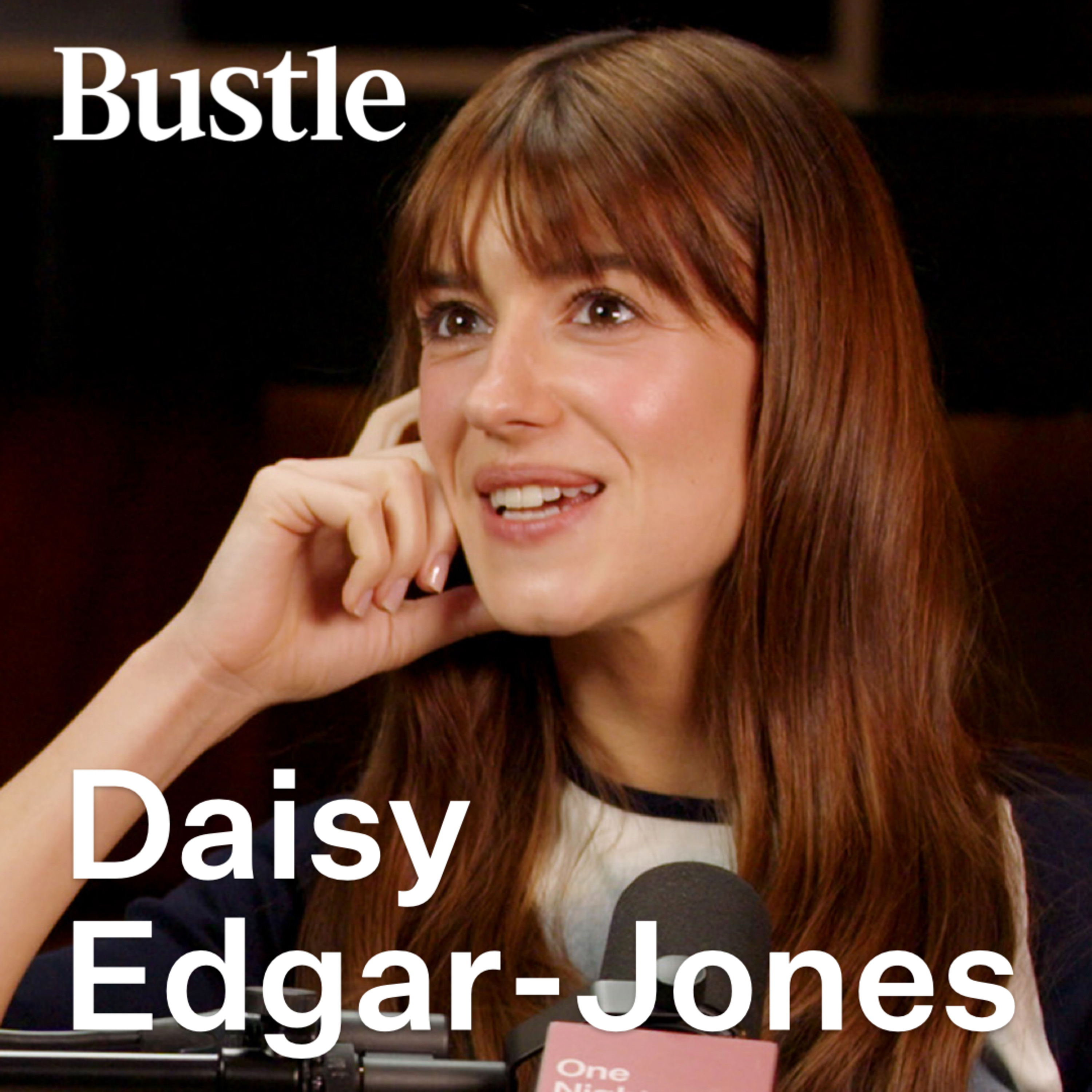

Zazie Beetz discusses reading and storytelling, moral gray areas in fiction, and how discomfort, vulnerability, and intuition shape creativity and life. She also shares strong concerns about AI’s cultural and cognitive impact, connecting themes across East of Eden, Sapiens, The Giver, and The Alchemist, and relates them to her work on Nocturne.
Zazie Beetz is an actor and performer (noted here for roles including Atlanta and her new Apple TV series Nocturne). She also references her husband, David (an actor/writer), and her mother’s influence on intuition.
People shouldn’t reduce characters like Kathy to “evil”; fear and context drive behavior. Sociopathy/psychopathy doesn’t automatically mean serial killing. AI’s biggest risk is cognitive and cultural—reducing friction harms learning and minds. Real growth requires discomfort; “nothing to fix” can be a healthy response to human pain. She questions free will, arguing choices follow from prior context.
Kathy’s portrayal in East of Eden; Yurik’s sociopathy in Nocturne (Stephen Graham as the serial killer; Liev Schreiber investigating); Earn leaving his child in Atlanta; The Giver’s security vs richness; AI drug research vs “carte blanche” adoption; The Alchemist’s “universe conspires” optimism.
Written by AI. May contain mistakes.
Zazie shares her experiences with reading throughout her life.
“Yes, I think as an adult, I think I've come in and out of it more.”
Discussion about Zazie's background in reading both German and English.
“Like, I loved, I read all of them multiple times.”
Zazie explains her choice of Latin in school and its cultural implications.
“Because I imagine there's some of those like German fairy tales.”
A discussion about Zazie's love for the book East of Eden and its themes.
“Well, I know it seems so kind of, I know the Netflix show just came out and that seems random, but it would have been on my list anyway.”
Discussion on morality in characters from Zazie's new show and previous roles.
“I'm usually not one to like an adaptation.”
Discussion on character reactions and parenting expectations in 'Atlanta'.
“And I was like, this is very interesting because nobody, first of all, just as a woman, nobody asked why Earn wasn't with his child, which I was like, he's not with her.”
Discussion on morality, choices, and the black-and-white thinking in narratives.
“Progressive Casualty Insurance Company affiliates and other insurers not available in all states.”
Exploration of AI's risks and effects on culture and cognitive development.
“I mean, this is funny because I feel like this conversation has been a lot about like observing the gray and all of that, but I am a very black and white thinker on AI.”
Exploring the societal changes brought by technology and its implications.
Discussing the balance between personal discomfort and emotional growth.
“It's just like integrated into everything.”
Understanding relationship dynamics and the acceptance of awkwardness.
“And I think to some extent that sort of is present in Nocturne as well, like this idea of like always getting to the bottom of the problem.”
Debating the pressures of optimization in personal well-being.
“And I also agree with like optimization culture where I'm like.”
Delving into themes of pain, comfort, and the richness of life found in literature.
“Yeah, I mean, it's like, oh, it's exhausting.”
Understanding the importance of experiencing both joy and pain.
“Remember, I was speaking with a therapist and I just kept kind of talking about how these like bad feelings I was having.”
Exploring the challenges and vulnerabilities in the acting profession.
“have to also open a chamber of potential pain you know vulnerability and vulnerability yeah and And so I think, yeah, for me, The Giver, especially like I think I read it when I was like 12 or something like that.”
Learn how Zazie Beetz navigates fear and anxiety in her acting career.
“Like, how do you move through that and move on?”
Zazie shares how her husband supports her growth as an actor.
“I'm going to like open and offer what I need.”
The conversation explores the importance of resilience in creative work.
Discussion on how challenges contribute to personal growth and acceptance.
“And I think this book, I read it at a time when I just really needed it.”
Exploring the concept of destiny and the philosophical views on free will.
“And every single decision that I made in my life is because this dinosaur met that dinosaur and then that dinosaur met that dinosaur And then everything was just a domino effect from that first moment.”
Discussing the connection between intuition, emotional awareness, and personal challenges.
“But like, I think a lot of our anxiety or all of our anxiety is coming from understanding that we're not following it.”

Get the gist, explore an idea or ask about something said.
 Claude
On One Nightstand, what are the key points of this episode?
Searching your listeningAutomatic transcript. May contain errors.
0:00Progressive's Accident Response can contact emergency services if you're in a major accident. The only thing worse than someone you love being in an accident is not being able to help them. So Progressive is here to help when you can't. So get peace of mind knowing your loved ones are protected with Progressive's Accident Response. Learn more at Progressive.com. Progressive Casualty Insurance Company and Affiliates. Limited availability in California. Driver is responsible for emergency and towing charges not covered by the policy. Coverage subject to policy terms and conditions.
0:33You better think, think about what you're trying to do to me, you better think.
0:45Freedom! Let yourself free. Freedom! Let your mind go. Freedom! Free at heart. Libre. The original Eau de Parfum. Yves Saint Laurent. Welcome to One Night Stand presented by Lexus. I read Hercules in German, which is very different from the movie. Well, Zassi, welcome to One Night Stand. Thank you so much for having me. I'm thrilled to have you here. Have you always been a big reader? Yes, I think as an adult, I think I've come in and out of it more. You know, I do believe that our transition into technology has affected my attention span, frankly, and my ability to focus. And I've been working again at exercising that muscle and falling in love with reading again.
1:44But it's so interesting because it's like as a child, I literally, I think many of us, right, like went to bed every night reading and through college and into my young adulthood. And sort of as my relationship with my phone through work kind of changed, then, you know, the habit of like a scrolling experience picked up. But now I've, yeah, I've been coming back into it and it's so fulfilling and wonderful. And yeah, I love reading. Were there any books as a kid that you were obsessed with? Yeah, I mean, I think you're typical. Harry Potter. Like, I loved, I read all of them multiple times. Oh, really?
2:23You know, I think for our generation, too, right? Like, we really grew up with those characters. Like, those books came out literally as I was, you know, like, the seventh book. I was, like, 17. And so it was cool to grow up with that, such a cultural phenomenon. I loved Alice in Wonderland. Did you like read primarily in English or did you read in German as well? I did both but I was in school in the U.S. so I you know most of my reading was in English and I think for almost all of my like my elementary middle and high school usually there was some kind of like read like 25 books a year or something like that and so usually ended up being English which my dad was always like you need to read more German he's still like that.
3:08But I really, yeah, I mean, he's always going to be always just trying to get me to read German books. But I do tend to read in English. But yeah, sometimes I'd read in German, too. That's amazing. Because I imagine there's some of those like German fairy tales. Oh, totally. That tradition is incredible. Totally. Yeah. The a lot of I read Hercules and in German, which is very different from the movie. if you've ever read uh um that that story but um yeah i mean i definitely as a child especially children's books um read a lot yeah for sure that was the i secondary school we only did german as like for as a language it is quite unusual i don't know i just as we then in year seven we all did German and then we all got to choose a second language it was either French or Latin I did Latin just because I wanted to go to Pompeii on a school trip that's so interesting I did German all the way through to 16 um but now I just assumed everyone is one of those things that as I got older realized most people did French and Spanish yeah yeah I guess I feel like German definitely has um you know there's a lot of sort of philosophy and literature and culture that's tied to it um I don't know how relevant Germany is today compared to like 100 years ago I don't know but um I think in France it's like that too it's like if you're a really good smart student then you're like forced to learn German and I'm like I'm so sorry no I loved it I mean it was yeah it was really fun I mean it's any kind of I just I don't have a I find language is hard I don't have a like ear for it and I think so but I think some of it is because in the UK for the era we weren't really taught grammar which I know sounds really ridiculous but we were taught it more by ear and so I think when then when we tried to learn second languages and they would teach us through the structure of grammar we were all a bit confused about what any of that meant because we hadn't learned it in English and it was so it was like a anyway but anyway we don't need to talk about my awful German from back in the day yeah it's interesting that you chose Latin though like I think I would I really like languages a lot and I enjoy learning them and um but I remember thinking like I would never do Latin because to me the most compelling thing is to be able to culturally engage and to connect with people and I was like I feel like I would get so like who am I gonna talk to or like what like song can I listen to no and what I mean it's not like Catholic or something like yeah totally no you're completely right no it was just the school trip I just wanted to go to Italy yeah it's like I will be going on this trip um Well, you've chose incredible books for us to talk about.
5:49Maybe we can start with a biggie, which is East of Eden. Oh, yes. Tell me what you love about this book. Okay. Well, I know it seems so kind of, I know the Netflix show just came out and that seems random, but it would have been on my list anyway. And I haven't seen the show, so I can't compare and contrast. But yeah, East of Eden, I read when I was in my early 20s. And I think I just really, sort of just on a basic level, I think my respect for writing just really was impacted by this. I think the ability to kind of put together an epic like this and with such a personal kind of experience, right?
6:46Like, I feel like you're so connected to these characters, even though you're spanning multiple generations and lifetimes, which I think is extremely hard to do in writing. and you know on camera like I think you know the great epic is always it's just so hard and so I just was like what a what a fantastic just feat um to be a part of and to to read and to um experience and I think that this tie um you know these this epic story of like this of biblical nature that then becomes very distilled into this family experience. And I
7:30really was just in awe of how personalized it feels and how, yeah, I think just the development of these extremely complex characters. And even though I don't think like Steinbeck loves women. But I think that they are the most interesting characters and extremely complicated and complex. And I know a lot of people view Kathy as a villain. But I often like to approach people or characters sort of with the idea of context and where, you know, where is this coming from? And for her, obviously sort of a product of her time around protecting herself or her needs. But also I think there's something extremely interesting to observe through this book.
8:29And I don't know if she's an anti-hero really, but kind of this protagonist that you're, I don't know if you're rooting for her, but you're also just there with her. And I think I just found that, I don't know, I was just so impressed. And when I think of books that I truly enjoyed, I always go back to this story and how it was such a wonderful read. And I love when a classic is validated as like, yes, there's a reason this was said time. There's a reason people connect. And there's a reason why people return to it over and over again. And just, yeah, I just overall just love, I loved the book.
9:22I think you're going to like the Netflix adaptation. I'm usually not one to like an adaptation. but I will say all the actors involved I think are incredible so yeah I'm like I I don't feel like in terms of that there'll be any duds but I think I have such a you know I think most people have this like you have such a personal relationship with these stories that I often I'm like you're ruining what was in my head or you're veering off and then I'm then I just get mad yeah Zoe Kazan who's the showrunner she came on and we spoke a lot about she has a very similar perspective to you on Kathy which is that we shouldn't kind of write her off as just kind of an evil caricature and that actually and when we posted one of the segments people were in the comments being like Kathy is out now evil she burns her parents alive and actually the portrayal that I think Zoe and Florence Pugh together put together is so much more nuanced and interesting that kind of gets at the question of like what you choose because I think the way I read and her like abandoning the children is almost like an act of like I don't want them to be impacted by who I am which is not the act of someone who's like out and out yeah cruel to everyone yeah it's true I think also um i feel like even cruelty comes with like what you know her or i think so much of what motivates her is also fear yeah and i think that that can turn into aggression and rejection and um she's kind of so paranoid also about like what people think or if they're out to get her and i I think a lot of that is fear-based, which I find most behavior in this world that is not, I don't know, conducive toward a good thing or what we consider to be good.
11:25And it comes from that. And so I think it's, I don't know, I either way still just found her to be so fascinating. Totally. Yeah. Your new show on Apple TV, Nocturne, has this kind of serial killer character who is the sort of epitome of kind of evil and stuff. How did you, how did sort of, so Stephen Graham is playing the serial killer and then you and Liev Schreiber are sort of investigating and trying to get to the bottom. Did you guys talk about like how you were going to think about morality and like what good and evil in it all? Totally. I think that's a huge part of the show, at least for me as I was reflecting on it.
12:07You know, I, you know, my character is going undercover and Yurik is kind of, he's a sociopath. And that's sort of what I know Stephen will probably talk about that too. And it's also a little unclear, like the differences between psychopath and sociopath. So they kind of can like intertwine. So I'm just going to say sociopath. But so I did like reading and research on people who identify as, you know, having that diagnosis. And then it's very interesting because like there, I feel like, first of all, not everyone who's a sociopath is a serial killer. There are a lot of people who are leading perfectly normal lives and just can't, don't have empathy for others.
13:02while still having so much empathy for themselves or like their own needs and have emotions. But it's just different than how we understand. And so I think for me, I thought it was interesting because I feel like, again, like I'm always trying to kind of come at this, again, not excusing the Yurik character for killing people, but like, where is this coming from? What's his mind around this? Like, what's the non-typical approach that, like, I don't necessarily understand that this character is experiencing, right? And why? And so there was a lot of conversation around that and sort of, like, inspiration on character choices for him or also for me on how I chose to interact with him based off of, like, the diagnosis that I knew he had and, like, how could I feed into that?
13:51And as a character, like, how would I try to get information from this person knowing that his thought patterns are this way so yeah I thought that was um definitely extremely interesting to explore and um yeah just having more understanding for um people yeah think differently than I do totally I mean I feel like you had to do that a lot with Atlanta as well with defend not defending that character but people having like reactions oh it's actually it's so true it's so funny um I uh like season three when she's like leaves her daughter and then has this kind of breakdown And it was very interesting, actually, people on the street being like, what happened?
14:32Like, how could you leave your kid? And I was like, this is very interesting because nobody, first of all, just as a woman, nobody asked why Earn wasn't with his child, which I was like, he's not with her. Like, why is no one, you know, I guess he's working. But I was like, what? Well, you thought I just left my kid alone at home? Yeah. And so I felt defensive in that way. But then also I was like, oh, I feel like people who questioned that also is like, oh, you don't understand like a freak out. Yes. Like, I don't know how else to say it. People are human and there are certainly things you don't want to.
15:22Hey, it's Kelly Rowland. You may not know this, but I have eczema. So I get how it can steal your time. But why let eczema take over when you can talk to your doctor about ebglis? Ebglis, Lubrikizumab LBKZ, a 250 milligram per two milliliter injection, is a prescription medicine used to treat adults and children 12 years of age and older who weigh at least 88 pounds or 40 kilograms with moderate to severe eczema. Also called atopic dermatitis that is not well controlled with prescription therapies used on the skin. or topicals, or who cannot use topical therapies. EBCLIS can be used with or without topical corticosteroids.
15:56Don't use if you are allergic to EBCLIS. Allergic reactions can occur that can be severe. Eye problems can occur. Tell your doctor if you have new or worsening eye problems. You should not receive a live vaccine when treated with EBCLIS. Before starting EBCLIS, tell your doctor if you have a parasitic infection. Paid partnership with Lilly. Respect your time. Ask your doctor about EBCLIS and visit ebglist.com. or call 1-800-LILLY-RX or 1-800-545-5979. Are you ever shopping online and suddenly a discount that helps you save pops up? It makes your day, sometimes even your week. Want that feeling month after month?
16:32Well, new customers who save by switching their home and auto insurance to Progressive save hundreds. Cue your happy dance. Get your quote today at Progressive.com. Progressive Casualty Insurance Company affiliates and other insurers not available in all states.
16:52Inflict on other people or like as a parent, you don't want to let your emotions get in the way of creating a life or harming your children or something like that. But like, ultimately, we are individuals first and like things happen. And, you know, for me, for Van, I'm like, she her child was safe and fine. And she needed a moment. And and that happens, whether or not I guess we approve. I just yeah, I but I'm always defensive of my of my characters. Yeah, I totally get that. I mean, that's your job in a way, isn't it? to like bring some humanity and relatability but it's interesting how much people want to believe things are morally black and white and I think it's it's just fascinating to me that some people come out of East of Reed and feeling like that belief has been affirmed that it is black and white and some people come out and are like no Tim Shell's all about what you choose.
17:51Which is like it's like the point of the book of like yeah not um like the choice is ours. Yes. And I really do believe that, yeah, context exists for everything and you're a villain in someone's life. And of course, there are things that we are inclined to feel like this is just categorically bad or good or feels black and white. But and I guess that all comes down to then your own sort of like moral foundations. And if you like have a basis in religion or not and sort of what your general philosophies on that are. But for me, for me as a person who's not religious, I would say I have sort of like spirituality in my own approach.
18:39I do think I'm like ultimately like everything just is. Is it good? Is it bad? I will perceive things a certain way due to my cultural learnings due to what I think is bad. I will perceive death is bad because I have emotional attachments and things like that. But is it bad? I don't know. It just kind of is. And I mean, you can stretch that to extremes, I guess. But I think this book does an interesting job of exploring that. Also, you know, just through like Cal and Aaron and their relationship and their own personal struggles and how, you know, Cal hurts his brother. And where is that coming from?
19:25It's all coming from pain. Yeah. You know, and so, again, I'm not trying to excuse like people doing things that are really harming other people. I'm just saying I was just always think it's interesting to explore where where is it all coming from. Yeah, I completely agree. Yeah. Also, some of what you said leads us on to perhaps the next book we could talk about, which is Sapiens. Yeah. You all know Hariri, because in that he talks about how from a biological perspective, nothing is unnatural. Whatever is possible is by definition also natural. And that's sort of such an interesting idea because it's, you know, there's a wonderful thing about that and something terrifying about that.
20:02And I suppose his whole point is that we decide the structures by which we live by. Yeah, I think I like that you tied those two together because in some ways it's also like this other, sorry, this other like epic book around like the history of humanity. Yeah. But not on like a biblical level and a scientific level, you know. You know, Sapiens is just as a nonfiction book that follows sort of the trajectory of human history from kind of caveman to today and how culture has been created and shaped and how humans just have developed. And it is fascinating. I think what I love about the book is like it's written for a layperson, I think.
20:45Like it's very accessible. It is. Which I really like. I like when works and things like that are available for people to read and enjoy. And there's like pictures and it's just a great, great read. But then also kind of how big the story is of like humanity, but then how personal it feels. I'm like, this is about me. You know, like and like how we came to be, you know, all to the end of, you know, to me. And so there's something really kind of fascinating about following the story of how we've been shaped. And ultimately, yeah, again, like sort of this idea of storytelling and everything that we do, like money is a story or country is our story.
21:30And the relationships that we have, it's all sort of based on what culture did we grow up in, what was important there and why and how everything is kind of is made up. And I liked the idea that every creature on this planet has like a special thing, right? Like a dog can smell and like a fish can swim. And I feel like for humans and I, you know, we're animals and to me have the same value as any other creature. But like but our special thing is our imagination and our ability to tell stories, which like as a creative was very validating. And being like, look how powerful it is. Like this whole construction, everything is just ideas.
22:18And yet how playful that is, too. And like I feel like our ability to maintain kind of these plastic minds even as we get older is what keeps us like in this constant state of curiosity, which I think is what makes us special. And so, yeah, as a creative person, I thought that was really interesting. and also again this idea of like what is um natural or unnatural and and sometimes i even think like everything we do as humans is and just a natural product of what we are right like i think we talk we talk a lot about like we are i mean we are in the process of i think destroying the earth and whatever over consuming and all of that and in some ways i'm like but i guess is that like is that just our nature like a rabbit hops around we're gonna be mad at the rabbit for hopping around we are just extremely
23:23curious and it is you know i guess that's how nature made us yeah and so you know whether that's good for us and everything else or bad is another thing but um yeah I just this book I just um I really and I just enjoyed it did you how when did you read it was it recently or a while ago um I read it I guess a while ago like yeah eight maybe like eight years seven years ago yeah it's an amazing I listened to it when I um and it is it is just extraordinary the the depth and then the micro detail that he's able to sort of go into um and but revisiting it this week in preparation for this conversation I was sort of struck by how much I feel like all of our conversations about AI are groping around like how AI breaks in the face rather our cultures break in the face of AI all of these stories that we've created to help make society function are you someone who's particularly nervous about AI or?
24:27Yes. Yeah. I mean, this is funny because I feel like this conversation has been a lot about like observing the gray and all of that, but I am a very black and white thinker on AI. And I, yeah, I think it's kind of devastating to our culture and our minds. And, you know, for me, I just feel like obviously there's so many things at risk, safety and all of that. But I feel like the greatest risk, I think, is like our minds, like our cognitive abilities. And, you know, even just like asking little questions to me, for me, I keep thinking like, what am I robbing myself of if I'm not like going out and seeking these answers in a different way?
25:18And I don't know, maybe I just have like an old school way of thinking about it but i just see like especially how like children are learning and and watching how learning with versus without ai i'm like oh this kind of introduction of a more frictionless experience is actually not aiding our development at all um and it's only through friction that we can like grow and I just don't believe that um making everything's easier is going to make our lives feel better no like I I just think about like I'm I mean I would love to sit on the couch all day and do nothing but that's not going to make my life no fulfilling but also like would we at a certain point like after like two weeks of that you'd be like I want to go do something yeah like um I think it's so important to experience like discomfort and I agree yeah especially I think you see that with parenting and with children like I see it with my sisters and their kids where obviously your instinct as a parent is to you want to smooth the edges of the world for your child because you don't want them to be miserable in any way but there's also a kind of functional amount of discomfort you have to teach them to be endure and be resilient to and smoothing too much harms them in other ways and that's sort of it's a it's a tough balance it's true i think also um which i think also kind of ties into the giver for me but like the idea of um right we're like living i think a lot of us are often living life in search of happiness um which i understand and also do but really the life experience is you know that of a whole experience which is as like the movie inside out puts it really well like sadness and anger and sorrow and pain are all an extremely important part and just as important and like we should be searching for the whole and like joy happiness um and comfort are not the most important things i just feel like ai listen like i know there's a lot around it that like helps with menial tasks that like don't you know that literally no one wants to be doing or it would just really be a true waste of time or you know obviously helping with like medical things and stuff like that but then you know you also see they have like studies of like then you know medical professionals who are using it like they're less effective because they unlearn some of their own personal training and stuff again I know it's complicated and and all of that but in my like personal life I feel very um sad I think because it just feels very inescapable and like our world is going to change in a way that I actually think most people don't really want it to change and that's I think also it feels so tragic is like it feels like a really small amount of people kind of putting this technology on the rest of the world and I think most people are like we're really not interested no truly I think also it's that we're sort of seeing the limits of a kind of global society where we're really seeing the limits of government truthfully compared to private the private sector in in that we now have this life-changing technology and it's very difficult to make a group decision about how we're going to utilize it because it's like the governments that they can't like restrict to a certain extent what these or they're choosing not to or they don't can't get the support to do it and so you're really starting to see like to go back to sapiens like the cultural systems we've built breaking apart in the face of like this new technology like they've gone beyond their the stories that we tell ourselves about how we should all collectively look out for each other or you know how we should feel about group progress sort of like a breaking around the the sort of singular version of growth that some people are seeing from this technology and it's really like that's the part that makes me go because like you say there's some amazing functions like I've recently gone through a health diagnosis thing and seeing how much the AI is accelerating elements of drug research is really interesting to me and I'm like okay great but it's like just kind of carte blanche applying this everywhere it's not the answer either yeah and then also just yeah like privacy concerns and all of that and how like even if you choose to sort of opt out, you can't.
30:02It's just like integrated into everything. And I guess that's a lot of stuff, right? It's like phones and emails, like technology is technology. And there are so many things that people ran from electricity, you know, 100 years ago. And now it's everywhere, you know. And so I assume, I believe we'll adjust and I believe we'll learn. But I also think partially at what cost. And hopefully, I don't know, hopefully, I also see sort of like pushback from younger generations. Yeah, totally. And kind of a much more, I don't know, like wanting to approach life in a more Luddite kind of fashion. Yeah, totally.
30:44And so I wonder if that will create a resurgence of sort of like an analog experience in life. but I know that I feel like it makes me maybe sound old and old-fashioned I don't know but I I just genuinely I am I'm most concerned for like the soul of humanity honestly exactly that's how I feel and the homogenization of thinking yeah I think also this I think um sapiens has interesting things to say around like truth and how helpful truth is and you know whether truth is always this objective thing we should strive for or whether we should contently sit within our stories. And I think to some extent that sort of is present in Nocturne as well, like this idea of like always getting to the bottom of the problem.
31:28Does it make you happier or like? Yeah, true. Do you know what I mean? It's like quite good connection. Are you someone who always wants to get to the bottom of things or are you kind of content to let things lie? I guess I like to feel, I think, the satisfaction of being like what was really under like if I'm having a conflict or something with someone like what was truly underneath it all and usually it's you know I feel like something that also has nothing to do with what really happened and it's like very interesting to kind of yeah get yeah into the like oh it's because your mother did this and so that's why this reaction is happening or whatever something for me And I do always think, I don't know, I like the feeling of fully understanding.
32:12But I also do think like it's okay to also like let a dinner be awkward. It's okay. You know, like I feel like I'm trying to also like practice that and be like, yeah, that's also a part of, again, like us relearning how to have relationships. which is like sometimes it's gonna feel a little off because we're just people and especially as women because we're taught to like smooth smooth things when that happens yeah it's true and to like make space for try and make other people feel good or something like that and i think that it's okay to just kind of yeah it's like okay to not always feel fully satisfied i don't know but I that's it's hard though I think that's that's that can be hard to do yeah it's hard but I think I agree I think there's an element of like that's I think that's sort of running from all discomfort or like constantly trying to fix stuff I always remember a therapist once saying to me when I was because I was doing that classic like British avoiding all difficult feelings thing and he told me this story about how when his father died his mom lay on the ground and just howled and was like weeping and he was like there was nothing wrong with that image there's nothing wrong with what happened there like that is a completely normal human reaction nothing to fix there's nothing to fix and that was like such an unlock for me about how especially in this like optimization culture that we don't need to optimize away from discomfort i love that i i love yeah yes that discomfort also can be the goal yes um or at least just honest experience Yeah.
33:56Like, yeah, you're right. There's nothing to fix. There's nothing to say. Yeah. Like, I completely agree with that. That's a really powerful image. And I also agree with like optimization culture where I'm like. to what end like for what like I I agree like you know it's amazing to be well live well and and um you know feel as good as you can feel but kind of for for what like at what again at like what cost like because stress will also kill you yes literally you know and I think also the exhaustion of like the the responsibility of the personal individual versus then how like our systems and corporations work like I think about like microplastics right like I I try to not consume I work hard to try to like look at my tea bags don't have plastic and you know whatever all that stuff and at a certain point I'm like but I can't fully function in this world if I'm completely avoiding it and it's very hard um like is that on me or is that on our companies you know is that on um you know where does the stress of am I touching any polyester like spill over into that's killing me more than the consumption I am not a proponent of a micro but like I'm just saying like the yeah like often like am I tracking my no sometimes you've got Yeah, you're self off the hook.
35:29Yeah, I mean, it's like, oh, it's exhausting. Yeah, it is exhausting. Well, next, because we've mentioned it already. Maybe we talk about The Giver because that actually has a lot of these themes as well. I agree. Yes, totally. It's this book around. Yeah, kind of literally what we've just been talking about. Like the fear of or what the what the consequence is of choosing security, safety, comfort and and how that it creates a life devoid of of richness. Yeah. I mean, when I was younger, I. Hey, it's Kelly Rowland. You may not know this, but I have eczema, so I get how it can steal your time.
36:18But why let eczema take over when you can talk to your doctor about ebglis? Ebglis, Lubrikizumab LBKZ, a 250 milligram per two milliliter injection, is a prescription medicine used to treat adults and children 12 years of age and older who weigh at least 88 pounds or 40 kilograms with moderate to severe eczema, also called atopic dermatitis that is not well controlled with prescription therapies used on the skin or topicals or who cannot use topical therapies. EbGliss can be used with or without topical corticosteroids. Don't use if you are allergic to EbGliss. Allergic reactions can occur that can be severe.
36:50Eye problems can occur. Tell your doctor if you have new or worsening eye problems. You should not receive a live vaccine when treated with EbGliss. Before starting EbGliss, tell your doctor if you have a parasitic infection. Paid partnership with Lilly. Respect your time. Ask your doctor about EbGliss and visit eplist.com or call 1-800-LILLY-RX or 1-800-545-5979. Life is all about making decisions. Sometimes you make questionable ones, like buying a new TV that's too big for the wall because the electronics store employee was a little too good at their job. Then sometimes you make great ones, like protecting your home and auto with Progressive.
37:28You get customized coverage options so you can be sure you have the right coverage. Get your quote today at Progressive.com. Progressive Casualty Insurance Company affiliates and other insurers. Not available in all states.
37:45Remember, I was speaking with a therapist and I just kept kind of talking about how these like bad feelings I was having. And it just felt very devastating to me at the time. And she was like, these aren't bad feelings. You're just having a richer experience. You're just having richer feelings. and yeah like with depth also can come darkness and um again kind of like coming into the fullness of an experience uh you know like i'm sure you know i'm not a parent yet but i know many parents will speak to like yes having children is um one of the most difficult things i've done but also one of the most fulfilling things i've done and it's like those things come hand in hand generally Most good things earned like a good relationship or a good meal.
38:35You know, you had to make it. And so the giver is for me, I think, was sort of this big lesson in kind of the acceptance and importance of pain and how that shapes us and not trying to run from it. and how it just gives us, it can teach us so much. And in order to, you know, feel more in our life, more joy than also, yeah, with great risk comes great reward. And so it can also be, right, like I think about becoming a parent again, like it's, um I'm opening my heart to potentially the greatest heartbreak of my life if something happens to my child and like um which I hope of course never does but like to like open that chamber in my heart that possibility of love and relationship that I would love to experience I have to also open a chamber of potential pain you know vulnerability and vulnerability yeah and And so I think, yeah, for me, The Giver, especially like I think I read it when I was like 12 or something like that.
39:56And I've read it a few times since. I don't know. I think for that age, it was just a really great way to reflect on those kinds of themes. And then also just the coming of age story, right, of like the bliss of childhood, which I certainly have. Like, I think I have a very romantic view of my childhood and coming into puberty was hard for me. And I felt a great loss. But with it, I also gained so much. And so, yeah, I think it's kind of perfect for that transition, you know. um and the character specifically you know he is like also contending with his sexuality for the first time and um you know secrets and lies and things that you know weren't allowed in this community and how it all um yeah it's all a part yeah it's complicated and all a part of it Totally.
41:10Do you, you know, you mentioned no, like, reward without risk, and we go through uncomfortable things. Do you take that approach to your work? Like, do you seek out projects that feel scary? Or? Yeah, definitely. You know, this work, I think, is inherently uncomfortable. Yes. I think acting is extremely vulnerable or any kind of, I think, creative act. especially in the just like the very like blunt context of like you're going on set there are a hundred people there you've never met and then you're just like all right I'm just gonna do something yeah like I might look really dumb and sometimes you look dumb or you make a bad choice and it's bad and you're bad like that happens and the best actors in the world are sometimes just bad.
41:59And you're like, you have to accept that 100 people saw that and thought that was really bad. And like, that could be all the time. Like, how do you move through that and move on? And that's been a huge part of like my journey in this industry and in my career is like rediscovering, not focusing so much on that sensation, how that would shut me down and be like, I can't look at, you know, they want to fire me. They hate me. I'm like, not right for this. Like I ruined it. I'm ruining the whole project, which prevents them from being able to connect to me. I'm not connecting to them because I'm just in my own head and just really trying to remain present and being like, all right, if I was bad in that scene, listen, that was the best I could do in that moment.
42:49Like I have really tried to work on being like, Like, I got to let it go. Otherwise, I'm just going to be miserable. And I'm like, I chose this career because I loved it. I loved it as a child. And like, I loved playing. And I've really been trying to like get back to like that sense of play and that sense of being okay when things aren't perfect. And of course, I think that probably comes with age too and just repeated exposure. but again I'll say that like you know most project many many projects this project Nocturne on the first day I called my mom crying because I was like I'm so nervous what if they don't like me what if I'm bad and I'll never forget like she was like Zassi just go in there with love in your heart and just spread love onto everyone just come in your heart is open and like just give love and And I don't know why, you know, it just resonated with me of like, yes, like, I'm not going to close in fear.
43:55I'm going to like open and offer what I need. I love that. And, you know, on set, still I was nervous. I remember I like kind of almost passed out, I think, because I was just like, and I had to like, I was like doing the scene. I was like, I'm going to just squat down. We're going to keep talking. I'm good. Like, I get nervous. I get scared. And then you work through it. But I feel like I've become comfortable understanding that this isn't going to kill me. And so I am able to like do it over and over again. But there are other things in my life that I'm extremely scared of. I'm not good at confrontation.
44:32And there are a lot of things I would love to do that I don't because I'm afraid of it. And so, you know, we can get used to one thing and not another. Yeah. Yeah. Is there an actor who you've worked with who really, a scene partner you had who particularly helped you with that, with moving beyond your fear or like? I mean, I'm inclined to say my husband. Oh, yeah. Yeah, I feel like, I think he's made me a better actor. He's an actor too and a writer and his name's David. And I think he's made me a better performer. And firstly, just by being my literal biggest fan, which is great. But then also, I mean, I think he's just so talented.
45:17And I think he's very bold in his approach. And when we like are discussing a role, we like question everything and try to get to the bottom of it all. And it's kind of like the story wins. And in some ways, it's like, it's okay to like, have a bad take or have a bad idea, because it's like, how do we just like make the best we can do? And I don't know, I feel like he's just really helped me and that. And yeah, just like also character, like he's, I think, much better at character analyses than I am. I'm always like, can you read the script? I'm like, so what is this character? Like he just literally like, I don't know, I don't think I would have as rich characters without him at all.
46:01And so I think he has really helped me with that and helped build my confidence and has literally picked me up off the floor, literally, like when I've felt so scared to go on set and so like um yeah but like all of that like grows and I think you have to move through it though like I think if I could have easily just been like I can't do this yeah and if I had let that one I win I certainly wouldn't be sitting no I don't I think that's what we all like battle in no matter what your job is what your personal life is is like I say that to my nieces and nephews all the time is like you've got to push through the discomfort sometimes do you have that in your work at all yeah I mean like definitely the I often try to start brainstorms by offering a really terrible idea just because I just feel like I need them to stop feeling self-conscious especially when you're the boss like you don't want people to hold back their ideas because they're worried about looking like an idiot in front of their boss so I'm like I'll look like an idiot first yeah and so I always try to do that and then I think that you I think most of career progression is it sounds horrible to say it this way but is being able to be miserable and keep going because I think if you stop whenever you hit a roadblock that's you know you just gotta sometimes stuff is gonna suck like sometimes you're gonna have a bad boss or you're gonna have like a bad colleague or like a bad coach but you push through and you learn something each time yeah it's hard it's true I think it's like what is your greater what are you what are you like looking to experience what for me right like the high i get when i'm like connecting with a scene partner and you're just like lost in the scene i'm like is a crazy high oh and so i'm like how many things like how many emails how many zooms have i sat through i'm like i don't want to be on this zoom right now um you know for that experience and i think we have to like always remind ourselves like what is our sort of general goal or beacon or light that we can keep going to to be like let's let me get through this thing that will exactly like i always think about i'm like i'm just this is random but i'm like whenever i like go to the beach i'm like i love going to the beach i love going in the water i love swimming around the idea of packing the beach yeah going in the car all the sun cream and i'm like but i have to get through all that yeah to like go be at the beach yeah but yeah i think it's sort of like a similar thing obviously no but it isn't like that's one of the muscles that we have to learn to flex right as part of our journey um or our personal legend as then we might say so your fourth book is the alchemist yeah tell me what you love about this one i guess in some ways it's well it's actually not similar to the giver but um the alchemist is quite simple it's sort of like this tale of someone, of a shepherd kind of going on his life journey and the sort of the destiny of your journey.
49:06And I think this book, I read it at a time when I just really needed it. I think it was very soothing for me. I think the idea of all these like questions of, you know, am I doing this right? Am I not? Am I, you know, it just gave me, it was like the soothing balm of really everything is going to be okay. And I think of it as like, because it, it just is like, there's really no other choice. I don't know. I, I, I kind of feel like even this idea of like, you have your like destiny or your path and kind of whatever you do on that path is going to lead you to the destiny like you kind of can't really take a wrong turn everything that happens to me that I perceive as negative or as um yeah something that I'm like am I am I veering off what I want to be who I want to be or whatever I'm like no all these different versions are needed in order to like build to I guess whatever whatever is meant to be for me and it's allowed me I think just like a lot of acceptance and sort of like surrender in general and being like um I I am here for this time and I'm just gonna like have my experience and um I am going to
50:40I'm going to also like I'm going to experience but then also be okay to like observe I don't know if that makes sense and I think there's a part of me I don't know if this is like a hot take or not but there's kind of I don't fully believe and this is like very
51:05I guess in very philosophical terms. But like, I don't fully believe in like free will in a way because I think like from the moment of the Big Bang, the moment that like first Adam like went out in one direction, I'm like, there was only one series of events that can happen from that expulsion of energy. And every single decision that I made in my life is because this dinosaur met that dinosaur and then that dinosaur met that dinosaur And then everything was just a domino effect from that first moment. And every decision I make, every word I'm saying right now is due to the context of my upbringing and how my parents raised me and my being in this country.
51:57And so a part of me is like, it just is what it is. I don't know. like it yeah I agree and one of the things that I like about this book as well is that I think it sort of offers you the sort of option to feel optimistic like one of the lines that I wrote down is like the the when he says the universe conspires to help those pursuing their dreams and I think you sort of life is a lot more comfortable and enjoyable when you sort of decide to opt to believe optimistically I think and I'm a very rational person I'm quite like I want to know the data I want to know the science and then a bit again with recent things in my own life I've just decided you just sort of have to decide to feel optimistic sometimes otherwise like what are we doing yeah and I think this book offers a kind of interesting of just like that's a choice that you should make regardless of if things are really shitty or hard it's true yeah it's quite powerful I haven't read it in a while I should I should reread it but um it is um um yeah it's just yeah it's very soothing it is in that way yeah it also has a lot are you are you someone who listens to your intuition quite easily I think so yeah yeah and you find that just because I I'm definitely someone who doesn't it's taken me a lot of like therapy to get back to that yeah but um because the book really advocates for that as well I mean I do I think I do I do listen to my inner sense of what just feels right or doesn't feel right.
53:29And I think I get that from my mom, who has a very strong sense of that. And I think...
53:52LBKZ, a 250 milligram per two milliliter injection, is a prescription medicine used to treat adults and children 12 years of age and older who weigh at least 88 pounds or 40 kilograms with moderate to severe eczema. Also called atopic dermatitis that is not well controlled with prescription therapies used on the skin or topicals or who cannot use topical therapies, EBGLYS can be used with or without topical corticosteroids. Don't use if you are allergic to EBGLYS. Allergic reactions can occur that can be severe. Eye problems can occur. Tell your doctor if you have new or worsening eye problems.
54:21You should not receive a live vaccine when treated with EpGliss. Before starting EpGliss, tell your doctor if you have a parasitic infection. Paid partnership with Lilly. Respect your time. Ask your doctor about EpGliss and visit epgliss.com or call 1-800-LILLY-RX or 1-800-545-5979. Progressive's Accident Response can contact emergency services if you're in a major accident. The only thing worse than someone you love being in an accident is not being able to help them. So Progressive is here to help when you can't. So get peace of mind knowing your loved ones are protected with Progressive's accident response.
54:57Learn more at Progressive.com. Progressive Casualty Insurance Company and Affiliates. Limited availability in California. Driver is responsible for emergency and towing charges not covered by the policy. Coverage subject to policy terms and conditions. It also probably just depends on your personality type. I would say I'm very type B. And so I think my life in general is a little bit more, I'm going to just have to flow. I don't know if that contributes to kind of maybe me validating that sort of element of my personality. But yeah, the thing is, is I do truly believe that I think we all know.
55:44Like I think in our heart of hearts, I think right here, we know, all of us know what for us is actually right or not right. And I mean, obviously, that's very black and white. But like, I think a lot of our anxiety or all of our anxiety is coming from understanding that we're not following it. And I think I don't think anyone's intuition is actually off. I think that we just get very caught up in all the what ifs and it feels confusing. But the reason it feels, I really think we know. And I feel like if I think of any real tension in my life or whatever, I'm like, I know what I should. Yeah. I think we do.
56:42and we just don't you know for many complicated and you know uh there are a lot of reasons why um we don't yeah we have all these stories we're telling ourselves instead that like sustain our collective functioning exactly and um sometimes it's necessary too you know it depends on if you have certain responsibilities that matter to you or i don't know you know whatever but it's so I think everyone has it um and we just choose to yeah listen and you're paying or you're paying a very intuitive and curious character in Nocturne which is because she well she does sort of have a like into it like she's sort of I feel like she is quite she's observant but also like there is something instinctual instinctual there yeah I think she sort of starts off with a lot of emotional blocks and those kind of get broken down sort of throughout the series.
57:40I do think in this kind of work that she does, you have to be able to have an instinct to read people and do it quickly. Exactly. Sort of this extremely high pressure kind of job that is all about humans. And so, yes, I think a lot of it is instinct for her. that being said I don't think she's great at observing her own kind of pain and stuff and so it's interesting I think you know viewing I don't know like observing others from the outside versus addressing her own stuff yeah totally and that will be the journey that she goes on yes very excitingly well thank you so much for doing this I loved your books and as I told you before I love the show.
58:29I think it's really an incredible like prestige, propulsive kind of psychological thriller. I appreciate it. It's fantastic. I hope I spoke okay on the books. I haven't read a lot of them in a while. So I'm like most people's favorite books. They haven't. It's stuff that really moved you at a certain point in your life. I loved it. Thank you so much. Thank you.
58:51Are you ever shopping online and suddenly a discount that helps you save pops up? It makes your day, sometimes even your week. Want that feeling month after month? Well, new customers who save by switching their home and auto insurance to Progressive save hundreds. Cue your happy dance. Get your quote today at Progressive.com. Progressive Casualty Insurance Company affiliates and other insurers. Not available in all states.
59:20You better think Think about what you're trying to do to me You better think
59:33Freedom Let yourself free Freedom Let your mind go Freedom Free at heart Libre The original Eau de Parfum Yves Saint Laurent
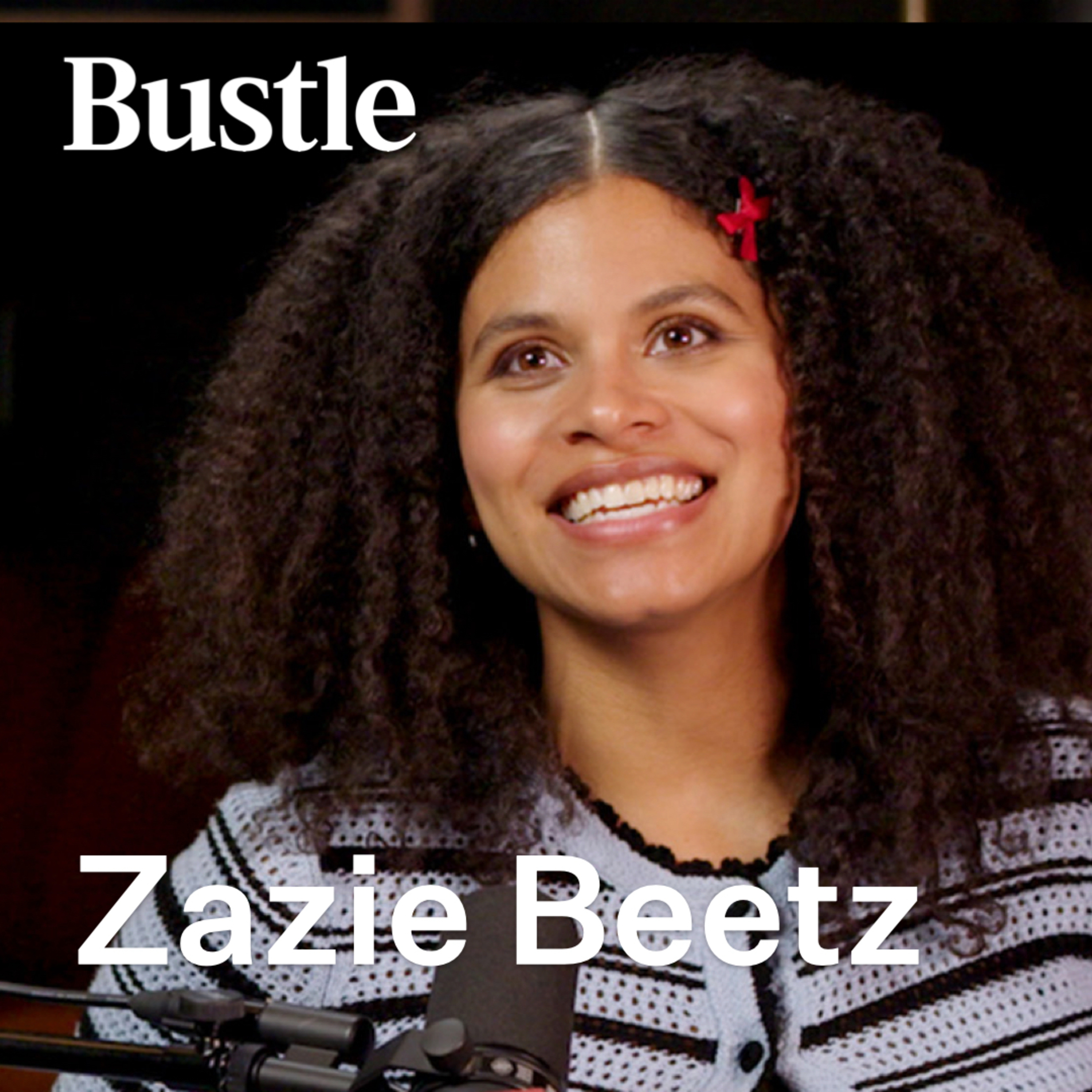
In One Nightstand, celebrity readers and writers join us at The Blond in 11 Howard to discuss their favorite books. For this episode, Charlotte Owen sits down with Atlanta star Zazie Beetz to debate whether John Steinbeck’s Cathy is really an antihero, explore how her German roots shaped her early reading, and find out why The Giver earned a spot on her list.
Zazie Beetz’s One Nightstand picks:
Sapiens by Yuval Noah Harari
East of Eden by John Steinbeck
The Giver by Lois Lowry
The Alchemist by Paulo Coelho
Zazie currently stars with Stephen Graham and Liev Schreiber in Apple TV’s psychological thriller ‘Nocturne.’
Credits
Director of Photography: Konstantin Yelisevich
Assistant Camera: Ian Sanchez
Producer: Aubree Lennon
Editor: James Koroni