
In short
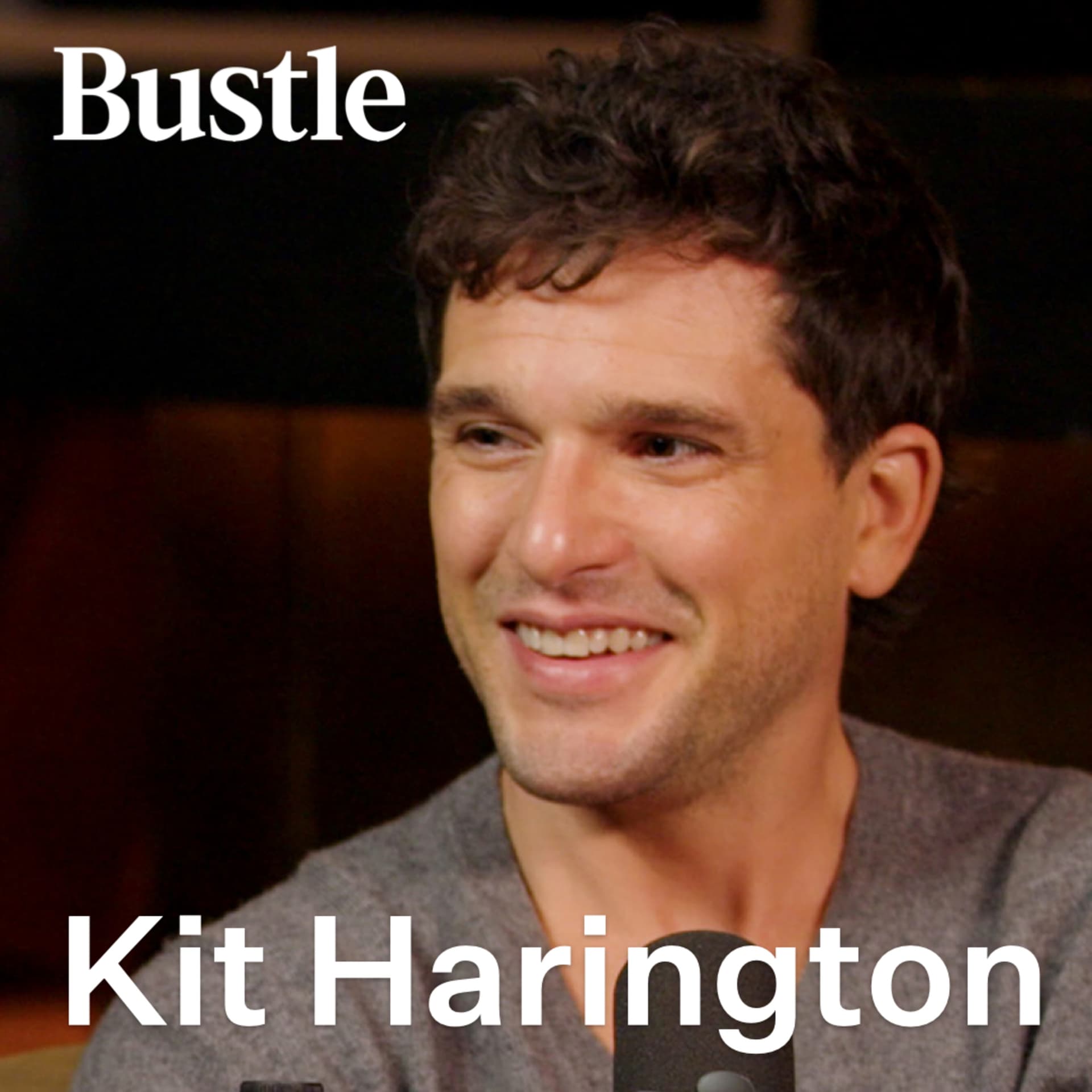
Kit Harington discusses reading, attention and journaling, and how four chosen books shaped his inner life and politics; he also talks about adapting Dickens’ A Tale of Two Cities for TV and his experience on HBO’s Industry and Game of Thrones.
Guests
Kit Harington is the sole guest. He’s an English actor known for Game of Thrones (Jon Snow) and HBO’s Industry (as discussed). He describes himself as a former avid reader, a parent of two young children, and someone who avoids social media; he also mentions getting sober and using Stephen Fry’s Harry Potter audiobooks to sleep, especially after his mother’s death.
Key claims
1984 made him “intensely paranoid” as a teen and helped him see “doublethink” as a real political tool; social-media outrage resembles 1984-style rage. Fame creates “two selves,” but he feels more understood than fearful now. He prefers books that mirror normal life yet feel extraordinary.
Notable examples
The Worst Witch, Where the Wild Things Are, Enid Blyton; 1984 (telescreens/drones/doublethink); A Tale of Two Cities (French Revolution inequality; Sidney Carton as Dickens’ guilt); Flesh (ordinary man’s mind; masculinity); Any Human Heart (diary form; tragedies; no neat ending); Harry Potter (Stephen Fry narration; comfort).
Written by AI. May contain mistakes. Listen to the episode to check what was said.
Chapters
Tap a time to open that second in VOReading Habits and Challenges
0:14 to 0:56
Kit discusses his reading habits and challenges with concentration.
“I feel like, in all honesty, I was probably a bigger reader when I was younger than I am now.”
Favorite Childhood Books
0:56 to 2:10
Kit shares his favorite childhood books and the impact they had.
“What kind of stuff did you love as a kid?”
Reflecting on Children's Literature
2:10 to 3:16
Discussion on the political correctness of old children's books.
The Impact of 1984
3:16 to 6:20
Kit discusses the influence of George Orwell's 1984 on his worldview.
Fame and Personal Truth
6:20 to 7:46
Exploration of the duality of self in the context of fame.
“Is that something you've ever had to fight with?”
Love vs. Understanding
7:46 to 8:52
Kit reflects on the importance of being understood over being loved.
1984 and Personal Connection
8:52 to 11:44
Discussion about how 1984 resonates with personal and societal issues today.
Adapting A Tale of Two Cities
11:44 to 14:00
Kit talks about adapting A Tale of Two Cities and its relevance.
“That's obviously like canon British text and you've adapted another canon British text with A Tale of Two Cities.”
Adapting Source Material for Film
14:00 to 15:08
Learn how adaptations require changes from the original source material.
Character Complexity in Literature
15:08 to 16:41
Discover how character depth influences adaptations, particularly in Dickens' work.
Show all 30 chapters
The Impact of Modern Literature
16:41 to 17:49
Explore modern literature's engaging writing style and its appeal.
Exploring Masculinity in Fiction
17:49 to 20:31
Discuss how contemporary literature portrays masculinity and its complexities.
Cultural Insights from 'Industry'
20:31 to 21:54
Gain insight into the experiences and themes depicted in the show 'Industry'.
“And she just sort of says to him, basically, like, the son doesn't like you.”
Precariousness in Modern Life
21:54 to 24:51
Reflect on the feeling of precariousness and how it affects personal identity.
“I hadn't thought of that, but you're right.”
Adapting 'Any Human Heart'
24:51 to 27:04
Explore the themes of 'Any Human Heart' and its approach to storytelling.
Emotional Resonance in Literature
27:04 to 28:01
Discuss the emotional impact of storytelling in literature and film.
Life Reflections and Diary Entries
28:01 to 29:23
The conversation explores the emotional weight of personal diaries and reflections on life experiences.
Friendship Dynamics and Challenges
29:24 to 33:18
Discussion on the complexities of friendships, their maintenance, and the importance of letting go.
“Like I should just like, if it's nothing, it's nothing.”
Literary Adaptations and Mental Health
33:19 to 35:48
The guests share thoughts on adapting literature for film and the impact of books on mental health.
“And, you know, flesh is being done and flesh is the modern day.”
Harry Potter's Comforting Influence
35:49 to 39:23
Discussion on the comforting role of the Harry Potter series in their lives and its collective impact on childhood.
Theater Influence and Acting Journey
39:24 to 42:00
Exploration of Kit Harington's early influences in theater and his journey into acting.
“And I can remember talking about it on the Saturday morning on the way to orchestra rehearsals with my friends when I was like 10 or 11.”
Exploring Gilderoy Lockhart
42:00 to 43:15
Discussion on the character Gilderoy Lockhart and his traits in the Harry Potter series.
“Tell me your thoughts on Gilderoy Lockhart.”
Adapting Classic Characters
43:15 to 44:15
Insights on adapting characters from literature to screen and the challenges involved.
“Slughorn, God, I've forgotten even who that is.”
The Appeal of TV Series
44:15 to 45:20
Kit Harington shares his preference for long-form storytelling in television over films.
Creative Collaboration in Industry
45:20 to 46:35
Harington discusses his collaborative experience in projects like Industry and Game of Thrones.
“And I also find the act of being in an ensemble deeply satisfying where it's not two or three of you.”
Producing vs. Acting: A Balancing Act
46:35 to 48:00
The dynamic between acting and producing roles and how they influence character portrayal.
The Chaos of Courtroom Scenes
48:00 to 49:15
Discussion on the portrayal of courtroom scenes and their historical accuracy in storytelling.
“Gosh, and you're in that wig as well with everything else going on.”
Family Expectations and Career Choices
49:15 to 50:25
Harington reflects on his family's legal background and his journey into acting.
“Well, how old were you in your War Horse?”
Literary Inspirations and Character Arcs
50:25 to 51:25
Talking about the literary inspirations behind the characters in A Tale of Two Cities.
“Yeah, it's clearly worked out rather well.”
Powerful Literary Endings
51:25 to 52:05
Harington emphasizes the emotional impact of the story's ending and its significance.
“Well, I mean, it is based on the book, isn't it?”
Transcript
Automatic transcript. May contain errors.0:00Are you a journaler? I've tried, but I write it and I read it back and I go, God, you're a dickhead. And I stop writing.
0:08Well, Kit Harington, welcome to One Night Stand. Thank you very much, Charlotte. Thanks for having me. We're happy to have you. Have you always been a big reader? I have. I feel like, in all honesty, I was probably a bigger reader when I was younger than I am now. I think the same thing has got me that's got so many people of I whatever it is ADD or whatever I have attention problems and the phone is kryptonite. Yeah. And it means that I'm struggling my concentration. I find it very hard to concentrate on reading with the busyness of life and being a parent to two young people. So my long long answer is yes I'm I'm I love reading.
0:53I don't really do enough of it right now. Yeah. What kind of stuff did you love as a kid? Were there any like real, when you were a young child, like children's books you loved? Like The Worst Witch. Oh yeah, great. Loved The Worst Witch by Jill Murphy. Classics like Where the Wild Things Are. Yeah. My mum was always brilliant at getting a large variety of books. I'm trying to think of other ones that I sort of loved, I have memories of. they'll come to me yeah we have all of our um books from when we were kids still at my mom and dad's house and now with my nieces and nephews they read them and some we were talking about this last week last week some of them are like horrifyingly unpolitically correct yes when you like look at what the what they say compared to what you could say now i know i i i i found that as well and kind of like it's quite shocking it's so shocking because you're in this uber serene setting of like a children's book yeah and then enid blightons for example i was raised on enid blighton by my dad and those are shocking now i read them i'm like that's not okay no that's really not okay yeah but i um i sort of i also find i don't know if you find this you look at books when you're a kid there's one i find it amazing going back into the children's books and reading them to my kids because the visceral reaction i'll have to moments like this one about a teddy bear and he puts on these yellow shiny boots and i remember wanting those yellow shiny boots so much and you go back and read it and you the instant thing comes back to you of like oh i remember those i want those still i still want those yellow shiny boots oh it's the best it's the best and when you're a kid i think the ability to just like disappear into your imagination as you're reading that like it feels so vivid i remember really being able to like conjure up these walls in my head when i was in bed yeah but sadly don't conjure so much these days you've chosen four great books for us to talk about i thought we could start with 1984 by george orwell yes please tell me what you love about this book this really captured me in my teenage years like it does with so i think so many i don't know if you've had anyone else come on and list that but we haven't actually had this book but i think most people probably do read it in their teens especially in the uk good because i thought everyone would have said it no we haven't had it i don't think um it made me intensely paranoid um as a teenager and made me really truly believe that the world that he describes there is one that was just around the corner and the amazing thing about that book is it always feels like that world is just around the corner it feels like that right now for maybe slightly different reasons but it's always there you always feel like the world that winston smith is in is is you're just on the precipice of tipping into where if you get really paranoid you think are we already in it you know the telly screens the drones the you know name it and you kind of go um but i i i was really it politically activated me as a young person and i remember boring on at length to my parents about about it and and and i felt very very strongly even up into my early 20s that it you know that that it was the government was trying to take us to the place that he was describing at any given moment so yeah I just it had a profound effect it does and I think it's something about the ending and the fact that they like break him again I think you don't I remember it being one of the first books I read where like there isn't there's no happy ending in the sense of just it being like control is absolute and I think that's quite a scary thing when you read it as a teenager the one that gets me today is double think oh yeah double think is used all the time in our world right now and it's got worse yeah and i do think that you know that the saying of one thing when the opposite is true and calling it the truth is terrifying and i won't list politically who i think is doing that but i think we could all like imagine someone or people that we think are but politicians now will absolutely use double think all the time yes and say and and i think that that has become an incredibly powerful tool um that wasn't necessarily the case 10 15 years ago i don't think so i think it it it's come along and it's one of those orwellian um predictions that's happened i know it really is because you think yeah there was definitely more accountability for saying things that everyone knows to be false but now people just say it and that's that yeah and when it's blatantly the opposite yes yeah it's said it's said in such a way that you know i find it really disturbing yeah reading bits again in preparation for this as well there was something about the the way that he describes double think that almost reminds me of like depression just in the sense of when i think when you when your mental health isn't good you're almost living with two concurrent things at once of like i know this to be true but i feel this other thing and the two sort of exist in this horrible like dialogue well now i'm thinking about 1984 there are so many again this it sort of stirs up the rage when the the public rage when they get up and they're and they're shown i can't remember they're shown pictures of the enemy and they all work themselves into rages yeah just reminds me so much now of social media rages and things and and people getting more and more worked up and outraged by things totally again that's what i mean with 1984 you take any example and it feels like there's a there's a there's a moment that's happening right now that's the kind of like timeless quality of it yeah are you big on social media like i'm not on social not on any at all not even like private ones that no no it's the best thing i ever did and um i uh i'm i you know there's there's various areas where it could benefit me not not least financially i guess but i i i really really really believe very strongly i'm i'm vehemently against it yeah good for you good for you i mean i wish i could be off it as well but i yeah it's it's a hard thing isn't it yeah but it's a miserable thing um one of the things that i thought looking back at it again is that winston is like fighting to keep his internal life real even when the world is telling him something different about what is going on and keep that internal, his internal truth and stay connected to that.
7:19Is that something you've ever had to fight with? Because I imagine I was just thinking about the concept of being like famous and in the public eye there's almost like two selves. And I wonder how you reckon with that or if you do, if it feels like an issue or not. I think that in relation to 1984, I guess with him, his truthful self is underneath and he cannot allow that to come out because of the situation he's in the world he's in the risks he faces i'm very lucky in my life that i don't i don't have that i don't i don't believe living in the uk that i live in a in a world which is which is 1984 yeah and there are there are places in the world which are and um and i'm very fortunate not to live in one of those the risk is always there but as far as like who i myself am and do i feel i have to keep that hidden because of glare of public eye or fame less and less oh that's nice i did when i was younger i felt that any moment i'd be found out as who to who i really was or whatever and then as i get older and you have kids and you realize how unimportant that's so true though yeah that's like a lovely liberating kind of place to have arrived at yeah i think so you know that's kind of how i feel at the moment yeah one of the other lines i wrote down as well is that um that's often quoted is that perhaps one did not want to be loved as much as understood loved as understood yeah yeah do you agree with that do you think to be understood is sometimes more powerful than to be loved i think when we're younger we want to be loved as we get older we want to be understood oh interesting i think that's what love um love in a marriage or love love in a longer term relationship i think becomes about is to be understood um because because we when we think of love we think of passion yeah and actually a lot longer term i think that's kind of maybe that's my interpretation of that yeah i mean it's um i yeah i think i that makes a lot of sense the difference between like as a teenager or younger being wanted to be loved and then understood yeah that's a good distinction and then one of the other things in this book like Winston when he's reading like reading is obviously part of how he kind of connects to his internal self he talks about how you know the best books are those that tell you what you know already which I think is weird because I often I think what he's referring to is that sense of like for him it helps him reconnect with the parts of him that are being suppressed by like the state or by double thing but do you do you tend to like books that help you kind of affirm what you already think or feel or do you prefer going outside of yourself I think two of the books that we'll do you know two of our middle books that we'll discuss are very much that yeah they're about um they really are a life lived and we'll get to them but I think they are something you know already it's it's a it's a it sounds a bit Pat but like the um they're a mirror reflection of a normal life but reading them feels extraordinary I think that I guess um with 1984 um 1984 is the most maybe the most famous literary warning I think and I and I think that's with 1984 it's kind of it's someone saying you know this could happen you know this could happen and maybe that's what he means by that i don't know yeah it's really interesting i read when i was preparing i looked at what the initial review said when it came out and that's interesting it was it was they liked it but in the new yorker they were making quite a lot of the fact that he was from a very posh background and how they were like even though he's rejecting so much of that because he'd been to fight in the spanish civil war at that point and they was basically saying that they think a lot of the value system and order is actually still orientated from that perspective of what a sort of correct system looks like so that was really interesting when was it 1950 1949 i think yeah literally post-war yeah it's crazy i mean it's so prescient like you just can't yeah i was blown away reading it again because you think oh you know i connect so much of it to how i felt as a teenager but reading parts of it again i was like oh no this sticks you know you kind of feel like you i sort of thought you'd written it in the 50s where he could really look at the communist state in Russia and reflect that.
11:49That's serious. That's really early 1949. It's crazy. That's obviously like canon British text and you've adapted another canon British text with A Tale of Two Cities. How does it feel when you're working on a project that is that sort of beloved and such a big part of a national psyche in a way? I always loved the book. I studied it at school and I think it's a really special book if you can still love it after studying at school. The main reason to make Tale of Two Cities, to adapt it, was that it really hadn't been done since the 80s. And myself and Dan West, my producing partner and very good friend, felt strongly that this was one of his most interesting works.
12:38and that we were kind of slightly sick and tired of seeing Great Expectations or Christmas Carol or Oliver or whatever it was, that actually this one had the most, a bit 1984-esque, was a warning and was a really powerful piece of work. And there were various reasons before. It hadn't been adapted that you had this doppelganger thing going on that did you have one actor play to the same part? And then we got round all of those things in our adaptation. But as far as like shining a mirror back to the world, Dickens is setting an incredible love story, a sweeping love story over two cities. But one of the cities is falling apart because of rampant inequality.
13:31And that's what the French Revolution was in essence. I mean to simplify it massively but like but it but it like we felt that that thematically that backdrop was um was very kind of prescient for now and like are we on the cusp of that like are we could we be blindly walking into yeah into um into some sort of uh revolution I don't know did you reread the book before filming yeah yeah yeah yeah like did you enjoy it going in again yes yes absolutely like we um i've read it numerous times oh wow um i think as we got closer to filming i didn't read it as much because we were adapting it and then you're like if you're looking at that version compared to what you're doing over here you've always got to make these changes in a in an adaptation not least because frankly our lead leading lady in the book is so wet she's so like she's so like she's called a golden thread she's like she needs to have more agency and like so you've got to make these changes but if you're the closer you get to filming if you're reading the original you're like we're not we're not doing that that that and that and it can give you a bit of headache we had that when Darcy Carden came on and she was in the five star weekend that peacock show that blew up this summer and she said the same she was reading the book simultaneously and she kept on set being like oh because of that and they'd be like no that's in the book that's not in the show like there's so many like little shifts that happen you have to let go of the source material at some point and just embrace this thing you're doing for good or bad you know yeah that's fun did you make any i'm a few episodes in but did you make any big changes a few big changes okay um and and we felt warranted in doing so because they're like i mean the biggest changes for me were the character changes like Darnay and Lucy in the books really aren't as interesting as Sidney Carton Sidney Carton's the character that's the most interesting I've said and I've said this a few times but I think the reason for that is that Dickens was having an affair with a younger woman at the time of writing it and and I think that he's he's depicting two versions of himself the version that he feels which is sydney um who's riddled with guilt and shame and and is sort of nihilistic and then this heroic aristocratic french version and he wants to be darnay but really he's sydney yeah and i think um that's why sydney's so much more interesting yeah these other two characters are kind of not fleshed out as well yeah they're not as complicated not as complicated and so we really worked at trying to trying to make the three of them yeah you know we tried to improve dickens yeah i love it you were like we've got some notes you've got to at times it's like it's one of those where you like sometimes there's a reason why something hasn't been updated and you have to kind of bring it up you have to drag it out of the past a bit yeah i think i think that's true and it's a different format isn't it and now i think that when i read older like maybe victorian novels and dickens is different because so many of them were serialized so they do have that hook so often at the end of a chapter but yeah back in the day people had so much more patience for a book to get going or character building whereas now i know for my friends who've written books they they they need deliverance on page one and like yes the stakes that we're all struggling with concentration so i guess i don't get why they have to do it yeah I know I know well let's talk about one of the modern books that you chose the flesh because that yeah actually nails it because it is so propulsive you can't put it down but it is it's at the same time it's brilliantly written it's so brilliant tell me what you love about it well obviously it's one that I've read very recently because it's it's the latest book a prize winner isn't it yeah 2025 yeah but it really it really impacted me and I started this conversation saying i find it difficult to read now and and and i do and i'm desperately trying to change that um but this one i found so easy i i picked it up and i just i just i i devoured it and there's something about it that it's just an ordinary life written extraordinarily yeah so true that's a brilliant way of putting it and there's also something about it that i think really spoke to me as a man like the main character is a man and he's just an ordinary man he goes through some extraordinary stuff in his life but he is an ordinary guy that you might meet any day of the week but you're inside his head and the way he's written was incredibly powerful as to like talking about how just blokes guys are live exist in their head like that they aren't i think we're sometimes categorized as um unsensitive and actually you read this book and you and you you see some of the things he pays attention to and it's just written in such a male way but a really beautiful you know um on on kind of unapologetic male way which I loved yeah I always remember from I read it a couple of Christmases ago and I remember the bit where he's talking about I can't remember where it comes in the story when he's like sleeping with other people and he's like it's not that I want them more I just don't really want them less and it's sort of fine and it's just everything is so sort of like measured and specific and like it's such a small way of describing I don't know I just remember being like wow that's my brain expanding way of thinking about things yeah it's that he's kind of you love it you really do love him as a character but you don't quite know why yes because he's so passive as well like life kind of happens to him yeah and I think that there's something quite sort of quite male about that in a weird kind of way it's that life kind of happens to him and he but he has a beautiful sensitivity to him and a way of looking at life in such a and he's also brutal and hard at times and difficult and I don't know I just think there's a lot said recently about masculinity um in the in in the press and and everywhere and and I think this there's something about this book that encapsulates it says something about men and I can't in the best way some books do i can't put my finger on what it is but you're inside the mind of a man a modern man in a really like insightful and interesting yeah and um sensitive way yeah you just feel seen yeah it's one of those i didn't want to put down it got to the end and i was like felt bereft i wanted to be with him for longer yeah i loved his relationship with his mother yeah she's they really like each other's people like the other stuff comes and goes a bit but I always remember the scene where she comes to visit him in London once he's married to Helen, the woman who used to be the wife of his boss.
20:51And she just sort of says to him, basically, like, the son doesn't like you. And this is like such a conversation where like one line and 87 different like threads. And you know that they both understand it without having to say it. Yes. Yeah. It's really beautiful. Yeah, it really is. And it's heartbreaking as well. I'm remembering it all now that the it's got so much in common with the any any human heart yeah there's they're very similar books yeah actually um and there's something about that form of writing that I think is you're just inside someone's life and these incredibly heartbreaking moments and and you're just existing there with them that I think is fascinating I think he also David Sallow writes the British class system really well yeah he does from the sort of Like inside and outside in the way that industry does so well as well.
21:44I think like industry, you sort of, it has that perspective of, you know, what it feels like to be inside and what it feels like to be outside. And you rarely see both together. Yeah. Yes. I hadn't thought of that, but you're right. Of course. Tell me about what it was like to film industry with all of those, because it's such an incredible cast and it's such a kind of iconic show for, I find it's the type of thing in New York Brits always want to talk to me about and be like so industry is London really like that yeah yeah what was what was your experience like I love that show yes um and I think it's become more unapologetically English as well yeah um and it and it really is a kind of love hate letter yes to our country and it has become more so as it's gone on it's interesting the way these shows developed and i think especially with industry because each season they have not known whether they're getting a next one so they've moved with the you know with the stories it's gone and just kind of taken magpied the bits they like and just move with them and it and it in the middle sort of shifted from being about money and banking into being about class yeah totally um and i think that's really smart um but it's um i think it's it's that it's that thing of like we we constantly feel like we're past the class system in our country but when we never are never are it's always there yeah and you're right the um flashes speaks of it quite quite um quite well i i um yeah i i love industry and also they're just right there's there's something about the humor to oh the humor exactly it doesn't take itself too seriously yeah and it it captures the way yeah the the absurdity and just like joyfulness even when something's awful yeah something's really awful yeah but we can still laugh at it you have to it's the only way it's like how we're that's kind of british humor there's no nothing off the table no in no never in a private conversation that you can't laugh at yeah exactly that is exactly put like i know i was even watching back a clip this week when we published ad donal gleason interview and i'm talking about i was like oh yeah and in the first chapter they execute all the children and i'm like cackling i'm like what am i doing but i think it is that gallows kind of gallows gallows humor i know it's the only way of coping but he with flesh he does you you get the sense of someone who wasn't born into the system and then he's in it for a while and you also get how precarious sometimes things can feel in the uk yeah it's that he where's he from again he's hungry yes that's where the character starts and so it's um it's a kind of it's a it's a look from the outside in into the whole of the uk isn't yeah yeah I I think it's one of those of like his life is always precarious isn't it any moment he he can and does go back to where he came from yeah I definitely felt that in my 20s even when I felt like I was trying to set myself up away from home like away from my parents not in Birmingham anymore that precariousness and it's only really in my 30s that I think I felt like anchored down did you ever feel that in your 20s at all i'm not feeling anchored yeah absolutely i didn't feel anchored i was in a weird or very weird um unanchored scenario yeah all of my 20s um i only do really now as well yeah we're the same generation yeah kind of like um and and it's a nice it's a it's a nice feeling it is um it's a relief but i i i sort of yeah I've found my own sort of I guess place I don't know yeah I know no I know I feel I feel the same but I have so many friends that got anchored at like 24 I met someone at uni bought their house settled down and I think when you're the friend that's not anchored at 24 it can feel even more like oh my life's chaos yeah I don't know yeah well we had a lot of I mean we're from similar parts of the world yeah yeah exactly Midlands three and three Midlands well you you move when you're 11 so did you have like a london accent when you moved yeah i was um i wasn't i was sort of an odd fish yeah i came up because i had this kind of this i was i was like don't cuss me i remember getting to school when i was like 11 and was like don't cuss me i had this proper london thing going on and then they all found me very strange but i feel very fortunate i had had london i had london country sort of yeah that's a great duo because then when you start were you a sports person did you play a lot of played rugby yeah fun so you got the sports fields there so nice it's the best but no I loved Flesh as well and they're adapting it aren't they I think they are yeah the minute I didn't even bother looking into the rights I was like of course they are I think he's writing it as well is he brilliant it'll be good that's a hell of a part for someone I know and the boy as well but it's a bit they adapted any human heart didn't they and that was a that was a good adaptation yeah we should talk about that one next that's a great book tell me what you love about it similar okay so that i think in some ways when i knew i was coming here i was like i've picked two books which are really similar but i thought maybe that's a good thing because it shows kind of my what i love in a book and this one's written i'd recommend this to anyone it's written as a diary and it's so easy to read because of that you've just got diary entries yes but they carry you through his entire life it's even a longer chunk than than the um than than flesh um and i'm stone cold i just never i find it very hard to cry at things i'm i'm sort of have a talking of british i know i'm the same dead inside just dead inside yeah it's the way we're raised i can't harden early on gets difficult on set i just can't push the tears really i was gonna say i was like i can manage it then sometimes but um this made me ball um at numerous points in it and there's something about that there's um i was i was mentioning a film that i all of us strangers you know do you know that film there's something similar about that of like a life lived yeah and going dropping into something and and being with him his whole life and where he goes insane in the middle of it do you remember that bit where he sort of the diary entries become just like okay like chaotic words yes and you realize he's lost his mind yeah and the tragedies that happen to him when he loses during the war he loses his yeah he loses well i've written down here he loses wife child money and keeps going yeah and it's the same with the with flesh yeah similar things happen it's these massive tragedies that happen in his life that you're like i found them incredible i found it incredibly moving and then I mean I'm ruining the whole book for anyone but like then at the end the diary just stops yeah and you realize there is no neat end yeah he just dies yeah and it's like the end of Sopranos where Tony Soprano just goes I've just ruined the end of the book there does that happen a lot yeah it's sorry you shouldn't have watched this um it is so it's just it's also again another funny book as well in parts like just the the way that he writes the sort of i think the dissonance like i was reading this morning just a little bit about when he's on honeymoon in paris and he's like oh keep thinking about that girl better stop that um so we're gonna have a dinner tonight it's just it's so casually like but i wish i could write my diary like him are you a journaler do you keep a diary i've tried again i have tried really hard yeah but then i i i should just write it and not read it back yeah but i write it and i read it back and i go god you're a dickhead and i and i stop writing i hate hearing my own thoughts i'm like who do you think you are yeah you can't you can't read it back no i have to but i keep i keep trying because i would love to be a journaler or a better journal when you try do you try every day or do you just try and like have a habit for a week like i did i i kept it up for a while recently and then oh well and then once i I stop, I stop.
30:18Yeah. Yeah. I need to get better at it. Yeah. To make it a thing. Yeah. Not try and put like limits. Like I should just like, if it's nothing, it's nothing. But if it's a page, it's a page. Yeah. I've gone through habits with it as well. I tend to do it when I'm not feeling good. And then whenever I look back at my journals, I'll be like, oh, I haven't journaled for two months because things have been fine. And then it's just a highlight reel of the worst days of the last year because I always write when I'm like struggling. Yeah. Which is not a fun. so I never reread I just shove them in the corner and leave them to it can't look but I mean I won't be able to do something as elegant as this I know but then you read that and you like you just wish you had this record of your I mean it's a wonderful thing it really is I also think there's got one of the most elegant lines about friendship in here where it talks about how um it's true lives um lives do drift apart for no obvious reasons and it talks about these inevitable gaps that form with friendships and how the true friendships are able to survive those gaps do you find that to be true in your own life yeah i think i i think that friendships are difficult it's like i think one of the reasons you get one of the reasons for marriage is that it's that extra annoyance when you're going through something difficult that you would you have to do like oh god we have to get divorced well we better really work through this yeah and i think friendships don't have that thing of marriage and i'm a big advocate for like couple therapy for friendships i think it's a great a great thing to do um i have a few very close friends and i love them dearly and they're old friendships now and they take a lot of they take a lot of work and a lot of commitment and um uh i think especially i'm just talking about men again but like i think male friendships can be can be even harder to maintain i don't know about whether this is but like if i look at some of my female friends or my wife like they they can really get close curl up in bed with their female friends really hug each other cry for us for us blokes generally like you um you just don't do you don't do that for whatever reason and so that the the the friendship itself can become just sort of about work or about you know um i uh i think there's yeah i think you also have to let you have to let friendships die when they die you know you do that's a hard thing though it is like some grief and like it's like a breakup but it's really important like you can't you gotta let space for new friendships to come in it doesn't mean that what you had wasn't yeah wasn't powerful and important and shaped you in some way but they can end up being quite quite toxic yeah i agree if they're if they're held on to for well if they're not letting you be the person who you are now so i think friendships are hard when they want you to be a version of yourself that you may be grown out of yeah like that can be really difficult yeah um so have you used therapy in friendships that's so cool i can't say no i know yeah but it's such a cool concept though i think it's i think it should be yeah i think some of them like anything they work yeah it's and it's i think the other one i was thinking as you were saying about how in marriage there's that bond that you can't get around and with friendship that there is i think it's same about siblings like and sibling relationships are hard like yeah but they're the longest ever they're the longest ever and it's so weird my dad has been was close not close but like closest to his sister their whole life and then when their mom died at 98 they like fell out about something like two years after and now don't speak and it's just so weird I like spent every Christmas with this woman and her kids and it's like a peculiar dynamic with siblings that you can still have these beefs in your 70s yeah yeah yeah I agree it's um a weird thing I mean yeah that generation could definitely benefit for some therapy I like that our generation is a bit more amenable but um would you ever be interested in adapting something like any human heart i mean i know it's been done before it's been done and i think it was done it was done well um it had matthew mcfadden in it and um some good actors have some very good actors in it i can't remember all of them now but um yeah i think it's one of those that i think i know i actually weirdly i think it has its place now i don't think you would i don't think you would take that to a to a stream or whatever and say we should adapt this because they go, well, it's sort of been done.
35:03And, you know, flesh is being done and flesh is the modern day. You know, I think in some ways it's a bit like any human heart but updated. I know what you mean. I think that's the one to adapt, which sits in the same sort of category and territory. No, the piece that I always wanted to adapt, should I even say this publicly because someone else will probably do it? No, I won't. Okay, you're going to have to tell me after. I'll tell you after you're actually in you're gonna protect these things yeah exactly you were in the adaptation of one of my favorite books of all time which is Testament of Youth oh brilliant I love that book yeah it's so amazing it's not dissimilar to the one some of the ones we're talking about I know it was it's just I remember I read it at 17 18 I was going through my first like mental health bad period and I just remember her writing about mental health it was the first time i didn't feel alone or like that i didn't feel like what i was i thought my brain was broken i just because i remember it's 2007 people didn't talk about mental health back then i had no idea what it was and just to hear her write about her experiences admittedly not as an 18 year old in birmingham but going through like her fiance dying in the war yeah much more dramatic but i just think that book is so incredible yeah yeah it's incredibly powerful isn't it it's extraordinary um i was really proud of that film as well it's a beautiful film i think it was a great depiction of it and alicia vicanda was extraordinary in it yeah um but yeah that was diary form that was her diaries yeah it's it's a bit like there is something really powerful about the diary form and that was that was real life that wasn't any human heart which is fictional yeah um yeah i'm it's sort of uh but it's also that that that was so important that but because of its female perspective on that conflict exactly you know what it was like to be a woman during that war and watching those men go off and yeah your loved ones and you know and being the first in her like one of the first women at oxford and go through all of that i just oh i think it's extraordinary I love it very much but um I feel like you need to do a big project about masculinity or something I feel like that would be a great I do is the thing I'm surprisingly being a male most interested in I think and I just think there's a lot to be said but I did a short film I directed a short film which was sort of touched on some of that yeah not so long ago but I think that there's a there's a definite through line with my books of you know you got winston smith um logan mount stewart and i guess the character was his name in first he doesn't even have istvan yeah they're all men i know yeah literally and then finally harry potter yes well i had to put it in yeah and the reason being is that um it it genuinely like i couldn't not have a list of books without having it in because it has been hugely important to me at different stages of my life but recently it is um uh about eight years ago i got i got sober and i noticed once i got so but i've always this problem about going to bed i've always had it i i i i used to this is very personal but i used to drink myself to sleep because i i hated the my my brain would be so busy at night times and so when i stopped drinking i i had to find a solution to this and the solution was i listened to harry Potter before going to bed and I listened to um in a headphone and and it's um it's uh Stephen Fry reads it and it just switches you know it switches me off or it's comforting yes and there's something so comforting about it and that there's that I think is it's been important to me and recently I lost my mom and it helped me through that and um so I you know is as huge and popular and ginormous and gigantic as it is um and maybe as uninteresting as it is for me to say it's one of my it's played such an important role in in my mental health actually yeah that's so interesting i can really imagine how it would be like a comforting read at night as well and because you read it as a kid as well yeah i did yeah i was i was sort of the 11 year old as harry was 11 type generation it was the best wasn't it and the And I can't remember an experience like that with a book where the collective experience as children of all reading something around the same time.
39:52And I can remember talking about it on the Saturday morning on the way to orchestra rehearsals with my friends when I was like 10 or 11. We were all like obsessed with what was happening in the book and whatever. Well, I think, I mean, it's continued to be an amazing introduction to reading for children. children and i hope i hope will be and continue to be but it's it's um i don't know it is something so there's something so accessible about it and you're talking of the worst witch i i mean so much of it was obviously sort of taken from that yeah there's a similarity there's similarities across those two two books but i um yeah i do i i there's not really other than being a complete nerd about it and being able to if you asked me any question under the sun i'd be able to answer it um there's not there's not a huge amount to investigate in it for me really other than it yeah it's just other than it being a really like a really kind of a really important book yeah my life did you start acting in your you started doing theater stuff in your teens right or at the school but you weren't professionally acting super young or anything No, see, I started, started, um, my mum was a, was a playwright.
41:08Ah. And so she took us to the theatre a lot. Yeah. And, um, and so it was always in my kind of, performance was always there and, um, I wanted to do something that mum did. Yeah, that's so sweet. You know, and so I, um, and I was complete mummy's boy. Oh, were you? Yeah, very much so. And you've got one brother? I've got one brother. One brother, yeah. Yeah. Is he older or younger? He's older. Oh, and you were the little boy. I was a little mummy's boy. Yeah. And so I think I sort of went into acting because that's kind of something of what she did. Totally. So you didn't audition for any of the movies at any point, first time around?
41:44No, I think I was a little too old. Yeah. But I think I do remember, and that was before I wanted to be an actor, I remember thinking, oh God, I wish I could go for that. And so I'm now in the series. and that's sort of slightly kind of dreamy. Tell me your thoughts on Gilderoy Lockhart. Is there anything in particular you want to draw out in that character? I'm not going to give... I'm under so much lock and key with this stuff. Oh, I'm sure, yeah, that's so true. I'm not going to kind of... It's very early days in it anyway. But needless to say, I'll just say he's a wonderful character. One of my favourite, the bit that's always stayed with me from these books about Gilderoy Lockhart is the bit where Dumbledore talks to Harry being like, he likes to collect people.
42:31Let him collect you. It's not actually Lockhart he says that about. Who's he say that about? He says that. I've misremembered it. It's Slughorn. My whole life I thought that was. Isn't that how nerdy is that? That I know you are. I know that. But I just, I remember reading that description and being like, that is such an apt description of how some people operate. It's a great description. Yeah. Yeah, Slughorn collects people. He's described as a spider. Yeah. God, you really know it, yeah. You really, really know it. Is that weird then doing an adaptation from the point of view of if someone makes a call, you're like, not how I remember it.
43:05I'm trying not to do that. You're trying not to, yeah. That would be the most annoying thing that you can do, I think. That's fun though, but I think, yeah, that's so interesting. Slughorn, God, I've forgotten even who that is. yeah he's in he's in um in book six wow yeah fascinating is there any part of you that sort of this will be another big franchise over multiple years a bit like game of thrones which was a sort of big universe was there any part of you that was nervous about going into another project like that given that how everyone like everyone's going to have opinions about the books they have opinions about the author they have opinions about all of this stuff was there any part of you nervous to go into that again not really it's it's one that i've i i think it's uh it's one that i've always felt since it was announced that it was a um that the movies could never quite get everything because there's so much that happens yeah and i and i i'm i'm a big believer in them that the medium of tv and being able to tell a story especially like a book yeah in the medium of tv I think is amazing and so um I sort of I was always sort of in in favor of it being done as a as a tv show and I I love HBO yeah and um clearly I mean they keep they keep employing me um so uh no it it sort of naturally felt like one I wanted to do And do you prefer working on a TV show to a movie In terms of the experience of creating over a longer period And with recurring seasons Is that something that you prefer?
44:50I think it's something really nice Like talking of industry or Game of Thrones Or any of these long running TV shows that I've done I remember after Game of Thrones There was a number of, a few years where I was like I don't want to do any TV I don't want to do any long character arc or whatever And then with industry I came back and did one And I missed it There's something about taking a character over eight episodes rather than over a two-hour movie, which I find really deeply satisfying. And I also find the act of being in an ensemble deeply satisfying where it's not two or three of you. It's a larger group.
45:34Totally. Of everyone having their own interweaving storylines. Yeah. I think it's something I like. In A Tale of Two Cities, you obviously, as someone who's producing it as well, it sounds from the way you describe it, you've had a lot more impact on the sort of character development. And is that something, do you have any of that impact on a project like industry or HBO? Were you able to collaborate on the sort of characters arc over a season or was it the kind of thing you were like handed scripts? On industry? Yeah, on end Game of Thrones. I'm just curious. yes yeah no i i wasn't i think there's always it on game of game of thrones obviously based on these books right so they had a pretty clear idea of where the characters were going and they might start writing like any good writers they sort of tailor bits around you as a person i became the butt of jokes in game of thrones um but the um with industry they really do like again great writers in tv that they'll they'll look at what you're doing and they'll run with it oh that's so interesting and and once i knew this about industry i could talk to mickey and con and say well i think i love this about them what you you you find a dialogue with them and that they're great at going um yes yes yes like like running with your ideas i love that and and not shutting things down and just coming from a place of positivity and yes why not and like that kind of improvisational a sort of yes and type um so you always have input i think yeah and and i think that you can always find you can always make suggestions yeah as an actor what about this tell me if you don't like it but what about this tell me to shut up what about this and then you'll sort of gauge also when they're like shut up yeah um with a tale of two cities then was there anything that you changed from like before to while you were making it you're like actually this isn't reading right or with tale two cities completely different because it was that is one that i shaped from the ground up with dan so that was one that you come out from a different angle so you're we we you know dan would write the scripts i'd give notes with the other producers we'd go back and forth we we'd turn it over turn it over try and then you get to kind of further down the line choosing locations deciding how you're going to do it making cuts blah blah blah all of that up until the filming and it was at filming and up until that point had been a very active participant ep like very much in the room yeah doing the work with the others once we got to filming i had to step yeah into actor mode and then i think what with those projects that we're developing together Dan and I um at that point I sort of see myself as a cast producer I'm like just checking in with the rest of the cast whether everyone's okay oh that's nice rather than the day-to-day running of the show which you have to just hand over to others if you're acting in it I think yeah I think that's what Margot Robbie said a bit as well when she's like was producing Barbie and then when she was acting you have to be like different brain yeah yeah you do yeah and And you can't be in producer brain, I think, if you're doing your job properly.
48:52Gosh, and you're in that wig as well with everything else going on. Massive wig. Massive wig. It is very impressive, though, in that first scene when you two stand with, you know, not quite showing your face. Yeah, it works. I think it's, I mean, that was part of where the wigs could help us. Yeah. And I love the courtroom scenes generally because normally when you see a, like, courtroom scene, they didn't get, you capture, like, the chaos of what it probably was like. those rooms yeah well dan was brilliant at looking very accurately historically accurately yeah stuff and and it's always great when you get to do that when you get to take the perception of something a silent courtroom that we're all used to and going no no it wouldn't have been that at all yeah it would have been a circus yes it would have been a place to um you know yeah not quite throw fruit and veg but sort of probably close i always remember when i was at uni i was thinking about becoming a barrister and someone said to me oh it's almost like being an actor when you're up there like in court and i kind of think also the way that your character sydney is in court sort of i think brings that energy to life as well because there really is a performance to argue a case in a court like that yeah my whole family were barristers really yeah i come from a long all the harringtons very legal interesting yeah was there ever any expectation for you to follow suit not when they not when they started looking at my grades no did you what you do you must you You did stay school through A-levels?
50:15I think my dad was like, not for you. Not for you. You go be an actor. Yeah. Yeah. Well, how old were you in your War Horse? How old was I? Yeah. 21. Okay, so it was after RADA. Was it RADA you went to? I went to Central. Central. Yeah, yeah. I wanted to go to RADA. I went to Central. Central's a very good school. Yeah, it's clearly worked out rather well. Yeah. But yeah, I went straight from Central into... So now you have a different type of wig to the Barrister's wig. You've got the flurrying locks of Sydney. Well, I had a wig on a wig. Oh, really? Well, because I had to have my barrister's wig on, the actual wig.
50:49I mean, it all got very wiggy. Was it very hot? Very hot. I'm sure, yeah. And we filmed it. Actually, it wasn't too bad. We filmed in Budapest in the autumn. Okay, that's good. Yeah, so it was good. It's a beautiful show. I know, it is lovely. Yeah. It's really striking. And you're so right about the story and the arc. And I think to your point about earlier, what you're saying about how Dickens was almost writing the version of himself he wishes he was in the version he actually was. It's so interesting that ending, therefore, of like what Sydney sort of like sacrifices. Yes. Big spoiler alert.
51:24Yes. Sorry. OK, so like spoiler alert. We could cut this bit if we need to. Well, I mean, it is based on the book, isn't it? So for anyone who has not read the book, please stop now. um the his um yeah i think that's i would urge anyone watching uh our show to um it's so easy nowadays to switch off like during a during a show and we all do we'll watch two episodes of something and we'll i was great but i didn't you've got to watch all four because the ending is so powerful and the um and uh it's one of the iconic um most famous most wonderful literary endings in any book ever and has one of the most amazing speeches and it's very um it's very emotional um and uh and it's one of the reasons i wanted to play sydney carton yeah getting to do getting to do that so i haven't even given it away but you haven't you know look at that you're better trained than me it's all that hbo training you're like you won't catch me putting a foot wrong no no no yeah well thank you so much these were such great books i really loved reading them yeah i might reread a few of them well the diary ones you can just drop right into yeah it's great well thank you so much thank you very much
From the publisher
In One Nightstand, celebrity readers and writers join us at The Blond in 11 Howard to discuss their favorite books. In this episode, Charlotte Owen chats with ‘Game of Thrones’ star Kit Harington about trying to “improve” Dickens, the book that made him “insanely paranoid,” and joining HBO’s new Harry Potter series.
Kit Harington’s One Nightstand picks:
1984 by George Orwell
Any Human Heart by William Boyd
Flesh by David Szalay
Harry Potter Series by J.K. Rowling
Kit currently stars in the MGM+ adaptation of the Dickens classic A Tale of Two Cities, streaming now. In August it was announced he’d play Gilderoy Lockhart in the second season of HBO’s Harry Potter series, replacing Nicholas Hoult.
Credits
Director of Photography: Marshall Stief
Assistant Camera: Jasmine Velez
Producer: Aubree Lennon
Editor: James Koroni