
In short
Zoe Kazan discusses how reading and theater shaped her life, then focuses on five books/works she loves and how they connect to themes of empathy, friendship, taboo, and adaptation for screen.
Guests
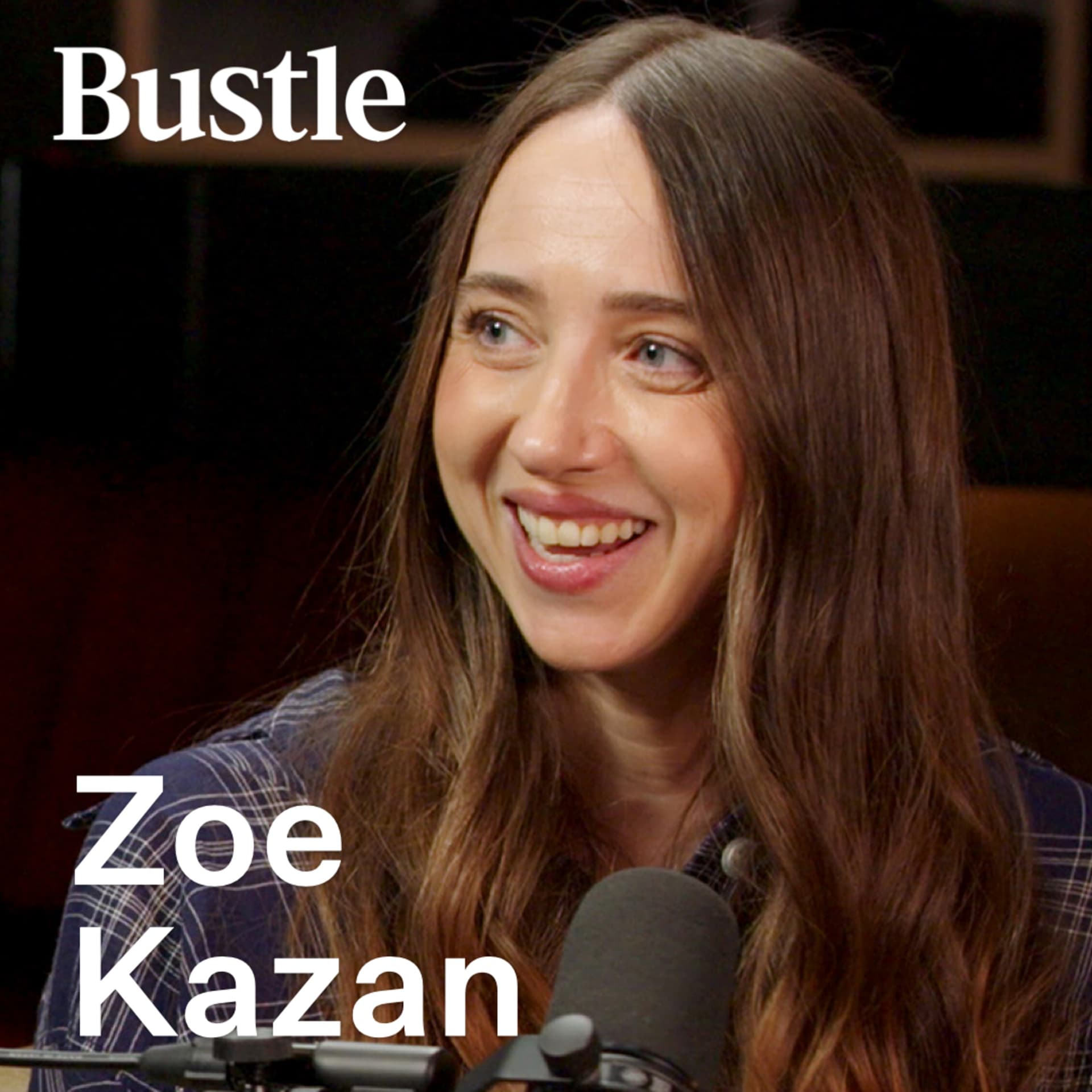
Zoe Kazan is the sole guest. She’s an actor and writer; her Netflix adaptation of John Steinbeck’s East of Eden is in development (she pitched to write it in Dec 2019; work began after the pandemic in 2020). She grew up reading extensively, had childhood insomnia, and later studied Shakespeare as an actor.
Key claims
Reading is her “sanctuary” and a non-numbing form of escapism that deepens self-understanding. Canonized classics can be “funny and transgressive” rather than sanctified. Great works let readers decide characters’ moral meaning rather than forcing a perspective.
Notable examples
Sula (Toni Morrison) as a “page-turner” with intimacy and cruelty held together; Angels in America (Tony Kushner) as a lifelong comfort (Harper’s “souls of the dead” speech); Who Will Run the Frog Hospital? (Lorrie Moore) as embodied, time-lingering female friendship; Monsters (Emile Ferris) as a queer, child’s-eye murder mystery that helped her during miscarriage; East of Eden as a sweeping, empathetic, but misogynist/racist classic, with Kathy’s interior psychology and motherhood taboo.
Written by AI. May contain mistakes. Listen to the episode to check what was said.
Chapters
Tap a time to open that second in VOZoe's Relationship with Reading
0:45 to 2:36
Zoe discusses her journey as a reader, her insomnia, and the comfort she found in books.
“It was like a way of staying in my own bed but not being alone.”
Exploring Shakespeare and Plays
2:36 to 5:38
Zoe shares her experiences reading Shakespeare and how it influenced her understanding of language and performance.
“But then I read a lot of Calvin and Hobbes.”
The Impact of Toni Morrison's 'Sula'
5:38 to 10:01
Discussion on Toni Morrison's 'Sula', its themes, and its connection to 'East of Eden'.
“I had loved it, but I hadn't, I think, had an adult experience of it.”
Emotional Depth in Literature
10:01 to 11:33
Exploring the emotional connections and themes in Morrison's work, including motherhood and friendship.
“Like that it's sort of the primary relationship.”
Contrasting Characters and Themes
11:33 to 14:01
Analyzing the differences between Sula and Kathy from 'East of Eden', and their societal struggles.
“And there's so much like soul to it all in the sense that it's never like technically correct.”
Exploring Kathy and Sula's Relationship
14:01 to 15:47
Discussing the complexities of Kathy's character and her relationships, particularly in contrast to Sula.
“Like, is coming from, like, Kathy doesn't trust anyone.”
Steinbeck's Portrayal of Kathy
15:47 to 17:40
Analyzing how Steinbeck's writing reflects misogyny through Kathy's character and her emotional detachment.
Love for Angels in America
17:40 to 21:47
Zoe shares her deep emotional connection to 'Angels in America' and its impact on her life and career.
“And I prepared for this audition like I like I'd been working my whole life for that.”
The Role of Perspective in Acting and Adapting
21:47 to 24:23
Discussion on how personal interpretation shapes acting and adapting iconic texts.
Shifting Reading Habits and Genres
24:23 to 27:46
Zoe reflects on her evolving reading interests and the importance of genre fiction in her literary journey.
“I'm going to go back and read that paragraph again.”
Show all 23 chapters
Possessiveness Over Artistic Work
27:46 to 28:00
Conversations about the feelings of possessiveness over personal connections to art and performances.
Exploring 'Angels in America'
28:00 to 31:00
A discussion about the personal connection to 'Angels in America' and its impact.
Reflections on Friendship and Intimacy
31:00 to 38:20
Insights on female friendships and the complexities of intimacy in relationships.
“Well, maybe we talk about who were in the frog hospital.”
Adapting Literature to Film
38:20 to 42:00
The challenges and thought processes involved in adapting books for film.
“I wonder if it's also the, like, like I said, it's a very embodied book.”
Exploring Casual Cruelty in Literature
42:00 to 45:00
Discussing themes of cruelty in literature and personal experiences with adaptation.
The Healing Power of Comics
45:00 to 49:45
Reflecting on the impact of graphic novels during tough times and personal healing.
“So I found this book at a real, like, low point in my life.”
The Influence of Steinbeck's Work
49:45 to 53:50
Analyzing the depth of Steinbeck's writing and its profound influence.
“And so how old were you when you first read it?”
Adapting Intergenerational Narratives
53:50 to 56:00
Discussing the challenges of adapting multi-generational stories into film.
Exploring Intergenerational Themes
56:00 to 57:27
Discussion on the challenges of adapting a book’s intergenerational themes to film.
“screen, you know, and I had this little quiet voice in my head being like, maybe I could do it.”
Character Complexity and Humanity
57:27 to 59:08
Insights on the complexity of characters, especially the protagonist Kathy.
The Role of the Showrunner
59:08 to 1:02:17
Zoe describes her daily responsibilities and experiences as a showrunner.
Navigating Family Legacy in Adaptation
1:02:17 to 1:07:18
Zoe discusses her emotional journey of adapting a family legacy.
“And you're also, like, you're going, you know, directors via DGA rules get, like, a certain amount of time in the edit.”
Casting and Performance in Film
1:07:18 to 1:09:44
Reflection on the casting process and the talent of young actors in the production.
Transcript
Automatic transcript. May contain errors.0:00Have you read Something Wicked This Way Comes? No. Do I need to? Well, you either should read that or you definitely shouldn't. It's like set in a like amusement park. It's really good. Yeah, no, that's like my jump scare. All right, well, Zoe, welcome to One Night Stand. Thanks. I'm really happy to be here. Great. I'm so thrilled you've bought five incredible books for us to talk about, one of which you're also adapting for Netflix, which is very, very exciting. Have you always been a big reader? Yes, I wasn't an early reader. I was actually, I think, kind of late as far as these things go. And I get jealous of people that are like, I read at three.
0:38I'm like, okay, show off. Reading became the center of my world. And also I was like, I think, had a lot of trouble sleeping as a child. Oh, interesting. It was like a way of staying in my own bed but not being alone. That's special. Yeah. What kind of stuff would you read to help you? Well, the year I was 10, I had, like, a terrible bout of insomnia, and I read all of, I read the complete works of Shakespeare. Stop. With a dictionary. Yeah, yeah. Like, my mother actually had it in volumes, like these little slim blue books. And they were from, I don't know, far enough back that they didn't have a lot of, like, annotation in the, and so I had a dictionary and I had those books and then I would like look up words that I didn't know what did you fall in love with most while reading it I think I was just like um in the like incantation of the language I didn't understand like looking back I'm like okay I got like the basic plot of some of them but like did I understand Titus Andronicus no I did not you know but it but there's so much at the surface level for a person to enjoy even a very young person I'd always loved poetry and so that part of my brain was really engaged and I know I have a play and I have a play in this stack um we had a lot of plays in the house because my parents are both screenwriters and I had the first play I read was um it was either wait until dark or um This William Inge play, The Dark at the Top of the Stairs.
2:21I can't remember which. But I started reading plays in this really intense way. And so, yeah, I think that's the poetry part of my brain and the play part of my brain. Yeah, that's amazing. But then I read a lot of Calvin and Hobbes. I read a lot of dumb chapter books. The Girl with the Silver Eyes. you know like things that a child of the 80s and 90s yeah um that's so lovely I grew up in Birmingham which is about 20-30 minutes in Stratford-upon-Avon which is obviously home of Shakespeare so they we would go quite a lot when we were young like as in they'd take you on school trips and it was kind of amazing how I guess I understood how even when I when it was on the page and I wouldn't understand it watching it performed you wouldn't you suddenly would and it's even like realizing where the breaths are which you like as a kid I could never kind of be like huh but then you see it and you're like oh wow now the words make sense as well with everything else there's this funny thing when I got older and I was like studying Shakespeare as an actor I had an acting teacher say um for the first five minutes of any Shakespeare play no one in the audience is understanding what you're saying like it takes them a minute for their ears to warm up it's exactly true you have to be like very simple and clear about what's happening like sort of like overacted in order to to help bring them in i think that's absolutely true because you do then your brain suddenly locks in and you're like oh i understand what that monologue was about i don't know how but i did yeah it's so crazy gosh i'm sorry you had insomnia as a kid that's hard yeah my brain like wouldn't shut off yeah and i was also scared of everything oh really yeah yeah i was like scared of the dark scared my closet scared that there were ghosts in the house scared that there were vampires outside you know like oh wow yeah scared to sleep on my back yeah I'd be turned into a mummy oh my gosh no gosh wow that's that's difficult but I mean that's kind of amazing that you like found comfort in reading and in you know plays in particular I think most people I mean I think most readers end up feeling like it's like their own little private sanctuary yeah and that's exactly it's like escapism that's the way I can only way I can describe it everyone asked me how like how do you read so much for this I'm like it's the only thing that makes me feel good so like it often is so it doesn't feel like a chore in that way it's so funny because I feel like it's like it's the kind of escapism that connects you more deeply with yourself instead of like the love island escapism which is also good but maybe takes you further out of yourself totally because there's like a numbing effect to that but there's not a numbing with reading it's like a calm but there's a calm and depth at the same time yeah yeah I think one I know we'll get there eventually but one of the things I love about East of Eden is that it's like I think it can look like okay this is like a really thick book and like kind of make you feel like oh reading this is gonna be like eating my spinach or something and then you get into it and it's like so pulpy and it's so propulsive and I think I think a lot of books that sort of get like canonized we put a kind of like sanctified halo around them and um it's a pity because yeah like Like a book like The Odyssey can be like, I mean, as this movie has proven, like a real populist experience.
5:33Yes, totally. Well, first, I thought we could talk about Sula by Toni Morrison. Tell me what you love about this book. I had read Toni Morrison in school. I had loved it, but I hadn't, I think, had an adult experience of it. And, you know, I think one of the things about having been like a quite precocious reader is that I read a lot of books before I could really understand them profoundly. as an adult coming to like Graham Greene or coming to like um Alice Munro or something and having this experience of discovering an author as an adult has been like one of the most beautiful things about um growing up I think Toni Morrison falls into like a kind of like F.
6:16Scott Fitzgerald category for me where like I think the book had so much like um seemed came to me so sanctified by the establishment that I didn't realize how funny and transgressive and brave and bold these books were um I find Sula well first of all Sula is an incredible um like part two for East of Eden totally because it picks up timewise um right where East of Eden like East of Eden sort of ends in the middle of World War I, this takes up right at the end of World War I. And it takes you through the 1960s, which is like a similar kind of stretch of time. Like that's, it's a little, it's like whatever that is, 40 years.
7:06It used to be, it's like 50 years. But this stretch of like moving from, moving across time really boldly with these characters. I think it's fascinating because there's very little plot to it, but you feel sort of like no like it's a page turner like I read it very quickly totally I was telling you off camera before this but uh I wanted to refresh my memory for this talk and I listened to it on tape and Toni Morrison reads it and it's like I think it might have I mean I'm glad I read it first on my own but it might have been an even more pleasurable experience because she's quite chatty in the way that she um reads it and she's like an incredible performer of her own work but there's also just a sense that she's speaking in the most intimate way to you which I think is there in the prose to start with yeah you can hear it in her voice um and then there are so many things in this book that made me like say out loud like oof or like like make a like a call in response like I think in my own work I'm always trying to ask the question like what makes life worth living yeah like why when life is so hard why do why do we keep going and um like I see that in this book that there's a kind of the cruelty of life is held in the same breath as the beauty of life and then it asks a lot of questions about good and evil in the same way that East of Eden does but from a really different perspective I just I love her writing I I deeply love these characters like there's an intimacy with them that feels like a real gift um it feels a little like time travel you're like going into this completely different world in this different time what do you what do you like about it I loved I mean and this was your first time my first time reading it yeah I loved the pacing of it and I loved the not the moral flexibility but the fact that there was no you know she wasn't either the Toni Morrison wasn't like forcing a perspective on you about any of these characters it's sort of like it was it's really up for you to kind of make and all of these characters are basically encountering the world and deciding different ways to cope with it right you know you've got Nell who sort of is the daughter of a mother who went straight for respectability after her own mother and then the opposite with Sula who's kind of like you know I'm just doing what I want to do and like and the way that society responds to it and the limits it puts on them as a result and the and then you sort of start to I mean there were so many like little bits that I wrote down but like I think one bit where it describes Nella as having pinned herself into a tiny life despite her ostensibly having so much more than Sula and And so I think I loved that sort of the way that it threads the needle between these different worlds.
10:00Yeah. I love also the like, there's a legitimacy that she gives to their friendship. Yes. Like that it's sort of the primary relationship. Yes, it's their great love in a way. Yeah. And I love there's a description of Sula when she is dying where she realizes that she has already died and that it didn't hurt. and she's like her thought is wait till I tell Nell yes and I I like love it so much and and that's after like a long period of estrangement and yeah and similarly like there's a terrible betrayal between them and then Nell wants to I mean Sula betrays Nell and then Nell expresses like I can't believe I still want to tell Sula about this like I just I find it so beautiful it is I have a sister and and I have had a lot of like really beautiful female friendships in my life so I think part of it is emotional for me that way but I also just think
11:02I mean I think there's an argument that Toni Morrison is the greatest American writer and for her to put all of that empathy attention specificity word choice to the things that she prioritizes that that are important to her without a sense of I need to write about XYZ in order to legitimize this book. I just, these books are so intensely themselves. And I don't know, I just love it so much. No, I completely agree. And there's so much like soul to it all in the sense that it's never like technically correct. It's like, it's technically correct and feeling correct somehow. Like, I don't need, you know, because sometimes you read these books that everyone's told you are so brilliant.
11:46And I often feel like, yeah, I can see why the construction of this is really sophisticated. And I can see that it's very effective, but it hasn't made me necessarily feel whereas I mean you can't not feel I know I know I love it when a writer sometimes there are things like there's this um book by John O 'Hara called Butterfield 8 and in the first pages of Butterfield 8 it describes this sex worker waking up and not knowing where she is and she has like a bad feeling and she's like why do I feel like this bad feeling what did I do last night that was bad and then she like realizes oh I didn't do anything in particular last night that was bad and then it's like she she knew that there was like it was a feeling that had been with her so long she couldn't remember the source but she knew that there was a source and it's like reading that in my 20s I was like oh my god like I how did he know like that feeling of like how did he read my mind yeah totally and I feel like that's that's one of the things that I go to books for is to feel like I'm not alone exactly to be like in this completely different body in this completely different time there's like an x-ray of my soul yes yes I know exactly what you mean I also like the way that it kind of tackles one of I think what I think is probably the one of the biggest still taboos of like women who don't like being mothers like you know because Sula in it all is so dismissive about motherhood and Kathy obviously in East of Eden that's such a thing and I recently read um Abra or its new title is Gaining Ground I I don't know if you've heard of it by Joan Barfoot.
13:20It's this like book that came out in the 60s or 70s. They're re-releasing it this year, Faber is, but it's basically about a woman who just hasn't got it in her to be a mom and just kind of leaves and sets up shop in this like cottage and her mental journey. And I don't know, I just think it's such a taboo still, obviously, these women who aren't interested in that. And I wondered if you thought about that thread with Cathy and when you were thinking about that. No, I didn't because I read Sula's reasoning as being really different from Kathy's. In what way? Kathy, I think, is more alienated. Like, is coming from, like, Kathy doesn't trust anyone.
14:06She has no friends. And so it's sort of a piece with everything else about her. like she doesn't want to be possessed by anyone and i think sula wants to belong to nell and i think sula is also like deeply embedded in her community even as an outcast for sure yeah and even though she's deeply lonely she is she is held inside of something and i think that her rejection of motherhood has more to do with
14:43like a specificity of what it meant to be a woman and a black woman in that time yeah in that place and maybe less to do with a kind of like overall sense of if anyone ties me down i cannot be free yeah yeah i know what you mean it's like a total rejection of love by kathy i think um and i don't think that's i don't think that's quite sula no i know what you mean i feel like Sula had a bit more of a like not more joy but like more I don't know yeah I don't know exactly because they're both sort of experiencing pain in different ways but yeah it didn't feel quite I know what you mean quite like Sula comes back to her community yeah and Kathy would never go back no yeah yeah it is interesting I thought the way you did in the Netflix adaptation when she meets her sons is so beautiful and and the the different reaction when she meets each son how did you go about oh um well maybe we should yeah maybe we should save it yeah well I just for me I feel like Steinbeck sort of loses control of Kathy like he wrote these letters to his editor as he was writing and they sort of chart this progression of his experience of Kathy and I think in a way she became much more than he intended her to be and then I think he kind of punishes her he like he like writes a lot about her physical decay like the decay of her beauty and like that's where I find the kind of like mid-century misogyny like jumping out I really wanted to figure out like why would a person of this psychological bent do the thing she does in the last chapters of the book for me I think it had much more to do with that she has siloed off like parts of her she's cut off parts of herself in order to survive yeah like there's a description in the book of her being unwilling to look at her babies after they're born because she knows she's going to leave and you can read that absolutely at surface level of like she doesn't want them she's said she doesn't want them she has no feeling and then I think there's a more complicated version which is she didn't want them she doesn't want them she doesn't want to be tied down by them and if she holds them yes the possibility of love could be led and so I think that when she sees them and experiences them I try to tie it into like a sort of greater decline that has to do not with her physical aging but with the product of a person that has made themselves completely alone and is in pain yeah and is self-medicating for that pain yeah yeah yeah and I also think Sula does such a good job which again is a similar theme in East Beden of really like tacking in that how a child carries so much of the burden of their own self-image by how they perceive their parents and grandparents before them because there's really and I think she does that so beautifully of these like female lineages and the way they shape them rather than the men totally yeah the men are sort of incidental they're so incidental and they drift in drift out yeah women are the anchors yeah it's amazing well next I thought we could talk about Angels in America yeah oh uh let's do it when tell me about your love of this book slash play we'll both yeah so my parents went and saw this play when I was a kid oh god I'm gonna cry when I talk about this okay I'm trying not to and um you know the AIDS crisis was a shadow over my childhood I had two teachers who died of AIDS I remember my mother like describing it to me she was like it's like everyone who made the world beautiful and interesting got on a plane and the plane crashed like um and my parents were completely transported by this play they had gone they'd gone to New York especially to see it they had left me and my sister in Los Angeles they had come back with the poster it's the only poster of play that has ever that ever hung in our house and then it became like a thing that followed me like mostly through my own interest but when I was in college I played the angel and then when I was in my mid-20s I knew that there was a production coming up in New York and I wrote to my agents being like, please let them see me for Harper.
19:33And they like didn't want to. They thought I was too young. And I prepared for this audition like I like I'd been working my whole life for that. And it was one of these like completely transportative auditions. And I got to play this role. And I think I was too young to play it. Like in retrospect, I'm like, oh, I would really play that much better now. but it was like the most to be in communion with Tony's brain is like the most special thing there's so much in this play that speaks to the moment that we're living in it's also so funny and it's so like the rhythms of it are so hilarious and devastating um the last speech that Harper gives in Perestroika where she talks about the souls of the dead rising is like the closest thing I have to a prayer.
20:35I say it to myself when I am in tough situations. I say it to myself when I'm in an airplane and I'm nervous. And then when I acted in Angels, my parents gave me their poster, which now hangs in my house, which is this image, which is the this angel from the original production. And I just love it so much. And I knew that I needed, I knew that if I, I mean, first of all, making a list of four books other than East of Eden that I loved was an impossible task. I was like polling people I loved being like, what have I talked to you about? Because I had a terrible time. And also, like, there were authors, like Alice Munro that I was like I don't want to get into the whole like history of her life like so I maybe we just you know like yeah where I was like I just I need five books four books that I can talk about just on their own merits yeah um but I knew I needed to have either like poetry or a play and this one I think is so special and I really wanted I really wanted to choose American authors too just because we're talking about East of Eden which is such an American book anyways I think Tony is the most special person how do you do you read plays often on your own like as in do you you know you spoke about doing it a lot as a kid is that something how do you find that process different to when you're in the theater or you like I think it's harder as you get older because like for the same reason that sometimes watching movies is hard for me it's like the professional part of my brain can't turn off that said like you read a great play and it's it takes you somewhere else yeah did did um your performance as harper teach you anything about that you took for east of eden around what it's like to adapt an iconic text i mean i know one's a novel and one's a play and so it's slightly different it's different in form but there's so much pressure i imagine when you're taking something that's so beloved you know what's funny is that i wouldn't say that in particular but i do think acting and adapting are like a very similar job um in that i mean you're not making up new words as an actor hopefully um but you are sort of like my harper is based on how i read harper yeah my version of east of eden is a product of how i read east of eden right like yeah i think that there's a kind of baseline of like i digest this in this way like I see this this way and it doesn't make it more legitimate than someone else's reading like I think that's what's beautiful about reading right like I think a lot of people find Lewis in this play kind of inseparable and I love Lewis yeah and I find Joe kind of inseparable um and I think he's like you know like that's just that's just what we're bringing to the material right like totally did you always have that confidence in your perspective because I think something I struggled with and only really came into in my 20s is I think when you're like an academic kid who does well at school I got really locked into the idea of what's the right way I'm reading this but what's the thing that's going to get me that a star so I can go to the next thing and then in my 20s I was like oh no there is there is no right really I mean this but you know you get to have your own reaction to something you get to have your own opinion you get to have your own perspective is that something you've always connected with or did it take you time I mean unfortunately I think fortunately or unfortunately I think I've always had a lot of faith in my own perspective no that's brilliant I think it's brilliant yeah I don't know I think that's probably why I started writing myself and why I started acting right like I felt like there was something in me that was called so deeply to the text that was almost unbidden like I didn't feel like I was making a choice I was just responding um and I felt very invested as a kid in the books I read like I remember um reading uh Oliver Twist with my dad and like fantasizing about giving him food and you know like that there was a kind of feeling of they just felt very real to me the reason I chose my favorite thing as monsters is that I really wanted a graphic novel in here but also I really wanted a piece of genre fiction the thing that I felt as a shift in my 20s was that I realized at a certain point like oh I'm not reading at like a high um like I'm not reading a lot of books anymore and I had always read a lot of books like very high volume and I realized that part of the reason that I wasn't reading a lot is that I was trying to read really difficult books yeah that like the English major in me had like yeah like I just like you know like I've never finished Swan's Way I just like couldn't do it and I I felt like okay well I can't move on I know I've been like that with Middlemarch I'm like I love it but I just oh I know so like and to be clear the reason I couldn't get through is that I would be like, oh my god, this prose is so incredible.
25:57I'm going to go back and read that paragraph again. Anyways, then I read Stephen King's Carrie, which almost went on this list. And I was like, it blew my brain open. I had never read any Stephen King because I thought of it as airport reading. Such a snob. And then I read it and I was like, this is unbelievably well written. It's such an innovative form. This is so compelling. Then I just read all this Stephen King. and I found that like genre has become this sort of like key in the door for me of like when I realize I'm not reading a lot I'll go back to something of a different genre than I normally read like I'll read a piece of genre fiction because I find that it like it clicks my like reading brain back on yes I had that with heated rivalry I was like in a bit of a like and I've never read like any romance fiction or anything like that and because I was always a bit snobby about it and then when the show came out I was like I'm gonna give this a go and I just thought it was so fun yeah I've I've been reading these books by this person who writes under the pseudonym T.
27:01Kingfisher and they're like they're they're all sort of in the fantasy realm like retellings of fairy tales and stuff like that but they're really well written so I've they kind of like if something's like very very badly written it's so distracting that I can't follow it but all of her heroines are um like fat middle-aged and plain and i find it so i'm like this is so refreshing and i've been checking them out for my local library and um it's been really fun as a kind of antidote to the like canonical work that i've been steeped in for so long to be like i'm just gonna read something that's like pure plot pure like fun totally and it like turns my brain back i know and it's funny because no one i don't think about my tv or movie consumption like that like oh I'm gonna watch the odyssey so I can't watch love island but actually with and so I'll consume across the spectrum without a second thought but there is a thing with literature where you can get a bit like stuck in your grooves too much if you're not careful yeah I I find that too yeah it's interesting did you when was the first time you saw angels in america as a production do you remember I don't think I've ever seen it have you not no I watched the HBO miniseries but I don't think I've ever seen it yeah and when they when the Broadway production happened it was a few years after our production which was off Broadway and um I just couldn't bring myself to do it I felt so possessive and then I felt embarrassed because I felt possessive you know like okay it belongs to everyone and yeah you know and no I just I I love this I love it so deeply and it's not just possessive over you know me I um I was like these people are populated by the people that I saw do it for six months yeah like I don't really want to see no I get it do you get ever get competitive as well like with or you're not um that way I mean I'm quite competitive no one in my family will play Scrabble amazing but no I don't feel that I think it's more like when you've done a play it's like that was your night that you had the same night for six months and um that's a piece of my life and my whole life revolves around doing that play for that period of time there's just a sense of like it's like going back to your high school or something you're like I can't go back because none of the same teachers are there and like it won't be the same yeah they redid the yard or whatever yeah no it's like like ghost towny type vibe and like freaky yeah yes no I know exactly what you mean it's it's interesting one of my favorite characters reading it as opposed to when I'd like I think I'd seen the HBO as well is Belize and just the way that that character I just think it's so yeah Billy Porter played it in our production and he was so incredible I love Belize I love Pryor yeah I love you know when he finally goes in front of those council of angels and but he says he wants his more life I find it so moving and that's a thing that I've again you know I think that question that I feel like I walk around with of like why do we all keep going you know I think it's such a beautiful thing to want more life like all of it the good and the bad and the yeah I just I really I really I really love this play and I think that it reads really well it does it reads so well yeah it reads so so well because I listened to part of it as an audible when I was preparing and then I read um scenes back where I'd put notes in my phone and I was like fuck it does read so well and like the humor you laugh at different points yeah yeah it's really special yeah well I loved it so much and I wish that there was a taping of you doing your heart yeah Yeah, there probably is, but you don't need to go find it.
30:57Well, maybe you'll do it again another time or something. No, but in my dreams. In your dreams, yeah. Well, maybe we talk about who were in the frog hospital. This book is so dear to me. I read it in my early 20s, I think, for the first time. The whole book is a portrait of this female friendship, told from the perspective, like an adult perspective. and there's a kind of longing across time in it that I really relate to um I was joking with a friend last week like I was like sometimes I I remember something so vividly that it feels as if if I only had like a little bit more of some power I could time travel like it feels like so touchable to me and there's a kind of sensuality to this book I mean it starts with a description of eating brains um like animals brains um and that kind of sensuality is it's like a very embodied book yes I think that that thing of like I don't know there was this quote on this American life years ago that stuck with me where this writer said um we do time travel just in one direction and that feeling of like you can never go back but she's constantly going back in this book in her mind and going back to an intimacy that she describes like if I had known that I wouldn't be in touch with this person then it would have seemed inconceivable to me and now it's just like the fact of my life totally what did you you said you loved this maybe most of all yeah I just I mean I loved it because it made me uncomfortable I guess in some ways as well just you uncomfortable I think the intimacy of the friendship and I really found myself going back through my teens because I was one of those people where I was in a girl group and I'm still friends with them all now and we're all still very close and there was definitely people in the group who I was closer with or whatever but I never had that experience of just like me and one other person being thick as thieves for a period of time not like Sula and Nell and not like um Berry and Sills either like and so I just couldn't I don't I I think especially the British in me as well where I'm a bit like of a cold fish like their intimacy felt so real and I just couldn't imagine like having that kind of relationship with someone as a teenager and like but they're so like in each other's like I don't know it's just yeah I did have did you yeah interesting I had a really like from the age of five until like through college I had a best friend who was like everything to me and we were we were like a married couple we were like so enmeshed and um we aren't really in each other's lives anymore not because anything happened but because time and you know like people grow up in different ways and and so I think it feels very personal to me in that way but I think also like the fact of loving someone whether it's a friend or a sibling or a romantic relationship the fact that you can have that person no longer in your life for whatever reason and and still have the the love like that the love remains yeah it's like such a powerful thing it is and it's such a lovely and funny contrast with her husband who's this kind of like oafish character like at the start when he tries to talk to the people at the table next to her them and she's like this guy I know but you know what's so funny is that there's a kind of like acceptance I think of like the way she sort of says casually like we like stand by the river and imagine we were married to other people like it's funny yeah but it's also I think true about like to be in a really in a long intimacy with someone means like putting up with people's terrible smells and like they're like bad habits and they're bad French and like you know like that there's a kind of matter of factness to it that I really like I agree because I think when you're young you assume that your person that you marry or settle with in that kind of way is going to be your like deepest and most profound relationship but actually there's something about the way that I had a like romantic relationship with someone when I that started when I was 16 and in some ways like because you have no boundaries up at that point in a way you're sort of like it almost feels like not deeper in a way that's like it because it doesn't necessarily last but I think it feels rarer necessary than maybe it I don't know yeah and I feel like you get some of that with their friendship there's a description that she has where she says like it's she's talking about the friends that she had in her teens and she says like a group of older kids and she says like they all had established themselves and I used their personalities to make myself and then she's like but what else was I supposed to do make myself out of nothing and there's like I really respond to that I had a my relationship my romantic relationship in college with with someone not hugely older than me but enough older than me that they seemed like an adult and I didn't and I remember just like like the music that he liked the books that he thought were cool like everything yeah like I made myself either in the image of or in contrast to you and yes and I think that that's a really important part of growing up it is isn't it because then eventually you go well what do I really like exactly you know but you you have to start somewhere you need a first draft you do exactly and but then these first drafts even if they only last like three months or three years they leave such a like which I guess is also the kind of the key part of that book as well where it's just it's about the like this the impact of this thing I'm also really curious about like she sort of describes Silsby her friend as um like she's like the prettiest girl the most sophisticated girl in town she says like do you know what that does to a person and I think the idea of and and like you know Silsby doesn't end up living this extraordinary life and you sort of in you can through small cues you get that our narrator has lived a sort of more extraordinary life than her friend our narrator who was more ordinary as a young person and I think that that thing of like someone's shininess being a hazard to them yeah it's a really interesting thing that's so interesting yes I think that and it's yeah yes I completely agree and like freaky well I think some people never never get over being paid a certain kind of attention as a young person whether that's for their beauty or for their intelligence or their precocity whatever it is yeah it's interesting isn't it I think that's exactly it and it's sort of even if you recognize that in yourself how you then move beyond it it's it's hard and I guess that's why everyone's in therapy.
38:16Hey! Well, I do, I think that you're right that there's something unsettling about this book. I wonder if it's also the, like, like I said, it's a very embodied book. I wonder whether the sensuality of it, I mean, it's quite intense. Well, it's also set in this, like, creepy, like, children's play at ground, which is, like, my ultimate freaky zone. Like, if that, like, at night after dark, like, these, like, embodied, like, creatures, sort of. Have you read Something Wicked This Way Comes? by Ray Bradbury? No, don't. Do I need to? Well, you either should read that or you definitely shouldn't. It's like set in a like amusement park.
38:52Oh, like, yeah, it's really good. Yeah, no, that's like my jump scare for sure. And there's something about them like and it's so vivid them like smoking cigarettes in their costume with their like skirts hitched up around them. I love it. Would you ever adapt a book like that? Yes, I this this book, who will run the frog hospital has been my sort of like secret like maybe that's maybe maybe maybe I make a movie of that someday yes I just think it's it would be very it would be a completely different task of I I adopted a book with my partner Paul a few years ago called wildlife this Richard Ford book and like between that and East of Eden those are two completely different they're books that require a completely different kind of adaptation and I think that this book would too like yeah require a completely different way of working um in what way is it different well like with the Richard Ford book there's no description of interior life really it's all dialogue and action and so you're having to connect the it's a little boy looking at his parents and so it's a lot it for me it was a lot of but why is she doing the things that she's doing and even if even if we don't put it in the dialogue we need the actor to be able to understand it with East of Eden it was like this book is so massive yeah like and there's so much that is interior description like this person is thinking this and feeling this how do we put that into dialogue how do I put that into action how do I simplify three scenes and turn them into one scene like what things are not dramatic and therefore can't belong in this.
40:40And then this to me is all about the images. And like the plot is actually quite thin. But you are the intimacy that you have with these characters. For me, it sounds like for you too, is the thing that I walk away from. And the specificity of the images and their bodies. And I think it's like a lot more in the realm of like if Beale Street could talk or virgin suicides or something where you really want to be like immersed in these people in this world. And like I think I would make there's a disc. There's a brain. There's this there was this New Yorker profile of Selene Shiyama a few years back that described her process of writing as like she would make a list of all the scenes that needed to be in the thing to tell the story.
41:28and then a list of all the like little juicy bits that she wanted to make sure that she had in there like I want a scene where this person touches this person or this person sings this song or something and then she would connect those up and then like get rid of anything that didn't have like a juicy bit attached to it and I'm like I think you would want to sit down with this book and make a list of the images that you knew that you needed or something. I still just can't get over that scene where the guy where they're taking them in the car and then he takes them into the woods and make and they run away with the gut i just like well i was like how is that just like two pages and then well yeah i mean i think that that i and and this connects it back up to sula for me is that there's a kind of like casual cruelty that young people have to suffer all the time so true and like you're you're operating with fewer resources like in sula when they cause the death of this little boy they they can't even um the prose changes so that like they'll just say that the blank space in the river like where he fell in like they can't even articulate the thing that has happened in their minds yeah and I think that there's a similar thing in frog hospital where like terrible things will happen and you just go right on to the next thing because if you allowed for that terrible thing to be meaningful you couldn't go on no totally it's fascinating just on the like book adaptation point when I was reading before your mom obviously adapted some iconic books with little women and Matilda and did she give you any advice or specific like pointers on um well my dad has adapted to um they adapted Matilda together and he did like um reversal of fortune and yeah like they've uh but no I I called in I it's like they're my phone a friend like like I know I was struggling a lot with one episode that like two pages where I kept getting notes of being like like can you tighten this section like basically like this part is boring and I went to him and was like what what what is happening here you know and then he like diagnosed it for me and it was very simple and I was like okay thank you that's amazing um but I try not to do that too often mostly because um they can get quite excited about the problem and then i'm like well i want to solve this don't don't come and solve this for me um uh no they're they i mean i think that they growing up in a family of people that were asking questions about the things that i was reading and had a bookshelf full of things for me to pull from and took my writing seriously and like that's the stuff where they helped me you know and then they literally helped by we shot in New Zealand and they came to New Zealand because my partner was filming in Latvia and oh gosh yeah and so they came out and like made sure my kids got to school wow how long were you in New Zealand for seven months long time yeah wow that's amazing and that's where parents are like second to none and like no yeah lucky you know same my parents are also I mean like my dad gives me good like people management advice stuff that's really helpful where and nine times out of ten it's like get out your own head it's not as hard as you like think but that's only parents can say that to you in a way really helpful yeah for sure well let's talk about my favorite thing is monsters yeah tell me about your love of this book which is beautiful Oh, okay.
45:00So I found this book at a real, like, low point in my life. I was having a really hard time. It was, I think, early 2017. And there was a comic book store around the corner from my therapist's office. and I went in and I saw this beautiful cover which is like so gorgeous yeah and I took it home and I read it that day um it's a thick book but it's it's really propulsive it's fascinating I mean graphic novels came into my life as a teenager mostly because I had like male friends who read Batman comics you know who started giving me things to read and um I had always loved comics I was like huge Calvin and Hobbes fan and then um Doonesbury weirdly became like a really important thing to me and like there were so many Doonesbury books in thrift stores that you could buy and then that's like how I learned about U.S.
46:08history basically like from the 70s onward um uh anyways comics had always meant a lot to me i like wrote comics as a kid um i can't draw so that was short-lived but this book i also love because it's using the form in like a really interesting way it's um it's formatted as if it's this little girl's journal yeah written on these pages the author emile ferris had a really rare um mosquito-borne illness that paralyzed them and they had to learn how to draw again and this was the book they made learning how to draw it's a murder mystery through the eyes of a child i'm a sucker for a child protagonist um i think it's a it's a kid who's obsessed with monster movies and it's chicago 1969 so it's it's um like the the monster movies are being played on late night television and she sees the whole world through the lens of these monster movies so there's a kind of in the drawing style and in the plot there's a kind of casting of people like there's a person drawn like frankenstein there's a person drawn like the mummy there's a she draws herself as a little werewolf um and there's a beautiful thing that happens in the book where her brother in the kind of third act makes her really look at herself and see herself as a person and not as this little monster um it's a queer story but that's not the point of it like the sort of parts of the like identity politics of it are deeply embedded in everything else yeah it is beautifully drawn it's like a gorgeous book but I just I'm a sucker for Karen our protagonist in this and um like I said genre is really important to me I love horror and I love um suspense and you know I almost put Carrie on this list I almost put um DeMaurier's Rebecca on this list like and this to me like I really wanted to highlight it because I think fewer people have read it than those books yeah um but also it's just a really special it's a murder mystery that that is not solved in this book the point is not really the murder mystery um she's doing a beautiful thing about um perspective I just love it and did you find reading it healing for you when you yeah it really took me out of myself I was I was in the wake of like a second trimester miscarriage um which was really tough yeah and like just being alone with myself was really hard and so like reading in general really helped me during that time but things that felt like too close to home like I started watching X-Files during that time which was a show that I had no um like uh I had no history with I had never seen it I was like oh I need I need things that are like so far away from my life that that they don't make me think about myself and this really did that for me it's amazing and so for the author as you mentioned she was recovering from West Nile and disease and she basically was able to heal through the act of creation has that ever been a process for you as well like actually making things well yeah i mean yeah yes not in so literal a way but i think i think what's that like to be loved is to be changed like i think the thing that the reason to make things is to change yeah you know and um the ones that you know sometimes you're just doing it because you need to pay your mortgage yeah but we certainly need that too yeah yeah but you know I think if you're going to spend years of your life on something you want you want it to change you totally yeah how has east working on easter reading for years changed you should we get on to the biggie let's do it how long have you been working on the actual adaptation I've been working on the actual I pitched to write it in December of 2019 and I started working on it like right after the pandemic hit in 2020 Wow.
50:42Amazing. And so how old were you when you first read it? I was 15 when I first read it. Yeah. I had gone on a little, like, I like to read a lot of an author. Like, I go on these little streaks, and I had done a kind of, I had read all of J.D. Salinger, and I had read all of Jane Austen. I had done these, like, little, like, burn through them. And I had read Grapes of Wrath in school, and then I read Tortilla Flats and Travels with Charlie and then I read this and it kind of like stopped me in my tracks it really arrested me I actually didn't read any more Steinbeck after that um because I uh felt like I had like this was like a kind of like apotheosis book like I was like everything is in here yeah he says it it is really as everything about everything and he felt that way he was like this is the book I've trained my whole life to write um and um I think growing up in California it had like extra meaning for me in that way but I think it was also just like the sweep of the book the size of it it's like 50 years of a family I think that his prose is it's like it it entertains on a surface level like the plot is so fascinating and the characters are so fascinating at a prose level it's also just like he's on a complete other level here and like you can't i mean there are things that i'm like i can't you can't do anything about it like oh here it is okay so adam our protagonist is a little boy here and his mother has is dead she committed suicide when he was a baby and his father is remarried um to this woman named alice and he he's a little boy here and he said toward toward alice trask adam concealed a feeling that was akin to a warm shame she was not his mother that he knew because he had been told many times not from things said but from the tone in which other things were said he knew that he had once had a mother and that she had done some shameful thing such as forgetting the chickens or missing the target on the range and the woodlot and as a result of her fault she was not here adam thought sometimes that if he could only find out what sin it was she had committed why he would sin it too and not be here god yeah it's just like well shit like i mean you know you read that and you're like i can't put that on screen a child can't act that no but god the humanity of that like the deep understanding of what children are like and the willingness to go there he wrote it when he was like 48 as a fully middle-aged person and the there's a kind of like I don't know like you look at this man and you're like well that man is set in his way yeah right yeah but there's a kind of fluidity to this book like the perspective you just move from person to person and like there's so much empathy in that movement and like he can't help but be writing in the time that he's writing in right like there's some real racist stuff in this book and there's some real misogynist stuff in this book but around that there's so much humanity and empathy and like deep understanding of what it is to be human and I think that that really caught me as a kid and I also think that Kathy is like yeah the most extraordinary character and as a real goody two-shoes 15 year old girl just trying to get the a yeah like to see a woman uh it you know we you start with her as a girl so a girl and then a woman who has no care but her own autonomy and gain who is not doing anything for anyone else's benefit yeah it was like a bracing like i felt like re-atomized by it or something yeah i've watched the show and it's incredible and i think people are really going to react and I think Kathy's portrayal in the show is going to be a talking point how did you think about how you wanted to go about putting that and what is is there something you were trying to do differently with it or a sort of perspective you wanted to offer I've never seen the mini series that Jane Seymour did so I don't know what they said that but you know in my grandfather's film Kathy it's only the last little section of the book and Kathy Kate is this matron this sort of like flinty she's not super active in it she actually only has 12 minutes I guess yeah of screen time she makes I mean Jovan Fleet's incredible in it and she makes this huge impression but it has very little to do with the character that I read in the book and for me and Lee is not in the movie at all and he's the other like really he's the other character that you really walk away from this book with, I think.
55:50And even at 15, I felt like, well, someday, I saw the movie after I read the book, and I was like, someday someone has to put this person on screen, you know, and I had this little quiet voice in my head being like, maybe I could do it. So I think that was in some ways my starting point of just like, I want, but it was also that you don't get the full intergenerational scope of the book in a movie and for me that's really the point of the book like it's about can we change yes you know what what does time do to us can we change are we consigned to repeat the past yeah can we learn from our mistakes does shame immobilize all of us like um and you don't get that if you don't see the multiple generations so that was sort of my starting point those two things as I went I discovered what could and could not be in it and um Florence was the person that I like went into my pitch with like I went when I went in and pitched to write this I was like there's one I have one actor in mind I can't believe I got so lucky she's unbelievable she's incredible just incredible I know because she's someone who like to the the section you read before where there's so much going on in one facial expression you could write a thousand words about it and just and all the elements would be you know warring with each other it's so spectacular I know I don't I mean it's like a magic trick I yeah I sat in front of our monitors every day on set going how did she do that she didn't move her face and I saw all those things just go past like she has she has a like I truly think she's a genius like I think she has an otherworldly gift yeah and I'm so excited for people to see her in this role and you know I think she found the humanity in this part she really did yeah she really did because I know that there's been discussion online about whether Kathy is an anti-hero or not an anti-hero where do you stand on that I just don't put her I don't put a label on her I mean like I think we use the word anti-hero for like press release and people have like sort of glommed onto that I think for me this book is there are no heroes or villains in this book no it's just human yeah life you know I think there's this um youtuber I love contrapoints and she said this thing in this video about JK Rowling she said if we don't humanize the enemy we don't learn anything about ourselves or if we don't consider that you know if we don't consider evil to be human then we don't learn about ourselves yeah and I think that's where I was coming from with Kathy which is that if we just say oh she's a sociopath or a psychopath we don't learn anything about who we are yes and I think that's that would be like deeply antithetical to the book yes he in his narration sort of says like she's a monster but as he goes he unpacks that um so and and that's also what here i i have this um this is his this he wrote longhand and he would write on the right hand side he'd write his pages for the day and on the left hand side he'd write his um he'd write letters to his editor who was his friend Pascal Kovici who like the little um pat in the forward that's to his editor anyways um as you go as he goes you see the way that he writes about Kathy change and he starts saying like we all have monster blood in us and I think this was really like a hugely useful tool for me in decoding some of his intention and giving myself permission to do certain things definitely I thought and I think the way that Florence plays it in particular there were moments where I almost felt like she was doing things to protect people who she like you say if she'd held the baby she might have felt love and it felt like it did feel protective in some way rather like you know and sort of there was some cognizance there of other people's needs and not wanting to hurt harmlessly I don't know I thought I felt like I actually had a lot of compassion for her you know one of the things because she works in this brothel and then she ends up running the brothel because she murders the brothel and um when we were casting for the second half of the the brothel scenes when you know whatever 15 years later one of our producers was like could we still have the piano player there like the blind piano player and I was like no she has to clean house yeah like like she may not I I don't think she goes out of her way to be cruel to people like I don't see her as a sadist but she's never going to spare anyone at her own expense no no totally and I I find it to be like she I don't know it's like a very um like her teleology is very clean you know she's like and and like in I don't know I found all these funny things as I was on like as I was pouring and pouring through this book I mean I I read to the after I had broken it and I knew what was going to be in each episode I would reread the section like would reread the whole book to the end of the section that I was going to next because I really didn't want anything to like slip through my fingers.
1:01:36I didn't want to miss something. And so I really read this book and I just discovered like, oh, she doesn't lie that often. Like she's often omitting something, but she'll tell the truth more often than not. Like she says to Adam, I'm not going to stay. I'm going to leave as soon as these babies are born. And then she does. And then he's like, I didn't, you know, what are you doing? And she's like, I told you what I was doing. Yeah, exactly. I think that there's something really, I don't know, like she lives by her own code she does it's like the way I felt it was like she knows that when she looks on something she's gonna bring a certain energy to it and so I think she's strategic about where she looks and she's like I don't want to do that so I'm gonna look over here I'm gonna that's how I felt like it was a sort of it's not like oh I'm gonna be a different person and look at this thing and not be who I am it's like I am who I am but I'm gonna try and direct it I don't know I love that yeah that interpretation it's fascinating I mean I thought you guys did such a brilliant job and I thought Mike Faist and Christopher Abbott were both so brilliant as well I did too I love them well so how does so when you're like on set in New Zealand for seven months and obviously each episode had a director and you're show running and you've written the script what what were you doing day to day oh um I was on set standing at the monitor being like um we need this shot or we need to go again because we don't quite have what we need like Like, you know, the showrunner is this funny job where you're managing everyone.
1:03:05Exactly, yeah. And you're also, like, you're going, you know, directors via DGA rules get, like, a certain amount of time in the edit. And then the showrunner takes over the edit. So I was in the edit for, like, a full year with this. Wow. So I knew, like, I was watching to make sure that we had what we needed for the edit. And then it was like, okay, well, now they're going to go on and finish shooting the scene. And I'm going to go back to my office and review the costumes for the next chunk that we're filming. Or go out and scout this location. Or, like, there's a, you're like a spider with this giant web.
1:03:44And luckily I had a co-showrunner, this guy, Jeb Stewart, who I really love. And I had an incredible assistant, Hannah Brown, who really took care of me. And I think, you know, I think the thing that was the most moving to me in a way of this whole experience is how many different kinds of artists and like talents and intelligences had to come together to make this. Like that there were people who were like painting sweat stains onto collars and tarnishing silver so that it would look correct and sourcing the wood from this kind of tree and hammering and nailing. and then a person in the edit room making sure that the you know digital background came together for like just like the sound people in the like that so many kinds of gifts and so much hard work I mean we built all those houses and those places and oh my gosh the hard thing about being a showrunner is those people are all your responsibility the beautiful thing about it is that you get to see the person behind the work like over and over and over again and that I just I never stopped feeling so grateful for all those people's work wow did your kids come on set to see it as well they did but sets are unbelievably boring and you know to be fair they just wanted to like do sticker books in my office yeah and go and get free food probably yes get a hot chocolate like the things that they are not allowed yeah to have very often they were yeah yeah so obviously you talk about reading this book at 15 just being and then falling in love with them then watching your grandfather's film when that like feeling of like oh I want to adapt this like stuck were you like oh god it's so annoying that it's something someone in my family's already done or were you just like oh it is you know how did you feel about that side of it I think I had all those feelings you know it was one of these things where like over the years this um this book the rights would go into different people's hands and I would read in the trades like oh this person is going to do this with it and I'd get really mad and I'd be like that's not that's not how you're supposed to do it and Paul my partner would be like like what is this emotional reaction you're having like Like, you know, it doesn't belong to you.
1:06:21And he was right. However, like, at a certain point, I, like, I called my agents and I did a thing that I never do, which is that I said, like, if the rights to this come up, like, can you just please put my name forward? Like, I'd love to adapt this. And I think it really, like, pained me to do it because I think I've worked really hard to not be always standing in my parents' shadow or my grandparents' shadows. And at the same time, I felt like, well, of all the things that he made, first of all, there is a very different adaptation to be made here from the one that he made, because the one he made is so loosely adapted from the book.
1:07:03And then also, this book is all about intergenerational stuff and what gets carried down and inheritance and legacy. And I was like, well, it is correct. Thematically, this makes sense. I know, I thought the same. I thought it was like a little bit on the nose because I was like it is a little on the nose but it's it is it's like a little too on the nose but no but it's sort of it's that way that like all the characters in the book are wrestling with their like the things they've inherited from their parents and their grandparents that they love and the things that they resist and like there are the parts like Tim Shell that you can choose and there's the parts but and then there are parts I think with all of us where sometimes we feel like something chose us and that's like you know and you can't let that thing go and you shouldn't and that's and you've done a beautiful job with it thanks I'm really proud of it and I'm really proud I'm really proud of like the way I went about it yeah I mean and I think you've brought such a distinctive perspective and I was saying this to you before but like I think the breadth of the cast is just extraordinary like sometimes when you watch big productions you're like okay we've got these people who are like really killing it and then you know there's a bit of scenes where you maybe like glaze over a little bit there's no glazing you're like locked in these like the younger actors in particular just extraordinary I know I know we had so many children on this and so many kids who this was their first job or second or third job like a lot of really green performers and they all did such a good job and I'm so proud of them yeah and that and it's such a credit to your script because like you say they're performing really sophisticated like emotional registers that all this like trauma that they've brought from their generations before and you feel it and like it does it really comes across yeah well our directors did an incredible job too and um I don't know I feel really lucky our our casting we had incredible casting directors um here and also in Australia and New Zealand and um they found some really remarkable kids and they were all at that like a lot of our little guys um between when we shot and now their voices have changed oh so when we were doing like adr for them like i was like i kept having to be like oh my god can can you pitch can you pitch their voice up like mechanically because they sound like little men now and not little boys oh but also how amazing for them because they'll have probably read the books prep and like being reading that kind of book as a teenager or kid it's just so special oh well thank you so much this is such a joy it's so much fun thanks for letting me talk about some favorites no there it was brilliant thank you so much
From the publisher
In One Nightstand, celebrity readers and writers join us at The Blond in 11 Howard to discuss their favorite books. In this episode, Charlotte Owen sits down with Zoe Kazan to discuss why Toni Morrison might just be America's greatest writer, casting Florence Pugh as Cathy, and the book that carried her through grief.
Zoe Kazan’s One Nightstand picks:
East of Eden by John Steinbeck
Who Will Run the Frog Hospital? by Lorrie Moore
Sula by Toni Morrison
My Favorite Thing Is Monsters Part 1 by Emil Ferris
Angels in America Parts 1 & 2 by Tony Kushner
Zoe’s a seven-part adaptation of John Steinbeck’s novel East of Eden premieres Oct. 1 on Netflix.
Credits
Director of Photography: Marshall Stief
Assistant Camera: Jasmine Velez
Producer: Aubree Lennon
Editor: James Koroni