 Ask ChatGPT

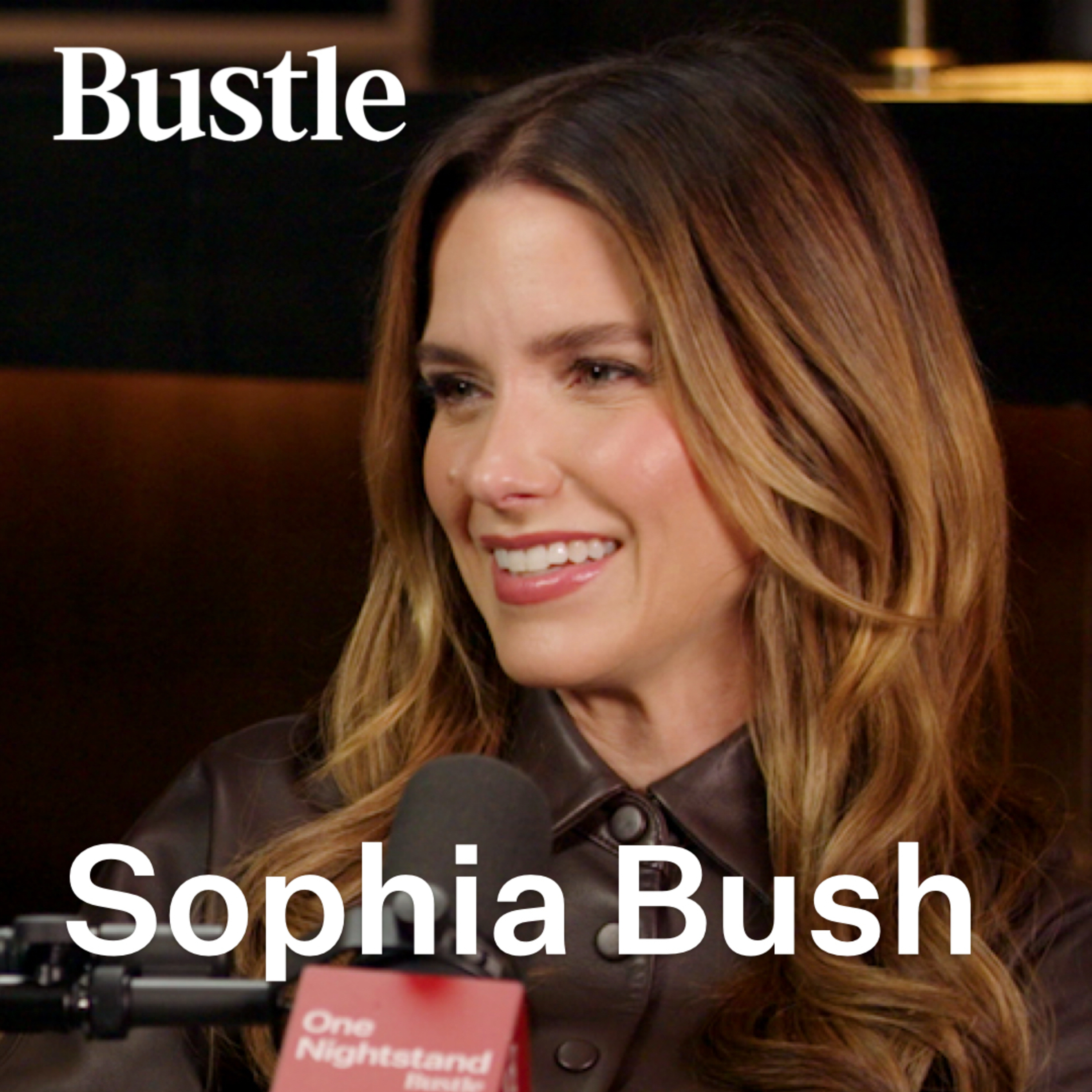
Sophia Bush discusses reading as a lifelong practice, how activism and “small” actions scale into political change, and how writing a memoir requires revisiting painful memories and protecting real people. She also recommends books and reflects on mental health and emotional labor in acting and entertainment.
Sophia Bush is an actress and activist who grew up reading heavily, moved frequently as a child, and later wrote a memoir. She describes herself as an emotionally open listener, shaped by journalism training and therapy, and as someone who advocates for better mental-health support on sets.
COVID lockdowns disrupted her reading focus; acting is like “books come to life.” She argues power structures can be erased through listening and “talking circles.” For memoir writing, she says you can give “fact” without giving your whole heart, and she emphasizes anonymization, consent, and consequences for living people.
Gloria Steinem’s My Life on the Road (talking circles, taxi-driver conversations, a surreal chapter about visiting Frank Sinatra’s house). Cheryl Strayed’s Tiny Beautiful Things (advice-column listening). She also cites North Carolina experiences with confederate statues and links slavery/Jim Crow/redlining to the prison-industrial complex. She recommends The Bitter Southerner magazine and mentions sweet tea as a culture shock.
Written by AI. May contain mistakes.
Sophia shares her experiences with reading and its impact on her life.
“And for some reason, it was the least I'd read in my life.”
Sophia discusses her unexpected journey into acting and theater.
“One of my still best friends, but since seventh grade, is such a theater kid.”
Sophia reflects on Gloria Steinem's impact and her memoir.
“I'm very accustomed to getting up early for call times and when kids wake up and all the things.”
Discussion on the themes of movement and life experiences in Steinem's work.
“And I will never, I will never not be so grateful that I got to be in her orbit.”
Sophia shares her challenges and insights from writing her memoir.
“and a writer and a thinker and a listener.”
Explore the challenges and emotional depth of writing a personal narrative.
“You think you know the book you're going to write.”
Learn how to approach writing about real people and their stories responsibly.
“And then anything extra to that didn't feel like it needed to stay.”
Delve into how memories shape narratives and the subjective nature of recollection.
“I went, oh, here's this point from my childhood.”
Discuss the importance of feedback and support systems during the writing journey.
“And then actually when you find that someone else remembers it completely different, it's such a weird thing.”
Understand the courage it takes to share personal stories in a challenging world.
“It sort of plays on the idea of the final girl in a horror movie.”
Reflect on the impact of Gloria Steinem and the connections between women.
Explore the impact of Gloria Steinem and the importance of small actions in creating change.
“And the conversations from the day were so gorgeous.”
Discuss the significance of personal involvement in political and community actions.
“You know and and it's a totality of of a life and it's so clear for me how the political is in fact personal.”
Delve into the transformative nature of Cheryl Strayed's writing and its impact on readers.
“Well, next I thought we could talk about Tiny Beautiful Things.”
Understand the importance of listening and empathy in connecting with others.
“And one of the things that always cuts me to the quick in the best way about Cheryl Strayed's writing is that when she answers people's letters, she will say, what I'm hearing is, based on what you've told me, it seems.”
Explore the challenges of maintaining genuine relationships while in the public eye.
“I love, I love to meet people and listen to their stories.”
Learn about the nuances of providing advice in friendships and the importance of listening.
“I think for me, I've had to also tap into, I might see something for you or for a friend, just in the way you'll see something I can't see.”
Discuss how to view oneself beyond failures and successes, emphasizing community support.
“You know, we're obviously having big, heady emotional conversations.”
Discussion on the importance of mental health support for young actors.
“When Daniel Radcliffe came on, we were talking about, I think recently in the press at that point, he's so great.”
Exploration of how to advocate for younger actors on set based on personal experiences.
Insights on experiences and cultural realizations while living in the South.
“And the duality, I think, can create problems.”
Deep dive into historical issues faced in the South and their modern implications.
“I mean, aside from the first time I had sweet tea, I almost passed out.”
Discussion on reading habits, preferences, and reflections on book choices over time.
“and I saw things I'd read about in books happening in front of me in the present.”
Conversations about Octavia Butler's work and its relevance to current societal issues.
“Maybe it goes in one of those gorgeous little cloche things that smokes it that you see on fancy food shows.”
Discussion on the importance of community and resilience depicted in Butler's work.
“Even the metaphor of acorn building atop something that burned.”
Sharing personal experiences with reading and the impact of revisiting books.
A conversation about the resurgence of print media and its significance.

Get the gist, explore an idea or ask about something said.
 Claude
On One Nightstand, what are the key points of this episode?
Searching your listeningAutomatic transcript. May contain errors.
0:00Welcome to One Night Stand presented by Lexus. Oh, you mean there was no Gloria Steinem on one trio? Wouldn't work. Sophia, welcome to One Night Stand. Thank you so much. We're thrilled to have you. Have you always been a big reader? Yes. When I think about it, as a kid, I think, you know, you grow up an only child. And I was so lucky that my godparents have three kids and the four of us grew up together. But there's still plenty of nights when it's just you and your folks. And so I read a lot. Yeah. I will say, I don't know if you had this. I know many of my friends did. When we first went into the COVID lockdowns, I thought, oh, great.
0:40All those books I've been piling up that I haven't gotten to, because I'm more ambitious with the stack than what I get through. I thought I'll read them all. And for some reason, it was the least I'd read in my life. And now I feel like I'm back in a great cadence. Oh, good. I'm so happy. Yeah, COVID was just like a bad time for the brain. I felt like it was not a great time to like lock in, concentrating and stuff. It really wasn't. And it was strange to me because when it happened, I thought, oh, well, this is great. Yeah. I'll get my Duolingo going. Yeah. I'll read those classics I want to reread that I haven't looked at since high school.
1:15You know, I'll take down that 800 page fiction book everyone says is great. I had a plan. I know, I know. And I thought it included music, foreign language, education. vacation and like I watched Love Island and cooked I was about to say mine involved eating yeah exactly copiously copiously it's the only thing yeah totally because it's like you were time rich but mental health poor I was like that was my balance that's what I love that chapter and you talk about this in the start of your memoir which is really exciting which we're going to talk about today but um you talk about being a big reader and like when you discovered that acting was basically like books come to life which I think is such a great way of putting it Thank you.
1:55It was such a surreal experience. One of my still best friends, but since seventh grade, is such a theater kid. And I mean that in the sort of stereotypical, you know, 90s high school movie sense. Traipsing through the halls, like dancing and singing in vibrato and all the things. And we're just not the same. and so I learned sort of theater through her and I thought well that's her thing and then I did a straight stage play and I was like do people know what this is and plenty of people were like I mean yes it's the history of oral tradition and I was like well I have some research to do exactly that's so fun though that's great to have that discovery in high school because I think I was like a sports girl and so like the theater kids were different and we did not overlap but it's you know it's but it's funny how it goes that way but that's what got me yeah I thought I was going to get out of my middle school theater requirement by leaving it till the final semester when I was playing volleyball and clearly they couldn't take me off of my sports team not yeah and the teachers were like yeah they were like sounds like a you problem you didn't budget your time well and I was like this is a taste of accountability I didn't want yeah well but I fell in love so here we are brilliant well your memoir and I will tell you mine is so uh interesting and I loved uh reading it I read it this weekend when I was in Mexico and um there's so much to talk about and we've you've chosen four great sort of books for us to talk about too and I thought given the news this morning we should start with Gloria Steinem's book My Life on the Road this is going to come out later but you know we obviously all discovered this morning the news about I know It's so strange because I'm not really a naturally inclined morning person.
3:43I'm very accustomed to getting up early for call times and when kids wake up and all the things. But something woke me up this morning. And it was 6.30, and I thought to myself, I don't have any reason to be up this early. And I tried to go back to bed, and I couldn't. I could not sleep. And I got up, and I started to pitter-patter around. and I looked at my phone and people had been texting me since about 6 30 in the morning wow and it was such a surreal thing and I just I didn't want to cry this early on your podcast I knew it would come yeah um it was just such a surreal thing to sit and read over you know these these gorgeous articles and you know I knew she hadn't been feeling well and strangely some friends of ours we were we were talking about the next talking circle we wanted to host with her and I said you know I know she's not well but she's Gloria you know I think we really thought she would just be with us forever yeah so it's very surreal and it's it's an interesting thing having just finished my first memoir to think about the memoirs and the life stories like hers like this book that truly shaped me and they shaped me at every stage it shaped me as a young woman it shaped me again in my 30s it gave me things I I didn't know I was looking for just a few years ago when I reread it and so it's it's just tremendous I think to to realize the effect someone has had on your life and on the lives of so many of us in the world.
5:33And then I think about the fact that I grew up a fan of hers who became a friend. She became a person I could text. My gosh. And I will never, I will never not be so grateful that I got to be in her orbit. Yeah. She was an incredible woman. I went to one of her things at her apartment once and it's just the space and I just admired her also how much that she this was 2024 and she was she looked sort of tired not in a bad way just like you know I mean she's she'd like yeah done so much and I just thought she knows that by hosting this here and putting like she was able to activate so much and get so many people there and I just thought god what an amazing thing to still be like yeah pulling the levers at that age and still so committed it's gorgeous yeah and I I think about you know well first when you say I went in I'm like isn't it so crazy you go in there and you feel like you're in the secret garden and the lion the witch and the wardrobe like you've gone into an alternate reality of your dreams it's so incredible but when you think about this book in particular the stages of her life I mean firstly just as a reader, I love that it's not a traditional chronological memoir.
6:53It's actually more surrounding, you know, geography and life lessons. And I think it's so beautifully organized because it allows you in, even if you haven't traveled the world and, you know, existed on trains through India and road tripped across America yet. But the way she talks about entering into talking circles, you know, learning Gandhi and organizing, learning from all of those women, coming back to that as she started learning from Native and Indigenous elders, that the talking circle itself completely eradicates a power structure. There's no pyramid with a leader above a follower. There's a group of participants in a room and everyone's voice is so valuable that she gave that to so many of us generationally in her own home, offered us the thing that changed her life as an activist and an organizer and a writer and a thinker and a listener.
7:53You know, she inspired that in so many of us, and I think it's such a beautiful legacy. It is, and it's an incredible book. I listened to it this weekend as well, and I was blown away just by her ability to, like, look out at the world and, like, see such interesting things. and to have so many micro experiences that are so telling of their own like the conversations with all the taxi drivers the that she never drove so she could speak to people literally and and some of them where she's like getting out the car halfway because they're such bigots or and I loved the surrealism chapter was my favorite where she talked about um the experience going to Frank Sinatra's house with when she was with her rich boyfriend at the time and she was just like these are not my people kind of thing but she always also found a trap it's always trying to connect with people who weren't her people in a way which is such a I don't know I mean it was just she yeah blown away read like reading it it was incredible one of the um ideas that I wrote down from the intro which I think is interesting because she's talking about being on the move is this idea that the idea of a settled life is very new and that historically we have moved around more and I wondered how you feel about that idea.
9:02Do you like to be settled somewhere or do you kind of enjoy the process of moving and new experiences? I've never really known anything other than motion. My family moved a lot when I was a kid. You know, the longest stint I was ever in one school was from seventh grade through graduation. Yeah. You know, so six years. Prior to that, I think I moved every two or three. I was in university for three years and then I moved to the East Coast for my first job. And even that, you know, when people ask me about the experience of living in North Carolina for close to 10 years, it was a very temporary permanence.
9:43Because you were there for work, you were separated from your life, you had to sort of carry two worlds, but it's impossible at the same time. So you always feel a bit like you're failing. and then I was so hungry for place and experience that every summer I would try to take whatever movie I could even if it wasn't good. Some of them were great. It's crazy. A friend of mine just texted me. Her teenage daughter just watched John Tucker Must Die for the first time and I was like, honestly, iconic. So glad I did it. So glad. That is an iconic one. Iconic. Iconic. And then there's some that I'm like, nobody knows about that.
10:21But they were experiences for me to learn and to travel. And so I weirdly have a real kind of push and pull, you know, diametrically opposed experience of life where I love to travel. I love to sit down with people and just be here and have a deep conversation. And I really am homesick a lot. And so it's something that I think I've had to begin to understand is perhaps just what my life is meant to be. And again, I take so much inspiration from her, you know, whether I'm traveling for work, a film, political organizing, volunteering, just to see something or because an opportunity has come up.
11:14I really try to get to know a place and the people there and what's important to them. And I think that's maybe just what I'm meant to do. The interesting thing is that I am more settled in the last few years of my life than I've ever been. You know, when your life begins to revolve around the little people that you're helping to raise, your schedule revolves around them too. And so it's an interesting thing now to catch myself, you know, an opportunity will come up and I'll say, oh, I can't. You know, that's that's my weekend with the kids. And that's my and I go like, oh, wow, look at that. What's out there is no longer as interesting to me.
12:00But I'm I'm as interested in what's out there as I am and the people I'm the most in love with. And I think the duality is what I've begun to learn to hold. yeah I think and that comes across in Gloria's writing as well isn't it that's sort of that she's always got to go back but she loves coming home and yeah that idea of the community that you build there is really it's interesting I also love the section where she said always ask the turtle you know that she tells the story of moving the turtle who's nearly in the road and her professor says like you know that that turtle has just walked all the way to get up here and Like, I don't know, I just thought it was such an interesting idea of, like, you always need to...
12:42And she's so good at talking about the lessons or mistakes she's made along the way as well. And how did you feel about that when you were writing your own memoir? Did you go into it thinking, oh, okay, this is a moment where, or I feel a bit icky writing about this, or, like, I'm going to have difficult feelings, or how did you tackle that? It's horrible. It's horrible. first of all i i called a few friends who are writers and i was like why why do we do this yeah who let us do this you know i was speaking with my lovely friend elaine welteroth her first book is so gorgeous and she's turning in her second and i was obviously just turning in my first and i said dark night of the soul doesn't that's like a vanilla wafer version of what and she goes girl I know.
13:32And we just sat in the corner. We were at this beautiful dinner. We were like, are you good? And I think the thing that's really interesting is almost like a kid. You know, everyone I know who's a parent has thoughts about what parenting will be. And then they meet the person their child is in every stage. And they are that person. nothing you do is going to change who they intrinsically are you hope to raise them well you hope to make them feel confident you hope to love them enough that that the world doesn't break them but they are who they are and it's wild to see siblings like be so different as well and I I think she and I were talking about books in that way she has two young children as well and And I think for us both, we sort of realized the book is going to be what it wants to be.
14:28Yes. You think you know the book you're going to write. And then it pulls you on a journey. And especially when you are a thinker, a writer, when you're privileged enough to have regular therapy, you really think you know your shit. And then your book drags you. And it takes you into things and points things out. And you have to struggle through some of it. And for me, there were certainly things that I had so far in the rear view, I was like, I don't even have feelings about that. And then I, at this stage of my life, had to really go through, and because I love journalism and went to journalism school, I'm a little forensic, so I like to go through all the receipts and all the old journals and all the old emails and all the old text messages.
15:22And it was gorgeous in moments. And there were moments I thought, God, I'm so proud of her. I'm proud of that woman who got through that. I'm proud of the woman who said that. And there were moments where I was like, oh, I've deleted how horrible that was. Oh, yeah, you have to sometimes. Turns out it wasn't funny. It was traumatizing. Literally. And it's a real experience. And so I had to go through all of it. And what I learned as I always joke, I'm obviously not in college anymore, but I always say as a journalism student, I basically wrote the forensic accounting. I wrote the New York Times pieces, the investigative reporting of some of my life experiences to get them out.
16:09And then I had to decide what to reduce. And when I tell you over 100 pages of my book I pulled out, I'm literally burned. I had like a little ritual all to myself and I burned them. Wow. Why just those? It felt too much to put or? It felt important for me. Yeah. But it didn't feel, it didn't feel like something I owed to everyone else. Yeah. I don't think you have to give someone your whole heart. I think you can give fact. And I think as we talk about Gloria, the lesson. What I had to do was to sift through, this is my unique experience in this chapter or that chapter. What's the universal truth for all the women in my life, for all the women I've spent a great hour with in a conversation?
17:03And then anything extra to that didn't feel like it needed to stay. A, because let's be real. if you are a gorgeous writer like a personal hero of mine Cheryl Strayed and you write the bone marrow of your life and that book becomes famous you're allowed to do that yeah if you are someone the world perceives as famous in whatever way they do you don't get the same carte blanche to talk about your life yeah and so I really had to choose in certain moments what felt like the most important information to offer context yeah so i could say and this is what i understand the point to be now yeah and any any woman anyone but especially for me for younger women i'm like any girl who's 26 and feels like her back is up against the wall i want you to have this now i don't want it to take you to 41 to figure it out like i got i got a cheat code for you girl I hope you can avoid this therapy will also be cheaper you're welcome yeah truly I think that's so interesting and I think the added weight of it all is when you're writing about real people who are alive still as well I mean how did you tackle that did you talk to people that you knew you were going to write about in the book or did you sort of you know you're writing your truth so does I mean how did you approach that side of it yeah absolutely you know there there were people who I wanted to consult yeah you know especially when I think of my wonderful cohort of women from all my years in North Carolina you know we've got an incredible group chat but I I chose to have individual conversations with every single person and individual dissemination of pages and things because I didn't want anybody to feel you know swayed by the group totally yeah and that was important to me.
19:02There are some people from that time. Frankly, you know, some of the men who were our co-workers and our allies where they could be and tried to be, some were very comfortable being named and even said, oh, I've got more information for you. Do you want this? And I was like, this is amazing. Maybe I should have been a reporter. And then there were some who said like I need to be more anonymized than this you know there were two people who I they know the world won't but who I essentially had to smoosh into one and then both allow them both to weigh in on do you feel protected enough by this masking you know it's a it's a strange thing to tell the truth but also understand that the truth can have consequences for people and so that felt really important to me and there were people who said you don't have to do that you have you have it yeah you've got the receipts you've got and I said I know but I but I want to because I wish people had ever done it for me I know exactly right and so that felt important um and then yeah there were some there were some things especially from my early life you know I had to have a conversation with my family and say there's there's no way for me to make sense of things without some of this information and also I'm going to be as sensitive with it as I possibly can and there will be so much I don't yeah use also yeah and and that has to be okay it has to yeah because also it happened so it's sort of like you know it's you want to you want to protect people but it also happened and has an impact and so yes and I think for me one of the really interesting things about the book, the dragging, was essentially I joked, I was like, this was a game of Monopoly I never wanted to play, you know, the square board.
20:58I went, oh, here's this point from my childhood. Here's this next point that I was still a kid, really, but sort of an adult thrown into a world I wasn't ready for. I ran from it to prove how tough I was. Then I had to learn that toughness wasn't everything. And then when I thought I had it all figured out, there was another lesson waiting for me here. And this moment of taking it all apart actually made me go back to one. And I had to trace through all of it and go, wow, you can't run from it forever. And interestingly enough, processing the tough stuff on the other side of it has felt sort of like an exorcism.
21:46totally not to be hyperbolic but really and now in the weirdest way every great story every great memory feels bigger feels brighter it's like I have more space in me and that that was the thing I didn't know my book would do for me yeah and so in a way I I look at the book now I think about her yeah in the way I think about a character I've loved like she she is a thing to me she is a version of me yeah and I I really am so grateful I also loved that you addressed head-on in the chapter with early chapters with your parents the elasticity and weirdness of memory when I think you were talking about that one recollection with your mom where she went into the school after you'd punched someone and she's like I don't know what you're talking about like and it's because that is one of the weird things me and my sisters always talk about well we'll be like oh my god do you remember that time and what the one of them will be like that's not how it happened and And you're like, we all, some of these memories become such core stories we have about ourselves.
22:49And then actually when you find that someone else remembers it completely different, it's such a weird thing. Yes. Well, and it was surreal to me because especially as a little kid, especially when you get in trouble at school, of course you remember your parents having to come. Yeah. And for me, my mom recalls having to come to school when I was hurt by another kid and has no memory of ever hearing that I punched a kid at school. And then I was like, Mrs. Matochev was a G because she knew why I did it. And I remember getting in trouble. I remember having to go in and sit in her classroom by myself while everyone was outside.
23:30but it was the first moment where I went oh that that was an act of love from an adult also who said you will have a consequence but I'm also going to keep it here yeah because you did the right thing literally even though I'm not allowed to say literally you punched a bigger it's you know like it's so cool and I think about the ways we do that for each other you know I I think about the things I now see everyone in my life you know we've got all these kids running around I see it happen and I go wow I I'm getting a new a new piece of information like a new a new bit of seasoning in the dish yeah on my own memory yeah and I think it's it's just so brave to ultimately put something any kind of book out there like it's really like putting yourself fully on display and then to write something about your own experience and I thought that in Gloria's book the chapter about the New York Times op-ed for Hillary and Obama and and how I just thought good for her for like going there and talking about and that one note resonated so much where she's like you need people to read things who don't already know what you think yes because she's like they they they know what you think so they're reading it with all of that knowledge already in your brain and so I just thought that was so well put I mean were there any big readers for you like who helped you pass through your early drafts oh absolutely yeah um My girlfriend, Rory Uphold, wrote a great book.
24:57It sort of plays on the idea of the final girl in a horror movie. Oh, fun. And her stories are about her own life and dating. And it's the horrors of dating. Oh, I mean, that's true. And, you know, A Final Girl's Guide to Survival. And she is so willing to be so herself and just lay it all out there. and she was a great barometer for me because there were things where she'd say go deeper and then there were things where she'd say if you hadn't been on television since you were 21 you could say this and you can't say this oh interesting yeah and I would go yeah I that's why like I'd put things in italics where I'd go and she'd go I know it's true yeah and I know you have it maybe and I was like great in the most interesting way she helped me um she helped me shape what was for me and what was for other people as did my girlfriend Sammy who's you know just brilliant and and one of those people and not to sound like my mother I don't mean that in a bad way but it's such a boomer phrase to be like you have your finger on the pulse yeah like I think people have been saying that since the 80s but she really does and so to have um the experience of someone who knows you so well and who also could push back and say you know if you'd publish this in 2018 the world might have been in a different place than it is now frankly I'm terrified to publish something at all because it's so vulnerable it feels like you're gutting yourself open and giving people access to your, you know, insides.
26:35And it's 2026. The world really hates women right now. And so it's a scary time to be a woman claiming even more of my voice. But I've worked that muscle in public. I've been a vocal advocate and an activist and by some metrics of total pain in the ass for over 20 years now about things that matter. So I've had to remind myself that in the ways I megaphone other people's voices this is really my first time holding the megaphone myself yeah and that if I believe other women deserve to do it shouldn't I yeah totally yeah it's really hard it's hard well you're doing it brilliantly because it's so brave but I think like you say with women like Gloria who've gone before it's sort of a great and I think she does just thread that needle so well um what if you don't mind sharing and it's when was the last time you saw her or do you do you remember all your last conversation I do I'm trying to remember what time it was it was warm I remember that because all my girlfriends were walking to her place um she held a talking circle on women's health and I was working in Los Angeles and I couldn't be there, but my partner was there and a group of our best friends were there.
28:02And the conversations from the day were so gorgeous. And they FaceTimed me in. I was literally sitting on set in Los Angeles and I was in my trailer. And then at another point I called them back and I was sitting on set for a big turnaround. So it was like an hour of lighting. And it was so lovely just to see her. And she grabbed my partner and was like, I love her and I said I know right and she was like I'm just so happy for you too and oh and you know for it to have Gloria Steinem bunch up her little fist and say we wish you were here and it was so it was just so generous she's a was and I think is her her spirit such a generous person and it um yeah it was so just one of those moments where you say I'll be at the next one and you know sometimes you think you have more time yeah I know it's it's um yeah it's heartbreaking it's and it is just yeah I would recommend anyone to read that book as well I think and I because it really helps you understand just the legacy of like the micro and macro actions that she took that create the kind of change that we've seen like from the big organizing efforts to the small ones like there was no you know nothing too small and they're all so important exactly you know that's how you build a life when you when you think about what to do in a in a system like this you know when you think about rising authoritarianism um the decimation of our rights you know the the withholding of the resources by the way that we all create you know when they talk about the fiscal budget I'm like it's our money yeah the tax money is our money yeah so weird that we're not allowed to have any of it um one of the things I really cherish about her I learned from her was I'll show up for the small organization that's working in one town on on a border in Texas to protect migrant children in the same way that I'll show up for a federal election and I want to encourage people to get involved in their school boards and take their kids to their public libraries on the weekends and also to care about who their state senator is and to call them on Monday.
30:18Yeah. You know and and it's a totality of of a life and it's so clear for me how the political is in fact personal. Exactly. And that's her whole thesis yes yeah and I think when you know it it doesn't have to feel overwhelming it actually is so empowering you realize that each of us has a hand on a lever of change and that makes me feel optimistic rather than pessimistic I think that's important I agree and just there's no no action too small like no like sort of step in the right direction to like insignificant that doesn't all ladder up I just thought I thought it was brilliant and I'm I haven't read it before so I was really glad.
31:02Oh, I'm so glad you got to. Well, next I thought we could talk about Tiny Beautiful Things. Tell me about your love of this book. That book for me is spiritual. I grew up in a mixed bag family of faith. So as much as I was a nerdy little kid reading my parents' mystery novels when I was young, I also started studying theology in middle school to try to sort of make sense of how the world works and there are things from running the gamut of eastern and western tradition that I understand to be universally true about humanity and I believe Cheryl's book to be one of the most spiritually sacred texts that any of our peers has ever written because what she's doing is modeling love out loud yeah and in in the hardest moments and in some of the most beautiful and it is so exacting and yet so gentle and she is so courageously vulnerable with her own story and the things most people would want to bury and she tells them and and she in doing so in the most incredible way she makes everyone's pain and everyone's beauty holy totally I think it's yeah it's it's the kind of book that will change your life I've bought and given away at this point probably close to 30 copies of it I reread mine once a year and then I finally had to retire it and start on a new copy because it's been noted and underlined and highlighted and dog-eared to death and it's yeah it's one of my favorite books to give people what um is there any particular lesson or one one particular idea that resonates in particular in the book for you one of the things and actually I think this is where Gloria and Cheryl sort of connect on one of those big universal truths is the listening yes now to have a writer of her stunning empathy intellect and talent secretly run an advice column is so crazy and cool it is and on top of it it's the listening Gloria talks so much in her books about the transformative power of listening to people and she designed her whole life around being able to listen anywhere she was.
33:46And one of the things that always cuts me to the quick in the best way about Cheryl Strayed's writing is that when she answers people's letters, she will say, what I'm hearing is, based on what you've told me, it seems. And she offers people's own expression back to them in a way that is so tenderly observed that she gives them permission to feel the feelings they're still hiding from or still confused about and that again I just think is such an act of love yeah it's it's a really transformative way of being and so when I think about the stories when I think about how she had to try to figure out how to help a young teenage student who was in a horrible situation or how she walked a father who lost his son at 22 through his grief or how she encouraged someone who thought they were in the sunset period of their life to remember that they still deserve to be loved and to experience joy they are such gifts to give to people and I don't I just don't think I've ever read anybody who's done it quite like her it's a hard thing to do to sort of listen to someone else's problem and share your own story and without it coming off as sometimes a bit annoying you know you have those people who you be like oh god my boss was really rude to me and they're like last week so and so and they start and you're like hang on how are we talking about this now but yeah you know what they're trying to vocally empathize right but she does it in such a way where like she always sticks the landing like you always get the lesson you always get the like reason you sort of know why like it's I it's like you say it's brilliant listening and yeah I mean how do you are you someone who because it's hard to connect with strangers in the way that she does like are you someone that enjoys meeting new people or because I always think that must be hard for people who have like are in the public eye because there must be a sort of not must be but I even imagine I would be guarded and I wonder how you kind of to go about that.
36:00I love, I love to meet people and listen to their stories. Yeah. I also know the difference between a meeting. Yeah. And, uh, yeah, I don't even, I don't want to call it an ambush. It's not that, but, but the, the thing that is changed in an exchange between two people by the perception of one person, the unevenness of that is something I feel physically in my body. And as I've learned to make sense of it, what I realize is I never want to lose being an open emotional channel. I never want to lose my empathy. I am fueled by it and I also know the cost of it. And so for me, I think it actually makes me lean even further in when it's a genuine meeting.
36:54I'm the person who will wind up in the corner of a party for three hours talking about somebody's life yeah and their story and what they're going through and I I'm honored to be a person who people will often bring big things to to process them and I love getting to know a new person as much as I love getting a deep experience with someone I love already yeah and so for me the strangeness of the byproduct of fame. Worst word. Actually, no, celebrity is the worst word. It's so gross. I hate it. But like the thing that shifts your ability to just be a human, you get productized in a way. When that's absent, I know it and I relax and I lean in.
37:45and so I think strangely it's made me cherish it and crave it more because I get it a little bit less yeah that's interesting so when I get it I really make sure I get it yeah are you an ad where do you stand on the spectrum of giving advice do you give like thematic sort of advice but do you go macro do you go detail or are you someone who would because there's always a risk with friends right there is there really is and I you know I'm a little on the spectrum I've had to learn that my neuro spiciness that goes like you're not alone I have a thing calm down yeah you know slow down like like a Cheryl I want to make people feel seen and know they're not alone I also know that the immediate you're not alone I can also offer you a terrible thing or a hard thing or a bad boss or whatever.
38:37Not always helpful. We're learning, we're growing. I think for me, I've had to also tap into, I might see something for you or for a friend, just in the way you'll see something I can't see. When you're in your own life, you can't see the forest for the trees. Other people can often see it. And as a person who has crazy pattern recognition because of the way my brain is wired. I can go big 30 ,000 foot, well, this is the system and this is what's going on with you and this is what women are dealing with in the workplace. Also not always helpful. I love the data. Not everybody needs it. So learning, growing.
39:18And I think what I've come to realize is the instinct to offer a bunch of information or to say, I have a thought or to meet someone in a hard place so they don't feel so exposed. Like I'll be exposed. The best way I know to navigate that is to say, do you need me just to listen or do you want advice? Or do you need me do you need me just to hear you or or are you eventually looking for feedback? Because if you can tell me what you need, I can do it for you. Yeah. And I think that is also, you know, something I've learned from the women whose writing and way of being inspires me. I've learned from them that that is an act of love that's greater than just doing what might be my instinct what might feel loving to me to ask someone how they want to be what do you need yeah like that's a game changer it really is and that's the part that's where you don't end up getting in trouble as a friend when you sort of are like when you do you do this and then they do it and you're like fuck I know it's um you're like that's the thing we said you weren't gonna do But I think you also need that in your friendships.
40:30You know, we're obviously having big, heady emotional conversations. But one of the things I love in my real life is everybody in my world laughs a lot. There's nothing better than having a friend when you say, I wasn't going to do the dumb thing. And then I did the dumb thing. Be like, bitch, you said you weren't going to do the dumb thing. And you're like, I know. And you laugh. You know, that too is important. And if it's also serious all the time, it's like, I'll see myself out. Exactly. And maybe into traffic. I don't know. And you also need to feel safe with your friends to be like, that mistake we said I wasn't going to make.
41:05I've made it. I've made it. And then forgive you and still be there for you. And still, not forgive you, but have empathy for you. Well, I think you need to be reminded that you're a human being. Your mistakes don't define you. By the way, just like your successes don't define you. Like we are all so much more than the worst mistake we've ever made or the greatest success we've ever had. We're human beings in the center of all of that. And so I think especially for women, the world encourages us to just self-obsess about our failures or to wonder what everyone thinks of us or to be so ashamed for existing or speaking, God forbid.
41:53And we have to figure out how to divest from that. And I think we do that in community. Totally, and with people you love and trust. Yeah. When Daniel Radcliffe came on, we were talking about, I think recently in the press at that point, he's so great. Ariana Grande had talked about how she thought child actors should have therapy on set. And I know that you were sort of a young adult when you first started working, but do you feel that would be, is something valuable well, even for young adult actors. Absolutely, I do. I think especially because the world you're asked to show up in is something you can't possibly understand yet.
42:35There are machines at work. I mean, particularly when I started working on TV in the early aughts, The machinery loved to input women and chew them up and spit them out. The benefit to the machine itself is to cast you, the woman, in a role that they can then clickbait to death. But that's not who you are. The hours are crazy. If you have a not particularly great boss like we all didn't, you'll be taught to compete instead of collaborate. You'll be pitted against each other and then won't understand why suddenly everything feels weird. And you can't talk about it because you can't have a fight with your friends at work.
43:17So then it buries and it festers and it just cements. And we're so lucky that we, on the other end of it, all finally started sitting down and going, well, what got said to you? But to have to do that work, it's so much emotional labor. and it's something you kind of can't do until you have the emotional intelligence and tools. And so even when, you know, some of us produced together, we were working on the idea for a show and we said, you know, intimacy coordinators are great. We need a mental health coordinator on set. And that person needs to be staffed like a high school guidance counselor.
43:57They need to have an office. Everyone needs to have mandatory office hours that is a young person. And to be clear, your brain is not done developing until you're 27. So you're a young person until you're almost 30. And I don't care what anybody says. That's not like a snowflake attitude. It's science. And I think we could do so much better at taking care of people and making those places feel generative instead of like these arenas that take so much. but a lot of people have benefited a lot by taking from other people especially young women and I think it's on us to begin to figure out how to change that I agree yeah because it's like the whole era of tv with sort of one tree hell and all those shows it was it was part of the marketing strategy like be real to like farm you guys out and yeah create the drama and then run with that for I mean look at any of those shows from that era it was it was was structural as you say which is completely insane and it's a strange thing when you consider that men that are old enough to be your father are managing your public image yeah without your consent totally and also just so in their feelings all the time i mean god like i mean you read when you think that those chapters about the showrunner and everything and the i mean the amount of like i mean talk talk about people who need therapy I mean because so much of that was just yep like you just think bloody hell and it's a crazy thing too because there's it was so normal yeah I know exactly you know hearing someone old enough to be your dad vent about his anger that in his high school the cheerleaders didn't want to sleep with him so you had to be a certain kind of cheerleader on the show we didn't even know how twisted it was we were like well that's weird yeah and now you realize I would never wait what yeah like what were they saying to us what was normalized what what do you mean and it's it's um it's a really surreal thing and and for me getting to be around younger actors um you know even just I worked on this really fun sort of think Chevy Chase family vacation but like modern and rather than Christmas in the summer yeah uh this movie called Summer's Last Resort and Violet McGraw you know from the Megan films and I mean everything she's so tremendous played my daughter and we would just sit and talk and me and Violet and her mom I'd be like this is what it was like yeah this is what I learned this is how you advocate for yourself I would bring things up on set so she didn't have to yeah and you know by the end of the movie I watched her be like well I I have a little feedback there you know and just this last Mother's Day we all all of us ladies spent together um and it was so special and their Violet and Maddie's mom was like you know they operate differently because of our conversations and and you realize we have to empower them yes because nobody empowered us nope you know we learned the hard way oh for sure and I wish it had been different but in a really cool way I realize every time I'm able to be the adult on set that I didn't have you're building it different for everyone else I build it differently for them but I also it's like you hear people talk about reparenting their inner child I'm reparenting I'm I'm re-adulting my inner young adult yeah and it feels special yeah it's brilliant and it's it and also I do feel like with what happens at like a global level in entertainment culture does ricochet down because reading your book and all the cultural things like you you felt that even at university like those types of tropes and everything like any kind of collective experience and so to see that that's happening on film so it does it all trickles down so it's brilliant but um well maybe so nice yeah well maybe next you can talk about our first magazine that we've had which is the bitter southerner it's have you looked through yes yeah isn't it the most tremendous and so beautiful it's gorgeous it's wise it it has this kind of radical humanity and it also has that southern spice that I just love I mean I spent 10 years in North Carolina you know I've lived I've lived in Texas I'm madly in love with a woman from Florida yeah like the the south is so culturally rich and has also been so historically under-resourced and taken from.
49:00And the duality, I think, can create problems. Anytime there's a vacuum, a problem can be born. And I don't know, man, in all of my travels everywhere, some of my favorite fellow organizers, some of the most hilarious, radical minds I know come from my southern friends that are like it's fuck this shit o 'clock and we're gonna fix America and I'm like okay oh my god I love it no I just love it and so when this publication came across um came across my line of sight I was just like oh done I'm a subscriber forever and when I get you know when I get it every month I'm like so excited to open my mail that's so fun yeah and What was the most surprising thing you learned about the South or most surprising experience you had when you were living in North Carolina?
49:53I mean, aside from the first time I had sweet tea, I almost passed out. Because I didn't know. I just said, can I have an iced tea? I didn't know it was always sweet tea. And I was like, what is this dessert? This is not what I was aiming for. So I learned quickly the difference between unsweetened and sweetened tea. I think some of the things I loved about moving there, there was a slowness I really appreciated. You know, there is a natural slowing down that happens with that kind of heat and humidity. You can't move as quickly as you can in a dry or cold climate. And, you know, I grew up between Los Angeles and New York, so it was different for me.
50:40um even my small town life for many years as a kid was in central california and i lived in a 5 000 person town but i still was in a sort of desert climate and there were there were really sweet beautiful things like that there was also a really interesting kind of confrontation with history that I knew about but I think when you live in a larger metropolitan city or you or you have the you know privilege of living in a blue state where there is just more access it was very strange to move somewhere and be walking down a sidewalk in downtown next to my neighbors of color and have to pass confederate statues you know I was 21 years old and going like, this is a thing that we still just, what?
51:35What are we doing? You know, and interestingly enough, moving there enabled me to begin on the journey of having conversations about disparity in real time. Not talking about what happened historically, but about what were the patterns of our history that still exists today You know, how did the legacy of American slavery turn into the modern prison industrial complex? How did Jim Crow and then redlining turn into the dearth of experience you have in terms of resources or school quality, zip code to zip code in our country today? You know, and it's one of those things that brought to life in the present things I'd read about in the past.
52:31When you think about Octavia Butler, when you think about Parable of the Sower, like the idea that we think resources being kept, walls being built will keep anything out. all it does is delay the reality from touching us of the people that are already experiencing some version of systemic collapse the only way we build a system that protects us is by building a system that protects everyone exactly yeah and and that that was something I understood as an idea that I didn't understand in my physical body in the present until I lived in the south and I saw it and I saw things I'd read about in books happening in front of me in the present.
53:21Did you, in that era of your life, were you reading a lot? Did you sort of? I mean, off and on, you know, I've always been a person who buys eight books and probably gets through two or three of the books in that stack before I buy the next eight, which is also insane behavior. I think we all do it, yeah. But I've always sort of fantasized about someday living in a house that has a library and so I think I've just been building it. Like it's my field of dreams is the piles of books. But I've always sort of gone in and out of being able to read on set because if I get too engrossed in a story, then it's hard for me to snap back to attention when they're ready for me.
54:04Some books are perfect on a set and some I'll bring with me and then go, oh, I absolutely cannot read this here. This has to be on a weekend or on a vacation. One of the things I've found to be the most interesting, probably a little bit because I love journalism and also articles by nature are just shorter, I can read the news on set all day. And it doesn't pull me out of what I'm doing. But if I get into too good a book, or God forbid I get into my inbox, which everyone who works with me wishes I would, but I'm like, I can't do it. Because it pulls me into my world and then it's harder for me to get back into the world that I'm supposed to be in.
54:43So it's a really weird thing to learn as an actor what you can read at work and what you can't. Oh, totally. It's just also like it is and I just feel like your reading tastes evolve through the ages as well and like the stuff that you might want to read when you're on set at 21 is probably very different to now. Oh, totally. It was funny. I was looking in preparation for the interview. I was like, I wonder what books they had on One Tree Hill like in the background. Not a single female author. are you really surprised because i'm not it was so funny when i was looking through these people that kept whole whole lists of them all and it was like steinbeck more soverset more and like all of the it was just it was quite funny because i was oh you mean there was no gloria steinem on one trio weird i don't tickle me though but um but no i loved i love this magazine as well and And I think just even like reclaiming the word bitter is like kind of fun and a wink of just being like, yeah.
55:40Also, there's something about it. Like even just saying the bitter Southerner. Yeah. I'm like, that's a cocktail I want. I agree. I feel like it has a bourbon base. Yeah. Maybe it goes in one of those gorgeous little cloche things that smokes it that you see on fancy food shows. Yes. You know, there's just a whole vibe to it that I love. I agree. Yeah. It's like I want to go to a drinks party with a bunch of the bitter Southerner. Yeah. Yeah. Always. Yeah. Well, maybe they'll see this and then we'll throw a party. I'm there. I'm there. A party with readers is my kind of party. Oh, exactly. Well, last of all, let's talk about Parable of the Sower, Octavia Ebel.
56:17Tell me about your love of this book. First of all, it frightens me. I know, I know. In the year 2026, it's weird to revisit it because you realize she's a gorgeous writer and perhaps a psychic. Yeah, I know. I'm like, wait, wait, wait, wait. But aside from the parallels about, you know, fire everywhere and the risk of losing water and climate change and people sort of hearkening for a world that no longer exists and also maybe wasn't that great to begin with. one of the things that inspires me most about her is she wrote her lead female to be someone who is willing to ask the questions that most people are too scared to answer that most people want to ignore because they are on the precipice of something scary and they're trying to cling to what was but what was will never exist again yeah and to have a young black girl say I'm going to write and investigate and begin to create space for what we can build after this.
57:33Even the metaphor of acorn building atop something that burned. Once you get past the devastation, the destruction, you can plant new seeds. You can build a new version of the world for the world we live in today and I think every factual thing you know that happens to these people in their world of the book you know every experience they have on the page being facts in parable the metaphor of choosing to harness and work with change choosing to be realistic about where you are and then still or perhaps in parallel to that realism in vision I know it's like it's like once you get through the terror of the feeling of sitting with nothing will ever be the same once that fear burns out of your body like the fire in the book and the space is empty you actually have a greater capacity for vision for creation totally and it's it's just so profoundly timely and has been ever since it was written and when you think about the chunks of time that have passed between publication and us talking about it today you realize in the strangest way it's so specific but it's it's universally applicable to major shift and especially the the experiences in the book of people who are already under resourced or who are sort of first in line to be in danger you know domestic laborers women you see how quickly they become terribly currency in an authoritarian system.
59:41And you see how it's quite literally happening all around us now. And so for me, it just, it might sound, you know, like a post-apocalyptic book or like a disaster, but actually what I think it encourages is readers to be bold enough to envision something we can build together because the entire point of parable, well, parable of the sower, she has so many, more than one, is that we only survive in community. The only way through is to build together. And everyone's experience, the diversity of race, generation, economic status, all of it is actually what gives a community the amount of thought and the different experience levels to be able to build something together they couldn't do it without each other no no it's really special it's I find it hard to read honestly like the the like violence in it I found very difficult but you're right the she is the sort of like beating heart of it and like a glimmer of hope in a very bleak kind of landscape did you read it first as a kid or when you're older yeah I want to say I can't it's like now I'm in the point where this is how I realize I'm an adult I'm like what year of college was that where you know yeah but it's an interesting thing to read something yeah when you when you're young but you think you know so much I know I know and then to revisit it something in your midlife i mean it has me thinking i can't wait to reread some of my favorite books when i'm in my 60s what am i gonna think of you'll find something so different how chic yeah to be like it's time maybe we'll have our bitter southerner cocktails i love that we'll have a bourbon and be like let's go butler you know i can't wait for that by then also you'll have your kids recommending you stuff like when viola davis came on she was like oh i tried she was saying that she tries to read the books that her nieces are always reading so she got really into twilight for a while like years ago I know it's like that's such a great way of connecting with younger people as well yeah that's so smart yeah I think that's lovely it's interesting my friends who either go to grad school or I have two friends that are professors now I'm always like can I have your syllabus yeah I want to know what you're either telling your students to read or if you're choosing to be a student again at any stage of your life what are you reading totally you know it excites me I agree and I'm curious like what are high school kids reading I know do you know I don't know about high school kids but I was fast when I was on vacation in Mexico this weekend as I was swimming around the pool I was just like ogling what everyone was reading because it is so interesting to see the lots of authors that I'd never heard of that you know you just because you get so when you live in New York you get so like obsessed with the like it book that everyone in your scene is talking about and you realize there's people in who like live in Texas or North Carolina they don't care and like you know they're reading something completely different it's kind of interesting oh I love that yeah I love that I I feel really lucky going through the process of my own book I've obviously been in my publisher's office a lot lately and so I've been getting advanced copies of books that the team there loves yeah and I've been ripping through fiction this summer oh fun I'm just like I'm on a fiction kick now love and i'm loving it oh good yeah well that's a great note to end on because we love fiction um but thank you so much for coming on this was really fun and thank you for some great books thank you i'm so excited to be your first magazine yes i am it's a world it's a it's a facet of the publishing world that i really miss and i i don't know i feel like people want it to come back they do print is back yeah it is back people are investing in it i'm ready for it we need it because you don't it's disconnected a different way when you read in print i find yeah yeah special yeah i love a magazine i want to tear it out of the wall put it on the bulletin board exactly exactly well thank you so much thank you
In One Nightstand, celebrity readers and writers join us at The Blond in 11 Howard to discuss their favorite books. For this episode, Charlotte Owen chats with Sophia Bush about her new memoir, losing friend and mentor Gloria Steinem, and what it’s like raising a blended family.
Sophia Bush’s One Nightstand picks:
‘Tiny Beautiful Things’ by Cheryl Strayed
‘Parable of the Sower’ by Octavia E. Butler
‘My Life on the Road’ by Gloria Steinem
‘Bitter Southerner Magazine’
‘And I Will Tell You Mine: Notes from a Life in Progress’ by Sophia Bush
Sophia’s memoir And I Will Tell You Mine: Notes from a Life in Progress is in stores now.
Credits
Director of Photography: Marshall Stief
Assistant Camera: Jasmine Velez
Producer: Aubree Lennon
Editor: James Koroni