In short
Podcast Episode Notes
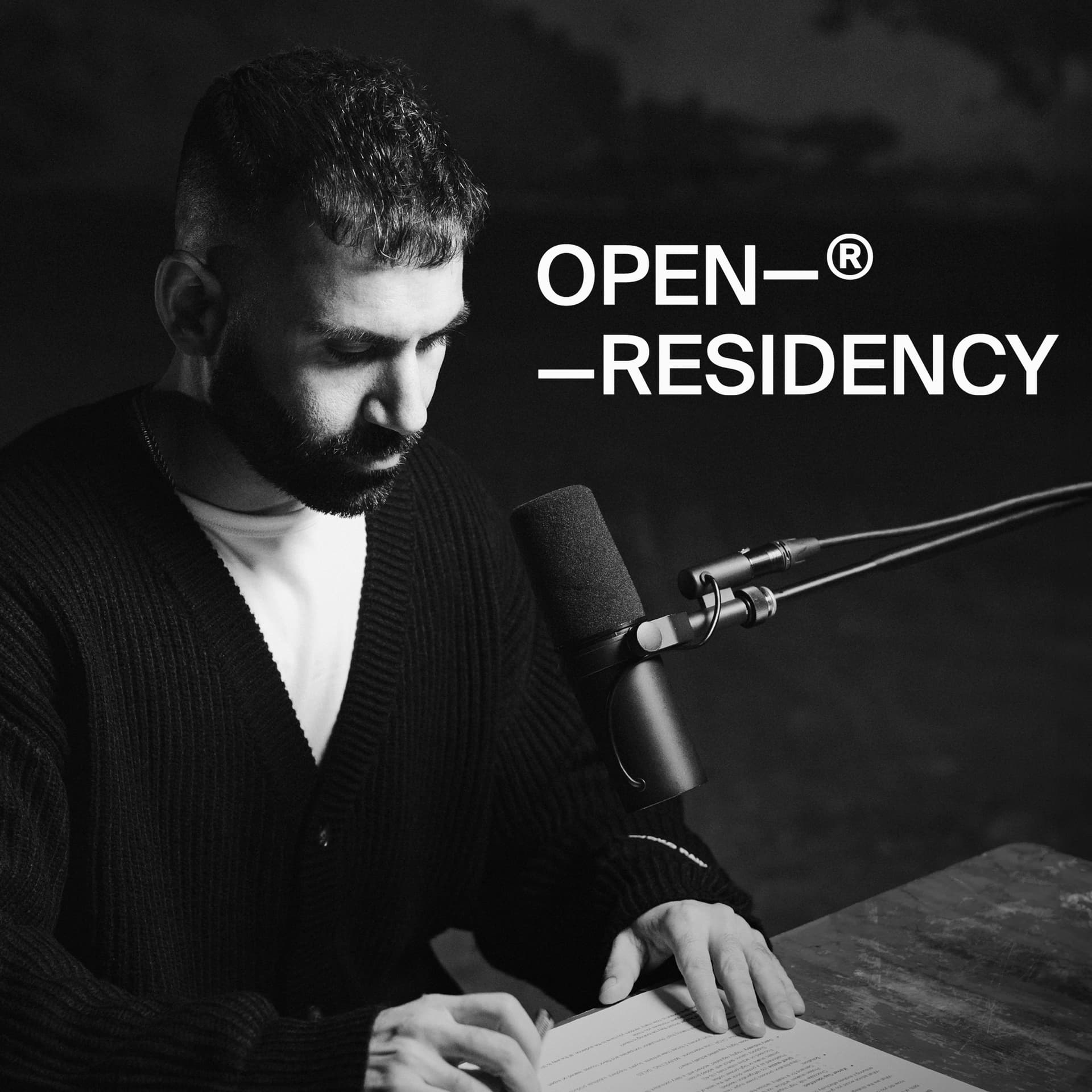
Episode Overview Podcast Title: Open Residency Episode Title: Jeff Byers - You’d Never Kill a $6M Product — And That’s the Problem Host: Mark Brazil Guest: Jeff Byers, CEO of Momentous Episode Link: [Open Residency - Jeff Byers](https://openresidency.com/jeff-byers)
Episode Description In this episode, Jeff Byers discusses the importance of building a high-trust brand in the low-trust supplement industry. He shares insights on the decision to discontinue a $6 million product to maintain integrity and the meaning behind sourcing, certifications, and partnerships that matter in business.
---
Key Themes and Discussions
- High-Trust Brand in a Low-Trust Industry
- Core Values: The foundation of Momentous is built on science, sourcing, and certification.
- Decision-Making: Killing a product valued at $6 million was about maintaining brand integrity.
- Long-term vs. Short-term Thinking: Emphasis on prioritizing long-term brand value over immediate profits.
- The Supplement Industry’s Shortcomings
- Misleading Practices: Many companies cut corners on sourcing and certifications.
- Consumer Awareness: Importance of educating consumers on what to look for in supplements (e.g., NSF Certified for Sport).
- The Product Development Process
- Advisory Board Influence: Involvement of experts and dieticians in shaping product offerings.
- Rigorous Standards: Commitment to high-quality sourcing and efficacy in products like creatine, omega-3s, and protein.
- Partnerships and Collaborations
- Initial Partnership: The first significant partnership was with special operations, highlighting the brand's elite focus.
- Influencer Collaborations: Notable partnerships with Andrew Huberman and Arnold Schwarzenegger to elevate brand trust.
- Building Authentic Relationships: Stress on deep, meaningful connections rather than transactional partnerships.
- Fundraising and Growth
- Recent Fundraising: Successfully raised $32 million from Humble Growth.
- Investor Alignment: Importance of finding investors who share the vision and values of the company.
- Leadership Lessons from Sports
- Leadership Style: Insights and principles learned from Pete Carroll about consistency and authenticity in leadership.
- Team Culture: Building a positive and purpose-driven culture that values every member's contributions.
- Hiring Practices
- Cultural Fit Over Technical Skills: Emphasis on hiring individuals who align with the company’s values and culture.
- Continuous Improvement: Understanding that people evolve and sometimes roles shift as the company grows.
---
Key Takeaways
- Integrity in Business: Protecting the brand's ethos is crucial, even at the expense of short-term profits.
- Consumer Education: The supplement industry needs more transparency and consumer awareness regarding product efficacy.
- Value of Partnerships: Authentic relationships can significantly enhance brand credibility and trust.
- Leadership Philosophy: Consistency and a focus on team culture are essential for effective leadership.
- Hiring for Culture: Hire for alignment with company values, as culture is built by the people within it.
---
Final Thoughts Jeff Byers’ insights illustrate the balance between maintaining high standards in a low-trust industry and the importance of building lasting relationships and team culture. His journey with Momentous reflects a commitment to making a meaningful impact in the health and wellness sector.
---
Listen to the full episode for deeper insights into operating a high-trust brand and navigating the challenges of the supplement industry.
Written by AI. May contain mistakes. Listen to the episode to check what was said.
Chapters
Tap a time to open that second in VOThe Importance of Brand Integrity
0:45 to 2:52
Discover why long-term brand value outweighs short-term profits.
“elite military units, and partners like Andrew Huberman and Arnold Schwarzenegger.”
Decisions Based on Science
2:52 to 4:42
Learn how Momentus prioritizes scientific standards in product decisions.
“$6 million a year for a product that is pretty big to cut.”
Understanding Supplement Industry Standards
4:42 to 6:04
Explore the critical standards and certifications for supplements.
“Because our customer trusts us to make those decisions.”
Challenges in the Supplement Industry
6:25 to 10:38
Understand the challenges faced by the supplement industry and consumer trust.
“Like I went, I went to, I went to China to go vet factories with like one of the, biggest distributors of products.”
The $200 Billion Health Industry
14:00 to 15:00
Explore the paradox of increasing health spending amid rising unhealthiness.
“that we play in is probably$200 billion.”
The Quest for Health Solutions
15:00 to 16:40
Discuss the misconceptions surrounding health solutions and the importance of fundamentals.
“So I think fundamentally, where we go on this, if I say, okay, it's a$200 billion category, man, if we get one 100th of that, we are a massive business.”
Building Trust in Health Brands
16:40 to 19:00
Learn about the struggle for quality and trust within health brands and their impact.
“when you talk to an NFL dietitian and they're like, this is a weird one, Jeff.”
The Product Development Process
19:00 to 23:00
Delve into the complexities of product development in the supplement industry.
“And then you look at the ingredient list, it's crazy.”
Understanding Creatine
23:00 to 24:40
Examine the misconceptions and benefits of creatine beyond athletic performance.
“And so what the research is saying is creatine is incredibly important for cognitive function, short-term and long-term.”
Dosage and Effectiveness of Creatine
24:40 to 25:50
Discover ideal dosing strategies for creatine to maximize its benefits.
“You had to think way too much about that.”
Show all 31 chapters
Quality Control in Supplement Manufacturing
25:50 to 28:00
Learn about the importance of purity and manufacturing processes in supplements.
“But if you start small, right, which is why we love the creatine.”
The Importance of Quality Supplements
28:00 to 29:10
Learn about the significance of high-quality supplements and their impact on performance.
“And those like creatine, protein, and omegas are our top three products.”
Building Partnerships in High Performance
31:40 to 37:10
Understand how strategic partnerships enhance business growth and performance.
“I want to dive into the partnerships because you have absolute crazy names.”
Navigating the NFL Supplement Market
37:10 to 42:00
Discover the challenges and strategies to penetrate the NFL supplement market.
“And I know that showing up and doing what you say you're going to do wins every time.”
The Evolution of Team Nutrition Practices
42:00 to 43:30
Explore how NFL teams have changed their approach to nutrition and performance.
“It's just like old school versus new school thinking.”
Building Authentic Partnerships in Business
43:30 to 46:00
Learn the importance of authentic relationships in business success.
“Any big learnings that you could share from, let's just say like a Stacey Sims or a Kelly Starrett.”
The Impact of Arnold Schwarzenegger's Partnership
46:00 to 49:40
Discover the significance of Arnold Schwarzenegger's involvement in the brand.
“That's investors, that's manufacturers, that's brand agencies, that's people who help drive revenue, that's retailers.”
Product Development and Market Strategy with Arnold
50:30 to 53:00
Insights into how Arnold will influence product development and market strategies.
“We need people to understand that, right?”
Fundraising and Investment Insights
53:00 to 56:00
Understanding the fundraising strategies and investment highlights from the business.
“but there's so much dirt of him talking smack about me doing half reps and start over and all of that.”
Funding and Founders of Amphp
56:00 to 59:06
Learn about the funding journey and key founders behind Amphp.
“Anyway, so we've raised money over the years is what I'm trying to say.”
Humble Growth and Strategic Partnerships
59:06 to 1:01:12
Discover how Humble Growth aligned interests and supported Amphp's growth.
“We put very little money on the balance sheet, which was awesome.”
The Challenges of Raising Capital
1:01:12 to 1:04:59
Understand the complexities and distractions involved in fundraising.
“And my co-founder and I are really unique in the sense of I'm really untraditional and I'm growth, relationships, deep culture, team building.”
Leadership Lessons from Pete Carroll
1:04:59 to 1:10:00
Explore key leadership principles learned from USC Coach Pete Carroll.
“help close a deal, and I come help run the business when needed to be.”
Core Values and Making an Impact
1:10:00 to 1:13:21
Learn how core values shape team dynamics and personal impact.
“People I played with, what are Pete's three rules?”
Hiring and Team Culture Insights
1:13:53 to 1:17:31
Explore key insights on hiring practices and building team culture.
“You glazed over very lightly him going to South Central.”
Challenges of Managing People
1:17:32 to 1:21:30
Understand the complexities of managing personnel and culture.
“Even though we have a great process, we have like Erica, because she came from McKinsey and companies are an incredible hire interviewer.”
Health, Performance, and Personal Choices
1:21:31 to 1:24:00
Insights on personal health practices and their importance.
“When you're one of three, you get to help build a sandcastle, right?”
Impactful Teammates and Coaches
1:24:00 to 1:24:35
Explore the influence of teammates, focusing on Steve Smith's character.
“Like my random walk in the woods is a random walk around Park City.”
Personal Health and Supplements
1:24:36 to 1:26:34
Discuss Jeff's supplement stack and health practices.
“And either Steve treated you like a brother or Steve tried to get you kicked off the team.”
Misconceptions About NFL Players
1:26:35 to 1:27:59
Debunk myths surrounding NFL players and their intelligence.
“I would also say the things that I take pretty often, anyways, I'll stop there.”
Driving Motivation for Success
1:28:00 to 1:30:16
Understand Jeff's motivations for building a business and making an impact.
“He was a young buck when I was, yeah, Matt Barkley.”
Transcript
Automatic transcript. May contain errors.0:00LinkedIn is pretty amazing at helping you grow your small business. We cannot stop your new clients from emailing you at 3 a.m. We can help you sell, market, and hire in one place. We cannot help you be in three places at once. And while we can't help you organize your calendar, LinkedIn can help you land more clients so you have a calendar to organize. Grow your small business on LinkedIn. Learn more at linkedin.com slash smallbusiness.
0:30Jeff Byers:I think the trend in the supplements is fucking overhyped. My category is supposed to make people healthier, and we're failing. We're not focused on the fundamentals. Bone-crushing consistency in anything that you do is what drives results. Jeff is a former professional athlete turned CEO of Momentus, a performance and nutrition company trusted by all NFL teams, elite military units, and partners like Andrew Huberman and Arnold Schwarzenegger. The greatest value a founder can build is a brand. The second you start thinking about short-term profit and you stop thinking about long-term brand is the second you start dying.
1:02Jeff Byers:Showing up and doing what you say you're going to do wins every time. And most people don't do that. It's really simple, but really hard.
1:19This is a text that I got from our good friend, John Beer, before this episode. He's a very rare founder, relentless and passionate and evolving as a leader, like all of them, But he chose a dirty business and built something with uncompromising integrity, both in his products, marketing partners, and how he approaches everything he does. How many founders cut products doing$6 million a year? Zero do. He said, you're a one-on-one. I want to talk about that. So most founders would do anything to keep a$6 million a year product alive. Why did you pull Fidoja overnight? I think it's this whole aspect of short-term, long-term thinking, right?
1:56And the greatest value as a founder that you can build is a brand. And the second you start thinking about short-term EBITDA, short-term profit, and you stop thinking about long-term brand is the second you start dying. Because brand is what founders can do best. And that core of who you are, your ethos as a brand, once you stop protecting it for a little bit more profit, a little bit more revenue, is the second that you start slowing that slippery slope of death, I believe. One step closer to the grave every single time. Every single time. Hey, you might keep going up, but ultimately those standards of what made you and got you there, and you start jeopardizing them, it's just like a moral compass as a human.
2:47You can't, once you start down that road, it's really hard to come back to it. $6 million a year for a product that is pretty big to cut. I mean, let's look underneath the hood there. Why did you cut it actually? Yeah, ultimately when you look at who we are as a company, like our standards that we built this on and we built a business, a high trust business in a low trust category. And the second you start making decisions that aren't high trust, you start becoming a lower trust brand. And that promise of who we are to our partners, right? Our experts, our professional teams that we sell into is the second you start not winning.
3:26So I think about Momentus and our standards, it's all around science is the first pillar of the standard. Then it goes into sourcing and then it goes into certification. So actually proving what we're sourcing is right. You start with science. Our customer trusts us to have the right products on market that follow the science. We launched this product, Fidoja.
3:51Jeff Byers:It's around hormone support, specifically around testosterone. We launched it early, early days. And we launched it because there are a few of the expert partners we work with that, hey, Fidoja has really interesting clinical data, early, early clinical data in mice that it could impact testosterone own levels naturally. And we're like, cool, great. And we had this idea that that evolution of science was going to continue to evolve. Over the next two years since launching it, the science did not continue to evolve. It didn't get better. And we said, when you look at our portfolio and we do our quarterly reviews, we want everything to be duck, duck, duck, duck, duck, duck.
4:32Jeff Byers:A hundred percent. A hundred percent. And it started becoming duck, duck, duck, maybe a goose. And once it was like, this is a goose, we're like, out, pull it. Because our customer trusts us to make those decisions. And when you make hard decisions like that, that not only anchors the team on your core values and your standards, it anchors your customer on who you are, and it anchors your investors on who you are. And therefore, when we have to make another hard decision again, which we will, undoubtedly, we have that backbone to make it. Also, advisors, I actually took the Fidoja and the Tongat Ali per Andrew Huberman, which he's got massive partnerships.
5:12We're going to get into that. It definitely worked. I don't know how much it was the Fidoja, how much it was the Tongat Ali. Tongat has really strong clinical research on it, right?
5:21Jeff Byers:Really strong, probably bold statement. Somebody will call me on that. It has strong enough to be in our portfolio and strong enough to say, hey, am I better off taking TRT or Tongat? Tongat. You got to hold on the TRT for as long as possible. Yeah, exactly. And that's why we had them. So what do you think is the biggest lie that the supplement industry is kind of telling everybody? Oh man, that's a deep and hard impact. I never wanted to be a supplement company CEO. That was not my dream. Didn't wake up as a kid. I didn't wake up five years ago and think that. Every day that goes on as a supplement company CEO, I find out more and more things about this industry that surprise me.
6:03So I think the the dirtiest secret is that sourcing doesn't matter. Like if you owned a apparel company, you would go visit the factories that the peril is made at in other countries. Of course. Not our industry. You don't like, where does it come from? Don't know. Right. Like I went, I went to, I went to China to go vet factories with like one of the, biggest distributors of products. And they're like, you're the first company that has ever asked to come over, let alone CEO of a company. Yeah. I mean, in any business, you're going to go travel to see your production and see what the standards are there.
6:49The humans - The raw ingredients. If we're going to even consider sourcing one of our main products, we need to understand that supply chain and we need to control it. So I think sourcing, people don't talk a lot about sourcing. Everybody thinks it's a commodity-based business and it's not. What does that look like? How are you finding these sources? And when you're going and meeting these sources, what are those questions and answers that you need to get? Yeah, I mean, I think number one, it's like making sure you have eyes on how things are produced, right? Like a lot of our industry comes outside the US, right?
7:26Not good, not bad. It just does on there. And therefore you want to just make sure is it clean working conditions so first you just want to get eyes and you want to understand that for us that's our core products we want to understand where they come from etc like we know what port you know our omegas come in at in norway which is incredibly important like we know the farms that the cows that make our whey protein come from and i think the reason why is is if you understand that and how they think about quality because quality starts there right it starts with the fish that are caught, how it's transported, then how it's turned into oil, then how it's brought to the US and then how it's encapsulated, right?
8:06Like all that matters that like everybody wants to focus on how it's encapsulated. That's just one step of the journey. So I think that, and then it's actually like verifying that this is the highest quality that you can find, or this is the most efficacious dose. Yeah. I think that you guys have your quote unquote momentous standard, which we are doing your own due diligence. But what about for anybody that's going and looking on the shelf? Like, what's the difference between all of these things I see, these NSF certified for sport, the third-party tested, the third-party certified? Like, can you give us a little rundown on like, what is bullshit?
8:39And then what can we say, hey, this is, you know, we could semi-trust this, but obviously you want to dive deeper.
8:44Jeff Byers:I will just go, there is one certification that is trusted in pro sports, only one. And that's NSF certified for sport. And that means that you're not going to get popular like a steroids or something like that. That's what most people think. And that's what I used to think. It does mean that. but it's even a higher standard. It also contents certifies. So when you flip over a supplement or a protein and it says, oh, it has 20 grams of this, two grams of that, one gram of this, NSF for sport certifies that what is on the back of the label is actually in the container, which is so critical because our industry is not regulated.
9:21Jeff Byers:And like all these reports about like, a lot of gummies don't contain creatine. And, you know, there was a report like, yesterday or two days ago that some protein company was putting cake batter in there and had like no protein in it. Tasted good. Definitely tasted good. But that's the lack of regulation in our industry. So, because we aren't, we aren't a regulated industry. So what NSF certified for sport does, yeah, it tests to make sure there's no banned substances or what I would say bad substances in it. Nobody wants tainted supplements, right? And then number two is what's out on the labels in it in the right doses, right?
9:55Jeff Byers:You don't want to buy an omega-3 and have the wrong ratio of DPA to EHA if you're buying a certain ratio. And this is also incredibly important for athletes if you're tracking your macros to really understand and know that that actually is what it is. If you're going to invest in something, you don't want to buy a Beyond Beef burger if you're a vegetarian and have it with beef, right? Why would consumers buy a creatine gummy that doesn't have creatine in it. If you're going to invest in your health, you want to make sure you're investing in actually what it is. And like all things in life, quality costs money, right?
10:34But when you invest in quality, you have higher likelihood of outcomes. So this third-party test, that third-party verify, when I see that, that's bullshit.
10:41Jeff Byers:Yeah. I mean, that could mean we have a certificate of analysis on file, right? And everybody post-production gets a COA, right? And that's just like lead, arsenic. It's just like checking all these - Super minimal level of it. Yeah, 100%. I mean, as an example, we fail NSF certified all the time. Every single year, multiple production runs in different products fail. And when we fail, the only reason why we know we fail is because we certify it. But because of that, we can never take that to market. So as we sit here today, we have less than 10 days of supply of our multivitamin. Our multivitamin is a very complex multi-ingredient product, but take for example, we have one milligram of boron in there.
11:30If we have 1.2 milligrams of boron, like in the NSF certified, we fail. We scrap that production run and we have to start all the way over. Right. And so right now we're in this two week window that we have to get approved for NSF,
11:45Jeff Byers:right. To be able to actually take the next production run. So we're, you know, we had a production run, call it three, uh, probably is probably 30 or 45 days ago fail. That production run now goes to the dumpster and we're on our second production run, but now we're almost out of stock and we run out, we go out of stock, a product or we cut it. We cut D to C sales and only fulfill subscriptions or we cut different channels to protect subscriptions always, but we go out of stock because of failures of certifications all the time in our business. I'm RJ Decker, a private investigator uncovering the sunshine state's darkest secrets.
12:24Tuesdays, it's the premiere of ABC's hottest new crime show. RJ freaking Decker as I live and breathe. He's a private eye. It's not a standard murder. It's someone bigger. And a public mess. Trying to get sent back to prison today? You go to prison one time and suddenly it's all the jokes. R.J. Decker. Series premiere. Tuesdays on ABC and stream on Hulu. It's the Paradise Podcast. I am your host, Raya Michelle Bathe. With my husband, Sterling. What's up? Join us here on Hulu and Hulu on Disney +, where we'll discuss each episode with the cast and crew of Paradise. I'll be getting all the secrets from Dan Fogelman.
13:04James Marsden, Shailene Woodley, Julianne Nicholson, and Sterling Kelby-Brown. Paradise, the official podcast, is now streaming. And stream Paradise on Kulu and Kulu on Disney+. How many companies are doing this? Is it like a handful? There's a lot. I mean, there's a lot of companies that invest in great certifications. And NSF. We believe NSF's the gold standard.
13:27Jeff Byers:That's who we are. I mean, like, I think about other companies that do a great job in the category. BPN, right? Nick Barry, yep. Yep, Nick, great job. Thorne makes really high-quality products. Transparent Labs makes really high-quality products as a whole. Look at this guy. Sometimes business is not a zero-sum game. He's calling out other people. Our industry is$100-plus billion. I mean, I get back and think about what we're trying to do and what's the bigger picture. The category of supplements and nutrition, that we play in is probably$200 billion. If you include like Gatorade, sports nutrition and stuff in there and all that.
14:12Society as a whole is as unhealthy and as sick as it's ever been. Yet we are spending more money in my category than ever. Awesome for my category, but clearly my category is supposed to make people healthier, therefore happier. And we're failing. And why are we failing?
14:31Jeff Byers:I think a few reasons. One, everybody's looking for an easy route, the magic pill, all of that. There is none of it. It does not exist, right? And we're not focused on the fundamentals. Like there's so much noise. It's like, oh, take this, take that, take this. It's like, if you just take three things consistently, you're going to see a way better benefit. It's just like, hey, if you just are physically active, you're going to be healthier. Just means walking. You don't have to like go to the gym and train, right? if you just eat right. So I think fundamentally, where we go on this, if I say, okay, it's a$200 billion category, man, if we get one 100th of that, we are a massive business.
15:16We're not even close. We need to uplift. The whole category needs to uplift. All I can hope is when somebody walks into a vitamin shop, which we launched in two days ago, that they're looking and they're saying,
15:28Jeff Byers:no, no, yeah. that's a great brand, that's a great brand, bad brand. We need the good brands to win because the good brands will up-level the whole category and it will force brands that are using artificial crap, artificial flavors and sweeteners and fillers and not dosing or not certifying, it'll push them out, right? Or make them make hard decisions to invest in quality. And that's what I hope we can do. The good brands have to stick together. Yeah. It's so funny. We were talking before off camera and your sleep product. to change Jake's life. We'll talk about it later. Change Jake's life. And like, when we think about your brand, we think about trust.
16:08Joel is another one with human. He's doing a great job. Tons of clinical trials. It's ironic. He said, Nick bear, like he's a guy that I look at him. I trust what he puts out. I've never had his products, but he's another guy. There's so few in your space that it's just like, if you focus on just trust and this NF NSF certified, I feel like over time, eventually you will win. Yeah. Yeah. A hundred percent. But you got to do, that means making the decision on Fidoja, right? Because the second you have a product in your category that doesn't fit, that there might not be some trust when you talk to an NFL dietitian and they're like, this is a weird one, Jeff.
16:45Then the second they're like, well, are you cutting corners here? Are you thinking about dosing wrong here? Right, and once that's out of the bag, it's real hard to put back in. Slippery slope. I want to dive a little bit deeper into the product development process from idea to final product. How does that go? I don't think we're the most efficient at it as a business. And that's only because I fundamentally don't believe that the smartest people around health and wellness live inside supplement companies. Great formulators live inside supplement companies. Formulators aren't the ones saying X needs to happen, Y needs to happen.
17:34This is how a product needs to get built. This is what the data says, right?
17:38Jeff Byers:We could launch, you and me could say, launching a product, gonna formulate it, hire a great formulator. We could do that in like four weeks. It's really easy, but that doesn't mean sourcing, no vetting, sourcing, no vetting, right? The efficacy of the products, No saying, is this the right product to have? So we kind of start with our advisory board, which we're incredibly lucky to have dietitians represented from essentially every professional sporting league, NCAA, and then great scientists and what I'll call like public experts, like Huberman is on our advisory board or Dr. Andy Galpin as well, or Stacey Sims.
18:16Jeff Byers:Like these people who have PhDs that are incredibly smart in the study of performance and wellness. And we say, okay, what are the gaps? What matters? Oh, like this is a niche product, maybe not. And so it's like, we go in and say, where are we missing in the portfolio? We wanna be the 80-20 rule, right? We wanna be the 20 % of products that drive 80 % of the value in somebody's life because that's what matters. We wanna cut through the noise. And so we start with them and saying, what do we need? And we look at market trends and opportunity there as well. So we say, okay, we got a product. Like let's take a pre-workout, for example.
18:52Jeff Byers:All right, we go in and you say, okay, pre-workout is a mess, right? Like who knows what's in it, et cetera. Lots of non-certified products. And then you look at the ingredient list, it's crazy. It's like, hey, we want to build a pre-workout. There's a definite need to use heavily. It has great science behind it as an eugenic aid. We want six ingredients. So we go to this advisory board and we say - Is it less ingredients, the better? Is that a - I don't think maybe. Yeah. Right? The challenge is the more ingredients you get, the more cross-reactivity you have, the harder it is to create a product that can have efficacious doses in it.
19:32Jeff Byers:It would be great, oh man, I can get everything I need in this one little pill. The problem is like, all right, now I have one broccoli floret. You're not getting the daily dosage you're going to need for that specific vitamin. A hundred percent. And so it's like, okay, let's pick what matters. and then you ultimately get this list of like 15 things from this advisory group. Then we hold a little round table and we say, let's boil it down. And you're like, oh man, we want to put like a, you ran lion's mane in it. And I'm making this up. You have to have 17 grams of lion's mane per the research to actually be effective.
20:07Jeff Byers:Well, pull lion's mane out, right? Like then it goes into practicality, right? And then you look at practicality and also when that step was, we're starting to understand sourcing, right? It does, like, does it matter where it comes from in the world? Does it matter, right? What's the form? Does it be chelated? Whatever it may be, right? We look at that and then we start understanding pricing, right? Because one of the things that's really hard in our industry, it's like, oh man, we created a great pre-workout. It's$200 for a 30-day serve. Well, guess what? Three people are going to buy it, right?
20:40Jeff Byers:One of them is probably my mom just to support me. Always the first and best buyer, the mom. Always, but the practicality of it is so important, right? Both in terms of, can we actually fit this in and can we not? So we've been working on a pre-workout for a long time. Don't know if we'll ever launch one, but we've been trying to use this ingredient that helps minimize the spike in the trough of caffeine. So like allows a better cognitive, right? Or stimulant base. The problem is that ingredient tastes like dog shit, right? And we actually won a government innovation contract with the department of defense to create a new stimulant base and use this thing.
21:13Jeff Byers:We can't make it taste good without using artificial flavors. Wow. Like we literally can't. Like, well, I mean, maybe we can't, I don't know, but we're still working on it and we haven't launched it because we can't make it taste good. And our standards say we will never use an artificial flavor. So we're kind of stuck. And so it's like, well, maybe that doesn't work. We got to pull that out. And this is something you've been working on for years. And you said - Oh, we, I bet we are four years into pre-workout. Damn. I mean, we're going to, we're going to get, we're getting close, I think. But that for us takes a long time.
Read the full transcript
21:43Jeff Byers:I'll give our creatine chews, which we just launched right before Thanksgiving is a great example. Delicious. We went down this channel of, I bet it took us 18 months to get to creatine chews. We could go and get a creatine chew on market in maybe six weeks, maybe less, right? But what it would have would a ton of junk fillers in it, definitely artificial flavors, artificial sweeteners, right? All these gummies have that probably. A lot of them. There's like Like create gummies, fantastic. Always test for the amount of creatine they say. But most gummies don't. I want to go deeper into creatine.
22:18I'll be a creatine guy. I'm sure a lot of people listening are as well too. What are the biggest kind of misconceptions about creatine? If we're having this conversation three years ago, it'd be very different. We were one of the first brands to start talking about creatine from a cognitive perspective. And we go back to this advisory board that we have of the smartest people
22:38Jeff Byers:that I think in the world that are like cutting edge, like truly doing performance in a real way. And they kept saying, you got to think about creatine differently. Creatine's not just right for the meathead. And like three years ago, creatine is having its moment. Very, very clear. 100%. Creatine plays such an important role in ATP in the body, the main form of energy. And guess what? Our brain uses a ton of energy. Every cell in our body uses energy. And so what the research is saying is creatine is incredibly important for cognitive function, short-term and long-term. It also has implications for being neuroprotective in combat sports or contact sports or in the military.
23:23And it also helps return to play post-concussive. Oh, it also works for sleep deprivation because it creates, gives more energy to the brain. Right for that. Then obviously it's also really important for muscular performance. Like when you're thinking about like the correlation between lean muscle mass and longevity and health is so tight. Like the more we can do to make sure we optimize lean muscle mass is critical. How do you get more efficient in the gym? Maximize it. Creatine.
23:52Jeff Byers:So I think common misperceptions is creatine is a bro supplement. The answer is no, right? but bros are going to get the least amount of benefit from creatine. Turns out older people and females actually have a way better, has way better outcomes with creatine because they're more deficient in creatine. If you eat a lot of red meat, drink milk, right? You have more creatine. If you have higher lean muscle mass, you carry more creatine. You hold more creatine in your body. And so females, elderly actually benefit a lot more from creatine than the bro does. Here's the million dollar question though.
24:31What's the right dosage of creatine?
24:33Jeff Byers:Well, data is continuing to progress. I mean, just, I do believe that 10 grams is a new five. I take 20 grams a day, my man. Yeah. So I'm not a doctor. I'll caveat all that. 10 grams is very good. Five grams is very good, right? Both have efficacious amounts. But here's the challenge. Like I weigh 240, 245. How much do you weigh? As of today, 186. You had to think way too much about that. No, because I can't. And you're way too specific. I came back and I weighed 193. I'm really not happy with myself. And it came back down to 186. Okay. So I have 60 pounds on you. Yeah. Should we take the same amount of anything?
25:14Jeff Byers:No. No, not at all. But we do, right? Yeah. As a whole. So anyways, and I would say like, if you've never taken creatine, start small, right? Definitely the loading phase for sure. Yeah. A little bloaty in the beginning. And because like also lower quality creatine can give you a little more GI distress. It can create more bloating, et cetera. And as you build tolerance, so Stacey Sims, who's like one of the leading female physiologists out there around like performance, you know, the biggest argument women say is, oh, I hold water, I gain weight, I do this, which can happen to people. But if you start small, right, which is why we love the creatine.
25:56Jeff Byers:She was like, oh. A gram each. A gram each. Yeah. Take one in the morning, take one at lunch, take one after lunch, right? And like spread it out. It helps minimize it. Or you start with one gram, then you go to three grams and you go to five and then you try to seven and oh, seven, then you go back to five. Like it allows you to dose a little more easily. So I'd say misconception is creatine for cognitive function is incredibly important. And then the other misconception is like, and I was in this boat, oh, creatine is creatine. Creatine monohydrate is creatine monohydrate. and realistically in the last two years, I've really come to believe that's not true, right?
26:32There is varying purities of creatine out there. And so our job as Momentus is to find the highest quality creatine in the market consistently as a whole. And right now that's 99.9 % creatine monohydrate and there's 99 % creatine monohydrate And there's less than that. But the fact of the matter is it's, you know, oh, we got five grams of creatine monohydrate. But also creatine, most people don't know this, is a pretty dirty manufacturing process. Creatine, like most supplements and things like that, is a chemical process, right? And like, it just is. And so in chemical processes, you want to just make sure that it's made in high quality facilities, right?
27:19Not in some chemical company, open air, et cetera. with the right raw ingredients as a whole. And so purity matters. A lot of creatine is what's called acid washed versus water washed. And that's like the finishing step before drying. And that's really important. Acid washing is not as good as water washing. It's way cheaper, but not as clean.
27:44Jeff Byers:And then when you think about water washing, well, do you use tap water? Wow. Because what does tap water contain? Heavy metals. in lots of other places in the world. And so are you using reverse osmosis, filtered water? Are you using something else? So those things matter. And those like creatine, protein, and omegas are our top three products. We try to go to the ends of the earth to find the highest quality things. We also call that the momentous three because I fundamentally believe like if you just master those three and you just do those consistently, you're going to be really good. And if you paint a broad stroke of like really hard to get from your diet in the right doses, in the optimal doses.
28:26Jeff Byers:Let's rephrase that. No cross reactivity, huge amounts of data around short and long-term performance, creatine, omegas, protein, right? Like those are just the fundamental building blocks of life. And hey, maybe you get your blood work and you say I'm low in magnesium and VIT-D and then you start. When you want your spring break to feel like, and your kid's pool day to feel like and your hotel bed to feel like ooh, and room service to feel like because at Hilton, hospitality feels like Your cabana's ready. Would you like fresh towels? It matters where you stay. Book now at Hilton.com. Hilton, for this day.
29:15this episode is brought to you by nespresso introducing virtuo up the latest in a long line of innovation from nespresso it's innovation you can touch sense and taste in every single cup with a three-second start easy open lever and dedicated brew over ice button it's even easier to enjoy your coffee your way sip for yourself shop virtuo up exclusively at nespresso.com it's my exact step is magnesium vitamin d daily vitamin protein creatine and omega-3 or if we have right your partner who sleeps like crap yeah you need to address that and you should try it because sleep's critical but like i don't sleep bad i have pretty good sleep hygiene and therefore i don't really use our sleep products very often i use them when i travel right because i'm outside of my normal routine and i need that but i don't use them at home because i have good sleep hygiene at home.
30:10And I don't like, somehow I just sleep like a baby, but that's not the case with everybody.
30:15Jeff Byers:So it's like, oh, is my biggest, Andy Galpin said it best, I think is like, why step on the gas if your foot's on the brake, right? If you don't sleep good, address sleep, right? That's a brake. Way easier to go fast when you don't have your foot on the brake. Guys, quick break. This episode is sponsored by Universal Ads, a division of Comcast. I have spent tens of millions of dollars on meta ads. At one point, it was 95 % of my marketing spend. That is super dangerous. With one algorithm shift, your whole entire business can stall. A great option is layering in advertising on streaming TV. I thought it would take weeks to set up and a big agency to maintain.
30:56Guys, it took five minutes. Universal Ads gives you direct access to a ton of premium publishers. NBC, Paramount, Roku, all the big networks. 100 % of your spend goes to actually reaching people, not middlemen. And the best part is there is no fees. Same workflow as Meta, upload your creative, target your audience, and launch. I've already moved massive brands spending millions of dollars a year on CTV over to their platform. I've negotiated ad credits for my audience, plus free creative and measurement services. If you're running CTV or spending six figures plus a month on paid, email us at info at openresidency.com with subject line universal.
31:35Platform dependency is dangerous. Don't make that mistake. Link below for more. I want to dive into the partnerships because you have absolute crazy names. You briefly mentioned Huberman. How'd you get your first major partnership and what did it unlock?
31:48Jeff Byers:Yeah, it kind of all stems around the Momentus standards and who we are. I will go back all the way to 2018 when we started the underlying entity, which is called AmpHP. and within the first few days of like standing up this entity, my co-founder and I, my co-founder is Erica Goode. She's incredible. She's the president of the organization. I'm the CEO. We've been partners from day one and we have very unique, distinct roles. And we spun it out of this biotech to create the next great high-performance company is what we said and how we raised money. It sounded super cool or at least I thought it did.
32:24Jeff Byers:Within a few days of like standing up the entity, signing the agreement with the biotech company that we were coming from, we're in Tampa Bay, Florida, signing what's called a CRADA, a cooperative research and development agreement with special operations. And that was our first big partnership. And it's kind of surreal to say, all right, like the first thing we ever did was with special operations command. How did that come about? That's a pretty big one to come out. Yeah, when we were, this product that we had, that we have at the biotech, basically the biotech had been working on a transdermal drug delivery technology.
32:58Like how do you get things through the skin? And the founder had this idea of, well, maybe we could get sodium bicarbonate
33:04Jeff Byers:through the skin. And sodium bicarbonate is baking soda for those of you don't know. And bicarbonate plays a pretty important role in the body. Bicarb helps buffer acid, right? When you train really, really hard or really, really long, our muscles throw off more acid than we can flush. It's called your lactic threshold. and that ultimately is an implication of performance. And so if you can deliver more bicarbonate into the body, you can buffer more acid, which means you can train harder or go longer, right? And bicarb has been studied for 50 plus years, has an immense amount of clinical data on it.
33:45The problem is bicarb doesn't do good with acid.
33:49Jeff Byers:It creates massive GI distress. And what's a performance inhibitor? Shitting your pants every time. Anyways, so we had this crazy product that we had early data from, but it had implications in special forces, had implications in elite pro sports. And we had enough data, right? And we were in these unique circles. So it kind of stemmed from these relationships we had within the DOD and that they were interested in this technology. Because how do we use a technology, right? That can help us go a little longer, go a little harder, right? Maximize our training. Now this product is gnarly. It's like greasy, like it's not consumer friendly.
34:27Jeff Byers:I thought at the time, oh man, we're going to have a hundred million dollar product here. It's not, not even close, right? That's why we went in and we merged and acquired the Momentus brand and went a more broader market, massive addressable market. So it kind of stemmed from we're doing things at the forefront of high performance and we are connected to Tour de France teams and Marathon World Record holders and special forces and professional teams. Our first big order for PR lotion was from maybe the greatest NFL team of the 2000, 2010s. Who? Right, man. I don't want to get in trouble. You can extrapolate on who was the greatest team of that era.
35:07I want to talk about the partnership kind of flywheel effect that you have. Obviously, that's a good first one. You can kind of lever it up. Let's talk about Andrew Huberman specifically. How did that relationship start? Yeah. We acquired the Momentous brand and merged with it in the middle of 2021. And we did that knowing, right, we had to expand beyond, right, elite, elite performance. Bigger TAM, more mass market. Bigger TAM. But how do we leverage this ecosystem that we had? And so we were playing in these really unique circles. And Andrew wasn't Andrew at the time, right?
35:43Jeff Byers:That we, that knows. And if you don't know Andrew Heberman, he has one of the top podcasts in health, longevity performance. He's a neuroscientist at Stanford. It's called Human Lab. It's working good. But Andrew was this neuroscientist and he worked with a lot of these crazy people that we worked with. And one of my greatest friends is this guy named Hobie Darling. He's the president of Riot Games right now. Him and Andrew were close and he introduced Andrew and I. We did a crazy workout. And essentially around that same time, we acquired the Momentus brand. and it was, hey, let's figure out how we work together.
36:17Jeff Byers:And he was just starting his podcast, just starting to rip. And it was like, oh, you're trusted. Like you're trusted by the people that I trust and look to pro sports teams, et cetera. And Momentous was born in pro sports, just like the company I started was. And so we had this really natural story of like sourcing certifications, et cetera. And also we're kind of edgy. I'm a little, I'm different than most in this space. and I didn't want to do it like everybody else. I wanted to do it better than it's ever been done before, right? I wanted to be the anti-supplement supplement company. Let's tear up the playbook.
36:49Jeff Byers:It's been around for 50 years. It's failed us. And people like that resonated. So we are really high trust in a really low trust category. Plus, I believe in partnerships. I believe in people, right? Like my background, I suck at D2C. Like I know nothing about it. I know a lot more about it than I ever did. I don't have a traditional business background. I wasn't groomed by so-and-so. I played pro sports. I got my MBA. But what I know is people. And I know that showing up and doing what you say you're going to do wins every time. And most people don't do that. It's really simple, but really hard.
37:27And I just kept doing it, right?
37:30Jeff Byers:Kept doing what I said I was going to do, right? Like with this product, PR Lotion, this guy was like, you'll never do that research. Sure and should I did that research. we paid a crap ton of money, right? To the university of Oregon to do microdialysis to show that we're modulating the pH in the muscle. And they're like, you'll never do that. I remember this person for NFL team saying, you will never do that research. I don't believe you, right? And two years later, he's like, I can't believe you actually did it. But like, say what you're good, do what you say and take care of people, right?
38:03Jeff Byers:And be authentic to who you are. I don't want to be anybody I'm not. I would love to come up here and be like, here's our longevity product, right? We have a longevity product. It's great. Do I take it? Nope. Why? Because it's not my top 10. Should you take it? I don't know. It's what are you trying to achieve? So that's who we are. And we just kept doing it over and over and over again. And Andrew was looking for somebody to partner with, right? And it was just like this awesome marriage. Andrew was on the rise. We were super small, but we knew what we knew. And Andrew wanted a bunch of different products.
38:40Jeff Byers:So we built a bunch of products based upon our standards. And we launched with Andrew middle-ish of 2022. And that took the business, made the business a consumer business. We shifted from being a sports, like a high performance brand to what I call a performance for life brand. right? Talking to people like you and me as executives, right? Talking to people looking to get more out of their lives, right? We aren't for everybody. I don't want to be for everybody, right? I'm not for people who, you know, are trying to buy the lowest quality, cheapest stuff. I'm people who are making active decisions around what they put in their body and how they think about it, right?
39:19Jeff Byers:They might be on day one of their journey or they might be on year 40. I don't know, but that's who I'm for if on there. So anyways, that transitioned this business massively into the consumer market. Our roots are still in sports. We still crush it there. Like I'm very proud of, you know, we have a woman named Carrie Gobe who runs our pro sports channel and she does an incredible job taking care of our teams and representing who they are. And that's why we've had the success we've had with the quality of products and that works. So that's how this all stemmed was like, I would say like one of my core things was be at the forefront of high performance.
39:55Jeff Byers:I'll call that like our flywheel, work with the best, do what you say you're going to do, right? Continue to invest in research, invest in the clinical, invest in the certifications, right? When nobody else will. And that was really small to start. And then it grew and then it spun off like, oh man, working with most of the NFL teams, spun off like working with the government, it's Monofa Huberman, that spins off this. Then it spins, like, it just keeps spinning things off because when you think about, when you think about all of the partners that we have, they're all brands. Like all the people that we're going to talk about, they're all big brands.
40:32Nobody wants a low trust brand to partner with. Tim Ferriss doesn't want to partner with a low trust supplement company because that brings down his brand, right? Again, when we made that Fadoja decision, we maintained as a high trust brand. A guy like Tim Ferriss is a high trust brand.
40:53Jeff Byers:If he partners with a crappy company, that erodes his trust a little bit. And then that erodes his ability to communicate with his audience. And it's like this slow. And so we became this, oh man, you guys got so-and-so and so-and-so and so-and-so. got like, and what we've created now, right, wrong or indifferent, this ecosystem of brands and partners, individuals, right? Buyers, right? The pro and college sports teams that now we have to make the right decisions. We have so much, so many people that are saying this is the right, this is, this is the one. And it's just like, continue to validate, you know, from who we were, be at the forefront of high performance.
41:38Jeff Byers:That was what I wanted to do from day one. We are there and that spun off this brand of trust, right? Because if you want to be the center of high performance, you got to be trusted. You mentioned very briefly, I mean, you work with all 32 NFL teams. How do you go from zero to a hundred percent penetration? What does that look like? Oh man, we weren't a hundred percent for a while. We had one that was a thorn. Literally and figuratively? No, maybe on there. It's just like old school versus new school thinking. Some teams move faster than others. Some teams didn't have dietitians until a few years ago, which is crazy to think about.
42:13Jeff Byers:Other teams just had their old way of buying. And so it's just been this consistent pursuit. And for me, obviously I play in the NFL. I literally have no weight in that. People are like, oh man, it's because you play in the NFL. You think a former player walking in and talking to the performance staff was like, hey, I started a supplement company. You should buy it. you should buy some from us. They're like, pass, get out the door. They're like, we remember you. I go there like, oh man, I remember watching your game tape. And I'm like, oh God, this isn't going to go well. But it's doing the right things over and over again.
42:48Jeff Byers:It's making the Fidoja decision. It's not launching a pre-workout. That's not our standards. It's communicating. It's taking care of them when they need to be taken care of. It's hiring the right team to support them. I think all those things matter as a whole. So it starts with one or two, right? It starts with listening and then it builds, right? And the good expand. And obviously budgets matter. Everybody has their own little take on what it is. Some people don't like the chocolate, but they like the strawberry and they buy chocolate from somebody else. And all you do is got to continue to work with what you got.
43:24I want to dive in a couple more of these big partners. Your advisory board is obviously huge as well too. Any big learnings that you could share from, let's just say like a Stacey Sims or a Kelly Starrett. For people listening, Stacey Sims, female physiology, and then Kelly Starrett's huge in mobility recovery and physical therapy. Any like big learnings you can share from them? When you look at almost all the people we work with that have big followings and big, big, what I call true influence, they're not surface level relationships. They're very deep, authentic relationships where they're never afraid to call me and say, I saw this Instagram post that you guys reshared.
44:05It's bullshit, Jeff. They never tell me what I want to hear. They always tell me what I need to hear. Every single person you listed right there. And I think that's incredibly important. It's not a, right?
44:18Jeff Byers:Like if you're looking at it of like, oh, what is the, right, ROAS that we're going to see on this person? Like direct line, directly attributor, you're going to lose, right? You're going to be like every other brand. Oh, man, your CAC wasn't good enough. That's not what a partner is, right? And so for us, almost all those people, we started to get to know them before we ever had a deal, right? A lot of them got connected through our ecosystem of like, hey, you know, can you introduce me to Jeff, I love what they're doing at Momentus. And so it wasn't this, hey, how much does it cost to work with you?
44:56No, almost all of those people are economically compensated, just to be clear. Like they're partners, value exchange.
45:03Jeff Byers:But we had an authentic relationship before, and then we've incorporated them in brand. And everybody has a little bit different approach. And what I found is they all get better with time, right? Like the true relationships, It's like, oh, you're eventually like burn out their audience and you won't need them anymore. And it's like, that's not a partner. That's just how do we acquire new customers? And guess what? We have those people too, but I don't call them partners. Those aren't people that I want to work with. They're people that brand needs to work with, but not people that I want to build with.
45:36People just sorely underestimate just the compound effect of just time with relationships. It's absolutely insane. Yeah. Just one conversation with any of these people can unlock a new product, a new idea. you putting up or taking down a post that could potentially help or hurt your brand? A hundred percent. And so like, and being authentic. And I also like, if you're a founder, the most important thing you can do is take care of relationships. That's investors, that's manufacturers, that's brand agencies, that's people who help drive revenue, that's retailers. We all have different types of partnerships.
46:12My number one job as a CEO and founder is to make sure our partners across the business are taken care of, right? Because we can't do it ourselves and no company can. And hey, you can build a business and destroy partners and treat people like shit. You can, you can make money. It always comes back, I believe. Right. And ultimately, if we're going to build something, we might as well try to make the world a better place. And so you might as well take, take care of people. Well, from human, you're saying a lot of stuff. No, I don't know him. You guys would absolutely love each other. He says the same thing.
46:47I mean, ultimately, as a CEO, it's about getting the right people on the bus and then keeping the right people on the bus above all. So completely agree there. Let's tie up these partnerships with a fucking massive announcement. Tell us about the partnership with Arnold Schwarzenegger.
47:02Jeff Byers:Yeah. Oh, man. Everybody's like, oh, how do you go bigger than so-and-so? How do you, like, what's next? And I've been really lucky to get to know Arnold and his team over the last, couple of years. And Arnold Schwarzenegger is the reason why we're talking about what we're talking about. I do a lot of it. He started the health and fitness industry 60 years ago, call it. He was the face of it for so long. And he's done so much for him. I mean, he's been on presidential boards. He was the governor, right? Movie star. When we were growing up, Arnold, like when you thought about fitness, you thought about Arnold.
47:42He owned the word fitness. He owned the word fitness, right? He's a three-dimensional human. He's not everything. And, you know, we talked about Dr. Huberman and Dr. Stacey Sims and all that. Nobody, like in our crazy world that we live in, everybody knows those. Not very many people know those. And so how do you really authentically tap the market and really tell a story about true quality and true fitness from a voice that people understand, know it. There's not many people in the world more recognizable than Arnold. And it's like, if we want to tell a story about being trend-proof, about majoring in the majors, right, doing the things that matter.
48:29like Arnold's been that guy, that person for 60 years, right? Like he'll talk about in the gym. Like, why do you need these fancy exercises? Do what works over and over and over again. 80-20. 80-20. And Arnold's been in this category before, right? He's had things not work and he's had things not work because brands didn't do right. And so it was a long time building a relationship of trust with him. I mean, I bet it took us 18 months to get a deal. One sweet, melty bite of a Hershey's bar, and suddenly I'm right back sitting on the front porch with my grandmother on a slow summer afternoon. She doesn't say much, just breaks the bar in half and hands me a piece.
49:13I open my mouth to say whatever a nine-year-old wants to say, and she replies with a low, listen. So we sat there, listening. That was the first time I learned that quiet can feel full. Hershey's. It's your happy place. Spring is here, and there's a whole new way to chai at Starbucks that's made perfect for you. Choose your sweetness, dial it up, or keep things light. Add a touch of pistachio, a hint of strawberry, or vanilla, or make it a spring classic with lavender. Because this season, there's endless ways to chai at Starbucks. Obviously a consumer before you engaged, correct? Yeah. Oh yeah.
49:57Requirement. And so we were really lucky. What does that deal look like? As much or as little as you want to tell us, any products? What is he going to be doing? Oh yeah.
50:05Jeff Byers:I mean, so Arnold, I think will be our big top of funnel brand awareness driver for the business. And so our goal this year is to tell the momentous standard story, right? Is to make people, when they think about momentous, they, they understand efficacious doses, the right products at the right times, sourced the right way and always certified. We need people to understand that, right? And we need people to raise the bar in the industry. And so Arnold can tell that story about being trend-proof, like don't chase the fad, follow the science, do the basics, major in the majors, stop majoring in the minors.
50:47Jeff Byers:That's one of his famous lines that I love. And so I think that's really important. So Arnold is going to talk about the Momentus standard. Arnold is kind of like me. He doesn't take a ton of products. And so we'll have like, here's like Arnold stack, which is essentially the Momentus three on there. And then we are launching a fiber product that we co-developed with his team, a guy named Adam Bornstein on his team, who is an incredibly smart, been in this space, understands it. So we basically, it was like, oh man, only real product I take that you don't make is a fiber. And the fiber market is so old and stale, right?
51:25Really old and stale. And Arnold's kind of funny. And how do you make light of a category?
51:32Jeff Byers:You take a guy like Arnold and you have him talking about taking Shiza's because he eats his FIBA, you know, and those types of things, like not things that our brand can say, but things that he can say, you know, on his social media and all of that. And so what the deal looks like is, hey, he's a brand ambassador, right? He's a spokesperson for who we are. And then we have this really cool product that we're launching around him, right? And that we help develop, that they help develop, his team help develop with us. That fills a gap with him. And that's what it looks like. and it's a multi-year deal that we're really excited about to tell this story and the history of being trend-proof, of legacy, of making people healthier and happier, right?
52:12Jeff Byers:Because Arnold wants to uplift the pump club. They want to uplift the world. He's like, when people are fit, they feel great. And I want everybody to feel good, right? And that's like his belief around fitness of like, he's like, when I train, I just feel so good. And I want everybody to feel like I do, right? When you're healthy, you feel so good. And I want everybody to feel like, that's how I feel. And we have an obligation, right? These people who've built brands, personal or companies have an obligation to make the world better, I believe. So anyways, that's what Arnold looks like. We're going to do a lot around him.
52:52Jeff Byers:We have some cool videos, some funny stuff, some super serious stuff on it. Arnold and I did a little workout together where I don't know how much is going to get out there, but there's so much dirt of him talking smack about me doing half reps and start over and all of that. That actually makes for good content. I have a couple of images with Matthew Frazier as the world's fittest man. He absolutely fucking smoked me and all my friends just shitting on me in the comments. It was great. Definitely put that out. It'll do good for you. I think for the people out there listening to, understanding and knowing, we talk about it in another episode with Kane of, do you have a product that needs explanation, i.e.
53:27a chair, a couch, a piece of art, or is it something like fiber? Like fiber is not protein. People like understand protein. Yeah. Like bringing in someone that could accelerate the education and awareness to actually explain it to people with high trust. I mean, that's, you literally pick probably the number one best person. In fitness, right?
53:48Jeff Byers:Anybody that touches health fitness would die for Arnold. And I feel so lucky that we were able to get something done. But when I look back, it's like, there wasn't luck. I feel honored, right? You don't seem like a, this is luck guy. You're not that guy. This was a long time orchestrated. Us, starting where we did with the roots in elite sport and the DOD, transitioning into this massive TAM, doing the right things, investing in certifications, investing in clinical research. You do the right things and you build a brand that stands for something, you got a good shot. But the second you start veering off is the second, like, hey, Arnold doesn't want to take brand risk.
54:32Jeff Byers:Never. Why would he take, his brand is worth 10X what I could ever imagine our brand to be worth. And he loses in a day. So he's got to be real careful. A lot of these principles are taken directly from sports, which we'll get into right at the end here. But I want to dive a bit into the fundraising and investment side. I mean, dude, everything that you do in every single bucket is just top of the top, top of the food pyramid. I mean, you raised$32 million from Humble Growth for people out there listening. That's Rahal from RX Bar, David Protein, and the guys from Orgain. How did that happen? What'd you learn?
55:06Tell us about that. Yeah. Big number. On the consumer side,$32 million is, this is not like a$2 million,$5 million, $10 million investor. That's a big number. Yeah, one of the things that is good or bad about us is I was able to raise money over the course of the business. probably raised more than we needed, which means we spent more than we needed to. But it was also because I really, like, I will go to the very last drop of blood. And like, that's just who I am. Like, I know nothing more than to go. And my co-founder is the same way. Like, we are winners.
55:43Jeff Byers:And like, you will be carrying us out in body bags, right? Like, we're not going to be like, ah, it's a little hard. Like, let's get out. Guys, it's 38, 37. He's not going for the field goal. He's going for the two-point conversion. This is all offense here. No defense, baby. All in. They said 20 mil. You said 32. Fuck it. Something like that. Anyway, so we've raised money over the years is what I'm trying to say. We were partially funded by Department of Defense. We won this$1.8 million contract and funded by venture capital early on, right, as a consumer biotech, et cetera. And so Humble Growth has now owned a chunk of our business.
56:20Jeff Byers:And as you mentioned, it's founded by three guys, Nick Gianuzzi, who founded G. Nuzzi Law, who's one of the best M &A attorneys out there. Peter Rahal, who funded RxBarr, who's now founded David Barr. He's no longer active at the fund because he started David Barr. And then a guy named Andrew Abraham, who sold Orgain to Nestle and is still the CEO of Orgain. He sold it for like$2 billion. He's a ninja. You see that in Costco, guys. I'm sure you see that. Yeah, massive on there. And so this is a group of operators, executors, which is very different for like growth equity, private equity, and a big reason why we went with them.
56:54Jeff Byers:So they came in a little over two, like I think we closed in November of 2024 with them. But what they came in is they bought out a bunch of people that were early investors in the business. So we created liquidity. So when we think about what we are today on the outside, my co-founder and I started this company called Amphp, and we started as a consumer biotech and we got this, right? We got some unique funding, right? And we just like kept raising money as a consumer biotech, right? And then you had this momentous brand that was founded by an awesome human, Matt Wan. Rob Dyrdek, investor too.
57:34Jeff Byers:Rob Dyrdek, yeah, was an investor early in Matt Wan. And Matt founded this company around Let's Build the Best, right? Sports nutrition company alongside a handful of elite dieticians from the MLB and NFL. And we came together in 2021. And we're both pretty small. still at the time. Together, we were just about$5 million in revenue, but we both had raised money. And in the middle of 2021, I didn't have any cash to buy a company. And so I did an equity deal. And so I went from having a normal size shareholders, group of shareholders, to 2x normal size shareholders. And so we had a really big cap table, meaning a ton of people on it.
58:15Jeff Byers:But also what's interesting is Erica and I started this consumer biotech and Matt started, right? Kind of a sports nutrition brand. And what we became after was neither. And so we had an online investor base, right? Which creates challenges when you have an online investor base that like, oh, we're consumer biotech. We should be investing in more clinical research and more of this. And we have this other side. It's like, why are you investing in government innovation contracts and clinical research? Go sell products. Yeah, like there's a playbook, follow the playbook type of thing, right? And so we had this clash and we were basically at a crossroads of like unaligned, unaligned executives, founders, shareholder, shareholder.
59:01Jeff Byers:And so we went out and we found Humble Growth and Humble Growth, what they did was, right? Reconciled the cap table. We put very little money on the balance sheet, which was awesome. for us. And we got a really aligned shareholder that believed in, let's build the anti-supplement supplement company. Let's do it better than it's ever been done before. Let's build on partnerships and execute very, very well. And yes, this investment in certification matters. This investment in clinical research matters. This investment is what makes you special because they saw it and they were operators. And they also saw what we were able to build really quick.
59:33Jeff Byers:We went from 2022, middle way through 2022, we were on a$5 million run rate to like 40 really fast, right? They saw this and we were able to like continue to drive the car and not like veer off and like still hold our standards. So we ran a process. We didn't hire a banker, nothing. I just like, like, I know I have a good network. And I just went out and said, this is what we're trying to build. And I think some of the things that you learn early on is like early on we push for a high valuation not this round with humble and we're like you have some ego and like when you raise money it's like oh we're worth so much money all that and what i've learned over the years it doesn't matter what you raise at the number only matters to me once that's just yeah right and if you get caught up in this you create this never-ending game and we did some of that like we raised a too high of a valuation once and it makes it hard Right?
1:00:35Because nobody wants to go down. Can't do down round. You can't do down round. Yeah.
1:00:39Jeff Byers:Right? And then it becomes unattainable. And then things go bad. And so for us, for me, it's like, we raised at a very great valuation for Humble, a great valuation for our original investors that made great money. The fact that they got liquidity for betting on you guys early. I mean, that's great. That doesn't happen. Very rarely. And especially in CPG space. Yeah. On there. So Humble has been amazing. honestly, I do feel like we had a criteria and we picked them for a reason. They've exceeded expectations by a long shot. Incredible partners, incredible partners. And I would say we knew what we needed.
1:01:17Jeff Byers:We needed operators to back operators. And my co-founder and I are really unique in the sense of I'm really untraditional and I'm growth, relationships, deep culture, team building. and she is, right? She comes from McKinsey and Company. Like the best strategist can articulate hard problems, solve hard problems, get shit done and great at culture and team. And that's where we've like bonded. We have these strong values that have made us unbreakable. But it's like, we didn't need somebody to help us grow the business and we didn't need somebody to help us like make the business proper. We need somebody to just like say, hey, you made the right decision.
1:02:01Jeff Byers:Making that decision on Fidoja is right because they can see long-term. This is so devastating when I look at those three names between Peter, Andrew, and Nick. You have Peter who had a massive exit, but he's in the arena. You had Andrew who had a massive exit that now is just kind of like the OG on Mount Rushmore, it seems like. And then you have Nick, which we were actually just talking about this before off camera. You have a guy that probably understands from an accounting and legal perspective how to take this thing and structure it properly and know what all these outcomes are, the next race looks like, the exit looks like.
1:02:32Yeah, and I think why that opinion is so valuable is what kills a lot of deals is skeletons
1:02:40Jeff Byers:or bad contracts or bad things. And what he brings to the table, he's seen so many deals die. He's known for vitamin water and these big, giant CPG deals. For all the ones that worked, there's a lot there's a graveyard right and that's in the ninth inning you oh this vendor this so there's a lien on the term sheet on the table and you have something here and they're like oh sorry out right don't pass diligence and understanding what actually detracts value versus that value when you do a deal with a guy like arnold schwarzenegger guess what a lot of paperwork A lot of paperwork and that deal, 100 % can make or break an exit when and if you look to do that.
1:03:28Jeff Byers:And so structuring it the right way and actually knowing what matters is important in there. But guess what? Arnold's team also wants to be protected. And so it's like, Vitamin Water had some pretty big deal, pretty big people they dealt with. So he'd seen what as a major, like one of the watchouts because he's had to do a deal with a major celebrity. So anyways. To tie a bow on that, for someone that's raised$32 million, what would you say is the biggest piece of advice you'd get to someone out there raising money? A lot of no's. I mean, it's kind of like... So many people are like, oh man, like I did this.
1:04:05It was so easy. It's like raising money sucks. And raising money doesn't help you grow a business.
1:04:14Jeff Byers:Doesn't help you operate a business. But cash is the blood of a business. And when you have no blood, you die, right? And so raising money is the biggest necessary distraction there ever was. Because when you raise money, you don't get to do anything else, right? Keyword distraction. And I think that when you sell a company and or raise money, it's just, it's nonstop. Them asking, let me see this document. It's just, it's an ever evolving, always on. And you do take your eyes off the ball on actually running the company. Yeah, you can't do both. And that's where we got lucky is because I had a co-founder that was great at running the business.
1:04:56And I could go sell. And she comes in and when she needed to,
1:05:02Jeff Byers:help close a deal, and I come help run the business when needed to be. Right? Shout out, Erica. We're going to get into her around the last corner. I want to get into this last buck here with sports. Two-time captain at USC under the legend Pete Carroll, one of the greatest coaches of all time. What'd you learn from him about leadership? Oh, man. We could do a whole episode on Pete's leadership. Coach is one of the greatest. He really is. And you just see that longevity over his career of like 25 years from USC to, you know, he just got exited, which sucks. But Raiders, I think is a hard place to coach.
1:05:35I was really lucky to be under him and in the realm that I was.
1:05:42Jeff Byers:So being a two-time captain, I got to spend a lot more time with Pete than most. And I would say outside of my old man, a dad, Pete has shaped me. He might've shaped me more than my dad did, right? I heard your dad's a legend too. That's big words. My dad is a legend. I think my dad, underline, really shaped me as who I am as a human being. And I think Pete really shaped me who I am as a leader. And because my dad ran a big business and all that, but I didn't see any of that. I get from my dad, nosebleed advice, from the nosebleeds. right from pete i watched him build a team manage coaches set culture and it was really interesting so at usc i went there for six years i was i got a six year of eligibility i started as a true freshman and i missed my next two years i had double hip surgery and then double back surgery and basically i thought i was never playing football again and so when you're on scholarship and you get told you're never gonna play football again what do you think about how do i milk this place dry.
1:06:53Jeff Byers:Well, that's what I did. And so I'm like, I'm going to get as much school as I can paid for. And so I was like, I'm going to graduate undergrad super quick, get into grad school, right? And get at least some grad school paid for while I can on here. So I graduated undergrad in three and then I got into grad school. And so my last three years playing at USC, I was getting my master's in business, which is really unique as a whole, but I was in grad school with all these professionals who've already worked, right? A lot of people had leadership roles. I was in the evening program, which means everybody had a full-time job.
1:07:27Jeff Byers:A lot of them are like mid-level management trying to step up. And we were in like leadership classes. And I got to see Pete, not as like a 22-year-old undergrad, you know, chasing girls, drinking beer. I got to see Pete as a grad student learning about leadership principles and watching how he led, watching the culture that he built and the decisions that he made, which was incredibly important. And so the first thing I learned from Pete is Pete always showed up the same. He was incredibly predictable as a head coach, right? And what does that allow people to do? That allows people to perform.
1:08:04Jeff Byers:If you aren't questioning what's gonna happen on Monday, if you know, hey, this is what Monday is, right? This is how we operate. This is how we practice. And Pete is always gonna bring the energy. Pete's never going to dog you, MF you. He's going to be the guy that says, hey, we can do better. You can do better. I know you can. I got you. We know it, right? But you got to compete, right? You got to work hard, right? On that. So I learned that how you show up matters. And when you show up the same way, it becomes predictable and really easy for people. and as a leader to A, be able to put your arm around somebody and galvanize and get people stoked and follow the same things.
1:08:47Pete always said the same things. He never, he was never like, oh man, we lost. You guys suck. We got to do better. Right? It was like, what matters? What matters? Right? Like you can't win the game in the first quarter. You can't win the game in the second quarter. You can't win the game in the third quarter, but can you win the game in the fourth quarter? He said that every stupid game because it's true, right? Focus on what matters.
1:09:07Jeff Byers:And when you repeat that, it becomes believed, right? And it becomes repetition. So showing up the same way was really important to me for Pete. And later in my career, I saw different things happen because I didn't play for Pete, right? And you see when coaches show up differently, players react differently, coaches react different, right? And you're talking about in the NFL. Yep, as a whole. And I played for good ones and bad ones. and guys that were early in their career and learned a lot and got a lot better as coaches as a whole. And like in the NFL, I got to see GMs, like a whole different business side of things.
1:09:42Jeff Byers:But Pete was really special because Pete had a system and I've taken that, right? I've taken a system and a lot of what I say is similar to Pete. Like do it better than it's ever been done before. I got that shit from Pete. Pete probably got it from somebody, but it's meaningful. and every Tuesday, we have a company-wide meeting and we talk about who we are, right? We always say the same things. The entire team can probably recite it. Same thing that Pete did, right? And then we go into our core values. This is who we are. I guarantee you, we can ask, right? People I played with, what are Pete's three rules?
1:10:21Tell you, right? Like that's so important, that repetition because it becomes reality. If people are thinking about the core values, then they act in the core values. If people hear the core values, they do. If they don't, they don't hear him. They don't know him. Then they don't act in the best interest of the company.
1:10:37Jeff Byers:So I think that's really important to me. The other thing I don't want to brush on is Pete was not a win-at-all-cost human. I saw Pete believe that he could change and make boys better, men. I remember Pete going on ride-alongs in the middle of night in South Central because he believed that maybe he could pull one or two kids off the street and change their lives and save a life. That's pretty powerful, right? He would do that during the week when we have practice. Like Pete didn't like, it is so important to me to see that Pete believed he had a unique soapbox or pedestal to stand on. And you can either choose to do good or do nothing with that.
1:11:24And Pete chose good. Pete chose purpose. Pete chose impact. And that resonates with me. I also saw that from my family, my parents, my grandparents, that you can choose to do good or bad, right? And I go here and it's like, I never played for Bill Belichick. Bill won a ton of games. I don't think he was like, he won very differently than Pete, right? He was a yeller.
1:11:52Jeff Byers:He was not a rah-rah guy. And I don't think, I don't know Bill. Again, if I look and say, who do I want to be known for? Bill won a lot more games than Pete did. A lot. They both were fucking great. It's like, oh, do you want to be a$10 billion company or a$6 billion company? Don't really care. Do you want to be known as the guy who made an impact in people's lives or kind of the asshole? I want to be the guy to make an impact in people's lives, right? And I think I saw that from Pete. We were awesome at USC. And he was awesome when he was at the Seahawks. But he chose to have fun and build culture that people wanted to be there and bought in versus what I saw from the outside of very rigid and hard culture, right?
1:12:48Change people's lives. We have an obligation, right? Like I feel incredibly fortunate that we've built a company that we have so many people. That's a community, all different walks of lives, different political beliefs, that community. Communities are what changed the world. Team is a community. We're all there for a common purpose, different walks of lives. We have each other's backs.
1:13:11Jeff Byers:We might not always believe the same things, vote the same way, but that doesn't matter, right? We believe that Momentus can make an impact in the world and that we're stronger together. That's pretty cool. Rinse knows that greatness takes time, but so does laundry. So Rinse will take your laundry and hand deliver it to your door expertly cleaned. And you can take the time pursuing your passions. Time once spent sorting and waiting, folding and queuing, now spent challenging and innovating and pushing your way to greatness. So pick up the Irish flute or those calligraphy pens or that daunting Beef Wellington recipe card and leave the laundry to us.
1:13:49Rinse, it's time to be great. You glazed over very lightly him going to South Central. For people out there listening, you should, we'll put up over here a scene from Training Day. South Central is a very, very dangerous neighborhood for him to just be just driving through. Yeah. And yeah, I mean, dude, there's so many similarities between, you know, sports and business. And I've seen so much stuff about how, you know, business shouldn't necessarily be a family. It should be a sports team, which has kind of family elements, but like people need to perform. I've always loved that analogy. What about hiring in relation to this?
1:14:22Because obviously you've taken a lot of stuff from sports. Is it attitude, effort, skill? What are those key things that you're looking for? Hiring, people are the hardest thing I've learned in business by a long shot. It's really hard early on to hire. And the hardest thing in the job is to get rid of people. And you have to do it. It sucks. Those where you got to just click the call button and just deal with it when they get on the phone.
1:14:49Jeff Byers:Yep. So when I think about people and at every stage of a business's life cycle, you need different people and you need different skill sets. And like early on, you wouldn't just need somebody with a pulse who's willing to run, right? Because you can't afford the right person, nor do you need the right person. You need somebody that can do everything. You need output, generous output. Yeah. Yeah. And then it like keeps growing in every stage of business is a different fit, right? Like, you know, like you see it from like, to get to zero to 500K is a different set of people, five to a million, million to five, five to 10.
1:15:23Jeff Byers:Like it keeps going. Like, and it also like, sometimes people can survive it. Sometimes founders can, like you have to, but you have to reinvent yourself. Like me as the founder and CEO, like what I was three years ago, like, hey, I had to rebuild our cap table. And that changed me. That made me realize that I can't show up the same way that I used to. My co-founder is a fabulous hire. She's great at hiring people. Technical expertise. She's really good at interviewing. We have a process. It's called the Who Method. We got it from Peter Rahal. It's interviewing. It's so good. and we follow it the same with everybody.
1:16:08My role - I need to say it again. Kent from Nero talked about this book. We're going to link that book below. I've heard amazing things about this. My role in hiring is all around fit, right? Like I'm not, I'm not, I don't want to be the technical expertise, right? I don't want you to talk to me about the project that you did or any of that. I want to know what your friends say about you behind your back. I want to know if you're humble enough to know what you suck at, right? Curiosity, right? Humility are so important in people. And so I call it like, I have the random walk through the woods conversation.
1:16:52Why'd you make that decision? What would you do differently? Who shaped your leadership, right? And when people don't know, that means they're rudderless. and if people aren't able to admit their mistakes, we're all like, man, like I got a graveyard of mistakes that I wish I could do differently. Maybe not wish I could do differently. They shaped who I am today. They made me who I am. If you can't talk about those things, you're going to struggle to be successful in our company because everybody in our company has an important role to make. So that's really what I look for in people on that I'm not great at technical expertise.
1:17:31And guess what? We miss at people. Even though we have a great process, we have like Erica, because she came from McKinsey and companies are an incredible hire interviewer. You still miss on people like you always do. And so what I found on people, it's really hard. Is when it doesn't, when it's not working for you, it's not working for them. Right. It's typically like, those are the people that are the most unhappy, the most overworked, right. because they're gripping the bat just like you're gripping the bat. It's very rarely a surprise. What I've seen over the last decade, they usually know.
1:18:09I think so. We're in a unique spot right now because the talent we're able to attract, people we fire have never been fired before. Ever. Right? And a lot of them were stud athletes or like came from Ivy League schools. And it's like, it like hits them. I mean, they might know deep down inside, but they are not expecting it, right? Like they've never had that hard conversation before. Nobody's ever told them, hey, it's not working. And that's really hard. And the greatest responsibility that we have is to people. And letting people go short-term sucks. And what Eric and I always try to remember is like, you all gotta do it out of love.
1:18:57right and and it gets ugly sometimes and that's okay and i just feel very lucky we've had two people transition out of the business years ago that came back wow right one person we let go the other person left and they both came back and they're both crushers just like incredible humans Like one, we like, I can't believe A, we got either one of them back. And B, like one of my friends, I call her my friend. And we really burnt a bridge. And it took us a while to repair that and me to earn trust back, I believe. And I'm so grateful that they're back. So grateful because they know the brand, they know how to operate, and they've grown with us.
1:19:46It's just people are hard, man. I like so hard because a lot of people now we have, they have families, right? But like letting people go is hard. And how many employees you have now? 70-ish. That's a lot. I've never gotten up there. Yeah. In the beginning, I mean, I look at individual team members as a ratio of how many you have. So like there's three of us. Our fourth hire is going to be 25 % of the company. Yeah. Where if we don't get right on that, then it's not going to be good. So in the beginning, it's real, real important. It's real important, but also every business scales differently as a whole.
1:20:28But for us, the people that you hire have to build your culture. I don't believe founders build culture. I believe founders build a sandbox that culture gets built in. People build culture. right it's like a leverant breathing organism like i don't have control over culture like we put the sand in the sandbox we put the tools in the sandbox we build the walls up it's up to the team to build what that is like we get to influence it for sure but i can't do that and when you have a shithead in the sandbox stomping on sandcastles destroys culture right it's my job to get that person out. It's Erica's job.
1:21:13It's my leadership's team job, right? And now the directors in our business are the champions of that culture because I can't see down to see is that a shithead in the sandbox or not anymore. And they're the ones that are building. And I think that's what's so important is when you're young, right? When you're one of three, you get to help build a sandcastle, right? You don't get to do shit in the sandcastle when you have 70. anymore. I'm on the outside trying to pull kids out. Anyways, that's how I view culture. You set up the framework. You set up your values. You're the ones who build it, but they build in it.
1:21:53Your people build it. That's a great take. I've actually never heard it that way. Great take. I completely agree. All right, let's round it out and let's fire away tons and tons of just random questions. Let's start with what's one thing you do for your own health and performance that most people would be surprised about? Oh, man. One thing that I do for my health and performance. Just so you guys know too, this is a former fluffy individual. Fluffy. Per his wife. I did not say fluffy, but you weighed like three, what'd you say, 310?
1:22:21Jeff Byers:Yeah, I was an offensive lineman. Yeah, 310, 320, fluffy. We'll pop up a picture. He was a big boy. Big boy. There's some bad ones out there. Now you're hard body. You gave me a hug when you walked in. I was like, this guy's, it's iron. I'll say the one thing that I do that most people would be surprised at is I walk ton. I take walking meetings. I take walking calls. I put a backpack on. I have a treadmill desk. Treadmill desk. You're that guy. How many steps a day? I have no idea. I don't count them. Don't care. Don't care. Motion is lotion for me. like i've got a long list of injuries but like i just like to move like i'm i'm you know built to move like we are all so i don't know it's like i don't work out every day people are like oh man you must train a ton i train hard when i train i train hard but yeah anyways i also will say one thing that makes me unique is I prioritize myself last.
1:23:27Prioritize the business and my family first. That means I would rather not work out and spend time with my kids. And that's why I think I walk, right? It's like, if I can put movement into my daily life and like, oh man, I'm like, I just ruck with a 75 pound backpack.
1:23:51Jeff Byers:Then it's like, take my EA for a walk. And it's like, download, let's go, right? We might walk for 20 minutes. We might walk for 40. I take a lot of interviews. Like my random walk in the woods is a random walk around Park City. And like, sometimes they throw rucks on, sometimes they don't, right? It's really interesting what you see. And what I've, anyways, I think that surprises a lot of people. Yeah, I've never heard that answer. A lot of people are always, my whole entire thesis is I put myself first to show up as my best self to then help everybody else out. But that's an interesting take.
1:24:28What's one teammate or coach besides Pete Carroll that has had a huge impact on you? Oh man, Steve Smith, the wide receiver. Panthers? Panthers. 89, wow boy. Here's why. Steve read people very well. And either Steve treated you like a brother or Steve tried to get you kicked off the team. And he understood people who came to work or not. And Steve also, one of my biggest judges of people was how did you treat my wife? I was a journeyman, right? Bounced around. And my wife, when I played for the Panthers, worked at Lululemon. and she was the volleyball coach at UNC Charlotte. She was the assistant volleyball coach.
1:25:19A lot of players would see my wife working at Lululemon and like make the awkward, like look down, like, oh no, don't want to go say hi to her. Steve would go up and give her a hug every time. Say hi, great to see you. Steve was a superstar. I was a nobody in the NFL. And to me, that's just showing up. That's table stakes in life. and like Steve has a reputation. Like he broke a guy's jaw in the locker room. Like he's a wild man, as you said, but Steve showed up and he did the simple thing. And that meant a lot to me. And so I think he made our coach. He really showed me the importance of those little things.
1:26:00Shout out Steve Smith. He's great on camera too. He's very, got a lot of energy and he's very, very passionate about life. And it's funny. If he thinks someone sucks, He tells the world that they suck. Nobody's confused what Steve thinks. Yeah. Ever. Completely agree with that. What is Andrew Huberman's superpower? Oh, wow. Oh, man. I think his ability to articulate and captivate audiences for complicated subjects. I agree. What is a Jeff Beyers supplement stack? Ooh, great one. I am religious, creatine, omegas, and protein. And I am religious about collagen. connective tissue health on there.
1:26:42Jeff Byers:I would also say the things that I take pretty often, anyways, I'll stop there. I become religious about fiber. And then I take a couple random things based upon my blood work. What is the biggest misconception about NFL players? That we're all fluffy. No. You were an outlier. The linemen are the 300 plus. There's some - They go one of two ways when they retire. like and some of them it's so crazy like like a jeff saturday like some of these guys they'll go like 350 to like 170 it's crazy yeah you're good in between her bro you still look like you could hurt someone i i went i got really skinny and what does skinny mean bro for me it was like 222 yeah like me at 222 is like thin and my wife was like you got chicken legs this is embarrassing my wife was a professional volleyball player she's 6 '4 like she could probably power clean like 225 when she was...
1:27:35Jeff Byers:That's what a specimen. That's cool. Love that. She would have been like a Greg Olson. Run, jump, big. How tall are you? 6 '4". She's the same height as I am. Wow. She was a middle blocker. Double up 6 '4". Let's go, baby. Anyways, she's an incredible human beyond that. I'm like my partner, ride or die. Anyways, what was your question? Biggest misconception about NFL players? NFL players? Oh, that were just meatheads. For sure. Like, football may be the most analytical sport there is. I love that. Mark Sanchez or Matt Barkley? Oh, Matt Barkley. He was a young buck when I was, yeah, Matt Barkley.
1:28:12Jeff Byers:I liked Sanchez too, but. Sanchito, not looking good, baby. I had to pick one. Mark, I'm so sorry, dude. Barkley's just so beautiful. He's a good looking human. What's one question you wish I had asked you? Oh, man. And answer it. Yeah, and answer it. I know that that's what you're going to say. I think the question that I wish people asked more often is, why do I care about building a business? Right? It's not like, why momentous? That's a lame question. But why do I want to be successful? And I think one of the things that drives me is, I think about society and who we are and what we exist.
1:29:00and like we're just a community of people. And one of the reasons why I want to be successful and have this incredible drive to do that is I believe fundamentally that we all have an obligation to make an impact in this world, leave this place a better place. Just do, right? Obligation is not a choice. Obligation is a requirement. A lot of people fail it as a whole. And I truly believe to max, like we're all called to maximize what we have. and I have the ability to inspire people and lead people. And I don't know if that was born innately or broke into me, but I want to use that to make the world a better place.
1:29:43Like I'm super stoked at someday that Momentus will sell and I'll make some money. I don't want to, like, I don't need much more than I have today, right? What can I do to change the world, right? How can I inspire others to do better? is really important to me. And that's why I think I'm driven to be successful is I really want to leave this world better. I want to see what it can become. And I want to make the people around me better. I really believe I can do that. And I got to maximize what I got.
From the publisher
📬 The playbook behind every episode, straight to your inbox: https://openresidency.com/signup
⚡️ BTS & more https://openresidency.com/jeff-byers
TIMESTAMPS:
00:00:00 Trailer
00:00:49 Why Did You Kill A $6 Million Product Overnight?
00:05:07 The Biggest Lie In The Supplement Industry
00:06:36 Why Is Sourcing So Important?
00:07:51 What Do 3rd Party Certifications Actually Mean?
00:15:27 Product Development
00:20:45 Biggest Misconceptions About Creatine
00:29:15 How Did You Get Your First Partnership?
00:32:37 How Did The Partnership With Andrew Huberman Start?
00:39:16 Partnering With All 32 NFL Teams
00:40:55 Big Learnings From Your Partners
00:44:26 The Partnership With Arnold
00:51:20 Fundraising and Raising Money
01:01:46 What Did You Learn From Pete Carroll?
01:10:30 What Do You Look For In Hiring?
01:18:03 Quickstrike Questions
In this episode, we sit down with Jeff Byers, CEO of Momentous, to unpack what it really means to build a high-trust brand in a low-trust industry. Jeff shares why he killed a $6M product overnight to protect the company's standards, how Momentous became trusted by all 32 NFL teams, and why most supplement companies cut corners on sourcing, certification, and dosing.
Get 35% off Momentous: https://crrnt.app/MOME/x3v_PO0nShareable (use code MarkMastrandrea)
🎙 GUEST
Jeff Byers, CEO of Momentous
Website: https://www.livemomentous.com
📬 GET IN TOUCH
Instagram: https://instagram.com/openresidency
Website: https://openresidency.com/
🎯 Powered by Universal Ads
👉 Claim your credit: https://form.typeform.com/to/ckvJ86zT