Ask ChatGPT

 Open Residency
19 Nov 2026 · 1h 42m · 42 chapters
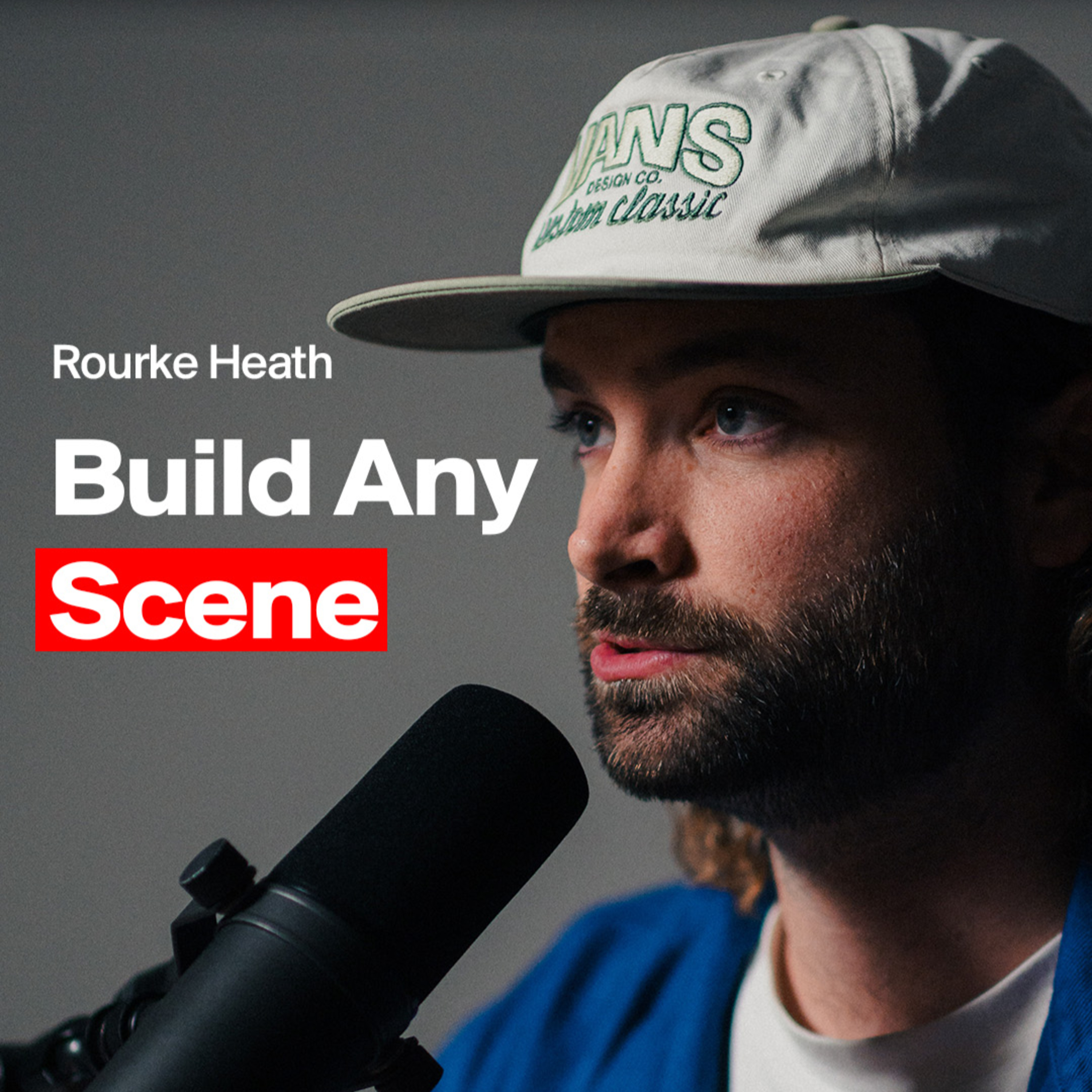
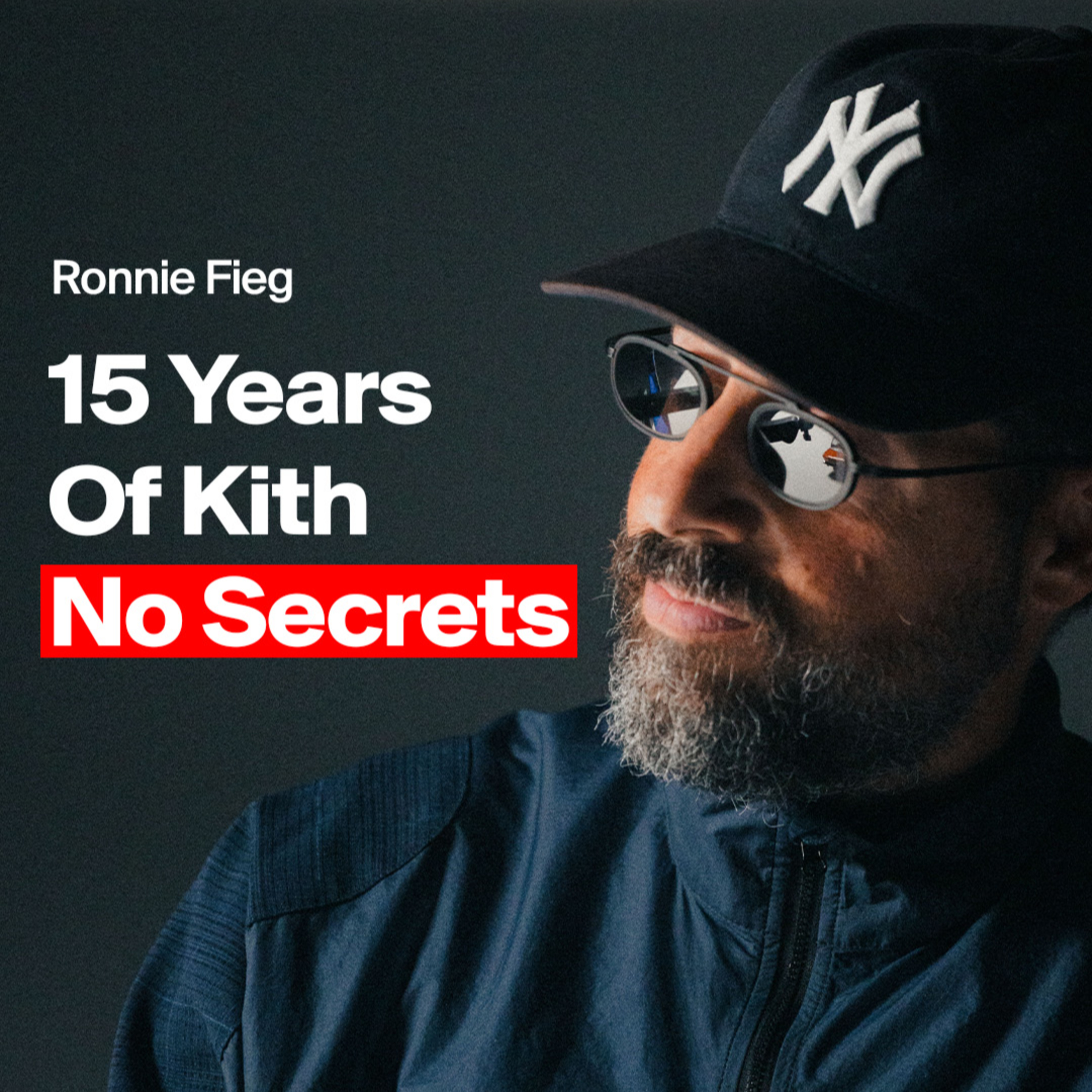
Rourke Heath (Gen HQ founder) argues AI is a “supercharger,” not a replacement for original creativity, and walks through his A-to-Z process for building a hyper-realistic AI commercial from scratch. He also covers why most brands misuse AI (cost-cutting/fast turnover that annoys audiences), how creatives should upskill, and how AI can create more jobs via reskilling.
No separate guests are introduced; the episode is primarily Rourke Heath speaking and doing a live walkthrough/demo. He claims to be an AI filmmaker whose work has integrated AI for major brands including North Face and Vans.
Written by AI. May contain mistakes.
Explore how AI serves as a tool for enhancing creativity rather than replacing it.
“You are watching a lot of AI stuff that you don't know is AI.”
Discuss the emerging job landscape with AI's rise and how skills will evolve.
“I want to start with three wild stats that you gave to me.”
Learn about the right and wrong ways companies can adopt AI in their processes.
“So we do live in like unprecedented times right now where this new technology has come in and so many companies are trying to figure out whether or not it's for them.”
Understand how brands like North Face leverage AI in non-visible stages.
“We know that AI can achieve those things.”
Explore different methodologies of integrating Generative AI into projects.
“I just think most companies are missing where it actually needs to be because the answer is not always in front of the public.”
Delve into the evolving role of editors and creative directors in the AI landscape.
“you kind of, I don't know, you like digitize him and then you give him the ability to kind of do additional things and add on more animations.”
Examine the significance of taste and storytelling in creative AI projects.
“That's a pretty hot take that editors are the new creative directors.”
Learn about the foundational skills needed for creatives in the age of AI.
“And I'd love to know, like, in your opinion, like, how does taste make an impact in the world of AI now?”
Learn how creatives can leverage AI to enhance their work.
“But to answer your question, creatives now, if they were getting into AI, think about what you're good at.”
Discover effective strategies for training teams to use AI tools.
“I want to tie a bow on this and just go and flip to, we talked about the creator side.”
Explore the implications of AI on originality and content creation.
“I also want to talk about AI and YouTube because as somebody who is very, I can spot AI from a mile away, right?”
Understand the distinctions between ethical copying and plagiarism in AI.
“But yeah, so I was like, I'm doing the shit that I'm meant to do.”
Learn how brands can utilize AI to engage their audience and drive marketing.
“And I think that there is a huge opportunity for businesses to tap into this.”
Examine how AI-generated content can enhance fandom around major events.
“case studies that we should talk about here who are already doing it now.”
Explore how AI-generated content is reshaping marketing and fan engagement.
“He got free marketing for that and billions of impressions and views, which all go back to, you know, his deodorant or whatever it is that he sells.”
Discover effective techniques for generating ideas and gathering references in AI projects.
“Like, why the fuck are we even building them?”
Understand how to leverage AI for storytelling in video and character development.
“So for example, here, this is such a cool frame.”
Learn how to generate AI images using OpenArt and various models.
“And the main ones that you really need to know about is OpenAI's image model, so ChatGPT's image model, which is ChatGPT image 2.5.”
Discover the importance of character sheets in AI-driven video production.
“So we're really designing everything before we actually start doing the video generation.”
Understand the process of scripting for AI projects to enhance storytelling.
“Is it just be as prescriptive as possible in everything, in the camera angle, the character, the facials?”
Learn how to build character references and templates for AI character sheets.
“And so now what we need to do is we want to upload a basically a template of what a good character sheet looks like.”
Explore the process of iterating image generation using different models.
“So let's just say like he is six foot one.”
Learn about the differences between various AI image models and their outputs.
“cheap when it is cheaper than traditional, but it's still, there's still cost associated with a lot of this stuff.”
Understand the importance of detailed product references in AI image generation.
“And that's why having access to an aggregator platform like OpenArt is really key.”
Discover how character and product specifications enhance video generation.
“We got Turkish mark, Egyptian mark, Brazilian mark, Caucasian mark.”
Find out how location references influence the color grading and atmosphere in AI-generated content.
“Now, one thing AI does struggle with is sometimes is small labels, right?”
Learn how to refine AI-generated images through iterative feedback and adjustments.
“And then Claude is going to now take this reference, all this context from shot deck, all of these like color palettes that we've gotten here.”
Discover the iterative process of editing images with AI tools.
“So now Whisperflow has taken what we've said here and it says, Right, here is an edit prompt to run on this image.”
Understand the downsides of editing images with AI compared to regenerating them.
“I don't think it's done necessarily the exact changes that we wanted in terms of like the window being half broken.”
Learn how to generate a video script incorporating various elements.
“There's a good little cheat code right here.”
Explore techniques for integrating a consistent voice in video projects.
“where, you know, we've got like a close up of the shoes, you like maybe walking and discovering and like looking around this place.”
Understand how to record a voice sample for AI projects effectively.
“they have like a really like great library of different voices that you can get straight out of the model.”
Learn how to finalize and prepare video elements for generation.
“Do you have like a character sheet that you're happy with?”
Learn how to finalize and prepare video elements for generation.
“Once I'm settled, I will give you a callback.”
Understand the process and considerations for generating a video with AI.
“So what you can do with this is you can type in at and then you can tag specific references.”
Learn about the process of generating AI videos, including character design and scripting.
“So I can tag that reference to that character.”
Hear about a transformative call with MrBeast and lessons in the AI space.
“It's a voice to text tool that works anywhere on your computer or phone.”
Explore the irreplaceable nature of human connection in podcasting and the impact of AI.
“And I was like, maybe I'd want the video to feel more nostalgic or something.”
Exploration of how AI can enhance creative storytelling without replacing human authenticity.
“What percent of quote unquote AI creators online actually know what they're doing?”
Discussion on favorite books and influential creators in the podcasting and creative space.
“Last four questions that I ask everybody.”
A segment highlighting several creators and their impact on the speaker's journey.
“An entrepreneur or brand that you want to give flowers to and why?”
Discussion on the vision for Gen HQ, focusing on job creation and marketplace development.
“These are people who have been in the space, people who come from traditional, who are interested in AI.”

Get the gist, explore an idea or ask about something said.
 Claude
On Open Residency, what are the key points of this episode?
Searching your listeningAutomatic transcript. May contain errors.
0:29This podcast is Rourke Heath. You are watching a lot of AI stuff that you don't know is AI. All it takes is eight seconds of your audio, and we have everything we need to make your voice. Rourke Keith is the founder of Gen HQ and one of the most talked about AI filmmakers in the world, integrating AI for massive brands like the North Face and Vans. AI is just a supercharger. It's not the replacement. The need for original creativity is never going to go away. Rourke shares a screen and live on the podcast builds a commercial from scratch. This is insane. He walks us through his own proven system for avoiding slop and explains why he thinks AI will make more jobs for creatives, not less.
1:06And I'll tell you, you can clip this in five years time. One of the most expensive people on your payroll will be.
1:18All right, two things, guys. AI is coming and content fuels every single company in the world. I am sitting across the table from a 27-year-old man that has gone broke twice, is now doing eight figures a year, and has one of the biggest AI creative platforms in the world. Stay to the end, and we're going to actually do a live demo on how he creates some of these videos, A to Z, from idea to end execution, something that you guys can take. I want to start with three wild stats that you gave to me. One, the World Economic Forum says AI will create a net 78 million jobs by 2030. That's the headline underneath it.
1:54A ton of jobs are going to get destroyed. A ton more will get created. And the people who win are the ones that are going to kind of reskill. Second, by 2027, 90 % of organizations expect AI-related skill shortages. And third, AI-fluent workers can earn up to 56 % higher wages. So who actually wins with kind of all of these new AI tools? It's an interesting one. So we do live in like unprecedented times right now where this new technology has come in and so many companies are trying to figure out whether or not it's for them. And it sounds ridiculous because we all think that like every company should be adopting this technology right now.
2:36But there is a right way to do this and there is a wrong way to do this. And most companies right now are doing it the wrong way. So I kind of want to set the record straight that most companies use AI in the creative sense for cutting costs and to turn over projects quicker. And I think a lot of people, you know, we know that AI does that. We know that AI can achieve those things. But companies who focus on that end up pissing off their audiences so much because audiences, we're humans. we see the effort that goes into creative projects and that's what we love as creatives so in my opinion companies who win right now use it in a way that they know their audiences they know where it's going to work and where it won't work so that's like the first question that businesses need to ask themselves yeah i mean the big thing that you told me off camera is like you can use gen ai and ai creative however you want to use it it doesn't even have to be forward-facing either Like one of your big clients is just using it in pre-production, ideation, mood boards and such.
3:39Yes. So we did a consulting session with the North Face. And when we went in there, it was interesting because they're a sustainable company. They have athletes who are climbing to the top of mountains. It makes no sense for a company like the North Face to start generating AI footage or AI clips of their athletes at the top of mountain. Because it completely just takes away from what the brand is. So you need to understand as a brand, where can we leverage it to actually operationally save us costs like pre-production? Is that creating the shot lists? Is that building out everything that we need for pre-pro so that when we get on set, it's going to be done much quicker?
4:18There's so many different ways like operationally that AI can help you in the creative process. I just think most companies are missing where it actually needs to be because the answer is not always in front of the public. It might not be in front of the customer. Can you just walk through, you kind of spit off some of them, but I just want to double click and kind of give everybody out there, especially operators, ideas on how they can use this. And ultimately, like, what is Gen AI, Generative AI? And do you have to use it fully? Can it be hybrid? Just like, give us a little backstory on it. Yeah, so there are different ways that you can use Generative AI.
4:54So one example of a project might be a full Gen AI project, which is from start to finish, you're writing prompts, You're creating something fresh out of an AI image model or fresh out of an AI video model. And that's the only footage that you use in the project. That's a full AI project. And then you've got on the other side of the spectrum, you've got things like hybrids, right? And hybrid workflows is basically when you're using real footage mixed with generative AI. So that's still using human craft. That's still filming with cameras. That's still doing location scouting. That's still doing a lot of the things that you would do in traditional.
5:30but you're using AI to augment and improve upon the original footage. So that might be VFX, for example. And then you've got on kind of like the full other end of the side, you've got still traditional, but then you're just using AI for pre-production. You're still using full real footage, still full real actors and all of those things. No synthetic actors, as we call it. And you're just using it for pre-production. At the absolute minimum, too, we're going to pop up right now, that video of you like swinging a baseball bat and then you're bringing him into this world and you kind of, I don't know, you like digitize him and then you give him the ability to kind of do additional things and add on more animations.
6:10Yes. So the example that you're seeing right now is we filmed this in New Hampshire in like a completely remote spot that was like an abandoned shopping center. And we bought props from Dick's Sporting Goods. And we basically use those props to reimagine what it could look like if we wanted to film this as a Walking Dead style shot, right? So we use the slow-mo feature on the iPhone to get the slow-mo shot right at the start and everything was just using my best friend and we literally just like created this scene, took about 50 takes to get the right one, but it's using AI with real footage to adjust props, adjust makeup, applying all of the zombie effects on characters, changing the location slightly, there is a lot that we can do now.
6:59Lighting, we can change all of this in post-production, which is why a lot of people say that the editor is the new creative director now because editors who have the ability to edit footage together can now generate the footage as well. And they are the true storytellers in a lot of traditional work because they're the ones who piece it together to make it feel like the full project. And they've got full control now. That's a pretty hot take that editors are the new creative directors. I want to dive into that. I mean, one of the things that I was going to ask, and I guess it kind of falls in that bucket, is what skills are more valuable and less valuable in this new age directly related to just creative?
7:37Yeah, so I'm going to give another hot take here. So I've been saying this for about a year, but video editors, investing in a good video editor now, and this means a lot of different things to a lot of different people, is like investing in early Bitcoin. And I'll tell you, you can clip this in five years' time. Video editors will be one of the most expensive people on your payroll. They are going to be so valuable in my space. Like right now, it is very, very difficult for me to hire a video editor under six figures. Like it is very, very competitive. And what a good video editor is, is also changing because video editors now, it's not just using tools like Premiere Pro and After Effects to create really cool projects.
8:18It's actually a video editor now is someone who is hybrid. They can use AI. They can generate footage. They can manipulate footage. they can piece it together in the edit and they have full control. So photographers, videographers, editors, directors, I mean, there's just so many different things outside of editors. Who do you think is best positioned in the kind of the creative space to ride this wave moving forward? Is it the ideas person, specifically that? It leans into the ADHD ideas people, because we spoke about the ideas being the currency of the future. And I want to go into that a little deeper because when you have this abundance of content that we spoke about and everyone can create what is deemed quote unquote beautiful imagery or beautiful video, but it doesn't mean anything.
9:06You know, you can create something, you know, a single clip or a couple of clips stitched together, but it doesn't mean anything. To put like a full creative project together takes a story. It takes narrative. It takes a lot of ideas. and a lot of people who are in AI right now are people who love getting quick wins. And so the traditional creatives that we've worked with when we've gone and done workshops with people who have worked in marketing for years or people who have plenty of experience in their field already and we give them access to tools like MidJourney to create crazy imagery. The stuff that they come back with is 10 times better than what I can make because they have the photography background.
9:48They've got all of this knowledge of what constitutes to good image. They understand taste. And obviously, taste is a word that's thrown around in our industry a lot. You know, what is the key differentiator in taste? And I'd love to know, like, in your opinion, like, how does taste make an impact in the world of AI now? Yeah, I mean, I've asked a lot of people across this table, and I keep getting different answers, and it keeps iterating. I ultimately think taste can't be taught. And it goes back to a great episode we just put out with Ronnie Feig from Kith. I think he explains it best of just like your formative years, I would say like 12 to 18, the sports, the culture, the music, and that is embedded in you forever.
10:27Like what you loved as a kid, you're going to love forever. So I don't think taste could be taught. I completely agree that the ability to storytell and having not only good taste, but also consistent taste is another thing that I've learned is staying narrow and disciplined. You like what you like. Like you have to believe in what you like and then stay with that. Everyone has their own unique taste. Yeah. And like, it's so funny, man. When I, when I look at you, when we talk, when I meet you, when I look at your videos, like the video that you sent me will pop up right now of you and the homie getting the suntan lotion from like the old woman.
11:03Like that makes sense. Like when I look at your taste, like funny is a part of your DNA. So I think it's just being true to yourself. Yeah. Yeah. And I want to talk about this because in the world of AI, taste is truly everything. And it is your human experiences, as you said, is what develops your taste. It's the things that you've experienced in your life. And it's that human key differentiator. When you arrive at the prompt bar, it is that holiday that you went on with your family, maybe when you were eight years old. It is what the stones felt like on the beach when you went to the beach for the first time.
11:35It's these subtle things that have enriched your life that when you arrive at the prompt bar, you bring those ideas to life. And it's being able to articulate well because everything in AI is about prompting. It's about being able to get the idea that you have in your head out into a little black box, which will then give you a nice image. And a lot of people, when they start out in AI, they don't understand that concept. So it's about being able to articulate what you want. for both the operators to know from a hiring perspective and to from an upskilling internal team perspective and then actually creators.
12:11If you're a 25 year old creative, like where should you start from a skills perspective in Gen.A.I.? Like what should you know first? That's a great question. And I actually think the answer is not what people would expect. I think the answer is that you need to have a solid foundation in the traditional first. So if you're 25, you know, you're young in your career, you need to understand something like photography. or video editing. You need a traditional skill. AI is just the supercharger. It's not the replacement. It's the thing that you use to like literally take you to that next level. And when we tell people about like creatives about using AI, the way that we say it is that you want to be using 80 % human, 20 % AI to get away with using AI, right?
12:56So let me break that down for you. When AI first came out, right? You could get away with a 50 % human input, 50 % AI input. What does that mean? That means you could use AI maybe in the early days to write a script because no one had seen AI written text before and it was new and it was novel. Now everyone's seen ChatGPC written emails, everyone's sick of them. Like it's, you know, text is rubbish. It sounds awful. But as we as a society get more used to AI, we get more used to seeing slop. We get more used to seeing crap. And so what we have to do is the amount of AI that we use in the creative process is getting thinner and thinner, in my opinion, to get to a project that people actually resonate with.
13:42So right now at our company, we are saying like 80 % human input in terms of ideas, execution in the edit and things like that. We're using AI to do like 20 % of what we're actually spending our time on. The generation side of things, you know, image and video gen takes 20 % of our time. the 80 % is still the human side of it. But to answer your question, creatives now, if they were getting into AI, think about what you're good at. So for me in my early days, it was Photoshop and editing pictures. That was what I was passionate about. So I started to look into how I could use AI to relight my images.
14:19That was one of the first things I did. So take your creative profession that you do now and then start seeing how you can use AI to, you know if you're a camera operator you know what can you use ai to enhance what you're doing so it's about identifying what that is because ai impacts every part of the creative process now there's something that you can use that will change the way that you work it's the last week to beat the black friday crowd lows get 25 off select pre-lit artificial christmas trees plus milo's rewards members get same day delivery for free shop now beat the rush Thank us later.
14:56Black Friday deals are on now at Lowe's. In-store and online. Valid through 1125. $25 minimum and loyalty membership required. Order eligible items by 2 p.m. Subject to weight and size restrictions and availability. Terms at lowes.com slash shipping terms. Makes sense. I want to tie a bow on this and just go and flip to, we talked about the creator side. Let's just talk to the business side a bit for an operator out there that wants to kind of upskill their team outside of joining your platform and kind of learning. but let's double down on that and really understand what is the first thing they should do to upskill in relation to AI.
15:31Yeah, first of all, I think upskilling your team in AI is probably one of the best decisions that you can make. Immediately would make them more valuable, right? So what you can do now, like a tangible thing that you can carve out is 40 minutes. And this is the 40 minute rule. I did an interview with the head of Google Flow who is responsible for releasing all of Google's top AI tools. And I said to him, internally, how are you and your team keeping up with AI? In a world where everything moves so quick and all of us outside can't keep up with it, how are you and your team doing it inside? And he said to me, we carve out 40 minutes every week and they call it tinkering time, right?
16:10Tinker, play time. Release your inner child and let your creatives in your team play with AI tools for 40 minutes, but play with intention, okay? So play with a goal in mind. So we're going to create a commercial with AI by the end of the month, and you're going to have 40 minutes a week to play with some of the tools and see what you can put together. Then if somebody in the team does something that you're impressed with, they can put their hand up and go, I'd actually like to run a session on this and I'd like to teach people what I've learned and then diffuse it like osmosis inside your team.
16:48So what we have at our company is a creative technologist. And this person's only role is to tinker 24-7. They are full playtime, play, play, play, learn what is coming out with all of the new AI tools and then teach everyone internally. And they run a session every week and they keep us up to date. Their job is to go and look at the market and decipher between what's bullshit and what's actually worth using. and then they only teach us what we need to know. And having that role is massive. I was just going to say, that seems like a very valuable job, the ability to pick up any tool and decipher what actually is valuable and what isn't.
17:27Huge. And I spent time with Mr. Beast recently and it was one of the first hires that he wanted to make after we had chats. It was like, you know, he needs someone to come on set and be like, okay, we do a crap load of VFX. You know, maybe you are in the creative space and you do a lot of work having someone on set as well who can tell you this is probably possible with AI you know we can film this but we could do the effects with AI to kind of like save us a bit of time and money having that person on set saves you a lot of time too so it's like having someone in the background who is learning and teaching internally you know whether that's operations systems creative whatever it may be but then also on set as well it's very helpful to have someone who's got AI knowledge and I think when the stakes are as high as something like beast games having that you know, maybe even fucking three people on set to be like, hey, we probably shouldn't do this.
18:20Let's save the time and do something else. It's interesting. I also want to talk about AI and YouTube because as somebody who is very, I can spot AI from a mile away, right? I would probably say that I'm, I have consumed more AI content than I would say nearly anyone on the planet. And this is really interesting to me. I spend so much time watching and consuming because that's how I know I'm making good stuff because I know the database of videos that exist in my world. In the same way that you probably watch a crap load of podcasts and thought, how are we going to differentiate ourselves? How are we going to make us, you know, our content look different to our competitors and all these things?
19:02You need to know your market. So like somebody who is a creative, a good creative now needs to understand all of the data that exists in that market and what their competitors are doing because we always want to elevate we want to be the best that we don't want second place so you know do you consume a lot of other podcasts uh i'm more just seeing who's copying and that just and that just that just gives us the signal to iterate onto the next thing yes let's talk about copying yeah because ai is probably the most powerful tool for copying and i fucking hate that okay do you know what's so funny is i make educational content on ai the amount of fucking copycats there are that quite literally will take my exact video and just put their face over my face and just make my fucking video is unbelievable and i can't get mad about it because i'm teaching people how to do this shit you know so but let's talk about copying because now more than ever, it is easy to copy work.
20:09And like we can throw some videos on screen and I actually sent you some examples of videos where people will create a video and then you will see that they have replaced the character in that video with a different character. Right. And I think that there is good copying and bad copying with AI right now. And I think there is a huge opportunity in the good copying section so let's dive into like good and bad if you don't mind i do i would love to hear it because for me i'm not emotional to it as well and like oh i get emotional i get pissed off when i see someone copying my shit i've been this is my second go around with my art company i had a media buyer take our customer list our email list our files our facebook account yeah this was late 20s and that was a different a different mark for me i'm more just like bro like just change the color like change it a little more something something and again kind of going about what we talked about off camera before is just like i don't know man i just think that no matter how good this gets i still think we're far away from being indistinguishably like the same like yeah you'll always know if it's if it's copied for sure like i'll tell you a story i i was in dubai at a conference and a creator came up to me and he said rourke i just want to say thank you and I said bro for what like what have I done and he goes like he's like I I watched your content and I started making AI educational content because of you and I'm here with Google Pixel and like they paid for my flight here sponsored me to be here and all this stuff and I was like dude dapped him up you know gave him a hug I was like man that's awesome so happy to hear that that's like your actual mission in life yes literally my mission is to create 100 ,000 jobs for creatives.
21:52But yeah, so I was like, I'm doing the shit that I'm meant to do. Right. And then he's like, dude, check me out on Instagram. And I was like, cool, cool, cool. I know where this is going. Yeah. And I and I checked him out in the hotel room later. I went this motherfucker, like the literally my visuals, my face on the videos. But he had just changed the talking head of him talking at the bottom to him. My scripts, my music, my everything. And he had managed to get there with Google Pixel, you know, and people are building whole careers off of copying. And that's not that's been the case for a long time.
22:27People have copied their way to the top. A lot of people have. I need to correct you, though. In other words, Caleb Ralston, you're going to copy to second place at best. Yes. OK, maybe not to the top, but like people definitely copy their way like up, you know, and I don't think it's like necessarily fake it till you make it. But it is It is a problem now and we should discuss it because this is one of the negative sides of Gen.ai that I don't like. And there's not really a lot that we can do about it now because it just is so easy. But I think there is an untapped opportunity that I think many businesses can tap into here.
23:03And we should throw up some visuals on screen. So this clip went viral on Instagram recently. And it's this old guy who's basically saying, you know, you're not allowed to fish here. Like this is state property. Like you can't fish here. And, you know, it's a comical video. Like this guy's got the greatest accent of all time. And what was really funny, that video got 2 million likes off the bat, right, from the original creator. And then what we're seeing is people changing that character with AI to be someone else. And that video will get half a million likes, 200 ,000 likes. And then someone will change it to be a celebrity, like a Homelander from the boys.
23:45And then they'll change it to be all these like Hasbulla and like all of these like funny internet characters and personalities. And what it's doing is it's creating more viral content from the original content. And I think that there is a huge opportunity for businesses to tap into this. So let me give you an example. Duolingo, a company like Duolingo replaces the old guy with their mascot, right? now Duolingo posts that video, they're tapping into internet culture. They're tapping into, let's say, meme culture or social culture for brand relevance. And it doesn't work for every brand, but for those brands who are trying to tap into internet culture, it's a very, very powerful tool that you can use to associate your brand.
24:30But in order to associate your brand, you need to have strong brand awareness. You need to have something that people associate, you know, with your brand. So something like Duolingo, where they've got like a popular mascot, is pretty easy to associate with the brand. So this goes back to POV and ideas. Yeah. Like you have to come up with a big idea. Someone that thought Hasbulla would be funny in that specific scene. Yeah. That's basically taste all that. That's kind of like an easy one to do. But, you know, picking what makes sense in that setting. And it's interesting because the video has already gone viral before.
25:03So it's guaranteed to perform, kind of. It's like the freest marketing that you could do. now use ai as a tool to build fandom and this i think will be a huge huge thing in the future so a couple of things i did a consulting session with fans right vans fans yeah and um accent bro i thought you said fans so many so many times on this he said brown before i'm like yo did he just i was gonna i was gonna ask you the fucking accent accent plays baby yeah so vans i did a session with them and when we were talking through like how vans could use ai right it was like okay well companies like vans have allowed their audiences to create custom shoes before you know with their shoe shape but you could design your own shoe and then have it made and then wear it custom feels cool like feels like you've had a play in the product great so i said why not let your audience give your audience the flexibility to use your ip okay and use the vans brand to use generative ai to create designs for t-shirts for shoes you know and then on your website you could have a section where people could upvote great designs and things that they actually want to get made as a real product so you have like social approval in there and then the best products that that people actually go and make, that person who designed that product gets royalties in the product.
26:32So now you have your audience who love your brand making things that they want to see for themselves. And if it goes into production, they have royalties in it. And imagine that headline of someone saying, first person to make a million dollars by using AI to like design something like a t-shirt. That's crazy. That's marketing right there as well. Like, I think that there is so much opportunity to let your audience become a marketer for your brand with AI. And there's a couple of interesting case studies that we should talk about here who are already doing it now. Jake Paul is one of them, right?
27:07Like him, love him or hate him, right? When Sora 2 came out, Sora 2 is a video model that was released by OpenAI, the company who made ChatGPT. When Sora 2 came out, Jake Paul was one of the early people who I think he's an investor, but he was one of the early people who licensed his likeness to Sora. So anyone could create videos with his likeness. And he got billions of views with his face on it in the first I think it was like the first week of Sora 2 coming out. That is free promotion for his brand. We'll pop that up. He literally took over Instagram. He legit like it was him putting on like people like him putting on makeup and it was like him doing shit that he would never do.
27:50And like this surprise factor, some people might look at that and go, you know, that's probably a bit embarrassing. I don't really want that look for me and my brand. But for people who don't care and realize that attention is currency, they win. Like Jake Paul won in that situation. He got free marketing for that and billions of impressions and views, which all go back to, you know, his deodorant or whatever it is that he sells. So it's like, It's an untapped potential for businesses to take advantage of. And we'll talk about the World Cup. OK, so this year we spoke about this before we recorded, but I think it was 5 % or 6 % of clips that were uploaded on social media this year about the World Cup were AI generated.
28:32And out of that, it was 5 billion views, I believe it was, of AI generated clips from the World Cup. and now think about what that does for fandom right for for people people were making videos of Erling Haaland looking like a viking people were making videos of Kylian Mbappe you know jumping off the statue in Rio de Janeiro you know some videos getting like 50 million views a pop and all it's doing is creating fandom for the world cup where you're letting your audiences create in a way that that was never possible in the past. And like, you know, as attention is the currency, there is a massive opportunity to leverage AI as a way to create fandom right now.
29:16Do you see a world on the flip side where this stuff kind of kills the authenticity or could hurt the brand? Massively. And that's why it's dangerous. And I am an AI for good person. I truly believe that like, you know, there are good apples and bad apples in every industry. And I think that like with AI, it's an incredibly powerful tool. And with that comes a lot of responsibility. So it depends how much you also have to lose, right? If you are a company who has a lot to lose by damaging your brand reputation, then it's probably not the play, right? Whereas if you are a small startup who doesn't necessarily have an existing, you know, name to yourself or a brand, you got nothing to lose, baby.
30:03Fucking go for it. Like there's an opportunity there to just like let rip and build something crazy with AI. But yeah, I think like for a lot of brands, as we said at the start of the pod, there is that spectrum where you need to understand where do we want to use full AI, partial AI, or like, you know, where does it fit for our company? Good to know there. Over a billion people a day play mobile games. Real adults playing over an hour a day. And the most overlooked ad space right now isn't on Instagram, Facebook, or TikTok. It's the break between the levels and the games. This episode is presented by AppLovin, the platform that puts your brand right in that break across the world's top mobile games.
30:43Your ad runs full screen, and most of those are ads players choose to watch for 35 seconds or more. Start small, pay by the day, no minimums, and you could be live in under an hour with the creative you already have. Brands like Wayfair, Hexclad, and Ridge are already scaling with it. Head to applovin.com slash openresidency. If you spend$5 ,000, you get$5 ,000 free in ad credits. That's applovin.com slash openresidency. All right, guys, we're going to go through A to Z, how to create a hyper-realistic brand video using generative AI. So first, we're just going to pop up the video for you guys to watch first to just kind of set the stage, and then we're going to start from idea all the way through to completion.
31:22So let's get into it. It's the last week to beat the Black Friday crowd, Lowe's. Get 25 % off select pre-lit artificial Christmas trees. Plus, my Lowe's Rewards members get same-day delivery for free. Shop now. Beat the rush. Thank us later. Black Friday deals are on now at Lowe's. In-store and online. Valid to$11.25. $25 minimum and loyalty membership required. Order eligible items by 2 p.m. Subject to weight and size restrictions and availability. Terms at lowes.com slash shipping terms. My AI agents can do your entire job. I don't even need to work anymore. What's the fucking point? Of what?
32:01AI agents! Like, why the fuck are we even building them? They do your job for you, bro. So you've got more time? More time for... what? Take that Tamagotchi, for example. That thing gives you a purpose. That's why you love it. It needs you. Okay. So imagine I gave you an agent that played it for you. The agent feeds it, cleans it, keeps it alive 24-7. You'd never touch it again. Look, creatives don't want an agent to make something for them. The whole point is making people feel emotional about our work. And now we're handing that to a machine that's never felt a thing. Good ideas come from the mind, not a machine.
32:41Exactly. AI can be used to help tell your story, but not automate the whole thing. The thing comes from within. Anyway, I don't want more time. I just want something to do with it. Cool. Ah, what do you think on that one? A masterpiece. I've seen a lot of your work. I love that. That hits the heart. Yes. Let's start from you wake up. You want to create this video. Yep. Where do you start? So first thing that you want to do is you need to find references. So when you're making an AI project, your output is only going to be as good as the quality of references that you find. So you need to know where to look to find high quality references.
33:20Platforms exist like Pinterest, Cosmos, ShotDeck. These are a couple of different options that you have. Can you basically get inspiration or references from anywhere? But you're just saying like the search functions and the volume and quality. Yes, it's definitely like volume and quality. I think like, okay, platforms like Pinterest, everyone goes to. It's kind of like a bit cliche. So I actually avoid Pinterest entirely because when I look at what other people in the AI space are doing, I'll like see something from Pinterest that I know somebody's nicked. And I'm like, it just isn't right. Like I like to go to the deep depths of the internet.
33:52and like when you are true in your craft, the reason why people have taste in my opinion is because they've spent hours in that specific field. If you love motion blur, you're spending hours looking at different videos, images that have motion blur in it and you get so deep in the references, you understand what constitutes as good. Hypothetically though, if you're in a little street in Tokyo and are in a vintage magazine shop, you can take a high resolution picture of that and use it as a reference point. You absolutely could. Yeah, so I've done projects where I've literally gone outside my front door and I've taken reference images of the little street that's outside my house and I've made a project and we can throw it up on screen right now.
34:32It's literally the whole street outside of my house. So if you have a specific location that you want to go and scout out, you can take a bunch of reference photos of that location and then use those as your references to build out your scene. Love that. So you have, I guess, I guess, what about idea? So you're having the reference points, but is there an idea first? Yeah. So I think like in the early days, a lot of creatives struggle on the ideation side. And I think like platforms like ShotDeck are a way that you can help you come up with ideas and actually Cosmos as well, which is another it's like Pinterest for designers, basically, where you have a lot more rich photography and imagery for inspiration.
35:13so shot deck this platform here is basically frames from movies and you can scroll through here and it's got a bunch of different references that are really really nice frames and what's interesting about shot deck is i treat it as a social feed when you're looking through all of this like what stands out to you like i'll ask you now like what frame when i'm scrolling through here is there anything that like jumps out to you is like oh that's called my attention yeah yeah Yeah, like if you go up a little bit. Yep. Like right there, it looks like a Jake Gyllenhaal where it's in like a serial killer vibe.
35:47Right. Yeah. So shots like that, I immediately, if that's taken your interest, then you know that there is a load of images that we're looking at here that are all competing for your interest. And that one stuck out to you. So if it stuck out to you, it's probably going to stick out to someone else who's watching the content on the other side as well. so this is a really nice way that I like to when I'm starting a project I want to start with a frame that's going to capture your interest so when you are looking through this I'm treating this as my competitors all these other images are fighting for my attention but which one's calling me so I will then like click onto any of the images so let's just say it's this one right here right we've got this nice close-up shot what's fascinating about shot deck is it breaks down all the colors of the frame from the color grading into almost like you know a color palette here and what's also super interesting is all of this data that you get about this shot so you know the director the cinematographer you know what film stock was used the lenses the camera body that was used and all of this data is so key when it comes to ai because when a lot of people when they make AI projects, they forget that, you know, in traditional, when you're filming a commercial or you're filming a project, you're using like similar camera gear from shot to shot.
37:10And that's what provides continuity between projects. And people seem to forget that when it comes to AI as well. Because if you are specific about the style of camera, the camera body, the lens, the coloring, you know, all of these core details, the composition, all of these things are critical to the output of the image that you create. So now with ShotDeck, you can use it to help you like build compositions and we'll come back to this a little later. But you can use this and just scroll through, find really cool references. And when you find one you like, if you click on here, you can actually scroll down this platform and it will show you similar images as well.
37:49So there's tons and tons. It's like an endless loop of just inspiration. So this is a great place for you to just get ideas because you might not have an idea for a video or a commercial, but if you find a frame that you like to begin with, that might now dictate how the rest of the story goes. So for example, here, this is such a cool frame. It poses so many questions to the viewer. What am I looking at here? What is the context of this scene? So finding something that catches your attention is a great way to just like help you come up with concepts that you can then go and like dive into to start building on top.
38:25So this is a good starting block. It's a great like just think tank in general. Like I obviously like this is very, very nuanced. And, you know, you do a lot of kind of short form stuff. But I just think from like an ideation perspective, if you're like an e-com brand or some sort of consumer company, like you can get ideas actually just through going through this. Yeah, totally. So collecting references is the first step. And what I like to do is I like to just go through and download a bunch of different frames that just like capture my attention. and usually I open them and I'll put all of them into a platform like Milanote.
39:00Milanote is a platform so if I go into my documents in here and I just like drag and drop a bunch of photos in you can see that this is basically like a mood boarding platform where you can like add your frames in here you can add in like notes on top of things that you're interested in it's a platform where you can basically like you can annotate you can like make notes and we use this all the time So just to give you a bit of context, like these are like a bunch of different projects that we've done. I can double click into kind of any of these. And this is like where we're just like visually dumping a bunch of things that we're like interested in.
39:33And is this you're like clustering different scenes? It's ugly. It's the ugly just getting things together so that we can start organizing some kind of concept. And you can get really organized with this kind of stuff. So a good example of this is right here. So when you're delivering AI commercial spec work, you want to make sure that you're being very granular. So what we'll do in here is we'll actually like almost do like a character casting sort of thing. Because when you look at each of these characters, they give you a different vibe, a different emotion. And a lot of people fail to think of casting characters in their projects because AI gives you the most generic looking BS, to be honest, when you don't get specific.
40:18But if you try to like target specific nuances about characters here, like I love how lost this character looks like the bed hair, you know, it tells you a lot about who she is as a person. Just for context, is that a ref file that you got from the past website? And then now you've optimized it through prompts or is that? No. So so this will be just like me going into a platform like Klauge, for example. So inside here, What I'll do is I'll say like on a white background, can you create like a reference image of a character who's got like a red turtleneck sweater on? She has like slight bed hair, but she looks kind of composed, but also like she's kind of late for things a lot of the time.
41:01She looks like the kind of lady who'd be like a mother of two. And she she's a little bit lost in life, but she hasn't got a partner. And she embodies this like floating character who's just like floating by through life. So like giving these kind of context of things helps me like picture these characters in my head. And you can say like, write me a prompt that I can use to generate an AI image that I can copy and just paste into an AI image generator. And now Claude will take the context of what we've done and it will start writing a prompt which we can then go and give to an AI image model.
41:39So under the notion that Claw doesn't have the best AI image generating model, you'd use other ones. So Claw doesn't actually allow you to generate images specifically with it, but you can, we use Claw as our prompting process. So you use Claw like your partner to help you articulate what it is that you're trying to make. And then that's going to be the raw input to then go into the image generator? Correct. So this like mega paragraph, I don't have the time to sit and write all this detail, you know, but it's gone in and it's written all of this like amazing rich context in here so i can just go and copy that and we can go to platforms like open art where you can just paste it into the ai image section and we can generate an image and we can generate multiple of these images so we could do like five at a time and we can just start generating when it comes to ai as well you have different ai models so in here you can click in here and there are a lot of different ai models that have come out over time.
42:37And the main ones that you really need to know about is OpenAI's image model, so ChatGPT's image model, which is ChatGPT image 2.5. One of the better ones out there, to be honest. You've also got NanoBanana. This is from Google. Very, very reputable model. And C-Dream. These are like kind of the top three image models. And OpenArt is a platform that crowdsources and you can tap into any of the models? Correct. So OpenArt is a platform. It's what we call an aggregator. And this is a very key term in the AI space. So it's an aggregator that brings all of the top models together under one subscription.
43:13So, for example, I've used GPT here and we can see that it's already like created like this multi perspective of this lady in here where we've got like two different kind of shots of her. This is a starting block, but what you want to do when you're making AI work is we want to create something called a character sheet or a location reference sheet or a product sheet. And I'll show you what that kind of looks like. So here is an example of what I would call a character sheet. So this is me and we used a reference of my face to create me wearing these clothes. and to do this like it's just as simple as uploading a reference image of your face and then also uploading a reference image of a templated character sheet and what we'll do is we'll leave in the description a character sheet of my face that you can use as a template so the way it works is you and just for context yeah this what you just showed us that is the input that's used for the commercial that we showed before this that we're walking through Correct.
44:16So to create the commercial and the video, super realistic video, you have to give AI ingredients. And we're going to give AI and what we're going to build is ingredients for characters, locations and props. So we're really designing everything before we actually start doing the video generation. Video generation comes right at the end. A lot of the AI work comes in ideation, in the generation of your characters, the locations, the props, all of that kind of comes first. So let's just go through this chronologically to recap. So first of all, you're going to find your references. Second of all, we're going to go and we're going to write a script because we need a solid idea.
45:01right? And then we can start creating our characters and locations and everything. So scripts, this is the least sexy part of the video. And it's just in, you know, blank documents. We need to write out the idea for the project. And this is really, really key. So the way that I write scripts for AI projects is different to how maybe movie directors or traditional would go about writing scripts. Mine is like, you know, and we'll dive into it right here. So let's let's take a look and is this done via whisper flow here or is this done in claude with an empty file helping structure it this is actually me handwriting this puppy like i am going in and i'm oh wow guys yeah we're going old school all right so yeah this is me like closing my eyes and picturing the scene i'm picturing exactly what's happening so for example for the video that we just watched my script started with it starts with a wide shot so i'm i'm i'm telling the ai model what kind of shot is it that we're opening with is it an establishing shot is it a wide shot is it a close-up shot is it a macro shot what style of shot is it and that's you know your knowledge that comes from traditional of cinematography photography that's where all that comes in i was just gonna say like reference back to like the beginning of the podcast that's everything like i don't know those things that you said because it helps yeah you learn it over time too i don't come from film that you learn it through by just playing with ai a lot you learn that you need to have these things.
46:30And yeah, it's just a process of learning. So for example here, it starts with a wide shot of me and my friend sitting on the bench and we can see it from an aerial view looking down. So I've now positioned my camera. I'm telling the AI, where is the camera positioned? I'm also saying what style of shot is it? And also what are the subjects? What's actually happening? You know, what can we see? And then on top of that, I've got the camera holds on the scene for two seconds. So I'm now like picturing it in my head. How long is this scene playing for before it then cuts to the next scene? So I've got the camera holds on the scene for two seconds and we can hear park ambience, subtle bird sounds.
47:14So we're describing the audio cues that you can hear in the scene as well. So really like place yourself in the environment. What can you see? how do you picture the camera being and what can you hear and start just like putting it all down and everything will come together towards the end but just like putting everything down on paper is the important starting point then you just want to like direct as though you're literally on set so for example you know for two seconds it holds here then the camera cuts to a shot of me watching on my phone and I'm reacting to Instagram Reel about AI agents and how they can do my whole job for me and there's no need for me to work anymore.
47:56So I've just described the exact scene that you can see like right here. Then I paragraph it out and I just go bit by bit by bit and I brick by brick build on top of the story. Saying things like small cues, like I get visibly upset and frustrated. being able to articulate emotion and having that like emotional understanding of how you and i act in certain situations i think is a huge skill in ai like having that emotional awareness that you can describe how people feel or should be feeling and how that is portrayed is a great skill to have because if you can articulate it then you can generate it is the rule here because again, like everything kind of ebbs and flows.
48:44Is it just be as prescriptive as possible in everything, in the camera angle, the character, the facials? Yeah. The more context that you can give it, the better. Right. So, so things like this, you know, like I love this, like make a frustrated noise. As I throw my phone against the grass, you hear a thud of my orange iPhone 17 Pro max hitting the floor and i say in a frustrated tone with a frustrated face you know describing how is the vocals being delivered not just saying he says yeah you know you're saying how is that you know that line being delivered these are all the one percent that i'm giving away to the audience right now that will transform your projects from looking like crap ai to getting real human what feels like human performance it seems as though adjectives are very key here huh so key dude so key.
49:35That's basically the process. And once you've got, you know, your whole script written out, this is what you do to start creating like, actually, you know, we'll come back to that a little later. So really quick, just to stop you here, a big thing that I'm going to want to ask, and I just just because I don't want to forget about it is just when we press the button to kind of generate it, like, are we going back? And like, if we don't like the frustrated face in six seconds in, what do we need to do? Like, do we need to redo the script? Yeah. So we'll come on to that for the video part of the sequence um there's a lot of iterating and changing that goes on so we'll come to that because it's a really key part so now we're in a position where we've got our scripts locked in we've got our references and what we're going to do now is go to the image generation phase so for every project that you do you have to create character sheets now character sheets look like this and again i will put like a link in the description so you can go and download like a reference of what our character sheets look like so you can use it as a template and and is the the rule of thumb here the same as before the more you know descriptive the better yeah so so let's kind of like walk well actually yes and no so what we can do is we could create a character sheet of you right now if you wanted like yeah let's do it yeah yeah okay i need to grab my phone then let's take a picture of you i'll air drop it to my own thing and then we'll create a character sheet so that the people at home can also go and do it oh boy yeah here's in
51:02Rourke Heath: yeah okay so we'll take a couple like wide ones and flick side okay so what we've done is we've just taken a bunch of reference images of mark here so we can go and upload all of these into claude and we've got macro shots in here close-up shots detailed shots of, you know, tattoos and specifics in here, you know, back of the head, side profile. We got everything. All right. And so now what we need to do is we want to upload a basically a template of what a good character sheet looks like. And this is like an example of mine. And what I like to do is create a character sheet that has like front, side, back, you know, head shot, top-down shot, and also some detail shots of eyes, beard, all these kind of things.
51:57And when we give AI all of that context, it knows when it cuts to a scene of you from behind, it's going to look the same. So we're going to get that continuity. So what we're going to do is just inside Claude here, and you could use ChatGPT, it doesn't necessarily have to be Claude. We're going to say, create a character sheet of this guy here, and I would like you to do it in the same style as the character sheet reference that I have uploaded. Something as simple as that. Maybe we could say as well, we could even be more detailed and say, include detailed shots of the tattoo on the neck inside the character sheet.
52:35Write a prompt so that I can create this inside of GPT image 2. So what I did at the end there was I just gave it the instruction that we're going to be using the image model GPT-2, which is ChatGPT's image model, which is available on OpenArt. But I could equally say, you know, we're going to be using Nano Banana or SeaDream, or we could, you know, say any of these different AI image models. And is it good to say too, like six foot one, 180 there? Oh, dude, totally. Great shout. So how tall are you? Six foot one, 180. He's added a few inches on there. Six foot half an inch, 180. Six foot half an inch, 180.
53:13Okay, cool. So six one, yeah? So let's just say like he is six foot one. So maybe add like a little scale on the side that shows his full height to be six foot one. Cool. Alrighty. So now Claude is going to take all of those references and, you know, this prompt that we've given it. And it's going to go and draft a prompt for us that we can then copy and give to OpenArt. So we can start building our character references for the project. so here we can see it's going through and doing all that it's got the tattoos in there the jewelry two layered necklaces gold rope chain silver diamond tennis chain wow both of the chains look at that dude we've got all of this context in here pretty crazy including like all the details of and you're saying that's enough without the reference images to put in so this here if we just use this so what we're going to do inside of open art if i just pasted this as a prompt in here it probably is going to create someone who looks relatively like you but it won't be you and we should we should probably test it just so that you can kind of see because it'll be good to yeah let's see let's see one without the additional photos yes cool so while those are generating what we can also do is provide references of what you look like now so it actually has context.
54:36So what we're going to do is we're going to click on in here and we're going to upload images. So we can click on image, upload images. And just take all those. We can just take all of them, dude. We can just give all of these in here as references. And these models can take a lot of image like references. So you can give a lot of data as context so that it has everything you need. And the same thing applies with products. So when you're making AI projects, you need to make character sheets so we know what you look like but then we also need references of the product as well so all of these references are just loading in here so we can go in and just click on each of these images and load those bad boys into the prompt cool so now we've got all of that in there i'm going to make a couple of these wow look at this guy yeah look at this guy wow look at this chad so that's a good hairline right there yeah he's a good hairline yeah he's gone to turkey for sure.
55:35Yeah, that's a Turkish one. And what we can do as well is we can create like any aspect ratio of an image we want as well. You know, I typically for our character sheets like to do 16 by 9 just because you get like the wide context of everything you need. You can adjust like quality of the image as well. And by adjusting quality, it adjusts like the cost of the credits. And I think cost of credits is important to talk about here because there is a misconception that AI is cheap when it is cheaper than traditional, but it's still, there's still cost associated with a lot of this stuff. So we're just going to run like a bunch of generations and hopefully we get something cool that comes in.
56:16What I also like to do, which I haven't done yet, is add a reference of the templated character sheet from before. So for example, we'll go into my upload or images and we'll upload a reference of what like a good character sheet looks like, which is this one right here. So we can upload that as an additional reference along with all of these reference images of you and this prompt to help us get closer to what we want. So let's run that as well. I'm looking crazy in one of those pictures. Let's see how this nets out here, boys. What's also interesting as well is you can use different image models.
56:53So that was all of those were ChatGPT's image model. You can also use Google's image model. So I'm just going to generate a couple of examples here of what Google's model would look like. So you can compare and see whether or not you think Google is doing a better job of making you look more like you than OpenAI. Because when you are using AI, sometimes it's good when you're just starting out to flick between a couple of different models. So you learn what is best for certain things. And sometimes certain people look better with certain models and certain image models, you know, favor different things like photorealism, generating shots of like outdoor might be better on a certain model, whereas like generating shots with motion blur might be better with a different model.
57:38There's so many like nuances. Like, look, Google just did a horrific job. Google, come on, bro. Come on, Google. Like, step up the fucking game here. That's a beautiful man, but that does not look like me. Come on, bro. So, yeah, I mean, we definitely think like OpenAI is king here. Like they've done a much better job. But this is really interesting because this is just like one simple toggle. You'd be like, I'd be frustrated if I was trying to generate something that looked like me and I was using something and I didn't know what the solution is. But the solution here is like you've got to try out different models.
58:10And that's why having access to an aggregator platform like OpenArt is really key. Yeah, I mean, those latest ones don't look like me. The other ones do. So yeah, and it could be different for other things like the background stuff could be better without model versus Obviously that one. So yeah, once you've got like everything that you need the next thing So let's say you've got your characters you're happy with them You can change the outfits to be whatever you want You could just describe the outfits and kind of generate you in any style of clothing What we also need to do is create references of products if we're doing e-com or we're doing advertising We need to dial in that product.
58:44We've got to make sure that it looks right because we're promoting this thing It needs to look good. So what we did is we took a bunch of reference photos of your shoes that you're wearing right now, and we're gonna do the exact same process, but we're gonna do it for a product this time. So inside Claude, create a character sheet with this product or create a product sheet with all of these reference photos of the shoe here from different angles so that we can have total consistency. I need you to be very detailed with all of the additional details, especially on like the tongue, the sole of the shoe.
59:21Make sure that like all the details remain the same. We're going to be using chat GPT2 image model to create this. So tailor it towards that model so we get a more accurate prompt. And for context here as well, same to what I said before, if you can go get those product shops off the PDP page, that would be better. Oh, dude, yeah. So like if you have the product in front of you, great, you can take loads of snaps of the product but also if the references exist online, you could just use those too. The most important thing is just quality of lighting and that's like the most important thing really.
59:55And for something like this as well too, under the notion these models obviously are LLMs and do more than image and video gen. If you said this was the APL, I think it's called the Hyperloop, I'm not sure the name of it, like it would then search the internet and it would probably latch onto that as well, right? Yeah, I mean like if I've uploaded this shoe in here, I think it's gonna know. It's going to find it off. Yeah, it'll probably know what that shoe is. I mean, I could literally just ask like, you know, what is that shoe? And it'll probably be able to find out exactly what it is. But while that's loading, you know, we've got our prompt in here, which is super detailed of this shoe product sheet.
1:00:31So there we go. We can go back into open art here. We can leave this reference in of the character sheet because we're going to need that. And we can remove our old prompt that we used to create the character sheet of view and paste in this new prompt with some references of our product. So we're going to just dump all of those references in here as well. And what's interesting about like these platforms is if you like try to upload something that's like copyright infringed, maybe it's like Disney, it won't actually let you use it as a reference a lot of the time because they're trying to protect you.
1:01:05Because like IP, you could get yourself in a lot of trouble. So these platforms are getting very good at making sure that you create responsibly, which is cool. And I'll show you something cool in a second as well. So we're going to change the model back to GPT-2 so we can create an amazing prop sheet in here. And we've got my character sheet plus the references of the shoe with our crazy prompt in here. And we're just going to run this a couple of times. So let's generate some product sheets in here. You know what they say. Good things come to those who shop early, especially when we're talking early Black Friday deals and Lowe's.
1:01:42Get up to 50 % off select major appliances. Plus, get free delivery, haul-away, installation, and parts on purchases of$896 or more. Black Friday deals are on now at Lowe's. In-store and online. Valid through 12-2 while supplies last. Selection varies by location.
1:02:04We got Turkish mark, Egyptian mark, Brazilian mark, Caucasian mark. But then we have kind of mark. Yeah, we're kind of close.
1:02:15Rourke Heath: Yeah. So just taking kind of a step back, all humans, all objects ideally have this specked out sheet. Yes, you need that because if all of a sudden the camera cuts to behind you and it doesn't know what it looks like, it's going to just mess up. Same with products. It needs to know what the front and the back of the product looks like. These video models take these references with all of this data of you on it, and it will create an incredible video. Its context and understanding of these sheets is incredible. Just feeding it as an ingredient, you can just build through ingredients. So the ingredients that you need is your character references with the sheet, the product references with the sheet and then a location reference.
1:03:04And that's all you need. Wow. And the script. Yeah. And the script. Guys. And then... Incredible free game here. Incredible free game. Jesus. And then if there happens to be some sort of object in it and you don't like how it looks, it's probably going back to the drawing board and creating an additional object spec. And that could be like for a tree, for a table, for anything. Anything, dude. Anything. So yeah, like in the project that I kind of just showed you, so I did like a Tamagotchi product sheet in here. so you can see we're getting like all sides of the product in here just so yeah so it's dialed even like what the battery looks like on the fucking inside like that's nutty so that if the character does then end up like opening up the product and we wanted to do that it will have that contextual knowledge so like in the same way if you're doing an ad on a shoe and there's you know you've got something on the inside of the tongue of the shoe and you want the character to like kind of lift up the tongue, then you and show that label or that detail, it can do that reveal shot because it has the context in the character sheet.
1:04:05So this these character sheets are critical to, you know, the pre-production process. So here we go. So here is our product sheet, right? Super impressive. Now, one thing AI does struggle with is sometimes is small labels, right? So if you have like a product or something and there's like a ingredients for example label like those small things video models can really mess it up but this is a great example of a product which would be an amazing use case to use with ai because it's got very clear logos and like clear text in the soul and it's big enough that it's not going to morph is what we call it it's not going to morph when we then go to start generating videos so now with the references of you and these shoes we could combine that with a location and we could create any video that we want so yeah to to kind of talk about the project that that i showed you at the start it's the same process so in here we've got a character reference sheet of me we've also got character reference sheets of my aussie stud right here and we've got a reference of the product as well so we've got everything that we need kind of dialed in.
1:05:16This is absolutely incredible. So those are the only three spec sheets and then the script plus whatever you're going to show us right now. Yep. The last thing is just a location, right? And for locations, you can really like, this is where you can use shot deck to help you like, you know, come up with great locations. So if you wanted to create like this sort of like outdoorsy woodsy environment, what we could do is if I zoom out here if you don't mind and just take a screenshot of all of this so we've got all of this context in here and go back into Claude so we can upload this for our location now location references are arguably probably one of the most important parts of the project because this locks in the color grade your location locks in the color grade so if I wanted to recreate a similar shot like this i just say i'd like to create a similar shot to this where we're in the woods and there is a wooden cabin in the woods and there's like a smashed glass window and it's like smashed in quite like an obscure way the cabin is quite overgrown and it's like this it's like this harmony between nature and like human buildings where it's kind of like nature is overgrown around this like wooden cabin and it but it's like it's not scary it's kind of wholesome and welcoming but in like this like harmonious way so just describing something like that we can always add on the end like write out an image prompt that locks in a similar camera style similar camera lens so that we get the same color grade but use my idea to create the shot that I want.
1:06:59We're going to be using GPT image 2.5 to create this image, right? And then Claude is going to now take this reference, all this context from shot deck, all of these like color palettes that we've gotten here. And boom, it's now writing out cinematic 35 millimeter film, still extreme wide establishing shot. You know, you've got key terms, anamorphic widescreen, you know, you've got the camera body in here, you've got everything you need, the lenses, Kodak Vision, Filmstocks. You've got all of this key terminology that you'd never think about if you were just going to say a cabin in the woods. You know, that's what beginners do.
1:07:37They think out the box. And whereas really you need this rich context, as I always say. And this is same thing. You go right back into the program, copy and paste this. Yes, sir. So we're going to copy that. Yeah. We're going to remove everything inside here. And then we're just going to go and create something. So here we go. So we're going to paste in that prompt and I'm just going to let it run, right? So what we could also do is we could go in and we could upload this as a reference, which is the original shot from shot deck. And we could upload that as a reference in here as well to just guide it a little bit.
1:08:12But here we have our location refs. So now we've gone and we built the scene and this was without any guidance of a reference of an image. And these are a couple of like the different references that we've got. Now, I would say that this is still pretty AI. Like, I'm not a huge fan of this, to be honest. I would still, I wouldn't take this as my final delivery. And if you want to optimize this, forget about the characters and the objects, which are a bit more objective. If you want to go into something like the environment, which is a bit more subjective, you see it. And let's just say you want to make the green greener and the wood a different shade.
1:08:49What would you do here? Is this an LLM in OpenArt or are you going back to Claude to then re-optimize the prompt to come back into here? Right. That's a great question. So if we wanted to like iterate from this and we were like, yeah, this is good. But it's like, yeah, as you said, it's not like necessarily exactly what I wanted. There's subtle things that we want to change in here. It is as simple as like going back into Claude, you know, downloading the image that we've created inside of OpenArt here, running it up in here and just like describing what we do and we don't like. so in here i quite like how the window smashed but i don't like the size of this here this feels way too out of proportion i also feel like it's too perfect it's just giving me like two perfect vibes so like we want like a bit more imperfection in here a bit more like natural realism so i will literally go in and say that i'll say this is too perfect of an image like i want the location to feel like i've just stumbled across it in the middle of the woods you know right now we have this wide establishing shot.
1:09:50Could we make it more of just like a bit more close in wide shot? The house should be a bit closer to the foreground. I think the chimney is way too tall right now. It doesn't match the perspective and the proportions of the size of the building. Any other detail that you want to change about this? Let's just see what it does and just say, make the broken window half broken as opposed to like a fourth broken. I just want to see how it optimizes it. Cool. So now Whisperflow has taken what we've said here and it says, Right, here is an edit prompt to run on this image. I've added a few of my own fixes, mainly to take out the two perfect polish.
1:10:23So what we can do is we can copy this prompt, and you can see it here. It says edit this image. So what we're going to do is go... You can just ref the same image. Yes, sir. Exactly. So we can take the exact image that we had, which I believe is this one right here. So we can use this as a reference, and then we can just paste in our prompt from Claude. I'm really excited to see what this is, because this was... I'm excited to see what happens. Yeah, and we can make all of these changes. And you can see there was only 30 seconds. And now this looks way more realistic, like in my opinion. This looks a bit more like real.
1:10:55I don't think it's done necessarily the exact changes that we wanted in terms of like the window being half broken. But let's have a look at some of the... So that goes back to not being as prescriptive. Like if you look at how much glass is from the first one for the second one, it was like a fourth versus a half. But we could have been like make the top half empty and the bottom half full. Yeah, it's an interesting one because what I would actually recommend is that I don't like editing images with AI. I actually always like to regenerate the image as opposed to like editing the image. Because every time you edit an image with AI, it effectively washes it, right?
1:11:31And what happens is the picture gets more and more pixelated every time you re-try to edit something, right? There's a good little cheat code right here. Yeah. So what I would actually do is just remove this and go back to Claude. And this is like the iterative process that like, I mean, like nothing ever goes to plan when you're trying to do AI work. So it's just a lot of back and forth. And I would say like, you know, instead of like editing this image, can you just adjust our original prompt with these changes in place so that we can just regenerate this image from scratch? And then it will just rewrite our initial prompt and make those changes kind of integrated already into the prompt for us.
1:12:11Guys, Uncle Rourke is giving you the cheat codes here, right there. Yeah. But yeah, once you've got a location we're happy with, then you've got all the elements. It's then just uploading those as ingredients into a video generator, which we can also do, and then just using our script, you know, that we've written to create whatever we want. And we could create like a script now and generate you in the scene wearing these shoes if we wanted to. I mean, I feel like that would be the final piece of the puzzle, I guess, to put you in this scene wearing these shoes. And we could do like a little 15 second thing where, you know, we've got like a close up of the shoes, you like maybe walking and discovering and like looking around this place.
1:12:50And we can even get your voice in there as well, which is pretty crazy. Just as long as I'm the Brazilian mark, not the Turkish mark. No offense to the people in Turkey. Let's talk about audio here. So we're talking about all the kind of components. You got the character and the object specs. You got the environment, the background, you have the script. And then what about audio? Is that like using 11 labs for me to give an input and say a sentence to get my voice? Yeah. So there's a different option, like a couple of different options when it comes to audio. So just to reiterate, we've done image generation for your references.
1:13:22The next thing before you go to the video stage is whether or not you need that consistent voice. A lot of people like to just use voices that come straight out of the video model because they have like a really like great library of different voices that you can get straight out of the model. However, if we really want to get your voice, there's a very weird technique that you can use to actually get your voice to show up. And what we do is we record you saying a sentence that frenetically pronounces every single sound in the English alphabet. And that way, basically, you can give it like eight seconds of your audio and we have everything we need to make your voice.
1:14:01Another cheat code. Love that one, right? Yeah. That's good. So I'm pretty sure it's something like the quick beige fox. There you go. Oh my God, I got it right. That's so cool. The quick beige fox jumped over. So you would read this sentence in your voice in a flat tone. And then we'd attach it as a reference when we go to create our project. And we'd say like, use this character here in this environment here, wearing these shoes here. And his voice sounds like X. And then we'd tag the video reference that we've done, which has your voice in it. And then it will be able to use your voice. So we will eventually get you to say this and then we'll get everything dialed in.
1:14:39Cool. So I have my location that I'm happy with. I'm going to use this reference here of the shoes. So let's download everything. Do you have like a character sheet that you're happy with? Do go down one. Yep. Let me see that. Yeah, that's about close. Let's use that. Cool. Okay. So the next step is we've got all of those ingredients and references. What we're going to do is just inside Claude is we're going to upload all of these in here. So we have our location reference. We have our kind of prop reference. And we have our character reference. Now, collectively, Mark and I are going to come up with a concept or a 15-second sequence of events that's going to happen inside this environment.
1:15:24So it could be like a bloody commercial. It could be anything you kind of want it to be. Or it could be really out there. Guys, for everybody out there listening, just for context, I have a very important meeting. in about 40 minutes that I'm unprepared for. And we actually did not prepare for this. So just so you know, this is actually live right now, what we are doing. Okay, let's do it. So we have like 10, 15 seconds. So we have to fit a certain number of events into that time. So you can't pack in too much. Otherwise it's gonna, the AI model is gonna be like, what the hell's going on? So let's say three main things happen in 15 seconds, right?
1:15:54What's gonna happen? What's the first thing that happens when we go to this scene? I think we should have me walking towards the door. Great, yeah. so mark is wandering through the woods and he like approaches the the front door of this wooden shack he's looking around he's how are you feeling i'm feeling relieved that i found anything i've been looking through the woods and i haven't found any house any place to sleep yeah i'm relieved yes so he's so relieved he he was lost before and he's he's found like a shelter so he's like stoked but like more so relieved cool so that's like the first thing what do you say what do you say when you you you like approach the door let's go thank you god yeah okay so as he approaches the door he like kind of closes his eyes in like a relief and and says out loud thank you god cool okay that's our first beat yeah all right how long do we want that kind of sequence to be maybe like four or five ish seconds i was gonna say four or five seconds cool let's make this scene four to five seconds add in any natural cuts in there to give the you know the most optimal let's say retention for the viewer great so now the next thing so you maybe you open the door right so maybe we do like a close-up of your hand like opening the door and then you push it open what happens i don't know if we're going to need another spec for the object of me calling but let's just say i call my wife okay on the phone or just shout like like how do you call your wife i was gonna do a phone but then i feel like we would need like an iphone no no i could just say i like orange iphone 17 pro it has the knowledge of what that product already looks like Cool, let's do that.
1:17:45And then I'm going to call my wife. Yep. And I'm going to say, hey, babe, I made it to shelter.
1:17:51Rourke Heath: Okay. So we cut to a close-up shot of Mark opening the door. And he grabs the doorknob and, like, pushes the door open. And he walks inside. He pulls out of his pocket an orange iPhone 17 Pro Max. And he calls his wife. And he says, You know what they say. Good things come to those who shop early, especially when we're talking early Black Friday deals at Lowe's. Get up to 50 % off select major appliances. Plus, get free delivery, haul-away, installation, and parts on purchases of$896 or more. Black Friday deals are on now at Lowe's. In-store and online. Valid through 12-2 while supplies last. Selection varies by location.
1:18:40Hey, babe. I found shelter. Everything is going to be okay. Once I'm settled, I will give you a callback. Okay. How are you saying that? Like, what's your, how are you feeling in that moment? Let's use the same tone that I said all the other stuff with a sense of relief. Yeah. So he's relieved. He's like, you see his like shoulders kind of come down as like, like he's no longer tense. Like he's, he's feeling like a lot more calm. Cool. Let's just, let's just give that. Great. Now that part is probably going to be about seven seconds, I'd say. Now we have the last part. So maybe let's do something with the shoe here because we want to get maybe some like close up shot of the shoe.
1:19:24Maybe there's like a sofa, like a rundown sofa. And you sit there and you're like proper chilling and you put your feet up and like, you know, we get a close up of the shoe. Yeah, I'll see that. So Mark finds like this sofa that's kind of like run down, rugged, and he sits down on the sofa and there's a coffee table in there as well that's like looks overgrown. He puts his feet up on the coffee table, puts his hands behind his head and sighs in relief. Right? Let's do it. Cool. So now with this, we're going to go back into Claude, copy that and i'm gonna say this so i would like you to write me a prompt using cdance 2.5 to create this character wearing these shoes inside this scene and these are the the beats of the video and we're gonna now just paste in all of like this script that we've written right And now what Claude is doing is it's using our own skill that we have created, which we'll give away to the audience, which has all of the rich language of cinematography, terminology, all of that good stuff.
1:20:41So it's going to write this super detailed prompt. It's going to time code everything as well. So you can see in here, shot one, zero to zero, two seconds, lost in the woods, two to three seconds. He spots it. you know and it goes through each section and it does like slow push in light speed ramp 70 speed and it it basically maps out like he says quietly with relief thank you god and then match cut to his hand so it's like it's like this editing terminology and what's interesting here is it also adds this part at the top and in here it has like what we call the global look and there's something that I've noticed in here that it's missed.
1:21:20So I'm going to go and add it is if we go into shot deck right now, let's say I wanted it to feel like one of these shots. Like let's say we've got the camera, like a certain camera style that we like. I mean, let's just use this one right here. I'm going to take a screenshot of this again, and I'm just going to give it to Claude as a reference and just say, I want you to use this camera knowledge to lock in like a global look of the video so that every shot feels like it was shot on this camera and then it's going to go through rewrite our prompts and just make sure that we've got that like look locked in guys we're going to put that updated prompt down below link in the description great so now you can see it's like shot on 35 millimeter we've got the camera body and everything else in there and then everything is all mapped out here so we can literally just go through and copy everything we need.
1:22:13And it's conveniently put it all into 15 seconds. So we can copy that, head back into OpenArt, and then go into the video section, go to text to video. And then we can select the model here. And in the same way that there's loads of different image models, there's loads of different video models too. But the best one that we want to use is C-Dance 2.5, by far the most realistic. And we're going to upload our references. So in here, we can upload our references. So we've got the location, the product, and you. So we can upload all three of those in here. And the last thing we need is your voice, which we'll just grab super quickly right now.
1:22:51Rourke Heath: So I'll just leave it here and just hit record and then read that sentence. So now the last thing we need to do is upload the voice reference. So we've just gone and recorded that and we can go into the video section. And what's cool about C-Dance is you can actually upload videos as references as well as images. And this is how you can upload the video that I showed you earlier where I'm hitting the head off of someone. You can upload a video reference in here, you know, create character sheets of what you want to change me into, new location references, and you can change anything you want about videos as well.
1:23:25Limitless. Limitless. Literally limitless. So you can edit any video however you want. And guys, just for context, that black screen right there was literally him just giving me his phone, pressing record, and it's just a black screen and me speaking that sentence. Yeah, so it's just a 10 second clip, like phone on the table, hit record, read that sentence. So now we've got all of that in here. What I am going to do just at the end is I'm just going to manually add in right at the end to say that like this character. So what you can do with this is you can type in at and then you can tag specific references.
1:23:58So if I want to say like this character, aka at image two, which is you, and I say sounds like at video one. So I can tag that reference to that character. So we're just going to leave that at the end and just say like, make sure the voice matches at video one. Wow. Cool? Wow. Right. So now we can just lastly adjust the duration of our video. You can do up to 30 seconds in one single generation. but bear in mind a 30 second generation with cdance 2.5 is around 30 like it's a lot of money right so we're going to do 16 seconds here just to give it a little bit of extra breathing room 1080p which is the highest resolution that we can do right now and 16 by 9 aspect ratio but we could do this for social we could do this like 9 by 16 we could do anything we want so now we're just going to hit generate and it usually takes around something around 16 seconds might take around between six to 10 minutes all right guys here is the moment of truth i'm wondering if i'm going to look like a turkish man a brazilian man a caucasian man i just want to reiterate we did not plan this at all and it is what it is right now so he made two different versions are these two different two different programs to use it with all the same so they're both like c dance on open art So we've just run the same prompt.
1:25:22So it should look the same. There'll be subtle differences, but let's have a look. Let's go.
1:25:32Thank you, God. Nice hairline. Hey, babe, I found shelter. Everything's going to be okay. Once I'm set, I'll give you a call back.
1:25:43Oh my God. So there you go. You have a product reveal. It's wild. Do you have a product reveal in here? Do that one again. Do it again. Do it one more time. Let me see it one more time. Nice reveal shot. Thank you, God. Hey, babe. I found shelter. Everything's going to be okay. Once I'm set, I'll give you a call back.
1:26:07That's incredible, man. Yeah. The details on the sweater, the shoes are perfect. Yeah. It actually has my body type correct. Yeah. Damn. So here's the next one. You got a bit of swagger on you walking around that corner. I love this shot. Hey, babe. I found shelter. Everything's going to be okay. Once I'm settled, I'll give you a call back.
1:26:33Tattoos on my hand, though. Yeah, so subtle difference. Like, it has, like, kind of, we call this, like, a hallucination is what we call it. Did it pick up my other tattoo, my other small tattoo? Let's have a look. So where is that position? I have a plus one tattoo on my hand. On your right hand? On my right hand. Yeah, I guess you can't. I don't see it. I don't see it. Maybe on the phone scene? No. This one, my eyes look a little weird. I think I like the first one. I think it looks more like me on the first one. Yeah. The second one, I like the first scene better. So you're saying that, let's just say, if we wanted to combine elements, we wouldn't do that.
1:27:06We'd start net new and just be more prescriptive. So in the AI space, I call it mining, right? And what you do is you mine out the best parts of the video from each of the generations and then you stitch it all together in your post-production tool. So like in Adobe Premiere Pro or whatever editing tool that you use and you take the best two seconds, three seconds from each of those generations, stitch it together until you've got the perfect piece. So for me, I love this shot here. Like the lighting, the bokeh effect on here, I think it's really, really nice. So like, you know, we would take the best parts of each bit and then slice it together and then, you know, just build upon our scenes from here, you know, so.
1:27:45So truly the opportunities are endless. You can tell whatever story you want with whatever character, whatever voice, whatever product, the opportunity is there to take advantage of it. You are a legend. Guys, I kid you not, we've been doing this for less than an hour and a half. We're going to condense it down so you don't kind of just see the back and forth. This is absolutely incredible. I guess just the last thing, if we can just do kind of a quick summary on everything, whether it's the reference points, the character specs, like kind of just big pieces of each, how would you summarize it?
1:28:15Yeah, so to summarize, you find your references of what you're inspired by. You find the color grade that you like. You write out your script. You then formulate your idea. You start designing your characters and you start casting the characters in your scenes. You build out your locations. And then we piece it all together by doing the video prompting. And we generate our videos. And then you edit it in post-production, add in your sound design, and kind of piece it all together. You guys just watch Rourke make an AI video from scratch. To make your first one this week, grab the free PDF down below.
1:28:49It has the character sheet template and the Claude skill that his internal team uses for every video. Links at the top of the description. Enjoy the rest of the episode. I use Whisperflow for hours every single day. I think way faster than I type. I speak about 220 words a minute and type only 45. Whisperflow closes that gap. It's a voice to text tool that works anywhere on your computer or phone. You talk and clean formatted text shows up wherever your cursor is. All right, let me show you. I'm going to answer a real email right now without typing. You can see here Tyga is asking for feedback on our intro video for the next episode.
1:29:25Watch how I respond. If you could just make a few changes, make the red a little bit brighter, the typography a little bit smaller. For the music, if you can just give me some other options and that first photo, some more options as well. Please give me three options for each and make sure you send it to me by end of the day Friday. Thanks. So as you can tell, the text is way cleaner. I kind of speak in half sentences and sometimes mumble on. This makes it very clean, formatted perfectly, and avoids all the small mistakes. This is a product that I cannot live without. I promise you that you will love it.
1:29:59If you guys want to get one month free of Whisper Flow Pro, click the link below and use code OPENRESIDENCY. I'm just going to fire off tons of questions to you. Be as long-winded or short as you want on each one of them. Kill one myth about creative AI. It's easy and it's cheap. It's not either of those things. Just so that the audience has context here, one video generation of like a five-second video long generation with the best AI video model right now is$5. So it's like almost a dollar a second. So it's very, very expensive. and you know a lot of the time for a full project you'll end up doing oh i don't know like two three hundred generations and some of those generations are 30 seconds long so the myth that it is cheap and fast and easy i think is is not necessarily true most valuable thing mr beast taught you it is to have a delusional level of self-belief in yourself and believe in yourself more than anyone else will.
1:30:59I mean, let's just call it a spade a spade. He's like the goat of creative, Mr. Beats. So I'd love to know more. How long did you go there for? What'd you learn? What was the intent of even going? That's a crazy story. If you don't mind, I want to go back a little bit and just talk about how it all came around. So I was in LA. I'd just gone to an event called Google IO and it's where they talk about all of the biggest AI releases that Google were releasing. and I'd attended the event and I'd come home to my Airbnb that night and I was on a call with our team at home and I get a notification on Twitter that one of my idols, who's one of my inspirations, his name's Demis Hassabis, who is or was the CEO of Google DeepMind, one of the godfathers of AI, had reposted one of my videos on X and I thought, holy fucking shit, I've made it.
1:31:47Like this is the best day of my life. Like somebody who's inspired me so much has been, acknowledged my existence. It's a very validating feeling. And in the same breath, I'm on a call with one of my colleagues and I go, holy shit, Demis Hassabis just retweeted one of my posts. I couldn't believe it. In the same breath, DM pops up on Instagram, MrBeast, hey, you free to call? And I thought, what is going on right now? Like it was the most bizarre five minutes of my life. And we had a call and he was like, no agenda here. I just want to kind of get to know you as a person and learn what you're doing in the AI space.
1:32:24And we had the 40 minute conversation and to get 40 minutes out of that guy is hard work because he is a busy motherfucker. So we had this insane conversation where he just consulted for my business and, you know, he was like, I'm five years ahead of you probably right now. And I just, I'm going to give you all the feedback. You can take it or leave it. And he said, Hey, you know, at the end of it, if you want to come out to North Carolina and come spend some time and just kick it with us, come around. So I said, absolutely, I'm going to come and do that. So I went, I brought my lead editor and we get to North Carolina, big black fuck off car comes and picks you up from the airport.
1:33:02And I spent three days there and it was probably the most profound three days of my life and had the biggest impact on me in my career. I learned how businesses are operating, especially at content at scale. And it just opened to my eyes as to where AI could really fit into all this. And I was just like, I left immediately from that trip with a bunch of crazy stories. One of the funniest ones was we did like an edit review. So where he gets all of his like 20 people in a room and he's reviewing a video that's going to go out on his main channel. And it's got all the editors on a call and he goes, he presses play on the video, right?
1:33:43Five seconds, stops, turns around, looks me dead in the eye, and he goes, Rourke, how would you make it better? And I went, a little early, a lot to like. Lowe's early Black Friday deals are still going strong. Get up to two free select power tools with the purchase of a select DeWalt, Craftsman, or Cobalt battery kit. Plus, get up to 70 % off select smart home products. Savings this good deserve to be in your cart. Black Friday deals are on now with Lowe's. In-store and online. Valid through 1125. While supplies last, selection varies by location. Free tools vary based on battery kit purchased.
1:34:22Me? Like, what the fuck, me? And he goes, yeah, how would you make it better? And I was like, maybe I'd want the video to feel more nostalgic or something. And he goes, he turns around and he goes, make the video more nostalgic. And then he goes, another five seconds, play, turn around, rock, how would you make it better? And we did that over and over. And it was fascinating just to see like he wanted that like outside opinion on the project, but he cares so deeply about the craft. Love that. TikTok, Instagram or YouTube? Keep only one. Instagram. And I'll say why. Because of meta ads. Because I think like if you are building an audience, companies will pay us specifically to post on Instagram because they then can use the license on our content to boost it with meta ads if they want to.
1:35:07You know, and having that, it's a much higher converting platform for sales than TikTok or YouTube. So at least for like meta ads or like ads in general, it's much higher ROI for businesses. So short form there is key. Contextually for people out there listening, he's talking about whitelisting basically. Yes, sir. And on the whitelisting side, you can't do that on TikTok or YouTube. You can only do it on meta, which would be Facebook or Instagram. And you're getting an extra from a bag perspective. It's the content to get your brand distribution. but then they're putting paid on the meta side to drive more results.
1:35:42And then they'll probably, if it's performing well, give you more money for more months. That's a good segue into the next question. One word to describe your manager and the homie, Jake from Rackagoo. An absolute shock. The one tool you open every single day, no exceptions. Claude. First thing you do the minute a new model drops and or you get access to it. we're testing it to the max so we are trying to push it and the only way that you can know how to push it is if you know what like other ai videos already exist and because i've got that that knowledge and that backlog of ai videos that i've consumed i know what people haven't done and what feels fresh and new so we'll just like come up with crazy concepts and just see how well it interacts.
1:36:29And what we're really looking for is the consistency elements of, you know, is the character moving consistently? Is the physics or the camera cuts when the camera's cutting to a different scene? Is that, you know, cohesive? Is the timing of the videos when it's cutting to different scenes? Does it feel natural? There's all these subtle nuances that you're looking for to get that, you know, realism into an AI video. So those are what we look for. AI video. How long until we genuinely can't tell? Oh, I think we're already there. I think you are watching a lot of AI stuff that you don't know is AI.
1:37:03So I think we passed that point with the release of the new model, C-Dance, which is from China. It is indistinguishable from reality. Scary hours. Flex on them. Most you've ever made from one single piece of content? 120K. Wildest brand request you've ever turned down? Oh my God. To make a video about AI agents for 170K? One prompt or workflow trick you'd give away for free right now down below in the PDF. Yeah, we'll give you a clawed skill that will allow you to write perfect prompts for your videos. We've injected it with like two years of prompting knowledge and cinematography language. So simply by using it, you will kind of elevate your AI video production by like at least 30 % margin.
1:37:57and you can just slot it right into Claude and just ask what you want and it will write the perfect prompt for you. What percent of quote unquote AI creators online actually know what they're doing? Three, 3%. Three or 30? Three. Eesh, another scary one coming up here, guys. Are podcasts safe from AI? Big time. I think podcasts are probably one of the most indefensible things because it's human sharing human value. I'm a firm believer in anything that requires human authenticity, conversation you don't also have to agree on people's opinions on podcasts and i think like that's what's beautiful about them like people are subjective and i love that like we can challenge status quo and a lot of people might not agree with like some of my takes but i think that just by having this conversation and back and forth this is what real is and ai can never replace that love that for us this is a question from joe salvator swiss army creative that i work with out of lighthouse he just wants to know when is less is more in relation to ai a specific use case oh controversial take i think ai can be used in in almost any project now not to replace but to enhance and you know there are examples where let's say you're telling like the most incredible powerful story of someone climbing up a mountain it may just be that you're using ai to create like a really wicked transition shot from A to B.
1:39:26That's it. You know, it's not like augmenting the feet and the accomplishment of that person, but it's just like using AI for VFX purposes or using AI behind the scenes to improve the footage that you already have. I actually don't think there's a project now where you shouldn't be using AI. Hot take, love it. Last four questions that I ask everybody. Favorite book or podcast right now and why? If you guys have heard of this podcast called Open Residency. No, I'm fucking with you. I never know what to do with that. We get that. We get that like fairly often. I think it's just because it's the first thing that comes to mind, isn't it?
1:40:03Next thing I want to say, which exact episodes and what did you learn from each one of those episodes? Actually, I think the Calloway interview is one of the best. Bro, we did part two. It's by the time this comes out. Yeah. Bro, he's fucking nuclear, bro. He's on the limitless pill. He can articulate like what and break down to a science what it is that performs. I think better than anyone else on the internet. My favorite book is Harry Potter and the Goblet of Fire. I think it just escapes me from reality. Three wild takes in relation to that. One, I've never seen Harry Potter. Two, I've never seen Lord of the Rings.
1:40:35And three, this man falls asleep every night to Harry Potter. I do. You do. I don't know. That's a wild one, bro. I thought it was like the raindrops. I go through like different phases where I have the raindrops on like a 30 minute timer. Yeah. No, but Harry Potter is great. An entrepreneur or brand that you want to give flowers to and why? Oh, I would say a couple. I would say Colin and Samir. I know you've had Samir on the podcast. Legends. Yeah, man. Like, I think like I'm obsessed with the creator economy and I love this new industry that has opened up. It is quite literally changed my life and just being a creator.
1:41:11But then there's people who have gone and paved the way for us. And you have to give credit to the Casey Neistats, the Mr. Beasts, the creatives who have built the businesses off the back of what they do. So I'm eternally grateful for those people for doing those things and honored that I've been able to meet them and shake their hands as well. A creator you want to give flowers to and why? A little bit of an iteration of that. I'm going to go with RPM Roberto Nixon. So the reason why I think he's like a creator that everyone should be inspired by is he is probably one of the most creative people I've just ever like seen on the space.
1:41:49He can talk about anything and people are interested. And that is a very rare and unique individual. So he's one person that I'm very inspired by. A smaller creator that I'm super inspired by. There is an AI creator called Carsten who creates AI commercials. and he is just one of the best in the space. Like kudos to him. He is a traditional creative who has just, he's underscore Carsten on Instagram. Dude creates like some of the best work in the space. So very inspired by him. And obviously work ethic wise, I'm inspired by a creator called Hey Syrio. I think you've met him. Yeah, good dude, yeah.
1:42:27Yeah, he was very formative in the early days of my career in the AI space. He put an Instagram story up that was just saying like, thank god that my competitors have a life balance you know thank god you are going for walks in the parks and he was like because i'm not i'm here working hard when you have a life balance i'm at home working and i'm winning and look at that as you will i'm very inspired by people who are dedicated to their craft and there was something about that that just lit a fire under me where i was like i want to outperform and outwork everyone else and that's all i care about you know that's how greatness happens and that's where impact comes in so serio thank you for that uh last question how big can gen hq actually get yeah so the third i mean this goes obviously we have the education platform right but the the main thing that we've just released is our marketplace and hiring platform this is where i see us going for nine figure exit because and to be honest like i will not rest until we get there but it is a platform where any business can go and hire top creative AI talent right now.
1:43:32These are people who have been in the space, people who come from traditional, who are interested in AI. They're impossible to find on the internet right now. They lurk in the shadows because a lot of people are scared to say that they're interested in AI. So we built Gen HQ, hiring and marketplace platform to be a place where top businesses from around the world, the metas, the Googles and the likes will be hiring from our platform to find the top talent to come and work at their companies. And I believe that we will get a nine-figure exit in the next five years. But the most important thing is that we achieve our mission of 100 ,000 jobs.
1:44:09And that's how we can tangibly record that. Because until now, we couldn't really record it. Now we've built this hiring marketplace platform, dialed in, we've got numbers to hit, and we're going to do it. Love it. I appreciate you, brother.
1:44:30Thank you.
<p>Get Rourke Heath’s free playbook → <a href="https://openresidency.com/rourke-heath-playbook?utm_source=spotify&utm_medium=description&utm_campaign=rourke_heath_playbook">openresidency.com/rourke-heath-playbook</a></p><p>Rourke Heath is 27, has gone broke twice, and now runs an eight-figure business built on AI creative. He’s the founder of GenHQ, where he teaches creatives how to use AI and get paid for it. He breaks down the right way for brands to use AI, why The North Face keeps it off camera, the three ways to use AI in a video, and why he thinks video editors just got more valuable.</p><p>We also get into why taste can’t be taught, where a 25-year-old creative should start, how Vans could let fans design with AI, and why Jake Paul let anyone use his face. Then Rourke builds a full AI commercial live, from the idea to the finished video.</p><p>🔗 ROURKE HEATH<br>Instagram: <a href="https://www.instagram.com/rourke/">@rourke</a><br>YouTube: <a href="https://www.youtube.com/@RourkeHeath">@RourkeHeath</a><br>X: <a href="https://x.com/rourke_heath">@rourke_heath</a><br>GenHQ: <a href="https://genhq.com/">genhq.com</a></p><p>🎙️ OPEN RESIDENCY<br>Instagram: <a href="https://www.instagram.com/openresidency/">@openresidency</a><br>Instagram: <a href="https://www.instagram.com/markbrazil/">@markbrazil</a><br>LinkedIn: <a href="https://www.linkedin.com/in/markmastrandrea/">linkedin.com/in/markmastrandrea</a><br>Website: <a href="https://openresidency.com/">openresidency.com</a><br>Email: [email protected]</p><p>⚡ POWERED BY<br>AppLovin: Get in front of over a billion people a day inside top mobile games. Spend $5K and get $5K in ad credits → <a href="https://applovin.com/openresidency">applovin.com/openresidency</a></p><p>OpenArt: The AI creative studio Rourke builds the commercial with in this episode → <a href="https://openart.ai/home?utm_source=instagram&utm_medium=influencer&utm_campaign=infl-instagram--na-acq-web&ref=rourke-ytepisode">openart.ai</a></p><p>Wispr Flow: Get 1 month of Wispr Flow Pro free with code OPENRESIDENCY → <a href="http://ref.wisprflow.ai/open-residency-oct26">wisprflow.ai</a></p><p>⏱️ CHAPTERS<br>00:00:00 Trailer<br>00:00:45 Intro<br>00:01:13 Who Gets the 78 Million Jobs AI Creates<br>00:01:43 The Right Way for Brands to Use AI<br>00:02:57 Why The North Face Keeps AI Off Camera<br>00:04:05 The 3 Ways to Use AI in a Video<br>00:06:52 Why Video Editors Just Got More Valuable<br>00:08:00 Who’s Best Positioned to Win With AI<br>00:09:25 Why Taste Can’t Be Taught<br>00:11:41 Where a 25-Year-Old Creative Should Start<br>00:14:11 How to Upskill Your Team in AI<br>00:17:23 The Copycat Who Took His Scripts and Visuals<br>00:21:57 How Brands Can Remix Viral Videos With AI<br>00:24:15 How Vans Could Let Fans Design With AI<br>00:26:00 Why Jake Paul Let Anyone Use His Face<br>00:28:16 Can AI Hurt Your Brand?<br>00:30:15 Building an AI Commercial Live<br>01:27:36 Quickstrike Questions</p>