In short
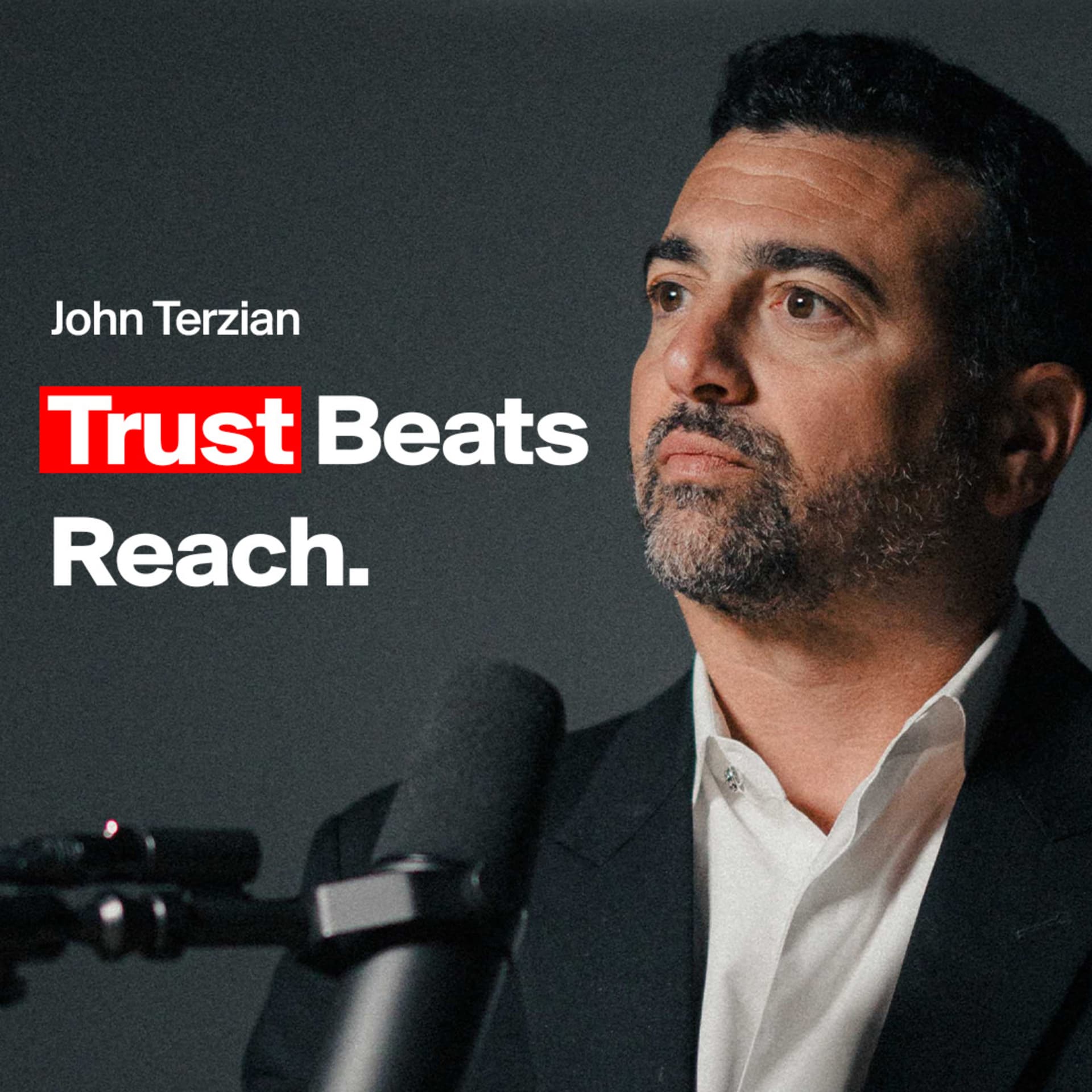
John Terzian, co-founder of H-Wit Group (described as an “exclusive hospitality empire”), explains how he scaled a multi-venue hospitality business using scarcity, word-of-mouth, discretion (including “no photos”), and long-term relationship building. He also breaks down venue formats (nightclubs, restaurants, supper clubs, membership clubs), plus how he runs the first 90 days of a new opening.
Guest background
Terzian built H-Wit Group after a first venue shut down in his late 20s; he learned operations and neighbor/police compliance the hard way. He started as a promoter (handing out physical flyers) and emphasizes personal outreach and work ethic.
Key claims
- “Best marketing is word of mouth,” driven by supply/demand scarcity (“if we know you know”).
- “No photos” increases safety and presence; cameras reduce the experience.
- Relationships and non-transactional behavior compound over time; he credits his mindset for doubled EBITDA (over 11 years).
- Don’t judge restaurants until after a full year; focus on critiques, especially food/service.
Notable examples
- “No photos” began with The Nice Guy (LA) and expanded to Delilah (LA) and Delilah in Vegas (after a policy bet).
- Bird Streets Club (“Fort Knox” no pictures).
- Delilah Dallas cited as an unusually strong start, but he still demanded improvements after month one.
Written by AI. May contain mistakes. Listen to the episode to check what was said.
Chapters
Tap a time to open that second in VOBuilding a Hospitality Empire
0:34 to 0:56
Learn about the principles behind John Terzian's successful hospitality business.
“It can help you with practically anything on the web, like restoring a vintage motorcycle from a 50-page restoration block, or finally break down that long article you've had open for weeks.”
Building a Hospitality Empire
1:09 to 1:58
Learn about the principles behind John Terzian's successful hospitality business.
“Our whole business is based on supply and demand, scarcity, if we know you know.”
Marketing Through Scarcity
1:58 to 3:04
Explore how word-of-mouth and scarcity influence Terzian's marketing strategy.
“and the announcement of a couple of new venues.”
The Importance of Human Connection
3:04 to 4:12
Understand how personal relationships and human interaction drive success.
“The hard side is you got to put in real work and you got to really think about it.”
Long-Term Business Strategies
4:12 to 5:04
Discover Terzian's approach to long-term strategy in business and hospitality.
“it's just about posting on whatever version of Snapchat chat, Instagram, TikTok, whatever it might be.”
No Photos Policy and Its Impact
5:04 to 7:48
Learn about the rationale behind the no-photos policy in Terzian's venues.
“So I think the rule of thumb that I've lived by business wise, actually overall has been play the long game always.”
Creating Safe Havens in Hospitality
7:48 to 9:10
Hear how Terzian aims to create safe spaces for guests and its business impact.
“And so when we realized we could do a similar version more as like even a supper club, and we were like, let's keep this model.”
Work Ethic and Relationship Building
9:10 to 11:04
Understand the core values that drive Terzian's work ethic and relationship building.
“We have the same thing at our members place, Bird Streets Club.”
The Compounding Effect of Patience
11:04 to 12:11
Learn about the importance of patience and persistence in business success.
“I don't, I think it's, I think it's tough.”
Opening New Venues: The First 90 Days
12:11 to 13:14
Discover what goes into the first 90 days of opening a new venue.
“I liken it to golf, even though I don't play golf.”
Show all 41 chapters
The Art of Ambiance and Lighting
13:14 to 14:00
Explore Terzian's philosophy on lighting and ambiance in hospitality venues.
“Like it's, I want to almost be like a museum where no one's in there but me.”
The Importance of Lighting in Hospitality
14:00 to 18:30
Learn how lighting impacts the atmosphere and guest experience in restaurants.
“is wrong, you know, especially like the service, the food, the flow, the vibe, the lighting.”
Streamlining Communication with Whisperflow
18:30 to 19:36
Discover how Whisperflow enhances productivity through efficient voice-to-text technology.
“I speak about 220 words a minute and type only 45.”
Learning from Failure in Business
19:54 to 22:31
Understand the key lessons learned from early business failures and their impact on future success.
“our very first venue, the same venue, it was called The Stork.”
Building Trust with Investors
22:31 to 26:00
Explore the significance of transparency and communication with investors in business.
“Yeah, yeah, yeah, all of them, thank God.”
Creative Development in Hospitality
26:00 to 28:00
Learn about the creative processes and team dynamics behind successful restaurant concepts.
“You briefly talked about the lighting and your art background.”
Building the Hospitality Empire
28:00 to 34:38
Explore how John Terzian curates his hospitality spaces and the key players involved.
“I feel like you're like the idea guy that ultimately curates and picks.”
Navigating the Hospitality Landscape
35:25 to 42:00
John Terzian discusses the complexities and strategies of various hospitality formats.
“kind of in this hospitality space that's run almost like every format, whether it be the club, the restaurant, the supper club, the members, the stadiums.”
Nightlife vs. Restaurants: Key Differences
42:00 to 43:58
Explore the contrasts between nightclub dynamics and restaurant operations.
“that's what like the nightlife world was in the 20s, 30s, 40s was summer clubs.”
Cost of Setting Up a Venue
43:58 to 45:59
Learn about the financial aspects and investment required for nightlife venues.
“Like the very end of the day, what are we doing in this business?”
Building Relationships in the Hospitality Industry
45:59 to 48:24
Understand the importance of relationships and teams in scaling a hospitality business.
“From a per square foot perspective, that is bonkers.”
Characteristics of a Successful Team Member
48:24 to 50:56
Discover the traits that define successful team members in hospitality.
“And, you know, if it, if, if there's one kind of, if there's one like person or thing that doesn't exactly fit in that ethos and doesn't have the same mindset, it won't work.”
Importance of Younger Generations in Hospitality
50:56 to 53:08
Learn how younger team members contribute to the growth and innovation in the industry.
“You know, look, they, they, Milo's been with, take Milo's to be where they started when I started Shorebar.”
Creating Exclusive Membership Experiences
53:08 to 56:00
Explore the concept of exclusive membership models in hospitality venues.
“They're bringing new people into the funnel, new relationships into the funnel.”
The Vibe of Bird Streets
56:00 to 56:52
Explore how the ambiance and people shape experiences at Bird Streets.
“for us at Bird Streets is the people that are there is what makes that place.”
Understanding the Membership Model
56:52 to 59:17
Learn about the economics behind Bird Streets' membership model and its unique offerings.
“How does that membership model actually work?”
Criteria for Membership
59:17 to 1:01:45
Discover the qualities sought in members and what the selection process entails.
“It's like a lot of people, they want to hit their numbers.”
Rules and Culture at Bird Streets
1:01:45 to 1:03:08
Understand the no-asshole rule and cultural norms that define the space.
“Like we don't allow working, essentially.”
Sports Partnerships and Experiences
1:03:08 to 1:09:04
Explore the partnership with sports teams and the unique experiences created for fans.
“I do think that the thesis of their pre-curated people, they're obviously a respectable committee that you should just want to talk to those people and you want to be like actually present.”
Future Expansion in Sports
1:09:04 to 1:10:01
Discuss plans for expanding the experiential model into new markets and sports.
“And that's an amplifier of the probably top 100 people that have season tickets and live in and around Cleveland.”
Discussing Cleveland and Sports
1:10:01 to 1:13:00
The hosts engage in light-hearted conversation about Cleveland's sports scene and personal connections.
“I don't know when this is coming out right now.”
Introducing Ketone IQ
1:13:01 to 1:13:35
The host shares personal experiences and benefits of using Ketone IQ as a productivity tool.
“I often sit down in this chair for over three hours and stay super dialed with ketones.”
H-Wood Media and Partnerships
1:13:36 to 1:16:39
John discusses the evolution of H1 Media and its connection to his background in hospitality and entertainment.
“Quite frankly, I feel like that's something that not many people, I feel like everyone knows you kind of for the venues.”
Investment Ventures with Caleb Williams
1:16:40 to 1:19:19
John talks about his investment strategy and partnership with Caleb Williams in a venture fund.
“any and all of these ideas you have, you're going to have the optionality over time because the central hub is the network and the relationships.”
Future Aspirations and Strategic Partnerships
1:19:20 to 1:23:51
The conversation explores John's ambitions for H-Wood and the importance of strategic partnerships.
“Honestly, H-Wood, or at least my side of H-Wood, was kind of built out of my walk on USC days because even though I was never going to actually play in a game, unfortunately, I was really friends with all the players.”
Identifying Business Red Flags
1:24:01 to 1:25:11
Learn about key red flags when partnering in business and the importance of alignment.
“over the last 15, 20 years in business for people that you've partnered with?”
The Dynamics of Partner Relationships
1:25:12 to 1:26:46
Explore the yin and yang of business partnerships and the importance of shared goals.
“any and every hard conversation before we got engaged, like very, very early, very, very early in the game.”
QuickStrike Questions: Insights from Experience
1:26:47 to 1:27:50
Gain insights from rapid-fire questions about nightlife and hospitality challenges.
“I actually had two roommates in college that were DJs.”
Future Venues and Business Growth
1:27:51 to 1:30:29
Discover the latest venues being opened and the vision for future expansion.
“A great GM, a great host, or a great chef?”
Influential Figures in Entrepreneurship
1:30:30 to 1:31:36
Hear about influential figures in business and their impact on entrepreneurship.
“I have to go with the book that I live by as, as cliche as it is, but Art of War.”
Vision for the Future and Social Media Presence
1:31:37 to 1:32:06
Discuss the ambitions for the business's future and social media engagement.
“I think Why I love what I do is It's all up to the world's our oyster in a lot of ways.”
Transcript
Automatic transcript. May contain errors.0:01Mornings have a rhythm. You can hear it, feel it. And at Quaker, we fuel it. With 100 % whole grain oats. And a good source of fiber in every bowl. Helping you turn that rhythm into your soundtrack for a great day. Fuel to start whatever's next. Quaker, official sponsor of FIFA World Cup 26. I-O, let's go! I-O, let's go! This episode is brought to you by Google Chrome. You think you know a browser, but Gemini and Chrome, that's new. It can help you with practically anything on the web, like restoring a vintage motorcycle from a 50-page restoration block, or finally break down that long article you've had open for weeks.
0:45Gemini and Chrome is here for it. Ready to make anything online make sense? There's no place like Chrome. Check responses set up required compatibility and availability varies 18+. I would challenge anyone to outwork me. I'm psychotically competitive, but I'm not a transactional guy. It's all relationships. That's John Terzian, co-founder of H-Wit Group, the most exclusive hospitality empire in America today. The best marketing is word of mouth. Our whole business is based on supply and demand, scarcity, if we know you know. If I don't have you wanting to come to my place to spend the money and come back, I've lost.
1:20We break down the wildly different business models between restaurants, nightclubs, and membership clubs. Why banning cameras makes him more money, not less. And where the future of hospitality is going. It's going to be over a billion dollar business. Of course, that's what I'm going for. I have no desire to stop.
1:42The H. Wood Group is the most exclusive hospitality empire in the United States today. John built it from a club that got shut down by the city and left him broke at 27. It's now worth nine figures today. Stay to the end and you'll see the whole entire playbook on how he scaled it and the announcement of a couple of new venues. So we have Delilah, The Nice Guy, Harriet's, Poppy, Keys, Bootsy Bellas, Hip, Bird Street, Little Luck, and Montana's with basically no paid marketing. So what's the strategy? Well, I've always, you know, the business that I'm in is pretty similar to the film and entertainment business.
2:17So I always say the best marketing is word of mouth. When you start with that, that's the key. So yeah, our whole business is based on this kind of, I guess, if you will, supply and demand, scarcity, if you know, you know, friend of a friend, and putting that into business terms, which is difficult. And as you grow and get bigger and you don't just have one place, how do you keep that same scarcity? But that's what we've really stuck to. That's our whole mantra and that's our whole thing. That's our separating factor. Yeah. And by best, even from like a business perspective outside of film, definitely the most efficient as well.
2:55Like you're not spending dollars on marketing. It's just all basically arbitrage, CAC, where people are just telling other people you don't spend that much on marketing. Correct. But yes. So that's the good side. The hard side is you got to put in real work and you got to really think about it. You got to it's not it's not as simple as, hey, pay for a billboard. Let's pay for this. Let's pay for that and just get results. It's how do you have people talking? You know, it's back to the, I talk to, you know, the, the, I sound really old now, but I talked to the kids that work for us now, you know, and they're at an age that, you know, when I started, I started as a promoter, both my partner, Brian and I both started as promoters, right.
3:33We had our own promotion stuff. And I was handing physical flyers out on the streets to people to come to the events that I throw. That is a mind blowing thing to people nowadays in this, in the industry. No one does hand to hand combat. I call it, they don't do that. that you're used to. The rule of marketing, that doesn't really exist anymore. Doesn't exist. They don't even understand what that is, the physical presence. But I will say the ones that do, I think are gonna be a separating factor in this new wave of AI and stuff because more and more the human contact and knowing how to actually handle people and physically talk to people and presence wise is actually gonna be more and more valuable because in the last 10 years, it's just about posting on whatever version of Snapchat chat, Instagram, TikTok, whatever it might be.
4:21And that's the marketing. To me, to this day, when I do an event, and there's still, I physically text each person, physically call. I'm not a big caller. I like personal text, but yeah, I will call if it's important. That's how I work. And honestly, it's still the best way to do it. We've kind of talked about what it costs you, but what is the upside in doing this? Like just one-to-one when you look at it, what does it do? I mean, I do feel like... Upside in which part? as far as the scarcity model, like some of your venues, like some of these clubs that we're going to talk about, these sports hospitality clubs, I mean, it's capped at like a hundred people in there.
4:54Yeah. So like, how is kind of the push and pull as far as upside on revenue go? Like, how do you look at, is it more of just a long game and you can open up more locations with less people in it? Yeah. So I think the rule of thumb that I've lived by business wise, actually overall has been play the long game always. And that applies with relationships that applies with the business itself. It's also just naturally what, I think with anything in business, you got to do what you naturally feel comfortable with. And to me, I just, I like that intimacy. I like that scarcity. So it's less about, I guess when you're talking about revenue, you can be more expensive per person when you're scarce, you know, or when you're smaller, I guess I should say.
5:36So in a way it kind of evens out, especially when you can last longer. I think that's a key aspect. And for me, I found that that model is just better for us. Now, we have places that are sizable. You know, Delilah is pretty big, you know, especially in Dallas and things like that. So it all varies on the concept. You have a bunch of different concepts. I mean, with some of them, you're known for kind of no photos. Like where do those rules actually apply? And what's the plus and minuses of that? Well, it stems from, I always try to, you know, stay true to what's got us here and what, what I kind of gravitate towards.
6:13And so no photos started when we were, you know, we started, we started about 20 years ago, Sagewood. And the premise was that we thought that we were promoters. We thought that we could do better version of nightlife in Los Angeles, specifically our hometown. We thought New York and London was paving the way with music and, and aesthetics and design and service and all that. And so that was how we started. And we started with, with night clubs. And I think we, what we realized is we were really good at bringing the right people, creating the right ambience. And as a result, a lot of our friends naturally became, you know, pretty big celebrities in their own right.
6:55And then big, big in business, not just talent celebrities, but just their own, their own name growing. And it became with the rise of social media and paparazzi and kind of everything, it was like what we gravitated towards was being a safe haven for people. And so, you know, we realized we wanted to get into the restaurant business. As a result, we were like, you know, at the end of the day, it's more, we take our nightlife skill that we know best, but long game wise, I think if we can conquer that restaurant world and no one wanted to give us a shot in that, but that was what we were dead set on.
7:27We were like, we are going to make it a safe haven, can eat, dime, they'll feel protected. And one of our things that we were pretty much first to do, especially in LA was no photos are allowed when they're in there. So you feel safe. There's no even concern. And that started with the nice guy, which we opened about, about 12, 13 years ago. And that was the premise. And so when we realized we could do a similar version more as like even a supper club, and we were like, let's keep this model. And that was Delilah in LA. And people were a little, little hesitant of it, but it made for better everyone in the present, you know, living.
8:01And then we took it a step further. I believe we were the first to do it in Vegas. And, you know, luckily I have an amazing partner in the wind because they were pretty nervous. They were like, you know, Vegas is all about the pictures and the social media. You get no flywheel of social media. Everyone wants to flex, especially if it's a premium location. It's like kind of counterintuitive. Totally. And so I did, I made a deal with them at the time. I said, look, you know, I give you my word. If for some reason we are just not full because it's not working, you know, give me three months and I will change the policy here.
8:32I will say photos are allowed or whatever, but I have a feeling living and breathing this industry and living and breathing what goes on. I think people are going to really, I think they're going to gravitate towards it. And sure enough, it became, it was the right move. And it's to this day, it's no photos and people just feel safer and more present. And it's not even just about anyone doing anything wrong. It's about not having flashes going on and being able to enjoy your night and not, you know, so at the end of the day, it's worked for us. That doesn't mean every venue of ours is no photos, it's certain.
9:03And that doesn't mean it's right or wrong for anyone else. But for us, it's what we've built our name on. And I think that's what we're going to stick with. We have the same thing at our members place, Bird Streets Club. And it's, you know, it's Fort Knox, as far as no pictures in there, you know? Yeah. I mean, I think for a lot of people out there, just you can take this same kind of ideology and apply it to business in a lot of different ways. I mean, you're going to get so much asymmetric benefit down the line and you just let time compound where you're building the trust with all these people where you can't protect them.
9:31And then it just opens you up to any and all different business activities and things that you can do with those specific people. Yeah. Just because you're the one that is basically giving them a safe place to do anything and everything they want to do. Yeah. And you got to be patient. You know, I, and I do stuff like this. So people kind of like hear all the heart that everyone sees, I think what I do and what we do as glamorous always. And there's, there's, it's not, There's this whole side that's failures and hard aspects. And so when I was starting out with this, it was hard for me to see there's so many peers with all these great things, pictures in their venues.
10:06And I was like, it's hard when you're starting out. It's like, am I making the right move? But it was so natural to me and us that we stuck with it and we're patient. And that's what we've built it on. If I gave your exact playbook to a competitor, what could they not copy? Could not copy my work ethic. Like you're not going to outwork me. Love that. Yeah. So I, I will say it'd be, it'd be, I would challenge anyone to outwork me and us. Um, I think relationships too. I think, you know, end of the day, it's, it's genuine relationships. I'm not a transactional guy. If I have you meet so-and-so, I am happy for you guys to, to, you know, flourish on your own, you know, I don't, I don't do things for tit for tat.
10:49And I think that's how I've lived, how I've lived my life and how I always will be. And I, and I, and I think what's been nice is I feel that that has been a major part of our success. Whatever success we have is, is that type of mindset. I don't, I think it's, I think it's tough. I think most people in business are business transactional. Yeah. Especially in LA, there's a lot of middlemen and finders fee people. It's, it's, it's outrageous, dude. And they're not, you know, at the end of the day, they're not bad people. No one's doing anything wrong. It's just how I am and what has worked for me and just naturally how I am, you know?
11:25Yeah, I think for the people out there listening. I'd probably be a lot richer if I was that way. I'll tell you how much. No, I mean, I do. I think that especially for the people out there listening, the younger entrepreneurs that are on year like four or five. I mean, I say it all the time. Like my real compound effect in business and with relationships. I mean, I am working on my other business less since I started the podcast. And our EBITDA has doubled. And that took 11 years. Yeah. And like you, you're joking that you age yourself, you know, 20 years. Like for people out there listening, you got to understand it is a hockey stick.
11:55Yeah. It's just how long can you take the pain. Of course. To realize those gains. Because now the game is like, I mean, let's call it a spade of spade. I know you're working hard and it's hard stuff. The game is easier for you because you have more alliances and obviously experience in the marketplace. Everything compounds the longer you wait. I liken it to golf, even though I don't play golf. I don't do golf, bro. The one thing I will say with golf that I know of is very similar to what I view as businesses. It's less, the more you're patient, the more you grow, and the more you're in this industry and entrenched, the less wild shots you're making.
12:32Like, you're still going to make mistakes. You're still going to do different things wrong. You're still going to, by the end of the day, you at least, like, know what you're doing more, which is what I guess would be makes it a little easier, if you will. I completely agree. Let's double click into venues. When you're opening up a new venue, kind of walk me through those first 90 days. Obviously there's, you know, a year plus lead time to kind of build it out. What does that look like from like, let's just call it a little bit before opening to first those three 90 days to position yourself for success?
13:02Man, saddest day is when I open a venue, by the way. Why? It's just, it's like my baby being, I don't want anyone in it. They're going to be like my baby being born. I'm like, what the fuck? It's wild. Like it's, I want to almost be like a museum where no one's in there but me. It's just pristine and beautiful. And you go in, there's little nicks. And like, honestly, it's to this day, it's never fun to hear, you know, and I always focus on the, and I, and I think this is, I say this in a positive way. I actually try to focus on all the critiques and the negative aspect. I don't like hearing smoke blown about how great something is.
13:37I want to hear the things that are wrong. Cause it's, you know, which, which is to the point of those first 90 days, you know, is I really, I kind of view myself as an ultimate observer, especially in those 90 days. I really try to watch and listen and hear all aspects, almost to a fault to like where, you know, it's like you really nitpick on where seating is wrong or right, where food is wrong, you know, especially like the service, the food, the flow, the vibe, the lighting. I'm a really crazy person about lighting. I think lighting makes or breaks a room. How's the lighting in here? Do you like it?
14:13I do. I do. I like it because it's dramatic, right? So, but I, I go by my whole lighting secret, if you will, is I go by my background is art. I go by this chiaroscuro style, which is natural flame candlelit essentially. So no overhead, no pin lights. Everything is, is like, basically, if you were back in the day or around a fire or around a flame, you face wash basically is lighting. and I try to have that in every seat so that you feel good and it's dim. Is this like a Delilah vibe where it's like dark, but in the kind of like your little area, it's like a little lighter, is that what you're talking about?
14:49It's Delilah, it's all my restaurants. All of them. Delilah, nice guy. The way, if you notice, if you notice ever, there's no actual overhead light over you, pretty much ever, because the down lighting is pretty rough on features and stuff. And so what you want is a face wash. It's people feel good. So why you'll notice in certain bathrooms when they have the right lighting, it's a face wash and it's a certain hue. It's like an amber or slightly pink versus the super light. So I spent a lot of time on lighting and I spent a lot of time on seating vignettes. And those first 90 days to me are really about that, seeing what people gravitate towards or against in all aspects.
15:31What's that mistake that people make? Like when you're looking at that venue, what's usually not working that you need to adjust? Well, always food. When you're talking about a restaurant, you got it. It's anyone. It's those first few months of food and food service are really difficult. And anyone that says otherwise is completely lying. Getting the kinks out of a kitchen is a very difficult. I have the most respect in the world for chefs, line chefs, sous chefs. Because, you know, it's tough. It's the real deal. So I would say that. I think, I will tell you where I think a lot of people go wrong, including ourselves back in the day.
16:10And my, um, if something comes out the gates, right? Like the place you kind of rest on your laurels and think you're fine. You really can't. I don't, I don't ever, and I don't ever rest on my laurels, but I don't ever judge anything good or bad until a full year in. So you, you pass that one year marker and you forget sales, forget everything. You have your gut about buzz and vibe and whatever, and you feel it's going upward, you're in a good place. Especially on the nightclub side because I feel like it's tougher to get longevity on that side. Nightclubs, sure, a little different. I'm talking about restaurants, actually.
16:46Like, I think I don't judge anything, good or bad, for a full year. And I'll give you a really good example is Delilah in Dallas, you know. Absolutely amazing. Off to the best start we've had in our entire company, more than anything else. And a lot of friends, a company, and God bless them, it's amazing, they're so excited. And I'm like, I'm not being annoying, but I don't want to hear one word. I want to focus on what we need to improve each day. After one year mark, we can do a little mini pat on our back, but I want to see how we are in a full year from now. And you go through the ups and downs and everything.
17:21And I'm telling you, it is the best way that I've learned for us how to be is to give it those legs. And honestly, it's to not get too low with the low or high with the high. So if stuff is not working, don't freak out in month two or three. Like there's ways to fix things and there's ways to improve things. Guys, only the paranoid survive. Semi-paranoid here. You need to be paranoid. I'm psychotically paranoid. I'm also the most superstitious human alive. And it's, you know, it's all of it works together. You have very neutral energy though. I feel it. I can tell that you don't get too excited.
17:53You can't. I can only imagine the shit that you deal with. I mean, the shit that anybody that's an entrepreneur deals with. But I could tell you're very, very even keel from when we first got on the phone, I could tell it was like very, very neutral. even when I felt like going up and down, I didn't feel it in your vibe. I don't, yeah. I have no temper. I don't get too excited ever. I think people, I think that frustrates a lot of it because it's not that I'm not happy or excited. It's just at the very end of the day, it's just, I don't know if it's a protection mode. I don't know, but it's always how I've been is to be neither way, just even keel.
18:24Probably for this industry, it's key. I use Whisperflow for hours every single day. I think way faster than I type. I speak about 220 words a minute and type only 45. Whisperflow closes that gap. It's a voice-to-text tool that works anywhere on your computer or phone. You talk and clean formatted text shows up wherever your cursor is. All right, let me show you. I'm going to answer a real email right now without typing. You can see here Tyga is asking for feedback on our intro video for the next episode. Watch how I respond. If you could just make a few changes, make the red a little bit brighter, the typography a little bit smaller for the music if you can just give me some other options and that first photo some more options as well please give me three options for each and make sure you send it to me by end of the day Friday thanks so as you can tell the text is way cleaner I kind of speak in half sentences and sometimes mumble on this makes it very clean formatted perfectly and avoids all the small mistakes this is a product that I cannot live without I promise you that you will love it If you guys want to get one month free of Whisper Flow Pro, click the link below and use code OPENRESIDENCY.
19:36Your first venue, the original H-Wood, that shutdown, what'd you learn from that that you can take to today and share with entrepreneurs out there? You know, I think while it was the hardest, probably the one or two hardest experiences of my life, it's probably why I'm here today. I learned everything from it. By the way, it was a combo of two things. A lot of people don't know this. our very first venue, the same venue, it was called The Stork. It was not working. It was not hitting. It was too fancy. It was too out there. So after three months, I changed it. We shut down. We did a little rebrand.
20:12This was my very first venue on my own. And we called it H-Wood. That was the first same place. And we were, like I said, you know, So Brian and I were really good at the crowds and bringing the right people. I think that I was a little too, I hate saying young, but I say in a way of like, I didn't know what I didn't know. And I refused to understand that. I thought that I kind of could handle anything or do anything. And really at the very end of the day, I didn't know how to handle the operations. I didn't know how to handle neighbors, didn't know how to handle police. you know, the one thing I always did right.
20:55And I think it's something key for anyone to know in business is I was always above board. So I was reporting everything properly, always really above board on the business with, with investors, with relationships, everything was long game in that regard, which is how I kept, you know, all my relationships and everything, because ultimately we lost it all. You know, we didn't know how to deal. We, we ended up getting declared a public nuisance because we didn't know how to deal with the neighbors and the police. And it got shut down fully and stripped of our licenses. And so lost everything. And so to me, I think that was the biggest learning lesson because thank God it happened early on in my career.
21:36It was at the end of the day. Late 20s? I was 20. I was like 28, 29 when it fully lost everything after really being excited about getting going and having my first place. And it was, it was a real, real smack in the face, you know? Yeah. I just spoke to my buddy yesterday who raised, I don't know, probably like 15 or 20 million. He ended up shutting it down and how he handled his investors is absolutely everything. Cause I always think that the most dangerous founders are the second and third time founders that may or may not have seen a little bit success on the first or second and or failed completely, but handled it with grace.
22:14Those are the fucking dangerous weapons, dude. Yeah. Because you probably came out of it a little bit of a chip on your shoulder, 30 years old, great relationships, because you overly communicated to them and were radically transparent. And I would imagine that a lot of those people are either a still in your life, or probably be took bets on you after the fact, correct? Yeah, yeah, yeah, all of them, thank God. And I'm very fortunate because, you know, I would be I'd be mad at the end of the day, though. you can't predict success or failure. You just can't. It's all how you handle everything during and after.
22:46And that's the only way I can be in any way any of us can be. It's the jockey for anybody out there listening that, you know, is going to apply this kind of scarcity and discretion model and make it more word of mouth offline versus online. What do you use like social media for? Like what is your team doing for that? If it can't really show as much about the people, it's more about, you know, discretion. Yeah. I mean, I hear that all the time from our, from our social medium. That's a hard job. That's a hard one, bro. It is. They're like, how many times can we show the front of nice guy? I'm like, just keep doing different, different ways.
23:19You know, it's, we look, social media is very important. There's no question about it. And creators and influencers and all of it is, is extremely important. Don't get me wrong. I'm not, I'm not blind to that. At the end of the day, it's all in how you do it. So for us, you know, we, we definitely utilize our events a lot. So we use, we use a lot of the events for social media. That's, that's a key thing to feature. We feature, you know, you know, things like food and, and, you know, anything like unique and different we come up with, but it's, it's not easy, you know, in that regard. Anything but the actual humans to keep the trust with the humans.
23:56That's correct. That's correct. Yeah. Every so often someone posts, you know, their own self. And so that's something we utilize with their blessing. And we say, Hey, we'll repost it, you know, but other than that, there's no other way to be. We have to, we have to stay true to the core. That's interesting. Yeah. And when we did, you know, the pre-production, if a third party talks about it and or posts about it, that kind of gives, gives you autonomy to kind of do what you want on your side. Cause they already did it. Correct. Yeah. And usually it means they want that. So, and, and honestly we check every time, you know, So at the end of the day, it's only way to be.
Read the full transcript
24:32To put a pin on kind of this no photos and keep it low, has a guest ever broken your trust and or a guest and or someone on your team? And what happens then if they do do that? Yeah, it's happened quite a bit. You know, I have terminated several employees over the years. It's a super hot button item, but it's something that we won't waver on. And that's as simple as just even like talking about who was there and or leaking that, leaking it out somewhere? Any of it. The minute there's anything like it, we terminate them. Guys, John was very militant in the pre-production. He does not give a fuck.
25:06I asked a million questions and you were just like, nope, nope, nope. I want to see, we're going to have a little ticker at the end of this of how many questions I asked. I don't know how many they're going to be. We're just going to be like, nope, can't do it. Nope, can't do it. Dude, it's literally like, it's so funny because, you know, I was obviously ideating beforehand and when we spoke and after of like, you know, what is kind of the thesis and packaging around this? And among other things, it's like scarcity is the product. And for people out there, like you look at, you know, brands like Kith.
25:35I mean, Kith started, I don't know, 10, 12, 14 years ago. You know, that first shoe probably was 50 units sold out, 100 units sold out. And it's just incremental, but keeping the supply obviously significantly lower than the demand. That's what you're doing. You're doing that in conjunction with trust. Yeah, I look at brands like Kith and stuff like that are amazing brands and they stay true to who they are even when they grow, you know? Yeah. Let's shift to more of like kind of like the brand engine or what you do on your side. You briefly talked about the lighting and your art background. I know you run a creative development.
26:06Like what does that actually mean on like a Monday morning or day to day? Like what are you doing on your side? You mean creatively? Creatively. Yeah. And then obviously on the relationship side, I know. Well, I think I think my probably half of my time is actually on the on a little bit on the creative side. I have a great creative department now that's in house. is Parker and Polina. And these people are literally living and breathing our creative, which I actually also think is a big separating factor for us. You know, especially people that pay attention. There's a story to each of our places, each of our events.
26:41So I spend a good amount of time on our new concepts that we're opening, whether it's a new Delilah, for example, in New York, we're created a one-of-a-kind Lady Delilah or our brand new restaurants that we have that have not come out. I spent a lot of the creative time on all aspects of not only the room and how it's going to look, but the collateral. So the things like, you know, matchbooks and kind of all of that creative that goes into it and how it's going to feel and look. And that's a good amount of time, actually, that I spend on that. And events, because we have so many events going. What's really, really interesting, and I'm actually kind of going into this chapter of my life where, you know, I've been in business my whole entire life.
27:23I took a personality test. I'm actually highly creative. And ironically, I own an art company. Obviously, I let the artist who's, Jeff is a very, very world-class artist, let him do the art side. So I kind of haven't been able to, you know, work creatively. And now I have this like kind of like new life where I can, you know, inject my creativity into it. I'd love to know from you, I mean, you're an interesting Swiss Army knife as well. Clearly you're a businessman as well too. Who do you work with kind of around you? And again, I know it might be singular to like restaurants or clubs to kind of execute your vision.
27:52Because it's more just like your taste. like your color, you know, the color schemes that you like, the specific bowl. What is this? Are these like designers? Are these stylists? Is it graphic design? Like, what is that team? I feel like you're like the idea guy that ultimately curates and picks. But who are the weapons that help you deploy that into the world? Yeah, I mean, it's a pretty tight circle of trusted people that have really just kind of grown in me. I think the key one is his name is Parker, and he's just the head of our creative, and he's hand in hand with me. and there's two, three people with him.
28:25And then there's another group, John Sofio and Rebecca, and they are a design build group that's been with me since I, what was it? Shorebar was about 14 years ago. I went to him, it's actually a good story. I went to him, he was a pretty well-known contractor, designer of homes, residential. And I had lost everything from prior, from H1 and stuff. So had no money. Got this, got this little tiny bar. The landlord said, you have a hundred grand budget total, not$1 over to redo. That seems pretty low. It's nothing. And he was like, yeah, it's literally, I'll never forget. He's the greatest guy. He gave me the shot.
29:07Like I owe a lot to him, but there was a hundred grand budget. And so I went to Sophia, this guy, John Sophia said, Hey, you're a contractor. You're a builder. You're a designer. Like do this place with me for free essentially. and I'll only, I'm going to go on and be a big deal. And trust me, and he did. And I haven't used, he's been every venue of mine since. So that's been 40, 50 venues basically and ongoing now to this day that I'm on round. So there's probably six people that I am around the clock and God bless them. I work really late and I work on texts and I work at all hours and they accept it.
29:45And they just, you know, I don't need them to like answer me at 4 a.m. when I'm going over ideas, but when they wake up, they do. So that's the key. Where are you getting your inspiration from? Is it just from consumption on what? Is it movies? Is it magazines? Is it other venues? Where are the big places that you get your inspa from? You know, it's everywhere. I'm inspired by, like I read everything. I spend hours a night just reading different, whether it's art blogs, fashion, film stuff. So I think, I think between fashion and film is where most of the inspiration comes from. Very little like typical design stuff.
30:27Do I, you know, I, even though I look at everything, it's usually, it's usually inspired from outside stuff. I felt your, your passion for lighting in the beginning of this conversation. What, what are some of those other kinds of details on any of the types of venues that you have that you think people either overlook or makes it a real wow factor for your venues? Oh, there's so many. I bet nobody, you know, on the, on the bottom of, of the plates in Delilah Vegas and Bird Streets, I have like a little saying, a little custom saying, you turn over the plate, like there's sayings like you dirty thief, like caught you looking like a bunch of like little things that like no one knows.
31:04And like, why do it? I think if even one person notices that you, there's some attention, then you've, you've kind of, you've kind of made a mark on their night. It's like you notice someone cares to do stuff like that. So I do a bunch of little details like that that are little, you know, that are there and subtle. So you're telling us to go through your vendors and just search random shit all over the place. Look at the forks, the knives, the napkins everywhere in the bathroom. I will say each thing is specifically like thought, like each thing that you just mentioned is specifically curated design as usually like a little branding mark.
31:42It just, there's various things. So how does a concept actually get born? Is it like you're looking from a per market perspective? You're looking at white space from a location. Is it just, hey, you know, this type of food or restaurant is trending? Let's what's idea to execution. What does that look like? It's it's a really good question. And there is not a specific science. So it could be anything from there is a great space in a place that we see is a void of what we do and can bring to the table. Right. And so then it's a matter of what that concept is to be best there. So. For example, we found this great space on the water in Newport Beach.
32:26You're talking about actual location. Yeah. Yeah. Because at the end of the day, the best things in business are when there's a void and you fill that void. It's the number one rule of business of entrepreneurs. It's like you find that niche and you fill it. So for us, I'm giving like the best way I can do stuff is give an example. We found this great space on the water in Newport Beach. Now, while we're not from Newport, I went to USC, grew up in LA. I know Newport well. I'm not resident there, but I know enough to know the ins and outs of the market. And there's great people. They're missing a little bit of the notch up from a restaurant.
33:06I don't think it's a nightclub place that we want to be doing. So it was a perfect fit for what we do with Nice Guy. You know, the space was the right size. Nice Guy is like an elevated restaurant, if you will, meaning it's got live music, but it's still a restaurant. And so it's a perfect fit. And that's where we're going there. There's a reason why we did that exact thing. And it led with having the right venue, the right feel in this niche that we felt needed there. How much is it gut versus potentially someone in the marketplace you're talking to versus potentially like an analytics driven approach?
33:40We do it all. So we have just a novel of analytics, right? So you have all the demos, all the stat in the world, but it's very similar to the movie business. You could have the biggest star, biggest director, biggest script, biggest cast, and it flops. It happens. Or the reverse. You don't see it coming, right? Meaning you don't think this film is going to be anything. It wins an Oscar. It wins whatever. It's very similar to our business. All you can do is, and there's no formula, but all you can do is put all the pieces together that you think are the right move and go for it. And so for me, it's the only way that I've been able to do it.
34:18You know? Trust the gut, baby. So it's kind of a gut in the end. And that's why I have to physically go, like I have to go physically be and sit and feel a place before ever deciding on anything. You need good investors that are gonna let you just run on that gut. Thank God for my investors. I love them all. Yeah. This episode is brought to you by Momentus. Most Americans today are walking around deficient in omega-3, vitamin D, and magnesium. Three of the most foundational things in energy, recovery, and sleep. And even if you're already taking supplements, the industry is so loosely regulated that you really don't know what you're taking.
34:55I know the team behind Momentus personally, and that's why I trust it. Every product, every batch is third-party tested for NSF certified for sports. So what's on the label is exactly what's in the bottle. It's why over 200 pro sports teams trust them and why my whole stack is theirs. Omega-3, vitamin D, magnesium, and creatine every single day. If you're putting real effort into your health, you wanna know that it's actually working. Go to livemomentus.com, use code OPENRESIDENCY for up to 35 % off your first order. You're definitely one of the only operators kind of in this hospitality space that's run almost like every format, whether it be the club, the restaurant, the supper club, the members, the stadiums.
35:34I'd love to kind of go through each and just talk about kind of pluses and minuses and maybe like what's the hardest part. Because again, I always go into these and I'm like, dude, I'm a crazy person where I'm just like, especially in the membership club, like we talked about, is I'm just like Googling like what's the rent and then calculating the members, How much are they paying the baristas? Yeah, yeah, yeah. Is this a profitable business or not? Yeah. So I just love to go through kind of each of them and you can give an example, maybe with one of your, you know, venues. What about nightclubs?
35:59What's the kind of the pluses and minuses of nightclubs and maybe the hardest part? Well, look, I credit nightclubs with, it's funny, I do, I always say this, when you're getting into this business, you either need to start with a billion dollars or you need to create something to attract a billion dollars for a short phrase. I was the latter. I didn't start with family money. I have a great family, great whatever. But at the end of the day, it was a self-made entrepreneur in that regard, even though I had help from family, friends, all of that. The fastest and best way for me was with nightclubs because you can build a nightclub faster than restaurants.
36:39Why? Probably two reasons. The biggest reason is when you don't have a kitchen that you need to factor in and train and build. It's a massive difference. I think also there's a little, even if you do the greatest design, there's a little less need on the details of the design. It's a little bit more with lighting and sound. And also you can make the fastest mark. You know, usually the double-edged sword of nightclubs is they're short-lived. So they're usually, rule of thumb, is they're usually a two, three year super hot, you know, thing. And you get a good amount of buzz and press. And so for me, it was a good way to start.
37:25It's still a good, still a great thing. I think, you know, I don't, it's funny because I hear all the time, oh, nightclubs are dead now. Every generation has said that. It's nightclubs are never dead. At the very end of the day, they reinvent themselves. Music changes. The scene changes. Dancing is in, dancing is out. table buying's in table buying's out tequila's in vodka's in champagne's and it's every everything varies and changes just like anything and so the numbers reflect that in the actual nightclubs like can you look to your nightclubs and like have they been either stagnant and or up into the right it varies and and honestly like yeah so they go through lulls like nightclubs go through lulls and I think right now it's actually, you know, in a lot of ways we're doing well and other ways, you know, the Vegas market for nightclubs, you know, has changed quite a bit.
38:19Everything just kind of changes and adapts and at the end of the day though, the actual essence of what a nightclub is is never going away. It's just going to be different versions. Yeah, I mean, for me, I have like my bachelor party soon. Like, I'm going to go to a nightclub, bro. Obviously. I'm going to a nightclub. Obviously, yeah. It's going to happen. You're going to get that big bag that one night. What about restaurants and supper clubs? I'd love to kind of go through each one of those. I feel like on the restaurant side, it's just like the kitchen. I would say it's probably just getting that down.
38:47It's a different margin profile. What are kind of the pluses and minuses of just the restaurant? Well, if you have a successful restaurant, the good thing about that is you have real longevity. So that can last as long as you, you know, it can be a staple, right? So for me, I think just take Nice Guy, for example, I think Nice Guy is going to be a staple of LA, you know, knock on wood. But it's now been around over a decade. It's only stronger in a lot of ways. I think the key is that we, you know, really focus on the food and service and making sure everything is up to par. I think when you start letting that type of stuff go, like when an owner or operator is less present and not as on it, you notice that difference.
39:33And that's when places slip that are, you know, legendary, for example. But that's, to me, the beauty of the restaurant business. So longevity. I would imagine, though, probably restaurants have a lower margin profile than nightclubs, right? Because nightclubs are just alcohol, which is higher margins. Well, basically everything to make money in restaurant hospitality is alcohol or events. That's pretty much, you know, the food itself, unless you're in fast food business, is pretty difficult margins. very good thing to point out makes sense that restaurants have longer longevity what about these supper clubs a lot kind of like these hybrids how do you look at that so if you do it right which which you know i think we've done a good job with the delilah brand for example sunday night delilah i used to i used to hit that hard baby jazz sundays you can't beat that you know that's nice yeah um that kind of gives you the hedge both ways right like it could get the longevity of the restaurant and you're getting the margin profile potentially of the alcohol kind of can get both, right?
40:31Yeah. You get that, you get that mix of, of the, you know, wine, champagne, liquor sales, you know, little bit of the nightclub ish, if you will, at least sales and vibe and everything, but you can get the longevity of a restaurant if you, if you do it right. Now you got to lead, in my opinion, you got to lead with being a restaurant. You got to lead with being the food. I've seen people try to do the supper club and it's like a backend way of being a nightclub and it just doesn't, it usually flops. Restaurant on the front and then just add in the nightclub kind of variables to it. It has to like kind of grow into that.
41:09And you have to be accepting of the fact that it's not every night is going to be some big thing. You know, like you mentioned, you know, our Sunday jazz, it was a curated thing. It was a guy. A little rowdier meal. Our guy. That's really what it was. That's what it is. Yeah, it's a little rowdier meal. But you know, there's a heart and soul of that. There's this guy Buster that really has the heart and soul there on that Sunday, you know? And I think on the other nights, there's a heart and soul with like the musicians that we have. You know, we have like the singers or the band, you know. All of that plays a factor into the night Camille Lively, you know, or the DJ, you know.
41:43I feel like that's the safest bet of the three because you start with the restaurant and potentially you can iterate to the nightlife feel of it. I think it's what we've really, it's kind of the backbone of like our company is that true supper club. And what's funny is it's just history. That's what nightlife, that's what like the nightlife world was in the 20s, 30s, 40s was summer clubs. Makes sense. What doesn't translate from the nightlife to restaurants? What are the things that do not translate? From nightlife to restaurants? In what regard? Like what are the things that will work there that don't work at restaurants?
42:22From nightlife to restaurants. You know, look, with the nightclub world, you're really, it's crazy. You're talking about like, if we're talking about LA nightclubs, it's about two hours. It's kind of a crazy model. 12 for two. You really, you open at 11. It technically isn't until midnight and you have to close at two. And it's usually three nights a week. So if you think about it, you have to get all of your sales and everything in, in six hours of the week, right? It's crazy. That is crazy. I never thought of it that way. The biggest thing with that is you are truly just, at the very end of the day, with clubs in LA, and I guess Vegas too, but specifically LA, which is my knowledge, you kind of live and die by the table buyers.
43:16And table buying all has to do with real estate. That's the way I look at it, is why do you have to buy a table? It's because you want the ease of owning your own real estate within a party going on. Right. And so the focus is creating that best experience for buying a table with the layout, with the lighting, with the music, with who's there in the room, with the special guest performer, all that it may be. So to me, that's kind of like the big X factor with like true nightclubs in LA. that doesn't like none of that really relates to the restaurant world you know the restaurant world is a whole different vibe that we you know create that's a really really good answer i was not thinking about that at all i mean it really comes down to these promoters are very very important because i mean they are sales people that have the floor plan these are the seven eight tables this is the person performing and ultimately it's it's a sales game it's a sales game and a good I get mad at a lot of, at the end of the day, like I view myself as a promoter.
44:23To this day, I am a promoter. Like the very end of the day, what are we doing in this business? We are filling seats. We need people to be there, to spend the money, to enjoy, to sit and to come back. That's my entire job. All of the rest of it is just painting a picture. All that's great. But at the very end of the day, if I don't have you wanting to come to my place to spend the money and come back, I've lost. Offline and relationships is everything moving forward and everything for you guys because you're not promoting this online. How much is like a venue cost to set this up? I know you can kind of just give me a range, but I'm curious.
45:03I've heard a lot of different things. Grutman said a crazy, crazy number. I'd love to know. And obviously there's first generation versus second generation, you know, new construction versus updating ones. How much does something cost? I'd love to hear from you. You know, look, I tend to, I definitely build high quality because I believe if we are going to be requiring or not requiring, expecting people to pay good money and to come back and really enjoy their experience, they deserve to have like the best design and quality of things. So, you know, it varies. It's at the very end of the day, at this stage between our, you know, it can vary between five, six million to, you know, 25, 30 million, you know.
45:48Jesus, 30. I thought he was crazy with 14, 30 million. Yeah. Which one was that? You know, that one's. Can't give me that one. Maybe we'll pop up some visuals on it. That's, it is insane. Yeah. Yeah. I mean, it all. From a per square foot perspective, that is bonkers. So for the most part, the way I look at building per square foot is it's usually, at least when we're talking about, let's talk about like the restaurants or members clubs we do is between 1 ,200 to 2 ,000 a square foot is kind of the way the rule of thumb on the way we build. Yeah. I'm backing into seven, 10 ,000 square feet. Makes sense.
46:28We'll move on. you're productizing kind of relationships and exclusivity. And like the reality is, is a lot of it. I mean, you are the linchpin. I mean, you started this thing with your business partner. How are you scaling relationships? What does that look like? What is the team underneath you? Because I mean, you're opening a bunch of new venues. How are you maintaining all of those relationships? And I mean, we talked about tables. You need people that have deep relationships elsewhere. Yeah. So I think that's, by the way, that's been the hardest, thing because at the very end of the day and I, you know, as I've grown, you know, I have a family, I have a wife, I have kids, same with my business partner.
47:04At the very end of the day, you want to also have that and you can't grow to different cities and multiple venues and be able to do all this, nor should we. It doesn't work that way, you know. So I would not be sitting here today with my, or doing anything that we're doing if we didn't have such a great team that we've built and I think that's the key thing. So I think about, I don't know, four or five years ago, I, one, one smart thing that I did was created this X team, which is like, um, I call it the X team, which is kind of kind of X factor. So the whole thing with that is there's a handful of people that their whole role is like the ultimate concierge, ultimate hand holder, owner of a venue, like me, physically me, all of them should feel They are me in the venue and handling, whether it's our VIP guest, whether it's a new person that, that, you know, just met whatever it may be, but, and that's in each city.
48:03So that has been a major thing for me. And then on an operation side, we've built great teams. We have a great head of operations, great VP of operations, GM at each venue, assistant GM of each venue. They each have to be, have the same mindset and ethos of us in order for it to all work. And, you know, if it, if, if there's one kind of, if there's one like person or thing that doesn't exactly fit in that ethos and doesn't have the same mindset, it won't work. So you have to have that person that really kind of, kind of embodies what we do. What does that person look like on that X team? Like what are the characteristics of that human?
48:43So there's one thing that is not teachable. It's you have to like people. It's really simple. That's number one. Definitely not teachable. Not teachable. Yeah. And so number one thing is you like people because otherwise you can't teach them. Small cohort. It's a pretty small cohort of humans that want to talk to other humans and love humans. The rest is pretty teachable in the sense of this. And, and without going into depth, it's, we have super meticulous notes on, call it two, 300 of our, of our, you know, I call it our, our Rolodex guests, which are VIPs or whatever. And you've got to, you've got to see, so you've got to know whether they like to be greeted.
49:27They'd like to be hovered. They don't like to be hovered. It's shadowed. They like certain things ready for their table. Like all of these things, how you greet, all of these things matter. You know, they, there might be a important businessman who doesn't like to be known that he's out at a lot of venues, for example, he or she. And so you always want to be super formal with that person in the sense of like, you might've seen him the last five nights in a row. Guess what? It's like, you haven't seen him before. You know, he's, it's at the very end of the day, each person has a different nuance and you have to, we as a team, I have to see and note that.
50:06And that's how we deal with them. So it's a CRM that anybody and everybody can update and has access to, to just optimize the experience for all of the Rolodex. Not anyone, everyone, our team. So the X team that we have are our GMs. Yeah. I mean, that makes sense just in general business in general, like the cohort of your VIPs, you need to take extra care of them. Especially we're in so many cities and, you know, all over. So when so-and-so is in Dallas or in Miami or New York coming, it's like, it's the only way that I can feel safe that they're being treated as if I was physically there. What is that one hire over the years that your wife has loved the most so she could spend more time with you?
50:45There's been that one hire that's, that's given you, you know, more time. There's probably two. There's, there's Yanta and there's Milo. Those two amazing man. I'd like to be him in another life. Yeah. He is a beautiful human. We're going to pop him up. You know, look, they, they, Milo's been with, take Milo's to be where they started when I started Shorebar. It's been a long time and he's rosen in the ranks he's one of the heads of the marketing uh og of like the x team or is he he's an x team but he's his actual as a title with marketing so there's there's a lot of overlapping i'm an x team for example and i co-own the company you know so there's there's only like two or three that are dedicated x team which is savannah and richard and they're both amazing but for me when you're talking about family so i would say those two and yonta is the head of brand partnerships, handles kind of everything with me.
51:34And then one person who actually now I kind of work for, but was Zach Bia. So when I was just getting, when I was just having my first kid, my first, my son, Zach was an intern for us, then an assistant, then a promoter, and then just was like my right hand. Right. And I just noticed he was great with people and for people that don't know he's a dj as well too yeah well now he's his own world he's his own force you know we i actually manage him now so at the end of the day i work for him so he's got his own he's got a you know his record label and he's definitely his own dj but he's signed the artist yeet and he's a he's got his whole empire going but how this all started was as i was growing and i needed to have my balance my family life and And, you know, my wife was like, Lonnie was like, end of the day, you're going to keep growing.
52:27We got to also balance that out. And honestly, like you can't, I can't be out every night to all hours and doesn't, it won't be able to scale. Zach really took all that over. And I don't think I would be able to have gotten to where we were getting if he didn't take over that side and really nourish, you know, flourish in that regard. And then in the last few years, he segued off, not as H-Wood in his own company, started a field trip and we, you know, manage him and oversee him. He's got his own world going. Yeah. I feel like it's just so important to have the next generation or younger generation out to understand and know what's going on.
53:01Always. You got to always observe and watch who's coming next. And, you know, that's something that I really look to. They're bringing new people into the funnel, new relationships into the funnel. Yeah. And you can't ever look at the very end of the day. You never can expect to always, you know, know everything and be on top, if you will. You've got to always look at who's coming, who's doing unique things. Makes sense. We've mentioned a bunch of the venues. I want to dive into the private stuff. Love Bird Street. Been there a couple of times. Why membership? Why membership products? Well, first of all, it took almost six years to build Bird Streets.
53:41I mean, this was a maker. That may or may not be the one that's 30 mil. It's nice in there. It's nice. It's nice. We took a, we took a really, we said, look, we're going to swing big. And thank God for our investors. I feel rich in the lobby. You should. And then the candy too on the way out. Oh, by the way, that was the candy station was the, was really at the very end. I'm going to take a lot of credit for that because all me, I was like at the very end of the day, people, all the things that I could have said, I said the candy. So, I mean, there you go. Makes me feel real good because I did not know that he was the candy guy.
54:14I did not know that this was. Yeah. Now we have like a candy committee and the whole thing. But yeah, so for Bird Streets, we knew we, my goal, and it still is, my story is not done. Our goal has always been able to get to hotels, our own hotels, right? And we were, at the time, we were, and still are, but at the time we were like, you know, we're doing well with Delilah and Nice Guy. And we now have Delilah at the win and we're handholding our, you know, big VIPs. And at the very end of the day, we don't have a hotel yet, but we, we still need this like step up for our big guests. Like there is something that's needed kind of next level service.
54:54It's like a home or a country club. And so we were like, we'll do our own members place. I mean, cut to now there's a lot of members places when we were doing this. It wasn't in LA. There was, there was none. And so outside like the Soho and new house, I feel like the last, maybe like 36 months and you've been pre-planning it for 72 months. Yeah, so we, yeah, we've been open for, we've been open for over three years and it took six years to build. So we had been planning this for a while, but our thing was to create the ultimate, the ultimate home for people without rooms. So it's like you, and so the idea was really based on a lot of the London members clubs where it's supposed to be social.
55:31It's supposed to be super exclusive. There's a committee and it's not exclusive in an annoying way. We took nine industries that we wanted like to have equal, remember, scientists, real estate, lawyer, philanthropy, you know, all, because my whole rule of thumb is, or my whole thought process is, when you're doing well in your field, you want to be around others in different fields doing well. You don't want to be around all the same people, right? And so I think that's what's really worked well for us at Bird Streets is the people that are there is what makes that place. Yeah, I think we've done a great job with the vibe And the whole idea was three floors with different nooks and crannies and different things to do and different cuisine and different menus and all of that.
56:16And all that plays into a factor of a home, essentially, where you don't get bored coming every day or every night, if you will. Yeah, guys, we're not going to say any names. But if you Google Bird Street, it is insane. Click that Google images. I'm just going to leave it at that. I'm not going to be disrespectful and pop up any visuals. People need to go do their own third-party work. But yeah, I've been there. And it's absolutely crazy, the room. So yeah, the ambiance is great. The people in there are great. I've been to a bunch of these. It's by far the best one. I appreciate that. Yeah. Look, our goal is we're keeping it true.
56:48Our plan is that that's a one of a kind. It's the only one. That's what our plan is, you know. Like LA. How does that membership model actually work? You know, we talked about obviously the restaurants, the clubs, the hybrid supper club. Like without saying the numbers, like how do those kind of economics work? Obviously you're getting the recurring revenue on the membership model. Like, how do you look at it? Well, the way I look at it, so where I think people go wrong with members, because when they think it is a easy way to make extra money, or I think it's the biggest recipe for disaster because you got to do the reverse.
57:23You have to build something that people want to pay money to go into. So at the very end of the day, it's not a hotel. You don't own equity. You are paying money to go into. Why are you going to do that? Well, you're going to get, you're going to always have your reservation. You're going to get treated like you're, you know, king or queen. You're going to have, we, ours comes with a concierge service. We book them anywhere they want in the world. So it's not even just. Did not know that. In LA. Yeah. You get all, you get a little world, right? So the idea is that you have your own little mini world ecosystem or social system in that, when you're a part of that member's place, that's how it really works.
58:03And financially, I will say it, it, for us, we had to really think, you know, thankfully I have amazing partners and amazing investors who really believed in me and let me stay firm because it took over a year, year and a half to really start being actually profitable. We had to really bear with real losses and stay firm to our model of, we have a committee, we stick to how the membership process goes and you bear through it. And so when you talk about how it works economically, it's all based on the members dues. So it's less about the, it's, it's like the reverse of everything, you know, in the hospitality business, it's less on the F and B.
58:49If F and B can run at a loss, even if it will, it all based on your, on the members dues and events of members, really. So it's really about kind of net neutral on anything and everything outside of the membership fees and the events. Yeah. I mean, you look at it, if you speak business terms, it's almost like an annuity or it's a subscription. How do you get in? Let's talk about that. It's interesting that you said that you had to bear with kind of the losses in the beginning. I mean, this is the thesis of your whole entire existence. It's just the long game. It's like a lot of people, they want to hit their numbers.
59:22Maybe they lower the bar on who gets in. And you definitely have not done that. So what is the ideal persona of the person that gets in? Let's kind of tell the people out there. We can just like white label the names, obviously. People that are advanced in their career. Like, tell us more about what that perfect person is. Because it's basically like a fraternity sorority group. You know, all I can say on that is there's a real committee. And we genuinely goal, my goal is to have a good cross-section of people. Demo of all aspects. I think that's what made, that melting pot is what creates a good society in there.
1:00:02Outside of the individual being a piece of shit to one of the people on the committee, which guys, you don't know who's on the committee. So you could get fucking banned forever. What are some of those red flags? Like, what are those things? Because I'm sure you've had some very successful people want to join. And then it is not about success or wealth. It's really not. Yeah, I think I think the red flags, I will say, have to do with. Yeah, probably pretty, pretty serious related to like, whether it's personal or business trauma in that in that regard, I guess, if you will. Guys, don't be a piece of shit.
1:00:35Over time, if you're just a good human, it compounds. Yeah, there's always a no asshole rule, you know? So. Really does. It's wild, especially in this city, how like, I mean, everybody talks. And it's just like the people that do foul shit. Yeah. I'm just thinking like, what are you doing, dude? Yeah. What are you doing? Everyone is going to end up finding out. And you're not getting into Bird Street. You're not getting into it. What does everybody get wrong about these? I think a key thing is just letting in people that shouldn't be allowed in. About the members places? Yeah, about the members places.
1:01:03Look, I know, who knows? Everyone might have their own opinion. And for me, number one thing that someone gets wrong is when they are chasing things for dollars. So they are opening this because they think it is going to be better EBITDA or revenue. I think it's the fastest way to lose because then you're not building the right community and then it falls apart. Then all of a sudden, what do you do? And so for me, that's the number one thing. I think the other thing is you got to stick to like what you, whatever you're embodying in that place, you got to stick to it and own it and really know.
1:01:41So for us, I wanted to be the ultimate social place. Ideally, there's no work, for example. Like we don't allow working, essentially. You're supposed to be there. We don't allow it. You're supposed to be there to enjoy. If you are fortunate enough that you are a member or with a member, at the very end of the day, my whole thing has been, I encourage people to know each other and talk if they want to. It's not about, it's this, you're not supposed to be too cool in there. It's supposed to be home. You know, I don't have a dress code, for example. Everyone asks me about that. Well, at the end of the day, if it is a real process to get in and it is supposed to be your home, I really shouldn't have a dress code.
1:02:22Now you should also, if you're a member in society, you should also know what you're doing. And I haven't really had a problem because it's at the end of the day is the exactly what I said. It's the, you know, it's the, it's people view it as their home and they're, they got in for a reason and they respect it. And that part has been really cool. So it's like one little tidbit, you know, you said something there that again, you're probably just so close to it that you haven't like taken a step back and realize like how crazy it is what you just said, dude, I don't know any place that no, no pictures and no computer.
1:02:55Yeah. That doesn't exist. Like that's like not a thing. And no phone calls. And no phone calls. Yeah. So House didn't get that, that one part with the, with the computers, they really dropped the ball. I don't want to talk about them. Yeah. That's crazy. You can't find that elsewhere. I do think that the thesis of their pre-curated people, they're obviously a respectable committee that you should just want to talk to those people and you want to be like actually present. Yeah. Makes a lot of sense. No. What about this, this nice guy, Rolodex? What, what, what is that? because it kind of has like a membership type thesis.
1:03:25What is that? No, the Rolodex. Yeah. Just, it's not, it's not just Nice Guy. There's a Rolodex program. Rolodex program, period. Overall. Yeah. And what does that look like? Is that just preferred access and treatment? Yeah. So that evolved over time. So we were naturally, so for the way Nice Guy and even Delilah started was you couldn't even get a reservation unless you were on our quote unquote Rolodex. Ironically, kids don't know what Rolodexes are anymore. So I had to reteach that. But yeah, you're on our phone book, if you will. You're in our database phone book. But yeah, so we coined that term.
1:04:02And over the years, you know, we like, at the very end of the day, we do so much between events and our venues and kind of all the above. And so we created a program that you can be an actual member of the Rolodex. So you get all the access of seating and reservations and then our events as well. So it's a key, it's actually an amazing, in that regard, amazing program. We have one, two dedicated people from HWID's side that actually are the head of the Rolodex and the concierge and are handholding. We have events for the Rolodex members. They have mixers and social activities. At the end of the day, the way I look at everything I do is creating experiences and entertaining people.
1:04:48It's escapism at its best. Love that. Before we leave the member side, I want to get into the sports kind of this hip thing is both. Why don't you tell us a little bit about that partnership? So I'm a big sports guy and I'm curious about the Cavs hip partnership. So the hip partnership came about because I really credit a lot to what we do with Bootsy Bellows SoFi. You know, we kind of pride, as you've heard, we have this X team and we pride ourselves with the Rolodex member. We really pride ourselves on being kind of the ultimate hand holders and creating really, you know, if you will, white glove experiences when we do events and pop-ups and things like that.
1:05:26And so we had a good relationship and still do amazing with the front office of the Rams and the, and the organization that owns the Rams. And so when they were coming to LA, they were moving, this is how, this is how long, this is how long it stems. When they were moving from St. Louis to LA, they were like you know la is a lakers town we want to make sure we are we're building a state of the art stadium we're starting when they when the rams first moved to la they played their first two seasons at the coliseum i don't know if you remember that but and they were smart enough to know la hadn't had football in 20 30 years or whatever you know at professional football and they had a relationship with me they and they knew hwood and they they knew i knew the coliseum well.
1:06:14I went to, you know, Brian and I went to USC and stuff. And so they were like, would you, you know, we met with a lot. They were like, why don't you create some experiences? And so what, what we turned that into is we said, look, LA at the time is not a, we don't, not a professional football town, even though I personally love NFL and die hard, the town is. And I said, you got to embrace that. Don't force it. Look at what the Lakers did, you know, show, you know, Showtime whole thing was based on the fact that whether you knew or cared about basketball or the Lakers for that matter, you knew you had to be at the Lakers game.
1:06:47That was the whole thing. It was experience. Right. Yeah. So my old thing, I said, give us a suite at the Coliseum. Give us, you know, let us do our thing. Let me book the performers, the halftime show, bring the right guests. So for those two seasons, I said, let me just show you what we do. And so we did. And we created an experience. And we really - You said something there, but you didn't say something there. You said for free. Did you do something that, I think that's something very smart that I want to hear people. Oh yeah. We, for free. I said, just give us the space. We don't, don't pay us.
1:07:18It's not, let us do our thing. And we built it over time. And double click on that. That's no ego. I mean, how deep were you in your career that you had all this leverage? You had this whole, this, this Rolodex you're like 10 years in and you're doing this for free. Well, yeah. I mean, look, yes. And also it was technically kind of a new venture in a way, Like no one had really done this. You know, I give some credit to, I guess there was Hyde at the Staples Center. But what we were doing was a little different because we were actually handholding guests like valet and this whole experience, right?
1:07:52And so we started with that. Fortunately enough, they recognized all that we were doing and making a little buzz. So when they were building SoFi Stadium, they built with us a lounge on the field, in Bootsy Bellows Lounge. And to this day, I think it's the most fun place in sports. I have to say, like it's, we have, you know, six or seven booths. We have our own DJ, our own bar, our own bathrooms. We have our own valet and our own entrance in and out. It's an amazing experience for just, for Rams and all the concerts. So it's a really fun experience. So - Unique touch point too. I mean, you're hitting all these touch points now.
1:08:31Everything is about the experience at a certain level. As a result, we got a lot of attention and we still are talking to them. And the Cavs, we have a great relationship with that ownership and them. And they came to us, they said, we have a space that we want to do slightly different from what we did at Bootsy SoFi because they had a space they wanted to cater to have a members program for their seat ticket holders. And so we created a room, the HIP, it's short for Hippodrome, which was a famous place in Cleveland back in the day. And so we created that. And now, you know, there's more that we're looking to do in sports.
1:09:03And that's a hundred people only. Yeah. And that's an amplifier of the probably top 100 people that have season tickets and live in and around Cleveland. Yeah. That's, yeah, I mean, I feel like that you're going to be able to duplicate this anywhere and everywhere. Is the plan to go into more kind of big markets and big sports teams? Yeah, I mean, as sports are, as like people are building more and more state-of-the-art stadiums and using them more for, look, at the very end of the day, experiential is only getting bigger, sports and concerts. And so you need to keep servicing and take it to the next level.
1:09:36So I think there's a real good path for us. So we're talking a handful of new stadiums and owners to do what we do. Yeah, I feel like that is such a lethal touch point on the flywheel. If you're going into new markets to, you know, you're going into Scottsdale to then go and do something with the Cardinals. Right. Yeah. That's good. Yeah, that's fun. Open up a place in Cleveland or what? A little supper club in Cleveland? What are you doing over there? Nice guy, Cleveland. Shout out Cleveland. I got a lot of friends from there. So I like, I like Cleveland. It's great. Cleveland's kind of slapping right now.
1:10:08They're up three too right now. I don't know when this is coming out right now. They're definitely going to get smashed by the Knicks if they win. But that was a, do you watch that game last night? No, I didn't see it last night, but I know. They were losing by like 15, like two minutes to go and come back. So that, you know, usually the operators run on volume and their stadium operators, I would imagine are running on volume. They're taking your scarcity playbook. So do you look at it more as just like, they're just looking at it as almost like a retention tool to make their Rolodex even happier on like the hip side?
1:10:37Oh, so yeah, two different things. So for the hip side, yeah, I think it's more about retention experience. For Bootsy SoFi, we've proven ourselves. I mean, it's at the very end of the day, we're doing much, we're doing financially much better than, significantly better than if it was just a regular suite, for example, sold. So, you know, it goes back to my model. If you build it right, they come, you know, it's like one of those things where it's like, you kind of have to take some chances. Yeah. I mean, I feel like not many people did in this specific category. How are you picking kind of these institutional partners to partner with?
1:11:13Like, why did you go with the Cavs? Why did you go with SoFi? Was it just relationships? It's all relationships. I used to, you know, when I was, you know, probably all of us used to think these big corporations were faceless. And it turns out, you know, for the most part, usually great ones are really run by one or two decision makers. And so at the very end of the day, it all comes down to relationships. All of our partnerships have, the reason I'm with them still is because we have an amazing relationship. So as big as they might be to the outside world, we have this personal, great, both personal and business relationship ongoing.
1:11:50Let's zoom out before we get into the media and 888. Where do you think the future of hospitality is going. We've talked about restaurants, clubs, supper clubs, events, sports. Like where do you think hospitality looks like in 10 years, in 20 years? Well, the good news for the consumer is probably the hard news for the operators is it's just, it's, it's, you got, you're upping yourself more and more. I think it's more and more about a lot of experiential, meaning like people want to feel they're getting the right experience when they're going out. I think that bodes well for you because I feel like that you You guys are the leader in having a maniacal attention to detail in the experience and having a system behind it that supports it.
1:12:31Yeah, but it also means you don't rest on your laurels and you just keep having to do better at the very end of the day. You are paranoid. Yes. Very. You ever read that? What's that book called? The Paranoid Book? Andy Grove from Intel? Only the Paranoids Survive? It's a good one. No. Andy Grove, you should read it. Will it make me more paranoid? Yes. A hundred percent. Anyone that reads that, if they are not more paranoid after they read it, then they're an actual psycho person. Got it. For sure. Guys, this episode is sponsored by Ketone IQ. I often sit down in this chair for over three hours and stay super dialed with ketones.
1:13:06It's a completely different category of fuel for your brain, clean, sustained, and no crash. I take a shot before recording, before deep work, and any session that I need to be sharp. Head to ketone.com slash openresidency for 30 % off your first subscription and a free gift with your second shipment. That's K-E-T-O-N-E dot com slash openresidency. Guys, this is something that I use every single day, non-negotiable. Give it a try. I want to transition into H-Wood Media and 888-MIDAS. Quite frankly, I feel like that's something that not many people, I feel like everyone knows you kind of for the venues.
1:13:44Sure. Why don't you give us just kind of like a one-line version or thesis on H1 Media? In short, H1 Media is our entertainment division, specifically really like film, documentary, TV, producing what we're doing. The way it started, and while it sounds like entirely off the wall different, the synergy is pretty wild. So before I started in hospitality, I actually thought I was going to go into film. I worked at Sony for years. that's where I was headed and then got grabbed by DJ AM and his manager and Larry. And we, I went on that path and I really viewed myself as an entrepreneur. It's funny.
1:14:18I said, one day I probably will come back to entertainment in my own way. And without even thinking of it, I did. I came back as really an entrepreneurial way. I think the thing that separated me in hospitality was my, was the, A, my, my talent relations. So musicians and actors, actresses, I think that's a big thing. And then also like just kind of seeing, living and breathing in these venues, especially in LA and New York. So you get, if you pay attention, you're a front row of breaking culture, right? And so if you actually pay attention and see, you know what's moving in music, fashion, film, all of the above.
1:15:01And so that's what I started to do. and really what happened is a good amount of my friends who are talent were like we actually want you to be working with us like don't just be handing us stuff like actually form so we've Brian and I formed this division called H1 Media and what it evolved to we started with the Magic Johnson documentary we got we got his rights and brought in a partner and financed it and sold it to Apple and we're really proud of it really really used our skill set with our network and our hub, our venues hubs. I feel like this is just an expansion of your network. It is. Yeah.
1:15:35It's also just at the end of the day, it's, I'm kind of producing every day with the venues. So at the end of the day, that's what we're doing with Asian media, just the media side. And I, I know enough to know that I'm not some expert in it. So we brought in, you know, I have a great partner that runs it, Jeremy, and we surround ourselves. Each project is with great people, you know? And so I think that's, what's fun. And so we've focused on a handful of documentaries, handful of features that are coming out. And so I think that's the, it's a really exciting division for me. And I get to kind of blend, marry both worlds between our hospitality and our media side.
1:16:11I just want to bash in people's heads that are listening, again, especially the younger people. Again, just over time, if you're a good person and build your network, like the optionality is absolutely incredible. Like for me, eventually I want to own a sports team, a piece of a sports team. my cousin just bought like 20 % of like a league B team, like a Scottish soccer team. They're not expensive, bro. It's like$150 ,000. You can go on like partial of like a random league seat. It's pretty crazy. But like, yeah, I mean, all of these, any and all of these ideas you have, you're going to have the optionality over time because the central hub is the network and the relationships.
1:16:47For sure. It's absolutely insane. What are you most excited about for the H-Wood Media side? I honestly just keep building. I, it's, every day is an exciting thing. New, I love the fact that you get, especially the way we're doing it in an entrepreneurial way, because we have our own capital for it. And so we get to do what we want to do. We have a really, we have a really cool feature that's coming out called Cold Heart Cash. That's just right up our alley with culture and fashion. And that's one that I'm excited for. We have the Basquiat documentary that I'm really excited for. It's going to be a really fun one.
1:17:23So each day is fun. Love it. 888 Midas, the investment side with Caleb Williams. Yep. Going back what I just said. Yeah. It's just one more thing. Like, why would you not have a venture arm? Yeah. Like, literally, why would you not have under the notion that you're getting all this access? Yeah. And deal flow. Why Caleb Williams and what's the thesis there? How does that kind of fit into the big picture? You know, again, it's relationships. So, you know, one of my, actually one of my earliest investors and closest friends is Guy Ross, who introduced me to Caleb and the family before they came to SC.
1:17:54I'm such a diehard USC person. I got to know Caleb and his family, you know, over the years and, and the best people, the best kid, he was wise beyond his years, still is. And I learned earlier, I said, this is, this is a type of person you bet on and you bet for and you, meaning like you're, you, you really know he's going to grow into something, all the talent in the world, of course, but I mean, from a human and business side. That was what I really grew to love. And so we talk every day about business and business ideas. And eventually the, you know, the three of us, four of us formed this idea of, hey, athletes start all of these venture funds after they retire.
1:18:35Why? It's too late. Yeah. It's just why? Caleb's the type of guy is like, I want to get in there now. I want to like, you know, let's, let's start. And so we started very quietly, you know, a few years ago. and just formed it together. And now I think we're in 13, 14 investments. And honestly, it's the most fun. And so you get to see, you know, you know, really cool deals and really grow together. We talk literally every day on different ideas and things that are going on business-wise. But that's something that's really fun for me. And it's, I really think it's going to grow in a right way. Fun fact, Uncle John, walk-on quarterback, USC.
1:19:14That's true. That's true. What's all about? Are you Drew Brees over here? Got the arm. What was the play? Was it the arm or the quick? What was the play? Definitely not the quick. Definitely not the quickness. Arm. Arm, work ethic. Honestly, H-Wood, or at least my side of H-Wood, was kind of built out of my walk on USC days because even though I was never going to actually play in a game, unfortunately, I was really friends with all the players. They had me help recruiting, so I was good at putting that together, and that's kind of how it came about. Interesting hybrid there. Any of those investments you could talk about a little bit?
1:19:47A little bit? 12, 13, 14? Anything big that you believe in that you guys invest in that we could talk about? Yeah. I mean, we're in Goop Kitchen. We're in XAI. I mean, we're in a ton of things and I think it's going to be really fun. Ooh, XAI? Yeah. How early? Early, early? We're early. We have a bunch of fun things. We're in Boston Legacy, the soccer team. It's fun. XAI, that's a hard markup. That's a good markup. Yeah. Damn. There you go. Five years out, where do you think the venue part is going to be? Do you think that the venue business, excuse me, the venture business can be the biggest thing that you have going?
1:20:21It could. I mean, that's my personal thing. I think it's great. I mean, I don't ever really think like that. I think at the very end of the day, I just want to do the best I can do with all these H-Wood Group, H-Wood Media, 888. So it's all I can control is get to that. I think my big thing for H-Wood Group is hotels, get to our own hotels. my big thing for H1Media is get an Oscar. I think the biggest thing for 888 is just to keep having fun, you know, investments that make money, you know? I mean, that XAI one might support the whole world for a very, very long time. So let's see, but it's fun.
1:21:02Before we get into a quick track, I just want to touch on a couple of these kind of big chapters you have, the fundraising, the investment, the buyout, and then this big deal that you did recently with Diafa. what can you tell us about that? I know it's a nine figure partnership, but I'd love to know more about like, what does that look like and why them? So again, the whole reason was to bet on ourselves and be with the right people synergy wise, to have synergy and to keep growing. It's the only reason why we did this. And so we were at a stage where we were doing well and had so many venues and ideas and things opening.
1:21:39We needed the right partner with us. not even just capital. It really had to do with knowing the space, having a global presence and footprint and really understanding and knowing kind of me and Brian and what our H Wood mantra is, which has kind of cornered this like luxury marketplace in hospitality, whether it's nightlife or restaurants, that's kind of who we cater to. Hard to find that. And we were fortunate enough to meet this guy, Ravi, who was forming this entity and became Diafa. And his whole thing is to, in essence, be a collection of luxury hospitality groups. So we were their first investment and the whole idea was to grow.
1:22:25So we recapped the company essentially with our investors. You bought out old existing investors. Yeah. Clean cap table now. For the most part, all right, we left a few in for a small piece that, you know, adds strategic value. At the very end of the day, what I've learned is it's all about the right strategic partners. It's not just about the dollar. You need the right strategic people to propel, to open opportunities, to be supportive. So - They need to allow you, I mean, your thesis is a very contrarian thesis. Yeah. So they need to also give you the autonomy to do. Yeah. And so I will, a lot of credit to D 'Affa because they had a great vision and that's what we're doing.
1:23:08And so we're, in my opinion, we're just starting. You know, we did this all for growth. What does scale look like? Like, could this be a billion dollar company? Should this be a billion dollar company? To me, it's, I look at everything less about what it can be dollar wise. It's more about, I want to be synonymous with the best in what we are doing. I want to be quality versus owning everything. I mean, I want to be about, you know, it's known as the highest end or the best in each thing that we do. And then I believe success and money follows that. So could it be over a billion dollar business?
1:23:50Of course, that's what I'm going for. And I have no desire to stop in that regard. Looking back at all the partners that have worked and not worked, what would you say the red flag is over the last 15, 20 years in business for people that you've partnered with? A lot of crazy things are going through John's head right now. A lot. I think as simple as not a line from the beginning. So luckily I learned that lesson And when I was doing this deal with the offer, there were a couple of others groups, if you will, that I was looking to. Great, great groups, no, no issues with them. Not the same mindset for the, for how I approach hospitality and the business.
1:24:35And the offer had that exact, if not better mindset. set. So almost, you know, something that I can learn from and that they learned from me at the same time was a key thing. So I think being aligned with your vision and goals, same thing with my own partner, Brian and I, everyone talks about, you know, we're polar opposite people. The very end of the day, we're aligned both, you know, ethically, how we, how we go about the business, how we're growing it, you know, all of that is the common denominator. Yeah. And I feel like on the diapha side is just like front loading it with all the hard questions.
1:25:10That's what I've learned is just having, you know, even with my wife, like we had any and every hard conversation before we got engaged, like very, very early, very, very early in the game. Well, I spent a lot of in person, you got to be in, you got to, I spent a lot of time with them before ever getting and start talking about a deal. Yeah. A big thing I've learned too is meet the people and meet the people around them too. on the episode with Joel. He's, I don't know if you know the company, Human. I do. Yeah. Great company. Yeah. He was a former number two to Michael Dell, absolute animal. And he gave me the cheat code of making sure that on the big hires, you meet the significant other.
1:25:47Bringing them out to dinner and really kind of seeing how they operate. And I mean, they're going to tell you how the person actually is. So the in time, in person is definitely huge. Very smart. Let's touch base on Brian before we get into the quick strike there. Yeah, I mean, you guys have been in business almost 20 years. Yeah. Anything you guys don't agree on? Everything. We don't agree. Literally everything. But that's what I'm saying is I think that's why the company works. So for whatever version it works is I think it's a very, I hate using the cliche, there is a lot of yin and yang of what goes down.
1:26:20And I think it's good because you get to see all sides. And, you know, it's hard decision-wise in a lot of ways, but we've done it so long. At the very end of the day, I think as long as you, which we do, as long as you have the right common goal for everything, I think that's the key. If you don't, that's a problem for people. Common goal and then just, I would just say, like write ethics and ideologies. Yeah. How you got to do business. Yeah. Makes sense. Let's get into QuickStrike. I'm going to fire away a ton of last questions for you so we can get you out of here on time. Sure. You mentioned DJ AM.
1:26:52I actually had two roommates in college that were DJs. I was a big DJ. My first idea was the World DJ League. Oh, nice. Didn't work out, but... Not too late. Not too late. Still got it. What did working around DJ AM teach you? how to read a room, I will say. I saw most at the time, you know, every nightclub and every event around the world, I spent a lot of time seeing that and seeing what people gravitate towards with music and what it does to them. I think that was key. You produce 100 plus events a year, Coachella, Art Basel, F1. What's the hardest? Which one? Yeah, which one's the hardest?
1:27:27I think the only reason I'm going to say this, I think Super Bowl is the hardest one for me only because I keep wanting to top ourselves. I keep wanting to do better than what we've done the year before because we set a good bar and a good standard. So it's hard. And I'm going through that process now of what we're doing next year. Already? Yeah, it's in LA. Hometown. There you go. Harder to find. A great GM, a great host, or a great chef? Great GM. Most useful thing law school gave you? How to speak in public. Strong communication skills here. Love it. What is Zach B as superpower? The ability to adapt in any situation.
1:28:12USC walk-on, biggest lesson that came out of that? Completely, complete persistence to never stop. Biggest myth about the nightlife business? That it's easy. that you can just open the doors and make money. A competitor you actually respect. I have a massive respect for Jeff Klein. I have a massive respect for Mark and Eugene. Massive respect for Jason and Noah, the Tao guys. Yeah. OGs. Influencers, an asset or a liability for the room? Asset. One word to describe D. Murphy. uh
1:29:04thoughtful we're gonna pop that episode off guys episode one uncle d known him 10 plus years a hysterical garmento apparel man that has done 900 plus podcast episodes you guys see we were in the entrepreneur school together we both had our businesses mine was fast food sushi fushi that's good bro fast food fushi It was incredible. Sadly, I lost to someone else. I can't remember who it was. That works in some contexts, in some worlds. That's funny. One word to describe Caleb Williams. I mean, legendary. I would say wise. Bears. Best USC football player of all time. Caleb Williams. Let's drop the news.
1:29:50All the new venues. We don't know when this is going to come out. So you could just tell us everything right now. Just quick. What it is. Where it is. The name. The backdrop, if it's not out yet, we cut it or we don't. Got it. Give us the new stuff. Okay. Little Luck, Lady Delilah, which is in New York, Bar Uzo in Miami, Delilah Rasalcaima at the Wynn in Rasalcaima, Montana's, and the nice guy in Newport Beach. Those are the ones now that are new. Awesome. I'm going to give you these last four questions that I ask everybody. I had an amazing time so far, man. Favorite book or podcast and why? I have to go with the book that I live by as, as cliche as it is, but Art of War.
1:30:38I read so many times. Sun Tzu. Gangster book. Love that book. I had a Robert Green on 48 Laws of Power. Go on. Same universe. Same universe. Love it. Entrepreneur or brand that you want to give flowers to and why? We're going to give you two because that's a fat Rolodex that you have here. I think the late Steve Jobs, obviously, is the number one hero of a lot of entrepreneurs, especially a guy like me that revere someone that used art and business together. That would be probably that. I need someone alive, too. You're the first person. Is he the first person that's done so and so alive? I mean, you're the specimen here.
1:31:16It's a valid shout out, though, Steve Jobs. I mean, keep it in my industry. I'll give a big shout out to Randy Gerber. I think he paved a lot of what I'm doing today. I really looked up. He was like To me the first to do it Stylish elegant business kept it cool and this is When I didn't know this industry existed when he was doing it How big can the hwood group be? I think Why I love what I do is It's all up to the world's our oyster in a lot of ways. It's as big as it can be Wise man, where can they find you on the internet? I I mean my instagram LinkedIn, Twitter, YouTube, anything? I'm not on LinkedIn.
1:31:56I'm not on Twitter or X, if you will. I'm not on Snapchat. I'm not on TikTok. Instagram it is. Instagram, yes. Thank you, brother. Thanks, man. Appreciate it. What's up, guys? If you guys got this far in the episode, I would assume that you enjoyed it. If you got any value, it would mean the world if you hit the subscribe button, give it a like, post a comment, tell a friend. We could keep going bigger, bigger guests, bigger locations, more value. See you in the next episode.
From the publisher
In this episode, we sit down with John Terzian, co-founder of The H. Wood Group, to unpack how he built one of the most exclusive hospitality empires in the country from a club that got shut down by the city and left him broke at 27. John breaks down the scarcity model behind Delilah, Nice Guy, Bird Streets Club, and 10+ other venues that run on virtually zero paid marketing.
We also go deep on the no-photos policy that spooked the Wynn, the economics of nightclubs vs. supper clubs vs. members clubs, the X Team CRM that scales relationships across cities, and the Diafa partnership that recapped a nine-figure company. All signal, no fluff. Enjoy!
📬 Get in Touch with Open Residency
Instagram: https://www.instagram.com/openresidency/
Instagram: https://www.instagram.com/markbrazil/
LinkedIn: https://www.linkedin.com/in/markmastrandrea/
Website: https://openresidency.com/
Email: info@openresidency.com
🎯 Powered by
Wispr Flow -
Visit https://ref.wisprflow.ai/open-residency-jun26 and use code OPENRESIDENCY for 1 month FREE of Wispr Flow Pro
Momentous -
Go to https://livemomentous.com and use code OPENRESIDENCY for up to 35% OFF 1st Order
Ketone-IQ -
Visit https://ketone.com/openresidency for 30% OFF your subscription order PLUS receive a free gift with your second shipment—fun surprises like a free 6-pack, Ketone-IQ merch, and more.
00:00:00 Trailer
00:01:15 Scarcity as the Core Strategy
00:05:00 The No Photos Policy Origin
00:07:07 Convincing the Wynn to Go No Photos
00:11:48 First 90 Days Opening a Venue
00:13:03 Chiaroscuro Lighting Philosophy
00:18:40 H. Wood Club Shutdown at 27
00:21:54 Word of Mouth vs. Paid Marketing
00:34:28 Nightclubs vs. Restaurants vs. Supper Clubs
00:45:34 The X Team and VIP Rolodex CRM
00:52:28 Bird Streets Club and the Members Model
01:03:55 Sports Hospitality, SoFi and the Cavs
01:12:39 H. Wood Media and the Magic Johnson Doc
01:16:32 888 Midas and Investing with Caleb Williams
01:20:05 Hakkasan Deal and the Diafa Partnership
01:28:54 New Venues Announced
01:29:25 Quickstrike Questions