
In short
Paul Foot Award shortlist miniseries episode featuring journalist Lindsay Bruce on Aberdeen’s RAC (reinforced, autoclaved, aerated concrete) crisis, the “Trapped by RAC” campaign, and the resulting policy change after homeowners faced roof-collapse fears, forced demolitions, and negative equity.
Guest backgrounds
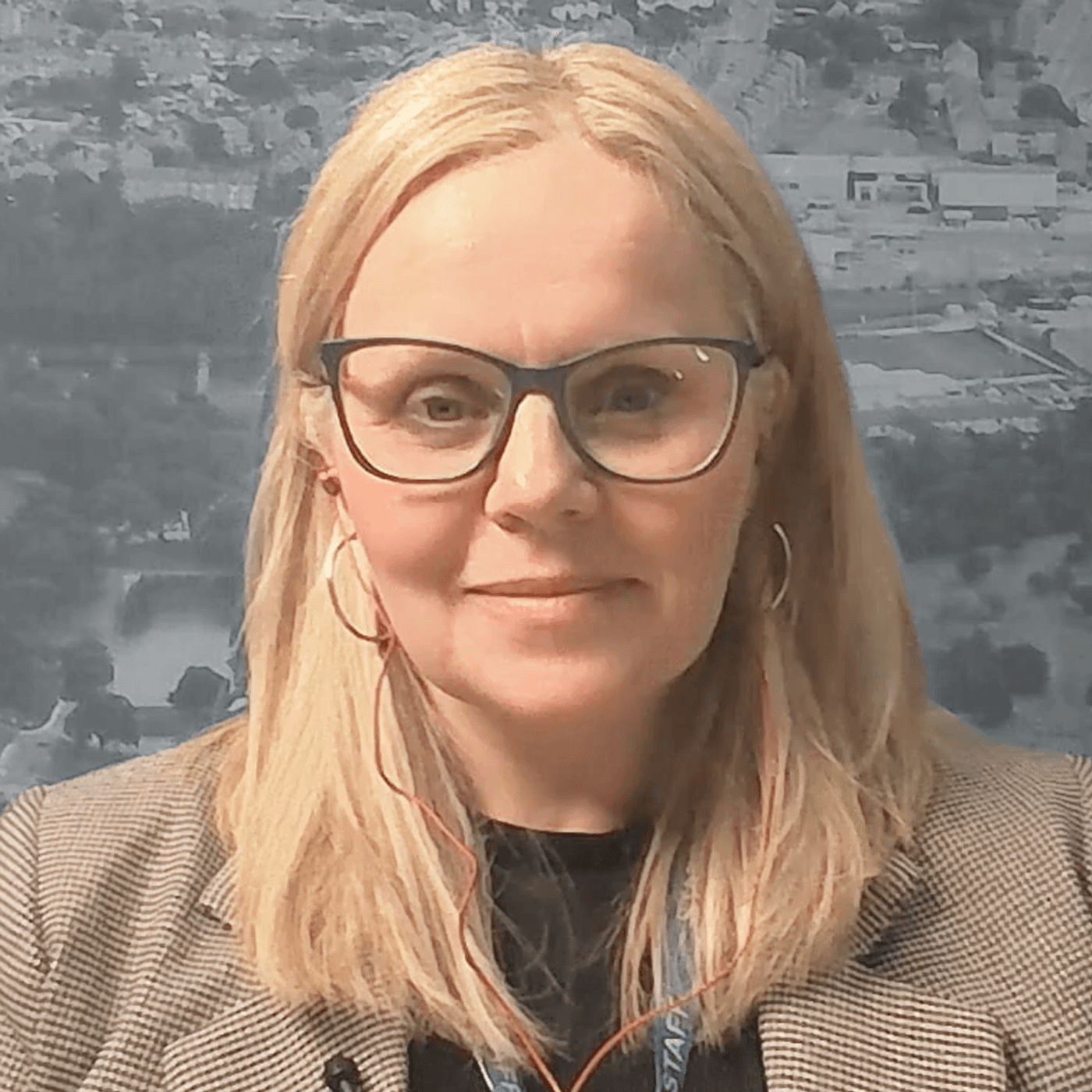
Lindsay Bruce is part of the features team at the Aberdeen Press and Journal. She covered the RAC concrete crisis and later joined/led campaign reporting in 2024, including community outreach in Torry.
Key claims
RAC is porous and absorbs water, creating “risky rack” crumbling concrete; Aberdeen had about 500 RAC-affected homes; the council initially chose demolition over remediation; homeowners were offered market value that didn’t account for RAC, causing bankruptcy risk and mental-health impacts.
Notable examples
Torry community-centre “clinic” interviews; families facing bankruptcy; George and Sheila MacDonald; Charlie Walker (army veteran) fearing homelessness; a Scottish Cup final pitchside banner for the campaign. Result: Scottish government fiscal flexibility brought £10 million, leading to homeowners being offered the full value of their homes.
Written by AI. May contain mistakes. Listen to the episode to check what was said.
Chapters
Tap a time to open that second in VOUnderstanding RAC and Its Impact
1:19 to 2:20
Insights into the RAC concrete crisis and its implications for homeowners.
“And what's the story that's brought you to the Paul Foot Award this year?”
The Dangers of RAC in Buildings
2:20 to 3:48
Discussion on the structural issues posed by RAC and potential risks.
“And there are problems with rack I believe to put it mildly.”
Community Response and Reporting
3:48 to 5:36
How the community and the journalist engaged with affected families.
Emotional Turmoil of Affected Homeowners
5:36 to 7:35
Exploring the mental health impacts on families facing housing crises.
“So then the council was saying, we're going to buy back your house at market value, but market value taken into consideration, you've got rack in your house that they didn't know about when they bought their houses.”
Call for Government Action
7:35 to 8:41
Discussion on the need for government intervention in the RAC crisis.
“We didn't think, we didn't know if it was winnable.”
Campaign Strategies for Awareness
8:41 to 10:30
An overview of the campaigning tactics used to raise awareness about RAC.
“but you can't sell because if you sell to the council, you're going to lose half the value of your home.”
Personal Stories of Affected Families
10:30 to 12:44
Sharing poignant stories of families impacted by the RAC crisis.
“And so they said, you know, help the Aberdeen families trapped by Iraq.”
Achieving a Win: Results of the Campaign
12:44 to 14:00
Overview of the successes and outcomes from the advocacy efforts.
“And so it was, and honestly, that was easy when I spoke to these people.”
Community Campaign Success
14:00 to 16:50
Learn about a successful community campaign that led to significant support for homeowners.
“And drum roll, I believe you did get a win.”
Fascinating Facts Segment
17:16 to 17:39
Hosts share intriguing and unusual facts with their audience.
“Anteaters have evolved on 12 separate occasions.”
Transcript
Automatic transcript. May contain errors.0:00Thumbtack presents Uncertainty Strikes. I was surrounded. The aisle and the options were closing in. There were paint rollers, satin and matte finish, angle brushes and natural bristles. There were too many choices. What if I never got my living room painted? What if I couldn't figure out what type of paint to use? What if I just used Thumbtack? I can hire a top-rated pro that knows everything about interior paint, easily compare prices and read reviews. Thumbtack knows homes. Download the app today. Thumbtack presents Tile Trouble. Every single time I use my sink, I make eye contact with the uneven grout on my kitchen backsplash.
0:38The crooked corners eye me and I'm haunted by more tiling questions than I thought possible. What kind of pro can fix a backsplash? Can I replace one cracked tile or should I replace them all? What? What if I just use Thumbtack? I can hire top-rated pros, read reviews, and compare prices with a tap. All on the app. Thumbtack knows homes. Download the app today. Welcome back to Page 94. This is the Paul Foot Award shortlist miniseries. Let's find out who is the third of the journalists shortlisted for an award this year.
1:10Lindsay Bruce:Page 94, the Private Eye podcast. My name is Lindsay Bruce and I'm part of the features team at the Aberdeen Press and Journal. Fantastic. And what's the story that's brought you to the Paul Foot Award this year? The story that's brought me to the Palfour Awards is our coverage of the RAC concrete crisis in Aberdeen and our campaign called Trapped by RAC. So can you remind anyone who may have taken their eye off the story or not heard about RAC in the first place? What is RAC? Rack basically means reinforced, autoclaved, aerated concrete. The irony is it's not really concrete at all because of all these things, but it means it's like a bubbly, porous form of concrete.
1:53Lindsay Bruce:It looks like the inside of an aero bar if you were to break it in half. And in a lot of buildings that were made post-war, in new towns, for example, huge council house and estates, rack was used in the roof panels and it was also used in some walls. but in Aberdeen certainly we discovered that there were 500 homes that were made with rack. The rack was in the roof panels as well as some public buildings as well. And there are problems with rack I believe to put it mildly. Can you tell us about those? Yeah I mean we refer to it as risky rack, crumbling concrete. In a nutshell in about October 2023 it was revealed that you know rack was in a lot of public buildings this is years after they had had alerts and warnings about school roofs coming down because they were made with rack the problem with rack is it is porous and so it can absorb a lot of water over the years so any building in the united kingdom but particularly places like wales the central belt in the north of scotland there's going to be a lot of water in the buildings and so when it was discovered that there was 500 homes in Aberdeen with racking the roofs the immediate issue was are these roofs about to collapse on the people that are living in them as they had done in some schools previously so that was the situation we had and it was November 2023 when the homeowners and council tenants were told there may be racking your homes and it wasn't until the following February February 2024 that they actually found out yes you have got racking your homes and then from there on in calamity catastrophe and drama for all these people that were that were living in homes with roofs that could collapse at any moment.
3:43I presume it's extremely nerve-wracking to be told that to say the least. How did you start reporting the story?
3:50Lindsay Bruce:So the newspaper started reporting it back then October 2023 my involvement came I'm part of the features team and so my involvement came in about August 2024 and what happened there was I am I attended a church service in Torrey the area that is most affected by racking our patch and in a room of about 50 people there were three women who were all about to be displaced to elsewhere in the city because their council house had rack in it and there were two families who were facing bankruptcy because their house had rack in it now this is when my part of the journey started I pitched the idea that perhaps I could go and set up camp in Balnegask and maybe over two days work from a community centre let people know I was going to be there and see if we could tell one or two stories well the reality is that from the second I set my computer up I had a queue of people next to my desk and so it ended up being like a clinic if you like the way a politician would come and sit down and wait for people to come and talk so for two days I had people person after person coming in telling me what was going on and saying you should go and see Diane and Sandy down there they're going to lose their house and and so I just had all these stories and overnight while I was there the news went from there's rack in your home to we've voted to demolish your homes Who's saying that?
5:15I'm sorry The council
5:16Lindsay Bruce:So in between times the council met and they voted that the best option to deal with RAC was not to fix it was not to remediate it was to demolish these houses When the council decided that the best way to deal with the RAC was to demolish in essence the whole of Balnegask which is one housing estate the council tenants were just moved just moved the huge trauma had been moved the homeowners then were left with two options you can fix the rack in your house and that's between 20 and roughly 45 000 pounds per home to fix the rack because it means replacing the whole roof not just the tiles not just the structure the whole thing and so in a flat that would be about 20 000 pounds in a a four-bed or a three-bedroom house be like 40 000 pounds and these are this is a house in the state that's probably one of the least expensive places to live in the whole city so if on average a house maybe it's like 120 000 for one of the larger ones.
6:15Lindsay Bruce:So then the council was saying, we're going to buy back your house at market value, but market value taken into consideration, you've got rack in your house that they didn't know about when they bought their houses. And so that would mean if you paid£120 ,000 for your house, you were going to lose at least the cost of rack. I can think of a family, they spent£123 ,000 on their house. They were given a value of£68 ,000 for their house. They still owed£100 ,000 on their mortgage. mortgage and so if they agreed to sell they would have been a negative equity so they had to pay back a mortgage on a house they're no longer living in that's been demolished and then find somewhere else to rent for them and their two kids and that was the reality and that reality was causing stress to the point of suicidal ideation for people it was causing numerous health issues and so these people were faced with the thought of actually are we going to be homeless Are we going to lose everything we've ever worked for?
7:10Lindsay Bruce:And this was overnight. And so I caught that reaction in the community centre that day. And then from then, we just kept covering the crisis. We just kept reporting every new council meeting, every update. I would find these stories to tell. And there was just a point in early April last year, 2025, when I went to my editor and said, look, it's not enough. We're going to need to tip this into a campaign if possible. And, you know, there's usually that thing in newspapers as well. is it winnable? We didn't think, we didn't know if it was winnable. What would winning have looked like? So winning would have been some kind of resolution for some of the people in this.
7:49Lindsay Bruce:It's hard to describe to you. There's so many layers of nuance in this, but all the way along, every meeting I had, every interview I conducted, there was no sense to me that the homeowners in particular were being treated with compassion or were being treated fairly. And even when I would speak to council officials, I would see that they had a huge task on their hands. There was no denying that. I think the council leader described it as the biggest movement of people in peacetime Aberdeen had seen. And I would agree with that. It was enormous to try and rehome 500 families. But for me, nobody would answer my question, but what is going to happen to these people?
8:27Lindsay Bruce:The ones that are going to lose their home, lose half the value of their home and still have to pay their mortgage. How are they going to pay rent if they're still paying their mortgage on a property that's going to be demolished. What are these people going to do that are in mental health crisis because of the stress of living in a home where your roof could come down on you, but you can't sell because if you sell to the council, you're going to lose half the value of your home. So what we asked for was that this conversation would be raised at government to all levels. Being in Scotland, housing is devolved, but a lot of these people bought their homes under right to buy.
8:58Lindsay Bruce:So they bought from the council. So we wanted this to be a conversation at all levels because RAC is affecting disproportionately people in Scotland more than any other part of the United Kingdom, but there are other pockets in the United Kingdom. So we wanted it raised at Westminster as well as Holyrood. We wanted a fair resolution for homeowners. We did not want a single person in Aberdeen to be homeless through no fault of their own, and we wanted the conversation to keep going, which is what we're trying to keep doing now so that there will be a public inquiry and a decision made on whether RAC needs to be listed as a dangerous material or something moving forward so that we don't see swathes of people like there's 900 households in Dundee just now also with RAC what is going to happen to them and so that a win for us was something around all of them I don't think that we ever thought we were going to get fair house prices but I was determined that if there was something I could do I was going to do it and that's what we did.
9:53You said you went into campaigning mode can you describe a couple of the campaigning tactics you used to get the message across of this story?
10:01Lindsay Bruce:I think we used all the tactics. So we had downloadable or pull out posters in our print publications, Trapped by Iraq, that went up all over the city. So hundreds of homes and businesses had these up in their windows. They had a QR code on them that you could sign a petition, you could read more about the articles, you could get behind the campaign. With a couple of hours notice, we discovered that one of our Iraq families was going to the Scottish Cup final. And so we had a banner printed and they held it pitch side right behind where all the players were doing their announcements. And so they said, you know, help the Aberdeen families trapped by Iraq.
10:36Lindsay Bruce:That was particularly humorous to me because I knew the council leader supported Aberdeen. So you'd be watching it. We did street protests. I went along to every, not every to start with. There was closed meetings in a local pub just for the homeowners that they'd formed a committee to decide what they were going to do. But as I gained trust over the months, they invited me to come along to these as well. And so a lot of Sunday nights were spent in the White Cockade pub in Torrey discussing what we were going to do, how we could elevate voices. For me, it meant door knocking, walking around hundreds of doors.
11:09Lindsay Bruce:I think at the last count, I think I've interviewed about 90 people or 90 representatives from these households that were involved with RAC in some shape or form. I believe you hosted your own question time event. Is that right? We did. Yeah. So we used our press room here. We set up a question time event. We had our editor chair that. Some MSPs were there. The council leader was there. We also had a doctor from Torrey who came along and he was fantastic. He gave us an exclusive where he talked to us about the health ramifications of this crisis. And so we had all these people in the room. It was explosive.
11:48Lindsay Bruce:If, you know, the homeowners were toe to toe with their elected officials and were able to speak to them, call them to account. It all sounds, and I'm saying this word in the absolute most positive sense, very tabloid, where you are drawing attention to a huge problem, a crisis, something that's really affected people's lives. But you are doing so in a way that is vibrant and engaging and gets people on board. I, you know, concrete is not a sexy subject. to talk about and and and the people in Torrey will know if they hear this what I mean by this people in an area that is often you know mischaracterized and you know looked down upon there's a lot of snobbery in this you know comments like why would you even want to live there anyway there was no sense of the injustice and the the trauma that these people were going through and so for me it was how can I tell story after story after story in a way that people will will see themselves in it.
12:48Lindsay Bruce:And so it was, and honestly, that was easy when I spoke to these people. There was 80-odd-year-old Charlie Walker, an army veteran who was crying in his chair next to the empty chair because his wife had just died, wondering if he's going to be homeless. You know, I don't need to write that in any dramatic way for that to be absolutely harrowing. And it was story after story. The very first couple that I interviewed were George and Sheila MacDonald. And George and Sheila told the story of when they went to the council meeting and they were they were talking about whether they would demolish their houses politicians were scrolling on their phones and I saw this I was in the press gallery scrolling on their phones and you know doing online shopping as they were making the decision whether 138 homeowners were going to lose everything and they were so traumatized by this Sheila told me that you know the stress of this situation she she just wishes she hadn't retired two weeks after this I was walking my dog in Torrey I made a point of going through Torrey at least once a week so that I could watch the decline and you know what was happening and then go back to the council and hold them to account again and I was walking my dog through Torrey when my phone rang and it was George to tell me Sheila had died two weeks after we put her on a poster two weeks after that very first interview and he was much more gracious than I was but for me I worried that that was going to be the first of many people who were just under such protracted never-ending stress that this crisis was going to be the end of them really and so you know I just kept telling the stories the stories were there I just kept finding them kept telling them kept calling politicians to account asking the difficult questions and using FOIs to find information and and just keep going so that we could try and come at this from every single angle until we got a win.
14:36And drum roll, I believe you did get a win. Can you tell us what results transpired from the campaign?
14:44Lindsay Bruce:Yeah, so I was at home one afternoon. We sometimes work from home and my phone was going off the hook and I thought, oh, it's just some different work. I've got a call to make. And it kept ringing. And when I picked up the phone, they said, you need to phone the house in Convener. She's been trying to get a hold of you. There's some exclusive they want to give you and when I phoned up and spoke to her she said Lindsay I just need to tell you that um this is two days after by the way the council leader said publicly on a video I will not rob Peter to pay Paul meaning I'm not going to use public money to help homeowners and two days after it was confirmed that 10 million pounds would be coming from the Scottish government through pressure to give them offer fiscal flexibility so we could use that money for rack i got this phone call said we're going to offer homeowners the entire value of their home i.e that roof payment i was telling you about would be added back in so the full value of their home would now be offered to them so that they would be able to sell it back move out and still have options and it was just one of those moments where i kind of went sorry you're going to give them what you're going to give them what we've been asking for and she sort of laughed and she I said, yeah, I promised we would, you know, we would turn over every stone.
15:54Lindsay Bruce:And so there we had it. And then that night I was able to go to the pub with the same pub that we had been campaigning in. I was able to go to the pub with all my families, as I call them. We would go to the pub. And honestly, Andy, I promise you, for the first time in the whole time that I've known some of these people, I saw them smiling. Just a glimmer of hope. Like they still had monumental losses, breakdown of community, health issues, loss of the spouse. You know, so much loss, so much trauma. But one thing they wouldn't be losing now was that, you know, was this, the full value of their home, although they still had to pay moving costs and a few other things.
16:31Lindsay Bruce:But that was more than we sometimes had ever thought we were going to do. And I'm fully confident we wouldn't have got there had we not rallied as a news brand behind these people. It's their campaign. I just had the privilege of standing with them and elevating their voices. But I don't think we would have got that result had we not come on board. Thank you so much for your time. That's terrific. Thank you so much for having me. So that's it for today's Shortlist Eat. We'll be back with another one tomorrow. We'll see you then. Andy and Anna here from your new favourite podcast, No Such Thing As A Fish.
17:06Yes, we are two of the four hosts of the podcast that stuffs fascinating, amazing, weird, mad facts into your ears on a weekly basis. You got any good facts, Andy? Yes, how about this one? Anteaters have evolved on 12 separate occasions. Wow. Mysterious. Wonderful. The world really wants them to exist. What about this one? When Ronald Reagan left office, he left a note on the White House lawn for the squirrels, warning them to beware of George Bush's dogs. So there you go. If you like fascinating facts and much more besides, we are No Such Thing As A Fish.