
In short
Podcast Episode Summary: Post Reports - How to Get Stronger as You Age
Episode Overview In this episode of *Post Reports*, host Maggie Penman discusses the science of aging, focusing on recent research that shows how many older adults can become stronger and healthier even after experiencing health setbacks. The podcast emphasizes that aging does not always equate to decline, and positive changes in health are achievable.
Key Themes and Discussions
Aging and Health
- Misconceptions about Aging: Many people believe aging leads to unavoidable decline in health and strength.
- Research Findings: New studies indicate that a significant portion of older adults can improve their health and wellness, even in their 60s and beyond.
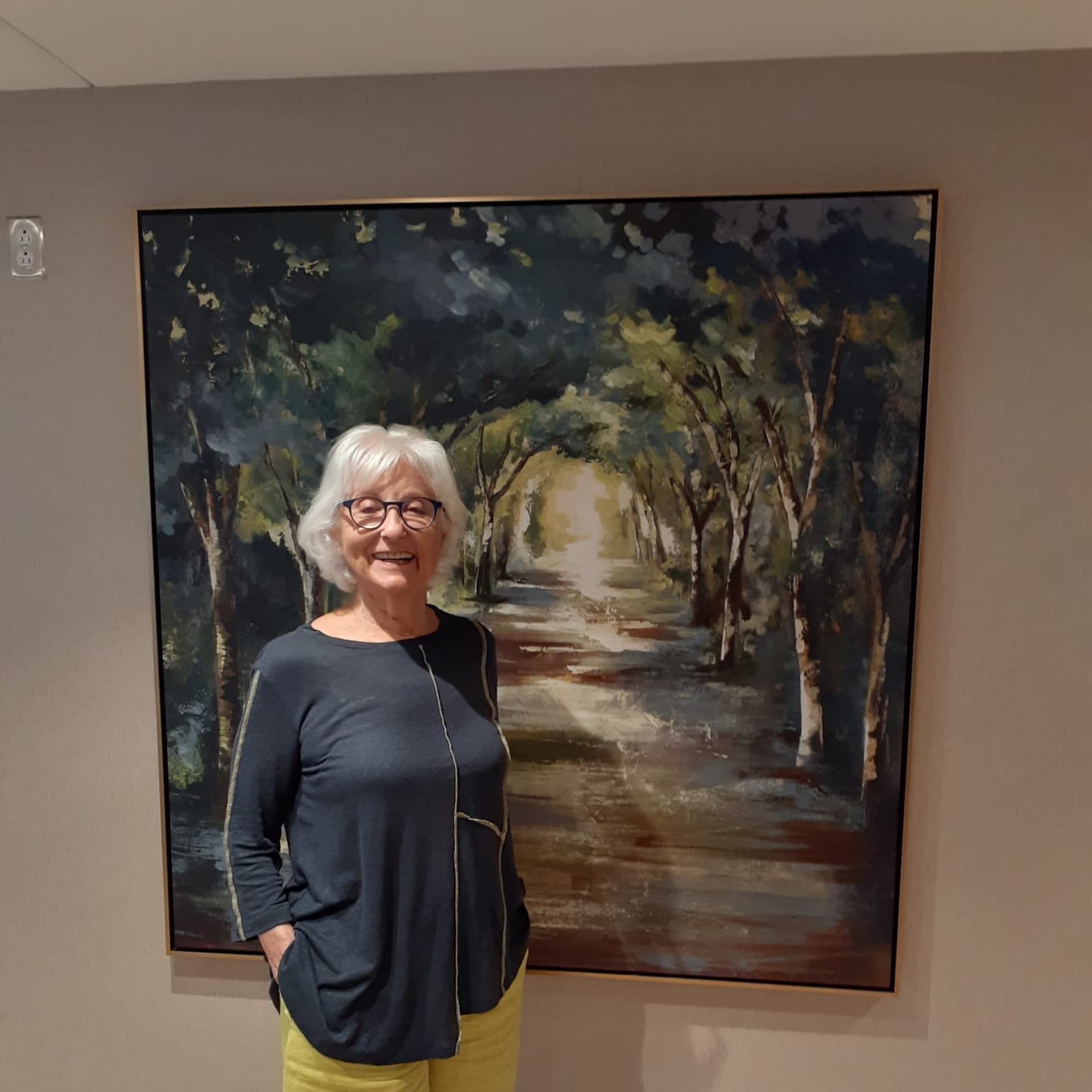
Florine Schuber's Story
- Personal Experience: At 91 years old, Florine shares her journey of overcoming health challenges, including falls and decreasing strength.
- Lifestyle Changes: After experiencing falls, she began strength training and made efforts to enhance her overall well-being. She emphasizes feeling younger and more vibrant now compared to ten years ago.
Insights from Researchers
- Mabel Ho and Esme Fuller-Thompson: Researchers from the University of Toronto conducted a study analyzing aging patterns through the Canadian Longitudinal Study on Aging.
- Data Overview: The study involved participants aged 45 to 85, assessing various aspects of wellness over time.
- Encouraging Statistics: About 25% of participants reported improvements in their health and wellness over time.
Factors for Improvement
- Key Determinants: Participants who improved their health engaged in several healthy behaviors such as:
- Quitting smoking
- Eating nutritious foods
- Maintaining good sleep hygiene
- Fostering social connections
- Mental Health Connection: The most important predictor for improved health was psychological and emotional well-being. Individuals with a positive mental state significantly increased their chances of improving in other health areas.
Social Connections
- Importance of Community: Social interactions are crucial for aging well.
- Misconceptions: It’s not necessary to be extroverted; even a few close friends can provide the needed social support.
- Challenges: As people age, they often lose friends due to illness or death, making it essential to actively seek new relationships.
Florine's Advice
- Encouragement for Older Adults: Florine advocates for physical activity and social engagement, emphasizing the need for effort and commitment to wellness.
- Aging as a Journey: She reflects on her life experiences and the importance of staying engaged and positive, regardless of age.
Conclusion
- The episode stresses that aging does not have to be synonymous with decline. Through proactive health measures, social connections, and a positive mindset, individuals can reclaim their wellness as they age. Florine Schuber’s story serves as an inspiration, highlighting the potential for vitality and strength in later years.
Call to Action Listeners are encouraged to reach out for more stories like this one and to engage with the content produced by The Washington Post's Optimist section.
Written by AI. May contain mistakes. Listen to the episode to check what was said.
Transcript
Automatic transcript. May contain errors.0:00Right now during the President's Day Sale, you can get a Washington Post premium subscription for just$3 every 4 weeks. And that includes three extra accounts to share with friends or family. After your first year, renews at$19 every four weeks. The Washington Post. Power. Perspective. Premium. Learn more at WashingtonPost.com slash subscribe.
0:31When Florine Schuber was in her early 80s, she had an experience a lot of older people have. She started falling. The one thing that old people don't realize when they fall is they don't know they're falling until you're about this far from the ground. And I found it pretty frightening.
0:48Florine fell two or three times. Thankfully, she didn't get hurt. But she did realize something had to change. So there was a small gym near where I lived, and I had passed it for 13 years, I'm embarrassed to tell you, and never went in. But I thought, OK, I've got to do something about this. So I walked in, told them my problem, and they introduced me to a young trainer. And I'm still with him. Florine is 91 years old now, and she spent a lot of time over the last decade working on her strength and flexibility and balance. She says she feels younger now than she did 10 years ago. So you can improve.
1:27And I see it in myself, for sure. I'm much, much stronger than I was 10 years ago. So I know that's possible. I'm surprised at how much interest I have in the world and in courses. And it's exciting.
1:41Many of us might think aging is a straight line. We get older, we get weaker, we need more help. But that's actually not always the case. In fact, new research shows that a large number of older people can and will get stronger and healthier after 60, even after a health setback. I'm Maggie Penman. This is Post Reports Weekend. It's Saturday, October 25th. I'm a reporter for The Optimist, our section here at The Post that brings you positive news. I've been on Post Reports the past few weekends sharing stories about what is going right in the world. Today on the show, I'm bringing you the new science of aging.
2:24New research shows that decline is not inevitable. And in fact, many of us will get healthier as we age. We're going to hear more from Florine in a minute. But first, I want to introduce you to a couple of researchers.
2:43Hi, my name is Mabel Ho. I'm a research affiliate with the University of Toronto, Faculty of Social Work. Institute of Life, Course, and Aging, and I'm a student of Professor Fuller-Thompson. A former student and now a colleague. And I'm Professor Esme Fuller-Thompson. I am the director of the Institute for Life, Course, and Aging at the University of Toronto, which is my dream job. I wanted to talk to them because of this new paper they published a few weeks ago. It was inspired by a discrepancy Mabel and Esme had both noticed that the public conversation around aging wasn't matching what they saw in their personal experience.
3:25We personally, both in practice and in our family lives, know really vibrant older adults. And we wanted to say, what do they have and what can we do as we age to be in that vibrant, flourishing part of the world that we want to be, right? I mean, everybody wants that. So the researchers started looking at data from the Canadian Longitudinal Study on Aging. This is this huge data set of tens of thousands of people between the ages of 45 and 85. The study looked at a bunch of different domains, physical, psychological, social. Each participant was measured at the beginning, the baseline, and then they were asked the same questions again three years later.
4:12At first, Mabel and Esme were just looking at what factors determined who aged well. But then they noticed something surprising. During the process, we noticed that people were not doing as well at the beginning. About 25 % of them actually improved over time. So what would be some of the factors associated to that? So that's why it comes to this very encouraging finding. We call that reclaiming wellness. So we noticed that people improve in terms of their physical wellness, psychological and emotional wellness, the social wellness, and self-rated wellness. 25 % of people were healthier at the second data collection than they were at baseline.
4:54So the natural next question is, what is that 25 % of the population doing? And how do we do it? As the researchers looked more closely, it seemed like the people who improved their health over time did it by doing the things many of us know we should do. Quitting smoking, eating well, Getting good sleep, taking care of our physical, mental, and emotional well-being. And our social well-being. I mean, these are all the things your mom told you about. Be nice, make friends, you know, sleep well, eat well. These are all things we know. It's just nice to put a little scientific rubber stamp on it.
5:30Yes, if you're not well, you can get better because you have control over some of these items. And we want to change that dialogue that later life is all about decline and then death. The idea is you can maintain right to the end. One surprise was that the most important predictor of whether an older person would get healthier over time wasn't how well they ate or whether they exercised. People who were doing well psychologically and emotionally were five times more likely to improve their health in other ways. That was not what I'd expected. I thought that the easiest one to improve would have been the mental health.
6:09So you're depressed and you come out of depression. But it turns out that if you weren't depressed at baseline, you were much more likely to be able to improve in the other domains. The researchers don't know why this is. All they can see in this data is the correlation. But they think it might be because if you're in a good mental and emotional headspace, it's easier to get motivated to take care of yourself in other ways. It also really helped to have social connection and community. Social isolation is really problematic for every outcome. But Dr. Fuller-Thompson wanted to emphasize you don't have to become a different person if you're not naturally super social.
6:52I guess I don't want the message that you have to be a raging extrovert to age well. So social connections is how you define it. So if you have one or two dear friends that are all you need in life, but they are wonderful, that's really important. After the break, we'll hear more about how fluorine is getting older but also healthier. We'll be right back.
7:26Hi, I'm Susan Glasser. I'm Jane Mayer. And I'm Evan Osmos. And we host the Washington Roundtable from the New Yorker's Political Scene podcast. For me, this is the water cooler. This is a wonderful chance to sit down with two of the smartest colleagues in the country and, you know, just kind of compare notes. No, that's so true, because first of all, we are actually friends in real life. But I can't wait till Fridays to hear what you guys think. Everybody sees the headlines, but you guys fill in the gaps. I also think, though, occasionally we get somebody to come on, and I'm always smarter for it.
8:00And if you get a great historian who can tell you about a presidential election 50, 60 years ago, often it can help you understand about what's happening today. So if you're looking for weekly insights into what's going on inside the Beltway, please join us every Friday on the Washington Roundtable, part of the New Yorker's Political Scene podcast.
8:22Right now, during the President's Day sale, you can get a Washington Post premium subscription for just$3 every four weeks. And that includes three extra accounts to share with friends or family. After your first year, renews at$19 every four weeks. The Washington Post. Power. Perspective. Premium. Learn more at WashingtonPost.com slash subscribe.
8:53When I first met Florine on a Zoom call, she was just so vibrant. You do not look or seem 91. Well, I don't know what it's supposed to feel like, but it feels good. I can tell you that. Florine lives in a retirement home. It's called Christy Gardens here in Toronto. And I've made some wonderful new friends. And we have a terrific time. So life is good. I asked her to tell me about her life before she retired. Florine told me she had many professional chapters. I was a teacher, but then I went back to school at 40 to become a lawyer. She then went on to co-found a Montessori Teachers College to train other teachers.
9:35And then we expanded into a program called Montessori for Dementia, using Montessori methods for folks living with dementia. And I retired at 86. It's worth mentioning, this was just five years ago. But anyway, as I said, in her early 80s, Florine had started to notice her body getting weaker. Her balance was getting shaky. That's when she started to fall. Aging hasn't always been easy for her. But she hasn't let it stop her. I think the big surprise about growing older is that there are a lot of things I find still very exciting. Areas where I feel I can still contribute. And I have a full life.
10:12Her determination to stay engaged is what made her start working out. And it's actually why she moved into a retirement community. She says it makes it easier to stay social. And a lot of people don't want to come into a retirement home. And I get that. But it gets harder again when you're living alone. She's also tried to stay current with new technologies. I've had to learn how to text because my grandchildren don't answer their phone otherwise.
10:39I asked her what advice she would give to people who are older and feeling discouraged, the way she was starting to feel 10 years ago. You have to get physical. You just have to. You have no choice. And of course, to socialize. This is something we also heard from the researchers. The importance of community and friends, especially as we age. But Florine said it's not that simple. Because as you get older, you lose a lot of people. One thing that happens you cannot control is that your friends get ill or they get sick or they die. And it's a reality. The older you are, the less friends you have.
11:17So you have to push yourself to make new friends. And that's not easy for a lot of people. Although I would encourage it for sure. I noticed a theme talking to Florine about how she's been able to reinvent herself over the course of her life. It also came up when she talked about first joining a gym. It takes a lot of work, hard work. You have to be consistent with it. And you can't just give it up. A lot of people, you know, join but don't finish. So the one thing about me is I do finish when I start. And I don't want to say there's nothing negative about getting older because it's a struggle.
11:50I mean, you have to work hard at it. But you have to work hard at everything you know about.
11:58Florine is obviously an incredible human being. Going back to law school at 40 is not for everybody. It's probably not for me. Sorry, Dad. But I think the thing I was so impressed by is how Florine just doesn't give up. And when I think about what we can learn from her and from this new research about aging is that change is possible. But we still have to make it happen for ourselves. I'm Maggie Penman. I'm a reporter for The Optimist. If you want to hear more stories like this one on the weekend, please send me an email. You can reach the whole team at podcast at washpost.com or just me at maggie.penman at washpost.com.
12:40Today's episode was reported and produced by me with help from Emma Talkoff. It was edited by Alison Klein and Ten Muldoon, who also mixed the show. If you want more optimistic content, check out our newsletter. I'll put a link in our show notes where you can subscribe. Thank you for listening and have a great rest of your weekend.
13:09Hi, I'm Susan Glasser. I'm Jane Mayer. And I'm Evan Osnos. And we host the Washington Roundtable from the New Yorker's Political Scene Podcast. For me, this is the water cooler. This is a wonderful chance to sit down with two of the smartest colleagues in the country and, you know, just kind of compare notes. No, that's so true, because first of all, we are actually friends in real life. But I can't wait till Fridays to hear what you guys think. Everybody sees the headlines, but you guys fill in the gaps. I also think, though, occasionally we get somebody to come on, and I'm always smarter for it.
13:43If you get a great historian who can tell you about a presidential election 50, 60 years ago, often it can help you understand about what's happening today. So if you're looking for weekly insights into what's going on inside the Beltway, Please join us every Friday on The Washington Roundtable, part of the New Yorker's Political Scene podcast.
14:26Learn more at WashingtonPost.com slash subscribe.
From the publisher
Today on “Post Reports,” Optimist reporter Maggie Penman shares the new science of aging, and a hopeful research finding that getting stronger and healthier in old age is possible for many of us – even after a health setback.
If you want to hear more stories like this, please let us know. You can reach the whole team at podcasts@washpost.com or email Maggie at maggie.penman@washpost.com.
Today’s episode was reported and produced by Maggie Penman. It was edited by Allison Klein and Ted Muldoon who also mixed the show.
The Optimist has a newsletter! Subscribe here.
And, subscribe to The Washington Post here.