
In short
Post Reports - Episode Summary: How to Get Stronger as You Age
Podcast Details
- Title: Post Reports
- Hosts: Martine Powers and Elahe Izadi
- Description: Daily podcast from The Washington Post featuring unparalleled reporting, expert insight, and clear analysis.
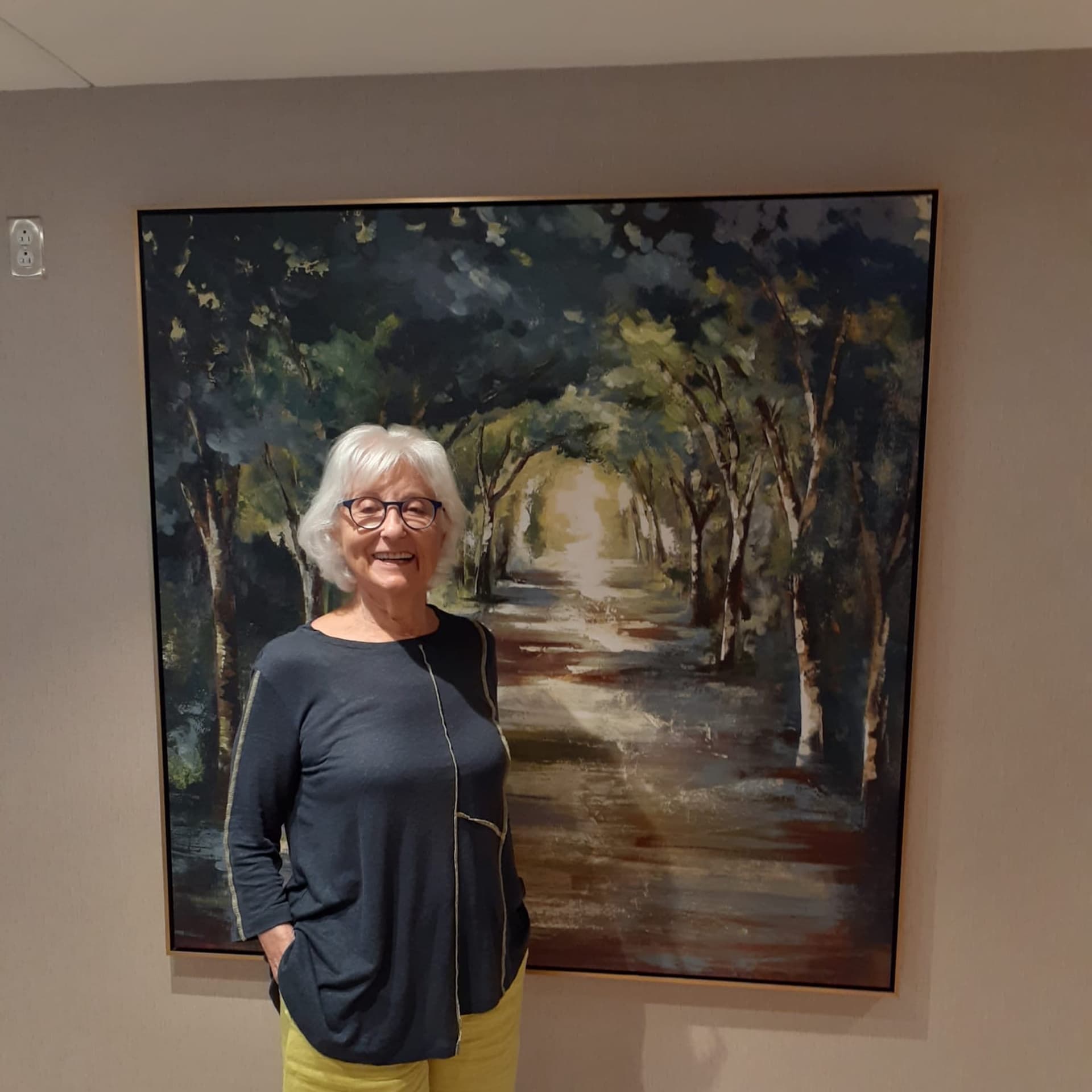
Episode Overview The episode shares research findings on aging, emphasizing that individuals can become stronger and healthier as they age, even after health setbacks. This episode highlights the inspiring story of Florine Schuber, a 91-year-old who improved her strength and wellness through consistent exercise and social engagement.
Key Themes & Concepts
- Redefining Aging
- Common Perception: Aging is often seen as a linear decline in health and fitness.
- New Research Insight: Many older adults can and do improve their health after 60, challenging the narrative of inevitable decline.
- Florine Schuber's Story
- Florine experienced falls in her early 80s, prompting her to take action for her health.
- At 91, she feels stronger and more engaged with life than a decade prior, attributing her vitality to consistent strength training and social interaction.
- Research Insights
- Conducted by Mabel Ho and Professor Esme Fuller-Thompson from the University of Toronto.
- The study analyzed data from the Canadian Longitudinal Study on Aging, observing improvements in health among older adults.
- Key Findings:
- Approximately 25% of participants showed improvement in physical, psychological, and social wellness over a three-year period.
- Predictors of Improvement:
- Psychological and emotional well-being were the strongest predictors of overall health improvement.
- Social connections were also crucial, although extroversion is not a requirement for healthy aging.
- Lifestyle Choices Impacting Aging
- Positive Health Actions:
- Quitting smoking
- Eating a balanced diet
- Ensuring adequate sleep
- Maintaining social interactions
- The research emphasizes that individuals have control over their health outcomes, challenging the fatalistic views of aging.
Takeaways
- Empowerment in Aging: Change is feasible; individuals can take proactive steps to enhance their health and quality of life as they age.
- Community and Connection: Fostering relationships and community ties can significantly impact well-being.
- Resilience and Adaptability: Florine’s narrative exemplifies the importance of perseverance and the ability to reinvent oneself at any age.
Final Thoughts The episode encourages listeners to reassess their perceptions of aging, highlighting that vitality and health improvement are attainable goals for older adults. It serves as a reminder that with determination and the right support, aging can be a period of growth, strength, and fulfillment.
Episode Credits
- Reported and Produced by: Maggie Penman
- Edited by: Allison Klein and Ted Muldoon
- Mixing: Ted Muldoon
For more inspiring stories and positive news, listeners are encouraged to engage with The Optimist's newsletter.
Written by AI. May contain mistakes. Listen to the episode to check what was said.
Chapters
Tap a time to open that second in VOFlorine's Journey to Strength
0:45 to 2:09
Maggie shares Florine's story of overcoming challenges with aging.
“When Florine Schuber was in her early 80s, she had an experience a lot of older people have.”
New Research on Aging
2:09 to 4:03
Florine introduces researchers discussing the surprising data on aging.
“In fact, new research shows that a large number of older people can and will get stronger and healthier after 60, even after a health setback.”
Factors for Aging Well
4:03 to 5:59
Researchers reveal key factors that contribute to good health in aging.
“So the researchers started looking at data from the Canadian Longitudinal Study on Aging.”
The Role of Mental Health
5:59 to 7:11
Exploring the importance of psychological well-being in aging.
“and then death, the ideas you can maintain right to the end.”
Florine's Vibrant Life
7:11 to 8:15
Florine shares insights on her active, fulfilling life at 91.
“So social connections is how you define it.”
Florine's Advice on Aging
8:22 to 11:52
Florine offers life lessons and advice on staying active and social.
“Well, I don't know what it's supposed to feel like, but it feels good.”
Transcript
Automatic transcript. May contain errors.0:00Hi there, it's Martine. I hope you're having a cozy weekend. So all week we have been sharing some of our favorite episodes from this past year. And today, I wanted to share another inspiring one about how to get stronger as you age. If you haven't heard it, I hope you enjoy it. And if you have heard it already, share it with someone you love. So this is a story from Maggie Penman. She's a reporter for The Optimist here at The Post. And she came across this research that basically found aging doesn't have to mean decline. Lots of people can and will get stronger and healthier in their 60s, 70s, 80s, and beyond.
0:45It's incredible. All right, here's Maggie. When Florine Schuber was in her early 80s, she had an experience a lot of older people have. She started falling. The one thing that old people don't realize when they fall is they don't know they're falling until you're about this far from the ground. And I found it pretty frightening.
1:07Florine fell two or three times. Thankfully, she didn't get hurt. But she did realize something had to change. So there was a small gym near where I lived, and I had passed it for 13 years, I'm embarrassed to tell you, and never went in. But I thought, okay, I've got to do something about this. So I walked in, told them my problem, and they introduced me to a young trainer, and I'm still with him. Florine is 91 years old now, and she spent a lot of time over the last decade working on her strength and flexibility and balance. She says she feels younger now than she did 10 years ago. So you can improve, and I see it in myself for sure.
1:47I'm much, much stronger than I was 10 years ago. So I know that's possible. I'm surprised at how much interest I have in the world and in courses, and it's exciting.
1:59Many of us might think aging is a straight line. We get older, we get weaker, we need more help. But that's actually not always the case. In fact, new research shows that a large number of older people can and will get stronger and healthier after 60, even after a health setback.
2:27I'm a reporter for The Optimist, our section here at The Post that brings you positive news. I've been on Post Reports the past few weekends sharing stories about what is going right in the world. Today on the show, I'm bringing you the new science of aging. New research shows that decline is not inevitable. And in fact, many of us will get healthier as we age. We're going to hear more from Florine in a minute, but first I want to introduce you to a couple of researchers.
3:01Hi, my name is Mabel Ho. I'm a research affiliate with the University of Toronto Effective Social Work Institute of Life, Cause and Aging. And I'm a student of Professor Fuller-Thompson. A former student and now a colleague. And I'm Professor Esme Fuller-Thompson. I am the director of the Institute for Life, Course, and Aging at the University of Toronto, which is my dream job. I wanted to talk to them because of this new paper they published a few weeks ago. It was inspired by a discrepancy Mabel and Esme had both noticed, that the public conversation around aging wasn't matching what they saw in their personal experience.
3:43We personally, both in practice and in our family lives, know really vibrant older adults. And we wanted to say, what do they have and what can we do as we age to be in that vibrant, flourishing part of the world that we want to be, right? I mean, everybody wants that. So the researchers started looking at data from the Canadian Longitudinal Study on Aging. This is this huge data set of tens of thousands of people between the ages of 45 and 85. The study looked at a bunch of different domains. Physical, psychological, social. Each participant was measured at the beginning, the baseline. And then they were asked the same questions again three years later.
4:30At first, Mabel and Esme were just looking at what factors determined who aged well. But then they noticed something surprising. During the process, we noticed that people were not doing as well at the beginning. About 25 % of them actually improved over time. So what would be some of the factors associated to that? So that's why it comes to this very encouraging finding. We call that reclaiming wellness. So we noticed that people improved in terms of their physical wellness, psychological and emotional wellness, their social wellness, and self-rated wellness. 25 % of people were healthier at the second data collection than they were at baseline.
5:12So the natural next question is, what is that 25 % of the population doing? And how do we do it? As the researchers looked more closely, it seemed like the people who improved their health over time did it by doing the things many of us know we should do. Quitting smoking, eating well, getting good sleep, taking care of our physical, mental, and emotional well-being. and our social well-being. I mean, these are all the things your mom told you about. Be nice, make friends, you know, sleep well, eat well. These are all things we know. It's just nice to put a little scientific rubber stamp on it.
5:48Yes, if you're not well, you can get better because you have control over some of these items. And we want to change that dialogue that later life is all about decline and then death, the ideas you can maintain right to the end. One surprise was that the most important predictor of whether an older person would get healthier over time wasn't how well they ate or whether they exercised. People who were doing well psychologically and emotionally were five times more likely to improve their health in other ways. That was not what I'd expected. I thought that the easiest one to improve would have been the mental health.
6:28So you're depressed and you come out of depression. But it turns out that if you weren't depressed at baseline, you were much more likely to be able to improve in the other domains. The researchers don't know why this is. All they can see in this data is the correlation. But they think it might be because if you're in a good mental and emotional headspace, it's easier to get motivated to take care of yourself in other ways. It also really helped to have social connection and community. Social isolation is really problematic for every outcome. But Dr. Fuller-Thompson wanted to emphasize you don't have to become a different person if you're not naturally super social.
7:10I guess I don't want the message that you have to be a raging extrovert to age well. So social connections is how you define it. So if you have one or two dear friends that are all you need in life, but they are wonderful, that's really important. After the break, we'll hear more about how fluorine is getting older but also healthier. We'll be right back.
7:44Good journalism is even better when it's shared. With a premium subscription to The Washington Post, you get three extra accounts to share with friends and family, so they can stay informed too. Right now, you can get a premium subscription to The Post for$6 every four weeks. Just$6 unlocks trusted reporting to share with other people in your life. After your first six months, it'll cost$19 every four weeks. You can cancel anytime. Head over to WashingtonPost.com slash subscribe and get premium access to The Washington Post today. That's WashingtonPost.com slash subscribe. When I first met Florine on a Zoom call, she was just so vibrant.
8:26Do not look or seem 91. Well, I don't know what it's supposed to feel like, but it feels good. I can say it fast. Florine lives in a retirement home. It's called Christy Gardens here in Toronto. And I've made some wonderful new friends. And we have a terrific time. So life is good. I asked her to tell me about her life before she retired. Florine told me she had many professional chapters. I was a teacher, but then I went back to school at 40 to become a lawyer. She then went on to co-found a Montessori Teachers College to train other teachers. And then we expanded into a program called Montessori for Dementia, using Montessori methods for folks living with dementia.
9:10And I retired at 86. It's worth mentioning this was just five years ago. But anyway, as I said, in her early 80s, Florine had started to notice her body getting weaker. Her balance was getting shaky. That's when she started to fall. Aging hasn't always been easy for her. But she hasn't let it stop her. I think the big surprise about growing older is that there are a lot of things I find still very exciting. Areas where I feel I can still contribute and have a full life. Her determination to stay engaged is what made her start working out. And it's actually why she moved into a retirement community.
9:47She says it makes it easier to stay social. And a lot of people don't want to come into a retirement home, and I get that. Yeah. But it gets harder again when you're living alone. She's also tried to stay current with new technologies. I've had to learn how to text because my grandchildren don't answer their phone otherwise.
10:07I asked her what advice she would give to people who are older and feeling discouraged, the way she was starting to feel 10 years ago. You have to get physical. You just have to. You have no choice. And of course, to socialize. This is something we also heard from the researchers. The importance of community and friends, especially as we age. But Florine said it's not that simple. Because as you get older, you lose a lot of people. One thing that happens you cannot control is that your friends get ill or they get sick or they die. And it's a reality. The older you are, the less friends you have.
10:45So you have to push yourself to make new friends. And that's not easy for a lot of people, although I would encourage it for sure. I noticed a theme talking to Florine about how she's been able to reinvent herself over the course of her life. It also came up when she talked about first joining a gym. It takes a lot of work, hard work. You have to be consistent with it. And you can't just give it up. A lot of people, you know, join but don't finish. So the one thing about me is I do finish when I start. And I don't want to say there's nothing negative about getting older because it's a struggle.
11:18I mean, you have to work hard at it. But you have to work hard at everything you know about.
11:26Florine is obviously an incredible human being. Going back to law school at 40 is not for everybody. It's probably not for me. Sorry, Dad. But I think the thing I was so impressed by is how Florine just doesn't give up. And when I think about what we can learn from her and from this new research about aging is that change is possible. But we still have to make it happen for ourselves. I'm Maggie Penman. I'm a reporter for The Optimist. If you want to hear more stories like this one on the weekend, please send me an email. You can reach the whole team at podcast at washpost.com or just me at maggie.penman at washpost.com.
12:08Today's episode was reported and produced by me with help from Emma Talkoff. It was edited by Alison Klein and Ted Muldoon, who also mixed the show. If you want more optimistic content, check out our newsletter. I'll put a link in our show notes where you can subscribe. Thank you for listening and have a great rest of your weekend.
12:36Good journalism is even better when it's shared. With a premium subscription to The Washington Post, you get three extra accounts to share with friends and family, so they can stay informed too. Right now, you can get a premium subscription to The Post for$6 every four weeks. Just$6 unlocks trusted reporting to share with other people in your life. After your first six months, it'll cost$19 every four weeks. You can cancel anytime. Head over to WashingtonPost.com slash subscribe and get premium access to The Washington Post today. That's WashingtonPost.com slash subscribe.
From the publisher
Today we share one of our favorite episodes, from Optimist reporter Maggie Penman about the new science of aging, and a hopeful research finding that getting stronger and healthier in old age is possible for many of us – even after a health setback.
If you want to hear more stories like this, please let us know. You can reach the whole team at podcasts@washpost.com or email Maggie at maggie.penman@washpost.com.
Today’s episode was reported and produced by Maggie Penman. It was edited by Allison Klein and Ted Muldoon who also mixed the show.
The Optimist has a newsletter! Subscribe here.
And, subscribe to The Washington Post here.