
In short
Podcast Episode Notes: How to Save an Animal Shelter: “If You Care About Something Just Do It”
Episode Overview
- Podcast Title: Post Reports
- Episode Title: How to save an animal shelter: “If you care about something just do it”
- Air Date: October 11, 2021
- Hosts: Maggie Penman and Sydney Page
- Theme: Transformation of an animal shelter in Huntington, West Virginia, by Courtney Proctor Cross.
Background
- The municipal animal shelter was euthanizing 50-75% of incoming animals due to lack of funding and space.
- Courtney Proctor Cross became the director in August 2018 and has since transformed the shelter into a no-kill facility where 90% of animals find homes.
Key Points from the Episode
Introduction to Courtney Proctor Cross
- Background:
- Grew up in a loving environment influenced by animal-loving parents who passed away when she was six years old.
- Worked as an elementary school teacher and volunteered with local animal rescue organizations.
Challenges Faced by the Shelter
- Dire Situation:
- High euthanasia rates (50-75% of animals).
- Facilities in poor condition with inadequate resources for animal care.
- Community Impact:
- Local residents, including previous adopters, were aware of the shelter's grim conditions.
Initial Actions Taken by Courtney
- Advocacy for Funding:
- Pushed for increased government funding.
- Launched her own nonprofit to exclusively fund the shelter.
- Community Engagement:
- Utilized social media to rally community support.
- Encouraged community members to participate through volunteering, fostering, and donations.
Transformation of the Shelter
- Operational Changes:
- Improved living conditions for animals.
- Developed a network of partnerships with other rescue organizations.
- Community Support:
- Shifted community sentiment to actively support animal welfare.
Key Takeaways
- Resilience and Action:
- The main lesson emphasized is that if one cares about a cause, they should take initiative and start making changes, regardless of challenges.
- Ongoing Challenges:
- While significant progress has been made, issues such as overcrowding remain, and there is a goal to renovate and expand the shelter.
Future Aspirations
- Vision for the Shelter:
- Courtney aims to create a more spacious and accommodating shelter to house more animals and continue the no-kill philosophy.
Conclusion
- The episode highlights not only the personal journey of Courtney Proctor Cross but also the broader implications of community action and the transformative power of individual commitment to a cause. The story serves as a source of hope and inspiration for tackling seemingly intractable issues in local communities.
Further Engagement
- Newsletter and Feedback: Listeners are encouraged to subscribe to “You Really Should Subscribe” for more uplifting stories and to provide feedback via email.
Additional Links
- [Subscribe to The Washington Post](https://subscribe.washingtonpost.com/acquisition/?s_l=OFFSITE_PODCAST&p=s_v&s_dt=yearly&utm%5B%E2%80%A6%5De-podcast&utm_medium=acq-nat&utm_campaign=podcast-subs)
- [YouTube video of this episode](https://www.youtube.com/playlist?list=PL8QBkS_wk32We1K80DwSVt7-9AzP281PB)
---
This structured summary provides a clear understanding of the episode's content, significant themes, and the impactful narrative shared about animal welfare and community resilience.
Written by AI. May contain mistakes. Listen to the episode to check what was said.
Transcript
Automatic transcript. May contain errors.0:00A biotech firm scaled AI responsibly. A retailer reclaimed hours lost to manual work. An automaker now spots safety issues faster. While these organizations are vastly different, what they have in common sets them apart. They all worked with Deloitte to help them integrate AI and drive impact for their businesses. Because Deloitte focuses on building what works, not just implementing what's new. The right teams, the right services and solutions. That is how Deloitte's clients stand out. Deloitte. Together makes progress. I think we all know these people in our communities who just make the world a better place.
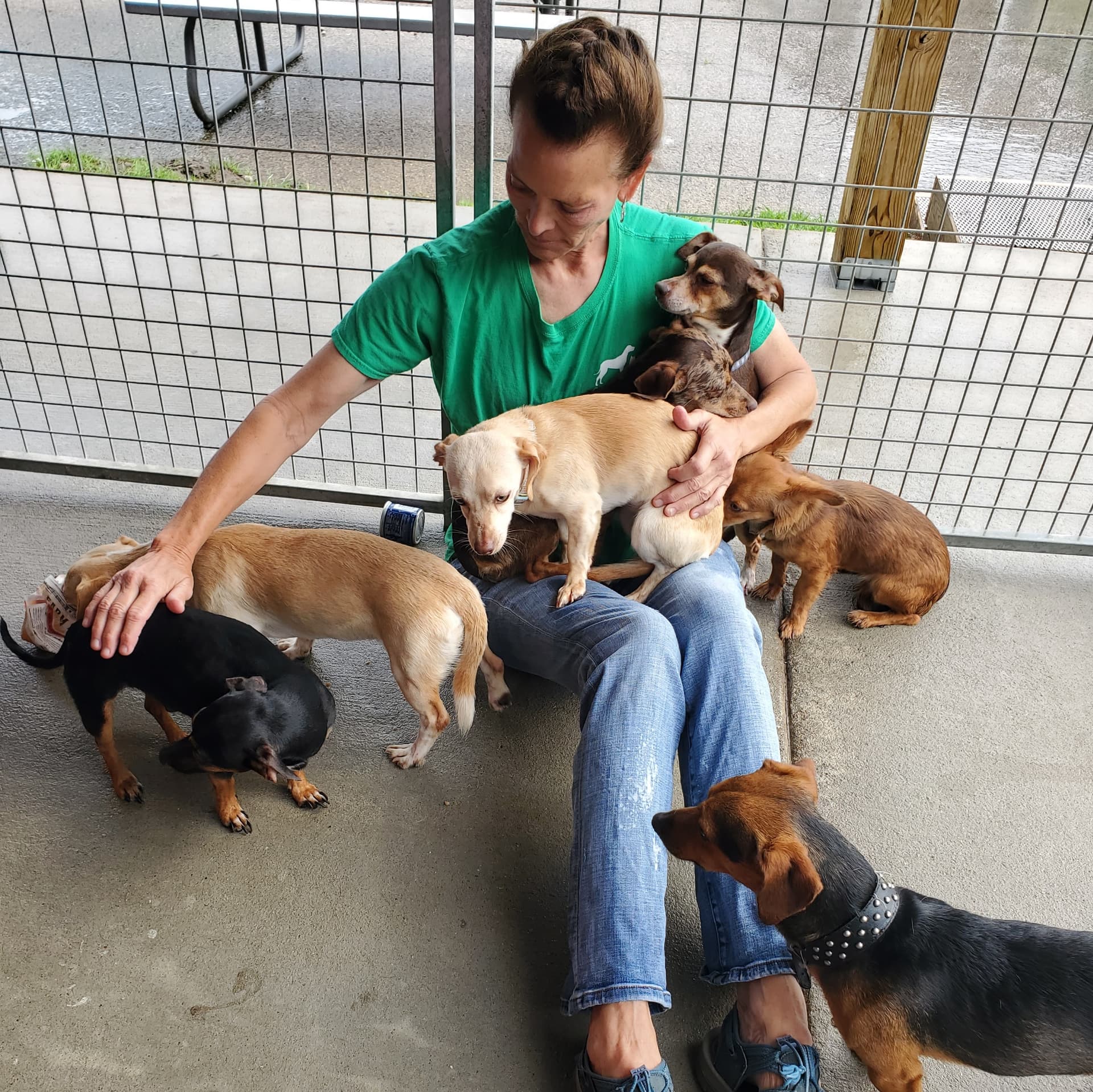
0:44And for Huntington, West Virginia, one of those people is Courtney Proctor Cross. She took an animal shelter that was becoming a death sentence for animals who went there and turned it into a no-kill shelter, which means 90 % of the animals find homes. I'm Maggie Penman. This is Post Reports Weekend. It's Saturday, October 11th. I'm a reporter for The Optimist, reporting on hopeful stories about things that are going right in the world. Believe it or not, there are things going right in the world. Today, I wanted to bring on my colleague Sydney Page, because she's the one who reported the story about this woman in West Virginia who took over a struggling animal shelter and made it a hopeful place for animals and for people.
1:30And what I loved so much about this story was that it really made me feel like change is possible, even in these really seemingly intractable situations. Sydney, thank you so much for coming on. Thank you for having me.
1:48Okay, so you and I are both reporters for The Optimist, and that often means writing dog stories. Always. How many dog stories have you written in the last several years? Too many to count. I honestly barely write about humans anymore. I much prefer to write about dogs. So since this is the first time you're coming on the podcast, maybe you could just tell people a little bit about what The Optimist is. And I'm just curious, if you meet someone at a party, how do you describe your job? I say I have the best job in journalism. That's what I say too. That's what I say. Yeah, because we get to write about the good stuff.
2:22We get to focus on the happy, positive things that are going on in the world and spotlight the heroes across the country and around the world. And you've been at this a lot longer than I have. How long have you been writing for The Optimist? So I've been writing for The Optimist for almost five and a half years, which is crazy. Initially, it was called Inspired Life, and we sort of recently rebranded to be The Optimist. But yeah, I've been at The Post for over five years, which is wild. Time flies when you're having fun. Exactly. You had one particular story about dogs that really moved me. And I wanted to talk to you about it because you found this woman, Courtney Proctor Cross, who is just this extraordinary person in Huntington, West Virginia.
3:05And she walked into an animal shelter that was just in this horrible shape and completely turned it around. So how did you find her story? How did you hear about Courtney? A longtime reader who actually lives in Huntington wrote me an email about Courtney. And I remember reading it and thinking, we have to write a profile about this woman who has done extraordinary work in the community and who has completely transformed the shelter. This particular person actually adopted a dog from the shelter. So she had seen firsthand what the transformation looked like. And yeah, she highly recommended me reaching out to her.
3:38And it's nice because it's a combination of human and animal, like good person and... And some good boys and girls, obviously. Exactly. What do you think it is about Courtney in particular that made it possible for her to do this? I think she's an unbelievably resilient person. She lost both of her parents when she was six years old in first grade. Very tragically, they died in a plane crash. And I got Courtney on the phone to talk about this and how her parents shaped her. I've always felt like my love for animals came from both of them. And they were both huge animal people, huge animal lovers.
4:14She talked about all the pets that she had. So my mother loved fish and we had aquariums of fish and they were pretty. And we had a couple of cats, a couple of dogs, the buffalo, just a little menagerie of pets. She did have a buffalo growing up, which is wild. Where does one keep a buffalo? I actually do not know. That's a good question. I probably should have asked her. I was too struck by the fact that she had a buffalo to even think of a follow-up question regarding the buffalo. Yeah, no, it's sort of like an interview stopping detail. Yeah, exactly. Exactly. Tell me more about her because she has a really interesting backstory that I think speaks to why she was able to do this extraordinary thing.
4:59So she was an elementary school teacher in Huntington for many, many, many years. She also volunteered with a lot of local rescue organizations and she was seeing firsthand just how dire the shelter situation was. The shelter was, it was a disaster. It was the, most of the animals, at least half, sometimes as many as 75 % of the animals that entered the shelter were euthanized for space. She was trying to keep her job as a teacher and also working with these rescues and sort of petitioning for change and change wasn't happening. One day I just thought, and this was in the spring of 2018, you know, I wonder if I could do this, if I could take a leave from teaching a sabbatical for a year and see how this goes.
5:45So when she took over this shelter, it sounds like it was in really dire condition. What were things like there for the animals? Well, at the time she took over the shelter, she estimated that roughly 50 to 75 percent of the animals who came in were euthanized. So it was a really awful, awful situation. Before I became the director, there were lots of parts of the shelter that were off limits to visitors. That first night, we were kind of looking everywhere and walking around and we got back to the garage and it was really a take your breath away situation. There were so many animals in there, cats and kittens that had it was first of all, it was 100 degrees.
6:27It was August. August is hot in Huntington. And there was no ventilation in the garage. And the garage was filled with huge bags of trash. And then around the edges of the garage on the walls, there were cages with cats and kittens. And they didn't have food, water, litter boxes, nothing. They were literally sitting there waiting to be euthanized. And so we got to work and called in our fellow rescue partners. And we worked until one in the morning getting everyone situated. And, you know, the ones who had already died and like trying to, it still makes me emotional to think about that. I'm sorry.
7:12And there was this dog and I guess he was in there because he was going to be euthanized. But he was just in a wire crate, just a standard wire dog crate. and he was just barking incessantly and he was scared. And, you know, he was not having it when you came over to the crate. Like if you had put your hand in, I'm sure we would have been bitten because he was just, you know, so anxious and such a terrible situation. So we made it a tolerable situation and got some water in there for him. And then the happy part of that story is eventually he was adopted and he's in a wonderful home and we still get visits and get videos of him, you know, helping her mow the yard.
7:56He runs alongside the woman who adopted him and carries a stick in his mouth the whole time. But yeah, that first night was just like, oh, my Lord, this is horrible. How did things get so bad there? Like what happened that this shelter became a place that so few animals were coming out of? Underfunding has long been an issue there. And so I think it was many years piled on top of the other of not having enough money to care for these animals, not having enough money to spay and neuter them. Rescues and shelters across America are really struggling with the number of animals they have, the number of animals they're trying to move and get adopted.
8:38And it's just really been a hard time. And there was tons of overcrowding, which is still a problem today in a shelter. But the easiest solution was to euthanize. The easiest and the cheapest solution was to euthanize. And I think that, you know, one thing that did come up repeatedly in my discussions with Courtney and others was that the people who were running the shelter prior to Courtney didn't really see it as such a terrible, awful thing. And I think like the real tragedy is that so many of these animals were adoptable and were healthy and were fit to be great pets to people. But I think it was just several compounding factors that made it a bit of a disaster, unfortunately.
9:15Well, okay, I want to take a quick break there. But when we come back, let's talk about how Courtney transformed this shelter into a hopeful place. We'll be right back.
9:32From biotech and retail to automotive and transport, the world's leading organizations are scaling AI responsibly. While their industries differ, what they have in common is Deloitte. We don't just implement what's new, we build what works. By weaving tech-enabled solutions into the fabric of your business, we help you navigate complexity and drive meaningful change. Sure, it's tempting to think of AI as the answer, but Deloitte knows it's just one of many. Because services and solutions that address the unique challenges of your business need to be woven into the fabric of your organization, with a deep understanding of your industry and where it's headed.
10:14That's what Deloitte teams do together to help you set your businesses apart. Deloitte. Together makes progress. Hi, I'm Susan Glasser. I'm Jane Mayer. And I'm Evan Osmos, and we host the Washington Roundtable from the New Yorker's Political Scene podcast. For me, this is the water cooler. This is a wonderful chance to sit down with two of the smartest colleagues in the country and, you know, just kind of compare notes. No, that's so true, because first of all, we are actually friends in real life, but I can't wait till Fridays to hear what you guys think. Everybody sees the headlines, but you guys fill in the gaps.
10:52I also think, though, occasionally we get somebody to come on, and I'm always smarter for it. If you get a great historian who can tell you about a presidential election 50, 60 years ago, often it can help you understand about what's happening today. So if you're looking for weekly insights into what's going on inside the Beltway, please join us every Friday on the Washington Roundtable, part of the New Yorkers Political Scene podcast.
11:20So, Sydney, Courtney walked into what sounds like just an awful, heartbreaking situation. How did she go about starting to turn it around? I think first and foremost, she demanded more government funding. So she really, really pushed for more funding, which was a huge help. She also opened her own nonprofit that exclusively funds the shelter. And we've received other grants from other organizations. And she started fundraising and going around in the community using social media to her advantage. So many people just had the attitude, you know, I love animals. I don't want to see them suffer. we need to do better.
11:58And, you know, what can I do to help? And really, whatever anyone can do is what I want them to do and welcome them to do. You know, some people can come walk one dog. Some people will foster. Some people will, you know, provide financial support. You know, it all adds up and all helps. And she really just worked her butt off to get the word out there and get people on board and get the community on board. I think I lost like 15 pounds the first several months because I was down there practically every day I lived on. It's a good thing there's such a thing as breakfast bars because I might have just died without them.
12:36It's amazing. I think this story is so inspiring. And I think so many of us look at the problems in the world and in our communities and they feel intractable. It feels impossible to think about solving them. So do you think there's a takeaway here or something we can learn from Courtney about how to bring some of this energy into our own communities? That's a really good question. I mean, I think the lesson I learned from Courtney is if you care about something, just do it. Just start, just try. And for her for a long time, it was an uphill battle and it still is. I know there are so many struggles she faces every day as a shelter director in a small town.
13:11But if you care about something and you believe that it can change, you just have to start and you have to try. Okay, so Sydney, it sounds like she's done something truly miraculous here, but it also sounds like so much work. And I'm sure Courtney would love to eat something other than a breakfast bar. So what does she hope for next with this shelter? Well, I think a big challenge she still faces is overcrowding. So she would like to expand the shelter and actually renovate it. It's still in relatively rough shape. I mean, they make do, but it's an old, old building that has not been renovated.
13:45There's not a lot of open space and windows and things like that. So I think that she has her sights set on building a really beautiful shelter that can house more animals and accommodate more. And so I think that's her next focus. But in terms of future goals, I think she's just hoping to stay on the path that she's currently on, which is maintaining the shelter as a no-kill shelter and helping as many animals as possible. I just really want to keep things moving forward. This has been a very life-consuming endeavor and um you know I would like to be able to clean my house again at some point um also I just my son just had a little baby three weeks ago and so she's precious and I want to free up you know a little bit of time because it's pretty much seven days a week all day long as far as keeping all of this going Sydney, thank you so much for coming on to talk about this story.
14:46I feel so inspired. Of course. I had so much fun.
14:54Sydney Page is a reporter for The Optimist, and she also writes our weekly newsletter, You Really Should Subscribe. I'll put a link in our show notes. It just is this beautiful ray of sunshine in your inbox every Sunday morning with links to hopeful stories and articles. A lot of them tend to be about dogs. So who wouldn't want that? That's it for Post Reports. Thanks for listening. Let us know if you want more hopeful stories in your feed. Send me a note at podcasts at washpost.com. I'm Maggie Penman. Have a great rest of your weekend.
15:33Okay, so Ted, who is producing this episode, Ted and I have a long-running inside joke that we want to make a podcast called Dogcast. The tagline I proposed is buy dogs for dogs, which doesn't make sense if you think about it too hard. But you don't have to think about it. Don't think, just think about dogs. It makes perfect sense. This is what we're doing here. We're just making Dogcast. Can I be on Dogcast? Obviously, you will be on every episode. Okay. From biotech and retail to automotive and transport, the world's leading organizations are scaling AI responsibly. While their industries differ, what they have in common is Deloitte.
16:14We don't just implement what's new, we build what works. By weaving tech-enabled solutions into the fabric of your business, we help you navigate complexity and drive meaningful change. Sure, it's tempting to think of AI as the answer, but Deloitte knows it's just one of many. Because services and solutions that address the unique challenges of your business need to be woven into the fabric of your organization. With a deep understanding of your industry and where it's headed. That's what Deloitte teams do together. To help you set your businesses apart. Deloitte. Together makes progress. Hi, I'm Susan Glasser.
16:54I'm Jane Mayer. And I'm Evan Osmos. and we host the Washington Roundtable from the New Yorker's Political Scene podcast. For me, this is the water cooler. This is a wonderful chance to sit down with two of the smartest colleagues in the country and, you know, just kind of compare notes. No, that's so true, because first of all, we are actually friends in real life, but I can't wait until Fridays to hear what you guys think. Everybody sees the headlines, but you guys fill in the gaps. I also think, though, occasionally we get somebody to come on, and I'm always smarter for it. If you get a great historian who can tell you about a presidential election 50, 60 years ago, often it can help you understand about what's happening today.
17:34So if you're looking for weekly insights into what's going on inside the Beltway, please join us every Friday on the Washington Roundtable, part of the New Yorker's Political Scene podcast.
From the publisher
The municipal animal shelter in Huntington, West Virginia, was euthanizing 50 to 75 percent of the animals that came in because they didn’t have the funding or space to care for them. Enter Courtney Proctor Cross. She was named director of the shelter in August 2018, and through hard work and fundraising she transformed the shelter into a place of hope.
This episode was produced by Ted Muldoon. The Optimist’s editor is Allison Klein.
If you want more stories from The Optimist, check out our newsletter. And let us know what you think of these stories on “Post Reports.” You can email me at maggie.penman@washpost.com or reach the whole team at podcasts@washpost.com.
Subscribe to The Washington Post here. And check out the YouTube video of this episode here.