In short
How Donald Trump’s lawsuit over a 60 Minutes/Kamala Harris interview led CBS/Paramount to settle, and what that signals about pressure on journalism.
Guests
Sarah Ellison, national enterprise reporter for The Washington Post (Post Reports).
Key claims
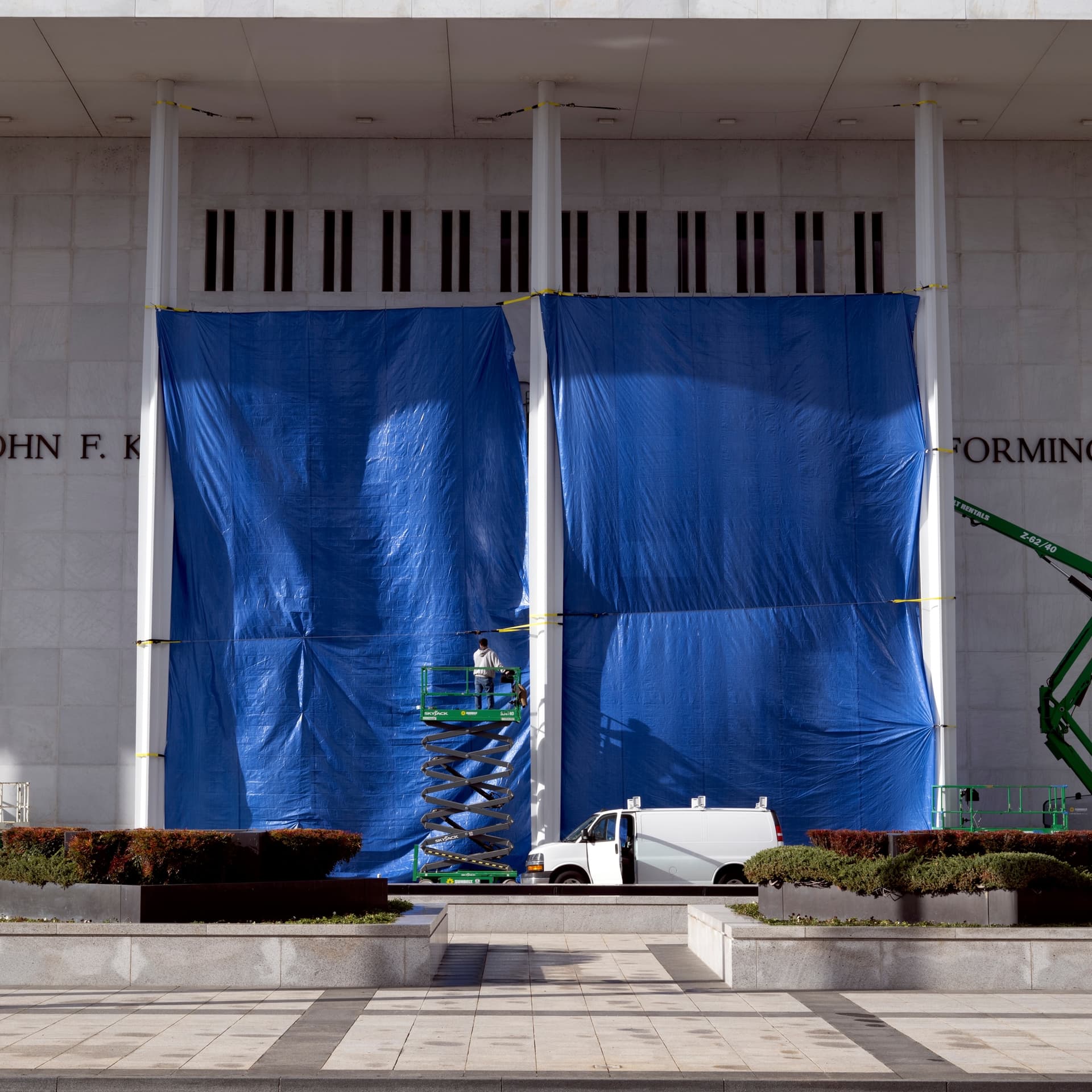
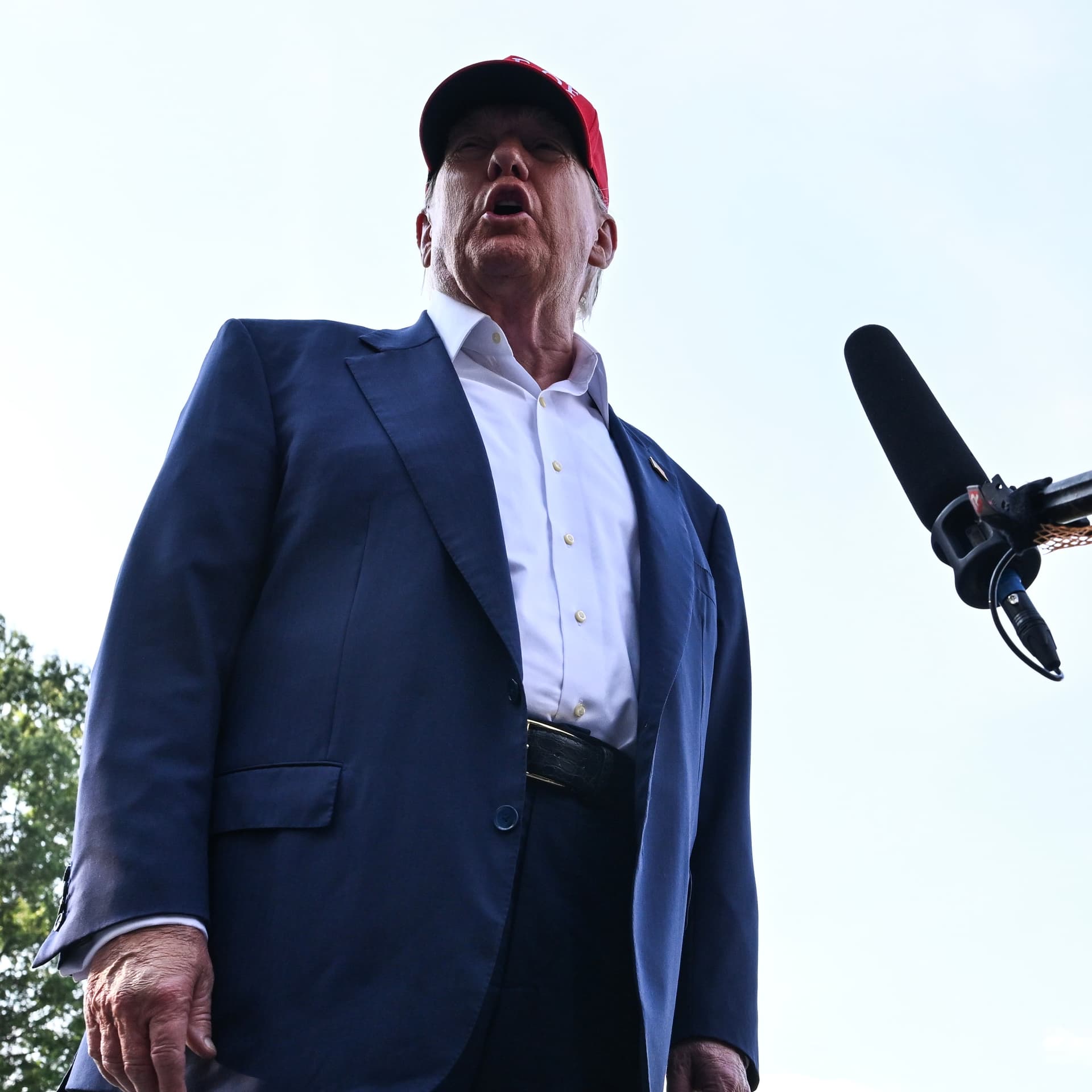
Trump alleged CBS/Paramount misled voters by using an edited Harris clip that made her seem more coherent; he sued for $20 billion under a Texas deceptive practices law (not defamation). Legal experts said the case was weak because CBS made no errors and Trump won the election, so harm was hard to prove. Paramount settled for $16 million after mediation, amid fears that FCC oversight under Trump appointee Brendan Carr could affect Paramount’s Skydance merger approval. Journalists feared corporate meddling; 60 Minutes executive producer Bill Owens and CBS News head Wendy McMahon resigned. Paramount reportedly worried about bribery-law and shareholder-suit risks.
Notable examples
The 60 Minutes promo clip used by Face the Nation allegedly contained a longer Harris answer than what aired; ABC News previously settled a Trump media lawsuit for $15 million plus $1 million legal fees and issued an apology.
Written by AI. May contain mistakes. Listen to the episode to check what was said.
Chapters
Tap a time to open that second in VOOverview of the Lawsuit
2:28 to 2:40
Sarah explains the background of Trump's lawsuit against CBS News.
“Today, how Trump's war on media brought Paramount to its knees.”
Events Leading to the Lawsuit
2:41 to 6:16
A detailed account of the events that led to Trump's lawsuit against CBS.
“and what that could mean for the future of journalism.”
Reactions to the Promo Clip
6:17 to 13:17
Discussion on the immediate reactions from Trump's supporters and the lawsuit's filing.
“You mentioned that this kind of became a lightning rod among many on the right.”
Legal Perspectives on CBS Lawsuit
13:18 to 13:31
Analysis of the potential strength of Trump's case against CBS News.
“And so no lawyers that I spoke to thought that it was a strong case and it was a pretty shocking thing that they agreed to settle for what they did.”
Context of CBS's Legal Challenges
14:49 to 16:53
Discussion on the legal pressures CBS faced related to its merger and Trump's influence.
“Okay, Sarah, you said before that the legal experts you spoke with were pretty unanimous in seeing Trump's legal case against CBS News is pretty weak, which leads me to wonder why CBS would agree to settle at all.”
Corporate Pressures and Media Independence
16:53 to 21:52
Exploring how corporate mergers impacted CBS's journalistic integrity amidst legal threats.
“And Carr sort of makes no secret of his support for Donald Trump.”
Reputational Harm and Future of CBS
21:52 to 27:48
Analyzing the reputational impact on CBS following the settlement and its implications for journalism.
“There was a concern that they could be violating bribery laws.”
Trump's Legal Victories and Media Relations
27:48 to 28:00
Understanding the implications of Trump's recent legal wins against media outlets.
Trump's Legal Victories Over Media
28:00 to 30:23
Explore how Trump's recent settlements with media organizations reflect his ongoing legal strategies.
“of journalistic independence actually is.”
Transcript
Automatic transcript. May contain errors.0:01John Deere is putting in work and putting up highlights. Oh man, look at those passes. Tillage, planting, harvesting. Three years in and these pre-owned machines are still at the top of their game. We're talking reliability, performance and long-term potential. And get this, these veteran machines can pick up the latest precision tech with ease. You know it and fans ready to add John Deere certified pre-owned equipment and more options to their lineup can shop at machinefinder.com. Booyah! President Donald Trump just notched a win in his decade-long war on the media. For months, Trump has been in a legal fight with Paramount.
0:41That's the parent company of CBS News. Trump claimed that in the last stretch of the 2024 presidential race, CBS News aired a misleading interview with his opponent Kamala Harris, that they edited this to make her seem more coherent than she was, and that this harmed his electoral chances. Trump sued for$20 billion. CBS denied it did anything wrong. But then last week, Paramount decided to settle. Paramount announced that it had agreed to settle Donald Trump's lawsuit that he had launched against CBS News, and they were settling for$16 million. Sarah Ellison is a national enterprise reporter for The Post.
1:27She says this settlement is raising alarm bells, not because of the dollar amount, but because of the fact that CBS's parent company settled at all. This settlement was something where we saw CBS News. This is the news network of Edward R. Murrow, who famously stood up to McCarthyism. That network, which has stood up for so much about journalistic ethics and courageousness, sort of gave in to corporate pressure and pressure from the Trump administration, which was trying to sort of exert its will on not only this media institution, but lots of other media institutions and lots of other democratic institutions in society.
2:18and we just saw CBS and Paramount bend to the Trump administration's will. From the newsroom of The Washington Post, this is Post Reports. I'm Elahe Izadi. It's Tuesday, July 8th. Today, how Trump's war on media brought Paramount to its knees. Sarah explains the corporate pressures at play here and what that could mean for the future of journalism.
2:52Hi, Sarah. Thanks for joining me today. Thanks for having me. Sarah, I want to rewind and go back to how this all started between Donald Trump and CBS. So take me back to 2024 and tell me, what is the origin of this lawsuit? So right before the election, as it often does, 60 Minutes invited both the Democratic Party candidate and the Republican Party candidate for president in for a pre-election interview. And Donald Trump declined that invitation and Kamala Harris accepted the invitation. And she sat down for her 60 Minutes interview on a Saturday afternoon. and that week 60 Minutes was airing on Monday night.
3:39And so what the team at 60 Minutes had to do was work all night on Saturday night and around the clock in order to get the episode ready. And normally when 60 Minutes runs sort of promotional clips of its shows, they have enough time to edit the entire episode and then cut a promotional clip from the edited episode and use that as the promo for the show. And this time, because there was such a fast turnaround between when the interview happened and when the episode aired, when CBS Face the Nation, which runs on Sunday morning, when they pulled a clip from the show, they ended up taking an answer that didn't actually air in the final 60 Minutes episode.
4:29So in the promo clip on Face the Nation, Harris gives a longer answer to a question about U.S.-Israel relations. The work that we have done has resulted in a number of movements in that region by Israel that were very much prompted by or a result of many things, including... And then in the final interview, 60 Minutes included one other portion of that answer that was shorter. We're not going to stop pursuing what is necessary for the United States to be clear about where we stand on the need for this war to end. Now, this is extremely common in terms of even at the Washington Post, when you're in an interview and you interview a source, and especially on television and radio, someone can give a lengthy answer and you use the relevant portion in order to give sort of the crux of the answer.
5:34When I interviewed people who were involved in this episode, they had 20 minutes to fit in what was a very lengthy interview with Kamala Harris. And so they chose a shorter, sort of more forceful and succinct response from her to air during the show. And the discrepancy between those two answers ended up exploding on right-wing media and social media soon after and became sort of a story about how 60 Minutes had tried to make Kamala Harris sound better than she did in order to swing the election for her.
6:16So then what happened next? You mentioned that this kind of became a lightning rod among many on the right. Tell me about the reaction to this. So the reaction to it is almost immediate. What you see online is that people who are supporters of Donald Trump at all levels are really upset that these two different clips have aired. And I should say, from Trump's perspective and his campaign's perspective, they were seeing and anticipating all around them media outlets that were trying to put, you know, their finger on the scale for Kamala Harris before the election. that the mainstream media or the establishment media or however you want to refer to big media institutions were arrayed against Trump and were actively working to defeat him in the coming election.
7:21So then when did Trump sue CBS over this interview and promo clip? He sued immediately before the election, just on the eve of the election. I mean, and then the results of the election, one of the things that is important about a lawsuit is showing harm. So this was a civil suit. He brought the case under a sort of unusual Texas law that it was a deceptive practices lawsuit. It was not a defamation suit. He had Representative Ronnie Jackson as one of the plaintiffs in order for this suit to play out in Texas, which was a venue that was very friendly to his cause. And essentially that, you know, what he had talked about was that this was an effort to deceive the electorate and to get Kamala Harris elected.
8:10When Trump first filed this lawsuit, he filed it for$10 billion against CBS and Paramount. And then he upped that to$20 billion. So it was an enormous financial number that was headlining this lawsuit. Okay, but then he's elected and he becomes president. What happens next? So Donald Trump, you know, has spent 10 years talking about how the media lies. He was speaking out about how, you know, if he got back into office, he was sort of very determined to make media institutions pay. And in fact, you know, there were analyses done in the two months before the election. Trump attacked the media more than 100 times.
9:01in the week before the election. He threatened to sue the New York Times. His campaign lodged a federal election commission complaint against the Washington Post. He demanded and received equal time from NBC after NBC featured Kamala Harris on Saturday Night Live the week before the election. So there were a lot of signs that Donald Trump wanted to sort of take the fight to media organizations in the fall of 2024. Yeah. And then even after he won the presidency, I remember one of the big moments here in this storyline was that ABC News settled the lawsuit that Trump brought against that company.
9:45And that was kind of like a, for people interested in this issue, it was kind of an earth-shaking moment. Exactly. I mean, this was a lawsuit that had been in the works for months, and I believe it was lodged in March. And then in mid-December, ABC News announced that it had agreed to pay$15 million to Trump's presidential foundation, plus$1 million in legal fees. And that was to settle a defamation suit that he brought against ABC News and George Stephanopoulos, who is one of their regular morning show hosts, over an interview that George Stephanopoulos had done with Representative Nancy Mace, in which he had questioned her about her support for Donald Trump in light of the fact that she, a sexual assault survivor, was supporting a man who had been found liable.
10:42liable for sexual abuse. And instead of using the term sexual abuse, Stephanopoulos repeatedly in his interview with Nancy Mace said that Donald Trump had been found liable for rape. Now, the judge in that case had sort of made things a little bit muddy because the judge had said that essentially what Donald Trump had been found liable for would commonly be understood as rape, but under New York law, it was sexual abuse. So there was a little bit of wiggle room in the way that that decision could be interpreted. But nevertheless, ABC agreed to pay$15 million plus$1 million in legal fees, and they issued an apology.
11:27And that was pretty surprising because at this point, Donald Trump wasn't yet a sitting president, but he was the president-elect, And it was clear, and my sources who I spoke to around that settlement mentioned that ABC is owned by Disney. Disney is a company that has definitely had its run-ins with conservatives and with Donald Trump. And they did not want to be in active litigation with the sitting president of the United States. It's not something that any private company would really relish doing. But nor have we seen many presidents or president-elects pursue this kind of legal strategy in which they are suing private entities that are going to have to live under the regulatory state and the legislative apparatus that the president has a pretty large influence over.
12:21Mm-hmm. Mm-hmm. So then after ABC settled, we still had this CBS lawsuit continuing. But I wonder, how strong of a lawsuit was this? Did the lawyers you speak with give you any indication on how likely this lawsuit that Trump brought against CBS News would have succeeded in court? I mean, almost to a lawyer, no one thought this was a particularly strong case. There were a few things that made this a pretty weak case. One is that CBS hadn't made any errors. Two, Donald Trump won the election. So even if CBS had done something dishonest with this interview and no one at CBS says that they did and they said that they followed all of the same sort of protocols that they always do, Donald Trump was not harmed by this interview.
13:17He won the election. And so no lawyers that I spoke to thought that it was a strong case and it was a pretty shocking thing that they agreed to settle for what they did.
13:31After the break, Sarah explains how CBS's journalistic interest and corporate pressures collided. We'll be right back.
13:49John Deere is putting in work and putting up highlights. Oh man, look at those passes. Tillage, planting, harvesting. Three years in, and these pre-owned machines are still at the top of their game. We're talking reliability, performance, and long-term potential. And get this, these veteran machines can pick up the latest precision tech with ease. You know it, and fans ready to add John Deere certified pre-owned equipment and more options to their lineup can shop at machinefinder.com. Booyah! When it comes to the big questions, who you ask matters. From breaking news to politics that impact your life to advice you can trust.
14:30Get answers you don't have to question with Ask the Post AI. Trained exclusively on post journalism with clear sourcing. And if we don't know the answer, we'll tell you. Ask the Post AI. Find it on WashingtonPost.com or in the app. Okay, Sarah, you said before that the legal experts you spoke with were pretty unanimous in seeing Trump's legal case against CBS News is pretty weak, which leads me to wonder why CBS would agree to settle at all. So what is the context here? You mentioned ABC News and Disney. Tell me what was going on with the CBS parent company here, Paramount. So Paramount had been in the process of merging with Skydance Media, which means basically selling itself to Skydance for around$8 billion.
15:26And Paramount has been for decades controlled by the Redstone family. Sumner Redstone was sort of the equivalent to Rupert Murdoch. He was this mogul who had a very large influence on the media business for decades. His daughter, Sherry Redstone, is now the controlling shareholder in Paramount, and she was interested in selling this company and had identified Skydance Media as a willing and appropriate sort of buyer. Skydance is controlled by David Ellison, and David Ellison is the son of the billionaire and Trump ally, Larry Ellison. So it was a situation where in order to get this merger approved, the U.S.
16:15government needed to give it regulatory approval. The Federal Communications Commission had to approve it. And so even though CBS doesn't have any real business before the government, the parent company Paramount had a very lucrative financial transaction that required government approval. And that was the pain point for Paramount when they were going before. the Trump administration. I should say that the FCC has traditionally been a more independent government agency than the Defense Department or the State Department. But in this iteration, when Trump took office, he put someone by the name of Brendan Carr in as chairman of the FCC.
16:55And Carr sort of makes no secret of his support for Donald Trump. He wears a gold pin of Trump's face on his lapel and has talked pretty openly about his support for Trump's policies and his ideas of media regulation and oversight. And so Carr is someone who has said from the beginning that his oversight of CBS has absolutely nothing to do with this pending acquisition. But nevertheless, the executives at Paramount and the journalists at CBS saw the lawsuit and the FCC oversight of this deal as intertwined. Now, Brendan Carr has said that they are absolutely separate and is denied that there's any kind of relationship.
17:44But still, that was a big fear that if Paramount didn't settle this suit, that they weren't going to get their merger approved. Okay. So tell me about that. How was Paramount dealing with this pressure? Because I think for a lot of people, they're accustomed to, you know, traditional mainstream media organizations sort of holding firm and insisting we didn't do anything wrong or defending their journalists, especially in a situation like this where there were no factual errors. So what happened? How is Paramount dealing with this pressure on the one end of you need to stand for journalism, you need to hold the line and oh, but we have this big corporate merger we're trying to see through.
18:29So Sherry Redstone had been sort of eyeing the output of CBS News for a while. That being said, normally the output of 60 Minutes is something that is really entirely controlled by 60 Minutes itself. It's got this vaunted reputation. It's sort of the crown jewel of CBS News. And the first real warning sign here was when the longtime executive producer of 60 Minutes, Bill Owens, stepped down in April. And he described his reasoning as that he had sort of lost the freedom to handle the show the way he saw fit. And then after that, even in a sort of more surprising move, the head of CBS News, who is herself a business person, she is not a journalist, but Wendy McMahon, who was running CBS News, also resigned.
19:33Was it because of what was perceived as meddling by Sherry Redstone? Was it because of, you know, murmurs? People were hearing about potentially a settlement with Trump. Why was this happening? These resignations came partly because Sherry Redstone had installed a standards executive who was actually the former head of CBS News named Susan Zerinsky over Bill Owens to sort of help monitor the decisions that the show was making. And neither Bill Owens nor Wendy McMahon were in favor of settling this case. And it was something that the journalists, not just at 60 Minutes, but also at CBS News, had been sort of dreading for some time.
20:23So it was both the concern that Paramount sort of corporate business executives were reaching into the newsroom and meddling with the output of 60 Minutes and also that they were doing that in order to get this deal through and to settle this lawsuit with Donald Trump. So it was just, I can't overstate the amount of fear and dissatisfaction that the journalists at CBS News felt about the forces that were at play here. And, you know, Sherry Redstone from the beginning said, we have to settle this because you cannot operate a business in this environment. She might be right, which is that if you have a president-elect who is willing to go to war with a private company, no private company is going to want to be in ongoing litigation with a sitting president.
21:24So that's a huge amount of leverage no matter who is in that role. But no other president has been willing to take on companies in this way before this moment. So then what were the conversations like at the corporate level or among lawyers for Paramount and the Trump team? How did they reach this$16 million settlement? So Paramount and the Trump team entered into professional mediation in April to try to resolve this case. and we had been hearing for months that this case was about to settle and it just hadn't settled so there was a huge amount of pressure from the right and from Trump allies and the Trump legal team but also there seemed to be a growing amount of pressure coming from lawmakers on the left who were writing to Paramount and saying that they had real concerns that the company might be engaging in, you know, conduct that would appease the Trump administration.
22:34Is that legal, if that was true? I mean, it's unclear. There was a concern that they could be violating bribery laws. So if it was that the Paramount officials were making concessions in a sort of quid pro quo arrangement to influence Donald Trump, then they would be potentially breaking federal law. They would also be liable for shareholder lawsuits. I mean, there could be shareholders who were saying, why are you spending this amount of money to settle a lawsuit you could easily win in court? So there were sort of a whole array of concerns that Paramount was facing. I should add one thing, which is just that one of the reasons why this number so closely mimics the ABC settlement is that internally, the executives at CBS really saw that number, you know, the$16 million, which is exactly what ABC had settled for.
23:29They thought if they paid more than ABC, that would give even more grist for the bribery argument. I see. So they were trying to make this problem go away, but do it in such a fashion where they couldn't be accused in a lawsuit or just even reputationally as bribery. I mean, that's pretty remarkable. Yeah. I mean, you don't see it every day. That's for sure. Has CBS or Paramount said why they settled? Paramount did not specify in a statement why they had settled this suit. But George Cheeks, who runs CBS and is a co-CEO of Paramount, he defended the settlement in a call with shareholders the morning after they had settled.
24:12And he said that these kinds of settlements are very common to, quote, avoid the high and somewhat unpredictable cost of legal defense, end quote. And they were trying to avoid being mired in uncertainty and distraction. So companies settle all the time for all kinds of different reasons. And it's normally accepted corporate practice, except that journalism, while not being a particularly great business, is also an unusual business in that journalists and the people who rely on them really do care about their independence and don't want to see journalists sort of doing the bidding of their corporate parents.
24:53And so it was that dynamic that really set this all up for such scrutiny and such attention. Sarah, you mentioned this idea of running 60 minutes independently, but it's probably useful to explain how newsrooms typically function in relation to their corporate bosses. Sure. So typically at news organizations, the news gathering is supposed to be an independently produced product. You know, it would be a scandal, for instance, if a newsroom decided not to do a story because an advertiser had issued some sort of threat. But it's also true that media owners typically exert some influence over an editorial product.
25:41And we usually see that in opinion programming or in opinion pages. So, for example, at newspapers, the editorial page is often seen as a reflection of the owner's interests. And you can see that probably most clearly with Rupert Murdoch-owned properties like the New York Post or the Wall Street Journal. Well, here at The Washington Post, the owner, Jeff Bezos, who is also the founder of Amazon, decided not long before the presidential election that our editorial board would not run a drafted endorsement for Kamala Harris as part of a new policy to not endorse presidential candidates going forward.
26:25And he later said that the opinion page would be focused on two core principles, personal liberties and free markets. But at CBS, their journalists were sensing heightened attention from their corporate owners on a lot of their stories in a way that they hadn't seen before. Yeah. I mean, what kind of reputational harm has Paramount or CBS suffered as a result of taking this approach of reaching the settlement? This is a news organization that has obviously come down from where its power used to be in the culture. I mean, this is the network of Edward R. Murrow, sort of defined the pinnacle of broadcast journalism of a certain era.
27:12And they're capitulating in this case, which doesn't have a lot of legal merit, to a White House that has put sufficient pressure on CBS's corporate parent to have them make a kind of business calculation. So they're sort of sacrificing the journalistic integrity of CBS to get this deal done. At least that's the view of almost all of the journalists inside of CBS, as well as sort of people who have been watching this case, First Amendment attorneys, legal experts, journalistic experts. And it's a moment that does make some people question the independence of CBS News. but in general, I think that what CBS does from here on out is going to define what their level of journalistic independence actually is.
28:06This also seems like a pretty extraordinary victory for Trump. I mean, he got a settlement on a case most legal experts said was very weak. He also got one from ABC News, plus an apology from ABC News. What do these settlements mean for him? I mean, anyone who has paid attention to Donald Trump's history of suing media organizations, he has had a really bad record. He was almost never successful. And so he's been on like a hot streak in terms of winning lawsuits with media companies. And it's indicative of just how powerful it is to sit in the Oval Office and have launched these cases as a private citizen.
28:46So in the first five months of his second administration, Trump has forced Disney, which owns ABC News, social media giants Meta and X, several top law firms, a slew of different universities, you know, have all sort of bent to his will and given in to his demands in order to survive in an environment where the federal government has an enormous amount of money. influence over all of these entities. If I were sitting on Trump's legal team, I would not see any reason to slow down in making these kinds of allegations against media institutions. So I'm going to be on the lookout for other places where Trump and his allies can press their advantage.
29:42Well, Sarah, thank you so much for taking the time to join me today. I appreciate Thank you.
30:16at$120 annually. And as always, you can cancel at any time. To get that$29 deal, go to WashingtonPost.com slash subscribe. You can also look for a subscription link in our show notes. Today's show was produced by Peter Bresnan. It was mixed by Sam Baer and edited by Reena Flores. Thanks to Noah Bierman. I'm Elahe Izadi. We'll be back tomorrow with more stories from The Washington Post.
31:01We'll see you next time.
Read the full transcript
31:16And other times, it just hits, like the view on a windswept Appalachian mountaintop. So come find the undiscovered you in South Carolina. Visit DiscoverSouthCarolina.com. John Deere is putting in work and putting up highlights. Oh, man, look at those passes. Tillage, planting, harvesting. Three years in, and these pre-owned machines are still at the top of their game. We're talking reliability, performance, and long-term potential. And get this, these veteran machines can pick up the latest precision tech with ease. You know it, and fans ready to add John Deere certified pre-owned equipment and more options to their lineup can shop at machinefinder.com.
31:58Booyah!
From the publisher
Donald Trump has spent the past decade waging war on the media. That has included filing frequent lawsuits against media organizations whose coverage he views as unfavorable. Those lawsuits have been largely unsuccessful, until recently.
Last week, Paramount announced it was settling a lawsuit brought by Trump against CBS News over the news program “60 Minutes.” Although many legal experts believed the case was unlikely to succeed at trial, Paramount chose to settle for $16 million.
Elahe Izadi talks to reporter Sarah Ellison about the origins of the case, why Paramount would choose to settle, and what implications the settlement has for the wider media landscape.
Today’s show was produced by Peter Bresnan. It was mixed by Sam Bair. And edited by Reena Flores.
Subscribe to The Washington Post here.