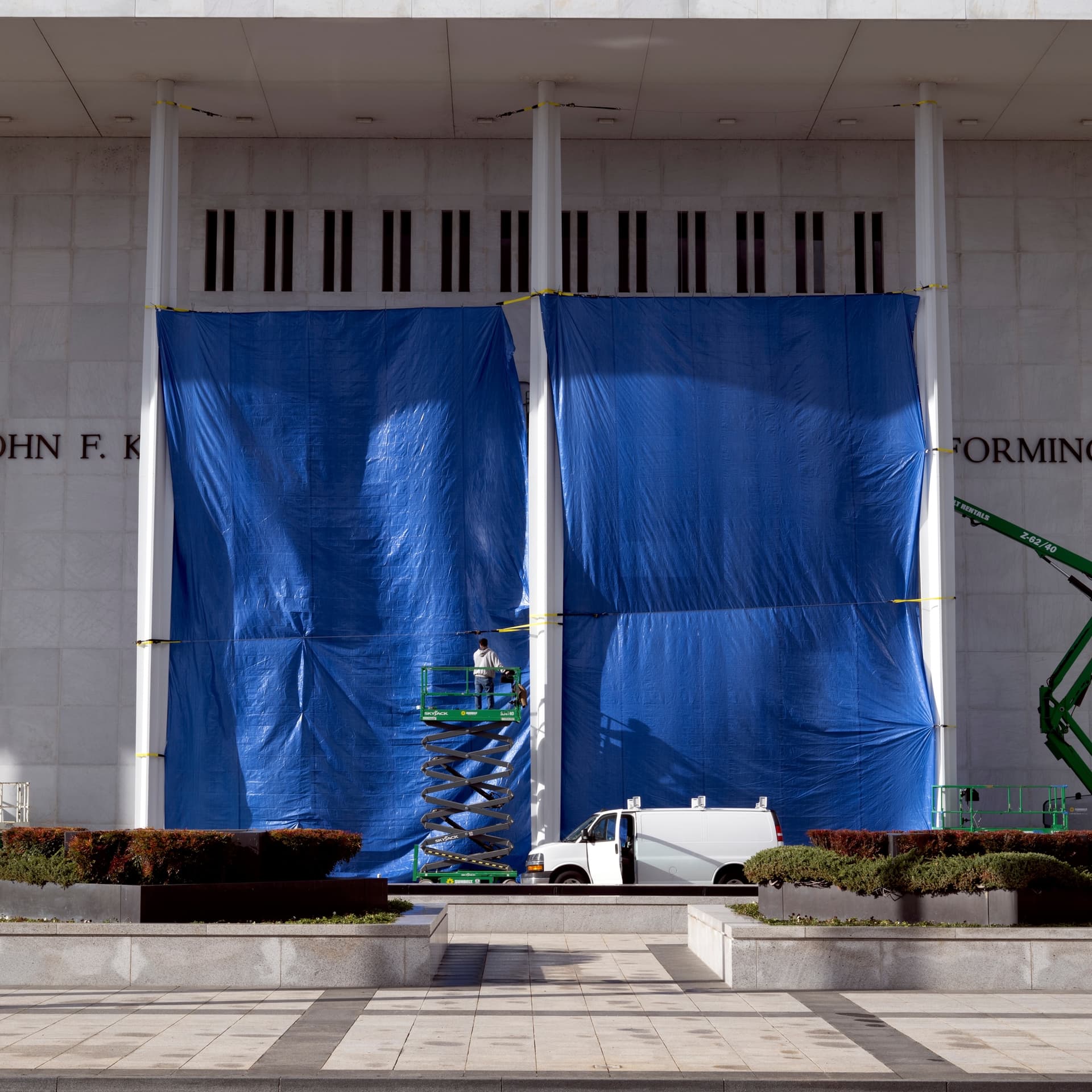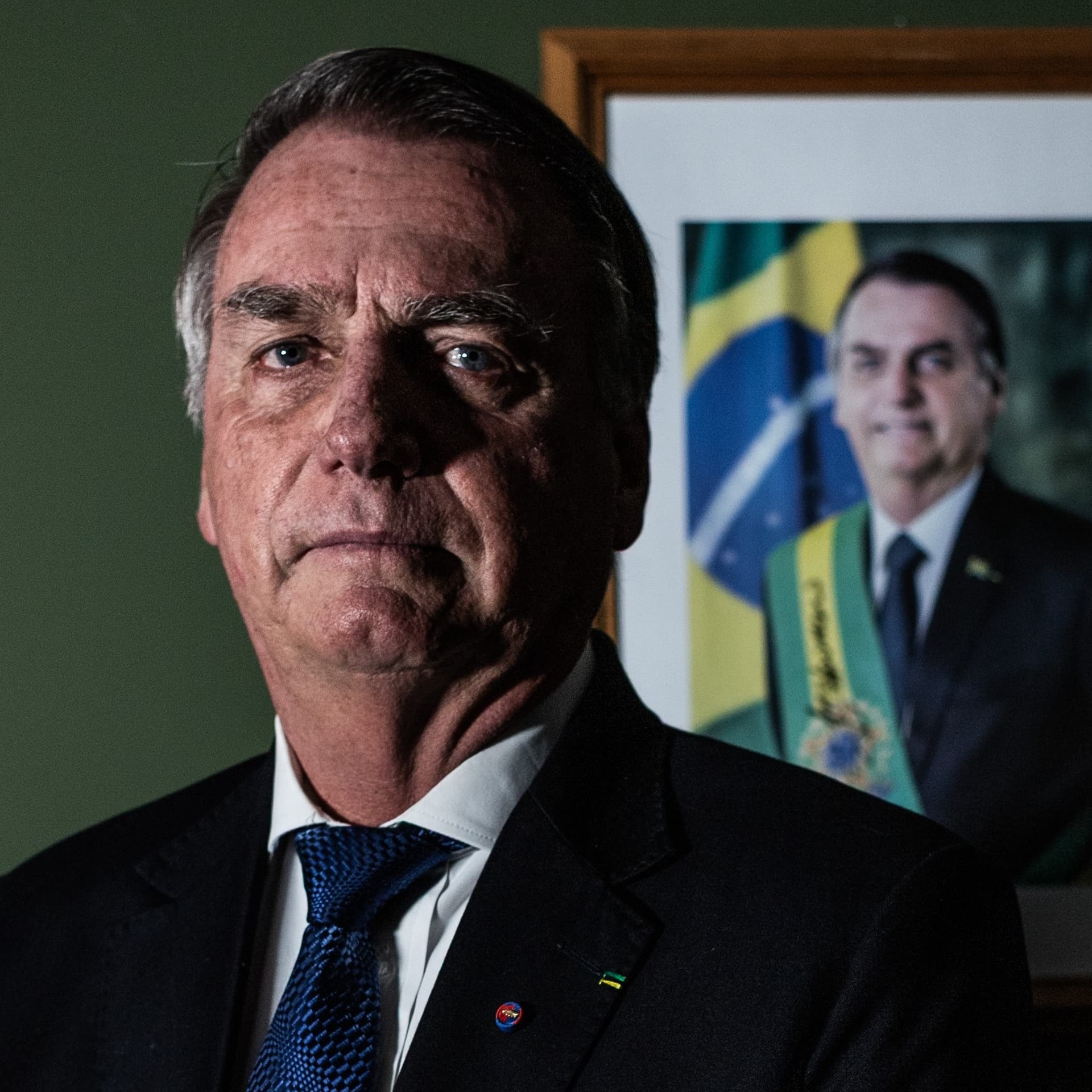

In short
The Washington Post’s Post Reports episode examines former Brazilian President Jair Bolsonaro’s legal fight to avoid prison after alleged coup plotting following his 2022 election loss, focusing on the Jan. 8, 2023 Brasilia insurrection and his attempts to recast it as a “protest.” It also compares Bolsonaro’s strategy to Donald Trump’s “lawfare” narrative.
Guests
Terry McCoy (The Post’s Rio de Janeiro bureau chief; has covered Bolsonaro for years) and Marina Diaz (The Post reporter based in Brasilia; Brazilian journalist who covered Bolsonaro previously and was physically attacked while reporting during Jan. 8, 2023).
Key claims
Authorities say Bolsonaro and allies undermined election trust, sought emergency powers, and planned violence including an assassination plot; Bolsonaro denies involvement and says he was in the U.S. during Jan. 8. He hopes Trump will intervene and argues both men are victims of political prosecution.
Notable examples
Bolsonaro showing a Trump-sent book with a handwritten note; Jan. 8 storming of Brazil’s Supreme Court, presidential palace, and Congress; Marina’s account of being beaten and having glasses broken while interviewing supporters.
Written by AI. May contain mistakes. Listen to the episode to check what was said.
Chapters
Tap a time to open that second in VOUnderstanding Bolsonaro's Political Identity
4:07 to 5:19
Explore Bolsonaro's controversial past and rise in Brazilian politics.
“Despite some of the similarities between Bolsonaro and Trump, the two men are in very different situations right now.”
Exclusive Interview with Bolsonaro
5:26 to 7:15
Terry and Marina share insights from their exclusive meeting with Bolsonaro.
“And I understand both of you met with him in person.”
Bolsonaro's Relationship with Trump
7:16 to 11:28
A look at the personal and political connection between Bolsonaro and Trump.
“You both make your way to this meeting in Prasília at the Liberal Party headquarters.”
The January 8th Insurrection in Brazil
11:29 to 13:52
Discussing the events of January 8th and their implications for Brazil.
“To the people of Brazil, you have a great opportunity to reelect a fantastic leader, a fantastic man, one of the great presidents of any country in the world, President Bolsonaro.”
Bolsonaro's Defense and Narrative
13:53 to 14:03
Analyzing Bolsonaro's defense regarding the January 8th events.
“his election loss in 2022 was false, that the election was rigged against him, that his voters were being cheated without ever providing any evidence.”
Bolsonaro's Defense and January 8th Events
14:03 to 20:51
Explore Bolsonaro's claims about his absence during the January 8th events and his narrative of innocence.
“He denies that he was the leader of that movement.”
Investigative Reporting on January 8th
20:51 to 21:35
Witness a reporter's firsthand experience during the January 8th events in Brasilia and subsequent violence.
“led investigators to uncover an alleged coup attempt.”
Brazil's Response to January 8th
21:54 to 26:06
Understand Brazil's legal framework for holding politicians accountable post-coup attempt.
“You know, listening to you both talk about January 8th, it makes me think about January 6th in this country and how this country has over the years responded to that event, the insurrection on the U.S.”
Bolsonaro's Charges and Trial
26:06 to 28:01
Delve into the allegations against Bolsonaro regarding coup attempts and his reaction to these charges.
“And then ultimately almost culminated in the assassination of Bolsonaro's top rivals.”
Bolsonaro's Legal Struggles and Trump's Influence
28:01 to 29:29
Explore Bolsonaro's perspective on his legal troubles compared to Trump's situation.
“But he really took a hard line against that investigation.”
Show all 14 chapters
The Differences Between Bolsonaro and Trump
29:30 to 31:26
Discuss the key distinctions in the legal cases of Bolsonaro and Trump.
“And there is a law in Brazil saying if you're a convict, if you're convicted of a crime like this, you can't hold public office.”
Resurrection Narrative in Bolsonaro's Politics
31:27 to 33:30
Analyze how Bolsonaro uses his near-death experience to shape his political identity.
“However, I wouldn't hate him to say something about me.”
Bolsonaro's Personal Connections and Gifts
33:31 to 36:48
Recount a personal exchange between the interviewer and Bolsonaro that symbolizes his political appeal.
“When I was interviewing his allies, his closest friends, etc., this came.”
Brazil's Political Landscape and Global Implications
36:49 to 39:49
Examine Brazil's political situation in the context of global authoritarianism and democracy.
“But the more I looked at it, the more I thought about what this all meant, And it struck me as just a reason and a symbol of, for a lot of people, what his political appeal has been.”
Transcript
Automatic transcript. May contain errors.0:01John Deere is putting in work and putting up highlights. Oh man, look at those passes. Tillage, planting, harvesting. Three years in and these pre-owned machines are still at the top of their game. We're talking reliability, performance and long-term potential. And get this, these veteran machines can pick up the latest precision tech with ease. You know it and fans ready to add John Deere certified pre-owned equipment and more options to their lineup can shop at machinefinder.com. Booyah!
0:32Just a few years ago, a national political leader lost a very close election. A violent insurrection followed on an early January day. There were questions about this leader's alleged involvement. A high-stakes legal drama followed. I am not talking about the United States, or January 6, 2021, or Donald Trump. I'm talking about Brazil, Latin America's largest democracy, what happened there in January 2023, and the actions of its former president. Jair Bolsonaro is, I think without doubt, the most divisive politician that Brazil has seen since it became a democracy again in 1985. Bolsonaro is the kind of politician who finds power being around people, being around supporters.
1:31This is Terry McCoy and Marina Diaz. They're reporters for The Post in Brazil, and they've covered Bolsonaro for years. Bolsonaro is a former military officer. He rose to popularity on a wave of populist rhetoric and machismo. He was elected Brazil's president in 2018. Jair Bolsonaro. But then he lost re-election in 2022 to Luis Ignacio Lula de Silva. Now Bolsonaro is bracing for one of the most pivotal moments in his life and for democracy in Latin America.
2:10Jair Bolsonaro:Former President Jair Bolsonaro will be standing trial for attempting a coup following the last election. He's under trial on the charges of staging a coup. The former president is accused of plotting a coup to stay in power after losing the 2022 election to Luiz Inácio Lula da Silva. Bolsonaro is facing allegations that he plotted to assassinate his rivals and stay in power. Bolsonaro has denied the accusations. He's expected to stand trial in Brazil's Supreme Court this fall. If convicted, Bolsonaro, who is now 70, could be locked up for decades. So now he is in this moment trying to figure out how to not go to jail.
2:56There's a moment when this figure who has historically been, or in recent years has been, Latin America's most powerful politician is now reckoning with his downfall. U.S. President Donald Trump, who's supported Bolsonaro in the past, weighed in on all this last week. He called Bolsonaro's trial a witch hunt when he announced a 50 % tariff on Brazil. But before that happened, Terry and Marina got a rare and exclusive window into the former Brazilian president's thinking and his desire for a Trump intervention.
3:37Bolsonaro met with them one morning this spring at the Liberal Party headquarters in Brasilia. They spoke over coffee.
3:45Jair Bolsonaro:How are you? Ready? From the newsroom of The Washington Post, this is Post Reports. I'm Elahe Izadi. It's Monday, July 14th. Today, Terry and Marina take us into the revealing morning they had with former Brazilian President Jair Bolsonaro. We learn why. Despite some of the similarities between Bolsonaro and Trump, the two men are in very different situations right now. And we explore what Bolsonaro's case can tell us about democracy in the U.S.
4:25Terry, Marina, thank you both so much for joining me today. Thanks for having us. Thank you. First, let me ask you both if you can just give me quick background on who Jair Bolsonaro is. So Jair Bolsonaro is a figure that rose from the fringes of Brazilian politics and was widely known for someone who made a lot of offensive comments and incendiary comments that were misogynistic, racist. But he wasn't really known for any sort of legislative successes, any sort of real power that he held. The other major thing he was known for was the fact that he has been a longtime admirer of the Brazilian dictatorship.
5:04and the Brazilian dictatorship ruled the country for 20 years from 1964 to 1985. And during that time, a lot of people were disappeared, a lot of people were tortured and Jair Bolsonaro was somebody who was an admirer of that. And he ultimately rose as sort of being this sort of outsider type political identity to power. And I understand both of you met with him in person. First of all, how big of a deal is it to have a sit-down meeting with Jair Bolsonaro right now in this moment? This is a figure that has been polarized and divided Brazil like no other in recent years. And in this moment right now, he's now potentially going to jail.
5:44So this is a crucial moment in Brazilian politics and also just in Latin American politics in this tug of war between the authoritarian right and democratic forces across the world. To sit down and have that moment with him, I felt, was a really important opportunity. And Marina, what about for you? You're a reporter with The Post, but you're also a Brazilian journalist. How did you feel going into this interview? I met Bolsonaro before a few times, so I've seen him a few times before that. But it was the first time that I got to sit with him for an exclusive interview with another journalist with me.
6:21And this other journalist was a man, Terry. Yeah. So why is that relevant here? Because there is a gender thing like Bolsonaro respects better when he's talking to a man. And I had a history with Bolsonaro. Yeah, like he called me a rule term as a woman once when I asked him a question he didn't like about Brazil's fundings. It was nothing super important. In public? In public, yeah, during like a press conference when he was in Texas in 2019. I was the U.S. correspondent for a Brazilian newspaper and I went to cover this trip. And so I asked him a question and he didn't like it and he yelled at me and etc.
7:08So we have this history. Oh, wow. But I was nervous about how he would react. So let's start there. You both make your way to this meeting in Prasília at the Liberal Party headquarters. Then you arrive. Put me there with you. Terry, how did that meeting start? What happened in the beginning? Well, I just remember going into this meeting and we were just sitting there waiting for him. We turned on our recorders. We just made it inside the headquarters, the Partido Liberal, the PL party in Brazil. And this is where Bolsonaro spends most of his days. And I was just glancing about the room. I was glancing about the Liberal Party headquarters.
7:48And I was just taken aback by the number of images and photos and paintings. And you walk into the headquarters. It's just a giant poster of Bolsonaro in front of thousands of people. Any way you could render Jair Bolsonaro's image was represented in this place. You see on the coffee mugs, there's pictures of him. I mean, his representation was just omnipresent. And then coming into the room was Jair Bolsonaro himself. And in that moment, just seeing him come in... Good morning. Good morning. Surprised by how big he was and physically imposing he was. I'm about six foot one, and he's about my height.
8:34And he was big, gregarious, and really took over that room. I mean, he was in a good mood. Like, I was not expecting that. Like, he knows that he might be convicted. Yeah. So I was expecting that he'd be a little more depressed. Exactly. The imprint of Trump feels pretty distinct here at the office, right here in the meeting room where we're going to meet with Bolsonaro. We walk into the suite where we're going to meet with Bolsonaro, and one of the first things we see when we arrive is on the table there, in the meeting room, there is a book, like a big, thick coffee table book, and it's about Donald Trump.
9:12And on the front page of that book is a handwritten note from Trump to Bolsonaro saying, Jair, you are great.
9:24And he wants to show us, like, how he gets this, how he has a signature from Trump.
9:35And he was like, I didn't pay for it. Everybody needed to buy this book, but he sent it to me. So it was like one of the first things that he wants us to see, like his relationship with Trump. And why do you think he was so insistent on showing you that during this meeting? So he admires Trump. Like he was expecting that Trump could say something about him, supporting him. You mean supporting Bolsonaro as he's fighting this case? Yes, because Brazilian authorities, they are investigating and they say they have proofs that he was in charge of a coup attempt in Brazil. So he is in this moment where he is trying to be in the stage while he fights against to go to jail.
10:30Yeah, I want to ask you more about what Bolsonaro said it would mean to get that support from Trump now. But what was Trump and Bolsonaro's relationship like when Bolsonaro was in power? Well, when he was the president, they were close. I mean, Bolsonaro doesn't speak English, okay? So he needs always a translation to talk to Trump. But of course, they like each other. And literally, Bolsonaro said once, I love you during a meeting to Donald Trump when he was in New York for the UN summit. During his time in the presidency and even the years after the presidency for Trump during his first term, he said a lot of very, very warm things about Bolsonaro, who always, Bolsonaro embraced Trump and Trumpism in a way that few other politicians had.
11:25And Trump became enamored of that and talked about Bolsonaro. You know, he rooted for Bolsonaro during the 2022 election here in Brazil.
11:31Jair Bolsonaro:To the people of Brazil, you have a great opportunity to reelect a fantastic leader, a fantastic man, one of the great presidents of any country in the world, President Bolsonaro. He's done an absolutely incredible job with your economy, with your country. Terry and Marina, I feel like at the center of what Bolsonaro is now facing is what happened on January 8th, 2023 in Brazil. And this is right after Bolsonaro lost his reelection. I know this is a big part of your conversation with him. In the U.S., we talk about January 6, 2021, the insurrection on the U.S. Capitol. But January 8, 2023 in Brazil was when many of Bolsonaro's supporters vandalized Brazil's Capitol and presidential palace in response to election results of Bolsonaro losing.
12:25Terry, tell me more about what happened on January 8th. So January 8th was what can only be considered an insurrection or popular uprising.
12:44Thousands of people descended upon Brasilia. They were joined by something of a radical faction that had been camping out in front of military barracks in Brasilia. calling for the military to subvert democracy and take over the country and install a military control once more. And those people joined this mass of thousands of protesters, and the movement became increasingly unruly as the morning drew on until early afternoon when it was a storming of all three branches of Brazilian democracy, the Supreme Court, the presidential palace, and the congressional buildings. They broke into these buildings and they vandalized them.
13:36And it was stunning to see just such a striking echo of what had happened in Washington on January 6th, but this was in Brazil. And I should also say that Bolsonaro himself set the stage for this violence. He was saying that his election loss in 2022 was false, that the election was rigged against him, that his voters were being cheated without ever providing any evidence. In this interview, how did Bolsonaro recount that day? He denied that he was part of it. He denies that he was the leader of that movement. So he, after losing the election, he flew to the United States. So he was here in the U.S.
14:21while January 8th was happening. And this is his defense now. I have nothing to do with this because I was in the U.S. I was not even in Brazil. Wasn't he like in a Publix, like a grocery store? Is that true? Yeah. Like he was in Florida. Yeah. So like he was like trying to show that he was a simple man trying to live a simple life in the U.S. while everything back there in Brazil was happening. So this is his defense. I am a victim of the system. People are, like, attacking me, but I have nothing to do with this. The major thing he's trying to get across to us in this interview is the fact that the people who were storming the Capitol that day on January 8th, which was a violent assault on the three pillars of Brazilian government, was he's trying to recast that day as something of a protest by very innocent people.
15:18He talked a lot about how it was just popcorn sellers or people who sell simple things in the streets trying to say these were just like regular everyday folk. These are not hardened criminals. And so this was his narrative that day was that this was not the act of a military coup. was not the act of armed men on the streets. It was the act of regular, everyday Brazilians who were led to believe by Bolsonaro's own rhetoric that the election had been stolen from them and stolen from Bolsonaro, a conclusion that he had asserted multiple times. Yeah, and in his telling, you know, it sounds like he's really downplaying the violence.
16:04And Marina, I'm wondering for you, what was going through your mind as he's telling you this? Because as I understand it, you were there on January 8th in Brasilia as this was unfolding. Yeah. So it was a Sunday. Yeah. January 8th that year was a Sunday. So I was not working that day. I was having lunch with my husband at a restaurant. And then I started to see people passing through the restaurant. A lot of people, and they were like wearing a Brazilian jersey, which is like a symbol of Bolsonaro's supporter. Yeah, Brazil's soccer team jersey. And I told my husband, like, look, something is happening here.
16:49So I texted Anthony Faiola, who was working with me. He would be there in Brasilia the next day on Monday. And I said, I think the Brazilian January 6th is happening today. And he was like, are you sure? And I was like, I'm 100 % sure. Wow. And Anthony Viola is a reporter for The Post. Exactly. And he was like, do you feel comfortable to go there? And I was like, yeah, of course. Like, this is happening here. I'm a reporter. I'm going down there. So I went there and I started to cover. Yeah. So I started to interview people. I started to record videos, photos, and I was listening to this woman talking about, oh, in the U.S.
17:35this happened. Do you remember that? So she was talking about January 6th. And this is someone you're just interviewing there. Exactly. So I heard her saying that. And, like, I approached her and I said, hey, I am a journalist from an American outlet. Can I interview you about your views? Yeah. And she was like, yeah, yeah, I can do that. So I started asking a few questions. And at some point, there was this guy behind her who started yelling at me.
18:13I asked her, like, do you think this was inspired by January 6th? And she would say yes.
18:24And then he started to say, no, there is no inspiration. Here there was fraud, election fraud. Don't answer her, he said. Don't answer her. And I said, I am asking a question. And he was like, no, you are not asking any questions. You are putting some words in her mouth. And he started to run after me. and so I run and at some point someone pulled me on the ground and a lot of people started to beat me to pull my hair they broke my glasses it was a nightmare and was I don't know dozens of people like a lot of people around me beat me beating me and I thought I will die. I'm not exaggerating. Like, it was very, very terrifying.
19:20And at some point, there was this guy that got me out of the... Like, pulled you up. Yes, exactly. And then a military guy, he got me and put me inside a building to protect me. But this group, they stayed out of the building like threw in things and like yelling at me even when I was inside the building they kept trying to cut after you yes it's a lot of anger yeah
19:55so yeah there was violence and there was a lot of violence yeah and then you know as you go to this interview with Bolsonaro and hearing him say that this day was, you know, wasn't so violent and, you know, these are just regular people and giving your own experience. I mean, how was it for you to hear him say that? Yeah, I mean, like as a journalist, like our job is not like debate everything with him, but we need to put in a context. Yeah. And this is what we we did. We write about what he's saying, but we put everything in a context, in a big picture. so we can show people what happened that day.
20:38I was a victim of that violence, but I didn't say anything to him because it was not my role there.
20:51After the break, how a fraudulent COVID vaccine card led investigators to uncover an alleged coup attempt. We'll be right back.
21:34We'll be right back. John Deere certified pre-owned equipment and more options to their lineup can shop at machinefinder.com. Booyah!
21:42Jair Bolsonaro:Did you know you can play the Washington Post's games for free? Find the crossword, keyword, ridges, and on the record in the Washington Post app or at washingtonpost.com slash games. No subscription required.
22:02You know, listening to you both talk about January 8th, it makes me think about January 6th in this country and how this country has over the years responded to that event, the insurrection on the U.S. Capitol in various iterations and forms. And I'm wondering, Terry, how would you describe how Brazil as a country responded to the events of January 8th and made sense of what happened? Yeah, very differently. And I think a lot of this comes back, Alahi, to the different relationships that both countries have had with authoritarianism and with dictatorships. Where in Brazil, this is a country that did live under the shadow of authoritarianism and dictatorship and all that that means for 20 years.
22:48And when it came out of that, when it came out of that shadow in the mid-1980s and finally in 1988 with the passage of a new constitution, it created a framework that analysts here call democracy preservation laws. And that is a legal framework that really enabled the offending politicians or corrupt officials to be held to account. And there are laws that prosecutors can follow and then actually hold these folks to account when something like that happens. So when there was an alleged coup attempt in Brazil in 2022 and 2023, prosecutors and investigators already had that legal framework on which they could lean upon and to be able to prosecute these cases.
23:39And so there's something in Brazil called the TSE, which is the Electoral System Court. This is something that the United States does not have. It's a court through which politicians can be pretty much disqualified from being able to run for court again or be able to run for politics again or a political office. And that is something that Brazil has to be able to hold politicians to account that the United States just doesn't have a system like that. So you saw this system really kicking into gear after January 8th.
24:16So there's this investigation. And what did this investigation turn up? The whole thing started off, actually, because when Jair Bolsonaro went to the United States after losing the election, he went in with a vaccine card, a COVID vaccine card that authorities said was fraudulent. And through the investigation of that fraudulent COVID vaccination card, investigators started looking into a lot more conversations of his top deputies, his top allies. And that ultimately led them to unravel what is alleged to be a operatic drama to subvert Brazilian democracy and to keep Jair Bolsonaro in power. And what that meant was it was something of a longtime concerted effort, they say, by Bolsonaro and his allies to, A, undermine confidence in the Brazilian vote, and then, B, when Lula won to actively try to create an emergency set of powers that would disqualify those election results.
Read the full transcript
25:27And then C, resort to actual violence to be able to carry out those ends. And there's evidence of written documents that he is alleged to have reviewed and edited. And these documents are pretty much to grant him emergency powers that would enable a military coup. And so the authorities claim that there was even an assassination plot to kill Lula, his vice presidential candidate, and one of the top ministers on the Supreme Court here. So this was something that they said started in 2022, or even as early as 2021, and built up through 2022 when the election loss occurred. And then ultimately almost culminated in the assassination of Bolsonaro's top rivals.
26:13And so what are the exact charges, Marina, that he's facing? He's already banned from running for office until 2030 because the electoral court ruled he attacked the Brazilian electoral system with no evidence. So now these criminal charges that Terry was talking about is like he was the leader of this criminal organization. These are the allegations. Yes. He was the leader of this group who tried to stay in power. And for that, he tried a coup, a military coup, and didn't happen, and also tried or planned to assassinate his rivals. And so if he's convicted, what could be the outcome? He already is banned from running for office until 2030.
27:00What is the worst case scenario for him? Jail for 30 years. Wow. So, Terry, Marina, you're sitting here, you're sipping coffee with Jair Bolsonaro, former president of Brazil. And he's talking about, you know, look at this book that Donald Trump gave me and he wrote this really nice note for me. And, oh, I didn't have anything to do with January 8th. But then the topic of this upcoming trial comes up because you're talking about what's next. Terry, what did he have to say about the trial? So he was talking about this case against him, and his reaction was, it's all baloney. He says that it's completely absurd to say that he had plotted to assassinate Lula because one of the allegations is that he was going to poison Lula.
27:51And he says, it's just on its face. It's absurd that someone would even make that allegation. He said, some crazy guys who worked for me put some crazy things down that piece of paper. I had nothing to do with it. And that's Bolsonaro's story. Whether that works in court, I don't know. But that's Bolsonaro's story. But he really took a hard line against that investigation. It was all just a little narrative is what he called it. He didn't get into the whole, did he lose or win the election? He didn't really debate that, but he really took a hard line on the prosecution's case against him. And so then I'm wondering, as you were talking to him this spring, how did Donald Trump come up in this context?
28:28How did Bolsonaro talk about Trump's situation versus his? For sure. And I asked him that. I said, you know, look, why is it that Bolsonaro is facing prison and Donald Trump is back in the White House? And what is it between these two countries that created this dichotomy, created this difference, this chasm between these two democracies? And Bolsonaro just went on about the similarities between them, about how they were both victims of these political prosecutions, what he called lawfare. What is happening in Brazil is similar to what happened with Trump. Lawfare. Political persecution, judicial persecution.
29:09And both victims of the same sort of overzealous prosecutions. and he thought that he had a narrow path to replicate what Trump had done before. It's a much more difficult path to traverse than Trump had because Bolsonaro was technically disqualified from being able to run for office again. And there is a law in Brazil saying if you're a convict, if you're convicted of a crime like this, you can't hold public office. So there are several mechanisms. Which contrasts with the United States, which there is no such law. Yes, yes. So there are a lot of things here that complicate his path in a way that didn't for Trump.
29:47Right. And it also makes me wonder, we're talking about all these parallels between Trump and Bolsonaro, but is it an even parallel? Yeah, I think there are parallels, but there are also key distinctions between the cases against both of these men and also who they are. For Bolsonaro, he has been accused of significantly more egregious things, signing off on an assassination of his opponents. and there is evidence and there are allegations against Bolsonaro that Trump never dealt with. And so that is also another explanation of why these cases have possibly gone different directions. But he thinks, Bolsonaro, that he still retains a large base of support, which is very true, and that he thinks that if he can galvanize that support in the streets, it will create enough political pressure that the authorities will have no choice but to say to deny this guy a chance to run is a denial of Brazilian democracy.
30:43That's what he's really looking to for Trump again to do is to set that, to set the path, to show a way through it all. And he's really looking to Trump, it seems right now as a model again, as another way back to power. There was this moment when Bolsonaro was talking about Trump that he says, he Trump, he knows what I am feeling here, but I'm not the one who will give him a suggestion. And he says, I know he's much more powerful than me.
31:22And I was talking about him every time. So if it was the other way around, but he knows what he needs to do. I'm not giving him an advice. However, I wouldn't hate him to say something about me. Yeah. So did Bolsonaro say at that time what was next for him? Did he have any other plan? Terry asks him, like, do you see a way out? And he said, tem, which is like, yes, I do. And then he says, I have God in my heart. I was saved. And then he mentioned Trump. Trump got shot in his ear. He could have died. And then he goes.
32:19I was stabbed and it affected my main heart pathway. There are times when it seems like the world is ending for me and then a solution appears.
32:33He remembers when he was stabbed in his belly in 2018 during the presidential campaign. And he didn't die. He almost died, but he didn't die. And then he won the election. He lost 40 % of his blood during that stabbing. It really, even today, he was recently hospitalized for weeks dealing with still the aftershocks of that assassination attempt. But nonetheless, it kindled something in his political appeal. And he really stoked that narrative of the resurrection. His middle name is Messias. Messias meaning Messiah? Yeah, meaning Messiah, exactly. His middle name is Messias, means Messiah. And he really stokes that sort of religious narrative, that religious sort of imagery of resurrection.
33:20So he's nearly killed and he comes back and wins the presidency. And I still see that today in him where he's still trying to create that same sort of mythology around his political identity. Bolsonaro thinks something extraordinary or a miracle can save him. When I was interviewing his allies, his closest friends, etc., this came. Can't come in. Yes. Like everybody was like, he is waiting for like God. He's waiting for divine, something that could save him. And I mean, he is not evangelical, but he's... What is he? Catholic. But his base is very, very evangelical. Oh, interesting. So he has this kind of idea of something can save him, might be God.
34:08God pointed to him and said, go ahead, you will save this nation.
34:16So how did your conversation with him end? Yeah, I mean, so the conversation was, as I'd say here, descontradivo. And meaning that it just became more relaxed. And we were just kind of hanging out. And we go back to his office. And then I was like, so tell me about all this stuff on your walls.
34:41And he's just showing me, he has all this like, like crusader memorabilia in his office. Like somehow he got a big sword in there. He had a big sword, like a big medieval sword. And he's like, all people just buy this stuff and send it to me.
35:01And then he started asking about me and I told him, you know, I've been in Brazil for six years. My son was born in Brazil.
35:15And he heard that, you know, I had a boy and Bolsonaro's, you know, a pretty machista type figure. And his reaction was like, oh, okay, this is great. Here's a gift. It's only for men, only for boys. And so a backstory before we get to what it was, a major thing, a major campaign slogan that he had here was something called Imbroxaviou. And Imbroxaviou is a pretty, it's kind of, it's pretty vulgar. Marina's already laughing. It's a pretty vulgar, it's a pretty vulgar I'm sorry. I'm so sorry. It's a pretty vulgar Brazilian word and it kind of means, you know, in the most politically correct way, it means sexual virility.
35:51He's someone who never, he's someone who never needs Viagra, pretty much. And that was his slogan. Okay, got it. That was his slogan. Going down to the last moment, he was leading chance before thousands of people. Everyone was screaming Imbroxaviou, Imbroxavi, Imbroxaviou.
36:08So that was his campaign slogan. And he's like, he found out that I have a son. My son's three years old, two and a half. And he gives my son a coin.
36:21And on the coin, it says, And he's like, this is only for men, though. And that's pretty much on the cap. So I'm guessing Marina didn't get one. He gave one for my husband, actually, because he said that. He said it for men. Yeah, this is only for men. Do you have a husband? Is he in Brochave? So you can get one too if he is in Brochave. Wow, wow, wow. Yeah.
36:50I mean, I was just surprised. But the more I looked at it, the more I thought about what this all meant, And it struck me as just a reason and a symbol of, for a lot of people, what his political appeal has been. I mean, he's not a guy, he doesn't come from elite background by any means. He isn't an intellectual. He is an instinctual, tactile politician. He says vulgar things because people say vulgar things. And this coin that he gave me just made me realize that this is just, that's just Bolsonaro. That's the reason why he's Bolsonaro is stuff like this. What did you guys do with the coins? I have to ask.
37:31We had to return them. We returned him. We returned them back to him. Can't accept gifts. That's right. That's right. That's right. Can't accept gifts. You know, listening to you both describe not just the situation in Brazil, but Bolsonaro, where he's standing right now, he's on the eve of this trial. It sounds like it's I mean, he can't run again. And unless something happens in his words, a miracle that he avoids jail. And then I think about this as almost a case study. When I think of globally, we see populism and authoritarianism is on the rise all around the world. And here you have a case of a major political figure actually facing potentially pretty serious consequences for their actions of trying to seize power or, you know, stay in power.
38:20So I'm wondering, as you look at that, is this like a one-off case, a unique situation? Or is this what's happening in Brazil potentially a sign of things to come? I mean, this is different in Brazil because of Brazilian laws. They are different. Like Terry explained, like we have this specific laws that are different from the U.S. laws. Yeah. So I think like it depends on the laws in each country. And it is a unique case in Brazil. But I hope like the other countries can like put responsibility on people who try something like that. Yeah, I've been struck by Brazil's reaction. And I think Brazil is a bellwether country in a lot of different ways because of its size, its history, its global importance.
39:16And I think Brazil is a country that people are looking to right now as this world is tugged between these two massive forces, as you explain, Elahi, between authoritarianism and the defense of democracy. And so the question is, is that going to ultimately lead the country to a safer democracy? And what is the result of this sort of defense of democracy ultimately going to be?
39:48Well, Marina and Terry, thank you both so much for talking with me and sharing your reporting. I really appreciate it. Thank you so much. Thanks for having us.
40:03Terry McCoy is The Post's Rio de Janeiro bureau chief. Marina Diaz is a reporter for The Post based in Brasilia. You can follow their coverage of possible tariffs levied by Trump on Brazil on WashingtonPost.com. That's it for Post Reports. Thanks for listening. Today's episode was produced by Alana Gordon with help from Sabi Robinson. It was edited by Peter Bresnan and Reena Flores. It was mixed by Sean Carter. Thanks to Jesse Messner-Hage. I'm Elahei Izadi. We'll be back tomorrow with more stories from The Washington Post.
41:09We'll be right back. Three years in, and these pre-owned machines are still at the top of their game. We're talking reliability, performance, and long-term potential. And get this, these veteran machines can pick up the latest precision tech with ease. You know it, and fans ready to add John Deere-certified pre-owned equipment and more options to their lineup can shop at machinefinder.com. Booyah!
41:32Jair Bolsonaro:When it comes to the big questions, who you ask matters. from breaking news to politics that impact your life to advice you can trust. Get answers you don't have to question with Ask the Post AI, trained exclusively on post journalism with clear sourcing. And if we don't know the answer, we'll tell you. Ask the Post AI. Find it on WashingtonPost.com or in the app.
From the publisher
Former Brazilian President Jair Bolsonaro is in a moment of reckoning.
In January 2023, after his election loss, thousands of his supporters attacked the presidential palace, the Supreme Court and the Congress as they protested an electoral defeat that Bolsonaro had baselessly attributed to electoral fraud. Now Bolsonaro is awaiting a criminal trial before the country’s Supreme Court for allegedly plotting to kill his rivals and stay in power. Bolsonaro is barred from running for office until 2030, and he could very well go to prison for decades.
Last week, U.S. President Donald Trump weighed in on Bolsonaro’s situation. He called the trial a “WITCH HUNT” on social media and in a letter to Brazilian leaders when announcing a 50 percent tariff on Brazilian goods.
Reporters Terrence McCoy and Marina Dias, who are based in Brazil, got a rare window into Bolsonaro’s thinking and his desire for a Trump intervention during a visit to his office this past spring. Today on the podcast, host Elahe Izadi sits down with McCoy and Dias, to learn what their visit revealed about Bolsonaro, about Latin America’s largest democracy and about the United States.
Today’s episode was produced by Elana Gordon with help from Sabby Robinson. It was edited by Peter Bresnan and Reena Flores. It was mixed by Sean Carter. Thanks to Jesse Mesner-Hage.