Ask ChatGPT


 Post Reports
27 Jun 2025 · 20m · 8 chapters
Closing-argument phase of Sean “Diddy” Combs’s federal racketeering conspiracy, sex trafficking, and prostitution-related transportation trial, including how the defense framed consent and how prosecutors summarized evidence; what happens next and possible verdict outcomes.
Anne Brannigan, style reporter for The Washington Post covering the trial from the courthouse; Shana Jacobs, federal courts reporter for The Washington Post.
Defense lawyer Mark Agnifolo argued Combs’s “bedroom is not a crime scene,” portraying alleged “freak-offs” with Cassie Ventura as consensual, intimate bonding moments. Defense presentation was brief (under an hour), focusing on purported inconsistencies in prosecution witnesses’ prior statements.
“Freak-off” described as bringing a girlfriend to a hotel for hours/days, with male escorts hired for sex in front of Combs, plus drugs/alcohol and alleged violence. Prosecutors’ closing highlighted multiple racketeering avenues and used one drug-distribution instance as sufficient to prove racketeering conspiracy.
Written by AI. May contain mistakes.
A discussion about Sean Combs' trial and its key arguments.
“After six weeks of intense testimony, the trial of Sean Diddy Combs is coming to an end.”
Analysis of the defense's approach and strategy during the trial.
“I'm Colby Echowitz, filling in for Alahi Azadi on our coverage of Sean Combs.”
Details on witness testimonies and the nature of the accusations.
“There's been extensive, extensive cross-examination of some of the key witnesses.”
Dissection of the closing arguments from both sides in the trial.
“Can you talk a little bit about the importance of closing arguments in general?”
Learn about Sean Combs' engagement and emotional shift during the trial's closing arguments.
“So throughout the trial, he was very engaged.”
Explore the process after closing arguments, including the prosecution's rebuttal and jury instructions.
“to have it all compressed like that, to hear it all in one take, all the things that have come out against you and have to kind of take that all in.”
Understand the possible verdicts and outcomes for Sean Combs in this high-profile case.
“It's everything from legal definitions to what the law, going count by count, what the law is and what they're allowed to consider.”
Wrap up the discussion with acknowledgments of the reporters involved in the coverage.
“Well, I know we are all waiting anxiously to see what the jury decides.”

Get the gist, explore an idea or ask about something said.
 Claude
On Post Reports, what are the key points of this episode?
Searching your listeningAutomatic transcript. May contain errors.
0:00Shayna Jacobs: Save big money on everything for your next project when you shop at Menards. We have a huge selection of bagged concrete and mortar mixes. From pouring a walkway to setting a post, we have the right product at the best price to complete your project. Shop our entire selection of concrete mixes and supplies in-store and on Menards.com. Plus, check out the weekly flyer for more great deals happening now.
0:26Anne Branigin: Save big money at Menards.
0:32Shayna Jacobs: After six weeks of intense testimony, the trial of Sean Diddy Combs is coming to an end. This week, both the prosecution and the defense rested their cases and delivered closing arguments. On Friday, Combs defense lawyer Mark Agnifolo laid out a bold argument about one of Combs' alleged victims, Cassie Ventura, Combs' ex-girlfriend. He described her relationship with Combs as this grand love story and that it was with these sexual relationships that they were their, quote, best selves, right? That these were really intimate moments that bonded them. He's talking about how beautiful Cassie is and that she has a sexual confidence and she should because she's beautiful.
1:23And it's those rifts.
1:26Shayna Jacobs: I'm just not sure how they're landing. Anne Brannigan is a style reporter for The Post who's been covering this trial. She's in New York at the federal courthouse where Combs is on trial for racketeering conspiracy, sex trafficking, and transportation to engage in prostitution. He has pleaded not guilty to the charges. But if convicted, he could be sent to prison for life. Anne stepped out of the courthouse on Friday during a lunch break to take us inside Combs' defense. So the central thesis in Mark Agnifilo's closing statements on Friday morning is that Sean Combs' bedroom is not a crime scene.
2:06Shayna Jacobs: So basically saying that all of these acts, all the freak-offs, were consensual events that all the parties mutually enjoyed. and in fact not only enjoyed, but it was the thing that bonded them together. It was part of what made their connections special. It's such a huge pivot, right? It's one thing to suggest that there was more consent and more enthusiasm than the prosecution has alleged, but it's quite another thing to paint it in these really rosy terms. I just don't know what a jury is supposed to take from what he's said so far.
2:56Shayna Jacobs: From the newsroom of The Washington Post, this is Post Reports. I'm Colby Echowitz, filling in for Alahi Azadi on our coverage of Sean Combs. It's Friday, June 27th. Today, we're going to leave Anne in the courthouse and turn to our federal courts reporter, Shana Jacobs. We're taking a look at what's happened in this last critical week of the trial, how the defense presented their case, and how the prosecution handled closing arguments. As the case wraps up and the jury deliberates, we discuss when we might get a verdict and how jurors could decide Combs' fate.
3:39Shayna Jacobs: So Shana, this week was a really big one for the trial. As we already heard, today Combs' lawyers are delivering their closing arguments. But I want to rewind for a bit because earlier this week, the defense had the chance to make their case to the jury. This was after federal prosecutors had spent weeks calling witnesses and laying out troves of evidence. But then Combs' defense team took, what, like less than an hour to make their presentation? How did the defense use that very short amount of time?
4:07Anne Branigin: Their presentation was really reserved to introduce a few exhibits to be referred to later, highlighting certain inconsistencies, possibly relatively minor inconsistencies, but inconsistencies nonetheless from the testimony of a few prosecution witnesses. So what they did in at least a couple of cases was highlight what they see as inconsistencies in witness accounts. So the witnesses, before they testify, meet with the government any number of times to prep and to provide details, provide their accounts. And in a few cases, what they were doing was referring back to making a record of the fact that in prior interviews with the government, this person said something slightly different or said something that they later omitted.
4:58Anne Branigin: So that's the kind of thing that maybe did not seem incredibly significant or impactful in the moment, but maybe part of their bigger case, maybe a small part of their bigger case.
5:10Shayna Jacobs: What is the strategy of keeping a defense presentation so short?
5:16Anne Branigin: The defense strategy could be that they want the jury to focus on their lengthy cross-examinations of many, many witnesses, including the two main accusers, Cassie Ventura and Jane. But what goes into a defense decision to present a case or not present a case or to call witnesses or to not call witnesses is very, you know, it's a very complicated analysis. It's a case-by-case basis. But ultimately, they must have come to the determination that any testimony they would have offered at this point would not benefit their case. They may think that they cast enough doubt in their cross-examinations to achieve what they wanted to achieve.
5:58Anne Branigin: Or they may think that they don't have a witness who has anything to offer beyond what they've already put into the record.
6:05Shayna Jacobs: Got it. So outside of the short case presented by the defense, how else have Combs-Lorres been trying to defend him throughout this entire trial?
6:16Anne Branigin: There's been extensive, extensive cross-examination of some of the key witnesses. And as you guys know from following the case, a lot of that had to do with trying to establish that over and over and over again, Some of the accusers appear to have discussions where they talk about enjoying freak-offs, looking forward to freak-offs, looking forward to seeing Sean Diddy Combs. I can't wait to see you again. I love you. All of this flirtatious and sometimes overtly sexual stuff between them. It's meant to paint a picture that they hope dramatically contradicts the argument that they were forced or coerced into participating in these hotel sessions.
7:02Shayna Jacobs: And Shana, if people are just tuning in right now, remind us what exactly a freak-off is.
7:08Anne Branigin: A freak-off is, as far as I can tell, he brings one of his girlfriends to a hotel for hours or even days. And as part of that, he also hires male escorts for that woman to have sex with in front of him. And so there's, you know, various iterations of this. And throughout these freak-offs, there's a lot of drugs, alcohol. There's sometimes, as prosecutors contend, there's sometimes violence. But two of the two main accusers who testified said that they were pressured into participating or that they feared some other type of repercussion from him.
7:49Shayna Jacobs: Right, if they refused him. Right, exactly. So there had been a lot of speculation ahead of the defense's arguments that they could potentially call additional witnesses. There was also questioning whether Combs himself would take the stand. Obviously, the defense didn't do either of those things. Why do you think that is?
8:07Anne Branigin: It's also not unusual for a defense team at a trial to say and to even, you know, to mean that they plan on calling a few witnesses. But it's an organic process as time goes on. They're reevaluating their circumstances. They're reevaluating how they think the jury is reading the evidence. And so over time, they may decide they just don't need to call someone or that what someone has to say is no longer helpful. So it really, really depends. I mean, I think it's extremely, extremely rare for any defendant to testify. That's because it opens the door to extensive, grueling cross-examination. It allows the, you know, it allows the prosecutors in general to bring in some very unflattering information that might otherwise not be exposed to the jury.
9:03Anne Branigin: And in this case, it's certainly the expectation that a lot of a lot of incriminating stuff might come in. So it is it's really just a matter of what the team decides is best for their case as time goes on. And it is also, like I said, not unusual at all for defense lawyers to plan on calling several people, to prep several people, to even have them ready. You know, they might be in New York waiting just in case they decide that they want to call them, but to ultimately decide not to bring in anyone.
9:44Shayna Jacobs: After the break, we talk closing arguments and when to expect a verdict. We'll be right back.
10:05Shayna Jacobs: Did you know you can play the Washington Post's games for free? Find the crossword, keyword, ridges, and on the record in the Washington Post app or at washingtonpost.com slash games. No subscription required.
10:27Shayna Jacobs: So closing arguments started Thursday. Can you talk a little bit about the importance of closing arguments in general? What does each side need to accomplish here?
10:38Anne Branigin: Closing arguments are very important for both sides. What the government did was distill nearly two months worth of evidence and testimony. All of that material into concise theory for each count. At the same time, it is a roadmap to conviction. They're laying out exactly how a juror can rationalize under the law, getting from point A to point B and point B is guilty. The defense is going to try very hard to attack the heart of the prosecution's case. And the heart of the case is what the accusers were allegedly forced or coursed into doing. But there's a lot of other aspects they have to address.
11:29Anne Branigin: There's a lot of nuance to the prosecution's case, especially for the conspiracy count. And there's a lot of potential racketeering acts, also known as crimes, potential crimes that the government alleges. So they've got to address those things.
11:47Shayna Jacobs: And so how did, you know, we heard the prosecution's closing arguments on Thursday. How did they approach this really important moment? And how long did they take to make that case?
12:01Anne Branigin: They took about five hours after originally planning to take about four hours, which probably is not to be expected because they want to be thorough and they were extremely thorough. I mean, they sort of left no stone unturned. I mean, really, it's a refresher course. You're explaining the charges. You're explaining what the evidence is and how it applies to the charges. There were so many exhibits in the case. There was so much testimony that they were essentially pulling snippets from actual snippets from the transcript in some case and actual text messages and piecing them together like a puzzle to create this picture of a proven beyond a reasonable doubt, racketeering conspiracy, sex trafficking, transportation, prostitution case.
12:49Anne Branigin: So it's really just tying everything together. And that's not, you know, that is an involved task. It is nearly two months worth of evidence. So tying it together, you can understand how that might take five hours.
13:04Shayna Jacobs: Yeah. Was there anything that you heard today that stands out in terms of like it was a particularly powerful moment or surprising moment?
13:13Anne Branigin: The prosecutor really pulled together how many different options there were to convict on racketeering conspiracy, how many different avenues the jury had to get there. So bringing it together in that sort of a clear, very, very concise way was a pretty powerful moment. the prosecutor pretty early on said, I just described for you one instance of drug distribution out of many, many others discussed in this case. And I've already proven racketeering conspiracy with that alone. And she talked for another several hours. So, you know, bringing home just how much the government believes they have to work with was a pretty significant moment.
14:02Shayna Jacobs: So, Shana, as the prosecution is going through its closing arguments and kind of detailing these weeks of evidence and charges against Combs, you're there. What is Combs doing? How does he look?
14:17Anne Branigin: So throughout the trial, he was very engaged. He was from it appeared to be taking a very active part in his defense and writing down notes and constantly conferring with his lawyers and passing them notes. watching witnesses intently. I mean, really just alert and engaged constantly. On Thursday during the government's summation, Sean Combs' demeanor noticeably shifted from what it had been earlier in the case. And he was kind of slouched back in his seat for a while. He was looking down. He was looking straight ahead. He was avoiding looking at the jury. and he appeared nervous. He was fidgeting a bit and he was kind of shaking his leg as he sat there and just kind of looked a lot more sheepish than he had in the past.
15:10Shayna Jacobs: Yeah, I imagine it's a lot to have it all compressed like that, to hear it all in one take, all the things that have come out against you and have to kind of take that all in.
15:20Anne Branigin: Yeah, and the government gets the full word. So really, they ran the show. He didn't have an opportunity to chime up and say that's not true or whatever he would say to counter their arguments. So, I mean, it's probably hard to sit there and listen to if you can't defend yourself in the moment.
15:43Shayna Jacobs: Right. And we heard from our colleague Anne Branigan at the top of the show about what the defense did during their closing arguments. It sounds like they took a very bold strategy there and that Combs, he was really sitting up more attentively at this point during the trial. But when the defense finishes, when their closing is done, tell us what happens next.
16:02Anne Branigin: After the defense finishes its summation, the prosecution gets more time to argue. They get what's called a rebuttal. So there will be a bit of that. After summations, the judge is going to read a probably pretty lengthy charging instruction to the jury. It's everything from legal definitions to what the law, going count by count, what the law is and what they're allowed to consider. What they're not allowed to consider, it is extremely thorough and detailed and long. It might take some time, an hour or two potentially. And then they go into the room and deliberate. And that's, you know, it's up to them what happens next.
16:51Shayna Jacobs: Do we have any idea or any sense of when we could expect a verdict?
16:54Anne Branigin: That is impossible to predict at this point. And, you know, people like to start reading tea leaves once the jury sends notes in about what it means and how far along they are. You know, they may send a note asking for clarification on one point in the law. So, you know, watchers like to say, oh, maybe they're on this certain count. Maybe they've moved past the big one. Maybe they've already decided it. But, you know, juries are human and they, you know, are coming at the experience often for the first time ever in their lives. And, you know, it is it's really not predictable as much as especially in a big case, people like to like to think about what they're doing and what they're thinking.
17:38Shayna Jacobs: So obviously we can't know what the outcome will be, but can you walk us through like what are the possible outcomes of this case? Sure.
17:53Anne Branigin: So the jury could find Sean Combs guilty on all counts, in which case down the line, a sentencing would be scheduled and the judge would have to issue a sentence. If he's found guilty on all counts, he's facing at least a minimum of 15 years behind bars because of a mandatory minimum on a couple of the counts he's charged with. He could also be acquitted on all or some of those counts. And if he's acquitted on some of those counts, there will still be a sentencing on whatever he's convicted of. There could be, there's always the possibility of a hung jury in a mistrial. or the possibility of something going wrong and interrupting the process in a way that pollutes the process so much that the jury can't continue.
18:45Anne Branigin: And mistrials are declared for all sorts of reasons. They're more rare, certainly, than a verdict. So really, the main outcomes are conviction on some or all counts or acquittal.
19:00Shayna Jacobs: Well, I know we are all waiting anxiously to see what the jury decides. Shana, thanks so much. I know it's been a long day at the courthouse, so thanks so much for coming on. Thank you.
19:18Shayna Jacobs: Shana Jacobs reports on courts and criminal justice for The Post. You also heard from Anne Brannigan at the top of the show. Anne is a style reporter for The Post. That's it for Post Reports. Thanks for listening. Today's show was produced by Peter Bresnan. It was edited by Rena Flores. It was mixed by Sean Carter. Thanks to Carla Spartos. Have a great weekend. And remember, if you love the show, help other people discover it by leaving a rating on Spotify or a rating and review on Apple Podcasts. Our team includes Maggie Penman, Ted Muldoon, Lucy Perkins,
20:15Shayna Jacobs: I'm Kolbie Echowitz. We'll be back tomorrow with more stories from The Washington Post.
20:54Shayna Jacobs: We'll be right back. add John Deere certified pre-owned equipment and more options to their lineup can shop at machinefinder.com. Booyah! Did you know you can play the Washington Post's games for free? Find the crossword, keyword, ridges, and on the record in the Washington Post app or at washingtonpost.com slash games. No subscription required.
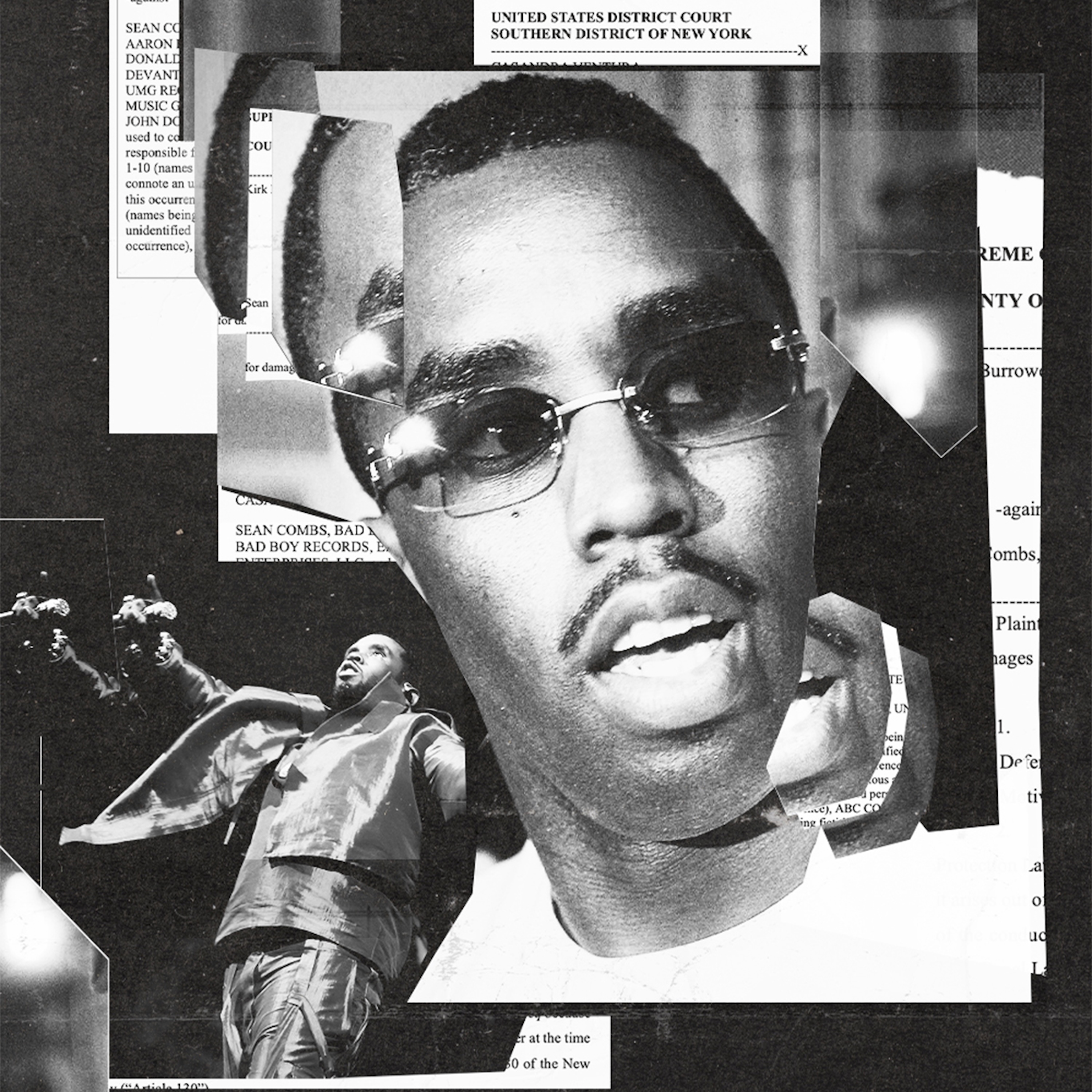
After six weeks of intense testimony and cross-examination, the trial of Sean “Diddy” Combs is coming to a close. This week, both the prosecution and defense rested their cases and delivered closing arguments. Soon the case will be in the jury’s hands.
Today, style reporter Anne Branigin gives us an update on the defense’s closing arguments, which will wrap up Friday. Then, court reporter Shayna Jacobs breaks down the potential strategy behind Combs’s minimal defense presentation earlier in the week, how prosecutors approached closing arguments and the possible outcomes once the case is handed over to the jury.
Today’s show was produced by Peter Bresnan. It was edited by Reena Flores and mixed by Sean Carter. Thanks to Carla Spartos.
Follow our coverage of the trial of Sean “Diddy” Combs on Spotify here.
Subscribe to The Washington Post here.