In short
Podcast Episode Summary
Podcast Title
Post Reports
Episode Title
The health care debate behind the government shutdown
Date Published: October 1, 2023 Hosts: Martine Powers and Elahe Izadi Guest: Paige Winfield Cunningham, National Health Reporter
---
Episode Overview
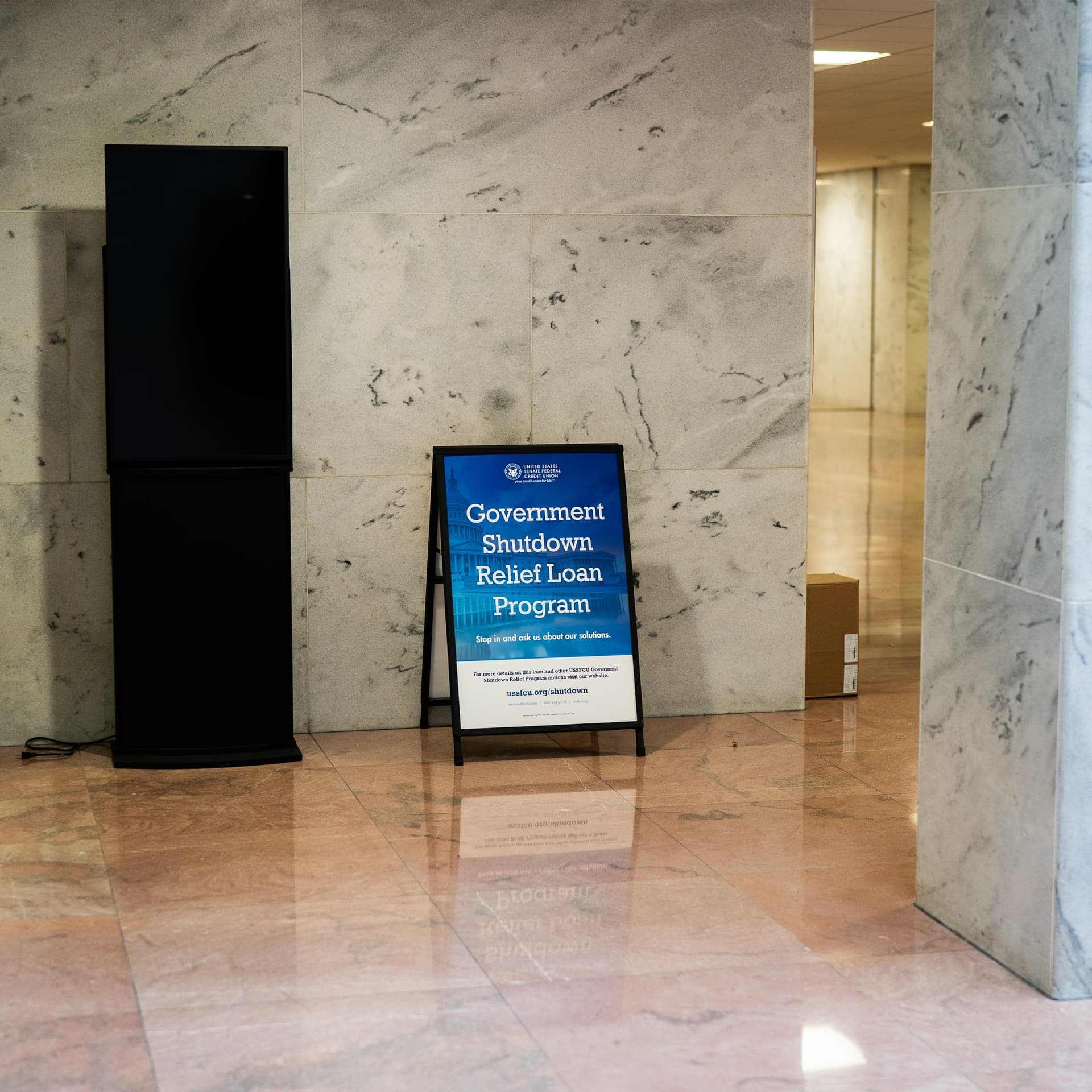
The episode discusses the recent government shutdown that began at 12:01 a.m. due to a lack of agreement between Democrats and Republicans over federal funding. The immediate impact of the shutdown includes closures of national parks, suspended federal job training programs, and furloughs of federal workers, while some essential services like mail delivery and Social Security checks will continue.
The central focus of the episode is the underlying health care policy debate that prompted the shutdown, particularly regarding health care subsidies and Medicaid funding.
---
Key Discussions
- Government Shutdown Impacts
- Immediate Effects:
- Closure of national parks.
- Suspension of federal job training programs.
- Furloughs for large segments of the federal workforce.
- Continued delivery of mail and issuance of Social Security checks.
- Health Care Policy Debate
- Affordable Care Act (ACA):
- Democrats are advocating for the extension of pandemic-era health care subsidies.
- The refusal to vote on a government funding bill stems from this demand.
- Medicaid Discussion:
- Medicaid is a program for individuals up to 133% of the federal poverty level.
- Democrats aim to restore approximately $1 trillion in Medicaid funding that was cut by Republicans earlier in the year.
- New eligibility checks and work requirements implemented by Republicans could lead to millions losing access to Medicaid over the next decade.
- Health Care Subsidies
- Subsidy Structure:
- Subsidies help lower-income individuals afford health insurance through the ACA marketplaces.
- Expanded subsidies during the pandemic resulted in a significant increase in enrollment.
- The expiration of these subsidies at the end of the year could lead to millions losing their health coverage.
- Political Backdrop
- Republican Stance:
- Republicans argue against reinstating Medicaid funding cuts, citing integrity of the program and previous legislative accomplishments.
- Historically opposed to expanding the ACA, Republicans have indicated some willingness to negotiate if pressured by rising premiums and upcoming midterm elections.
- Future of Health Insurance
- Potential Outcomes:
- If subsidies expire, health insurance affordability could worsen, potentially increasing the number of uninsured Americans.
- Previous predictions of reduced costs have not materialized; health insurance costs are expected to continue rising due to various factors, including chronic diseases and high pharmaceutical prices.
- Conclusion
- The episode emphasizes the complexity and partisan nature of health care reform in the U.S.
- There is skepticism about the possibility of substantial reforms going forward, given the entrenched positions of both parties.
---
Key Takeaways
- The government shutdown reflects deep divisions over health care policy, particularly surrounding the ACA and Medicaid.
- Immediate effects of the shutdown underscore the urgency of resolving funding disagreements.
- The future of health insurance affordability remains uncertain, with potential negative impacts on coverage for millions.
- Ongoing political maneuvering suggests that negotiations may occur, especially as midterm elections approach.
---
Production Credits
- Producers: Rennie Svirnovskiy, Lucas Trevor
- Editor: Ariel Plotnick
- Mixer: Sean Carter
- Contributors: Fenit Nirappil
---
This episode of Post Reports provides a comprehensive look at the intersection of health care policy and government funding, illustrating the complexities and stakes involved in the ongoing debate.
Written by AI. May contain mistakes. Listen to the episode to check what was said.
Transcript
Automatic transcript. May contain errors.0:01Paige Winfield Cunningham:At 12.01 a.m. this morning, the federal government shut down. This happened after Democrats in Congress failed to reach a deal with Republicans to extend funding for federal agencies. The shutdown has had immediate impacts. Some national parks are closed. Agencies that handle things like small business loans, veteran job training, and federal research are also closed. But some fundamental services will continue. Your mail will still get delivered. Social security checks will still be issued. Our colleagues at The Washington Post are tracking all of the shutdown effects, including whether federal workers could lose their jobs.
0:48Paige Winfield Cunningham:Just last week, President Donald Trump warned that he might fire employees during a shutdown. But today, we want to focus our attention on the policy debate at the heart of the shutdown. And it's about health care. From the newsroom of The Washington Post, this is Post Reports. I'm Elahey Izadi. It's Wednesday, October 1st. Today, National Health Reporter Paige Winfield-Cunningham joins me to talk through the ins and outs of this debate about health care subsidies and Medicaid funding. She'll talk about why the government shut down over that funding and what this fight could mean for your wallet.
1:35Paige Winfield Cunningham:Hi, Paige. Thanks so much for joining me today. Hi, Elihe. Great to be on. So, Paige, as we said, the government shut down just after midnight. What is this fight about?
1:48Elahe Izadi:It's about the Affordable Care Act. We've seen many, many. Yes, we've seen many fights over the Affordable Care Act ever since it was passed in 2010. And in this case, Democrats are wanting to build on the ACA by extending these extra subsidies that were originally provided on a temporary basis during the pandemic. They want to make those permanent. And so they're refusing to vote on a government funding bill unless Republicans extend those subsidies. And the proposal Democrats rejected yesterday would have funded the government through November 21st.
2:22Paige Winfield Cunningham:Isn't there also an ask around Medicaid as well? Tell me, Paige, what is Medicaid and what did Democrats want there? Yeah.
2:33Elahe Izadi:So Medicaid is a program that's run by states and the federal government where people who are up to 133 % of the federal poverty level are able to enroll in most states. Democrats want to restore Medicaid funding that was cut from the program in the one big, beautiful bill that Republicans passed over the summer. And those cuts are about$1 trillion over the next 10 years. But I think there's a little bit of a misunderstanding around what they do. Basically, the changes to Medicaid don't change the benefits themselves. Rather, the Congressional Budget Office has estimated that 7.5 million fewer people will be enrolled in Medicaid 10 years from now, mostly because of stricter rules that Republicans put in place around enrollment, making it difficult for people to potentially qualify or stay on coverage.
3:31Elahe Izadi:And what are the Medicaid requirements they put in? Republicans put in a lot of extra technical requirements that require states to do more frequent eligibility checks. So they'll need to check twice a year instead of just once. And under these rules, people could more easily be shut out of coverage until their eligibility can be fully verified. And there was also a work requirement put in place for kind of people at the upper end of income there, where basically they have to work or volunteer for 80 hours a month. And if they don't show the state Medicaid program they've been doing that, they can be dropped from coverage.
4:05Paige Winfield Cunningham:And what is the Republican argument against restoring that$1 trillion that they cut over the summer? Is it just, hey, we already made these cuts. We already had this argument. We're not rehashing this.
4:20Elahe Izadi:For Republicans, this was their big legislative accomplishment this year. It's what President Trump wanted. And Republicans really coalesced around this argument that they were restoring integrity to the Medicaid program. They claimed that there are a lot of people enrolled that shouldn't be. And by putting in these extra eligibility checks and work requirements, that they are shoring up the program for the people it was originally intended for.
4:47Paige Winfield Cunningham:Okay, so that is the fight over Medicaid funding. But now I really want to talk about health care subsidies, which seems to be the main thing that has triggered this shutdown crisis. And I think in order to talk about this, we need to unpack a few things, including what is a health care subsidy under Obamacare, also known as the Affordable Care Act?
5:11Elahe Izadi:So when people go to healthcare.gov to buy a private health insurance plan, they can get a payment from the federal government to put toward that monthly premium. and the payment depends on their income. So people with lower incomes get more subsidies, people with higher incomes, less subsidies, and people with much higher incomes don't get any subsidies at all. And so what are the subsidies at play in this current debate? So if you rewind a couple of years ago to the pandemic, Congress was passing these big spending bills to provide more support to people. And in one of those bills, they decided to expand the subsidies to make it even more affordable for people to buy health coverage.
5:53Elahe Izadi:So these subsidies were much more generous than they used to be, and that had the effect of attracting a lot more people to the marketplaces. So we saw enrollment skyrocket from around 11 million during the pandemic to now around 24 million people are enrolled in the marketplaces, and the vast majority of those people do get some sort of federal subsidy to put toward their premium.
6:16Paige Winfield Cunningham:Well, it sounds like before these extra subsidies, there was an issue with the health care law that the intention was getting many more people on insurance, but a lot of people were still priced out. And so was the idea like, hey, let's provide this more money so that more people can afford these plans and we just have many more people insured?
6:36Elahe Izadi:Yeah, definitely. There had really been a systemic problem with the marketplaces for a long time, particularly for people that are earning in those higher income brackets. So say 400 % of the federal poverty level, that's$124 ,000 per year for a family of four. And a family like that under the old subsidy structure couldn't get any subsidy toward their premium. So they could be paying 9%, 10 % or more of their annual income toward insurance premiums. We're talking, you know, around$20 ,000,$22 ,000 a year, depending on where you live and depending on the plan that you buy. And so those are really steep costs for a family that, yes, they're not poor, but they're not, you know, wealthy by any measure.
7:31Elahe Izadi:And that's going to be a huge damper on their monthly budget. And now under these expanded premiums, those people can be eligible and are eligible for subsidies. And what those expanded subsidies did is it said people in those upper income levels cannot pay more than 8.5 % of their income for premiums. So the expanded subsidies have had a huge impact on those types of people. And then they've also had an impact on people at lower income levels, about half of the marketplace enrollees can get a plan without paying any monthly premium. And for people kind of in that mid-level, they've seen relief of hundreds of dollars a month that they didn't have before.
8:17Paige Winfield Cunningham:So then why are Democrats mounting a fight over these subsidies now?
8:21Elahe Izadi:I think the way Democrats are looking at this is, you know, So they've long wanted to build on the Affordable Care Act. And Democrats saw an opportunity here because government funding, of course, ran out yesterday. And these subsidies do expire at the end of the year.
8:38Paige Winfield Cunningham:So then how many people could lose insurance or no longer purchase insurance if they don't have those subsidies?
8:45Elahe Izadi:Well, the Congressional Budget Office has estimated that 10 years from now, 4 million fewer people will be in the marketplaces. The people that are going to be dropping off are going to be people most likely in these upper income brackets who decide that they're going to buy health insurance elsewhere or they might decide not to get health insurance at all because they don't want to pay tens of thousand dollars in premiums every year. So what we're going to see going forward is a continued significant number of Americans that don't have health insurance, where we had seen historically low levels of uninsurance in recent years.
9:27Elahe Izadi:That is probably going to tick back up. And then the other part of it is that healthcare.gov and the state-run ACA marketplaces, they're going to open for enrollment on November 1st. in a couple of weeks, customers are going to be able to go online and look at the prices of plans. And those prices are high right now. Premiums are going up. Insurers have assumed those extra subsidies aren't going to continue. And so when people go and look at those costs, they're going to be a lot higher than they were in the last couple of years. Democrats are really trying to publicize that. They're trying to hold Republicans to the fire on that and say, hey, if they don't come to the table and negotiate with us, these are the costs that consumers are going to see next year.
10:15Elahe Izadi:For Republicans who have long been opposed to the Affordable Care Act, building on that law is the last thing they want to do. Remember, they spent years after the law was passed trying to repeal it. In fact, there was a whole shutdown fight in 2013 when Senator Ted Cruz, a Republican from Texas, filibustered over trying to defund the law, which was unsuccessful. And so, you know, expanding Obamacare has long been a no-go for Republicans. So it's not surprising that they're resisting this move by Democrats.
10:53Paige Winfield Cunningham:So given that history, is there any world in which Republicans would move at all on this issue in the future?
11:01Elahe Izadi:So it's a real division among Republicans. You know, you've got the hardliners who are never going to vote for any expansion of the ACA. But the thing that Republicans have to consider is, you know, health care has traditionally been a really weak spot for them. They've been, you know, unable to repeal the Affordable Care Act and have had sort of, you know, a shortage of like health policy ideas for quite some time. Republican leaders in both the House and the Senate have indicated they might be willing to talk about this with Democrats at the end of the year. I could definitely see a scenario where maybe they agree to some kind of partial extension of the subsidy, some kind of compromise here, especially if Republican leaders are feeling more pressure as they look ahead to the midterms next year and worry about consequences if premiums are going up as they're expected to and subsidies are gone.
11:55Elahe Izadi:So there could be a conversation there, but I think first we're going to have to see how this fight right now plays out.
12:05Paige Winfield Cunningham:After the break, what this could all mean for the future of health insurance affordability. We'll be right back.
12:26Paige Winfield Cunningham:So, Paige, you mentioned already a bit about the Republican resistance to extending these subsidies. And one thing I wanted to ask is, is part of the argument here, oh, hey, this will just cost a lot of money? Yeah.
12:42Elahe Izadi:So Republicans are correct when they say this does cost a lot of money relative to what we were already spending on the subsidies. Basically, before the expanded subsidies, the government was spending about$60 billion a year on these. That's up to about$90 billion a year. So we're talking about a 50 % increase. But I would note that, you know, when you're looking at total health care spending by the federal government, the subsidies are a really small piece of the pie. You know, the federal government spends hundreds of billions of dollars every year on Medicare and Medicaid.
13:15Paige Winfield Cunningham:And where does Trump sit in all this? Because we were talking a lot about congressional Republicans. What is the president saying about this?
13:21Elahe Izadi:Well, Trump has accused Democrats of wanting to give health care to undocumented immigrants. In a True Social post last week, he wrote, quote, the Democrats want illegal aliens, many of them violent criminals, to receive free health care. But Democrats, while they're drawing a line in the sand on health care, it's not over coverage for undocumented immigrants. Undocumented immigrants are specifically banned from the marketplaces. places. And federal Medicaid dollars also cannot go toward undocumented immigrants. There are some liberal states, including California and New York, who do use their own dollars to cover undocumented immigrants in Medicaid.
14:03Elahe Izadi:But there weren't changes to that in the One Big Beautiful Bill. So even if Republicans were to reverse those Medicaid cuts in the One Big Beautiful Bill, that would largely not have an impact on undocumented immigrants.
14:20Paige Winfield Cunningham:Okay, Paige, so the politics aside, just going back to the healthcare subsidies, if they do expire, I wonder what does that mean for the state of health insurance going forward?
14:32Elahe Izadi:You know, one of the problems here is that when you have a scenario where health insurance is just too expensive, who drops off? It's not the sicker people that need health insurance, right? It's the healthier people. It's the younger people. And that's part of the reason that health insurers are proposing double-digit premium increases because what they're doing is they're sort of trying to calculate, like, who is going to drop off health insurance? It's probably going to be those healthier people. And the people left behind are going to be the more expensive enrollees. And so this goes to another, you know, issue with the marketplaces, which is that you need plenty of those healthy people to keep costs down.
15:14Elahe Izadi:And when they drop off and decide to be uninsured, that's just a double whammy and the costs keep going up.
15:20Paige Winfield Cunningham:Where do we go from here? If Democrats get their way here, or even if later in December, all of them decide, sure, we'll extend these subsidies. Is this just a temporary fix to a bigger problem?
15:32Elahe Izadi:Well, it's funny when I talk to people in the health policy space, There's one thing virtually everyone agrees on, and that is one would never construct a health insurance system like the one we have in the United States if you were starting from scratch. So, you know, there are these just chronic problems, you know, that we do have. Of course, there's continued to be some population of people that remains uninsured. We haven't figured out how to literally get health insurance to everyone. But covering this issue over the last decade, it's really hard to see going forward how we get any more substantial changes to the health insurance landscape because of how partisan the issue has been over the last 15 years.
16:20Elahe Izadi:It's been a lot of fights, of course, about the Affordable Care Act. And so there are other kind of side issues that we're definitely seeing the administration try to address, like drug prices, things like that. But in terms of big insurance reforms, I think it's going to be a lot of trying to kind of change things on the margins. But we're pretty set. As things are right now, I don't think we're going to be seeing any big changes.
16:48Paige Winfield Cunningham:And where does health insurance affordability go from here?
16:52Elahe Izadi:Well, you know, back when they passed the ACA, President Obama said it was going to bend the cost curve. And it turns out that didn't happen. We still see health insurance costs going up. And there are a lot of reasons for that. I mean, one is really expensive, pharmaceuticals. Another is just ongoing chronic disease among our population. A lot of people with diabetes and obesity, we also haven't figured how to turn that around. And so I don't see any reasons why we're going to see, you know, diminished health insurance costs. If anything, they're probably going to continue to go up.
17:34Paige Winfield Cunningham:Well, Paige, thanks so much for explaining all of this. I really appreciate it. Thanks for having me on.
17:46Paige Winfield Cunningham:Paige Winfield Cunningham is a national health reporter for The Post. If you love our show, help other people discover it by leaving a rating on Spotify or a rating and review on Apple Podcasts. Today's show was produced by Renny Svernofsky with help from Lucas Trevor. It was mixed by Sean Carter and edited by Ariel Plotnick. Thanks to Fennet Nierupil. I'm Elahe Izadi. We'll be back tomorrow with more stories from The Washington Post.
From the publisher
The effects of the government shutdown – which started early Wednesday morning – are already being felt. Some national parks are closed, federal job training is suspended, and large swaths of the federal workforce have been furloughed. One major debate led to the shutdown: a fundamental disagreement over health care policy.
Today on Post Reports, national health reporter Paige Winfield Cunningham joins host Elahe Izadi to break down the ins and outs of the health care policy fight that Democrats used to force a government shutdown.
Today’s show was produced by Rennie Svirnovskiy. with help from Lucas Trevor. It was edited by Ariel Plotnick and mixed by Sean Carter. Thanks also to Fenit Nirappil.
Subscribe to The Washington Post here.