
In short
Post Reports: Will Peace in Gaza Hold?
Episode Summary In this episode of *Post Reports*, hosts Martine Powers and Elahe Izadi explore the recent developments surrounding the peace negotiations between Israel and Hamas, particularly focusing on the release of hostages and Palestinian prisoners as part of a ceasefire agreement brokered by former President Donald Trump. The episode features insights from Middle East reporter Abbie Cheeseman.
Key Highlights
Hostage and Prisoner Release
- Release of Hostages: All 20 living Israeli hostages held by Hamas were released, marking a significant moment of joy for families and the Israeli public.
- Palestinian Prisoners: Israel reciprocated by releasing nearly 2,000 Palestinian prisoners and detainees, resulting in emotional reunions in Gaza.
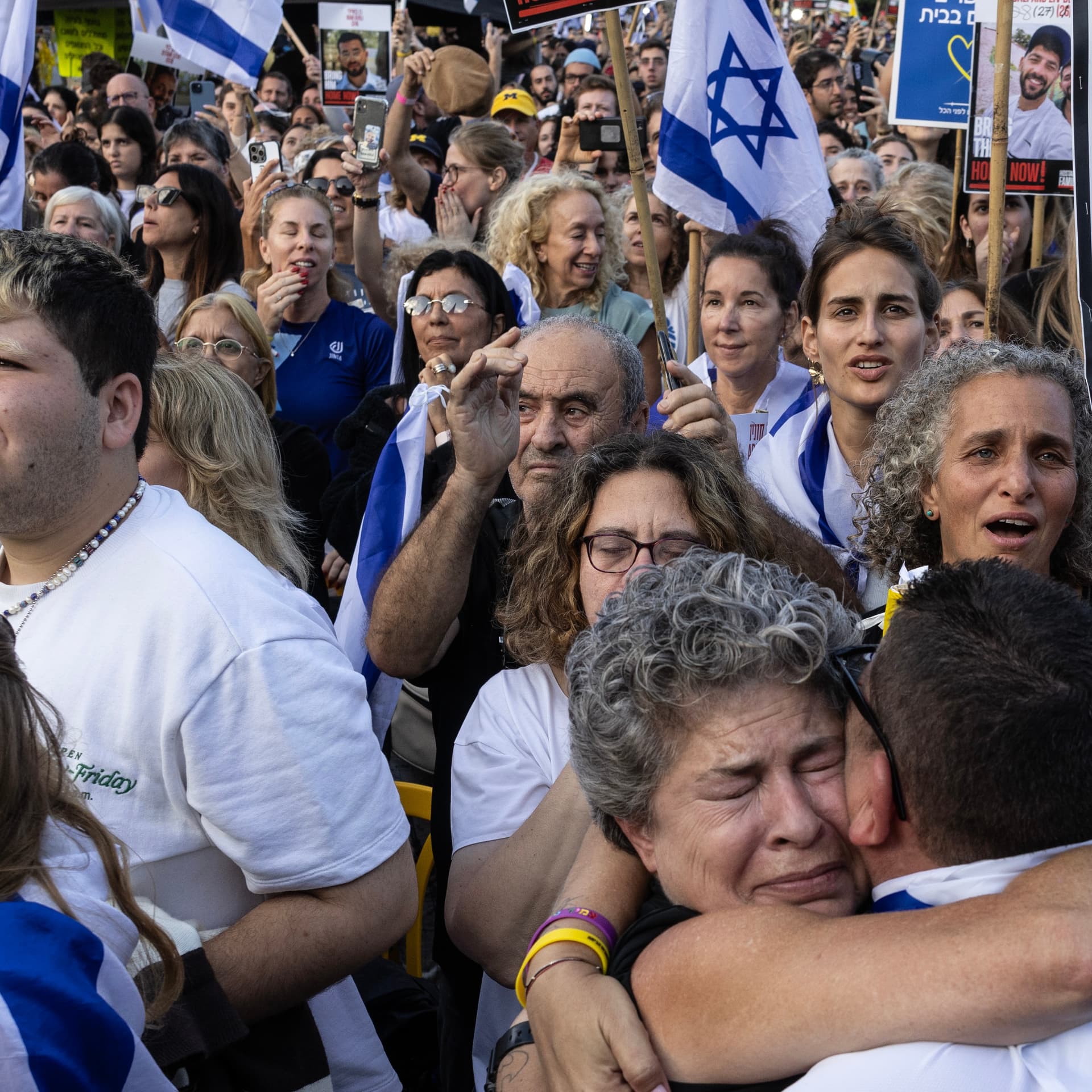
- Public Reactions: The atmosphere in Hostages' Square in Tel Aviv was a mix of joy and sorrow, with families celebrating reunions while also mourning the loss of deceased hostages.
Ceasefire Agreement
- The ceasefire agreement was a result of negotiations facilitated by Donald Trump, touted as a potential beginning of a new era of peace in the region.
- The ceasefire included conditions for humanitarian aid to flow into Gaza, which had been severely impacted by the ongoing conflict.
Questions Surrounding the Ceasefire
- Fragility of Peace: The episode raises concerns about the longevity of the ceasefire, with many underlying issues still unresolved.
- Future of Gaza: Discussions about who will govern Gaza, the presence of international forces, and the reconstruction of the region are still to be addressed.
- Hamas's Bargaining Power: With the release of hostages, Hamas is perceived to have lost significant leverage, which raises questions about their future role in negotiations.
Discussion Points
Emotional Reunions and Immediate Needs
- Medical and Emotional Support: The hostages returning to Israel underwent medical examinations and are expected to receive emotional support as they reintegrate into society.
- Aid to Gaza: The need for humanitarian aid is urgent, with reports highlighting famine conditions in certain areas and extensive damage to infrastructure.
Political Context
- Trump's Role: Trump's mediation brought together various parties but also raises questions about the timing and effectiveness of international interventions.
- Past Ceasefires: The current ceasefire is compared to previous agreements that failed to bring lasting peace, suggesting skepticism about the potential for sustained tranquility.
Future Considerations
- Negotiation Dynamics: The episode emphasizes the need for clear communication on the next steps of negotiations, particularly concerning the identification and return of deceased hostages.
- Long-term Solutions: How to balance the differing aspirations of Israelis, Palestinians, and Arab mediators will be critical in achieving a long-lasting resolution.
Production Credits
- Produced by: Thomas Lu
- Assistance: Rennie Svirnovskiy, Emma Talkoff
- Edited by: Ted Muldoon
- Mixed by: Sean Carter
Conclusion The episode of *Post Reports* provides a comprehensive overview of the recent developments in the Israel-Hamas conflict, focusing on emotional reunions and the fragile ceasefire agreement. The discussion highlights both the potential for peace and the significant challenges that lie ahead. With many questions remaining unanswered, the path to lasting stability in the region remains uncertain.
Written by AI. May contain mistakes. Listen to the episode to check what was said.
Transcript
Automatic transcript. May contain errors.0:00Right now during the President's Day Sale, you can get a Washington Post premium subscription for just$3 every 4 weeks. And that includes three extra accounts to share with friends or family. After your first year, renews at$19 every four weeks. The Washington Post. Power. Perspective. Premium. Learn more at WashingtonPost.com slash subscribe.
0:31The two-year war between Israel and Hamas is one step closer to ending today. After so many years of unceasing war and endless danger, today the skies are calm, the guns are silent, the sirens are still, and the sun rises on a holy land that is finally at peace. a land and a region that will live, God willing, in peace for all eternity.
1:08So I woke up early morning and went to the hostage square in Tel Aviv. Laor Soroka is a freelance reporter based in Tel Aviv who covers Israel and the war in Gaza for The Post. The Hostages' Square is a public plaza that has become a gathering point for protests and rallies in the wake of the October 7th attacks in 2023. For the past two years, this square has been filled mostly with sorrow and tears. And to date, it was completely different.
1:42There were like tens of thousands of Israelis there. You could see people smiling and also crying, but from joy, celebrating the return of the living hostages to Israel. On Monday, all 20 living Israeli hostages were released and returned to Israel. At one point, a helicopter that appeared to be carrying some of the hostages flew over the square.
2:11Leor spoke with several people in the square. One of them was Aviva Siegel. She was one of the people taken hostage on October 7th. She spent 51 days in captivity in Gaza before being released in a previous ceasefire deal. For the last two years, it's been really, really a tough time knowing what they're going through as a hostage. I'm exploding with joy. It's just one of the better days that I've had in my life. To see the families getting back together and coming home, coming home. It's just the best, the best. Meanwhile, Israel began to release some of the nearly 2 ,000 Palestinian prisoners and detainees it held.
2:54They were met by cheering crowds welcoming them back.
3:03From the newsroom of The Washington Post, this is Post Reports. I'm Kolbie Echowitz. It's Monday, October 13th. Today, I talk with post-Middle East reporter Abby Cheeseman about the ceasefire, how it played out, and what happens next.
3:25Abby, hi. Thanks so much for joining us. Hi. Thank you for having me. So, Abby, the hostages were released from Gaza this morning. What were some of the scenes from those reunions? Yeah, so we saw the release of all 20 living hostages from Gaza today in two separate batches. But overnight, when we knew that we were nearing the deadline, and we knew that they were going to be released this morning, the crowds absolutely filled Hostages Square in Tel Aviv, which has been the site throughout the last two years of war where everyone has gathered to really protest that the government do everything possible to bring the hostages home as soon as they can.
4:06And after two entire years of this incredibly grueling war for everyone on both sides of it. So we saw as well that there should be the release of the deceased hostages today. And so this is also this very poignant moment that not only are the living hostages reunited with their families, but also the families of those people who died in captivity are finally able to give them a proper burial. Do we know how many people that is? So there should be 28 bodies that are brought back from Gaza. And so this is already one of the sticking points that we're seeing is that from the negotiations in Shamal Sheikh last week, Hamas has said that this 72-hour deadline that they are supposed to comply to of the release of all of the hostages living and deceased, which expired today, which is why we've seen all of the living ones released, is that they have said for a while now that it will be extremely difficult for them to find the 28 bodies within that timeframe.
5:11Because they say the extent of destruction in Gaza and also where the Israeli military were positioned until just a couple of days ago has made that very difficult for them to find a number of these bodies. And so at the moment they're saying that four will be released today, which is far less than the 28 that people are really hoping would be returned today. So Abby, what is your understanding of what comes next for the hostages that are back in Israel now, who have lived for two years in captivity and are now being reunited with their families? Yeah. So obviously it's an extremely emotional return for so many of these people and their families.
5:52The immediate steps were that they were taken for medical examinations, just to check that everyone is, if anyone needs further medical support. And alongside that will come, you know, a lot of emotional support so that they can reenter society after two years in captivity. And so I think much like with the hostage releases that we've seen before, it's a very slow process to allow people to readjust to being back at home. And part of the deal, Abby, also included the release of Palestinian detainees that Israel was holding. What was the reaction in Gaza to that? And who were among the Palestinians that were brought home?
6:34So there were 250 Palestinian prisoners who were serving life sentences that had been released. And there were also more than 1 ,700 detainees from Gaza. And so these are people who have been swept up by the Israeli military inside Gaza since October 7th, 2023, when the war began. And so they have been held for various amounts of time over the past two years, some of them for the entire time without any trial or charge. And so they have now also been released. So there was, you know, much like on the Israeli side, an absolutely huge sense of relief that people were being reunited with their families finally after such a long time in detention.
7:19But at the same time, there's also this grief that comes with it. You know, so many people are seeing the enormous destruction of Gaza for the first time. We've seen reports of people coming out of detention today to discover that their entire families have been killed and that they're actually the only person remaining. But overall, there is just this huge sense of relief that people are being reunited. And I think that it just kind of overwhelms everything that we've seen today on both sides of the civilian population of this conflict. You know, Abby, this war, it's gone on for two years now.
7:56And yet the ceasefire, the hostage release, that all unfolded like very quickly over just the last couple of weeks. We talked about it on the show last week, but can you just briefly remind us, like how did this peace deal come together? Yeah, it came together incredibly quickly at the last minute. And so many of the officials that we've spoken to who were near the mediation and also analysts who are close to all sides of this deal, they said that there were multiple compounding factors that allowed this to happen very quickly. And this was in part that after the Israeli assassination attempt on Hamas leaders in Qatar, that there was this new sense that Trump had leverage over Netanyahu when the assassination attempt on a very key ally failed.
8:46And that he had this ability to push forward to get a ceasefire deal in a way that he possibly didn't have before. And so there is that combined with many analysts said that Trump wanted it done in time for the Nobel Peace Prizes with his desire to achieve one of those. And so there were multiple confounding factors here. And it's also we reached a moment where the situation in Gaza had become so terrible that Israel really was becoming more and more of a pariah in the international community. We were seeing many key European allies take harder and harder stances. And so there were just a lot of moments that came together that it seems allowed the mediators and particularly Trump to push harder than they had before.
9:35But again, we also have this overwhelming sense that many of the larger issues that will allow this permanent peace that Trump was talking about today to actually come into play, so much of this still hasn't been negotiated. This is very much a ceasefire and a hostage for prisoner exchange that has been agreed and has been signed. And while many people are on board with the wider a peace plan to bring a permanent end to this war, the details of that are so much more difficult to figure out. And we haven't really got any public knowledge yet of when that is going to be fully negotiated and how they're going to overcome those final steps while the ceasefire is still fragilely holding.
10:21Yeah, it all feels so precarious. And also, now that Gaza has, you know, that the remaining Israeli hostages have been released from Gaza. Does Hamas have much of a bargaining or any leverage left in these talks when they talk about, you know, the what comes next? Well, this was the major thing for them when they were going through the negotiations in Shamal Sheikh, particularly at the very last minute, was that handing over the remaining hostages, they were giving away all of their last bits of diplomatic leverage that they have here. And so the one thing that Hamas officials kept saying that they wanted was a guarantee from the President of the United States and from other mediators that Israel would not restart this war once the living hostages have been released, you know, that they won't view this as an opportunity to go in and destroy what is left of Hamas.
11:18How they managed to push this forward with so little leverage anymore is really going to remain to be seen. Is there anything else in this phase one part of the deal that needs to still happen? The only other part that really exists and is one of the most fundamental parts for Gaza is allowing a huge influx of aid into the territory. And so we had the UN said yesterday that it was the first day that they've managed to see real progress in terms of scaling up and that they very much hoped that they'd be able to continue at this force of bringing in, of surging in this huge amounts of aid that is needed.
11:59And, you know, it's really impossible to overstate how much needs to go in to be able to alleviate the enormous amount of suffering that is happening in Gaza. So, you know, they've brought in hundreds more trucks than they were able to before. And they also managed to get cooking gas in for the first time. And so there's so many things that still need to come in at scale, particularly food. You know, it's a starving population and the world's leading body on food security has declared a famine in parts of Gaza. The water systems are largely destroyed. The sanitation networks are destroyed. There is so much that needs to come in in terms of water, food, medicine, shelter as the winter is about to hit.
12:45And so we're waiting to see how this plays out. But that's the main thing that Gazans are really hoping to see in the coming days.
12:57After the break, Trump's role in brokering the ceasefire and where negotiations may go from here. We'll be right back.
13:19Hi, I'm Susan Glasser. I'm Jane Mayer. And I'm Evan Osmos. and we host the Washington Roundtable from the New Yorker's Political Scene podcast. For me, this is the water cooler. This is a wonderful chance to sit down with two of the smartest colleagues in the country and, you know, just kind of compare notes. No, that's so true, because first of all, we are actually friends in real life, but I can't wait until Fridays to hear what you guys think. Everybody sees the headlines, but you guys fill in the gaps. I also think, though, occasionally we get somebody to come on, and I'm always smarter for it.
13:53If you get a great historian who can tell you about a presidential election 50, 60 years ago, often it can help you understand about what's happening today. So if you're looking for weekly insights into what's going on inside the Beltway, please join us every Friday on the Washington Roundtable, part of the New Yorker's Political Scene podcast.
14:15Right now, during the President's Day sale, you can get a Washington Post premium subscription for just$3 every four weeks. And that includes three extra accounts to share with friends or family. After your first year, renews at$19 every four weeks. The Washington Post. Power. Perspective. Premium. Learn more at washingtonpost.com slash subscribe.
14:48So Abby, you mentioned obviously President Trump's tremendous role in holding this peace deal together. And he actually arrived in Israel this morning and he spoke to the parliament there. What did he say? So he gave, he arrived at the Israeli parliament and was greeted with absolute enormous applause and celebration by Israeli lawmakers that continued. They gave opening speeches between the Israeli Speaker of Parliament and Prime Minister Benjamin Netanyahu. Mr. President, you are committed to this peace. I am committed to this peace. And together, Mr. President, we will achieve this peace. They gave very lengthy speeches that really praised Trump for what they have achieved today, for bringing the hostages home.
15:43And they very much presented a very strong united front. And then Trump spoke, and it was very much in the same vein as Netanyahu did, that this was an absolute win, that Israel has won and that the U.S. has brokered kind of, he described it as the dawn of a new Middle East where there is peace now across the region. It's the start of a grand concord and lasting harmony for Israel and all the nations of what will soon be a truly magnificent region. I believe that so strongly. This is the historic dawn of a new Middle East. You know, you mentioned that President Trump arrived to Israel to much celebration.
16:32I saw that there was the cover of the Jerusalem Post has a big picture of him saying, God bless the peacemaker. So he's been getting a lot of praise in Israel for his role in brokering this deal. I mean, does he deserve the credit for ending this war? I think there's going to be a long-running question over why this happened now and everyone who had any kind of power, regardless of whether that is Trump or whether it's Biden or whether it's Netanyahu or whether it's the wider international community, on why this deal, when it looks so similar to deals that were put on the table a long, long time ago, as to why this war had to go on for so long.
17:19And so I think this is going to be the question that's overhanging Israel. It's going to be the question that is overhanging Gaza. Would more hostages have been saved if this pressure had been applied sooner? And would possibly tens of thousands of less Palestinians have been killed in Gaza if this pressure had been applied sooner? And so while I very much think he is going to be applauded by everyone for putting a stop to this war, we do have to grapple with that wider question of could it have happened sooner? Why didn't it happen sooner? And also, is it actually going to create sustained peace?
18:00This isn't the first ceasefire that we've seen in Gaza. We've been here twice before. We were here earlier this year where there was a ceasefire in January and it was a similar vein in that there wasn't a long-term peace plan hammered out then. There was a phase by phase hostage for prisoner release and ceasefire that was agreed upon that broke down by March. And then the war came back with even more ferocity than it had been before. This war has branched out into so many different places. There's a lot more work to do in the Middle East before we can start claiming with any reality that this is the beginning of a new dawn.
18:41You know, Abby, there's all of these unanswered questions about how this ceasefire and the peace plan, how it's going to continue to unfold, whether it will stick. So what are the next steps and what are you going to be paying attention to as you watch this go forward over the days and weeks. I mean, the most immediate first step that we're going to have to grapple with is Hamas's ability to find the bodies of these remaining deceased hostages. And so one of our most immediate questions is what this is going to look like and how that will be possible. Because so much of this immediate part of the deal feels like it depends on whether Hamas can bring out to these remaining hostages.
19:25And so then once that is, hopefully they find the bodies and then they have to go for identification inside Israel to make sure that it's the correct remains that have been brought back. That will kind of successfully wrap up the first phase of the deal. And so we need to look at when these negotiations are going to happen. We really aren't hearing much in terms of what they will look like and when they will happen and how quickly we're turning to this. But there are so many huge questions here in terms of how Gaza will be rebuilt. Who will govern Gaza? Will there be international forces in Gaza?
20:05Is this a temporary measure in terms of allowing international forces in or will that be completely off the table? How will security look? What will Hamas's presence look like? And so how this plays out with what the future of Gaza will look like and the differences between what Israel wants the future of Gaza to look like, what Palestinians want the future of Gaza to look like, and what the Arab states who are mediating alongside the U.S. can find a middle ground on how that will look like, it all very much remains to be seen. Abby, thank you so much for coming on. Thank you for having me.
20:50Abby Cheeseman covers the Middle East for The Post and is based in Beirut. Laor Soroka is a freelance reporter based in Tel Aviv. Today's show was produced by Thomas Liu with assistance from Rennie Svarnovsky and Emma Talkoff. It was mixed by Sean Carter and edited by Ted Muldoon. Special thanks to editor Benjamin Soloway. I'm Colby Ickowitz. We'll be back tomorrow with more stories from The Washington Post.
21:27The New Yorker's Political Scene Podcast
21:46But I can't wait till Fridays to hear what you guys think. Everybody sees the headlines, but you guys fill in the gaps. I also think, though, occasionally we get somebody to come on, and I'm always smarter for it. If you get a great historian who can tell you about a presidential election 50, 60 years ago, often it can help you understand about what's happening today. So if you're looking for weekly insights into what's going on inside the Beltway, please join us every Friday on the Washington Roundtable, Part of the New Yorker's Political Scene podcast.
22:43subscribe
From the publisher
On Monday, Israelis celebrated the return of all 20 living hostages still held by Hamas. Palestinians welcomed back hundreds of prisoners and detainees held in Israel. For the first time in months, humanitarian aid began to surge into war-torn Gaza.
The swap was part of the first phase of a ceasefire agreement that President Donald Trump brokered between Israel and Hamas – a step he touted as the beginning of a new era of peace across the region.
But many unanswered questions remain about how the fragile peace negotiations will continue to develop.
Colby Itkowitz speaks with Middle East reporter Abbie Cheeseman about how this deal came to be – and what questions remain for the future of Gaza.
Today’s show was produced by Thomas Lu with assistance from Rennie Svirnovskiy and Emma Talkoff. It was edited by Ted Muldoon and mixed by Sean Carter.
Subscribe to The Washington Post here.