 Ask ChatGPT


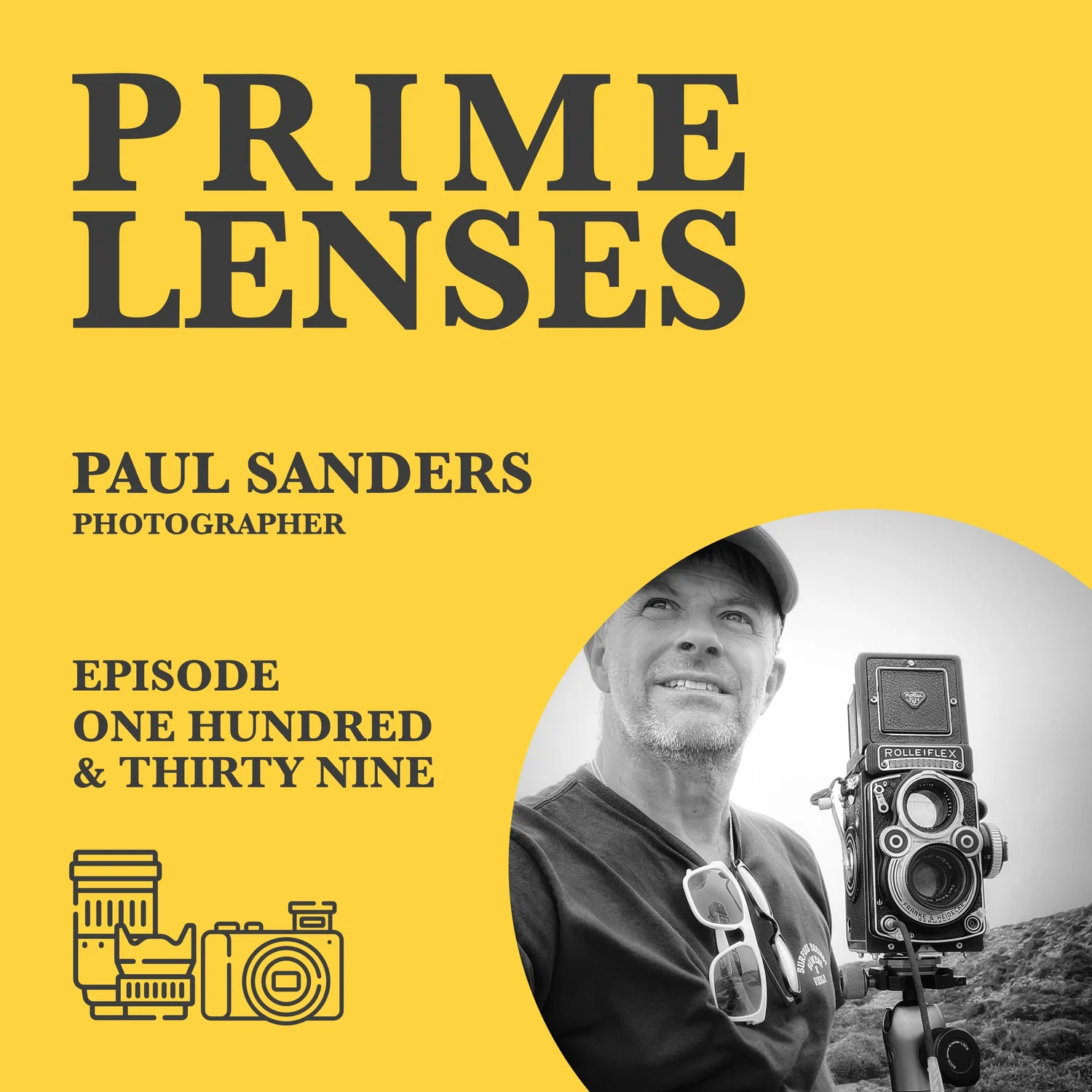
Paul Sanders discusses photography as “the art of paying attention,” arguing that the practice is to stop, notice, and appreciate everyday moments—whether or not you have a camera—rather than chasing “greatness,” validation, or viral results.
Paul is a photographer and former journalist/picture editor at The Times. He says photography saved his life after years of a high-pressure career led to depression, heavy drinking (later sober for nine years), and multiple suicide attempts. He left The Times in 2011, then rebuilt his identity through therapy and personal, story-driven photography while living on the South Coast.
Editors/publishers choose images that communicate best, not necessarily technically “perfect” ones. External validation and pressure stifle creativity; practice looking daily makes photography easier. Keeping mistakes and sharing imperfect work builds humility and community. Printing and tactile output “rebirth” photos beyond screens.
Robert Capa’s D-Day photos (out of focus/camera shake yet visceral); “cropping” as removing punctuation from a story; cobwebs with backlit sun; cobweb spider photo nearly causing eye pain; toy/film workflows and contact-sheet conversations with senior photographers.
Written by AI. May contain mistakes.
Paul shares his journey from a high-pressure job to discovering his passion for photography.
“Photography saved Paul Sanders' life, literally.”
Paul discusses the value of storytelling in photography and how it shapes his work.
“There was a cold open with you saying something winning at the start.”
Paul reflects on his experiences as a photographer and picture editor, including the challenges he faced.
Paul candidly discusses the stress of his career and the impact it had on his mental health.
“So getting into the times, I mean, honestly, it was right place, right time.”
Paul describes the relief and personal growth he experienced after leaving the high-pressure environment of journalism.
“I don't need to prove anything to myself anymore.”
Paul discusses his past struggles with alcoholism and depression.
“And I hang out with the guys at Ford's a little bit and stuff.”
Recounting the moment Paul decided to leave his job for mental health.
Paul shares his journey of rediscovering his passion for photography.
“It was like the world was going, sort of streaming past me at this hellish rate.”
Discussing the importance of authenticity and vulnerability in photography.
“You know, I just I can't do that kind of photography.”
Exploring the idea of appreciating small moments in life through photography.
“You know, what am I without all the plaudits, without all the noise around me, without the lights and the trophies?”
Paul discusses using unconventional tools for photography and creativity.
“to plug a previous episode that was a little i do smaller episodes with people sort of sometimes photography adjacent.”
Exploring the delightful experience of using toy cameras and appreciating everyday moments.
“where there's no pressure on me to make great imagery with that thing because it's impossible.”
Discussing how photography is more about capturing experiences than achieving greatness.
Emphasizing the importance of curiosity and enjoyment in photography rather than striving for greatness.
Discussing the importance of personal comfort and suitability in choosing photography gear.
Exploring the process of photography and the importance of practice and embracing mistakes.
Discussing the benefits of waiting to see photographs after capturing them for better reflection.
“So I've been shooting a lot of film recently again and learning to develop at home and as a community darkroom up in Inverness run by a mate, Matt, and stuff.”
Sharing insights on the meditative process of developing film and its impact on photography.
“And because I've said a lot of times on the show, expectation is the thief of joy.”
Explore the unique learning experiences and challenges of film photography compared to digital.
Discuss how sharing experiences and knowledge enriches the photography community.
Learn about recognizing and photographing the small joys and beauty in daily life.
“to experiment without judgment and you're giving them permission to have a conversation and to be themselves.”
Examine how social media and modern life impact our need for connection and expression.
“And I'm thinking, what the hell am I going to do with these pictures?”
Explore how social media influences our need for human interaction and artistic expression.
“And I think if you if even if you join an online photographic community, there's a, you know, there's a bond.”
Discuss the commonalities between the host and guest, including their love for photography and color.
Paul shares insights about his photography journey, his book, and his approach to artistic creation.
“I'd bought a cheap strap that broke on that trip.”
The hosts express their enjoyment and gratitude for the conversation with Paul Sanders.
“It's kind of cool looking and it kind of appeals.”
The hosts share a recommendation for a brand of cables and their practical uses.
“So hopefully we can have another conversation in the future.”
The host encourages listeners to subscribe, leave reviews, and check out merchandise.
“If you enjoyed that conversation with Paul, look him up and then make sure that you're subscribed to the show so you can follow Prime Lenses wherever you get podcasts.”

Get the gist, explore an idea or ask about something said.
 Claude
On Prime Lenses, what are the key points of this episode?
Searching your listeningAutomatic transcript. May contain errors.
0:00There's nothing special about going out to make pictures. It's just a part of the day. And if you notice something, give yourself permission to stop and stand still and admire what you've noticed. And make a picture if you've got your camera. But if not, still stop and appreciate it. Because the more we practice looking, the more we notice. Photography is the art of paying attention. You know, it's that simple. The more you pay attention, the more photographs you will see.
0:31Paul Sanders: Welcome to Prime Lenses, I'm Ian. Photography saved Paul Sanders' life, literally. After years of working a really high-pressured job in the city, he realised not only was he falling out of love with making images, which was the thing that had got him that high-powered job in the first place, but was also falling out of love with himself. So he quit, addressed the things in his life that weren't working, which was no small task, and now lives on the South Coast teaching and practicing a very purposeful form of seeing and photography. This is a densely packed conversation with an insightful and wonderful photographer who has excellent taste in cables and colours.
1:09Paul Sanders: So here's my chat with Paul.
1:27Paul Sanders: There was a cold open with you saying something winning at the start. Then that goes into me going, Paul Sanders is fab and I'm going to talk to him. And then we go and then and then the conversation kind of picks up. You needn't laugh that hard. You know how this works. Every conversation is potentially interesting. Paul Sanders is fab. Yeah. That's a first. Won't be the last. But I'll take it. There you go. I introduced it on the subject of saying kind of like silly things are winning or whatever. but um i introduced the two boy my two boys to the princess bride last night and oh now that's a great film yes it's stunning my wife doesn't like it at all and she's away so i can show them i can culturally educate them while she's gone and uh we watched it last night and the i i messaged her while she was trapped on a delayed hotel stay over and stuff going we've watched the princess bride unfortunately they love it and she was like darren I said I think you mean inconceivable um it is lovely to see you sir and to sit down and and sort of get to say hello I think I've I followed you for a little while you've been on the list for a while and then when Alistair said oh we know Paul I was like oh brilliant and so it was a good excuse because it's always nice to email someone with a name rather than yeah yeah just cold um but it would be good I think for folks listening to start maybe by talking a little bit about your your photo origin story because you didn't just come through photography you were in journal i speak to a lot of journalistic photographers but you were also on the receiving end of imagery and kind of working with photographers so i'd be curious as to how your love of photography got you into that position working at the times and then how that spoilers i know how it ended because i did some reading you're smiling as you're saying as i'm saying a bit yeah um i mean i've loved photography since i was a teenager um and it was all i ever wanted to do so that that for me was i think i wanted to be a photographer and i had high hopes of working in the cool glamour fashion and the photography so you've got to bear in mind i got into photography in the 80s so um glamour and fashion was quite a cool thing to be part of then um now not so much um and weirdly although i made i made good money doing i mean when i was 18 i was shooting calendars in spain so i made really good money um but being 18 year old 18 years old 19 years old and being paid a a good a good heap of cash i spent it and i mean i spent it having a really good time um and i don't regret i'll say that i don't regret do i regret no don't regret spending all of my money and i got into newspapers because i needed a proper job and a proper job for me was a job in photography not working in a shop or a factory or doing anything else not that we have factories anymore either um and i got a job at a local newspaper and i absolutely loved it there's a as a photographer i don't think there's anything better than seeing somebody you don't know look at your work and being paid to take pictures for me was i'd made it but the davontree express where i started was a paid for weekly paper so it was only one step up above the free sheets that we used to get and um and it wasn't enough it wasn't enough for me I wanted I wanted my work in the nationals um and I knew what I wanted to be and I wrote a list of the things that I wanted to do um you know you know I wanted to get my pictures in every national newspaper um I wanted to work on a national newspaper I wanted to be picture editor of the times all of these things I wrote down on a little list right at the beginning of my journalistic career because i just thought that's the only that's the only thing and now when i look back i sort of think yeah you need to be very careful what you wish for um my uh my my partner's into manifesting and she said you know from a very young age you manifested your entire career um which probably explains why i had massive imposter syndrome because i still swear to this day i probably wasn't the right person for the job at the time although i did enjoy it and i was I was successful at it.
5:57So getting into the times, I mean, honestly, it was right place, right time. I'm not a great news photographer. What I understand is the story. And this is one of the things I talk about now is you've got to understand why you're making the pictures. It's not about whether you're the best photographer. It's about whether you can communicate what is happening in front of you in the simplest way and and photographers often get lost in this idea that their pictures have got to be better than everybody else's they don't have to better they have to communicate better you know i mean sometimes you know as picture editors of the time sitting there watching sort of 20 000 pictures stream in every day i would say a lot of the time the best photographs never make the press it's the ones that communicate what is happening the best and they might be a little bit out of focus they might be poorly composed they might be taken by somebody with a phone you know when you've got somebody with 30 years newspaper experience there it might be a passerby who's caught the moment something happened and it might be blurry it might be shaky it might be kind of on the wonk but that all adds to the communication of the you know you look at robert capper's d-day landing pictures they're out of focus there's camera shake they're they're all all over the place and yet they communicate that what is happening to such a kind of a visceral level that you are moved by them and that's what you're looking for as a photographer is to understand what is happening and how to communicate that best and that might not mean that you've got the greatest light or the the colors all in the right way or the the focus is in exactly the right place but you've got the moment you know you've got to understand the story and i was i was lucky you know they say you make your own luck i was able to understand the stories that i was working on and photograph the right people at the right time rather than focusing on something that was a side story i always went for the main story and I got into picture editing because I could put photographers in the right place because I understood stories I could send photographers into the right place with the right brief and that's a skill in itself so being a photographer come picture editor you're all of a sudden you know you've gone from being poacher to gamekeeper but I understood what photographers needed um and because i had been on the road as a photographer i also understood what was what was possible and it's very easy to sit in an office in london saying i want a picture of this the guy running down the street with a light from behind him you know you know and it's raining it does just doesn't happen you know and the photographers are going well they want this picture and it isn't happening what am i going to do well you just do the best you can um you know so you take away the fantasy picture editing and the fantasy editing from the executives and you become a real person telling photographers ideally what you'd like if it's possible but you'll take whatever they can get um and you're looking for there's something different as well and i i was just very lucky and then the times went compact from broadsheet and i was able to work on the development the secret issue of the compact 12 people locked in a room for two weeks and there were no adverts in it so picture editing was actually very easy because it was a case of show us how good pictures can look and I had to educate them about the importance of cropping you know cropping is like you know to to a sub-editor or a journalist they don't think about the the narrative of a story they just think oh it doesn't fit in the hole so we'll chop this bit off and I was explaining to that cropping a picture is like taking all of the commas and apostrophes and full stops and capitals out of your story if you crop a picture badly it doesn't read um and then once they got that we were we were flying and i was i was offered the job as picture of the times on april the 1st before lunchtime wow so that was a moment where you're still looking around for the cameras I was thinking it was a joke because we did have a picture editor and the editor said to me, yeah, we do.
10:29It's you. And I advise you to go home because the picture editor who's there today won't be there tomorrow. And he said to me, this is not a job for life. He said, this is a job for as long as your face fits. He said, so no job in newspapers is forever. He said, there are people who hang around forever. he said but make your own decision when you leave i was like oh interesting he's telling me that i'm leaving before i've actually started the job um yeah and actually that was really good advice because as it went on and there were cuts in budget and financial pressures and agencies like getty took over the entire world there was less space to be individualistic as a picture editor and the stress was enormous and you know I've said it many times before that stress eventually got the better of me I am quite a sensitive person I'm quite I'm quite shy I suffer with a lack of confidence and everything just built up to a point where I just broke.
11:45And it's okay to say that. It's not a sign of weakness. I mean, I kept going when others would have stopped.
11:55And I wouldn't wish it on anybody, but weirdly, looking back on it, it was one of the best experiences of my life because it let me find out where the lines are. And they were behind me. I'd crossed the lines quite a long way. But I now know that I can push myself further than I ever imagined. I'm never going to do it again.
12:19Paul Sanders: No, no, but at least you know. Just does not. And I don't need to. I don't need to prove anything to myself anymore. You know, I did the job that I wanted. I realized after, you know, a good number of years that I hated it because I wasn't making pictures. And it's the images I love. it's making pictures that i absolutely love it's not news um frankly i find news you know interesting but not that fascinating that i want to make pictures of it every day um a lot of the people involved in it are only in it for themselves they want to be famous like a lot of people and i don't i don't want to be famous i i have no desire to have that side of my you know all of my skeletons exposed and i don't want to be a kind of a household name i'm quite happy hootling along in my little house in cornwall um you know walking the dog on the beach um you know that getting that sort of getting my life back after leaving the times was the i think one of the most successful thing i've ever done leaving the times and yet people regard it as a failure but i think that's one of the great things that comes with you and I both have some free highlights.
13:35Paul Sanders: We're both in our mid-20s. I need to get mine done more like yours. Well, very kind of easy to say. Certainly from a skincare and health perspective, we're both fine specimens. Listeners will be sad that this is not a video podcast. But it's the thing that comes with time, isn't it? The comfort with yourself, the comfort with your decisions. Similarly, I left games, listeners will know, like a year ago. And since then, I'm sitting in my highland fortress of solitude in the middle of the woods in Scotland. And I hang out with the guys at Ford's a little bit and stuff. But mostly I'm podcasting and full-time dadding, right?
14:09Paul Sanders: And that's actually been one of the best things I've ever done is that you have opportunities on the table and they're in front of you and there's a fork in the road where you're like, well, I can continue to do this and I'll ship some more games and I'll do some things or whatever. Or thankfully, I think I didn't hit a wall like you did. It sounds like you had to stop. Otherwise, you could have potentially done yourself some harm. Had I not stopped, we wouldn't be having this conversation today um you know it was it was that bad um and i you know i've made no secret of the of the sort of the depths that i'd sunk to um you know i tried to take my life on a on three occasions um thankfully now i can look back and say unsuccessfully um you know but i was i was drinking far too much i've you know as a recovering alcoholic i've now been sober for nine years um that's one of my proudest achievements because i never ever thought that i i would be able to go through a day without you know drinking myself into oblivion by the end of it um and i was a high functioning alcoholic so i can actually do i could do work and be drunk and people didn't know you know when i told people that i had a drink problem but they were surprised it was a little bit like when i told the people at the times that i'd got um you know sort of severe depression they were like we'd never have known i'm really really good at masking um right um i should perhaps have been an actor maybe i'd certainly made more money maybe maybe not we know what you were like with money in the early days it sounds like as there's no guarantees yeah i'd have just blown it you know i think we all would in our 20s drink and drugs it all it would have all gone um but the making the decisions that that you need to make and not shying away from them i think is is one of the most important things because there's you do what's expected or you do what's right for you and had i had i done what's expected i would have toughed it out at the times i would probably have lasted another 18 months before they decided either they were going to get rid of me in some kind of weird reshuffle um or i'd have just you know that i would have just ended it um looking at it and saying i actually hate what i do on a daily basis i love photography i love images i enjoyed most of the people that i worked with like the photographers i worked with i enjoyed working with them but i hated what i did um and when you you know i had some when i had my three months off um to get better from depression um it's nice they gave you three months off it's actually taken me um well 15 years to come off antidepressants but they can say three months they gave me three months this morning that'll do it yeah yeah oh yeah that's three months you'll be fine and then come back four days a week and you'll be okay and i sat there in the conference room and i just thought what the hell am i doing i don't recognize these people as humans i have no interest in what they've got to say in the world and i just don't want to do it so that was it i just went upstairs and i said i want to leave and i'll leave at the end of the year and and that was it um and on the at the end of 2011 i walked out and as the door closed behind me i just thought you know what i actually feel lighter already yeah but rather than getting better straight away it just i mean my life fell off a cliff you know um and it was only through it falling off a cliff that i was able to get back into things using using my photography um because i didn't know what sort of photographer i was i didn't even know if i could be a photographer because when you when you work for other people as a photographer magazines calendars uh newspapers you're working with editors and briefs so all the time you're photographing to really what somebody else wants and you're just interpreting it um and this is not knocking that industry it it's a fact you you know if an editor says i need an upright picture of this you've got to photograph an upright picture you do a you do a landscape shape picture because the page might change but if they say we need an upright three-quarter um thing you do it um and a lot of newspapers have a formula for the pictures that work in them um so you know that for the daily mail a lot of the time when i was working in the agencies you know a sort of an upright 85 mil backlit picture would 90 90 percent of the time make because that was the kind of picture they looked for um and those things stick with you so when i stopped and i got off that train all of a sudden i was completely lost as a photographer because i thought i have no idea what i want to photograph what i what i enjoy photographing who i who i even am i um you know because i define myself by the job um and all of a sudden i was like i was like a lost child in Oxford Street at Christmas.
19:47It was like the world was going, sort of streaming past me at this hellish rate. And I just didn't know what to do. And at that point, didn't really care either, to be honest. I was in full-on self-destruct, which was fine. Well, it wasn't fine, but it was where I was at. And it was only through working with a therapist that I was able to discover the sort of pictures that made me tick. And they weren't pictures that were pretty or commercial. They were pictures that told a story of who I was, where I was, how I felt, what I hoped for. And they were imperfect. They were sometimes a bit messy, sometimes very minimal.
20:52But the therapist said, you know, all of these pictures are you. You know, when you talk about the pictures, I can see you in the pictures. and sitting with my work i was able to identify exactly what moods i had when i was making the pictures um and i i'd started keeping a little journal and it was interesting looking at the images and looking at the notes and making the link and all of a sudden i realized that photography was my recovery um and that was a that was an incredible moment but i thought how am i ever going to make any money as a photographer photographing broken leaves sticks in the sea you know all of this stuff when there are so many great photographers out there doing most beautiful landscape work um and none of that appealed to me I tried really hard to fit into the conventional to the point that it actually became a stick that I would beat myself with, you know, because I'm not, you know, I'm not a Mark Littlejohn or a Joe Cornish or a Charlie Waite or a David Noten.
22:12You know, I just I can't do that kind of photography. um so i just thought you know what i'm just gonna i'm just gonna go down this path and see what happens um and weirdly it's sort of come together um because it it sort of transpires that there are an awful lot of people out there who feel a bit lost with their photography who find the the judgment on photographs either in social media or camera clubs or anything like that you know personally damaging um and i've been able to work with photographers who see the world in the same the same way that i do you know their pictures might not be perfect but they're beautiful because they're not perfect um and that's a true reflection of humanity you know each of us is different we we're not the same we're not all you know beautiful or amazing we all have our flaws and failings but that's what makes us unique that's what makes us human and that's why i can photograph something and it means something to me and you can photograph something it means something to you we can put the two pictures together and you can't compare them as good or bad because they're taken by completely different people with completely different backgrounds conditioning all the rest of it and we're both responding to things that resonate with us personally if you take all of the ego out of photography and stop worrying about whether people are going to like your photographs or whether you're going to make any money or whether you're going to be an influencer or whether you're going to get a sponsorship deal from a company your photography changes it becomes vulnerable it becomes authentic it becomes flawed it becomes real yeah you know so many people strive for for the validation of external sources of their work when actually we don't need it in fact i would go to far as far to say almost that validation is poisonous because you become trapped in this world of oh my followers my audience um you know my sponsors don't like me to do that you know they only like this sort of work or this is the only sort of work that gets traction or i won an award with this last year so I better repeat it to see if I can do, because what am I without the award?
25:01You know, what am I without all the plaudits, without all the noise around me, without the lights and the trophies? Well, without it all, you're more you than you are, you know, with it all. And that's what I think, you know, we lose sight of. and and i think it's it's hard for photographers who are in the top echelons to keep being in the top echelons um you know that pressure stifles creativity some people thrive on it but if the more pressure you put on yourself to be creative the less creative you become you know it's like and i say this in a lot of camera club talks when you go out looking for a picture you don't find it when you go out without your camera you see pictures left right and center because you've got no pressure on you yeah you know so the the key is carry your camera always make it part of your everyday experience so that there's nothing special about going out to make pictures it's just a part of the day and if you notice something give yourself permission to stop stop and stand still and admire what you've noticed and make a picture if you've got your camera but if not still stop and appreciate it because the more we practice looking the more we notice and photography is the art of paying attention you know it's that simple the more you pay attention the more photographs you will see you're absolutely right and actually something
26:32Paul Sanders: to plug a previous episode that was a little i do smaller episodes with people sort of sometimes photography adjacent. Ian Bogost is a professor in the US. He's written a book about noticing and appreciating the small things in your life. Because if you wait for the big moments, the promotion, the child being born, the graduation, whatever it is, they come along fairly infrequently. And speaking a little bit to what you've been talking about, the pressure then is on that event to feel incredible in the moment versus every day when Ian opens a can of Diet Coke on his desk. He loves, he and his friends who are big into Diet Coke, and he's got a few friends who talk about, it's in his book, it's brilliant.
27:13Paul Sanders: He loves a Diet Coke in a can because of the way the bubbles feel on the side of a can versus a bottle versus a glass. That's something that he takes great joy in every time he experiences it. And so his life is littered with these little micro moments where you have this little satisfying, oh, that was nice. And then you get on with your life but it's it's a your noticing example is the same i've recently been shooting a lot it's out of reach but i have a little sofa too like oh yeah instax printer built into it that is a five megapixel digital camera it's dreadful yeah just by by every measure but when i run around like when we were we went to a photo festival earlier this year or if i just run around the woods when the sun's out and stuff you capture little moments little things and it's like having a little photographic scrapbook where there's no pressure on me to make great imagery with that thing because it's impossible.
28:06Paul Sanders: So every time you get something that's half decent, you just look at it and go, oh, wow, it's delightful. Yeah. And then that gives you, you go back later. Yeah. So I've got, I've got, they call them toy cameras with the, I've got them. Is it like a little holder or something? Like the, no, the T. Oh, with the, yes. The till roll. that's yes thermal printers built in yeah yeah and and it's dreadful it's yes it's dreadful it doesn't do square it does 16 by 9 um the the contrast is unbelievably high um definition is awful but i really enjoy using it because it's just um it's like like like you say like it's like scrapbooking photography and i make little pictures with it i stick them in my journal um and i've done the instax thing and i've done polaroids and um and this is great fun um it's pennies so you don't really feel like you're you know it's costing you an arm and a leg to do um and again takes the pressure off and you appreciate the little things you know this morning i was standing outside um the gym that i go to um and the lady who does my training said what are you looking at and i said cobwebs because we've got we've had a heavy misty fog here and they're all covered in they're all laden in june they're really and i said i said i actually didn't bring my camera this morning i literally ran out of the house and um went straight there i said but i'm just appreciating them i said as if i was making a picture and she went what a beautiful way to start the day and then she got into me lifting weights which was not a beautiful way to start the day but the idea of being able to look at something and not be disappointed because you're not making a picture yeah but you've got it up here you've got the experience photography is about the experience of life yeah and we all put so much um sort of pressure you know desire ambition all of this goes on to our goes on to our photography where we want our pictures to kind of go viral or we want somebody to pick them up and turn them into an album or a book or a poster or somebody to say wow that's amazing i'm going to put it on every cruise ship in the land or on the sea um and photography is purely an expression of each person's life it's not about greatness it's about great experiences within your everyday within the mundane parts of your day that you know they're getting out of bed in the morning looking at the light on the the way the duvet crinkles throwing open the curtain and looking out of the window that you look out of every day and seeing it with fresh eyes you know when you you know when you get up in the every day if you get up at the same time noticing the subtle shift in the way the light comes into your house or the way it filters through the trees or the way the shadows are on the buildings opposite it's all those tiny moments that are celebrations of being alive you know it doesn't matter how good your pictures are now we don't now decide where who are the great photographers that's decided in a couple of generations time you know i'm sure that when ansel adams was alive and and well and making pictures he wasn't thinking about being a great photographer he was just enjoying the process of photography exploring his creativity and technical skill in a bid to raise awareness to the vulnerability of the national parks in america again edward weston minor white you know cartier bresson all of these people they weren't trying to be great photographers they were photographing things that resonated with them things they found interesting things that they were curious about and we as photographers these days we put that out of the window it's like we want to be great before we're curious we've got the horse and cart the wrong way around we need to be curious we need to be excited we need to be in love with our lives and out of that in future generations maybe greatness will come but that should be the last thing on your mind you know it's it's like the whole gear talk you know i had an open studio event over the weekend and somebody walked around the studio and they looked at the pictures and they went oh i bet you've got a lovely camera what do you photograph on and i and i'd actually got the little toy camera in front of me and i said well often i use this or my phone are these done on your phone i was like well one of them is i said the rest are done on a Hasselblad or a Leica and I knew you'd have a good camera should all good photographers have a good camera I was like no they don't they absolutely don't they have the camera they can afford um and you know yeah I use a Hasselblad and I use a Leica um I used to use a Fuji uh GFX Fuji film I should say because they hate that I hate it when you say Fuji yes um and the GFX is an amazing camera and you know like you said right at the very beginning it is a bit like a spaceship it does so much and i don't need a camera to do all that i want a camera that will make a picture when i press the button that i feel fully in control of yes and you know my house of blood 503 which has now just gone back to alistair at fords um am i allowed to say alistair at fords of course i think a shout out to alistair at fords yeah i think we should we should yes um because for me it got too heavy and in cornwall it's either up or down there's very little flat yeah and i found that when i was going out i was i was struggling because although i'm quite fit the weight of the kit was just too much so i wasn't enjoying being out making pictures so i wasn't making pictures i was using my phone to do little sketches or using the toy camera that and i thought well actually you're almost not being a photographer and then i said to alistair i need something light good file size lightweight i said but i want lenses that have got personality and that's when he said try the leica and very kindly let me borrow it for i mean to be honest i thought he can let me borrow it forever but he did ask for it back and i thought actually i can't part with it um and it's finding kit that works for you you know i don't want my kit to be hyper perfect i like lenses that have personality i like a camera body that has a few quirks um and for me the joy is in receiving the images it's not in taking the picture the camera takes the picture i receive the image and the camera just stores it you know it's largely a massive memory card these days um and you plug it into your computer uh and you process the life out of it if that's your if that's your sort of thing um and then you just leave it there but actually printing your picture onto some paper that you can feel the texture between your fingers that you can smell that's where that's where photographs come back to life because they've been alive we kill them in the camera and on the computer and then we give them a rebirth by printing them turning them into books or cards or whatever you know or sharing them with people by giving them to to people or you know or luckily you know somebody may be giving you some money to take one away which is which is lovely even better yeah um the the joy is not in the kit the kit should be invisible the kit gets in the way the kit is a necessary evil i think um you know that's where people who paint and draw i think have got slight edge on photographers because they can they can work with their feeling much more the way they apply the paint or the charcoal or whatever they they can really evoke an emotion in photography that's much harder you have to work really hard as a photographer um you know and everybody out there now is a photographer they've all got their phone and they all think photography is easy because they just point their phone at something apply a filter and it gets a thousand likes but true photography noticing making the ordinary bits of your life extraordinary that's hard that's hard work and you've got to do the hard yards you've got to you've got to practice every day you know you can't you can't be a photographer if you don't practice photography you don't pick up your camera once a year and be brilliant you you know you do pictures every day you make mistakes you you get it wrong even now you get it wrong and and there's a joy in getting it wrong there's a joy in not knowing everything there's a there's a joy in the mistakes um and i get really frustrated with people who delete all of their images you know while they're out in the field they're like oh delete delete that's not right delete delete delete delete and they come back with like eight great photos yeah but all the pictures they've deleted tell the story of their day their their frustration and they're not getting it right they're changing the development the the the working around the story of that subject they're all really important and people go oh delete delete delete it makes me look like i don't know what i'm doing yes that's the celebration of photography to look like you don't know what you're doing to be humble enough to say do you know what i don't get it right i get it wrong more often than i get it right and sometimes i get it wrong because i'm rushing or i take for granted the stuff that i know um and i think that it's all going to be the same um you know and i think once we become complacent we stop being photographers and we start churning out dross.
39:06Keeping your mistakes keeps you humble.
39:07Paul Sanders: Well, it's also really useful. So I've been shooting a lot of film recently again and learning to develop at home and as a community darkroom up in Inverness run by a mate, Matt, and stuff. And so starting to do that process because A, there is a distance between you and the capture a little bit. Even if you are developing at home and it's just minutes if you want it to be, I can finish a roll of film, I can have the chemicals already warming in a bath if I want to. And I could develop them straight away. It would be almost as quick as a Polaroid. But the usefulness is having a little bit of a gap between when I captured the image and then seeing it again.
39:45Paul Sanders: Because you don't self-edit in the same way. And because I've said a lot of times on the show, expectation is the thief of joy. and actually if you feel like you got it on the back of the camera the reason i have my screen turned off on the back of my camera is because i don't want to be distracted by looking at the back of the camera i want to stay looking at the world around me and trying again that's why that's why i like my rangefinder because it has a literal physical hole in the side of it and i'm seeing light and real life i'm not seeing a screen i'm not seeing a histogram i'm not seeing numbers really i'm seeing what's in front of me and it sort of keeps you there but then the other thing is when you're, as I have done recently, I've experimented with scanning them using a camera and an adapter and I'm trying to scan using an M.
40:31Paul Sanders: So I'm trying to scan using a manual, which is a pain. So in the end, I just got a desktop scanner. And it's the best thing I've ever done, Paul, because this scanner sits on my desk. It's much slower than using it, but it means if I'm editing an episode, I'm listening to that, I can just like occasionally press the button and move it along to scan the next one. And what that means is, as you see the preview come in, quite it's like old-fashioned internet like when images used to load slowly in front of you like drawing line by line the picture comes in and you have a moment to look at it and i've had a few guests recently who came up through film photography and then into digital and have talked about sort of missing the time in between so when you would do a pre-shoot send a roll off to the lab check that everything in the studio was coming through the way you wanted it to before you took the studio down yeah there'd be time to sit around and talk with other creatives and talk about the process maybe do some experiments maybe futz around with polaroids whatever and i feel like by by streamlining and speeding up the process so much like my m11 has this great feature where i can be out taking some photos with family or whatever if there are a couple that i like i can wirelessly have them appear on my phone or we did it recently the school did a charity color run yeah all the kids colored covered in colored paint so i had my sofa and i had my m and i we charged people for prints because nobody does prints anymore no so so having a little instant camera there taking the digital file turning it into a print and charging people some money for the school was a great way to kind of like give people a little thing to keep on their fridge and to take away but but that's really useful in that one application but actually it can be very detrimental to me photographically because if i've done my walk and i already feel like i've seen the quote-unquote bangers yeah then then you actually maybe don't put the memory card in your computer you don't sit down you don't spend some time so the part of the thing that's satisfying about film is yes it has a feel to it and has a quality to it and i enjoy there's a kind of meditative process to kind of turning chemicals around in a thing and warming a bath of liquid and doing all that and i'm quite enjoying that but mainly from a from a making the images perspective i'm showing myself my working in a more thorough way it's forcing me to actually look at the mistakes and i'm doing a bit more processing of them and thinking about them through that process i think i'll probably learn more like the photo i use you was mentioning cobwebs i got a photo on my on one of my film cameras the other day of a spider in a cobweb with the sun behind it I nearly blinded myself making that picture because the sun when you look through a digital camera at like bright sunlight it's on a screen so you're not looking at the sun yeah it was actual sunlight bouncing off a mirror into my eye and I had no joke I had pain in my optic nerve like on the right side of my head for about two days afterwards because like a twat i looked at a spider in a cobweb with the sun behind it to try and get this perfectly silhouetted autumn spice i nearly blinded myself but you learn something and then you see the image when you process it you go it came out quite good yeah yeah so yeah but it's all meaningful to me yeah but i mean the the other i think i mean i'm digital again at the moment i flip between um when it's sort of affordable and and sort of when I feel like it but the one of the things about working as a photographer using film was I learned so much from other photographers looking at my pictures as they came out of the dark room so they'd come out of the dark room there'd be you know a sheet of negatives and I'd put them on the light box and one of the more experienced photographers would come over and go that one i'll tell you why it's that one because and they would go through a whole set of reasons and then actually if you'd tried x you might there's this whole conversation that was around the editing of your photos that rarely happens now because we edit privately because we don't often want people to see um what our pictures look like when they come out of the camera and we don't want people to realize how much we do and there's it's so easy to to adjust your image you know using kind of ai and things but people still want to be seen as as authentic um so we've lost that that conversation around oh yeah here's your here's your pictures paul um i've had look and i've done a you know they do a contact sheet and you think oh my goodness they're awful and then you see the prints and you've been because of the way you know you can can work with the you know an individual negative you you can bring so much out of it and and i you know i spent a lot of time working in dark rooms where people who'd been in dark rooms 30 years would say just just bring that up a little bit just a fraction okay yeah right subtle tiny tiny adjustments um and those conversations i still hear those voices in my head when i'm yeah when i'm looking at the pictures that i've made um you know and and i think we're very you know very i feel very very lucky to have been able to work through photography when it went from film all the time into digital because i was able to have those conversations you know and understand why those conversations were important and why senior photographers shared their knowledge so willingly with young photographers now everybody's like this it's mine go away you know i'm not i'm not telling you my location i'm not telling you my process i'm not sharing anything and you know i i'm happy to share everything because it doesn't matter you know if i shared all of my all of my techniques with you you would never be me and i would never be you but we would both learn something from the sharing process and you might go do you know what paul 90 of what you said i disagree with and i'd say well i feel the same but that 10 is the magic dust that makes your pictures move on a level yeah you need that i think you need that community right it's it's about it's that's the thing we actually lack is yeah i think that's the thing i've been very fortunate you may have found this when you were doing a podcast as well like hearing from an audience of people whatever size it is is just the best bit yeah because sometimes you get to the end of a conversation you're like i'm not sure this one works or i'm not sure you know what and then actually you're feeling in a low moment because you're comparing yourself to a kardashian you know i haven't can't believe i don't have millions of followers what am i doing it for and it's like well actually this person here really enjoyed it yeah if you met them in person what a great feeling you must get that from workshops and things like that because you're you're giving people a toolkit effectively and and you you're giving them permission to to experiment without judgment and you're giving them permission to have a conversation and to be themselves.
47:54And I think the, you know, I've always said, I do a lot of camera club talks, and you can see when you look around, there are some people going, he's talking out of his backside. And then there's that one person at the end who comes up and just says, every word of that struck home, thank you. And that's why I do it. it's not to please all the people in the room it's to to kind of help one person understand that they're not the lone voice you know that they're not they're not lost they're not no good that what they're doing is is good is good enough and the way they see the world is is also a way that other people see it it's not it's not all about the big win or the 10 points or whatever it is or the the number of letters that you have after your name you know and and i i take nothing away from the people that have got the distinctions from all of the photographic bodies but it doesn't mean you're a good photographer it means yeah you can meet a set of criteria to have some images passed by a panel of people that you probably won't ever meet again.
49:15And that's good because the process of doing that is a discipline and that's important. But that doesn't make you a good photographer. What makes you a good photographer is just paying attention to your everyday life and not being afraid to photograph it and not looking at your life and going, do you know what, it's not worth photographing. Because all you're doing is running your own life into the ground and then you live in disappointment. yeah absolutely us and being a photographer who's always disappointed and it happens a lot right oh yeah yeah um and you know we all go through it i mean you know i i don't live life in permanent joy um you know i mean there's a lot of things you know there's a lot of things that happen in life that that knock you sideways that you wish didn't happen or stuff gets in the way but if you can see some beauty in those little moments where things go wrong and you know then you're you're making something good from it you're enriching your life experience by finding the beauty in even the worst moments if you can yes and it's hard it is hard but it might be you know it might just be that one morning you wake up and you're feeling you're feeling pants and you notice that the light has reflected refracted through the window of your bedroom and there's a little rainbow on the wall photograph it it's a nothing photograph you're not going to win any awards nobody's going to say this is brilliant here's a million likes or you know fuji film aren't going to come to you or sony or coda or canon or nikon are going to say here's a ton of kit be an ambassador for us because of your rainbow it's not going to happen no that cuts both ways yeah yeah yeah you found a nugget of beauty in your day you know and those little bits of beauty they're they're like a gratitude meditation you know yeah um and if you you know if you've ever kept a gratitude journal it's like find three just three things in the day that you're grateful for well you can do that photographically three things that happen every day that gave you joy or made you smile or that you're grateful for um you know and it can be it can be anything but we sometimes we overlook the fact that a beautiful piece of art on the top of coffee can give you joy so why not photograph it it let it be one of your practices of daily seeing um but we're like oh it's art on a coffee um it's a bit cliche to photograph the top of my coffee um you know perhaps it's the it's the way you're you're okay i i i have to say this i've got a broken cable off my lacy hard drive right it doesn't work anymore and i've just i've just bought some i saw them advertised on on the internet um chubby cables they're called and they're really bendy right they come in orange which is my favorite color which is why i like your jumper today as well um same and i'm in love with them i keep photographing my chubby cables because they roll up and you can get magnetic ones i'm like i don't need to order any more chubby cables i've got no more usb two usb c slots rather for them to go in i have no idea what to do but i'm addicted to that absolutely beautiful and i I look at it every day at the moment and I just smile and I make a little picture of the way it's curled, the way the light's catching it or the shadows.
53:03And I'm thinking, what the hell am I going to do with these pictures? I have no idea. I'll probably work them into a talk at some point. But it's the little it's the it's the naff bits. It's the it's the kind of bits that seem almost inconsequential that we need to pay attention to. Yeah. And finding the thing that caught your eye, the thing that made you go, oh, the thing that made you smile, the thing that lifted your heart, whatever it is, photograph it. You know, find joy in the simplest of things. And then when you go somewhere where the landscape is amazing or the subjects are amazing, actually the seeing is so easy.
53:47because you've spent a lot of time seeing the beauty in your own normal everyday which means when you go somewhere that you're not familiar with all of a sudden you're assaulted by so many visual opportunities you get so much more out of it and you kind of run around with your hair on fire but you're so excited you're visually uplifted you come back on another level but then the trick is to not go oh goodness my life is so dull it's just you know it's then elevating that and saying right now i go on now i push on and find more beauty in my days
54:33Paul Sanders: yeah as a as a fellow owner of two orange chubby cables i can say they are amazing we love them yeah we should be ambassadors for chubby cable we should yes yes shout out chubby cable but no it's funny alice is away at the moment and i've sent her away with one and the great thing about giving her one to take away when she's traveling for business is they're also bright orange and big so you don't forget to take them out of a room or take them out of a hotel or whatever and we have a massive long one in the sitting room which is handy for just you know inevitably when children forget to charge things yeah they can still sit on the sofa and be entertain while I'm cooking dinner and just says yeah I totally with you there they're a revelation those things yeah um but I think you're absolutely right about the the noticing and the the power for all of us that you know that it can provide because it reminds us you know take you're taking away pressure you're also giving yourself a little creative expression not every day is a day when you get to sit down and do stuff I think that's the other thing that comes out of these sorts conversations is to us the everyday everything around us seems really mundane but actually it's not uninteresting to someone who lives in india or australia or america or just somewhere else in the world like where you live that you see every day is actually visually quite interesting and they want to see the latte art in your yeah local little cafe because it's different to where they are yeah i think building building those sorts of things into our lives reminds us that what's around us is interesting you can get a little bit of that interaction with someone a little bit randomly because that does sometimes feel good and i think the interesting thing about what you're saying there about um making things and getting a little bit of feedback it's why social media has done such a number on us as a species because we do seek connection we're built we're hardwired to kind of connect with people and we're looking for that all the time and the modern world kind of interacting with things through through screens and not necessarily through you know especially if people work from home like through just sort of talking you you don't quite have that same no contact so unless you're going out to a gym first thing in the day or have a school run to go on or something you don't necessarily see people you might come downstairs in the morning eat breakfast start work and just be in front of a webcam all day and you don't necessarily have that so so to find a bit of expression a bit of connection i can understand why people crave it and why they get kind of hooked on that feeling of i hope someone looks at my thing and likes it because otherwise I might not talk to a person today.
56:59Paul Sanders: Exactly. You know, it's very real. It's a shame. I mean, I think in a way that's where photography groups and clubs and societies come in because the social side of that network is fantastic, where you get a group of people who share a passion for something, collaborating on ideas or projects. It gives people purpose. And I think if you if even if you join an online photographic community, there's a, you know, there's a bond. And, you know, a lot of us are starved of human connection, you know, proper human connection these days. And, you know, I think it's probably only going to get worse until we rebel against it and start saying, do you fancy meeting for a little photo walk?
57:53and actually it just becomes a walk because you end up having a really great conversation um and the idea of meeting people and just sharing a little bit of your day even if it's only 20 minutes you know or five minutes because we're we're so busy um you know it is is amazing i mean where where my studio is at crowgy in red ruth cornwall um there's there's about 80 artist studios here the sense of community is incredible um and if i wasn't talking to you this morning i'd be out with a sketching group down by the sea drawing and laughing um and drinking coffee and eating cake um you know that sense of community is fantastic and you know people come and they pop in they talk to you and it's really lovely um just to have that human connection rather than like you say all being through a screen and you feel often like when you're through the screen you're always either being sold something or led somewhere and then there are a hardcore photographers and artists on there who just want people to acknowledge their work and again there's nothing wrong with wanting feedback on your work um it's just there's now a sense of desperation creeping in you know where people hold their picture and they say i'm going to show you my work until i reach 10 000 followers it's like i'd much rather show my work until i reach the one
59:28Paul Sanders: person who actually connects with it yeah who gets it not the 10 000 it's easy to get you know 10 thousand people who don't care about what you do but finding one person who cares about what you do is quite is quite lovely um and you get that from being you by just being who you are and sharing how you see the world in the way that fits your work you don't need to shout from the rooftops or blow trumpets or have flashing lights around you you can quietly go about it and gradually people will find you you know they will there's enough people in the world that we can all have one person who likes our work um you know and but the most important person to like your work has got to be you yes you know you're the you're the person who creates it you're the person who had the experience so you've you've got to be the most important person in the photograph or not in the photograph but you are in the photograph um you know the the idea that we're photographing for others you know i i've never understood that it's i photograph for myself always um if other people like it it's a bonus if people buy it it's a massive bonus um but i photograph for myself um and you know like i've just said if other people get it that's that's great i put it on instagram these days because i feel i have to as a photographer um but i get i get more feedback from my newsletters um yeah you know where i can where i feel a bit more in control of who sees it because i've got i've got an email list um i know that they can then choose to read it either when it's put out or come back to it later or ignore it altogether um and i don't feel that i'm in competition with 60 billion other people you know and i think that's that's important it's finding how do the people who like your work want to be communicated with they do they do they want it on email do they want it via instagram do they want to come to your studio and look at it do they want to go to an exhibition um you know maybe they want to buy a greetings card with one of your pictures perhaps it's a print um maybe it's a frame print it's it's finding the ways into into people um and it's also allowing them to have their own relationship with your work and not forcing them to have the same relationship you did um yeah because i think it's really important that when you put your work out there it'll resonate with different people in different ways and if somebody says oh wow i saw this in that you don't then come in as the artist going no that's not what it's about it's about this because you're instantly damning that person and making them feel insecure i think you know when people say to me i saw this i'll say to them i never saw it like that but that's fascinating talk to me about that because then you've got a conversation then they feel you're approachable and then they're not frightened to come back and say ask you questions because you're you're you're being open and accepting and and i think the the key thing these days is to be a lot more open and they're open to receive images open to uh thoughts from other people open to constructive criticism um and open to joy and gratitude you know not disappointment and regret and bitterness because you know joe blogs has won another photographic event and you came nowhere celebrate their wins you know be be pleased for people that you know if they do well um because we can't all win no and and if you you know if you're all about the winning then you're constantly going to be a loser you know i mean it's it's it's a funny it's a funny thing that if you're if you just want to win with your pictures you're actually losing the experience of being beautifully alive and beautifully in touch with the world in which you inhabit because you're judging 90 % of it as not good enough it makes me think of Vivian Mayer when you're talking about that because there's a person who in their entire life had no expectation of their imagery yeah he's clearly spectacularly talented photographer we haven't we will never know how they felt about their work what they wanted for it I suspect they probably wouldn't have wanted this no because you don't keep that you don't keep that body of work to yourself i have very conflicted relationship with that work because you look at it and it's stunning and i love seeing it and i feel it's a real treat to be able to see those people on the streets but i've no idea how they would feel about being quote-unquote discovered in this way and having their life poured over and i just don't think they would have wanted that i think it would almost have been better if when those images were found it had been like banksy and we don't really know where it comes from it just comes from and it arrives when it arrives and that's it because the it sort of taints it a little bit that like i i feel i shouldn't be allowed to it's like stuff when it comes out from leaks or you know when something when you find out about the next whatever it and again my previous life in games like when stuff leaks you're like well that's just a shame that i know that's coming now yeah and now i sort of wish i didn't i i would like to have the surprise or you know like that scene in the simpsons where people are queuing up for empire strikes back and homer walks out and goes i can't believe darth vader was his dad
1:05:52Paul Sanders: yeah but yeah so so i think i think you're right i think you you kind of there is enough room for everyone to make things that they enjoy making and and then for you to just get your gratitude and joy for making it and if if it turns out to be a professional endeavor or you can monetize it in some way and if that's what you want to do that's brilliant but start from a position of making i think i'm loving this conversation because these are kind of like tentpole themes of the show coming up again yeah independently for you you weren't briefed that like ian loves to talk about these but they've just come out very naturally it's good no i didn't even know you liked orange no well no we've just we're two men with exceptional taste like now that you're in the prime lenses extended universe like hopefully you'll be a recurring character you see i love our shared love of orange and cameras with red dots on them yeah that's it yes i know i mean it's uh it's a worry but the cable release i use for mine even matches the color of the red dot i mean i'm obsessed with that detail yeah well again my um is not directly in front of me which is a rarity but it has a red strap and i remember when i went to san francisco and i wanted to strap the camera and Wayne who runs the San Francisco Lyca store.
1:07:07Paul Sanders: I'd bought a cheap strap that broke on that trip. And so I walked into the store. I was like, well, have you got a red one? And he was so disappointed in me in that moment. I could see it. He was like, no, I don't have a red one. You can have a black one like a grownup. And within six months, I'd got a red strap because I couldn't. I was just like, sorry, my cameras have red straps. It's just a thing that they have, except for the Harris Tweed one that I have, which is pink. That's nice. Yeah. I like that idea. Yeah, it's made by a guy in Aviemore. I was going to a wedding and I had like a blue, pale blue suit and pink tie and pink handkerchief and pink converse to go with the suit because I was dressing it down slightly.
1:07:44Paul Sanders: And then I got a pink Harris tweed strap for the camera because you're going to be at a wedding and you're going to take photos. Yeah. And it's got to kind of match it with the outfit. Yes. I felt like that. Very important. It's very responsible. This has been a cracking conversation because it's reinforced all my biases in my favorite possible way. And I've loved it. So for people listening, Paul, who don't know you and want a little bit more Paul, where can they come and find you? They can't. I hide.
1:08:13Paul Sanders: I'm good at pictures. I'm terrible at business. Yeah, I am the world's worst businessman. So I have a studio at an arts hub in Cornwall, Crowgy, which they can visit by appointment if they want to. But my my website, discoverstill.com, they can get in touch with me there or sign up for the newsletter. And then my book, Still a Mindful Practice for Photographers, was released in February and at present has sold over 4000 copies. Woohoo! Woohoo! A minor celebration. And has received some very nice reviews because it sort of reflects very much what we've spoken about today with a few little largely pointless exercises to get people to practice seeing in it.
1:09:01But yeah, or discover underscore still on Instagram. I am the world's slowest responder to messages and emails. You know, I don't live my life glued to messages in the hope that people talk to me. So, yeah, but I'll happily respond to people if they do get in touch as long as they're patient.
1:09:26Paul Sanders: Excellent. I think that sounds very healthy. Like, look, I'm going to get to it, man. Yeah, well, you know, it's like I used to have hundreds of emails every day when I was at the Times and now I still get quite a lot of emails and I just prioritize them. You know, so if you if you message me every day wanting a response, you'll get one eventually. But the more hassle you give me, the less likely you are to get a response quickly. That's noted as someone who probably wants to stay in touch now. so i will that's okay just like yeah you've got an orange freak out you've got an orange pass excellent brilliant oh paul this has been fab thank you so much sir i've really enjoyed it it's been an absolute pleasure i'm really grateful to you for having me on and to uh to alistair um for you know sort of putting us in touch because uh it it's so lovely to talk to somebody who has a very similar view and it not be all about the kit um you know because let's face it you know you've got to have a good camera um but you know if only they did cameras in orange there's a gap in the market well so between you me and the fence post I am terrified to even go near the Nikon ZF because they do leather different colored wraps on that one.
1:10:54Paul Sanders: And you can get one that is orange. It's more tan maybe than orange. Yeah, it's got to be the right orange. It's kind of cool looking. It's kind of cool looking and it kind of appeals. And I'm just like a friend of mine, Andy, has one. And I won't touch that thing because if I like it, I'm in trouble. I have to stick with my M. Yeah, don't go down the rabbit hole of buying kit just because you can have it in the right colour. Yeah, no. Buy it because the fingers fall in the right places. Yes. Oh, there we go. There's the quote.
1:11:30Oh, fantastic. Thank you so much. I've genuinely enjoyed this. It's been a real breath of fresh air. Oh, good. So hopefully we can have another conversation in the future.
1:11:41Paul Sanders: Yes, definitely.
1:11:49Paul Sanders: There we go. What a charming fellow with excellent taste as promised in cables. You should try out Chubby Cable. We're not sponsored by them at all, but they're brilliant. They're really, really cool. Cable's got a nice long one in the sitting room now that you can just like, you know, sitting on the sofa using a laptop or a phone. It's about to run out. You can just plug it in. It's brilliant. And it tidies away all nicely. Doesn't tangle up. They're great to travel with. Anyway, I digress. If you enjoyed that conversation with Paul, look him up and then make sure that you're subscribed to the show so you can follow Prime Lenses wherever you get podcasts.
1:12:19Paul Sanders: That's Apple Podcasts, Spotify, YouTube Music, Amazon Music, all those amazing places. Please do leave a review. Feel free to hit me up. My DMs are open. And as I say a lot, the reason I do this and the best part of doing this is hearing from all of you and suggestions for guests and all sorts of good stuff like that. Also, it would be remiss of me not to say this close to Black Friday, which apparently we've all decided is a time when we discount things and sell more things, that we sell things. There is a merch store for the podcast. Umbrellas, cups, pin badges, all are for sale and there will be a discount.
1:12:54Paul Sanders: So if you want to know more about that, sign up on the website. The Black Friday discount stuff will be going out towards the end of the month. All of this is linked in the show notes and you can find out more by signing up for emails. So yeah, I think that'll probably do that's enough chamber of commerce stuff for one day isn't it have an amazing week get out observe some things maybe take some pictures if you're feeling so inclined and we'll do this again next week do you know next week's platon yeah i know that platon so yeah go and do your homework kids have an amazing week and i'll see you next time bye for now