 Ask ChatGPT



Reuters Morning Bid episode on a pivotal week for AI and markets—NVIDIA earnings, Anthropic’s IPO, potential U.S. chip-export tightening to China, and major geopolitics at APEC (Trump–Xi in Shenzhen), plus China’s weak domestic data and Fed rate pressure.
No guests named; hosts are Anna Schemansky and Mike Dolan (Reuters London newsroom).
NVIDIA’s numbers are expected to be strong (about 90% earnings growth; ~$109B revenue), but the bigger issue is U.S.-China chip trade and possible stricter export enforcement after Treasury Secretary Scott Bessent criticized the Commerce Department. China still relies on U.S. chips; domestic growth is slowing despite AI-driven export strength.
NVIDIA CEO Jensen Huang ouster/“Jensen Huang affair”; possible replacement candidates including Arm Holdings’ Rene Haas; China industrial production/retail disappointments; Fed hawkish comments by Kansas City Fed’s Jeffrey Schmidt; upcoming U.S. retail sales (Walmart/Target) and industrial production.
Written by AI. May contain mistakes.
Discussion of significant market events, including NVIDIA's results and geopolitical tensions.
“Well, Mike, we've certainly had a remarkable seven days for markets.”
Analysis of NVIDIA's expected financial performance and its market implications.
“We're expecting something like a 90 % increase in earnings on top of about$109 billion of revenue.”
Exploration of trade relations between the U.S. and China, focusing on tech exports.
“it's possible that we get a tightening of U.S.”
Examination of China's economic situation, with a focus on exports and domestic consumption.
“Yet now, again, we're seeing that domestic consumption remains very low.”
Discussion on the Federal Reserve's potential rate hikes and market reactions.
“The Fed pressure now on the Fed to start moving rates up after two very hot inflation reports last week is quite intense.”

Get the gist, explore an idea or ask about something said.
 Claude
On Reuters Morning Bid, what are the key points of this episode?
Searching your listeningAutomatic transcript. May contain errors.
0:02Today, it's a packed and nervy week for the AI trade, with NVIDIA's results due on Tuesday, and Anthropics IPO set to hit. Plus, U.S. President Donald Trump is due to meet China's Xi Jinping at the APEX Summit in Shenzhen. And China's domestic growth engine slows, with industry and retail sales disappointing in October. This is Reuters Morning Bid, bringing you unfiltered market news and analysis straight from the Reuters London newsroom. I'm Anna Schemansky. And I'm Mike Dolan. It's Monday, November 16th. Well, Mike, we've certainly had a remarkable seven days for markets. We saw the downfall of NVIDIA's Jensen Wang.
0:40We had the Microsoft outage on Friday, which meant that most of us weren't able to do any work. And then over the weekend, we had one of the biggest groundings of flights in the U.S. since 9-11. Yeah, if you thought last week was busy, hold on to your hat. I think this is probably the most pivotal week before the year end because we have so many things colliding, not just the NVIDIA and Anthropic stories that we've mentioned, but also this huge geopolitical event where Xi Jinping and Donald Trump and possibly Vladimir Putin, or almost certainly Vladimir Putin, will meet in Shenzhen at that APEC summit.
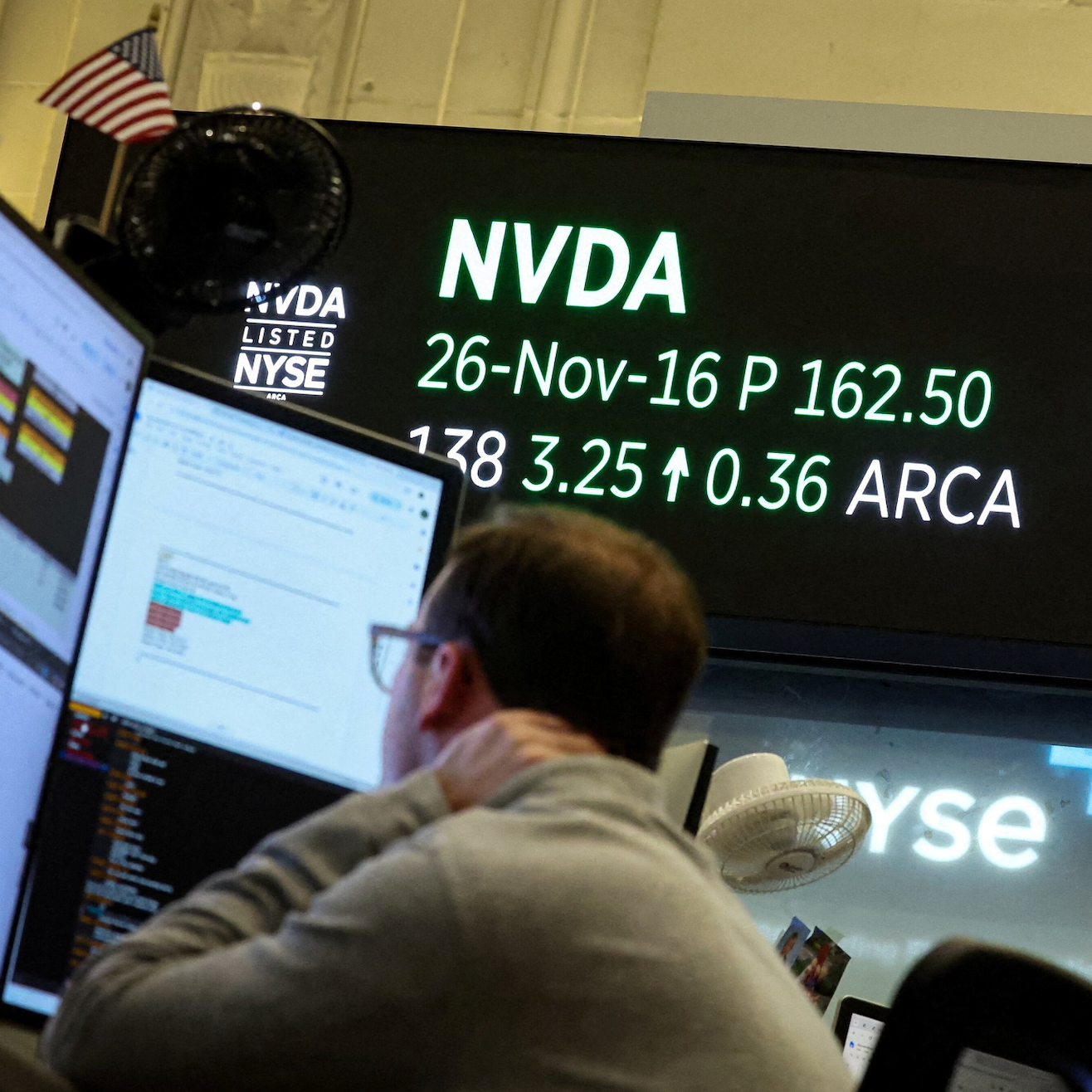
1:17Now, that could take in any number of big issues geopolitically, as well as the very specifics that the NVIDIA story has raised, which is essentially US-China trade, and in particular trade in chips, which were at the center of this extraordinary saga around NVIDIA. But before we get there, we will get NVIDIA's results tomorrow night. And it's not often we say that the numbers behind NVIDIA's results are almost a sideshow compared to everything else that's happened. But that's kind of where we're at. We're expecting something like a 90 % increase in earnings on top of about$109 billion of revenue.
1:58There's not a great reason to get worried about the numbers because so much of this is third quarter. it's what's already in the bag long before this had unfolded. But, and for what it's worth, the options market, as we often look at around these, is talking about a price swing of plus or minus 7 % either way. But of course, the sort of price moves we've seen around the Jensen Huang affair and his ouster last week are extraordinary in themselves. In just six weeks now, since the early October, we've lost almost$2 trillion of market cap. It's notable that that's roughly the valuation that Anthropic is looking for.
2:39Indeed. If it gets anything close to that, we'd be surprised because it's been downgraded continuously through that entire six-week period, exactly because of the problems in the tech sector and in the chip sector, and of course, around the midterm elections as well, which were very impactful on that whole sector going forward. And yet, number one, you have these spying allegations that are going to be kind of looming over all of this, probably not what Beijing is going to want to talk about. And on the other hand, what this whole saga does underscore is the heavy reliance that China still has on U.S.
3:15chips. I mean, there's so many aspects of the NVIDIA story that go in so many different directions. and one which we can talk about in a second which is about the company itself and what happens next for its board and its next CEO for example that's a that's a huge issue it was rumbling all weekend but more broadly why why does it matter beyond the the NVIDIA story itself and it is because it's possible that we get a tightening of U.S. restrictions on exports of chips to China as a result of this fair. Now, one of the extraordinary developments on Friday was Treasury Secretary Scott Besson effectively pointed the finger at the Commerce Department for not enforcing restrictions the Treasury had already signed off on about what chips, including NVIDIA chips, could be sold to Chinese companies.
4:07So that raises a question about Howard Lutnick's position. Interestingly, Howard Lutnick is on the plane with Donald Trump on the way to his Asia tour, which begins, we have to say, at the ASEAN summit, and then moves to Shenzhen for the APEC later in the week. But that's a question then that Congress will have issues about, already has voiced those about. Is there enough concerns or enough restrictions on those tech exports to China? So if that's a fallout for the entire U.S. chip selling sector, you have to wonder. It looks like AMD, which was at one point last week possibly a beneficiary of NVIDIA's problems, it fell 10 % on Friday.
4:56Now, you then go back to NVIDIA itself as to whether it's got someone lined up to take over from Jensen Wang. There were reports yesterday that Wang himself may be considering a comeback already. That's a pretty quick comeback. We don't know and we can't verify any of those reports. But what we can say is that other reports are pointing to possibly arm holdings Rene Haas as a possible option. So does the government just watch this unfold? Does the administration have a dog in that fight? Well, Scott Besant, again, very vocal Scott Besant in recent days, said that NVIDIA should go for somebody outside the company, partly because of questions raised over how it's handled this whole affair over the past 12 months.
5:46So he's clearly pointing away from the return of Jensen Huang, you'd imagine. And that's something we have to watch very closely and whether anything will be said tomorrow night around the results about the process, at least, by which they pick a new CEO. But as we said, the numbers for NVIDIA will probably take second place to how the company now structures and has its top people lined up there. Now, I think there's a lot going on there. But one thing I think we can say is that it's probably not going to be great news for China in terms of their access to U.S. chips. And China's got some not great economic news out today, which really underscores the kind of two-track nature of their economy.
6:30On the one hand, you know, we've seen in recent weeks their export data continues to be extremely strong, driven by the AI boom. Yet now, again, we're seeing that domestic consumption remains very low. The housing market remains very low. So how does Beijing play this? Well, we saw last week that the exports side of the Chinese economy is booming, right? So we're already well over a trillion dollar surplus for 2026 in the latest numbers. But if you look at the disappointment on the industrial production side and on the retail side, you can see that even with those exports, that the domestic economy is clearly struggling here.
7:11So what's happening in that space, what's happening with the tech aspect of that space, and to what extent is pressure on chip imports a factor in China's ability to build its own domestic tech and AI ecosystem? That's a real question. Now, we get the flip side in the United States tomorrow, we'll get retail sales from the US, along with reports from the big retailers, Walmart, Target, and others, which is interesting as we're coming into the Thanksgiving holiday season. And we also get industrial production from the States as well. And one other thing, actually, just to look into another aspect, which was really impactful last week, really important for markets, and has kept everything nervous as we come into trading again today, is the Fed story.
7:58The Fed pressure now on the Fed to start moving rates up after two very hot inflation reports last week is quite intense. Treasury yields have been pushing higher. And we did get this extraordinary statement from Jeffrey Schmidt at the Kansas City Fed on Friday, where he said the sort of hawkish line that we heard that began this Fed move back in August from Kevin Walsh at Jackson Hole, that wasn't hawkish enough, essentially, is what he's saying. given what we've seen subsequently. And that's a big statement because Kevin Walsh speaks today in San Francisco. He's talking about productivity as one of his big task forces, but he inevitably will address this pressure from AI build-out as well as the possible longer-term productivity gain.
8:43So watch that one very closely along with Fed Minutes on Wednesday.
8:57SIBO can help you trade in any market environment. There are risks associated with SIBO Company products. Review the disclosures and disclaimers at SIBO.com slash US underscore disclaimers.
9:08For today's recommended read, check out Ron Busso's column on how the conflicts in the Middle East are clouding Saudi Arabia's post-oil future. The link is in the show notes. And for more of any of today's stories, head to Reuters.com or the Reuters app. Follow us on your favorite podcast player. And if you're on a smart speaker, just ask for the latest market news from Reuters. We'll be back tomorrow. you
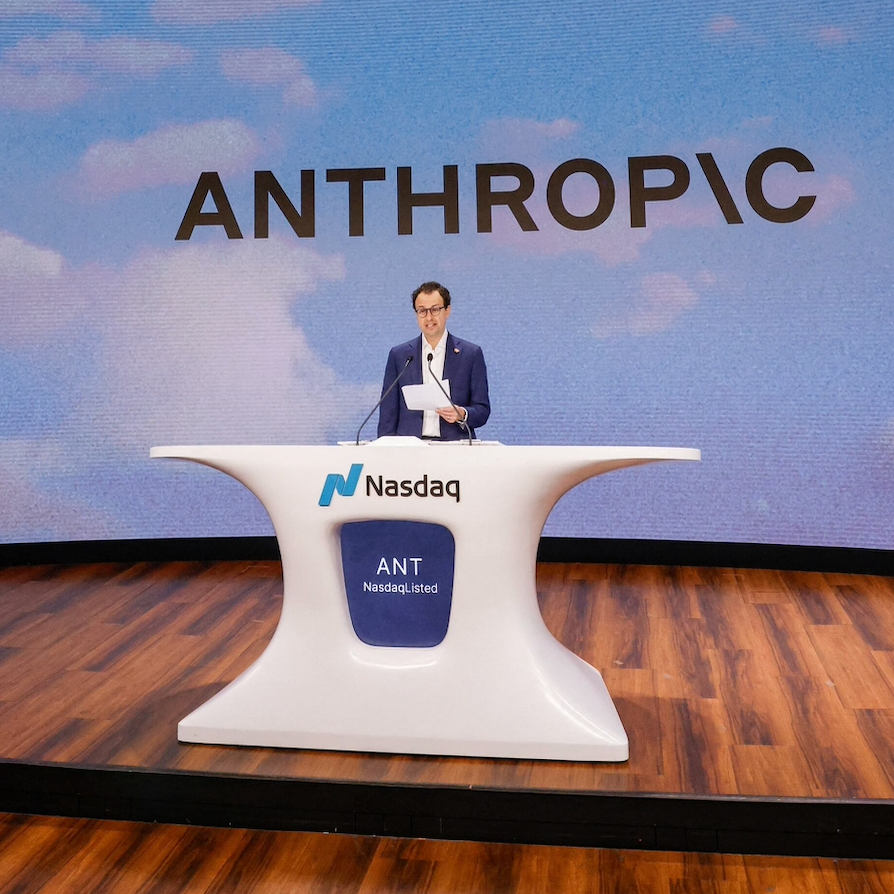
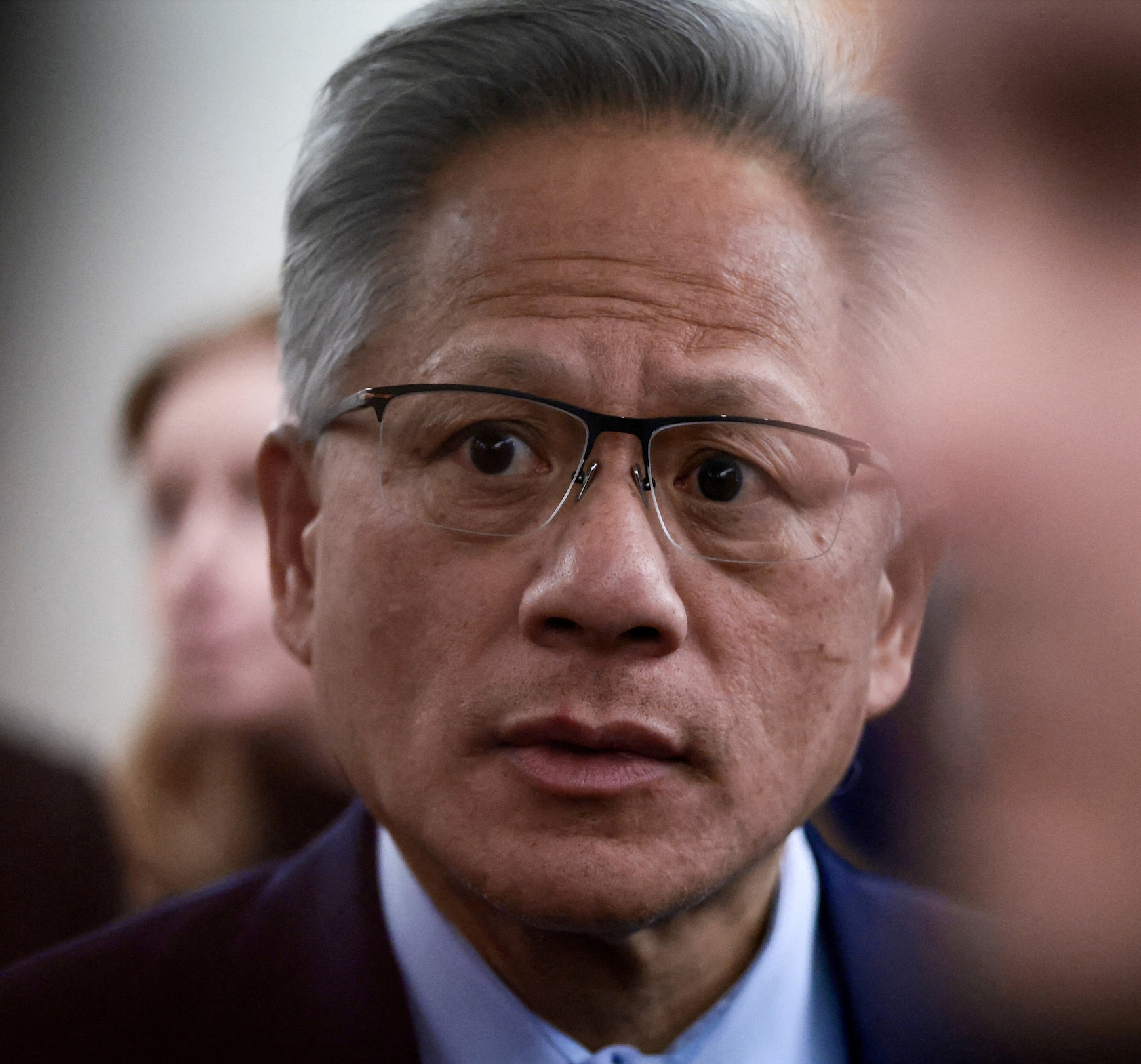
The AI trade faces a big test this week with Nvidia's earnings and Anthropic's blockbuster IPO. US President Donald Trump will meet China's Xi Jinping, days after Jensen Huang's resignation amid a potential spying scandal. And China's domestic growth engine sputters with October data weaker than expected.
📲 Podcasts, breaking news, and video analysis from the source. Download the Reuters app here.
Today's recommended read: War-torn present clouds Saudi Arabia's post-oil future by Ron Bousso
Subscribe to Mike Dolan's Morning Bid newsletter and check out his columns on Reuters Open Interest.
Produced by Harry Robertson.
Sound engineering and music by Sebastian and Josh Sommer.
Visit the Thomson Reuters Privacy Statement for information on our privacy and data protection practices.
You may also visit megaphone.fm/adchoices to opt out of targeted advertising.
Learn more about your ad choices. Visit megaphone.fm/adchoices