In short
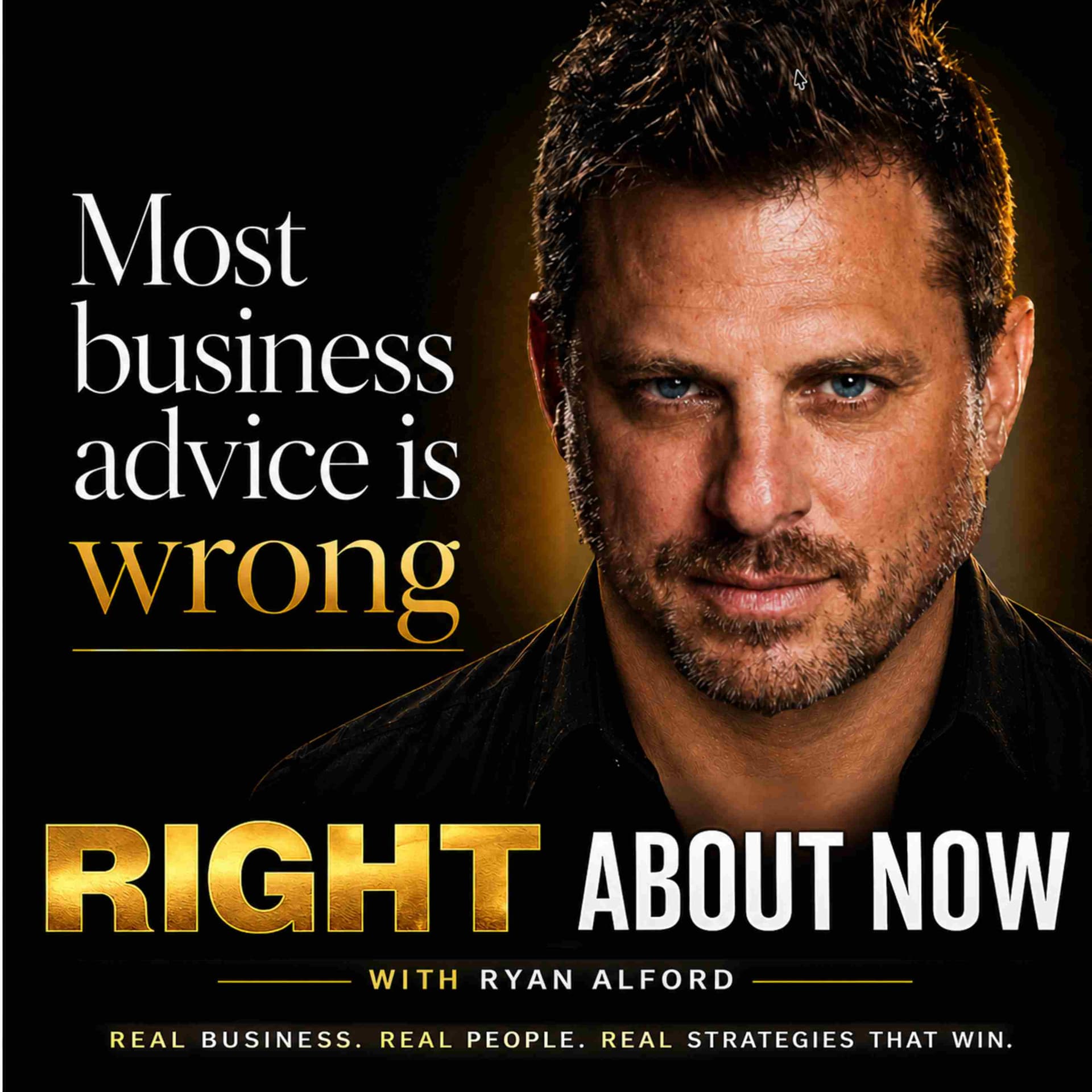
Right About Now - Legendary Business Advice
Episode Summary
Creating His Own Breaks - The Booming Hobby Series w/ Jason Koonce
Host
- Ryan Alford: Entrepreneur and marketing expert, known for providing uncensored insights into the business world.
Guest
- Jason Koonce: Founder and CEO of OTIA, a significant figure in the sports trading card industry.
---
Episode Overview In this engaging episode, Ryan Alford interviews Jason Koonce about the evolving landscape of the sports trading card hobby. Jason recounts his journey from a young collector to a prominent industry leader, discussing the technological advancements, market dynamics, and community aspects that have influenced the trading card market. The conversation provides valuable insights for both new and veteran collectors, emphasizing the importance of community and the excitement of the hobby.
---
Key Takeaways
Evolution of the Trading Card Hobby
- The shift from traditional card shops to online platforms has greatly impacted pricing and consumer behavior.
- The introduction of card grading has revolutionized the market, increasing the values of high-grade cards significantly.
Jason Koonce's Journey
- Started collecting cards as a child, engaging in various hustles to fund his hobby (e.g., shoveling snow, mowing lawns).
- Transitioned from simply collecting to understanding the business side through negotiating at card shows.
Impact of Technology
- The internet and advancements in grading technology have democratized access to card value information, empowering collectors.
- Social media and content creators play a pivotal role in shaping the current trading card community and influencing market trends.
Changes in Consumer Behavior
- The COVID-19 pandemic reinvigorated interest in trading cards, leading to a surge in prices and the market's acceptance as a legitimate asset class.
- The rise of live shopping platforms, particularly Whatnot, has transformed how trading cards are bought and sold, enhancing liquidity and access.
Future of the Trading Card Industry
- Jason predicts continued innovation and growth within the trading card industry, driven by technology and community engagement.
- The importance of building and maintaining a positive community among collectors is crucial for the hobby's longevity.
---
Discussion Topics
Card Grading
- The significance of card grading in determining market value and the transition from old methods (e.g., using the Beckett price guide) to real-time pricing apps.
Market Dynamics
- Exploration of how consumer behavior and market dynamics have changed over the years, including new trends like repacking cards and the influence of COVID-19.
Community and Camaraderie
- The central role of community among collectors, emphasizing the fun and shared experiences that define the hobby.
The Role of Influencers
- Discussion on the impact of YouTube and social media influencers in promoting the trading card hobby and the mixed quality of content available.
Live Shopping and Future Trends
- Insights on the rise of live shopping as a new frontier for commerce, particularly in trading cards, and its potential to democratize selling and buying.
---
Closing Thoughts
- Jason shares his commitment to the trading card industry and his vision for balancing work and family life while continuing to grow his business.
- Ryan emphasizes the importance of enjoying the journey and fostering connections within the hobby.
---
Resources
- Website: [OTIA](https://www.otia.com)
- Social Media: [OT Sports on Whatnot](https://www.whatnot.com), [OTIA Rips](https://www.youtube.com), [Ryan Alford Instagram](https://www.instagram.com/ryanalford)
---
This episode of *Right About Now* serves as an insightful exploration into the trading card hobby, blending personal stories with broader industry trends, making it relevant for both seasoned collectors and newcomers alike.
Written by AI. May contain mistakes. Listen to the episode to check what was said.
Transcript
Automatic transcript. May contain errors.0:00So that was my first big money making was just straight grading. And after a few years, the next level was, how can we put fuel on this fire? This is Right About Now with Ryan Alford, a Radcast Network production. We are the number one business show on the planet with over 1 million downloads a month. Taking the BS out of business for over six years and over 400 episodes. You ready to start snapping necks and cashing checks? Well, it starts right about now. What's up, guys? Welcome to Right About Now. Hey, you know, we're getting back to business here. We've been in the middle of our trading card extravaganza, as I call it.
0:45It's opening the eyes and the ears to the world of the hobby. And I got introduced to Jason, our next guest, through a mutual friend. And we had a conversation that was supposed to be, you know, like five minutes, ended up being like 55 or two hours. I don't even know. So now I'm going to just call him a brother from another. He is Jason Kuntz. He is the founder and CEO of OTIA. I'm going to let him give that acronym and what it all means. He's just a sports card past, present, future junkie. What's up, Jason? What's up, man? So happy to be with you today, Ryan. Hey, I appreciate it. I loved our convo a few weeks ago.
1:24And Darren Prince, a mutual friend, was like, you got to talk to Jason. You got to go to the expert. I'm like, well, shit. We'll get him on. Get on the phone and like, we're just going to shoot the shit, talk about maybe what we could talk about. Next thing I know, I don't know, we're talking about our kids and traveling and sports cards and everything. Two hours later, yeah. Exactly, man. Where's home? Michigan. We're just a big Michigan Wolverine fan, so we're about 10 minutes north of Ann Arbor here in Michigan. Go blue. Go blue, man. One Team International Agency, OTIA. We're going to dig into it.
2:03Let's set the table on the past a little bit. Jason's in the trading hobby, sports entertainment, a little bit of everything. Maybe tell us a little bit about OSHA and your legacy in the cards. Well, I mean, this kind of started as a kid. Most people, when they're 9, 10 years old, they're collecting cards. They're going to their shop. I was pretty into business from a young age. nine, 10 years old, I'm going out shoveling snow seven, eight hours a day, building up a couple hundred bucks. So I had that part down in the making money. And then the unfortunate part was I would end up at the card shop blowing all my money on packs.
2:39And, you know, at the end of the day, kind of leaving with, you know, just a bunch of stories of, you know, open packs all day and back at it the next day. And in the summer, mowing lawns in the winter, shoveling snow. So yeah, I mean, literally for the last 30 some years, this is kind of all I've done is sports cards, autographs memorabilia you know the big thing kind of changed for me especially at a very young age is you know 30 years ago when you went into a card shop there wasn't the internet there wasn't you know they kind of had you they were under control like they set the prices it was it is what it is it's a lot we'll get into it but it's a lot different with card shops today like they need to be much more on point and and follow you know the the pricing and everything but so yeah for a first year or two starting off like i'm stuck in these card shops and there's not a lot of negotiating what really caught my eye was when i discovered card shows when it was more of like the negotiating, the bulk deals and going from table to table, the flipping, the hustling.
3:32And I started doing this really young, like nine, 10, you know, 11 years old. And, you know, I haven't looked back since. So yeah, from starting off there to where we are today, it's been pretty wild to see, you know, this grow over the past 30 years. You bring up a great point and it's kind of has some meta connotations. And I don't mean like the company and it's mean like the way the internet and information and knowledge has empowered so many industries and so many so much change because i remember growing up and going to the god how big a dickheads were the card shop owners of the 80s i mean i hate to sort of put everybody in the bucket but they were everyone in my my town in south carolina were jerks you know You go in there.
4:19Like you said, they didn't negotiate. They hold all the cards, literally. And it just all seemed like they didn't give two shits if you were there or not. Yeah, you can't. Yeah. And that's basically it. It's like they had a monopoly. Whatever prices they said, if you wanted it, and you had nowhere else to go. It wasn't like you were, you know, the next card shop's probably a few hours away. So if you wanted to buy cards or price, no internet. I mean, early on for me, like, you know, like AOL message boards in like 95, 96, I started to dabble on the internet, but it was like, you know, just so new compared to what we have today.
4:52Yeah. And, you know, trying to get a value on something. I remember going to the Beckett book, you know, page 78 going to find the value of my 87 tops Cal Ripken. It was 87 cents today. It's 91 cents next month. Maybe. Yeah. Yeah. And everyone's going off the Beckett. And honestly, like I haven't used the Beckett in 20 years. So that just shows if anybody's like tuning in that, you know, collected cards as a kid, like Beckett was like the Bible. You know, everybody went off of Beckett and now, you know, everyone's got real time pricing apps with all the all the technology that's come to life with the market.
5:26Yeah. Beckett is long gone as far as pricing goes. It opened it up and it did change. I'm glad it forced the local trade, you know, trade shops or card shops to be, you know, more consumer friendly. And we're blessed. We had the largest dealer here in South Carolina and upstate in Greenville, Matty Rich. Awesome guy. Salt of the earth guy and runs a beautiful shop that, you know, takes care of his customers. And I don't know if he represents every single person. I'm sure you still have your your some you like some you don't. But it does. It has sort of leveled the playing field from between consumer and shop owner, because everyone's I've had it.
6:08We've been having these card shows at MySpace here. We've got 5 ,000 square feet. We've been doing little trade nights and stuff like that. Even my nine-year-old, you ain't getting nothing by my nine-year-old. He's over here. They're all walking around informed. They got their apps out. Everybody knows exactly what the cards are selling for the last 24 hours. Right? That's one of the cool things. Because the big advantage I had in the 90s was right now, like you said, everyone's got pricing data in front of them. But really, back then, it was really like who had the best memory of what stuff was worth in real time.
6:48You could buy a deal at one booth and walk 15 booths over and flip the deal and make money. It's such a different world. Another thing we'll talk about is in the mid-90s, and this is kind of where I got lucky. you know, the internet coming into play, um, grading, grading is like just almost a mandatory now. And I remember being at shows in the mid nineties and the head guy at PSA, which is the main grading company at the time, uh, it was a guy named Steve Rocky and he would come booth to booth and try to convince you on why you should grade your cards with PSA. And you have a lot of these old time dealers that are like, fuck you, I don't need, I don't need your opinion.
7:30I don't need you. and, and, and nobody really got it. Yeah. And I was this younger guy who just like, I was like, this is going to be big. And I just kind of bought in and, um, I started grading at like 15 years old, really young and just, um, eventually became one of PSAs. I was PSA's biggest submitter for several years, but, um, timing, I mean, I worked my ass off, but like, I have to put some of the, you know, the timing, you know, it's like if I was coming big into the market right when grading was taken off, right when the internet boom was taken off, like this was the perfect storm for, for cards in that era for me.
8:09How was money made then for you and sort of, you know, the arms and legs that where you made money in the industry, you know, and maybe as the industry as a whole versus today? Yeah. So it's a massive difference. I mean, I've always shifted my business to kind of go with what's hot at the time. And, you know, grading was so new, but the margins were so, and, you know, they're still today. I mean, a perfect example, we'll take, you know, Michael Jordan rookie card. You know, now today in an eight, that's like a seven,$8 ,000 card and a nine, that's 20 ,000. And in a 10, that's 200 ,000. So the same multipliers, you know, took place in the late nineties.
8:51We weren't dealing with as high a dollar figure cards, but the multipliers were there. So to buy cards ungraded and grade them, you could tend to 100 extra money. So it almost didn't matter. If you found stuff and had a good eye that was not graded and were able to get it graded and high grade, we were working on dream margins. And it didn't even matter when you messed up because we made it up on five other deals that did. Yeah. Yeah. So and I was just kind of born into like a gambling family, I guess. So I've always been a degenerate. But this was a way to like early on channel my degenerate gambliness into something that was like heads.
9:31I win really big tails. I break even or lose a little bit. So I kind of just went all in. And there wasn't a lot of competition. Like there was only a few people doing this. You know, it was so new. And now like you go to a show, 10 000 people everyone's trying to find stuff to grade and the reality is especially when it comes to like vintage cards you know back then high grade stuff was everywhere on you know that you could buy now it's all dried up it's all graded so that was my first big money making was just straight grading and after a few years the next level was okay how can we put fuel on this fire and it was everybody's thought once the card was graded like it is what it is like a nine everybody saw a nine in a holder and they just assumed okay like that's a nine they didn't realize the human element of this that you know on a tuesday the grader made a get may given it a nine but now on friday he's in a better mood it's off the weekend it's close maybe it's a 10 so now i kind of took a different approach to like walking around these shows looking at stuff that was already graded and like high grade and i'm analyzing like all these nines in real time and i'm accumulating just like massive quantities of nines that i thought were on the fence you You crack them.
10:39So I'm like, I'm cracking it. And like Jordan, for example, like I've hit a lot of 10 Jordans, but I mean, I've cracked out hundreds and hundreds of nines. So you have cards that are like right there on the bubble. They're like 9.7, 9.8. And you crack out 15 or 20 of those, you get 110, you know, you just, you kill it. So like I said, same time, like late nineties, there's three or four people doing that. Now there's 3000 people doing that. And that was really what kind of put me into a different level of financially, like early on and uh the whole grading is that still doable today not yes and no like you could probably still do it but the multiplier is not as high probably so you got to remember like if you come across like a jordan rookie unless it was a freshly discovered from a new collection there's a good chance that thing's already been looked at 10 times like if it's a nice nine there's a reason it's in a nine people that like me and then everybody else in like the last 25 years they've all looked at that card and like you know like they're like can this nine go to a 10 or like so like the game's already been played so there's just no inventory out there so i would say it's i guess it's there technically but when you take the competition and also add in the fact that i mean i i don't do it anymore let's put that so like but what about newer cards like do you still have the delta i mean like in a well so here's here's the other thing is the grading fees when i was grading cards in the late 90s like i was paying like five six bucks and now if you go to grade a high dollar card with PSA, you might spend 10 ,000 because they're basing it off of value now.
12:12So it's just all the fun has been taken out of the game. So I probably, since 2017, haven't really, you know, I went from grading 25 to 50 ,000 cards a month and being PSA's biggest submitter for several years to maybe grade like a few thousand cards a year now, if that. I mean, I'm looking at it a little bit that way, but also just having fun with my boys. So trying to find both, I think we're finding the line we have we're having more fun than making money i'll say that so far but yeah i do see a clear path with what i do know and the people i know like jason koontz that there could be money to be made you know so it's yeah but and there's okay with it that's fine it's more just it's a lot of work like at these shows man like holy shit with every kid and every person.
13:03Like you said, it's not like that. I don't want anyone to be informed so I can take advantage of someone that, man, it's almost exhausting. The constant deal-making like it's because everybody thinks they know exactly what something's worth and they do, but I don't know when everybody's a pro, it's a little annoying, you know, it's different now. I mean, it was so easy for so like almost too easy to the point where when COVID hit, you know, everybody kind had time to like pull out their old cards and get back into it. I think a lot of smart people realized, you know, a lot of business minds like yourself, they all came in and they're like, this business is like, it was so unprofessional.
13:41And, you know, and everybody saw these opportunities. So like within the last couple of years, we've seen so many apps come out, so many business, you know, nothing changed from pre from 2019 back, like it was basically the same. And now there's just so much innovation, which is, it's good, but it's brought in a lot, a lot more smart people, a lot of business people that have come in, they've, they've, you know, added fees to different stuff. And like you said, taking some of the fun away and, but it's turning into, it was already a real asset class. One of the major things for COVID was I've, I've always been bullish on cards, probably 70 % of my net worth is in cards and memorabilia, but there was always in the back of my mind, like, am I crazy having this type of money invested in this?
14:24And And I was confident, but really when COVID hit, like the confidence boost for me went from like 70 to 100 percent. When if you ask me what could tear down our business is if you took away sports, you know, off TV, basically everything that happened in the beginning, if you took all it away, I'm like the card market's going to crash 99 percent. And there was like this six week gap where I guess not just cards, but the whole world was kind of in limbo. Yeah. And I was panicking. You know, I had a lot of money, but all on paper and in inventory. And then out of nowhere, like you just see the market just like go like this and then just take off.
15:02And that for me was it was good on multiple levels financially, but also just like the feeling of knowing, OK, like this has been cemented as a real asset class. And nothing's going to I don't say nothing, but like this is it is what it is like people. This is now, you know, we'll watch as gold coin. I mean, this is like a real asset, you know, and you see people shifting money out of the stock market into some of these massive like million dollar cards because they believe in sports cards more than they do the stock market or some of the other, you know, bullshit going around. So that's been really exciting for me to see just being in it from the very beginning to where we're at now.
15:44It's pretty awesome just to kind of get confirmation that we're here to stay. Watching now, and this is me with the kids and kind of looking at the industry, the YouTube factor. You've got these influencers and guys opening packs. I'm not talking about selling and whatnot. I'm not just the opening packs on YouTube. You've got King of Cards, Kyle, kind of building his little brand up. This is not unique to trading cards. This is the smart people in any industry have figured out that attention is money. and you, hey, the internet is your oyster and the social media is your oyster. What's your take on all of that and the impact on the industry?
16:24So two things. One, to me, personally, it's so wild to think that, like going back to the early 2000s, we didn't have cameras at shows. We didn't have iPhones, obviously, but like the thought of filming at a card show was so, like it was, when people asked you what you did for a living, It was like, it was embarrassing to tell him you bought and sold sports cards. Yeah. Usually they would hear sports cars and then you wouldn't correct them because like, that's cool. And so it's like, it's completely shifted. And to, you know, people say, I can't believe you don't have content from the show. It's like, dude, we were not in a content world to begin with.
17:04And then on top of it, we didn't want people. No, you know, no transparency in our mind. No secret. You weren't letting those trade tickets out. Yeah, like, well, the secrets and just like, you know, it's like, you're not going to pick up chicks telling, you know, telling people you buy and sell baseball cards. So, you know, fast forward, fast forward 20 years, everybody's doing it. Now it's cool. So to me, that's just such a shift to see it go from like zero to 100 as far as a cool factor goes. So that's part one. The second part of your question is, what do I think about it? And like, all these guys, you know, a lot of these guys are newer to like they saw the, you know, there's a chance to make authors content.
17:42there's clickbait you know there's stuff there's there's ways to make money through the content obviously so you know a lot of these guys they're not experts they've come into the hobby in 2018 2017 2019 so they don't know a lot they know enough to to kind of talk about it so some of the information is just the blind leading the blind as far as like these are new people talking about cards with that being said i think the guys that have good intentions it's good it's all positive. The guys that are negative, like whatever, like, you know, it's clickbait, you know, it's whatever. I don't think that someone's, you know, if someone's new to the hobby, like that's their first experience, it's not good.
18:17So all the guys that are putting out good content, I think it's growing the hobby. I like seeing it. I know a lot of those guys, they're good. They're good people. So I think it's a net positive overall. I think it gets watered down a little bit when you got guys who don't know what the hell they're talking about. But I think the really big guys at least have an idea of the hobby and stuff. So it's just mind-blowing to me. I'd rather watch some new guy's video for 15 minutes just to kind of, I'm always trying to stay in the loop. Like even with the new guys that work for me, I'm always picking their brain because I don't keep up on them.
18:48There's so much new stuff coming out daily. Like it's crazy. You know, I know the vintage better than most. Some of the newer stuff, it's hard to keep up with. So I'm trying to sponge all this in. Yeah. It's different, especially coming up when you did, like you said, it was just the last thing you'd think of wanting to amplify is either by reputation or by like giving your, I don't know, competitors, you're kind of like behind the scenes. Speaking of crazy stories, so that like, here's a perfect example. 1986 for basketball, you know, like the Holy Grail of basketball, you know, Jordan's rookie in the early 2000s, boxes of that were about 12 to 15 ,000.
19:31And now they're like 150 ,000. We were buying those and cracking them. And the people that were selling them to us or me and, you know, people I was working with is they thought we were just getting smoke. They felt bad. They'd sell us these boxes. We were opening them and they kind of felt like we were just these young guys getting screwed. They didn't realize how clean 86th floor basketball came out of the packs. And we were grading this stuff and making a fortune. And we just played, we just played the dumb role for like two or three years of like yeah i just really like opening this product but like a box that i paid 12 000 for like worst case scenario the roi was about seven grand a good box roi was about 200 grand holy shit yeah so like and i i opened three or four hundred boxes of 86 flir basketball and nobody would pay more so like they would buy them and we would just you You know, some of the Dave and Adam's car world, baseball car, all these guys would sell us.
20:28They'd get 86-flare basketball. They'd sell it to us. We would kind of show the image of like, hey, we're these dumb guys cracking 86-flare basketball. And, you know, Jordan wasn't even the most expensive car in the set. Like a lot of people were building sets, and some of these commons were like$10 ,000 or$15 ,000 in a PSA tent. You could get one common in high grade, and it would cover the entire box. Jeez, crazy. What you're saying is you guys are taking some collection of cards and repacking them into, you know, 4, 8, 12, 20, whatever it is, into a different rebranded name. And you have a higher percent chance of ROI than you did maybe from manufacturer and maybe even a larger hit rate or something, you know, like with the better cards.
21:11I'm trying to short phrase that, but is that. Yeah, exactly. Well, and liquidity. I mean, like, so generally, like, let's just say the repack is, you know, each repack is one graded card. And, you know, like, let's say the repack costs$200. And, you know, like, over the span of the repack, like, the lowest card in there is going to be$40, which you have to have$40 cards in there. Because in that same repack, you want to put cards in there that are, you know,$1 ,000,$1 ,500. hundred so but you're you're pulling something that's instantly liquitted you know or there's instant liquidity versus out of a traditional pack you know half 99 of the cards are all commons that are just going to get chucked and then let's just say you do pull a good card then it needs to go off for grading there's the weighting repacks are quicker there's generally like a floor and a ceiling so you you kind of know like what's my minimum what's my law you know what's my max but the only thing with traditional packs is you do have that lottery ticket which has kind of been the game the last couple years, every so often they're going to have a, I'm sure you saw the Paul Skeen's card debut, sold for $1.3 million.
22:18That's one person that hits that. So for one person that hits that million dollar lottery ticket, there's all the other stuff that just, you know... Yeah, you only hear the good news. You only hear the good news. That's the stuff that doesn't get talked about. So I just think that, and you do see it, the repack is just getting a lot more money a lot of these guys that like to spend money on high dollar they still open some packs like i still open packs for me it's just pure entertainment though like if i me and my son me and my kids sit down and we open a box or a couple boxes and spend a thousand bucks i'm not planning to get any of that money back like i'm just like entertainment donation having fun and you know give them the cards and let them do it so i think when you go in with that mindset it's okay because it's the same as going to a sporting event or going to whatever.
23:08But the problem is, you've got people that they don't look at as entertainment. They're looking at it as making money opening packs. And during a long haul, that's just not going to be sustainable. No, don't do that. Go buy singles and resell them or put them in your collection. I do the same thing with my kids. We open three nights a week, but I'm looking at it purely as time with my kids where they actually want to hang out with me and we have fun and it's a surprise and delight moment if we get something great. And if we don't, I'm, I'm not, uh, you know, forfeiting their future, you know, like, it's like, it's like, uh, it'd been nice to have gotten something out of that, but, uh, I had fun either way.
23:54And that's, that's, that's part of, you know, why I'm doing this series is to remind people, this is a lot of fun. It has a lot of great attributes for fathers, sons, mothers, daughters, whoever's into it. It doesn't matter because there's a trading card and a hobby variation for everyone. But at the same time, it is an asset class now and needs to be, I don't know, put on the pedestal that it's earned through a lot of the time that you've put in, Jason. I mean, you know, being one of the pioneers and people that have been through it all, you know, it sort of deserves its moment in time. You know, you guys are selling on whatnot more than anything else.
24:39That's what I'm hearing. That's what I'm assuming. This technology and live selling thing, you know, being in marketing and business, I've been preaching that for about seven years and telling people that it was coming. It was before COVID, by the way. I was at a FedEx event. People looked at me sideways and I'm like, you just wait. Sure enough, it's a fascinating part of the industry, this industry, other industries. What say you about live shopping? Well, I wish I would have met you five years ago because I was on the initial call with Grant, the guy who started Whatnot. And I still have the email that I look at like once a month because it's ridiculous.
25:16They're basically saying, hey, I got this idea for a live selling platform called Whatnot. I want to talk to you, like, you know, investor. so I had a chance at like you know pre oh Jason I wish I had known you man I would have if you had gotten that call I would have gone in with you yeah I just I just I was still like I think if I was younger I would have understood it more at the time I my question to him was I said I go so you want to run a 30 second auction at one in the afternoon on a Tuesday and they said yeah and I said just that sucked that was ridiculous to me but I didn't really process it the way now Obviously, I'm one of their, I think their number two seller on the entire platform.
25:57But at the time, if I would have stopped and thought like, you know, even on eBay, all the bidding is in the last few hours and even sniping the last second. Like the first six days of a seven day eBay auction is irrelevant. So this was just like, I mean, I've had plenty of hits. I've had plenty of misses. This was a miss for me. So it's just kind of funny now looking back when I was just so anti or bearish on just not bearish. I didn't understand live streaming. And now I think we're still really early. I think live streaming is like the fourth or fifth biggest thing in my lifetime to come about.
26:34Like the Internet, crypto, you know, Bitcoin, you know, it's like social media, live shopping. To me, live shopping is the third or fourth biggest thing where people are going to get really wealthy. And in the next couple of years, AI, obviously. But you're going to see everybody, like Walmart, Costco. They're all going to have lives. Either they're going to be pushing stuff through other platforms or they're just going to create their own. And I'm very bullish on live shopping. And it's still early. I mean, I still think as far as it is, like 95 % of people still don't know anything about live shopping.
27:09So, yeah, I think the trading cards and the hobby is, well, a lot further down that like conversion path, you know, for their target audience. But it's going to meet this professionalism that you talked about earlier. That's where I see it. That's where I kind of have my brain thinking is like, as the business as a whole, where I think about, okay, well, if Ryan R. Alford is going to get in on this thing, it's going to be in this professionalism, marketing, content. but there's a delivery with the live shopping, which you don't want to throw the baby out with the bathwater. So it's not that it has to be overcomplicated or too sophisticated, but I do think there's rooms and dials to be turned with all of that experience.
28:02Oh, it's huge. We have seven studios that we've built out and we're constantly making them better. But like a lot of the people live selling, like they're still live streaming like out of their garage. Yeah. You know, like, so we have, we're kind of a little bit ahead of that, But we also, you know, we don't we have it's really hard to find good live streamers. I mean, I think live streamers are going to become famous, like personalities and people are going to hire them. And because if you can sell, you're going to be you know, it's like the late 90s, you know, sports cards on TV, the shop at home days.
28:33Oh, my God. I don't know if you know. Don, I've got some videos that we play that I've I'm actually having cut up right now that are more spoof stuff. for the Breaking Rad Instagram channel. But it is that. He was great, but it was like, he's in the video where he's like, if you don't buy this, how are you going to wake up in the morning? The next day, you're not even going to be able to look in the mirror. He was the greatest salesman of all time. He was amazing. So that was the part where we could talk for 10 hours So I did a ton of selling on the main two guys that were selling on TV. I was providing them with a ton of inventory, and they were buying with Reckless, you know, because they were selling on TV and killing it.
Read the full transcript
29:24But so, yeah, Don was hilarious, but the TV days were wild, man. You'll walk into that bar and be like, there's Rick. He knows how to make a decision. He goes all in. If you miss out on this, you're not going to. If you miss out, you're not going to look yourself in the mirror tomorrow. And I was watching it going, I don't want to miss out. And then I'm like, oh, shit. I was like, he was awesome. He was so good at it. But I'm learning from him. I'm getting serious over there with my kids. They would do limit five per caller, and then you'd have people calling in and have their mom call in for them.
30:03Yeah. Oh, my God. Hey, can we order, just have them shipped to the same address, but it's a different person trying to get more. you know yeah exactly fomo man that's what it is fear of missing out that's what live shopping is though it's like every great marketing characteristic like built into one you've got the the last 10 seconds so fomo you got you're racing against the clock you don't want to miss out you it's just everything kind of coming together the thrill of getting the deal i mean when we're watching stuff like i said like sometimes like stuff goes over market yeah stuff goes over market a lot of times stuff goes under market.
30:41So like there, there are plenty of times where I see you, I'm like, holy shit. Like that was a hundred dollar card that just sold for 40 bucks. Like that guy's, you know, which is good. Like that guy's going to come back and keep buying like crazy. You know, that's the arbitrage today. That's the arbitrage today. Cause I get in there and I've done both, you know, like I tend to not be the guy that goes over just to win, but like sometimes I've got a wrong number on a card cause there's so many damn cards. I'm like, oh, that's probably$20 over marketer, you know, but that's arbitrage getting there and stealing some, you know, a hundred dollar cars for 40.
31:14Knowing the market. I mean, this is, this is where in real time, when you're running a 30 second auction, you need to make those gut calls. And if you do know the market and something's selling for 80%, like, you know, and he's spending a lot of money. And I mean, a lot, we do that too. I go in there and pick stuff off. Sometimes the collector in me comes out and then I end up overpaying for some stuff that I just want for my person. But that's kind of the fun in it. Like, you know, when am I going to see this again? But there's, yeah, there's, there's definitely a, just a ton of money to be made.
31:44You just have to just spend the time and just get educated and really, you know, don't jump all in and just, you know, spend a ton of money. Like just put a lot of hours in understanding everything before you, you know, go, go big. Yeah. And that's sort of my superpower. Howard, like I'm the most curious person on the planet. I go down the rabbit hole, like, and I'm down the rabbit hole in this business. Like I'm way down it right now. Like just observing, watching and curious. Don't know it all. Learning from guys like you watching the market and stuff like that. Cause there is stuff to be made.
32:21It's just like anything else though. It's not immediate$12 ,000 to$200 ,000 boxes. Like it used to be, but like anything else, He who goes the furthest often wins. Jason, where's it all headed for you, brother? I mean, you're relaxing. You got great people working for you. You're taking care of them. They're taking care of you. When Jason looks down the road and goes, man, you're taking care of your kids, your family. I mean, where are we headed with all this? Yeah, I'm in this. My kids are all like, yeah, I think our kids are in a similar age. I'm like 10, 8, 7, 6. So it's like I am trying to pull back a little bit, you know, like when I say pull back a little bit, it's like going from 80 hours a week to, you know, 50 hours a week.
33:07I enjoy this. Like I enjoy business. So, yeah, when I try it, like I don't know about you, when I go on vacation after day three, I'm jonesing to get home. It really takes it's hard. So I see me doing this forever. It'll it'll keep I'll keep shifting with it. And I think, you know, talk with a lot of these younger guys and just molding. I've always done that. But I just love it so much that it doesn't feel like work. And so, yeah, I think we're going to be doing this for a while, man. It's just I'm blessed to be in a spot where I have good managers underneath me. So when I do want to, you know, I'm like, hey, today's I got kids sporting, you know, I got soccer games.
33:42I got basketball. Like I'm not doing anything right now. I'm going to go do that. So that's I do feel like I set myself up for that. You know, the 15 years leading up to where we're at today. I do get a lot of hate when people, they think like they see where I'm at now and it's like they think this happened in the last year or two. Not the case at all. And it's it's, you know, it's just the world we live in today. You know, everybody wants, you know, money overnight. And it's just it's not the reality. And, you know, even like even in the middle, like going going broke in the middle of this, like, you know, really, really learned to put me in a different mindset.
34:16So, yeah, I mean, I'm going to be doing this for a while. Keep keep growing. obviously if you're not growing it's not fun it's it's it's exciting to to watch i i love you know planning the next three to six months out and then i email it to myself and then six months you know like kind of seeing how far we made it if we surpassed it and a lot of times like and i keep all these emails and i'm just like i'm looking back at goals from like 2022 and it's like holy shit like not only did we hit that goal um you know it's like like 100 million in sales in a year was like a big deal for us. And like, and we hit that and this year we're going to surpass that hopefully by a decent amount, but that was something that seemed crazy.
35:02And now we're there. So it's like, now I got to set new goals and keep, keep moving. I think people that are wired in this weird sickness entrepreneur that we all have, you're always, you're always moving the goalpost. For better or worse, it's a blessing and a curse, I think, because I think there's some people that get to the goalpost and they're happy and they can just chill. I think someone who's really dialed in, they get to the goal, they enjoy it for about 10 minutes, and they say, okay, let's move that goalpost back again and see what else we can do. That's kind of where I'm at right now.
35:40I'm trying to enjoy life a little more and work a little less but like i said even even less for me is still a lot of damn hours they say the journey is everything now and i think yeah the longer i do what i do it proves to be true and it's in almost everything because even like you said like my kids get excited about opening a box we get excited and you open the packs and you get it you might get the jayden daniels best card ever auto So 10 minutes later, it's what's next, you know, like, and it's not because they can't get enough, but it's just, it's more, I look at it more like you said, it's that the journey, the excitement of, oh, you know, building up to wanting that card or wanting that goal in business or all those things.
36:25I think the true, the truly motivated are just looking for the next journey and the next challenge. 100%, 100%. hey man where can everybody keep up with everything you guys are doing where to find you the company etc etc yeah so the website's just four letters ota.com on uh social media otsports on whatnot ots ots rips yeah i mean those are it's pretty much all under one umbrella if you google the otsports or ots you'll uh you'll find us and you'll join some of our live streams and enjoy the shows and have fun and bid responsibly. Yes. Got to put that disclaimer on there. Jason, really appreciate you for coming on the show, and it's been great.
37:17I consider you a friend now and look forward to future opportunities. Ryan, thank you so much for having me on, dude. It was a lot of fun. Hey, guys. You know where to find us, RyanIsRight.com. Hey, we're number one for a reason. It's because you're here. Go check us out on YouTube. We've got a fast growing page over there. Watch all the content. You'll find links to all of Jason's stuff. OTIA rips all the stuff they're doing over on whatnot and on the website. We appreciate Jason for coming on and we appreciate you. We'll see you next time. All right. About now. This has been right about now with Ryan Alford, a Radcast Network production.
37:53Visit Ryan is right.com for full audio and video versions of the show or to inquire about sponsorship opportunities. Thanks for listening.
38:30Call 1-800-GRAINGER, click grainger.com, or just stop by. Grainger, for the ones who get it done.
From the publisher
Right About Now with Ryan Alford
Join media personality and marketing expert Ryan Alford as he dives into dynamic conversations with top entrepreneurs, marketers, and influencers. "Right About Now" brings you actionable insights on business, marketing, and personal branding, helping you stay ahead in today's fast-paced digital world. Whether it's exploring how character and charisma can make millions or unveiling the strategies behind viral success, Ryan delivers a fresh perspective with every episode. Perfect for anyone looking to elevate their business game and unlock their full potential.
Resources:
Free Podcast Monetization Course
Subscribe To Our Youtube Channel
SUMMARY
In this episode of "Right About Now," host Ryan Alford interviews Jason Koonce, founder and CEO of OTIA, about the evolution of the sports trading card hobby. Jason shares his journey from childhood collector to industry leader, discussing the impact of technology, card grading, and live shopping platforms on the market. The conversation highlights the growing investment potential of cards, the importance of community, and the influence of social media. Jason offers insights for both new and experienced collectors, emphasizing the enduring excitement and camaraderie within the hobby.
TAKEAWAYS
- The evolution of the trading card hobby, particularly sports cards.
- Jason Koonce's background and journey in card collecting.
- The impact of technology and the internet on the trading card market.
- The significance of card grading and its influence on card values.
- Changes in consumer behavior and market dynamics over the years.
- The role of social media and content creators in shaping the hobby.
- The rise of repacking cards and its implications for collectors.
- The effects of the COVID-19 pandemic on the trading card market.
- The importance of community and camaraderie among collectors.
- Future trends and innovations in the trading card industry.
See Privacy Policy at https://art19.com/privacy and California Privacy Notice at https://art19.com/privacy#do-not-sell-my-info.