In short
How premium/luxury brands create demand without cutting core prices, using the rumored Audemars Piguet (AP) x Swatch collaboration as a “borrowed attention” case study; also covers owning distribution/attention channels in marketing.
Guests
Tom La Vecchia, founder of X Factor Media and New Theory Magazine; years at the intersection of marketing, media sales, customer behavior, and brand positioning. He runs owned media properties including New Jersey Digest, Social Life, and Lifestyle Magazine.
Key claims
Exclusivity is emotional and recognition increases desire; Swatch participation “democratizes the vibe, not the grail,” letting AP seed younger buyers for decades. Earned media and social signal outweigh dilution concerns.
Notable examples
Royal Oak as the “only one” grail; Swatch stock up ~5% and rumored $150M–$1B+ sales; comparisons to Ferrari/Kia and sneaker/Streetwear drops (Supreme, Nike, Travis Scott); mentions Rolex strength vs Panerai/Breitling missing the COVID-era hype.
Written by AI. May contain mistakes. Listen to the episode to check what was said.
Chapters
Tap a time to open that second in VOUnderstanding Exclusivity in Today’s Market
0:00 to 0:47
Explore the emotional and financial aspects of brand exclusivity.
“And then what happens is recognition actually increases that desire.”
X Factor Media and the Power of Ownership
1:20 to 6:05
Learn about Tom's business model and the importance of owning your media distribution.
“And more importantly, so is all the headlines that have been happening lately.”
Navigating the Local Media Landscape
7:43 to 9:27
Discuss the challenges and opportunities in local advertising and media.
“Attention is hard these days and it brings up even more things.”
The AP and Swatch Collaboration: A Case Study
9:27 to 14:01
Delve into the implications of the AP and Swatch partnership on luxury branding.
“I had to ask you a little bit about that, Tom.”
The Power of Brand Collaborations
14:01 to 18:05
Learn how strategic collaborations enhance brand appeal without lowering prices.
“Just imagine if Ferrari rolled something out with Kia and they did a thousand vehicles for 35 ,000.”
Demand Revival in the Watch Industry
18:06 to 22:37
Explore how utility and exclusivity revived demand for luxury watches.
“You could stay premium or luxury or super luxury, just like we're seeing here, without giving away some of your core values and things like that, but just leaning into, because I don't have an excuse for them.”
Marketing Strategies for Modern Brands
22:38 to 23:24
Discover effective marketing approaches that resonate with today’s consumers.
“And the younger rap guys, although they flex just as much, they don't flex about watches anymore.”
Transcript
Automatic transcript. May contain errors.0:00Exclusivity nowadays is emotional. It's not just financial. And then what happens is recognition actually increases that desire. Swatch, it's a win. It elevates their brand. AP gets them out there inexpensively and people want it even more. A family member of mine has a Royal Oak. I asked him right away, joking around. I said, great, I'm going to get mine for 400 bucks. And he laughed and he goes, hey, absolutely. It's going to be a beautiful watch, but there's still only one Royal Oak. You don't win by following the playbook. You win by rewriting it. 700 episodes deep with the people who actually built something real.
0:37No theory, no fluff, no shortcuts. This is Right About Now with Ryan Alford. What's up, guys? Welcome to Right About Now. On today's episode of Right About Now, we're using the rumored AP and Swatch collaboration as a live case study into how modern brands strategize and use borrowed attention. Tom Levecchi is the founder of X Factor Media and New Theory Magazine, and he spent years working at the intersection of marketing, media sales, customer behavior, and brand positioning. In this conversation, it's not just about watches. It's about attention, exclusivity, and cultural relevance. Tom, welcome to Right About Now.
1:18What's up, Tom? How you doing? Great, Ryan. Pleasure to be here. Hey, man. Good to have you. Hey, the X Factor. You had me at X Factor. Good name. I like it. Got my attention. And more importantly, so is all the headlines that have been happening lately. I know you've got a lot of opinions on them. We'll get at it. Where's home today? I live in Scotch Plains, New Jersey. That's Union County, New Jersey. Anybody from that area? Westfield, Elizabeth area. Not too far from Newark Airport. Yeah. What is X Factor? What are we doing? X Factor Media is a full service digital marketing company. been around for 12 years.
1:49We do media, marketing, et cetera. We own some media properties, New Jersey Digest, Social Life, Lifestyle Magazine, and then take certain by invite only retainer clients, plastic surgery space, some other spaces. So we do a lot of branding, marketing, et cetera. But we also do stuff for ourselves as well. A lot of guys have marketing companies and it's like, well, what have you done? Well, we do it for ourselves every day. And then we try to do it for our clients as well. Yeah. That's the key. And that's the difference. A lot of times the cobbler's children have no shoes, something like that.
2:17Like a plumber with a leaky pipe. Yeah, exactly. And I always found it interesting, the social media agency that has three posts. We do social media marketing. Our largest account on Instagram has about 162 ,000 followers at NJ Digest. Everybody wants to check it out. We do it on TikTok, on YouTube, separate podcast, separate property, about 104 ,000 subs. So yeah, we walk the walk. Because again, at the end of the day, if you can't do it, how do you do it for other people? Yeah, exactly. One thing that may not have been directly what I will talk about with some of the things, we're going to talk about a specific story that I think is interesting with crossover brands and things like that.
2:53You bringing up the fact that you started publications, you're an agency, but you started your own distribution for attention. I heard local and sort of national concepts, it almost sounded like. I'd love to talk about that a little bit because that's pretty fascinating to me. And I've experienced that, you know, doing podcasting, which is, you know, the form of media. Talk to me about what you've done there. I'd love to say it started out as some great MBA strategy driven type activity. It's just we were doing local media buying for our clients. And I was terribly under impressed. Small email list, not a lot of engagement, bought engagement, et cetera.
3:29So I said, well, wait a second. Why can we do this ourselves? New Jersey Digest actually was an acquisition. I acquired it in 2019. has been around in the Jersey area, super hyper local in Hoboken. Not a good story, but a funny story, if you will. Now it's funny, is bought the publication late 19, three months later, COVID hit. All the advertisers dried up, but the loan didn't. It was literally a local small publication. After kind of the reader's digest, you put in your release or your jacket. We had a publication, which we had abandoned. We said, you know what? We're digital guys and gals. Let's go digital.
4:01Let's go Jersey wide. and we just struck the right core except everybody was home. We got a huge amount of leadership and we just got to never look back. We did maybe one or two prints since, but we stuck it digitally since and now we reach about a million and a half people a month. But the idea really was to have an agency owned asset that we own. Don't get me wrong. I love our agency clients and we're there to increase the revenue and we're there to trade time for money and we do it and maximize their return the best we can. But it's about equity and ownership and when you own the bricks, it makes it a little easier to function as an agency because you have more resources, frankly, as well.
4:33Yeah, it's interesting. Playing both sides of the fence, selling the ads, coming up with the ads, and then owning the distribution point. But if you've got the eyeball, I mean, it doesn't really matter. If you're like me, you probably spend a lot of time paying attention to what's happening in the world. Markets, business, crypto, interest rates, sports, politics, all of it. I'm always looking at headlines thinking, okay, what happens next? That's honestly why I've been spending time on Gemini predictions. What makes it interesting is instead of just watching stories move the market in real time, you can actually trade on the outcomes of real-world events.
5:12Maybe it's oil prices, what happens with the Fed, crypto movements, major sports events, or broader world headlines. There are live contracts across all kinds of categories. And what I like is it feels built for people who already think this way. If you naturally pay attention to trends, follow business news, or spend your day analyzing what's happening in the economy and markets, this gives you a completely different way to engage with it. The platform itself is also really straightforward. Everything runs directly through the Gemini app. The interface is clean, and there are new markets opening every day.
5:48I've been on there browsing different contracts, and it's honestly just fun seeing how quickly things shift based on real-world news and momentum. And again, it's not about just passively watching headlines anymore. You can actually participate in what you think happens next. To start trading right now, head to Gemini.com slash predictions and browse through all available contracts. Starting something new isn't just exciting. It's honestly a little terrifying. I remember right before I launched my podcast, all those what-if thoughts creeping in. But looking back, taking that leap was one of the best decisions I've made.
6:27And I'll tell you, if your systems are clunky, everything slows down. Things are smooth, you actually keep moving. That's why having the right platform behind you makes such a big difference. For a lot of founders and entrepreneurs, that platform is Shopify. From massive brands to people just getting started, they make it easier to go from idea to real business. You get hundreds of ready-to-use templates, design a store that actually looks like your brand. You get AI tools that help write product descriptions, page headlines, even clean up product photos, which saves founders a ton of time. And once you're live, Shopify handles the hard stuff.
7:04Inventory, payments, shipping, returns, all one dashboard. Instead of bouncing between different platforms, everything's just in one place, which honestly saves us a ton of time. And that's the part people don't always see. It's not just about building a website. Start your business today with the industry's best business partner, Shopify. Start hearing. Sign up for your$1 per month trial today at Shopify.com slash Ryan. That's Shopify.com slash R-Y-A-N.
7:43Attention is hard these days and it brings up even more things. I mean, I've been in the marketing business for 25 years and did a lot of local newspaper ads when I started. Early 2000s, that business has kind of gone the wayside of digital media. But local and hyperlocal is still, it's an interesting and underserved media. Some markets do it better than others, but you've had national media sort of eating all this stuff up. But then suddenly the local market's not covered well. Correct. The truth is we're not competing with the other rag down the street. We're competing with meta ads and Google ads for the most part.
8:18That's where the big money is going. At first, it was hard to compete. But now, it's on your media kit as well. Own distribution is really important. We have a really robust email list, almost about 500 ,000 people. When you control kind of the channel, it's less dependent on meta and Google. The rented lands. Yeah, look at like BuzzFeed, about$7 billion valuation or$5 billion, whatever. Maybe even higher. and then now sold$20 million to$230 million. But pennies on a dollar for Byron Allen because they relied on meta heavily where we're the opposite. We create our own channel. Don't get me wrong.
8:52We were a little bit of a hoven to Google Discovery. I don't want to lie about that. That probably will never change. But we do invest our own destiny. And the truth of the matter is you can do a great meta ad. You can do a great Google ad. Very expensive. Click fraud is high. And the truth of the matter is although it is local and you have their intent, It doesn't mean you're going to get their actual sale versus for us. We curate the contents. By curating the content, you're almost curing the Arnie museum. And more than likely, if you know what people like, then you find the right advertiser for that.
9:22You do that without paying big bucks to Meta and Google and wasting a lot of money. Yeah, it's a good point. It's very smart. That's in the playbook for sure. All right. Switching gears a little bit. I had to ask you a little bit about that, Tom. Just a marketing dork in me. Luxury watches. Yes. Watch collector myself. This one caught my attention. with AP and Swatch. This is going to age me too, Tom. I grew up wearing Swatch watch as a kid. It was like cool, and then it wasn't. And then now it's cool again, like everything else. I'm waiting for members only. I think I'm still the last member, but that's got to come back.
9:53If that comes back, I think I got some stuff in the closet somewhere. Well, that had a little bit of a bump, I think, around the Sopranos time. Swatch and AP. What's AP thinking? Are they giving up a luxury position, or are they just smarter than all of us? That's a great lead-in. nowadays you mentioned this luxury today isn't about ownership it's about participation having signal versus noise and getting to those younger consumers who want access to these brands before they can afford them is really critical it's a seating activity as we call it in marketing as you know the collaboration at this point allows millions of young people to get involved in the ap culture without dropping 50 60k and then we're alope right the idea is luxury brands they have to create the aspiration and create their ecosystem before they convert what they're doing is the ap buyer 10, 15 years from now is going to look at the Royal Oak in a nostalgic fashion when they can't afford the 50, 60K Royal Oak.
10:45So this is a tremendous marketing activity and I see it no in any other way. Yeah. I'm torn on this one. I understand the tactic and I agree with fundamentally everything you just said, but I sort of toil a little bit with Rolex didn't have to do this 20 years ago, 30 years ago. And I know the time's changed. That's probably what we're going to talk about social media has changed. There weren't the avenues, but sort of that aspiration was driven by how available or can you actually get a hold of it? And so if everybody can get a hold of it, does it have the same exclusivity? Does it carry that cachet forward the way that other brands and luxury brands have because it just wasn't attainable to get those?
11:26But you still had athletes and pop culture and musicians and artists and rappers and everyone else that created sort of that bling and doesn't demand desire. And that's one level for, I'm talking about more of the youth. And then now if you kind of make it, we'll let it go. You got the Swats version. We die diluting the luxury. Yeah. So that's a great point. And again, in traditional kind of marketing, if you will, that would resonate and you and I would be correct. If that's our assertion, it couldn't be more wrong in the current environment. I'll tell you why. In terms of segmentation, and I'll give a little bit of a hot take and you're a watch collector.
12:00So get ready to throw your shoe at me. In my opinion, at this point, Rolex is a premium watch. I don't think anybody would disagree. However, AP is a luxury watch. The difference between a Maybach and an S-Class, a Ferrari and a Maserati. So in terms of positioning, as you know, this Rolex is a beautiful watch. I have a Yachtmaster. I love it. KIRI, they kind of got it to the game. A little bit of respect, a little bit of the Panerai, a little bit of the Breitling. But Rolex 25 years ago was i'm not saying ap's that exist then but that was more the proxy i agree with where you're going with where rolex sits today i want to go one step further real quick as in my opinion that why the hype proved the strategy worked so in today's market we just talked about this attention is the most valuable currency signal versus noise right off the bat 11 billion plus views on social media god knows what their earned media value is probably north of a billion no money on media buying.
12:57Swatch stock rose almost 5%, confirming that the collaboration not only worked, but it's profitable. I have no doubt it's good for Swatch. Yeah, at least$150 million. And the analysts report that it may exceed a billion dollars in total sales. Right now, I think it's about sitting upwards between$150 to$300 million. But it didn't cheapen the brand. I'll tell you why. Ferrari sells merchandise. Porch sells SUVs. Rolex has Tudor. You can segment. What they did was, and they sound a little bit like a Gen Zer. They democratize the vibe, not the grail. They kind of made it available. They kind of gave you a little bit of a taste.
13:31The truth of the matter is what prevents you or what allows you to buy something? Why do you buy something? That 1956 IBM bans budget, authority, need, and timing. The barrier can't be higher for Royal OKP. It's the budget. The guy or gal that can afford that can still afford that. And if they can't, they can't. Because the B in the budget is probably the highest barrier to entry row oak aside for availability. The people that are going to own it may want to own it even more now because they have the real deal. Just imagine if Ferrari rolled something out with Kia and they did a thousand vehicles for 35 ,000.
14:06Those thousand vehicles are going to sell. They're going to sell great for aftermarket, but that attention is great. You have that Kia Ferrari, but I want the real one. It's going against everything you and I taught as marketers in the books, as experience, as agency owners, as our own marketers, but having the signal versus noise on this and having that level of earned media behind it, I think it was a huge win for both brands. I had to play the contrary there, Tom, but I do agree. It was brilliant. I wanted people to hear both sides of that coin because I could have just started this and gone, Tom, it was brilliant and all that, but it was because literally you nailed it.
14:40It takes a different way to seed your brand to the youth than maybe it did when the availability of media was so sparse 40 years ago. You didn't have to. Brands didn't have to do this, and they also didn't have the opportunity to do it. Now, to be able to do it to plant the seed, like you said, I love the grail. The grail didn't change. They still want the$50 ,000 watch. Swatch now doing this was brilliant for them, too. It was a no-brainer for them. It was more of a risk for AP. This got mastered in the sneaker culture and streetwear. Supreme, Nike, sneakers drops, Travis got collabs, scarcity, limited access, resale demand, the social flex, all that stuff.
15:20The watch industry just caught up and said, hey, you know what? The thinker culture mastered this a few years ago. Let's get on that train. Exactly. And I'm in the trading card shop that I own and trading cards are doing the same thing. Travis Scott collaborations, other clubs, other things. Some people don't like this term, but borrowed interest is powerful. And some people frown upon it because they're arrogant and think they can carry the show themselves, but it's okay to share the sunshine that someone else has and bring it over to your side. So I always love the right strategic borrowed interest.
15:53And I think in this case, the media value alone, like you talked about, is just outrageous. Yeah. And the truth of the matter is, doesn't this hurt exclusivity? You kind of mentioned that. Exclusivity nowadays is emotional. It's not just financial. And then what happens is recognition actually increases that desire. Swatch, it's a win. It elevates their brand. AP gets them out there inexpensively and people want it even more. A family member of mine has a Royal Oak. I asked him right away, joking around. I said, great, I'm going to get mine for 400 bucks. And he laughed and he goes, Hey, absolutely.
16:23It's going to be a few beautiful watch, but there's still only one Royal Oak. I have one, but in my rush to head out today, because I was going to wear it on the show, it sat on my dresser. I have a couple of them. To talk about watches and you being a watch guy, this is what brought watches back, right? What happened was watches were dead for a while. I never wore a watch. A lot of people didn't wear watches. We're probably similar age. Watches kind of had its run and then it retracted and then it ran again. And then what happened was Apple created utility out of it. By creating the utility, everybody started wearing watches again.
16:51What happens when everybody wears watches again? Well, I want to wear a better watch than him or her. I'm going to go ahead and buy a better watch by you. I want a better watch than you. And it recreated that demand. And then the scarcity during the pandemic is what drove it to a different level. But again, there's certain watches that participated in that drive and ones that didn't. For example, Rolex won big time during COVID. Two brands that didn't make it, at least in terms of the hysteria, were Panerai and Breitling. Both nice watches, both good watches. I would argue Panerai is more of a watch guy watch.
17:20But neither of those participated versus the others skyrocketed. In your opinion, why is that? I think they both missed the boat. I think Breitling really missed it because I think they were closer to this culture anyway. Correct. With automobiles and everything else. They could have leaned heavy into this. They were asleep at the wheel. Panerai, I don't know who's running it. That was my first watch. I'm a watch guy. That was my first good watch. I still love their watches. I wish they'd pushed the envelope more. They did it a little bit, but they barely have touched the surface. I think it was a miss.
17:47It's easy to say, well, why didn't they do something like this when the idea is out there? Every good idea is obvious once it's done. They've missed the boat. I don't have a good rationale because if I was leading their marketing, they should have leaned in to being a little more hip and a little more available. all these brands can do this without throwing the baby out with the bathwater, so to speak. You could stay premium or luxury or super luxury, just like we're seeing here, without giving away some of your core values and things like that, but just leaning into, because I don't have an excuse for them.
18:19And I love their watches. Breitling completely fell it. They're kind of like close to the sun and it's almost like they never turned around to look at it. From a segment standpoint, I felt that Breitling could have been your entry-level premium watch, right yeah yeah you're right in that wheelhouse and i don't know if they just thought they were higher than they were i don't know yeah they pooped the bed and then for panerai i think panerai for a minute no watch is probably better than i do panerai was going to be the watch guy's watch right when he's kind of walking around the rolex it's like the guy at the gym guy may work really hard to press the ladies but then there's a guy at the gym who wants to press the ladies and guys because he wants other guys to be like wow what are you doing what's going on those guys wear the watches for the other guys not the girls actually i need to tell you and i do it because that it's like the i'm happily married i don't need to impress anybody but i know what that culture is because the girls don't even know there's something to be said here about this in my agency life one of our big clients is actually the leading plastic surgeon for men he has three centers and he just does men follow the blue ocean strategy 12 years ago where everybody's kind of doing their boobs and butts he did men which people looked at us we like we had 10 heads as it evolved at every dinner party every meeting every everything that they knew what i did would pull me aside and say hey can you get me an appointment i want this this and this thing care of and now the guy's killing it in a large account i could go on and on about it but something to be said here though is men's interests have changed over the years and you know this probably better than i do it's hard to get to men like so for example if we were to run a campaign selling anything to women or selling anything to men men are inherently more expensive to get to so this kind of buttresses the point back to most of the men were going crazy over this for the royal pop and they got all that earned media for men which i would probably put a multiplier of 2x on there because getting to men is even harder than it is to women because their tastes change over the years yeah totally agree i think well stated other than kind of like this segment we're talking about men just don't care as much they do some things and so you hone in on the things they do care about, but then there's some things that they can drive a Ferrari and have an AP, but they could care less what that brand of sweatpants are.
20:25That's why we named their company X Factor because everybody has that X Factor as to why they make a decision. I make no sense. I will wear the same t-shirt from high school, but I'll throw$250 on a hand of blackjack. It makes sense to me. And I'm the guy spending the money. If you're trying to get to guys, segmentation is a little harder and is a little more expensive to get to guys, But also guys are very simple in terms of decision making. It's kind of binary. Even though it's a little harder, it's doable. They value beliefs and systems. But if you can fit in with that system or belief, you're going to sell to more men.
21:04The one observation that I have, and I tell people this all the time, I still believe there's a purchase funnel, even if it's a cycle or whatever. This is where playing branding still matters and playing the brand game. We still have this short-termism that goes on, and I understand it. Everybody needs to make money, and everybody needs to literally make sales today with the marketing they're doing. I understand it. I own multiple businesses. I get it. You do have to play the brand game. And I think for AP especially, and I know they made a lot of sales, but they still were willing to play the long-term game because not everyone is buying today.
21:38Correct. And everybody wants to scoop up the low-hanging fruit, but AP played the young guys and girls, young people that will buy us 30 years from now. And because we're planting the seed, we're keeping our brand relevant. And they played the long game and it actually ended up winning the short game. Just to butchers your point right now, the 54 year old guy had a good year, maybe an exit has a few bucks, discretionary bucks, more than a few bucks. If they want to wear a look, they have the money. And this, if anything, raises cash a short game. But then the young guy who's 27 years old who can't nearly afford it but wants in on the game now has that purchase now or able to get maybe for$1 ,200 on StockX now.
22:20But now gets that affiliation with the brand. So when he's ready to buy, when he's 54, not only does he have the money, but he now has the nostalgic connection. And the funny part is about it is not only will he have the connection from a nostalgic perspective, he's going to be brand loyalist even before. And then one of the things that really made AP pop, believe it or not, similar to many French brands, et cetera, is the rap community, rap songs. And the younger rap guys, although they flex just as much, they don't flex about watches anymore. They're smart. They don't have that Jay-Z advocacy anymore.
22:54They don't have maybe an Eminem. Eminem is still kind of cool, more from a nostalgia, but in 20 years, he's really not going to be. So they don't have that seeding maybe from rap that they used to. the champagne kind of community, if you will, Ace of Spades, Crystal, they're in trouble nowadays because less guys drink, but watches will not go out of style. So again, makes it another great move. Yeah, I love it. Tom, this has been fun, man. Talk to me about where people can learn more about everything you guys are doing at X Factor Media and to get any more of your insights. Yeah, absolutely. If you want to check us out, xfactormediagroup.com is our website.
23:29I have a podcast, New Theory podcast. Hopefully I can host you and give your insights to our audience. They're valuable. I think you've got a great podcast. You've got a lot of great stuff going. If anybody wants to reach out, I'd love to chat. It was an honor and privilege to be here. Really appreciate it, Tom. Hey guys, if you're listening, there's a lot of things to take away from some of the strategies Tom talked about, what you see from AP. Whether you're AP, a billion dollar brand, a thousand dollar brand or whatever, lean into ways that aren't always obvious. It's play the long term. And don't be scared to partner with people and brands and share in that borrowed interest.
24:06Even sometimes when you go left, it is right. We'll see you next time. All right, about now. Here's the truth. Information doesn't change your life. Execution does. So don't just listen to this episode and move on. Take the idea. Make the call. Launch the thing. Fix the problem. Build what you keep talking about building. For more, follow Ryan Alford on Instagram, at Ryan Alford. And watch or listen to every episode at RyanIsRight.com. This is Right About Now. Now quit waiting. Go win.
From the publisher
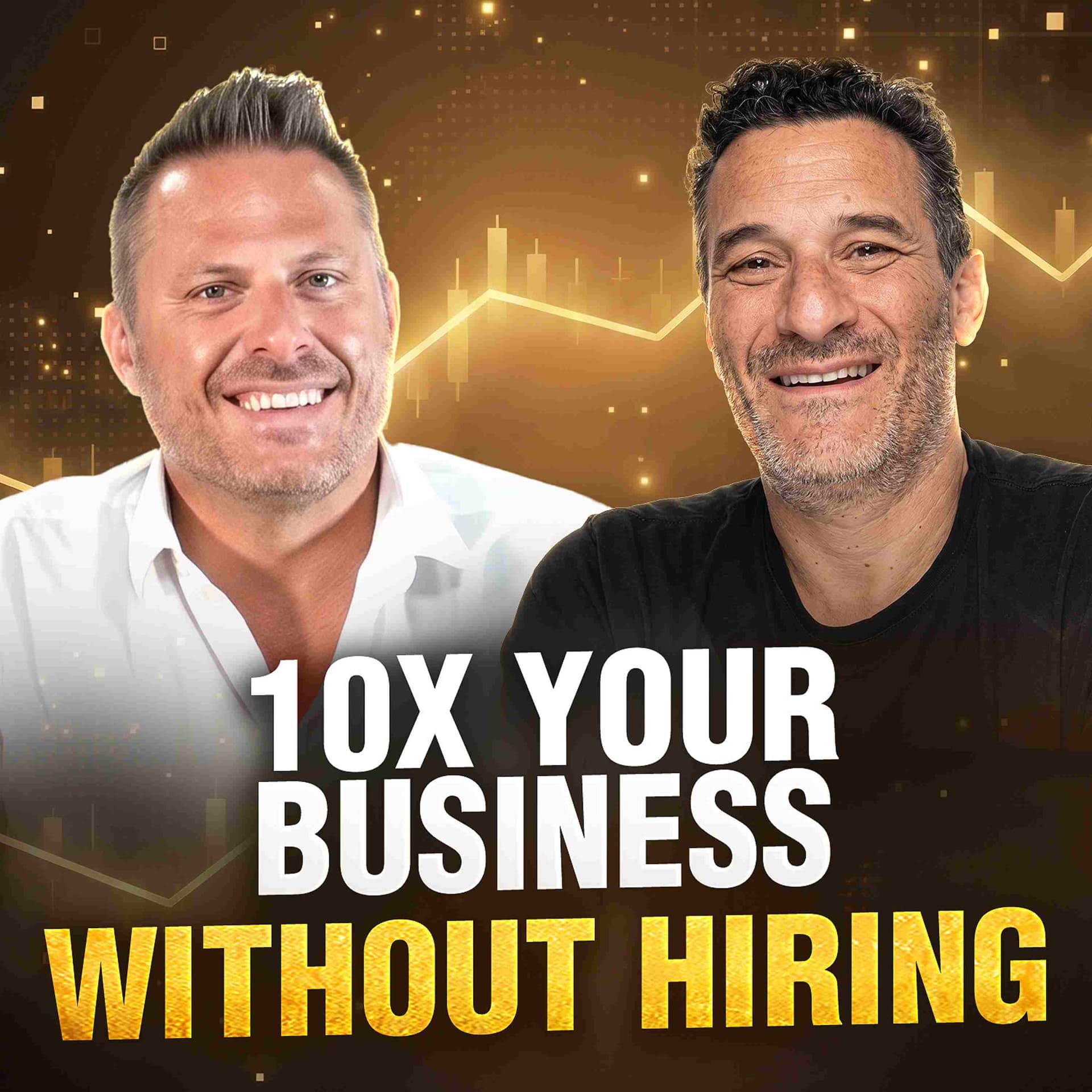
Ryan Alford sits down with Tom La Vecchia for a smart conversation on what luxury brands are really selling now — and why modern brand strategy is less about pure exclusivity and more about cultural participation.
Using the rumored AP x Swatch collaboration as the centerpiece, Tom explains why giving more people a way into the brand does not necessarily weaken the grail product. Instead, he argues that it can strengthen long-term demand by creating nostalgia, recognition, and early emotional attachment before the consumer has the budget to buy the flagship version.
Ryan brings the operator and brand-builder perspective, challenging the idea from the standpoint of old-school scarcity and luxury signaling. Together, they unpack why some watch brands stayed culturally relevant while others missed the shift, and why owned media, borrowed interest, and patient brand seeding matter more than ever.
Topics Covered
The business logic behind AP x Swatch
Why exclusivity is now emotional as much as financial
How culture and hype feed brand aspiration
Why sneaker culture changed the luxury playbook
The difference between premium, luxury, and grail positioning
Why some legacy brands adapted and others stalled
The value of owned media and controlled distribution
Ryan Alford and Tom La Vecchia on playing the long brand game
Links
Right About Now
https://www.ryanisright.com/
https://www.youtube.com/@RightAboutNowwithRyanAlford
Ryan Alford
https://ryanalford.com/
https://www.instagram.com/ryanalford/
Tom La Vecchia / X Factor Media / New Theory
https://xfactormediagroup.com/
https://xfactormediagroup.com/about/
https://newtheory.com/
https://newtheory.com/author/tomla/
https://www.youtube.com/@NewTheoryMagazine