
In short
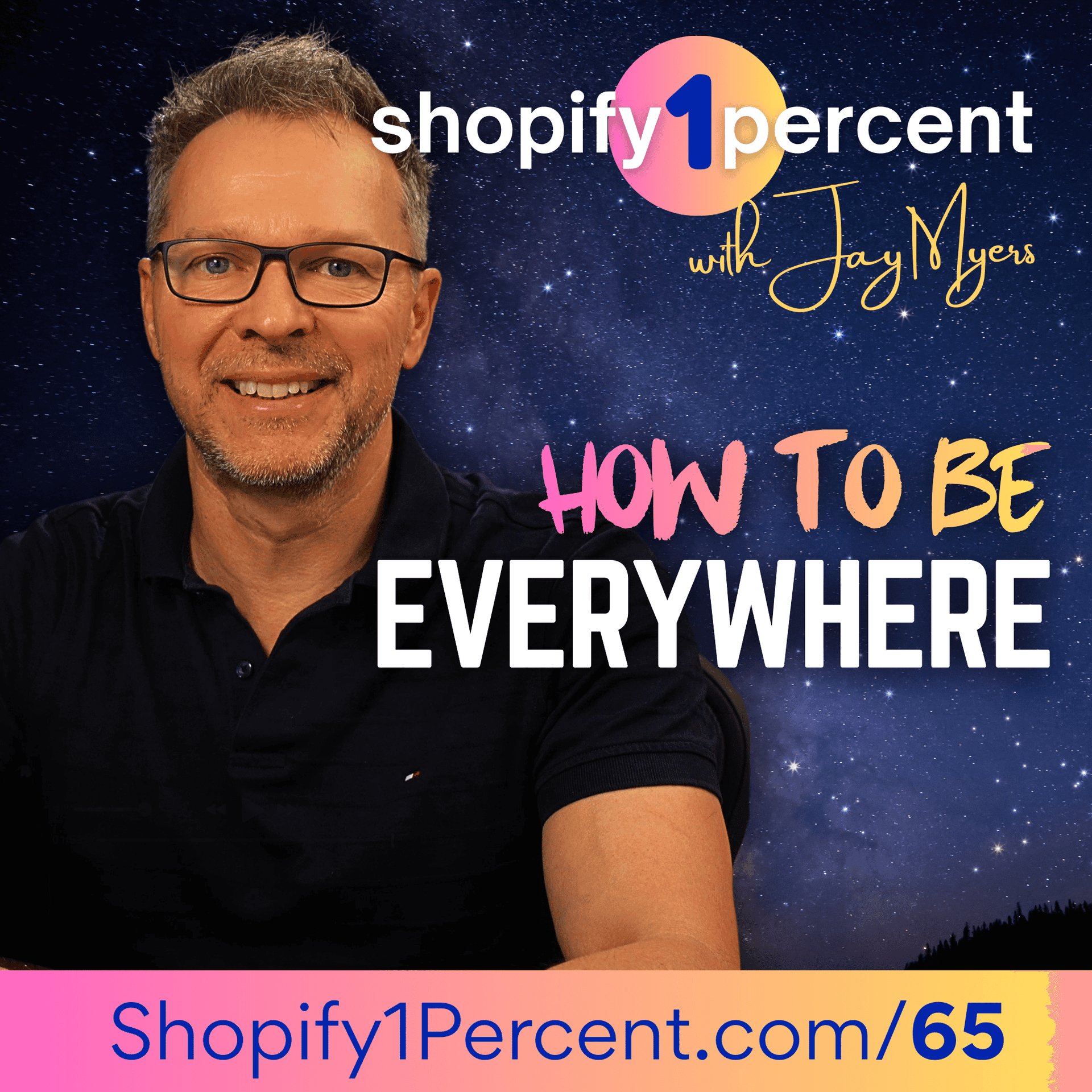
How short-form brands should “be everywhere” by using a hero-platform strategy plus cross-posting, and by removing bottlenecks in publishing. The episode also covers series-based content formats, what drives short-form discovery, and whether thumbnails matter for Shorts.
Guest
Gideon Shalwick, SaaS founder and video strategy expert. Founder of Voobly.ai, which helps creators distribute and optimize short-form videos across multiple platforms from one place. Previously built and scaled video education businesses.
Key claims
- Posting everywhere manually becomes a “nightmare” when done daily across 5–6 platforms; tools should handle distribution.
- Choose a hero platform (e.g., YouTube) for most effort, but syndicate the same video everywhere else to catch platform-specific virality.
- Short-form discovery is algorithm/video-based, not follower-based.
- Series formats (repeatable hooks/structure with progress/anticipation) improve repeat viewing.
- Thumbnails are crucial for long-form; for short-form, thumbnails may still matter on YouTube because Shorts appear in rows/search results, but YouTube often hides thumbnail options.
Notable examples
- Pat Flynn’s “should I open it or keep it sealed?” recurring Shorts hook.
- Daniel Batal’s YouTube Shorts success using the same hook and format.
- Brand ideas: monthly “call a customer and refund them” and “secret item in shipped boxes” promotions.
Written by AI. May contain mistakes. Listen to the episode to check what was said.
Chapters
Tap a time to open that second in VOThe Need for Simplified Video Posting
0:46 to 3:00
Discussion on the challenges brands face when posting video content across multiple platforms.
“videos across multiple social platforms from one place.”
Introduction to Voobly and Its Benefits
3:01 to 6:13
Gideon Shalwick explains Voobly.ai and how it helps brands distribute video content efficiently.
“So this is a bit of an interesting episode.”
Leveraging Voobly for E-commerce Success
9:30 to 12:29
Discussion on how Voobly can streamline content creation for e-commerce brands.
“And in fact, that was a big part of what our call was about as well is to make that even better.”
Strategies for E-commerce Brands on Social Media
12:30 to 14:06
Gideon shares strategies for brands to effectively engage on social media.
“They're maybe seeing a little bit of luck, but they haven't gone all in.”
Early Podcasting Challenges
14:06 to 14:39
Learn about the initial struggles of starting a podcast before technology improved.
“interview with me and I'd have a hotel room booked with the cameras set up and everything.”
Content Creation Bottlenecks
14:40 to 16:01
Discover the evolution of content creation challenges and current strategies.
“That project never saw the day of light.”
Choosing Your Hero Platform
16:02 to 17:44
Understand the importance of selecting a primary platform for your content.
“that you think you have the best potential of succeeding at.”
Navigating Algorithm Changes
17:45 to 18:59
Discuss how algorithms impact content visibility and audience reach.
“yeah Yeah, it makes sense because it's kind of, it's overwhelming for some people to think they might not, if you don't live in TikTok, all the nuances of TikTok, that's okay.”
SEO and Content Optimization
19:00 to 20:25
Learn how to optimize video content for search engines and audience relevance.
“But I just interviewed Daniel Batal, for example.”
Creating Engaging Short-Form Content
24:51 to 27:37
Explore tips and strategies for producing viral short-form video content.
“become a big emphasis like if you do a search on youtube now for anything you'll see shorts results very prominently displayed and that's been quite a big change in a say from a year or two years ago.”
Show all 21 chapters
Modeling Successful Content
27:38 to 28:00
Discover how to analyze and model successful content to enhance your own.
Creating Engaging Series Content
28:00 to 38:04
Learn the importance of creating a content series to enhance viewer engagement.
“It's like, I was quite surprised to see that because I thought, oh, maybe you need to record the same thing, but record it differently.”
Thumbnails: Key to Video Success?
38:11 to 42:00
Explore the significance of thumbnails in attracting viewers on different platforms.
“People do a search and then you get judged or people's decision on clicking is based on the thumbnail.”
The Art of Thumbnails in Video Content
42:00 to 45:50
Learn how thumbnails impact viewer engagement and the challenges of short-form content.
“I mean, there's no text on there, but you go, well, that's a funny looking thumbnail.”
The Power of Captions and Subtitles
45:50 to 47:25
Discover the importance of captions for video engagement and platforms' autoplay features.
“That was the other thing I wanted to touch on.”
Implementing a 30-Day Content Challenge
47:25 to 53:38
Understand how to create a consistent posting habit to improve engagement and learning.
“You just show up and all your campaigns and automations from Klaviyo will be set up and running in OmniSend, ready to go.”
Consistency and Timing in Content Strategy
53:38 to 56:01
Explore how consistency and timing can impact views and engagement on platforms.
Consistency in Content Scheduling
56:01 to 56:30
Learn how consistent content scheduling can improve viewership.
“And I am trying to do it the exact same time every day.”
Consistency and Timing in Content Strategy
56:30 to 57:04
Explore how consistency and timing can impact views and engagement on platforms.
“wants to make their life easier and take their content to the next level for their Shopify brand, really has been an amazing tool for me.”
Consistency and Timing in Content Strategy
57:07 to 1:01:01
Explore how consistency and timing can impact views and engagement on platforms.
“Let me just actually, let me open up the page and you can see it as well.”
Promoting Voobly's Unique Content
1:02:00 to 1:03:27
Explore the unique content and interviews available on Voobly.
“He's like, he's had billions of views in customer or client views.”
Transcript
Automatic transcript. May contain errors.0:01We started the business and we just saw the need for people to easily and quickly post their short form video content to all the different platforms. Because as you know, if you're doing this regularly, daily, put it this way. If you're doing it once a week, no worries. If you're doing it once a day, twice a day, sometimes people do it three or four or five times a day, and you're going out to five or six different platforms, then it becomes a total nightmare. Brands listening who are doing a little bit on social, they may be seeing a little bit of luck, but they haven't gone all in. Like, what are some strategies they can use?
0:28Back in the day when I started with this almost 20 years ago, the biggest pain point was the technology. Gideon Shalwick is a SaaS founder and video strategy expert focused on helping creators and personal brands grow their influence through short-form video. He is the founder of Voobly.ai, a platform that simplifies distributing and optimizing short-form videos across multiple social platforms from one place. Gideon previously built and scaled successful video education businesses and now helps creators be everywhere without burning out. But then you also post the same video everywhere else, if you can, without any extra effort.
1:06Why not because what happens is that you might publish something on YouTube, YouTube shorts, and that same video if you have it on TikTok and Instagram Reels, Facebook Reels, X, LinkedIn as well. Thumbnails matter. People spend so much time on their thumbnails. I know I spend a decent amount of time, but actually the last couple weeks I was wondering, do they even matter? What matters? What doesn't? OmniSend just shipped something that I've always wanted. You can now connect OmniSend to ChatGPT or Claude and just say, where can my email and SMS campaigns be making more money and it actually figures it out.
1:38It reads your store data, all your campaign details, your store history, and it tells you. And the insights are legit good. And even better, you can then say, okay, let's fix that or build that campaign. And it actually does it right from your chat. It's wild. Now, if you're one of our listeners, you can get 30 % off for three months on OmniSend. Just go to the show notes. There's a link there. Or you can just use the code J30, J-A-Y-3-0 when you sign up. Now, if you're using another email and SMS platform and you want to switch to OmniSend, which is a great idea, they will do the migration for you.
2:09Just give them five days and then you show up with everything set, ready to go. Now they've migrated thousands of stores from Klaviyo and on average they're saving 35 % on their email and SMS bills. If you're listening to this show, you clearly care about your Shopify business. If your store isn't backed up and protected, it could all be for nothing. That's why I tell every store owner I know who cares about their business, you 100 % need Rewind installed. It's a non-negotiable for me. One bad CSV import. One app that edits your store the wrong way, which has happened to basically everyone I know.
2:42One bulk edit gone wrong. And now, AI making changes for you. Listen, Shopify does not have an undo button. Rewind is the undo button. Go to shopify1percent.com slash rewind for 30 days free on us. Links in the show notes too. So this is a bit of an interesting episode. Because right after this episode, I'm going to take the video footage from this. We're going to slice it up and I'm going to upload it into a tool called Voobly, which I heard about maybe a couple of months ago on a podcast with Pat Flynn. For those of you listening, Pat Flynn runs the smart passive income podcast. I was listening to it.
3:28I heard about this tool. I happened to be looking for a tool that would allow me to easily upload and schedule all the content that you see. Listeners, if you follow my show on Instagram and YouTube and you see the reels posted. So I have the founder of this app with me. And the way this came about is Gideon, who's sitting here, he's chomping at the bit waiting to get into it. But I just want to give a little bit of background because I installed Boobly. I started using it and I had a couple, just the way my brain works, running a software company. I had some ideas and thoughts. And so I messaged through the chat app on Voobly and I said, hey, I had a question about this.
4:09And oh, here's maybe an idea. And your first reply was, hey, do you want to hop on a call and tell me all your ideas? And I'd love to hear them and see if we can incorporate them. And I just loved that because I thought, man, this guy's going to build an amazing product because he has that mindset of listening to customers. and I thought you'd book like a five minute call or something. You sent in a meeting request for an hour to hear every idea I had, told you some of the ideas. You shipped some of them a week later, they're live. And I use this app every single day. So I said, Gideon, I got to have you on the show because I know that Shopify merchants can use and benefit from what you're building.
4:49So thank you so much for coming. Tell us, we're going to get into it, but can you describe, I know I've alluded to it a little bit here, but tell me what is Voobly in a nutshell? Yeah, thanks for that. That's such a wonderful, I guess, testimony to how we operate at Voobly. We love, love, love feedback from our customers and then responding to them as quickly as we can so that we can continuously improve the product and meet people where they are and what they need. So that's really important. One interesting thing, if you're already Googling this, if you're looking for Voobly, we pronounce it verbally but you spell it v u b l i so it's verbally.ai v u b l i dot a i if you want to check it out that some people spell it a bit differently we chose the sort of european pronunciation of it but yeah we've we started the business a while back and we just saw the need for for people to easily and quickly post their short form video content to all the different platforms because as you say if you're doing this regularly daily i mean it or put it this way if you're doing it once a week no worries you can post easily to different platforms if you're doing it once a day twice a day sometimes people do it three or four or five times a day and you're going out to five or six different platforms then it becomes a total nightmare yeah so we wanted to create something that sort of takes that pain off your back and do it specifically for short form video in particular because there's some certain things that that's specific to short form video that it's not specific to say long form or images or text posts or the general social media stack that people have?
6:21Well, I want to tell you what I love about it for those listening, because I was searching for something to make my life easier for posting because the challenge I would, I was running into, and I guarantee a lot of people listening are running into a similar challenges. I don't even know if there's five, six, you got Instagram, TikTok, Twitter, X, LinkedIn, YouTube, Facebook stories, there's all these different platforms. And sometimes you produce a piece of content and you post it on one. And my challenge was I would almost always remember to upload it to YouTube. I was kind of like the primary one.
6:52Sometimes I would upload it to Instagram. Sometimes I wouldn't. I actually started a Trello board and every time I had a reel or like any piece of content, I would have a to-do and I would check each one and copy and paste stuff over and literally check each one but to be honest I looked back and probably only about half of the content that came from this podcast ended up getting posted because I just would get distracted and I wouldn't get to it and then I wouldn't feel like a month later do I want to post this reel from that episode a month ago probably not so I would just let it scrap yeah so I know there's tools other tools out there this I don't you didn't invent posting across multiple platforms but what I loved about it was the first thing that attracted to me was just ease of it.
7:38But then there was this killer thing that you built that I didn't even know about when I installed it. And that was that I could build these prompts to generate the content for the post unique for each platform. So this is awesome because I think a lot of people are using some type of AI tool to produce content. Now I write, I give it guidance. I'll write an example and I'll kind of give it structure. But I think that's commonplace now as people are using ChatGPT or Gemini, but there's a workflow going back and forth. But you kind of built that all seamlessly into Voodle. Tell me about this workflow.
8:19And actually, I'd love to actually show it a little bit too. Yeah, sure. It's interesting. You mentioned that was sort of a bit of an Easter egg for you to discover that, the AI stuff that you had so much control over it. And that was actually one of the key customer feedback things we got from people as we were building it. So that's a relatively new thing we did. I would think we only made that available about six months ago or so. Because we originally had the AI prompts just on our side. We didn't have it available for customers. So everybody was saying, hey, the responses are great, but can we adjust it ourselves?
8:55Can we have our own prompts in there? And we thought about it, it's like, why bother keeping our prompts proprietary? I mean, everybody is going insane with their own prompts anyway on ChatGPT or Claude or whatever else. So we thought, let's open source it. Not fully open source, but the idea of opening that up to our customers at least. And so, hey, here it is. Here's what we use for the defaults. But you can make it your own. Copy it if you want. Completely delete it if you want. Reset the default if you want. or use a combination of what we've got and your own ideas and tailor it in such a way that you can get the perfect response.
9:30And in fact, that was a big part of what our call was about as well is to make that even better. And I've got some cool stuff to share with you, not on this call, but maybe afterwards with some of the things we've been working on behind the scenes to make that even better and to take it to the next level to help you get an even better result. So that's just in the pipeline, yeah. I always post different on different platforms and I think that's pretty standard. Like you, you write a certain way on LinkedIn versus Twitter versus TikTok versus Instagram. And so you can really tailor certain prompts for each platform and even the hashtags like on, on LinkedIn, for example, I'll usually add a couple hashtags.
10:11I don't add 20, but on other platforms, it's more acceptable and to common practice to add a bunch of hashtags. It just, you don't see that as much on LinkedIn and you feel, it feels out of place if you have a post and you have 20 hashtags on LinkedIn versus TikTok, Instagram. It's, you see that more there. So I love that the prompts are tailored by each platform, even the hashtags as well too. For sure. Each platform is a little bit different. It's interesting looking at our, the spread of our audience, our target audience. some people prefer just using the exact same post all content or caption as people call it for every platform and sometimes even for every video and they might change just one thing like the episode number or the series number or whatever so it's quite a variety of different needs that we've got to cover but yeah at the moment you can have 100 unique response for for each of the platforms and yeah that's intentional i'm not sure if everybody likes that we like it because it gives you that control you prefer the simplicity of just being able to have the same thing over but we've built tools for that as well so if you just want to have the same thing we've got a little button there that says if you like this one just copy it over to all the different platforms i'm not sure if you've seen that one i actually didn't notice that yet but yeah that's awesome this is another little strange yeah so for those folks who just don't want to think about it and they're just happy with what they want what they have on youtube they can copy that over to Facebook and Instagram and LinkedIn and all the other platforms we have available.
11:41So they don't have to think about it. They just make that one decision once for the content and then say, hey, this is going to be okay for all the other platforms. They don't care that it's the same. But yeah, at the moment you've got that control to have it separately tailored for each platform as well. So the reason I wanted to bring you on the show was it's all e-commerce store owners listening and they're not specifically big content creators and YouTube stars. They're running e-commerce stores, but content on social media is one of the main ways people find out about your product, your brand, and how you build a relationship with your customers.
12:18And I think it's really important that e-commerce brands are paying attention doing this because your audience is so critical and so I know I think that voobly has the potential to make people's lives easier in that process which then if it's easier there's more likelihood that it's going to get done it's going to get published but any advice and I think I heard you talk about this with Pat Flynn your hero platform concept like maybe highlight that but maybe any others for like for brands listening who are doing a little bit on social? They're maybe seeing a little bit of luck, but they haven't gone all in.
12:56Like what are some strategies they can use? Yeah, I think there's a couple of things there to go through. One is the bottlenecks that you have when it comes to publishing content. And the other one is like, should you be everywhere? And what's the best way to be everywhere if you want to be everywhere? Or should you just pick one platform? You know, what's the point of going out to different platforms in the first place? So let's tackle that first one first, the production side of things, which is when it comes to video in particular, video posts, there are so many points at which you can fail.
13:27And as time goes by, a lot of those failure points are getting removed. So to give an example, back in the day when I started with this almost 20 years ago, the biggest pain point was the tech side, the technology. For example, I started with doing interviews with people, just similar to this but i back then and this is 2006 2007 roundabout there everybody was doing audio interviews right and that was the thing yeah and no one was doing video and so i thought okay well i'm gonna be different because if you understand that you're gonna be different right you're gonna be cool yeah so i bought myself a camcorder and and went to these these events where all these great speakers would be speaking and afterwards i approached them i had you want to come on an interview with me and I'd have a hotel room booked with the cameras set up and everything.
14:13And so I did all these interviews on video with this little camcorder. And the big plan was to turn it into some sort of a podcast or a, actually it wasn't a podcast, podcast wasn't a thing back then, but it was going to be a membership site and I was going to write a book from it and blah, blah, blah. I had this huge vision for it. It turns out that those files that came from the camcorder were so big that it completely killed my computer at the time. And it just became such a big barrier for me. That project never saw the day of light. And I interviewed like, I don't know, 15 or so people, 15 or 20 people.
14:47And all of them, even though I gained an incredible knowledge and experience and great connections from it, I just wasn't able technically to make it happen. And so you look today now, you can iPhone or a mobile phone and that completely takes care of that problem. the recording or the technical side is completely the bottleneck's gone it's no no problem there anymore the next problem was like the ideation of content and what should i create my content about that's kind of been solved now with ai2 other ways of just coming up with content but really the next one is the posting side of it how do you especially if you want to be everywhere and post the different platforms that's the latest bottleneck it's like you you create your content no problem and you're ready to post but now bomb you're stuck and then the question is do you go just to one platform or do you go to all of them to many as possible all the main ones and there's various ideas on that people's ideas have changed if you asked me before voobly say five years ago what should the strategy be i would say pick one platform and just do that really well and only once you've built great momentum with that then move on and add one more platform and do it like that and any strategies on how to pick which platform just whichever one you're comfortable with?
16:00Well, yeah, back then the advice certainly was pick the one that you're, that you think you have the best potential of succeeding at. And that's the easiest for you. So it's the lowest hanging fruit approach. You look, so for me, it's always been YouTube. And part of that decision-making is where's your audience? Where are they hanging out? Are they, are they sitting on YouTube? Are they on TikTok, on Instagram, on LinkedIn, X, where do they hang out the most? And where do you want to go and meet them the most as well? Like which platform do you feel the biggest affinity to spend most of your time on?
16:30And that advice hasn't changed too much, actually, with just one addition. The big addition there is that now the change is, instead of just picking one platform, you still do, but now you call that your hero platform. And this is what I want to talk to Pat Flynn about. You still have your hero platform, I guess it's YouTube, but then you also post the same video everywhere else. I mean, if you can, without any extra effort, why not? Because what happens is that, especially with short film video, you might publish something on YouTube, YouTube Shorts, and that same video, if you have it on TikTok and Instagram Reels, Facebook Reels, X and LinkedIn as well, you might notice that, hey, that video went viral on TikTok or it got like 10 times more views than on anywhere else.
17:20the next day you might see another video this time it goes viral on YouTube and none of the other ones and so what's great about that strategy is that even though you pick one platform as your hero platform and you spend most of your time and attention effort on that platform but still post everywhere else with a tool like Wobbly it opens up that audience for you and it introduces you to audiences you never would have seen before and I think that's really where the magic happens yeah Yeah, it makes sense because it's kind of, it's overwhelming for some people to think they might not, if you don't live in TikTok, all the nuances of TikTok, that's okay.
17:59Just post how you would post on YouTube, but at least syndicate the content to TikTok. At least it's there. I mean, TikTok's, everything is algorithm based now anyway. It doesn't matter if you have a single follower, but if the algorithm picks it up for whatever reason, it's not whether you have a million followers or not. it's whether the content gets picked up it's going to get picked up right so yeah that's a really good point jay actually that i didn't make but yeah the algorithms are it's the algorithms are driving it at the moment and they're all slightly different and they all get driven and motivated by the different audiences as well so tiktok audience might drive a different kind of response than a youtube shorts audience but that yeah everybody's been saying that it's not about your subscribers anymore it's about each individual video that you make so if you you know if you have if you've got two subscribers you could get a video that that gets a million views if you've got five million views you get you can create a video that only has two views so well i think this just goes to show like if someone says well i don't have any followers on tiktok i haven't built up an audience there doesn't matter doesn't like post there not anymore let the algorithm do what it does yeah and yeah yeah and it used to be like a subscriber game like if you had the subscribers then you were the big shot but now it's a view game it's an engagement game and it's the it's creating content that your target audience is interested in consuming that's really what it's about and it's always really been about that but it's just it's been measured in a different way like especially on youtube your your subscriber base was considered more important these back then than it is today i mean and don't get me wrong i think it's still important like having subscribers so that you can have repeat views.
19:38But it seems like the algorithm oftentimes, depending on who you talk to, this is interesting actually, depending on who you talk to, but it seems like in most cases, it opens you up to new audiences that are not your subscribers. But I just interviewed Daniel Batal, for example. For him, it's actually the opposite way around. He gets a lot of his views from his subscribers as well as from SEO, which is really interesting. So it's not necessarily all the same, but in general, it seems to me that you can it's not so much about subscribers it's about creating great content that's really what it comes down to is figuring out who it is you're creating content for and creating that content that they will love and that they will want to share so yeah that's the change in emphasis and when you say seo you mean search like when the videos surface in search results or in the ai yeah overview and so the video it's not just youtube that it's showing you might have no followers but if it's relevant to a search it's gonna google's gonna show it in a search result yeah so so this is from daniel's perspective so he's a youtube guy so this is specifically related to youtube shorts in particular but what he would have is it gives it get both i didn't 100 check this but from my understanding is he would get views from the search function inside youtube so people would search for a keyword and then his video would come up inside youtube then You also get those same videos show up on a Google search.
21:02And I'm assuming now with AI integrated into it as well, it'll also serve videos like that. But I'm not too clued up on that at the moment. But that's probably going to be the next game as well. But again, there's an SEO play as well here. But I asked him about it. So do you do like crazy amounts of keyword research and SEO optimization stuff? And he said, no, it's actually he optimizes for the human still. So I think there's a combination of being aware of what people are searching for, but then still thinking, hey, you're not creating this for a robot or for a search engine, you're creating this for a human but with that knowledge of still within the right topic or within the right keyword sort of cloud, I guess you could call it.
21:41So if you've got a product, for example, if you're in an e-commerce business then it probably still is a good idea to have the name of the product there inside the video content itself but maybe inside your title description and tags as well. I think that makes sense to give the platform stats that additional word of confidence or additional information that they know that this is what your video content is about. So I don't think it can hurt at all. I mean, every single thing I search for, I've started using the Google search a little bit like ChatGPT, like because you know that it's going to show the AI overview, right?
22:18Yeah. So that top third is now basically an AI response and then the search results. And so I'll, I'm, I sometimes will write a question in there. Like I used to search. Like, so for example, let's say I'm searching for, I use this example the other day, like how to catch a certain type of fish. Let's just say a walleye fish, like fish in Canada. Do you have the, probably. No, we didn't have those here now, but we do fish over here. So if I'm Googling or saying how, what lure do I use to catch a certain type of fish? All, I might put that in chat GPT and get a big long answer, but I just throw that in Google and the AI overview now always has a video that always has a video for any question.
22:57Like it'll give, give a couple steps and it'll have a video. So if I'm selling fishing lures, I'm probably going to make videos that have details about how to catch that specific type of fish optimized for AI to show it in its, in its overview. And then in the description links to my products and everything else. There's, it feels like Google is really leaning towards showing video everywhere they can, especially if it's hosted on YouTube. At the beginning of the show, I told you why everyone's serious about their Shopify business should have their store backed up and protected with Rewind. There is no excuse not to.
23:37There literally is no undo button for Shopify. Shopify's own terms actually say that your data is 100 % your responsibility, your products, your theme, your customizations, your settings, everything. They don't back up any of it. And no, a CSV export does not cover it. With CSV exports, there's no images, no meta fields, no themes, settings, et cetera, nothing. I was talking to the people at Rewind about a brand where one team member actually ran a bulk update and accidentally overwrote 11 ,000 products, orders, customers, contacts, all of it gone in a single action. Luckily though, with Rewind, it was a simple one-click rollback.
24:18It could be anything, a bad CSV import, a random app you just installed that messes everything up, or all of these AI tools that everyone's using to manage their store now. I have heard so many horror stories. Rewind just gives you peace of mind no matter what. If you don't have Rewind installed, you absolutely should have it. Go now and get it. Shopify 1 % dot com slash Rewind. you'll get an exclusive 30 days free on me the link is also in the show notes
24:49100 yeah and it's interesting how the shorts game has grown over the years and how that's become a big emphasis like if you do a search on youtube now for anything you'll see shorts results very prominently displayed and that's been quite a big change in a say from a year or two years ago. Shorts used to be sort of like more the, you get it in the feed thing. But now, you know, you do a search on YouTube and you see shorts. Like it's very prominent. It's almost, actually I don't know what it is like at the moment, but last time I checked, it's like every five results, you get a whole row of shorts results.
25:23And so maybe that's even ramping up. I haven't checked with the numbers. Well, I read a stat actually just yesterday that shorts consumption has gone up 54 % year over year since 2024 so the last two years it's compounded right growth 54 year over year so yeah i mean and it's yeah it's these are not highly produced yeah pieces of content this is holding up your phone with a selfie talking about your product i i think for brands listening like that's probably one of the biggest questions they have is like well what content do i produce i mean it's like show a pile of boxes ready to go out the door like you're shipping the team like printing labels like did you have a day with a bunch of orders like talk about your boxing stuff up till midnight or whatever it is like you're launching a new product give a little sneak peeks like there's so many things that i think like behind the scenes type of content that brings people into that story right so yeah yeah it's been interesting like are you gonna ask about what tips on how to create as good as it goes viral great content do you have do you know what like what is do you can you see that in your in the back end of voobly like which yeah scripts make it or types of no we we want to know the secret we we don't have a software that analyzes all of that we probably could if we wanted to but at the moment we don't but so i just sort of get a feel for in general looking at what people are doing and sort of use they're getting but what's been really interesting is i've been running i started a new podcast for verbally it's called the verbally podcast very creative and original but there i interview two kinds of people one people who are doing short form but in particular teaching other people how to succeed with short form video as well so that's one group but then i also interview case studies of people who've done really well with short form i ask them what the heck have you done to go viral or what is the secret and there a few things that that everyone is saying that's repeated over and over again like from almost all of them are saying they're all saying different things but there are a few like two or three things that are the same one is the biggest tip is to go and look what's already working and so so you look you go and search for the viral videos in your industry that are already crushing it okay so that's the first step then you model from them you don't copy them but you model from them you sort of look at what are the hooks they're using what are the structure they're using what sort of are they is it in a studio is it outside like what is it about that video that you can model from as a beginning point right so i would probably add a step even before that and but it's sort of assumed but that's your niche and your target audience what's your topic that's probably that's like the ace card that's the most important thing if you've got a topic that nobody's interested in it doesn't matter who you model from or how good your ideas are if there's nobody there who's interested to go and watch your content you're just not going to get the views so topic selection is huge but from that within that topic then you go to see who are the winners who's already succeeding and then you model from that and and then the next biggest idea from that is yes there's your hook and creating engaging content that have good call to action all this sort of stuff that's i think that comes maybe fourth but the third biggest one for me is is to think about how you can create or set up your content in a series format there's different names for this people some people call it a series some people call it stories or episodes or silos or there's a whole bunch of different ideas of formats formats another way that people label it but it's all the same thing and basically what it means is finding a finding a let's call it a series which is a video that is essentially a video format that is essentially almost exactly the same every single time but it's a winning one it's a winning formula it's a winning format and then just you just change the content and and it can be as crazy as this example so with Daniel that I just interviewed Daniel Vitality he's really worth looking into if you're interested in YouTube and growing on YouTube so if you look at his shorts they're doing really well and he only has one hook it's exactly the same hook every single time so it's the same recording It's not even, it's not even re-recorded.
29:46It's like, I was quite surprised to see that because I thought, oh, maybe you need to record the same thing, but record it differently. No, he's got the same video file that he slides into the beginning of each video. It's exactly the same. And then he gets into the content of the video. But I'm not saying that's worth testing. If you can find something that wins, why not keep using it? But the idea is that you have a format with a certain structure that you maybe model from these winning videos and you just add your own content in it. So the format every day is the same. And it's literally like the winning ones, the people are doing the same.
30:22It is they found a format that works and they just keep on crushing that format until it stops working and they find the next one. But the people who seem to be winning, it's like, it's almost like, if you look at Pat Flynn, he's a good example with his short pocket monster. 100%. I was literally going to just say that. Yeah. What is it? Will it, should I open it or should I keep it sealed? Right? It's a little jingle and he's got a pack of Pokemon cards. should i open it or should i keep it closed something along those lines yeah should i keep it sealed exactly so and it's exactly so he that clip is exactly the same every single time and so he might vary the beginning of it like with something like hey what's up guys oh check out this i found this cool cool me a deck or something but then it's like should i open it or should i keep it sealed and it's always the same he apparently tested that hook he had slight variations of it used a different word like should i keep it closed sealed different things and he like tested everything about that yes found the hook that worked and then to your point just repeats the exact same one and he's grown i don't even know how many millions of subscribers but he hit a million in like 40 45 days it went from launch yeah he smashed it so so i interviewed on this as well so he if i remember the numbers right after 301 days he had it was a 2.5 million subscribers or something like that but it was it was like two something billion views or something like crazy numbers of views just 300 so it's under a year and and the interesting thing about his experience was that he didn't show any real results for his shorts for i forget the number but it was i think it was something like day 35 and then on day 36 it's like it's he was getting like a few hundred views every time for his videos and then day 36 700 000 views all of a sudden and that was his algorithm just picked it up yeah and i asked him so what was it what was it that made the difference did you do something different for that video or what was it because everybody wants to know the secret you see and he say basically his answer was he didn't really know except that he kept on going and he he did notice some small things that he changed but i think part of his answer was also that he just kept on going and youtube in that case was found the right audience for him finally so like took him 35 days i think some people i think that's relatively short actually some people take a lot longer before they hit it off yeah but yeah he found that format he kept on going and yeah now a few billion views later a few million subscribers later he just continues to smash it and he still continues to to test different formats every now and then but that's still his main one if you look at his content i don't watch all these videos because I'm not interested in Pokemon cards myself, but from what I understand, it's pretty much the same format every single time.
33:08I love the concept of coming up with a series. My mind is just spinning with so many ideas. I'm going to throw a couple out there that I've seen some brands do, and you can definitely replicate this for those listening. I saw one brand once a month. They call a customer. They have their iPhone, and I guess they're filming with another iPhone. They pick a random customer. They call them, and they refund them. they okay so someone who just placed an order they just call them up and they say hey gideon saw you just placed an order once a month we like to bless someone with a refund and so we're refunding you 520 but we're still shipping order you're getting today and sometimes people cry on the phone and sometimes they cool they just blown away and just like they just it's the best advertising i've seen people do where they put secret stuff inside boxes and so they'll be packing up all the boxes to ship out and they'll put something some little could be an object could be a trinket could be a fidget could be a note could be something and then they blur out the addresses and they'll say okay we're putting in today that this week's secret thing is whatever and we're putting it in and then people want to know if they get it and it's like tag us on social if you get it and it's easy to do little things like that like you don't have to be over complicate things like and then do it consistently yeah exactly and the other additional thought on that and that I've been trying to experiment with as well because I've been doing Pat's and we're mentioning Pat quite a bit here, but he's actually running a 30-day video challenge at the moment for Shortform.
34:40And I've been in that. I haven't been posting every day, but I've learned a ton from it. But one of the key distinctions I came to realize with this idea of the series, I always used to think that it needs to be like an episodic sort of kind of series. One story, then the next part of the story, and the next part of the story. That's way too hard. it's like if you're a hollywood shory go ahead and do that but this is actually a lot easier it's the same thing every time however i think it was pat that mentioned this as well if you can instill into the viewer that what is it that what's the word i'm looking for the sort of looking forward yes anticipation the anticipation that's what i'm looking for sorry yeah yeah if you can instill some anticipation in your content that they will want to watch the next video to see oh what happens next so it doesn't have to be like this huge episodic sort of thing but so he mentioned so this for example format where you you learn a new skill and and people want to follow along because now you start with hey this is day one of learning how to be more productive i did a bit of a productive series and and people if you want to follow you don't even have to tell them because just by the virtue of saying hey there's a day one there's going to be a day two most likely so people will subscribe then to want to watch the next one or they want to tune in or they're going going to go to your your profile or channel page and go where's the next video on it maybe i only got served day two out of 500 i want to see more so if you can build that into your videos so that there's that expectation or looking forward to anticipation of hey there's more i can i can experience more of this yeah that's cool so that i think that was another really cool idea to to think about because it's like it's one thing to create or to pick a format that that has a viral nature to it.
36:28But then the thing is, you want to get people coming back as well. You don't want to just get new people all the time because it's in commerce. Any business, your most valuable or the easiest customers you get are their repeat customers. The highest return on investment is your repeat customers because you don't have to market to them again, et cetera, et cetera. And they buy more from you. They spend more from you, et cetera, because they already have an existing relationship with you. And I bet you the algorithm picks it up too. the more people that watch over and over it just shows the algorithm that you're making good content that's right yeah so yeah yeah and again if you can sort of engineer it in a way that that it's designed to to get people to want to come back and watch more of your content because i've sometimes you watch a okay here's a good example you might i might see a video on instagram and it's gone viral and it's great but then i think it's probably the only one of its kind I don't really particularly care if there's another, if I see another one that's kind of the same, I go, oh, yeah, it's cool, but it's not as cool as the original one.
Read the full transcript
37:27So it's that idea of it's kind of the same thing, but it's different. And there's progress, that there's a change. There's something that is unexpected. Like in Pat's case, like it's always the same, but there's the thing that changes that's like there's an unexpected thing happening inside each video and you want to see what happens next. So I think that's quite a cool thing to think about. hey Gideon we're going to take a real quick break here when we come back though I want to talk to you about how you package up these videos titles thumbnails do those matter do subtitles matter some of those questions what matters what doesn't but just want to take a quick second to hear from some of our sponsors that make this show possible so we'll be right back okay we're back and Gideon do thumbnails matter people spend so much time on their thumbnails I know I spend a decent amount of time but actually last couple weeks i was wondering do they even matter what's the what matters what doesn't yeah great question i certainly for long form no question it matters big time and that's why you've seen so many of the big youtubers talk about that and the importance of thumbnails and even thumbnail software and mr beast released some software for it and got massive backlash because of ai and people are talking about taking jobs away from the thumbnail creators but there's a whole industry around just thumbnail creation and ai is trying to take over that a little bit but i'm not sure if it's managing that just yet if it's doing quite a good enough job just yet but yeah certainly for long form and specifically on youtube that's always been important i mean i wrote a report on this the importance of thumbnails how to create good thumbnails back in circa 2009 2010 and the basic ideas for creating great thumbnails it hasn't really change there's a few things that people are doing slightly differently compared to when was that it's 15 years ago now right so so things have progressed a bit but the essential basic idea is still the same now the question is oh and just on that point when you ask a very successful youtuber what's most important for getting views that's okay topic number one probably then number two is probably your thumbnail yeah number two what your thumbnail so yeah your thumbnail because discoverability is huge on a place like YouTube.
39:43People do a search and then you get judged or people's decision on clicking is based on the thumbnail. It's like sure that the title and stuff, but they see the thumbnail first. So your thumbnail is uber important when it comes to long form. Now, the big question is for short form, what about that? Because in short form, people are just scrolling on there with their thumbs on their phone. They never see a thumbnail. So what's the point of a thumbnail? Well, guess what? If you go to YouTube, we mentioned this earlier the let me just actually check this now so i can sort of verify this because i try and there's often a section that shows all the shorts kind of in a bar as you scroll like there it breaks it up and i think instagram does that too that's right so i'm gonna can i share my screen so people can see that yes yes let me share this now share screen entire screen so hopefully there's nothing embarrassing showing here but this is let me show we'll see your youtube algorithm them.
40:36So, okay, some ads at the top and then look at this. So there's three results. I see a Shopify 1 % reel right there. And guess what? I watched some of your content, so there must be a reason. There we go. I've been watching some Pat videos as well. This is actually one of my own ones. I'm not sure why it serves me my own ones. But look at that. There's one line of long form and then the next row is all short form and is one, two, three, four, five results. Okay, cool. So this is so perfect right now because that reel that you're seeing right there this one here yep that's a guest from just recently but the reel just went out today yeah and this reel actually has a thumbnail at the beginning but i chose not to you know how with youtube you you have the first scene can become a thumbnail right i was experimenting just as of the last couple weeks with either using a thumbnail or using one in the reel where there's like a sentence that looks maybe intriguing and so this one it says building a brand and he's got a little bit of a questioning face look on his face yeah right and so i'm doing a test as we speak yeah versus like kind of the thumbnail on the left there which obviously gary vaynerchuk knows what he's doing but it's got a title and it's got certain things and so i i sometimes the over polished stuff i don't click on myself yeah right right yeah so that's an interesting thing with shorts now because like with with the longer form ones there's that's been developed into an absolute art what isn't that it gets people to click and these thumbnails are pretty big so our eyes i don't know about you but i hardly even look at the description down here or the title and text It's like, I just look at the thumbnail and see some game stuff.
42:20Okay, here's long form again. So again, there's Pat. This is live show coming up from Pat. But look at this one with Jackie Chan. That's a good thumbnail. I mean, there's no text on there, but you go, well, that's a funny looking thumbnail. It grabs attention. There's color. There's a bit of pink and yellow. There's a little bit of a what is going to happen one second after that. Correct. Yeah. And so at the moment, I'm not seeing that same kind of trend with short form yet. And I think the reason is, especially on YouTube, they've made it really hard to get thumbnails showing for short form. I don't know why.
42:51Like, I don't know why they just give people the option. Like, Daniel mentioned that YouTube. So this is secondhand knowledge. But apparently, they just wanted to make the experience so easy and simple for people when it comes to shorts. So they thought, let's leave out the complication of thumbnails. But my argument is, why not make it optional for everyone else who wants to use thumbnails? Because look how prominent this is. in a search like i didn't do this this is just on a home page like if i do let's say how to create a five store i don't know this i'm trying to think what someone might do in your case okay so this is slightly different so there's more long form results here let's keep scrolling a bit and then boom so even on a search result there's okay there were one two three four five results right of horizontal and then comes the one two three four five of short form boom okay yeah and you keep scrolling and there's one two three four five six seven eight nine ten so it's a bit more probably depends on the industry it's a little bit more either 10 or whatever and then the short form again the point is that this is becoming more and more prominent and yeah and you look at the you can just see the difference here between let's say this Shopify one thumbnail here and these none of these have a thumbnail now I wonder I imagine I don't know how much stats there is on this yet but if there are videos here with proper thumbnails if they would get more views as a result the ones coming surely they must and but now the big question is how are short form thumbnails different to landscape you know long form thumbnails like what what should be different about them to get that click it's going to be the same rules because like for landscape long form videos oftentimes you want to have a face in there you want to have some color you want you don't want to make it too complicated etc i've read that you actually don't want to have your face on the right hand side you can get slightly better results if your face is on the left hand side and things like that because your eye first goes to the face and then to the text so if it's so this is a good example if your face goes to the right hand it goes sees the pretty girl on the right hand side first and then it's got a sort of track back to the left hand side to see what it's about so you lose a fraction of a second there little things like that so the big question is this is now vertical for short form what is the winning formula there and i don't know i haven't seen many people talk about this just yet i've got some of my own ideas on it did my own research on it which i what i think might work but i'm kind of with you on that i think the more organic looking things might do better but one thing that i think is always in common whether it's content or thumbnails it's you can sum it up on one word and that's curiosity or intrigue if you can create a video or an image that creates or invokes curiosity or intrigue then your chances of getting clicked on or being watched is much much higher just go through the roof so if there's one thing from this whole interview that you can think that you can take home is like how can you create more curiosity or intrigue in your either your video content or your thumbnails yeah or your titles and descriptions and captions yeah for sure yeah and captions that That was the other thing I wanted to touch on.
45:55Would you say they're a must or do you let the platform just put on their auto captions? Do you recommend people create them themselves? At the top of the show, I mentioned OmniSend can now talk to ChatGPT and Claude. And I want to tell you why that's even bigger than it sounds. So if you missed it, quick catch up. OmniSend is what I use for email and SMS on every Shopify store I work with, plus for this show as well. and you can now connect your AI, Cloud Chat GPT straight to your OmniSend account. Your data, your campaigns, your flows, everything. You open a chat and you ask, what should I focus on this week to make more money?
46:34And it will come back with real answers about your store, which flow is underperforming, which automation needs improvement, which customers are going quiet, what's missing, everything. My favorite part though is AI segments. I used to build these by hand, clicking through filters forever. Now I just type something like customers who bought twice, but ignored my last campaign and it just builds it. And anything it writes already sounds exactly like your brand because it pulls from all your previous emails from your website, your logo, your color, your voice, everything. I've been doing this for 15 years and this is the closest I've ever felt to having a full-time marketer sitting right beside me.
47:11I have a link for you in the show notes that will give you 30 % off for your first three months, or you can just use code J30 when you sign up, J-A-Y-3-0. If you're ready to migrate from Klaviyo to OmniSend like thousands of others, they will do everything for you. You just show up and all your campaigns and automations from Klaviyo will be set up and running in OmniSend, ready to go. And usually at 35 % less what you were paying Klaviyo. Yeah, so to clarify the terminology there. So when people use the word captions, it's a little bit confusing these days. It can mean two things depending on what you're talking about or what you're referencing to.
47:48So if you say captions, that's the text that's inside the video that's been edited in, showing on your video. So the words as you speak them, right, that's showing on the actual video, those are captions. So we've been more recently just been trying to call them subtitles. It's a little bit more specific, but some people, a lot of people call them captions still. but on instagram they call the text that goes on the side along with their video not on the video the what we might call a description on youtube they call that the caption and same on i think tiktok calls it a caption as well facebook reels might call it a caption as well so it's a little bit confusing but if you're talking about the subtitle one whether you should have the that's what i meant burnt into the video answer is 100 yes i think and if you can have it burnt into your video that's just been standard advice absolutely go for that because that means that means no one else can remove it they can't turn it off it's always going to be there but the other reason for having it as well as the platforms are different but some of them still play auto play your video on silent mode and it's important to show the captions so people can quickly see what the video is about before they click away or before they click on it to to keep watching but you know a lot of the other platforms a lot of the platforms actually play your video with sound on these days so the captions arguably becomes less important and then it becomes the like a an audible hook becomes much more important than the visual hook which often would be part of the caption strategy yeah there's a lot to it yeah i actually even open i won't open tiktok on my phone i there's probably a setting i just haven't done it yet but tiktok is one of the platforms that by default the audio is on where like if I open Instagram and I scroll, the audio is not on.
49:36I have to click on a reel for the audio to play. But I actually don't open TikTok because that if I don't know if I'm in bed or if I'm somewhere. You wake up anyone else who's trying to sleep. Who knows what reel is going to play too? Like TikTok will play the most random reel too. So I think another, just another reason why having the captions are really important. So okay. Okay, well, before we run out of time here, I want to, maybe like one thing I want to end on, and then I know we've got an amazing offer that you've put together here, which I just, you know, for listeners, stay tuned to the end, because if you want to use Vubli, I use it, and it's been an absolute lifesaver for me.
50:14We've got a really awesome offer, but for brands listening, did you say you're doing the 30-day challenge with Pat Flynn? Yeah, I was just doing it on my personal profile. Okay. Yeah. Well, one of the questions I wanted to ask was, what would be a good and i'm not trying to it's just coincidence that you know i was going to say what would be a 30 day challenge for a brand to start and something to do or something to implement so i don't know maybe if there's some learning from there or your own but what do you recommend someone who's not starting from zero like they've got their account set up but they want to actually make an impact in their business with content and social media and video form any advice that you can give on that yeah a lot of this advice from pat i mean i've been doing this for 20 years now so i've got some of my own stuff as well but it's the short form stuff is a relatively new thing that i haven't had as much success and experience in myself so i'm gonna sort of defer to pat's advice a little bit here so he talks about one key thing at the beginning is to when you measure your progress don't measure it in terms of views or likes or comments subscribes things like that measure it in terms of posts.
51:21How many posts are you posting? Did you post today? So after a month, if you posted 30 posts, check. So measure your progress in terms of runs on the board in terms of how many times you've posted. So if you posted a video, great. It's not about the views at the beginning. So, and that's, I've certainly found that with my own participation in the 30-day trial or 30-day challenge was that when you force yourself to post every day, a few things happen one is you've got to figure out a way to to habitualize this to make to turn it into a habit right so that you can repeat it and it doesn't take the whole day you know it's if you're gonna do it every day you need to figure out a way to turn it into a habit but then the other thing that happens is you also really learn as you go because you get feedback all the time you post a video and not only just feedback that you get from viewers and likes and stuff like that but your own feedback, you look at yourself and you go, yeah, I could have done that better.
52:19Or maybe I could have structured that a bit better. Or when I recorded that video yesterday, I didn't realize X, Y, Z. So now next time I'm going to record, I'm going to put that in or I'm going to improve that. So with every time you post, you learn and you improve. And I think that's probably what happened to Pat as well. By day 35, he did it so many times already that something just clicked and it just went viral from that day onward. But I think that's the thing. count the uploads, don't count the views at the beginning. And definitely think about the topic that you're going after. The more mainstream ones will get more views.
52:52I think that's just the reality of it. So if it's extremely niche, you might not get as many views. But then ask yourself the question, if your thing is super niche, what can you create content on that's, if you're not getting many views, what content can you create on that's maybe just the next level up from that niche topic? What is the umbrella niche for that one? And if you're still not seeing it go, what's the next level up? What's the next level up? So each time you go wider, that opens it up to a wider audience. And it's kind of like the opposite of advice is what I used to give for YouTubers.
53:25Like you want to go more and more narrow, right? Because you can get that target audience. But with short form, it seems kind of like the opposite. You want to, if your audience is not big enough, they're just not going to get the views. That seems to be the case. So I think that's something important to keep in mind as well so think about your topic and then go and look at who's already succeeding and then model from that and then figure out the series what is the serious idea that you want to keep creating content around i love it i one of the things that llms like chat gpt and gemini and different tools when you ask a question it looks at authority of that person or that brand and i've seen evidence that when you have a lot of content on other on channels if someone asks it knows that I run a Shopify podcast and there's a couple hundred Shopify related videos on our YouTube channel and if I have a blog post and someone it gives more weight to that like it looks at all the different content that's out there and so even if you don't have the likes and the views yet the uploads do matter i agree a hundred percent like just keep them going i took a picture of my laptop the other day i was in a coffee shop and i had actually i had voobly open and i had content on every single day and it was the first 30 day stretch that i posted something every single day and it's i actually it's not for lack of content like once this video is done i send it off to our video team and they'll splice up 10 different reels but it's the time and sometimes i'll go amazing and i'll post a whole bunch of stuff and then i go a week without posting something and i post stuff and then i forget to post for a week and i forget you just go a couple days and one thing that i remember pat flint said we have to tag him in this because you've mentioned so many times but with his short pocket monster i remember him saying that consistency was so important he found out that even down to like the time every day not posting at like 6 a.m and 5 p.m but i think he said he does 11 i can't remember but found a time and he even to the exact time it's good for the audience the audience knows when it's coming but also youtube but if you miss a couple days then it it affected the next the views on the next video so yeah for me has been a lifesaver for that.
55:58So like just putting it in and the content's going to go no matter what. And it's always a couple weeks ahead. So if I forget tomorrow, that's okay. The content is still going out. And I am trying to do it the exact same time every day. I'm experimenting. And so far I've actually seen an increase in views when I have them consistent. So it appears Pat's right, which I'm not surprised. Yeah. Cool. It's been such a great tool. So I just, you've been so gracious with your time. we've gotten over a bit here, but we have an offer, which is, I think anyone listening who wants to make their life easier and take their content to the next level for their Shopify brand, really has been an amazing tool for me.
56:41I have no connection. Well, Gideon did sign up an affiliate account for me, but I'm not, I don't even actually have to, don't even know how to log in, but that's beside the point. I want people to know that this is a tool that I use personally. And so the offer was 50 % off for three months, correct? Yeah. So for your first three months, you can, this is just, so if you, there's a special way of getting it, you can go to Wubli.ai. So it's V-U-B-L-I. Let me just actually, let me open up the page and you can see it as well. So I'll open up my screen. Perfect. Okay. So this is actually, this is what it looks like.
57:19This is my own account that I'm using for Wubli. And you can see this is, these are all videos that have been posted. I've got a, actually today is my programming day. It's Thursday here already for us. So I'll be scheduling all the content for the following week. But you can see here, this is for the past week, all the content that's been posting and that's coming up. This is just to show you for the previous month, all the content that's been scheduled in and posted. So like two to three videos a day. And there's like just zero way that I could do this manually. But there's just absolutely no way.
57:47Full-time job. It's a full-time job, exactly. So with this, everything is sort of ready to rock. You can just click and drag your videos in. So I'll show you an example here. You can click and drag a video in. And once it loads here, you can check your content. And once you're happy with it, post it. So you can see here, this was just a test video. So it doesn't have all the stuff here, but I'll hit refresh here. And it'll show you how the AI goes to work and creates like a title, description, even tags. So this will, when you upload your video, it'll automatically create. Yeah, I've never actually done it through that flow.
58:16It always automatic, when I upload the video, it automatically does it at that point. Yes. You can choose to turn it off as well. And that's what I had with this video. I had it turned off, but then you can also have it turned on and automatically creates all this for you. Oh, okay. It does it for all the platforms and you have full control over, you know, what gets said here. You can even delete all this as well. But like we said at the beginning of the school, you've got this ability to go straight into the AI area, the AI prompts and adjust all of this. You can, for example, YouTube, you can get into the system prompt even for the title and the user prompt.
58:47So it's like, it's quite, it's, so we've fully opened this up, Jay, actually, but we thought maybe this is a bit overkill for a lot of people so we're going to see if we can make it a bit more user-friendly for people coming up but you're going to have still a lot of control over creating exactly what you want for your videos so that's a bit about the platform did you want me to show you more before we talk about the offer or are you is that enough for you to go off for now i think that's the ai i'm glad you highlighted that because that to me you say it's only for advanced users but that's one of my favorite tools on there and i that was one of the first things i did is I did spend a lot of time tweaking each prompt for each platform.
59:24I also had prompts pre-written for ChatGPT and Gemini and I pulled, so I pulled those in and anyways, massaged a little bit. So I think, I mean, I don't skip over that. I think that's a huge one, but yeah, anything else you want to highlight? Yeah. I mean, it's just, I guess the ease of use is really the key thing. And like you talked about, like it's, it's no, your content has no value unless it gets posted. So you've got to, you've got to get out there. And so that's why we built this so the idea is to make it really simple you just you hit the upload button you select your video i'll have the ai just turned off on here just to show you just to sort of speed things up a little bit but let's say i have example video so i'll just upload a video now boom and i've just did this through my dropbox account so it's nice and quick grab the video uploads it there we go it's ready to go i hit next and now it's once i hit the next button it go to the system if you have the ai turned on it'll start generating all your content for you ready to go and once it's ready you just review it hit post or schedule and that's how quick and easy it is so that's the product loop it's very quick and easy but yeah we've got you can go to the home page at the moment it's voobly so it's v-u-b-l-i dot ai read a bit more about it see if it's your kind of things a bit more information on there a few more other feature descriptions there's pat actually he's using it at the moment so it's really gracious and gave us cool testimonial there but if you go through it and click on the try for free thing we've got a free trial there go to the pricing page we've got a monthly plan there so this offers for the monthly offer you can start the seven-day free trial but when you go through it i'm not sure if i'm i might have to log out for this yeah so i'm just logged in now so it won't give me all the options but when you go through this when you get to the checkout page if you were use the word the coupon code jay so is J-A-Y, right?
1:01:11You'll get 50 % off for the first three months. So that's only through J. Amazing. If you don't type J, you won't get the discount. So make sure on the checkout, you type J-A-Y and hit go, whatever, submit, whatever, and it'll immediately remove 50 % off the price for the first three months. So every month, instead of being 49, it'll be whatever, 49 divided by two, $24.50, bye-bye. that is extremely generous of you and i will make sure we we put that in the show notes as well too but there's no link you just have to enter the code when yeah just go to voobly.ai go to the pricing page or the free trial and all the pricing page is where you get signed up for the free trial and we've only got the one plan so just go through there and just but do remember to type in j otherwise you won't get the discount yeah yeah awesome okay and then lastly where are you most active which social platform so if people want to see your content because you're producing some good content where do you want to send them yeah i think probably the best place is if they want to check out content go to youtube and just search for voobly or voobly podcast it's probably the best kind of content that i'm making at the moment because i'm interviewing tell you what man the people i'm interviewing i'm just they're so gracious with their time and they're incredible like so pat was one of the people i interviewed and we talked about him at length but i interviewed austin armstrong who's had millions and millions of years i interviewed jeremy vest who's like the guru behind the guru for YouTubers.
1:02:37He's like, he's had billions of views in customer or client views. He's helped like the top, I think the top 20. I've got to, don't just, go and listen to the interview because we talked about that. It was like, he's helped like the top 20 out of 50 companies in America with their YouTube strategy. He's just an absolute star when it comes to it and a bunch of others. So yeah, if you go to YouTube and search for Voobly Podcast or just Voobly, go to the Voobly channel there. and you should be able to find that content pretty easy. So we've got, we post all the shorts there as well. But I think if you want to have deep knowledge or deeper knowledge, go and listen to those interviews.
1:03:12I've been blown away by them and it's really helped me up my game a lot as well. Amazing. Well, speaking of people being gracious with your time, you've been gracious with yours. Thank you so much. And we'll include all these links in the show notes as well too. So Gideon, thank you so much. Thank you, Jay.
From the publisher
I had at least 3 "Aha" moments in this episode. One big one: Stop trying to go viral. Instead, focusing on a "series". It actually makes it easy for Shopify brands to create make fun content, and make it consistently. I loved this concept, you will too! EXCLUSIVE OFFER: In this episode we talked about tool called Vubli. If you're interested in trying it, I have an exclusive offer for listeners to get 50% off for 3 Months! Just use code "JAY" when you sign up, or use this direct link: https://vubli.ai/?via=jay
Here's why this matters: The Shopify brands winning in 2026 are not the ones with the prettiest theme. They're the ones that show up everywhere, consistently. 91% of businesses use video marketing now, so congrats, your competitors are already posting. Even better, a Google-commissioned BCG study found 34% of shoppers said digital video literally prompted them to buy a specific item. In this episode, Gideon Shalwick breaks down how to distribute short-form across TikTok, Reels, Shorts, and more using Vubli, without turning your life into an upload schedule.
💡 Key Take-aways-
Why do most Shopify brands lose the short-form game. Is it content quality, or distribution math?
-
What is a “hero platform” and how do you pick yours without overthinking it for 6 months?
-
How do you turn one video into many platform-native posts, without looking like a lazy cross-posting gremlin?
-
What are the repeatable ingredients of “viral” that are not just lottery-ticket luck?
-
What should you standardize first. Hooks, thumbnails, captions, or your posting cadence?
-
How do you stay consistent without burnout. Batch days, templates, or a system that forces shipping?
-
What are the simple Shopify-friendly ways to connect short-form to revenue, not just vibes?
EXCLUSIVE OFFER FOR LISTENERS: Get 50% off for 3 Months! Just use code "JAY" when you sign up, or use this direct link: https://vubli.ai/?via=jay
- Vubli: https://vubli.ai/?via=jay (<- this link gets you 50% off 3 months)
- Smart Passive Income Podcast: https://www.smartpassiveincome.com/
- Pat Flynn: https://www.descript.com/