
In short
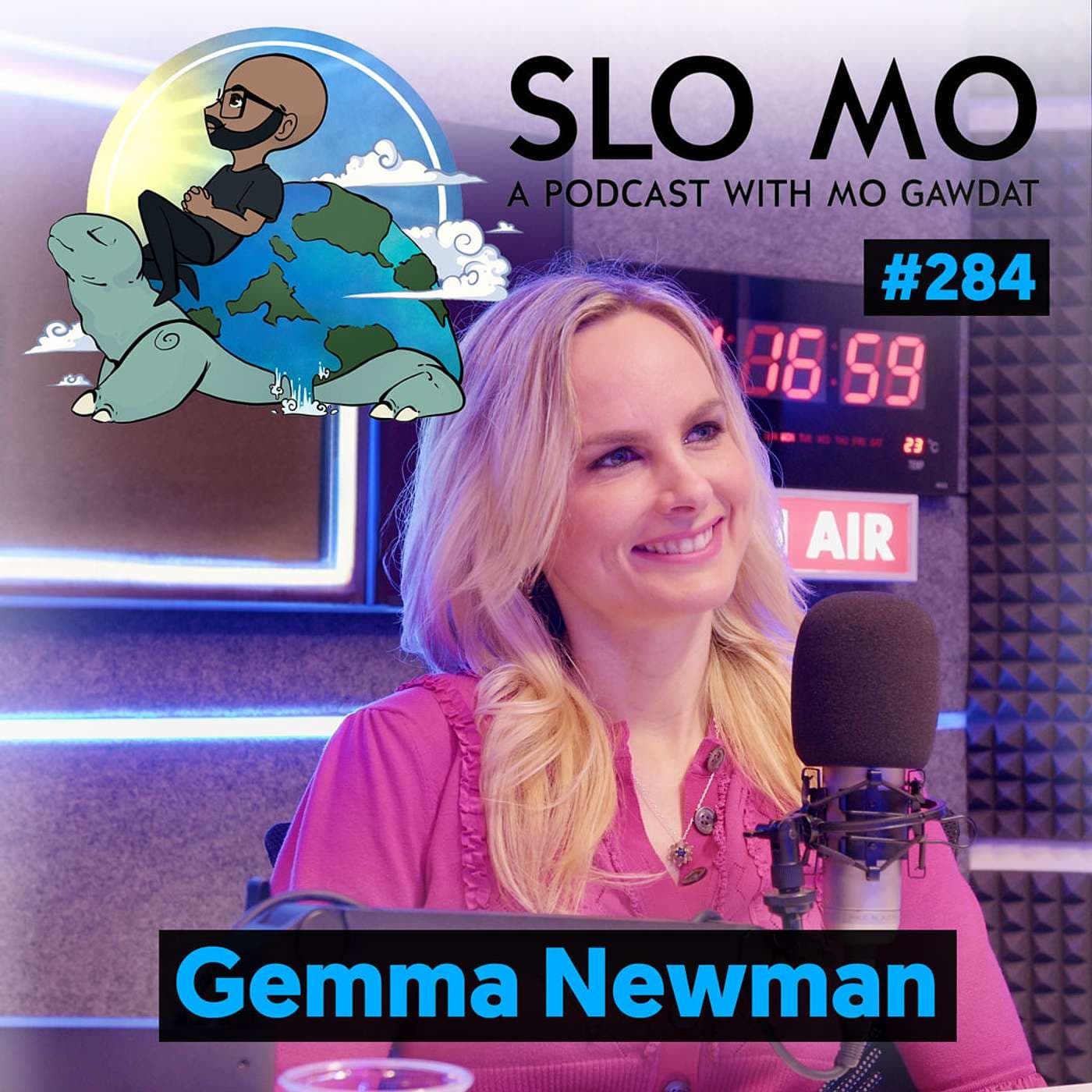
Podcast Summary: Slo Mo with Mo Gawdat - Gemma Newman - How Plant-Powered Wellness Can Redefine Your Health
Podcast Overview Podcast Title: Slo Mo: A Podcast with Mo Gawdat Host: Mo Gawdat Guest: Dr. Gemma Newman (Plant Power Doctor) Episode Topic: The transformative power of plant-based nutrition for health and wellness, both for individuals and the planet. Episode Objective: Explore how a holistic approach to health through plant-based diets can lead to a fulfilling life.
---
Key Concepts Discussed
- Holistic Health Approach
- Dr. Gemma Newman emphasizes a balanced plant-based diet as a means to achieve long-term health.
- Personal journey of Dr. Newman: Initially skeptical about plant-based diets but experienced significant health improvements.
- Nutritional Guidelines and Scientific Method
- Importance of evidence-based nutrition: Exploring studies and guidelines from reputable sources, such as the World Health Organization and the American College of Cardiology.
- The podcast highlights the chaotic landscape of nutritional advice on platforms like YouTube and Instagram, stressing the need for reliable information.
- The consensus from various studies suggests a diet rich in fruits, vegetables, and legumes is key to preventing diseases like heart disease and diabetes.
- The Challenges of Nutritional Choices
- Discussion on conflicting dietary advice, particularly surrounding protein intake for muscle maintenance.
- The importance of planning and being mindful of protein sources, especially for those pursuing a plant-based diet.
- Insights on how dietary choices can influence long-term health outcomes.
- Psychological and Spiritual Aspects of Nutrition
- Exploration of love and compassion as foundational elements of human experience, linking them to health and social connections.
- The impact of emotional well-being on physical health and longevity.
- The GLoves Framework
- Dr. Newman introduces the GLoves Framework as a memory aid for six healing habits:
- G: Gratitude
- L: Love
- O: Outside (spending time in nature)
- V: Veggies (eating plant-based foods)
- E: Exercise
- S: Sleep
- Each component is crucial for overall health and well-being.
---
Key Takeaways
- Plant-Powered Wellness: A plant-based diet is not only beneficial for personal health but also has a positive impact on the environment.
- Listening to Your Body: It’s important to be aware of how dietary choices affect individual health specifics, such as muscle recovery and energy levels.
- Nurturing Relationships: Love and social connection are fundamental for mental and physical health, and fostering these can lead to a more fulfilling life.
- Gratitude Practice: Cultivating gratitude is a transformative and essential practice for emotional well-being and overall happiness.
---
Conclusion Mo Gawdat and Dr. Gemma Newman engage in a deep and meaningful conversation about the significance of plant-based nutrition and the broader implications of health, wellness, and human connection. The episode encourages listeners to slow down, reflect on their dietary choices, and recognize the intrinsic link between nutrition and holistic health.
---
Further Learning
- Book Recommendation: Get Well Stay Well by Dr. Gemma Newman
- Explore Credible Sources: World Health Organization, American College of Cardiology, and peer-reviewed nutritional studies for accurate dietary information.
- Reflect on Personal Experiences: Take time to evaluate how your eating habits affect your physical and emotional health, and consider integrating the GLoves Framework into your daily routine.
Written by AI. May contain mistakes. Listen to the episode to check what was said.
Transcript
Automatic transcript. May contain errors.0:01I am so glad you could join us. I'm your host, Mo Gaudet This podcast is nothing more than a conversation between two good friends sharing inspiring life stories and perhaps some nuggets of wisdom along the way This is your invitation to slow down with us Welcome to Slow Mo
0:34Welcome back. My guest today is the plant power doctor, the name of her first book, Dr. Gemma Newman, who specializes after 20 years practice of medicine in sort of holistic healing. If you if you think about it, she's a very, very big advocate of the idea that plant food, a balanced plant food diet would take you a very, very long way. as all of you know I'm newly married and my wonderful wife actually wants me to live a long life interesting so yeah good sign and so I'm very very keen on having a healthy life Dr. Newman's new book is called get well stay well I have not actually read it because I wanted to learn it from her and this is my copy now lovely signed for me get well stay well I think is a very good idea I think it would please my wife.
1:26So that's going to be the conversation for us today. How to get well and stay well. Gemma, thank you so much for being here. Thank you so much for allowing me to challenge this a little bit, if you don't mind, at the beginning. Okay, so I really want to get well and stay well. I really do. But some people tell me because I'm a man and in my 50s, I need to eat a lot of protein and work out with heavy lifting. Others will tell me, no, no, no, no, know it's plant-based and don't ever stress your joints some people will tell me take your supplements some others will tell me don't take your supplements i think there is a bit of the truth in all of them okay but you know every one of them will be a very strong advocate for what they believe so can we start from why plant food why do you think that's the answer so hello mo thank you for having me i'm so happy to be here with you and i know that your wife is going to be very happy once you've read this book.
2:20Yes, she's actually quite conscious around what she eats. So inspiring, to be honest, because in previous relationships in my life, I would be told what to eat. Interesting. She sets an example. So she eats really healthy. And in a very interesting way, I'm like, I can do that. It actually looks delicious. So she inspires you through action and through her own example, rather than telling you what to do. Yes, we men don't like to be told what to do. I don't think anyone likes being told what to do. I've learned that in 20 years of clinical practice. It's a harsh lesson to learn when you're a young doctor and you think that you know everything and you think that you've learned all the things there are to learn.
3:03And if you follow the protocols, then your patients are going to get better if they just listen to what you have to say. Yeah. And the hubris of that, the arrogance. I mean, yeah, I had it too. 20 years ago but over the course of time I've realized that it's really only through listening observing and giving people space to think about how they want to actually make steps towards a better future can you facilitate that but you asked me about plants so that's an interesting story. I think my first question for you would be, where do you look for information about health and nutrition? What's your first port of call right now?
3:47If you were to actually think about, well, what do I trust? Who do I ask? Where would you go? On the spot. I normally learn everything from YouTube, believe it or not. YouTube. And then followed by books. So when I find someone who, I don't go to the silly YouTube videos but I you know you can find a lot in podcasts and YouTube expert videos that are a mind opener for me and then when I see someone that is actually impressive in what they say or they have a point I'll then read the books right yeah so that's that's a good strategy and in addition to that I think for somebody who doesn't necessarily have your starting point the strategy may be flawed because they will be looking on YouTube at all sorts of other things and they'll be looking for things that give them an emotional attachment.
4:37There's a hook. A clickbait. A clickbait. And of course, you know, that's human nature. Yeah. We do do that, but it can lead us down the wrong path sometimes, or at least the path that is not as evidence based. and in life and in science we struggle to create frameworks that help us to be guided in the right direction but we have to start somewhere yeah and so the scientific method is essentially a way of aiming to reduce uncertainty and when you perform trials you're asking yourself a question you're creating a hypothesis and you're testing the hypothesis so it's helpful to look at studies because regardless of how they're financed and who's running them, there is a peer review process in order for that study to be published.
5:27And of course, then you look at the reputableness of the journal. You see, OK, what colleagues endorse this journal? What colleagues are editors of this journal? Could this be something that's trustworthy? And then you start to build up a pattern and a picture of consistent information. So rather than just thinking, oh, there's an outlier, they're saying something different and interesting. you think that's different and interesting is there any kind of consensus before that that we could look upon to see is that a logically consistent route now if you've got the greatest thinkers of the 17th 18th 19th 20th century then they're usually independent thinkers that come up with something brand new but there's usually been a consistent sort of theory that they build on in order to get to that place.
6:14In nutrition studies, it's a wild west on YouTube. It's a wild west on Instagram. Everywhere. Everywhere. If you go to a personal trainer, it's a wild west. If you go to a nutritionist that is different than your last nutritionist, it's a wild west. It is. And so it's really challenging. And I do feel sorry for people trying to navigate this. But my advice is to look for peer review and consistency across a number of different modalities of study. So when it comes to nutrition you look yes at mechanistic data it's interesting it creates hypotheses then you look at you know studies on a sort of small scale and again that creates more of a hypothesis that you're building on and then you look at epidemiological data data on humans over large populations to see does this play out not just in mice but could this actually be applicable to the human body and when you put all the different types of information together that's when you can build a picture that seems broadly accurate.
7:12And that's what scientists aim to do when they're creating guidelines. I love this conversation so much. Oh, good. That's exactly my view of the world. Right. So when you look at the World Cancer Research Fund, they look at hundreds of studies and they say, okay, the cornerstone of a cancer-preventing diet is a diet rich in fruits, vegetables, whole grains and legumes. Okay, we have a consensus. When you look at the World Health organization they talk about how processed meat is a class one carcinogen because there is enough study data from hundreds of studies to show that it is definitely carcinogenic okay we have a broad focus of evidence there when you look at the american college of cardiology they say a plant based diet is one of the number one things you can do to prevent risk of heart disease which is the biggest killer here in the uk it's the biggest killer in the us it is i think globally the number one right yeah and you start to build up a picture which is not one person saying one thing about their supplement or one person saying one thing about their macronutrient you're building a picture when you look at the blue zones of the world dan butner's journalistic research on all the little pockets of the world that have the highest amount of human longevity the cornerstone of their diet is a plant-rich diet plant-predominant diet and in some cases a plant exclusive diet That's one of the things that they have in common.
8:32When you look at diabetes guidelines, Royal Colleges and the American College of Clinical Endocrinology, they talk about how plant-based diets can be amazing for preventing type 2 diabetes. And so you look at all these different areas and you realize that the broad consensus of people who actually study the data is actually very consistent. But you look at these shiny influencers or these people who like to clickbait content and you sort of feel doubtful because you think, well, why are they saying this different thing? Is someone trying to hide something from me? And that's, again, another part of the human psyche.
9:12They'll say, oh, this is what your doctor's not telling you. This is what, you know, this is what the pharmaceutical industry is trying to hide from you. Well, really? Or are you just trying to get clickbait? Correct. I mean, in a very interesting way, I think you're spot on. Are you saying I should not get my info from you? I'm saying you have to think. Yeah, you have to be discriminative in terms of what you let in. But here's the question. The question for me is, you're absolutely right. It's almost a no-brainer when you think about it. But at the same time, you know, if the objective is different.
9:46So I was mostly plant-based, mostly. I only allowed myself to have milk in my coffee and I ate fish like once every two weeks for 24 years of my life almost, right? And then I started at the time, I know I don't look at anymore, but I was very athletic in my mid 40s, worked out really, really hard. And I started to use those apps that allowed me to measure, you know, my diet and my different nutrition intake. And I remember vividly like two and a half months in, I worked out really hard that day. So I had three protein shakes. And then on the third one, the app said, you've just met your protein requirement for the day.
10:27I was like, what? So I haven't met my protein requirements for the last 24 years, right? Which is quite interesting. I started to study that. And of course, as a man, right, you want to have muscles, but also in general, we all want to have muscles for our joints to not to carry very much load. There are talks about the fact that you need some fish oil or something like that to be able to, you know, allow your masculine side and testosterone to be increased. And, you know, you need this vitamin D that doesn't come from this, but comes from that. And so, yes, you're right. It seems to be clear to me, like, if your target is to not be diabetic and not to have a, you know, cancer in the long term and so on, plant-based seems to be scientifically provable, right?
11:09But then with other objectives, you need to eat a cow a year or something like that. You know what? Even if you did eat a cow a year, that's not actually as much as what a lot of people eat. Is that true? Yeah. Oh my God. You know, I think it's around 70 billion land animals are killed every single year for us to consume. I know the number. Yeah, yeah. It's more or less. Yeah, yeah. And just think about that for a minute. I mean... It's 10 cows per person. And for those of us who don't eat that much, then it's probably 12, 15 cows per person. Right. Unbelievable. Yes. So we just really need to take a step back and think, how much cow do we actually need?
11:51And do we need a cow at all? No, hold on. I actually think it's because they count birds into that, right? Yeah. But it's still incredibly high when you think about it. It is. It's incredibly high. And I think what makes me interested is, you talked about the psychology of men and the importance of muscle and masculinity. And I think that's one of the major things that really actually plays into the narrative around eating plants not being good for men. Because somehow, you know, you have to be a man, you have to kill the animal, you have to hunt. No, please no. I don't see many men out there stabbing cows and I'd be quite concerned if I did.
12:31So I think there is a lot of storytelling actually around our relationship with meat. right from, I guess, the beginning of human origins, really. Because even from the beginning, I would say, looking at the data from what Neolithic man used to eat, looking at fossilized poo, essentially, gives you a really good indicator of the fiber content of the diet. And it was extremely high. We were definitely more gatherers than hunters, for sure. Of course. I mean, you have to think about it. You'd capture something every week and feed the entire tribe. It's definitely not. They didn't have cold cuts in the morning and salmon at night as taken for lunch.
13:20They didn't. They didn't. And when you look at the warriors of the Roman Empire, I understand that there was a lot of grains being eaten. They were the strongest. and the chia seeds became the massively valued protein source of the ancient Aztecs. I just think we need to maybe take a step back from the Western narrative and also in some ways, I know I'm sort of going slightly off course here, but I look at the monotheistic religions. You know, you look at the origins of Judaism, Christianity and Islam. You know, there's this whole, especially Judaism and Christianity, There's this whole lamb of God, the slaughter, the necessity of sacrifice.
14:04Oh, you think they set the industry off? I think there's definitely some subconscious programming in our minds about the sacrificial lamb as being something that is really important for us and our redemption. But then you look at Eastern religions and you see a very different picture. Anyway, I know that's not where we're going with this. No, no, no. We go anywhere. This is actually quite interesting. I never thought of that at all. But definitely the same sacrifice, the Abraham sacrifice, I think is really. Of his own son. Yeah. I mean, that's available in Islam as well, right? Yeah. And, you know, I think of my Muslim friends and many of them will actually sort of use the argument of, but God said eat meat.
14:48But did God actually say to eat meat? This is the interesting thing. In fact, there's a new film coming out, which I think you might find very interesting. It's called Christ Spiracy. And it's about our relationship with the scriptures, not just Christianity, all religions. So it's not one particular. So I read a book that was incredibly valuable called The History of God. I don't remember the name of the author. She was a priest of some sort, a Christian priest. And then she became atheist and came back to Christianity. and and she speaks about the history she calls it the history of god of course you know if you're a believer there is no history to god god is not time-based but but in her view it's the whole idea of how religious faith would affect the next religious faith yeah so so you know you could see some clear signs of the book of dead of the pharaonic religions into the judaism and you know the the whole idea of afterlife and you know the torture and all of that and then you can see that in Islam because Prophet Muhammad came in Medina and Medina was really populated by Jews.
15:54And it's, you know, you can see the deities of Hinduism in Buddhism, just looking a little more Chinese and different colors. And you can easily start to track those things. And it's quite interesting. And I think it's interesting to see the relationship between Sikhism and then you've got Shintaism as well, because Sikhism obviously came from the prevailing Hindu and Muslim. Yeah, it's a very interesting, yeah. But then, you know, they created another monotheistic faith. It is fascinating. I love to. I love studying religion, actually. I do too. I mean, my approach to it, though, is that even if some of it doesn't land well with me, I stick to the parts that land well.
16:36You know what I mean? Like the Baha 'is. You're a Baha 'i by nature. Is that true? Yes. Oh, the Baha 'is do that? They do that. No, I didn't study Baha 'ism, actually. I had a friend that told me I should, and I didn't. So what do they do? Do they take what's good from every religion? Essentially, yes. Oh, yeah, yeah. That's what I do. I call it the fruit salad religion. Well, it's Baha 'i. You should be Baha 'i. Is that true? I'm going to study it then. Yeah, I mean, in a very interesting way, if I gave you a basket of apples and two of them were bad, you don't throw the whole basket, right? Exactly.
17:05You keep the good bits. You keep the good bits. And there are so many good bits everywhere. So, yeah. And that's very interesting because I guess that draws us back to the previous part of our conversation around the scientific method. You draw out the good bits. exactly i was going to go there i was going to go there because as as a scientist myself i i also see the faults of the scientific method right so i think there is the religion of darwinism which is totally dealt with in the uh in the in the scientific uh community as a as a face it's like if you're not a darwinist we're not going to publish you yeah it's interesting isn't it yeah And I had a guest here.
17:43Although he was Christian, wasn't he? I don't know, actually. No, so I had a guest here, Dr. Stephen Meyer, which I think was one of my favorite conversations, who wrote a book called The Return of the God Hypotheses. He wrote several times Darwin's Doubt, the Universe in a Cell or something like that. And he was discussing that whole idea of the religious Darwinism. And even Darwin himself had doubts, but that they were removed from the scriptures. if you want and then you know it's really interesting which i think is really what we're talking about here again i mean veganism for some is a religion you can see it's well it's actually protected um under the human rights um convention as a belief system is it yes because um well i mean there's a lot of prejudice against the concept of veganism and there's a lot of interesting psychology around why that would be but essentially if you did say it was a religion then my hypothesis would be that it's a religion of minimizing harm and that's essentially quite like jainism actually so that's very true actually yeah yeah so really the tenets of of veganism are very similar to those of jainism in that the ultimate aim is wherever practically possible you're reducing harm jainism is a sect of what well it originated in india so it's it's very much connected to hinduism um and those kinds of ways of thinking but they are they are very much more focused on ahimsa which is uh the concept of essentially minimizing harm and and living with compassion um yeah yeah i know i know someone who told me her mom went to jainism yeah and the practice is so strict that you don't harm anything at all yes i mean obviously you can you can be a jain and not be somebody that sweeps the floor looking for ants but that's that's the sort of trope i think that's that's the very that's what people think of if they think of jains is that they're literally sort of desperately trying not to touch or harm anything at all but you can be jane and not have those sort of specific um practices and rituals but yeah it basically is it really aims to minimize harm and live with compassion which i think most people if you really thought about it would would would understand and would get behind but there's a lot of um i think there's a lot of cognitive dissonance that gets in the way of being able to do that I want to go there but I'm so keen now to know where do you get all of that spiritual study from is that part a big part of you it's a big part of me yeah always always yeah I I've always felt
20:45different hello yes we can relate yes so I've always felt that there was something greater than myself and that I was part of something beautiful and loving and that I needed to express that beauty and love in some form and that would pretty much be the purpose of my existence which is a weird thing to say honestly at all it's the only thing to say maybe it's the only thing to say? A true video gamer will guarantee you that this is it, really. So you see, the idea is if when you're stuck in a video game, you only think about the events that are presented to you on the screen. You never really zoom out and say, but I'm not in the screen.
21:36I'm actually sitting on a sofa outside the screen, outside the mess, right? And there is a game console that I have control There are other beings in that realm that are not in the screen, right? And when you see it that way, suddenly you realize that if you spend your whole life looking at the screen and navigating the game, you're missing the point. Yes. You're missing the point. The point is much bigger than your physical form. Yes, the point is much bigger, much bigger. But you have to play the game. but that also takes i mean if you don't mind me being a podcaster here the point is much bigger for me it's also much bigger for the chicken and the cow and so you know in a very interesting way their physical forms are not really the big deal if you if you think about it some people will say that the answer they are sort of non-player characters in the game you know they're they're there to provide nutrition for you that's what some people say yeah but yeah i mean for me I don't know, when you watch footage of how your food is made.
22:44Oh, that's a different story altogether, yeah. You know, you see it. You see it. You see the fear. You see the blood. You see the screams. You hear the screams of the pig as they're going into the gas chamber. That's not something I want to be a part of. So that to me, I think, is a very different story than the nutrition value. Yes. So if you really think of our whole wholesome existence as physical and spiritual, as the oneness of all of us, that idea of some of us consuming the rest of us is a very interesting concept to think about. Yes, it is. And I wonder what that does. I can't say that this is part of the scientific chat because it's not something within the realms of science, but I do wonder what it does to us energetically when we consume fear.
23:49Because you are quite a speaker with that pause there. That is quite interesting, actually, because we're not just consuming the physical matter. or consuming the energetic, you may have just changed a lot of people with that statement. I hope so. I don't think people think about that. But this to me is a question of the industry, not a question of the concept, wouldn't you agree? I mean, in a very interesting way, if you raised a lamb and it roamed free and it lived to be five or whatever, I don't know how long they live, and then eventually you consumed it. Lambs don't live till five. They're babies.
24:35I don't know. Sheep, sheep. Lambs go into sheep. So lamb is only a baby. Is that true? Yes. You're always eating a baby when you eat lamb. Holy cow. Holy lamb. Holy lamb. The sacrificial lamb. So, yeah, sheep, whatever. Yeah. I don't eat red meat myself. guys by the way everyone listening we're not advocating anything here we're just we're just chatting yeah we're just chatting yeah it is it's an interesting point but once again some people will tell you this is part of the design of being human i mean you look at scientific evidence of our molars and the way our teeth are and the need for us to get animal protein and so on and so forth and you'll say this is part of the design so i never like talking about sort of how we're supposed to eat because i think that draws people into an argument of me telling people what to do which i don't like to do and i also think that when we look at our teeth and our dentition there's something interesting about our teeth and that is the way that we can move our jaws from side to side.
25:48Generally speaking, omnivores tend to move their jaws up and down, but they can move side to side. Herbivores always have to move their jaws side to side. Carnivores always have to move their jaws up and down. We don't eat like lions, although many men think that they'd like to be like lions. We don't eat like a lion. We don't eat raw we don't tear our food up limb from limb with our mouths we don't eat with our jaws going up and down we have to prepare the meat we have to cook the meat we have to get the best nutrients from the meat by cooking it and we have to chew from side to side like ruminants i'm not saying we are ruminants we're not but it's interesting that there's so many sort of absolutist arguments on both sides correct and i never like to get into those arguments because ultimately i can see logically that as humans we've really survived by eating anything and everything that we could within our place of origin so inuits would eat fish and seals and whales not because they were the best for longevity but because that's what they could eat and you know if you lived in the african savannah you'd eat a lot of tubers and you'd eat a lot of grains and you'd eat a lot of vegetables and fruits and you'd eat a little bit of meat here and there when you could get it because that's where you were so I think it's helpful to look away from what we think we should eat because as humans we basically just eat whatever we can to survive we need to start thinking about well what do we need to eat to actually thrive and that's where longevity comes in and that's where looking at populations of people that have lived an extremely long time come in because they've lived well past the need to reproduce that's where we should be looking really for our information about how to live long rather than thinking of this is what our ancestors used to eat so i'm with you actually following really well you say it so well but the question then in in the supermarket era where we can find anything we have to make a choice we have to make a choice bottom line what's your recommendation what's ultimate choice ultimately eating as many unprocessed plants as you possibly can.
28:04When we look at the Western world with our supermarkets and our packaged foods, we look at the biggest causes of death. There's four, four biggest causes of death, heart disease, diabetes, cancer and lung disease. 80 % of deaths, premature deaths in the world happen because of those four things. How do we do that? How do we prevent that? Well, there's four ways. There's four ways of preventing that. Eating a plant-predominant diet, not smoking, sensible use of alcohol, and moving your body. 80 % of those 80 % of causes of premature death can be resolved by doing those four things. Just think about that for a minute, let that sink in.
28:50If we know this, why aren't we doing this? And interestingly, the number one thing out of those four is eating a plant predominant diet it's the most powerful of those four what's predominant what do you mean by that i mean you don't have to be a vegan i am vegan by choice by choice philosophical reasons more than just diet yes i feel as though my priority is human health i became a doctor years ago i love people i want to help people so always my priority is human health however I wanted to widen my circle of compassion because I there's no scientific reason why I couldn't I didn't need to eat animals so I chose not to but I appreciate that's not a choice everybody else wants to make and when you look at what the vast majority of science says it's it's plant predominant whether that means 85 or 100 eat as many plants as you possibly can is what it means.
29:51So that's probably my number one piece of dietary advice. And then everything else can sort of be more specific from there. But what you're aiming to do with that is increase the diversity of plants, increase the colours, the varieties and the quality if you can. But really, most of the studies we have show it doesn't have to be organic, it doesn't have to be local, it can just be more plants for the win, really. That's it. Try and keep it very simple. But you say whole plants, right? So it's not something processed from a bag. It is, you know, a carrot. Yes. And there's also benefit from having minimally processed plants too.
30:33So for example, tempeh and tofu are minimally processed soybeans and they are extremely healthy. Just because there is some element of processing doesn't mean that it's inherently unhealthy. Ultra processed foods, I would argue, are mostly inherently unhealthy. But there is a certain element of processing that can happen looking at the NOVA classification, which is actually probably beyond the remit of our conversation. But some element of processing is fine. But ultimately, you want to have as many unprocessed as you can. Okay. Very specific question, because this is my podcast and I always turn it into my session.
31:10Well, you can ask me whatever you want. I mean, most of my listeners, I don't know if it's selfish of me, but I always ask questions related to me. Right. So I get this longevity side of it. But I have to say openly, the best I've ever felt now and previously is when I worked out reasonably well. OK. And I ate enough protein to generate muscles. Yes. OK. And the struggle with plant based protein is that you have to eat a lot of things. in the process to get enough protein. And I think the real argument is people will say one gram of protein for every kilogram of body weight on a normal day and two grams of protein almost for every kilogram of body weight, which in my case would be 170, 180 grams of protein a day, which you can never get from plants.
32:05So we look at the amount of protein that we need for longevity and we look at the amount of protein we need for muscle building. And for most people with a plant-predominant diet, it's possible. I get what you're saying. When you're eating a plant-based diet, you tend to have the protein attached to other macronutrients like fiber. Fiber and carbs and sugar and other stuff. So with that in mind, I think it's also helpful to think about, well, yes, we need protein for muscle building, absolutely. And it's especially important for when you get into the years where it's harder to build muscle. and it's important to be mindful of protein.
32:43But there are ways to do it. Are you saying I'm old? Yes, I am. But there are ways to do it. I'm saying for anyone over the age of 40, really. But there are definitely ways to do it. And you can always, you see stories of people, I mean, you've probably seen that guy at the gym who's really muscly and looks amazing and feels great, but then drops dead of a heart attack. Correct, 100%. So I think it's important to look at both muscle strength, bone mineral density and dietary patterns. Well, I say both, that's three things, but look at them all together and decide where your comfort zone lies. How muscly do you want to be?
33:25How much bone mineral density do you want and how long do you want to live? So there's no doubt that resistance training is important for bone mineral density and muscle strength. So whatever your dietary proclivities, resistance training is brilliant and thoroughly recommended because that ticks all the boxes. It helps you with longevity. It helps you with muscle maintenance and growth. And it helps you with bone mineral density. Plant-based diets will definitely help you more with longevity. There's no doubt about that. Lots of studies to show more plant proteins versus animal proteins is going to essentially lead you to a potential longer life.
33:59So your question is, well, how do I get enough protein from plants? It's just a bit of planning, really. You know, things like tofu, tempeh, beans, lentils, chickpeas. These are good sources of protein, especially tofu. I think there's a lot of bad rap for soybeans for some reason. But they're amazing. And you can use those silken tofu you can use for salad dressings. You've got to think of ways you can sneak more protein. Nuts and seeds as well have got great amounts of protein and monounsaturated, polyunsaturated fats, which are amazing for longevity. but yes i mean it's definitely imminent so eminently possible to get enough protein on a plant-based diet but you do need to plan it especially if you're wanting to build bulk as well and then the question of longevity is very clear more plants for the win yeah but i mean i'm so i'm googling now chickpeas let's say so a hundred grams of chickpeas you wouldn't just have chickpeas though you have a little bit of mix and match going on look up scrambled tofu Okay, so chickpeas is eight, say nine grams.
34:58Okay, scrambled tofu. Can I just do tofu? Oh yeah, just do tofu. Because you can have, you could have tofu in your smoothie in a form of soy powder. So you can have like, you know, you get those protein powders. Yeah. So this is a very good question, right? Let's put the numbers together. So tofu is high in protein, 17 grams per 100 grams. Chicken breast, for example, is 31 grams. So you have to eat double the amount of tofu per weight. Yes. It's not that actually that big of a difference when you really think about it. When you actually look at the amount, it's not. Yeah, I mean, 17 from 31, it is almost, you know, it's not double, but it's close to 80 % more.
Read the full transcript
35:43But tofu is also easier to digest and it's, you know, softer and so on. Maybe, I don't know. So the real question is, you said protein shakes. If you want to add more protein without adding more fullness, if you think about, well, how do I get more in? You had your three shakes a day and you're like, oh, I finally got the amount that the app told me. But that's highly processed. Yeah, so when you look at things like Huel and other sort of protein shakes, they are definitely processed for sure. So have you seen, there's a bodybuilder, I don't know. What's his name? Yeah, yeah. There was a documentary about it.
36:22The Game Changers documentary, that one's got people like Nimai Delgado and it's got, is it Lewis Hamilton in it? I can't remember. But all these people that say, oh, you can build muscle on a vegan diet, no problem. But there's one in particular who is very insistent that you can do it without the use of protein shakes. And he's extremely muscly. I can't remember his name. I'll have to tell you about him afterwards. But yeah, he was not me anyway. He wasn't you. Obviously. Robert Cheek. so yeah he talks about how yeah you don't need protein shakes to build muscle you can do it i mean i'm not a bodybuilder and it's not my area of expertise most sadly so i can't give you a bespoke kind of it really matters i mean in a very interesting way i'm being very honest here i mean in a very interesting way it sounds like you want to know more about how to do this whilst building muscle and eating more plants it's a yo-yo it's a yo-yo thing for me because if you leave me for my own preference i would only eat plants okay literally i i would only eat salads i just love salads right and it's my preference i love it the problem is when i do that and my muscles become weaker my joints really suffer yeah okay and and so i i owe you back and i go like nope back to to the gym heavy lifting and with heavy lifting if you do heavy lifting with the plants or do you feel like you can't you do if you're measuring protein and again this is my own scientific uh wool right but i measure everything myself if i'm if i'm above that two grams per body weight kilogram per day i recover within a day the next morning i feel okay right if i if i don't if i'm below that even if i'm at 100 grams a day of protein pure protein i don't recover for two or three days right and it's quite obvious for me that if i work out on i don't work out heavy every day of the week but let's say if i do that three days of the week that those three days will need a serious protein intake yes yeah and it's you know i did i did shakes for a while they you know they're really heavy they don't feel right need to get you in touch with robert I think yeah see if he can give you a little personalized plan because um yeah I think you're right I think when well what's interesting about plant-based diets and recovery is there seems to because it's because it's a very anti-inflammatory way of eating yes that's the other side of it which is so ignored yeah and so important yeah exactly um so a lot of athletes have said and you can see also from what you know in terms of muscle recovery and sort of delayed onset muscle soreness it tends to actually generally be better when you're eating a plant-rich diet because it's very anti-inflammatory so you're quickly being able to then retrain so I don't think plant-based diets are inherently better for muscle building because clearly it's the protein is attached to other macronutrients but they are better for recovery and being able to retrain more quickly so then there's a potential benefit there if you are certainly looking at you know being able to improve the amount of times that you're training a week that you could have potentially trained more often because of the ability to the muscles to recover more quickly with a with a plant rich diet or a plant-based diet but yeah you definitely need enough protein because you need to be able to use that to synthesize more muscle so yeah things like yogurt milk all of that which doesn't kill the animal are you supportive or against i personally don't consume them but i recognize that there are some potential health benefits from consuming yogurt more than anything else because it's sort of partially yes the probiotic content um and it's you know sort of partially fermented as well kefir for example so there are some health benefits to those foods i don't have those and you can obviously get fermented coconut-based kefir and other other alternatives um but i see how we could get into a whole conversation about muscle building and whey protein which is not something that i'm interested in so i don't want to go down that route but what i will say is that yeah there are a lot of things about dairy that there's a reason why whey protein is so popular but at the same time the way that the modern dairy industry operates and the amount of the things that you're drinking alongside the milk so again this is not a scientific discussion this part but there's no question that you do have increased levels of things like IGF-1 insulin-like growth factor 1 in dairy which may be good for muscle building but is not great for reducing cancer risk for example now I'm not saying in this conversation as a caveat here I'm not saying that if you drink milk you're more likely to get cancer but there is definitely a link between increasing igf1 levels in the body and increasing risk of cancer because if you look at like the loron population yeah if you heard of the loron population they genetically lack igf1 which means they're genetically very short but they they have very very low rates of cancer in that population because they don't have igf1 um and if you have acromegaly where you know you've got higher levels of growth hormones you're also more likely to get cancers so you know you sort of when you look at epidemiology when you look at all the things that make a human longevity formula if you like then i wouldn't necessarily put high intakes of dairy at the top of that list you see back to my original point so many conflicting choices to make so just try to remember plants plants is good generally exactly let's get well stay well yeah eat plants as much as you can and then reduce yeah honestly dietary guidelines people people always talk not not people some people talk badly about things like dietary guidelines if we follow dietary guidelines the entire pop the health of the entire population would be lifted significantly but we don't follow dietary guidelines so even that even just following the dietary guidelines of your country would be an interesting place to start only eight percent of us eat enough fruits and vegetables 50 plus percent processed stuff so just that's a good place to start yeah without making it too complicated but we didn't even talk about all the other stuff that is related to sort of health happiness wellness but nutrition is big obviously it's a big let's talk about those then so get well stay well is six healing habits let's talk about what they are yeah um so i created something called the gloves framework because i wanted something for people to remember gloves and it stands for gratitude, love, outside, veggies, exercise, sleep.
43:12Gratitude, love, outside, veggies, exercise and sleep. Easy peasy. Right. So you don't need to read this big, thick, junky book, although I'd love for you to read it. You do, you do. Because there's loads of studies and references and things like that. But basically, that's the cornerstone of it. And then in each chapter, I explain why that is, what we can do practically to bring more of those things into our lives. Yeah. Help us and the people around us. Gratitude, love, receiving or giving? Giving. Giving love. Yes. Talk about that. So babies, let's talk about babies. You said earlier that you weren't keen on children.
43:56at this at this age having done the mission of of two uh two of them i find them noisy but yes yeah babies are noisy children are noisy yeah but children when we're when we're babies we need milk obviously talk about human milk cow milk we need we need milk we need love we really need love and when you look at studies about what helps us to function as adults then the importance of at least one loving caregiver in the life of a child is something that really comes time and again in terms of the the evidence that we have yeah and the more adverse childhood events we experience the less likely it is that we can have a life where we can more easily find happiness so i i think it's amazing thinking about babies and how much i mean obviously they're made to be so cute and you know we all love babies but there's about 700 to a thousand synaptic connections happening a second in the brain of that baby and those connections are fueled by love oh so you know you're the love that you get from your mother father carer whoever it is um really helps to inoculate you against the trials and tribulations of teenage angst exam stress yes, relationship breakups as an adult because you had that love as a baby.
45:24Now, I think that that is just absolutely incredible. Of course, not everybody experiences that. And I don't want people who have felt that that's not been their experience to lose hope because we are all capable of giving and receiving love whatever age we are at. But I love the fact that love is so foundational for human experience, well, human survival. It's much more obvious to think about, well, the fight or flight instinct and fear as being a big driver of human survival. Of course it is, but love is actually a greater marker of human, not just survival but longevity again, because when you are accessing your parasympathetic nervous system, when you're accessing emotions such as joy and gratitude and compassion and forgiveness, those expansive emotions, it actually helps you to expand your peripheral awareness, expand your peripheral vision, create relationships, learn new things, form bonds with people and do the things that you're going to need to do in order to live a fulfilling and happy life and a long life.
46:34So yeah, that's why I think love is so important. It is paramount. I mean, when I talk about every child is happy if they get their basic needs for survival. I always mention and love is one of the basic needs for survival. It's very, very clear. It is, however, a struggle, I think. So one of the things I'm working on is, Hannah now is helping, is my work on love and romance, which is, I used to call it finding love. Now I'm calling it finders keepers. And it's quite interesting because the struggle in the modern world, depending on how you define love really, but the struggle for romantic love for adults is becoming it's never been more difficult i'd say yes and the idea of love being unconditional whether in giving it or receiving it is becoming a very big challenge in the world so when when you advocate and say gloves and l is for love for some people it's a bit out of their control to bring love into their life or to even have someone close enough to offer love to do you feel that this is the case?
47:37I see a lot of lonely people. Loneliness is on the rise, yeah. In my practice, I see a lot of lonely people and a lot of isolated people and a lot of people who lack social connection. And there's no question that that impacts their physical health and it impacts their lifespan ultimately. And I'd also reflect that in that social milieu, we have to take steps to consciously bring more love into our lives. And romantic love is important. And studies of happiness and the blue zones of happiness show that having a loving romantic partner is one of the things that really helps to improve your rates of survival and I also want to point out that there are many forms of love too and I'll talk about that in this chapter of different religions in fact I bring religion into a little bit there because different religions talk about all the different kinds of love and the definitions of love that they bring are quite interesting.
48:53And when you think about universal love, then there's actually plenty of that to go around. But you have to be cognizant of the fact that you can give it and not just receive it. I think people are so used to thinking, I need, I want, I lack. but if they switch that mindset and instead tap into well how does it feel to feel loving what could i do to express love then it changes everything and it allows you to bring more love into your life quite simply so interesting i i actually i I agree 100%. My view is that wanting to be loved is ego. Yeah. It's look at me, I'm worthy. Look at me, I can be loved.
49:49And feeling a struggle for not getting that is really your ego playing up, telling you, you see, you're not good enough, you're not worthy. But that's not true at all, right? Correct. So our ego also drives anxiety. because when we're anxious, we're thinking, I am not worthy of, people are judging me, people are looking at me, what are people thinking of me? And it's actually about me. Whereas if you stop making it about you, then in a way, the ego can just be a bit quiet. Your ego is trying to protect you. The ego does a lot of things. I think when you say the word ego, people think, oh, you think that I'm full of myself.
50:30You think that I'm arrogant. So it's not like that it's not about that at all the ego is simply that sense of self but also where the sense of self can go wrong is when it's trying to be overprotective and um protect you yeah exactly so taking the ego out of the equation and that comes to to me and my work you know as well when i think about my patients one of the best piece of advice i ever got from anybody in my clinical practice was to take my ego out of the consultation room because if it meant too much to me that somebody changed their mind or do what I think they should do then it's pointless I've lost them I I need to care obviously you need to care about your patients I do care deeply but if I take my ego out of that and just think I'm listening then you learn a lot more but it means that they're also much more ready to to think about where they can make changes and it means that it's their responsibility it's not on you okay a lot a lot of doctors actually is a slight tangential point but a lot of doctors reach burnout because they feel so much moral or responsibility i didn't help that person i should have done this i should have done that but it's not about them yeah they're just facilitating and i think if you can facilitate somebody in their own journey towards health and that brings a lot of satisfaction but But it also means that you don't have to bear the burden when they make their own choices otherwise.
52:03Yeah. It's interesting how we mix that in probably the most divine of all emotions, right? So you would associate love, which is really the most divine of all emotions, with me, me, me. You know, I want to receive it. I deserve it. I'm struggling because I don't get it. And I'm anxious that I may not get it. When the true joy of love, if you really know love, is to give it. Yes. And a lot of people don't see that. And I think the way the universe works is that if you pour love into it, it will bulge a little bit and then pour love back at you. And I think most people don't see that side. is that one of the easiest things if you want to receive love is to give love okay and giving love by the way it doesn't have to be by walking to someone and and saying i love you right it it could simply by feeling you know compassion for someone who is angry in the streets or you know someone that was stressed walking by you and you know going to the bus station or whatever those kinds of things in you if you find that ability to actually look at someone and say yeah i understand you must be going through a lot today i i love you still it's okay you've never really hurt me yeah i think that that game is probably in my mind one of the most healing feelings ever yes it's that feeling of accepting life as it is and making love the foundation of the way you deal with life makes a huge difference.
53:33Yes, it does. It really does. And imagine how that would feel to be able to have that mindset even when someone has hurt you. Yeah. Because we do get hurt by people in life. They disappoint us. They betray us. They don't meet our expectations. so trying to shift where our expectations are is one important aspect of it yeah but also finding love for somebody even if they've intentionally hurt you i mean that is i would say intentionally is a big word it is i don't i don't know if anyone intentionally hurts you very few very few very few and hopefully many of us won't have to experience that but it happens and I think even finding even finding an expansive way of feeling towards somebody who you feel has intentionally hurt you is a way to actually firstly decide well actually have they intentionally hurt me maybe they didn't but even if they did it can also offer an important way of healing for yourself because that happens people go through tragedies you know I'll never forget hearing the story of a GP, in fact, who went on a home visit to visit somebody.
55:00And he got stabbed by the person that was with the person he was doing a home visit for. And he spoke with nothing but love for the person that did that to him. And I was filled with a lot of emotion reading that story and hearing him speak about the experience. because and we always okay so so one of the things I talk about later in the book I think hope is overrated because life can be extremely challenging and you don't it doesn't go the way we want it to go and I think hope sometimes can actually give us a false sense of happiness I think finding joy in small things finding a sense of enchantment in the moment that you're at And also finding awe is one of the things that really can drive love in our lives.
55:55And I felt awe inspired by that person. And we all like to feel awe inspired. And one of the most strong ways of feeling awe is watching somebody deal with pain, suffering, adversity, and just being completely overwhelmed by how they're inspiring you through their challenges. and that's something I have no doubt you've experienced. People have felt awed by you and how you have dealt with the things that you have faced in your life and there's a reason why your story is so powerful is because we feel awe when we're faced with the beauty of human kindness, human endeavour, human love, human forgiveness.
56:39That gives us the greatest strength and the greatest awe in our lives, which is just, yeah. It's funny when you really think about it, because sometimes I tend to believe that, you know, in physics we say that the quantum field is what everything is made up of. So most people, let's not overcomplicate things, but can you imagine that the universe is a very big box of Lego bricks, right? And when you need to build something, you just borrow a few Lego bricks and put them together and something comes out. This is, in a very basic way, an understanding of the quantum field theory. And when I write about love and romance, romance is really, romantic love is just one form of love.
57:23I want to come back to that. I call it the spiritual theory, that perhaps the other world, the parallel world to this physical world, is also made up of Lego bricks, and that from those Lego bricks, you can build everything, right? And to me, these are, I think these are the things that are never changing. They're ever present. You know, consciousness, compassion, and love is the only three I've counted so far, right? They don't make sense, but they are truly ever present. You just need to tune into them and then you'll find them. I always say falling in love is a weird thing because love has always been there.
58:02You just tuned into it. Okay. You never really go and say, okay, on the second date, I think I'm 20 % in love with her. Right. On the fourth now, oh yeah, this is going well. It's 35. You don't feel that gradual increase of love. You're either zero or on. And on is a hundred percent. And it happens when you tune into it, not when you grow it. Right. Yet we build our physical lives of so many other emotions that are really futile. They don't really, they are generated in your head. They're not there. You have to create them. Hate or the need for vengeance or anger or you have to tell yourself a scenario.
58:46Oh, this guy shot me because he was, he's my enemy. And no, he wasn't your enemy. He was angry at the whole world. He has a very long story, right? And that very long story you happen to cross at the point in time it wasn't about you at all and by the way you're okay so chill right it's quite interesting when you really think about those things it takes a slightly less engaged in the details approach you just have to look at the at the bigger picture and the bigger picture is i'm okay never really meant anything against me and if i had gone through what he had gone through, this was one of the best sentences ever said in this podcast was Edith Ager in season one.
59:29And Edith was, you know, if people know her story, she was basically taken to Auschwitz and really experienced the whole atrocity of what was happening. And she basically ends up saying, you know, I asked her, how did she go back to Auschwitz afterwards and so on? And she said, Mo, if I was born in Germany and promised to the world, I would have been a little Nazi myself. Okay. And, you know, that idea of understanding that you're not better than the other person, you just had a different life story. If you had his life story, you would have shot your doctor. Yes. It's that whole concept of walking in another's shoes.
1:00:07But not just walking, feeling it. Yeah, yeah, yeah. Putting them on, really. Yeah. And telling yourself, if I lived that, where would I be? And also if I told myself the stories that they've told themselves or the people around them that they were surrounded by as well, I think there's so many things that we cannot control and so many things that we're not cognizant of when we make decisions. Yeah. But yeah, I think finding that empathy is really important. And you talked about love as being this expansive love of consciousness. And what was the other thing you said? Compassion. compassion which makes no sense in the brain but is always present it's always present i love that and i think about that when i think about that in terms of the human body we think about our hearts don't we even though it's supposed to just be a muscle that pumps not at all it's the big antenna even just thinking if you just even if you just take out sort of ethereal or lofty concepts around emotions you just think about well what is it doing it's creating its own electricity it literally creates its own electricity and that electrical field is i think around about 60 times higher in amplitude than the electrical field that your brain can generate and then you think about the magnetic field of your heart that's about a hundred times greater than the magnetic field that your brain is generating.
1:01:35Your heart is like your antenna for the world and you can measure it about a metre or so outside of the body. Those electromagnetic frequencies, you can measure them with devices. SQUID is the acronym for the device. I can't remember what it stands for now. But when I think about the electromagnetic field of the heart and how you can measure that objectively and how strong that is when you even you know using an ecg versus an eeg you can measure those things and think we are creatures of love we create our own electricity and we are creatures of love and every single atom is vibrating in our bodies with its own tiny little electrical field of love yeah um seems to me like the actual building block yes of the non-physical world manifested in the physical world in emotion yeah but it is really the underlying brick of the non-physical world it's the golden brick yeah just like you'd say protons and electrons and right then and you can make stuff out of those in the physical world yeah and it's quite interesting because the definition of antenna is you know normally i was talking to a friend about one of my favorite episodes here was mark gober again season one about the idea that consciousness is pervasive and that the brain receives consciousness almost like a radio receiver receives the radio waves.
1:03:01And so we think that that consciousness happens in the brain. But the reality is, I think that, yeah, maybe we can comprehend consciousness in the brain, but that the actual receiver of the non-physical world is really how your heart, not your pump, but your heart, your intuition, your, I don't know. Well, that's the beauty of it is we don't know. We never will. We won't until, I'm sure, I feel we will know. You think so? I think, I feel that there is a knowing.
1:03:37It's hard to put that into words. And the brain doesn't know how to. So one of my bigger confessions is, I'm reasonably balanced in my feminine and masculine. I think I'm more on the feminine side than the masculine side. Feminine and masculine is not body parts, and it's not gender identity and it's not sexual preferences, just if anyone is trying to get angry quickly. Feminine and masculine are approaches to the world, attributes, characters, right? And I have to say that the analytical approach, the hyper-analytical masculine approach to life that we ended up in the world today, which I think is messing everything up, is very good for the scientific method where we started this conversation because it's logical, it's analytical, it's linear and so on.
1:04:18but it is unable to comprehend anything beyond the physical. Anything beyond the physical is not understood there and I think my journey from being so trained through my corporate career to be hyper analytical, hyper masculine data driven and so scientific and so on ended on I think it was January 2018 if I remember correctly when I suddenly realized I can't comprehend anything non-physical if I just count on that machine. That machine is really not going to receive any of it. It's going to give me problems along the way, you know, talking about observing it and it doesn't exist or not. And that the heart, the sensual side of us really is what's capable of comprehending that side.
1:05:04And which means in response to what you said, I don't think we'll ever understand it. we can intuitively grasp it but i don't think we'll ever be able to get it into words i don't i don't think we'll ever be able as humanity to communicate to ourself i got it i understood that other side probably impossible yes you can feel it though you can feel it feel it is very different i know but you can't prove to someone else so they can feel correct yeah but you can sit next to someone in a beautiful conversation like this and feel it together. I think that's what humanity is unable to surrender to, that the connection between us should not be just reduced to words, which are generated from the brain.
1:05:58That's the interesting paradigm that we live in. And it's also the dichotomy we have right now, because we're talking on a podcast using words. And that's all that we can express to the people who are listening with their ears. But I like to think that through the words that we communicate with one another, we are able to help people feel wherever they are, that they are connected to this concept and this conversation. And it doesn't have to be through their brains or their intellect. It's through their heart. I always say that when I'm really enjoying the conversation, of which this is one, that I wish people were in the studio.
1:06:40I really wish they could feel the energy in this place. I really wish they could feel the connection. And I know for a fact that YouTube will not capture it. I know for a fact that Apple Podcasts will not capture it. But it is those moments when you talk about get well, stay well. It's not always the physical veggies that you're going to consume. There is so much more that's happening beyond our physical form, gratitude, love. There are so many. Yeah. And it takes a bit of time to slow down, as I always say. So the whole purpose of this podcast is the idea of slow down, that you can feel those slowing down.
1:07:21It's healthy for you. Do you have two more hours or should we meet again? We should meet again. I think so. Because there's much more we can say. I know. so jama i'm so grateful that you showed up with and i mean showed up with with all of you and all of your essence which i felt uh was very enriching and healing for me thank you thank you i feel the same yes and for all of you listening uh yeah i wish you were here honestly i don't i mean i i wanted to talk about veganism and plant-based food and all of that stuff which I think is important. I have to admit it's something that we all need to look into and there is evidence behind it.
1:08:04But yeah, we spoke about religion and connection and compassion and love. And I met someone that I feel is a lot more soul than the physical form she wrote about in her first book. I really encourage you to read this. I'm definitely going to be reading this on my trip back. Get well. Stay well. Gemma Newman. And yeah, I hope you enjoyed this as much as I did. I hope you help me spread it. Tell others about it. I hope you post about it on your social media. I hate social media, but post about it anyway. Rate the podcast on your podcast player. And come watch me on YouTube. We love that idea of having a face to the sound, to the voice that you hear.
1:08:49I know some of you, many of you will listen to this on their commute. But listen to it again in the evening on YouTube. And while you're there, subscribe and hit the notification button. They told me to tell you this. All I can tell you is this kind of conversation needed a bit of slowing down. I am a huge advocate that it doesn't matter how busy you are this week. There's always a tiny bit of time to slow down. I love you all for listening and I will see you next time.
From the publisher
In today's episode of Slo Mo, we welcome the inspiring Dr. Gemma Newman, also known as the Plant Power Doctor (https://gemmanewman.com/). Gemma shares her holistic approach to health, emphasizing the transformative power of plant-based nutrition not just for individuals but for the planet. Beyond her medical expertise, Gemma reveals the personal journey that led her to embrace a plant-based lifestyle, including her initial skepticism and the dramatic health improvements she witnessed firsthan...