
 Ask ChatGPT

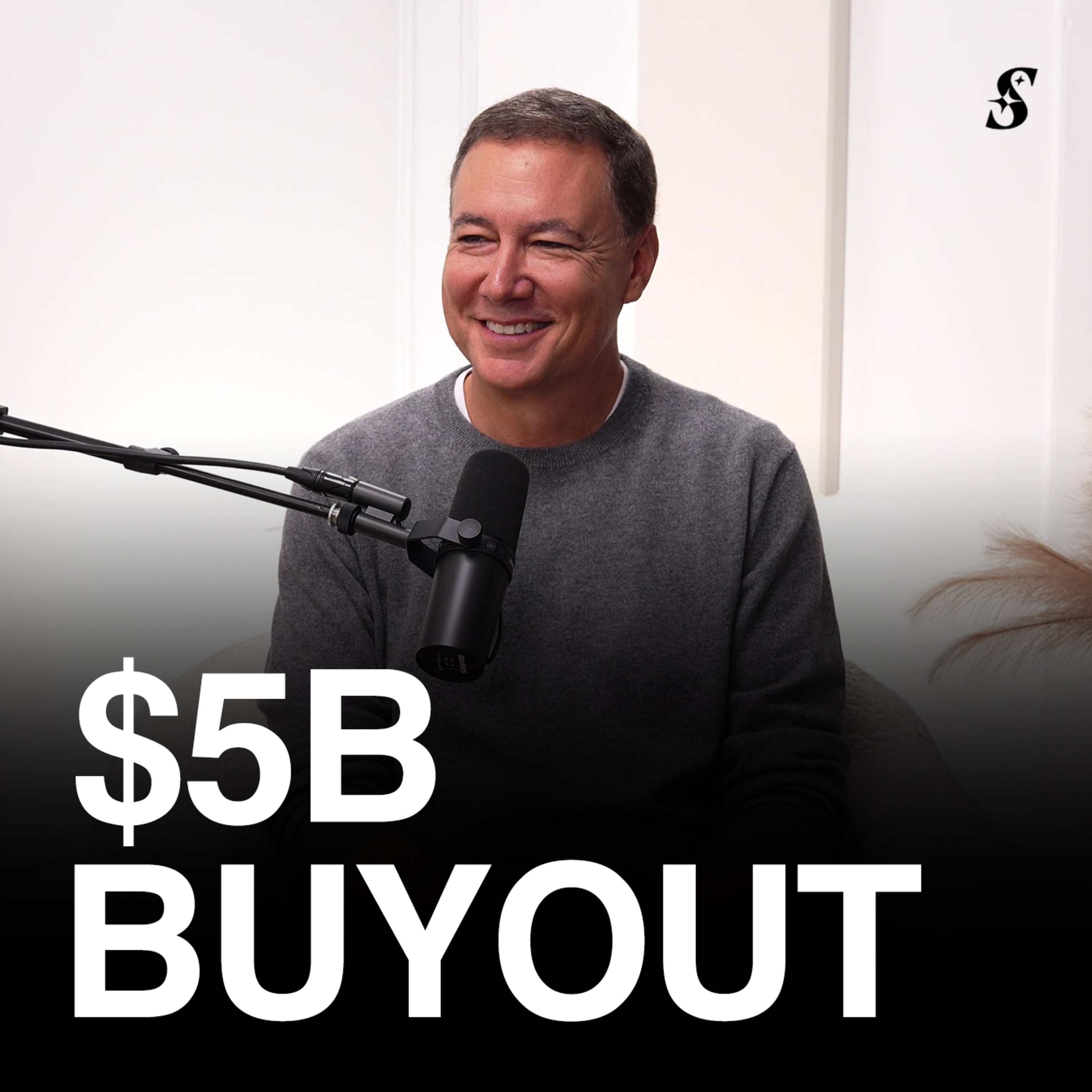
Five years after Apollo’s nearly $5B purchase of Yahoo (from Verizon), the episode covers Yahoo’s turnaround/comeback: why the “Google defeated Yahoo” myth is wrong (search was outsourced for years), how Apollo structured the deal, how Yahoo rebuilt as a conglomerate with general managers, divested assets (AOL, Edgecast, and parts of ad tech), and how it’s regaining growth via product and brand—especially AI search with Yahoo Scout.
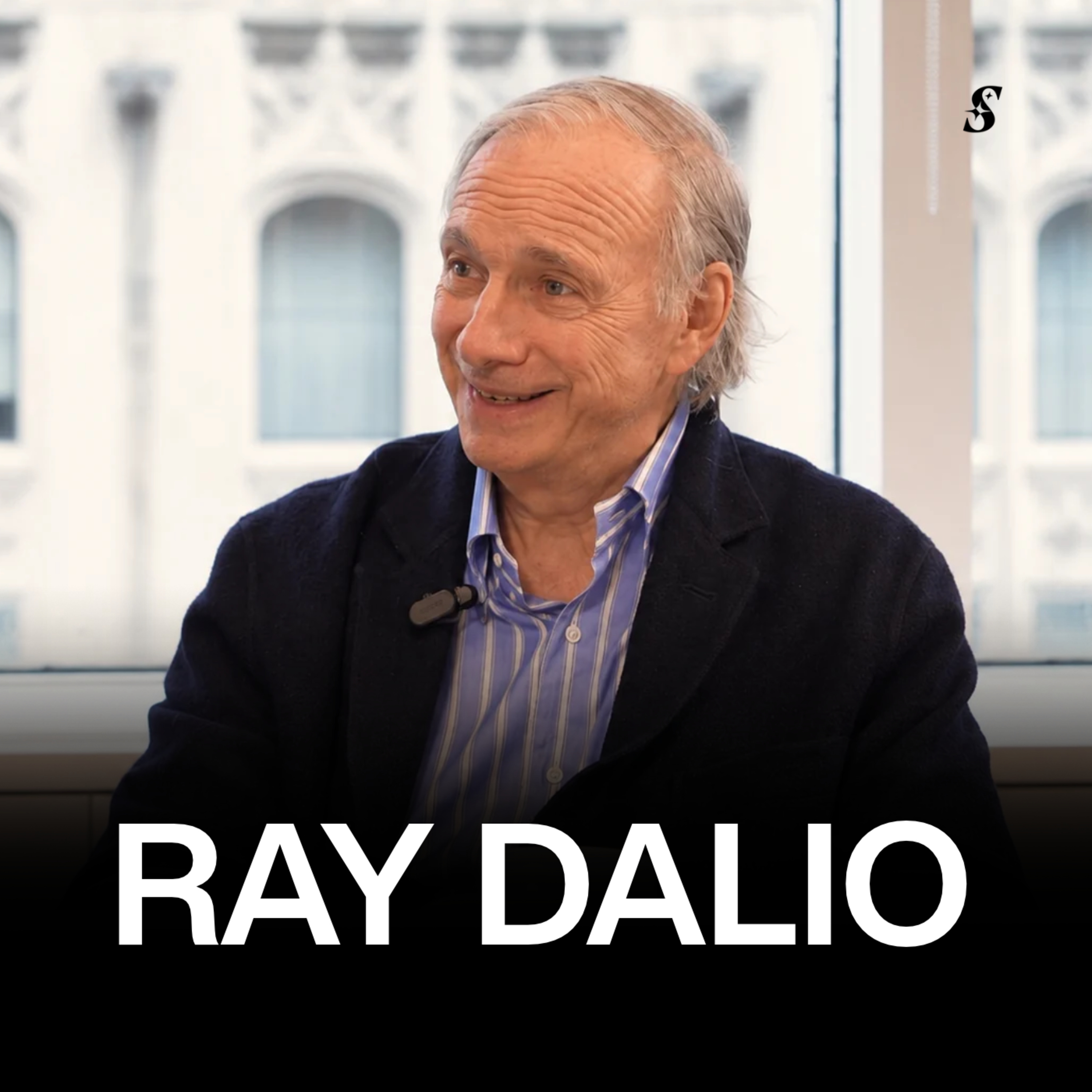
Jim Lanzone is Yahoo’s CEO (joined late Sept 2021). He previously led turnarounds at Ask Jeeves (Web 1.0 crash; 50x stock; sold to IAC/Barry Diller) and CBS Interactive’s internet group (70M to 220M users). Apollo leader Reed Raymond is referenced as structuring the deal.
Yahoo’s traffic base (Yahoo Sports, Finance, Mail) totals ~700M users/month; 75% of users come directly and ~75% are logged in. Yahoo Scout is grounded in Yahoo’s own data (not a frontier LLM). Apollo’s approach is growth-focused, not just stripping.
Yahoo Scout (launched earlier this year), college fantasy football, Cardi B and “Kyle Cook, the weather boy” campaigns, Yahoo Finance and Sports audience scale, ad-tech “three-legged stool” (SSP/DSP/native) sold/offloaded; Feb 2023 layoffs of 2,000+.
Written by AI. May contain mistakes.
Explore the legacy and challenges faced by Yahoo, a brand with immense historical significance.
“Apollo has been one of the most prolific dealmakers of 2021.”
Unpack the details surrounding Apollo's acquisition of Yahoo and its implications.
“I really believe that the best days of Yahoo can really be ahead of it.”
Discover Jim's strategies for turning around Yahoo amid a challenging backdrop.
“And I started about the end of the month of September 2021.”
Understand the unique challenges faced by Jim as he led Yahoo amidst COVID-19.
“So kind of a weird time to pick up a company.”
Learn about the structural changes implemented to enhance Yahoo's operations.
“So what are the main questions that you start asking once you get into the company?”
Explore how Yahoo refocused on its core strengths to drive growth and success.
“And so we had to put that structure in place.”
Learn about Yahoo's historical mission and current strategies that leverage its longstanding audience.
“And then eventually selling to Verizon, the mission of the company was to help Verizon, you know, in their mission.”
Explore the notable assets divested by Yahoo and the reasoning behind these strategic business decisions.
“And number one or number two or number three in all these different categories.”
Discuss the company's transformation journey within the context of AI advancements and product development.
“transaction was, you know, it's actually, it was a really healthy asset.”
Examine the principles of great product development and how Yahoo is building brand trust in the AI landscape.
“And when we market, we've done a lot of really interesting marketing.”
Learn how brand perception influences trust and excitement in AI technology.
“And you have a great brand perception and brand love around it.”
Discover the unique approach of Yahoo Scout compared to other AI search engines.
“And, you know, we're never going to have a Super Bowl ad that tries to make you cry.”
Understand how Yahoo is reinventing its mission to meet user needs amid changing technology.
“and own that asset again was just life-changing for us.”
Explore the challenges of evolving products for long-time users versus attracting new ones.
“And when I got here, there were things like, you know, we had people, we had White House correspondents.”
Examine Yahoo's journey towards IPO and the factors that make it a valuable asset.
“And I show up to start heading a different direction.”
Learn about the importance of being product-driven and the common pitfalls companies face at scale.
“um, but you know, if you are venture, venture backed or you are private equity backed, I think an outcome is what your investors expect and not just to be a standalone private company forever.”
Discover insights on current startup valuations and market trends affecting acquisition opportunities.
“So we have been at a moment in time when those things have been really expensive.”
Hear reflections on leadership experiences with notable figures and lessons learned over a career.
“I know we started this and I was like, I want to know about the Jim Lynn's own lore.”
Explore the future initiatives and ambitions for Yahoo in the coming years.
“I mean, I was going to close out and ask, what are you most looking forward to in the next 12 months?”

Get the gist, explore an idea or ask about something said.
 Claude
On Sourcery, what are the key points of this episode?
Searching your listeningAutomatic transcript. May contain errors.
0:00Apollo has been one of the most prolific dealmakers of 2021. Private equity powerhouse. Apollo would be acquiring Yahoo from Verizon for$5 billion. Yahoo is one of the most iconic brands in internet history. This is a legacy brand. The original sin of Yahoo was giving search away to Google in June of 2000. There's this myth on the internet that they were defeated by Google because they took their eye off the ball or whatever. It was worse than that. They outsourced it. Yahoo hadn't had its own search engine in 17 years. So where does most of the audience come from? Yahoo Sports over 100 million users a month.
0:32Yahoo Finance over 100 million users a month. Yahoo Mail, one third of all Americans have a Yahoo Mail account. So all those things fit together are what add up to 700 million users a month. There are companies that are valued more than us who have less than one tenth of one percent of our user base. I really believe that the best days of Yahoo can really be ahead of it. I think now we're in a comeback phase.
1:02Jim Lanzone, welcome to Sorcery. Awesome to be here, Molly. Well, I know you're traveling all around the world. Totally. So thanks for making this stop over here in L.A. I know, we made it work. So you're here for the SNAP board meeting? That was, yep, that was why I was in town for this. Came straight from Aspen at the Forbes CMO conference, and I'm on my way to Amsterdam next week for Human X. So this is just that time of year. Oh, my gosh. Back out of the summer, right into it. I understand. It's like back to school. Yep, 100%. Well, I'm so excited to talk today about everything Yahoo and the legend behind Jim Lanzone.
1:39Oh, geez. Because there's a lot. There's a lot going on there. Okay. But I think it would be great to start off with Yahoo because Yahoo's on a tear. So back in, I think it was 2021, that's when Apollo bought Yahoo from Verizon and Verizon sold off a couple assets. It was AOL and Yahoo. So that was around 4.5, about 5 billion? A little more, a little 4.8 billion. Okay, so it was nearly, for nearly$5 billion bought the assets. So could you walk me through that? What was that process like? Well, I, I mean, at the time was more, you know, I was somebody that they called in the process of deciding to buy the company.
2:22So I, you know, I wasn't part of Apollo then. I left another job to come do this, which we can talk about why I did that. But yeah, look, the history was that Verizon, under different leadership, had bought AOL, and then a few years later, Yahoo. They merged them into one company that was first called Oath. They then changed that name to Verizon Media, but it was all those assets under one roof. And then the new Verizon management team decided they didn't want to be in that business anymore. I think it took them a few years to find the right buyer at the right price. But Reed Raymond from Apollo, one of the leaders of their private equity group, got in there and figured out how to construct a deal that would work.
3:03So what was the construction of the deal? Well, it was, you know, just the ability to actually get the right framework for Verizon because they wanted to maintain some ownership, which they did. They still own 10 % of us. And, you know, and then have a vision for what this thing could be going forward. I think combined, they were bought for about twice what we bought it for. And during that time had really had a different mission than I think either company had ever had before. It was really to help Verizon grow 5G and be a part of that. A lot of the decisions were based on that and not really the real mission of what Yahoo itself was about.
3:48So look, the company that was set up was a brand new company. We are a five-year-old company managing a 30-year-old brand at this point. But it was a completely new company, stood up from scratch to house these brands under one roof, which closed in September of 2021. They bought it in May of 2021. It closed in September of 2021. And I started about the end of the month of September 2021. So it's been about exactly five years for me. Well, congrats. We made it. So this isn't your first turnaround. So when you came in, well, one, where did you come from? And like, what were your first couple steps for the next, you know, maybe six months or so?
4:27Yeah. Well, interestingly, it was the middle of COVID. Like September of 21, if anybody remembers, was I think Delta variant was starting at that point. We didn't meet people in the office for a while still after that. And the decisions were, you know, if you come in, do you have to be vaccinated? I mean, that's what that timeframe was like. So kind of a weird time to pick up a company. But I had just done it a year earlier with Tinder. I came in. I had worked for the IC family before. They bought our company in 2007. 2005 is how far I go back. And so that those same people brought me back to for that job again in the middle of COVID.
5:05So that was July of 2020. So that was an even more difficult time to pick up company because we really never met anybody for that year. Here, you know, we were back to work pretty quickly after that. But, you know, for me, this was actually the third time that I had was going in to lead a turnaround. The first was Ask Jeeves, which is kind of the poster child for the web 1.0 crash. And, you know, however difficult this one would be, you know, nothing would be harder than turning that brand around and those products around at that time. I think I was announced on 9-11, I think was the actual, my first day on the job officially.
5:42But they had bought my 90s startup that I was a part of, one of the founders of. And I joined there as one of the heads of product. And over time, I'd worked my way up to CEO, we 50x that stock and sold it to IEC and Barry Diller. I stayed for another three years as CEO, and then left to do another startup. And that was bought by CBS, the television company, I joined as the CEO of their internet group, which had bought multiple public companies over time that had, you know, just were not performing at their best. And so that was turnaround number two. I think that is still the sixth largest internet company by unique users.
6:17I think we went from 70 to 220 million users with those properties. So I had been through big internet turnarounds before. So Yahoo is one that I knew, both that it had great bones for a great turnaround. It had the thing that was hardest to get, which is traffic. It had a lot of traffic, but the products had seen better days. Coming out of years at Verizon, the company structure and composition was not optimal. but those are things you can work with you know and so the first six months were from the playbook that i had run before you know evaluate the team don't you know i don't come in guns blazing on day one i get in there and get to know everybody and um and you know there's always great people wherever you go there's always things you don't understand from the outside until you are inside running a company it's never exactly what you you would think the data will tell you differently how the products work, who the audience is, all those kinds of things.
7:14So those first six months are really getting to know it. And then that leads into, you know, all the different steps of a turnaround that come after. So I think this is interesting because there's so many different angles to this. Like I just had a conversation with Bending Spoons, which is the opposite of a PE playbook. But this is also not really a traditional PE turnaround because you're leading the way. It's not like the private equity companies coming in and kind of just stripping out as much as they can, but you're really ushering this. So talk about how that's different for you and maybe the traditional like Apollo PE playbook.
7:49Yeah. It's interesting because I would have people, I still have people always ask me, what's that like working for private equity? I don't, the reputation isn't always great for what, how they're going to manage these things, but I've had the opposite experience, you know, Reed, I still talk to him almost every day in some, you know form uh five years later it he you know he he was wearing a make yahoo great again purple hat around you know he really pees in it for a reason they want an outcome whether that's an ipo or whether that's a sale you know they're not here to hold it for you know to be stripe and just never have have an outcome of some kind but at the same time you know there aren't that many that they view that have asymmetric upside relative to others where you just run the pe playbook So they hired a team starting with me who wouldn't be here if they did.
8:39I'm a growth person. I only do the turnarounds to get to the fun part, which is when you start putting irons in the fire for growth and you reap the benefits of the turnaround, start investing and building new things for your huge audience that you inherited. And that really is how Apollo is treated the whole time. I have had to work for many different kinds of people, right? venture capitalists, whether it was my first startup where I'd never had a real job before, or my second startup where Bill Gurley was my, you know, and Jeff Yang were my main two investors. I mean, they're difficult to work for too, you know, Barry Diller, Les Moonves.
9:17I mean, these are, you know, everybody has to serve somebody. And I have not found private equity to be, at least with my Apollo team, to be, you know, some difficult force to reckon with compared to other people I've had to work for. So what are the main questions that you start asking once you get into the company? Yeah. So there's a couple of things. I mean, one is, speaking for Yahoo in particular, it's a conglomerate. It's not one brand. If you look at the other companies, kind of our size in the industry, Pinterest, Snap, Reddit, Roku, these are all kind of one product companies for the most part.
9:55And with Yahoo, it's a conglomerate of many different brands that compete independently in their spaces. So Yahoo Finance competes with Bloomberg or CNBC or maybe Wall Street Journal. We have a new product that competes with TradingView and others in that space. Sports, ESPN and others like that. Yahoo Mail, Gmail. I mean, they all have competitors that are very different. And it creates this ecosystem of brands. That's not the first time I've seen that. IAC had 60 plus brands. And with Ask, we joined that family. CBS Interactive, I had 30 plus brands, many of which had nothing to do with CBS.
10:35So CNET was the leading technology site. Sportsline was one of the OGs in sports and fantasy sports. Last FM in music. I mean, you go down the list, GameSpot and video games, we had all kinds of different brands that we had to figure out the right structure for. I did it wrong at CPC Interactive the first time where we started off. I tried to have everything report to me. My background was all product and I was a pig and slop with these brands, many of which I was a user of. And it turned out that I was just going to slow things down, that we needed to run way faster. I had to hire general managers who could be entrepreneurial and be independent.
11:12And my job was to work on their plans and hold them accountable and try to help out where I could to let them run. And it was interesting when we got here, whatever had happened through the years of Verizon, they kind of evolved into a company that really had one head of product, one head of technology, one head of content, spread across all the brands. There were people who specialized, engineering teams who specialized, but they were really kind of spread between them. And so the first thing that we did was reorganize the company into this more conglomerate structure with GMs in all these groups.
11:47That means they all get their own head of product, their own head of technology, their own head of content. Even from central, they will have their own head of sales usually, marketing, PR, business development. So they'll be kind of assigned to those divisions. And so we had to put that structure in place. And then I had to go hire for that. So some of which were people internally who were great and were going to be part of it. Some I had to go get true experts who were badasses in their field. And so that's what we did. we started putting that team together. And that really was that 2022 timeframe.
12:20The next step is once you have that team, you understand what you're doing. Well, now let's look at, you know, are we doing all the right things? Do we need to reduce our focus? Are there things that we should spin off? You know, where are we, you know, off of, you know, the mission of the company, which I should mention, also had to be reinstituted. Because if you go way back, The original sin of Yahoo was giving search away to Google in June of 2000. There's this myth in the internet that they were defeated by Google because they took their eye off the ball or whatever. It was worse than that.
12:53They outsourced it. First to a company called InktoMe. And there were actually others before that. And then the crash happened. And to get a better deal, to save money on something that was viewed as a cost center, search, even though 92 % of all, I think, sessions on the internet at that point started with search, It was viewed as a utility that was not core. One of the reasons was because there was no business model yet. So what became Overture and then what became AdWords and AdSense for Google didn't exist. All the search engines, and there were 10 plus of them that were public companies, Ask included, had banner ads everywhere on search results pages.
13:28So just imagine how bad that was. So it kind of came from the right place. It just wound up being something that was really hard to recover from. So generations of Yahoo started to figure out other ways forward. In the 2000s, while they did some very interesting things in search and other places, it was forays into Hollywood. They had Yahoo Music and TV and just all kinds of other things. They hired a lot of people from Hollywood. There were then a series of different CEOs. they then went back at Google in the 2010s and tried to go that way. And then eventually selling to Verizon, the mission of the company was to help Verizon, you know, in their mission.
14:11It turned out that underneath all that, the reason why Yahoo continued to be successful all the years with this huge audience were the places where it was still fulfilling the original mission of the company that Jerry Yang and David Filo had in 1995, which is just being the trusted a guide to the internet, helping people through the wild west of, you know, that it had become to help them get things done. And Yahoo Finance and sports and news and mail and, you know, different parts of search and weather and all these places where we still have leading brands, that's what the company was doing.
14:42And so we kind of had the benefit in 2022, 23, of just focusing on the things Yahoo is doing well. And we didn't have the burden of, first of all, being a struggling public company, that was hard. To make those changes in public is very difficult and second uh to you know just focus on the things that we did really well where we were already successful so that's where our focus went and during that time frame which meant that we spun a lot of things out or shut or shut them down that's really fascinating it's also really funny to think back that verizon bought yahoo like what an interesting well it was first aol yeah and which had really uh kind of tilted more towards media during that time frame and And Tim Armstrong, who's a great CEO and good friend, had gone that way.
15:30And Verizon had this vision, which if you remember, AT &T also had because they bought Time Warner. And so at that time, those two companies thought that was the way forward. AT &T made a much bigger bet with Time Warner that wound up obviously spinning back out. And at Verizon, it was AOL. And then that team really was the one that convinced them to buy Yahoo and merge these two things together into this huge, you know, internet conglomerate that had just an immense audience and immense amounts of data that could then be used to target in really interesting and good ways, which is a really good vision, but it was inside of the wrong company.
16:09So where does most of the audience come from now and then? It is back to the conglomerate structure piece by piece. So Yahoo Sports over 100 million users a month. Yahoo Finance over 100 million users a month. Yahoo Mail, one third of all Americans have a Yahoo Mail account. It's hundreds of millions of accounts. And down the line, in the news, we're one of the top three properties as an aggregator. That was also another strategic move that we made was going back to focus on aggregation as opposed to enterprising news and competing with the Associated Press and other places that should not have been our job.
16:50It So yeah, so all those things fit together are what add up to 700 million users a month. Where we are, you know, every month top five in the US, usually top five globally. And number one or number two or number three in all these different categories. You did mention that you guys divested a couple things. You divested some pretty notable assets, whether it was AOL, TechCrunch, a handful of others. So what were the ones that you divested and what were the decisions behind that? Yeah. So look, AOL was the biggest. We could talk about that. The first one was Edgecast, which was a content delivery network competing with people like Akamai that, again, we just viewed that we didn't have a right to operate.
17:34The second and probably the biggest transformation job that we had to do until now, where we're having to transform the whole company around AI, was the ad tech business. So AOL and Yahoo had each purchased 30 plus ad tech companies over the years. What we inherited was a three-legged stool of a SSP, DSP, and native platform that had a couple of issues. One was it lost a lot of money. So operating those things was massive and it was hundreds of millions of dollars a year out the door. that we had to fix. The second is that it was to help make that successful. It was the primary source of revenue for Yahoo.
18:20So instead of being able to play the field with our supply side platform and being able to pull yield levers on and taking all comers onto that and, and, uh, and optimizing for the highest yield, we were only taking ads from the ad tech business. So offloading that actually did two things. One is we shut down money losing businesses or sold them. And the second is that we were able to now truly optimize revenue on Yahoo proper. So it was two things. As part of that, in February 2023, we actually had to let go of over 2 ,000 people. Part of that was because we didn't want to sell the SSP. A lot of people wanted it, but we didn't want to give anyone preferential treatment the way we had been doing on our pages.
19:04We wanted to be able to yield optimize. so we had to shut that down we sold the native business to tabula uh and took 25 of their company uh so that that was those two and then uh while we did offload more things like you mentioned tech crunch was one aol we just did in october of last year um you know was uh uh you know was um was focusing on the dsp so actually there it wasn't just offloading things there was actually the decision of, oh, there's a crown jewel in here and we can actually invest in that thing. So a lot goes into all that.
20:04is the intelligent finance platform that combines cards, expenses, and banking into a single stack with agentic finance built in. AI agents that handle expenses automatically, enforce policy before spend happens, and close your books in minutes. That's why Sorcery runs on Brex, so I can spend time on building and not busy work. It's time to get Brex AF. Learn more at brex.com slash sorcery. That's b-r-e-x.com slash s-o-u-r-c-e-r-y. Bye. From handshake to signature faster, Harvey, the AI platform built for legal work, is trusted by 80 % of the Amlaw 100 and over 20 % of the Fortune 500. Learn more today at Harvey.ai.
20:52That's Harvey.ai. AI needs more than chips. It needs power, land, and infrastructure. Zone develops next-generation data center campuses, partnering with AI companies, site developers, and technology leaders to bring compute online faster and at scale. Zone is building the foundation of the AI frontier. Visit zonefrontier.com to learn more. That's zonefrontier.com to learn more. In the conversation with Bending Spoons, the biggest misconception with the AOL transaction was, you know, it's actually, it was a really healthy asset. You guys got it to a really healthy point. So let's talk about the transformation within the company.
21:35What, because you joined during the height of this AI hysteria and like invention. No, it wasn't even on the map yet. That was November of 22. We were, you know, we had no idea in September of 21. I don't know how you manage it, but like now we're in this crazy world of AI, whether it's transforming your company or your business model or competing with you and challenging everything around? Like, how did you think about rebuilding the company over that time period and then incorporating more technology? Well, look, the first thing is in a transformation job is you, I always tell the team, you can't skip levels of the video game, right?
22:09You have to go level by level and win each level to earn the right to the next one. It always comes down to product. We're a consumer internet company. That's what we do for a living, building great products. If you're not doing that. It's like, you know, you're either, it's like Shawshank Redemption. You're either get busy living or get busy dying. That's how it is with this. And some of these products had not been worked on in like 10 years. Some of these things have not really been improved. Yeah. And so it was get back to work. So hire great product people. And we have an amazing team now that I would say is a great product team relative to, you know, any other big consumer internet company.
22:46We brought great people in who share our passion for putting this brand back on the map, all of whom have entrepreneurial backgrounds. Every general manager from me on down has been an entrepreneur at least once and started companies. So we take that approach, improve the products is definitely game one. If you can do that and you can start getting growth going again, well, now you can actually get to building brand new things like Yahoo Scout, our search engine that we launched earlier this year. Yahoo hadn't had its own search engine in 17 years. That's so crazy. So, or college fantasy football, which, which we kind of broke the internet with when we announced it this summer and has been amazing.
23:25And 40 % of the people who have been coming to the platform, uh, where, you know, fancy Yahoo fantasy is huge. We had our three biggest days ever this year for NFL, but college 40 % of those users are brand new to Yahoo. So doing these brand new things has been, you know, is, is the reward you get for doing the hard work and the turnaround work in the first place. And then the next step is actually the brand, which has been one of the most surprising things about this. Having been through the ringer with some other brands through the years, it has been incredible to see that Yahoo has a lot of latent brand love in there for it, and especially with younger audiences.
24:05So I think we've talked about this, but over 50 % of our audience is Gen Z and millennial. We have 75 % of Gen Z is using Yahoo and are one of our products. And when we market, we've done a lot of really interesting marketing. We have a great social media team. We have a really creative brand advertising team. We have seen like 31 % absolute point lift in brand love, which is one of the things you track with Gen Z. And that's, again, from our Cardi B campaign, from our Kyle Cook, the weather boy campaign from Summer House, you know, for all the social media things that we've done. You know, it really is, it is met with great reception.
24:47And so that really gives me hope that the more we turn that dial, the more there is to do there. Again, if you don't have great products, you have no business even trying. This is going to be a theme that comes up throughout the conversation because you are a product expert. But what, I guess, to get into that further, what makes a great product? What are the hardest lessons you've learned in that process? Yeah, I mean, that's art and science. So it's going to start with data and understanding your user base and what, which again, you never really understand from the outside. You know, it's funny, I have a bunch of my UCLA college friends, we, to help me get to know this college product, I got a bunch of them on it.
25:25And they beat me up all day long for things that they're finding in the product. and when I then go talk to the actual product team on the sports team, what's really driving things behind the scenes or whether something's really wrong or it's particular to one person's opinion is just different, right? Take that across search where what happens on the other side of that search box is so complicated compared to, especially now with AI, but even going back to the old days of 10 blue links, like, you know, you enter that query, but what we have to do on the other side to like capture that and understand what to do with it is incredibly complicated.
25:58And how to do that for hundreds of millions of people and move the needle forward is different than what it might just be for one user. So data is going to lead you the way forward. After that, it is creativity and people who have a sensibility for users. One of the benefits of having a huge audience is that you can A-B test your way to things. So you can have a hunch, especially now with AI, we can do it even more. We can experiment more. I do think product teams can get a little too addicted to that or become too cautious and want to do 200 tests at one time. You can't do that. You have to have some passion for what you think the product should be and lead with that.
26:36But the thing that Yahoo had that I had experienced at prior companies was this huge audience. And that is just – it's so hard. If you go look at the top internet companies in Comscore or SimilarWeb or others, it is incredible how many are from the 90s. It's amazing how many are from the early 2000s, YouTube and Facebook. I mean, we're all, we're 30 years old, but Google is almost 28 years old. You know, YouTube, I think it's 21 years old, Facebook 22. I mean, we all are kind of in the same dating range or whatever. I mean, it's all, you know, we're all about the same age, interestingly, at this point.
27:12and new brands that get added to that really only happen once every three to five years right chat tp was the latest before that um it was probably tiktok you know snap instagram it just doesn't happen very often so i think you know i hesitate to call it a moat because you can lose it so easily if you don't treat it right but this level of distribution allows you to to improve the products and have it work right versus trying to light the wet log from scratch which is what entrepreneurs have to do, you know, which is why so many of the biggest consumer internet companies were happened by accident.
27:48You know, they really weren't the thing that they intended to be a lot of the time. So we don't have, we don't, you know, we, we have a great platform to be able to, to build great products on. That's just, we're lucky to have that. Of the other companies that you mentioned, it's interesting because like, like you mentioned, And you have a great brand perception and brand love around it. But these other ones in this AI world have horrible brand recognition and are like skewed as evil. So why do you think you've built up so much trust and excitement around the brand versus like being cast into the doomerism side of the Internet?
28:24I mean, again, I won't. To be honest on that one, it's because we're not building a large language model. You know, we're not the frontier. We have built our search engine, AI answer engine, an entirely different way that I think is bespoke and cool and interesting and provides really unique results compared to all of them who were all kind of created the same way. And I think kind of start to blend together in certain ways when it comes to search. But yeah, look, it's probably that we, you know, Yahoo did have a data issue in a different regime 14 years ago, whatever it was. that but other than that over time you know it's just been a really trusted brand and has continued to reward that trust right and if you're going to have your email be your vault of your life your operating system of your life which is what it is it's why every one of these new agent products the first thing they ask is can we have access to your email and calendar and you know which a i think gives us a place to play in that space absolutely yeah it's but the trend it's our obligations what we do for people anyway we have to build those products anyway to to do our job as best we can for our users no matter what but we also have trust we also we already have them utilizing us for those things and uh and so you know but i think that's happened over 30 years i think it's always been an irreverent positive brand too it's it's always had a little tongue in cheek kitschiness to it even even when it first started that was kind of always part of the yahoo brand.
29:59And, you know, we're really leaning into that. I mean, our social team has a lot of fun with that. A lot of the brand work we've done, you will continue to see us kind of lean that way. And, you know, we're never going to have a Super Bowl ad that tries to make you cry. It's always going to try and make you laugh or be different. But it's ours to lose. I mean, trust is something that's yours to lose. And I think new brands will always have to find that out. Yeah, it's interesting going into that world and talking about your new products, especially with Scout. So where does Scout lay in terms of AI search where ChatGPT, Perplexity, Anthropic, even Google don't hit?
30:41It's more, I would say from the jump, it was more like Perplexity. So Perplexity is not its own large language model. They were kind of doing meta search on the others, which has happened before. There was a product called dogpile in the early days of search that was the meta search engine on other people's search engines. Yahoo Scout's totally different. The others are all large language models. So Gemini, Chachiput, Claude. Ours is a product based on our own data. And there's so much interesting data, which I think another one of our, you know, again, I'll put moat in quotes because I'm always paranoid about it.
31:15It's not like you can rest easy with this. But it's an asset. And hundreds of millions of users a month over 30 years where we're still the third ranked search engine in the US. So we have 30 years of search history. Even though we're much smaller, it's still a ton of search history. Our publisher relationships, which is another way we've taken the company back, instead of competing with our publishers, we're trying to make sure we are partnering with them. It's our job. It's our legacy that we send them traffic. And we firmly believe in that. It's part of our job in the ecosystem. And having been a partner of Yahoo's at other companies, I can attest to how much traffic they could send us.
31:52So publisher data, search data, our knowledge graph, our user data, if we know something about you. So the way Yahoo Scout works, our AI answer engine, is we take all that data, and then we ground it. And then we send it to a lightweight model. At launch, it was Haiku from Anthropic. We use others today. And they process that, send it back to us and then we do the rendering, the UI of it. And so what that creates is entirely unique results that only happen because of Yahoo data. And while it's interesting because we are also a top 20 publisher whose content has been taken by the large language models without permission, so you will see the Yahoo brand show up all the time in citations there.
32:42for the most part our content is real time we excel in categories that are real time so we weren't as susceptible to the evergreen content that the large large language models kind of photocopied and took with them so especially in certain categories there are more real time our results are awesome and totally unique the other reason why we had to do that is that for 17 years, we were outsourcing search, largely to Microsoft, who we are still great partners with, but that left us in a really vulnerable position for one of our most important products, one of our most important revenue streams. So the ability to fend for ourselves and own that asset again was just life-changing for us.
33:27Besides the fact that we are, including myself, I spent my first 10 years in search and our old team, we innovated a lot of the most interesting things, especially in structured data search, the things that went beyond 10 blue links is already an area of search I was personally passionate about. So we have our own unique entry there, but it also was just a very strategic asset to own. It's like, I think about this and I think about, you know, talking to all of the tech companies, the high growth ones that I've talked to, seeing all the pivots. We were kind of joking about this earlier, but with all birds and their ai play and that kind of thing but when you are taking the reins and you're rebuilding and transforming the company how do you stay focused not getting into these money grab areas of like ai coding ai assistance becoming a neocloud all of a sudden using your data centers for other stuff yeah and then just kind of staying focused on one product at a time for us it went Back to the thing that I think always falls into the cheesier side of this job, which is the mission.
34:29It really mattered here. And I took my time with it. I rolled out a brand new mission for the company with a 45-minute to an hour-long presentation to the company. It was actually, by the way, much longer for the management team at my team off-site. It was almost twice as long. we did a condensed version for the whole team that I spent, you know, working on with the team, you know, almost a year that that was coming into focus, six months of really doing it. And everyone in our company understands it now and can recite it back and knows what we're doing and why at very real levels of detail behind it.
35:06So as I said earlier, going back to being the trusted guy to the internet, helping our users accomplish their goals, no matter how big or small. We're not judging. A trip to see the Taj Mahal, beating the snot out of your friends from UCLA and fantasy, it doesn't matter. Make a dollar in Yahoo Finance, make a million dollars, whatever it is, our job is to help you do that. And that's a mission that is 30 years old. It's also a mission we can do for another 30 years as things change. The internet is changing more right now than it ever has. That's both an opportunity and a threat for how we would deliver on being the trusted guide.
35:40But as part of that, we were very specific in saying we're not going to be an enterprise or B2B company. We're going to handle your personal life. So Yahoo Mail is where that is most important because Gmail, it actually sits in the Google Cloud group now and is really a enterprise level product. Outlook is an enterprise level product. There are things you would do differently if you were focusing on someone's personal life with mail as opposed to their work life. And so that's an example of like where you would do that. So what are the assets around that? Superior aggregation, proprietary data sets that you can leverage then to do that.
36:22And then what we called, you know, context, content that provides context. So that's why we got out of competing for enterprising breaking news. And some of these people like at ESPN, Shams, Woj in the early days. These are guys who started at Yahoo. And when I got here, there were things like, you know, we had people, we had White House correspondents. We had all these different things that TechCrunch is another example. One of the most important brands in tech journalism, but wasn't right here. Instead, we have the best fantasy analysts. We have amazing, you know, business analysts for analyzing the stock market.
36:58We just signed Deidre Bosa, you know, from CNBC is coming over to join Brian Sazi and people we already had. And so that's where we wanted to do content was to provide, help our users make better decisions to accomplish their goals. So that's all cheesy, but actually provide a really important filter for what we would do and not do. And that still guides us today. And we will look to add other brands to that. They don't have to be Yahoo branded, but they do have to be where we would be able to provide those services for our users what's been the biggest pushback that you've gotten probably just you mean from our own team or from your team from investors from the decisions you're making products to launch products you're not launching what is like the biggest friction or the thing that people want most that you're going to push back on yeah i mean i don't i i'd say the heart probably easiest version of that is that when you've been around a long time and you even our user base is now skewing younger and our fastest growth areas including in mail are from gen z um is the the people who've been around a long time they don't want you to move their cheese so evolving those products in ways that you know are better for future users of the product you know people have been around a long time like just don't want to see those things change you know and you essentially especially you just pure ui wise they want to stay the same and the problem with that is you will lose tomorrow's users if you do it so you have to and i experience this at other companies especially in places like fantasy sports or if you change it it's just you would lose certain users it was like they're like i'm out of here you know even though maybe the place they're going has a lot of the ui or features that we just launched.
38:46They would just do it to, you know, because you change. So I'd say that's, that's probably always the hardest. Internally, I think we have a lot less of this now. I think the team that we have is united around what we're trying to accomplish. There are people who all have the right chip on their shoulders to be at a company like ours that was going from turnaround to, I think now we're in comeback phase. I think we've graduated to now it's a comeback. And, And they want to be here for that. They love the assets. They love to build. But in the early days, you are telling some people that there's no Santa Claus.
39:20And that's not – What? Oh, shit. Sorry. So we accomplished that here today. But yeah, I mean it's just hard. It's hard sometimes to – you've been indoctrinated with certain things over the years. And I show up to start heading a different direction. and some people are just going to not want to go along with that. So you already, I don't know if I can say this, but you already paid back pretty much the price of the Apollo acquisition. Yeah, we've said that publicly. It's one of the fastest returning deals in the history of Apollo. And there were certain things that went into that. Again, the AOL sales, another part of that.
39:58But yeah, we are playing with house money now for what the upside could be here. Did you feel pressure to pay that back quickly? No, because Reed and the Apollo team constructed a really interesting deal. Like at first they – some of the things that they put in place like returned cash really quickly. And also I worked with them for a few months like leading up to this and knew – yeah, I was pretty aligned with them on what the assets were that were probably not going to make it. So that was something we were pretty unified on. And the goal is to go public. So what do you think is going to surprise people most when you go public?
40:33Well, I think the goal, I would say it a little differently, which is, and it's weird to think about Yahoo this way because it's like the OG, but we're the same as any later stage pre-IPO Silicon Valley company. You know, if we have created a lot of value, and I think we're still actually one of the most undervalued assets out there, an audience this big, you know, something I didn't mention is that we're also not, we're not like in one of these companies where our traffic is SEO. We get SEO traffic, but 75 % of our users are coming directly to Yahoo. That's one of the highest percentages on the internet.
41:14Every given day, most of our users, also around 75%, are logged in. So this is just a very loyal, dedicated audience that the other benefit of that is that we are incredibly effective for advertisers. So we're not a place to just throw random money at. We actually provide outcomes and performance at levels that other people don't, which is why the DSP, which is an entrepreneurial venture here, we went 9 out of 10 head-to-head tests. And that's because of our data. That's because of our first-party data with our audience. Um, so, you know, we have these incredible assets that I just don't think grow on trees.
41:56And so I think that's very valuable. I think that that's very valuable to a lot of other companies, but, um, but you know, if you are venture, venture backed or you are private equity backed, I think an outcome is what your investors expect and not just to be a standalone private company forever. So that's how, that's how I would think about it. What will be most surprising?
42:23I don't know how surprising it would be. We've been pretty open. I think understanding our audience and our assets is pretty open. When they hear our revenue and our profitability, they're both really good, and I think they'll probably be in a range that might be relatively expected. But just maybe how healthy we are and growing, the rate at which we are growing, which is really healthy growth. especially for a 30-year-old brand. What do you think the biggest mistakes are companies make at scale? Probably falling asleep at the wheel. They just wind up becoming really conservative. People who have succeeded by climbing the company ladder, some of whom are probably great, but that kind of tends to lead to a certain kind of management and what those people have been rewarded for over time.
43:16Honestly, in our space, if they're not product-driven leaders, it tends not to work in our space. You tend to lose sight really fast of what matters. And what I've always seen is sometimes it's the things that are missed by an executive team, the chances they didn't take, the company they didn't buy, maybe the thing that they sold, a deal that they did that maybe they wouldn't have done if a different set of leaders had been in place. Those wind up being the real things that make a huge difference. And the problem with that is you would never know externally because you weren't a part of it. You don't know what was on the table and what wasn't.
43:56But you'll start to see things catch up to them, especially on product. They'll get beaten by a startup with something that they didn't launch or a place that they didn't get out ahead of. So I just think product-driven companies where you follow the only the paranoid survive and you were just going 100 miles an hour seven days a week to try to crush it for your users is the only way to make this work. Are you worried at all about any startups or are you like – Always. You know, pinching yourself or kicking yourself or any acquisitions you didn't make? Well, here's what I'll say. No, because startups right now are so highly valued.
44:36Yeah. There are companies that are valued more than us who have less than one-tenth of 1 % of our user base. And I was seeing that early on. If you look at search companies that have launched, we're being valued at 6x what we were, even though we already had a shitload of searches and search users and our overall user base and our revenue and our profitability. It is funny. So we have been at a moment in time when those things have been really expensive. I have benefited, and I was one of these a long time ago. You know, my 90s startup that I was, you know, one of the founders of, it didn't work out.
45:18You know, we got, we were writing our S1 and the market crashed and we crashed and we kind of went on fumes until Ask G's bought us. But a bunch of us went over in the acquisition and we were really important to that turnaround. And we've had the same thing here. We've actually bought a few startups where, you know, they weren't pure acquihires. We actually used the product. But the people that we brought in were incredible and have been leading the charge for us in some of the most important things that we've been building. And, you know, so we have been able to be active that way. But, like, are we going to do a merger with something that's based at billions but we bring all the value?
45:57We can't do it. So I don't know that we've really had the opportunity to buy anything that we would have missed on. There's a lot of things out there that I think are really interesting, right? In search and agents and all these things. So we, in fantasy and in finance, we are, our Slack channels are very active on a daily basis. Things that we are all looking at and playing with. I would imagine it's super exciting. Yeah. And we compete in so many areas that it's just almost hard to keep up with it, you know. But that's why we have great leaders across the business. Because you've seen so many cycles, market cycles.
46:30When do you think this one pops? Damn, if I only knew. It's funny, though, if you go back to the mid-teens, that how many times that's been called. And people have gotten really conservative and thinking the market was about to crash and it has continued to go up. And if you tried to take your chips off the table at any point in time, it would have been a huge mistake. I have been through how many crashes? The first one, you know, the global financial crisis crash, COVID. There was a mini crash in 2022 on the other side of COVID, pretty much right after I started here. We went right into that one.
47:13And, you know, even now, I mean, with the war and certain tariffs last year, there have always been curveballs that are going to get thrown at you. I think the, and this is another place where Yahoo excels, we're a very resilient company. And I always say that if we were able to survive before we had a team like this, building the things we're building and growing the way that we're growing, we're going to be okay now. We're in a great spot to be able to survive if something like that happens. So I am in no way rooting for it. I would love it if we are in some golden age that lasts for 50 years, but we'll be okay if we're not.
47:48How good is AI at real professional work? Mercore's AI Productivity Index, or APEX, tracks it with every major Frontier model release. Built with partners like Harvey and Cognition, see where the Frontier actually stands at mercore.com. Today's episode is sponsored by VCX by Fundrise, the public ticker for private tech, allowing investors of all sizes to invest in venture capital. Learn more at getvcx.com. Public is a multi-asset investing platform where you can automate your investing with AI agents. Create your own custom agent with a simple prompt. Agents can monitor markets, execute trading strategies, and manage your cash across stocks, bonds, options, crypto, and more.
48:34Want to buy at market close and sell the next day's open? Just tell your agent. Automate your investing at public.com. Founders scale faster on Deal. Set up payroll for any country in minutes, hire anyone anywhere, get visas handled fast, and get back to building. Visit deal.com slash sorcery. That's D-E-E-L.com slash sorcery. I know we started this and I was like, I want to know about the Jim Lynn's own lore. You mentioned so many people that you've worked with, worked for, that kind of thing um maybe we can go back to barry diller and what it was like working with him but like what what is it like working with barry diller i know at the time when we we talked like a couple of months ago this was right after the dara interview you also mentioned dara so it'd be great to get into that a little bit and like know what you've learned yeah i mean we it's funny um uh john foley who who founded peloton was one of the people at isc and he he uh he called me a journeyman at we were at this uh conference together and he you know he meant as a compliment he was like you're really you've been in so many different places and had seen so many things um but it's true you know i i just kind of have been around a long time and and have been part of all these different regimes and different companies and that experience look if you don't if you're not naturally good at this stuff experience probably doesn't help but if you also have experience and it can help a lot and the people you work for are a big part of that um it was a really interesting time at IEC I mean Dar left right when I joined so he he left to do when Expedia spun out pretty much right as as I joined and I had a great first uh couple years at Barry he's he was extremely intense I mean again this is 20 years ago it's very different than IEC that Joey took over and that was run later but um we had 60 brands at that point and they um They kind of went through something that Barry later on said he kind of regretted, but it was trying to turn into an operating company.
50:36Jack Welch was one of his main advisors at that point in time. And somehow the decision was made to kind of take these 60 brands that had nothing to do with each other and no common infrastructure and reverse that out and have them have a common central structure, which was just not easy at IAC, given the way it was put together. and then he and John Malone got into it in 2008 and that led to the breakup of a lot of the IAC brands and it really changed the construct of why they bought Ask. We shut down search, outsourced it to Google and that was kind of how I wound up leaving. But look, Barry's just such an original thinker.
51:11I still don't think there's anybody who is a better interview. When you see him on stage or CNBC, just his language is just so unique and different to him. He's so smart. He's so bold in the things that he does. And I loved working with him. And we really, you know, Steve Berkowitz, who is my, you know, probably the biggest mentor I've ever had in this space, who is the CEO of Ask Jeeves. When we bought, we're bought by IC. That turnaround was so respected that Steve was poached by Microsoft to run all internet for Microsoft. So I should report to him. And that's when I, and I remember as he was leaving and Barry and I had tussled over something.
51:50He was like, you guys are just so much alike. I was like, huh. Like I didn't, I would not have thought that. You know, I was like the Silicon Valley internet guy. But yeah, he's just very entrepreneurial. And I just am still inspired by it. I loved his book last year and told him that. So that was an amazing experience. And by the way, the CBS years, we really had a, that stock had gotten down to$3 a share a couple years before I joined. It went back up over almost to$80. Um, and you know, you know, at that place, again, I was the Silicon Valley guy and going into a place where they had to wear suits.
52:27I was told that because I was the internet guy, I didn't have to wear a tie, but, um, you know, at that era, but you know, look, they were number one, 13 years in a row. And the stock was just a juggernaut and always delivered. And I think if, if we're lucky enough to be a public company, again, I learned so much from being a part of those public companies and how they were managed and how those teams were run and what made them special, what made them work, that I can take with me. So what was Tinder like? Short. And during COVID. Yeah. I mean, look, I was, you know, I think those COVID times were difficult.
53:06I loved the team. I actually didn't change one person on that team. I loved the management team I inherited. I love the fact that Tinder from the outside was viewed one way, but if you were on the inside, you've never met a team of people more passionate about the mission of helping people find their person. And it was always perceived by others to be like a hookup app or whatever, but that is not how the team internally viewed it. They're also very big and proud on being the source of diverse relationships, of the fact that if almost 50 % of all marriages, I think it was 40 % of all marriages were started online and Tinder was 25 % of online, that almost 10 % of all marriages in the United States were started on Tinder.
53:52Like, so this is something that people are very passionate about. So, but I, and I never would have left. And it's the only time I've ever left a job. You know, everywhere else I stayed for a long time. But Yahoo, you know, there's a tweet someone found that I had in 2010 where I said this was the ultimate turnaround and these are the best assets for that. And there was just something I always wanted to crack at this one. I just was always very passionate that Yahoo deserved to be treated right, to have great products again, put that brand back on the map the right way. I just always, and maybe it was just part of me being part of startups and then turnarounds.
54:29I just always wanted to take a crack at that. So here we are five years later. is there anything we haven't covered yet that you'd want to go over i know we'll see it in the comments okay i'll go i'll go and answer um okay yeah i don't i mean i know i think a lot of it is is still things that we can't even talk about we have a lot of awesome stuff what's the biggest secret you could tell us yeah i don't have an ipo date or whether it's happening or not or you know i always am am trying to keep the things that we're building a secret till we launch them so we have some really interesting things that we're working on and uh and so i really believe that this is one of those times when you know the the best days of yahoo can really be ahead of it it's it's you know it took a lot to get it to the spot but we are jamming now and i think people really have a really open mind to us as a brand again which has been really gratifying.
55:30So we, we don't take that for granted. We want to deliver on it. So, you know, onwards. Amazing. I mean, I was going to close out and ask, what are you most looking forward to in the next 12 months? Yeah. I can't tell you. Yeah. But, um, but there's some, some really great stuff and I just, I love our team. So it's, it is, um, yeah, it's one of those jobs where I get up every day ready to go. Like there's just not one day where I'm, you know, dreading it. It's just, let's, let's go awesome well jim thank you so much for taking the time this was so much fun okay good awesome thank you thanks molly hey it's molly if you enjoy our interviews check out our newsletter sorcery.bc where we deliver a once a week top deals and tech headlines email and also go deeper on our podcast interviews subscribe to sorcery today and don't forget to subscribe to the podcast on youtube spotify apple or wherever you listen link in description to sign up
Apollo bought Yahoo and AOL from Verizon in 2021 for about $5B, nearly half the $9B Verizon spent assembling them. 5 years later, Yahoo has returned Apollo’s capital in one of the fastest returning deals in the firm’s history.
Jim Lanzone has been CEO of Yahoo since September 2021. Yahoo ranks among the top 5 internet companies in the US, reaching roughly 90% of the American online population and 700M users globally each month across Finance, Sports, Mail, News, and Search. Jim previously served as CEO of Tinder, CBS Interactive, where he launched CBS All Access (now Paramount+), and Ask Jeeves, and co-founded eTour. He sits on the board of Snap.
We go inside the Apollo acquisition, a structure of roughly $4.25B in cash, $750M in preferred interests, and a 10% stake retained by Verizon, and how Jim works with Reed Rayman, now Head of the AI Sector at Apollo and still Yahoo’s board chair. Jim walks through reorganizing Yahoo into GM-led brands, shutting down and selling a money-losing ad tech stack, and divesting EdgeCast, TechCrunch, and AOL, which went to Bending Spoons for a reported $1.4B to $1.5B. We also cover Yahoo Scout, the company’s first in-house search engine in 17 years, and why startups with less than one-tenth of 1% of Yahoo’s users carry higher valuations.
“It’s one of the fastest returning deals in the history of Apollo. We are playing with house money now for what the upside could be here.”
We cover:
› Inside Apollo’s ~$5B acquisition and the deal structure
› Working with Apollo’s Reed Rayman on a growth-led turnaround
› Divesting AOL, EdgeCast, TechCrunch, and the ad tech stack
› Yahoo Scout, AI search, and 30 years of search data
› 700M monthly users and Yahoo’s valuation vs AI startups
Jim Lanzone: https://x.com/jlanzone
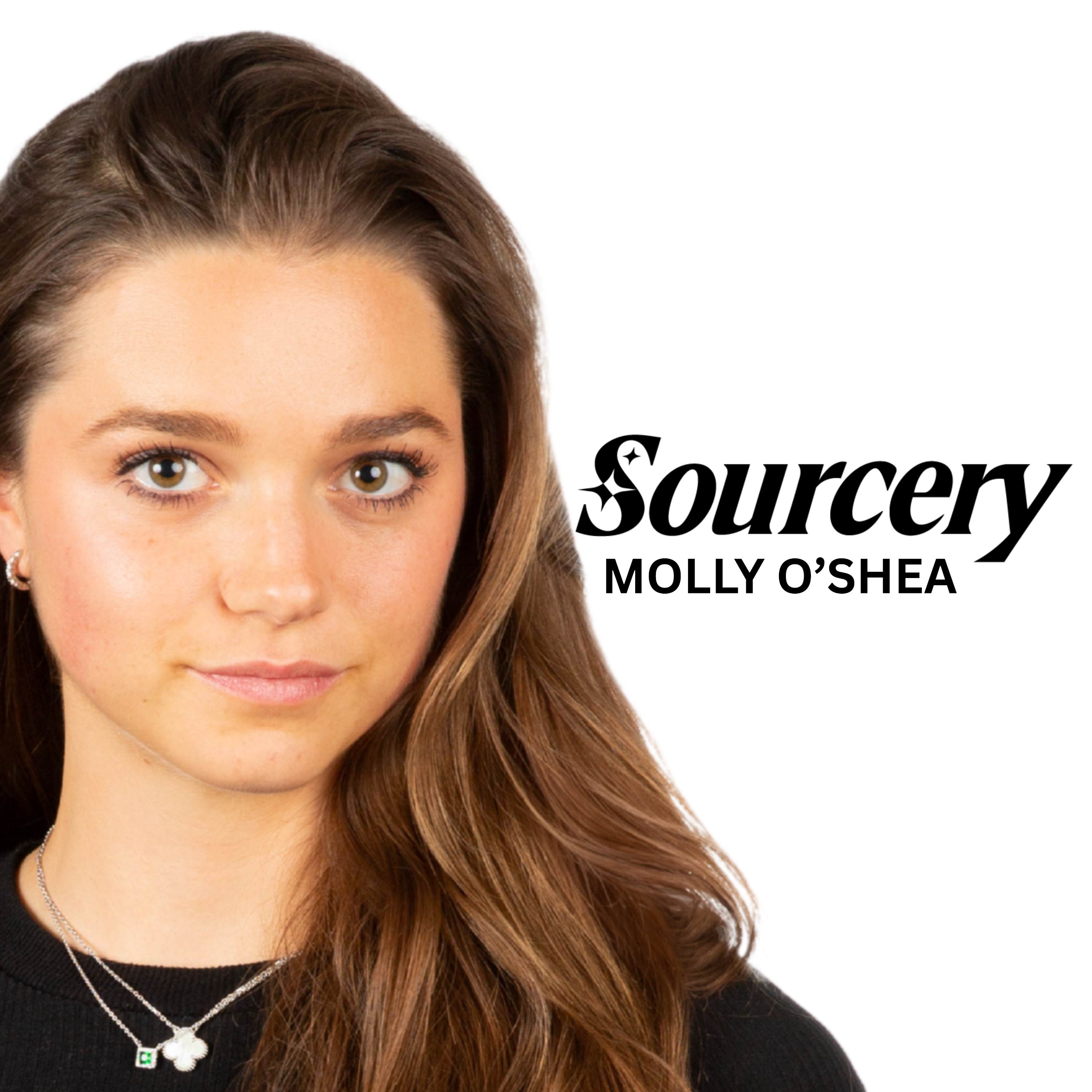
Molly O’Shea: https://x.com/MollySOShea
Sourcery: https://x.com/sourceryy
𝐄𝐏𝐈𝐒𝐎𝐃𝐄 𝐋𝐈𝐍𝐊
YouTube: https://youtu.be/31JELwiXgMo
𝐒𝐏𝐎𝐍𝐒𝐎𝐑𝐒
• Brex—The modern finance platform, combining the world’s smartest corporate card with integrated expense management, banking, bill pay, & travel. https://brex.com/sourcery
• Harvey—The AI platform built for legal work, is helping the best firms and companies close deals faster. More than 200,000 lawyers, 80% of the Am Law 100, and over 20% of the Fortune 500 build with Harvey. Visit: http://harvey.ai/
• Zone—develops next-generation data center campuses, partnering with AI companies, site developers and technology leaders to bring compute online faster and at scale. Visit: https://zonefrontier.com
• Mercor—The human intelligence behind frontier AI. Frontier labs and leading enterprises use Mercor to turn the knowledge of 5M+ experts into the data, evals and benchmarks that make AI better at real work. Visit: http://mercor.com/sourcery
• VCX—VCX is the public ticker for private tech, allowing investors of all sizes to invest in venture capital. View The Portfolio at http://GetVCX.com
• Deel—Deel is the global people platform that helps startups hire, manage, pay, and equip anyone, anywhere. Trusted by more than 35,000 fast-growing companies, Deel is the people platform that just works, so teams can scale without the chaos. Visit: https://www.deel.com/sourcery
• Public–Investing platform Public just launched Generated Assets, which lets you turn any idea into an investable index with AI. With Generated Assets, you can build, backtest, refine, and invest in any thesis with AI. Gone are the days of one-size-fits-all ETFs. https://public.com/sourcery
Follow Sourcery for the latest updates!
Disclosure:
Paid Ad. Agents are an experimental AI tool. Its output may be inaccurate and is not investment advice. Public Holding’s, Inc. makes no guarantees about its accuracy or reliability—verify independently before use. Brokerage accounts and services provided by Open to the Public Investing, Inc. See additional disclosures at https://public.com/disclosures/agenticdisclosures.