In short
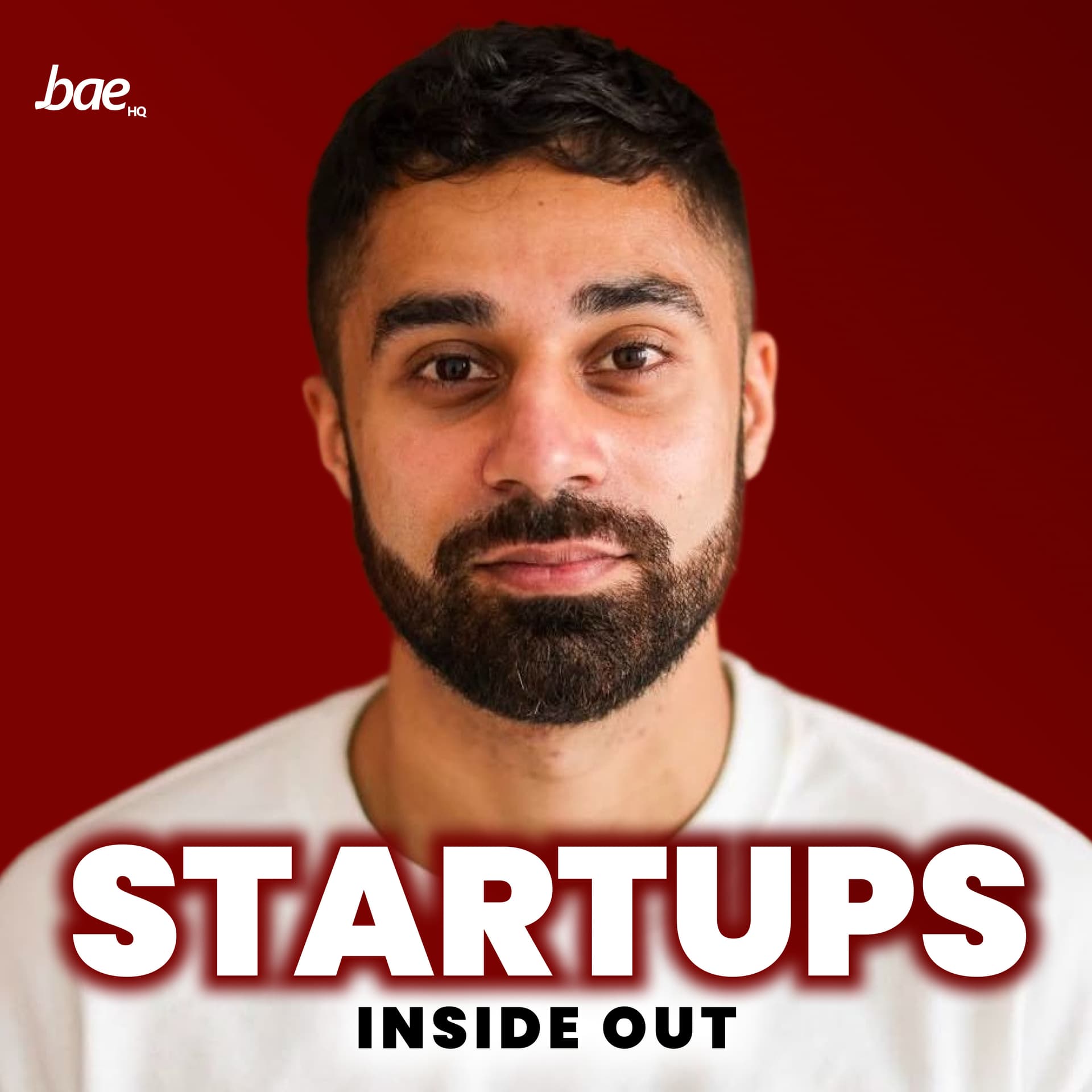
Arjun Sofat, CEO/founder of Free Soul, explains how the wellbeing supplement brand grew from a family health problem into a nutrition-led community for women, using bootstrapping, referral marketing, and unit-economics tracking. He covers product formulation, early sales tactics (sampling in gyms), hiring/leadership scaling, influencer partnerships, and plans to expand internationally.
Guest backgrounds
Arjun Sofat is CEO and founder of Free Soul (started with his mum). Their motivation began after his dad’s illness and his mum overtraining, leaving her frail; Arjun credits his grandma (a nutritionist trained in India) for whole-food/herbal guidance. He previously worked a corporate job before quitting to build the brand.
Key claims
Free Soul aims to impact 7 million women (about 3 million reached). Nutrition builds an “informed, powerful, empowered” community. The hero product uses vitamins, minerals, and adaptogens in clinically studied proportions. Early bootstrapping was painful but built resilience and deep marketing knowledge.
Notable examples
waking at 4–4:30am to sample products across London gyms; installing cupboards/kitchen work to fund the first stock pallet; using Alex Hormozi’s referral marketing ideas; working with a nutritionist (initially Dr Adam Cunliffe) to develop the first protein powder; tracking CAC/LTV daily with an in-house data function; partnering with influencer Monica (authentic relationship via meetings and events).
Written by AI. May contain mistakes. Listen to the episode to check what was said.
Chapters
Tap a time to open that second in VOThe Early Days of Free Soul
0:38 to 1:10
Arjun recounts the humble beginnings and struggles of building Free Soul.
“And I would go to one gym in central London.”
Motivation Behind Free Soul's Creation
1:10 to 3:35
Arjun shares the personal story that inspired the formation of Free Soul.
“Mentioning the team there as well, the team has grown significantly over the last two years, right?”
Developing the First Product
3:35 to 4:19
The challenges faced in creating Free Soul's initial product and its formulation.
“But we worked with Adam at that time to develop our protein powder, which was our hero SKU.”
Navigating Early Business Challenges
4:19 to 6:28
Insights into the difficulties of starting a business without external funding.
“all in the perfect proportions to support female health and well-being.”
Finding the Right Manufacturing Partners
6:28 to 7:50
Arjun discusses the trials of sourcing and negotiating with manufacturers.
“And you said obviously you used somebody to help you to get the formulation at the beginning.”
Building Initial Customer Relationships
7:50 to 8:59
The grassroots marketing strategies used to gain early customers.
Lessons from the Early Stages of Entrepreneurship
8:59 to 12:40
Arjun reflects on the valuable lessons learned from early struggles in business.
“Were you happy that you did it in that way?”
Scaling the Business and Future Ambitions
12:40 to 14:00
Arjun discusses the growth strategy and future goals for Free Soul.
“And it also means you understand your business.”
Scaling Decisions and Early Challenges
14:00 to 15:01
Learn about the critical decisions and challenges faced while scaling a startup.
“We used to travel two and a half hours a day just to get there.”
The Role of Referral Marketing
15:01 to 16:09
Understand how referral marketing can drive sales and the importance of product placement.
“I didn't know about referral traffic and referral marketing until his episode on that.”
Show all 25 chapters
Shifting Focus: Personal vs. Business Branding
16:54 to 18:55
Explore the shift from personal branding to focusing on business growth.
“But then one day it sort of just struck me that actually you look a lot more successful than you really are.”
Authenticity in Influencer Collaborations
18:55 to 22:41
Discover the importance of authenticity when partnering with influencers.
Understanding Funding and Investment Decisions
22:41 to 26:45
Learn about the journey of funding, investment decisions, and financial management.
“entrepreneurs or early stage entrepreneurs saying, what advice would you give?”
Long-term Motivation and Team Growth
26:45 to 28:00
Hear about the enduring motivation behind the business and team dynamics.
“And you see a lot of people who pitch to venture capitals, for example, but if you're not going to scale at that level where they can get an exit or they can get an IPO, then is that right for you, right?”
Impact Through Nutrition
28:00 to 28:31
Learn how the brand changes women's lives through nutrition and supplements.
“in the sense that our business creates an impact on other people's lives through nutrition.”
Growing a Successful Team
28:31 to 29:39
Discover the challenges and changes in team dynamics as a startup grows.
“I find nutrition the coolest thing ever, and just being able to do that sort of en masse is amazing.”
Hiring the Right Team Members
29:39 to 30:37
Understand the evolution of the hiring process and the importance of character.
“and what we need to do today to be able to hopefully set ourselves up for what we want to do in that time period.”
Product Development and Community Engagement
30:37 to 33:09
Explore the balance between product development and customer community feedback.
“In the beginning, I had no idea how to interview anyone.”
Marketing Strategies and Metrics
33:09 to 35:56
Learn about effective marketing strategies and the importance of metrics.
“Because what people are often told is like, stick to one product for as long as you can, just to really nail that.”
In-Person Events and Community Building
35:56 to 39:02
Discover the value of in-person events for community engagement.
“One of the things too is the difference between, say, the general education.”
Future Aspirations for Free Soul
39:02 to 40:16
Hear the founder's vision for future growth and international expansion.
“Number two is to be able to build sophistication and build further sophistication in our products.”
Long-Term Vision and Impact Goals
40:16 to 42:00
Understand the long-term vision of impacting women's lives positively.
“So I'd say those three things are probably all I'm going to hold against my two-year self.”
Setting Goals for Impact
42:00 to 42:36
Learn about the ambitious goal of impacting 7 million women and its significance.
“Our immediate goal is to impact the lives of 7 million women.”
Quickfire Questions with Arjun
42:36 to 43:33
Discover Arjun's inspirations and insights through a series of quick questions.
“Okay, so we're going to go to a quick five questions now.”
Audience Engagement and Closing Remarks
43:33 to 43:50
Find out how the audience can support Arjun and hear his closing thoughts.
“Referral traffic, people believing in us, those are the most important things and give the product a try.”
Transcript
Automatic transcript. May contain errors.0:00Our immediate goal is to impact the lives of 7 million women. We're in about 3 million women now. We, from day one, have had this emphasis and focus of building an informed, powerful, empowered community of women. And nutrition is the means to which we do that. And I get emails literally every single day from women saying, I had this product and I really struggled with my cycle, but now it's regular. Or I had a fertility journey and now I'm pregnant. Or I had really bad acne and now because of this product.
0:28Amardeep Parmar:But that's Arjun Sofat, co-founder of Freestyle, a business he started with his mum. From humble beginnings, they've had an incredible journey. And so we'd wake up at 4, 4.30 in the morning, genuinely every single day. And I would go to one gym in central London. My mum will go to another gym in central London and we'd just sample every single day. We actually, my mum and I ended up actually having to do kitchens in the background and like install cupboards to be able to get money together to buy that first pallet of stock. The benefit in raising funding is that, number one, you can probably pay yourself a salary, which I couldn't do for, I think, two and a half years.
1:05We paid my mum before we paid myself. She didn't take a single day off, I think, for seven years.
1:10Amardeep Parmar:Mentioning the team there as well, the team has grown significantly over the last two years, right? From you and your mum to now, I think you said 50 people, right? Yeah. The genius thing that we did is we didn't give up. You're going to love hearing Arjun's story where he doesn't pull any punches to tell you everything he learned along that journey.
1:31Amardeep Parmar:so arjun great to have you here today thank you for having me on i've heard so much about free sale from so many different people and obviously i'm not a target customer and you're not a target customer either but then people are telling me like oh you get the free sale founder i'm like i don't know that is but then soon who'd have mentioned it because you've got such a strong brand in your niche but tell us how did it start because obviously you're not a customer yeah no for sure. Free soul started essentially from this negative situation in my family where my dad was quite unwell. And my mom started essentially trying to take care of her own health and well-being.
2:03She was going to the gym, she was doing HIIT training, lifting weights, doing basically everything under the sun. But unfortunately, she ended up overdoing it. And she ended up making herself quite frail to the point where her nails were looking weak, her hair was all kind of fragmented or brittle and she just wasn't feeling her best self. Now at the same time, I think Freesore probably started a few years prior to that in reality. So my grandma's a nutritionist and she qualified as a nutritionist in India 50 years ago. And so growing up, we'd have all this Haldi, turmeric, ashwagandha. And so her voice and her advice at that time was, you need to have these things that I was giving to you.
2:42She was talking to her mom when she was growing up. You know, you need to find whole foods and ingredients and supplements that can support your health and well-being because clearly you're missing something in your diet and you're not fueling your body in the right way. Now, we try to go to the aisles and find products and supplements that could help my mom with her own health and well-being. And at the time, I had this very corporate job and I took time out to try and help my mom with that journey. But despite my efforts and my mom's, we really couldn't find products or a brand or a home for women to be able to access the products, the information and the inspiration to actually get more well and support their own well-being journeys.
3:23And we just felt that this was so wrong. There will be other women out there that are experiencing similar things. And we believe that we want to be the ones to help women achieve a greater sense of well-being. it's a business that does good for people makes a genuine positive impact and that we love and more importantly arguably I'm doing it with my mom which just adds that second layer of meaning behind our purpose so that's how it started essentially and so we ended up leaving our jobs and trying to find a nutritionist to develop the initial suite of products ironically at that time the only person that we could find was a guy called Dr Adam Cunliffe Fortunately, now we have a full-time female nutritionist in the business who formulates our products.
4:06But we worked with Adam at that time to develop our protein powder, which was our hero SKU. And what made that product so different to everything that was in the market, which is the same ethos that we've carried forward to the brand and our products today, is the fact that it's been reinforced with vitamins, minerals, and adaptogens, all in the perfect proportions to support female health and well-being. And then at the same time, we, from day one, have had this emphasis and focus of building an informed, powerful, empowered community of women to share information and to share struggles and to share journeys so that we can actually create this in real life destination for women to come to, to also feel more well from a community perspective.
4:48And that's something that we've continued in the business from day one.
4:51Amardeep Parmar:and if you were to describe what free salt is today yeah how would you describe it to people i'd say we're a community yes we definitely sell products that we believe in but ultimately we're here to bring women together and nutrition is the means to which we do that and that's the the means to which we have an impact so i'd say we're a community we're a business community or rather a community business but first and foremost we're a community focused around health wellness nutrition so obviously going from the corporate world into building a supplement not the obvious path right and when you're doing that how did it go at that time was it something which just felt an easy decision for you or is it something which you had a lot of self-doubt about I think ignorance is bliss so when I when I left my job I think I was 21 or 22 and simple things that you would know today I'm 32 today so I know that I need a certain amount of income to just pay my rent and live at that time you don't you kind of just jump off and you see what happens and so I would say ignorance was a big driving force, but also just this motivation to make a difference.
5:55I could see my own mom not being herself and not being well. And knowing that there was this incredible opportunity to actually make a difference to people and improve their health and well-being. Because I believe in nutrition. I believe in the power of amazing ingredients and what it can do to you. I mean, just read about ashwagandha. It's incredible. And clinically studied. I wanted to have that impact. So it's a mix between motivation, ignorance, and just this driving force to try and make a difference to people's lives, which I'm really proud of doing today.
6:28Amardeep Parmar:And you said obviously you used somebody to help you to get the formulation at the beginning. How are you able to then take that from, okay, here's your idea, this is the problem we want to solve, to actually having that first product ready? Was there lots of steps involved there? Was it quite a quick process? I mean, it was the furthest thing from quick. The thing we knew we needed to do upfront was create formulations because the formulas that we wanted to see in the market just didn't exist. And so that was step one. We then created this formula based on ingredients that we knew made a difference that were clinically backed, nutritionally studied, signed off by a nutritionist.
7:01The next step is actually making the thing. And so that was our first foray into sourcing and procurement. So we had to find factories that were high enough standards to get stuff produced. We had to find places to buy the ingredients from to put them into the factories. That was the longest process and a very painful one. What ended up happening was I had no negotiation experience and neither did my mom at that time. So we found this incredible factory. We developed the products and the formulations together. And obviously not knowing how to negotiate, I went in thinking and saying, these are the most delicious products I've ever tasted.
7:36they're so good i can't wait to get them out there people are going to love them they'll make a difference and obviously expressing that joy they hiked up their prices to the point where we couldn't actually afford to buy that first pallet of stock so the process had to start all over again until eventually we found this husband and wife team who took a bet on us and we bought that first pallet of stock we actually my mom and i ended up actually having to do kitchens in the background and like install cupboards to be able to get money together to buy that first pallet of stock so that was a side business on top of our business that hadn't even started yet so she installed the kitchens i painted the cupboards and together we put enough money together to actually get that first pallet of stock and then we ended up selling that reinvesting reinvesting reinvesting and that was the business i love that as well because obviously we have so many entrepreneurs in the
8:23Amardeep Parmar:community right and so many of them go straight for we need external funding yeah whereas so many founders i've seen they've done well they did stuff like you did right they got scrappy income another way first you obviously know varon right so varon used to sell treadmills yeah and that's who got the money for doing that and i think the whole idea of like you don't need to make money in the perfect beginning it's something that puts a lot of people off they try to go for perfection right at the beginning and make money anywhere you can to help you get that off the ground exactly and you feel like when you started off in that way too you obviously had a bit more control right because you didn't need to get external investors to help you buy that first pallet yeah and were Were you happy that you did it in that way?
9:01Or how do you feel about that? Hindsight is 20-20. So it's easy for me to look back and say, yeah, you know what? That worked out quite well in some regard. But it was extremely painful. Those first two or three years, they were really, really tough. And I understand through those initial years why entrepreneurship is just not for everyone. Because the first two, three years could break you. And especially if you're bootstrapped in that period. because you've got to pay the down payment of physical capital in stock, but you've also got this ignorance down payment in the sense that you're wasting all this time because you don't necessarily know what to do.
9:37The benefit in raising funding is that, number one, you can probably pay yourself a salary, which I couldn't do for, I think, two and a half years. And secondly, you have speed. So you can afford to hire people that know more than you to be able to come in and build the business with you. I didn't have that luxury in the first few years. we were based in my bedroom and then we got a very small space in harrow and all of that took years and years so yes it definitely has some upsides but it also has some really significant downsides it just depends which part you want to choose i like transparency too so we're in the
10:12Amardeep Parmar:same position my bhq is coming up for three years and we didn't pay ourselves for most that period right and it's only now that we're in touch wood like being okay again right in terms of be able to pay ourselves all that stuff but so many people get so distracted by the bright lights and like oh we've done this oh you're doing so well it's like are we actually doing that well if you don't actually have revenue right and we don't have enough revenue to pay everything right and in order to have revenue you have to have customers yeah so it's your first customer is your mom right but how do you go beyond that how do you get your first 10 your first 100 so i had to move back home because again ignorance wise i didn't realize that you actually need income to afford the rent that I was paying.
10:53So I moved home and essentially in the beginning, we had no money for advertising. And so we'd wake up at 4, 4.30 in the morning, genuinely every single day. And I would go to one gym in central London. My mom will go to another gym in central London, and we'd just sample. One gym, one class would finish, we'd sample for the next, and we'd stay there all morning, go to the next gym, sample, sample, sample every single day. When I look back, that is such a mental way of trying to do business, but it builds character. And it means that a lot of those early customers are real advocates for the brand and they know you.
11:28So they know the founders, they understand how and why the business was formed. And that makes a real difference. Looking back, okay, we did what we did, but actually I don't think that's a very sensible use of time. I wouldn't recommend anyone to do that. You're probably better off just doing less, but doing it in a better way. so that's how that's how we initially started marketing we ended up selling a few products that way ended up being able to do kind of gifting and people really supported us and that referral stream of traffic was very meaningful because people felt the difference from our products and that's the whole point of the business and so knowing that that became a meaningful chunk of traffic was was quite reassuring i think what you highlighted there
12:10Amardeep Parmar:is a challenge too right where it's one thing i say sometimes you almost need to struggle a bit so you understand the value of things. Whereas if you go straight into, okay, here's all the shortcuts, then as soon as you get a hurdle, are you going to have the resilience to get through that? Exactly. And it's a really hard thing, right? You might have done it in a less efficient way to begin with, but because you're getting up before it and because you did that, that means that when you're in the later stages, you just back yourself for a bit more, right? Exactly. I think you have to go through the trenches.
12:38It's so important. It builds character. It builds resilience. And it also means you understand your business. So up until, I want to say three years ago, I ran every single ad platform myself. And because of that, I know the platforms inside out. It was really painful at the time. But looking back, it was one of the best things that could have happened because I really understand that mechanism. Exact same thing about just generally being in the trenches. You understand the depth of the business. You understand certain angles that are challenging. And it's like a rite of passage. Those trenches never go away.
13:09But they just change over time. So business is always challenging and hard, but for just different, evolving reasons. So going through it early, it just builds character and resilience, as you say.
13:20Amardeep Parmar:So once you go to this point now where you compare yourself, right, what do you start doing from there? Because you're going from this, OK, we're now, we've got a business, right? We've got something working. Now, do we scale this? Do we keep it small? How did you think about that? Where do you want to get to? What's the longer term ambition of it? So two bits. One is I remember so clearly that first paycheck. I paid my mom before I paid myself, or rather we paid my mom before we paid myself. And that was, I think, the right thing to do. She didn't take a single day off, I think, for seven years, which is unbelievable.
13:53And so I'm glad it went that way. But I remember calling my friends together. We were backed by NatWest. So we were in this incubator. And I used to travel. We used to travel two and a half hours a day just to get there. And I remember calling our peers around and thinking, guys, I think we're going to to start paying out 300 pounds a month what do you all think and it was just a really critical decision because that was a big amount of money back then and and still is but as a proportion of overall cash it was bigger back then and so that was i don't think i'll ever forget that moment that was really meaningful but in terms of how we thought about scaling it was never that methodical our our way of operating probably only until last year was we're just going to drive as hard as possible like and that's it if there's headroom in our marketing or if there's efficiency here or if we can afford to hire an expert there we're just going to do it and we're just going to go as hard as we can so we didn't have formal targets the target was infinite as long as we could afford to do it responsibly so that's how um that's how we operated yeah so it's a huge
15:00Amardeep Parmar:journey from starting in your bedroom and i think it's a piece of years and obviously there's different elements right so like you said the product being exceptional it can be a big difference because you're getting the referral engine going yeah for people who are in that period where they've got a product which people like yeah did you think to encourage that referral engine or get that word of mouth going how did you like capitalize on that i think alex homozy was my best friend and my mom's best friend for a good four years at least he'd have these whiteboard for anyone not familiar he's this like business guru who used to have a whiteboard thing that he'd sketch out and he'd do sums on gross profit marketing and the different ways in which you can market a product.
15:42I didn't know about referral traffic and referral marketing until his episode on that. And so shout out to you, by the way, because the information that you put out there is inspiring that next generation of entrepreneurs. So podcasts are a massive, massive engine for motivation and business. So that was my engine. I understood through Alex how we could use referral to essentially gain free sales minus commission. But your product has to be in the right place first. And luckily it was.
16:11Amardeep Parmar:Hello, hello. I hope you've enjoyed the show so far. I'm Amiri Parma, co-founder of BayHQ and the host of this show. For those of you who don't know, BayHQ is the community for high growth Asian heritage founders and investors in the UK. Over 7 ,500 people have attended our events, 200 people have been through our Impact programs and obviously there's been over 250 episodes of this podcast. If you want to join us and take part in the programs and come to the events, go to bayhq.com forward slash join. We also just released our first ever book called Startups for Outsiders, which you can get on Amazon now and the link is in the bio.
16:52Amardeep Parmar:Hope to see you soon at our event. Hope you enjoy the rest of the episode. and we see now right that everybody on linkedin goes into that personal brand yeah but how you've done is interesting right because obviously you're a confident speaker you know what you're talking about but you focus a bit more on the business brand as opposed to your own personal brand along that journey and what made you decide to do that and how has that shifted over time it was really the opposite in the beginning and we were talking about this prior instead of recording and in a lot of cases people optimize for looking successful rather than being successful and I definitely fell into that camp in the early days I remember it was just myself and my mom in the office and I'd be blogging the whole thing thinking we were this big business we've got a listing in Selfridges and from a from a prestige perspective it was great but from a revenue perspective obviously it's only one shop and so how much revenue can you drive not a huge amount compared to hundreds of shops as an example but I thought it was the biggest thing ever and I did put a lot of effort into personal branding in the early days.
17:54But then one day it sort of just struck me that actually you look a lot more successful than you really are. The business is still incredibly small. So how about you just spend your energy on the thing that actually pays the bills and the operating cost? And I just stopped. It was pretty much overnight. And I've just had my head down for the past four or five years. I'm doing a little bit now here and there, but in things I truly believe in, like this podcast, we met at an event probably a month or two ago now. and I believe in the message that you're putting out there. I believe in this platform, and so I feel I can add some value, so I'll do it.
18:29But the business still comes first, and it's not to say I'll never do personal branding. I think a lot of people have experienced great success in building their personal brand, but I'm more interested in our customer base. I want to build a business because I know that that has a greater impact on society at large through impacting people's, women's health and well-being and just understanding of nutrition which is super cool to me and
18:54Amardeep Parmar:obviously as you moved a bit away from your personal brand beforehand you went more towards using other people's brands right and there's some of my friends that i know are like influencing for you right where i went to school uh monica for example oh you know monica yeah so i've known her since like 15 16 right okay so it's kind of funny sometimes how this world is always very small where you see people jump into different places right okay and then how did you decide to work of people like that and like influencers and people who are content creators and how to make sure the brand alignment was there right I think it comes down to authenticity you have to work with people that genuinely believe in what it is that you're doing so I know Monica it's not like she doesn't know where the business has started from and the motivation for doing so she's met my mom she's come to the office a bunch of times she's been at a lot of our events and so genuinely believing in that relationship and the business story but also the individual story if they are an influencer is so important and we only work with people when there's that genuine cohesion and relationship so that's how we go about it and if people now right they're building their own brand and a lot of people think maybe they chase influencers right at the start right and they're trying to work out how to make that channel work for them what advice would you have for them if they're trying to use influencers to grow and maybe they don't want to be the face of the brand themselves i would just think about fundamental questions like why exactly do you believe that this is going to work for your product like let's talk about the maths how much do you need to be paying how many customers do you need to be converting and given that is that really the best use of cash it might be but what proof and hypothesis do you have and when do you understand whether it's working or not and when do you change your tact so i wouldn't i wouldn't have this kind of too airy fairy approach about it i'd try and get to the maths because that tends to be as objective as you can get.
20:40And that's not just influencer marketing, that's any marketing channel.
20:43Amardeep Parmar:One thing I've experienced myself, right, is that sometimes you get the most people liking your status or most people commenting on your stuff when it's something which isn't actually necessarily good for the business, right? Right. So for example, I was on a billboard, right? Okay. That billboard doesn't mean I've done anything good. It just means that I was at an event where they did a billboard, right? When I'm doing things for school kids and I'm working with children and we're helping students don't get any messages right yeah but when you do something like a billboard these people haven't talked to for 10 years like oh hey how's it going love to grab a coffee and i think like you said about say for example of getting into selfridges that can turn a lot of people's heads at the beginning yeah because there's so much grind at the start people looking for that validation elsewhere and as somebody who went through that journey of at the beginning wanting that validation or that was helping you or giving you that confidence how do you transition people away from it?
21:35Amardeep Parmar:Because it's easy to say now looking back. But if somebody's in that moment now where you can see they're going wrong, they're chasing all the status and the fame rather than the actual business, how do you direct them or how do you try to guide them? I would ask them, why are you doing this? And I assume you're asking in a business context, right? So if you started a business, what are you trying to achieve here? That's so important. So for example, they might have a legitimate reason such as, well, I'm trying to build a personal brand because it has a commercial impact. So Varun is a great example.
22:07He's got an incredible personal brand and it has links to his business thriving, which is awesome. So he's nailed that. And that might be his sort of business model and marketing stream, which is perfectly logical. But then if you have someone else where personal brand perhaps doesn't really impact the financials, are you doing it to impress other people? And maybe that's important, in which case, carry on doing it. But if you're trying to build a business or a brand or an impact community, whatever it might be, then do that. Focus on it. It's the same thing whenever I meet younger entrepreneurs or early stage entrepreneurs saying, what advice would you give?
22:46The advice I always, always give is be really clear on why you're starting. So maybe you're building a business to sell it. Maybe you're building a business to bootstrap and create a lifestyle for yourself and your family maybe you want to earn 50 grand a year maybe you want to be kind of some someone who has the ability to be very very charitable whatever your why is having clarity on that allows you to have this filter for why am I doing what I'm doing this is right or this is wrong because eventually you get so busy that like that efficiency is so important to make sure that all your decisions are aligned on the same thing and the thing is also that you said where it's about
23:27Amardeep Parmar:who are your customers so for you who you want to attract is the women who are going to your customers whereas what sometimes people get lost in is it is impressing other entrepreneurs and if those entrepreneurs aren't really customers your product then it's kind of a vanity project right yeah and being really clear on who you're targeting is so important yeah and say for example this podcast right is that we only get people on a later stage because at this point you're not doing this because you want fame or you want whatever you can actually give back and that's what we want And it's also for people listening that that's who you should be listening to.
24:01Amardeep Parmar:Whereas when people are going onto panels for cloud when they haven't actually done anything yet, then you're learning from somebody who's not actually got revenue or they don't have funding or whatever it is. And sometimes I think people do it because they want funding. So if we have a toolkit event, say, for example, this podcast, right? Loads of investors listen to this podcast. You might have someone reached out to you. That's a good ROI to some people, right? Right. but you've decided to not take too much investment and can you talk about that as well why did you go down that path obviously at the beginning you bootstrapped but you've been going for a while now and why have we not taken on investment in the beginning it wasn't a conscious choice everyone just said no to us and so we couldn't know how really i would have i wanted to take on but we couldn't so everyone said no then i ended up meeting someone who recommended this book called profit first and it's the most obvious concept in the world.
Read the full transcript
24:56Michael, I can't remember who wrote it. Yeah, something like that. I've got it in my bag. And he essentially talks about this concept where if you just focus on what your profit needs to be and manage your business backwards in that sense, it gives you that financial freedom. I read that book, changed a lot of the decisions I was making in the business and we just ran a profitable ship. I was then introduced by KPMG to this couple, Sunny and Manita Aurora. And so Manita is very, very into her health and well-being. And she's been through similar journeys to what my mom went through. And we just really got on.
25:34They believed in the mission and they ended up investing, but it was a really organic process. And that was probably five years ago now. And so since then, we've not taken on funding, but it was because everyone said, no, we had no, we had no option, but to carry on. Like I remember Jay-Z is one of my mentors and someone I listen to a lot. And one of his quotes is, the genius thing that we did is we didn't give up. He went to all these record labels and everyone said no to him, not believing in the future of rap and hip hop. But it was our determination and fierce resolve that took him forward.
26:08And I think taking a step back and recognizing that no one has a crystal ball, and inherently you have to believe in your business before any investor does, gives you a bit of kind of a bit of clarity but also having the humility to recognize if an investor has said no to you and been very open and honest about why maybe there is something that you need to fix in your business model because they've seen hundreds of businesses so take that be humble with it and just recognize that you don't have a perfect business no one does but try and improve and have that resolve it's really important and i think it also comes down
26:42Amardeep Parmar:to are you right for that type of investor? And you see a lot of people who pitch to venture capitals, for example, but if you're not going to scale at that level where they can get an exit or they can get an IPO, then is that right for you, right? And with you as well, how long has the business been going? Nine years and three weeks. So you're like way past the honeymoon phase, right? Yeah. Whereas many people are going to get VC investment. Their goal is to try and sell it by now. Whereas you seem like as passionate about it today as you did, say, 10 years ago. Yeah. But how has that motivation changed over time?
27:14It hasn't, if I'm being really honest. The motivation from day one has been to create an impact. So my grandfather started a business, as did my grandmother. If we focus on my grandma first, she went through her own period of financial hardship when she was around 50 years old. And long story short, she became one of the first women in India to start importing furniture into India after all the kind of borders and red tape started to ease up. and she used the business opportunity to be able to alleviate her financial pressures and secure her family, so to speak. And that was my first sort of example and experience of being able to see that business can have a tangible impact on people's lives.
27:55That's been the motivation for Free Soul since day one, but the motivation is extrinsic, if that's the word, in the sense that our business creates an impact on other people's lives through nutrition. Super cool, I love it. Like I get emails literally every single day from women saying, I had this product and I really struggled with my cycle, but now it's regular, or I had a fertility journey and now I'm pregnant, or I had really bad acne and now because of this product it's better, or simple stuff such as, hey, I'm not snacking as much because I'm actually controlling my diet in a really healthy, positive way through food and also the supplements.
28:31So that's always been the motivation. I find nutrition the coolest thing ever, and just being able to do that sort of en masse is amazing. So that's not changed, which is why, as you said, I'm enjoying it probably more now than I did in the past. Also because the team is awesome and I genuinely love going to work and seeing them every single day.
28:49Amardeep Parmar:You mentioned the team there as well. So the team has grown significantly over the last few years, right? From you and your mum to now, I think you said 50 people, right? Yeah. And that means that your role has to change significantly too. From you being the person who wakes up at four o 'clock every day and goes to gyms to now being the person has to empower the rest of the team, right? How has that journey been? It's been a real process because you need to recognize that you have to grow at least as fast, probably more than the pace of growth of the business, allow the business to continue to grow.
29:17And so building the senior leadership team and the team at all levels means that your day-to-day changes dramatically. So I was in the weeds of all of our campaigns and ad groups, et cetera, two, three years ago. Now I'm working with the experts in that field to have good productive discussions to enable good decisions. And the decisions and things that I'm thinking about and that my mom is thinking about is affecting next year or the year after and what we need to do today to be able to hopefully set ourselves up for what we want to do in that time period. It's a real journey and you have to learn to let go and trust people.
29:53But also it's more fun. For me anyway, a lot of people prefer the early stages and we're still early stage in the grand scheme of things but I definitely prefer it now because the the challenges that I'm trying to solve for me are more interesting and rewarding than what I was solving five six seven years ago so yeah massive learning curve but seeing that development in myself and also seeing the development in the team is really rewarding and cool and obviously at the beginning you had to hire everybody yourself right yeah and for so many people that's one of the hardest
30:25Amardeep Parmar:things right like even for us we we hire people but i think sometimes people don't quite understand where you can read in books right say you always say like hire slow and fire fast it's actually really hard to fire people and to to try and manage performance and try to make sure you've got the right person yeah and how did you go about that or how what were you looking for in this early team members the process has changed so massively from when it was just me to now we now have like a proper process and we ensure that regardless of whatever result it is we hire or we don't, that person has a great experience because that's the good human thing to do anyway.
31:03In the beginning, I had no idea how to interview anyone. I had never interviewed anyone in my corporate job. And so I didn't hire in a very systematic way. Having said that, the first person I ever hired is still in the business today, as is the second person I ever hired. and so go on hang in there guys and um so i got those ones right for sure and and they're enjoying the journey i believe or at least they tell me they're having a good time and so i think gut feel goes a long way and character hiring for the right type of character and person goes a long long way because skills can be learned there are things at a later stage where you go from a more generalist approach to more specialist approach where you can be more granular in the interview process we haven't got any engineers but if we were to hire engineers for our website that's really sort of a lot more binary where either you can code or you sort of can't i'm sure i'm simplifying that but um it's a lot more objective than the early stage where you are hiring mainly generalists because there's so much to do you can't be a specialist and that's more character based i would say not to say that character is not important now what do you enjoy most about
32:12Amardeep Parmar:the role today because like obviously you've been able to get rid of some of the things maybe you weren't as any genius where do you focus your time what's the bits that you really love doing so i spend a lot of time with our nutritionist and head of mpd because i think product is just one of the purest forms of alchemy and business like concepting something in your mind and then it's it's real that's very cool and so i spend a lot of time there i spend a lot of time speaking to our community so we've built this platform called design by her and that allows us to hear in real time what our customers actually want and how we can make a difference to their lives.
32:47I find that very, very cool. My mum spends an amazing amount of time in customer service still answering tickets to this day. And I spend a lot of time with a senior leadership team and those guys really lift me up and allow me to expand my own knowledge and grow as an individual and just solving interesting problems with them, which is super cool and planning for the future.
33:08Amardeep Parmar:with the product side as well, right? Because what people are often told is like, stick to one product for as long as you can, just to really nail that. Which you've got quite a big product range now. How do you go about thinking, okay, should we increase our investment into existing product versus creating a new line? How does that process work for you? I think there's no right answer. There are so many successful businesses which are single SKU, loads. And there are loads of successful businesses which are multi-SKU. And there's no right way to do it. I think again working backwards what is it you're trying to build if for example you have this I don't know let's say you sell one type of shoe and you believe that this shoe will make a difference to people's lives and it is the best shoe out there then you belong you belong in this single product category but instead if you if you want to build I don't know a clothing business you can't be single single product single skew you need to create a collection for us we understand that people's well-being needs are so varied and so with that it's impossible for us to just have one product that solves it all we want to be able to make a difference to women's lives from a whole variety of different angles and so we need to be a multi-product business and that's how we've designed it you need to invest in the existing products as well as the new ones for sure because if you believe in what you're putting out there that's the right thing to do and looking at that as well right from the business angle is that if you've got complimentary products where if somebody likes one of your products, they might buy another one.
34:36Amardeep Parmar:It also increases their lifetime value to you, right? Yeah. So with that angle as well, so you've mentioned before about the different marketing channels you use and kind of the jargon, right, is that CAC and LTV, right? And I've heard you where it's before. Is that something you're tracking like regularly about? Okay, these are channels that are the lowest acquisition costs. So we're getting customers for this much and we get those customers worth this much to the business. Yeah. And how do you do that? So we built an in-house data function and we tracked that literally every day. I could tell you CACs like now what it was yesterday.
35:12And most e-commerce operators will be able to tell you that. It's just bread and butter stuff. It's so important to let the data guide you. There's no hiding from your unit economics. If you don't have good unit economics, there's something that you need to fix and solve. Maybe that's your marketing funnel. Maybe that's the stickiness of the acquisition method that you use, whatever it might be. It's really important to have that close to your chest, not close to your chest, but like understand the heartbeat of the business because it doesn't lie. You need to refine those metrics. It's arguably the most important thing because even if you have an incredible product, if you're not doing a good job at educating people as to why or ensuring that they're coming back, there's something that you need to fix there.
35:54So it's really important to understand those two metrics.
35:56Amardeep Parmar:One of the things too is the difference between, say, the general education. So obviously you create so much content and it's even if people don't buy your products, just watching your content is going to help them in nutrition and help them understand themselves better versus the ones which are more kind of salesy, right? Yeah. And how do you think about that balance? And, okay, how much money should we spend on kind of just offering value directly to potential customers versus, say, spending on ads which are going to be having a CTA to somebody to buy? I think it's just a balance it's it's not one or the other and again it depends what you're trying to trying to achieve so if you're trying to achieve growth at all costs which was the kind of pre-covid mantra then you're probably going to pump more into acquisition but if you're trying to build a sustainable business it's a bit more of a balance there so I don't think there's a right way of doing it it just depends what you're trying to achieve at the end of the day so for us we need to achieve a balance we need to be sensible we need to be prudent and that's just how we manage marketing today.
36:56Amardeep Parmar:And is there any channels that you used in the past, which you don't use today, because you just found they just didn't work for your type of business? Not really, if I'm being honest. If anything, we're using more channels now than we used to, because it takes such a long time to build those channels up, even referral as an example. So that was the channel we started with. But in a very rudimentary way, we've now built it up to have a level of sophistication. and that's just improved over time. So no, I wouldn't say we've ruled out any channels. If anything, we've revisited things that haven't worked because maybe we've not had proper budgets.
37:31But now we can afford to say, okay, well, we're going to give that a proper go. And under-resourcing is something that you need to be conscious of too.
37:38Amardeep Parmar:Are there any experiences around recently that have gone well? Yes, I mean, but not in a kind of crazy way. We've not put some crazy campaigns on tubes or whatever it might be. We're not run that level of experiment. We're still relatively prudent, I would say. So, but yeah, we run like A-B tests, we run email flow tests, all of that conversion rate tests, but all of that is sort of BAU. We're still, as I said, a relatively small business. And so until we have that next level of budget, we have to be quite controlled in how we test and how we experiment. Because I know you also do things in person too, right?
38:15Amardeep Parmar:Yeah. And how has that element gone? Do you find that's a good channel for you? Is that building brand? Definitely. The issue with in real life events is that there's no way you can attribute it to success or sales in any way. The reason we do in-person events is not for the commerciality element. It's because we believe in the power of bringing people together in real life to build a community. It's incredible the amount of women that have met each other at these events who are friends. I was at this event not too long ago and I was talking to this young lady and she showed me a WhatsApp group and it said Free Soul Friends because they had met at a Free Soul event like a year ago and so just being able to have that impact is so cool that's why we do it to bring people together and if it has a commercial impact so be it but that's that's our way of giving back to the community and then looking forwards is there anything say in the next couple of years that you're quite excited about because I think I mentioned to you earlier that we get people now on two years later and we asked them so i'll ask you now like where do you hope to be in two years time we're just sitting across here and then we'll have a little tv up the back here in two years time where we can say okay you said this what's really happened i think continuing to grow the team is something i'm really excited about not for the sake of just being able to hire but to bring expertise into the business so something that i hope to achieve over the next two years is to build on this A team that we have and have something that's objectively an elite team.
39:43Number two is to be able to build sophistication and build further sophistication in our products. I want to amplify that impact on the end consumer. So however emails that we get today about just people raving about the impact, I want to multiply that because that's what this is all about ultimately. Finally, international trade is something I'm excited about being able to launch that we're currently 100 % UK based. And so being systematic about how we can take that free soul impact and have a positive impact on women outside of the UK is something that's really cool, which I want to do. So I'd say those three things are probably all I'm going to hold against my two-year self.
40:23Let's see.
40:24Amardeep Parmar:With the international expansion side, where are you looking at? Have you got kind of targeted areas or was it more general across the globe? It's really hard to say. I mean, anyone in e-commerce will talk about either Europe or the US. So the US is the biggest opportunity, but also the biggest graveyard. So take your pick type thing. Europe is very, very fragmented in the sense that you've got many different languages. Post-Brexit, it's quite hard to understand labeling and regulations for export and you need certain labels on it. So that's tricky but that in itself shouldn't be a deterrent to export that needs that's just business and how it works so it's hard like not to not give an answer but we need to be very systematic about how we choose that next market because we don't want to dabble we want to take it seriously so I don't know yet but hopefully in two years time I'll know and have launched by then that would be amazing and then before we get to the quick fire questions what's like the long-term dream.
41:22I just want to keep doing this. I'm having a great time. My mom is having a great time. I love going to work and seeing my colleagues. I genuinely do. Hopefully my friends aren't watching, but if you were to ask me, would you prefer to go to dinner with your mates or your SLT? I'm like, I'm choosing the SLT. We have such good chats. Our offsides are amazing. So I love spending time with my teammates. We just had a social last week and it was so much fun. Great team spirit. Everyone had a laugh. Everyone's mates. I love it. So I'm just enjoying the journey. I want to see that free soul impact multiplied across many millions of women.
42:00Our immediate goal is to impact the lives of 7 million women. We're in about 3 million women now. And 7 million is, anecdotally, in 1918, women were first given a vote in the UK. And so for me, that's an important milestone for us to be able to hit, just to kind of nod to those people. So that's our next immediate goal. But I'm just having a great time and I want to be able to build a great business that has a great impact. So that's the view.
42:27Amardeep Parmar:So 7 million, so you're about halfway there in Italy, right? Roughly, yeah. Okay, so I reckon two years time you can get there. Hopefully, yeah. Actually, that's a good target for two years time. Yeah, that's nice. Okay, so we're going to go to a quick five questions now. It's been a real pleasure to hear your story. So first one is, who are three Asians in Britain you think are doing incredible work? I'd love to shout them out. I think Lina Nair is doing an incredible job. She's the CEO of Chanel. Tej Lalvani, CEO of Vite Biotics, is doing an amazing job creating a positive impact and building a great business.
42:58And finally, my mum. She's a massive inspiration. She's the reason this business started. And I'm just very grateful for everything she does every day for the business and for me. What's your mum's name if anybody's going to give her a follow? Rohini. Rohini Safar. She's not on social media, but she would appreciate a shout out on LinkedIn or wherever it might be.
43:17Amardeep Parmar:And then if people want to find out more about you, more about Freesoul, where do they go to? So Freesoul on Instagram and TikTok and on LinkedIn as well and arjun.software on Instagram for myself. Is there anything that the audience could help you with today? So people listening want to help you, inspired by your story, what can they do? I think just spread the word. Referral traffic, people believing in us, those are the most important things and give the product a try. I'd love that. So yeah, that'd be awesome. So thanks so much again for coming on. Thank you. Any final words? No, just a huge thank you for having me on.
43:47And I really appreciate your time. So thank you.
From the publisher
Amardeep Parmar from Bae HQ welcomes Arjun Sofat, cofounder of Free Soul.👉🏽 Join Bae HQ
👉🏽 Take Bae Startup Foundations free:https://www.thebaehq.com/courses/bae-startup-foundations
👉🏽 Join Bae HQ:https://www.thebaehq.com/join
Amardeep Parmar from Bae HQ welcomes Arjun Sofat, CEO and Founder at Free Soul.
Amardeep Parmar:https://www.linkedin.com/in/amardeepsparmar
Arjun Sofat:https://www.linkedin.com/in/arjunsofat/
Free Soul:https://freesoul.com/