In short
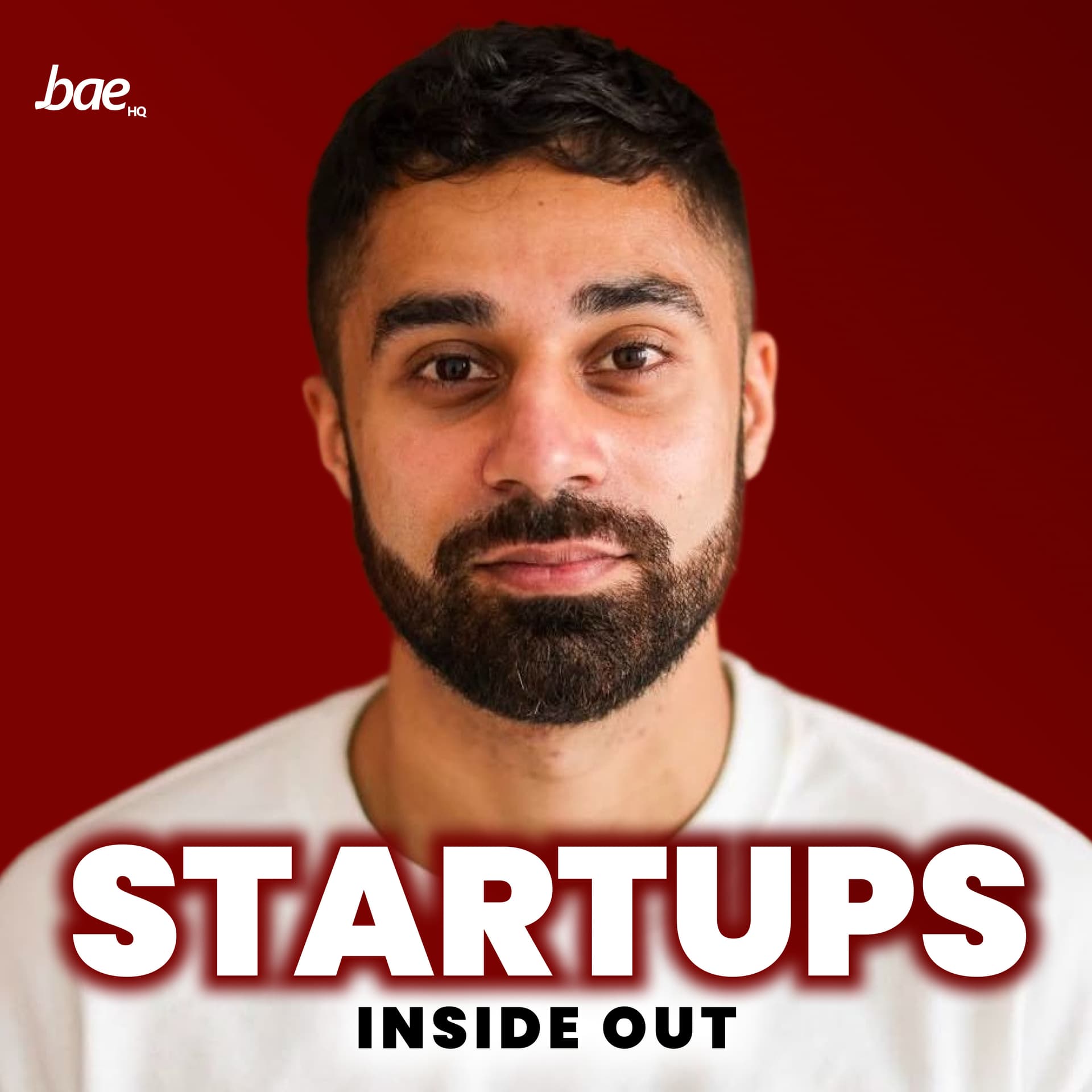
NilaCare (CEO Anthony Jacob) is a cross-border elder care tech startup helping immigrants in the UK and US arrange care for aging parents back home, initially focused on the Indian diaspora and expanding to other corridors (e.g., Filipinos, Nigerians, Sri Lankans). The episode covers scaling operations city-by-city, onboarding caregivers, pricing, customer acquisition, and fundraising.
Guest backgrounds
Anthony Jacob, founder/CEO of NilaCare; born in Botswana to Sri Lankan parents, lived in South Africa (uni), Canada (work), then UK. Background in growth/fintech, including TapTap Send; no prior health-tech background. Worked with Founders Factory/Aviva Studio; first health-tech hire in India.
Key claims
Launching a city takes ~10 days; onboarding can start with nurse recruitment and WhatsApp-based coordination. Seed closed at $3.4M (LocalGlobe-led). 8 cities; ~30–40% of customers upgrade; goal to care for 5,000 families across 3–4 countries. Low churn attributed to caregiver-parent relationships and high-touch visits.
Notable examples
COVID vaccine coordination for parents in Sri Lanka revealed the problem; early validation used 3 London families (Mumbai) paying ~£500–£550/year after interviewing 150–200 NRIs. Caregivers are trained via a CQC-like, India-localized program with 20-hour training (e.g., safeguarding/abuse detection) and empathy testing. Acquisition channels include NRI influencers, Reddit/WhatsApp communities, and thought leadership; exploring B2B2C partnerships with remittance companies and NRI-focused banks.
Written by AI. May contain mistakes. Listen to the episode to check what was said.
Chapters
Tap a time to open that second in VOIntroduction to Nila Care
0:00 to 1:35
Learn about how Nila Care helps immigrants manage elder care from afar.
“So we're in eight cities, but for us to launch a city only takes 10 days.”
Anthony's Background and Motivation
1:35 to 3:21
Discover Anthony's personal journey and what inspired him to start Nila Care.
“So Nila, what we do is we help immigrants living in the UK and the US provide care for their aging and elderly parents back home.”
Challenges in the UK Startup Ecosystem
3:21 to 4:35
Understand the differences Anthony faced in the UK startup scene versus North America.
“So how did you get yourself up to speed in that new environment?”
Building Nila Care from the Ground Up
4:35 to 7:18
Gain insights into how Anthony built Nila Care, from initial customers to operational challenges.
“It's like, I'm going to go change the world and build the next Tesla or something, right?”
Pricing Strategy and Customer Insights
7:18 to 9:26
Learn how Nila Care determined its pricing model and gathered customer feedback.
“I didn't even have an engineer on the team.”
Onboarding and Customer Retention Strategies
9:26 to 10:37
Explore how Nila Care ensures satisfaction and retention with its customer onboarding process.
“But one thing we realized after the launch is we were priced too low.”
Quality Control and Caregiver Training
10:37 to 14:00
Discover how Nila Care ensures quality by training caregivers rigorously.
“So what ends up happening is the parent in India builds a bit of a relationship with our caregivers on the ground.”
Nurse Demand and Working Conditions
14:00 to 15:01
Learn about the demand for nurses in cross-border care and the improved conditions.
“Because obviously, the more customers you get, the more nurses you need.”
Client Acquisition Strategy for Growth
15:47 to 17:48
Discover the strategies used to acquire clients in the B2C market.
“Where it was going to events and talking to people and trying to convince them.”
Target Market and Customer Profile
17:48 to 19:17
Understand the demographics and backgrounds of the startup's customers.
“We stalked everyone on LinkedIn and tried to estimate their salaries to know what probably the check would be.”
Show all 24 chapters
Expansion Plans and Milestones
19:17 to 19:54
Learn about the expansion strategy and milestones for entering new markets.
“a really good playbook for launching a city in India.”
Recent Fundraise Insights
19:54 to 20:37
Insights into the recent $2.4 million seed round and its purposes.
“And you mentioned about the fundraise, which by the time this comes out, we'll have announced it now.”
Operational Efficiency and Technology Use
20:37 to 22:21
Explore the operational strategies and technology employed to scale efficiently.
“Yeah, so the main ambition for us is like, we don't want to just be a small mom and pop shop.”
VC Feedback on Business Model
22:21 to 23:11
Hear about the different responses from VCs regarding the startup's model.
“How were they, what were the questions they were asking and what are they like?”
Challenges in Hiring the Right Team
23:11 to 24:30
Understand the challenges faced in hiring the right people for the startup's growth.
“And you're nearly two years into the journey now, right?”
Insights from Customer Interviews
24:30 to 26:35
Learn about the valuable insights gained from interviewing 200 customers.
“And that's how we got a lot of the interviews done.”
Shifting from Health Insurance to Caregiving
26:35 to 27:55
Discover the pivot from health insurance to a caregiver service based on customer needs.
“I thought, cha-ching, million dollar idea, highly scalable.”
Scaling the Caregiving Model
27:55 to 28:05
Explore the plans for scaling the caregiving model efficiently across regions.
Scaling Challenges and Customer Growth
28:05 to 29:48
Learn how Nila navigates operational pushback while ensuring customer satisfaction.
“have that story even with vcs who aren't from like a immigrant background we have the 200 interviews and its high margins.”
Business Model and Funding Strategy
29:48 to 31:29
Discover Nila's approach to funding and maintaining operational margins.
“Because right now we're super focused on like product and just delivering care, like high quality care.”
Utilizing AI for Operational Efficiency
31:29 to 32:48
Understand how Nila leverages AI while keeping a human-centric approach.
“milestones we should be profitable without another round as well.”
The Importance of Caregiver Loyalty
32:48 to 34:38
Explore the significance of caregiver relationships in Nila's business model.
“It's how they actually change things for them.”
Future Aspirations and Market Expansion
34:38 to 36:54
Hear about Nila's vision for expansion in multiple countries and their impact.
“We'd love to be in Sri Lanka to solve my own problem and probably a couple other South Asian countries as well.”
Recognizing Influential Figures in Health Tech
36:54 to 38:17
Learn about key figures in the UK health tech scene that inspire Anthony Jacob.
“Main reason I'm shouting him out is he's built a massive elder care company.”
Transcript
Automatic transcript. May contain errors.0:00So we're in eight cities, but for us to launch a city only takes 10 days. Within 10 days, we'll have a care team, partnerships, ready to deliver care. We help immigrants living in the UK and the US provide care for their aging and elderly parents back home. And right now we've focused on the Indian corridors, the Indian diaspora specifically, but broader vision is to help Filipinos, Nigerians, anyone that has this problem. So we closed our seed round and it was$3.4 million. US dollars. It was led by a fund in the UK, Local Globe. They're like a tier one fund backed like Y.
0:34Amardeep Parmar:That's Anthony Jacobs, founder of Neelacare. His dream is huge. We want to tackle that niche of cross-border elder care where the person paying for the services in one country and the delivery is in a different country. And we want to be that like categorical company in that specific niche. We've had extremely like really, really good customer feedback. So customers love us. they refer their friends. I'd say like about 30 to 40 % of our customers spend more money once they start. So they start on like the cheapest plan and then a couple of months in, they upgrade themselves because they want to use it more.
1:08Amardeep Parmar:So if you're sitting here again in two years time, 200 episodes later, what would you love to say was like the greatest achievement? I think it would be saying that we've cared for 5 ,000 families and be in like at least three or four different countries. Anthony breaks down his pricing and operational strategy, plus closing a seed in seven weeks for startups, Inside Out listeners.
1:35Amardeep Parmar:Can you tell us what is Nila Care? Yeah, for sure. So Nila, what we do is we help immigrants living in the UK and the US provide care for their aging and elderly parents back home. And right now we've like focused on the Indian corridor, so the Indian diaspora specifically, but broader vision is to help Filipinos, Nigerians, anyone that has this problem. And Sri Lankans? And Sri Lankans, yes. So can you tell us about your journey as well? Because I know you've lived in a few different places and obviously that's what makes this problem so interesting to you. Yeah, for sure. So I think for context, I have not lived in the same continent as my parents for the last 10 to 11 years.
2:14Parents of Sri Lankan, they moved to Botswana. I was born there, spent the first 18 years of my life there. then went to Cape Town in South Africa for uni, then ended up in Canada for work where my startup bug got picked up and then from Canada moved over to the UK. And in that journey was always trying to coordinate stuff for my parents. So my parents actually retired in Sri Lanka now and in COVID, my sister was based in the UK. I was in Canada and we got stuck in lockdown and we were trying to get vaccines for our parents. But if you remember the hype, there was like, no, don't get AstraZeneca, get like Pfizer or something.
2:51So we're like, we've got to get a Pfizer for our parents in Sri Lanka. But because my sister had a stronger network, she tried to coordinate with friends to get a concierge doctor. Once we found the doctor, I tried to pay them for my Canadian bank account. And this whole process took us like two to three weeks because it was just like super painful. There's nothing available online. And that's where I started thinking about elder care. And whenever I spoke to any of my friends, whether they were Indian, Bangladeshi or Filipino, you know, everyone had this problem. And that's kind of where the idea for Neela started.
3:20Amardeep Parmar:And obviously with elder care, right? It's not your background beforehand. So how did you get yourself up to speed in that new environment? Yeah, so I mean, I'm always been a startup, but mainly on the growth side of things and mainly in FinTech. So I was in the Remington space, worked at a company called TapTap Sense, like a unicorn, most of the teams in London. And my job was finding ways of acquiring Indian people and South Asians and Africans living in the UK and the US. So that's where I got motivated to build Nila. But when I got started, I obviously had no health tech background. I didn't, you know, I'd never built anything like this, but I did have founder market fit because I understood the problem.
4:02I experienced the problem. So that's where I got the motivation to build it. And in the early days, I got connected with Founders Factory in the UK and through their Aviva studio, they were exploring healthcare remittance. And through the network, we got connected and they were kind of like, hey, we kind of want you to explore this with us. So they provided the initial capital. And my very first hire was someone in India from a health tech background. So they could actually help with the health tech side, I think some more the growth and the fintech side.
4:35Amardeep Parmar:You mentioned Aviva there as well. And obviously, with the different places you've lived and in new environment, and how did you find like this uk startup ecosystem and how the rules are compared to what you're doing elsewhere yeah so even though i was based in canada i always worked for american startups or like startups where which were led by an american management team and it's very different to the uk so like i moved here and i struggled a bit because i felt like whenever i emailed someone i got a out of office bounce back because they were on vacation somewhere in europe and I felt like I'm used to like big ideas and like trying to change the world and I felt like here you had to kind of get there like it's very hard to get that narrative so that was a bit of an adjustment so I had to like tone down I don't want to say tone down ambition but I almost had to be more quantitative and be like okay we're gonna do this for the next six months and then if we get there we'll do this for the next 18 months whereas I feel like with the American way it's kind of like a 21-year-old dropout.
5:40It's like, I'm going to go change the world and build the next Tesla or something, right? So I think that's the biggest adjustment period here.
5:46Amardeep Parmar:And with the storytelling aspect too, right? Did you have to change the story from the initial idea to get people to back it? Yeah, so the challenge I had was because our go-to market was India. So we're selling to Indian diaspora, living in the US and the UK, and we're delivering care operationally in India. I had a strong, I had a big challenge pitching VCs that were not did not resonate with the problem so if the VC was an immigrant they didn't have to be Indian but if they were like African or Latin American the moment I said care for your parent back home they were already like lit up and they would tell me about their personal story and I wasn't pitching anymore they were telling me their story I'm like oh yeah but we can solve it like this whereas when I was speaking to your John Smith from like New York or from Berlin, I would spend like 20 minutes just describing the family dynamics in South Asian culture before arriving at the problem.
6:46So I had to change the story for the person that I was speaking to on the VC side.
6:52Amardeep Parmar:And when you started it now, so it was early last year, right? Yeah, it was like early last year, but full time July of last year is when I quit my job and jumped on it. So in that period there, what was it that gave you that confidence? Okay, now it's time to jump on full time. Yeah. So the early days, what I was trying to prove was, can we actually get people to pay for this? And can we actually deliver care in India while being based outside of India? So we didn't worry about tech. There was no app. I didn't even have an engineer on the team. So the first like two or three months, all I focused on was, can I find five families in London who are willing to pay me to care for their parents back in India.
7:33So we just went to a bunch of events and we were trying to focus on Mumbai as a city. So we were trying to tap into the Marathi community. And basically, I got three families in London who had parents in Mumbai agreed to pay. After pitching them this big story, once they agreed to pay, we told them onboarding was two weeks. And then in that two-week period, we tried to find a nurse in India. we offered her like one month up front to quit her job and start like the next day and then we trained her in that one week period and we basically just put her in a whatsapp group with each family and that was like the product and then the moment i had three people willing to pay
8:14Amardeep Parmar:that's when i have the confidence to like quit the job and we can talk about pricing at the beginning as well right when you like you said you've got you're you're finding a nurse to put WhatsApp group how do you know what to charge or how do you know yeah so we we did a bit of uh market research before joining so we I think I interviewed about 150 or 200 NRIs living in the UK and just tried to gauge what they're willing to pay for a service like this before we even like had the first product and the price range people gave us was like 50 pounds so that a month so roughly 600 pounds for the year.
8:50So that's what we charged the three customers. And what's interesting is the business was always supposed to be a monthly subscription similar to SaaS. But when I got those three customers to pay, I didn't have Stripe set up. And Stripe takes like a couple of days to set up. So I had to get them to wire me the money. But it didn't make sense for me to just ask them for like a 50 pound like wire fee. So I said, hey, like, if you pay for the year, I'll give you a month off. So everyone was like, yeah, that's fine. So everyone paid me like 500, 550 pounds. And since then we just stuck with that. So now we don't do a monthly subscription because people are willing to pay for the year.
9:26So everyone just pays us for the year. But one thing we realized after the launch is we were priced too low. So we've increased our price, I think twice now. And we still think we're underpriced because people themselves during our interviews are telling us, hey, we would pay more for what you guys are doing.
9:43Amardeep Parmar:it's interesting there about their monthly annual site right because obviously right now you see lovable all these guys right 100 million arr yeah but it's them extrapolating their monthly time as well yeah yeah and it's like obviously there's churn involved with different things whereas when people are paying annually your churn is a lot well hopefully a lot less right yeah yes and when you're saying to people like okay we're only off annual subscription is anybody really even challenging that no so like i would say because of the demographic it's like high income owners paying for the service, they care less about what they're paying.
10:17And they're more concerned about the quality of the care on the ground in India. So they want to know, can I trust this person? Are they going to show up? Can we trust you as a company? And if we can check all of those boxes, like they're willing to pay however much, because it's the care of your mom and dad, right? So we haven't had any friction on that. And what we offer is we offer for full refunds so if you pay for the year and let's say in month three you're like you know nila's not for me you can get a refund for that remaining nine months touch wood it hasn't happened yet no one's asked for a refund so something's working for us and
10:55Amardeep Parmar:how's that onboarding process change because one of the things i'm learning as well is how with the churn right is that people always try to emphasize like last month and it's like by then it's too late if somebody's not happy they're gonna quit right yeah how are you making sure that people once they start now the onboarding process to keep them here keep them happy and hopefully avoid that three month period yeah so for us um because it's like a high touch elder care service so once the person's onboarded um depending on the plan the the nurse on the ground or the caregiver on the ground um visits the parents either once a month twice a month or four times a month.
11:30So what ends up happening is the parent in India builds a bit of a relationship with our caregivers on the ground. And even if, let's say, the person paying for it in the US is like, I don't think I'm getting value from it. Usually their mom and dad's like, no, no, no, I want to keep it. And then you're not going to say no to your parents. So making sure the parents are happy and engaging with our caregivers on the ground in India helps reduce the churn on the side and i kind of you've got people working in india as well and you've got a team out there
12:00Amardeep Parmar:how are you able to make sure that obviously there's so much depends on the caregiver right yeah so if the caregiver is not friendly or is rude then you've lost a customer yeah so how are you trying to train and get the right people involved there yeah so this is actually like how we differentiate ourselves so a lot of people have already tried to find care in india and the problem is it's extremely fragmented there's no regulation so like if you got on a flight and went to India tomorrow, I can bring you on as a caregiver and send you into a customer's home tomorrow. Nothing will happen to us.
12:31Whereas in the UK, the company has to be regulated. The caregivers have to go through certification. In the US, every state has its own requirements. So what we've done is we copied the CQC, which is the Care Quality Commission in the UK. And we're like, what would we have to do to deliver care in the UK? We copied all those things, Indianized it for like cultural context. And then we're working with the college in Pune to actually train our nurses. So it's like a 20 hour training program the nurses have to do. And we teach them stuff that they don't learn in India. So things like safeguarding, detecting signs of abuse, which is like everyone here has to do it.
13:09And then once they do the training, they have to do an assessment. It's like a multiple choice thing. And only if they pass, they're allowed to like be onboarded. But even before that stage, we double check that, you know, they have no criminal record we've done the background checks and then in the interview process like we're trying to test for empathy so basically trying to test like are you going to be nice to an older person um and then only if they pass all of those things they become a caregiver
13:37Amardeep Parmar:for nila random fact i mentioned before so when i used to have a job cqc was my first client for about two years oh yeah all the different inspections all the different standards like i was the guy behind the scenes like updating the website and placing the the systems there so But actually, when you say CQC, I don't have to describe what it is yet. So you've got that side of things, right? And how is it with scaling that out, right? Because obviously, the more customers you get, the more nurses you need. Do you find there's a huge demand for the kind of roles you're offering out there? Yeah, so there's a huge demand for the roles because the working conditions are actually better for the nurse.
14:12So instead of working a long 12-hour shift in a hospital or a clinic, now they're working from home. and they're just going on the road to visit elderly people and help them with mobility tasks and checking blood pressure. So you're doing like two visits per day, six days a week in India. So the working conditions are better, that's one. Second, because of our business model, we're charging in the US dollar and in the pound, we're able to pay our nurses more than they would locally. So if a nurse makes like, let's say, 50 ,000 rupees, we can pay them like 60 ,000 rupees. So they make more money for better working conditions.
14:52So getting the talent is like super, super easy for us. It's more training them and upskilling them is where it takes a bit of time.
15:01Amardeep Parmar:Hello, hello. I hope you've enjoyed the show so far. I'm Amadeek Parma, co-founder of BayHQ and the host of this show. For those of you who don't know, BayHQ is the community for high growth, Asian heritage founders and investors in the UK. over 7 ,500 people have attended our events 200 people have been for our impact programs and obviously there's been over 250 episodes of this podcast if you want to join us and take part in the programs and come to the events go to bayhq.com forward slash join we also just released our first ever book called startups for outsiders which you can get amazon now and the link is in the bio hope to see you soon at event hope you enjoy the rest of the episode And you mentioned your first three clients, right?
15:49Amardeep Parmar:Where it was going to events and talking to people and trying to convince them. As you've grown, how has your strategy changed in how to acquire new clients? Yeah, so we're still like at this stage, 90 % B2C. And a lot of it is, I would say, like influencers. So NRI influencers in America talking about immigration, talking about getting a job, visas. They've been like a big acquisition channel for us. and a lot of online communities. So there's a lot of existing threads on Reddit and there's WhatsApp groups of like Indian people talking about caring for their parents back home or trying to find insurance.
16:29So those have been like our biggest like B2C channels. And right now what's starting to work a lot for us is like a bit of thought leadership. So like myself, the team posting on our personal social media is getting us a lot of inbound. and that's I would say like 90 % and right now we're trying to explore B2B2C so I'm from a Remittance background so speaking to Remittance companies like hey you have 300 ,000 people sending money to India can we work something out and do like a partnership where we distribute to your customers and then banks as well there's a lot of banks that have bank accounts specifically for NRIs and Indian expats and trying to add this as a service so those are like more longer term six to nine month projects that we're having early conversations with we were both on the
17:16Amardeep Parmar:hcbc south asian heritage month yeah event last year and i just remember we both like did a little bit and then all the questions were you yeah all the questions like oh my mom back home my dad back home so all right i'm just gonna chill now and it was just so obvious so quickly just how much that product market fit is there right because you only have to explain what you did for a couple of minutes yeah and then half people are like oh we're like okay i need this my mom my dad right and you mentioned about banks and all these different areas where are you finding most of your customers like what's their backgrounds is it because obviously nris is quite broad yeah people is it tends to be people professional backgrounds is it more entrepreneurs what you find yeah so it's mainly white collar so we actually did this exercise i'd say like three months ago like as we were fundraising we were like just in case we're not able to close the round we know we have customers who love us maybe they can race so we tried to like map out where they worked.
18:09We stalked everyone on LinkedIn and tried to estimate their salaries to know what probably the check would be. And we found like most of them were like software engineers. A lot of them were bankers, but they're all like very senior. So it's like your average customer for us is like someone in their forties living in the US, like they have a professional degree. So a lot of them were like directors of engineering that like series B to C and up startup so they were like working for Morgan Stanley as a VP or Citibank as a VP or director so that was the profile was like people making like really high six-figure salaries was like
18:45Amardeep Parmar:oh almost all of our customers at the moment and you mentioned a lot about India is the first customer you're targeting yeah how does expansion plans do you have kind of milestones based here and like okay once we get to this point then we're going to go to other countries or how are you thinking about that yeah so yeah we started with India because it was the language is English. I have a better understanding of the market and just the sheer number of NRIs is just easier to acquire Indian customers versus other nationalities. And the goal is for the next 12 to 18 months, just double down on India.
19:16So right now we have a really good playbook for launching a city in India. So we're in eight cities, but for us to launch a city only takes 10 days. So if I need a new city to go, I'll tell the team on the ground, hey, we want to launch Coinbatore. And within 10 days, we'll have a care team, partnerships, ready to deliver care. And I think over 12 months, we'll have a playbook for a country launch from India that we can use to model in other cities. So in terms of milestones, I think for us, it's using the fundraise proceeds to get to maybe 1 ,000 to 1 ,500 families in India. And then that would be enough of a proof point to replicate in other countries as well.
19:57Amardeep Parmar:And you mentioned about the fundraise, which by the time this comes out, we'll have announced it now. So can you tell us about the most recent fundraise? Yeah, for sure. So we closed our seed round. It was$2.4 million. It was led by a fund in the UK, Local Globe. They're like a tier one fund backed likewise in a lot of them. And then we had a couple of family offices join the round and some angel investors, both here and in Canada, joined the round as well. And how did you think about that fundraise? Because obviously you said that if you weren't able to raise a round, you might try and go to your customers and raise in that way as well.
20:31Amardeep Parmar:What's the main thing for the fundraiser for you? What's the main ambition behind it? And what do you need the money for? What are you going to spend on? Yeah, so the main ambition for us is like, we don't want to just be a small mom and pop shop. Like anyone can start a care home, hire a bunch of caregivers and do like caregiving. for us it's we want to tackle that niche of cross-border elder care where the person paying for the services in one country and the delivery is in a different country and we want to be that like categorical company in that specific niche and the only way we're going to get there is by growing really quickly and to do that you need like resources because um you the only way you're going to because it's an operational business the only way you can make it efficient is by using technology to make it easier.
21:18So you're not necessarily adding headcount every time you get new customers, but finding creative ways of, for us, it's a lot of the tech we're building is actually helping the caregiver on the ground do less admin. So it's like, instead of spending like three hours filling out forms on like the history of a patient, like how can you have like a co-pilot where they can just like dictate and what happens. Another example is a lot of them are in India, They're conversational in English, but they're not fluent. But they have to interact with the customer in the US who's generally text-based. So a lot of our caregivers, they would speak in Hindi or Tamil, dictate what they want to say.
22:01But then it gets text-based, formatted in English for the NRI. So it's things like that that we need to double down on.
22:09Amardeep Parmar:So is a lot of the tech side of things, those tools for those caregivers, right? Yeah, it's for the caregivers because it's really operational and we want to make that side more efficient to allow us to scale. And when you're talking to VCs about that kind of model, what was the feedback like? How were they, what were the questions they were asking and what are they like? So one, it depended on the VC. So because of the nature of the business, I pitched both VCs in India and VCs here. And when I pitched VCs in India, they didn't believe it could be done. because there's already existing players in India in the elder care space that say they're tech, but in the background, it's just like 10 people doing things manually.
22:51So I think a lot of VCs got burnt in India, so they just didn't believe it could be done. Whereas here, there's already companies like Sarah and this Papa and on in the US that are scaled to unicorn status. So for them, for the VCs here, I was like, hey, it's already been done here. I'm trying to do it there. And that's kind of the narrative I used to help us get there.
Read the full transcript
23:11Amardeep Parmar:And you're nearly two years into the journey now, right? Yeah, about eight. No, not actually, like less than 18 months. So 1st of July is when we fully started. So yeah, it'll be 18 months in December. What's been the biggest challenge in that period that you didn't expect? I think it's hiring the right people. So once we had customer traction, growth was there. Once we raised the round, like it's all momentum. So you get your first check. Everyone wants to invest. Like we had to say no, we were oversubscribed and we had to say no to investors. But the challenge has been finding the right people.
23:46So, you know, sometimes you bring someone on, they might be the nicest person, but they're just not the right fit as they might be the right fit day one. But like maybe six months later, you've got to a stage in the business where it's not the right fit. I think that's been the biggest challenge is not being too nice because at some point it is a business and you know you have stakeholders you're accountable for so i think it's knowing when to bring on the right people at the right stage of the business has been the hardest part
24:15Amardeep Parmar:eventually i should be earlier as well about how you had over 200 or 100 200 interviews of nris yeah how are you able to do that in a new country you weren't raised in yeah so there was a tool i forgot what it was where you can do surveys and you can pick out specific niches um and having immigrants was one of them so i was able to like because i interviewed like filipinos nigerians indians um that was one um the other one was like through personal networks so like anyone that you knew that was indian you just dm them on instagram facebook people you went to like school with haven't spoken to in like five years and then asked them for like two or three referrals um and then we also did a lot of a lot of on the ground stuff so we'd literally just go to like the gudwaras and the temples and just stand outside and just like speak to people uh but And then we just have like some sweets to like get to people when they're speaking to us.
25:06And that's how we got a lot of the interviews done.
25:08Amardeep Parmar:Because I find like I see a lot now, right? Early stage entrepreneurs where they're like, oh, this is a big problem. But I haven't really talked to any customers. Yeah. And as soon as you say you talk to 200 customers, even if you hadn't done everything else you've done, I'd put you in a different bucket, right? Yeah. And I think that's what a lot of people listening to this should really take into account is that like, if you want to get the respect of investors or when you talk to anybody, if you can say i've talked to 200 customers they're going to listen to you yeah it's like oh this is a problem then i'm yeah of course that's a problem right no exactly because it's all execution at the end of the day and and having an idea is like like 0.5 percent of the the startup so like just doing 200 interviews shows that you're executing and you're learning even though you might not have revenue it's the first step because anyone can have an idea you'll wake up have a dream it's an idea and no one's going to give you money for that because you haven't done anything but if you go and speak to people you might get insights that are different to what you thought but that's that's tangible information that you can use did anything surprise in those interviews um yeah so it was a learning so you know we knew people so actually they mentioned this we actually the idea was health insurance it wasn't the caregiver product So when I was brainstorming, I was trying to build a health insurance product.
26:29So the immigrant here buys health insurance for their parents back home. And I wanted to work with remittance companies to distribute it. That's what I thought the idea was. I thought, cha-ching, million dollar idea, highly scalable. Went and spoke to people. And the response I got from most customers was like, why would I pay for something I might not use? because they were like, insurance, I'm going to pay 20 to 50 bucks a month. But then if nothing goes wrong, why am I paying for this? I guess it's like a South Asian mentality of like, why have I paid for this? And it was in the interviews that we learned, hey, people told us they just want someone on the ground.
27:09They're like, being away, it's hard for them to coordinate stuff. And they just wish they had someone reliable on the ground. And that's how we're like, oh, we need this caregiver product. and then when we doubled down on that people were like the biggest challenge was medical stuff that's why we decided nurses as our caregiver instead of just a regular caregiver and that's yeah so that's the result of the interviews because initially we were trying to do health insurance because we're like it's a VC backable it's scalable like we were thinking about what the investors would want because we're like it's high tech there's no operations and you just scale very quickly but then the customers were the ones who told us hey we just want like a person on the ground and then we're like okay that's the problem but now i had to find a narrative for a vc because that's a very operational business i think and i can't remember you mentioned this um off
27:59Amardeep Parmar:camera as well about how it's high margins right so once you get the customer in and you're able to it's something which they can't do themselves very easily so there's a margin there yeah but when you have that story even with vcs who aren't from like a immigrant background we have the 200 interviews and its high margins. Did you still find pushback? Yeah, so we found pushback on the fact that it was operational. They were like, how do you scale? They're like, yeah, you got a bunch of customers, but how do you get to 1 ,000? How do you get to 10 ,000? And they were like, does it mean that every customer you get, you have to get a caregiver on the ground?
28:34And this is where our model was a bit interesting. And we pitched to them, we're like, hey, it's a subscription. We're doing scheduled visits. so one carer can do anywhere from 20 to 30 families so it's not a one-to-one ratio and then the other thing is like the more density we build in a city the more efficient we become so then we can say hey like this carer is going to visit customer a before b because of the location and we know how much time it takes and the type of visit so that's where we had to like really double down on that's where technology is going to make things more efficient because people are just like oh my god like you're gonna have a thousand people there and a thousand people here and it's gonna become super operational what's exciting you most about the next few months as
29:19Amardeep Parmar:well like what's coming up soon yeah i think for us right now is just doubling down on india and growing it because we've had extremely like really really good customer feedback so customers love us they refer their friends um i'd say like about 30 to 40 percent of our customers um spend more money once they start. So they start on like the cheapest plan and then a couple months in, they upgrade themselves because they want to use it more. So I think for us now, it's just trying to crack like B2B2C partnerships and just having like more of a hyper growth scale. Because right now we're super focused on like product and just delivering care, like high quality care.
29:58So we haven't really like turned on the tap for growth because for us, it's people's lives. So we We can't have that BCAI growth that you're seeing now. We have to be more mindful on it. And we're just lucky that our existing investors are fully understanding of that and that they understand it's more of a long-term journey and not like a quick two-year blitz that you do.
30:22Amardeep Parmar:On that too, so you know how, I don't know if there's some seed strapping, right? Where people are thinking, we'll do one round and that'll be it. How are you thinking about that? Because I guess if you get operational efficiency at their margins, I guess profitability hopefully won't be too far away. Yeah. So for us, because of our business model, we have high margins, but we also have the low, like the different labor costs in the different countries working in our favor. So if we wanted to, and we hit the milestones that we set up with this fundraise, we would be profitable. Then we would not be investing in R &D and technology.
30:56So if we, and that was kind of what I had at the back of my mind, fundraising is like, because there was like a drought in fundraising a couple months ago i'm like i don't want to be in that situation so i wanted to have in the next round have the flexibility to say okay we don't have to raise because we're profitable because things in the market's not right um but that's i think i think more and more founders are doing the seed strapping thing i think we will definitely stay on the ventures scale path because we i want to build a big business and we want to change the world so that's the path we'll choose but um if we had our milestones we should be profitable without another round as well.
31:32Amardeep Parmar:You mentioned with AI and the comparison plates there. Are you using it internally yourselves too in order to increase your own operational efficiency? Yeah. So we use it. I think it's hard not to use AI. Like, I mean, almost everyone's using ChatGPT internally at work. And then the engineers use it to write code, which is interesting because like we have two engineers that joined recently and they're like super young, I think two, three years out of uni. So they've started their careers with the AI wave. And you tell them something and they already have tools and they just ship things very quickly, which is super exciting.
32:06And then on the growth side, it's very easy to pump out content and things like that. So there's definitely AI. But one thing we're mindful of is our customers don't like the word AI. So if you look at any of our marketing, any of our websites, any of our influencer content, we never say AI or we never use the word technology because for the person paying, they don't want AI taking care of their parents. They want a human being, and that's what we emphasize on. So any AI we use, it's to make things more efficient. And it's obviously for the investor side and internally, we know that's how we grow.
32:43But for the customer story, it's very much people behind the business. It's the caregivers. It's how they actually change things for them.
32:53Amardeep Parmar:It's something I'm talking about recently as well about it's almost more defensible if you're not based on AI. And that's what the main selling point, because there's no loyalty there. And you're seeing it now with people saying, oh, this new thing has come out. It's so amazing. And the next month, the same, another company has a similar tool. And that's a new hot thing. and you're seeing with a high churn once ai products whereas when it's a human base you said it's like if the parents like the caregiver yeah they're not going to want to switch no and it's much more sticky in that sense right yeah it's much more sticky and it's one of those things where you don't want to switch your care provider for your parents it's like it's not like the ai product like if you wanted to like test something out you can go and find like 10 different products I've done this, like, you know, lovable's there, but there's other lovable equivalents.
33:40And I just paid the$10,$15 for three different things to see what works. And then I just canceled my subscription for everything else. Whereas with ElderK, you're not going to send someone into your parents' home and then cancel the subscription. Like you want to, because you go through this internal conversation with your family, get everyone, your brothers, your sisters, your mom and dad to say yes. Once they've done that, you have like five people depending on this product. like it becomes so sticky because even if one person wants to stop paying they're still the parents and then you probably have siblings also involved in the care we're going to be like no no no we still need this um so that just means because i had this conversation with our investor recently because i was a bit worried that um the benchmarks for the series a would be higher than i expected because of the the ai thing because i think i had a number that's what i raised on and then i saw a Carter report like three weeks later I was like it was like two million dollars higher I was like this is fucked like I'm never gonna do this and then my investors like listen like you guys have almost zero churn so you shouldn't worry about like your absolute revenue number if you get to your milestones and your churn is very low and your margins are high investors will still be interested because it's a very different business to like a pure AI play so what we're
34:57Amardeep Parmar:now is we have 260 something episodes of the podcast out yeah and we're saying to people two years later so 200 episodes later we're getting them back on again yeah so if you're sitting here again in two years time 200 episodes later what would you love to say was like the greatest achievement um i think it would be saying that we've cared for 5 000 families and be in like at least three or four different like countries um not just in yes india is just the next 12 months but we'd love to be in the Philippines because we explored that market. We'd love to be in Sri Lanka to solve my own problem and probably a couple other South Asian countries as well.
35:33Amardeep Parmar:So we're going to do it. We have a little TV up here. So the next time you come on, we'll play that little clip and then see where you are. You're going to analyze it. Okay, what happened? Did you go a different path? Was there a pivot? What happened? The thing is really interesting to see how, as the market shifts and things happen, where the plans go different. And it could be maybe you're in 10 countries, maybe you've double down in one country i've got 10 000 families there yeah it's just really interesting to track that i think yeah exactly it'll be like a informal board meeting kvi i think that we're trying to track because i think because even with me right i thought i was going to build a health insurance business and then right after speaking to users it became a care delivery business um which you know and it might change five years from right might be a very different world and you've said you want to build a massive business yeah what is that overall dream like someday that would be like, yes, we've made it.
36:22Yeah, I think it would be that, you know, if someone lived in a country that was different to where they're from, and they needed to care for a family member back home, like Nila is like that name they call, you know, it's kind of like how now, if you want to get from point A to point B, you just pick up Uber. If you want to get a nice place to stay, you get on Airbnb. So similar to that, I'd like to have Nila as that like go to brand of like anything elder care related like so if you want to coordinate something back in africa or latin america or asia but you live in the us or the europe you just go on nila and sort that up
36:59Amardeep Parmar:it's where it almost becomes a verb right it's like oh yeah just nila it right yeah exactly you just nila it or something so really loved hearing the story and if you've been building so far and like said it's going to impact so many lives we're going to move to a quick fire questions now yep so first one who are free asians in the uk yeah you think are doing incredible work i'd love to shout that? Yeah, for sure. So I think one of them is Ben Maratapu. He's a founder, CEO of Sarah. Main reason I'm shouting him out is he's built a massive elder care company. And I'm trying to do exactly what he's done, but like across borders.
37:33And I would say he's probably like the biggest health tech company in the UK at the moment. And they're doing quite well. And second one would be Rishabh Kahl. He's at Hoxton Ventures now. He had a South Asian community as well. Before that, he was instrumental in the early days of Nila so he resonated with the problem and he really helped me in kind of crafting my story but also with a lot of intros in the India scene and then the third one would be Benji Fernandez founder CEO of Nala you know as well he I met him at a conference and then we became really good friends and he also helped a lot with like my fundraise and kind of crafting my narrative and and and helping with the intros um and i'd say those three would be like the biggest ones i'd want to shout out awesome and then if people want to find out more about you and nila where they go yes i'm pretty active on linkedin so definitely follow me on linkedin um and for nila www.nila cares.com we have a rebrand coming up so uh have a look out for that and if people listening right now could help you what could they do um i would say tell people about Nila.
38:39So if you have family back in India, or you have an Indian friend who has family back in India, just forward them Nila, forward them our socials, or have them follow me. Even if you don't need it now, chances are you're going to need it in the future. And we're always looking to speak to more people.
38:58Amardeep Parmar:So great to have you on. Any final words? No, I think just keep doing what you're doing. So when I moved to London, I had zero network. I had my friends from work and stuff. When I was trying to find different communities to tap into, Bay, HVU is one of them. And I think through that, I've also connected to a bunch of people that have been quite helpful. So yeah, definitely keep you up for watching, keep supporting Bay, and keep promoting them as well.
From the publisher
Amardeep Parmar from Bae HQ welcomes Anthony Jacob, CEO at Nila Cares.👉🏽 Join Bae HQ
👉🏽 Take Bae Startup Foundations free:https://www.thebaehq.com/courses/bae-startup-foundations
👉🏽 Join Bae HQ:https://www.thebaehq.com/join
Amardeep Parmar from Bae HQ welcomes Anthony Jacob, CEO at Nila Cares.
Amardeep Parmar:https://www.linkedin.com/in/amardeepsparmar
Anthony Jacob:https://www.linkedin.com/in/anthony-jacob-/
Nila Cares:https://www.nilacares.com/