In short
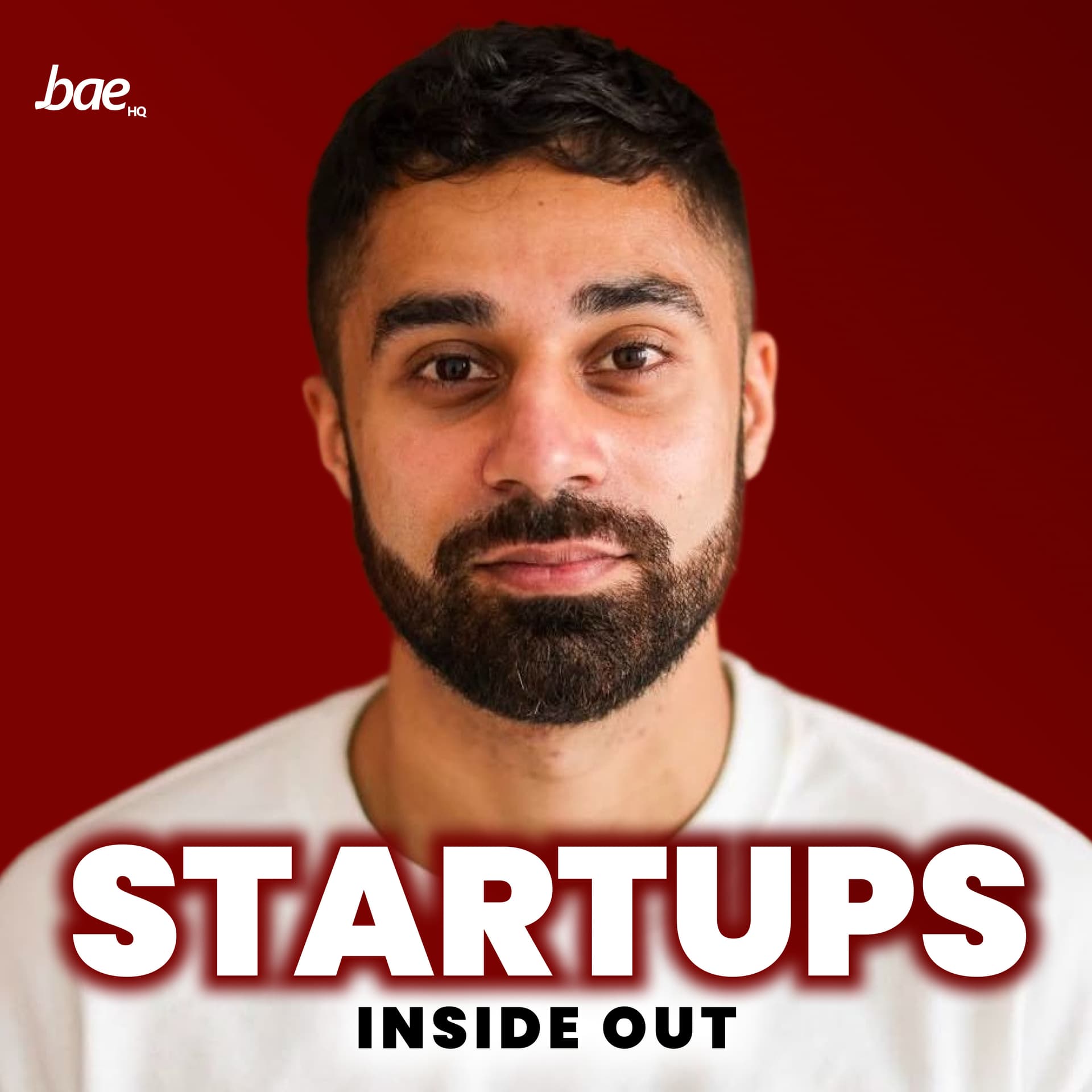
Vandana Subramanian (health tech investor/advisor) shares lessons from two healthcare startups she founded and exited, plus how to think about health/biotech exit paths, fundraising, commercialization, and long-horizon investing.
Guest backgrounds
20 years in healthcare across large corporates and startups; founded an oncology therapeutics company and an AI predictive cancer company; helped venture firms and startups (raised up to ~$160M for an India-to-US expansion); now works in the UK with venture capital firms; also serves as London Business School entrepreneur-in-residence and mentors pre-seed startups from Oxford/Cambridge/Francis Crick/UCL/LBS.
Key claims
In healthcare, strategic exits (e.g., hospital chains, pharma) can come sooner than founders expect; plan for exits early (seed stage) while balancing innovation vs commercialization; founders need “plan A/B/C,” strong data, and commercial advisors; AI should assist doctors and focus on precision/preventative impact, not just faster tech.
Notable examples
Axel Partners funded her first startup after extensive feedback (“63 versions,” ~$10M across two rounds); she credits lean operations, early commercial/sales footprint (US/India and 7–8 markets), and global partnerships/clinical trial groundwork for traction.
Written by AI. May contain mistakes. Listen to the episode to check what was said.
Chapters
Tap a time to open that second in VOVandana's Journey in Healthcare
0:45 to 2:00
Vandana discusses her 20 years in healthcare, including her startups and VC experience.
“With healthcare, I think exits come much sooner than you can expect.”
From Corporates to Startups
2:00 to 3:00
Vandana recounts her transition from corporate roles to founding her own startups.
“And then you went into your own startups.”
Healthcare Exits Explained
3:00 to 5:00
Discussion on exit strategies for healthcare startups and the importance of preparing for them.
“I really loved my nine to sixes, but I also equally loved my nine to forever in the night.”
Navigating Funding and Partnerships
5:00 to 8:00
Vandana shares her experience raising funds from prominent VCs and building partnerships.
“And you mentioned like obviously with the experience you had in corporate beforehand how do you think that made you more effective as a founder or what helped you what hindered you by having that experience?”
Strategic Growth and Market Expansion
8:00 to 10:00
Insights on how Vandana's startup approached market expansion and strategic growth.
“where Axel Partners had done a lot of big bets in the biotech space.”
Managing Challenges as a Founder
10:00 to 12:00
Vandana reflects on the challenges of being a founder and managing a team effectively.
“I think that if you have that sort of non-blinders on, I think you can really sort of make those monies come in over a period of time quite effectively.”
Transitioning to the Investment Side
12:00 to 14:00
Vandana discusses her motivation for moving from startup founder to investor.
“Yeah, no, I think, you know, it's, I think founder personalities have got a lot to do with how well a company can come through the door in eventually, because it's a long haul.”
Vandana’s Journey in Health Tech
14:00 to 14:48
Vandana discusses her evolution in the health tech industry and her passion for supporting startups.
“Because now I think you're sort of, there's a very, it's almost very natural to have that, you know, which, where is it going to trend?”
Empathy in Investment: The Founder Perspective
15:32 to 16:43
Vandana reflects on how her experience as a founder shapes her view as an investor.
“Is there anything like any of your views that changed from being a founder and how you perceived investors to now that you're on the other side of the table like oh okay that's why these things work in the way they did.”
Navigating University Ecosystems
16:44 to 17:44
Vandana shares insights on her role in university ecosystems and supporting startup commercialization.
“And I hope for, you know, to see actually more fund managers in this space sort of take that on.”
Show all 17 chapters
Challenges in Biotech Commercialization
17:44 to 20:48
Discussion on the unique challenges biotech startups face in commercialization and market fit.
“How do we then make this into a product or make it commercially viable?”
Assessing Founders for Long-Term Success
20:49 to 22:34
Vandana outlines key attributes she looks for in biotech founders for long-term viability.
“And, of course, fundraising, I think, is much harder for biotech firms because also there's, you know, VCs.”
Investment Strategies in Health Tech
22:35 to 24:49
Exploration of investment strategies and the complexities of health tech and AI.
“It's one of the things I've always learned about in the last few years too, about how the companies in the health space are slightly different words used for different ones of them, right?”
The Future of AI in Healthcare
24:50 to 27:58
Vandana discusses the evolving role of AI in healthcare and its implications for the industry.
“But, you know, you could have a genomics expert come in and say that this is where, you know, I think the next 10 years is going to see the wave off.”
Building in the Health Tech Ecosystem
28:05 to 29:46
Discussion on the dynamics of building health tech companies in various regions.
“health AI is what is leading the pack even versus the other sectors, which I think is exciting.”
Spotlight on UK Health Innovators
29:46 to 31:06
Highlighting incredible health tech founders and their contributions.
“So let's go for the quick five questions.”
Future Aspirations and Community Engagement
31:06 to 32:26
A look at future goals in supporting women founders and community dialogue.
“And if people want to find out more about you and what you're up to, where should they go to?”
Transcript
Automatic transcript. May contain errors.0:00So 20 years in healthcare, I've worked across large coffers. I've had two startups of my own, exited them. I've helped venture capital firms with their investment pieces. And now in the UK, I work with a couple of venture capital firms.
0:13Amardeep Parmar:That's Vandana. She's an expert in the health tech space. My first startup was in oncology therapeutics and the second one was in AI predictive and cancer. So Axel Partners obviously is one of the most respected regarded VCs in the world. I actually got my funding of a bunch of presentations, 63 versions. It was about across two rounds, 10 million. They really sort of put me through the ringer on what it was. She goes in-depth on health tech exits. Healthcare, health tech, biotech, sort of tough. You're looking at strategic exits. You're looking at it could be a hospital chain. Could it be a pharmaceutical company?
0:48With healthcare, I think exits come much sooner than you can expect. Of course, you can always build your product out to an IPO, and that's fantastic. but you always have the option of looking at, let's say, C's B, can I exit out?
0:58Amardeep Parmar:She's now shifted to the investor and advisor side. For startups, I think you need to be very close to innovation, and that's always been a theme across the work that I've been doing. Sort of helps you rapidly get to market. I've actually helped startups raise up to about$160 million when they flip from India to the US.
1:20Amardeep Parmar:So you do so many different things, and you came with a strong recommendation from Shamik, who's our health tech lead. Can you explain for us and for me, what do you do today? A whole bunch of things, like you said. So 20 years in healthcare, I've worked across large corporates. I've had two startups of my own, exited them. I've helped venture capital firms, you know, with their investment thesis. And now in the UK, I work with a couple of venture capital firms, very passionate about healthcare investing, especially looking at very overlooked sort of sectors as well that need attention. and also trying to build a fund with very specific thesis points that I'm passionate about.
1:57So that's a bit of all that I do.
1:59Amardeep Parmar:So I just said that you started in corporate, right? And then you went into your own startups. Yeah. Can you rewind to that bit about how did you make that transition and what made you start your first company? So I think it was a very interesting phase, right? I think the large carpets really gave me, and again, these are very global roles. I was working in the US, Europe, as well as Asia Pacific. And what the large companies gave me were a lot of discipline and the sort of the network across the clinical ecosystems, you know, the regulatory frameworks, partnerships. And I think, you know, when India was sort of is where I sort of did my startups and we had the health care biotech boom, just touching it then back in 2012.
2:39and it was the right stage where you could, healthcare is a very tricky sort of sector and the on-ground knowledge really helped me sort of pivot into the startup phase of things. It can be very different as a sector from let's say FinTech or SaaS and that very specific knowledge helped me sort of make that jump. I don't know if I necessarily wanted to move to startups. I really loved my nine to sixes, but I also equally loved my nine to forever in the night. And I loved working across countries, of course, with all my startups. So I think that's sort of how I moved the needle. And again, for startups, I think you need to be very close to innovation.
3:14And that's always been a theme across, you know, the work that I've been doing. And, you know, it sort of helps you rapidly get to market that perhaps a large corporate will not let you achieve. And I think that sort of was my move there.
3:28Amardeep Parmar:And you said about exits there as well, right? And one of the things I know you go into detail about is the all different exit options. So it's only found existing, probably don't really understand really what exit means for them and how to prepare for that. Could you talk through that as well? Like, how did you go about your exits? So I think, you know, this exits can be very tricky. Again, I think it's the constant battle between do I sort of, you know, go hard on technology and innovation and just sort of fill that out? Or do I quickly bring the commercials in? Let's say, you know, when you're looking at a seed stage is when you have to start thinking as a scientist or, you know, as an R &D.
4:05person, you need to start sort of packaging that in. And that will eventually also give you that, you know, thought for us on where could be potential exits, let's say, you know, three years down the line or seven years down the line or 10 years down the line. There's nothing wrong in starting to think about that. And I think, you know, it is imperative in this day and age where capital is very scarce and you need to sort of know that these are all your possibilities. And typically in your, you know, you know, healthcare, health tech, biotech sort of stuff. You're looking at strategic exits. You're looking at it could be a hospital chain.
4:36Could it be, you know, a pharmaceutical company? And again, with health care, I think exits come much sooner than you can expect. Of course, you can always build your product out to an IPO. And that's fantastic. But you always have the option of looking at, let's say, C, can I exit out? And, you know, these could be X number of, you know, options that's that's there for me. And I think, you know, that's sort of how you should as a founder keep that in mind.
4:59Amardeep Parmar:How did you think about which option is best for you? Oh, it's, it's, I think it's a number of different, I think you keep talking, you keep sort of looking at what would work well for the company, for you, you know, for the investor who's invested in you for so long and have, you know, your cap tables are split between all of these investors and yourselves and your founder, if you have them, as well as the company, you know, that sort of came in at the early, the founding team, if you will. And I think all of these sort of, you know, it's a mix of what best would work from a number perspective, from where did you see your innovation want to land and how would, you know, where the company is exited into, what are they doing with that product or that company beyond if you sort of started out to make an impact in saving lives or in, you know, reducing dollars in healthcare expenses if you want to see that through I think you know those sort of levers sort of fall well well in place in getting those exits out.
5:58Amardeep Parmar:And you mentioned like obviously with the experience you had in corporate beforehand how do you think that made you more effective as a founder or what helped you what hindered you by having that experience? Oh I'm a big fan of you know founders in this sector to sort of have that you know large corporate experience and again I think you can really crack on with how quickly you can move as a startup founder, just at how the generation is now versus, let's say, you know, 15 years ago when I actually started my companies. And I think the large companies really bring that structure into place, the administrative effectiveness, as well as, you know, who do you know in the commercial space that you can quickly get commercial traction with?
6:38And all that came through because of the large corporate bandwidth that I had. I don't think I would say that there was anything hindering. It all sort of added into the startup path that I actually moved into. So all good things.
6:51Amardeep Parmar:And you told me before as well, how one of your investors is Excel, right? Yeah. How did that process work? Because obviously Excel is one of the most famous VCs of all of them. And to get them on your cap table was obviously a huge achievement at that point. So how did you, like, how did that process work on committing them to invest? It's a funny story. So Axel Partners obviously is one of the most, you know, respected regarded VCs in the world. And, you know, I was right at the time when And they were looking at how best do we sort of do the healthcare investment thesis in India. So it was really sort of very opportunistic.
7:21They knew me from before. And I actually got my funding of, you know, a bunch of presentations, 63 versions, because Axel sent me back. And I said, look, this is just not it. It was about across to around 10 million. They really sort of put me through the ringer on what it was. But of course, a very different time than now when, you know, you've got a lot of really good innovations coming in. You want to do your minimum viable product. only then you get funded. But of course, you know, I think it was fantastic to have them on our cap table. They were amazing in terms of connecting us with co-investors for future rounds.
7:57They, you know, they gave us, again, you know, a very US perspective as well, where Axel Partners had done a lot of big bets in the biotech space. And of course, you know, my first startup was in oncology therapeutics and the second one was in AI predictive in cancer. So really a fantastic experience all through, you know, they were one of the best things that could have happened to us as a first-time founder.
8:17Amardeep Parmar:And so we're raising that money, right? There's one thing about raising it, but it's also then how to use it effectively. So how did you use that funding? And like, how did you think about that process of, okay, we've got this funding, we've got this backing. How do you make the most of it and maximize our effectiveness? So I think one more sort of good parts of having worked in organizations from before, we know how to make it very lean. So what we did really was, you know, as a company, just as a strategy, what were the different modes and pivots that we could do? while we're building our sort of the mainstream revenue generator.
8:48That was one. We invested heavily in commercial teams right up front. We had our scientific teams on board already, but kept them very lean. But we needed access to the market. So we invested heavily in, you know, sales footprint in different countries, in the US, in India, seven or eight different markets. I think that for us gave us a head start. we definitely kept our you know our offices very very you know bare minimum so basically lean was really the theme on how we would work through things and also expanding globally right that's
9:21Amardeep Parmar:one of the challenges for many people in health tech because the UK has a very different system to other countries as well so you mentioned one thing about having sales teams on the ground how else did you try to make sure that you had that path and that strategy to succeed in different countries? So both the founders came in from very global sort of backgrounds. So we had our inroads into people who could expand the markets there. We had partners already sort of, you know, right from the get go, you know, when we were actually licensing and novel molecules and oncology back in and doing the clinical trials, we already had our eyes and, you know, legs firmly out in different markets because I think we wanted that head start.
10:01Now that worked really well for us, right from we're a very strong commercial organization and i think a lot of founders today do miss that point think you know it can be a long runway when you're developing let's say a drug uh or something that's you know chopping down your uh you know drug discovery time by x or your costs and you can really get lost a founder can really love their product well and i think you shouldn't be loving your product so much i think you should be very practical about how can I make money off what I'm building? I think that if you have that sort of non-blinders on, I think you can really sort of make those monies come in over a period of time quite effectively.
10:39Amardeep Parmar:What part of that founding journey did you first enjoy the most, but also, I guess, the opposite? Which is the part that you don't miss about being a founder? It's an interesting question because I think when you're a founder, you're sort of all hands on board. You're doing a bit of everything. I think at one point of time, I was serving tea. as well along with my meetings in R &D and raising monies. But I was recruiting people in different sort of functions and so on. So it's very exhilarating because you're doing so much. So it takes away a lot of your bandwidth. But I think you always need to be able to step back ever so often and make sure you don't lose sight of what you started building and where you want to go, because you can really get lost in building your company out just from a human resource perspective, managing people.
11:33And I think managing people can be very tricky. I think the operational part of it can be very, very tricky when you're running companies. There are egos in play. There are strategies that may go differently. There are VCs that may come in and say, hey, you know what? It's lovely that you came up to this bit, but I would really like you to move to this bit and you may not really like all of that uh and i think that sort of temperance and patience to work through while keeping your core intact i think is what is
12:01Amardeep Parmar:required when you're a founder and i guess on the ego point as well right because that's something which in this space you sometimes have to deal with people with different egos have you got any tips for people right now who maybe have are trying to deal with that process right now of trying to manage people with different amounts of pride or ego but while also keep them involved as a stakeholder? Yeah, no, I think, you know, it's, I think founder personalities have got a lot to do with how well a company can come through the door in eventually, because it's a long haul. It's not, you don't have, in healthcare, it's not a three or a four year exit.
12:34It is seven, eight, nine, ten years. So you've got to sort of live with that, you know, multiple sort of personalities that evolve as you build a company as well. But I would always say that know your founder really well before embarking on that journey very well. And I don't mean to say, you know, you know, 10 weeks ago, you need to know that you're on the same tangent. You need to know that, you know, there should be a lot of transparency around what you're building, what your opinions are, constant check-ins. There should be receptivity and, you know, the sort of the fundamental, you should be receptive to feedback from your funders, your co-founder, your team, and be able to sort of balance that while at the same time also being a leader for the organization.
13:19I think that's sort of, you know, a mix that works well.
13:23Amardeep Parmar:You obviously, you transitioned from being a founder more into the investment world as well. What was your motivation there? So I think personally for me, it's, you know, it's spent a lot of time in large corporates. So, you know, and startups as a founder. And then I've always sort of, you know, helped VCs along the way with their own portfolio companies. I've actually, you know, helped startups raise up to about, you know,$160 million when they flipped from India to the US and so on. So that journey has always been very interesting for me to work closely with in the investing world. And I think for me personally, as a two-time founder, I think I wanted to sort of package all of my experience and see how the ringside or the umbrella view of how could I nurture a startup the right way because you know when you sort of have those those that discipline the partnerships the you know who can actually startups go out to and it made sense more for me from do I work on a single product or do I am I in a position now 20 years into my career to be able to sort of help you know biotech firms or med tech or you know life sciences or health tech go the extra mile I think that's sort of very interesting and exciting for me to be able to work with founders and be able to invest in the right ones.
14:35Because now I think you're sort of, there's a very, it's almost very natural to have that, you know, which, where is it going to trend? So I think, you know, it's sort of a great place to be, especially in this ecosystem as well.
14:48Amardeep Parmar:Hello, hello. I hope you've enjoyed the show so far. I'm Amadeek Parma, co-founder of BayHQ and the host of this show. For those of you who don't know, BayHQ is the community for high growth, Asian heritage, founders and investors in the UK. Over 7 ,500 people have attended our events. 200 people have been for our impact programs. And obviously, there's been over 250 episodes of this podcast. If you want to join us and take part in the programs and come to the events, go to bayhq.com forward slash join. We also just released our first ever book called Startups for Outsiders, which you can get on Amazon now.
15:27Amardeep Parmar:And the link is in the bio. Hope to see you soon at our event. Hope you enjoy the rest of the episode. Is there anything like any of your views that changed from being a founder and how you perceived investors to now that you're on the other side of the table like oh okay that's why these things work in the way they did. Have you found the things changed about the way you perceive things? I think I'm one of those people that's super super empathetic with founders I'm always putting you know my feet in their shoes because of where I come from myself and I think that only comes when you're a founder and I think you know the world is moving towards It's, you know, the operator turned investor, I think is a very interesting sort of a theme that's that sort of evolving.
16:04Right. You're no longer, you know, just an investment banker or a financial actually investing in you. So you've sort of got that scar tissue of, you know, what might have burnt you in your in your or, you know, for example, I've known founders who started companies back in the middle of COVID. I was a founder, you know, who started a company back in the middle of COVID and it was terrible. And I know that, you know, there's significant investments that go in, but I also know the reasons why you had to shut down. So I think that that's sort of an also. But of course, you know, I don't think being in the investor space is all that it's made out to be.
16:39Fundraising is hard, but I think it's a handshake that works really well when you're in, I think, as an operator, when you become an investor. And I hope for, you know, to see actually more fund managers in this space sort of take that on.
16:52Amardeep Parmar:And you also work at universities, right? And spin ups from universities. Can you tell us about what you do there? So I'm an alumnus of London Business School, and I actually sit on their private capital committee as well. So I'm an entrepreneur, I'm in residence, which means that we have, I think, the university ecosystem is one of the best in the world. If Boston is the hub for, let's say, biotech and so on, I think our university ecosystem is brilliant. There's just such fantastic technological innovations coming in. And so what happens typically is in my position, I actually mentor a lot of pre-seed stage startups that are very strong technology seeds in them, you know, from the Oxfords and the Cambridges and Francis Crick and UCL and LBS.
17:34And I then look at how best can we look at commercializing and go to market for these companies and help them with fundraising along the way.
17:43Amardeep Parmar:and like obviously there's gonna be people listening right now right at that stage maybe they have a technology but they're a bit stuck in the commercialization aspect and i think what interesting about biotech and medtech is that sometimes what happens is that like for a traditional startup for a tech startup you say like find the problem then find the solution but sometimes in biotech you might find the solution then work out okay how do i now commercialize this and have to work almost backwards right it's like you have the science you have some kind of innovation and how do you go about thinking about that how do you go okay, we can do this cool thing now.
18:14Amardeep Parmar:How do we then make this into a product or make it commercially viable? I think in biotech especially, so I think with health tech and med tech, there's almost, I think there's a way to look at what the gaps are in the market and then you could build products towards that. But I think in biotech, it's always science leading instead of the commercial or the gaps, right? I mean, you do need to know where your defensibility strategies are. Otherwise, you know, in this day and age, I think it's so hard when there's so many startups coming in. So if you have really strong IP routes that you can make out of your science that you're developing or your, you know, it sort of then moves into the whole, how can I then commercialize this about three years into what preclinical is done?
19:08and then how do we sort of, you know, open that out from a commercial space. I think it works a little differently across both these sectors.
19:15Amardeep Parmar:And when people are thinking about that, because one challenge I have, so for example, somebody interviewed yesterday, they are like eight years into their startup now, but the size is still being proven. And that's obviously a very different mindset. Like you said to, say, a B2B SaaS where it's like, okay, we can get this up and let's sell it in two years. Do you have any tips with people on that longer journey where they can't necessarily flip it? they can't grow very quickly at the beginning of, how do they keep going and keep that safe in what they're building? I think in a sense, I almost feel like, you know, you'll see a lot of really good biotech founders coming in as PhDs.
19:49And I think they've always already sort of mastered that art of doing the long haul education and they know what it takes to sort of be very gritty and stick on with what... It's a lot of passion for the science that you're developing. It's a very different sort of strain of DNA, if you will. But I also think, you know, what makes them work more efficiently is to get a set of advisors that are very strong commercially in the markets that they want to have their footprint in and help them, you know, build out their markets a lot better right from the get go. Right. I mean, you can always get in your commercial.
Read the full transcript
20:22Like you said, it takes seven, eight years to do your clinical trials and get those approvals. And some of them, most of them fail, you know, along the way. So it's sort of, you know, you build your moats with the two, three, four different assets. And then, you know, you possibly are successful with one. But definitely sort of the advisory board right off the bat. And then, you know, a good view on not being too tight in with your science and having that how can we commercialize it. And the end goal, I think, is very, very sort of, you know, necessary. And, of course, fundraising, I think, is much harder for biotech firms because also there's, you know, VCs.
20:56They are long profit cycles. There's a lot of patience that's required, but these are the products that will have impact. These are the products that's true innovation, right?
21:06Amardeep Parmar:And when you are assessing founders of that kind, right, it is different to maybe assessing founders and other backgrounds. What do you look for in those founders at the very early stage to be like, OK, this is somebody who I think can pull this through and then it's worth investing in that really long term vision with them? You know, it's OK. So it's in scientific, very scientific founders. You're looking at, you know, these sort of early stage assets with a lot of grants. And then you move into actually getting the VC funding, right? You don't, you're not really, they need, you know, larger sized funds coming in.
21:42So you can't really, you know, your B2B SaaS, it's just a few hundred thousand is not enough when you're building these companies. So when these founders actually come in and they're already well granted, a few million in, they already have the monetary capability to be able to prove a few milestones just in the clinical setup, get a few IPs in. I think that's when, for me, it becomes interesting to invest in and sort of stick in for that long haul. It's a very different temperament than the earlier exit. I think for me, that's what works. And I think, I keep repeating this, but if you are a science founder, if you have that appetite already to say that I know the commercial roots and you're already thinking about it, I think it's very compelling for me to say that this is someone who knows how to hold that company down for the next 10 years.
22:32Amardeep Parmar:And then with the less scientific companies, right? So the more health tech, I guess, companies. It's one of the things I've always learned about in the last few years too, about how the companies in the health space are slightly different words used for different ones of them, right? But when it is maybe they do have a quicker cycle and it's trying to fill a gap or a problem. How do you assess those companies? And when you're looking at, is this a good investment? What are you looking for there? So I think, you know, with companies that are more, let's say, so health tech, it can be B2B as well as B2C, right?
23:01It depends on which market you're in. And I think, you know, there's obviously we have a lot of traction in the AI space. You have a lot of traction in the wearable space. And I think you need to sort of break through that clutter because it can be very risky investments. I think the last four years of where AI, for example, came in, I think there were a lot of rapid tech. And, you know, you could get very excited by it. But I think healthcare is a very, very complex topic in that I don't think you can replace doctors. You can only assist them in what they're doing. And of course, AI is doing wonderfully well, but I do think the next four years and so on is where you'll see true innovation coming in.
23:36Again, infrastructure or, you know, better, faster diagnoses or more accurate diagnoses, precision diagnostics, preventative health care, personalization of medicines and health care. These are all great topics to sort of follow through. I think consumables can be very tricky. you know the when it's consumer health care I think it's it's of course you know it's it's easy to understand you want them but the journey is very hard from a marketing perspective there's a lot of marketing spends that come in with this kind of product so there it can be you can you need to be a little cautious about what you're investing in but I think these are sort of pillars to where I'd look at in terms of my likes in investment there and if for the founders
24:19Amardeep Parmar:listening who potentially might be pitching you someday what advice would you give them what should they make sure that they get across to you a founding team that's really talking well to each other um a strong sort of set of strategies in place with the pensibility of their of their product definitely sort of um you know where what am i seeing in terms of the market fit or you know the mapped it back with you know good numbers right i'm a very data um oriented person so for me I need backing of everything that you're building I would need you know strong foundations that say this is why this makes sense this is why a certain number of patients would want my product or I think I need that data backup there and yeah I think you know these are sort of the you know main cruxes and a well-thought-out business model is very important you know it's you need to have your plan A's plan B's and plan C's always in place.
25:12Amardeep Parmar:Is there any right now right with the health industry because obviously like you're saying how you've been multiple events today and there's always conferences due to health tech and health care is there where you think maybe that your views move swim against the tide where you think the industry is moving in one direction or thinking something's going to happen and maybe you're you have a different opinion to that no absolutely and i think it's always um i think that's the interesting part right i mean you never know there's so many say missed bets that vcs um have not made because there's someone in in the team said that we don't think this is what it is.
25:44But, you know, you could have a genomics expert come in and say that this is where, you know, I think the next 10 years is going to see the wave off. And, you know, you just have to make that call based on the market knowledge that you have based on. I think keeping your year to the ground is very, very important. Consumers at the end of the day, and I don't mean patients only, I think I also mean, you know, manufacturers, I mean, to say pharmaceutical companies, what are their gaps? If you have that sort of information come in you're in a much better position to be to guide a founder in what
26:14Amardeep Parmar:they're building with like the aspect of ai right so you're saying about how doctors are always being needed and like ai can assist them how is it disrupting what you've been working on right because obviously you've been in health tech for from before ai was cool and just like a startup was in the ai space how has it been disruptive to the way you thought about things and maybe what you thought the future might hold? So look, I think, you know, I had my first, my second company was, you know, in AI, in predictive cancer. I think it was a time when I was building something when there was no expertise on the ground, right?
26:48In particular with AI and healthcare. And I think now it's reached a stage where it's a lot of saturation, but saturation not of the right kind. It's saturation of we can make anything faster, anything more efficient, but all it's doing is just a one-up of what's already there. It's just rapid tech. What we're really looking for is how can I, you know, reduce my time in drug discovery? How can I detect toxicity in X number of ways and percentages and so on, right? I think doctors are very wary of, in different geographies, right? You could have, if it's a private market and it's not reimbursement market, they have a very different stance to it.
27:25If it's something that comes in, let's say with the NHS, You're looking at, you know, sort of shortening wait times, for example, right? You're lessening the burden of what's not there. So I think there's different ways of looking at things in different markets, in different geographies. But definitely sort of, I think, AI in, like I mentioned, right, in precision diagnostics or moving into the preventative care of things. These are all very exciting curves to be in. And I think the next four to five years, it'll reveal itself on how those investments sort of pan out. In fact, you know, a very interesting sort of number that I was just looking over is in the entire AI deep tech investment, health AI is what is leading the pack even versus the other sectors, which I think is exciting.
28:10But also, I think, you know, need to be sort of guardedly watched because there's just so much going on with AI in other sectors. Right. It's a tad scary almost.
28:18Amardeep Parmar:You mentioned too about how the UK has got a really good university ecosystem. For like health founders who are considering, do I build here? Do I build in Dubai? Do I build in the US? Where do I build? What makes you think that the UK is a good place to build and where can it improve? I think with healthcare, I think the tech is brilliant just from the talent that it has out of here. I definitely think that the US is also a good place to scale, you know, series A, series B, when, you know, again, but of course, you're always sort of looking at what are the regulatory challenges for me. Europe and UK have very different ones.
28:54US is very different. So how can I, where is the support I get from both, let's say strategic partnerships or clinical trial sites, or is an FDA sort of moving me quicker? I think these all sort of come into play. Now, these are also very specific to the disease type. So if I have a chronic cancer segment, then I'm obviously looking at a geography where the incidence numbers are very high, right? Or the pain capability is high. So the access to the market and so on. So India, for example, right, it does a lot of fantastic work on development. So you can really get your, you know, your technology or science clinical trials done very cost effectively and then launch them into, you know, sort of bigger markets as well.
29:39So I think it's a mix of what the C segment you are, the payability and also the fundability that all go into play.
29:46Amardeep Parmar:So let's go for the quick five questions. So first one is, who are free Asians in Britain you think are doing incredible work and you're a lot to shut them out? Dr. Nadine, the founder of Proximi, is someone who's done some fantastic work on, you know, the surgical operating side of things. I think she's one to sort of watch. Ahuti Rai is a friend and someone that I adore. She's a thought leader in the mental health space. She's a venture partner and she's absolutely brilliant. She runs as well on the health community as well. So she's brilliant. And then we, of course, our friend as well, Devika Wood, she's the CEO of Grain Plus.
30:24And she's also co-founded Wealth, which is the women in health community, which is fantastic. Gives a lot of legs to the women founders and investors in the health care community coming in from a very vulnerable side of things, right? The human side of things. I think she's really doing some fantastic things in the UK with both of that.
30:46Amardeep Parmar:And what we're doing now is we're 260 something episodes in. So what we're saying to people is you can come back on in two years time. What would you love to come back in two years time and say, this is what you've done in that two years? I'd love to see where the investments have taken me from today to I'd love to see if we can move the needle on women founders being invested in less than 5%. And I want to see if I can personally make a mark in moving that needle up, you know, not just, you know, women founders, but also really sort of seeing it through, giving them that support of, you know, just traction in different markets and so on.
31:19That could be very interesting to see.
31:20Amardeep Parmar:And if people want to find out more about you and what you're up to, where should they go to? Oh, LinkedIn. Very active on LinkedIn. I'm speaking at a lot of events come by. I have a lot of thoughts on health care and investing and, you know, investing in women. and I think this is how you can get in touch with me. I'd love to sort of chat about anything that you do in healthcare, health tech, biotech, the whole nine apps. And is there anything that the audience listening today might be able to help you with? Interesting. So obviously I think I'd love to sort of see how operators tend to view the whole investor community and how they can help back.
31:56It can be a struggle for founders in this climate to get any responses from investors, right? I try my best to respond to everyone, but I'd love to see if there's that sort of feedback on what their tough spots could be that we could come in and fill the gap on. Of course, there's fantastic sets of conferences and forums and events that you keep getting invited into. And I keep seeing this community everywhere in London, and it's brilliant. So that dialogue is always on. I think more of that.
From the publisher
Amardeep Parmar from Bae HQ welcomes Vandana Subramanian, Healthcare Operator - Investor.👉🏽 Join Bae HQ
👉🏽 Take Bae Startup Foundations free:https://www.thebaehq.com/courses/bae-startup-foundations
👉🏽 Join Bae HQ:https://www.thebaehq.com/join
Amardeep Parmar from Bae HQ welcomes Vandana Subramanian, Healthcare Operator - Investor.
Amardeep Parmar:https://www.linkedin.com/in/amardeepsparmar
Vandana Subramanian:https://www.linkedin.com/in/vandanasubramanian/