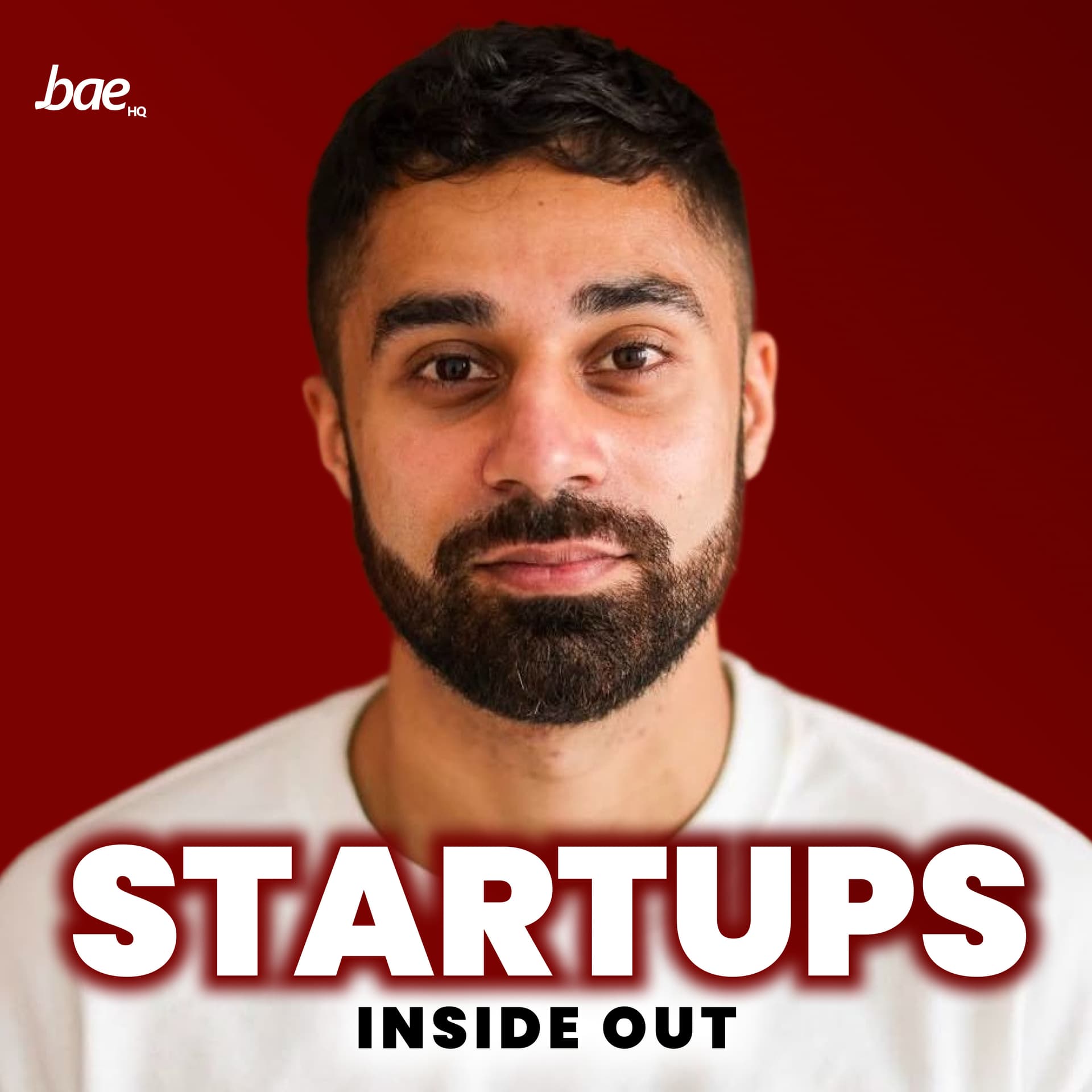
In short
Big Issue Invest’s Growth Impact Fund and how it backs “social unicorns”—mission-led startups led by underrepresented founders—using flexible “patient” capital plus heavy pre- and post-investment support, especially in the UK regions.
Guest
Hana Hussain, Investment Director at Big Issue Invest; heads the Growth Impact Fund. Background includes finance roles starting during the financial crisis (Halifax/Lloyds integration, EY, Morgan Stanley), then operator/venture experience in impact investing (including Silicon Valley), motivated by values-aligned investing.
Key claims
Invest in people more than ideas; founders have lived experience of the inequality they address, creating trust. Making money is acceptable if it scales impact and sustainability. Measure outcomes (improved employment/confidence), not just outputs. Regions have dire access to capital; social investment can help bridge gaps.
Notable examples
“Sociability” founder (wheelchair user building restaurant accessibility “ways equivalent”); Rucka Hair (community-based textured-hair products; impact KPIs in shareholder agreement); discussion of women’s health, care economy/assistive tech, and regional investor demo days.
Written by AI. May contain mistakes. Listen to the episode to check what was said.
Chapters
Tap a time to open that second in VOBig Issue Invest: Supporting Underrepresented Founders
0:45 to 2:10
Discover how Big Issue Invest empowers underrepresented founders addressing social inequities.
“So you hear from Big Issue Invest today.”
The Need for Social Impact and Trust in Investment
2:10 to 4:40
Understand the relationship between trust and investment in social enterprises.
“Good finance is a really good resource as well.”
Hana's Journey to Becoming an Investor
4:40 to 7:40
Explore Hana's unconventional career path and how it shaped her role in impact investing.
“And obviously, you didn't come from a traditional background for somebody who's now in this space.”
The Power of Representation in Investment
7:40 to 9:00
Hana emphasizes the importance of seeing diverse founders represented in investment roles.
“So I've been talking to quite a few people recently who want to go more down the apprenticeship route and things like that as well.”
Regional Investment Opportunities and Ecosystem
9:00 to 12:20
Learn about the rising investment opportunities outside of London and community support.
Challenges and Solutions for Asian Founders
12:20 to 14:00
Discuss the disparities in funding for Asian founders and how to address these challenges.
Challenges in Regional Investment
14:00 to 16:33
Discussing the disparities in funding for Asian communities and the need for regional outreach.
“So partnering with them is really key and opening up those discussions.”
Understanding Funding Types
17:16 to 19:18
Examining how founders can assess the right type of funding for their purpose-driven businesses.
Navigating Legal Structures for Startups
19:18 to 23:28
Discussing the importance of legal structures and balancing social missions with profitability.
Balancing Profit and Purpose
23:28 to 28:00
Exploring the necessity of making money to sustain social impact and community investment.
“So like all these places, they're making a difference.”
Show all 16 chapters
Impact Investing and Community Focus
28:00 to 29:28
Explore how impact investing is focused on community-driven initiatives.
Challenges for Underrepresented Founders
29:28 to 31:02
Discuss the difficulties faced by underrepresented founders in securing funding.
“And I think this is, you know what the challenge is for those underrepresented founders, getting that first institutional check is the hardest.”
Identifying Investment Gaps
31:02 to 33:19
Learn about the gaps in investment, particularly in women's health and the care economy.
“seeing the gaps where you wish that you get more companies who are like applying?”
Future Aspirations and Social Unicorns
33:19 to 34:49
Understand the aspirations for creating social unicorns through diverse investment.
Recognizing Influential Figures
34:49 to 37:04
Highlight influential figures in the Asian community making strides in investment.
“And I think the regional piece would love to be more involved and support on.”
Call to Action for Founders
37:04 to 38:35
Encouragement for underrepresented founders to seek support and network effectively.
“I think one of the most harrowing figures was like 0.2 % of investment goes to Asian female founders.”
Transcript
Automatic transcript. May contain errors.0:00Of the 139 investees or founders that we have, they've positively impacted 1.9 million lives in the UK.
0:07Amardeep Parmar:That's Hana Hussain, Investment Director at Big Issue Invest. All our founders have a lived experience of the inner quality they're addressing. Founders, they need to see people that represent them. And it creates some initial safety because trust is a big factor. If you do invest in people more than the idea, making money is not a bad thing. Like making money is to help you scale and be sustainable. If you're looking to build a startup which marries both social impact with good business, we want to hear Hannah's insights. Social unicorns. That's my next thing. I want a social unicorn, guys. That's what we're going to do.
0:48Amardeep Parmar:So you hear from Big Issue Invest today. Yeah. What do you invest in? Tell us about what you do. So Big Issue, think about the magazine that supports homeless people and creates employment opportunities. They created a social investment arm called Big Issue Invest. It was actually our 20th anniversary yesterday. So that was a fun celebration. And I head up the Growth Impact Fund. The Growth Impact Fund is dedicated to supporting underrepresented founders that are addressing social inequities. And I say inequities instead of inequalities because we want to create a level playing field. And we invest across sector.
1:21we do equity quasi equity which is a interesting product and then em debt as well so from 200k to 1.5 million without flexible patient capital and the other thing i've mentioned is we're really focused on the pre and post investment support so how do we help people get investment ready there's actually quite a few gaps that we see in more of the underrepresented communities and then how do you provide that post investment support mentoring coaching access to resources as well we can't just write checks so yeah and i feel what's interesting there as well people might
1:51Amardeep Parmar:necessarily realize that big issue has a fund right yes until i joined him i didn't know so there you go and then how does that work in terms of where the people are new to this where like a big issue's got a charity arm things like that yeah can you explain like people who don't understand why would they then create a fund too like how does that work together and yeah yeah so if you think about um big issue magazine and how it originally started um was around how do we help people with homelessness actually create an income because you have this vicious cycle of you try and get a job but you don't you don't have a bank account you try and get a bank account but you don't have an address so there's this vicious cycle right and and they really focus on if we help them sell a magazine they can take you know so if we charge them a pound they they can charge two pounds for it right and and that creates an income and then on the back of that there was a need for um a bank account and more of a network as well and that's how the social investment space started out but not many people know it because we always see impact VC so social investment is focused on social enterprises that are really mission driven and community focused as well but what we're seeing is an overspill of impact VC and like you know tech entrepreneurs that are really impact focused and want values aligned investors as well so I would say look at spaces like BSE better society capital do a lot resonance do as well of the big issue invest but just looking at good finance.
3:14Good finance is a really good resource as well. So if you've got grassroots organisations, you want non-dilutive funding, you want values-aligned investors, that's where we sit.
3:24Amardeep Parmar:And then how are you picking which companies you invest in? So it's tough, it's tough, we see a lot. So it's really hard because we are probably seeing more demand in pre-seed and seed. So we're trying to be a bit more flexible to cater to that. But we're really on the impact front and we see a lot of impact washing, right? That happens in the industry. One thing I'll say is social investment is really good at measuring and quantifying that impact. So we don't just say, oh, like 100 people trained. We'll say like 100 people converted into employment or maybe there's improved confidence levels, access to work, etc.
3:55So it's what's the improved outcome for the individual. So I'll give you an example like of the 139 investees or founders that we have, they positively impacted 1.9 million lives in the UK. So it's those kind of things that we're able to quantify and measure. And that's a big driving force as well. So we, in our investment committee, we have great entrepreneurs, impact investors and others. And we will say, OK, so what is that improved outcome? And what's the scalability of it? And how are they underrepresented? Or is there something in there that says, oh, we're targeting these communities? And regional is a big focus for us as well, by the way.
4:34So obviously my Yorkshire accent hopefully is coming through. You know, when we think about the regions, the access to capital is dire. Like, it's a lot worse. So that's a big driver for us as well.
4:44Amardeep Parmar:And obviously, you didn't come from a traditional background for somebody who's now in this space. Yeah, yeah, yeah. Can you tell us about that? Because I think sometimes people think if they're not from a certain background, they don't have a chance. Yeah, yeah. So, I mean, it's a bit of a wild background. But, yeah, I'll maybe just do a quick recap. So my career actually started in the financial crisis. Studying my A-levels. I was working part-time at Halifax. and you know a bit of money on the side as you do and then the financial crisis happened and we actually found out on sky news that we were bought out by lloyd's while we were sat at work so that was really interesting but yeah so and then like you know family and other things were drivers as well but i was like i'll take a gap year supposed to do chemical engineering at ucl and i was like we'll see where the gap year goes and then yeah i took a gap year and ended up working on the integration of the bank and just continued from there and i think for me then i never ended up going back into education um but I worked my way up at the same time I was like okay so if a graduate job is this level I need to hit that 421 and make sure that I've at least made the most of this time and what people and unfortunately internships and apprenticeships didn't exist at my time could have done with one then and but because I didn't follow the traditional route I probably got access to a lot more opportunities if I'm honest and I always had the attitude and I think we were talking about this earlier like you don't ask you don't get so I was always a bit cheeky and be like oh well can I do that or like you know can you give me something else to do I'm really bored but I was willing to do the work as well so you've got to be open-minded worked my way up there ended up working with a lot of consultants when I was because we moved into Lloyd's but like EY Accenture and others and I was like oh consulting you guys are so clever like I'd love to be a consultant but they only hire graduates right and he's actually one of the really good partners and David was like actually just come in as an experienced hire Hannah and I was like really he's like yeah yeah we can get you in so anyway so I ended up joining EY which was really good fun as well that again had really good mentors that supported me in that process worked at EY for some time and then one of my clients at the time Morgan Stanley was like why don't you come join us so it pivoted and pivoted but one thing I think that was always missing for me was that impact piece or how can I be more ethically and values aligned and and it always had that like you know conundrum I'll say like oh I'll go into consulting I'll do other sectors um because you know banking is making the rich richer unfortunately um and you try and create more accessibility opportunities but it's not always there um and then I was like okay how do I get some impact investing experience can I you know I did an operator role we talked about that um before but I'll go in as an operator and see if I can gain some experience worked loads of startups launched one of the awards with the Atari foundation that was really cool and then did some work with an impact bc in silicon valley but that was more like you know a what do you call the roles where you just it's more like a um venture partner no it was so it wasn't i didn't go in super senior i was definitely humble and not like a scout it was more like a uh so go in just to get experience to be honest so i went in getting deal flow it'll come to me after obviously the copy hasn't kicked in but you know just to get as much experience as i could i was like i want to see the type of deep tech deals you're doing they focus on underrepresented founders made the model work um and then once i was able to give free time guys free time and gain that expertise that set me up for this role and and it's network as well reach out to people ask questions get mentorship and it's the values alignment that really i think ticked the box and they were really keen for someone who's going to drive the mission of the fund as well and as long as you've got a supportive group around you like you don't need to know all the answers i think as you know when we're 100 % of you think, oh, can I 100 % do that job?
8:22And can I 100 % be confident? If you can do 30%, apply. That's not either.
8:27Amardeep Parmar:So I've been talking to quite a few people recently who want to go more down the apprenticeship route and things like that as well. And I think some of them worry about it and they ask me, like, oh, but what if I don't have a university? Like, is it going to hold me back? For people listening now who may be thinking, do I go down this path or do I have to get a graduate degree? Do you feel like it held you back at all? or what would you would you encourage people to maybe take your path or you know at least i'd say you know what it didn't stop me one bit right um i had no student debt realized like a lot of my friends are like still paying it off now um so that's definitely a relief and i think the other thing is you you get access to a lot more experience at a younger age like i caught my exec director well at morgan stanley like just hit the yeah that point i think or late 20s and it was like oh I'm sat in this room with like middle-aged people but you know you just always be your authentic self as well and they they love young fresh blood but you've also got to be malleable and willing to take the coaching and support and I was always willing to ask for help but also like learn from others you can always learn from everyone you meet right and so there's no there's no glass ceiling it's only the one that you put in your mind and and if you don't ask you don't get it so it definitely wasn't a barrier and you learn by doing everyone's um learning methods are different so if you learn by doing go for an apprenticeship and don't have any debt that's uh so i'll encourage and you mentioned before about the post-investment support right yeah and you think like your background like how has that then helped you to really support these founders yeah so um i think honestly and we were talking about this at our big issue event and big issue investor event yesterday and with our diverse founders that one of the reasons I became a fund manager is because I feel like for our founders they need to see people that represent them and it creates some sort of initial safety because trust is a big factor and what we found is when we invest in founders once they've got the money in mind then it's like oh shoot I've actually got this money now and there's accountability and you know what if I do things wrong and this kind of imposter syndrome and panic comes in so I think just having that coaching being able to appreciate the cultural nuances because you can't really relate unless you relate right so I think that's a really big one and then connecting them we've got to work harder for our founders I say this all the time we have to help them build out the team and the right you know hiring and firing process and you only learn that with expertise managing people and over time and then things like helping them further fundraise being that sounding board and we do a lot around like just well-being.
11:03A lot of social entrepreneurs are solo entrepreneurs, by the way, unlike more in the Impact VCs to basically have co-founders. So they do everything themselves. So they don't really have enough emotional support there as well. So we'll encourage them to get a co-founder. They've got us as a sounding board, that kind of thing, wraparound support. And we do grants as well post-investment. Maybe it's to help build out your impact framework. You go to market strategy, those kind of things.
11:28Amardeep Parmar:And you said it's all about the regions, right? Yeah. I see like you're based in Leeds most of the time right? I am based in Leeds believe it or not but I'm in London all the time it seems but yeah. And so many people think okay if I want to start a company I've got to come to London. Yeah no you don't. Yeah so tell us more about that what what's happening in the regions how are how are the support systems like you and like other people as well? Yeah. How's that ecosystem going and some people in London maybe being too high rent could you sell Leeds to them? Yeah I used to live in London the rent is definitely more expensive if yeah so i think the lead and many of the regions are happening so i'll start with like the social investment sector and i'd give a shout out to the key reach fund so um key fund sorry they're really good so they provide grant and investment specifically in the regions and they have just launched a sharia compliant fund as well which is pretty cool because social investment is predominantly lending and obviously interest is very pragmatic for us so that's like okay if you think about underrepresented communities whoa that's a whole new like host of people that we're going to have access to other ones i would shout out is um pretura ventures again manchester based they're doing really cool stuff in the vc space and then if you just look at as an investor of the entrepreneurs and communities universities are awesome like we have health tech med tech life sciences is booming in the north and and also around like sheffields have just opened one of their child psychology and tech spaces where they're doing more accelerators and sports tech as well so there's many community hubs we've got lifted ventures doing amazing stuff for female founders and creating obviously investment opportunities and then innovate uk and british business bank i do want to give them a shout out because they really connected all the regions so you know it's really about partnership and collaboration in the north once you meet one of us we'll connect you to everyone so it's super friendly and in that sense and yeah so like there is investment in other places and it's just being able to go out and like speak and connect to people as well so i don't know i think we've announced this we're going to be doing a lot more in the regions next year yeah so you've got some support now and backing to be able to do that yeah it's like part of the hiring and getting things like under control so we can go out and do that kind of roadshow as well yeah and like looking at leeds as well so obviously that's a queer hobby is right there yeah so like people again they're working in that region so they obviously can work with you what do you find sometimes the difference in mentality between different regions because like in the report we did right is we found that 80 of the asian funding the funding for asian founders is in london whereas compared to say 60 for the general population yeah so one thing that we we don't have we don't know why it's like why is so many more why is asian generally tend to get more funding in london compared to other regions yeah is that uh where is that coming from because obviously organizations like you exist is that some people are coming to london or what's happening are they not trying to build venture-scale businesses or what we're definitely trying we're definitely trying to know if it's happening but you think like even big issue investor based in london but one of the reasons for me you know being hired is like i wanted to get more regional outreach as well i think the challenge we've got is um understanding the access and availability So one thing I want to point out is like local authorities definitely have money and they're getting more money and power to be able to do things.
14:46So partnering with them is really key and opening up those discussions. It's just like, where do they go for investment? So we had a West Yorkshire combined authority investor forum and they brought founders in, they brought investors in, accelerators. And it was a really good conversation. We actually just had open discussions to what the challenges are. and they said like only a third of SMEs actually receive investment in the north and you're like okay so education and access and I don't know if it's a grassroots thing that we do but roadshows is definitely one and then money does exist in the regions but I think in the Asian communities it's old money so it's oh we invest in properties and you know it was good at one time it was really good it's not as good as it used to be the margins aren't it's great and and you know restaurants and food and that and if you think about it like inflation and other things it's actually really hard to run those type of businesses now and so startups are happening like Barclays Eagle Labs and a few others are doing things and some of those spaces are happening in the hubs but they're like big corporations so people like yourselves if you didn't accelerate in the north we would be able to and do that as well and Bree and Bradford do some amazing stuff as well Sonia so it's being connected to the communities but we would like to maybe do this is something that we're thinking about like investor demo days in the north how do you get investors to come up because coming down to London is not cheap answer and Eleni is going a bit wild right now um but you know how do we either bring investors up there I don't know if you've heard of crime yeah so there that's you know Gordon's a great job bringing people to the region as well but the Asian communities probably just don't know where to go Islamic makers also do quite well creating a bit more communities there and but we need to get them out the woodwork hello hello i hope you're enjoying the show so far i'm amadit palmer co-founder of bay hq and
16:39Amardeep Parmar:the host of this show for those of you don't know bay hq is the community for high growth asian heritage founders and investors in the uk over 7 500 people have attended our events 200 people have been for our impact programs and obviously there's been over 250 episodes of this podcast if you want to join us and take part in the program when it comes to the events go to bayhq.com forward slash join we also just released our first ever book called startups for outsiders which you can get amazon now and the link is in the bio hope to see you soon at our event hope you enjoy the rest of the episode and with those regions as well right the different types of funding and what's available yeah so obviously with the type of funding you give how when you're assessing a company how do you know if you're the right type of funding for them yeah and if somebody's trying to build a company with purpose how should they go about thinking okay which type of funding is best for me yeah okay great i mean at first that values aligned it's very it's very human-centered right so we really do invest in people more than the idea and i really want to emphasize that because you really want to understand the founder their journey so one thing i probably didn't mention i should is all our founders have a lived experience of the inequality they're addressing um i'll give one really quick example so matt from sociability is a wheelchair user and he's basically creating the ways equivalent for accessibility requirements for restaurants and things like that and he's you know quite young and it's quite hard to live with that but he's like actually we're just unheard and it's a nightmare you get to a restaurant the the lift isn't working and i can't eat and i'm like what's going on and and i can only empathize empathize with that because you know i've had a parent that's been a wheelchair user and i'm like it's a nightmare trying to get about so it's really important that we can connect as well um but having a lived experience and you can just see their journey and why they're so passionate about it so that's the one thing you know being malleable and adaptable and willing to take feedback like if you're too set in your ways there's only so much we can help you with um having drive and having awareness of the industry you're in now we know like obviously in the vc space you want people to have industry connections that's not practical when you come from underrepresented communities but if you understand the problem enough and you look you know you're aware and you're up to date with the latest solutions that's good enough for us to be able to coach you and guide you there as well what to look for as a founder what i would say is legal structures are more important than people think so in the social enterprise space we have like kicks charities uh companies limited by guarantee it was all a big learning curve for me when i joined this space um but all really good and then you obviously have like your crs so you know limited by shares your limited companies now if you're in the social investment space and not all of it but majority of the funding oh i'm sorry majority of the funding will focus on um this asset lock or profit lock that happens where you um you make sure that there's the mission is protected but also means you can't really commercialize the proposition so that's just one thing to be aware of because you can't really get equity type of investment that way and but we do offer equity as well and but if you look at the equity piece that's really interesting because you can scale a business you can have an impact but you have to have an impact mission or lock so it's just balancing the two who do you want to get money from if you want to go down the vc 10x route then go through the limited company structure do you want to go through angels and vcs and that kind of route if you want to be more grassroots level look at social investment and the grant space but it really depends on how you want to scale and your IP think about your IP as well and but what we are seeing as an emerging piece is that the social investment sector is probably going to submerge with impact VC that's my hack offices because when social investment originally started there wasn't impact investing and they were more social lenders and they've enabled a lot of impact grassroots organizations however now if you look at the industry are you going to take social lending like at an early stage or you're going to get equity which gives you way more runway you don't have a repayment so yeah we've got to keep on our toes and try and flex to that a bit more so we're the same problem we started out of we've got a cls and we've got a clg so there you go everyone's got two you know because it's like some things it doesn't quite like because we do a lot of different things that what fits into which bin and it's a constantly evolving problem for us of like yeah what's the best way to do this and like what's most tax efficient where's the it's also the reporting structure if you've got a CIC you've got a charity reporting like if you're a small business or is anyone of you there's so much you have to do and it's like is that then limiting you and then you can't just do it and it's like okay if you do a full profit business if you can make more money then we could have more revenue to then just pump back into the impact and there's always different questions we're trying to ask ourselves what exactly is the best way because I think sometimes people go in the mindset like you should be pure you should be a charity no the actual like underlying what that means isn't so simple as that you can probably explain there is no like and i and i definitely don't have all the answers there is no perfect answer but i will say like we've seen a lot now we're seeing more companies that have the limited company and they'll set up a kick be able to be able to do more impactful stuff so maybe one will buy from the other to enable it that's quite an interesting way i think there needs to be a new legal structure that accommodates both because the challenge i have is we invested underrepresented in fact, underrepresented founders that are doing amazing things.
22:05Like, what's the worst thing that's going to happen? They're going to create generational wealth that they reinvest back into their communities. And that's typically what a lot of exited founders do. Look at Lewis Hamilton and his journey is a really interesting one. And he created Mission 44, which then has just been renamed, but focused on investing in ventures and young entrepreneurs from diverse communities. So everyone ends up giving back to where they started. So we want to create more generational wealth. but I do think there needs to be some sort of mission and social impact focus right that it gets protected and we're not just chasing money because we don't want to go down the capital capitalist route either so there's that that medium that we're trying to get to I think one
22:44Amardeep Parmar:thing I've seen quite a lot of you probably see is too is where there's a lot of founders doing good stuff but they're kind of always on the bread line yeah and then you can't do your best work if you're worried about can I pay rent or can I do this it's awful and it's I think it's a process we've gone through over the last few years okay we're going to be this we're going to be that I was like, actually, let's make a load of money. Yeah. Because then we can just start planning long term. Yeah. Whereas if you can only think about the next month, how am I going to pay rent or how am I going to do this?
23:08It's not strategic, is it?
23:09Amardeep Parmar:It's not strategic and you can't make the biggest impact in that way. But it's a thing which when you're not from the space, you try and mentally wrap your head around it. Yeah, yeah, yeah. There's so many people, you guys should make more money. But then it's like, well, you have almost an internal locust of like, no, that's wrong. It's like, actually. It's not wrong. It's not wrong. You're okay to make money. It's if we're making money and it's also especially if we support startups so if we're supporting companies that are profit driven then us making and I think that's one thing we're kind of shifting towards like let's make much more money because then that money we create means that we can pump it back in rather than begging for it right or like having to like go ahead You can't last off a donation model right so I 100 % agree and like making money is not a bad thing and like you know we pay for so many different things in like in a day to day like why would we not pay to be part of a network that's adding value that is like values aligned for all of us right so i think like making money is to help you scale and be sustainable and then if you think from an investor's perspective first thing we look at is traction right so and it could be traction by level of sign up interest users retention whatever but then we also do look at revenue and we do look at like you know can your balance sheet take any more money like you know those kind of things so um it is important and And it's like, it's about getting to a point where you can demonstrate a certain amount of traction and confidence to then further fundraise.
24:30And I think equity does change the game up a bit because you're, and I think a lot of the angel syndicates that are spinning out now in the more diverse groups, like Untitled, like, and Mina Angels and many others, like, they are starting to shift a bit more because one person is another person. And is it Araya Ventures as well? Yeah. So like all these places, they're making a difference. so definitely demonstrating traction and making some money is important and that helps build your story when you go to the investor we just need to see some traction to be able to go to the next level right but also look at grants available and acts and invest investors as well and what i would just really quickly say is look at it from like the solution you're building does it align to their sector thesis the type of founder they're looking at and then the region as well so like it might be that they're just focused on founders within a certain region you tick one box applying they're focused on underrepresented founders you tick a box apply or consume the goods so just try and obviously be intentional we can tell when people apply and they actually haven't looked at anything by the way it's completely that's not even our ticket size and they're applied so yeah it's like definitely try and get money in because it does help and it
25:37Amardeep Parmar:does enable it's like for the podcast you get so many emails being like hey i feel like a great guest through the podcast and it's somebody based in like the us i'm like this isn't like you read it's like like have you looked at like the podcast it's in person in a room like how did you but it's obviously you're just way i don't know in the actual us is their demand i guess are you seeing on the grant side of things a lot of now ai generated things and can you tell and like does it affect your perception of them yeah so it's interesting because so we don't have a set like grant application on our side but um i think tech is a really really interesting conversation in the sense that it's coming we know it's coming i think like you know making chat gpt access accessible to the public has obviously opened up many things um is it creating a more of a level playing field in some ways it is in some ways it isn't there's pros and cons i think in the social investment space at the minute am i like it's like it's not really getting utilized so a lot of these organizations are doing things at a grassroots level and really high operating costs So I think there's a piece where can we use it in a good way to like have more efficiencies, just use software as a service, pay a subscription, make your lives easier, you know, those kind of things.
26:49And can we use it to be able to create better access to finance? Because you don't know what you don't know. So this is our problem. We can't reach these communities, especially in the regions. So how do we become more accessible working with the local authorities? but being able to pan out like say like say for example i'm this founder this is the amount of money i need this is a type of business you could put it in and it could give you some guidance as to what's available i think those kind of things would be really useful um but we also want to make sure like technology doesn't replace people in the sense that like i see it as an assistive technology and but one thing i really love about the social investment space is the people connection the community building and so it's making sure we don't lose sight of that as well and i guess
27:33Amardeep Parmar:the challenge with that too is that if you're investing in the people side of things but other people invest in the ai side of things yeah how do you then balance out because you're trying to then kind of back one side and then i think it'd be very interesting in the future right like how's that going to play out and i think especially when you look at it's difficult because there'll be a lot of people who come to ai ideas it's okay the main thing this is doing is working out a ton people's jobs 100 and it's like okay that makes money in the short term but if nobody has jobs then nobody's going to buy anything in the future too so it's like how do you i think it's a very hard thing in your position to try and work out you want to do it effectively right right and um and i was listening to a podcast you know mo godat that's me he's an interesting guy and he's like oh we're going to have this period of dysphoria and then we're going to hit this utopia and i was like utopia is that really in the in the side in the sense that jobs will get replaced and then will people um get to a point where actually everything's done for us and we can actually spend time on what we want to do not sure i'm fully convinced we'll get there and maybe in our life uh times but i think for us at the minute it's around um staying around people centered so i'll give you an example of an investment that we've done so rucka hair really focused on providing products for texturized hair tende and diga are amazing founders and um you know we are one of the first like impact investors on their cat table which is really interesting because they're actually all built around community so they worked with community salons they created community spaces for them to come and speak about you know their needs that aren't met and how do we create more beauty standards because there isn't any by the way there isn't any untextured hair which is like really unsafe and you're like wow okay like we're like a big part of the population and so they were always built around community building and they wanted to really you know protect their impact so we always have impact kpis as part of our shareholder agreement so it's built in the um the the agreement with us and that makes sure that we keep honest and we report on that on an annual basis we'll publish those results i think that's a good way to do it as well but you know when i when we switched those founders it was like oh we wanted a values aligned investor and we see here that's so much or you know we need that cornerstone investor that's going to take a chance and they've done really well in the hitting pre-series a and i was speaking to hannah from unfabled yesterday um again done amazing work to get where she is and we were just talking about how people don't appreciate how hard it was for them to get there and how messy the cap table is and how many small checks they took to get it looks like oh they've just made it because they've hit a 1.3 or 3 million round but actually like it took so many angel tickets and graft to to get there so that's the bit that i think goes unnoticed that we need to really do better on it's one of the things i tell people as well is that when they're trying to get that scrapper right at the beginning yeah make sure you talk to somebody a little bit more advanced just to understand how that makes the cap table look because if they're doing a lot of putting to other investors it's not going on yeah so it's just like trying to it's not that you shouldn't take that money but it's just working like how do i make this most efficient or how do i put this in a certain way because if you've got say a thousand investors then if you haven't done the covenants and the terms correctly.
30:40It's really messy, you're right. And I think this is, you know what the challenge is for those underrepresented founders, getting that first institutional check is the hardest. So having to get to an institutional level through smaller tickets, you know, our hope is that we would be that first institutional check for those underrepresented founders. That's where we want to get to.
30:58Amardeep Parmar:And we mentioned a couple of different things you've invested in so far, but where are you seeing the gaps where you wish that you get more companies who are like applying? yeah yeah great great question so some of the hot things that are on our mind i think a few things so like women's health is a really big one and there's just well 50 of the population i think like two percent goes to like research goes to we're in wild um you know and 80 percent of awesome immune diseases from women so there's so many things that just go unheard of and maybe our parents generation has just dealt with it quieter and weren't able you know they didn't really express it as enough seven women's health is a really big space um i also think like you know the care economy we're an aging population and obviously of Asian backgrounds can't put parents in care home it's definitely not an option um but you know there's a lot more assistive tech and if we think about the generation before us not everyone was in full-time work we all are now so like what kind of things can we do to be able to allow older people to live for longer in a better quality of life and with independence because you know it's really hard like the crowd right so and i think it's that amplified in asian communities like you're like oh you know let me do that for you no i could do everything myself um i don't want to use a walking stick someone's gonna see me so it's those you know is there more assistive technologies that can help in that space um so someone else was saying there's like telehealth um that can detect stroke early on can detect falls and things like that in asian communities blood pressure diabetes all those things are rampant so and there's a lot in the health space we can do a bit more on um then the other thing i would say is um so the needs are not in education not in employment i think there's a lot going on in employability employability but like what we're doing for the younger generation that's going to be the future workforce there's the workforce of the future right so like there's a lot of we live in a time of like confusion there's misinformation there's there's a lot of scary things happening out there and you just if i like i'm grateful i'm not in that generation but like where do you go what is the right career what job's not going to be replaced and you know like going into law there's like what are the chances of getting lpc and a placement and all these things it's really hard so i think if we can do a bit more on the coaching and building the soft skills the soft skills no one talks about but they are the ones that help create your foundation so i think things like that would be really good i'd love to do more with like schools and that in the generation as well so like can we create employability opportunities can we um understand how tech's gonna enable us um and and even the more deprived communities how we're going to use tech how we're going to educate those kind of things as well so just for a go to quick for your questions oh gosh go on so we have a thing you've been doing so far because you invest right yeah what would be like and say you're sitting here in 200 episodes time two years time you'd have to say like oh in the last couple of years you've done this okay that's a really good question i'm glad you didn't say that 10 years time that's too far because what we do is we're gonna have a tv up here we're gonna play what you say now are you and then when you come back on then you're gonna be like oh we did that we didn't do that we'll see what happens i know okay amazing so first i think what would be really good is being that um that flexible patient fund i would love to be able to have things like you know shower your compliance so we can access more communities flexible in like the different types of products we offer and equity and being that first institutional check for underrepresented founders i'd love to come back and say actually amara we've invested in x amount of founders of diversity that have built these communities number one and have solved these social inequalities and and you know opened a lot more doors for them as well and that that ends up kind of building on that success and having those social unicorns that's that's my next thing i want a social unicorn guys that's where we're gonna go so thanks so much for everything you shared so far yeah thanks so quick quick five questions gosh oh go on they're not that scary don't worry you never know them are you never know so the first question is who are free asians in britain you think are doing incredible work and shut them out okay so i was i think we're talking about prio barrier who's a female investor um and created her own investment firm to focus on women's health the reason I say this is because it's really interesting in the sense I speak to a lot of female entrepreneurs and the challenge they have is sometimes they don't get as much support from female investors actually it goes the other way which is well to hear so just you know set up your own fund focused on women's problems amazing to hear and when you think about culturally as well there's a there's a genetics that are different in Asian communities for example so and that's solving a real problem and i would also give a shout out to arafa and zahid at muslimic makers and like yourselves they've created like i think it's probably the biggest muslim community tech community in europe because we're in the uk it's all it's all they've all taken you know like um i remember like going to one of their first events have like 300 people the last one was like you know one and a half thousand people and it's about educating like what does tech mean how can i do it how can i empower network those things i think community love it it's great and then i'd say you guys like i really love what you're doing because i think you know we see a lot of asian communities doing different things but no one's really fixed the startup gap um and we see wealth in the older generation but it's still quite an old school mindset so i think connecting those two i'm glad you guys have done it because i can do it so uh Kudos.
36:28No, seriously, it is really hard. And I think the regional piece would love to be more involved and support on. But how do we connect the dots and how do we join alliances and be able to create more impact? There's more commonality than differences. So, yeah, ones to watch for sure.
36:44Amardeep Parmar:Thank you for that. And we all can say we're the biggest Asian startup founder community in Europe as well, because I don't think there's another one in Europe. So we win by default. You know how many people, and before we met, you know how many people said to me, you need to meet Amar, you need to meet Amar. And I think even just having that, you know, the launch of the new report and congrats on that. But like, you know, you're in there. I think one of the most harrowing figures was like 0.2 % of investment goes to Asian female founders. We always say 2 % goes to female founders, but 0.2%, guys.
37:15That's like ridiculous. What, like, what were we doing wrong? Like, so I would really love to be that bridge to Starfix and that and being part of the solution.
37:23Amardeep Parmar:And if people want to find out more about you, more about Big Issue Invest, where should they go to? Yeah, so check out Growth Impact Fund, just Google Growth Impact Fund. And all our information is on there. And even just Big Issue Invest. And we have different types of flexible patient capital. The other thing I would say is, like, even if, and I do a lot of, like, founder, mentoring and coaching as well. So happy to support where I can. I'll connect you to the right person. And, you know, if it's not an investment for us, we will feed you back into the ecosystem. Like, I think there's always a responsibility for us to do that too.
37:52Amardeep Parmar:and is there anything that audience could help you today anything it can help us with today i think just really getting out there and asking for the support that you need as well like you don't ask you don't get and network like crazy you are as valuable as your network i hate to say it's one of those things isn't it but um yeah reach out and the last thing i'd say is that also like for underrepresented founders that what are the challenges you're seeing and um like come and speak to us and connect with us because we are a learning fund so one thing we really want to do is at the end of this is share insight and reports us to some of the challenges that are being faced and how the industry needs to shift and support that so if there's any particular challenges people are seeing please speak to us as well we'd love to hear from you so that's it we're all done thanks so much thanks for having us
From the publisher
Amardeep Parmar from Bae HQ welcomes Hana Husain, Investment Director at Big Issue Invest.
Amardeep Parmar: https://www.linkedin.com/in/amardeepsparmar
Hana Hussain: https://www.linkedin.com/in/hana-hussain-11003634/
Big Issue Invest: https://www.bigissue.com/invest/
👉🏽 Take Bae Startup Foundations free:https://www.thebaehq.com/courses/bae-startup-foundations
👉🏽 Join Bae HQ:https://www.thebaehq.com/join