In short
Startups Inside Out - Episode 294 Summary
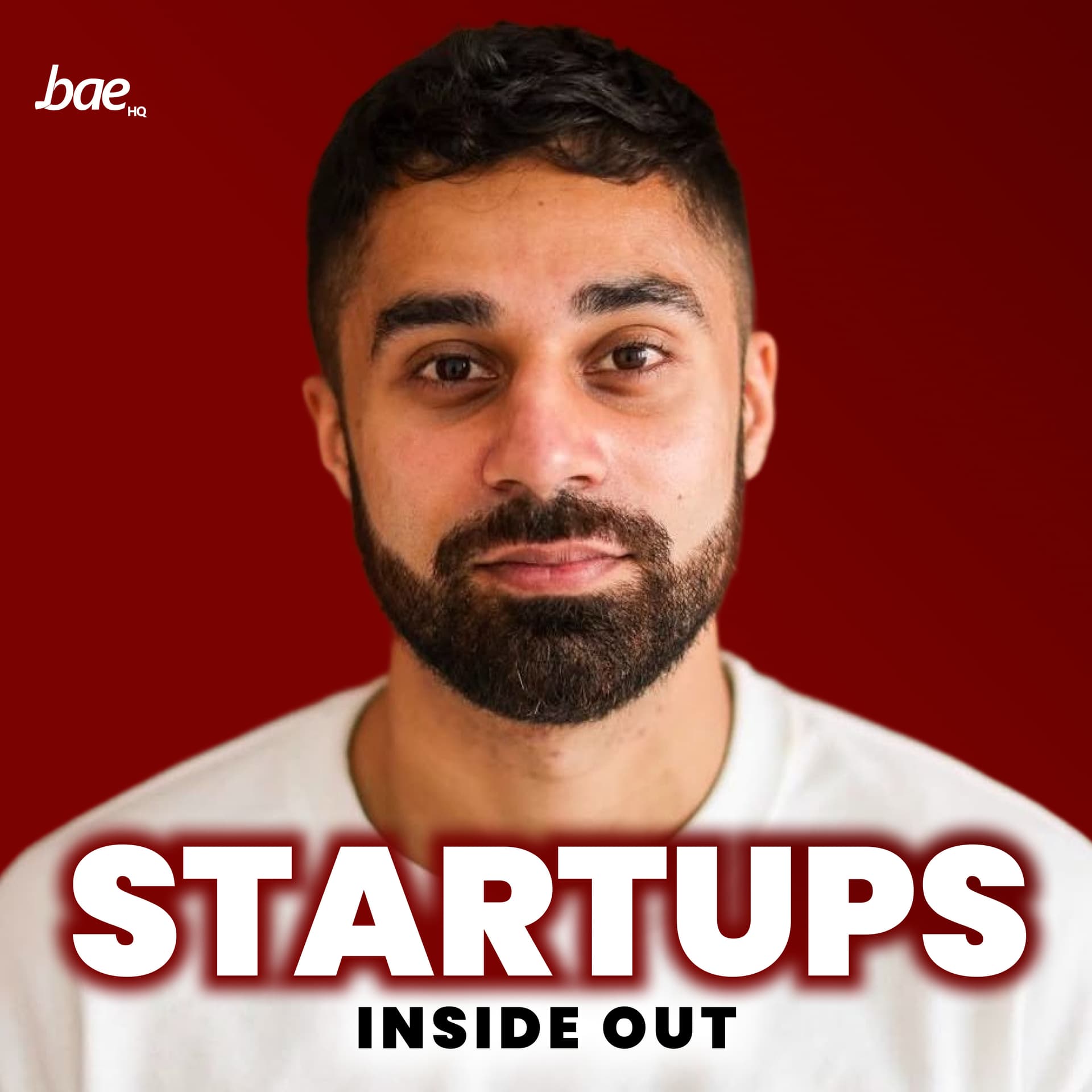
Podcast Overview Title: Startups Inside Out Description: A podcast providing insights into the entrepreneurial world featuring scaled founders and experienced investors, along with educational masterclasses from Bae HQ cofounder Amardeep Parmar.
Episode Details Episode Title: Meet the Head of Operations at Europe’s Top Early-Stage Tech for Good VC w/ Yumi Tsoy | BGV Episode Description: A discussion featuring Yumi Tsoy, Senior Partner & Head of Operations at Bethnal Green Ventures (BGV), focusing on their investments and operations.
Key Takeaways
Overview of Bethnal Green Ventures (BGV)
- Investment Focus:
- Early-stage tech companies that address social and environmental problems.
- Sectors include healthcare, climate change, and financial inclusion.
- Emphasis on businesses where impact is integral to the business model.
Investment Strategies
- Early-Stage Investments:
- Targeting companies in the early ideation phase, often before formal incorporation.
- Using community outreach and educational events to attract diverse founders.
- Selection Process:
- Assessing companies based on their understanding of the problem they aim to solve.
- Importance of the unique insight from the founder and their personal experiences related to the problem.
- Evaluation criteria include the team's commitment to solving the problem and their expertise.
Program Structure
- Cohort-Based Model:
- BGV runs investment programs bi-annually, investing £60K in about 10-15 selected companies from approximately 500 applicants.
- Focus on creating a supportive community among founders and facilitating networking opportunities.
- Follow-On Investments:
- BGV has the ability to lead further investments up to £1 million in promising companies from their cohorts.
- Criteria for follow-on investment become more sophisticated, requiring measurable progress from the startups.
Impact Measurement
- Theory of Change:
- Companies must articulate their impact strategy, detailing how their solution addresses the identified problem.
- Early-stage impact assessment focuses on basic metrics regarding user engagement and effectiveness of their solution.
- Portfolio Impact:
- BGV's portfolio has positively impacted over 22 million people, with a focus on diverse sectors and customized impact strategies.
Trends and Challenges
- Shifts in Application Trends:
- Notable increase in AI-focused startups, shifting from previous trends in sectors like healthcare and sustainability.
- Common Pitfalls in Applications:
- Lack of clear linkage between problem and solution is a major reason for application rejection.
- Founders often need to demonstrate real engagement with their target market and users.
Community and Support
- Community Value:
- Alumni report benefits from clarity, confidence, and community, describing the experience akin to being accepted into "Hogwarts" for startup founders.
- Emphasis on collaboration and shared resources among cohort members to boost growth and learning.
Future Aspirations
- Looking Ahead:
- BGV aims to complete investments in 100 promising companies over the next two years, with a focus on creating impactful solutions.
- Continued evolution of the startup landscape, with hopes for innovative solutions addressing persistent global challenges.
Conclusion This episode of Startups Inside Out provides a comprehensive look into the workings of BGV, highlighting the strategies, challenges, and successes of investing in tech for good. Yumi Tso's insights into the early-stage investing landscape underscore the importance of community, impact measurement, and the evolving trends in the startup ecosystem.
Written by AI. May contain mistakes. Listen to the episode to check what was said.
Chapters
Tap a time to open that second in VOInvesting in Early-Stage Tech for Good
0:45 to 2:15
Yumi explains BGV's focus on early-stage tech companies addressing social and environmental issues.
“And you said as well, it's the very earliest stage you're investing in.”
Finding and Assessing Early-Stage Companies
2:15 to 4:30
Discussion on how BGV identifies and evaluates potential investment opportunities at early stages.
“How do you try to assess like who's the right fit for you?”
Cohort-Based Investment Model
4:30 to 6:45
Yumi outlines the cohort model for investing and the benefits it provides to founders and BGV.
“amount into every company that we select.”
Evaluating Follow-On Investments
6:45 to 8:30
Insights into BGV's approach to follow-on investments and assessing company progress.
“So we definitely like backing our companies, and particularly if they're successful, we continue doing so up until Series A.”
Measuring Impact and Change
8:30 to 11:25
Yumi discusses the importance of metrics and impact assessment for companies at BGV.
“So what you have to do later on, once you have raised funding, then it's more, okay, now you need to show that you are creating the change that you set out to do.”
Success Story: Aparito
11:25 to 14:03
A case study of Aparito, a company that improved access to clinical trials through technology.
“So we look at kind of systems change impact, how did you change the way that people think about problem or how did you change kind of resources or network flows kind of within your industry.”
AI's Impact on Startup Applications
14:03 to 16:42
Explore how AI is transforming the startup application landscape and what that means for investors.
“And you've been using some of it yourself too right on the back end and trying to figure things out there.”
Understanding Application Drop-offs
16:46 to 20:04
Learn about the common reasons startups fail to progress through the application process.
“So when you've got 500 applications for say 10 places, Where's the biggest drop-off?”
Valuable Alumni Insights
20:04 to 22:31
Discover what alumni of the program find most beneficial from their experience.
“Well, people tend to say it's like clarity, confidence, and community, three Cs.”
Creating Cohorts that Complement
22:31 to 24:14
Understand how BGV structures its cohorts to ensure mutual support among companies.
“to just set up their company to work through investment questions and understand what are the terms of their agreement, what applications they're going to have.”
Show all 15 chapters
Community Engagement in Investing
24:14 to 26:51
Learn about the importance of community engagement in the investment process for founders.
“commercial development, and so on, just so that everyone can essentially support each other, depending on where they are.”
Future Aspirations for BGV
26:51 to 28:00
Listen to future goals for BGV and expected trends in applications over the next few years.
“because it strengthens everyone at the same time.”
Investing in Solutions for Societal Issues
28:00 to 29:59
Discussion on the importance of investing in companies addressing societal challenges and trends in applications.
“I think it actually, the applications that we see, they do really reflect like the time that we live in in some way or another.”
Highlighting Innovative Founders and Their Impact
30:00 to 30:58
Yumi Tsoy shares inspiring examples of founders creating impactful solutions in various sectors.
“I'm sure we're going to get more AI, and maybe more companies now trying to make AI more responsible, which I think is needed.”
Promoting BGV and Its Initiatives
30:59 to 32:51
Yumi discusses BGV's activities and how it connects with the community.
“they're doing like lots of really cool stuff and worth checking out.”
Transcript
Automatic transcript. May contain errors.0:00Amardeep Parmar:Great to have you here today, Yumi. Can you tell us what you invest in and what Bethlehem Green Ventures does?
0:05Yumi Tsoy:Yeah, sure. So BGV is an early stage tech for good VC. We invest in really early stage companies using technology to address social and environmental problems. So think kind of healthcare, climate change, financial inclusion and things like that. We invest really early and particularly we're looking for businesses who make impact into the business model. So that means the more a business sells, the more impact there should be. So for us, the two very much go hand in hand. And we believe that impact and commercial success not only go together, but they also essentially are the future of how tech and venture will develop over time.
0:49Amardeep Parmar:And you said as well, it's the very earliest stage you're investing in. And that's obviously a unique challenge in itself, right? Because you've got to get people before they've got too far or before they're no longer in your remit, right? How are you finding those companies or how are you trying to assess people at their very early days?
1:03Yumi Tsoy:It's hard. It's kind of due to the nature of it. You don't often see founders who haven't incorporated their businesses yet or just thinking of the idea, kind of going to events, for example. But we just try to be as open as possible about what BGV does. So we run lots of investment Reddit events. We go to communities with... women founders with ethnic minorities, with people from different socioeconomic backgrounds, and we really try to tell them, hello, this is how venture works, this is how investment works, and that you can also do this if you're interested. And we have quite a big effort within our team to make sure that our team is also available for kind of one-on-one conversations.
1:48Yumi Tsoy:We go to different regions, like we network a lot. So yeah, and then I think the vast majority, you know, all of our deal flow is actually inbound. We rarely, I think we'll actually never go out kind of and target any kind of specific company. Like we just, we do the other round. We kind of try to be as transparent as possible about our process and what it all kind of takes to build a business so that people would then want to come to us.
2:14Amardeep Parmar:And obviously when people are at that early stage, they don't necessarily have a track record yet or any traction. How do you try to assess like who's the right fit for you?
2:21Yumi Tsoy:I think in the absence of solid data, we often look at what's the company's hypothesis for achieving the change. So you might not have lots of spreadsheets, but if you can explain what is the problem you're solving, why is it important, and what's your unique insight into it, that's really a really good start. Even best if you can then explain how your solution addresses it. Often, I think what we see is a really big problem scenario, for example, this climate change, and then the solution can be something like carbon reporting software. I think that doesn't make it clear what the link is or what's the founder's unique insight into it.
3:01Yumi Tsoy:And actually, when we see founders who tell us they've learned about the problem because they've worked in the industry or they've lived through it, that's a really compelling case. We then will look at, you know, did you actually kind of talk to other people who experienced the same problem or did you test the prototype? But kind of having that kind of really strong understanding of the problem initially is kind of definitely one of the most important factors at that stage. And kind of on top of that, obviously, we look at the team. Like it might be that your idea is great, but are you the right team to make it happen?
3:33Yumi Tsoy:and so we look at like what's your unique expertise like how how have you learned about the problem do you have the necessary skills in your team and if not like you know how you're going to kind of gain them or who you're going to hire in the future and just also like commitment like we we want founders who are really committed to solving the problem kind of probably more so than kind of creating a particular solution because you know as you know founders more often pivot and change what they do, but being really focused on making change in some shape or form, I think is the critical point of that, critical for us at that point.
4:14Amardeep Parmar:And you also run like a cohort-based model, right? So you're investing in batches and you have a huge application pool all the time. Can you tell us through that process and why you do it in that way as opposed to, say, just general investing?
4:25Yumi Tsoy:Yeah, so we run a program twice a year during which we invest 60K, which is a fairly small amount into every company that we select. We choose roughly 10 to 15 companies for each cohort out of about 500. So it's actually very selective. And the reason we do it is one, it gives us an opportunity to create a very operationally driven programmatic approach to investing. So we can invest in 25 new companies every year fairly easily, as easily as we can. But also important for founders, it means that they all start on the same kind of level. They all get investment, they all get access to content resources, but more importantly, they get access to the community.
5:10Yumi Tsoy:So they see the BGB team regularly during the program and after they get to meet other founders in the community or investors. I think that is often the most valuable part of the program and that you don't really get to see when you just come in for one meeting with a VC and then leave. So it's a really valuable relationship piece and gives BHV also an opportunity to get a better insight into how do the teams actually work, perform in person or very close up and gives us better insight for follow-on decisions for later on in general in terms of understanding like how can we support them where should we prioritize our effort etc so let me and gara
5:59Amardeep Parmar:going for this at the moment right with fund modeling and how it all works and then when you're putting in 60k tickets you'll need some of them to do incredibly well to make about the fund right how do you think through that and the follow-on decisions and how you kind of make sure all that because you've got to answer the OPs and stuff too how do you think through that of like once you've done the initial investment who are going to be the ones who maybe hopefully return
6:19Yumi Tsoy:the fund yeah so well 60k is just the beginning yeah um so we've recently actually not recently two years ago now but it feels recent we've raised a new fund called bgb2 which is our largest fund to date and and with that we have the ability to lead and um co-invest into the most promising ventures from each cohort. So the number varies, but essentially that figure is up to£1 million into the most promising company. So we definitely like backing our companies, and particularly if they're successful, we continue doing so up until Series A. So hopefully it's not just invest 60k and then wait to see what happens for 10 years.
7:02Yumi Tsoy:Because yeah, I would agree that would be quite a long and challenging wait probably um but yeah like we i think kind of having that inside program is really valuable um and then follow on like our criteria for investment obviously uh become more sophisticated we want to see more progress we want to understand like what are the new news essentially since the program um whether that's on the fundraising front uh on the product on testing commercials um and so on so we only kind of yeah kind of continuously about kind of companies that exceed the expectations.
7:37Amardeep Parmar:And because you've got the dual mandate, right, of both profit and passion, right? The profit and purpose. On that purpose side too, how are you assessing companies to see whether or not they're making the kind of impact that fits your thesis and whether or not it's something which is going to really make a difference?
7:51Yumi Tsoy:Yeah. So the earlier stages, it is really about that kind of initial hypothesis. In more formal impact speak, it's called a theory of change. So we look at what is the path from problem to solution. And the theory of change is a really good framework to kind of going through the process like in a very kind of structured, logical manner and then creating a way for kind of testing whether you have followed actually that path. And then the absence of data, like lots of investors, but especially impact we see is like, we'll look at that kind of hypothesis. Obviously, that's just the beginning and you can't go on that for another 10 years.
8:31Yumi Tsoy:So what you have to do later on, once you have raised funding, then it's more, okay, now you need to show that you are creating the change that you set out to do. So we want to see some very basic impact data. So I think I wouldn't think of impact data as something kind of scary or difficult or side project. It's like, who are your kind of users? like who are you actually helping like that should be something that any business should know respect business like impact or not then um what kind of change are you creating for them like so that which essentially like how effective is your product and doing what you've set out to do so if you're a company that's um you know trying to prevent diabetes like and you know through an app like are you actually doing it and if so how do you know because your uh users are telling you Do you know because you have a biosensing tracker that can tell the changes in your glucose levels?
9:27Yumi Tsoy:Just like, how do you know? How confident are you in that knowledge? But initially, it tends to be kind of very basic data to see, okay, who's using it? How are they using it? How many? So, like that. And as they kind of grow to seed in series A, obviously, again, the standards increase even more. Then we want a little bit more extended validation. We want to see whether, like, you know, has anyone else kind of tried doing what you're doing? Like, have you worked with third parties, regulators, or I don't know, kind of anyone else who could kind of potentially verify what you've done? And yeah, kind of is it, you know, to what extent is it replicable rather than like a one-off, yeah, kind of outcome.
10:10Amardeep Parmar:And you also ran a session for us right before about how you track your overall metrics yourself to do you have like for the audience where like how much impact has BGV made through all your
10:22Yumi Tsoy:different investments oh this is a good test I think today so we've been around for about 12 years our portfolio companies have they have positively affected a lot like 22 million people they've also all like increasingly kind of companies that reach series a are all at that kind of higher end of like evidence so they can all verify what they've done through clinical trials through external research and so on but we actually we don't set any kind of high level portfolio targets because our portfolio is so diverse in what they do we have companies some of whom who are addressing education others are trying to improve like energy systems like there is no one metric that can summarize all of them so what we do is we look at each company individually and we work with them to answer what are that company's specific targets, like how have they progressed and what kind of change or what impact does it have on like I guess sometimes like the broader system, especially if they're an older company, we like not only like did your app or did your, I need to stop using app as an example, but did your B2B software help people but also like what did it do to actually like make a dent in the problem that you're solving.
11:45Yumi Tsoy:So we look at kind of systems change impact, how did you change the way that people think about problem or how did you change kind of resources or network flows kind of within your industry. So yeah, we look at a combination of different things, but there's no kind of one holy grail metric, unfortunately.
12:05Amardeep Parmar:Of some of the investments that have gone to say, series A and beyond and gone a bit further, have you got examples you can give of like what impact they've made in their particular issues?
12:13Yumi Tsoy:Yeah, I think probably one of the most recent examples that comes to mind is a company called Aparito. We've invested into them, I think, around 2015, which is actually before I even joined BGV. It's created by a founder called Ellen, who's a nurse at Great Ormond Street Hospital. And through her work, she saw essentially the difficulty of people accessing clinical trials, because a lot of time you have to come in, stay in a hospital for two weeks, do lots of tests. And this was particularly inaccessible for children or people with rare diseases. And so her company created a solution that would allow people to collect clinical trial data remotely and digitally.
12:58Yumi Tsoy:And so they've been doing this for, I think, about 10 years until last year they got acquired by Eddie Lilly, which is like one of the largest pharma companies in the world. So now the solution is really getting scaled like throughout the world, like, yeah, and improving like research, improving clinical outcomes, and particularly also like for people who wouldn't have had access to that otherwise.
13:22Amardeep Parmar:You said that was before you joined BGFU. You've been at BGFU for quite a few years yourself.
13:27Yumi Tsoy:Yeah, about six and a half years.
13:29Amardeep Parmar:How have the companies that come into you, have they changed the content of what they're focusing on? Has it been quite consistent?
13:34Yumi Tsoy:I'm probably not going to surprise anyone by saying there's been an increasing number of AI companies in our list, whether that's AI powered, which I think is essentially like using ChatGPT or a genuine new foundational model. There's been a lot of AI, both in the actual within the business models, but also in how people run the companies or companies applying. It does feel like it's absolutely everywhere. and yeah I think that's really kind of interesting in the sense that it does change the landscape a little bit because it's much faster it doesn't take much time to alter the develop prototypes to test the product to find information to create content market yourself so yeah like that that has been quite a big change I think we you know I think if they are used to be you know we've seen a significant number but a much smaller I don't know maybe less than kind of 20 percent of companies I think now in our pool of applicants I'd estimate probably over 70 have an element of AI or at least they mention AI in the application yeah.
14:41Amardeep Parmar:And you've been using some of it yourself too right on the back end and trying to figure things out there. I appreciate you working on it.
14:46Yumi Tsoy:I like it. I'm using one system to talk to the other system so particularly at the moment I'm trying to make a new kind of program and platform support website for our companies. And so I'm using Figma Make to create the front end. But then as I've been learning, that only goes so far. So using chat GPT, various kind of super base databases, using Claude to then generate code to plug into those systems. And that gives me, I think, a lot of empathy for how founders build things and also what we can do and how maybe we should assess investment applications coming through because at this point, if we see companies who've been, say, going for nine months, a year, and they're like, oh yeah, we still need investment to build a prototype, it feels a little bit less believable because it probably would take anyone an hour to mock up a prototype, unless you're developing a really genuinely like a limited foundational model, in which case, okay, fine, but you can still create original prototype and it'll help a lot when you raise.
16:00Amardeep Parmar:Hello, hello. I hope you've enjoyed the show so far. I'm Amrit Parma, co-founder of BayHQ and the host of this show. For those of you who don't know, BayHQ is the community for high growth Asian heritage founders and investors in the UK. Over 7 ,500 people have attended our events, 200 people have been for our impact programs, and obviously there's been over 250 episodes of this podcast. If you want to join us and take part in the programs and come to the events, go to www.fahyhtu.com forward slash join. We also just released our first ever book called Startups for Outsiders, which you can get on Amazon now and the link is in the bio.
16:41Amardeep Parmar:Hope to see you soon at our event. Hope you enjoy the rest of the episode. So I guess on that as well. So when you've got 500 applications for say 10 places, Where's the biggest drop-off? Of those companies that apply, what is it that they're lacking a lot of the time?
16:58Yumi Tsoy:Yeah, well, to us, it's just very competitive. So there are lots of applications that we would have liked to take further, but most companies fall off of the first stage, which is just the application review stage. So we get our mentors, founders, BGV team to review every application so we can at least be confident in the rigour of the analysis. which is hard at that stage because as you say like there's not like masses of data that anyone can provide but again in a very rounded opinion from people that we work with and it's at that first stage that I'd say the vast majority so about like 460 out of the 500 for example would hold off like usually like often because either like there is a really clear link between like problem and solution.
17:47Yumi Tsoy:So someone will say, you know, problem is climate change, like solution is, you know, carbon reporting software. That might be the case, but you haven't really explained it. Or so that's when it's like, okay, the best applications will be very clear about like, what is their unique insight into the problem and the opportunity that, you know, maybe others don't have. That's essentially what makes it attractive to VCs. They want to see outliers or something that's unlike anything they've seen before. So, generic, we're solving a massive problem. That tends to be a weaker answer. Some we say no to because they're just really early.
18:34Yumi Tsoy:And I think, I guess, in our world, early is different to other people. For us, it means maybe you haven't done any testing at all. We can see there's been somewhat leading in terms of the questions. Like, would you pay for this amazing product is not a good marketing kind of question.
18:52Amardeep Parmar:We haven't got the mum test on the thing somewhere over there yet.
18:55Yumi Tsoy:We do recommend it to people. It gets more like, have you done testing to see how do people use your product? Do they actually even want to use it? Or are they engaged with it? And if not, then yeah, you really should. We want people to be close to their customers, to the people that they're trying to help. So that's another big reason. And sometimes it's the team, because you can tell when it feels like, I'm just going to try, apply, and see if anything happens. So we want teams who ideally are committed to building the company. and some we're you know we don't require like immediate full-time commitment because we understand that people come from all sorts of backgrounds they have commitments they have families and jobs that's fine but I guess in that case we want to see what's the plan like is that going to be the plan forever or are you like what would it take for you to like really commit to the company full-time and if people say that it would need to raise five million pounds before we commit we're like well okay that might be hard um so yeah i think that's like probably some of
20:03Amardeep Parmar:the most common reasons because you touch so many different parts of btv as well right because obviously one part is application process but then it's also the onboarding and then it's also the alumni too right is that you're gonna have relationships with people who've been on the programs in the past and on the actual program itself like what do you feel like the people been through the program, the alumni, do you feel is the best value add that you guys get?
20:27Yumi Tsoy:Yeah, I've actually just said this. Thank you for asking. Well, people tend to say it's like clarity, confidence, and community, three Cs. I'm not going to make this into a framework.
Read the full transcript
20:42Amardeep Parmar:But these are the complete fluke.
20:44Yumi Tsoy:It wasn't fluke. I did think maybe it'd be easier to remember if I frame to like that. But yeah, it's these three things. But I think the community aspect in particular gives people almost like the other two things, because there'll rarely be another time where you're working alongside 10, 12 other companies who are all at a similar stage, they're all trying to do something great. And also, like you are physically in the same kind of place all the time with other investors, the BGV team, and so on. And I think if we just try to also just to make it fun like you know we want it to be an experience that people like remember and value that and that yeah supports like you know our relationships with the teams over the long haul like not just for the six weeks that we were on the program and i think one of the i really like to quote that's one of our founders said yeah kind of go through the program felt like being accepted onto hogwarts but like apart from everyone was in the same house and i was like oh But yeah, that's a nice way of talking about it because it does feel like everyone's in the same boat and people exchange connections.
21:54Yumi Tsoy:We had some teams who were like, oh, we're flying to Silicon Valley. They're like, oh, me too. Let me connect you with some investors there. Or others are like, oh, I work with like AstraZeneca. I know some contacts that might be helpful for your clinical trial. I don't know. It's things like that that really, yeah, I think make it.
22:11Amardeep Parmar:What do you enjoy the most yourself?
22:12Yumi Tsoy:I do really like, well, one, I really like being in the program. It does feel like it's a very kind of buzzy environment. Just working with founders, I like creative problem-solving sense and working with 10 or 15 founders at the same time involves a lot of that. So I like the diversity of the challenge of one day you are helping a team to just set up their company to work through investment questions and understand what are the terms of their agreement, what applications they're going to have. And then on the other day, it's like, oh, okay, we want to start hiring and we don't have a lot of resources, but we have this amazing culture.
22:55Yumi Tsoy:How do we communicate that? How do we make it more visible? I really like doing that kind of stuff. But yeah, the problem solving, they can apply to anything, whether that's building something internally for BGV or for founders or coming up with ever more creative ways to keep everyone engaged I think is my favorite bit.
23:13Amardeep Parmar:With the actual co-says though as well I guess you have to work out the mix of the companies of like making sure I guess not so that they don't compete with each other but also that they help each other and is that part of the decision too of like how they were structured together?
23:27Yumi Tsoy:Yeah so we definitely we have a very diversified portfolio because our investment themes in general are quite broad. So they are framed around outcomes, which are sustainable planets, inclusive society and healthy lives. So within that, you have a variety of companies across lots of different sectors as it is. We always try to make sure that every cohort has a mix of all. So we wouldn't have, for example, a program with like 90 % kind of healthcare companies or 90 % kind of client. We always look for a mix. diversification is important. But we also look at diversification in terms of, are the companies diverse in terms of the business models or the product stages, team compositions, stage of the commercial development, and so on, just so that everyone can essentially support each other, depending on where they are.
24:23Yumi Tsoy:We also look at it a bit more broadly in terms of how do they fit with BGV and our portfolio as well. So unusually, I think for VCs, one of our scoring criteria is called community. And community is really like, how much do we think this company is going to benefit from the networks that we have? Can we connect them with other founders who maybe have similar customers or who navigated some of the challenges? But also, how much will that company engage with others like you know what is that and essentially how much will they can be part of because we have found very much like it takes many people to build a successful company and the more successful ones tend to engage with yeah kind of many people at the same time they tend to be very open about um yeah kind of learning and engaging with others but also yeah giving back
25:13Amardeep Parmar:to the community i think a lot of people especially founders don't necessarily see that and understand as much about how they fit into the portfolio. Because you also want to invest in the companies where you think you can help them the most. Because then you're kind of stacking those in your favour, right? As if, and I think sometimes people get frustrated or like that, but it's actually, if you invest in the companies who you can help the most, then that's most likely to make you return and it's also happy founders. But I think that's something which, as founders look at who they're applying to and things like that, it's something they can just pay a bit more attention to like, oh, okay, we'd fit really well into this kind of portfolio too.
25:50Amardeep Parmar:And with these kind of different portfolios now, so it's all growing, how many companies have BGV invested in?
25:56Yumi Tsoy:It's been over 200 of whom I think 90 something, like 100 are kind of currently active. So quite a few, and they're all on our websites. You can check them out if you want. But I agree. I think I really like when I ask people, and I hope everyone is going to take this as a kind of cheat code for how to get me to like them. But I really like when I ask people at the end of the interviews or conversations, like, do you have any questions for BGV? When they name me a specific company in our portfolio that they would like to meet or talk, because that shows me like, oh, wow, like you do actually understand exactly like what you want.
26:38Yumi Tsoy:Like you researched it, like it's not a fluke or anything like that. And many companies, we obviously wouldn't invest in any competitors of our portfolio because it would be a conflict of interest for us. But we very much like investing in companies that would be complementary because it strengthens everyone at the same time.
26:58Amardeep Parmar:It's that thing I've seen other people recommend to people, oh, you should ask the VC about their thesis. I'm like, no, you should do that before you get your call.
27:06Yumi Tsoy:Yeah, I agree.
27:07Amardeep Parmar:It's like, oh, which companies are you invested in? Some of these questions, I always think when you talk to a VC, I would say never ask them a question which you could just research yourself. Because then straight away they just said, obviously, I didn't bother to look at our portfolio on the website. Like you said, it's all there, right? And I actually go forwards as well. So one thing we're going to do, so this is going to be episode, I want to say, 295-ish.
27:31Yumi Tsoy:Wow.
27:32Amardeep Parmar:And then we're getting people back on again two years later. And we're going to get a little TV screen here, or maybe we're going to pretend there's a TV screen of AI or something like that. So, replay back this moment. So, in, say, two years' time, what would you love to come back on and say you've been able to do in the next two years?
27:49Yumi Tsoy:Well, work-wise, this is actually really good because we are currently two years into investing our current fund, BGV2, and we have a four-year investment period. So, that means in two years' time, we should have finished that. and the idea is that in four years we would have invested into a hundred really you know promising companies that are addressing these large societal and environmental problems so I would have loved to say that we've done that and if we see some exits on the way that would be fantastic although like four years is not like a long time to reach that stage if you're investing really early yeah and I think yeah personally I'm going to try and keep myself accountable so I would have liked to have read I don't know 60 books in the next two years so yeah let's see how that goes and
28:39Amardeep Parmar:do you think in the next couple of years as well you're going to see some particular problems come up over and over again of where people have been applying with specific lenses because I guess you must see it where in different periods different problems are more popular what do you expect what What do you hope to see, I guess, companies that are coming up with solutions for problems you see right now?
28:58Yumi Tsoy:I think it actually, the applications that we see, they do really reflect like the time that we live in in some way or another. I actually have noticed, and this is very anecdotal, but a lot of the applications that we see, they seem to match like kind of whatever's being a very popular show or culture at the time. So for example, when the David Attenborough documentary comes out, there's usually an uptick in solutions trying to address climate or biodiversity. When we see, I think there was a documentary on Netflix about social networks at one point, and then we saw a surge of applications and trying to get more ethical social networks.
29:37Yumi Tsoy:So I don't know what's going to happen in a few years' time, but I hope we do in a way I think, you know, stay focused on addressing those really large problems. Like, we really have not made, to be honest, like, enough of a dent in any of the SDGs. Not even close. So I think all the big problems are probably still going to be here, and they need kind of, you know, very ambitious, innovative solutions. I'm sure we're going to get more AI, and maybe more companies now trying to make AI more responsible, which I think is needed. But yeah, no, I hope we just kind of all focus on the same path, to be honest.
30:14Amardeep Parmar:So we're going to get to wrap up questions now. So first one is who are free Asians in Britain you think you're doing incredible work and do you want to shout them out?
30:22Yumi Tsoy:Yeah, so I told you I'm gonna cheat on this question and give you four people but two of them from the same company. So one is Sheng and Jonathan from a company called Vulture that we invested in about four years ago. When we first saw them, they were very very early They just had a basic prototype of what they were doing and since then they've developed like this EV charging kind of ecosystem like all around the UK so anytime you go to like an Airbnb somewhere like outside London or to a pub like you often see like an EV charger from Vulture so they're not only helping the environment but also helping small venues to generate additional revenue so they're doing like lots of really cool stuff and worth checking out.
31:08Yumi Tsoy:Second company is or founders is Veronique from Tell Me. So we've invested in them, I think, in autumn 2025, so quite recently. And Veronique created an app for children. It's a podcasting app. So children can come and create their own podcasts and through doing that, develop their communication skills. We actually had Veronique's child and her friend come in for a live demo of the podcasting app, which was probably one of the most fun demos I've seen in a while. so yeah people really like using them and if you have children like definitely again worth checking out and finally I think no top Asians list goes without mentioning my colleague Dharma Dharma is responsible for just letting the world know about BGV and really kind of demystifying the VC landscape for founders from all walks of life so I think she is really the reason why BGB consistently sees a really high number of applications, of events, conversations with founders
32:15Yumi Tsoy:for women, ethnic minorities, different socioeconomic backgrounds and so on. So yeah, I don't think it would be possible without her.
32:21Amardeep Parmar:Awesome. And if you want to find out more about you, where should they go to?
32:25Yumi Tsoy:LinkedIn is a good place, I think, for all corporate people. But also we're quite active, like BGB is very active on socials and we actually have our own podcast as well called Tech for Good with BGB, available on all streaming platforms. So we do very kind of short, bite-sized interviews with people in our community, founders, investors, and just generally interesting people. So, yeah, if you want a kind of quick launch break podcast, definitely, yeah, give it a listen.
32:53Amardeep Parmar:And is there any way that the audience could help you?
32:55Yumi Tsoy:Actually, I thought that was an interesting question because usually it's VCs helping others. But it depends on how much time you have. If you have five seconds, do just follow us on one of the socials. If you have more time, then get in touch with me. I'm always on the lookout for founders and investors who want to meet our team, our companies, or want to help out in some way and contribute their expertise or experience. So, yeah, I'm on LinkedIn, open to chats.
33:27Amardeep Parmar:So good to have you on today. Have you got any final words?
33:31Yumi Tsoy:No, thank you so much for having me. this was a great chat.
From the publisher
Amardeep Parmar from Bae HQ welcomes Yumi Tsoy, Senior Partner & Head of Operations at Bethnal Green Ventures.
Amardeep Parmar: https://www.linkedin.com/in/amardeepsparmar
Yumi Tsoy: https://www.linkedin.com/in/yumi-tsoy/
Bethnal Green Ventures: https://www.linkedin.com/company/bethnal-green-ventures/
👉🏽 Learn through our IncuBaetor: https://www.thebaehq.com/incubaetor
👉🏽 Join Bae HQ: https://www.thebaehq.com/join