In short
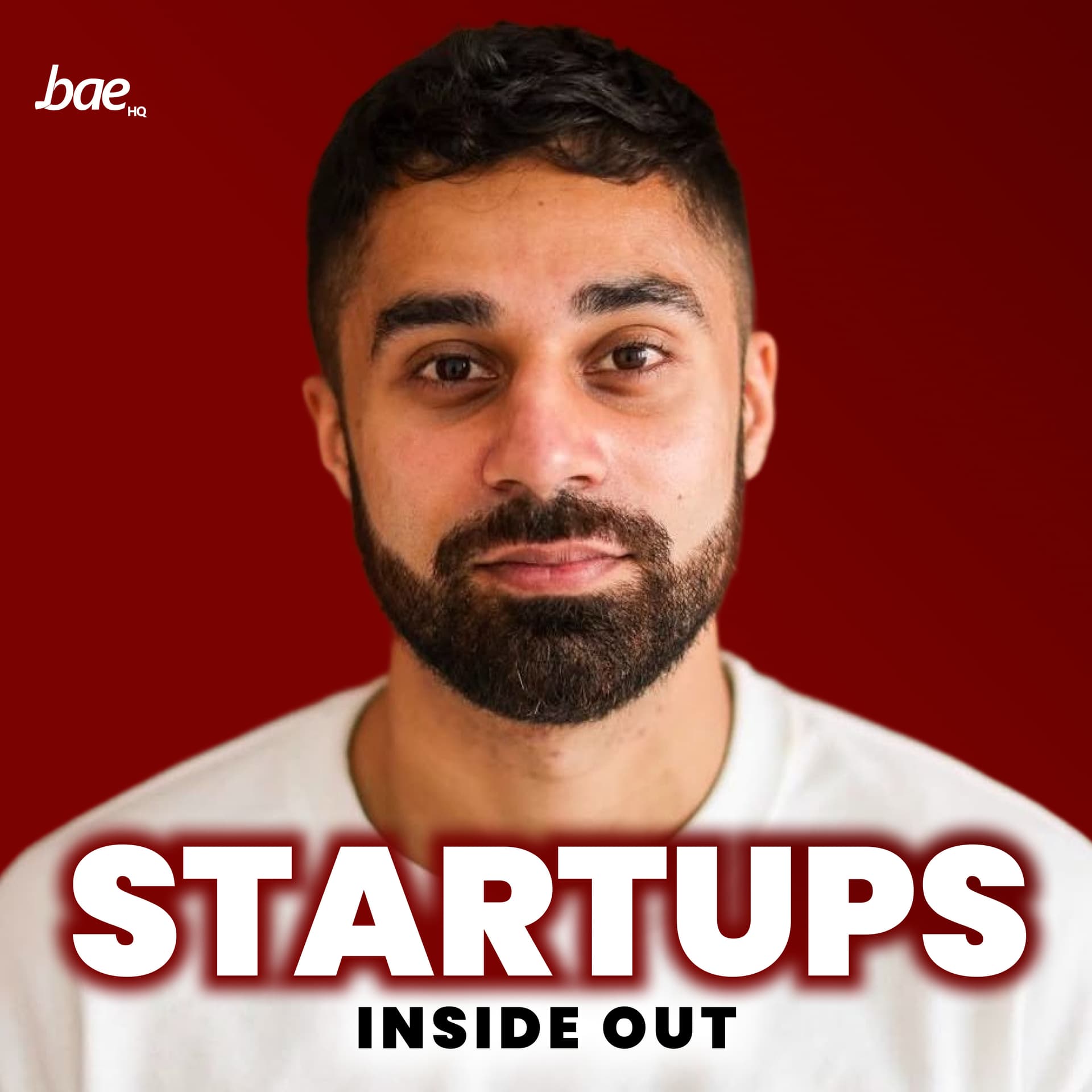
Sagar Shah (Tano CTO) explains Tano’s creator-led growth engine for consumer brands, using AI agents to run influencer marketing campaigns (mostly TikTok/Instagram/short-form; some long-form YouTube). They position as a “middle layer” between DIY SaaS and opaque agencies, emphasizing transparency and agent-driven execution.
Guest background
Sagar is co-founder/CTO of Tano (launched Feb 2024). He previously grew a YouTube channel as an influencer and built AI agents at a prior startup. He met co-founder Will via social media (TikTok/Instagram) in Sept 2024; Will brings go-to-market/sales experience.
Key claims
AI agents can negotiate influencer contracts/prices (now), improve CPA for DTC brands, and identify top affiliates (power-law: ~50% of affiliates drive ~80% revenue). Pure AI influencers lack trust; tests (Convergence) underperformed (<300 TikTok views).
Notable examples
Customers include Lovable and Bolt.new (Bolt acquired after an AI agent named “Charlie” contacted a marketer’s friend). Brands mentioned: Skin and Me, Bloom & Wild, Granola.
Written by AI. May contain mistakes. Listen to the episode to check what was said.
Chapters
Tap a time to open that second in VOBuilding Tano: A Creator-Led Growth Engine
0:45 to 3:14
Sagar discusses the inception of Tano and its unique approach to influencer marketing.
“but I feel as though when you're early stage, you almost take all the revenue you can get.”
Acquiring Clients: Success Stories
3:14 to 6:28
Insights into how Tano acquired its initial clients using innovative strategies.
“But the main reason we're doing D2C is because they're the type of customers who really care about driving down their cost per acquisition.”
Navigating the DTC Landscape
6:28 to 9:26
Sagar explains the challenges and strategies for influencer marketing in DTC brands.
“okay, this is how I can go and build my own thing.”
The Role of AI in Influencer Marketing
9:26 to 13:19
Exploration of how AI tools are shaping the future of influencer marketing.
“realize, okay, this is what I need to build a solution for.”
Innovating in a Competitive Market
13:19 to 14:00
Sagar shares insights on standing out in the competitive influencer marketing landscape.
“at the time, they didn't really work out that great.”
Building a Competitive AI Influencer Platform
14:00 to 15:22
Learn about the challenges and strategies in developing an AI-driven influencer marketing tool.
“It's like you don't have to have a relationship with that creator, but maybe their content causes you to convert.”
Team Growth and Expertise in Influencer Marketing
16:08 to 17:26
Discover how the team is structured and the importance of expertise in influencer marketing.
“our own program, people who had ideas was, okay, we're going to like make influencer marketing more effective, right?”
Navigating Influencer Marketplaces
17:27 to 18:38
Explore the unique approach to influencer acquisition without traditional marketplace dynamics.
“So, we find influencers, but we don't, there's no concept of them signing up to our platform.”
Expanding to the US Market
18:39 to 21:02
Understand the challenges and strategies of entering the US market for DTT spending.
“where I think we've benefited from this network effect with companies that we worked at.”
Identifying Ideal Customers
21:03 to 21:56
Learn how to determine the right customer profile for influencer marketing services.
“customer for it to make sense for you in terms of like time and effort?”
Show all 18 chapters
Building the Right Team for Success
21:57 to 24:17
Discover the qualities necessary for assembling a high-performing startup team.
“maybe use yourself is always going to be a dream customer.”
The Venture Capital Journey
24:18 to 26:24
Gain insights into the process of raising venture capital and the dynamics involved.
“The best, I guess, analogy I've seen is that you're not picking a family, you're picking your all-star team.”
Deciding on VC Backing
26:25 to 28:00
Understand the reasoning behind opting for venture capital over bootstrapping.
“The hard work is building a successful company after you've raised the money.”
The Decision to Seek VC Funding
28:00 to 29:18
Learn about the reasons behind choosing venture capital funding over bootstrapping for growth.
“to maybe intros, customer intros or like general help, that's always a good sign.”
Hiring and Building a Team
29:18 to 30:38
Discover how early VC backing influences hiring decisions and team dynamics in startups.
Future Aspirations and Growth Goals
30:38 to 31:44
Explore ambitious growth targets and the aspirations of startups in a competitive landscape.
“So in 200 episodes time, about two years time, where hopefully we've got a little TV or something like here, or we're going to use AI and pretend there's a TV.”
Impactful Figures in the Startup Ecosystem
31:44 to 34:37
Meet influential individuals making a difference in the startup and venture capital space.
“Because you see some companies who've already reached Decacorn valuations in three or two years time.”
Final Thoughts and Call for Collaboration
34:44 to 35:27
Hear final thoughts from the guest and a call for collaboration from listeners.
“And if you know any really smart engineers, that's also a good point to get in touch with.”
Transcript
Automatic transcript. May contain errors.0:00Yeah, it's great to be on the show. My name is Sagar. I'm the co-founder and CTO of a startup called Tano. In essence, we're building this like creator-led growth engine for consumer brands. What that actually means is we're building a services company which uses influencers to do marketing on behalf of like consumer brands, like direct-to-consumer. You know, like some of our customers are like Skin and Me, Bloom and Wild, those sort of like type of brands where, you know, you might buy flowers for your mom or, you know, skincare for your girlfriend, that type of vibe. So you only started last year, right?
0:30Yeah, yeah, February.
0:31Amardeep Parmar:And there's some pretty big name clients already. Yeah. Talk us through that. How did you get those clients so quickly? So I think the most interesting story is probably our first two customers, which was Lovable and another company called Bolt. I know I mentioned we work with direct-to-consumer and they're not, but I feel as though when you're early stage, you almost take all the revenue you can get. So Lovable was fortunately one of my co-founders' previous colleagues who then worked at Lovable. So that was our entry point that way. The Bolt story, even more interesting because we were using AI agents in essence to reach out to influencers to basically work with Lovable.
1:05One of those influencers was the friend of the head of marketing at Bolt.new, which is a similar product to Lovable. And so the Bolt CMO was basically like, oh, who's this random Charlie guy? Because we name all our AI agents Charlie when we're reaching out. He went on the Lovable's LinkedIn page and said, oh, there's no Charlie working here. Then he realized it was us. And so our AI agent reaching out to a friend of the marketer at Bolt basically led us to get Bolt as a customer. Probably the most non-scalable way to acquire customers, but it worked for us, which is kind of insane.
1:39Amardeep Parmar:But even at the beginning, right? So you said you had an in with Loveable. To convince them to obviously take a chance on a new company, how did that work? What made the trust there? Is it just the previous relationship or how did you sell it? I think it was more like the excitement of what we were able to provide. I think conventionally, the solutions that people had to choose from is either they use the old school SaaS tools to do all the influence marketing themselves, and they have to do all the manual work, or they have to work with a really clunky agency that typically has high fees and is almost very black boxy, so you don't actually know what's going on.
2:11But we provided this third middle layer where we actually do all the work, but all the work is also super transparent because it's all in the tech and it's all in a SaaS product. But the SaaS product is merely a reporting page and not like something that the customer would have to actually come in and do stuff in. And because we were saying we're going to do this all with AI agents, Lovable being a company that helps people build websites and stuff without needing engineers, I think they found that really exciting. We're like, yeah, let's pair with these guys to work on it. And then what made you kind of now prioritize DTC?
2:44So what we discovered when working with those customers specifically, that it's much harder to generate sales through influencers purely because of the types of product they're selling. I say that, but we also do work with companies like Granola today. So it really depends on the type of product and the way you're marketing. So back in the lovable era, we were purely just doing an affiliate play. With Granola, we're actually doing paid influencer marketing. So our agents actually negotiate on prices and contracts, which we didn't have the capability back then, but we do now. So that works. But the main reason we're doing D2C is because they're the type of customers who really care about driving down their cost per acquisition.
3:23An influencer is like a great channel to help them do that. And so if they can do it at scale with agents, then it's super cool for them. So obviously, you've got some background in this beforehand, your team has.
3:31Amardeep Parmar:What made you, like, where did this come from? Like, what made you build this? Yeah, so I guess I, instead of coming from the marketing side, I came from the influencer side. So when I was at university and my early few years working as a software engineer, I had my own YouTube channel. So I talked about tech and so on and grew that to a few thousand subscribers. And so I knew the influencer space from doing brand deals as the influencer. And so combining that with my skills of building AI agents at the previous startup I was at, I was like, okay, this makes sense to do. And funnily enough, my co-founder journey of how I met Will, my current co-founder, was that he saw a TikTok of mine, reached out on Instagram.
4:09And that's how we met each other, which was in September 2024. And so it was very like social media focused company from the get go. Did he reach out to you to build a company or was it just general? It was so he was exploring stuff on his side because he had a sister who had a social media channel. And so he was helping her with that. and he was already working at like an AI startup but mostly focusing on the sales, go-to-market side. So he kind of knew the space from that angle and we were both like, we both wanted to start a company in this content creator space, didn't really know what. So it was very much like, you know, how you would typically go on a date with someone but it was like that but with co-founders.
4:47And so that's the way in which we met and sort of started Tano.
4:51Amardeep Parmar:And what do you think makes relationship work? We have like different skill sets that don't overlap completely. I think, I guess like with any startup, you start with the minimum number of people who can actually start the company. And so me having a technical background and having knowledge from the influencer side and Will having the go-to-market and sales background, it's kind of like you have the inventor archetype and the, I guess, the salesman entrepreneur archetype. And both of those combined makes a great founding team. You did work at a startup before, right? Yeah. But working at a kind of smaller company like that really helped you in Newman's Boudreau.
5:28Amardeep Parmar:Yeah. And what were some of the kind of harsh adjustments to going from being an employee to now being a founder? Yeah. So if I actually like I tracked my whole career since I graduated and optimized it to become a founder. So I started out. So I graduated in Sheffield and was like, OK, I need to move to London because that's where everything is. So instead of trying to find like the most highest paying job in London or trying to make it hard for myself, I was like, OK, I'll just join like a large consulting firm. And so I joined Accenture as a software engineer. Pay was horrendous when I started.
6:02I don't know how I survived, but I think that was my in to London. And so I managed to get myself into London. I only stayed there for like a year and then I moved to a scale up, spent a couple of years there, then moved to a really early stage where I was the second founding engineer. And that was where I truly learned and realized that I could actually just build my own startup at this point. I felt like I was confident enough, had the skill, and also had the industry knowledge as well to know, okay, this is how I can go and build my own thing. And I think I charted it to optimize for different things at different stages.
6:36So Accenture was being able to live in London, move here, just get the feel of what it's like working in general. then the scale-up was okay like how how can I see startups grow at that middle phase when they're going from like really nothing to something and also still have the support system to become a better engineer and then this really early stage was okay like now I can actually build with AI learn the latest tech that's available also see what it's like to be in super early stage and then I was like okay with all those skills combined I was like yeah now I'm set to do my own thing. So it was very much a directed trajectory I had to become a founder.
7:12That's
7:12Amardeep Parmar:interesting because I think a lot of founders I know, they're almost like accidental ones, right? They didn't plan out in that way. What made you know so young that this is the path you need to say? I think it was just like, I know I wanted to do something ambitious and I feel as though being an entrepreneur is definitely like one of the most ambitious things you can do, especially if you're successful. I think there's also like that allure of like, I want to do something that most people can't achieve it, if that makes sense. It's kind of like the doing something that's hard to get because it is hard to get.
7:45And I think that definitely drives me. I know when I was younger, my motivation was to become an astronaut. That's actually why I ended up going to study aerospace engineering at university. And I feel as though the thread of wanting to accomplish and do hard things has always been there. The goals probably changed here and there, but I feel as though for the broad strokes, that's why entrepreneurship definitely attracted me.
8:08Amardeep Parmar:I think as well, so I'd say there's two reasons to come to entrepreneurship, right? If you're obsessed with a problem and that's where you really want to solve it, or you're obsessed with solving a problem, right? And it feels like you've got that part of you where it's just like, you just really enjoy the actual process of doing something that's hard. And I think a lot of founders actually like that and then sometimes as things scale out then like everything changes a bit but that bit about like having to enjoy that hardship if you don't really have that gene in your you don't have that way of thinking i think it's gonna be a really tough journey right for sure i was also going to say like on like it's it's inevitable that you'll pivot as well early on so i think being hung up on the core problem is is not always a good thing i mean it's always great if you are passionate about like an in into building a company but ultimately you might end up having to solve a different problem and so I think the the ability for you to actually care about solving problems rather than the problem itself is probably more important because you're more likely to build a successful company if you after talking to customers focus on their actual problem and not what you just want to solve and I think that's some some some mistakes founders make in a sense of like they have their hypothesis, but don't truly verify like, is this the biggest pain point that customers have?
9:21And often you have to detach from your original idea and then latch onto this new thing and realize, okay, this is what I need to build a solution for. Is there any pivots you've had to make so far with Tenet? There's been a few different ones. I think from broad strokes, we know that these brands obviously want to use influencers to generate like more revenue. There's definitely been pivots from the perspective we started off with, let's maybe build a SaaS tool for these people to use and realize, okay, maybe it makes more sense if we operate as a services company because we get revenue through the door quicker.
9:48So there's a few pivots like that. And even now today, as we speak, we're still exploring, okay, what is the core pain points we need to solve for these companies that we could productize and scale the company that way?
9:59Amardeep Parmar:And when you say influencers, is it mainly focused on, say, YouTube, Instagram, TikTok, or tell me a bit more about who you're targeting there? Yeah, mostly it's those three. Short form content is the more specific side, just mainly because that's the most popular that these brands want to work with. And we've seen like better results with short form, especially for the type of companies we work for. There are some brands that we do long form YouTube videos, but again, that's a whole different game in itself. Some of the hard parts with what we're doing is because we're operating as a services company with the tech behind, there's almost an infinite way to run these campaigns.
10:32So we have to build a product to be able to handle all these infinite directions, which is pretty cool because you couldn't have done that like a few years ago, LLMs have almost unlocked the ability to build these almost dynamic pieces of software that you don't need to predefine every workflow or every way something is done. It almost figures itself out. And so I think that's pretty insane. I'm in this space myself, right?
10:54Amardeep Parmar:So I'm constantly listening to what's going on in the industry and how trends are changing. And so one little series I've set myself recently. So I do like a daily video, which is completely unscripted, one take only, and the idea is, like you said, it's hard because now they are you can edit things really easily. So I want to do it where I put myself in hard mode, even though I could make it better with other stuff, I'm gonna do it the hard way anyway. And part of that is looking at what's defensible now, right? In terms of influencers and that style. How are you seeing that on your back end of which influences are really making an impact for the companies you're working with?
11:30Amardeep Parmar:And is that changing or has that been quite consistent. Yeah, it's such an interesting one to look at because we run affiliate programs for some of these brands. And it's such a power law when you look at like which affiliates drive the most revenue. And I was actually whiteboarding this out on Sunday the other day. I was like, let's look at all our data and see what everything says. And it's like, for all these affiliate programs we run, about 50 % of the affiliates who actually drive revenue capture 80 % of the actual revenue. And so I think it's kind of like for us internally, it's like the challenge of, okay, how do we get to a point where we identify these high revenue drivers and use the data we have to understand how we can try and get some of the long tail into that select group.
12:13And through that, we have to analyze their content, see what are the common features that causes content to actually generate sales. And again, for the different types of campaigns we're running, there's like so many different optimizations. Some people want content that performs well through paid spend. Some people want it to convert through the affiliate program. Some people just want it to go viral for brand awareness. And so you're always adapting to very different goals and so on.
12:40Amardeep Parmar:And it's interesting too with AI because obviously some people are now trying to explore doing that purely AI content or AI influencer content. And my opinion that's probably unqualified is that it's going to be harder to get people to buy from something that's purely AI generated because part of it is trust. Yeah. And when you're working with an influencer, if the audience trusts them, that's what's going to make them buy. Yeah. As opposed to how jazzy the video is, right? And how are you seeing that right now? Are you seeing customers ask you about that or exploring that? So we actually ran the AI influencers as a test, like really early on.
13:12There was a startup called Convergence. They actually got acquired by Salesforce and we were trying to experiment with these AI influencers probably about a year ago. at the time, they didn't really work out that great. On TikTok, they got about less than 300 views each, which was horrendous for TikTok standard. And yeah, it's like the way we see it is we're positioned to capitalize on whichever direction the market decides to take. One, because we'll have all the data to know what type of influencers do convert. And so in a world where anyone can prompt anything to create the ideal influencer, we'll have the data to know exactly what to prompt.
13:48So we're in a position where we could do both. I think it's probably going to happen at some point where like AI influencers can create like conversions. And I think you kind of see like elements of that, especially when you look at TikTok, when almost a nobody can become famous and drive conversions because of the way TikTok's algorithm works. It's like you don't have to have a relationship with that creator, but maybe their content causes you to convert. Then I don't see why AI influencers can't infiltrate that side of things.
14:21Amardeep Parmar:And like Azure building as well, right? So you're building a space that's obviously hyper-competitive. I'm guessing there's other people who maybe had the same idea or similar ideas. What's making you guys win? I think it's, the biggest thing is because of the team's experience in building these types of tools, as well as our reputation with our customers, that definitely helps. I think the other thing is it's not a really easy thing to build. I think that there's a lot of elements where it's not like you can just vibe up a SaaS tool. I think there's a lot of pure like app SaaS layer startups that exist today which have a very thin I guess defensibility around them but because we're building a company that actually does the work and we're we're almost held to the output of our work not like just does it do the work I think it's a very different amount of optimization you have to do and there's a lot more like I guess difficult trade-offs you have to make and and things to build to actually know okay are you actually doing a good job for the customer or are you just spitting out content and it doesn't actually do anything?
15:22Amardeep Parmar:Hello, hello. I hope you've enjoyed the show so far. I'm Amadeep Parma, co-founder of BayHQ and the host of this show. For those of you who don't know, BayHQ is the community for high growth Asian heritage founders and investors in the UK. Over 7 ,500 people have attended our events, 200 people have been for our impact programs, and obviously it's been over 250 episodes of this podcast. If you want to join us and take part in the program and come to the events, go to behihq.com forward slash join. We also just released our first ever book called Startups for Outsiders, which you can get on Amazon now and the link is in the bio.
16:03Amardeep Parmar:Hope to see you soon at our event. Hope you enjoy the rest of the episode. Because I know like from our own program, people who had ideas was, okay, we're going to like make influencer marketing more effective, right? But they haven't really had, as you said, the background to have to make that. So they'll say like, oh, this is the idea, this is the problem. And I think with any founder Isaac, sometimes identifying the problem is one thing, but really having that problem founder fit is the fit that a lot of people don't really realize. And like, as you're kind of going through this as well, like, have you grown on the team?
16:32Amardeep Parmar:What's your kind of thinking around growing your own team? Yeah, yeah. So right now we're up to about eight people in total. And we brought in experts who've done this as a job as well before. And it's kind of interesting to see because they used to be the people who execute on these campaigns. Sure, they thought high level, but like now they're almost only thinking high level because all the execution is done by these AI agents. And so from their perspective, this is like so game changing and the ability that they can feed into product and engineering and say like, okay, this is how we should do things in terms of like the processes.
17:04And this is like the data we should capture. They would have done that already, but they do it through spreadsheets and just, you know, manual processes. And now they can influence, okay, how can we automate that? That makes the biggest difference. So we're looking at our team of like, okay, how can we build with the experts who can build the tech and the experts who've done this as a main job before? So we have like both sides, as you said. Do you also function like a marketplace? Are you having to find the influencers yourself or how does that element of it work? Yeah. So, we find influencers, but we don't, there's no concept of them signing up to our platform.
17:34The only interface they get is through emails. And so from that perspective, you don't have the friction of all these other normal marketplace tools for influencer marketing because they have to do their own marketing to get influencers to sign up and then also do the other side to get brands to sign up. And we almost skip out one of those sides because we're like, okay, with agents, we can just access whoever we want to. We just have to get the brands to sign up and be like, okay, we can run whatever you want to run. And so it makes it a lot more of an easier process to acquire customers without having to worry about this two-sided dynamic that you have to sort of like grow at the same time.
18:07Amardeep Parmar:Was it a conscious decision or how did you come to that kind of way of thinking? We were just like, these influencer marketplaces, they don't do that well because of the cold start problem. And we were like, now we don't really need them to sign up because we can just go out to them. So it's like, it didn't make any sense to build that side of the platform yet anyway. And how important would you say that the network side of things is for you? Like, because you've named some big companies, is that a big part of you getting other companies? or is it kind of each one is in its own individual? Yeah, I would say it has been.
18:37I think that's one of the areas where we're at now, where I think we've benefited from this network effect with companies that we worked at. We also make a conscious effort to go and visit the companies in person as well. They always find that makes a big difference and we always feel like we can understand them better as well by being in person. So we often go to the Skin and Meat office or the Blooming Wild office and even the Granola office as well. And so we go to all these offices and benefit is they're all in London. So super convenient. There are a few that have been further afield that some of the team have gone to, but it's one of the things that we think that we can differentiate on is if we can automate all the execution and so on, we can spend more time with the customers and actually build a relationship to make them more stickier to us and also help us understand their issues more.
19:22And so we can, you know, run their campaigns without any issues in that sense. So you said a lot of companies are in London, but I guess platform-wise it probably works for everybody anywhere, right? Yeah. So in terms of the influencers, they can live wherever they want. So our influencers have communicated in like German, Spanish, Italian, like whichever language that you're marketing for. We have the ability to now have a team, which is the agents that don't have to have any specific language skills. It just works out the back.
19:48Amardeep Parmar:And how are you thinking about, I guess, working with other companies in other countries as well? Because I imagine a huge amount of the DTT spend is probably stateside. Yeah. So we're trying to look at customers from the US. We have a few right now. I think it's always challenging trying to reach out to US customers from the UK. But my co-friend has spent time in the US as well just to do some of that initial scoping out to see what's around there. And so there could be a potential. We can expand in the US as well from a team perspective. But I think maybe spending more time in the US physically and splitting the time is probably the way to go initially.
20:25If you do want to break into the US, you have to have some foothold there. And I think it's been seen by all companies that whenever they do want to go out to the US, they have to have presence there. Otherwise, you don't really get the traction you need. But equally, the UK and the European market is massive as well. And so, you know, sometimes we can see it as a way like we can use the UK and the UK and Europe market to test things out before you have like a product that meets the US bar. Because typically, I think sometimes you see startups that go to the US too early. and and so sometimes that traction is lost so it's like better to spend your time here first trying to get to a level where then you can take it to the US and you're like okay we're good to go let's let's scale.
Read the full transcript
21:02Amardeep Parmar:On the customer side too is there almost a minimum bar that you need for a customer for it to make sense for you in terms of like time and effort? Yeah we we have like a specific like monthly spend that we we say you have to spend above it otherwise it doesn't make sense it's kind of like the whole if you want to work with one influencer just do it yourself automations, it's just like over engineering it for that problem. So we have had customers come to us and they're like, oh, we want to activate like five influences. And we're like, you might as well just do it yourself at that point. But we're talking about like when people want to work with thousands of creators and over a longer duration as well, that's when we become more relevant because not only is it worth our time to sort of like customize some of these workflows for these customers, but the revenue just makes sense from the time and effort spent in actually working with them.
21:51Did you have like a dream customer when you started out of like you'd love to get them on board? That's a good question. I feel as though any brand that you sort of know and, you know, maybe use yourself is always going to be a dream customer. I think it's really cool to just have that feeling of like, oh, I used to like, you know, buy these products and still do. And but now like they work with us, like that's always a really cool feeling. And I think the space that we're in, we have a good opportunity to do that because you know you could you could partner with say like coca-cola or something and you're like oh i'm actually doing the marketing for them and it's
22:24Amardeep Parmar:such a cool feeling about i say you never know who's listening right that's very true if you've got any dream customers you want to mention now yeah i mean who would be a dream customer i feel as though any of those like consumer consumer brands like uh you know like walkers kellogg's like that'd be very cool um i think it's a very different way of marketing as well compared to like normal D2C, especially in the retail space, but it still equally works as well. And then you map out this whole journey, right? From when you're like younger to now being where you are today and being a founder. Yeah.
22:50Amardeep Parmar:What are you enjoying the most out of it? Is it living up to what you hoped it would be? I actually think the most enjoyable thing is being able to build a team that I enjoy working with. That's, I think, one of the things I didn't expect I would see as something enjoyable, but now I'm doing it more. I'm like, I get to pick the coolest people to work with us. And that's always a cool feeling. I think sometimes when you work a normal job, sometimes you're like, oh, I like these people. I don't really like these people. But now we're in a position where it's up to me and my co-founder to build our whole team that we all enjoy working with.
23:21And I think that's a really cool feeling because that motivates me to go to the office every day and spend the day with the team. And I feel as though, because we are in office five days a week, you typically spend more time with your team than anyone else. So it's a big decision to pick the right people. And what makes somebody the right person for you? I would say it's a mix between like their ambition to build something big and their like vision to contribute to what we're doing. And also just them being like really smart. I think you have to have both. I think people probably might say like, oh, it's all about the vision and their passion, but you have to also equally be competent and good at what you do.
24:00And I feel as though the team that we've picked has both of those.
24:03Amardeep Parmar:I think it's always a struggle sometimes at an early stage founder where you can really like somebody, but they might not really be right for the company. And that balance is sometimes hard, especially the beginning, for sure. Right. Right. Yeah. I think it's always some groups you have to test. Like it's not it's intelligence as a proxy, but it's just can they execute as the speed you want to execute? Yeah, I think they can't. You're going to get annoyed. They're going to get annoyed. Everyone's going to be. For sure. The best, I guess, analogy I've seen is that you're not picking a family, you're picking your all-star team.
24:35And so, you know, if you think of like the best sports teams in the world, they pick people that equally they get along with because you have to spend so much time together. But then they also have to pull their own weight and actually have to deliver. And so, you know, you would be dropped if you start underperforming, not because you're not liked, but because that's not what is the requirement. And equally, like if you're not someone, if you're someone who's really, really competent, but then just someone who's not likable, you're equally not going to make the cut. So you have to have both.
25:03Amardeep Parmar:And you've also been able to raise venture capital fairly early on too. Yeah. Tell us about that journey. Like how was raising capital? What did you get pushed back on, I guess, to start with as well? Like when you were going as fundraise, what did maybe some people reject you on or question you on? I think the biggest point that they were rejecting on was that they were saying, there's no marketing companies that have grown to like a crazy valuation. The biggest concern that VCs had was that we would basically stall out at a sub-unicorn level and just be bought out by another agency. And I think that's historically been true because people have only been able to build these point solution SaaS tools, whereas we're going for the whole pie, which is like, okay, we can just do the entire work that an agency would do.
25:43And so we're capturing these budgets that are much larger rather than just their software budgets. But in terms of overall the process to raise money, it's very interesting because it's a world that I was not exposed to before. But then after going through the process, I was like, wow, it's such a game you have to play. It's like, you almost have to be like, oh yeah, we want to raise money, but not now. But if you want to make an offer, then feel free to do so. And it's like such a weird dynamic where it's like, they can't know completely that you want to raise money, but then you want to give enough to say that you want to raise money without saying you actively do.
26:19And it's such a, it's a very weird mind game, but it was a fun process. It's one of those weird ones where it's really, you get the high from raising money, but then that's not the hard work. The hard work is building a successful company after you've raised the money. And so sometimes it does feel a bit weird after the money lands and you're like, huh, now all the hard work actually begins. Because talking to people and raising money is definitely hard. But I think most of the effort is always after that.
26:47Amardeep Parmar:We're at the point now that I accelerate to where there's a few people with a few term sheets, right? And then I have to pick between who do they want and whose money should they take. Of those early investors, which ones did you really want to work with? And it was, I guess as well, it depends, you're new to it. Did you really even know about these funds beforehand? Or was it all kind of learning on the job and seeing who you got along with? Yeah, there were some funds you obviously hear about and some that you would have no idea of, but you have to almost look at it as if like, okay, every VC is going to give you money because that's what their product is and you're selling the equity.
27:21So it's a weird dynamic because people think like, oh, I'm getting money for free. But no, you're not. You're like, you're paying it with
27:26Amardeep Parmar:a very expensive asset, which is the equity of the company. And I guess the way to figure out, which VC do you want to work with is typically you would see who actually works there. What's their team structure look like? Obviously, you have to acknowledge that people are going to leave their VC and move to another one. So you can't always anchor on the specific people, but see also what kind of portfolio companies they have. Do they have companies that could be additive to your company and if you could sell to them or if you could benefit from their services or as well, if you talk to other founders as well and see how assistive the VC funds have been to maybe intros, customer intros or like general help, that's always a good sign.
28:08And that's, I would encourage any founder to basically do their due diligence themselves. The VCs would do their part. So you should do yours as well. And what made you decide to go for VC backing for this as well? Actually, we were super adamant before. We were like, oh, we're going to bootstrap the whole thing. You know, like we don't need VC. We're going to keep the whole equity pot. But then we just realized that I think to grow a massive company, you probably need some Kickstarter to get you going. And so that's why we were like, okay, we'll go down this route. And again, I think the benefit from going down the VC route is you do get doors that open that would otherwise be very much closed off.
28:42you build credibility especially when it comes to hiring i think like if you can say your pockets are nicely lined like people are more open to joining than than not obviously that's like you have to take that in in like a weird way where you don't want someone to join your company just for their money so you have to play that right it's like okay you need to have some element of okay like if they join they're gonna be safe but still if they're like oh i don't care about the equity i just want the cash it's like okay maybe don't hire them um but it there's a lot of stuff and a lot of like soft signals that it does put out there that does help you but um yeah that's
29:17Amardeep Parmar:that's the main reason we decided to go i think it's also like you said where when you're hiring for an early stage company if you're trying to get the best talent and they're not sure if you're going to be around in like two months time but you're making them they need to quit their job or they need to quit somewhere else having the vc money there just kind of oh that a lot of vc companies fail but it just at least knows you're going to be around for a little while longer for sure yeah it helps that jump right and i think you have some people for example who really delay their announcements for a long time and it really just depends on what signal they're sending what they want to do because i often think like if you announce it i said is that one you might have some people you said just mercenaries join because you've got money but then also the people who maybe were on the fence now that i actually know like they've got backing this is going to go somewhere and they don't necessarily want to be the person who picks the best company it's going to work forever right because yeah that's not their job right they're not a bc they're not this stuff so it's just an action level security right like who was your first ever hire do you remember it's actually someone who started as an intern who's actually the the oldest hire that's still about yeah um and she's now a a junior ops person who basically does ad hoc work with these customers because one of our issues was we we had agents for some stuff and not for others and so there's always like as if you're operating as a services company you just say yeah i'll do everything and so maybe like you know 30 was originally just automated now it's like more as a proportion of the work we do but you still have edge case handling and all of this other stuff that you have to consider and so yeah i would say she started off as an intern became a full-time person and is is the oldest employee as in like from a 10-year perspective um who's still with us and what made her join um i think it was like early on right yeah i i think it was just like I guess probably just novel I think she was saying that she enjoys super small companies just because like I think the bureaucracy of large companies is quite off-putting and I think I think it was just something novel that we were offering from like oh this is like a very different type of company I think that that was a big driver in attracting her to join so you know like scaling fast and growing quickly let's say it's what we're doing so this is going to be episode 320 something and we're saying to people in 200 episodes time, you can come back on again.
31:31Amardeep Parmar:Yeah. So in 200 episodes time, about two years time, where hopefully we've got a little TV or something like here, or we're going to use AI and pretend there's a TV. Oh, yeah, yeah. And we can play back this moment, right? So what would you love to say when you come back again, you've been able to do in that next couple of years? Oh, I mean, it's such a weird one. Because you see some companies who've already reached Decacorn valuations in three or two years time. and I'm like I mean that would be insane if I could achieve that I mean I don't want to also sound like oh but my realistic goal is this but because I feel as though that's also a bad thing to come out with so yeah I mean let's go with that let's let's go like you know being a unicorn or dekacorn like level company in like two three years time I feel as though that seems like now a realistic I mean like it's realistic from a perspective that other people have done it obviously still very hard but I feel as though why not shoot for the highest point you can get to so So, yeah, that's what I'd say.
32:24Amardeep Parmar:Awesome. And then I could be like, I interviewed you before you got a few fun, right? Yeah, yeah. There's a few people who've been on the podcast now who've interviewed before, like, a big exit or something like that. Oh, wow. Okay. So I have to go through the back catalogue for that. You should see if you can pick the right guest to see how good your portfolio would be based on your podcast. Oh, yeah. That'd be interesting. I think the biggest exit is Hussein Kasai of Onfido. Oh, yeah. yeah yeah yeah um angie mar is hopefully coming on soon who had faculty i have for a billion well yeah yeah so i can go way through yeah i think like because there's quite a few now who've a lot of people who exited who came on early days have exited yeah and they're now doing the next companies right right and it's interesting because they're now coming to us that they're second companies being like can you get involved and then obviously with the fun and stuff in the future where we ideally want to be backing those people at the beginning because they've got a relationship with us so there's a bunch of stuff going there which i'm not allowed to say yes but But we've got the fun stuff is interesting as well.
33:21Amardeep Parmar:What we do with some of the fans who's been on the podcast. Yeah. And the next part of their journey too. Yeah. But we're going to go to wrap up questions now. Cool. So first one is, for free Asians in Britain, you think are doing incredible work. And do you want to shout them out? Yeah. Savesh from Balderton. He recently got on the Forbes 30 Under 30, I believe, Europe-ish. And he's now a principal at Balderton and helped us a lot when we were at the Balderton launched co-working program. And so, yeah, great person. Actually, our founder's associate and him actually started an influencer company when they were at university.
33:56So we have like such a weird connection across that way. So he's one of them. I would also say that Danika from Cherry, BC, very cool person, like not many South Asian women who go into BCs. And so it's a, yeah, it's a very, very cool person to follow. and then also like a rogue one is i'm a big fan of formula one and arvid lindlad he's a british asian driver as well and so yeah very cool to see him i remember seeing some of the reels where like he was in india with his family and they they did they were doing like puja and stuff on the car and i was like wow this is so weird to see but you know very cool at the same time um so yeah those are my top three awesome and then if people want to find out more about you more about what you're building yeah so go to tano.ai that's like our website and also follow me on linkedin we also have a youtube channel which has been popping off recently so just search tano ai on youtube and you can yeah find us on all those socials so and if people listening
34:54Amardeep Parmar:right now might be able to reach out and help you what do you need help with yeah if you uh know any consumer founders definitely point them towards us especially if they need like uh help when it comes to growing their revenue and ultimately scaling their company through marketing. And so that'll also be good. And if you know any really smart engineers, that's also a good point to get in touch with. So yeah, those are a few things. So thanks so much for coming on. Any final words? I'll see you guys when we become a Dekocorn.
From the publisher
Amardeep Parmar from Bae HQ welcomes Sagar Shah, Cofounder and CEO of Tano.
Amardeep Parmar: https://www.linkedin.com/in/amardeepsparmar
Sagar Shah: https://www.linkedin.com/in/sagarshahuk/
Tano: https://www.tano.ai/
👉🏽 Buy Startups For Outsiders: https://www.startupsforoutsiders.com
👉🏽 Learn through our IncuBaetor: https://www.thebaehq.com/incubaetor
👉🏽 Join Bae HQ: https://www.thebaehq.com/join