
 State of the World from NPR
5 Nov 2026 · 6m

 Add vo to ChatGPT or Claude to ask about everything you hear
vo listened to this episode to put together the overview and transcript, so there may be the odd mistake.
Iran’s rulers still retain a base of support despite war hardships, including possible new U.S.-Israeli attacks after midterms, inflation near 90%, and damage to natural gas infrastructure.
Alex Vatanka, senior fellow at the Middle East Institute (Iran expert). Also interviewed: Meisam (44, self-employed in Tehran; family politically active since the 1979 revolution), Surur (41, mother of two; attended Ayatollah Khamenei’s memorial), and Omid (40, civil servant; raised in an ideologically committed religious family; admired the IRGC and previously volunteered for the Basij).
supporters may be up to 20% and include “legacy supporters” who accept the revolution’s foundational system; many fear regime change would mean bloodshed and foreign domination.
Tehran demonstrations chanting “no surrender”; January protests with claims of about 7,000 killed; Basij-linked preferential loans; missile attacks cited as IRGC achievements.
0:00At NPR, there's a little something for everyone. If you need advice for that big life change, try listening to Life Kit. If you want to know more about that new TV show, check out Pop Culture Happy Hour. And if you want to dive deeper into your favorite podcasts and enjoy perks like bonus episodes, archive access, and more, check out NPR+. Find out more and support the shows you love at plus.npr.org. Today on State of the World, despite the hardships of war, Iran's rulers still have a base of support. You're listening to State of the World from NPR, a human perspective on global events. I'm Greg Dixon.
0:40Iran is bracing for the possibility of another round of U.S. and Israeli attacks now that the midterm elections are over. The war has driven up inflation to almost 90 percent in Iran. It has also damaged natural gas infrastructure, forcing people to conserve energy as winter sets in or face higher prices. But despite all these hardships, many Iranians still support the Islamic Republic. NPR's Hadil al-Shalchi talked to some of them.
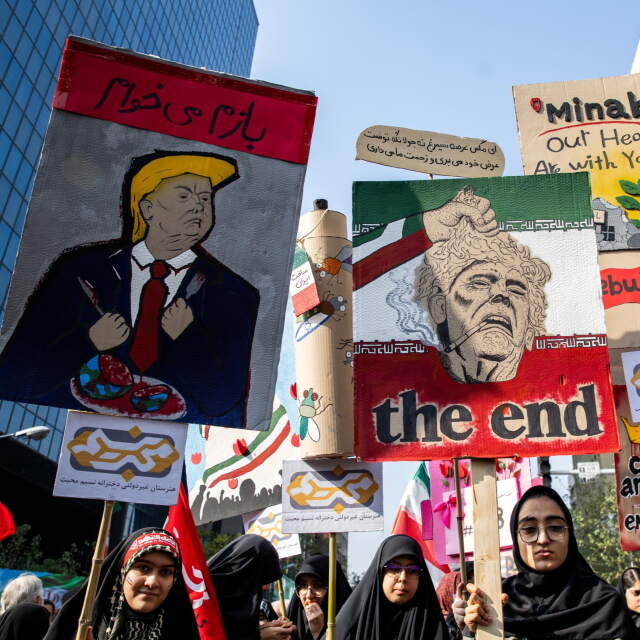
1:12Almost every night since the U.S.-Israeli war with Iran started, many Iranians in Tehran come out to show their support for the Iranian regime.
1:24In one of those demonstrations posted online in August, a man dressed in black chants, no surrender, fight with America. Despite the losses of the war, many Iranians have doubled down and believe that the only way to resist is to support the Islamic Republic. It's hard to tell how many regime supporters there are, but Iran expert Alex Votenka says it could be up to 20 % of Iran's population. Vatanka is a senior fellow at the Washington-based think tank, the Middle East Institute. He calls many of them legacy supporters, people whose parents or grandparents supported the Iranian Islamic Revolution in 1979.
2:04That doesn't mean they agree with his performance, but they accept the basic infrastructure. Very much like Meisam. He's 44 and self-employed in Tehran. Like all the Iranians in this report, he asked NPR not to use his full name for fear of retaliation for talking to a U.S. media outlet. Mesam's family was politically active. He remembers being taken to the polls during elections as a child. He believes in the Islamic Republic, but also sees its flaws.
2:37Society and the economy can be reformed, he says, but not with a government that believes every critic is trying to overthrow it. In January, tens of thousands of Iranians took to protest the regime and the authorities cracked down, killing some 7 ,000 people, according to the U.S.-based human rights activist news agency. Even after that bloodshed, Vatanka says many Iranians are wary of change as they look around the region. They see what regime change has meant elsewhere. It can be bloody and can be unpredictable and can result in civil war. 41-year-old mother of two Surur says that at a time of war like this one, it's time to stand behind the government.
3:21She attended Ayatollah Ali Khamenei's memorial after his killing in U.S.-Israeli strikes on the first day of the war at the end of February. Surur says because real reform doesn't seem to exist, she prefers the current government. There's no credible alternative to the Islamic Republic, she says, and foreign hostilities will divide us without it. Vatanke says many people, like Surur, lack options for choosing a replacement. You go with it. You know sometimes they make big mistakes, bad mistakes, but it's still your team. 40-year-old civil servant Omid was raised in a religious family that was ideologically committed to the Islamic revolution.
4:05He admires the Islamic Revolutionary Guard Corps, or IRGC. That's Iran's elite military force.
4:19He calls the Revolutionary Guard's role in the war brilliant for its achievements on the battlefield with missile attacks on Israel and U.S. bases in the Gulf. Before the war, Omid volunteered for the Basij. That's Iran's volunteer paramilitary force. He organized speakers at universities who would lecture on Islamic ideology and political issues. Omid says it gave him a sense of purpose. From the Basij, I learned social responsibility and civic engagement, he says. Omid says he never picked up arms or participated in Basij militant activities, but the group is accused of killing many of those anti-regime protesters in January.
5:01Omid says it's the duty of all Iranians to back its forces.
5:08When they witness its power, they can feel like they live in an independent country that can defend itself, he says. Vatanka says there are perks in joining groups like the Basij. You got access to preferential loans to get a car, to get an apartment. But fundamentally, this idea that these people are nationalists just misses the point why they were created in the first place to repress Iranians. Ultimately, what ties many people who support the Islamic Republic is a profound sense of loyalty to their homeland, says Vatanka. They have this fear that if this regime, which they consider for all its faults to be an indigenous entity, if it's replaced by something from outside, they end up being subjugated.
5:52And that's why Mesam embraces the Islamic Republic despite his criticism of its iron fist rule. He fears the alternative, a country controlled by outside powers.
6:07Mesam says, I prefer to be trapped in an internal cycle of despotism rather than one of foreign domination. Hadil al-Shalchi, NPR News, Istanbul.
6:23That's the State of the World from NPR. Thanks for listening. Stay tuned for the following announcements and messages from our sponsors. This week on Shortwave. What is something found on both true crime TV shows and real life investigations? Questionable forensics. And it's almost always accepted by lay jurors as providing an objective scientific truth. Interrogating junk science. That's on Shortwave from NPR. This message comes from Prolon. Want to look and feel your best this fall? Prolon's five-day fasting mimicking diet is a clinically developed nutrition program with the goal of promoting fat loss while protecting lean body mass.
7:09Developed at USC's Longevity Institute, it aims to assist the body in entering a fasting-like state that helps reset metabolism, target visceral fat, and support healthy metabolic markers. Get 15 % off plus a bonus gift when you subscribe at prolonlife.com slash NPR.
Scan the code with your iPhone camera
Listen in the app.