 State of the World from NPR
19 Oct 2026 · 6m

 Add vo to ChatGPT or Claude to ask about everything you hear
vo listened to this episode to put together the overview and transcript, so there may be the odd mistake.
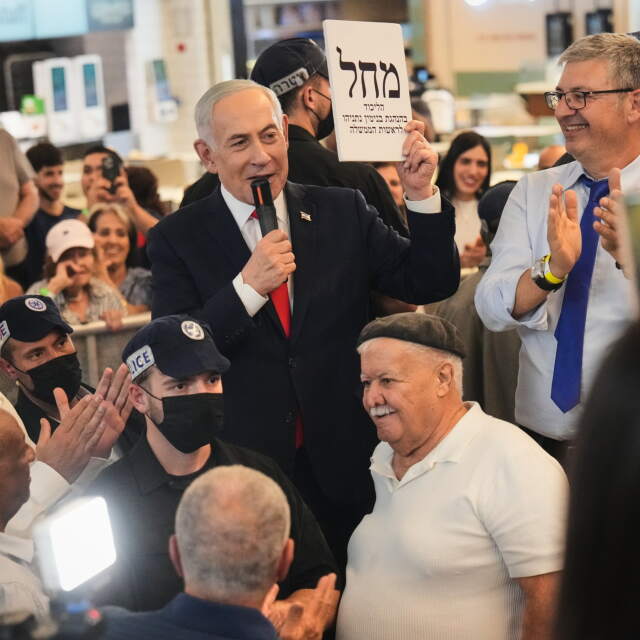
Israel’s October 27 election for the Knesset, seen as a referendum on Prime Minister Benjamin Netanyahu after the Oct. 7, 2023 Hamas attacks and the Gaza war.
Israelis are debating whether Netanyahu should be held responsible for the security failure; NPR reports warnings were received before Oct. 7, including a claim by Palestinian negotiator Sufyan Abu Zaydah that he relayed an Arabic message about Hamas planning an “earthquake” to Israeli intelligence weeks earlier. Netanyahu denies he was warned and blames security chiefs and the military. Defense analyst Amos Har-El (Haaretz) says Netanyahu shifted blame and blocked an inquiry; former officials allege Netanyahu prolonged the war for political reasons.
Nova Music Festival memorial for 400+ victims; Kati and Meir Zohar accuse Netanyahu of responsibility and say the government provided no support.
Sufyan Abu Zaydah (Palestinian negotiator); Amos Har-El (Haaretz defense analyst); Kati and Meir Zohar (relatives of a Nova victim).
0:00Support for this podcast and the following message come from Allianz Travel Insurance. Your flight? Booked. Your lungs? Suddenly battling bronchitis? Travel insurance helps protect your travel budget so you can book again once you feel better. Learn more at AllianzTravelInsurance.com. Today on State of the World, Israel prepares for a high-stakes election.
0:27You're listening to State of the World from NPR, a human perspective on global events. It's Monday, October 19th. I'm Greg Dixon. Israel holds an election on October 27th, electing members of the Knesset, their parliament. And this election will decide the future of Prime Minister Benjamin Netanyahu. It is the first vote since the Hamas-led attacks of October 7, 2023, and the Gaza War. And a major question shaping the elections is whether the Prime Minister should be held responsible for the Hamas attacks. In today's episode, we go to Israel, where NPR's Daniel Estrin explains how Israelis are thinking about this election.
1:07And a warning, there's some sound right at the beginning of this story that some listeners may find disturbing. One event defines Israel's elections. The October 7th Hamas attacks. As Israeli elections approach, many here are looking back and asking, did Benjamin Netanyahu know this was coming? In recent weeks, Israelis have learned about warnings Israel received in the months before October 7th that Hamas was planning something big. I mediated between Hamas and Israel. Me. Palestinian negotiator Sufyan Abu Zaydah told NPR he mediated secret talks between Israel and Hamas for more than a year leading up to October 7th.
1:51These were talks to exchange prisoners and hostages long held by both sides and to improve humanitarian conditions in Gaza. He says when the talks stalled, the leader of Hamas and Gaza asked him to relay this message to Israel. The message in Arabic was that Hamas threatened a, quote, earthquake in the negotiations. What kind of earthquake was unclear, but Abu Saida says he relayed the warning to Israeli intelligence right away, just weeks before October 7th. How do you feel now after all of this? Very frustrated. Why? Your message was not taken seriously? Because all what happened on 7th of October is needless.
2:34All the death and destruction in Israel and in Gaza could have been avoided, he says, if his warning was heeded. Israel got other warnings from the leader of the United Arab Emirates and Egypt's intelligence chief, according to reporting by NPR and other Israeli and U.S. media outlets. Netanyahu denies he was warned. Ever since October 7th, he's blamed his security chiefs and the Israeli military for the security failure. Amos Har-El is a defense analyst for the Israeli newspaper Haaretz. Very, very soon, within days, his PR people were trying to shape the public narrative about events and trying to shift the blame towards the professionals, towards the heads of Shin Bet, the internal security agency, and the heads of the IDF.
3:22But he never admitted any kind of responsibility. For much of the war, Israeli protesters flooded the streets, demanding that Netanyahu strike a deal with Hamas to release Israeli hostages and end the war. But Netanyahu said he was aiming for total defeat of Hamas. It would take two years, Israel's longest ever war, before a hostage deal was reached. Today, former officials who worked with Netanyahu say he prolonged the war for personal political reasons. Netanyahu denies that, saying he fought to defeat Hamas. Again, Amos Harrell. I'm absolutely convinced that this is what happened, that for political reasons, he felt that if this would move on too fast, then there will be more of a significant public demand for a national commission of inquiry.
4:11A national commission of inquiry, like the 9-11 commission in the U.S. Netanyahu has blocked an official investigation. His main challenger in the elections, former military chief of staff Gadi Eisenkot, says if he wins, the first thing he'll do is launch an October 7th investigation. Today, many Israelis trying to grapple with what happened on October 7th go to one main memorial site. We're at the site of the Nova Music Festival, where more than 400 people were killed. This is a dusty field with a sea of rickety plaques with pictures of young people smiling. Here, I meet Kati and Meir Zohar. You guys probably don't remember, but I met you in the hospital on October 7th.
5:01Okay. No, we don't remember nothing from... All I remember is the horror, yeah. I'd met them in a hospital looking for their 23-year-old daughter, Bar. They later learned she was killed at the music festival. They helped build this memorial with other families. The Israeli government didn't contribute any money. Not Shekel, nothing. No member of parliament called you? The Israel government, nothing. Benjamin Netanyahu? No, nothing. He didn't call you? No. No. What do you feel about that? Anger, of course. anger. We are angry. She says Netanyahu bears the responsibility for what happened to her daughter and Israel that day.
5:47What do these elections mean to you? It's a hope that something will change. What kind of change are you looking for? I hope that someone will come and take his place and be the one who's trying to keep this country together. As Israelis go to the polls next week, Some are hoping Benjamin Netanyahu will face a reckoning for the October 7th attacks. Daniel Estrin, NPR News, the Nova Memorial site in southern Israel.
6:24That's the State of the World from NPR. Thanks for listening. Stay tuned for the following announcements and messages from our sponsors. This message comes from Thumbtack. Some tasks can feel easy, but home projects can bring second guesses. Is that noise normal? Is that water damage? Who should be called? That's where Thumbtack comes in. Just upload a photo or voice note, and it uses AI-powered search to match with the right top-rated local pro. So instead of guessing, there's clarity and confidence when hiring. For your next home project, try Thumbtack. Hire the right pro today. This week on Up First, the midterms less than 15 days away.
7:08President Trump, Vice President J.D. Vance and former President Obama all crisscrossing the country, rallying voters in key races from Michigan to Georgia to North Carolina. Join us every morning as we guide you through the homestretch of this election season, Up First, on the NPR app or wherever you get your podcasts.
Scan the code with your iPhone camera
Listen in the app.