
 Ask ChatGPT

 State of the World from NPR
5 Oct 2026 · 5m · 3 chapters
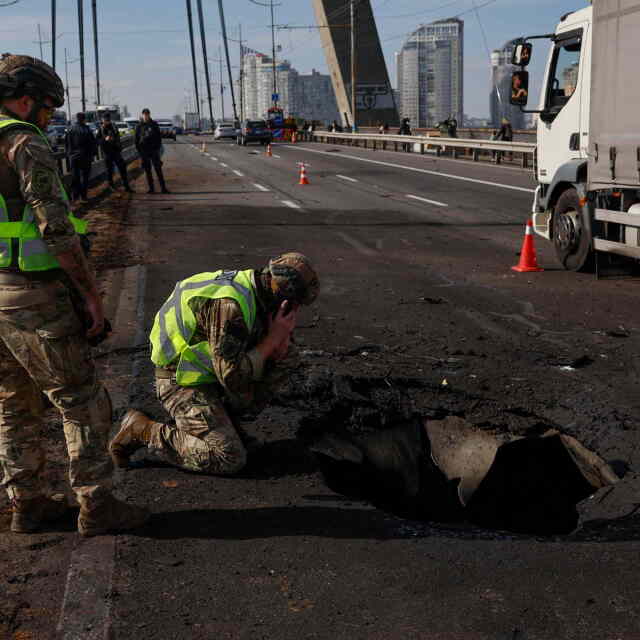
Russia is changing tactics in its war on Ukraine’s capital, Kyiv, by shifting attacks toward bridges over the Dnipro River to disrupt transportation and increase chaos.
NPR Ukraine correspondent Joanna Kakissis (reporting from Kyiv) interviews A. Martinez (Kyiv resident).
residents report air raid sirens and explosions about every four hours day and night; Russian jet-powered drones are hard for air defenses to stop and have hit warehouses, data centers, manufacturing plants, and the National Academy of Science; bridge strikes have caused traffic backups even though crews repair damage.
a drone strike heard during a friend’s barbecue; trolleybus driver Victor Krohm says people keep crossing despite threats; German Chancellor Friedrich Merz visited Kyiv and promised over $1B in military aid including air defense interceptors. Zelensky warns Russia may share drone technology with North Korea.
Written by AI. May contain mistakes.
Joanna Kakisis describes the stressful living conditions in Kiev due to ongoing attacks.
“Many residents there believe it's an effort to make life more difficult.”
Discussion on Russia's new strategy of targeting bridges and its implications.
“and Russia has repeatedly struck two of them so far.”
Reactions from Ukraine's allies and concerns about military technology sharing.
“Ukrainian President Volodymyr Zelensky continues to seek more air defense support for his country ahead of what's expected to be a very difficult winter.”

Get the gist, explore an idea or ask about something said.
 Claude
On State of the World from NPR, what are the key points of this episode?
Searching your listeningAutomatic transcript. May contain errors.
0:28This message comes from Mattress Firm. It's Monday, October 5th. I'm Greg Dixon. Russia has a new tactic in its war against Ukraine, hitting the bridges that connect the two sides of the capital, Kiev. It's part of Russia's escalating attacks, which for the last month have included striking Kiev day and night. Many residents there believe it's an effort to make life more difficult. In today's episode, NPR's Ukraine correspondent Joanna Kakissis tells us what living under these attacks is like. She spoke to A. Martinez. So what's life like in Kiev right now? Well, A., it is very stressful. We are hearing air raid sirens and explosions roughly every four hours, day and night.
1:11And the strikes didn't even stop for German Chancellor Friedrich Merz, who visited Kiev on Sunday. And so to give you a little slice of what life is like here, I was at a friend's barbecue over the weekend. And air raid sirens sounded just as I walked outside to wait for my taxi home. And not even a minute later, I heard this.
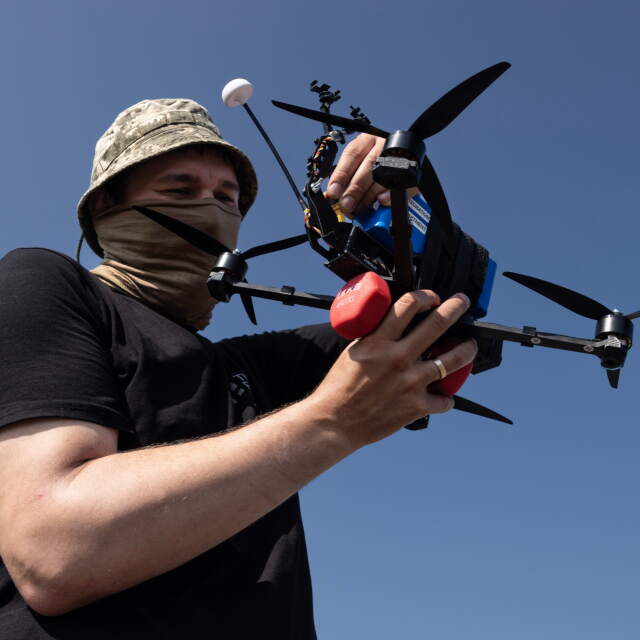
1:36And that was a Russian drone strike not too far away. I recorded that on my phone. These jet-powered drones move very fast. It's hard for Ukraine's air defenses to shoot them down. Now, these drones have already hit so many places in Kiev, warehouses with food and medicine, data centers, manufacturing plants, even the National Academy of Science. But like you said, now Russia is aiming for a new target, and that's the bridges of Kiev. So that bridges, why bridges? So the Ukrainians I've spoken to believe Russia is trying to create chaos in the capital to make it harder to live here. Kiev is divided by this great big river called the Dnipro, and at least six major bridges across it are essential to transportation.
2:17They're full of cars, trucks, buses, trolleys. The city's metro uses the bridges. and Russia has repeatedly struck two of them so far. So what's the fallout been? Well, so far Ukrainian crews have managed to repair the damage, but traffic is often backed up. We spoke to a trolleybus driver, Victor Krohm, near one of the bridges that was hit on Sunday. Now, traffic was closed at the time, so he had pulled over. He'd pulled the bus over. And he says that despite the threat of more strikes, he is not afraid to cross the bridge.
2:53So what he's saying is people have gotten used to Russian attacks here, but life goes on. We cannot hide from it, he says. However, if the Russians keep hitting Kiev's bridges and the Ukrainians are forced to close them for longer periods, even for security reasons, there are a few alternative routes for transportation across the river. You mentioned German Chancellor Friedrich Mertz was in Ukraine yesterday. How have Ukraine's allies reacted to these recent attacks? Well, you know, the Europeans always strongly condemn these strikes, and that doesn't necessarily stop Russia from attacking. It actually has never stopped Russia from attacking.
3:31Now, Merz said Germany will not be intimidated by Russia and promised Ukraine more than a billion dollars in military aid, and included in this aid are interceptors for air defense. Now, German defense company executives who traveled with Merz also signed agreements worth billions of dollars. Ukrainian President Volodymyr Zelensky continues to seek more air defense support for his country ahead of what's expected to be a very difficult winter. He is suggesting that these new jet-powered drones that Russia is using may soon be used in other parts of the world. Other parts of the world? What does he mean by that?
4:08Yeah, well, on Sunday, Zelensky told reporters he believes Russia is sharing this technology with North Korea. And warnings like these are not something new from Zelensky. He has been trying to alert Ukraine's allies around the world that a dangerous high-tech arms race is developing because of Russia's war on Ukraine. In other words, Russia is not only a threat to Ukraine. That's NPR's Joanna Kakisis in Kyiv. Joanna, thank you. You're welcome, me.
4:46That's the State of the World from NPR. Thanks for listening.
5:14with its original podcast on investing. Each week, you'll get thoughtful, in-depth analysis of both the stock and the bond markets. Listen today and subscribe at schwab.com slash oninvesting or wherever you get your podcasts.


