 State of the World from NPR
26 Oct 2026 · 7m

 Add vo to ChatGPT or Claude to ask about everything you hear
vo listened to this episode to put together the overview and transcript, so there may be the odd mistake.
Two unexpected election outcomes—youth-driven political change in Brazil and Serbia.
No named guests; reporting by NPR journalists Carrie Kahn (Brazil) and Guy Delaunay (Serbia), plus quoted experts and participants: political analyst Tiago Vidal; young voter Brisa Pereira; young congressman Andrei Janones; chemistry professor Radomir Sajcic; think-tank analyst Kurt Bassina.
In Brazil, President Luiz Inácio Lula da Silva (leftist, 80s) won a come-from-behind victory after a weak first round, aided by gains among older, working-class, and younger voters and social-media mobilization. In Serbia, a student list born from two years of anti-corruption protests won parliamentary seats, leading to Alexander Vučić conceding defeat after ~70% turnout.
Lula’s “Lula’s Army” WhatsApp mobilization (Janones); Brisa’s first vote in a suburb; Serbia’s student list nominating 250 candidates (academics to athletes).
0:00What happens at the ballot box when the cheapest places to live in America have become unaffordable? I'm thinking about how I'm going to rob Peter to pay Paul because food prices are extremely high. On the Sunday story, Midwesterners say they're fed up and plan to take their anger to the polls in November. Listen now to the Sunday story from the Up First podcast on the NPR app. Today on State of the World, surprising election results in Brazil and Serbia.
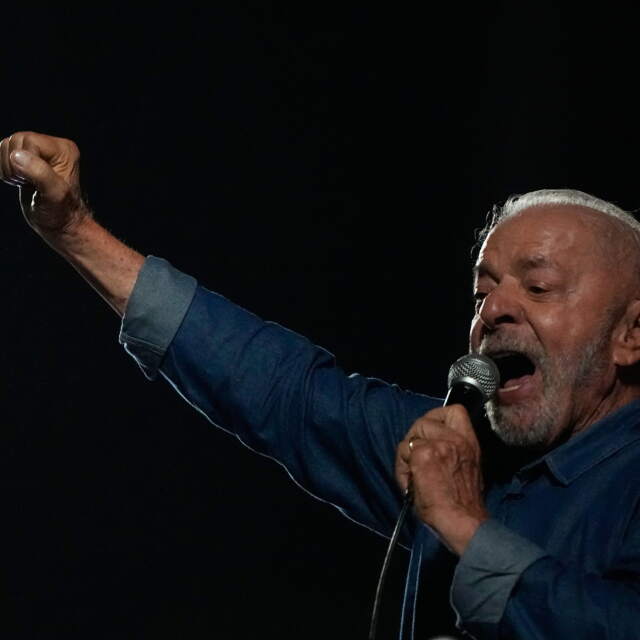
0:33You're listening to State of the World from NPR, a human perspective on global events. It's Monday, October 26th. I'm Greg Dixon. This weekend brought unexpected election results in different parts of the globe. And in both, youth played a major role. In a few minutes, we'll hear about the student movement in Serbia that toppled the longtime leader. First, we go to Brazil. That's where the leftist incumbent in his 80s cinched a stunning come-from-behind win. President Luiz Ignacio Lula da Silva not only shocked pollsters and analysts, he also overcame a tide of recent right-wing wins across Latin America.
1:11Here's NPR's Carrie Kahn. Lula victory celebrations rang out across Brazil.
1:20Like this one near downtown Rio de Janeiro, where supporters hugged, shouted, and sang Brazil's national anthem.
1:31Much of Lula's surprising win came from gains made in major Brazilian cities like Rio and Sao Paulo. Lula also bested his lackluster first-round showing by making inroads with older, working-class, and younger voters, who he gave a special shout-out to last night.
1:55Thanks to Brazil's youth who took to the streets to defend our democracy, he told jubilant supporters in Sao Paulo. 17-year-old Brisa Pereira says she was inspired by Lula, his life from poor factory worker to president. She cast her first ever vote at a busy polling place in one of Brasilia's sprawling suburbs. She wanted to send a strong message to Donald Trump and what she called his new push to dominate Latin America. It's not more the 90s anymore. We have rights, and Donald Trump can speak for all Americans. Lula had to win over millions of new voters from different demographic and geographic areas to best Bolsonaro.
2:41And that's what he did, picking up 10 million new votes compared to the first round just three weeks ago. No wonder pollsters said a Lula victory was almost impossible, says Tiago Vidal, a political analyst with Prospecta Consultants. This was a nationwide victory, a systemic victory, from top to bottom and from left to right. The decisive win with such a huge margin gives Lula the mandate he needs, says Vidal, but the next four years are going to be challenging. Bolsonaro may have lost, but his far-right party made significant gains in Brazil's upper house. However, Lula learned some big lessons, adds Vidal, how to harness the power of social media, which the president, who turns 81 tomorrow, had been reluctant to do.
3:29Part of that has to do with communication, and part of that, therefore, has to do with Lula letting aside the traditional media, the traditional outlet, and becoming more digital. Many are giving credit for dragging Lula into the TikTok Instagram era to a young congressman from the bellwether state of Minas Gerais, Andrei Janones. In this Insta post, viewed by more than 2 million followers, Janones embraces a fellow Lula supporter in a loud election night celebration. Janones mobilized more than 10 million new members on his WhatsApp channel, dubbed Lula's Army, using the platform to engage voters in a way Lula never had before.
4:10As he hugs a fellow Lula supporter, Janone sums up the lessons of this election, that nothing is more powerful than when the people unite. Kerry Kahn, NPR News, Brasilia. While youth were a key part of Lula's victory, they were the driving force in an election upset in Serbia. A student movement there, galvanized by two years of anti-corruption protests, asserted itself in the vote for parliament. Their list of candidates won on Sunday. That means the ouster of Serbia's long-serving populist leader, Alexander Vucic, who is backed by Russia. Reporter Guy Delaunay takes us to the joyous celebration Sunday in Serbia's capital, Belgrade.
4:55Thousands upon thousands of people are on the streets of central Belgrade, not in protest, not in anger, but in celebration. because they've heard that Aleksandr Vucic has conceded defeat in Serbia's parliamentary elections. One way or another, Aleksandr Vucic has been in power since 2012. He counts Russia's President Vladimir Putin as an ally and agreed to a deal with Jared Kushner to build a Trump hotel on public land. But he conceded defeat quickly following a record turnout of around 70%. It's clear that we've lost these elections, Vucic told supporters at the headquarters of the Serbian Progressive Party, conceding that the grassroots student list had won.
5:45The movement isn't a traditional political party. It grew out of anti-corruption protests led by Serbia's young people. For the elections, they nominated 250 candidates, ranging from academics to athletes. There's no hierarchy and no defined leader, but one successful candidate says there is a clear vision. Radomir Sajcic is a chemistry professor at Belgrade University. To start building a free and prospective country where our children will live with us, not live abroad to continue their lives elsewhere. But the real work for the student list is only just starting. Kurt Bassina is from the Democratisation Policy Council think tank.
6:29It is far from clear to me who's going to be in what position, whereas quite often in elections you could reasonably shortlist who's going to be the interior minister, who's going to be this, and the power ministries are going to really be important. For now, though, the work can wait and the celebrations continue. For NPR News, this is Guy Delaunay in Belgrade, Serbia.
6:57That's the State of the World from NPR. Thanks for listening.
7:17in Congress. Our short daily episodes come out every afternoon so you can spend less time scrolling through each chaotic news cycle. Make NPR Politics your hub for midterm election coverage. Follow our podcast on the NPR app or wherever you get your podcasts. Oh, Kevin, it feels good to be back. It sure does, Casey. And what a time the world is talking about AI and what's going on in Silicon Valley. And we are here with a new show to tell you all about it. That's right, Kevin. On our new show, Machine Gods, twice a week, we'll be bringing you the biggest news in tech and bring you unmatched access to the real titans of this industry.
7:49You can find Machine Gods from NPR on the NPR app or wherever you get your podcasts.
Scan the code with your iPhone camera
Listen in the app.