 State of the World from NPR
16 Nov 2026 · 7m

 Add vo to ChatGPT or Claude to ask about everything you hear
vo listened to this episode to put together the overview and transcript, so there may be the odd mistake.
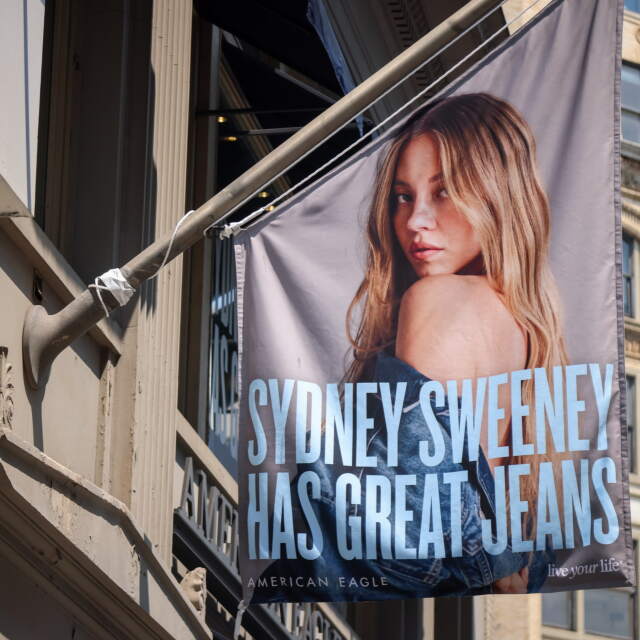
The episode follows NPR’s Dia Hadid investigating “genes” and traces who makes the jeans in an American Eagle ad starring Sydney Sweeney. It also connects the fashion supply chain to New Mexico’s universal free child care rollout, noting families still face waitlists a year later. In Pakistan and Bangladesh, NPR interviews garment workers (asked not to be named) who say they sew jeans for brands including American Eagle, Levi’s, The Gap, H&M, and Massimo Dutti under extreme heat, with low pay, production targets, and health impacts like fainting and infections. Heat researcher Kara Short (Climate Rights International) links worsening conditions to climate change. Factory managers and companies deny wrongdoing; American Eagle says it works with suppliers, and Artistic Garment Industries disputes claims. Workers allege brands send auditors and warn them to lie.
0:00Last November, New Mexico became the first state to launch universal free child care. One year later, many families are still on wait lists. It's just hard to explain to the families, oh, I'm sorry, we're at full capacity, we don't have a spot. How New Mexico is working to keep this ambitious program alive. Listen now to the Sunday story from the Up First podcast on the NPR app. Today on State of the World, we meet the people who make some famous jeans.
0:31You're listening to State of the World from NPR, a human perspective on global events. I'm Greg Dixon. There was this ad for American Eagle last year. It starred actress Sydney Sweeney, and it caused a minor controversy. Genes are passed down from parents to offspring. The debate was whether this was a wink to eugenics. Was she talking about good genes with a G? My genes are blue. Sydney Sweeney has great genes. American Eagle said the ad was just about genes, with a J. And I guess there's no such thing as bad publicity. But the whole incident got NPR's Dia Hadid wondering about those genes. About where they were made and who made them.
1:12So she went to the Pakistani port city of Karachi to find out. Sydney Sweeney has great genes. Does she recognize the genes? In a sweaty tenement, a single mother nods in recognition.
1:27Not of Sweeney, of her jeans. She says, I've worked on these kinds of jeans, jackets. This woman asked to be called S, the initial of her first name. She says, if you raise your voice here, you get fired. She works at a garment factory that makes clothes for American Eagle Outfitters and other brands. S says, the heat in the factory is unbearable. It's radiated by machines, workers, fabrics. On the day we meet, it's 106 degrees. S says it's hotter in the factory. S says she stands all day to work. There's no AC, no fan to cool her. She says, I get dizzy. My legs feel weak.
2:13She's young, in her 20s, and she says she's fainted three times this year.
2:22She knows it would help if she drank water, but she says she's under pressure to process about a thousand pieces of clothes a day. S makes the equivalent of$145 a month, supports her son and mother. S lives in a tiny rental in a slum dotted with shimmering pools of sewage. As we head there, we nearly step in one. S is one of 20 garment workers I met in Pakistan and Bangladesh this year. They asked NPR not to use their full names because they feared losing their jobs if they were identified. They worked in more than five different factories. And even though I started out looking at who made Sydney Sweeney's jeans, garment factories made clothes for multiple brands at once.
3:08Workers we met told us they made clothes for Levi's, Massimo Dutti, The Gap, H &M, and of course, American Eagle.
3:20H &M also runs. She works for the Levi's. How does she know it's Levi's? Workers say they're paid low wages while under pressure to reach extreme production targets. Experts say that's partly because brands demand their suppliers make enormous volumes of clothes on tight deadlines and on thin profit margins. And those workers' jobs are getting tougher and more dangerous because of climate change. We're starting to see fainting, heat illness, exacerbation of chronic disease, even death. Kara Short researches heat and garment workers for Climate Rights International. She says garment workers are vulnerable because they're clustered in places like Bangladesh and Pakistan, which...
4:05Are warming faster than the global average, that are incredibly hot and humid. And Short says garment factories weren't built to withstand how rapidly the planet is warming. In Dhaka, the capital of Bangladesh, a manager at NBM, a company that makes jeans for Levi's and other brands, tells us it's expensive to cool down a factory. The manager asked that NPR not use their full name because they're not authorised to speak to the media. The manager says a brand has to commit to purchasing long-term, so the investment into retrofitting a factory, like with air conditioners, pays off. But the manager says no brand has done that.
4:44in a dusty Karachi bazaar garment workers tell us they work in sweltering conditions we head to an apartment inside we meet women who work or worked in factories run by artistic garment industries it makes clothes for American Eagle they tell us it's common for women to vomit faint or contract fungal skin infections from the heat one of those women asks that we call her I the initial of her first name. She says she's pressured to work morning to evening, seven days a week at some stretches. Ai says supervisors on her floor berate workers if they leave their stations to drink water because they're under pressure to reach their targets.
5:27So she's thirsty, dizzy, fatigued and weak. Ai is young, closer to 20 than 30. She says my body can't do this anymore, but who will take care of my family if I don't work? I'm the breadwinner.
5:43Artistic Garment Industries contested these workers' claims. The company says they would not tolerate supervisors who berate or pressure workers not to drink or use the bathroom. It says it keeps water coolers near workers to ensure they can hydrate easily. The company added that workers could make complaints through its internal system. Men and women who worked at garment factories run by a separate company, Artistic Milliners, made similar complaints. That company did not respond to requests for comment. When we presented American Eagle with what the workers told us, the company said in a statement that it was, quote, committed to working directly with our suppliers to protect the health, safety and rights of workers.
6:28It said, we take the concerns raised by workers and those whom NPR interviewed very seriously. Levi and the Gap said they also took allegations of workers' rights violations seriously. H &M and the parent company of Massimo Dutti said they were following up on those claims. Back in that dusty Karachi bazaar, the sun's sinking, the call to prayer blares. And workers tell us that brands like American Eagle regularly send auditors to their factories. I, the young woman, tells us, our supervisors give us advance warning that those auditors are coming. We're told to say that everything is fine. Artistic garment industry said workers may have confused regular updates informing workers of their rights with being told what to say at audits.
7:19But I, that young worker, insist to NPR. They ask us to lie. Dear Hadid, NPR News, Karachi.
7:39That's the State of the World from NPR. Thanks for listening. Stay tuned for the following announcements and messages from our sponsors. Oh, Kevin, it feels good to be back. It sure does, Casey. And what a time. The world is talking about AI and what's going on in Silicon Valley. And we are here with a new show to tell you all about it. That's right, Kevin. On our new show, Machine Gods, twice a week, we'll be bringing you the biggest news in tech and bring you unmatched access to the real titans of this industry. You can find Machine Gods from NPR on the NPR app or wherever you get your podcasts.
8:13This is Terry Gross. When I was celebrating my 50th anniversary hosting Fresh Air, I asked my guest, Roastmaster General Jeff Ross, to roast me. Terry Gross, a barely living legend.
8:30Still at it. Listen to Fresh Air on the NPR app or wherever you get podcasts.
Scan the code with your iPhone camera
Listen in the app.