 Stay Tuned with Preet
10 Nov 2026 · 13m

 Add vo to ChatGPT or Claude to ask about everything you hear
vo listened to this episode to put together the overview and transcript, so there may be the odd mistake.
Preet Bharara and Joyce Vance discuss Democratic and Republican impeachment strategy after a GOP push to impeach Defense Secretary Pete Hegseth, plus possible impeachment of other Trump officials (Todd Blanche, RFK Jr.). They also cover Trump administration staffing changes (Susie Wiles out; Stephen Miller chief of staff) and ongoing legal fights over midterm results (Alaska and Mississippi Senate races).
Joyce Vance is a former federal prosecutor and U.S. attorney; Preet Bharara is a former U.S. attorney.
Impeachment articles (eight total) vary in strength; War Powers Resolution violations may be most consensus-ready. The “civilian casualties” and “extrajudicial killings” articles could face evidence/attribution hurdles. Free-speech retaliation and unlawful actions abroad could be politically potent.
alleged Iran strikes without authorization; bombing of a school with 200+ children; replacing maritime law enforcement with lethal targeting of drug traffickers (243 deaths) including killing survivors; alleged retaliation against Sen. Mark Kelly’s protected speech; alleged kidnapping of Venezuela’s leader tied to “Operation Absolute Resolve”; unlawful war in Yemen.
0:00Hey, folks, it's Preet here with Joyce Vance. We're out with a new episode of the Insider Podcast. What's on the docket for today, Joyce?
0:07Preet Bharara: Well, we've got a Republican congressman pushing to impeach Defense Secretary Pete Hegseth. We'll break down the eight articles of impeachment and the case against him. And also whether we could see impeachment efforts against other Trump administration officials, like Attorney General Todd Blanche or Health and Human Services Secretary Robert F. Kennedy Jr. We've also got post-election shakeups and Trump administration staff. Susie Wiles is out. Stephen Miller is the new chief of staff and more changes could be coming. Plus, the legal battles over the midterms continue, including the still undecided Senate races in Alaska and Mississippi.
0:42Preet Bharara: This is a free segment from our conversation that we're sharing with Stay Tuned listeners. If you'd like to become a member of the Insider community and get access to full episodes, head to staytuned.substack.com to subscribe. Thank you for supporting our work.
1:25Preet Bharara: So I think that that's what makes this interesting. The question in some ways is not about Pete Hegseth and is more about whether Congress is willing to stand up for itself, something it has not done yet. And the question in my mind is whether that changes after the results of the midterm elections. I guess we'll see. So it's interesting, you know, when I printed out the articles yesterday, I was a little bit surprised at how long they are. Did you expect them to be this lengthy? There are eight of them. There's eight, yeah. But there's a lot of detail. Let's see, it runs to 30, 34 pages. So clearly it's taken some effort and time.
2:02Preet Bharara: Such a dinosaur. I can't believe you're still printing it out instead of reading it online. Yeah, yeah, yeah. I'm herding trees. I don't know how to take notes otherwise. It's really hard to me to read it online. I actually did with this because I was traveling. And so I had the same reaction that you did, that there was an enormous amount of detail, and also that these charges, some seem stronger than others. So let's go through them. So there are eight in total. Articles 1 through 3 all relate to the War Powers Resolution of 1973, this argument that gets talked about, but that parties, that members of Congress on both sides of the aisle really honor in the breach or enforce in the breach.
2:47That is that only Congress can declare war. So I'll read one of them. Article 1, this is a summary, Waging War and Contravention of the War Powers Resolution of 1973, Section 2C. That article charges Secretary Hegseth with waging the Iran war despite no declaration of war, statutory authorization to tackle the United States for imminent threat, etc., etc. And then there are other provisions of that resolution that are the basis of the second and third articles of impeachment. Okay, so that's that. And we'll go back through these more slowly in a moment. Article 4, ignoring laws that minimize civilian casualties.
3:26That one charges Hexeth with ignoring laws that minimize civilian casualties. Massey has talked many times, as have other people, about the bombing of a school where more than 200 children apparently died in Iran. Then he's got Article 5, extrajudicial killings. This departs from Iran. This is not about Iran, right? Right. That charges Hegseth with replacing maritime law enforcement with unauthorized lethal military targeting of suspected drug traffickers. And he claims that resulted in at least 243 deaths. Article 6, suppressing free speech. This is interesting because this is an article based on the conduct of Hegseth and the Department of Defense in retaliation against Senator Mark Kelly for constitutionally protected speech.
4:15that video that he made with Senator Slocken, who I represent, and for other members of Congress. Then there's Article 7. I wonder what you think of this one. I'm super interested to hear what you think of the article that is about the kidnapping of a sovereign foreign leader in connection with Operation Absolute Resolve to seize Maduro and Celia Flores in Venezuela without constitutional or legal authority. And then finally, I'm almost done, unlawful war in Yemen. So, kind of wide-ranging. You want to start with the first few?
4:50Preet Bharara: Yeah, I mean, let's just issue the general reminder that articles of impeachment, that's sort of the equivalent of an indictment in a criminal case. And so this goes to the House first to vote on whether Hegseth should be impeached or charged with these things. And that'll require three defectors from the Republican Party to join with Democrats. Or, depending on who decides to show up or not. That's true, yes. Right. So you're absolutely correct if there's, as they say, a full house. Yeah. But I've heard people speculate as opposed to a flush. And so some people have speculated that there are some outgoing Republican members of Congress, you know what you might call them, defeated and disgruntled.
5:35That's a favored alliterative term that one secretary uses. Yeah. And they might not want to be bothered to come back and vote.
5:43Preet Bharara: That'll change that calculus. You know, I think that that first article, this is the one about violating the War Powers Resolution, that feels to me like it offers the strongest combination of a specific statutory deadline and Republican constitutional concerns. But as you say, it's always honored in the breach, right? This is something that presidents, both Democratic and Republican, have played a little bit loose and fast with over the years. But I do think that this is one where if Republicans are intent on hewing to the Constitution, we might see some movement forward. I think those are the three that are most likely to get consensus and enough votes.
6:25Preet Bharara: You know, Article 2, which is unauthorized war against Iran, I think has the broadest political appeal, right? Especially after the election, which signals some backlash against the war. Yeah. Then you've got the related ignoring laws to minimize civilian casualties. I think that might go also. What do you think? Let me just say, I think what happened is horrific. I'm not sure that proving Hegseth's individual responsibility is something that they can work with here. This is, of course, impeachment, not a criminal case, so we're thinking about high crimes and misdemeanors. But this one on the evidence might be a closer call.
7:03Preet Bharara: And look, with so many articles to choose from, I mean, this is sort of like a pick-me situation for people in the House, and maybe coalitions will form around different of the articles. This one for, I think the conduct is so heinous that it may get some traction, but there could also be proof issues. Well, some people might not want to vote in favor of it because it doesn't implicate only Hegseth, I don't think. Yes, that's true. That it might be seen to implicate other people that they don't want to be accusing. Are you like talking about the president? No, I mean other members of the military.
7:37Preet Bharara: Oh, I hear that. People who carried out the orders and the intelligence that was clearly faulty about what was located in that area. and maybe they want to make this laser focused on the responsibility of Hegseth and Trump and not other members of the military. You know, I don't know, but it could go either way. I think that's actually a savvy point. And something that Hegseth did this morning in his statement, sort of in the guise of praise for members of the military, he pointed out, you know, this is really an attack on you. And they're saying that what you did was to violate the law, almost in an effort to gain support from people who might feel threatened by this.
8:17Preet Bharara: So I think that's actually a savvy pickup. It's a very common ploy in politics and maybe in other contexts also that when you get accused of something, you associate yourself with some other group or entity or cause that then suggests that the person making the accusation is really accusing these other folks and these other people who you like. So you're removing a separation between yourself and some other thing that is actually popular, which is, you know, the most frequent example of this is Trump and others. And sometimes Democrats do a version of this, too, but there's no comparison in terms of frequency and cynicism with respect to this.
9:02They'll say, you know, when you attack me, you attack America, right? Why do you hate America? No, people don't hate America. People just hate you. All right, so let's move in right moving right along nice that was well well played moving right along So this is interesting. We've talked about this a number of times the military targeting of drug traffickers in the seas I don't know if this number is correct or not. It addresses The issue that we've talked about which is the secondary strike on survivors of a strike on on a boat Where you have people who are alleged to be drug traffickers sort of just floating in the waters with the jetsam and flotsam, I guess you call it, of the boat.
9:48And then they're killed too. I think a lot of people think that that was abhorrent and inconsistent with our values and with the UCMJ and all sorts of other provisions.
10:00Preet Bharara: And international law, sure. International law, impeachable? I do think it is. And whether it is or not, I think the debate on this one, if the House has the opportunity to consider these, right? I mean, there's this whole other political question of whether the Speaker will try to table it. But if there is open debate on this particular issue, it may bring it into focus for Americans who sort of vaguely at the edge of their consciousness heard that these killings were going on, maybe heard Trump saying that they were terrorists. This would force full-on consideration of the fact that we shot people after their boats had been destroyed who were fighting for their life in the water, I think it could be the single most important aspect of this impeachment proceeding.
10:46Really? Why the single most important?
10:48Preet Bharara: Because the notion that our country, instead of rescuing people who were shipwrecked, which is what international law and our military code requires, and instead we killed those people when they were no longer any kind of threat to us, coupled with evidence that will likely come out if that's debated, that many of these people were not terrorists. In fact, they were fishermen trying to make a living. I think that that could be very powerful in increasing what happened in the midterm elections, which is Americans rejecting this administration. You know, I guess the political theme during the midterm, right?
11:25Preet Bharara: It was cost, corruption, and competence. And I would have added to that a fourth C, cruelty, which would have covered the conduct that involves ICE for sure, but also this conduct. And I think that that could become a powerful narrative in some segments of American society. Yeah, that's a very interesting point. Suppressing free speech, the Mark Kelly scenario. Thanks for listening. To hear the full episode, become a member by heading to staytuned.substack.com. And thank you for supporting our work.
12:14Hear that? That's me in Tokyo learning to make sushi from a master. How did I get here? I invested wisely. Now the only thing I worry about is using too much wasabi. Get where you're going with SPY, the world's most traded ETF. Getting there starts here with State Street Investment Management. Before investing, consider the fund's investment objectives, risks, charges, and expenses. Visit statestreet.com slash IM for prospectus containing this and other information. Read it carefully. SPY is subject to risks similar to those of stocks. All ETFs are subject to risk, including possible loss of principal.
12:42Alps Distributors, Inc. Distributor. Hear that? That's me in Tokyo learning to make sushi from a master. How did I get here? I invested wisely. Now the only thing I worry about is using too much wasabi.
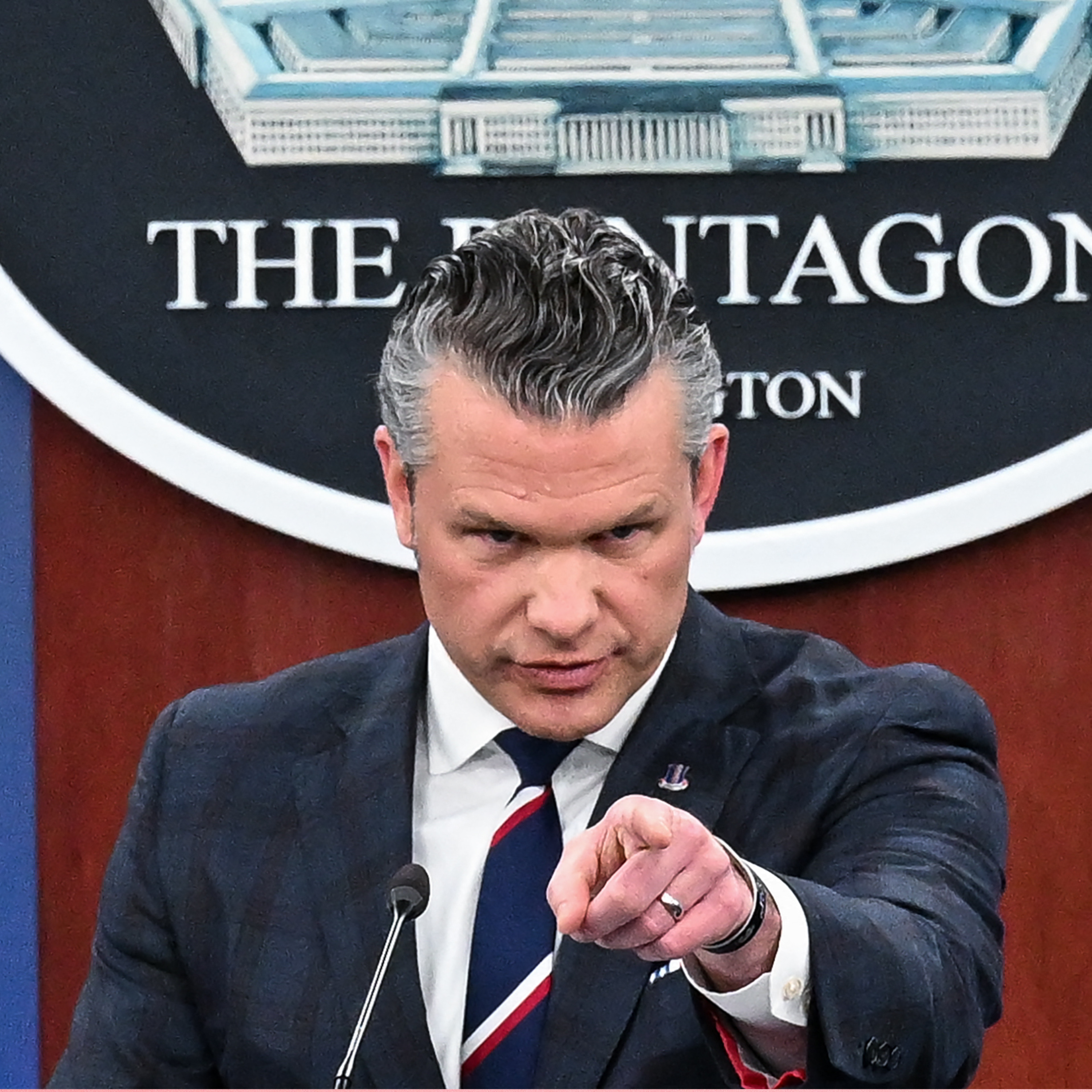
In an excerpt from this week’s episode of the Insider podcast, Preet Bharara and Joyce Vance break down the articles of impeachment against Defense Secretary Pete Hegseth, which accuse him of violating congressional war powers, authorizing unlawful military strikes, and retaliating against Sen. Mark Kelly for exercising his First Amendment rights.
To listen to the full conversation, become an Insider today. You’ll get access to full podcast episodes t and other exclusive content. Head to staytuned.substack.com.
In the full episode, Preet and Joyce discuss:
– Which other Trump administration officials could face impeachment, including Attorney General Todd Blanche and Health and Human Services Secretary Robert F. Kennedy Jr.;
– The shakeup in Trump’s administration following Republicans’ midterm losses, including the departure of Chief of Staff Susie Wiles and the resignation of DOJ civil rights chief Harmeet Dhillon; and
– The still-uncalled Senate race in Mississippi, where a dispute over ballot counting could escalate into a courtroom battle.
Insiders, click HERE to listen to the full analysis.
Subscribe to our YouTube channel.
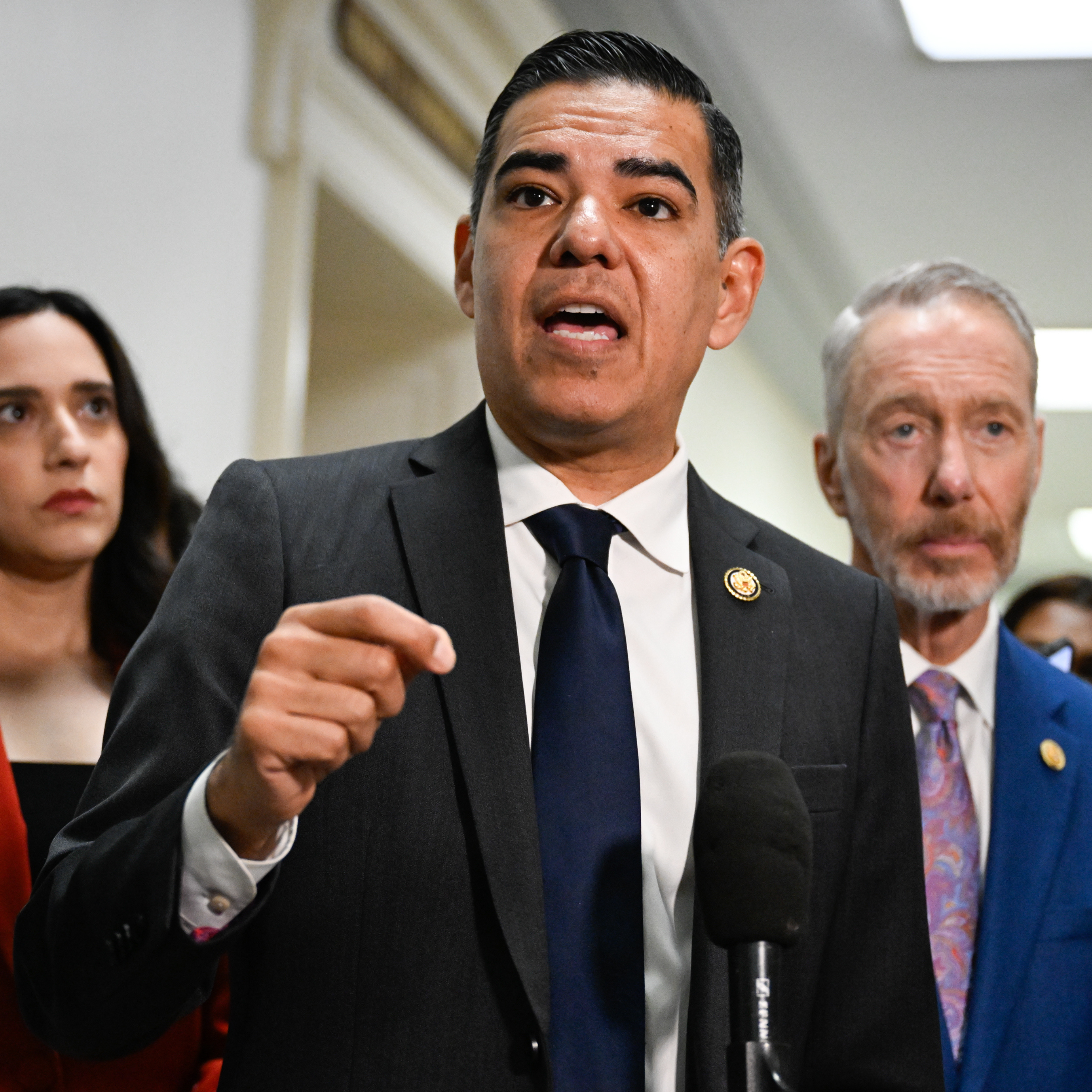
Photo by ROBERTO SCHMIDT / AFP via Getty Images
This podcast is brought to you by CAFE and Vox Media Podcast Network.
Learn more about your ad choices. Visit podcastchoices.com/adchoices
Scan the code with your iPhone camera
Listen in the app.