
In short
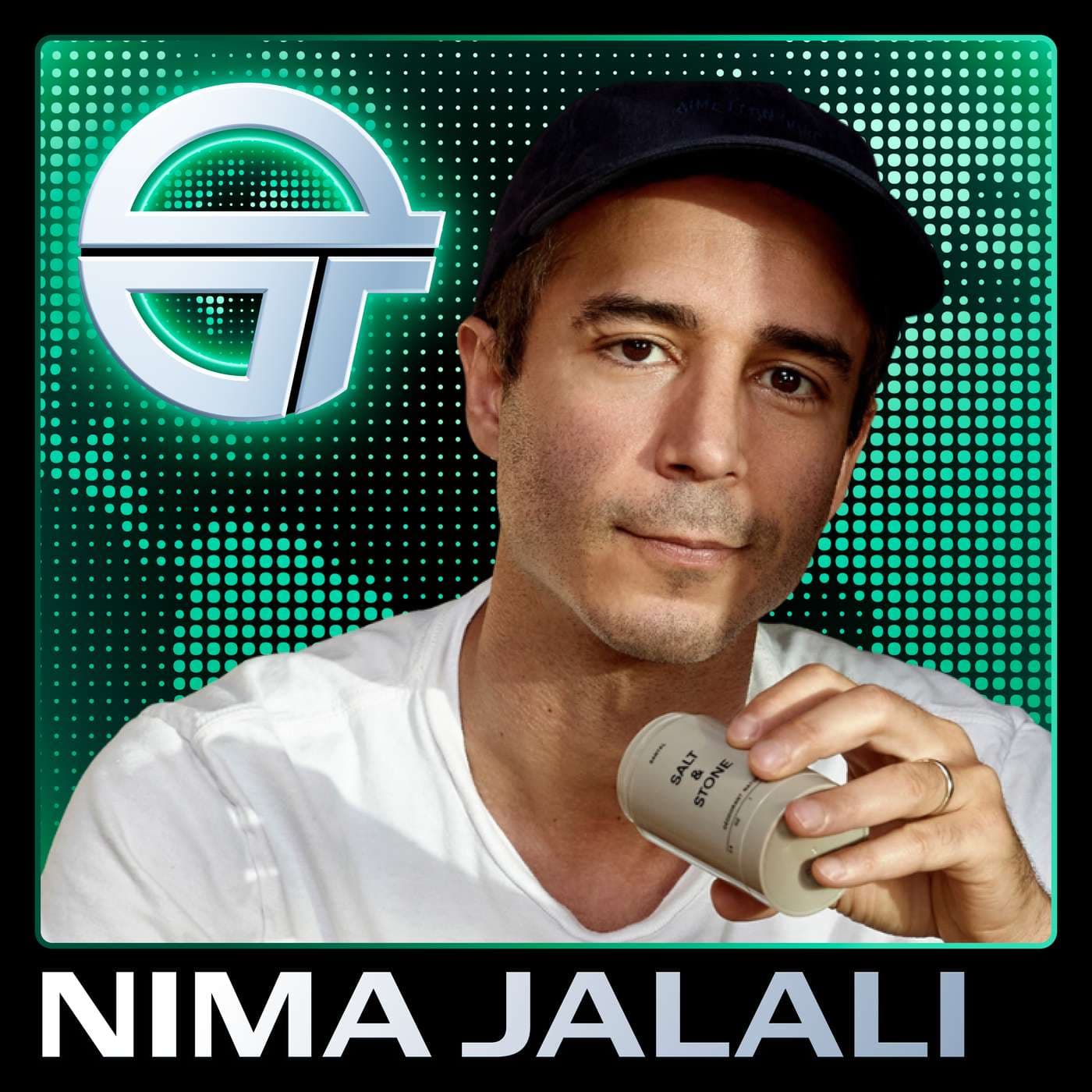
Nima Jilali (founder/CEO of Salt & Stone) explains how he built the deodorant and sunscreen brand from a pro-snowboarding career into a profitable CPG business, scaling through product-led distribution, tight team building, and brand-first advertising; he also discusses the company’s sale/partial exit and international expansion.
Guest backgrounds
The guest is Nima Jilali, formerly a pro freestyle snowboarder (about 10 years, ~age 20–30), focused on movie/magazine parts rather than contest track; grew up in La Cañada, trained heavily at Big Bear. Interviewer is not identified in the transcript.
Key claims
Salt & Stone was profitable from day one; “product” beat operational excellence; retailers came because the brand was compelling; no sales reps—brand creates retailer pull; funding was secondary to profitability; founder relentlessness matters more than VC.
Notable examples
First product was sunscreen (launched before deodorant to perfect formulation); deodorant innovation included sophisticated scents and better performance/experience; early distribution included ~40–50 independent retailers at launch; team grew from solo to ~50–55 remote employees; by 2022 it became the best-selling deodorant on Amazon; international rollout includes Sephora Canada/UK and other regions.
Written by AI. May contain mistakes. Listen to the episode to check what was said.
Chapters
Tap a time to open that second in VONima's Journey as a Pro Snowboarder
0:45 to 3:52
Nima shares his background as a professional snowboarder, detailing his experiences and challenges in the sport.
“And I got good and went off and turned into a pro snowboarder.”
Transition to Entrepreneurship
3:52 to 7:09
Discussion on Nima's shift from snowboarding to building Salt and Stone, touching on industry challenges.
“And snowboarding, it's happening on a day-to-day basis where you have one season to put together your part, and you're kind of racing against Mother Nature in some sense.”
Launching Salt and Stone's First Products
7:09 to 8:31
Nima explains the launch of Salt and Stone, focusing on the first product, sunscreen, and its immediate success.
“You guys did one hundred and sixty five million last year.”
The Importance of Product Quality
8:31 to 11:15
Discussion on how product quality drives success, using deodorant as an example of their ethos in development.
“And I've seen a lot of like exceptional teams that have like all the operational chops that have all the experience come out with a product that might be fine or pretty good, but they just don't go anywhere.”
Funding and Profitability in Business
11:15 to 14:03
Nima shares insights on maintaining profitability and raising funds for Salt and Stone, emphasizing the importance of a solid business model.
“And it turns out what I wanted was what everybody else wanted.”
Building a Profitable Business
14:03 to 16:41
Learn how the founder prioritized profitability and team dynamics in their journey.
“that's always been important right I've just want to make sure the bank balance is growing the the raises were second we're secondary right it was me sort of taking chips off the table.”
Foundational Strategies and Branding
16:41 to 19:07
Discover the importance of branding and marketing strategies in building a legacy brand.
“and we're the best-selling deodorant on Amazon.”
International Expansion and Partnerships
19:07 to 23:06
Understand the challenges and strategies of expanding a brand internationally.
“The edits here and then go in and work with them.”
Advice for Aspiring Entrepreneurs
23:06 to 24:18
Get insights on what it takes to succeed as a founder in the CPG space.
“And his point of view, he's a founder or the CEO of Ridge.”
Reflections on Growth and Passion
24:18 to 28:03
Explore the importance of passion and focus in building a successful business.
“Let's maybe it's like, uh, I would say like if a deodorant brand was putting together an event, I don't think I'd be like, I want to, I gotta be there.”
Show all 12 chapters
Navigating the Pressure of Work-Life Balance
28:03 to 28:30
Explore the pressures founders face in maintaining work-life balance and social obligations.
“because there's a lot of people as simple as like focus is, there's a lot of people that feel pressure to continue their golf game.”
Excitement for New Partnerships
28:30 to 28:51
Discussion about the excitement surrounding new collaborations and projects.
“Thank you so much for taking the time to come show us.”
Transcript
Automatic transcript. May contain errors.0:00TBPN Host:Introduce yourself for those who are not familiar since it is your first time.
0:04Nima Jilali:My name is Nima Jilali. I'm the founder of Salt and Stone. Okay. I'm the founder and CEO.
0:08TBPN Host:Yeah. Take us back. And I'll give some context. So I met Nima recently moved into my area and I think we met within like a week of you moving in. And so I haven't even gotten like the full story even though we've been hanging out the last couple weeks. Cool.
0:25Nima Jilali:Yeah. Full story. I was a pro snowboarder. I heard you're from Pasadena. yeah yeah so I'm from La Cañada no way yeah that's awesome so grew up there I was obsessed with skateboarding and got into snowboarding and started going to
0:37TBPN Host:those local mountains right mountain high big bear like Mount Waterman and it
0:42Nima Jilali:used to be called crack a ridge sure you heard of that yeah yeah and so back in the day you know when I was in high school we had you know El Nino winters yeah yeah like a ton of snow and they were actually operate they don't operate anymore yeah and so I just I would just get out of school at 12 every day and go up there five days a week. And I got good and went off and turned into a pro snowboarder.
1:01TBPN Host:What does that mean? Does that mean like speed competitions, trick competitions? What are you doing? Because there are multiple ways to become a professional snowboarder, correct? More like freestyle. Yeah, there's basically like two paths. There's like, think like lifestyle guy, just like going around making movies all the time. And then there's like the competition track and there's some crossover but generally there's like you have sponsors in both departments but one one person is focused on like winning contests going to the Olympics going to the X Games doing things like that and there's then there's the more like guys that might do backcountry or street or park but they're focused on producing yeah like parts basically got it I didn't know you
1:44Nima Jilali:knew so much about it I know a lot yeah yeah so I wasn't the contest guy I was more in movies and in magazines. Oh, cool. Yeah. Okay. So went off and did that. How long were you doing that? Pro for about 10 years from about from about 20 to 30 years. Right. Yeah. Yeah. It was amazing. I mean, that was like my college. Yeah. It must be so much fun. It was fun.
2:03TBPN Host:What is the what I feel like entrepreneurs can probably resonate with what like a pro snowboarders doing where your job is to basically produce right like a banger part a season, potentially multiple and there's like this prep where you're basically like this part like that's like a five minute video okay that might be released independently or as part of an entire movie okay and so your job is to do enough tricks yeah yeah stomp them yeah as nemo would probably
2:33Nima Jilali:stop it's a lot yeah it's a there's a lot i mean there's there's like you pick out a song you you know that you want to have in your part there's first part and then the most prestigious is being in the last part, you know, in the video. Like everyone, so it's like you've got this video and everyone's supposed to be on the same kind of team to make this best video. There's probably 10 snowboarders going after it and doing it. But there's a little competition within that because everybody wants to get last part. You know what I mean? And so it's not a team sport. You're really out for yourself.
3:03Nima Jilali:And there are a lot of lessons that you learn, especially growing up skateboarding, where it's like fail, fail, fail, fail. Like learning how to kickflip, It takes you six months of just failing, and then you figure it out.
3:16TBPN Host:Yeah, then the other thing is these parts come together. It might be like four or five minutes, right? It's just one trick after another. But you're missing, sometimes they'll include it, but they're missing like the blooper reel, which is like sometimes you have to fall really, really hard 20 times in a row to land the one that you make it look easy, and that gets cut out. So I feel like there's so many lessons out of that. But a lot of successful entrepreneurs would have failed miserably for years, and then they have that breakthrough product or feature or whatever it is. And snowboarding, it's happening on a day-to-day basis where you have one season to put together your part, and you're kind of racing against Mother Nature in some sense.
4:02TBPN Host:Can you chase the winter into the southern hemisphere effectively?
4:08Nima Jilali:Yeah.
4:08TBPN Host:Yeah. Yeah. Yeah. You would be how many days would you actually be snowboarding over a year?
4:13Nima Jilali:I mean, five days a week. I ended up I would live I lived in Tahoe, Mammoth, Utah and all that. But I ended up landing in Big Bear just because it was like the weather is always good for if you want to just snowboard every day and train. Yeah. The weather is always, you know, sunny and nice and it's not like icy or cold. So I would just go there and snowboard every day and then fly out of LAX to wherever I needed to go.
4:34TBPN Host:Big Bear is like basically one lift that you're just going around and around. And there's like 50 features you can hit on one. So you like go and you might be hiking like a little bit on one feature. But you're basically lapping it. So people that like don't like park go there and they're like, this is the worst mountain ever. Like if you're used to skiing in Mammoth or Tahoe or Colorado. But if you just want to ride park, Big Bear is incredible.
4:59Nima Jilali:Jordy, we're going to have to go, man. I know. I know.
5:01TBPN Host:No, I went through, I did almost like 50 days, I think my junior year of college a lot at Big Bear. I would just go up and lap the park. Nice. A lot of good memories. Yeah, so it's a project. It's a project that you're... Yeah, where do you ski in the southern hemisphere? What's that? Where do you ski in the southern hemisphere? Um... If it's summer here, I imagine that even Big Bear, there's no snow, and so you have to go to the southern hemisphere?
5:23Nima Jilali:The only time I snowboarded in the summer was going to Mount Hood, where it was like, there's a glacier. Oh, okay.
5:29TBPN Host:So it's still snow? I don't.
5:30Nima Jilali:There's still snow. So it's in Mount Hood and they have like the summer camp. Okay. And so all these kids go and a lot of pros go and stuff. But honestly, during the summer, I would just skate. I would skateboard. Okay. Yeah. Yeah. Okay.
5:41TBPN Host:Okay. So the reason you're here is because you built Salt and Stone over the last eight years. Partially exited this week. I don't know. I don't know which I know the numbers. I don't know what numbers you're disclosing. um but uh but yeah take us through what what was the transition like i'm assuming you didn't just like retire and immediately start salt and stone or was it effectively instantly um so i i had a
6:08Nima Jilali:couple ventures within that industry the like the the surf skate snow world and then you know salt and stone was this idea that i've that i had had and which is like i don't know if you can give any
6:20TBPN Host:context on that, but like brutal industry because every single pro and everybody adjacent also wants to start ventures within the industry. Yeah.
6:30Nima Jilali:Yeah. That's true. And, but I mean, there's just such a ceiling in that, in that world, you know, unless you're like, end up being a Burton or a Quicksilver or something like that. Right. Yeah. And even
6:39TBPN Host:those brands have struggled.
6:41Nima Jilali:Totally. Um, so I knew, I knew I wanted to do salt and stone and, you know, I wanted to do something on my own, to be honest with you. I had, you know, just, I had business partners and everything and I wanted to just see how far I could go if I just went like all in 100 percent, like not have to, you know, worry about waking up at two in the morning and doing, you know, emails and just just going so hard. And just I could justify that if it's just like all me and I'm just like going for it. And so, yeah. And so transitioned over to that full time. And it's been just a rocket ship, man. It's been such a great such a great.
7:12TBPN Host:Yeah. You guys did one hundred and sixty five million last year. Yeah. Scaling still. What was the first product?
7:18Nima Jilali:The first product was sunscreen, actually. Yeah. So sunscreen was the first.
7:22TBPN Host:Which again is like a brutal, I would say like from my perspective, sunscreen is like a brutal category because like a lot of people use it throughout the year, but like much fewer people actually are using it enough to like need to even be on a subscription. And then oftentimes you're buying it like just in a random hotel, like, you know, retail store because you're on vacation. Anyways, but how did that go?
7:46Nima Jilali:I always wanted to do deodorant, and sunscreen was the, it just happened faster as far as searching for the perfect, you know, chemist, contract manufacturer, and all that stuff to bring it to life. And so sunscreen came out. The brand was profitable from day one. And then when we launched deodorant.
8:01TBPN Host:How did you sell? Were you just selling it D2C?
8:04Nima Jilali:So we had some retail on day one. So I had retailers lined up. We had, I think, about 40 to 50 of them. And so as soon as we were shipping orders, we were collecting payment. And so, you know, I funded it. of my own pocket to start but was able to pay myself back pretty quickly and and you know the business was profitable.
8:23TBPN Host:Were those 40 or 50 stores were those individual stores or chains?
8:27Nima Jilali:They were individual stores for the most part yeah yeah and then it was when we launched deodorant was really when it you know stores started coming to us.
8:34TBPN Host:What's the what are the economics of like getting one sunscreen product sounds like one SKU into one of those stores are they buying like a hundred dollar box or there was a minute there's a minimum you know like and I from my
8:48Nima Jilali:memory I think it was like a case pack of 12 sunscreens okay I'm out to like 300 bucks okay yeah and then you can sell it at a markup and yes RP that's
8:56TBPN Host:right okay that's right how how quickly did you realize that like my experience having invested in CPG over the years is the number one the number one factor that leads to success is not like operational excellence. It's not always just the team. It's just like how good is the product. And I've seen a lot of like exceptional teams that have like all the operational chops that have all the experience come out with a product that might be fine or pretty good, but they just don't go anywhere. They can never reach escape velocity because the product fundamentally like doesn't really sell itself. Like you can sell it, might cost a lot to acquire customers.
9:38TBPN Host:that the sell through is not that great retailers don't really love it and when I first tried your deodorant after trying probably like 20 different like better for you deodorants I was like wow this product is like incredible and I've like retained across years even though I I don't even know that I've maybe bought it on the website once maybe bought it on different stores online or I just buy it in the grocery store but I'm like permanently retained because I tried everything else and this is just the best. It like goes on well, it smells good. Uh, and so I was just like sold off of that and you didn't need to be like the best at like email marketing to me or like have the best like retention flows because I was just like, it's a good product.
Read the full transcript
10:21TBPN Host:I've tried everything else. And so I'm wondering like how you, how, how quickly you realize that from like a product development standpoint, how much of like, what is your ethos around product development? When is a product ready to actually go to market versus just still in that kind of testing phase?
10:37Nima Jilali:Yeah, that's why we launched sunscreen before deodorant, because we were just trying to get everything perfect, right? And so we did something in deodorant that hadn't been done before, especially in clean deodorant. You know, deodorants before didn't smell the way I wanted to, right? Like they didn't have these sophisticated scents, and clean deodorants didn't work, or they weren't really like a pleasurable experience to use, and they certainly didn't look good.
11:00TBPN Host:Yeah, they'd be like mint. Yeah, yeah, yeah, exactly. It's like, I don't want to smell like toothpaste.
11:04Nima Jilali:Yeah, yeah, exactly. It's like, you know, why shouldn't it smell as good as your perfume or cologne, right? And so just hitting it on all cylinders and making sure it's, you know, perfect. And for me, I was really making it for myself, right? Like, what do I want? And it turns out what I wanted was what everybody else wanted. Yeah.
11:21TBPN Host:Did the company ever almost die? No.
11:28Nima Jilali:It's been a dream come true, right, man. It's been fun.
11:33TBPN Host:It's so funny because the classic philosophy in adventures is like, yeah, we almost, here's this time, we almost died. And in talking to you, getting to know you just recently, it just kind of seemed like it was just permanently up and to the right. And you told me one story that was not kind of annoying around on the Capitol side, but nothing that was like, it didn't feel like you experienced that much hardship. You kind of just one-shotted entrepreneurship. That's amazing. And it's so crazy because I know so many, you started the company at the peak of the D2C boom. This was a time, this was 2017.
12:13TBPN Host:2017. Right, and so this was a time that everyone was like, Red Antler, Gin Lane, were just pumping out brands. There was so much capital flowing. There was many competitors. There was a school on the East Coast. I forget the name of it, but they had like an MBA program that was like every single word not Harvard it was one no there were a lot of there were a lot of MBAs there yeah there was like all every person in an MBA program would be like I'm building a DTC brand and they were just picking and there were some really good outcomes that people were tracking against like Dollar Shave Club and Harry's and there were a number of companies where it was like oh they did the Warby Parker they raised money they did the VC playbook and it's sort of penciled out for everyone but then later people realize like oh those were more like one-off exceptions to the rule where you get a Unilever who gets excited and buys a Dollar Shave Club for a billion dollars and maybe doesn't wind up realizing a billion dollars of value because it's just a young company so yeah I mean honestly it's I feel like
13:14Nima Jilali:it's just the power of of a founder who's just gonna be relentless and go up against the big guys right because I interview people from the big guys all time and I'm shocked at like how sleepy some organizations are right and so if you even have a team of three people that are just relentless and you guys know from like what you guys do it's like you can't compete with that I don't care how much money you have or what incubator you're in or what VC's you know starting you it's if you have a founder who's just gonna be relentless
13:42TBPN Host:and how did the approach to funding evolve like cuz you said you were like profitable from day one you did raise at a couple different points a little bit of money but did you did you care about maintaining profitability or did you ever go to go through periods of growth where you thought okay we can we can burn a little bit here to get to the next stage we've always been profitable
14:05Nima Jilali:that's always been important right I've just want to make sure the bank balance is growing the the raises were second we're secondary right it was me sort of taking chips off the table. The business has just been so profitable that we didn't really need to inject it with money. And so it's a healthy business, man. I'm blessed. Venture capital? Not really my cup of tea.
14:28TBPN Host:It's just so crazy. I mean, it just goes back to you guys nailed so many different elements of the product. And yet I know people that started deodorant brands during that same period that just didn't go anywhere. What was the early team like? The early team? Yeah. You have the idea, solo founder, and you mentioned Co-Packer. Did you work with a formulator? Did you hire a salesperson first, operations manager, somebody just to help you, personal assistant? What was the stack?
14:59Nima Jilali:First three years was myself, just myself. For that, it was really working with contract manufacturers, chemists, but also bouncing off my internal network on like, Hey, I got this deodorant sample. Like people I trusted, their taste and what, you know, here's the goal. This is what I'm trying to achieve here. Like, let's, let's test it. And so, so that myself, you know, my wife, like constantly we're smelling each other's underarms, you know, is it working in the lab?
15:30TBPN Host:Yeah. You know,
15:30Nima Jilali:it was just relentless, man. It was like, we, we know what we want in a product. We see what else is out there. We have all the other products on our shelf, right? Like to just see what, what they're like let's make something better yeah right and so and then three years in I hired I hired somebody who really took on all the ops mm-hmm all that stuff off my plate that's not where I excel ops and like finance you're like all that's I'm more brand product anything the customer sees that's what what I love and so when she took all that and she really excels at that stuff and it was me and her for like three years four years after that Wow or like like two three years after that they'll just a couple people 2022 and you're still two people?
16:09TBPN Host:No,
16:10Nima Jilali:it was like yeah sorry. Three years solo, three years with two people, six years yesterday. Then we start hiring. So she came on board and I saw how it would really excel the business and I got to focus on what I like to do. She came in and crushed it way better than I could do on the other stuff, 3PL, logistics, all that stuff and then I saw power of team and then from there we just started hiring people, hiring people and then just got the confidence to keep hiring. Because the more we hired, we hired the right people, then the business kept growing and growing and growing. And then all of a sudden, it's 106.6 and we're the best-selling deodorant on Amazon.
16:43Nima Jilali:How big is the team now? 50, 55. It's still really tight. It's really tight. We have a high bar for who we bring in. We'll interview people and I'll know within five minutes. Are you in the office or remote? No office. All remote. All remote.
17:01TBPN Host:This is like the most insane, the most insane story is it's like most most of the time you get to that moment just like the most battle-scarred telling you man we're blessed it's been a fun okay so walk me through the product portfolio expansion how that happens and then are you subdividing sales reps by region or vertical or channel we don't
17:30Nima Jilali:have sales reps. You don't have sales reps?
17:31TBPN Host:No.
17:32Nima Jilali:No. Sales reps never. So here's the thing. Here's the thing. You got to create a brand that the retailer wants. Yeah. Right? You don't want to go and just like push something down a retailer's throat and have your sales guy knocking on the door and all that stuff. And that was it. Like really focusing. Like this wasn't all just like, oh, it's just happening. It's happening. It's like an obsession. Right? Like I got, I turned into an advertising expert for like six months. All I did was want us to have the best ads, the best digital presence, And create a brand that the retailers needed to have.
18:04Nima Jilali:And then from there, then those retailers need to have you and they're knocking on the door.
18:08TBPN Host:What was that advertising process like? Were you looking, were you reading Ogilvy, looking at the greats, watching everything?
18:14Nima Jilali:It's just looking at all the competitors, seeing how they do, right? And really it's like not looking at the other indie brands, like looking at the big brands. Like I've always wanted to take inspiration from the brands like the Nikes of the world that are going to be here in a hundred years. Because that's what I want this brand to be, right? I don't want, this isn't some like influencer brand. I'm not an influencer, I'm not in front of the camera, like this is something that I want to be a legacy brand that's here long after I'm gone. So those are the brands I look at for inspiration.
18:39TBPN Host:And then how are you actually instantiating your learnings? Are you directing photo shoots? Are you casting models? Are you writing copy? No, no, once you go through that six month brand exercise, you become the expert. Are you taking a project, a brand project from start to finish, or are you picking an agency, or hiring people.
19:00Nima Jilali:It was start to finish. So there was a time where I was picking out models, picking out photographers, videographers, helping with the edit, like all that stuff. The edits here and then go in and work with them. Yeah, yeah. And if they're static, like still photos, I would go in Figma, drop text overlay, figure out what to say, like all that stuff. And yeah, I mean, I just threw everything at me. And all I did, I gave up like everything, all my hobbies, like snowboarding, skateboarding, like all that stuff. Like I got into golf for a second, all of it ended. It was just like, I'm going to go in on this.
19:30Nima Jilali:But like when you get a signal that the thing is working, then you want to - Because the bank balance is going up. Bank balance is going up. You're having fun. It's like really your purpose. It's just like nothing else I want. I want to build it.
19:42TBPN Host:What do you think about international expansion?
19:44Nima Jilali:What do I think about it?
19:45TBPN Host:Yeah. How has your thinking evolved? What's the strategy? Is that something that a lot of companies go through this moment where they're like, maybe it's so operationally complex it'll change the business so let's put it off. Let's maybe wait until we're at a point where we can team up with a bigger company and through a merger acquisition and let them bring their operational force so that you don't need a person in every locality because they will bring that to bear and you're set up for success.
20:13Nima Jilali:No, so we've already expanded internationally. As I expected. Sephora Canada, Sephora UK, Spacing K in the UK, Sephora Europe we just launched. Middle East, Southeast Asia, so on, so on. That being said, there's a lot of, a lot more opportunity. And that's one of the reasons I chose Advent to be, to be the, the partner here, is because they have a strong expertise in international. And I feel really great about them. I mean, look, my, my goal was never to just exit out fully and just put it in somebody's hands and let it go to shit. Like, that's not what I want. I want the brand to, I want, I want my grandkids to look at this thing and be like, oh yeah, that's what my grandfather built.
20:50Nima Jilali:You know, I want it to be around. I want it to be what it was always meant to be and not turn into some discount brand.
20:56TBPN Host:Yeah, what was the – how many – did you have a bunch of opportunities to sell prior to this moment? I'm assuming people were just kind of seeing public metrics and sell through and all these things and hounding you at different points. What was the process of knowing when the time was right? We had a lot of private equity reaching out, a lot of people reaching out in general.
21:20Nima Jilali:and so I worked with Raymond James who I love and I would just forward it to them and they told me when it was time and it was like let's go let's go explore
21:27TBPN Host:let's go explore the market yeah yeah so this was not a story where you met your
21:32Nima Jilali:acquirer like years and years ago we've been talking for about you know for several months six plus months you know and I really really like them you know and for me it's when I did the deal with humble growth two years ago I you know we had 15 private equity funds to choose from and I like them because of who they
21:53TBPN Host:know we had a lot we had a lot of bitters you know you know if you were looking for you know the the hero's journey of founder stories turn it off I mean it is it is it is in a way it's Yeah, missing some plot points.
22:11Nima Jilali:There's a lot more to it. Yeah, of course. But yeah, I mean, it's just choosing good people to work with, right? People who can do it with integrity and that I want to work with and that are aligned vision-wise on what the brand is going to be in the future and let's go build that together.
22:26TBPN Host:Yeah. What advice have you been giving to people that want to follow in your footsteps? This is kind of what I feel like every CPG founder imagines, It's just like, yeah, I'm going to be building for like eight years and I'm going to sell for, you know, half a billion to a billion to a strategic. And yet, you know, the hit rate is obviously, you know, something probably like, you know, one percent. Right. And over the last year, there's I feel like there's actually been a dip in new new brand formation. At least that's what Sean Frank was was was I think mentioning on a on I think at the end of last year.
23:09TBPN Host:And his point of view, he's a founder or the CEO of Ridge. And he's like, OK, in two years, are people going to want new brands to choose from? And his point of view is like 100 percent, right? Like there's constantly a desire for newness and that kind of founder led product development approach that made Salt-N-Stone what it is today. So, yeah, what advice are you giving?
23:33Nima Jilali:I mean, honestly, I didn't read any entrepreneurial books or really listen to any entrepreneurial podcasts or anything. I just went off instinct. We're fighting for our life. My advice would be to go all in. You can't go and be like work-life balance and like, I want to check out at five, because there's going to be someone right behind you that's going to come and take your place and be that brand that comes in and does what you want to do if you're going to just chill. So it's like, you got to make sure you love it, because that's the way you're going to be able to do it you know basically around the clock from the moment you go to sleep to wake up you know it's it's something you got to love to do and it's got to be your passion right and so you got to just just go relentlessly and no I would say like forget the work-life balance stuff you just got to go hard you got to go all in and just use your instincts you know you just got it you got to be competitive and go after the big guys and don't be afraid and just go
24:25TBPN Host:so you got to go for it go all in yeah I like to focus on on the actual incumbents like a lot of people will focus too much on like okay who are the other new brands in my category and just actually studying like okay what what makes the big players actually successful it's like okay massive retail distribution like actual like IP on the product side all these things yeah I
24:46Nima Jilali:mean for us it feels like in beauty there was such a playbook like every brand looked the same all the content was the same it was like pay the influencer have the influencer talk about the product post it on your social like over and over again and that's the playbook and I didn't want to I didn't even know anything about beauty really like I'm not I don't come a skateboarder you know I don't come from beauty I like I like fashion brands I like you know lifestyle brands and so coming in and just being inspired by you know the Nikes of the world the big brands instead of looking at beauty I think played in our favor because we came out and it was like oh this is different you know did you do any
25:20TBPN Host:like community marketing because sometimes there's a brand that I love. Let's maybe it's like, uh, I would say like if a deodorant brand was putting together an event, I don't think I'd be like, I want to, I gotta be there. But did you, did you do anything that like worked that broke through that like was material to the business? Because I feel like sometimes it's very distracting for CPG brands to like do IRL marketing early on. Cause I'm like, I usually will ask a founder like, okay, how many units have you sold in the last month? and they're like, a thousand, a thousand. I'm like, okay, then don't spend$30 ,000 on like some activation.
25:57TBPN Host:Like you should just like make a product that actually sells well. And then you'll have opportunities to do things.
26:02Nima Jilali:Yeah. I mean, early on, that was my philosophy too. It's like, why are you going to go waste money on something that you don't know is going to move the needle? So it's like, spend it. Like if our ads are going well, like let's just pour more money into that versus like doing some pop-ups somewhere. But now we're at the point where those IRL pop-ups, I think it's good. It's good brand building. And so we do that now. We do pop-ups.
26:21TBPN Host:Yeah, but pop-ups are, I would say, different than a lifestyle event that is just a bunch of people hanging out. What about owned retail, like flagship store? Have you looked into that? We're looking into it.
26:31Nima Jilali:Yeah, yeah. So we're looking right now.
26:35TBPN Host:But it says a lot that you didn't jump into that in year two, for example.
26:39Nima Jilali:Yeah. I mean, it would be tough to do that and maintain profitability, right? And so it's like you're fighting for your life. if you want to make sure it's profitable. Yeah, it's a balancing act.
26:47TBPN Host:Like, you need enough awareness that you're actually going to get upside. But then if you have complete awareness, it's probably like you're already stocked everywhere. So it needs to be in the sweet spot. Yeah. Makes sense. Such an amazing story. Honestly, it's like a very unique. It's amazing because it's like, it's exactly what people set out to do. And yet it's so uncommon to just like go up into the right every month. It's great. It's very refreshing. It's like work hard and don't get caught up in a bunch of stuff that doesn't matter.
27:21Nima Jilali:Do the things that matter, right?
27:22TBPN Host:And you're going to be relieved. He's now a David Senra enjoyer.
27:25Nima Jilali:Oh, really? Love his podcast. He's fantastic.
27:28TBPN Host:So he's getting to enjoy David Senra after climbing the mountain.
27:32Nima Jilali:That's amazing. That's funny. I hear that. It's like I hear the hustle stuff and like you got to do this and you got to go all in. And I'm like, I naturally kind of do that.
27:39TBPN Host:It works. But even, yeah, I mean, David talks about this a lot where like even like a lot of his audience members are not listening to it and saying, oh, I never considered working hard. They're saying like, oh, yes, it's a reminder. It's a meditation on their current philosophy. And then it's a bunch of other examples and just confidence to continue being different because there's a lot of people as simple as like focus is, there's a lot of people that feel pressure to continue their golf game. have this super complicated seven part strategy that that and then also just like the work-life balance thing like there's a lot of pressure to not be that person who's not who's who's turning down invites to the golf trip right and that's and and so the founders podcast definitely like reinvigorates you to like add more confidence that you're not crazy you're not the only person
28:30Nima Jilali:doing this on earth 100 yeah i love i love his passion it's great i'm gonna i'm gonna introduce
28:34TBPN Host:you guys you guys are gonna have a lot of yeah this will be great great i'm brand wise though
28:38Nima Jilali:we're just getting started on a safe thing like that, you know, and so this partnership is exciting and can't wait to keep building this thing.
28:44TBPN Host:Yeah. Amazing. Congratulations. Thank you. Yeah.
28:48Nima Jilali:Thank you so much for taking the time to come show us. See you back at the ranch.
From the publisher
This is our full interview with Nima Jilali, recorded live on TBPN.
We discuss how he went from pro snowboarder to building one of the fastest-growing personal care brands in the market, unpack why relentless product obsession, profitability from day one, and brand building over playbook thinking helped the company scale to $165 million in revenue, and debate what aspiring consumer founders can learn from his unconventional path on everything from product development and retail expansion to focus, funding, and building a legacy brand that can last for generations.
Sign up for TBPN’s daily newsletter at TBPN.com
TBPN.com is made possible by:
Ramp - https://Ramp.com
AppLovin - https://axon.ai
Cognition - https://cognition.ai
Console - https://console.com
CrowdStrike - https://crowdstrike.com
ElevenLabs - https://elevenlabs.io
Figma - https://figma.com
Fin - https://fin.ai
Gemini - https://gemini.google.com
Graphite - https://graphite.com
Gusto - https://gusto.com/tbpn
Labelbox - https://labelbox.com
Lambda - https://lambda.ai
Linear - https://linear.app
MongoDB - https://mongodb.com
NYSE - https://nyse.com
Okta - https://www.okta.com
Phantom - https://phantom.com/cash
Plaid - https://plaid.com
Public - https://public.com
Railway - https://railway.com
Ramp - https://ramp.com
Restream - https://restream.io
Sentry - https://sentry.io
Shopify - https://shopify.com
Turbopuffer - https://turbopuffer.com
Vanta - https://vanta.com
Vibe - https://vibe.co
Sentry - https://sentry.io
Cisco - https://www.ciscoaisummit.com/ai-virtual-summit.html
Follow TBPN:
https://TBPN.com
https://x.com/tbpn
https://open.spotify.com/show/2L6WMqY3GUPCGBD0dX6p00?si=674252d53acf4231
https://podcasts.apple.com/us/podcast/technology-brothers/id1772360235
https://www.youtube.com/@TBPNLive

