In short
Podcast Summary: The Skinny Confidential Him And Her Show - Episode #893 with Jason Feifer
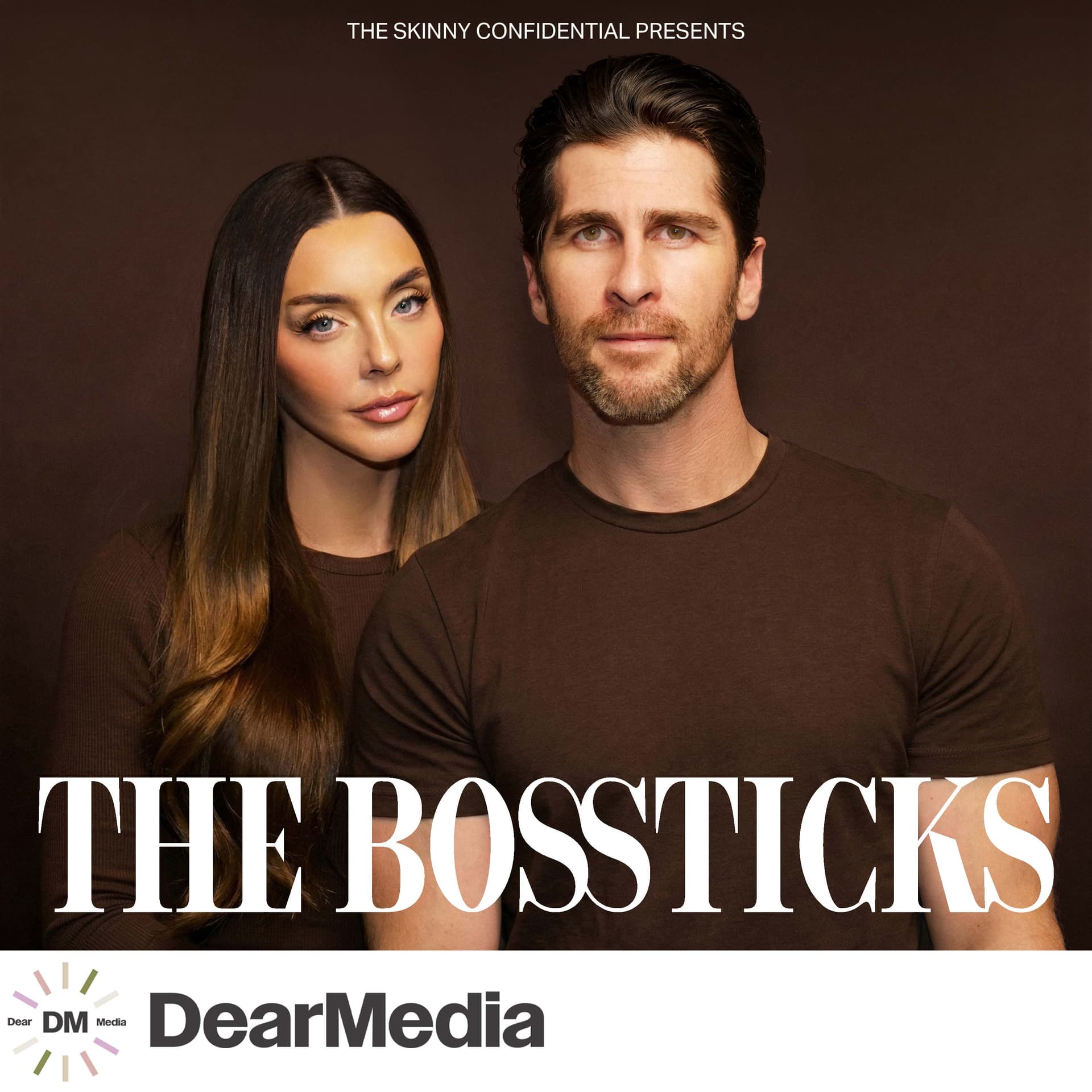
Episode Overview In this episode of The Skinny Confidential Him And Her Show, hosts Lauryn Evarts Bosstick and Michael Bosstick interview Jason Feifer, the Editor-in-Chief of *Entrepreneur* magazine. Feifer shares invaluable insights into entrepreneurship, leadership, and personal growth, drawing from his extensive experience interviewing top entrepreneurs.
Key Themes and Insights
- Adaptability as a Core Entrepreneurial Trait
- Key Argument: The most successful entrepreneurs possess an exceptional ability to adapt to change.
- Loss Aversion: Human brains are wired to fear loss, making change difficult. Successful entrepreneurs overcome this instinct by seeking new opportunities.
- Real-world Application: Examples during the COVID-19 pandemic highlighted how adaptability led businesses to thrive despite challenges.
- Defining Entrepreneurship Beyond Business Ownership
- Entrepreneurship as Mindset: Feifer argues that entrepreneurship is not limited to those starting businesses; it can be a mindset applicable in various contexts, including corporate environments.
- Vertical Thinking: Successful entrepreneurs think about how each action builds on the last, creating a foundation for future opportunities.
- Importance of Building an Audience
- Audience as an Asset: Before building a product, entrepreneurs should focus on creating an audience that provides insights and feedback.
- Engagement: Engaging the audience in the development process fosters co-creation, leading to products that resonate with consumers.
- The Power of Communication
- Personal Mission Statement: Feifer emphasizes the importance of developing a personal mission statement that is not tied to a specific job or title. This helps maintain identity through changes in career paths.
- Effective Communication: Entrepreneurs must communicate the problems they solve for customers clearly to gain trust and facilitate sales.
- The Myth of Hustle Culture
- Reframing Hustle: Feifer critiques the "hustle culture," suggesting that prioritization and intentionality are more effective than working excessively long hours.
- Parenthood and Productivity: He shares personal insights about how becoming a parent forced him to be more intentional with his time, leading to increased productivity.
- Learning from Mistakes
- Common Pitfalls: Many businesses fail because they do not effectively understand or communicate with their customers. Feifer shares an example of a company that misidentified its audience, leading to incorrect marketing strategies.
- Problem Diagnosis: Feifer advises entrepreneurs to break down their challenges into specific problems to effectively diagnose and solve them.
Takeaways for Aspiring Entrepreneurs
- Listen and Adapt: Always be ready to pivot and adapt to market changes and consumer feedback.
- Build Relationships: Establish connections with audiences and customers to foster loyalty and engagement.
- Define Your Value: Clearly articulate what problem your business solves from the customer’s perspective.
- Embrace Change: Reframe your identity and approach challenges as opportunities for growth.
Conclusion This episode provides a wealth of knowledge for anyone interested in entrepreneurship, personal development, or leadership. Jason Feifer's insights on adaptability, communication, and audience engagement serve as vital principles that entrepreneurs can apply to their journeys.
Additional Resources
- Follow Jason Feifer: [Instagram](https://www.instagram.com/heyfeifer/)
- One Thing Better Newsletter: [Subscribe](http://onethingbetter.email/)
- CPG Fast Track for Consumer Product Founders: [Learn More](https://cpgfasttrack.com/)
- Help Wanted Podcast: A podcast focused on navigating work-related challenges.
For more episodes, visit [The Skinny Confidential Podcast](http://tscpodcast.com/).
Written by AI. May contain mistakes. Listen to the episode to check what was said.
Transcript
Automatic transcript. May contain errors.0:00The following podcast is a dear media production. She's a lifestyle blogger extraordinaire. Fantastic. And he's a serial entrepreneur. A very smart cookie. And now Lauren Everts and Michael Bostic are bringing you along for the ride. Get ready for some major realness. Welcome to the Skinny Confidential, him and her. Aha! Hello, everybody. Welcome back to the Skinny Confidential, him and her show. Today, we're sitting down with Jason Pfeiffer, editor-in-chief of Entrepreneur Magazine, and someone who has a front row seat to the most influential founders and CEOs in the world. Jason has interviewed some of the biggest names in entrepreneurship, such as icons like Gary V, Ryan Reynolds, The Rock, and Jimmy Fallon.
0:42He has seen businesses scale from the ground up and studied the cultural shift shaping entrepreneurship today. In this episode, he's giving us the ultimate insider's guide to entrepreneurship with tangible tips for anyone, even if you're not an entrepreneur, surprising stories and tricks you can apply right now to build, adapt, and succeed in your career and in life. With that, Jason, welcome to Skinny Confidential, him and her show. This is the Skinny Confidential, him and her. All right, Jason, you've had a front row seat to the most elite entrepreneurs in the world. From your perspective, what truly separates them from everyone else?
1:15It's one thing, adaptability. That's it. We equate change with loss, right? Decades of psychological research have confirmed what's called loss aversion theory. Like our human brains are programmed to protect against loss more than to seek gain. So when something changes in our work or in our lives, the first thing we do is just like freak out because we're thinking about all the comfortable, familiar things that we have in our lives, in our business that we're going to lose. And then we start really freaking ourselves out because we start to extrapolate the loss. We're like, if I lose this, I'm going to lose that.
1:43I'm going to lose that other thing. The most incredible entrepreneurs I've found get to pause that natural human reaction and start to think, what is the next opportunity? Because this thing is changing, how can I think about what people need next and how can I move there faster? They're not afraid to abandon what came before to the benefit of what came next. Over and over again, that is what separates successful people from unsuccessful people, nonstop. That's really interesting that you say that because I noticed during COVID when everyone was freaking out, running around like without chickens, without their heads on.
2:22Yeah. That the ones that really succeeded were the ones that took COVID and used it to their advantage. So like we just had Rebecca on of Love Shack Fancy and she saw it as an opportunity to, you know, maybe like lean into her e-com store and blew that up. And she got some commercial spaces and some leases that she couldn't get pre-COVID. You know what I always think of with COVID was the conversation, the last conversation I had with an entrepreneur before everything shut down. So my friend, Nicole Lappin, who I co-host a podcast with called Help Wanted, she hosted a little dinner for her birthday, like right before COVID.
2:58It was the last social thing I did before COVID. And I was sitting next to a friend of hers named Megan and Megan ran a live events company. And we didn't know what was happening, right? We were still out and about, but things are starting to shut down. Like the NBA had stopped playing. And I said to Megan, you run a live events business. Are you freaked out about what is about to happen here? and she said, you know what? I'm not. And that's because we spend so much of our energy, all of our energy at my company producing these live events. And we have all of these other ideas for how to grow the business.
3:33We're never able to actually implement any of them because we're absorbed with the live events. And now if the live events hit pause, we can shift our energy and explore some of these other things. And at the time, I thought, this is a woman who has no fear. Like, this is like an inhuman thing. But the more I thought about it over the next year, year and a half of the world imploding, I realized, no, Megan is not a person with no fear. Megan is a person with the right kind of fear. I think there are two kinds of fear. There is fear of losing what you already had, which is what forces people to hold on to what came before.
4:11And then there is fear of not finding the next opportunity fast enough. And that is an optimistic fear because that is rooted in there is something else. If everything is changing, if your industry is changing, that doesn't just mean that you're being impacted. That means that all of your customers are being impacted and that all of your competitors are being impacted. And people need things. In a world of change, people need things. They need new things. And they're looking to you or somebody to create that solution. And that is the kind of fear that I think we all should have. What do you define entrepreneurship as?
4:50Like if you were to give a definition in your own words. I think that an entrepreneur is someone who makes things happen for themselves. And the reason I define it like that is because I don't think that you have to have built a business to be an entrepreneur. I know that may be controversial. But the reason is because I see people who work in a corporate environment who can draw lessons from entrepreneurs. Probably a lot of your listeners are not quote unquote entrepreneurs in the traditional sense. They're not building businesses, but they love the conversations about entrepreneurship because they can absorb that lesson and that mindset, that way of thinking, and then they can apply it to things that they build.
5:30To me, the difference between an entrepreneurial mindset and a non-entrepreneurial mindset is what I call vertical thinking. So I became entrepreneur's editor-in-chief in 2017, 2016, something, I don't know. I lost track. Wow, almost a decade now. Yeah, almost a decade, which is kind of crazy to think about. And it's possibly the longest, it's certainly the longest job I've ever held, but it's also probably one of the longest holding of any seats in media these days, considering how much turnover there is. so when i entered entrepreneur i had been working with my wife for a couple years on something totally different a romantic comedy we had this novel that came out it was called mr nice guy totally different than entrepreneur each week two people sleep together and then critically review each other's performance in a magazine that was the premise of mr how was my performance last night performance pretty good good good a plus that's why we have three children a negative of answer would have been more interesting.
6:26But I was like, well, I really could. Yeah. Well, that was the premise of the show. I'm going to keep it on track. What would happen if people were like giving real talk to something that nobody's ever super real about? Anyway, so this book comes out and I'm at Entrepreneur Magazine and I was getting two totally different reactions depending on how I knew somebody. So my writer friends, they would hear that I wrote this book with my wife. It came out in St. Martin's Press and they would say, that's so awesome that you wrote this book. Congratulations. And then I would talk to entrepreneurs and they would say, oh, that's interesting.
7:02What are you going to do with it? And I didn't understand the distinction between those answers until a little later when I realized what was happening was that writers and the world that I came from think horizontally. You do a thing, you put it out in the world, and then you move along. And then you do another thing, and then you move along. And you just keep doing that. And that is what most people do. But entrepreneurs think vertically. They think the only reason to do something is because it is the foundation upon which the next thing will be built. And that forces you to think incredibly intentionally.
7:36And people get it wrong. I just, I like looking at Jill because that's how we're thinking about my next book. This is cool. I like this. Keep going. Yeah. So where people get it wrong is that they think they have to know exactly where they're going to at the beginning, and then they lock themselves into a specific path. That is the mistake, right? Like Malcolm Gladwell said to me, self-conceptions are powerfully limiting. Like if you have too narrow an idea of what you do, you will turn down all of these incredible opportunities along the way. So you don't want to know the end goal because you will limit the opportunity, but you do have to think intentionally about how one thing can lead to and should lead to the next.
8:18And that starts to help you filter the opportunities that you actually pick. And that, I think, is the distinction between non-entrepreneurial thinking and entrepreneurial thinking. It makes a ton of sense. And I was just even thinking about when we started this show, it wasn't because we wanted to be necessarily stars in the podcast world. It's because we looked at it as the foundational thing to go and build other things. And then it extrapolated into Dear Media and some brands. And even funny, and we'll talk about this when you and I talk, I still have no interest in building a podcast network or business.
8:51It was just the Trojan horse in order to get me into the thing that we're ultimately doing now. It's a foundational piece. And I think sometimes I struggle with people when they come and it's like, I need to make money. What's the end goal? And I'm like, well, sometimes you have to build the building blocks in order to get the thing that's actually doing. And sometimes that initial building block is not a net positive. Right. Yeah. But entrepreneurs think about it in that way. It's like, it's a piece of a puzzle where sometimes a lot of people say, I need to be paid for everything before I do anything.
9:22Right. And so much of early stage entrepreneurship, and I would argue actually the entire journey is just data gathering, right? You launch something to learn how people react to it and to see what other opportunities it creates. And that is incredibly valuable. And another reason why you don't necessarily need to know what happens next. Lauren, you and I spoke earlier and you were talking about how you believe that entrepreneurs today should build the audience before you even build the brand. And what you're really saying is that you're building an asset and that asset is usable in all sorts of different ways.
10:00But really, building an audience is just building a massive data set. And you're getting tons of people who are going to share all sorts of things about what they see in you and how they perceive your value to them. And then you can build upon that. That's incredibly smart. That's really interesting because I will literally have the audience sort of tell me what to launch. And so what ends up happening is they're like the co-creator in the product. So when the product launches, they feel like almost invested in the process and almost like an investor in a way. And so when we launch, it's like it makes total sense.
10:40Yeah. And what's so amazing about the Internet is you get that immediate feedback right away. And Michael, I'm going to play this clip over and over and over to you when I'm telling you about I don't have like a roadmap of like all the products I want to launch. I have to like feel the audience or the data, as you called it. and then adjust and pivot from there. That's right. That's right. And you will learn so much. Let me translate this for folks who feel like they're listening and they're like, well, that sounds cool, but what if I don't have a gigantic audience? I started without any kind of audience.
11:16I mean, now I have some audience, but I had this really valuable realization in the very early days of entrepreneur. And just to like explain myself here a little bit. So I am the editor-in-chief of entrepreneur, which is a job. It's not my company. I'm an employee. But after 10 years of running this and absorbing the way that entrepreneurs think, how can you not also then become an entrepreneur? So at this point, I now have a couple of different companies and a whole lot. I'm juggling a lot. And I think of entrepreneur as one part of a portfolio, basically, that I have. But at the very beginning, I had a media job.
11:52I was just a magazine guy. I'd run or edited a bunch of magazines. And then I came over here and I was trying to think, who am I to this audience and what can I build for them? How can I think of Entrepreneur as both a place where I succeed, but also a platform for myself? And I started to listen to the questions that people would ask me, either out in the world or coming on a podcast. And what I realized was that if you listen to the questions that people ask you, you discover that what you're really hearing is people telling you what they think your value is to them. And what I was hearing over and over again was a version, Michael, of what you just asked me at the very beginning, which is like, what do the most successful people have in common?
12:42And I thought, why is that the question that everyone's asking me? And I realized it's because people perceive me as a pattern matcher because I have access to so many incredible people. So I need a good answer to that question. And if I can find a good answer to that question, then I probably have a product to build on top of it. The answer that I came to was the answer that I gave you 10 minutes ago, which was adaptability. I started to lean into that. What can I do with that answer? What can I do with that insight? Can I build frameworks out of it? Can I teach it? I wrote a book about adaptability that led to a really robust speaking career where now I travel and I speak to companies about adaptability and thriving and change.
13:18And I've built other things on top of that. That's like the core of my social media, my newsletter and all that. All is rooted in basically data gathering. What are people asking me? And then what is that revealing about how they perceive my value? Very smart. How do you thrive and change? Well, the starting point is that you have to develop what I call a unique personal relationship with change. You have to understand who you are in times of change. And I believe that most people, if not all people, have made this same mistake, which I have made throughout my career, which is that you identify too closely with the output of your work or the role that you occupy, which is to say that if someone came up to you at a party and asked what you did, your answer would probably be some version of like, I do blank at blank, right?
14:06I do role at company or something like that. And that's fine. But the problem is that that is changeable. Even if you stay at your company your entire career, that way of doing that work and the role that you hold will change. And when it changes, it feels like a challenge, not just to your work, but to your identity. And that's scary. And that forces us to hold on to what came before. So we need to do is reorient our identity towards the thing that does not change in times of change. The starting point for that is a challenge everybody to think of this for themselves is come up with a personal mission statement for yourself in which it's a short sentence starts with I and then every word is carefully selected because it is not anchored to something easily changeable.
14:55So it is the difference between I am a magazine editor, deeply changeable, a deeply changeable sentence. Right now, as you and I are talking, my phone is on silent. My boss at Entrepreneur, Bill, could be calling to fire me. He just could. That could happen at any time. There's nothing stopping him. Don't do it, Bill. I appreciate that. And if he calls me and fires me, I'm not a magazine editor anymore. So that means my identity is dependent on one phone call. Bad place to be. So here's how I think of myself. seven words. I tell stories in my own voice. And I really like that because the word stories, again, every word carefully selected because it is not anchored to something easily changeable.
15:38I tell stories is something I can do anywhere. I've done it with you. I do it when I advise companies. I do it on stage. I can do it in books, whatever. I control that in my own voice is me setting the terms for how I want to operate at this stage of my career. I do this exercise with senior executives and I hear really cool things like, I help teams achieve greatness. I solve the most complex problems. There was this woman in Chicago at an event I spoke at who came up afterwards and she said, I built this consulting business and then I put it on hold to stay at home and raise my first child. And although I am gratified by that, I do not know how to think of myself right now because I don't identify with the phrase stay-at-home mom, even though that is literally what I am right now.
16:28And the mission statement exercise helped her get to, I help people become the best versions of themselves, which applies to consulting and to raising a child and to anything that comes next. Very, very smart advice. So you don't get so attached to the identity because that makes people anxious, I would think. Makes people super anxious. Out of all the people that you've interviewed, you've interviewed Ryan Reynolds, The Rock, Jimmy Fallon. You mentioned Gary Vee. Yeah. You also interviewed, I don't know if you've been interviewed yet, but you've interviewed. Going to. Probably by the time this airs.
17:00In the near future. Put that one at the top of the list. Absolutely. What are some takeaways from all these incredible people? Maybe you could give specifics. Yeah. Yeah. I've learned so much from all of these people. Where to start? I'll start with Jimmy. me. Okay. So I interviewed Jimmy Fallon for the cover of Entrepreneur Magazine. It's typically why I'm interacting with these folks. And I went to his office, which is super cool. It's in 30 Rock. And we spent, I don't know, an hour and a half or two hours or something talking. And by the way, I did the mission statement thing with Jimmy. And his answer was really interesting.
17:38He didn't follow the exact format, but he said that his mission statement is asking, does this bring people joy. And that's the filter through which he used it. Right. Smart. Yeah. Which is great. Right. Because by the way, the mission statement thing I should have just said is the point of it is that then you discover that you have transferable value and that anything that changes is just a new opportunity to do the thing you already do best. I think that's really solid advice. You said. Thank you. Yeah. So anyway, I talked to Jimmy for a long time for this magazine profile. And at the end, I'm leaving.
18:11And he says, he was like, hey, it was great talking to you. If you need anything else, if you have any follow-up questions, you just want to talk a little more, just reach out. And I said, I appreciate that, Jimmy. I'm not going to do that because you've already given me so much of your time. And I interact with a lot of very busy people and I want to be super respectful of their time because I'm busy. Jimmy Fallon's busier. Oh, can someone, can you teach a class on that? It's really important. The number one thing that people want is for their time to be, to be valued. No, I think it's just like a little quick tangent.
18:51I think what's frustrating is when you do give someone time and then they abuse it. Yes. Like wasted. No, meaning like, like, like I'll give you an example. Hey, I have, I can do what you're asking of me. Like I can't, like I can go get coffee. Sure. You can pick my brain from three to four. And then at four o 'clock, they're still talking to four 15. And then it's turns into four 30. And then they also want, want to know if, can you call their friend and give them advice? It's like, it's, it's almost like an ask, but like a sandwich with like another ask and another ask. So I appreciate that.
19:27If you give a mouse a cookie. That's what it is. If you give a mouse a cookie. That's what it is. We read that to our kids. Yeah. That's why that book is so successful. Because that's what people do. If you give them something, they ask for more. Yeah. The giving tree. Uh-huh. Yeah, you have to be careful. Right. You have to have boundaries. You have to have boundaries. Okay, so I like that. Which is really important. By the way, people are afraid to draw boundaries because they're uncomfortable saying no. No is a gift. Remember that. No is a gift. Because most people will either ghost you or they'll say, oh, maybe some other time, and then they'll just do that forever.
20:01or they'll say yes, and then they'll mail it in or do a crappy job. If you say no to somebody, you are giving them a definitive answer. You're allowing them to move on. People thank me when I say no to them. You're good at that. Well, by the way, and this is like, I don't know, I also think it's good to let people go in an organization that shouldn't be there quickly. And my perspective is, of course, you want to keep people employed and you want that job. But if it's not the right fit, I think it's selfish sometimes for people to avoid that confrontation and maybe drag someone along that they know they're never going to give opportunity to that are not going to advance and you're wasting their time for them to go find the thing that is the right thing for them.
20:38You know what I'm talking about? Yes. 100%. You absolutely are wasting their time. That's why I never feel bad letting them go because if I know that, I look at it as like, I know I'm going to be saving you time and creating maybe a better opportunity for you in the future. Is this how you broke up with girls? Yes. I'm so glad you said that. see you break this is i could actually see you breaking up with a girl like this well i didn't break up with like i know but i look at i look at this you just go to them i look at his well that well that's a good topic too for dating yeah it is selfish to string someone along that you have no intention of being serious with i'm still stringing people along and i've been married for 10 years we all know people that do that i i was gonna i was just gonna reveal myself as someone who did that like that is what i was thinking i mean we'll i guess eventually get back to jimmy fallon but like i started dating a girl sophomore year of college and then we stayed together for nine years.
21:26And I had done this thing that people do, which is that I got comfortable in this relationship. I knew it wasn't ultimately the right one, but you get into these things, well, why would I break up when it's fine? You just stay. And at some point in that journey, my mom said to me, if you are not interested in marrying her, you are wasting her time. She's just getting older. You're getting older. Like stop wasting her time. And that haunted me. Like that was so true and it haunted me. And she was right. And eventually we did break up. And I think that that same lesson applies in business too. Don't waste people's time.
22:09Go back to Jimmy. Okay. We had to do a little caveat. I also think in hiring too, if you're dragging someone through an interview process, I don't think that's good either. No. Don't waste people's time. Okay. So Jimmy Fallon. so I said, Jimmy, you've already given me so much time. I don't, I'm not going to take any more. And I left and I went home and I started to write this piece and I got to the final act of this profile that I was writing of Jimmy. And I realized, damn it. Like there is one other thing that I really should have asked Jimmy. Like he made a point. And if I could just ask him a follow-up, the ending of this story would be so much better.
22:45And I agonized over it. I was like, I promised him that I wouldn't waste his time and I don't want to waste his time, but also this piece will be much better if I just waste his time. And so I reached out and I was like, Jimmy, can you get back on the phone? And a week later, I'm back on the phone now with Jimmy Fallon and, or I'm on the phone with Jimmy Fallon. And I start by saying to him, Jimmy, I am so sorry that I have to take more of your time. Like I told you I wouldn't do this. And now here we are. and he said, are you kidding me? He said, whenever I enjoy talking to someone in an interview, I always make that offer to reach back out if you need something and nobody ever takes me up on it and you did.
23:31And what that tells me is that you are thorough and thorough people are the people I want to talk to. You want to get it right and you want to create something great and that's why you asked for more of my time. And I see that as an additive. And the reason I am telling you that story is because that jolted me because it made me realize that a lot of the things that we may have told ourselves are bad or actually good. And we don't know unless we've tested them out in the real world. We're carrying around all these assumptions about what we should and shouldn't do and what's good and what's bad.
24:04And we may be wrong about that. And in this case, because I went through my own barrier, I discovered that Jimmy Fallon thought well of the thing that I thought ill of. And that means there's got to be a lot more like that out there. Quick break to talk about AGZ. Yes, you heard that correctly. It's not AG1 that I'm talking about today. It is AGZ. Not that I don't already have my morning routine down pat with AG1, which I've been taking for years now and that we've talked about on this show for such a long time, but now I'm so excited to talk about this groundbreaking new product that they have called AGZ.
24:42AGZ is a nightly drink that helps you wind down and rest up. It's a melatonin-free formula with clinically studied herbs, adaptogens, and minerals. I could not be more excited about this because for years now I've been starting my day every single day with AG1, but now I can also wind down and set my night up for success for a better night's sleep with AGZ. I'm somebody that struggles to turn down the nighttime chatter and fall asleep easily at night, so now with AGZ I I can help my body wind down right before bed. It's helped me optimize my sleep quality during the night. And I wake up feeling well-rested without that grogginess from waking up in the middle of the night.
25:13It's got this herbal flavor that helps you kind of like get into the wind down mindset. And it's got no artificial flavors, artificial sweeteners, or added sugar. I typically take it at room temperature, but you can also take it warm or cold, or you can take it with milk or water, whatever you want. And AGZ is one of the few sleep supplements that contains both Magteen Magnesium L3-anite and saffron, two high-quality ingredients at amounts supported by research that together support the body's need to calm and ease into natural sleep. I highly suggest pairing AG1 in the morning with the AGZ at night.
Read the full transcript
25:44Of course, we've got an incredible offer for you. If you're ready to turn down the stress and focus on the rest, head to drinkag1.com slash skinny to get a free frother with your first purchase of AGZ. That's drinkag1.com slash skinny. Everyone is spending so much money on skincare and hair care, but I feel like there is something we're not talking about. And that is the water that you're showering in, the water that you're washing your hair with, the water that you're washing your skin with. and I recently probably about a year and a half ago upgraded my shower heads and I got filter shower heads and these are the best in class for removing chlorine and heavy metals out of the water.
26:27This is really good for reducing hair frizziness or maintaining your color retention. I know I'm someone that doesn't want to sit in the salon for hours and then wash my hair and have the shower water affect the dye job. The main reason that I wanted to change my shower heads is I wanted to also protect the hair surface layer. So all of these things I wanted to just deal with. So like I said, I switched. Jolie's filtered shower head is amazing. It's best in class. It removes chlorine and heavy metals. Jolie is a beauty wellness company that purifies the water we shower in for better skin, hair, and overall well-being.
27:06It also has a beautiful, sleek design, so it's really like the perfect combination of form and function. Jolie will give you your best skin and hair guaranteed. Head to jolieskinco.com slash skinny to try it out for yourself with free shipping. And if you don't like it, you can return your Jolie for a full refund within 60 days. No questions asked. I am all about having access to those biomarkers, okay? And there's this brand. It's called Function. And why Michael and I chose Function is it's because it's the only health platform that gives us data most people will never get. So essentially, you get access to test over 100 plus biomarkers from hormones to toxins to markers of heart health to inflammation and stress.
27:55And this is so crazy for an additional fee. You can also get access to MRI and chest CT scans, all tracked in one secure place over time. So it's a really good way to have a full 360 view of your health to find out what's happening in your body. The top health leaders are obsessed with function. Dr. Mark Hyman and Dr. Andrew Huberman, who have both been on this show, are behind function health. So it's a really great concept. I personally think it's so cool to be able to see your vitamin D levels, your zinc. You can even get your white blood cell count, which measures the body's ability to fight infections.
28:35They even tell you what your cortisol is. Most routine physicals skip these, so you're left guessing. And function solves that. Learn more and use joining our link. Function is a near 360 view to see what's happening in your body. And our first thousand listeners get$100 credit towards their membership. Visit www.functionhealth.com slash skinny or use gift code skinny 100 at sign up to own your health. Quick break to talk about Branch Basics. Branch Basic, one of my all-time favorite cleaning brands, is now available at over 600 Target stores nationwide and target.com. And here's the thing. Branch Basics is all about redefining what clean really means.
29:15And their exclusive of bottles at Target are fresh, new, and come pre-filled and ready to use. We're talking about their multi-purpose cleaning that's made with plant and mineral-based ingredients, no harsh preservatives, no endocrine disruptors, and definitely no fragrance. Lauren and I learned about Branch Basics years ago now on this show where we interviewed their founder, Allison. We were blown away learning all about the harmful chemical, toxic, hormone-disrupting ingredients found in typical cleaning supplies. And ever since we figured out that Branch Basics makes a better for you cleaning alternative that does just the same thing, if not more effectively.
29:47We have not looked back. We made the switch and we feel good about it. Why would you want to have harmful cleaning chemical supplies in the house that can wreak havoc on your system, your loved ones, your kids, your pets, especially if there's a product out there that's a better alternative with healthier ingredients that does the same job. From countertops to bathrooms, even tough stains, Branch Basics all-purpose cleaner, bathroom cleaner, and their new stain remover will tackle at all. Plus, they're gentle, unsensitive skin and safe for babies and pets. So check them out. Like I said, once you make the switch, you won't look back.
30:17Shop Branch Basics in 600 plus Target stores nationwide or Target.com. You can also use our code SKINNY15 to get 15 % off at branchbasics.com slash SKINNY15. Again, SKINNY15 for 15 % off at branchbasics.com slash SKINNY15. One of the topics that comes up on this show from time to time is hustle culture. And I'm wondering in your interactions with entrepreneurs over the years, have you ever encountered like anyone where hard work and hustling are not part of the criteria? Meaning like how much, how much do you really need to hustle and, and, and work like that in order to get ahead? Like, is that, are there people that can do it without that?
30:55Or is it, is it the barrier to entry? Well, so I think that hustle means too many different things to too many people to have one answer to it, right? Like when we talk about hustle culture, I think we're often talking about hustle porn, right? Which is just people rising, grinding on social media and they're just constantly showing off how much they're working and they're bragging about how little sleep they're getting. Dude, you need sleep. Sleep is a good thing. I get plenty of sleep and I also juggle a lot. So I don't think that performative hustling is good for anybody. I think that that is a narrative that has been told and has gotten some people ahead, but that it is ultimately not all that productive.
31:43I do think that if you're going to build something, you need to work really hard, harder than you think you're going to need to work. And you're going to have to make sacrifices about how you spend your time. To me, hustling is not a word that I identify with, but prioritizing is a word that I do. And being intentional is, I mean, you guys, I'm sure, are very, very well aware of this as parents, as I am of a 10-year-old and a six-year-old, that when I had kids, I was really worried that I'm an ambitious person, I have a lot going on, that I was not going to have the time that I had before to grow the things that I wanted.
32:24And I will tell you what happened, which is that over the last 10 years, as long as I've had children, my career has significantly accelerated. Why is that? The answer is because I've become, I've been forced to be more intentional with my time. We just talked about this. Totally. This is such a good conversation. Yeah. You are forced as a parent to be more intentional because you don't have as much time before, which is, it's weird. Yeah. But it's right. Yeah. You know what it is? Time, this is a weird metaphor, but it helped me. Time is like a balloon. So when people think about doing something new, trying something, maybe start a side hustle, see if you can become an entrepreneur.
33:10What people often say is, oh, but I don't have the time. Oh, I don't have the time. But nobody has the time, right? Nobody's walking around with like three free hours in the day. I'm not, you're not. So how do we add things? Well, similarly, how do you inflate a balloon? You don't make space for the air in the balloon and then blow air in. That's not how it works. You just blow air into the balloon and it expands because a balloon expands under pressure. Time expands under pressure the same way, which is to say that if I add something to my busy and constricted schedule because I've got family time that I will not bleed into, then what happens?
33:51What happens is that it forces me to reconsider everything else that I'm doing and ask, is this commitment still really moving the needle for me? Could I be doing this other thing in a more efficient way? Is it time to add a team member to that thing so that I'm not doing that and somebody else is? Time expands under pressure. You add more things and then you reconsider every other thing that you're doing. And some things are going to have to go. I have killed projects that I loved because they weren't advancing me far enough. And there were other things that were going to take priority. And that is just what it means to prioritize and grow.
34:30And to me, that is healthier than like hustle. Yeah. No, I was just, I was curious on how you thought about that. That was a great answer. You've seen a lot of mistakes as well. Yeah. From, you know, maybe companies that are started or founders that, what are some of the most common mistakes where maybe a company gets an initial buzz, is doing well, and then crumbles? What are those? I think one of the biggest mistakes companies make is that they're not actually talking to their customer. They think they're talking to their customer, but they're actually talking to themselves and they're not. So a story brings us to life.
35:00My friend Rochelle DeVoe is a consumer insights researcher. She gets hired by companies to go and survey consumers and understand what they're all about. And she was once working for this company. She tells this story publicly, Vim and Vigor. and they're there they make compression socks and they were started by an athlete who couldn't find a compression sock that she loved on the market and so she made her own compression sock company for athletes and the company like started growing that kind of flatlined couldn't figure out what was wrong hire rochelle rochelle goes out and talks to the consumer and then comes back to vim and vigor and says have information and that information is this you have made a company for athletes and you're marketing to athletes, but your best customers are not athletes.
35:46They're not. They're like nurses and teachers and people who have to work on their feet all day. So you are succeeding despite yourself because you're talking to the wrong people. And so Vim and Vigor changed. If you go to their website now, the first thing you'll see is a photo of feet in dirt withholding like a rake, very far away from athletes because they weren't in touch enough with, at that stage of their company, their consumer. And I see that over and over and over again, where I'll talk to a founder, maybe somebody I advise, and they're not clear why the company is stalled or they're not clear about how to make a certain decision.
36:28And I'll start asking them questions about what their customer responds to or what their customer values or what problem exactly are you solving for your customer? And they can't articulate it because they're talking to the customer. So you need to do that over and over and over again. And I see way too many companies think the CEO is like, well, I just know. I know. I built this company. I know what it's for. No, you don't. You don't unless you're talking. What do you think is a good exercise for someone who wants to launch a business now? Like what's is you have like a vision board? Like what do you start with?
37:06You start by talking to people about their problems. Like the major mistake someone makes at the very, very, very beginning is that they have an idea for something and then they have to go around convincing people that it's useful. So you have to flip that. You have to instead talk to people about their problems and then find a problem to solve and then build it with them. So there's nothing more magical, truly, than finding a problem, finding even a small set of people and then saying, I will build this for you, but I'm also going to build it with you. So you're now my customer advisory board and I'm going to build this and I want to bring it to you and I want feedback so that I can make it even better.
37:52And if you create that feedback loop based on a problem that you solve for people, you guys had Donald Miller on the show a while ago. I love Donald. Great guy. Great guy. You know, his whole thing is about communicating the problem that you solve. That's the core of marketing and messaging in a business. Like you have to be able to articulate to people what problem do you solve? As Donald said, everyone wants one of two things, to survive or to thrive or both. And so you have to communicate that. But at the very, very, very beginning of conceptualizing a business, you still have to do that. You still have to find the problem that people already want to be solved, and then you solve it, and then you're already valuable.
38:31You cannot go around trying to convince people of something that they don't understand. That is a wasted effort. I also think that if someone asks you what your business is or what you do, and it takes you 10 minutes to explain, we got to go back to the drawing board. I always tell like if I'm mentoring someone, it's like, how do you explain your business to an Uber driver in three seconds? Yeah. Because it should be that tightened up with a bow on it. I'll give you a formula for it. If you want to sell anything to anybody, then you have to be able to fill out the following Mad Libs style sentence from their point of view.
39:12Good idea. I love Mad Libs. What is it? Here it is. Also, I picked this up from my friend Rochelle. So shout out to her. when context, I want solution so that benefit. Let me break it down. So when context, when there's a problem, I want solution. I want something that solves that problem so that benefit, so that I get what I actually wanted in the first place. So if the three of us started a company selling Zit cream to teenagers, then the way in which we would articulate from our consumer's point of view, that sentence could be, when I have a big pimple on my forehead, I want something to get rid of that pimple as fast as possible so that I can get to school more confidently.
39:54Now, the reason to go through this exercise is because most people stop on solution. They talk about the solution, the thing that they've built, the thing that they spend all their time thinking about how to create and market and all that stuff. We're solutions-oriented people. But the problem is nobody cares about solutions. Nobody. They do not care about your solution. What they care about is benefit. They care what they can get from it. And so if you can articulate that in their language, from their point of view, they trust you. So if you're trying to sell to teenagers, don't start talking about the chemicals in your zip cream.
40:32They will not listen to you. But if you start by talking about getting them to school more confidently, now they think you understand them and they're on board with how you're going to do that really interesting yeah it's like just listing all the features and functions you lose people oh my god he would be a good speaker to your company like i feel like and i think you do that yeah he he would be a good speaker to come in and talk to your media i think sometimes it's it's interesting like you know we have a nice audience i mean it's a wide audience that this we're doing a long time and whenever having conversations around entrepreneurship, I'm always hesitant to like how to title them because I think sometimes see entrepreneurship and they kind of say like, well, that's not for me.
41:14There's some segments like that's not for me. I'm not an entrepreneur. But there's so many messages in this topic that are universally applicable to anyone in any stage of life or with any kind of thought process or function that like, do you get what I'm saying? Like, it's not just this narrow box of like you're an entrepreneur or you're not. There's a lot of lessons in here for life in general. Which is, that's why when Lauren asked me how I define entrepreneurship, I define it as someone who makes things happen for themselves. But that thing that you just said there, don't breeze by that because what you just said is really important for anybody making anything, which is that you are anticipating what I call the first question.
41:48The first question anybody will ask about anything that they ever encounter, whether it's something you made or elsewhere, is, is this for me or is this not for me? And you have to anticipate that they're going to ask that question and then you have to answer it before they ask it. That's the only way to connect with people. So just think about it for yourself. You go onto Netflix, everything that you're seeing, you're just like, is this for me? Is this not for me? Is this for me? You're walking down Whole Foods. Is that for me? Is that not for me? We're asking that all the time, but we're not often proactively answering it.
42:19It's interesting that you say that because if you look at Netflix and you look at Instagram, there's a for you page. That feels very strategic that they called it that. Yes, absolutely. They're signaling for you. Yeah, that's no accident that it's called for you. Even they have that on Netflix, too. I noticed that. I love looking at the little hidden messages like that. And thinking about how that is the product of a market. I love seeing that kind of stuff out in the world because the reason that that's on Instagram and the reason that that's on Netflix is because that was A-B tested to death.
42:51And that was the language that worked. And that tells you a lot about what works in other mediums. You know what you should title this episode, I swear, for you. Your guide to starting your own business. You should title it for you. No, but it's so interesting. I mean, we're going in the niche of podcasts or YouTube show titles, but that's the whole thing that you're trying to do is you're trying to create the title that signals that this is in fact for you and not for you. Right. What entrepreneur advice did The Rock give you? Because he's built quite the impressive octopus of a situation. Oh my God.
43:26A very impressive octopus situation. It's funny because the memorable, that was a weird metaphor, but I'm going to roll with it. His metaphor to me was when I asked him about the mission statement thing. As you can see, I kind of love doing that with people. He said, I am a 10-lane highway moving through the world, which is a very intense thing to think. That's what he said. Jesus Christ. Oh God, Michael loves it. so so here's here's here's what i learned most from the rock first of all super nice guy have you ever have you talked to him like no no i'd really like to have him on the podcast if he wants to come on yeah open invite anytime super nice guy really smart really thoughtful really listens and so i had we had a nice conversation with him and his business partner danny garcia and then we talked about a whole lot of things it was great but the thing that stood out was what happened afterwards, sort of like Jimmy.
44:20So I interview The Rock. And then a year later, I write this book. And I include in it a single paragraph of something that I learned from The Rock. And when the book comes out, I ask his publicist if I can send him a copy. I do not think anything is going to happen here, but I just wanted to send him a copy. And she gives me an address. I don't know what it is, an office or something. And I put the book in the mail and I send it off. And then I forget about it. and then nine months later, I open Instagram and I've got a DM from The Rock and it's a voicemail and I hit play on it and then there he is and he says, hey Jason, what's up?
45:01It's DJ. That's how he goes. He's like, it's DJ here. I just wanted to tell you, man, thanks so much for sending me the book and thanks so much for including me. It really means a lot. And then he reflected on things that we talked about, which at this point It was years earlier. And the whole thing was 52 seconds long. And it made me feel like a champ, you know? And here is the lesson that you should take from it. The single easiest and greatest thing that you can do to make a fan or a customer for life is to respond to them. People do not respond enough. You email somebody, you never hear back from them.
45:39I don't know why. Responding? I get a lot of DMs. I get a lot of emails. I respond to literally everybody. It takes me a while, but I do. And when I do, what I hear back is, oh my God, I never thought I'd hear from you. And then sometimes years later, somebody will say, you know, I just bought that thing of yours because years earlier, you responded to me. It matters so much because the one thing people want is to feel heard. That's it. If you can make people feel heard, you have won them over as a customer, as a fan, as a friend, as whatever, as a partner. And if Dwayne The Rock Johnson, surely one of the busiest people in the world, can spend 52 seconds sending me a voice memo just to make me feel good, then you can do it for anyone.
46:28I also think there's a savviness to that, that he knows that that 52 seconds will then be on a podcast. Do you know what I'm saying? And I don't mean that he did it out of that, but I think he's smart enough to understand that you are going to go do your own octopus with that 52-second voice, which you have. Do you know what I'm saying? Yes, absolutely. He's smart enough to know that it's worth his time. It means a lot to you. He understands it from a 360 approach. It's a situational awareness. Yes. It's a win for everyone. You felt good. he gets spoken out nicely he gets to also be a good person yeah acknowledge your book it's a whole it's it's a win-win it's a win-win what has Gary V taught you so I've known Gary a long time but the most memorable thing that he has said to me happened okay so I don't know this could have been eight ten years ago Gary reached out and he said let's get a drink is that all right Did he give you seven minutes?
47:35Yes. No, he didn't. Not seven minutes, but it was like that. It was like a super specific amount of time at a super random time. You know, it was like, I'll see you from 8.15 to 8.37. It was so random. Did this happen to you too? I just know he does this. I just know he does this. Go ahead. So, we have had that happen to us with him. Not with him. No, he's... No, we have. We have. We went on a show early, early days. Okay, okay, okay. It was a very specific amount of time. But I just know how he is with his time. So go ahead. Yeah. I asked him, I said, Gary, how do you generate ideas and know what's going to connect with audiences?
48:18Because that's something I do as well. And I'm always interested in how people do it. And he said, he's like, I have a system. And the system is functionally a system of graduating ideas through the ecosystem. So back then it was Twitter, not X. So he's like, the first starting point is Twitter. He's like, as soon as an idea pops into my head, I just tweet it. And that is basically a market test for ideas, which ones get reactions and which ones don't. And the ones that get reactions, he might expand upon, might have it turn into a longer post on LinkedIn or Instagram or something like that. And then the ones that generate a lot of attention, maybe he'll go on a rant on a podcast somewhere.
49:00And he's just kind of constantly graduating his ideas through his ecosystem. And I started to do a version of that too. And it works. I mean, more or less, everything that I've said to you is in some way or another something that I've pressure tested in the market. Like it was an idea that started somewhere that maybe I started on LinkedIn and then people responded. And then I like wrote about it in my newsletter and that worked. And then I said it on a podcast and maybe I've said it on stage. And I'm refining how I say it and how I think. and then I'm adapting to the individual experience. But that's the way to develop ideas in a low stakes environment and make sure that they're ready for a more high stakes environment.
49:41And that was an incredible lesson. Was it literally seven minutes that he gave you? No, it was more than that. Okay, it was a little longer. Okay, he let you know. No, but it's now not some flimsy idea that someone pushes back on just a little bit and the whole thing falls apart. Like you said, it's been pressurized totally by getting this kind of feedback and all that kind of refining. He's got the data, like you said earlier. He's gathered it and so he can know what's going to hit. He knows what his... Everything is a market, you know? Like, everything is a market. And so you can test ideas in a market too.
50:13And you can see, do people respond to this idea? And if so, then let me lean into it more and develop something that's even more meaningful for people. If you listen to me on The Toast with Jackie, you know I do not mess around when it comes to a diaper wipe. I do not screw around. I use coterie diapers and wipes for all three of my kids. Obviously, I have two kids out of diapers, but I did use coterie for both of them. And now I have a new baby and he is wearing his coterie and he's also using his coterie wipes and they're amazing. I have these wipes in all my handbags. I have them in drawers.
50:51I have them in cars. I have them everywhere you could possibly think of because they're literally life-changing. The baby's skin is so delicate. Their microbiome, their skin barrier, it's all still developing. So I wanted a wipe that was really minimalistic, a gentle less is more philosophy, especially because I'm using these wipes all day long. Like, you know, as a mom, you're always using them. While you're on their site, also check out their first wash. It's a tear-free hair and body wash that leaves everything super silky, very buttery. And then they have a soft cream, which lightly but really effectively moisturizes both face and body.
51:34And then they also have a bum balm. And it's this gorgeous, occlusive balm that I love not only for diaper changes, but also for dry patches all over. Takes the guesswork out of everything. This is so nice as a mom. Hyperallergenic, dermatologist tested, made without fragrances or parabens, cruelty-free, vegan, microbiome-friendly, and pH-balanced. Head to Coterie.com and use code SKINNY20 at checkout. You get 20 % off your first order at Coterie.com. Two products that I love and use every day, and they both have propolis in them. Okay, bear with me, I'm telling you. Bees use propolis to defend their hive, and Beekeeper's Naturals uses it to defend your health.
52:21The ones that I use are the throat spray. And this is instant defense. It protects your immune system. I use the kids ones too. My kids love it. They ask me for it. Basically, my whole medicine cabinet is beekeepers. I also use their elderberry syrup. But on a day to day, that throat spray is such an amazing find. It's like instant defense. If you want to protect your immune system and you want to get access to 300 plus essential vitamins, antioxidants, and bioactive compounds, you got to try this. Okay. And the other thing I use, I call nature's liquid Adderall and it's their brain health liposomal.
53:00I'm obsessed with this for focus, memory, and mood. There's no dyes, no chemicals, no toxins with a huge emphasis on propolis. Today, Beekeepers Naturals is giving our listeners an exclusive offer. Go to beekeepersnaturals.com slash skinny or enter code skinny to get 20 % off your order. That's B-E-E-K-E-E-P-E-R-S-N-A-T-U-R-A-L-S.com slash skinny or enter code skinny. Beekeepers Naturals products are also available at Target, Whole Foods, Walmart, Amazon, CVS, and Walgreens. Quick break to talk about Seven Diamonds. Guys, I want to share a brand that's become one of my go-tos, one of my favorites, and that is Seven Diamonds.
53:41They're a modern lifestyle brand that creates clothing that fits seamlessly into everyday life. Pieces that look and feel great, comfortable and versatile, whether you're at work, out to dinner or enjoying the weekend, their clothes make it easy to look put together without thinking too much about it. I can't stand having to make so many choices. I want it quick, easy, efficient, and more importantly, I want to look good. I really connect with what they're doing and how the clothes feel. I recently got this camel suede jacket that I wear everywhere I wear it at night. When I'm going out to dinner.
54:11I wear it in the day. It's light. It looks good. It's casual, but also has a little bit of a formal texture. And I love these kind of like pullovers that they make. It's like a henley with like a cropped collar at the top that you can wear under the jacket or on its own. They just have so many versatile items that you can wear throughout the day. I love clothing that can carry me not only through the day, but into the night and through the evening. And so the Seven Diamonds has quickly become one of my staples. And here's the thing. It's not just menswear. They have a women's collection too. Lauren actually loves the pieces as much as I do.
54:38It's one of those brands that both of us reach for again and again. The pieces fit naturally into my day, look great and feel good to wear. It's the kind of brand you keep coming back to without thought, and they continue to release great products that you can buy with every season. Whether you're refreshing your own wardrobe or looking for a solid gift idea, this is a brand we truly stand behind. Use code SKINNY for 20 % off your first order at 7diamonds.com. Again, that's code SKINNY for 20 % off your first order at 7diamonds.com. Ladies, I highly suggest you shop here for your men. And men, check out something for the ladies.
55:10Check out the link in the show notes. You won't be disappointed. This episode is brought to you by The Skinny Confidential. We just launched new, fresh mouth tape. It is so beautiful. We have navy now with a navy tin. And we have white with a white tin. They're so beautiful. But most importantly, mouth tape is so amazing for your sleep. If you have not tried it, it has upgraded my sleep like no other. I wake up with so much more energy because I'm only nasal breathing. And I feel like it sculpts your jawline a little bit while you're sleeping because it supports your tongue posture. It's changed my life.
55:47I cannot sleep without it. And that's why we're so excited to launch a new colorway. So, yes, you can always get the classic pink. But now we have uniform, which is navy and blanc, which is white up on the site. You can go shop it at ShopSkinnyConfidential.com and we have a code for you. You can use NUNU at checkout and you will get 20 % off. Use the code NUNU at checkout to get 20 % off. ShopSkinnyConfidential.com. Out of all the newsletter topics that you've done, what has been the one that's sticky? Like what he said. What has stuck? Of my own? Yes.
56:30i wrote this newsletter a couple years ago about how to figure out the problem you're actually trying to solve and it it was the it was like the number one thing people keep coming back and referencing it to me so i'll tell you the story and then the framework that came out of it so there is a advert there was a there was a young advertising guy who booked a call with me. I do these one-on-one consulting. And he said, he's like, I work at this agency and I cannot get my ideas through. I just can't get them through meetings, but they're good ideas. And so the thing I want to ask you is, should I just execute my ideas without telling anyone?
57:19Because then they'll see how good it is. And I said, no, don't do that. But instead, what you need to do is you need to figure out what the actual problem is. So we see the result of a problem, which in his case is that he's not getting his ideas through, but he doesn't actually know what kind of problem he has. So here's what you do. Whenever you are facing a problem and you aren't sure how to diagnose it, try to come up with a whole bunch of hypotheses for what kind of problem you have and give each of them a single word name. So for example, this guy could have all sorts of problems. He could have an articulation problem.
58:02He has good ideas, but he doesn't know how to share. He could have a teamwork problem where actually the way to get ideas through at his organization is to partner up with other people and he's going solo. He could have a hierarchy problem where at the company that he is, people just don't listen to the junior people. And so you're going to have to work with the senior people. He could have a visualization problem where his ideas are too complicated to verbally communicate and he needs to start coming up with better visualization. The reason to do this is because then once you have identified every kind of problem, you can start to experiment with solutions for those problem sets, right?
58:41Like when you, when it's just like, people aren't listening to me, you don't even know how to begin to solve that problem. But if it is a visualization problem, well, what would be a solution to that? Try making some visuals. See what happens. Is this a hierarchy problem? Start trying to partner up with some more senior people. See if that moves the needle. You can start running down the list and seeing which of these is actually my problem. Because once you figure out what your actual problem is, you can solve it. I think the vast majority of people, when they're trying to solve a problem in business or just generally speaking, are coming at it too broadly.
59:15They're looking at it as a giant soup and they're not breaking down what the actual problem is. And the only way to do that is to run through like a whole set of hypotheses. So the next time that you or I have a problem, we're going to just make a list together on a poster board. What is my actual problem? The list is going to fill up. No, we do this a lot in the sales organization. Like if someone says, we're not closing sales or like I didn't close a deal. It's like, well, we diagnose why. Like is the messaging wrong? Is the pitch wrong? Did you reach the wrong person? Is the product not good?
59:47All these things. And it's funny in the world that we live in, and just call it in podcasts in general, if someone starts the conversation with Dear Media and the first question is like, well, how do I make money? I'm like, wrong problem, right? More like, how do you create something that people deeply care about? Because does that make sense? Yeah. Well, you'll make money when you have a solution that someone's willing to pay for. We got some rapid fires. We have some rapid fires. Okay, hit me. I'll let Michael start. biggest entrepreneurial myth. The first thing I was going to say was something that you just said a second ago, which is you're going to make a lot of money.
1:00:22You're not going to make a lot of money. Maybe you will, and that'd be great, but you have to do this for something other than money. You have to do this, I think, because you want autonomy and because if you can do anything else, else go do that this is what i always tell entrepreneurs if you can do anything else go do that because it's easier so the reason to be an entrepreneur is because you literally can't do anything else that is the only thing that will keep you in this path one trend in entrepreneurship that you think is here to stay the obvious answer is social media which is so boring but the more nuanced version of that is that if you are not putting yourself out as a face of anything that you've built, then you are missing an opportunity and that opportunity is here to stay.
1:01:20People connect with people more than brands. Your story is the largest asset that you will have, especially in the early days. That is never going away. You have to build yourself as someone that people can connect with? Most underrated skill every entrepreneur should master.
1:01:40Level-headedness. That's a good one. I am, I'll tell you, I cannot tell you too many details about this, but literally after this taping here, I am hopping on an extremely high stakes call with a founder who I have been on the advisory board of his company for five years. he has a massive, massive investor who is so close to a deal. And the investor kind of changed the terms on the deal with him last minute. And he called me up a couple of days ago and he was freaking out. This is so disgusting. And they're trying to take it. And I was like, dude, if you get any hotter, you're going to blow this and you're going to lose the whole company.
1:02:24So I'm just a non-emotional person. I was like, I'm going to join this call and you're going to introduce me and I'm going to be a part of this conversation with this investor and we're going to save this deal. Like he is too hot and that hotness is going to make him lose things. You have to treat everything, everything as if it is just one part of a much longer story. Everything that happens today, tomorrow is just one random bump along a far longer continuum. And you cannot think of what happens today as that important. It's not. It feels important. It is important, whatever. It's not that important in the grand scheme of things.
1:03:05When Netflix tried to sell itself to Blockbuster for$50 million, which is a thing that happened, right? People forget that. Yeah. Reed Hastings and Mark Randolph walked into Blockbuster and tried to sell that little startup, Netflix, to Blockbuster for$50 million. And Blockbuster laughed them out of the room, And those guys could have thought, Netflix founders could have thought, well, gave it a good shot. Like that was the end. You know, we failed. But instead, they built a multi-billion dollar business, transformed an industry. And now you look back on that moment and you say, well, that was funny.
1:03:42You know, like that's the only way to think about this stuff. I don't think those Blockbuster executives think that. No, they didn't think it was funny. Remember when you had to go rent the Netflix from the kiosk? Yeah, but you know, like we're old enough. I remember going into the Blockbusters and getting the VHS. Nothing better. That was a great experience. You'd get some candy when you were in line. Grab a couple Skittles. My dad devastated me because I got to watch Star Wars. The original Star Wars. Oh my God. He talks about this every day. PHS. And I was like, dad, we need to go see. I was like, there's three of them?
1:04:11Yeah. He's like, yeah. And I was like, okay. So he took me to Blockbuster and they were missing the Empire Strikes Back. And he's like, cool, we'll just grab Return of the Jedi. No. So I turned, I went from Star Wars to Return of the Jedi as a kid. and I was so lost and confused and I feel like that's a devastating moment. To be honest too that has set off a chain of events for your entire life because now if anything's out of order like he can't take it and I'm realizing it's all from your childhood Star Wars trailer. My daughter tried to watch like Harry Potter 4 the other day but she hadn't seen 3 and I was like you're not doing that.
1:04:46I was like don't even fucking try it. He's like yeah right. I support this. No and then what is the other one and I was like I don't know but yeah I will not allow it. I'm like listen, I'm saving you from what the neuroses that exist now. Jason, where can everyone find you? Subscribe to your newsletter, listen to your podcast, view me on the cover of Entrepreneur Magazine. I know. I'm excited to see it. So, all right. At the risk of, so there's this thing called the tyranny of choice, right? Which is that if you give people too many options, they'll choose none of them. And I'm going to violate that right now by giving you three things, but hopefully at least one is relevant.
1:05:20So number one, you mentioned my newsletter. I appreciate that. It's called One Thing Better. Each week, one way to be more successful and satisfied and build a career or company that you love. And you can find that at one thing better dot email. Just that's a web address. Plug it into your browser. One thing better dot email comes every week. And by the way, I said about replying with Dwayne The Rock Johnson. If somebody replies to that newsletter, if like if you heard something on this show that you liked or didn't like reply to the newsletter, it goes to my inbox. I swear to God, I will reply to you.
1:05:49That's cool. Number two is if you're building a consumer packaged goods brand, so, you know, snacks, beverage, cosmetics, I have a company called CPG Fast Track, where we help early stage consumer packaged goods founders grow, basically giving them the network that they don't have at the very beginning. So go find CPG Fast Track and get in touch. It's a great service. I built it with a couple other friends who have built incredible brands. Does it help you basically find the resources to build the products that you want to build and put you in touch with the right kind of packagers or producers.
1:06:20Yeah, exactly. So when you join, you get put into a small group that meets twice a month of founders at a similar stage. And your small group has a leader who is an experienced CPG founder. So I'm working with my friend Lisa, who's the co-founder of Little Spoon Children's brand. Marcus, who is on the founding team of Four Sigmatic. Dave from O2 Hydration. Some other folks. It's like incredible. So you have the small group and then we just bring in amazing operators, the head of marketing from Liquid Death, the head of partnerships from Olipop, founders and help people just give these really interactive sessions.
1:06:57It's like we had Donald Miller actually and he started creating on the spot. Donald Miller, you know, building a story brand for those who don't know, incredible brand marketer, started building on the spot taglines for our members. It was awesome. That's cool. So anyway, so yeah. Yeah, and then there's a bunch of other stuff, but that's what CPG Fast Track is. And then finally, Help Wanted, which is that podcast that I host with Nicole Lappin, where we talk about sticky work problems. And we want it to feel like work therapy. So if you're going through hard work things, if you're trying to build something, or if you're trying to advance your career, we tell you what we have really struggled with ourselves.
1:07:34And we bring on callers who have their own struggles, and we try to help them. Jason thank you so much for your time Pimp your Instagram out real quick Just tell us where to find you and say hi Okay sure yeah It's at heyfeifer H-E-Y-F-E-I-F-E-R Or find me on LinkedIn Jason Fiverr Which is actually where I'm more active Guys such a pleasure Thank you I am so delighted that you had me on here And this was really really fun And this was different We've been doing these We've been batching them this week And go listen to me on Entrepreneur On your podcast You interviewed me I also have a podcast with Entrepreneur Called Problem Solvers which is far more like build a business specific.
1:08:08Yes. Had you on, Michael, you're about to be on. We had really, really great. You and I talked about building the audience before the brand. You're going to give me case studies about how you guys are like building incredible brands here at Dear Media. I'm really excited. Thank you. Thank you, man. It was great. Thank you.
From the publisher
#893: Join us as we sit down with Jason Feifer – Editor in Chief of Entrepreneur magazine, startup advisor, keynote speaker, and a widely recognized authority on business and communications. Jason has interviewed some of the biggest names in entrepreneurship & witnessed firsthand how the world's top founders scale from the ground up. In this episode, Jason gets real about the power of vertical thinking, the value of respecting others' time & setting boundaries, the truth behind hustle culture, and how the most influential leaders continuously evolve, adapt, & strategize for long-term success.
To Watch the Show click HERE
For Detailed Show Notes visit TSCPODCAST.COM
To connect with Jason Feifer click HERE
To connect with Lauryn Bosstick click HERE
To connect with Michael Bosstick click HERE
Read More on The Skinny Confidential HERE
Head to our ShopMy page HERE and LTK page HERE to find all of the products mentioned in each episode.
Get your burning questions featured on the show! Leave the Him & Her Show a voicemail at +1 (512) 537-7194.
Visit http://OneThingBetter.Email To join Jason's One Thing Better Newsletter.
Visit https://cpgfasttrack.com to get involved with other CPG Founders.
To check out Lauryn Bosstick's feature on Entrepreneur Magazine and the Problem Solvers Podcast visit https://bit.ly/LB-Entrepreneur.
This episode is sponsored by The Skinny Confidential
Wear with intention. Wake up with ambition. Shop The Skinny Confidential's latest drop - The Fall Edit, featuring Uniform and Blanc. The limited-edition Mouth Tape made for those who take their beauty sleep seriously. Available now at https://bit.ly/TSC-NEWNEW.
This episode is sponsored by AG1
Go to drinkag1.com/skinny to get a FREE Frother with your first purchase of AGZ.
This episode is sponsored by Jolie
Head to jolieskinco.com/SKINNY to try it out for yourself with FREE shipping.
This episode is sponsored by Function Health
Visit functionhealth.com/SKINNY or use gift code SKINNY100 at sign-up to own your health.
This episode is sponsored by Branch Basics
Shop Branch Basics in 600+ Target stores nationwide, or http://Target.com. Use code SKINNY15 to get 15% off at https://branchbasics.com/SKINNY15.
This episode is sponsored by Coterie
Head to http://coterie.com and use code SKINNY20 at checkout for 20% off your first order at http://coterie.com.
This episode is sponsored by Beekeepers Naturals
Go to http://beekeepersnaturals.com/SKINNY or enter code SKINNY to get 20% off your order.
This episode is sponsored by 7Diamonds
Use code SKINNY for 20% off your first order at http://7Diamonds.com.
Produced by Dear Media