In short
Episode Summary: Why The Way We Socialize Is Changing & How To Evolve Ft. Jake Bullock, Co-Founder & CEO Of Cann
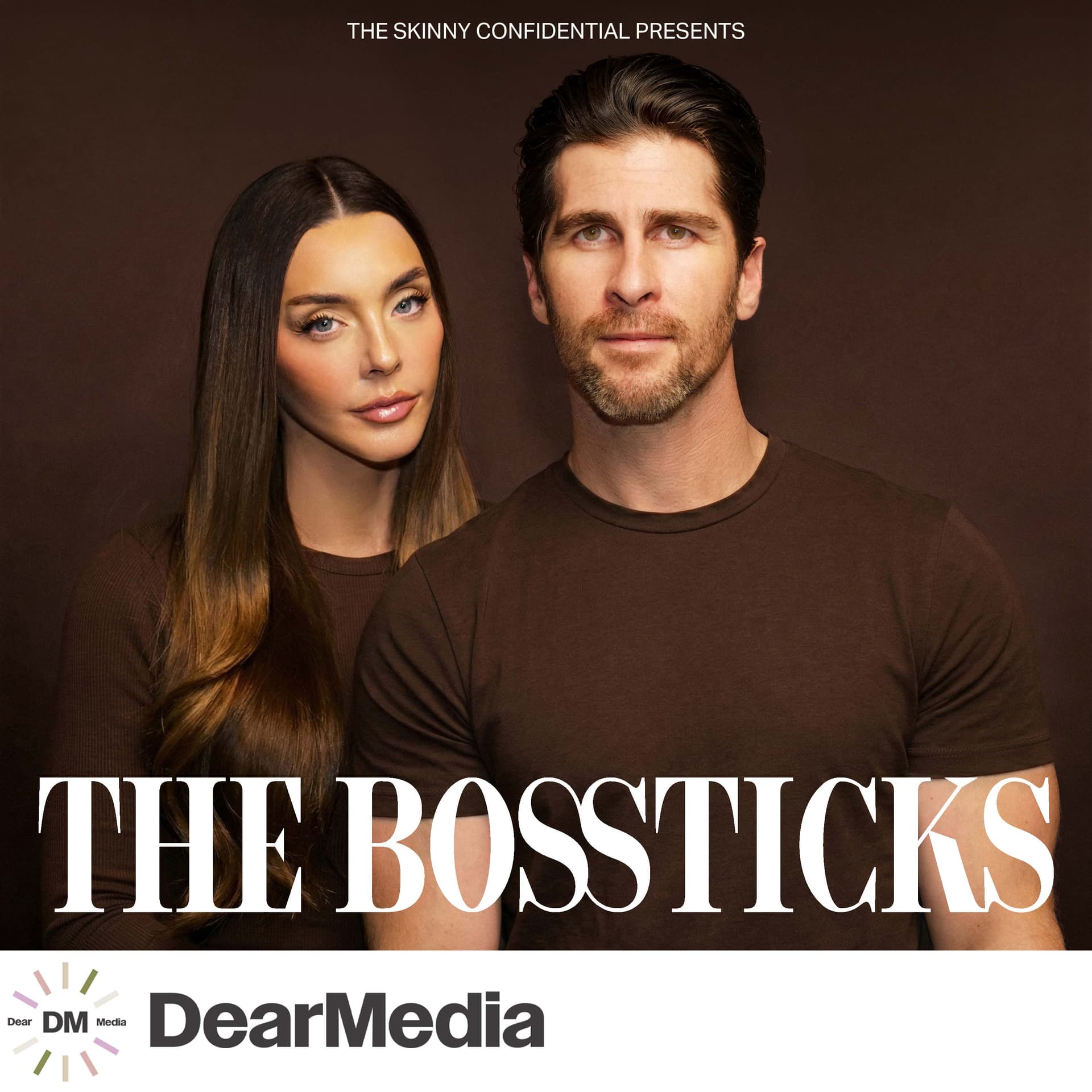
Episode Overview In this episode of "The Skinny Confidential Him And Her Show," hosts Lauryn Evarts Bosstick and Michael Bosstick sit down with Jake Bullock, the Co-Founder and CEO of Cann, a company that specializes in THC-infused beverages. The discussion revolves around the company's innovative approach to socializing and the changing landscape of alcohol alternatives.
Key Themes
- Alcohol Alternatives: The negative effects of alcohol are prompting a shift towards THC-infused beverages as healthier social alternatives.
- Cann’s Unique Selling Proposition: Cann offers microdosed beverages made from all-natural ingredients, allowing for a mild buzz without the hangover commonly associated with alcohol.
- Target Demographics: Initially aimed at millennials, Cann's unexpected consumer base includes young mothers seeking alternatives to traditional alcohol.
Key Discussions
- Origins of Cann
- Background: Jake Bullock shares his history with cannabis and his epiphany to develop a beverage product that could serve as a social alternative to alcohol.
- Market Entry: Launched in summer 2019, Cann faced initial distribution challenges but quickly gained popularity among unexpected demographics.
- Consumer Insights
- Unexpected Demographics: The company discovered that young mothers were significant consumers of their products due to the desire to avoid hangovers while still enjoying a social drink.
- Product Acceptance: Cann's beverages began being recognized in the LA market, leading to high demand and a swift sell-out at dispensaries.
- Funding and Growth
- Early Challenges: Cann faced difficulties securing funding due to the stigma surrounding cannabis products and the regulatory landscape.
- Celebrity Endorsements: The brand leveraged endorsements from celebrities like Gwyneth Paltrow and Kate Hudson to build credibility and visibility.
- Social Impact of Cannabis Beverages
- Changing Norms: The episode discusses how socializing dynamics are evolving with the acceptance of cannabis as a normal part of social drinking.
- Health Considerations: Cann provides a healthier alternative compared to traditional alcoholic beverages, appealing to consumers looking for a less toxic option.
- Future of the Industry
- Legislative Challenges: Jake highlights upcoming regulatory changes that may threaten the legality of THC products derived from hemp, emphasizing the need for advocacy within the industry.
- Focus on Innovation: Despite pressures to expand into new categories, Cann maintains a focus on its current niche to ensure brand integrity and product quality.
Key Takeaways
- Product Development: Starting with a clear brand vision helps navigate challenges in building a new product category.
- Consumer Engagement: Understanding your audience can lead to unexpected market success.
- Flexibility in Strategy: The ability to adapt and respond to consumer preferences and market demands is essential for growth.
- Health and Wellness: There is a growing consumer trend towards seeking healthier, low-potency alcoholic alternatives.
Conclusion
This episode of "The Skinny Confidential Him and Her Show" with Jake Bullock provides a deep dive into the innovative world of Cann and the changing landscape of socialization through cannabis-infused beverages. The conversation highlights the importance of understanding consumer needs, the challenges of the cannabis industry, and the potential for a healthier future in social drinking.
For more insights, listeners are encouraged to check out Cann’s website and use the code "SKINNY" for discounts on their first purchase.
Written by AI. May contain mistakes. Listen to the episode to check what was said.
Chapters
Tap a time to open that second in VOIntroducing Jake Bullock
0:45 to 1:11
Guest introduction and background on Jake Bullock and Can.
“from the ground up, understanding a little bit more about what's going on with alcohol alternatives.”
The Evolution of Can
1:11 to 1:31
Discussion on the unexpected customer base for Can's beverages.
“Jake, welcome to the Skinny Confidential, him and her show.”
Challenges of Dispensing
1:31 to 2:28
Insights into the initial challenges faced in getting products to customers.
“And we kind of designed it around that thinking that's who would love the products.”
Targeting Young Parents
2:28 to 3:53
Exploration of how young parents became key customers for Can.
“We would be like driving around LA, dropping it off.”
Inspiration Behind the Brand
3:53 to 6:15
Jake shares his journey and inspirations for launching Can.
“I would love to take this episode like very how I built this.”
Creating a Mainstream Brand
6:15 to 7:24
The intentional branding decisions that made Can approachable.
“drink a bottle of whiskey on your own, you're not going to be fine.”
Celebrity Endorsements and Growth
7:24 to 11:39
How celebrity endorsements helped propel Can's success.
“and the others, there was like billboards everywhere.”
Fundraising Challenges
11:39 to 14:00
Discussion of the fundraising journey and changing market dynamics.
“Kate Hudson was one of those early people.”
Navigating Early Funding Challenges
14:00 to 15:00
Learn how initial fundraising dynamics have evolved in the cannabis industry.
“We also were able to get some of the marijuana specific funds.”
Growth vs. Profitability: A Changing Landscape
15:00 to 16:00
Discover the shift in focus from growth at all costs to profitability in business.
“And it's like, that was really hard getting there.”
Show all 33 chapters
Survival and Adaptation in Business
16:00 to 17:00
Understand the importance of adapting to changing market conditions for survival.
“for a lot of those companies that were stuck in that cycle and couldn't get to profitability.”
Retail Challenges in the Beverage Business
17:00 to 18:00
Learn about the complexities and challenges of selling beverages in retail.
“I know that sounds very counterintuitive, but like I think the hardest thing is getting to that point.”
Navigating Regulatory Landscapes
18:00 to 19:00
Explore the regulatory challenges facing cannabis-derived products in the market.
“So we have all the sort of structural issues would tell you these products are going to be hard to make money off of.”
The Future of Cannabis Products
19:00 to 20:00
Understand the potential impacts of upcoming regulations on the cannabis industry.
“we so we haven't talked about this yet, but we extract our THC and CBD from hemp.”
Consumer Perceptions of THC Products
20:00 to 21:00
Discuss how consumer experiences with THC can vary and impact acceptance.
“largely so that the industry of good actors could go out and find - I love how you're looking at solution.”
Potency and User Experiences
21:00 to 22:00
Explore the differences in user experiences based on THC product potencies.
“Give them a little light, love, laugh, light, dance, love.”
Comparing Alcohol and THC Experiences
22:00 to 23:00
Learn about the different effects and experiences between alcohol consumption and THC.
“And then I know other people that have never had a bad experience.”
Building an Effective Team
23:00 to 24:00
Discover what makes a great employee in a startup environment.
“I could, I can't believe how high I was.”
Hiring for Growth: Balancing Experience and Potential
24:00 to 25:00
Understand the challenges of hiring experienced professionals in a growing company.
“Because it'll dissipate in your system and then you can come back to it.”
The Learning Curve in Startups
25:00 to 26:00
Explore the rapid learning opportunities available in startups compared to big corporations.
“And so the bet that I sort of made was that I could learn things really fast.”
Navigating Internal Team Dynamics
26:00 to 27:00
Learn how to manage team dynamics and facilitate growth within a changing organization.
“doesn't want to do new systems and wants to keep doing it the old way.”
The Vision for Company Growth
27:00 to 28:00
Discover the long-term goals and vision for scaling a cannabis beverage brand.
“You're going to learn so much more from this person than you've learned from me.”
Building a Global Brand
28:00 to 29:50
Learn about the journey of building a mainstream brand and the importance of staying engaged through all phases of growth.
“you know, make CanFamous to some degree.”
The Value of Education in Entrepreneurship
29:50 to 31:35
Explore the debate on the necessity of formal education for entrepreneurs and the impact of different business schools.
“So if it was Stanford, you would have kept it.”
Navigating the Path of Entrepreneurship
31:35 to 32:50
Discussion on the challenges faced by entrepreneurs and the importance of making personal choices aligned with one's goals.
“And if you want to be an entrepreneur, that sounds great.”
Leadership Style and Company Culture
32:50 to 34:15
Insights into effective leadership, the role of humor, and the importance of creating a positive company culture.
“and I think everyone is a little bit different, right?”
Integrating AI into Business Operations
34:15 to 36:05
Learn how businesses can leverage AI creatively to enhance efficiency and maintain brand integrity.
“Are you able to kind of like deflect from tension and stress?”
The Influence of Cannabis in Social Settings
36:05 to 39:25
Understanding the perception of cannabis products and their intended social use.
“It has, there's like an editorial element to it.”
Focusing on Core Business Principles
39:25 to 41:25
Discussing the importance of staying focused on the main business vision and avoiding distractions.
“What do people get wrong about cannabis?”
Tasting Can Products
41:25 to 42:01
A live taste test of various cannabis-infused beverages and their unique flavors.
“That was like, once we raised the money, we moved out there and we put this big kind of like, what is our main thing?”
Exploring Cann's Unique Beverages
42:01 to 44:02
Learn about Cann's unique cannabis beverages and their flavors.
“So it comes in two sizes, both individual servings.”
How Cannabis Drinks Affect You
44:03 to 45:08
Discover how cannabis drinks affect your body differently than edibles.
“It's going to get in your system faster.”
Cann's Appeal for Adults
45:43 to 46:26
Discussing the adult nature of Cann drinks and their appeal.
“I will say though, yes, blood orange, but you also don't sleep on the grapefruit rosemary.”
Transcript
Automatic transcript. May contain errors.0:00The following podcast is a dear media production. She's a lifestyle blogger extraordinaire. Fantastic. And he's a serial entrepreneur. A very smart cookie. And now Lauren Everts and Michael Bostic are bringing you along for the ride. Get ready for some major realness. Welcome to the Skinny Confidential, Him and Her. Aha! Hello, everybody. Welcome back to another episode of the Skinny Confidential, Him and Her show. Today, we have Jake Bullock on the podcast. He is the co-founder and CEO of Can, the THC-infused beverage company revolutionizing the way people socialize. Can offers a range of microdose beverages that serve as alcohol alternatives made with simple, all-natural ingredients.
0:43This episode is all about carving out your own category, your own niche, creating a brand from the ground up, understanding a little bit more about what's going on with alcohol alternatives. We also talk about alternative health practices, dry January, the future of social drinking, and how to build a business from scratch. Like I said, Jake and his team have built an incredible company and an incredible brand. And there's a ton of lessons in here for any aspiring entrepreneurs, brand builders, marketers, and anyone looking to build a brand that stands out. With that, Jake, welcome to the Skinny Confidential, him and her show.
1:13This is the Skinny Confidential, him and her. So grandmas are drinking THC infused beverages. They are. It's pretty amazing. I mean, we started the company for like cool millennials that are young and want to be social, go out, you know, close down the dance floor, but be in a workout class the next morning. And we kind of designed it around that thinking that's who would love the products. And we very quickly found out that we were wrong about that. We first learned this from Brentwood moms. There were like women that were going into MedMen where we launched and buying out the entire store of of Cannes.
1:45I told you I was shipping it from L.A. to Austin when you guys first started. What year was that that you started? So we launched in the summer of 2019. Yeah, because I remember it was like a thing. If you knew about it in LA, it was like people were like, where do I get a can? Like, where are they? And you think you had like a driver would show up or you'd have to go to a dispensary. And it was like a rare item to find. Yeah, because we launched in the dispensaries, there's also like delivery services. It was really hard to get. And the model is a pretty challenging model, the dispensary model.
2:15Often they're out of stock. They didn't really care about beverages and especially ours because it's so mild. It's not gonna get anyone high. Most people go into dispensaries to find products that get them high. And so we were kind of an afterthought. And as a result, no one could find the products, but people love them. And so they would reach out to us on our Instagram. We would be like driving around LA, dropping it off. I mean, pretty much anyone that asked us, we would give them product because we were trying to make it a thing. And it was amazing to hear these stories of mostly moms in Brentwood.
2:39We first found them in Brentwood, and then they appeared when we moved to NorCal and they were at Marin. It was like these moms. We kept like, what is going on with moms? And what we found is that actually young moms were like our killer customer, because if you have a young child, like a two-year-old waking you up five in the morning, you do not want a parent hungover. And that strategy of like a couple of glasses of wine the night before just like falls on its face. If I could like, if I was painting, like if I was a painter and I was painting, like someone said, hey, can you paint hell? I would, it would be me hungover with my children charging in the morning, screaming at me to make breakfast.
3:14And it feels like I'm like, like landing on the beach in Normandy, like explosions going around. I can't figure out where I am. I don't know which way is up. My head is pounding. I feel like I'm sweating. I'm about to throw up. And the kids are like, let's get going. Every parent listening knows that feeling. It is the worst. It's so true. And because the kids are like that, it is also the case that you still need something at the end of the day. It's not like you can just be like, okay, I'll stop drinking alcohol entirely and relax with a sparkling water. And so that's where this fits in perfectly because you're going to get a mild buzz.
3:45It will help you relax. It'll help you unwind. It'll help you, you know, giggle or laugh with your partner watching TV, doing something with friends. But then you wake up the next day ready to go. I would love to take this episode like very how I built this. Okay. So let's go back to when you first decided to launch this company. What was the epiphany that you had to start this brand? Yes. So I had grown up in Colorado. Colorado was the first state to do this funny sort of cannabis dispensary thing for adults. You could go in with your ID and get access to all these new products. And I wasn't living in Colorado at time when that happened.
4:17And so it ended up becoming this interesting thing where I had friends when I would go back to Colorado be like, Oh, will you smuggle out? You know, X thing. It was always like a gummy. People seem to like gummies. So I'd be smuggling out these gummies, which was a trip like they're like sour patch kids. They're actually, I think probably were someone was buying sour patch kids like in bulk and spraying them with weed oil. So you would get some that were sprayed on the ends that were like double dose and some in the middle that were underdosed. It was like Russian roulette playing with these products and also not very adult.
4:43Like if you think about this like new intoxicant that's going to change the world, it's becoming legal and all these markets and it's like you're biting the head off of a gummy bear because you eat the whole thing, you get too high, right? That seems a little silly to me. We have pretty good evidence. I had done a bunch of boring things for this. I'd worked in investment banking, management consulting. I met my co-founder at Bain & Company. I went to bank capital and invested in consumer brands and they taught us how to think about these like new categories, right? You use analogs. And so we have analogs for this.
5:10What are other mild intoxicants? Caffeine, alcohol. It's like, great. Okay. How do we consume those as like human beings? Well, we've consumed them over thousands of years of human history through drinks. Presumably, we will do the same with THC and CBD. And that was kind of the insight that I had of like, okay, it's going to be a beverage. Now, the problem is there were beverages at the time. If you went into the Colorado dispensaries, bottles like this, sugary lemonades, 100 milligrams of THC. Like it's not even, charitably, this is like for a medical patient. It's an insane amount of THC to consume.
5:40Our idea was, well, what if you made them more like the potency and strength of beer, right? Or a glass of wine? How would that work? How long does it take the body to metabolize a glass of wine? That's about an hour. Okay, well, how much THC can the body metabolize in about an hour? And we found that that was two milligrams. So if I drank a hundred milligram bottle, I would have just been in outer space or what? Okay, this is important. So you would have had a really uncomfortable, probably anxious and paranoid experience. You would be fine. Like in a couple days. You might be foggy the next day or two, but you'll be fine, which is important because it is so much less toxic than alcohol, right?
6:13If you, you know, drink a fifth by yourself, drink a bottle of whiskey on your own, you're not going to be fine. And you may not make it. Yeah. Yeah. Well, that person's a lightweight. I'm just kidding. So, so when, when you decide to launch this, you designed the product, in my opinion, towards females, it seems like. It's a good question. So we didn't intentionally do that, right? Like, so we're two men that started the company. We're queer men. So we were like kind of gays and girls from the start. But the idea was that this is going to be unisex. Like we wanted it to have broad appeal. Like we were building a global mainstream brand.
6:46There was definitely like a pretty, and this is intentional, right? If you think about it, seven years ago, these marijuana dispensaries are opening up everywhere. It's kind of a scary thing. If you walk into them and a lot of our customers have never even been into a dispensary, but you walk into one of these dispensaries and you see some bizarre stuff. I mean, there's like a little joints. It was a little seedy. Even the really nice ones still had gloopy yellow extracts in little containers and you're kind of like, oh yeah, don't touch that. It was kind of intimidating too because they had these huge guards with guns.
7:13Yes, you got to show your ID. Am I being added to some list? I never went into the dispensaries because I was scared, Lauren. But they had, I'm just kidding, they had all, they were all over LA when we were there. I mean, there's places like MedMen and the others, there was like billboards everywhere. Literally, I remember one day over, it felt like overnight, there was just like 100 dispensaries and that must have been around like 2018, 19 period. That's probably right. And so we wanted to kind of meet that with something completely different, right? It feels approachable. The cans are little.
7:43Like you can drink the whole thing. Don't worry. This is not the pot brownie experience you had in college that you're afraid of, right? This isn't the Sour Patch Kid head that you had to bite off of. And by using the colors like the pastels, the line art illustration that we have all around the can, you know, it's signaling appetizing. If you actually play around with it, we love this idea that like, as you consume the product, that takes on a little bit of an interesting character to it, right? You're following it. There's like movement upwards. The whole point was being approachable. That is so true because I remember drinking one of these and staring at the pink can.
8:15So that's all strategic. Yes. It reminds me of those things you used to look at when you were little and you'd have to like squint your eyes. I forgot what those are called. What were those what were those called carson the things that you you would look at a painting carson's like a decade younger he has no idea what we're talking about but you would look at a painting and it was like it was one of those it's it's a painting where if you looked at it it looked like the same thing but then all of a sudden a dinosaur image would present itself or like a shape or whatever yeah there's like vibration from how it's gonna drive me nuts someone needs to dm it to me okay so what was your first moment that something major happened for the brand that you guys were like we're on to something.
8:54So we it's funny when we first launched, everyone kind of told you like the way that this works is you go to a bunch of small stores and you build up a following, you get into the small stores and then you take that success in sales and you go to the big ones. We kind of did it the opposite way. Our first sales meeting was with MedMen at the time was the largest dispensary chain in California and they became our first customer. They saw this and they were like, we're in that we're in their sort of like kitchen cafeteria area. We're having this meeting. It's going well. They pull one of the head buyers over and says, what do you think this, try the product.
9:23We had samples on hand. They loved the taste. And the head buyer says, yeah, this is great. Let's put it in the June, the June reset. We were, this was like April, we were not ready to manufacture for a June reset. And so we had to basically go underground for the next six weeks and make enough product just to get them the PO we launched in MedMen after three weeks, they said, and this was to directly answer your question after three weeks, they were like, great, the test went amazingly well. You sold out in all the stores. We want to extend, expend due to all of our remaining stores and we're like doubling the PO per store.
9:52So it became really big, really fast on the California dispensary scale. And then a month after that, we launched on East, which was the largest delivery platform. So right off the bat, we saw that there was like real traction. These dispensaries were trying to solve a similar problem that we were addressing, right? Which is how do we get a new customer in? The stoners are coming. They found the dispensary is fine. But how do I bring this into the mainstream? stream. What about Kate Hudson? What happened with that? We were very lucky from the beginning, in large part because no one could find these products.
10:20We were in LA. And if you think about it, people in entertainment care about what goes into their bodies for all sorts of different reasons. Some of it is health and wellness reasons. Some of it is like, if I have a call time super early the next morning, I can't be hungover. I can't have puffy red eyes. Or they have had an experience with alcohol in their life that they've kind of moved on from, right? There's a lot of people in recovery as well in the industry. So this fit really well in LA in that like entertainment community. Anyone that reached out to us on Instagram with a blue check, no matter who they were, and the whole city trades on proximity to fame to some degree, right?
10:48You have this like, I'm so-and-so's hairstylist or I'm so-and-so's this, whatever. Great. We were like, we don't care. We'll give you the product. But we incessantly followed up. My co-founder was amazing at this. He would text back being like, did you give her the product? Did she like it? What did she think? What's the feedback? We're new. We're a startup. Like we love as much feedback as you can get and are almost like a level of harassing so that, you know, most of these products don't make it to the talent, right? I think you guys harassed me. We probably did. This is a long time ago. I'm like, what did you think?
11:16Can we send you more? Smart. And it worked. And what started happening is it would snowball. So I think Ruby Rose was the first like famous person through a hairdresser, got the product, loved it, reached out to us. We kept giving her more and more. And we did this as almost like a regular strategy and very slowly started getting kind of like in these circles and people were talking about it. And because it was so hard to get, because all the dispensaries were always out of stock, it became this thing that like, oh, have to reach out to the brand, they'll drop it off. Kate Hudson was one of those early people.
11:40I loved the story, you know, saw the premise behind it and we got her to invest. So it actually started with Gwyneth Paltrow. She was our first like really famous celebrity investor. We went to the Goop offices in Santa Monica. It was actually kind of hilarious. My co-founder had been, she had been his babysitter in New York City like years ago. So we walked into the office. Gwyneth Paltrow was his babysitter? His babysitter. Yeah. In New York City when he was like two years old and it had nothing to do with how we like got the meeting but when we walked into the conference room she was like hello like i'm gueneth and we said hello and and luke my co-founder said we've met before and she's like oh my god did we have sex and we're like dying laughing he's like no you were my babysitter and she's like oh okay great what was she doing babysitting amazing right there is a funny story about how her mother she wanted a landline and and she wasn't allowed it so she was really she was really young really young yeah so it's like a teen okay okay i get it makes more sense um We convinced her somehow.
12:35She actually really liked the roadies, the liquid packets, because something you could add to like a tea at night and it would be kind of lemony and delicious and help you fall asleep. Once she invested, it was amazing for us because all the other famous people that reached out, we said, well, we'll give you the same deal that we gave Gwyneth. And that one could be like, no, I want a better deal than her. She's wildly famous and created this huge empire. That was how we got Kate Hudson to invest. She invested. And then maybe about a year later, we wanted to do a holiday campaign. And we were like, would you do something with us?
13:01And she was like, yes, I would love to do something with you. She had a vodka brand called King Street Vodka. And we're like, what if we do this like kind of fun, irreverent holiday sort of cheer thing where we do cranberry sage can, which is our seasonal flavor holidays and King Street Vodka. So we put the two together, had like a whole winter wonderscape inside of a house in LA. She brought her friend Baron Davis. They went to Crossroads together, who's also an investor in can. And the two of them had this like fun sort of like high school reunion, drinking can and vodka. So in the early days, was it mostly angel checks like this?
13:31Just different, you find an interesting individual and say, okay, come on the cap table, do a check. Or was it institutional? Yeah, so as you can imagine, THC is a challenge for some of the big funds, right? Because they have these clauses and their documents that say we can't invest in anything that's illegal. It's like, okay, fair enough. So we couldn't really get the like traditional big folks, but we were able to convince some real consumer venture investors. Imaginary Ventures is one of our earliest investors and has been a great partner to us. They've invested in things like Skims and Farfetch, which have done really well.
14:00So we got folks like that. We also were able to get some of the marijuana specific funds. So like their mandate was just invest in cannabis companies early on. So we had a little bit of a balance. We tried to do one foot in consumer and one foot kind of out and that helped pretty well. But we also had all sorts of restrictions, right? And what we could do from an advertising standpoint. And as a result of that, being able to leverage celebrity influence and their megaphones was a big part of scaling the brand in those early days. You mentioned off air that people were literally throwing money at you guys.
14:30Yes. How is that changed over time? Yeah, it's funny because at the time we didn't realize if you would have asked me five years ago, I would have said fundraising is so hard right now. We were in a different interest rate environment. There was a lot more capital floating around. And when that changed, it became so much harder. Right back in five years ago, everyone said, all that matters is growth. Just grow, grow, grow. We want to see your sales numbers doubling every year or more than doubling. And we did that. We kind of did like, you know, 200 grand in the first year and then we did 3 million and then we did 10 million.
15:00Right. And it's like, that was really hard getting there. And then the whole world changed. Right. And it was like, okay, well, we actually are fine with 30 to 40 % growth, but you need to be profitable. What about your unit economics? Like, can we talk about gross, gross margins? Like we didn't even look at gross margins for the first three years. And we were kind of lucky that we were able to do that because we were in a capital raising environment where as long as we kept growing, people would write us checks. That is crazy to how much the landscape has changed now. Well, it also now they're like, give me your firstborn.
15:26A lot of those companies though that were doing that just like growth for the sake of growth with a lot of free-flying capital got crushed when it turned because they couldn't right the ship and they couldn't get profitable because they were too far gone already. I just think that it's an important story to tell because depending on the cycle you're in, I think for young entrepreneurs that like in a weird way, raising capital was like glamorized, I think at that period of time for all of us that were doing it then. Right. But, and I think if you're a first time entrepreneur, like, oh, just raise, just raise, just raise.
15:58But when it flipped, it was brutal for a lot of those companies that were stuck in that cycle and couldn't get to profitability. They just lost their companies. Yeah, I think that's exactly right. I mean, I get this question a lot from entrepreneurs that are just starting out, asking sort of like, how did you think about the fundraising environment? And it's sort of good news and bad news for them. You know, the bad news is that it's changed dramatically. The good news is, is that I've had the experience and wisdom now instilled in me that it's never either of them, right? It's never just growth.
16:23It's never just profitability. It's a multi-objective function. You need to be focused on both of them. They both matter to some degree. And that balance is really kind of your job to go figure out. And it has a lot to do with what's going on in the world and the opportunities that are in front of the business. When I think about it all now, I just think that like the goal of the CEO is just to yes, you to your point, you want it to grow. You want to try to be profitable. You don't want to lose much money. But like I look at it as like you just want to survive longer than everyone else for as long as possible.
16:51and over time, like it starts to get better. And what I also say is it's much easier once you get to profitability to squeeze out more profit. I know that sounds very counterintuitive, but like I think the hardest thing is getting to that point. But once you're there, it's actually like not so hard to jump the profit up. Yeah. Because you're working with house money at that point. I think that's right. And you fix it. Once you fix some of those fundamental problems, right? Like to your point, a lot of those brands that survived through the easy capital flowing days, but couldn't make it after that was because there's something fundamentally wrong in their unit economics.
17:26And it's usually, you know, these D2C companies that built the business online and they were able to acquire customers cheaply. And then when they weren't able to do that anymore, the whole model unraveled, right? I think I talk a lot of times about how our business is really a retail business. I mean, we sell products online and it's usually because of availability. People can't find it in their local liquor store, so they get it from us online. But if you can get it in the local liquor store, that's way better. The customer's doing the shipping for us. it's going to be a better service they'll get it today or maybe through like doordash and go puff they can get it in an hour and that's a lot better than waiting for three days for it to come in the mail so we're really building this business now for retail to your point like once we got gross margins to the point where they started looking really healthy it was almost easier to keep pushing them up what are the challenges of being in the beverage business beverage is really hard right when you layer on natural we're a natural beverage no preservatives we don't put any of that junk in when you layer on a highly controlled intoxicating ingredient it gets a lot harder everything against you.
18:19Yes. So we have all the sort of structural issues would tell you these products are going to be hard to make money off of. And they are. It is not an easy game, particularly in the retail environment, right? Like there's all sorts of crazy stuff that happens on grocery shelves and liquor store shelves in terms of marketing, slotting fees, things you have to pay to just show up before you can even start selling product, right? And so all those things kind of ladder to make it really, really hard. But on the other side, you have a bunch of benefits, right? We drink beverages all the time. It's how we socialize for thousands of years of human history.
18:47People want drinks. And so those things kind of, you know, need to weigh each other out for you to be successful. Can you sell online? We can sell online. It depends on the state. I think about like 35 states allow it. Can you do paid ads for THC? We it's a little tricky because we so we haven't talked about this yet, but we extract our THC and CBD from hemp. So what does that mean? It means that right now we are federally legal. It's not a controlled substance. This is not like the marijuana you would find in a dispensary in California or any other state. That allows us to do a bunch of things we wouldn't otherwise be able to do.
19:19Although in the bill that just reopened the government from about a month ago, there was language that said in a year, they're going to basically ban all of these canned products that are derived from hemp unless there's a change in the regulation. So November 12th of next year, the cap of allowable THC from a hemp product goes to 0.4 milligrams. So what are you going to do? We're trying to change that. I would say probably most of my time in the next three to six months is going to be in Washington, D.C., working with lobbyists, working with industry associations, trying to stop this ban from going through.
19:49They gave us a year. So the important thing is it's not necessarily a ban in the traditional sense. Usually when Congress is like, this is illegal, you know, Four Loko flavored vapes, it becomes illegal immediately, right? In this case, they gave a year largely so that the industry of good actors could go out and find - I love how you're looking at solution. We have to, right? Like it's existential for the business. And we also know like so many consumers love these products. So we owe it to them, to our business, our investors to go fight for this. What's interesting, Congress isn't trying to ban my like cute two milligram pink drinks, right?
20:18They have good reasons for trying to restrict hemp products because there are highly potent 200, 300, 500 milligram. Often they're like in gummy candies marketed towards kids, sold in gas stations. Bad stuff shouldn't be in the market, right? So we've got to kind of fix those two things. Let's keep the bad stuff out. Let's let the drinks that people love and adults again, like the faces we're talking about, the moms, the grandmas that love these products. like let's allow them to keep consuming. I got a good idea. Yes. Get some champagne glasses and pour it in champagne glasses and pass it around to Congress when they're making the decision.
Read the full transcript
20:53Oh, you should be a lobbyist. Hey, Congress, bring me. I'll pass it around. Yes. They'll be laughing. They'll be... I think they would love that. Give them a little light, love, laugh, light, dance, love. You have to try the products, right? To your point, Like if you get this experience, this is not scary, right? A lot of people, myself included, have an experience with THC when you're young. What was your experience? No, no. So my experience is I was never a THC user. I never smoked. And so what happens is like somebody passed something around in college and it was probably way too potent and way too much.
21:31I can't picture you high. Have I ever seen you high? And next thing I know, I'm like on the floor looking up, trying to find God. Right. Wait, how many times do you smoke weed? Like, I don't think I've ever seen you smoke weed. Like maybe two or three times in my life. But I used to give you gummies sometimes and you've tried this. Yeah, yeah. But that's what I'm saying. So I got scared off smoking it because I probably had too much given to me by somebody who was like, oh, let's see what happens with this guy. And so you don't know. And I think a lot of people have that experience. And then I know other people that have never had a bad experience.
22:04It just works for them right away. for this, what is the typical experience someone can expect if they're like, hey, I'm a little scared. How potent is this stuff? Right. So the first thing is we have an endocannabinoid system. That's important, right? We don't have an alcohol system. Part of the reason alcohol is so toxic is the metabolites of alcohol are really poisonous to the liver and to the body and it goes into the cells in ways that that's not what's happening here. So we're already sort of starting from a place that's a little bit more mild. Your experience that you had in the past of getting way too high, it's almost all potency based.
22:36And I think a lot of times, you know, the most approachable THC products that you may seem like just like looking at them, oh, gummy, that seems great, or a cookie or something like that. How bad can that be? Or actually some of the worst because of the way that the body absorbs them. You know, smoking, we know smoking things is bad for you. Like we're that generation. Oh, I hit that bong when I was in seventh grade so hard. It might've been out of an apple. I was so high. I was literally in outer space. I could, I can't believe how high I was. And also, what's the other one? What's the big long?
23:06That's a bomb, right? Yes. What's the big long one? They used to have those big, long, huge glass shaped like penises that you would put your mouth over. And you don't know when you're that young, like you don't know that you shouldn't be inhaling all that. It gets you so stoned. This is nothing like that. This is literally. What the hell were you doing back then? It's literally like it's this is what it's like. that experience that I just shared is like drinking a bottle of vodka. Your experience is like having a beer. Yes, that's exactly right. That's how I would explain it. I think it's pretty close.
23:41It's like everyone that had grain alcohol, like Everclear in high school, right? Like that's the equivalent. What's the green one? Absinthe. Absinthe. Yes. It's meant to be really, really mild. It's like a gentle sort of like floaty buzz. Also, your body won't metabolize in about an hour. So similar to a glass of wine or beer, you can have another one if you enjoyed that experience. If you didn't, you'll feel it subside. Because it'll dissipate in your system and then you can come back to it. Where like if you're drunk or you're too high, you can't go back. You can't go back. If you take an edible, most of that is going to be absorbed through the lining of your stomach and your liver.
24:15It's too late. Like what's ever happening, happening. It's also why it takes like an hour or two for those to kick in, sometimes even longer. Well, that's why people also get in trouble because they think it didn't work. And they'll take another one and it's all downhill from there. These you'll feel in the first 10 minutes. I also can't do a pot brownie because I'm like a too brownie kind of person because you taste it and it's not hitting and then you'll have another one. That's what you're saying. You want to just keep eating the brownie. That's exactly right. That's exactly right. What to you when building a team makes a good employee?
24:43We've been having this discussion a lot. You obviously are building infrastructure with what you do. What makes a great employee? Yeah, we talk a lot about attitude and effort. It's kind of amazing, right? If you think about a startup, I had never been a CEO of a company before. I had no experience in that, right? I'd done boring sort of finance things before starting CAN. And so the bet that I sort of made was that I could learn things really fast. The things that I didn't wanna learn or were hard for me to learn, I would find somebody that knew them, right? So I could hire people and I would show up every day working really hard with a good attitude.
25:15And that's the model we've always used from the beginning. It's like people that are young, hungry, they wanna learn, they'll figure it out. Like we're all figuring out, I'm figuring it out every day. And so I really like that profile. Really like that bet. One of the hardest things about getting bigger as a company is at some point you have to start hiring people that like know what they're doing. They've done it before and you're asking them to come do it again with you. And we were sort of going through that transition now. We just hired a VP of sales who had done this with other brands that did it with Beatbox.
25:40That's really cool. They just had an amazing exit to AB InBev. Starting to kind of move away from that has been hard for me because I want to go get the person that's like young and hungry. We still have those. Don't get me wrong. Many of them have grown into bigger roles at the company. I think too, as you scale, it's inevitable that not everyone wants to scale with you. Yes. And that's sometimes hard when you have someone who's worked for you for a long time that doesn't want to do new systems and wants to keep doing it the old way. Or is threatened because more senior people are coming in that have more experience and they're like, wait a minute, I was the person that was on top of the organization before, but now there's somebody coming.
26:19And by the way, that even happens to the CEO, right? Like you get people that are like that person probably knows more about selling in that category than you do. Not that you're running the company, but that person's been doing it their whole career. Yeah, it's been a really big challenge. You have high energy people. They learn a ton. They grow really fast. One of the things we can offer people as a startup is you're going to work really hard, but we will give you one of the best concentrated periods of learning in your life. You're going to be doing things that at a big company you wouldn't even touch.
26:43You would have a boss. Your boss's boss would be in charge of it. Right. And I'm telling you, you're in charge of it. That's kind of exciting. Those people are the ones that are going to be the most kind of threatened by having to hire over them. Often you have to do it. There's no way around it. We try to explain to them that really you're teaming with this person. This is my gift to you to like continue your education. You're going to learn so much more from this person than you've learned from me. Some of them buy it and that's great. Others leave and that's also great. Yeah, if you're on a team, you don't want to be a gatekeeper.
27:10You don't want to be a moat. No, that's not. You can't scale if you have someone that is a gatekeeper. The way I framed it over here and in my experience is that if the business gets to the stage where you're bringing in those kind of people, then it's creating an opportunity for the company to scale and get bigger and create more opportunity for everybody in the company. It's not a limiting factor. It doesn't limit someone's growth or opportunity if the company is now in a position to get someone with more experience that's going to create more opportunity and growth for the company. It just means that there's more lanes opening up for everyone in the company.
27:47Yeah, I think that's right. And we're also not trying to build a big company for the sake of having a big company, if that makes sense. We're still a startup, right? And so that ethos permeates the entire operation. And what we're trying to do here is a very specific goal. We're trying to, you know, make CanFamous to some degree. We're trying to build a global mainstream brand. We want to make a great company, but we also want to exit this business at some point, right, for our investors sake. And so it's almost, it kind of contains the journey to some degree. And I tell this to a lot of junior employees, which is you want to be here for the whole story because you're putting in all the work in the hard early days.
28:19Don't miss out on the fun part, right? When we get really big and we go do something exciting with the business. Jake, I have a random question. Yes. You graduated from Duke University and then you got your MBA at Harvard. Stanford. Oh, you know what? If I'm being honest, I mix the two up. Sorry. Okay. Stanford. They're both like in the same league to me. if you could go back doing what you do now, would you have just thrown yourself into a business or would you have gotten those degrees? The heart, the undergrad degree, I definitely would have. I wouldn't have known better. And there's so much about life.
28:56It's like keeping options open. I went from there to learn a ton, like the fundamental business skill set that I have, I got because I went to college at Duke and I learned, I studied finance and, and then I went to investment bank and I learned that I wouldn't recommend staying in investment bank for more than two years, but it's kind of like going to army. You learned a ton and you never want to do it again, but there was some real value there. I think the harder one is the MBA. And the only reason I would say I would keep it was because I went to Stanford and there was such a culture there supporting entrepreneurship.
29:25You could have said, save the money, start the company, keep working, make more money. We made things easier. And I thought through all those, but what was amazing at getting to Palo Alto, it had almost this ethos where people would say things like, well, there's two types of people in the world. There's founders of companies and people that can't be founders. It's like, which one are you? It had that pressure almost in the other direction, which usually business schools don't do. They're like, oh yeah, we'll train you to be a general manager at a big company. You'll kind of de-risk your life.
29:49Where Stanford was the opposite, which was like, I have not started. So if it was Stanford, you would have kept it. But if it was not Stanford, you would have just thrown yourself into the business. Yes. I think I'm more mixed on the generic MBA, but the one that I got was necessary for me to do this. Like even just the emotional support, like it was really hard to graduate business school without a job, right all your friends are taking these cool jobs they're talking about great it is i moved home to my parents basement i was like buying health care on the exchange which is like an impossible task i don't know how people do it and and like needing to be at my parents basement because i needed them to like buy groceries because i had no money i had to like fly to meet investors in new york city to try to get them to fund the business like it was very challenging time period i was super lucky that i had been you know kind of through that education i had a lot of skills and things to fall back on i had a network right that i could go fundraise from but it was really really challenging to go through that process and be like, it would just be easier to take a job, go back to private equity.
30:39You'll make so much money. Like that was constantly in the back of my head. And I think one of the things that helped me get over it was if I went back to private equity and was hit by a bus one day, someone would just step into my role. Like nothing would actually change in the world. Like you think you're in this like big finance role and you're doing all this stuff. But the reality is you're you're just a cog in a big machine with can like if I didn't start this company, like I don't know that anyone would or they would start a worse version of it, which might honestly be worse, right? And so I kept kind of having that drumbeat in the back of my head of like, I need to do this, I need to do this.
31:08And Stanford really supported me, you know, through the coursework, through the people there, from that culture to take the jump. I think the discussion around college and degrees now is challenging because on one hand, I think if you have the opportunity to go on the path that you went on with a great school that facilitates that kind of ambition and that kind of thinking as an entrepreneur, I'd be like, I would have loved to have something like that. I went to the University of Arizona, the Harvard of the desert. And if you want to be an entrepreneur, that sounds great. But I also, now I have my experience where I've always been entrepreneurial.
31:44And when I think back, am I honest, not to bash U of A, it was a fine, good school. But for an entrepreneur, for me, it's like, did I need that? No, I probably just went and partied and had fun and gain some independence. And fortunately, my parents were able to support me and pay for it. And so I don't know what else I would have been doing, but do I think it actually helped what I'm doing now? Honestly, I probably don't need the degree, right? I probably didn't need it. And so I tell people like, if you're in the position where your parents aren't funding it and you're going to do that and you are at the core an entrepreneur, maybe not.
32:16But then on the reverse of that, if you're somebody who wants to go and work in an organization and learn, like maybe it's a really hard discussion. I think blanketly though, if you're a young person and you're not getting the opportunity to go to a school like that, and it's going to saddle you down with a ton of costs and debt for a long time. I don't know if in today's world with AI and all the things that we have at our fingertips to learn and the access we have that I would recommend it. I don't know. Yeah. Yeah. No, I don't think that's crazy. And I think AI is a good point, right? Like a lot has changed in the educational environment, you know, since I was even in college.
32:53and I think everyone is a little bit different, right? Like I can kind of give advice to people like me, I think, because I sort of, you know, have a theory that if you're similar to me, then you'll have gone through similar things. And I really needed that support. Like I wouldn't have been somebody that was naturally jumping into entrepreneurship, like, because I was sort of just like taking on crazy risk, right? You have to know yourself. You have to know yourself. I think that's really key. And like, you know, to get from banking to management consulting to private equity, like it's pretty risk adjusted path, right?
33:19And for me, the challenge was, am I going to at some point fight for myself? Am I going to fight to be happy? And I mean, risk adjusted, you could always go back to one of those finance jobs and know you can take care of yourself and do well. Yeah, it's they're very path dependent, right? Like, you know, the whole ecosystem is designed to go from one step to the next step. And they tell you what you need to do to get to that step. And it's pretty clear, right? And it's based on your capabilities to some degree, but they teach and train you along the way. And so, you know, that path is really strong and has a hard pull.
33:47And also, as you get older in life and you cost go up, you have a mortgage, you have kids like it really dramatically changes you know what you can do. I was lucky that I kind of caught myself right before that point and said just do it like what do you have to lose. How do you feel about leadership? What do you think makes you a good leader? Yeah it's interesting like I said you know I didn't have any training in this other than sort of just like normal life stuff right and as I look at what I do every day and the impact that I'm having it can be really hard to know right like am I getting the right feedback am I a good leader like I don't actually know the answer to that you get different bits and pieces right we're a remote company so like often i find myself like speaking out into the void like into a computer screen to 30 something employees and like they like thumbs up button you or something it's like kind of a weird experience like is this going well like how's how how is this landing on the team sometimes it will you know people will call me and say that was amazing meeting you did a great job and it's like okay good maybe i'm figuring this out right i think humor is such an important part of leadership that like is often not talked about i mean there's a bunch of stuff we could go down if you wanted to make a list right but what is often not on that list is like, do people actually enjoy you and your presence and talking with you?
34:54Are you able to kind of like deflect from tension and stress? It's going to come in no matter what these kind of high stakes things we're doing often, not always, but often. And so, you know, kind of having one of the things we did from with a brand from the early, early days was, you know, we're ultimately selling something that will alter your experience. We can't take ourselves too seriously. We're not trying to be like the Barneys for weed, right? We're trying to be fun and irreverent and quirky. Like, can you take that as a lesson in your leadership as well? right something goes wrong you could get really mad you could scream and yell we could find the right throat to choke or we could kind of laugh it off and figure out how to never make that mistake again you know i've tried to balance my style more in that direction this is one of my favorite i just run around choking people yeah yeah throat to choke it's an amazing phrase don't laugh i'm gonna get over there michael's did a really good speech at the christmas party I thought you're a great leader.
35:45This is a question that I've been asking entrepreneurs that I'm super interested in. You might say, Lauren, I don't have an answer. How are you using AI creatively within your business? It's a great question. We are, we're starting to use it to some degree. Very formally as a brand, a lot of our output is marketing content, right? There's some things that we want to have real human beings, like real life. It has, there's like an editorial element to it. There's a spirit to it. You're trying to capture friends at a pool in the summer drinking can like that's really really hard to do with ai but there's also a lot of stuff like our product photography pictures of blood oranges which we use all the time all of our ingredient photography like a machine can do that better and actually a photographer we're going to take that for those photos and we're going to doctor them up so much that like a machine's actually better position to do that if i outsource all the ingredient photography to a machine then i have more money to spend on capturing that moment at the pool with friends right or that like connection between two people i knew you would have a good answer for this.
36:42I think that's how we're approaching it, right? There's a bunch of technical tools and other things we're using, but I love that example because it shows you how you can take these tools and you can, you're not going to lose the character and the texture and the emotion of the brand. You're actually investing more in it, but you're shifting where those dollars go. I've been using it as like a psycho assistant. So I'll go to it in the morning at like six o 'clock and i'll say six o 'clock loran maybe seven okay and i'll say like while i'm brushing my teeth and like setting up my day on my vibrating plate i will say to it i'll say hey chat i have a really gnarly day today and i'll screenshot my calendar and put it in and then i'll say look at this day and tell me all the times that i have to leave you know that i can be running late so make sure you buffer it i also would really love to get a cold plunge sauna and where do you think it's most strategic and I'll be like, build out my day in the most efficient way knowing me.
37:39And it literally will give me an exact play by play of my day and when I should leave. And it helps. It really helps me have clarity for each day because it shows you exactly what to do and when to do it. So it's been like an assistant. I'm going to steal that. That sounds amazing. It works so well. And if you're, you know, when you wake up and you feel overwhelmed, maybe you're hung over because you didn't drink canned, you can go and you can say, I'm a little hungover I need you to like help me make sense of this day it's a ball of yarn and you throw everything at it was that this morning be honest yeah this morning I should have had a can last night and I had like three margaritas yeah that'll do it we had some some of the teammates in from from the east coast so we all went out not super late but you know as a in a in a parents world like 830 I'm like we're we're pushing past bedtime here Bethany Frankel has been a huge supporter of you which is really cool.
38:33How did that come to fruition? It's kind of a funny story. So the team without telling me sent her product. And then at some point was like, okay, we have to tell Jake. So they, they, they call me up and they say, so don't freak out, but we sent product to Bethany. She like does these videos. I had seen some videos. So I was like, oh God, you sent it. Like, what if she hates it? Like she will literally broadcast the hate review. Right. And so we're like really nervous. Finally, the video came and it was like, it was sort of like a beginning, middle end. I'm going to try this, like walking us through it, which I love, like telling the story is like what we love.
39:01And at the end, she's like, I like it. I really like it. And I'm like, she said, like, that's not good. We want love. Like, and she's like, no, no, no. The team was like, Jake, like is amazing with Bethany. Like, we were so happy about this. We continue to send her can. We actually had an emergency request. She had a massage. She was like, I think she was in New York, needed it before a massage. So we like curried her can to get it in time before the massage and has been a great supporter. And we're excited to keep working with her on. It's really cool to see organic stuff like that. That's awesome.
39:25What do people get wrong about cannabis? I think a lot of things. I think the biggest thing is that like potency matters. The strength of it really, really matters. We were talking about this earlier, right? Like cannabis is this word that's used to cover all this ground and it really shouldn't, right? If you think about it, a two milligram drink like can is so different than a gummy, than a vape, than any of these products you get in a dispensary, than the massive penis shaped bomb, right? Like we're talking about very different experiences. And you can't even, I mean, you can kind of use the alcohol analogy.
39:56I think that's a really good one. Like, you know, you've got Everclear on one end and you've got, you know, a hard seltzer on the other, but it's so different and potency really matters. And part of why people love these products is they're so low potency that you don't have to worry about all the scary anxiety, paranoia, long-term health effects. I mean, this is really mild stuff. And I think that is like the idea as we thought about it very beginning was we want social occasions to have beer, wine, and can. We named it can. I was on a run in Palo Alto and there's like this dish. It's like a big hill.
40:26And I was thinking about what to call this company. And I kept thinking about beer and wine. And I was like, we are creating a category here. What is that short four letter word that's going to describe the category of products that I'm creating? And can just, it was like, obviously it's cannabis in a can. Like this is so on the nose, but like I kind of like on the nose and it stuck. And now we think about beer, wine, and can at all social occasions. How do you manage to just stay in your lane? Because it can get distracting. Yes, like people that ask me, oh, would you ever create a psilocybin drink?
40:57And like, what about this? And what about that? Focus is so hard. And I want to do so many things. Because once you kind of nail this premise of like, oh, yeah, let's just make it really low potency. Let's make it approachable. Let's make it fun. Like create a brand, says something about you when you buy it. Right. That's the hard thing to do. We somehow managed to do that. But it's like, why not? Why not go into this category, go into that category? And I do do this. Like there's a lot of stuff on our cutting room floor that like I'm sure the ops team is like thankful that I killed, but you have to focus.
41:23It's so important. Like at the end of the day, when we started seven years ago, we were in a garage in Venice Beach. That was like, once we raised the money, we moved out there and we put this big kind of like, what is our main thing? I think we stole it from the innocent company, the innocent juices. They're like, keep the main thing, the main thing. It's like, okay, they still maybe stole it from somebody else. What is our main thing? and we had some options, right? Are we trying to mainstream cannabis? Is that what we're doing here? Are we a social beverage company? And ultimately we decided we are a social beverage company.
41:48So every question that comes up to us, it's like, is it social? Is it a drink? And if it's not one of those two things, then we don't do it. We're going to do a live taste test. We're just going to have a sip. So we're not going to get like... Which I try. Okay. So first we're going to try... Okay. So it comes in two sizes, both individual servings. This is the two milligram, four milligram. This is the five and 10 milligram and it's THC CBD. Yes, we put CBD and THC in them both. The CBD really helps to mellow out the THC even more than the already low amount. The high boys are kind of like our play on tall boys.
42:20So it's like a little bit stronger, a little bit taller can. This is the holiday one? Yeah, that's holiday. Cranberry sage. The one that I have been drinking before that I love is the grapefruit rosemary. So I'm going to have a sip of this one first. It's lightly sweetened with agave. I've never tried the cranberry. The cranberry is really good. I've tried this one. This is the main one. This is the main one, right? I just love the grapefruit. It's delicious. we don't use any preservatives all of our juices are freshly squeezed so never from concentrate all natural flavors what does it remind me of I think from like childhood that it reminds me of are you going to say like your aunt's house almost like a ruby red squirt no but not as sweet the grapefruit one you're holding is 35 calories I think the taller boys are 50 the blood orange is good we are the largest importer of raw blood orange juice from Sicily.
43:11Sicily is the best place in the world to get blood orange. It's incredible. That might be my favorite. I thought I was going to say grapefruit rosemary, you guys. But I still like the grapefruit. But aesthetically, this looks really cute on my nightstand. Yes. You can see it on YouTube, the grapefruit rosemary. It has two milligrams THC plus four milligrams of CBD. And I'm going to have to say, though, if you're going to try one, I think I would start with the blood orange. There you go. It's one of our most popular, like I said, the Sicilian blood orange juice makes it. It's something about the volcanic ash in Mount Etna that changes the way blood oranges are grown.
43:45They're a different color. Like the actual blood orange juice is a different color. It's like a vibrant red. Yeah, we take the flavors pretty seriously. But it has to be good, right? Like it has to be good. It's amazing how many food and beverage products aren't good. Like how is that possible? Before you go, why does cannabis drinks hit differently? This is circled on my note cards. People want to know this. So you're absorbing, unlike an edible, right, which we talked about going through your lining of your stomach and mostly your liver, you're absorbing it immediately through sublingually through your esophagus and your stomach.
44:16It's a liquid. So there's more surface area. It's going to get in your system faster. That is good because it means in about 10 minutes, you'll feel the effects of it. You'll start feeling the effects. Does it make you hungry? It could make you hungry, but, you know, it's not going to make you like wildly hungry, right? You're going to feel kind of like light, floaty. It won't lower your inhibitions in the same way as alcohol, right? You won't have that like drunk eating thing. You also won't have the like biological need to dilute the alcohol down because it's poisoning your liver, but that you'll start absorbing it faster.
44:42That's also important because it will subside in about an hour. So your body's working through it quicker. An edible is the opposite, right? It's gonna be much more slow because of the density of it, there's less surface area, it's a solid. And that also means you're gonna absorb more of what you want, which is the Delta-9 THC in the CBD. It will give you that kind of like light, giggly, floaty feeling instead of the edibles. once it breaks down into hydroxy 11, which is like a metabolite of THC, you're going to feel more like body high and stoned, which we don't want. We want that like euphoric feeling.
45:10I'm a big fan. I've been a fan from the beginning. It was really cool to interview you. I think that you've created an insane brand. You guys gave us code skinny. I would start with the blood orange, you guys, if you're going to try it. It's a great little mommy mocktail. And it's legal and you can get it now in 37 states? You said 35? Yeah, I think 35 states. maybe a few more now online and then 30 states in liquor stores. So depending on where you live, it's here in Texas. Yep. Code skinny. You get 20 % off your first purchase on drinkcan.com and it's D-R-I-N-K-C-A-N-N.com. I will say though, yes, blood orange, but you also don't sleep on the grapefruit rosemary.
45:52I think that's the, there's something nostalgic about that one too. I don't know what it is. I'm going to. I also like how it's little. Yes. So it's less. It's very pretty in pink and we leaned it at the brand. we leaned into that colorway because of how beautiful it is. I think we need to do something funny with toddlers with this. I like that. I think we should. Because there's all of a sudden at eight o 'clock, there's 4 ,000. You mean toddlers, the parents of the toddlers. Yeah, yeah, yeah. This is what you mean. Exactly. No kids drinking. No. Just disclaiming. This is a 21 plus adult beverage.
46:20By the way, if my son saw this on my nightstand, he would literally drink the whole thing. Which is why it's not, we're going to have to watch that. I call my magnesium water vitamin water. He would think it's vitamin water and drink the whole thing. Yes, we don't want that. No, we don't want that. That's not what we want. Locked with the alcohol. I'll call it icky water too. Yes, there you go. I mean, they're adult sort of savory flavors. These aren't pleasant to kids, right? There's meant to be like a little bit of like a savory note. They're pretty good. I gotta say. They taste great. Yeah, they're really good.
46:47Everyone go follow at Drink Can on Instagram. Thank you for coming on the show and enlightening us about cannabis. Thank you so much for having me. Thank you for coming on. Thank you.
From the publisher
#928: Join us as we sit down with Jake Bullock – Co-Founder & CEO of Cann, the THC-infused beverage company revolutionizing the way people socialize. Fed up with the negative effects of alcohol, Jake founded Cann – offering a range of microdosed beverages that serve as alcohol alternatives made with simple, all-natural ingredients. In this episode, Jake gets real how he is disrupting the social beverage industry, shares the brand's origins, how Cann gives you relaxation without the hangover, iconic celebrity support, & how they are shaping the future of a complex cannabis beverage space.
To Watch the Show click HERE
For Detailed Show Notes visit TSCPODCAST.COM
To connect with Cann click HERE
To connect with Lauryn Bosstick click HERE
To connect with Michael Bosstick click HERE
Read More on The Skinny Confidential HERE
Head to our ShopMy page HERE and LTK page HERE to find all of the products mentioned in each episode.
Get your burning questions featured on the show! Leave the Him & Her Show a voicemail at +1 (512) 537-7194.
Visit http://drinkcann.com and use SKINNY for 20% off your first purchase.