
 Ask ChatGPT


 The Business Of Modelling
21 Jul 2025 · 42m · 22 chapters
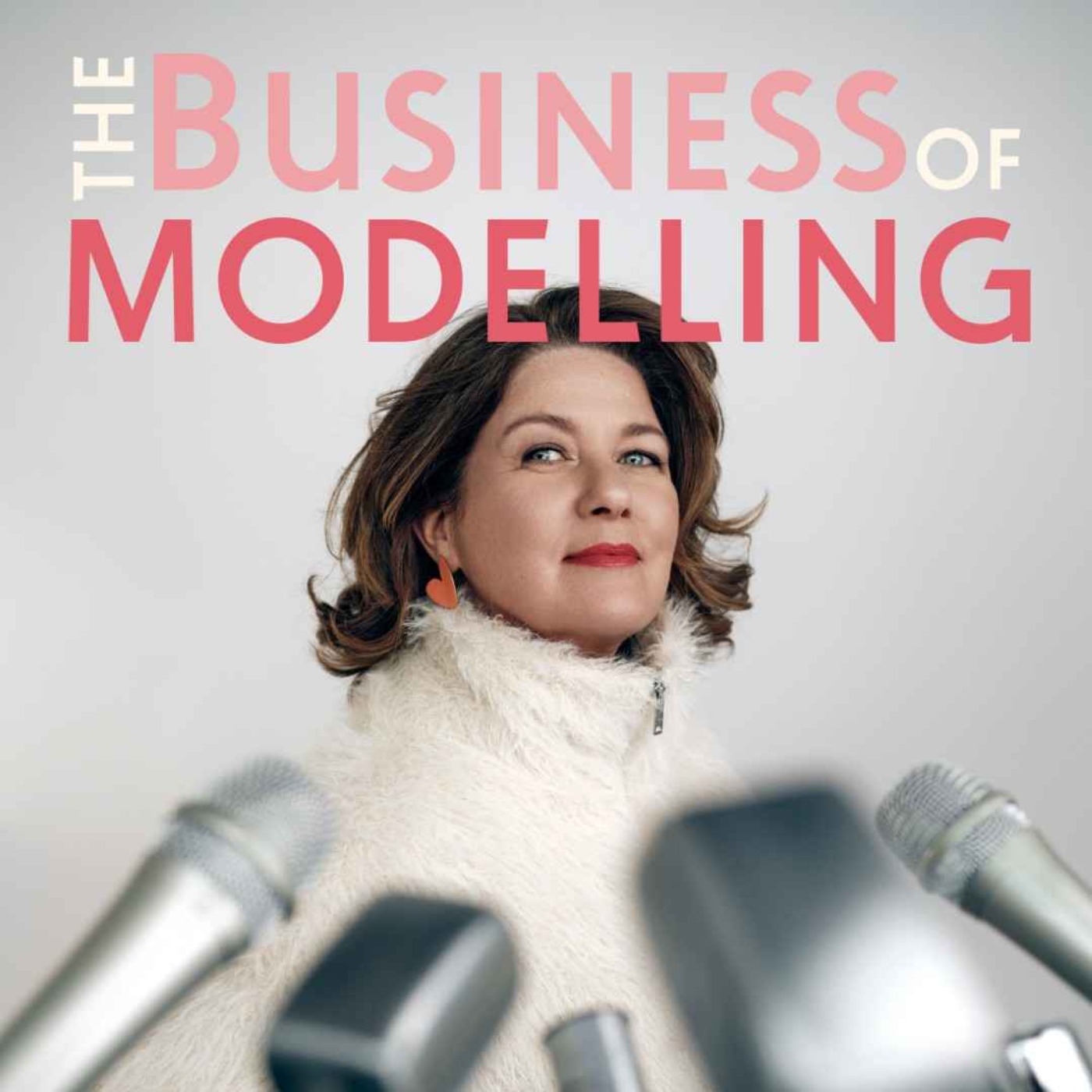
Melissa Young, Founder & CEO of Bicoastal Management (NY and LA), discusses her path from fit modeling to running a full-service “mother agency,” what fit models do, how the industry is changing (diversity, social media, AI/e-com), and how she manages talent with respect and communication.
Young grew up near Rhode Island, did pageants (including Miss Teen Connecticut), studied politics and philosophy at University of Hartford, worked as a fit model (e.g., Tommy Hilfiger account), then launched Bicoastal via Craigslist during pregnancy. She later expanded beyond fit modeling into commercial actors/voiceover and acting talent (Melissa Young Management).
Fit models prevent costly returns by catching issues like waistband itchiness, rise dips, and non-stretch lining. AI may reduce e-com need, but “real people” demand remains. Social media can cause booking/brand mismatches and budget shifts toward influencers.
Amazon-brand scanning produced new waist specs (tube-like). A “newer fit model” missed a bottoms issue, leading to complaints/returns. She replaced a model who backed out of a last-minute LA shoe job by coordinating a feet-focused casting.
Written by AI. May contain mistakes.
Melissa shares her early experiences in modelling and pageantry.
“Knew I was going to come as soon as I could.”
Discussion on how Melissa transitioned into fit modelling and its significance.
“And I dabbled in modeling to make money.”
An in-depth explanation of what a fit model does and their importance.
“And I put them on, you know, doing my normal scanning the mirror.”
Melissa discusses the changes in body types being designed for in the fashion industry.
“um yeah I will say I mean the one change I remember distinctly was we were doing something with, what is it, like Amazon brands?”
Melissa talks about the impact of technology and AI on fit modelling.
“So it's like, I'm either going to become a full time yoga teacher and open my own studio, or go back to school and be a professor because I really did love like, academia and politics and philosophy studies.”
Explore how respect and awareness have evolved in the fit modeling industry.
“I definitely remember clients who, you know, I fit with for three years and there was never a talk of like getting a folding divider.”
Learn about the personal experiences that led to the founding of Bicoastal Management.
“I mean, you are literally standing on a pedestal when you're fit.”
Understand the evolution of Bicoastal Management and its strategic decisions.
“I was pushing my kid on a playground and the nanny next to me.”
Discover how the founder's experiences shaped a warm and inclusive agency environment.
“So there was nothing I was like, oh, I'm not going to do that.”
Gain insights into the role and responsibilities of a mother agency in modeling.
“So we'll still be working for you commercially and voiceover.”
Hear about the humble beginnings of Bicoastal Management and initial challenges.
“Yeah, and then when did you get your first office?”
Learn about the agency's focus on inclusivity and representing diverse talents.
“But in the early days of, you know, signing people, if they were professional and willing to do the work and have a book, and like, we just kind of did it without thinking too much about it.”
Compare and contrast the modeling markets in New York and Los Angeles.
“And then if I'm looking for like, you know, I can be walking down the street behind someone and go, oh, wow, they have perfect proportions.”
Explore how the environment influences modeling and visibility in different cities.
“And they're always dressed in things where you could see their bodies.”
Learn how social media has transformed the modeling industry and its business aspects.
“I mean, social media can factor in so many ways.”
Understand how models can manage pressures about their body image and industry expectations.
“So we got some social media specific castings, but also a lot of times what it is is the talent has caught the eye and it's not even a casting.”
Discuss the evolution of modeling towards inclusivity and the potential impact of AI.
“So how do you think the demand for real people and diverse body types and things has changed?”
Gain insights and strategies for young models aiming for a successful career.
“I don't watch enough commercials because I watch so many streamers that it's like my Super Bowl and my Oscars night that I like catch up on commercials.”
Discover the emotional and managerial challenges faced by modeling agency owners.
“agency owner that have stuck with you i mean being an agency owner and like probably any business owner has struck me with so many ups and downs.”
Hear about unique experiences in the modeling industry and lessons learned from conflicts.
“Like, I don't know if the model meant to do wrongdoing, but whatever it was, and it was a contract, I was going to have to fight for my rights.”
Explore the growth and future aspirations of Bicoastal Management and its new ventures.
“And on Saturday morning, she emailed the booker saying, I changed my mind.”
Discuss future trends in the modeling industry, including influencer culture and potential legislation.
“So through COVID, through a long strike, we now are a team of three managers and assistants, intern accounting.”

Get the gist, explore an idea or ask about something said.
 Claude
On The Business Of Modelling, what are the key points of this episode?
Searching your listeningAutomatic transcript. May contain errors.
0:00Tessa: Welcome to The Business of Modelling, the podcast that pulls back the curtain on the modelling and fashion world. I'm Tessa Dewing, the Managing Director of Sandra Reynolds, a commercial model agency celebrating its 50th year in business.
0:18Tessa: Today I'm recording in New York with Melissa Young, founder of Bicoastal Management, an agency with offices in both New York and LA. Melissa started her career as a fit model, the kind of work most people never see, but which plays a big role in how clothes are made. She then made the shift from model to agency owner and built a great full service agency that focuses on diversity, real people and what the industry actually needs. Hi, Melissa. Welcome to the Business of Modelling. Thanks for being here. So nice to meet you, Tessa. I always wanted to be in New York City. Knew I was going to come as soon as I could.
0:58And then, yeah, my childhood was only child. So how far out of New York were you? Right on the border of Rhode Island. So about two and a half hours.
1:08Tessa: Yeah. Pending traffic. Probably five hours most days. But not back then. And I did pageants. Did you? Yeah. Oh, that's fascinating. I had the toe dipped in this business fairly early. I remember my mother had me do some mall, like, little girl pageant. I don't know what it was for. I think it was, like, the Easter bonnet something. We're going to have to get some pictures of you from that time. Oh, that's, yeah. And put them on the socials. Well, I don't know if I have those. I have my mannequin modeling photos, though, where I would stand in the glass box and be frozen and wait for someone to stare at me to see if I was real and then move.
1:44Oh, my God. Is that a thing? That was a thing. And I could make a little cash doing it as, like, a 16-year-old. It's like hilarious. So tell me some pageant stories. So I think I was into doing the pageants probably as a 13-year-old by 17, 18. I think I was kind of over it. I think we kind of did them for the trips. Like we did not have a lot of money. Looking back, my cousin said to me, Melissa, you've been selling your whole life. Like it's no wonder you're a good businesswoman. I was like, what do you mean? She was like, don't you remember we'd go door to door and raise money to sponsor you for these pageants?
2:20because you would get businesses to sponsor you and they'd put their little book at the pageant. Anyhow, so I've been a door-to-door salesperson.
2:29Tessa: As a 13-year-old. Wow, and getting ready. I mean, it must have taken you hours to get ready for these things. Oh, no. We were like hippie children. We would just kind of go out and smile and say, Hi, what do you want to do? So you want all the big hairdos and the big dresses and the nails? No, not so much. Okay. And, you know, people see a couple kids walk in asking for$25 and they'll do it. And, you know, so next thing you know, by 17, 18, I was probably more serious about my academics and if anything into acting. But I was going to do one last pageant. And that one I won for I think it was called Miss Teen Connecticut.
3:06And then we did have a trip to I think it was Palm Springs, California. And I made it to the final five. And then it was based on one question. and the question was something like, I don't know, something that I gave a real value answer about. It was not at all beauty related. It was very, I don't know, but I think it was the wrong answer and I came in fifth. Oh. But it was a good experience and I remember being like, I really like hanging out with the crew. So I would eat my lunch with the people who did the lighting and the set design and stuff more than all these girly models. Yeah, I think I'm like, I don't know.
3:46I like the behind the scenes of things maybe a bit more. And that was coming out then.
3:50Tessa: Yeah. Yeah. That's really interesting. And then when I fell into fit modeling, it is very much behind the scenes. Yeah. You're part of the process. So at college, you were acting was then your path. So no, I went to college for politics and philosophy. Right. Double major. And I dabbled in modeling to make money. I had a really, okay, I got to go on. But back to childhood, my mom and I were in the city. She said, why don't we walk into one of these buildings and see if you can find an agent somewhere around Times Square? So 50 names on the little plaque. One said, I think it was Abbott Bloomberg or Abbott something, models.
4:30And we just went up, knocked on the door. It was a man in his, I'm going to say, 70s or 80s, like desk covered with jars of random things like paperclips and rubber bands. And I'm like, okay, this is the agency. And so we just randomly walked in. And he's like, yeah, I might have something for you. Why don't you go to this bridal casting right now? And I got a bridal showroom casting just like that. So as a college kid, I'd come down and I'd do the market weeks. So you're still living in Rhode Island? I was living, well, I was in school in Connecticut at University of Hartford. But I had come in, I'd make good cash in a week.
5:04And that was kind of, you know, my side hustle. And then when I graduated, I moved here. I started a women's networking guide because I was passionate about politics and women's issues. But I still was doing this gig, this market week gig. And a model there said, you should be a fit model. You're not tall enough to be like a real model. I'm five, seven and a half. Why don't you go to like Ford and see if you'd be right for it? Because it was a perfect six. So I walk in the agency there said, yeah, you know, go learn some things in the fashion district knock on doors give a card to the people between 7th and 8th avenue and get to know some knowledge but i will be sending you out so i did a little bit of that which i don't know if i would honestly really recommend was i mean maybe this was also the 90s i remember being like i feel like this man shouldn't be touching me so much when he's checking my pant fit yeah nothing crazy but uncomfortable and it was like i feel like a different generation i had no eget this is way before me too yeah like now we talk we talk to our models, like make sure you have like a little area to change.
6:12If you don't care and you're fully comfortable and it's all same gender, that's fine. But you, that's fine. But you, you know, we're here to advocate. So I wouldn't recommend this advice, but that is what I did. And then they sent me to, well, she spun off her own agency actually quickly thereafter. And then I got the Tommy Hilfiger account. And so I was making great money. I don't know if it's tacky to say, but like my friends also in that first year out of college were all making a little less and I was working five hours a week as a fit model so I had had this women's networking guide which was ad-based and no salary is going to be my um you know another independent sort of venture that eventually kind of faded away because the fit modeling started to pick up
7:04tell us exactly what a fit model does absolutely um so we would be like the talking mannequin so talking and moving mannequin so they are the perfect measurements based on what the client has deemed the perfect measurements um there are some industry standards but also there are not like i had been working sometimes as a six for one client and eight for another and a four for another. So it's very brand specific. We all know we go into different shops. Right, exactly. Different stores, different sizes. You know, once you are the measurements they want and they also have their forms or mannequins that match and then the factory has those too, you're going to be their consultant on a sometimes weekly basis, depends on the volume of the brand, to say if something is itchy, if the buttonhole is too small, if when you sit down the rise dips in the back or it was hard to pull on, the neck hole is too small, like a million little things that can improve the fit.
7:59Tessa: And why is it important in the fashion industry? Well, I mean, I'll give you one example that I remember. I was doing tops for a client and someone else was doing bottoms. And they called me into the bottoms team and said, can you try these on? And like, let us know what you think. And I put them on, you know, doing my normal scanning the mirror. It looks balanced, comfortable through the rise, the leg. You know, the waistband's a little itchy. I probably wouldn't have folded back the fabric with the wool. I would have done like a lining. And they were like, why didn't our fit model tell us that?
8:30So they had complaints. They had returns. That was maybe a newer fit model. Which is expensive. Who didn't think to say that. Right. Or I would try on a blazer. And the blazer would be a beautiful fabric with some elastin, like something like or something to give it stretch. And the inside lining would be non-stretch. So I'd have no lift. Right. Because, you know, and maybe, I mean, could someone else have caught that? Sure. It's called the tech designer. The tech designer could have caught that. But by putting it on, I really felt it and was able to suggest that change.
9:02Tessa: So what makes a good fit model? Well, consistency of measurements is important because they do count on you staying, you know, within a quarter, up or down, half inch maybe. Because obviously life is life and your waist is changing a half inch before and after lunch. Sure. but consistent measurements is important good posture just being respectful I remember being scolded for looking at my phone uh well the designer and tech designer were kind of talking about more the print or something and while it was harmless and didn't slow the process down in any way they didn't appreciate it so you know right my you're paying for my time I can just stand here um so and like that comes into the team player stuff too yeah you know can I help you with hanging these things and reading the room sometimes it can be tense between different team members and you want to try to add whatever diplomacy and support you can have you seen um changes in the types of bodies that the brands are designing for um yeah I will say I mean the one change I remember distinctly was we were doing something with, what is it, like Amazon brands?
10:16But like a major world kind of, Amazon is what's coming to my mind. And they were scanning bodies and malls. And all of a sudden, like the specs they gave were specs they'd never seen before. And the waist was vegar. So it was much more of a, like a tube shape than a hourglass shape. Not that fit models are usually hourglass, but they're, you know, they more, more so than this number package. and they said well this is based on the average of all the bodies i scanned and or we scanned across many malls thousands of people interesting yeah but what it tells you is like we have apple-shaped bodies we have upside down triangles we have cellos we have hourglasses so kind of makes sense that it just averaged somewhere in the middle yeah well absolutely
11:02Tessa: yeah and i guess you know they they would have a fit model for different sizes today or different brands have different sizes so like what our theory fit models are for but our talbots fit models in eight or eight ten because if you're doing like the knits you might be called a medium it might not be numeric sizing it might be small medium large yeah it totally varies on the brand we do bra fit too and that's interesting so many different bra sizes so many bra sizes are just myriad of different yeah yeah and also one of my models has always been there's something for everyone. And while the business started with fit models, and that was because I became pregnant round two, and my clients started saying, can you help me find the new you?
11:47I was teaching some yoga at the time. So it's like, I'm either going to become a full time yoga teacher and open my own studio, or go back to school and be a professor because I really did love like, academia and politics and philosophy studies. Or I'm going to just heed this call that I'm hearing now from a few people. So I posted a little thing on Craigslist. And this was 15 years ago. And borrowed a friend's apartment that was also their design studio. So I could measure people not in my home where I had already like a five year old child. And sort of started just launched it. And I did not find my replacement this way.
12:25But just in starting one of the tech designers was like, you know, there's a size 18 whose agency is taking forever to pay her. She wants to get out of this contract and find someone else do you want me to send her to I was like yeah and then they were like oh we need a petite fit model can you find us that so back on Craigslist 5-3 35 28 38 can I find a petite girl out there so it's like one foot in front of the other
12:53Tessa: with the rise of 3d body scanning and AI do you think the role of fit models will change change so we've been talking about the like body scans for at least a decade um and i remember i mean more because i remember it being a conversation when i was fitting and the agent was like don't do it if you do it they're going to have your exact perfect everything and they won't need you as much and some of the first people to do it got contracts and made thousands of dollars because it's their proprietary information to some extent, right? Since then, we don't get a ton of requests, but the flip side of that is if they're buying all these forms with your perfect measurements for the factories to try things on before they ship them, they're really kind of married to you in a bigger way.
13:39So as we had it come up just a few times, we could not get the initial rates that they were able to charge, you know, a little something. And I never really found that component it as a negative now as far as like if companies are fitting on the computer through the ai kind of it's not going to tell you how it was to pull over its head or if it was itchy right or if like you know when you sit it dips so i feel like i haven't seen a cut in business from it yeah god willing
14:09Tessa: it won't happen in my lifetime yeah okay and how has the fit modeling industry changed over the Well, I think more respect for the models and just like that. I definitely remember clients who, you know, I fit with for three years and there was never a talk of like getting a folding divider. It was all women. I didn't really care. But I think people are much more aware now of maybe. Respectful. Yeah. I have a couple models who felt like they were in toxic workplaces. But it's also, you know, it's interesting. You have to, and they can be toxic in varying ways, right? Like it would have been toxic for anyone, not just the model.
14:49There's yelling, there's fighting, there's discontent amongst, you know, this person to that person. And you're just standing there uncomfortably. Like that happens, hopefully not too often. And I don't think anyone would say the word fat in front of a model, but I'm sure it's happened. But I know people felt like they were being called fat.
15:10Tessa: I mean, you are literally standing on a pedestal when you're fit. And it could be like, you know, it could just be like, did you gain some weight this vacation? And that is heavy for Ray, but it's not only our own typical things as people, right? But it's also your livelihood. And so I've definitely had conversations with models about some of those stressors.
15:37Tessa: when did the idea to launch your own agency first come about and what was your vision at that time it came from other people um and then from that point i was i was doing my mulling because it wasn't necessarily a passion even though looking back i had that women's networking guide and then being a fit model is kind of being an entrepreneur you're you know uh your own boss to a good extent And then also I had a, I did sales for a children's shoe company that was my boyfriend at the time of three years. So I've been doing sales. I've been doing business to some extent. It was definitely not a plan.
16:12It was the universe telling me, like, this is what you should do. And then I was chewing on it at probably 10 weeks pregnant with a girlfriend who was pretty high up at Google and, you know, just someone I respected as a businesswoman. And she said, Mally, of course you open the agency. like that's what you do 10 years into your career like you build on the network you've created yeah
16:32Tessa: well exactly I mean you already knew all the clients from from kind of work yeah but I like never took a cell number like I had not been strategizing this but of course there's LinkedIn and like once I decided it was you know the sales skills were in me yeah and what were some of the challenges you faced in the early days of running the business well I think and this is probably Like just good advice for anyone with starting a business. I think motivating can be a challenge. I had an intern. It wasn't even something I sought out. I was pushing my kid on a playground and the nanny next to me. And I had a nanny on my left and a mom on my right who could have been a fit model.
17:12So I was scouting the mom and the nanny, who was like a new college grad, was like, wait, what's your company? Do you need an intern? And I was like, sure. Like, did I need one? No, but I'll take one. So having her show up every day for our, whatever it was, 10 to 2 or 12 to 4 that we would partner, I had to find stuff to do.
17:34Tessa: Did you set up in New York and LA at the same time? No, we started in New York. Okay. My husband's from LA. And did the name come at that time? I knew we might want to move to LA. Yeah. And I knew there was business there. So it was just like, you know, on faith. And then we called it Bicoastal Fitting Models because that was all I thought I was starting, you know, doing. And then it changed as we went on to Bicoastal Models. And then it changed again to Bicoastal Management because not everyone that I rep is really technically a model. Some now are commercial actors or voiceover actors. And so the evolution of the name change was interesting.
18:16Tessa: And has your experience as a model shaped the way or did it shape the way you wanted to manage your talent? so maybe how to not manage them sort of based on bookers that you'd had and agents that you'd had and what you'd seen probably but I think it's also just my who I am as a person and like maybe the yoga teaching even more so like I want to be um available and communicative and um compassionate for anything that comes along that could be a challenge for someone and understanding you know I did have good agency experience. So there was nothing I was like, oh, I'm not going to do that. I will say I remember going into like big name agencies in my early days, my early 20s, like thinking maybe I could be a fashion model and being intimidated by the energy and the lack of warmth.
19:09So we are pretty warm. I mean, I've definitely had people walk in my office and you're like, oh, this is refreshing. and people are actually nice.
19:18Tessa: I think it is intimidating for someone to walk into a model agency. I think they're nervous, aren't they? And it can be. I think it's really important to make people feel welcome. Right, little things, a smile. You know, some people aren't right, but there's a kind way to sit people down and listen and take a little bit of time and say, look, you're not right for us. But, you know, there's other markets and things. And I think, yeah, I think a lot of that's lost at the big agencies. They're very much no. Yeah.
19:49what makes you different from other agencies i think um the the range of things that we get for people is one thing that makes us different um we do the mother agency contract where we place people too so if someone is with us and they're like you know i i feel like i could be getting more of this or that um we can place them and sometimes it'll be okay we'll try this high fashion print agency, but they don't do commercial at all. So we'll still be working for you commercially and voiceover. And sometimes we'll have something with commercial and print. And then, you know, you partner with that agency.
20:27But so a being a mother agency is like a nice way that I feel like we've had longevity with talent, whether they're moving to another. I've had different cities, I've had different countries. And also just throwing a wider net at getting work. yeah you know it's uh like anyone can do a commercial right because commercials reflect all different types of people yeah um so I think that's a strength of ours um and fit like how many agencies don't have fit but they have print um like it's nice to get that consistency from one division while you're maybe going to 10 castings a month with the other division and
21:08Tessa: that's interesting you say about mother agency and literally what you just said is what we do as well with that. But what, how do you see a mother agency? Because I think what you and I do is how a mother agency has always worked. But there's so many scouts, sort of independent freelance scouts now being mother agents. Right. No, I've had signs where I'm like, wait, your mother agency didn't teach you how to walk for fashion week? Yeah, but how to look after them as well. I think Because a mother agency, you're responsible for, I don't know, looking out for them. Especially if they're a really big model and they're racing all over the world and they've got different agencies in different cities.
21:48Tessa: Yeah. There's a range out there for sure. And I think some do like really just kind of scout and then get a fee. Scout and then they're getting their 10 % from everyone. But it's hard to justify when you sign someone coming from a mother agency. And this will happen. We'll be like, wow, we really love them. but they're completely undeveloped. They don't know how to walk. And let's say it's usually more fashion because that's where the MAs are doing more of the placement anyways. They don't know how to walk. All they have is digitals. They're not even like professional digitals. They don't have their first portfolio.
22:22They don't know who to shoot with. We're kind of doing all the development, which is when a mother agency submits and the book is already strong and they already know how to walk and they know the lingo. Oh, you've never heard of a go-see? Other jobs, smaller jobs. What does it hold? Get experience. And then it's like, okay, it's worth that, sharing that 10%.
22:46Tessa: You obviously started by Coastal. Did you just start at home? Oh, yeah, kitchen table, yeah. Yeah, and then when did you get your first office? I was about 10 weeks pregnant, and so the business would have been maybe just under a year, just getting its legs, you know. As the first year goes, I probably made hardly anything. Um, but my next door neighbor said, hey, we don't want to really throw the apartment up on the, with a broker again, because we've done it and the market is this and, but this is what the value is. Would you guys be interested in it? You know, we'll shave off the 5 % broker's fee.
23:22And I was literally 10 weeks pregnant and the business was growing. So it was a year. It was like the light, the light of cash at the end of the tunnel was, was there. So I was like, this is so interesting. I'm like, let me circle back in a couple weeks. I want to have my 12-week checkup. And pregnancy confirmed. And you already have one child. My beautiful daughter. No, this is for my third. Oh, wow. Okay. So you had two small children already. My first, I came back and had worked a few years. Okay. And then these two were back-to-back-ish. Right. Irish twinsies. So I said, you know, I can get this.
23:54Maybe I'm talking to my intern. No, my intern's a paid assistant. I'm talking to her about it. And she goes, wait, I have a great idea. I've always, she lived in Queens. But like as we say here, live in the city in Means Manhattan. I've always wanted to live in the city. We could like split the overhead if you buy it. So obviously my deposit. She's like, we could maybe put a curtain up and the bed could go here. And it could be office during the day in my apartment. And so our like table for meetings was her dining table. Like we bought the studio. And she and I split the monthly, the mortgage and the maintenance.
24:29And that was her rent. It was a, you know, not very expensive because it's a studio. this is going back 10 years or whatever.
24:34Tessa: Yeah. And so I worked in my first office was an apartment next door. Perfect. Yeah. Like what a universe gift. The timing. Yeah. And the like taking the financial risk down so much by her wanting to live there. That was relatively short lived. I think she moved out after about a year. And then it just became the office which lasted a few years. And then we moved to Broadway. And now we're on 40th. now you've built a reputation for championing people who don't necessarily fit the traditional mold certainly of a fashion model was that a conscious decision from the start or is that something that's just evolved i i think it comes back to like my my yoga thinking or spiritual thinking of like there's something for everyone and i want to be inclusive and um you know if if you want to give it a go i'll give it a go i mean i can't do that now because we we would can't, you know, have an unlimited amount of talent.
25:30But in the early days of, you know, signing people, if they were professional and willing to do the work and have a book, and like, we just kind of did it without thinking too much about it. That's just my instinct in nature. But I do remember I hired someone who had been a curve model, had been a curve photographer, is now like a curve model coach, and still our model, Nikki Gomez is her name, shout out, And she was like, you know, very few people are competing in curve. And we should like do a curve model search and like make this a bigger division for us. And it was very smart because very few people were doing it.
26:10And so we were one of the early ones.
26:12Tessa: When you're scouting, what do you look for? What makes someone stand out to you? Depends what I'm scouting for. During fashion week, I scouted a high school senior who was 6 '4". or teensy bit taller than maybe ideal for fashion week. But like buzzed head, like white blonde hair. So that was like a no brainer. We're on the same subway, super sweet kid. And then if I'm looking for like, you know, I can be walking down the street behind someone and go, oh, wow, they have perfect proportions. I should see if they're interested in fit. So you can see that. Yeah. You can see a body shape. Yeah, it's a joke in my office that I'm going to like scan and I'll be within a quarter inch of what someone measures.
26:52Wow.
26:53Tessa: Okay. Maybe a half. Yeah, yeah. Not all the time, but yeah, I'm pretty good at it. You work across New York and LA. What are the differences between the biggest differences between those two markets? I think New York has a higher expectation for like maybe attention to detail. There's like a little bit more stressy energy in New York. And LA is a little bit more laid back. Okay, okay. And what about the work? Is the work sort of the same across both? I mean, we're doing pretty similar proportions, if that makes sense, you know, between like on-camera commercial and print and fit. It's fairly similar for us.
27:34Yeah. Yeah. I mean, the rates are better in New York for fit. Okay. And I remember when I did launch LA and I was working with, I want to say it was like BB, but it was like some young, cute women's fashion brand. And I said, well, I just don't understand why these rates are. I think they wanted to pay$100 an hour. And we were paying like$250 to$275 an hour in New York as an average. So different. And she said, because it's LA. I can like walk out the street and find perfect bodies. Like they're everywhere. And they're always dressed in things where you could see their bodies. You know, it's not like New York in a big winter coat from late October to late April.
28:13We were just 30 something degrees here a couple of days ago. So that was like an interesting, and we've slowly, I think we've helped push those rates up as an agency there for sure. But just like getting that little bit extra every couple years, I think it's helping for fair market.
28:31Tessa: And how has social media changed the way that you work, the way that you manage and brand and models? I mean, social media can factor in so many ways. Models who regret things they've put on social media because of the bad attention it has caused. Or like a Facebook or a Google or an Apple can be skimming back because they do these background checks. And if something doesn't align with the brand that you said, they will not book you. So I think there's that component of social media. Like, just be careful. And then I do think it means a lot of dollars are going to influencers instead of. Are you finding that more budgets from brands are going that way?
29:15Tessa: Absolutely. It's definitely affected the overall print business for models. And I think, I mean, we tried doing like the MA placement with social media agencies specifically to see if they would get more than us per se. and they didn't necessarily. So we got some social media specific castings, but also a lot of times what it is is the talent has caught the eye and it's not even a casting. It's just like we want so-and-so for such-and-such. And it's not even always about the followers. It could just be that there's something about them that makes them right for this brand and it's interesting.
29:53Tessa: And how do you help your models and talents sort of navigate the pressures of the industry? I mean the one thing I will say especially with measurements I try to be mindful of telling people like this I'm like I hope I can say this to you and like with detachment because I'm talking to you about your body as a product right now you're perfect and like if this isn't right or you'll be perfect at any size but we need to know an inch up or down five pounds to ten pounds like let me know because I don't want to miss things for you but yeah I try to at least buffer comments about could you add a half here like lose a half here you just had someone in yesterday your arms were a little skinny i'm like you know if you want to like do do heavy weights on those biceps like i that's not the type of comment that would generally offend someone they have to be the measurements that's the whole point isn't it so um yeah and that's very open and yeah honest you've got to you know no yeah but every once in a while i'll measure someone i can see they're like not liking the numbers and and so trying to be sensitive in that time and remind them that there's you know there there's always some somebody you're right for it might just not be the people we thought you were right for three months ago because now you've changed yeah and that's okay but yeah
31:12Tessa: how do you see the future of modeling evolving especially with the shifts towards sort of inclusivity and diversity oh i thought you were gonna say ai i think i'm mostly scared of the ai shift yeah tell me about ai what are you thinking i mean i do think we're seeing now for e-com there's more usage of yeah um the ai sort of model um i think that and i think that kind of counterbalances the influencer right like you're a real you're even more of a real person here because over there they don't really need it yeah what do you think are the biggest challenges talent face today that maybe weren't as prominent when you i think there's a lot of competition and in part because of the sites that people can self-submit on yeah so then there's also like making a good living yeah some rates have gone down in you know different categories of work um instead of up but I'm thinking of even like showroom model rates yeah like I'll interview someone who's coming in for representation who's like well yeah I've done this I've done this I've done you know and sometimes it's like I was making 250 a day and I'm like when I like exited as a model we were getting 1200 to 1500 a day what do you mean you're doing a 250 a day yeah that that is where like there's just this undercutting yeah absolutely yeah we had to go to bat for some models who like found an image they used maybe in their social media for a about a product you know like the models will just be like i'm loving my new gel and they're crunching their hair whatever and then it it's like reused and paid ads yeah whenever we do come to bat like they're we are able to get them something of value but you just have to be careful and if you didn't have someone to come to bat for you like yeah how successful you'd be.
33:08Tessa: So how do you think the demand for real people and diverse body types and things has changed? I think commercially so much now is very real people. Like, you know, the past 10 years for sure. I don't watch enough commercials because I watch so many streamers that it's like my Super Bowl and my Oscars night that I like catch up on commercials. But I was talking to someone who's exclusively been a commercial agent for 27 years and he was like yeah it's like they want the guy next door
33:41Tessa: what advice would you give to young models wanting to come into the industry on how to have a long career go wide I think is what I would say you know like do all the things you can do so they haven't heard about fit now they know about fit um and if they hadn't thought about voiceover and they have a nice voice if you're interested in that if you can put a little bit of time into a reel maybe put yourself in that category too you know try to make money in all the ways that you can and maybe have a mother agency and a few different agencies locations that you don't mind working through though what are the moments of your career either as a model or agency owner that have stuck with you i mean being an agency owner and like probably any business owner has struck me with so many ups and downs.
34:32I think like I didn't train for it. Managing people. God, like the first person I ever had to let go, I barely slept that night. And then of course I was like, well, I'm going to read. And so I was reading like managers have an improportional amount of heart attacks on the evening before like a firing. I'm like, oh my God. but I think you know just being a business owner is stressful it's more I hadn't thought about that it just kind of kept growing and I'm so blessed now I love my team and I've loved my team 98 % of the time you know what I mean so it's just it can be hard and then you know get attached to models sometimes they retire we just had a model we've like loved love working with everybody who worked with her loved her and she was like i'm retiring and moving in her early 30s i'm like god bless you but also don't go um
35:32Tessa: and i think when you're younger as well running a business when you're sort of starting you're the people you're working with are literally your best friends and you're in the room with them all day so then when you have to have those difficult conversations it's really tough isn't it yeah and then i think some of the models like i've watched them grow from you know know 21 or two or three to their early 30s and so i'm attached to them they're like family
35:58if you could give your younger self a piece of advice what would it be i think the older you get the more you realize it's things aren't worth the stress maybe i remember having like nervous conversations with another agent because i forgot what it was exactly at the time something about maybe an overlap of the model. Like, I don't know if the model meant to do wrongdoing, but whatever it was, and it was a contract, I was going to have to fight for my rights. And I was like, open up a bottle of champagne. Like, I need like a drink and a half. Just get it, you know, instead of just taking a deep breath, being like, this too shall pass.
36:35We're going to figure it out. In fact, I met one of my very best friends through a model drama. And we started, and I was like, oh my God, wait, you're nice and normal. I'm used to this other agency owner who threatened me with lawsuits and like just kind of nasty guy. And she was like, oh, no, fuck. F it. Life's too short. Like we were both moms. We live two blocks apart in the city. We had the same amount of kids. And this model was trying to play both of us. Right. And lying, which happens occasionally. It's really terrible. So please don't do it if you're a model listening to this. Just have an honest conversation with your rep.
37:14But yeah, I think in the end, we both, we were like, well, she's so not worth fighting over. And this was like meant to bring us together. And she's one of my very best friends.
37:26It's funny, getting back to like being a boss, you're like, should I let this person go then? We had this model decide not to do a job after accepting on a, and it was like a Monday job. And on Saturday morning, she emailed the booker saying, I changed my mind. I don't feel like doing this. I want to fly to California for it. and it was for feet and it was like a shoe brand and I think I had like notifications on my phone my phone's a disaster because I have so many emails logged in and I was like wait this was like four hours ago and I texted the the booker's like oh I'm at the gym yeah I figured maybe she'd think about it I told her she should really do it I'm like it's like in 36 hours and it's in another state like and it's feet we need pictures of feet like so I flew into like action mode and And the casting person was having their kid's birthday party and had the models drive out to their house in whatever section of LA.
38:17Show them their feet. Yeah. And we did indeed replace this model. But it was a freaking disaster. So also, if you're a model, please don't do that.
38:26Tessa: 99.9 % of the time, everything's lovely, isn't it? But you do get the odd drama. What's next for Spy Coastal? Have you got any exciting projects? For Bicosal, I don't know, I always toy with the idea of like opening in Miami, so I have an excuse to go to Miami on business, or maybe not Miami, but Fort Lauderdale, you know, we would still be on the coast. But yet, right now, I feel like Bicosal is in a great place with the team we have and the flow we have. So not actively planning any changes there. I did spin off Melissa Young Management, which focuses on acting talent, though also now multi-hyphenate, so writers, directors.
39:07But they all, well, I do have some who are just writers, but really came to me first for acting. And it was just like a call from the universe again. Hey, can you help me get on this show? Help me with my headshots. Help me with my reel. And I was joking, like, Bicoastal's now a teenager. It kind of just needs some oversight. and Melissa in Management is my toddler, so it's still all-consuming. But that company started about six, seven years ago. So through COVID, through a long strike, we now are a team of three managers and assistants, intern accounting. So that's been fun. I do like learning about new things.
39:53What do you think's next in the industry? I think like the social media influencer component is not going anywhere. So probably those people who are not repped in that category, even if it's not necessarily a social media agency, should really be probably reaching out so that they're putting fair prices on their value. But I think, you know, other than maybe AI continuing to cut into e-com and things like that, hopefully not campaigns. I do think there's a human element from the powers that be also that like the creative process of using real humans and have the ethic to do that. But I think we'll see some like legislation about this as well.
40:43Tessa: Yeah. Well, we hope. Yeah. Well, we did with like film and TV. You know, maybe God willing, they're going to figure out something like that for models too.
40:55Tessa: Thank you so much, Melissa. It's been such a lovely conversation. That's for me too.
41:04Tessa: If you'd like to learn more about Bicoastal or check out their talent, head over to Bicoastal, B-I-C-O-A-S-T-A-L-M-G-M-T dot com. If you're enjoying the podcast, please leave us a rating or a review because it helps other people find us. Thank you for listening and we'll see you next time.
Malissa Young started as a fit model in the 90s, working just 5 hours a week while making more than her friends in full-time jobs. Those early days of knocking on random agency doors in Times Square to building Bicoastal Management from her kitchen table, she's created a powerhouse agency representing talent for Marc Jacobs, Coach, Theory, and Victoria's Secret.
In this episode of The Business of Modelling, Malissa joins Tessa to discuss her unconventional path from pageant contestant to agency owner, the wild west of 90s modelling, and her philosophy of championing diversity and real people in an industry that's constantly evolving. Now running agencies in both New York and LA, Malissa shares her insights on building authentic relationships with talent, navigating the challenges of entrepreneurship, and why "there's something for everyone" has become her guiding principle in business and life.
https://www.bicoastalmgmt.com/
Hosted on Acast. See acast.com/privacy for more information.


