
 Ask ChatGPT


 The Business Of Modelling
13 Apr 2026 · 54m · 21 chapters
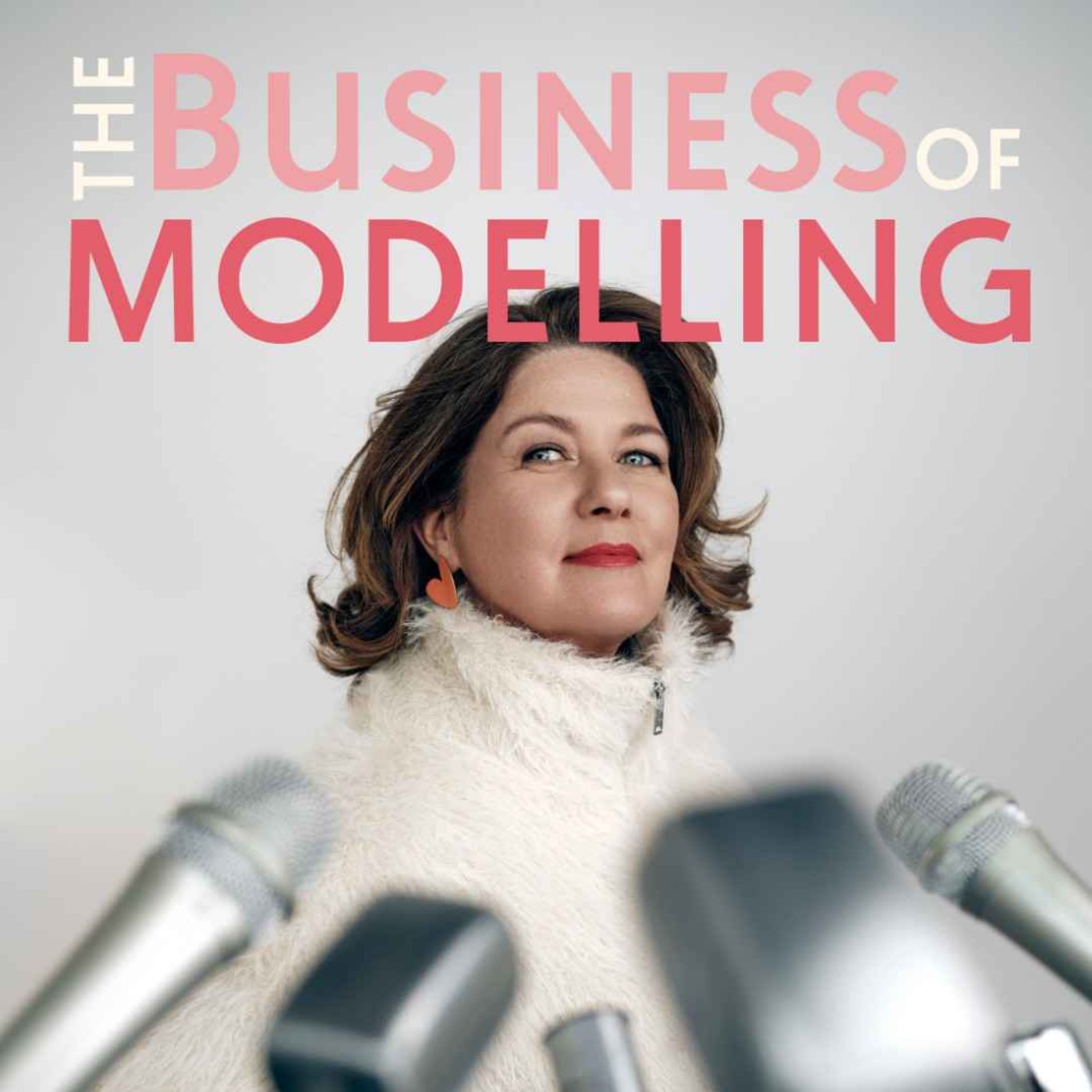
Natalia Littman’s career path into modelling representation and production, and what it takes to run a small, relationship-driven agency (Icon London) that bridges creative representation with on-set production.
Natalia grew up in Durham, moved to London for international business and languages, lived/studied in France (Auchan marketing; dissertation on Bordeaux wine advertising). She worked in advertising production (leaflet drops for Pizza Hut/Domino’s; radio scriptwriting at Sound UK), then events, then studio management at Glow London, before becoming an agent/producer. She later founded Icon London while breastfeeding her baby, starting from a small studio “cupboard” space.
Internships should include training (not tea-making/free labor). Representation is a numbers game, but success depends on managing egos, protecting creatives, and giving honest feedback. A strong agent/producer understands budgets and production realities; “if you’re not working, I’m not working.” Treating people with respect matters most.
Calling art buyers with old-school portfolio books; building a roster with fashion/sport/still life/lifestyle photographers; producing shoots in Portugal during torrential rain and a Purdy shoot in the Yorkshire Dales with pheasant-hunting props; handling difficult photographers/clients who demand specific talent.
Written by AI. May contain mistakes.
Natalia discusses her upbringing, education, and initial interest in advertising.
Natalia shares her experiences studying in France and her dissertation on Bordeaux wines.
“So I did all the marketing for the clothing and I worked with them to build a random dictionary of words that would translate across all the different places they had Oshan.”
Natalia talks about her first job and the challenges of unpaid internships in advertising.
“And it was really interesting and delicious.”
Natalia recounts her experiences working with leaflets and transitioning to radio advertising.
Natalia describes her role in event planning and her work at Glow London managing a studio.
Natalia explains how she transitioned into a producer role and the skills she developed.
Learn how to effectively cold call and present work to agencies.
“And my job was given a list of these advertising agencies and I'd had to call up and make those appointments.”
Understand the behind-the-scenes dynamics of building creative careers.
“teach you about how creative careers are actually built behind the scenes?”
Discover the challenges and decisions faced when starting your own agency.
Explore the vision behind Icon and the importance of personal connections.
“What did you want to do differently with Icon?”
Learn about the balance of strategy and reaction in an agent's role.
“So they all were hitting different markets.”
Understand how production knowledge enhances the role of an agent.
Learn how close partnerships enhance efficiency and creativity in production.
Explore how understanding budgets can steer creative decisions in productions.
Discover how personal experiences can shape a photographer's artistic output over time.
Understand the synergies that develop when creative professionals collaborate.
Learn the key differences between editorial and commercial photography and their impact on creative freedom.
Identify the frequent pitfalls that can hinder photographers from making a strong impression.
Explore the importance of storytelling and technical skills in photography.
Discuss the crucial roles of models and agents in the production process.
“makes your job easier for models and their agents?”
Understand the significance of treating people well in the creative field.
“What's yours and why does it matter so much to you?”

Get the gist, explore an idea or ask about something said.
 Claude
On The Business Of Modelling, what are the key points of this episode?
Searching your listeningAutomatic transcript. May contain errors.
0:02Welcome to the Business of Modelling, the podcast where we explore the fascinating world of the modelling industry. I'm Tessa Dewing, the Managing Director of Sandra Reynolds, a commercial model agency celebrating its 50th year in business. Today I'm joined by Natalia Littman, agent and producer at Icon London. ICON produces content and represents creatives working across editorial, commercial and moving image. Before founding ICON London, Natalia built her career representing photographers and creative talent, giving her a long-standing view of how creative representation works, from both inside large agencies and as an independent founder.
0:53natalia litman welcome to the business of modeling hello can we just talk about where you grew up and what your upbringing was like and then that will hopefully lead into your story into the industry um originally from durham so i'm than last only child moved down to London for university actually I just needed to be in London wanted to be here all the action was here and like I wanted to party in London I wanted to hang out I wanted to work in London and then I went to school with a lot of I studied international business and languages okay so I hung out with a lot of international students and then lived in France for a year and came back just I was always been around other dialects yeah and quite quickly realized that my northern accent was probably not the best for my industry is very rude to say but it was so when I was at university I studied international business and I loved um at the advertising modules like I wanted to be in advertising when you were at school uh at university what were you thinking when you were going back to Durham when you were back to Durham yeah were you what were you thinking you wanted to be that was literally just how to get out of Durham you know what when I planned the international business you know um degree with the languages I saw that they had an advertising I thought god I could make those up so I no one at school really knew about advertising so I thought the only advertising route was to create them like come up with the campaigns like oh there was a girl running down the street or you know attached to rollerblades and you know for Tampax ads I thought right okay I have to come up with these creations they were brilliant they were so good yeah I mean when that song comes on it's my life you go this is a great song but it's also the tampax ad yeah but i wanted to i wanted to do that you were really aware you had awareness at that point i really did yeah so um so when i got to university i particularly liked all the advertising the marketing i mean i was terrible at the accounting um economics i was okay ad but it wasn't my forte and so um i actually swapped my major halfway through and dropped the german because i didn't want to go to germany at that point um did a whole year in France and concentrated on the marketing advertising route um so I studied that for four years and where were you in France oh so I did six months in Lille and I stayed at um I was at this place called Auchan so you know the um so we've got Sainsbury's and Asda etc um so Auchan is their big supermarket out there so I was at like their headquarters in the clothing department.
3:29So I did all the marketing for the clothing and I worked with them to build a random dictionary of words that would translate across all the different places they had Oshan. So like - Do you speak fluent French? Yes. I mean, that's incredible because to go out there at that stage, I mean, France probably is one of the only countries where they wouldn't speak English to you, especially if you're going in there in a business. You literally had to learn that language really quickly, I should think. and learning it here at a university here is completely different to them going and speaking so different so I changed it all so I could do a full year in France um and then after Lille I thought I would study for a bit before going back to study my final year um so I went down to Bordeaux and at this point I had to write a dissertation so I did it on the advertising and marketing of Bordeaux wines oh to the rest of Europe oh no to the rest of the world so that was my dissertation that year I had to um figure out why people like the wine right what you're interested in I mean I absolutely nailed it lots of research so much research I actually had a boyfriend at the time and his um his father worked at you know the marketing division for Bordeaux wines or whatever so he was um you know helpful and really it was just great you know going to all the vineyards and speaking to all the, you know, everyone from, you know, picking the grapes to the advertising and what they were doing.
4:59Natalia Littman: And it was really interesting and delicious. Really nicely paired with cheese. Loved it. Are you a bit of a wine snob now? Yes. Do you drink anything? I'm still northern. I always think you can do that when you first take a sip. By the time you've had the first glass is fine yeah when they go is this corked i'm like already halfway through the bottle yeah i'm like oh is it oh yeah i thought it felt a bit off i thought i would just try it again yeah and then i had to go and get a job in the big bad world but i still wanted to live in london yeah didn't want to go back to france i kind of was over that point i was like i'll just go back for holidays maybe so i went right i need to find an advertising course or and a lot of the advertising agencies would offer non-paid internships yeah and I couldn't afford it you know I just spent four years at uni you know my parents were very kind to help me with all of that and you know they you know work their butts off to but there comes a point doesn't there where it's like you're like come on you need to yeah yeah so I wanted to work in anything advertising and i found this great graduate that wasn't fair was it because and they can't do it now can they to that extent because actually there were lots of kids that could do that that's parents did pay for them to a lot to allow them to do that and actually that then wasn't fair um they were on absolutely zero i mean i think they got you know the equivalent of a bus pass each day but to live in london because it's all in london to live in london i had a friend of mine who actually went to do this advertising thing she was working two jobs so her parents kind of funded half of it yeah um but she would work evenings and weekends to afford her to go Monday to Friday and it was long long hours you know it was like you're eight till seven you're the dog's body and yeah and that's the thing I think if you're being paid absolutely fine if you're doing that for free as an intern at least you need to be getting training while you're there and actually if you're there and you're literally only making the tea and taking the clothes back to the shops you're not actually learning anything learning anything no you're not gaining anything it's true you're not moving forward you're not you know people will not treat you with the respect or they didn't back in the day they didn't use they didn't utilize you know these lovely graduates who were so hungry for it yeah they just got off free labor for six months exactly you know someone to get my tea my coffee or someone beneath me who i can boss around or so i didn't do that i went to a place called the leaflet company okay and do they do what it says on the tin we we literally were the people who you hate the most we would get those leaflets made for pizza hut and dominoes and shove them through your door through the box and straight back in that throwing them at you in the street yeah because we didn't have apps no we didn't have these kind of you know we didn't have phones that you would have all these apps on or you know the internet was there but it wasn't you know you wouldn't search up your dominoes you would look in that shelf your chinese or your whatever you wanted to eat and so i worked there for about two years actually and what did that teach you oh fear gosh the manager was such a confidence i should think dragon you have to it was you know what it was it was my first full full job you know full-time job being on time um so punctuality absolutely being precise and because you had i mean you were responsible for millions of these leaflets going out something went out of the spelling mistake or something or a different yeah or a random postcode that you put in there um but you would coordinate all the drops of these leaflets across the the uk so it was quite a huge so that's your like early thing into production then it really was so you had to go through things the fine tooth comb get it off and then you'd kind of unclench everything and go oh god i've got and then you do it for the next week because it was just rolling start and stop it was very repetitive and there was one night so everything was on excel i was very good at excel and it was all in an excel spreadsheet so you'd learn how to do all of this and in all honesty i had a dream one night where i was stuck in an excel spreadsheet so i was stuck in between b2 and b3 and i couldn't get down could not get to the next row down and it was infuriating and i quit my job i literally called my mom the next day i've got to get out of this job I can't look at another excel spreadsheet that would be a good advert wouldn't it now yeah Microsoft you get stuck like in a powerpoint or something yes yes like zooming past and so where did you go from there I went to sound UK which was an advertising company but for radio pretty much like this so we would write the scripts we'd analyze who is driving with their kids at a certain time of the day right so we that was kind of the media side of it and we would write the scripts for the djs to read out like this week on kellogg's we're giving away 1000 pounds um eat your cereal but so we do that in like five to seven like i don't know six to eight in the morning to catch those kids or all this week with virgin holidays we're giving away such and such so we had to write the scripts for the djs which i was like oh god i'm finally making it but I was really rubbish I just there's only so much you can do with this week we're giving away there's only so many times you can write it I think yeah you do you do I bet they're flying now absolutely I bet they've got no one just robots yeah so I did that for a while but it was very it's very misogynistic it was very it was me and all men okay in a room and I wasn't um um i must have been 23 i think the entire industry was back oh it was it really was actually you're right but i was about 24 and it just got too much um so i spent a year or so there not for the one to trying um and i took myself out and i went to the states for a few months in between jobs came back to so you just went traveling really no no i did camp america oh fantastic yeah I did Camp America I went down just outside of Miami yeah so I did that in between jobs so I lined a job for myself up starting the September and I took the time out in the middle I came back and ended up going into events a friend of mine said look I've got this lovely friend she puts on events parties so she would organize a venue and we need um 10 girls to go around who are wearing cowgirl outfits with you know tiny little shorts with tiny shorts and uh shot glasses and they go around doing that we need a band we need a da da da we need all the decorations so we would actually pull all that together at the time I had no idea what I was doing because I was like well this is a bit different and fun and I got to go to parties and I was young and that got old quite quickly because you would have to plan them all during the day attend them all at night be the last one to leave clearing up waking up going to the next one pretty much I've just done a full circle yes you have
12:24I started working for Glow London as their studio manager and after about eight to ten months I would talk to the girls on the top floor who were running this agency and they had I think they had about six photographers on the roster at the time very fashion based and it was just exciting so this was all you know I was 25 I think 25 it was very new to me but I just loved it they would show me the photographer's portfolios new photographers who came into the studios which I would look them up and go wow this is incredible you work in ad and god wet behind the ears you work in advertising I've always wanted to work in advertising not thinking that's kind of what you're doing right now you're just on the different side of it yeah um but that's how I started loving it and then through working at the studios the owner of all of it the agency and the studio said look in all honesty would you ever consider being a producer and I said well I don't know what I don't know what I'm supposed to do and he was like pretty much what you're doing downstairs but for specific photographers he said you're very good at talking to people you know you're not shy of getting on the phone or you know I will we will tell you what to do I said I'd try it out and so they gave me a list of advertising so back in the day we had phones that were connected to a desk how exciting it was just mind-blowing that's my era too I hate it now I know I can't stand it so I would I was given a list of advertising agencies they said well there's always an art buyer or a producer you need to call them and you need to say where you're from so you're calling from glow london you represent um elizabeth hoff and dominic cooper and da da da please may i come in and show you some work and i had like a script and you used to have everyone's portfolios then exactly big heavy books beautiful books gorgeous books um i'm still old school i still love a book but we would i would have to call up and i didn't i was like yeah it's fine I don't mind a cold call.
14:33So I'd call people up, chat people. And my job was given a list of these advertising agencies and I'd had to call up and make those appointments. And then at one point, I must have got a promotion. I was asked to attend one of these to see how they actually sold them in a meeting. So I went along and I got suited and booted. I think I actually wore a suit. I remember wearing like a suit high heels make sure check your tights for ladders and I went in to to meet these people and it was wonderful the way I worked with this gorgeous girl called Kate she was the head of this agency and it was wonderful to see how passionate she was about the photographers about their work and their styles and it was kind of like she was telling them a story it was it was like a story without words on the pages and that's how I kind of fell into it so I fell into the agency and I fell into this industry and this part of the part of this industry and I've loved it ever since
15:43when you were working at agencies like visual artists and bna reps what did those environments teach you about how creative careers are actually built behind the scenes? It taught me a lot because every agency has a different roster and each photographer has different expectations. Some photographers want... And different temperaments. Oh absolutely. I think the first thing I learned was how to manage egos, how to manage them when they called up with a certain tone on their voices, you know to pass on that phone call very quickly to your manager or the head of the agency it taught me about managing people managing expectations um there's no there wasn't really a um you know a how-to agent no one had no one really had a plan for the photographers it was we need to hit up as many of these advertising agencies and brands and marketing groups um across the UK so we start in London across the whole of the UK we touch on France a lot of times because of maybe not speak French so I would handle the Paris meetings looking back now it really is and was a numbers game you get those photographers in front of those advertising agents in front of the art buyers if you're lucky you can organize a toast you know a breakfast and you take all the portfolios for your whole agency and you get them in front of as many art directors as possible you try and get their details because they're not readily you know we you have access to maybe an art buyer but not an art director and then you just feed back to the photographers this is what people liked you'd write your notes or I particularly would because they'd ask you like what are you doing with my career they want to know the feedback they want to know what people like what are they like in my book what did they not um and I would write that down and tell them And if it hurt their feelings, tough.
17:45You've got to have a really thick skin. And also it's subjective to a certain degree. So that client might not like that. But I think people tend to speak with so much authority rather than saying, OK, well, that isn't quite right for me. They're like, well, that's wrong. And, you know, so I think that's where it can make you feel if you are a creative and you're putting your work forward. It's a very personal thing, isn't it? and I think that can make you really feel like you're doing something wrong and so you might actually then change that yeah just for that one person based on that one comment and that's not and you know what so you do have to you act as kind of a mum yeah and you do have to protect you have to protect it you know your photographers because sometimes people will say harsh words about the work and then two months later they're calling you up with a big job because they saw that one picture that they particularly didn't like and but they'll remember it yeah and so at what point did you realize you wanted to create something of your own oh um that must have been scary really scary so I had a four week old second little one so I went on maternity thinking right I'll take a few months off this time not as much and I was getting calls I said look I'm still on emails but I got I started getting so many calls and so many emails and I'd been looking after the American roster in the UK um that must have been about two years I found it really tough selling the American photographers over here in the UK because they're different so different and a lot more demanding in terms of fees and what they need we just they weren't even heard of so some of the photographers were very demanding they call me every week that's fine you can call me every week but what's going on who's seen my book who likes it um and then something would come up and you'd go right okay I've got this job how much only you know 8 ,000 a day we don't get it I mean I gosh yeah I know yeah and I remember now it's I know now you go yeah yeah is that for the week literally um so i remember one of the artists actually saying to me we don't get out of bed for um at least you know fifteen thousand dollars per day and i thought to myself wow you you're gonna have to stay in bed for a long time and actually also from your point of view you're building these relationships you know so yeah exactly and that's stopping you being able to get to the next stage so it was tough selling the the u.s roster here because of course there were flights involved so that was um just that was about 10 years ago actually just over 10 years ago and it was tough even then there was a shift and you know people didn't want to fly in models they didn't want to fly in photographers they definitely didn't want to fly in you know photographers with their digital operator and a first assistant and all the you know we just didn't have the budgets the budgets were getting smaller and the expectations because they do have budgets in the states the expectations of the photographers just too much and I also didn't like their attitudes the attitude was well I mean everyone everyone must love me and I was thinking well no one's ever heard of you no but they're getting there yeah but it takes a long time to establish who you are in the UK and we have some great talent over here in the UK already so I decided to quit my job and start my own agency it wasn't like a Jerry Maguire moment because I wasn't really allowed to take anyone apart from one who was who's still with me Kristen Vacari because I brought her she came into the agency with me it was in my contract I could take her so take her she could come with me if she wanted to my little one was six weeks old and I decide my husband thought it was my hormones and he said he was like don't do anything rash it's your home hormones I just did it I actually I was out in New York to introduce the little one to the to the you know to the office out there and show it to the um to the family and I just quit right there and then I just said I'm not coming back I didn't know for sure that I was going to do that but I just I knew I didn't want to go back to that it just I had to stop then I decided to I spoke to a few people who I used to work with who were no longer with agencies who I used to represent and they said we'd love to come on board did you open an office straight away did actually so you know Big Sky Studios yes so opposite Big Sky Studios there was a little one called Rider Studios I think they've been taken over by Big sky again now um and this great guy called dave um who i'd known for a long time and put a lot of work through the studio said to me i've got this cupboard and i was like i will take your cupboard and he said look just for pittance and i was like absolutely brilliant so i got some posters made of my photographer's work and i put them on the walls and i make i got my first coffee machine for the corner and I made it really homely and I have to say Savannah was maybe my daughter was about three months old so I was still breastfeeding so my mum would actually come down from Durham on a Monday morning and she would look after Savannah and my other my other child from Monday to Friday she would stay with us wow yeah and she would bring her three four times a day so I could feed her so that I could start the agency.
23:29Gosh, what an incredible mum. Yeah, she was fab, she still is.
23:37What did you want to do differently with Icon? I wanted it to be small. I wanted to go back to basics. And I think I yearned for that. I wanted it to be more personable. I wanted time to sit with a photographer and go, right, what are we doing? Rather than just calling agencies, which I'd been doing for, you know, the past God knows how many years for everyone else because there's only, there are only certain amount of photographers you can actually look after properly at BA Rex. Yeah, because also, you know, you are their only source of work. It's not like now with social media and people are kind of getting approached left, right and centre by people.
24:17You, everything came through you as the agent. it did and I always say if you're not working I'm not working yeah so it's a team effort it's not getting an agent and then stop working and sit back and wait for the money to come in absolutely it's a team effort if you're not if you're not giving me new work for me to present to people is your camera broken what are you doing you know it really is um it's actually it's infuriating for an agent not to get new work yeah but I wanted it to be small and I wanted to be able to sit down with the photographers and go right what is our six month plan who do you want to shoot for this is your career not mine who are we heading up how are we going to do it um and I love that I was able to do that with each of the photographers they're all very different I had fashion, sport, still life and lifestyle travel.
25:16So they all were hitting different markets. But they weren't competing against each other. No, I wanted anyone to be different. Yeah, exactly. So we could hit up those sports brands with the sporty and the lifestyle photographers or I could hit up the advertising agencies because they were all relevant. And it just worked really well. and I loved being able to speak to the photographers every week and having that really strong relationship with them and that's what I'd missed for those few years in between. A lot of people think that agents simply just put people forward for jobs that that come in in reality how much of your role is sort of strategic rather than just reactive?
25:58It's probably about 50-50 I would say you have to approach the right people with the right material um i suppose it's you know like the modeling industry you know if you're if you've been asked to provide a six foot five model and you're providing them with five foot six they're just going to go next so we would um yeah so you've got to build up that trust yeah exactly and look at the look at the portfolio that you've got look at the um the breadth of work that each photographer has look at what people are shooting and with a smaller roster you can do that so you you can target people all right we want to hit up mulberry because you've done a really nice handbag you know personal shoot let's send that to them um let's make it personal for them like we've seen what you're doing we love it we love to show you a book once i started my own agency the industry got harder and harder flooded with everyone being a photographer instagram you know it really did explode um probably not the best timing but it still worked and it was just harder to do that so alongside agenting you also work in production how did that side of your work develop obviously you've done that before a lot yeah yeah so I've always been I've always thought that production and being an agent go hand in hand being a producer for your photographer means that you know how they shoot you can explain their book really well so it just means there's a dialogue there and you're not just showing pretty pictures of pretty girls and pretty boys and you don't know what's behind that you have no idea yes exactly you can you can tell more about a photographer when you've watched them shoot and you've actually produced for them it means that if a job comes in you can talk to the creatives you can talk to the art buyer about how they will approach it if they're shooting you can't speak to them for two three days you lose that time waiting for them to tell you how to you know how much lighting they need to put in or where they want to shoot if you've worked with them very closely on both sides yeah you know and you can do it yeah um and it's a partnership you can also makes it more efficient for all parties absolutely when i when i first started at i mean some of the larger agencies don't do that so they'll have agent roles production roles and so as an art crossing over there's no crossover you would literally negotiate a fee and then you'd pass it off and you don't really see it again until the end and you go oh that's nice but it would have been nice to see it through actually been involved in yeah so it's nice for i think art buyers we you're very short on time and it's very nice just to be able to speak to one person and to get everything from it and i guess having that knowledge of of the full you know full production is going to affect how you brief creatives and how you budget and how you manage expectations on both sides especially with different photographers they treat a brief very differently you know some people like to throw money at problems others like to solve them i use kristin as an example again just we've worked together for a very long time kristin is a problem solver she will you know we've been on set before where she's like oh i need to get really high i need to get you'll be got a you know a 10 foot ladder and we're like oh we haven't and she's like it's okay i found a member of the crew who's six foot four and he's allowed me to jump on his shoulders i'm like awesome let's get going you know she there are certain photographers who will do that and there's certain photographers will go well yeah you know where's my taxi this morning where are my bread rolls in my that you know it's it's quite nice to be able to manage and if you know that you know everybody has their strengths and weaknesses don't they and actually if you know that and you can preempt all of that you're going to end up with a photographer that everything's ready when they get there exactly and they haven't you know you know what they're going to ask for and you've done it um and you you then might recommend different photographers to different clients because you think oh they're not they're just not going to work together this is going to be a disaster exactly right the personalities are going to clash you know if someone asks me for um this is going to be a bit tough you know we've got 20 shots to do today and they've picked a photographer where i know for a fact it's going to take you know eight and they'll go oh my god have a tantrum they'll say yes up front because of course everyone wants a job they're going to be moaning about their fee all the way through constantly moaning we should have got more for this and that's why i have all one of my mantras is if you're when when we set a fee everyone's going to be happy with it yes otherwise don't say yes yeah quite absolutely fine to say no i'm gonna leave this one don't moan to me afterwards we've set a fee are you happy with it if they if you think that they would give you more tough we went with that fee if you think we should have gone less it can always knock us down absolutely that's fine but let's all be happy and all on the same page as we move forward you know if they want 20 shots but they might you know come out with 25 you might shoot with them again yeah if not the next person behind you might be willing to do 30.
31:12From a client's point of view what's the benefit of working with someone who understands both representation and production? Budgets a lot I think that really helps with their budgets you can put put forward a photographer who will get on set and panic and just go need more lighting and more assistance and you can preempt that as a producer and their agent you know how they work you can also from the start you can kind of steer the creatives in a certain direction so creatives will go right we want this I'll go okay well you can't afford that but how about we do this especially with the creatives nowadays who might be a lot younger and have no sense of budget i feel like no one is taught how to manage a budget on the agency side anymore so myself and the art buyer will you know will go back and forth but if you can't afford that giraffe you're gonna have to have a dog you know walking down trafalgar square yeah yeah you've got you've got you haven't got your tiger you've got a moggy we can put some stripes yeah i'm gonna toys the toys are even around anymore i'm gonna smith's toys and get a stuffed one yeah i did there was a little thing some bits going around on social a few years ago now and it was like the budget versus the reality is they're hilarious it's so and um and it's also a lot of a lot of the younger art directors now go well we just do that in post i'm like but if we don't have all of the tools you one the client won't be happy and two you're going to spend a heck of a lot more if you do it that way but actually if we just get it right for shooting yeah so why don't we try this this will cost you x but that so it's just i think everyone it's it's a teaching process for both sides yeah if you had to pick three who really sum up how you like to work who would they be oh okay so i've mentioned the lovely kristin before so kristin bakari has been someone i've worked with for 15 years but she's also one of my best friends now we've gone through thick and thin together because you repped her yes i did i actually represented her at visual artists and then as photographers do time for changes etc and we just gelled um and what kind of work does chris oh so she is fashion lifestyle um we've done a lot of shoots for uh dm austria uh boots harrods um you name it we've pretty much done it we've sent her to south africa and we did this brugal liquor down in the dominican republic and she had to ride in the back of a donkey um she's a really cool chick to have on set she's a no-nonsense kind of photographer where she doesn't need a huge production if she sees something you know flowers need arranging she'll just do it herself if she sees a way to set design or save money she will she's a client's dream she gets in there and she just gets stuck in there and because her jobs sometimes are traveling people want to travel with her she's she's really interesting person she's from louisiana originally and her her images are just magical she captures so much joy and color and spontaneity in a scene it's just it's magic so she um she's picked a lot for that um and she always gives me a new book and she binds it so I can't change it she can't change it if you change your mind and it's if you look through the 15 years that we've actually worked together um you can see the changes in her mood through her photography actually that's beautiful for her to have a bound book every year that's such so gorgeous keepsakes as well and you can see the different moods that she she had a very dark year actually and it wasn't yeah interesting it was um a dark period in her life when she was living in paris and she uh she won't mind me saying um but all of her images went dark black navy and you can see it in all of her portfolios and does she look back at that and was that sort of subconscious yeah i mean she was just going through a really dark time personally and that came through in her photography and we can only look back on it now because we're in a much better place but looking back you can see her mood through her books and it was quite interesting to to see that you'd only notice that as someone who's worked together for a very long time and that trust and now we do laugh about it because we can um next person yeah um pedro pacheco he is a cinematographer director of photography so he is from lisbon portugal nice person to hang out with drink with travel with um so we have been working together for off and on maybe 10 years he's a great all-rounder so you get a lot of cinematographers who can't do their own edit or need five assistants around them he will get what is needed with himself one assistant he's brilliant he he captures his motion over the top of photographers around photographers even when photographers don't want him on set he will capture everything that he is needed with minimal anything lighting he's very creative character and I love that he's actually self-taught so he has taught himself editing and now he's working for people like antler dax um we did a care home a couple of years ago he's a really creative chap so i adore working with him and who's your third my third it's got to be mr paul barry so i met paul barry about 15 years ago so he is an art director creative director he owns and runs Paul Barry Design so he has a studio in London he worked for Gucci under Tom Ford for very for a very long time he is the most creative person I think I've ever met I love to watch his creative mind get the brief and then throws it over to me to actually try and budget it out so I actually I'm more of his producer than his agent because a lot of because he's worked in the industry for such a long time everyone knows him and they would go to him as an ad agency or a luxury design agency so he works with a lot of beautiful clients a lot of high-end jewelry campaigns and we've done fashion campaigns together um and I have to bring to life his creations and I just love his thought process and just how precise he is and he sees the end product before before we've even shot it and I just love to watch his mind work so the four of you really sound like a dream team together it's fun and you know what we've actually worked together not all not all four of us but a couple of us have worked we've all collaborated so on this care home thing um this care home project kristin did the stills pedro did the uh moving image i did the production and on other work we've had pedro and paul have worked together and paul and kristin have worked together on a jewelry campaign and it's fun because it's like a family and i really i love that part of the agency
39:01see going to sort of editorial versus commercial i mean comparing editorial fashion and commercial advertising what differences do you see so editorial has always been a platform for the photographers to get their name out there it's the only across editorial fashion and advertising is the only method where you can actually get your name in writing on something you know you can have a billboard in times square but no one knows who shot it no yeah but in editorial it's nice you have more creative license so the photographers will love it they can put their own creative stamp on it they can work closely with you know this normally the stylist and they have um they get to choose their own casting and they can really be free have a lot more control absolutely and they they love it and that's where they need to cut the teeth as well so you need to do your editorial um you don't get paid actually i haven't done editorial in such a long time i think it paid anything at all anymore i remember there's a lot of photographers who have actually put more money into an editorial of their own money just because exactly they want they want those images because they will get the commercial work and the commercial work a lot of the times they'll get the briefing and go oh the money looks good oh gosh that brief is awful and those times they write so just think about it as taking that money shoot it take the money and then take that money and do something that you want to shoot shoot something with the profits or have a nice holiday it's a real balance because commercial work you not you don't necessarily get to choose your own casting you don't get to choose the clothing or have any kind of creative role in the process unless you get on with a really good art director and that's the sweet that's the the sweet spot or the dream would be to have an art director and a photographer really gelling and pulling something together that they want to do but it's very rare
41:08when you're reviewing portfolios from from photographers or visual artists what are the most common mistakes that you think could hold people back or that you immediately see trying to show me too much a lot of i suppose because everyone thinks they're a photographer nowadays what was the beauty about film back in day was the fact that you had a roll of film and that was expensive and you know you couldn't just shoot 100 images and get one image out of it and now you do and so a lot of photographers want to show me their whole shoot I don't have time to what look at a whole shoot I want to see what are your best picks and I want to be able to sum up your work within like the first 10 12 shots I think it's really difficult now I think back in the day when they were doing polaroids and everything the technical um you know side you know these photographers were super technical they knew exactly what they were doing with with light i think now you it's very it's much harder to judge that because there's such you can wing it can't you really can wing it you could as you say take a load of shots and then you only show the best one but you don't know how long it's taken someone to get that yeah and actually when you're on a big shoot when you're on a big production it's costing a fortune to have everyone there you need to know you've got someone on set that is going to get that shot technically you need to be really really good and you do and a lot of a lot of the great photographers still will try and shoot on film and it's a creative or actually it's an agency's nightmare when someone goes uh well uh we're still going to shoot on film for this advertising campaign and you can see everyone go oh no yeah but we need to see the pictures as you're going along um i think there's something magical about not showing the pictures as you go along but a lot of photographers need to show their pictures going along because half the time they're out of you know the lighting's wrong or the they're not in focus their eyes are closed on the models the dogs turn in the wrong way so I think people want that security nowadays and you can have that you know times change but I think you need to know what to show and when in terms of a portfolio and what does a strong portfolio communicate to you beyond the aesthetics?
43:27I think it shows how creative you actually are as a whole not just as a photographer and what stories you've got to go with these beautiful images if your eyes don't light up when you show me through your work or you haven't got a story to go with each of the images it's a bit of a it's a bit of a dull conversation why are you not telling me more about the model and how she came in that day or you know this happened on set and the location was wrong you know things happen on set tell me these stories so i what happened with these images where did you shoot it oh it's just in a studio and if that's the reaction it's kind of a closed down conversation sure how are they supposed to sell their image how am i supposed to sell their work you must have some good stories just the things that happen on each shoot you know clients being rude to models models walking off set crying um diva celebrities telling the photographer how to shoot them because this is their best side but we all know it isn't saying they don't like their makeup exactly yes or models or you know not coming out of the toilet because they don't want to wear the clothes but they've been fit in those clothes the week before or the photographer who always made everyone wear black assistants everyone on set had to wear black um and then made the client sit up until 2am doing retouching at his flat at home in new york because that's what time he liked to retouch his images and what about some of your most incredible shoots you know what we had one a couple of years ago and it was it was fabulous it was in Portugal uh was with Kristen we had really bad weather I mean it it was supposed to be it was July and it was torrential rain and we had to make this look like a spring summer catalogue um beautiful models who were the soggiest models on set and we just I remember dancing through the field with her just to lighten the mood and we just had fun yeah even though it was one of the toughest shoots that's really hard when you have just got rain after day after day after day it really is very there was another shoot with paul barry years ago we did the shoot for purdy so we actually went on a real um bird shoot so a pheasant shoot we pretended um but we went up to this beautiful castle up in yorkshire and we just had a riot it was all this you know everyone was in tweed and we had dogs and we had uh loads of landrovers like this fleet of Land Rovers and we all just bumbled around the Yorkshire Dales for about five days and it was really wet and miserable but we had such a hoot so much fun and have you had a situation where a client would absolutely want that photographer even though they were just terrible to work with yes they would keep booking that same person and you just maybe not keep maybe not keep booking but i remember them going i need this particular photographer and it was the most difficult photographer ever ever ever ever an established well-known photographer and he was just such an old battle axe um but they insisted on using because they want the name um so yeah sometimes clients have to face what they've bought yeah and roll with it you know if if they they will lose creative license if they have to have a particular photographer then that photographer will go right well I'm going to do whatever I want so they do
47:21so when you're running a large casting or working on a big production what genuinely makes your job easier for models and their agents? First thing that makes it really easy is if a model agent has read my brief. I will never send an email to a model agent saying send me someone and then they do. So I would always go with a height range, a model type, female, male, height shoe size if I'm particularly working for a fashion brand they have to be a particular size to fit into the fit clothes which are small and if I get an agent who reads my brief happy days if I don't then I'm a grumpy old cow yeah because you end up having to go through a load of suggestions that are completely irrelevant yes exactly and that happens a lot and from your side what does a well-prepared model look like they'd be briefed by the agent which i have to say nine times out of ten and a model will come on set and have no idea what we're shooting wow okay especially for fashion no one really asks what what we're shooting um i was thinking a model is they're like an actor you know they they are and you know they need to know what they're what they're doing in order to do a good job and what they need to bring and exactly you know there's a lot of times I will have a model show up on set and we'll have all of the mood boards up of how we're going to shoot the day and what the images are even if they've been to the fit for the clothing they'll still have no idea what we're shooting um I don't know if it's because they don't care maybe but a lot of and I'm talking more like the fashion models just will have no idea like they're just not paying attention maybe maybe not and maybe the agent hasn't briefed them maybe they've been so busy that they haven't on a lifestyle shoot or a kids shoot i always get models who know what they're doing i don't know i don't know why there's this big divide but the lifestyle photographer sorry the lifestyle models will come on set and know who the client is what their role is what they're going to do you know they don't need to know each shot but they will know why they are there I suppose maybe your fashion models come on set and they are modeling the clothing and that is they're a beautiful clothes hanger that sounds awful but that was someone else who gave me that expression that's what their role is just to make those clothing look great and I suppose them showing up in all their beauty they've already done half the job what makes an agent one that you go back to apart from obviously the that they read your brief and they send over the right people um I love working with agents where there are no surprises after I've booked a model I've worked with a lot of agents who will promise me a model um and then maybe they're not available anymore because something bigger and better has come along I get that we want our we want our talent to work and we want them to get the best rate they possibly can that's a bit like you were saying with the fee though isn't it it's like if you accept a job you accept a job you don't then go oh but something better's come yeah exactly actually you've committed to accept something i had a model turn up on set once five hours late and i checked her instagram she'd been on another set so she was playing two sets in one day she'd been to another shoot and i mean that's quite stupid putting it on your instagram absolutely ridiculous and i just she rocked up on set she was fab and she we got the shots but it made us really late it pushed us back you know not the whole five hours did she tell the truth i told her that i'd seen it i'm quite blunt yeah when it comes to things like that because i wanted her to know what strain she'd put on what kind of model do you love working with on set one that doesn't complain if it's wet and cold we'll have a giggle about it we'll keep you as warm as possible but we're all wet and cold we i just love working with just nice models who maybe have something to say chatty um someone who comes in with bright eyes um with no sock marks and no bra marks yes that'd be the ideal model yeah
52:03Most people in the industry develop a bit of a soapbox subject, something they care really deeply about and can talk about endlessly. What's yours and why does it matter so much to you? Treating people with respect and kindness. There's a lot of anger. I've seen a lot of tears over the 20 years, needless tears. I've seen needless anger. I've seen young assistants so worried. You can see the fear in their eyes when a photographer is approaching them. It's just needless stress. I just, I love working with just kind, nice people because we're creating beautiful images, beautiful motion. We're not saving lives.
52:47And I just, I want everyone to get on. You know, each shoot should feel like we're doing something magical. We should feel really happy and privileged that we're in, you know, we're not sitting at a desk from, you know, nine till five, nine till six. because we're actually out there and, you know, we're on set doing some fabulous work that people will see and go, wow, that looks great.
53:15Natalia Littman, thank you so much. Thank you so much for having me. It's been gorgeous talking to you.
53:25Don't forget to subscribe and visit businessofmodelling.co.uk for more.
53:37I'll see you next time.
Natalia Littman is an agent and producer at Icon London, working across photography, production and creative representation. With experience on both the agency and production side, she brings a clear understanding of how creative work is developed, managed and delivered from initial brief through to final output.
In this episode, she speaks about the realities of working behind the scenes in the industry, from representing photographers and building their portfolios to managing clients, budgets and production on set. She explains how much of the role is built on relationships, consistency and understanding how to position talent in the right way.
She also shares how the industry has evolved, with increased competition, higher budgets and the impact of social media changing how creatives are discovered and presented. With more people entering the space, she highlights the importance of clarity, editing and knowing how to present your work effectively.
Hosted on Acast. See acast.com/privacy for more information.


