
 Ask ChatGPT



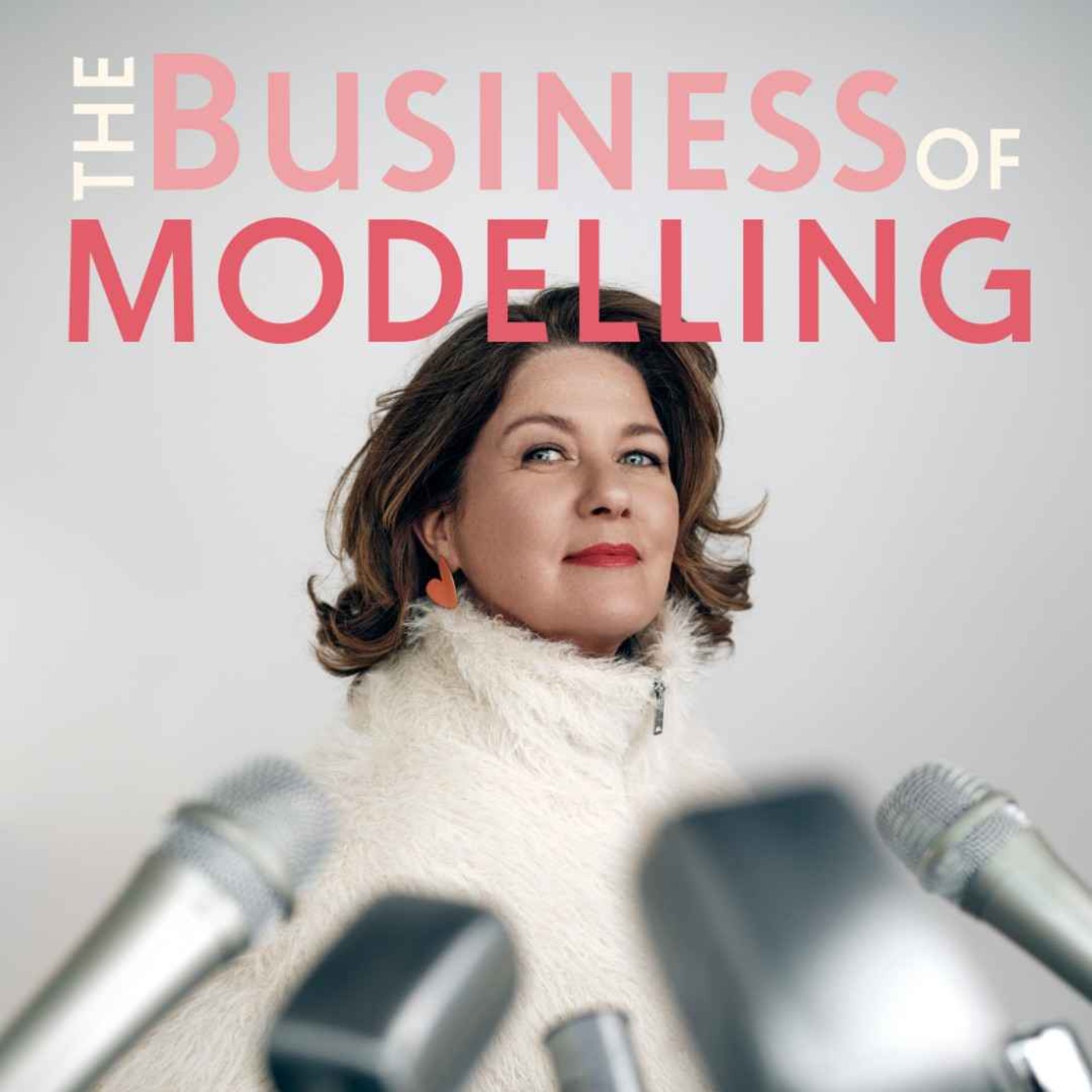
Description: This episode features Sue Walker discussing her experiences in children's modelling, the evolution of the industry, and the importance of safeguarding and well-being for young models.
Written by AI. May contain mistakes.
Sue shares her early experience in the modelling industry.
“We're going to talk about her early career, how Kids London became such a force, the changes she's seen across commercial kids' work, the realities of running a children's agency in today's landscape.”
Sue explains her shift from modelling to starting Kids London.
“I was quite disciplined from a young age because I ran for England.”
Discussion on the challenges and realities of running a children's agency.
“And they'll say, just hold on one more, click, click, click.”
Sue discusses the importance of diversity in children's modelling.
“And just like myself as a model, you'd have to go out as an adult model, you'd have to go on castings and go sees.”
Exploration of what makes a good kids agent and the responsibilities involved.
“Yeah, because, you know, nobody knew of you as a new agency.”
Sue shares the gratifying moments of giving children opportunities.
“I don't think we even had, I think we didn't even have a website back then.”
Discover the fulfilling aspects of being a booker in the modeling industry.
“You know, they've missed the flight and it's like in the evening and they're in wherever.”
Understand the complexities and challenges surrounding licensing for child models.
“I mean, obviously, I needed to make a living.”
Learn about the significance of support and encouragement for children's aspirations.
“And they want 15 days notice or 10 days notice, 10 clear working days notice.”
Explore how Kids London earns client trust and maintains strong relationships.
“Plus, at the end of the day, we've got the good products because without the product, you're nothing.”
Find out how to create a relaxed atmosphere for child models during shoots.
Examine the transition from live castings to self-tapes in the modeling industry.
“And it takes the pressure off the client and it takes the pressure off the photographer as well.”
Learn how to manage expectations for children, parents, and clients in modeling.
“you don't like well social media social media is good as a showcase but what it's causing is is you can get a lot of parents jealous of kids that are working a lot or they see.”
Understand the need for clear communication with parents regarding their child's modeling career.
“I've had certain people come in and say, I only want my daughter to do Vogue or Gucci and stuff like that.”
Exploration of the difficulties faced by parents and agencies in child modelling.
“I've had a few celebrities now that I've had kids and it's like every time you ask them if they can do anything You know, they can't do it because they're doing their TV show or they're doing whatever.”
Highlighting successful journeys of children in the modelling world.
“they can't work for the adult brands because they don't want to get licences.”
Discussion on the challenges of managing family life while running a busy agency.
“The bookers are fantastic that I've got now.”
Insights into the potential impact of AI on the modelling industry.
“And the people, I meet some lovely parents, lovely people.”
The importance of child well-being and regulations in modelling.
“The way they've got the more natural moving is because they really do put the child's well-being before everything.”
Sharing a unique story of a child model and the documentary filmed about her.
“So they filmed her from up there because she'd have to get a plane, a little plane that would take off on the beach to take her to Glasgow.”

Get the gist, explore an idea or ask about something said.
 Claude
On The Business Of Modelling, what are the key points of this episode?
Searching your listeningAutomatic transcript. May contain errors.
0:02Welcome to the Business of Modeling, the podcast where we explore the fascinating world of the modelling industry. I'm Tessa Dewing, Managing Director of Sandra Reynolds, a commercial model agency celebrating its 50th year of business. Today, we're in London with Sue Walker, founder and director of Kids London, one of the most established and influential children's model agencies in the UK. Sue founded the agency in 1996 and has spent almost three decades shaping how children are casting campaigns, commercials and editorials. Kids London has been a training ground for young talent, a pivotal partner for global brands and a benchmark for standards in the children's sector.
0:49We're going to talk about her early career, how Kids London became such a force, the changes she's seen across commercial kids' work, the realities of running a children's agency in today's landscape. So welcome Sue. Hello, good afternoon.
1:08Before we get into Kids London and agency life, I'd like to talk about you because you were a successful model yourself. Can you sort of tell us how you got into that? You know, are you a Londoner to start with? No, I started modelling when I was around about 16. When I was at school and I was 15, I remember looking through a magazine called Honey Magazine, which was really amazing at the time. I saw this girl in there and she kind of looked like me. She had dark, short hair and she was on a beach in an exotic location. I thought, I want to do that. I really want to do that. And I was very tall.
1:50I was an athlete and I was very, very tall and very skinny from when I was young. so I just applied to an agency in the north and that's how I started in Manchester and then when I was around 17 I went to New York and I was with signed with Wilhelminas in New York and had working papers and I went to New York and then from there I came back to London and joined a London agent and I never went back. I was quite disciplined from a young age because I ran for England. And so I was very, very disciplined knowing what my father instilled because he was my trainer is that you only get out of life what you put in.
2:32And that was to do with the training. If you train hard, then the racing will be easier. And that's just kind of stayed with me in life. In general, you only get out of life what you put into it and to be consistent. And that stood me very well, probably the best thing in business, you know. Absolutely. Yeah. The consistency and to keep going. You know, sometimes it doesn't feel like. Exactly. And putting the hard work in. Too many people just want everything now without working hard for it. So you've got to work hard and that. So then I went to, so I was with a London agent and I ended up being with an agent in Milan, in Paris.
3:09So I had a great career. I was about 16 years traveling the world. I did a worldwide toothpaste commercial, which was my biggest job ever. You have incredible teeth. Tell me about some of your jobs that you did as a model. Can you take us back there? And yes, I did many, many wonderful jobs in the early 80s. Well, I did. I went for a trip to Barbados for Woman magazine and I was doing cover shots and I was and I got the first day we had off and it was quite cloudy. So we're all in the sea swimming great. We're in Barbados and I got sunstroke. So I was really sick, like, you know, vomiting and really, really sick for quite a few days.
3:55and I had to do the shoot and I'd just be doing a cover shot. And then I'd say, I'm going to be sick. And they'll say, just hold on one more, click, click, click. And then, OK. And then I'd go and be sick. That's obviously stuck with you. That was horrible. That stuck with me. But the pictures look great, believe it or not. But you wouldn't know what went on behind the scenes. And so that was one job. And there was many jobs. You know, I went to the Seychelles. I used to work a lot in the German market, the catalogs, and they paid very well in those days. And you'd go on great trips. You know, I went to the Seychelles, went to Jamaica, went to L.A., went to, you know, lots of different places on trips.
4:37So there was lots of really good jobs and editorial jobs that I did. But I was mainly a money girl.
4:48what made you launch an agency and and why kids to be in an industry for 16 years and then your career comes to an end it's like what do you do now you know i a lot of people do get lost but i had my son so i was focused as a mother so i was lucky it wasn't it didn't consume me like it can do with some people when their career's over and you don't know what to do so these were the days when really you didn't work past the age of, well, sort of 30. 30, yeah, round about 30. And it suddenly just dried out. And also I didn't like doing it anymore. I just didn't want to look at the camera. I'd look everywhere but at the camera and I knew that was my time.
5:28You fell out of love with it. I fell out of love and that was the time to get out. A friend of mine who has an adult agency said, why don't you do kids? You could do kids. You'd be good at that. And I thought, you know, I didn't really know about the kids market, it but I did think well I've got 16 years of experience and you really can't buy that experience you know as a model so I cared about models because I've been on the other side I understand I understand what it's like used to travel down from Manchester to London to do jobs and go back and I know not to bring people in just for some silly little casting that can be avoided if they're coming from far away you know I'd be quite considerate about the models and plus you were a mum so you understood and a mum as well that you can't practically so that's what really made me start the agency was uh to think well you know do something with this experience that can and something I'm in control of I'm steering my own ship but you'd at this point you'd never you didn't have any business experience no not at all okay how did it come about I don't know I was just you know we had a rolodex I was just going to see clients I mean I knew that side of thing going to see clients, showing them I've got a kids agency, this is who we've got.
6:43And just like myself as a model, you'd have to go out as an adult model, you'd have to go on castings and go sees. It was very much like that. So I was just kind of, I'm quite people's person. So I was quite, that's how I sort of did it. And the business just, you know, you just learn as you go along, you know. And what was the industry like at the time? Apart from Kipsy Owen, her agency at the time, nobody else was doing diversity or it was all very chocolate boxy, all very, you know, blonde, blue eyed, sort of Shirley Temple type of pairs type of models. and I just, I saw a gap in the market in the sense that I wanted kids to put kids out there that were more like the kids I see in South London, street wise, or like say, one of the references I used at the time was like the film Kess, the boy in Kess, you know, that sort of kind of streety, edgy, working class kind of looking kid, you know, that's what I and obviously more diverse as well we had children with you know 30 years ago with long dreadlocks and stuff like that and uh yeah we we certainly were not commercial when we started and everyone all the models were looking at the camera without smiling just faces just faces you know no smiles that's how I started and making it being a bit different from everyone else And were you street casting a lot of the kids?
8:16Oh, totally. Everything was street casting. Yeah, because, you know, nobody knew of you as a new agency. So, yeah, I went out and found kids in skate parks. I found some of the best kids have been found scouting, you know. I think they are. They're always the ones. It's not the ones that are desperate to be models. I think I find that with the adults as well. I mean, it got to the point some of my new models in those days as well. some of the boys that I'd scouted skateboarding and stuff. I had about six models that went to Paris to do the Drives Van Norton show with 80 people in this show. And as all the parents trusted me, I had to chaperone them and I had to take these 15-year-old boys to Paris.
9:02Well, that was an experience because they run me ragged. But that was quite a big breakthrough job of being edgy. So that was quite early on, was it? That was quite early on, yeah. And when did you take on your first member of staff, your first booker? It was quite early on, really, that I took on a booker. Because this would have been before digital. It was definitely before digital. You used to have to run up the road, get your pictures printed out at the printer's shop, send them out either on a bike or something like that. Yeah, it was quite costly, really, and time consuming. Yeah, if you think back, absolutely, the time taken.
9:41And also, they used to date, didn't they, straight away? They used to date, yeah. So having cards and books, and they'd be out of date at the time you'd had them printed, pretty much. I don't think we had emails. We didn't have emails. No, we didn't. I remember, no, I think the mid-90s, because that was when I first set up, first opened in London. And now I think we literally had computers. I don't think we even had, I think we didn't even have a website back then. We didn't have any of that, no. And what was your vision for the agency back then? I'm just, because I was an athlete, I'm very competitive and I just wanted to be the best.
10:14I just, I've always been, had that competitive streak in me where that's what drove me really. Kids London then quickly became the agency everyone knew. What do you think drove that growth and recognition? Being different. Being different and having a different approach. because I was coming from it from an adult perspective, an adult model perspective, which is a bit different from a lot of the other agencies. I'd lived and breathed, been in the industry, worked with some really top people and that. So I just had a different, I just wanted that to translate into kids' world because at the time it was always, you know, it was just very twee and chocolate boxy and no diversity whatsoever.
10:58However, I really push for that in the very early days. I've even said to clients, it's time you started using more diverse. And I would be the one that would really be pushing for that. Yeah. How do you find that now? Do you find that people are still box ticking or do you find that people have now taken that on board and are? I think now they have taken it on board and a lot of the brands and clients have changed in that sense. And they realise it sells. Whether it's because they want to or the fact that they've got no choice they must do if they're going to survive. I'm not sure, but it has changed tremendously.
11:46Was there a difficult time or difficult moment where maybe you thought it wasn't going to work? Never. Absolutely never. Are you quite a positive driven person? Yeah, I never. It wasn't even an option. It wasn't even an option to fail. I mean, the first job we ever did as Kids London was a Puma commercial cast by a wonderful casting lady called Sharon Lawrence. And it was shot by Tazim, the director at the time that did all the Guinness black and white. He was an amazing director. And it was with Radical Media. And that was our very first job on that commercial. so that that that was set the bar pretty high really so your client list was really to start with built up from clients that you'd work with or that you knew yeah exactly yeah that's that was the first ever job it was amazing and um you know and we were really small then as well so probably sometimes I would go on the jobs with kids like I would go with them a couple of them depending and obviously my son, he did it as well.
13:01So I would go on some of the jobs as well. So what makes a good kids agent or booker? You know, it's quite a responsibility. The best thing you can have is to be a people's person and to have the personality because you've got to communicate with the parents and, you know, some can be tricky, some can be quite bolshie and some can be like, because it's their precious commodity as their child. So, you know, you've got to be good with the parents. You've got to be good with the clients. I believe being quick makes a difference to clients, to respond quickly to them and be efficient in that way, being on the ball.
13:41And obviously, if you've got an eye as well, and you can place people who you think could be right for each individual job, you know, that's all what makes a good booker. And it's really hard work and it's really demanding, as you know. And you get calls after hours sometimes as well and things and problems come up. You know, they've missed the flight and it's like in the evening and they're in wherever. You don't get your details until the night before. Yeah, exactly. So there's a lot of that. Yeah, it's not a nine-to-five job. It's not a nine-to-five job, but it's very rewarding if you're a booker and you're giving families and children or adult models even, amazing opportunities.
14:22And you think, you know, there's a lot of reward in that. You know, that's what I would get a lot of job satisfaction is making things happen for people. And seeing Puma commercial on TV. Or some families from, you know, maybe poorer backgrounds and they get these amazing opportunities to travel and they remember these jobs all their life. They remember these experiences. You know, I have models that come to me now with their children and their amazing experiences that they always remember. So that's the satisfaction I get. To have been able to give that to people. It's to give that to people.
15:00Yeah. It's never been money driven. I mean, obviously, I needed to make a living. When you start, you want to make a living. But that's what really drives me is, yeah, it's just that.
15:16Tell, talk to me about licensing. Like, what are your thoughts on it? I guess. Wow. I mean, licensing, I think it's important to kind of monitor what kids are doing. But I think the problem is, is some boroughs will say they've only got one person working in there and they're doing other things as well. And they want 21 days. And they want 15 days notice or 10 days notice, 10 clear working days notice. Which just isn't realistic. And it's just not realistic. and then somebody can be sick and then you can't get a license for somebody else. And then you lose so many bookings because the computer says no.
15:53Yeah, I agree. I think it's a good thing. Also, I think it manages client expectations because if you've got clients that haven't worked, maybe with younger children, they don't understand that they can't just be sitting on a set waiting. And then you've got some headteachers saying no when they've got 98 % attendance, you know, and they'll say no and they're five years old or something. you know it's not like they're doing exams and it's a lovely experience and it's a good opportunity and it's educational actually it is educational it builds confidence and not everybody is studying to be a scientist or a mathematician or whatever people have different things and and a lot of the because the schools are under pressure the head teachers are under pressure with the attendance from the government and stuff so they yeah some opportunities wow that can get missed it's it's unbelievable and it's sad and it's disappointing for the child and and yeah well for all you know i had one head teacher a few years ago say had got the parents into the school and the girl was eight years old at the time and said she'll never make an actress and they wouldn't sign the letter off for her to go and shoot a major film with keanu reeves she went and did it anyway we managed to override it and I would have pulled her out of school as well anyway we override it and then she went on to do another amazing the railway children primrose railway children now she's just in South Africa doing filming and this school is this and I said she shouldn't be a head teacher because you're supposed to encourage absolutely students everyone has different gifts and and offering then you look at stories of Ian Wright and other people how one you know a Mo Farah whose Kids were on the books as well.
17:39When they're at school, there's that one teacher that encourages them, that changed their lives. To say that to a child is awful, regardless actually. And to say to the parents she'll never make an actress. She's just been up for an award in New York for one of her roles. I hope they know that. Well, I've told her, I hope when you do your speech, you drop her in there. not that we're bitter
18:14you've worked with pretty much every major kids brand there is yes what is it about Kids London that clients trust well I think we you know you can get us any out any time you know I mean my actual phone numbers on the website anyone can you know clients can call us if they need help out of hours and I think that's why they trust us in that sense. Plus, at the end of the day, we've got the good products because without the product, you're nothing. So you have to have the good eye. So we've got kids that are, you know, really got a little bit different. Most of them, obviously, we've got, you know, you have to commercial base as well, but there's the campaign-y kids we've got are really strong and quirky and they're all attractive in their own ways.
19:06And so I think that is why they come to us. And we give a good service and we can argue with them as well. That's important though, isn't it? That's all a part of it. You've got to be honest. Because you've got to be fighting for the right rate for your kids. You know, they're missing school. Their parents have to take a day off work to bring them. You know, their education might be getting compromised. So they have to be paid well for their time. Yeah, yeah, yeah. And they're selling the clothes and the brands are making money from it. So it's important that they get paid fairly and that we fight for that.
19:45And some jobs we turn down, we say it's not enough.
19:53One job that was always memorable to me was really in the very beginning days, the first two, three years of Kids London. we had a casting lady called me up she said sent an email called me up we need for a soft drinks brandon it was for the olympics at the time this was on a sunday afternoon so i'd send them a package they chose a couple of guys and girls and they've got to go on a minibus to something somewhere like shepperton the next day on the monday and the ones they like they're going to keep and film so the two kids stayed they were teenagers they were like 15 16 and two of them stayed and did the job and it was like 20 000 pounds which was a lot in those days i mean it's a lot now but it was a lot in those days and that was just for half and half and it was for a soft drinks worldwide thing you know so that's because we took the call on a sunday that's the difference you know what do you think brands or clients sort of underestimate um about casting children well it depends the on the age you know like if you if you've got a young kids you know like they're two you can't okay if there's if they're a bit old older you can they if they're in this business they should be wanting to do obviously they've all got to want to do it else you're not going to get the results but some kids will be predictable at performing and and looking at the camera but when you get the little ones at two they can have an off day you know they can have a little tantrum or they're just not feeling it or they could be slightly unwell but they don't know they're unwell yet and so they can be a bit and that's I think what clients underestimate and also if you go in and you go right stand there and there's all these adults around and clients around and they're saying stand there look here look there or or what's your name and you've got to warm them up a little bit do you know what I've actually discovered is there's um there's an agency called kids on set and she does wranglers and kids wranglers and people think what's kids wranglers they're movement directors and they work a lot on a lot of our Zara jobs we do and I've started using them when I do our photo shoots here and what a difference it makes because you know they get the kids warmed up or or they'll be drawing with them or cracking jokes with them before they even come to set or do movement you know like a bit of exercise stretching and make it all fun so that they're all fun so they're fun and relaxed and relaxed before they come on set and I'm telling you it's been a game changer for me and it almost gives them that person that kind of person that they feel connected to because yes yeah they can walk on a set there's a load of people just sort of standing now that they've never seen before never met exactly and to direct them and say right smile and look here and look there you know whereas when they've got thing it's just more natural because they're telling them jokes and pulling faces and doing things and that makes them laugh and they get more natural shots out of them and um i i found it's a game changer for us on our shoots when we do our update shoots the kids are warmed up and they laugh and then they and the kids don't want to leave you know they and they'll they say oh we don't want to go oh, mom, we don't want to leave and they have a great time, you know, and that's what you want, really.
23:14And it takes the pressure off the client and it takes the pressure off the photographer as well. Well, yes, because the photographer's got lots of other things to think about. He can just stand there and click, click, click, and he doesn't have to try and draw everything out of the kids, you know. Glossy catalogs then went into e-com. You've got all traditional casting to digital. Can I just say the catalogs used to be wonderful. And the castings. because we don't have so much since the pandemic. We don't have live castings so much. It's all on self-tapes. Now, when we used to have live castings, there would be a casting fee.
23:51So the client would have to pay to see each child. Now, what that does is stops them getting the whole world in. You go with your parent after school in the dark rain or whatever, if it's in the winter after school to a casting and there's a queue around the block of people you know other people castings that's what yeah that was what the casting fee did it because they had to pay they had to be a bit more choosy on who they see whereas now whereas now there's a lot of agencies that come along that goes into a self-tape as well yeah there is and also a lot of agencies that came along smaller agencies started not doing the casting fee so it you know you've clients saying we haven't got a casting fee and that changed but then the pandemic and then now it's more on self-tapes and I think it's better really because to be honest if you live out in Surrey or wherever and you've got to get into a casting it's a trek you know the parents it's a trek it's an expense the trains are expensive now come on and then they might want to get them in again afterwards so I think for the clients to eliminate off videos and pictures first is is better than getting them in so it actually is better really yeah yeah and what are some of the obviously that's a that's a good change what are some changes that you don't like well social media social media is good as a showcase but what it's causing is is you can get a lot of parents jealous of kids that are working a lot or they see.
25:32And so you get some unhinged people on there. Also, you've got clients direct messaging the parents offering them jobs, but they're not getting the right rate if they take it because we know what the rate should be. So they're underselling their children if they do that. I get some parents that will say to me, look, this brand's approached me. It's a small little brand and we'll get some nice pictures and they're offering this. And I might say, okay. But it's done in conjunction. Yeah. And also it's saturated the market. Everyone's a model now. Nobody really knew how to go about being a model or going into the modeling.
26:13Now everybody is. Now they come in with all their preconceived ideas. Exactly. Oh, and this one's working all the time. Why is my kid not working? Oh, you've got your favorites. No, the agency doesn't have its favourites, but the clients do. If they're working with a kid and the kid looks good and they're getting results, they're going to book them again. But you get some parents they don't understand and they're like, oh, you've got your favourites, you know, give other kids a chance. It's like we're not, as an agency, and you're not choosing who the clients are booking at the end of the day.
26:43If it's up to me, I'd have you all working. Yeah, of course. Just to get you off my back even. I think what they don't realise is, well, if they're a pain in the arse, you're not going to want to work with them. You don't want those pushy parents that think they know better than you. Yeah, they just give you a headache. You just got to get rid of those ones, I'm afraid. Yeah. And it's a shame because actually the child might be absolutely lovely, you know, and then you feel really sorry for the child because the parents actually damaging the things that they could do. Exactly. So managing expectations, the massive thing for you, how do you, you've got to manage expectations for the child, for the parent and for the client.
27:21I mean, what preconceived ideas do parents come in with? What don't they understand about the industry? I've had certain people come in and say, I only want my daughter to do Vogue or Gucci and stuff like that. And it's just like it doesn't work like that. It depends on what they're looking for, what age they're looking for. Or we're only available in the school holidays. Yes, or only available in the school holidays or I only want to work with these brands. You know, you can't, it's like you haven't got time for that. It's time consuming for the parent. Do the parents understand that they're going to have to, if they're working, well, they're not going to be able to take the child to jobs or to auditions.
28:06Exactly. I've had a few celebrities now that I've had kids and it's like every time you ask them if they can do anything You know, they can't do it because they're doing their TV show or they're doing whatever. Well, then you give up eventually. So then you give up and I just think, well, you know. And then they say, well, we've not heard from you. Yeah. You're never available. And the one thing as well that parents don't do enough is update you. You know, babies are growing, you know, two centimetres a month. They're changing constantly. You've got to keep updating us. It's really important. I do put that in the terms.
28:39But obviously, a lot of people don't read it half the time or they forget, you know. But it's the updating. And if you want your kids to work, just keep us updated and we'll put them forward. And obviously, kids are not going to work through all their age group of childhood.
28:57So small teenagers work well for us, whereas in adult industry, you know, they're tall. They want them tall. But for us, also because VAT on kids' clothing, you know, so they keep the kids' clothing samples small. Teenagers are big nowadays, tall, you know, and some of them are stunning, but they just don't fit the clothes, the samples. They're too tall. And even if they are 5 '8 and absolutely gorgeous, they can't work for the adult brands because they don't want to get licences. Well, because they're 14 or 12 even. Exactly. There's that sort of gap, isn't there? Yeah, there's a gap. So that's always tricky.
29:34I think we've always done really well, actually, with teenagers. And I think, again, it's because coming from that industry myself as an adult model, that's more closer to how I started. And so that age group I'm really keen on and understand, yes. And I do pass them on sometimes to different adult model agencies as well. Tell me about some of your sort of success stories. that um well we've had you know we've had kids that were here that have gone on to do perfume campaigns or just amazing stuff in the adult world christian deal campaigns and fashion shows we had alex pettifer who went on to be a hollywood actor we had ishamaya french she was uh now she's a top makeup artist all her range is in selfridges and everything she's like one of the best super super girl she used to be with us Kaz who was on Love Island was with us we've had loads that have gone on to become makeup artists or working as runners or lighting in the film industry because they they learned you know they wanted to stay in the industry
30:49and how have you managed the balance between raising a family and running a full-on busy agency it was it was it was hard because when my kids were at school I was always late for the parents meeting because I'm on the phone and I'm texting and doing all that and then I've got to finish this casting off and you know and then I'd run to the school late so yeah they did suffer a lot and I was always working you know I've worked really hard for years and now I don't you know now I've got a great team and I and also I couldn't step back because I was you know sometimes Sometimes it's hard to let trust and let go.
31:29How have you managed to do that? Well, I do that now. Yeah. It's taken me a long time. But I do that now. I've got an amazing team. The bookers are fantastic that I've got now. I've got a really great team and that makes a difference. And they're very loyal as well. Why do you still love what you do? Do you know what? It's giving again. It comes down to what I ever started it for. I love you know giving people opportunities I love you know certain things to get really excited about you know certain families are doing certain jobs and they're getting well paid or they're going abroad on and and you know and that and and also when you see a face and you think this client's gonna like her not to the parents I never like to build them up but to myself I'm like this client will like that kid and that client and they do and then they and and just watching them, you know, the opportunities.
32:22That's really where I get my enjoyment. I actually love my job. After 30 years, I absolutely still love my job. And that's why. And the people, I meet some lovely parents, lovely people. I mean, there's some amazing parents from all walks of life. And, you know, we have a laugh and a chat and everything. And there's just some lovely people. And I really love it. And what do you think the future of the industry is? Well, you know, obviously with AI, who knows? The thing is with AI and that sort of stuff is, it doesn't have a soul. So that's what I'm holding on to. The fact it doesn't have a soul when a, you know, natural that you would get from a human on a shoot.
33:11Yeah, absolutely. I just hope they bring in, I hope they at least have to say that something is AI, that it has to be labelled, a bit like they do with ads on social media. Another thing that I've got to talk about the changes is the e-com. Adult models, and this is where it's wrong because, you know, some adult models, they're doing nearly 100 shots a day. yeah and kids I had one kid go on a shoot actually it was in Spain and they did 30 shots in one day he's 10 years old he did 30 shots and it put him off modeling he never wanted to do it again I mean he did do it again but not for that client and that's just too much no I didn't know this I mean I think now it should be written that this is the prize for the day and in that you can have up to so many shots because it because it's ridiculous my daughter's a model as well and she's an adult model and she's sometimes you know you're doing a hundred like a hundred shots well that's just no fun and that you're just a machine it's yeah um so that e-com is a problem so I really do believe on shoots you know again you get out what you put in you know so if you put into these kids on the set um then you're going to get the best from them you're going to get the best results I think that's why Zara's very successful in their photos.
34:29The way they've got the more natural moving is because they really do put the child's well-being before everything. You know, they send cars for them, they put them in nice hotels, they look after them, they don't overwork them, they make sure that they're adhering to all the rules and regulations to working with children. And that's why they are the best client to work for one of the best talk us through you did a bbc was it bbc tell us about that we did a bbc documentary called from barra to barcelona and that's because we've got this extraordinary beautiful girl that lives in the island of barra and she kept getting booked for Mango.
35:16So they filmed her from up there because she'd have to get a plane, a little plane that would take off on the beach to take her to Glasgow. And then from Glasgow, she'd fly to Barcelona and they kept rebooking her. So it's quite an extraordinary thing. So they did this documentary and then they came down to film and they wanted me to be in the documentary. And I just was like, I hate to do this. I don't like to be in documentaries. I don't want to be in front to the camera however I have to do it for this girl so I did do that documentary with her and that girl again that's I mean I would never take anybody so far so difficult to get to jobs but she was so extraordinary looking how did you find her initially she wrote into me her mum parent wrote into me and wrote to me and she's extraordinary she's got these pixie ears and she's just just wonderful and they they live in the croft on this island and and I I did say to So look, I don't know if anyone will ever fly you because they're, you know, especially the UK clients don't like to fly people in and budgets and all that.
36:21But let's see how we go on because she was so special. And then the Spanish clients picked her up and was flying her in and that. So she's an extraordinary girl. Well, I think it's lovely to hear your story. I feel really privileged that you've spoken to me. Thank you.
36:45As always, thank you for listening. If you enjoyed the episode, don't forget to subscribe, leave a review and share it with someone who might find it inspiring. See you next time.
Sue Walker is the founder and director of Kids London, one of the UK's most established children's model agencies. With decades of experience working closely with young talent, families and casting teams, Sue has built her career around trust, responsibility and long-term thinking within the children's modelling industry.
In this episode, Sure reflects on how children's modelling has evolved over time and the increasing awareness around safeguarding and wellbeing. She talks openly about the responsibility agencies carry when representing young people, the importance of clear boundaries, and why children cannot and should not be treated like small adults. Sue discusses the role of parents, agents and clients in protecting children, the realities of working within a commercial industry, and why saying no can be just as important as saying yes. She also shares her perspective on responsible representation, longevity and why doing things properly, with the child's wellbeing at the centre, matters more than ever.
www.businessofmodelling.co.uk
www.kidslondonltd.com
Hosted on Acast. See acast.com/privacy for more information.


