Ask ChatGPT
 The ConTechCrew
29 Sep 2026 · 45m · 20 chapters

Hardline (Karly Heffernan and Alena Tuttle) explains how construction teams can “coordinate through communication” by capturing superintendent/foreman phone and site conversations, turning them into project documentation and tasks via AI—without forcing a new field workflow.
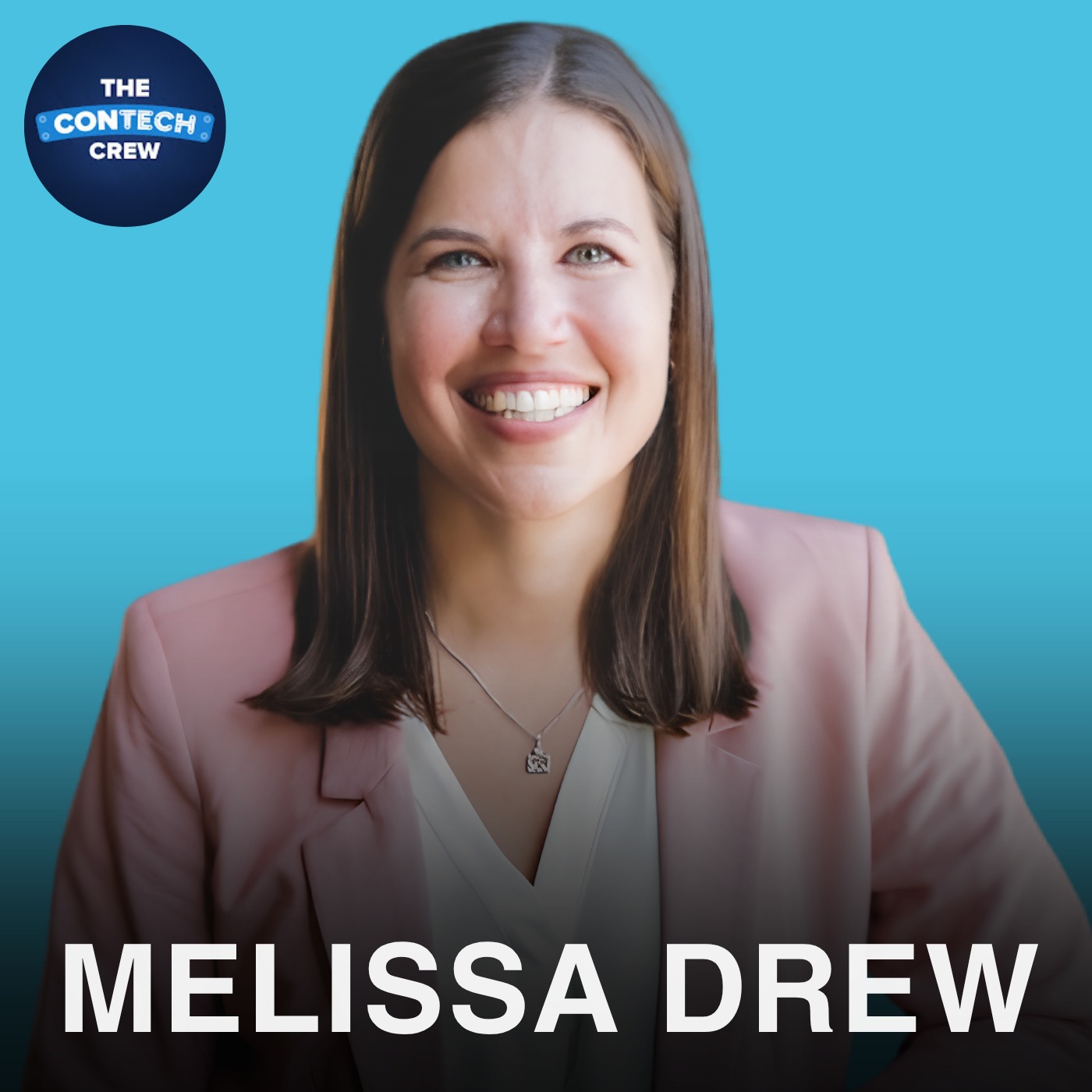
Karly is a Canadian co-founder; her family owns a GC in Canada. She previously worked in construction operations and co-founded Hardline after meeting Alena. Alena comes from tech and go-to-market/sales; she studied finance, worked at early-stage tech companies, and later co-founded Hardline with Karly.
A $150K rework mistake came from a subcontractor not following a documented change (6-inch vs 4-inch roof insulation). Hardline records relevant calls, then drafts daily logs and decision summaries with a “human-in-the-loop” before sharing. It aims to give supers “time back” (about an hour/day reported) and improve knowledge transfer.
daily log drafting from 30–40 calls; retrieving past decisions like a paint/color change; hyperscaler/data-center stakes where delays/liquidated damages are severe.
Written by AI. May contain mistakes.
Hosts discuss their upcoming participation in the Trimble Dimensions event.
“I'm just happy, you know, to be included in the convo.”
Hosts introduce guests Karly Heffernan and Alena Tuttle.
“So my like default, you know, life goal was to play ice hockey forever.”
Karly shares her background, including her family ties to construction.
“Just like now y 'all know, now everybody listening knows why I wanted to have both of you on the call.”
Karly recounts a significant construction mistake that inspired their venture.
“Well, it's an interesting number because that number comes up quite consistently in, I think it's just enough to sting long enough to create, to show that there's a problem that needs to be solved.”
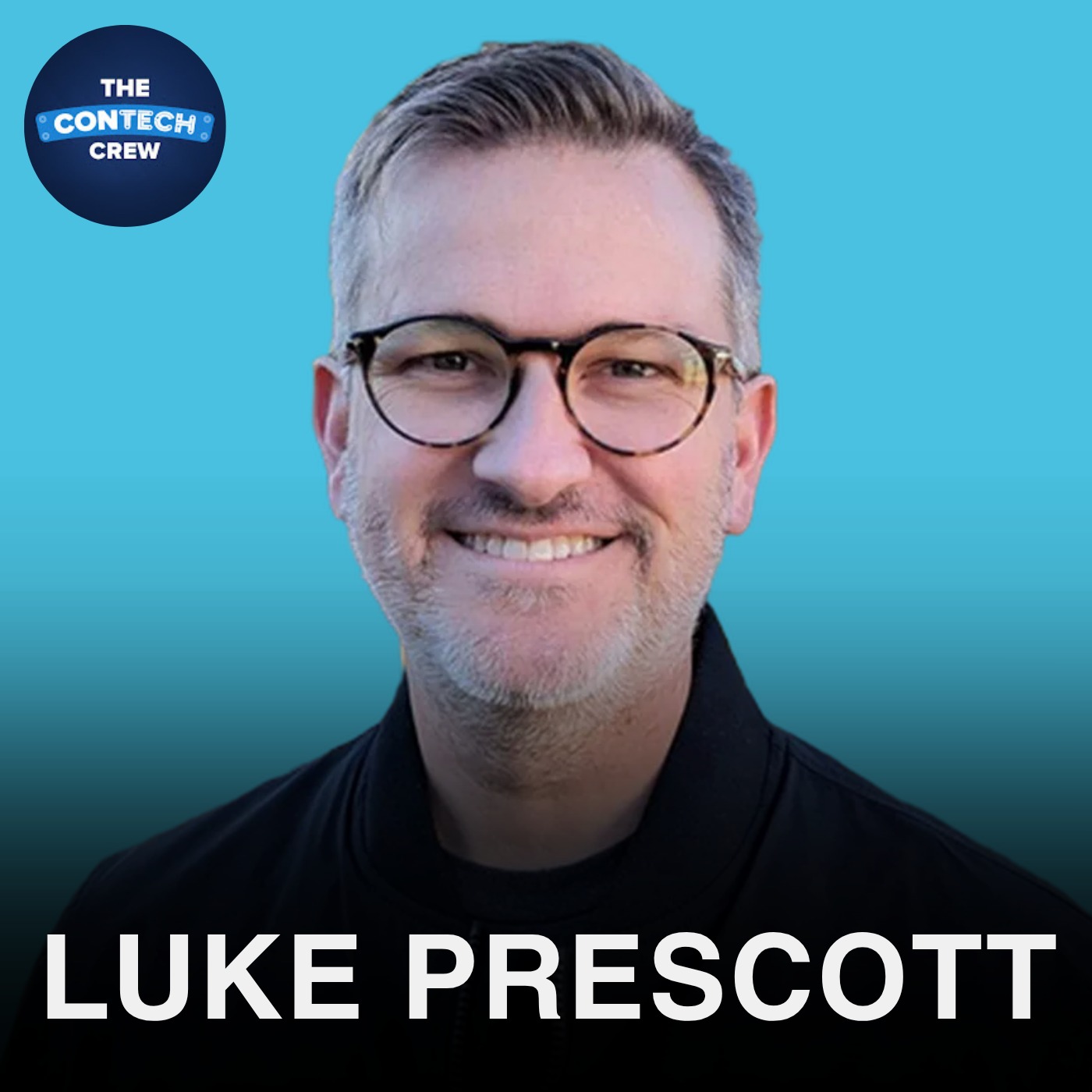
Elena discusses her background in tech and how it led to partnering with Karly.
“You're just like, that's going to kill me forever.”
Karly and Elena talk about their solution for improving communication in construction.
“Elena, I'll kind of go to you here on that one.”
Discover the excitement of tackling challenges and gaining momentum in construction.
“because that was like the childlike version of that.”
Learn about Hardline's innovative approach to project documentation and communication.
“So when you put yourself in the in the seat of a superintendent, which I had to do intentionally, having not been in the construction industry before, it is chaos.”
Understand the chaotic environment superintendents face and how to streamline it.
“And so my traffic guy's got to do this and this guy's got to do this.”
Explore how Hardline uses AI to enhance productivity and support superintendents.
“sometimes I don't want everything documented.”
Discover how technology enhances human roles instead of replacing them in construction.
“And it was good to hear because we want to be that for people.”
Discuss the importance of employee happiness alongside productivity in construction.
“business, think about the cushion you're creating.”
Discussion on the urgent need for improved building techniques to address modern challenges.
“So the stakes are really high for this now.”
Exploring the critical stakes in construction, including economic and environmental impacts.
“And I think it's going to continue to be that way outside of even that market.”
The importance of preserving deep knowledge in construction amidst technological changes.
“This is where, as a society, I agree with you.”
The necessity of mentorship in construction and managing time effectively for knowledge transfer.
“So I think, I think that's like kind of, that was like a moment that hit me so hard with the like big picture of this all.”
Discussing future trends in construction, including the integration of AI and technology.
“The business should care that that super is freed up.”
Insights on how the construction industry may evolve over the next three years.
“We've seen people try to build two buildings next to each other, and it's still never the same, right?”
Learn how the construction industry is evolving with technology and new talent.
“So the acceptance of it is higher and they're safer.”
Discover where to find more information about Hardline and its founders.
“So and I think, again, founders like you two are headed us in the right direction.”

Get the gist, explore an idea or ask about something said.
 Claude
On The ConTechCrew, what are the key points of this episode?
Searching your listeningAutomatic transcript. May contain errors.
0:00Alena Tuttle: On this week's show, Coordination Through Communication with Karly Heffernan and Alena Tuttle from Hardline.
0:15Alena Tuttle: All right. Y 'all are going to notice that it's just me sitting here solo. And you know I like to run solo sometimes because sometimes you can't break two peas out of the pod. And so I have Carly and Elena with me today. How are you guys doing?
0:33Karly Heffernan: We're great. We can't wait to be here and chat with you. We always love getting on a call with you. So thanks for having us.
0:39Alena Tuttle: The feeling is mutual. Elena, thank you for dropping in.
0:43Jeff Sample: Oh, of course. My pleasure. I'm just happy, you know, to be included in the convo.
0:48Alena Tuttle: Well, it's not a convo without both of you, as I've learned over the time. So that's why we switched the seat up. Listen guys if you are listening in Live here The crew is going to be At Trimble Dimensions That's right we're a media sponsor We're also going to be live From the stage With Josh Levy and Mark Schwartz From Trimble now And talking about the industry so don't miss it And follow us on LinkedIn Follow us on the socials Follow us at youtube.com At the contact crew we're going to be in a lot coming to you that event's going to be awesome hey contact crew slapping new tech on old workflows isn't enough anymore you need to rethink how the whole job connects and that's exactly what's happening at trimble dimensions 2026 this november in las vegas join the smartest minds in construction to solve your biggest hurdles labor cost risk and visibility.
1:47Alena Tuttle: With over 700 sessions, a live off-site where you can see automation and work in the dirt, and the construction startup competition, you'll walk away with solutions you can use on Monday. Plus, the team is capping it off with an epic party at the opera. Stop reacting to problems, connect to your data, and get back to getting stuff done. Register now at trimble.com.
2:15Alena Tuttle: All right. We're back. So we teased him. We got you on the show. Not too early. We met a while back and it was awesome. And so I'm really excited that you guys got to the point where it's time to talk about you guys. So Carly, I'm going to start with you. Just give the world an introduction to you.
2:35Karly Heffernan: Well, I am one of the co-founders here. I grew up in Canada. So my like default, you know, life goal was to play ice hockey forever. And then when that kind of came to a halt, I kind of rethought where I wanted to be. And I decided to go into the direction of my family, which is construction. They own a GC up in Canada. So I joined that after college and then shortly after was introduced to Elena, my co-founder, who sparked this thing inside me to want to build Hardline.
3:09Alena Tuttle: Awesome. Well, we have a long history with Canadians working in the industry, jumping into tech. So you have a long line ahead of you of folks that have paved the way. So it's pretty cool. I love that Canadian connection. Like, it's such a cool part of our world. It's like, hey, look, you build it in Canada. It might be a little different, but it's not that different. It's still building, right?
3:34Karly Heffernan: Yeah, definitely. I mean, there's so many amazing founders from Canada in the construction tech world. So definitely people I lean on when I need a little bit of advice.
3:43Alena Tuttle: Well, that's awesome. So, Elena, how did you get here?
3:46Jeff Sample: Well, I guess before I jump into that, I should mention Carly casually mentions hockey. she was the top well arguably the top female player in the country at one point i happen to know she scored the winning goal for worlds multiple times has gold medals so let's just let that aside and i'll jump into my background which is way less cool well i mean that's awesome
4:11Alena Tuttle: and now you just gave an easter egg so now i'm gonna have to go down the route at some point and see some of this and embarrass you. And that's awesome. Just like now y 'all know, now everybody listening knows why I wanted to have both of you on the call. This is going to be a lot of fun. Buckle up and make sure you're not driving too fast because this is going to be fun. So Connect, your background.
4:31Jeff Sample: I come from a tech background. I studied finance in my undergrad, spent a little bit of time at a big bank, hated that job, hated, you know, I don't know. No shade against it, but just was not for me. So I went into early stage tech And then I was on the go-to-market side and sales side of a couple really fast-growing early-stage companies. My last company was acquired. And while I was there kind of doing the whole big bank thing again, Carly and I connected. And we decided that we wanted to do something fun. So we decided we were going to start buying laundromats for a side hustle and trying to digitize them.
5:07Jeff Sample: And one day, Carly was working. As we were working on our business plan, she took some calls from a subcontractor. I watched some craziness unfold and I said, the laundromats can wait. We should solve this problem. And that's kind of why we're here today.
5:23Alena Tuttle: That is so cool. So wait, what was the problem? It was just like a sub that was working on one of your laundromats or helping you guys out?
5:30Karly Heffernan: No, I can answer that one because it honestly, Elena will say this in many pitches, like in front of multiple people, which it's definitely a long enough time has passed, but it still stings a bit. But we were working on a commercial project and I was managing it and asked the sub to change it to six inch insulation on the roof instead of four. Six months later, Cortez came back. They didn't do the six inches and it cost us$150K in rework. So that was the origin story of why I was like, okay, sorry, family. I'm going to leave the company now and then start something to solve what this is causing.
6:12Alena Tuttle: Well, it's an interesting number because that number comes up quite consistently in, I think it's just enough to sting long enough to create, to show that there's a problem that needs to be solved. I feel like anything before a hundred and it's a rounding error, the 100 to 150 is like, oh, that one got us. I don't want to do that again. But that 150 and then up, it's like, I'm not going to forget that one. Yeah, it is. You're just like, that's going to kill me forever. Like, yeah. So, again, rooted in a problem, right? It rooted in a request for a change on saying, hey, I need six inch instead of four inch.
6:58Alena Tuttle: You had a perfect reason for it. And that person probably didn't mean to not do it. Right. It probably wasn't documented. Right. Exactly.
7:07Karly Heffernan: Yep. And we worked with them for a while. So we had that trust, too. So and that's the that's the world of construction. You know, it's relationship driven. And some things just aren't always needing that extra, you know, email, but it actually is.
7:23Alena Tuttle: Yeah. Well, I mean, that's the key right there. It was documenting that not because they don't want to do it for you, but so that they remember to do it because that, that trade subcontractor probably had a ton of other stuff going on and it's just an oversight, right? It's not a, and it is a relationship business. So I'm interested. you see this happen, Elena, and you're trying to do some laundromat side hustles and you're like, so tell me how your brain clicked and went. We can do something about that.
7:53Jeff Sample: So I had my own kind of backstory during covid when I was quarantined in my apartment. My roommate was an interior designer and she had the exact same situation happen coordinating with the subcontractor. And so something in my brain, I'd I'd kind of like in the background been thinking about how do you solve problems like that. I actually went to the office with her, kind of helped them build documentation processes when working with subs. And they wouldn't do it because they had a million things flying around everywhere. They would never stop to just put this in the spreadsheet, send this to the person, you know, confirm.
8:28Jeff Sample: And so I watched that happen and a light bulb just went off like, why don't we just use AI to transcribe phone calls and give them the ability sort of a one-click experience to share that confirmation back to the person for your own documentation and for theirs too. Because I believe the sub's not being malicious in that way in any way, shape, or form. But when you got hundreds of people, lots of jobs, a million calls a day, just a little thing like that could help.
8:58Alena Tuttle: So that was kind of how it happened. Yeah. See, that's the critical component too, because too much of what we build is built off negativity and that's good right it's a good thing in some respects because look there were parts of this industry and still are that are combative and and litigious and you know they're they're structured that way but honestly more and more like it's less of a i want to screw you and more of a oops i screwed you and i'd and and i have so many things going on to keep it all together and like you said so much happens from design and design intent to engineering to to gccm to trade to building material schedule compression material availability you know all of this stuff's everywhere and you know i kind of like this i'm not gonna put words in your mouth because I know where I want to go, but I'm not going to say it.
9:58Alena Tuttle: How do you see this fitting in? Where do you see it fitting in? Do you have a whole new workflow? Elena, I'll kind of go to you here on that one.
10:09Jeff Sample: The answer is no, you don't have a workflow. Something that I think Carly learned from watching her dad, I learned from sitting in the office with my friend, it's really hard to change a rhythm that's worked a certain way forever. Like we, the pyramids, the Eiffel Tower, everything that has been built has been built through verbal communication and coordination. And the way that we kind of approach the problem is you can continue to do that and we will augment your process with technology. You shouldn't actually have to change how you work because that works for you. And software is good enough that we can work around it.
10:47Alena Tuttle: Well, and that's the interesting part, right? and and carly this this is what's cool is somebody proposes and i don't even know what your acumen on the building it side and the technology side was but it it you have the real world experience with the family business doing this how did that line up how did that all come together where you're
11:06Karly Heffernan: like wait a minute maybe this does work yeah i think the first day we had this idea it was you know probably like 9 a.m and then 3 a.m that night we had a pitch deck and the next day we were creating like designs of what the app would look like Alana and I and the the core principle of our app has been simple like anyone can log in and automatically know what to do because anyone One in my family's company, learning a new technology was it was months. And so we've always anchored our our solution to being simple and pretty much invisible for users day to day. And that was kind of what made it click.
11:54Karly Heffernan: Like we need to do this because if it's simple and easy, there's no reason for people not to adopt it.
12:01Alena Tuttle: Yeah. And that's and that's the key. Right. You guys just combine two really important things. You know, that clear, easy, and that really painful problem. And then an understanding of how the workflow works, right? Like, that's a critical component. And you've said it a couple times. There is a rhythm to the way we build things. And so many of our current products disrupt that rhythm. And we wonder why we're an industry that, quote unquote, has lagged in productivity. well if you keep interrupting me i can't build things but there's somebody else out there going but jeff if i don't capture what the foreman and the general super just agreed upon somehow like there's there's a risk that it doesn't get done or doesn't get done right because at the time that they're doing it they they have nine things to remember and now you get four inches instead of six inches of of insulation and that's a bad thing right that costs money um so let's dig in a little bit carly you guys i mean i'm not surprised that the pitch deck came out that quickly because in both of you what i'm hearing was like this festering problem and we hear it in innovation all the time like nobody has their best idea at work right they have it in the shower they have it on a run they have it when the back of their brain is churning on this thing like oh I'm getting into that unconscious mind and I'm gonna just noodle it and then one day I'm gonna go and when you see it it's like it's been noodling for a long time it's been sitting there for a long time but then the minute you hit it it's like oh we're doing oh it's
13:54Jeff Sample: addicting yeah it's like an adrenaline shot I it's funny because I've always wanted to be a founder and when I was a kid, the way that I, I would like tell my mom, I wanted to be an inventor because that was like the childlike version of that. And so when the idea kind of struck and we felt like we had the same sort of compassion for the problem and drive to solve it, it was really addicting and, and like, yeah, like a shot of adrenaline that we're still,
14:22Alena Tuttle: you know, getting hits from every week. Well, and that means you're moving in the right direction because when it starts, it will start to feel like work. Everything does. That's why it's called work. But the invention and the solution and the continued momentum that you've gained and transparency to the folks listening at home. We met a couple of months ago, almost six months ago. And I was like, you're almost ready, but you're not ready. And I'm going to be excited when you're ready. And so it's cool to see that adrenaline is still going and the problem gaining momentum and the solution gaining momentum.
15:04Alena Tuttle: Right. So you got to you got to move around. You got to figure it out. So what did you so there there's all this communication and we've kind of talked that you have hard line like Carly, what clicked for you and what what what what is hard line now?
15:18Karly Heffernan: Yeah, so really what clicked was documenting the conversations that are already happening. And Hardline is a solution to capture calls and site conversations that teams are already having, turning it into project documentation tasks without enforcing the field to, you know, enter a new data workflow, you know, taking them off the desktop. So right now we're live on job sites. We're really building for the field, which inevitably is a tough place to get to adopt tech. But when you crack it, it feels so good. And we're just really, yeah, building for the field first.
16:09Jeff Sample: Field first.
16:10Alena Tuttle: That's where the word gets done, right? Yeah. Yeah. In the end, people forget that we are not in the business of drawing things. We are in the business of building things. And all of us in this space have to understand that. And I used to say that from the safety side, but more and more now from this idea of coordination through communication. Like, Elena, what does that mean to you as an outcome of what you're doing? Yeah.
16:41Jeff Sample: So when you put yourself in the in the seat of a superintendent, which I had to do intentionally, having not been in the construction industry before, it is chaos. And that's not a slide against the super. That's that's just the industry. There's there's also part of it that I think people are put in that position because they're really good at handling that. So you put a guy on the job site, he's managing multiple trades across each of those foreman and trades, multiple people laboring. On top of that, that guy's getting 100 phone calls, 97 text messages, and 14 emails. And then he has to distill all of that information, go back to the trailer, write it out, fill out a bunch of fields, and then hopefully the office will get what they need.
17:30Jeff Sample: so that just fundamentally doesn't make sense to me it doesn't make sense as as a you know the superintendent shouldn't be spending two hours of his day in the trailer typing shit up to be honest so the outcome that we're trying to provide is is really just taking that superintendent off the screen off your computer you coordinate everything already verbally every time the problem happens. The super uses their judgment. They reason through something. They talk to the foreman or the supplier. They figure out a way forward. And there you go. Workflow done. The hard part then is letting everyone else know in the right place at the right time.
18:14Jeff Sample: That's where hard line can jump in. We're not replacing the need for a super. We're just letting them do what they do best and having the software connect to the office for them.
18:24Alena Tuttle: Yeah, you're doing what we've always wanted, right? What's, what is so important about them is not their eyes in the job. It's their eyes on the job, right? It's, that's what, and you're, you're dead, right? Cause I remember when I first got into the industry, we were really trying to make this industry much more accessible to other people and to grow, right? We need to grow ourselves into the environment of bringing more people in a more diverse background of people working inside our environment. But I had a good friend, Chad Pearson, that's like, look, Jeff, that's great. But this work is just not for everybody.
18:59Alena Tuttle: And what he meant by that wasn't that there are particular groups of people that shouldn't do this work. It's that it's he calls it VUCA, right? It's volatile. It's uncertain. It's complex. And in many cases, it's ambiguous. And you need somebody who loves that and you love loves getting dirty and and being in the thick of it. Right. Because it's going to be that way. so and I was like oh Chad you're absolutely right like we just have to make that VUCA world a bit easier a bit better and then bring those people in right like not everybody can do it but you're not going to know who those are if you don't open yourself up to it and you're absolutely right I was trying to find who the guest was but he'll remember but years and years ago we got on to do this show with the guy who was running an airport job and right before the call i were on the screens where there is way back in the day we had individual feeds to skype boxes and and he's on the call he's in his office and we're getting all this stuff tweaked and he's answering a question over here he's yelling at somebody this way he's doing that james is trying to get him to start and he's like one second this this this shut that down do this there i need 45 minutes go and i've never felt more like yes sir i do what you say sir and i'm like how do you know what's in your head and he's like oh jeff i have hangers shutting down i have i i'm changing the roadways and the diverting the traffic.
20:42Alena Tuttle: And so my traffic guy's got to do this and this guy's got to do this. And I got a poor that's coming and that's got to do this. And I got 45 minutes for you guys so I can either explain this to you or I can talk to you which one you want me to do. And I'm like, let's just talk, baby. And I can't imagine like, so what you're doing is you're capturing that and then translating that. So do I need to pick something upstream? Like how does that work? Like what's the function here? Where do you sit in this layer and how does this happen?
21:13Jeff Sample: We enter at the phone call. So kind of the first and foremost, like a kind of our, I think, differentiator from other note takers or recording devices or whatever, is that we start with a phone call. We know that a superintendent's doing 50 to 100 phone calls a day. So when you turn on hard line, we work in the background. And so every time that you have a phone call that mentions a decision, a detail, something that's relevant to a project, we write it down. Similarly, we support the same capabilities for a job site. However, there is a requirement to push a button only because, you know, a superintendent might not want everything documented all day long.
21:55Jeff Sample: But when you're in those relevant conversations, you turn it on, take a couple pictures, videos. We use AI to analyze all of that and basically serve up to serve up on a silver platter. Here's the things you decided today. Here's what you're waiting on. Here's what you need to do to move this forward. And kind of in a one click experience, the admin burden of their day is taken care of.
22:16Alena Tuttle: Okay. So I get where they're at with that. I like the ability. I was going to ask you that because sometimes I don't want everything documented. So they have some decisions to like, even though I have it on my phone and I've enabled it and I'm going, I can say like, this isn't going into the, to that record. Right. Like again, um, there's things that need to be documented and things that don't necessarily. Right. Um, so what are they doing with it? Carly, what do I do with this? Now I've had my day and I've got my recap. What am I doing?
22:54Karly Heffernan: Yeah. Um, right now we're seeing And a ton of supers take, you know, 30 to 40 calls. Sometimes that has 30 to 40 decisions made. And they do a site walk, take their photos. At the end of the day, they ask the assistant, hey, do up my daily log based on all my conversations and site walk, drafts it for them. One click, it sends to the system that they use. that's like one of the the one main use cases that supers are getting benefit from another one is you know two weeks ago you decided on a color change or a scope change you can ask what was that conversation what was the outcome and pops it up immediately so there's many ways we're seeing people use hardline, which is exciting because PM supers, you know, project executives can use it and get value out of it.
23:53Alena Tuttle: It's a cool piece there that you're doing all that. And, but you said the key component that you can send it up to where you want. And I'm wondering, Elena, where did that trigger for you?
24:03Jeff Sample: Yeah. Well, I think, I think a, there's like a general consensus among people in construction that they're worried AI is going to take their job. And I think also, like, more robotics on job sites and stuff. And I truly don't think AI is going to be taking anyone on a job site's job anytime soon. Hopefully never. But the way that we've built Hardline is that human judgment and involvement is still a core part of how we work. That superintendent, you know, There's always a human in the loop before anything is shared, but it kind of just does the legwork for them and allows them to kind of utilize their brain in a more efficient way.
24:44Jeff Sample: And you ask Carly, you know, what what happens to that super when he when he's on hard line, he gets to go home earlier. I was on a phone with I was on the phone yesterday, actually, a superintendent that we have been working with pretty closely called me last night because he had a minor issue with the app. and he said to me, you know, I just want you to know I love this. It's given me easily an hour back every single day. I'm on my way home. It's 430. That never happens. So I'm putting everyone I know on this. I'm giving it to all my friends. Like this is massive. This has my back essentially.
25:21Jeff Sample: I'm adding the has my back part. But the rest he did say. And it was good to hear because we want to be that for people.
25:30Alena Tuttle: Yeah, and I'll highlight this because I want to drill into it. You've said this naturally without realizing it mostly, I think. Maybe it's on purpose, but augmented, augmented. We want to augment. We want to augment. And you're absolutely right. The one place I would tell everybody that's really not coming for your jobs is construction. And the only thing I will say, and it was a plug, go back and listen to the human robotics. and Shimon Siddiqui was on. And that's where I want robots, right? Sparky is the one that's going to turn on the power so you don't have to hook them and pull a human off.
26:10Alena Tuttle: I want to augment that because I want the robot to fry and us to laugh at the fried robot and have somebody come fix it. Right? But it's augmentation, right? That robot's not going to just know to go up and put the power on, right? No. that it's it's like hey do that thing i don't want to do like write this daily log and spend a couple hours and you want to go back like we used to back in the day so if you say that about that person we should say back in the day five minutes per person per day is a whole percentage point back on your bottom line from a productivity perspective think think about hours and in a low margin business, think about the cushion you're creating.
26:55Alena Tuttle: But then also I'm really focused on this at this moment. Like think about the experience. I just had a discussion with a person in the electrical business about something that Bluebeam does with, you know, clicking over and I'm like, look at the ROI. And he was like, it's not about ROI, Jeff. You can't put an ROI on my happiness. And I'm like, Like, okay, we could put a percentage point back on the bottom line, but really that super going home happier and coming back to work in a better mood. I don't think there's a laborer, a foreman, or a PM who wouldn't like their super just a touch happier at the end of every day.
27:42Alena Tuttle: And hopefully starting the next day that way. But also, it's a critical component. it you said the paint color right paint's important like that's design intent they pick that color for a reason and they have to live in it and they will it it will irk them just like your problem carly irked you it will irk you and you didn't have a reminder of that every time you walked into the building or walk through the place so now you got this reminder that this wasn't done right those are tough but when you talk about the world we're in right now with hyperscalers and data centers and advanced manufacturing we don't have we don't have time for that right like paint's cool but we're talking about really complicated mechanical electrical plumbing systems and they're changing on a daily basis right like i'm talking i'm out there talking to data center builders and hyperscalers and they're like Jeff somebody's inventing something at such a pace that then I'm redesigning while I'm building it because either one it's it's in a more environmentally friendly it's better for power consumption or two it's a material problem I got a lag time of 52 weeks and I need this sucker turned on in 48 those three weeks of liquidated damages could kill everybody in the job.
29:14Alena Tuttle: So the stakes are really high for this now.
29:18Jeff Sample: They are. And I think it's going to continue to be that way outside of even that market. Like when we we were part of Suffolk's boost program last year and we got the opportunity to participate in an event where the CEO was there, John Fish presenting, giving like a keynote. And he mentioned kind of his perspective about how important it is to make it. Essentially, we as a society need to be better at building. We need to build cheaper and faster so people like me and our children can afford to live in buildings. And so that kind of high stakes mentality, I think it's obviously very prevalent in the hyperscaler data center world.
30:02Jeff Sample: But I also think it's really important for just regular consumers, you know, multi-use built, mixed use buildings, multifamily buildings. It needs to be more efficient so that we can afford to live in buildings.
30:15Alena Tuttle: Look at that. She's grounding me. I like that because we said this. Well, we've said this on the construction dorks. I even said it. And that's where we get to be a little bit more farther out there. And you guys haven't listened, listen into the dorks. I said, when are we going to when are we going to learn? And that's when John on the show, Jonathan Marsh was like, look, Jeff, we are learning because if we do this right and we're building all this fabrication facilities and all this capacity and all this coordination and all these new techniques for data centers, hyperscalers, advanced manufacturers.
30:51Alena Tuttle: That market, as every market ebbs and flows, when it ebbs, we're going to be back and we're going to go, you know what? We can do this with your hospitals, too. We can do this with your commercial real estate. Hey, wait till somebody wakes up and goes, hey, wait, I can do this for a housing crisis. Who's heard of one of those? This is where, as a society, I agree with you. We have to be better at building. We are, on both sides, the most important industry to our economy and our world, and one of the largest polluters and largest stresses and strains on that as well. So talk about a conundrum and a balance.
31:38Alena Tuttle: That's where we live. And we live in that balance. And, you know, everybody listens. They're tired of hearing it. But, you know, you don't wake up and worry about if your bed was going to fall through the floor or not. Thank you, construction. You know, you don't drive over very many bridges and worry about if the car is going to fall through. and except for right now when we're in this world of you know these crazy weather in the middle and washed out um bridges and roads oh by the way somebody's gonna have to come back and rebuild that and build it better and faster and we need that carly you were gonna jump in what's up
32:18Karly Heffernan: Oh, no, I wasn't. I was just agreeing with you. It is like crazy how the the I think really what hit me the hardest was being in Miami. We were touring. I think it was 80 story building. Right, Elena? and we were at the top and we were seeing people just working literally with a hammer and like I'm like how do people know what they're doing and how are how is this building staying like above ground and it kind of was like a reality hit of there's so much deep knowledge in these people that we have to find a way to protect it in a way and protect the learning in this industry because otherwise AI will, you know, allow people to cut corners and that superintendent or PM will have that, that like lack of knowledge that the older senior ones did because they had to actually face the like problems.
33:22Karly Heffernan: So I think, I think that's like kind of, that was like a moment that hit me so hard with the like big picture of this all.
33:29Alena Tuttle: Well, that, that's the critical component, right? That's why you guys are the founders of the future that we're looking for because so many founders that came ahead of you beat this industry up and i've spent seven years now 10 years now doing this saying stop beating them up because i have a reverence i can't build anything and i'm amazed i'm amazed at a house let alone an 80 story building let alone these new like stadiums and state-of-the-art hospitals and And I turn to any founder that talks down and go, yeah, okay, you can say that and all, but things get built. And we do keep building. Are we, we're safer than we ever were.
34:19Alena Tuttle: We are more efficient because the complexity has gone up. So we haven't rooted out the productivity problem versus the complexity issue. and you know this is data for people to play around with but you hit it capturing and this is critical because we are losing our skilled labor and we don't want to bring in a new group without the skills but if we can cauterize and codify what that experience and what they know in the senior people, we can figure out a way to bring that to them, right? So people are like, Jeff, how does that come to play? Okay, well, here's what it is. If that super's head is not in the computer and it's on the job and they see that foreman with that crew and they're like, wait, remember, you got to do this, you got to do this, and you check that.
35:20Alena Tuttle: Did you reference the change? Remember we talked last week about this. Oh, no, I didn't think about that. And then can ask them for a question. We had this on the off camera, like, how's AI going to hurt us? And how's it going to help us? Well, it hurts us if I give you an answer, I spit out something at you, Carly, and you shut off everything and go, Jeff, explain that to me. and I go, do stuff, do things versus what do you do? Oh, well, this is how we're going to do it. And I might not be completely right. That's where the communication and coordination, collaboration happens. And it's more importantly, where knowledge transfer happens.
36:15Alena Tuttle: And bam, I've got it in the back of my head. now I just took that general foreman or general super. I'm a foreman. I'm going out to do a thing. Wow. And by the way, I'm also going to come back to you when I come back and be like, boss, man, this is what happened. What? What? Oh yeah. Okay. You know, that happens, you know? All right. Let's, let's, and now they have more time to communicate, collaborate to pass that knowledge down and know it's getting where it goes. So Elaine is like dying to jump in here. She's got something in her head. What's up?
36:55Jeff Sample: Oh, I could just say a million things about this topic, but I feel so passionately about this. There's so many like macro factors that kind of underwrite why this is important right now. Obviously, 40 % of the labor force retiring in the next few years, that's big and scary and really important. Knowledge transfer, obviously super important. But the one thing that I wanted to speak about was the mention of time back. A lot of tools like to promise we give your field teams time back. What does that mean? Why is that important? The scenario that you just mentioned, I think, is really important because in the example I shared, a guy got to go home early.
37:38Jeff Sample: he's realistically he's probably not leaving the job an hour early but he gets a little bit of time back in his day and where this be starts to become really valuable is putting those people that are in leadership roles on the job to mentor the other folks because they now have time they're not bogged down with with reviewing everyone's reports and you know all the kind of admin requirements that come with being leadership on a job site and so like in as much as time back for a super is important and it's important for them to be happy. The business should care that that super is freed up. And there's kind of two, I think, big value props that Hardline is poised to deliver to the office.
38:19Jeff Sample: Number one, better focus on jobs, better mentoring and knowledge transfer. But number two, in a future world where agents are more prevalent on a job site and, you know, everyone's trying their hand at putting agents on a job site, agents are really good at doing a predictable workflow. Name one thing on a job site that's predictable, like nothing, nothing. So having that sort of digitized context around decisions become really, really valuable for an organization trying to deploy agents from the field. So that's my two cents I was dying to say.
38:56Alena Tuttle: I love it because, I mean, we've talked about this forever. Like, if you're thinking about the estimating, like, remember, I come from the pre-com world for a while and nobody, Oh, we're going to give you all these hours back. No estimator went home at 35 hours in the week at the end of it. No. I mean, we're like, Hey, let's get from 80 to 60 maybe or 50, but let's do that. Let's understand our decisions. Let's focus on knowledge transfer. Let's focus on not getting the bid out, but let's, is it quality? Is it something I should bid? Is it a job I should chase. And then here it's a, Hey, great.
39:38Alena Tuttle: They're in a better mood. So better, better conversations for sure. But ultimately to the way you learn is thinking about the way you think, which is really hard. We cannot speed that up. And because, you know, here's over, over. It's experience is experience. But what Hardline is proposing is I'm going to give you an hour of focus time out of the mundane and into the decisions. And then we can talk about the decision making process. So just like I said, that foreman was headed out and the supers talking to them and probably correcting them. Let's be honest, right? Like they're in that moment, right they got nine crews going out and and they got trade stacking everywhere and they're like no junior do it the way i said you know don't forget about this go but then they get back and they're like and junior's like well and you're like okay let's talk about why i said those things to you let's talk about let's get above the decision and talk about the process and now all of a sudden because no two days are alike.
40:55Alena Tuttle: No two job sites are alike. We've seen people try to build two buildings next to each other, and it's still never the same, right? So we can't focus on, oh, an agent can repeatedly do this. A person has to think. A person has to make decisions, and that has to be based on information under context is the knowledge to do the right thing. And now, you guys, what you're doing is you're just adding to the layer of that to give us time. And that's really where the critical knowledge transfer happens in our industry. So I think you guys are onto something. I knew you were onto it before, but it's really exciting to see you both come back and still have the fervor and still be running.
41:40Alena Tuttle: I'm just excited. What? All right, I'm going to eat you here. Predict the future. in three years, if you're looking back at your journey in hardline, what's changed in the industry?
41:53Karly Heffernan: I think 90 % of people aren't scared of AI like they were. That's a big one. I think people are kind of scared, a little bit skeptical. So the acceptance of it is higher and they're safer. Job sites are a lot safer, in my opinion.
42:12Alena Tuttle: That's awesome.
42:13Jeff Sample: In my three-year vision, People spend less time on screens just across the board. The kind of interface that people sort of communicate with technology is natural. I also think hopefully the kind of younger generation is entering the industry more because there's now really creative and cool ways to learn, get up to speed and kind of participate in the industry. It's better culturally for young talent and hopefully just more building, like better GDP, more houses, more multifamily buildings. People can afford to live. And that's because buildings getting more efficient.
42:49Alena Tuttle: See, it's grounded in a solution. And you heard them. They say AI a couple of times, but they're not the hype machine. And that is so critical because I think you're right. We're in this really scary phase and we're in the hype cycle, depending on which technology it is, depending on where you are and what you're building. You're in a different version of it. But the slope of enlightenment in that curve is coming. And I think it is teams like you that are reverent of the industry, grounded in a problem, but focused on we're not going to solve it for you. right we're just gonna help you and like that helping hand to get to that next generation and we've said this over and over if we can get to our decision making process better we can impact the future and so if we can bring in these newer younger talent that's what they care about too by the way if you guys are listening in on the show and you're running a company and you're thinking about the 18-year-olds right now, they care more about the environment than any previous one because they're watching it be destroyed in front of them.
44:02Alena Tuttle: The things I joked about with bridges washing away and the amount of natural disaster happening, they are living and growing up through it and it is leaving an impression. And I've heard them want to leave our business and not use AI because of its impacts. We have to show them that its impacts when used correctly can have a positive impact on the environment. And then we can move forward. So and I think, again, founders like you two are headed us in the right direction. It makes me feel good. This next gen is headed down this and is having that experience. So I would love to keep this going. And we're going to bring you back.
44:43Alena Tuttle: You know, you'll be back, I'm sure. But Carly, thank you for coming on and taking the time. Let everybody know where to find a little bit more about Hardline.
44:53Karly Heffernan: Thank you. We're always happy to hop back on. We love chatting with you and you've given so many good book recs. So we'll always take a new book rec every time as well. You can find us at hardlineapp.com. That's probably the easiest. Elena and I are both very active on LinkedIn because that's the world we're in now. So you can find us on LinkedIn as well. That's awesome.
45:14Alena Tuttle: Elena, thank you so much for sitting down with me. and it's been really fun to have you two on the show and have this competing industry technology. So thank you so much for coming on and sharing the wisdom. Pleasure is mine. This was so fun. And thank you for tuning in today to geek out for our interview with Carly and Elena. To read all our news stories, learn more about our guests, and to listen to this show, visit thecontechcrew.com. This is the Contech Crew signing out. Until next time, enjoy the ride and geek out.
Construction runs on communication. Superintendents, foremen, subcontractors, suppliers, and project teams make countless decisions through phone calls and conversations every day. The problem is that those decisions don’t always make it into project documentation and a seemingly small missed detail can lead to expensive rework. In this episode of The ConTech Crew, Jeff Sample sits down with Karly Heffernan and Alena Tuttle, co-founders of Hardline, to explore how technology can capture the conversations already happening in the field without forcing construction teams into entirely new workflows.
They discuss Hardline’s origin story, including the communication breakdown that resulted in $150,000 of rework, and explain how AI can turn everyday calls and site conversations into actionable project documentation. The conversation also goes beyond efficiency to explore what giving superintendents time back could mean for mentorship, knowledge transfer, workforce development, and the future of construction.
[00:00] - Episode Teaser
[02:30] - Meet Hardline Co-Founders Karly Heffernan and Elena Tuttle
[05:24] - The $150K Mistake That Sparked Hardline
[07:05] - Turning Construction Conversations Into Documentation
[09:58] - Technology Should Adapt to Construction, Not the Other Way Around
[15:16] - What Hardline Does on the Jobsite
[22:45] - From 40 Phone Calls to a Completed Daily Log
[24:02] - AI as an Augmentation Tool, Not a Replacement
[32:17] - Preserving Field Knowledge and Creating Time for Mentorship
[41:41] - A Three-Year Vision for AI and Construction