In short
The Culture Journalist: A People’s History of Zyn
Episode Overview
- Hosts: Emilie Friedlander and Andrea Domanick
- Guest: T.M. Brown (Teddy)
- Release Date: [Link to full episode](https://theculturejournalist.substack.com?utm_medium=podcast)
Episode Description This episode explores Zyn, a nicotine pouch that has emerged from the tobacco industry, examining its cultural significance, associations with masculinity, and its rise as a political symbol. Despite its origins as a nicotine product from Big Tobacco, Zyn has developed a unique culture, particularly among male consumers and various digital influencers.
Key Points Discussed
Introduction to Zyn
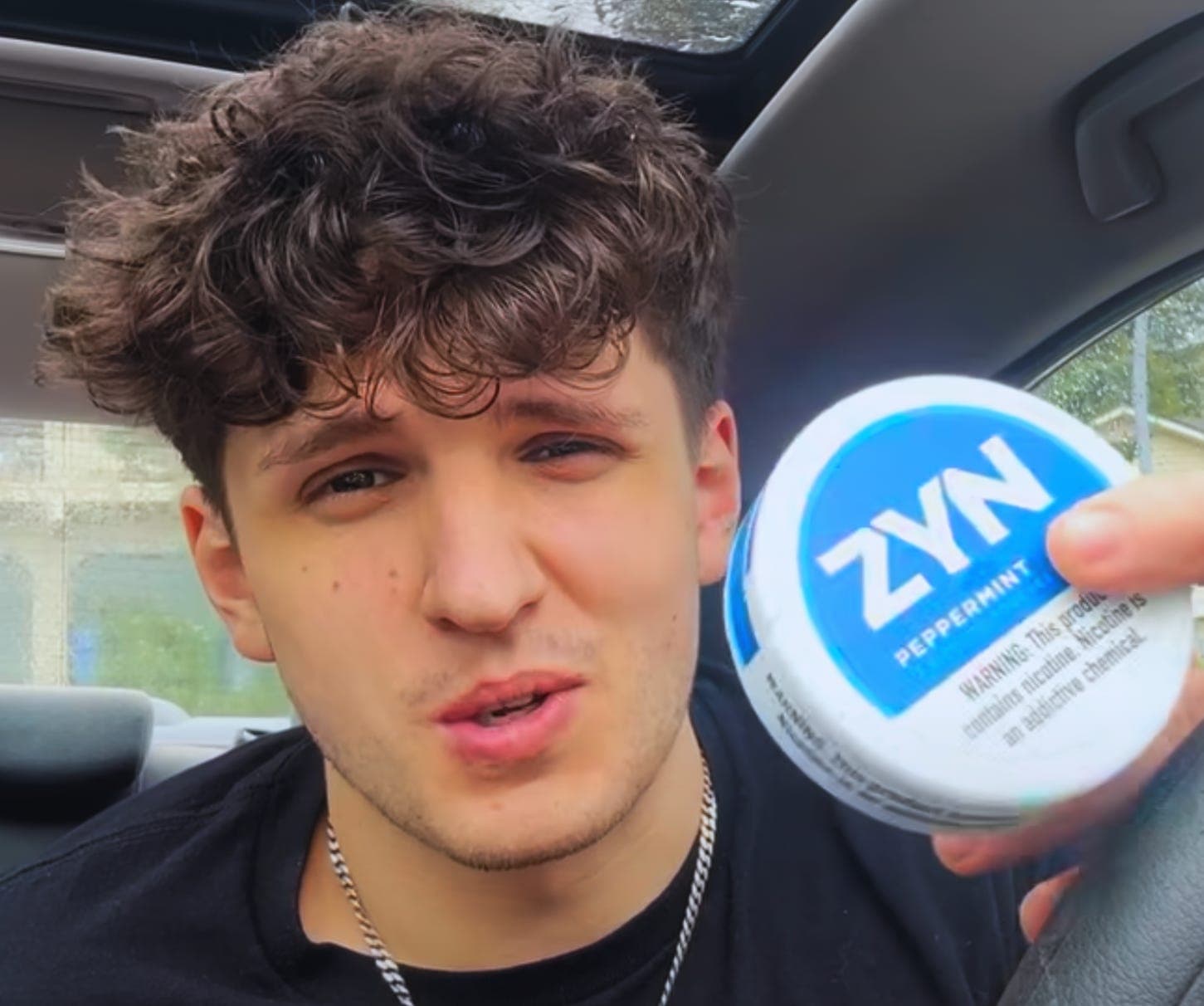
- What is Zyn?: A smokeless nicotine pouch without tobacco, designed for oral use.
- Cultural Impact: Initially perceived as a product for women in Sweden, it has transitioned into a symbol of American masculinity, gaining popularity among male podcasters and influencers.
Guest Introduction
- T.M. Brown: Journalist and author of a New York Times piece on Zyn's connection to masculinity and politics.
Zyn’s Popularity and Cultural Resonance
- Political Symbolism: Zyn has garnered attention as a political lightning rod, embraced by figures in the right-leaning media landscape, including Tucker Carlson and Joe Rogan.
- Manosphere Connection: The podcast discusses how Zyn ties into current definitions of masculinity within the digital age, especially among certain online communities.
The Journey of Zyn
- Origin: Developed by Swedish Match and later acquired by Philip Morris.
- Consumer Demographics: Shifted from a product favored by women in Sweden to a predominantly male audience in the U.S.
- Cultural Signifiers: Zyn embodies contradictions—indulgence vs. health, working-class culture vs. digital hustle.
Marketing and Influence
- Grassroots Influence: Zyn gained traction without traditional advertising, relying instead on organic interest and social media "Zynfluencers."
- Cultural Comparisons: Compared to vaping, which has seen a decline in popularity, Zyn has found a niche as a discreet, socially acceptable form of nicotine consumption.
Discussions on Individualism and Community
- Isolation vs. Socialization: The hosts and Teddy discuss how Zyn is consumed—often seen as a solitary act, yet it still fosters connections among users in certain environments.
- Political Ideology: The product's rise to prominence reflects broader socio-political trends and sentiments, particularly around masculinity and individualism in modern culture.
Broader Implications
- Coping Mechanism: The conversation hints at the cultural climate of anxiety and hustle, suggesting that Zyn serves as a coping mechanism for contemporary stressors.
- Market Dynamics: The episode concludes with reflections on how Zyn's success is emblematic of the evolving landscape of nicotine products and their marketing in a heavily regulated environment.
Key Takeaways
- Zyn's journey illustrates the complexities of cultural symbolism tied to consumer products, particularly in the context of American masculinity and digital influence.
- The episode raises important questions about health, marketing, and community, revealing how products like Zyn become intertwined with broader societal narratives.
- The organic rise of Zyn amidst regulatory scrutiny showcases the nuanced relationship between consumer behavior and cultural trends, particularly among younger demographics.
Conclusion This episode of The Culture Journalist provides a thought-provoking analysis of Zyn, delving into its cultural significance and the societal implications of its popularity. The discussion brings to light how a simple nicotine product can encapsulate broader themes of masculinity, political ideology, and the pressures of modern life.
Written by AI. May contain mistakes. Listen to the episode to check what was said.
Transcript
Automatic transcript. May contain errors.0:00My ad campaign, which I've already written and produced in my head is, Zinn is not a sin. Zinn is a life-saving medical product that enhances male vitality and mental acuity. Zinn is like the hand of God reaching down and massaging your central nervous system. Zinn is not a sin. Hey guys, it's Andrea and Emily here with The Culture Journalist, a podcast about culture in the age of platforms. All right, Emily, what was the first time that you heard of or encountered Zinn? I don't remember exactly the first time I encountered it online or became aware of it, but I do remember the first time I saw a Zin canister or whatever it's called.
0:37My partner was reporting on a Trump rally in Pennsylvania and I accompanied him, which was a crazy experience. But I remember I saw a canister of Zin after the rally was over, like poetically left behind on the grass. Oh, wow. A metaphor. What about you, Andrea? I remember pretty clearly, actually, because I was so like, what is this? I'd just gotten drinks with a friend and he was giving me a ride home and I was like sitting in the passenger seat of the car and between us and the console. He like reached over and took out this canister and took out a Zinn pouch and put it in his mouth. And I was like, what is that?
1:11And he's like, it's Zinn's. They're like nicotine packets that you put in your mouth, but there's no tobacco. And I was like, oh, my God. Like, I just remember thinking it was just so bizarre and weird. And I was just like, who's even doing this? And lo and behold, now it's like a cultural phenomenon. on. So if you don't already know, Zin is like basically another form of smokeless nicotine, but rather than a vape, they come in pouch form in these little tins and you take out the pouches and you put one between your lip and your gums and that's how you get the buzz. So sort of like digital era cleaned up chewing tobacco.
1:44Yeah, exactly. That's why I was like, so this is the e-vape equivalent of chewing tobacco when my friend had it. Yeah. So today we're going to talk about Zin. Superficially, this can seem like just another post-cigarette nicotine push from Big Tobacco, but if you look a little closer, you'll find that Zin has taken on an entire life and culture of its own, complete with political connotations, subcultural slang, and even what is called social media Zinfluencers. You can count Tucker Carlson, Joe Rogan, and even someone like Hassan Piker, who some have called the Joe Rogan of the left, among Zin's highest profile enthusiasts.
2:21It's become a symbol of American masculinity in the age of the bro-coded YouTube podcast, the digital era equivalent of whipping out a tin of dip in the frat house. What makes this all especially fascinating is that Zinn's parent company, Philip Morris, doesn't use social media influencers or accept partnership requests or stuff like that. This has all happened organically. To find out how and why Zinn became both a new symbol of American masculinity and a political the lightning rod, journalist Teddy Brown published Deep Dive for the New York Times just before the November election. Teddy, who's also a member of our Cujoplex Discord server, check it out, dropped the piece in one of our chat rooms, and we haven't stopped thinking about it since.
3:03So we decided to have him on for a brief cultural and social history of Zinn. We get into why Zinn resonates with male customers in particular. Despite initially being much more popular among women in the product's home country of Sweden, its bizarre trajectory across national borders and party lines, and its multifaceted nature as a social signifier that somehow manages to encompass indulgence in health, working class culture and internet hustle culture, individualism and brotherly love all at the same time. We'll be right back with Teddy after the break.
3:44Sleepin' up, spit it out. Wake up, check your mouth, and there's nothing in it. And you'll ask yourself, where is my sin? Where is my couch? Where is my sin?
4:05The Culture Journalist is an independent project that relies on word of mouth and is funded entirely by listeners. If this pod had something meaningful to your life and you want to access everything we put out, please consider supporting our work by becoming a paid subscriber over at our sub stack. Paid subscribers receive access to our Discord community, the Cujoplex, full access to bonus episodes, and more goodies. Our bonus eps are where we get personal and experimental. Recent ones have included a conversation with Brandon Hagen of Vundabar about what it's like to have your indie band randomly blow up on TikTok.
4:40an oral essay by Emily revisiting her former years as a Kim's video clerk, and an upcoming conversation with Teddy Brown about the unseen algorithms actually running our world. You can get it all right now by subscribing over at theculturejournalist.substack.com. Hey guys, we are back with Teddy Brown, also known by his byline, TM Brown. Thanks for coming on the show, Teddy. Hello, thanks for having me. All right. So today we're talking about Zin. You wrote a great piece on it and all of its wide ranging cultural implications for the New York Times. For the unacquainted, what is Zin? Is it just like glorified Nicorette or like kind of basically like e-chewing tobacco?
5:22So Zin are little pouches of nicotine salts that are extracted from tobacco plants. They come in three milligrams, six milligrams. In Europe, they come in much higher concentrations, but they're the size i like to say of like your fingernail and you put them in your lower lip or your upper lip or anywhere around your gums and they give you a nicotine buzz like you would get from smoking cigarette or a jewel or anything else um yeah they are exceptionally popular now can you talk about like where zin comes from like who owns in is it one of the major like tobacco companies rechristened harm reduction companies or something i love the dominoes of harm reduction stuff, smokeless future that every tobacco company has to sort of salute.
6:06It's just awesome. It's great. We love it. I love telling people that the Truth Initiative is actually part of the settlement between tobacco companies and the Guffer. Anyways, Zinn was started by Swedish Match, which is a Swedish tobacco company that was eventually purchased by Philip Morris for several hundred million dollars, I guess maybe six or seven years ago now, maybe a little longer, that produced Zinn. They were basing this off of effectively a less harmful snus, which is very popular in Scandinavia. The reason between snus and zinn is that snus contains tobacco, and zinn does not. Snus will give you basically the same buzz as what a chewing tobacco does.
6:41It has the same effects on your gums. Snus also comes in little packages so you don't have to spit. It's very Scandinavian in that way. But it will also wear down your gum lining much in the same way that chewing tobacco does. It's carcinogenic. I have several Swedish friends who can put their fingers way further into their mouths than they should be able to into their gum linings. It's really gnarly stuff. Zin and other nicotine salt pouches were developed in order to serve as a snuff cessation tool. And now they're effectively used that way in North America, distributed and manufactured by Philip Morris Inc.
7:13They sold hundreds of millions of these in the first half of the year. I think they'll eclipse a billion this year, these little tins. To the point that there was a shortage, right? To the point there was a shortage this summer. to the point that if you go to a bodega in New York, the guys who run them will tell you that people try to sell them fake Zin all the time and that there's still sort of a limited distribution for Zin. Like they can't keep up with the demand for the most part, that there are fake Zins flying around that are sold in the black market that are like really gnarly for you.
7:43So yeah, you know, stay aware out there. Now even gnarlier. Truly, yes. Not just regular nicotine salts. These are worse than the regular nicotine salts. Two more questions about how much does it cost and do the bodegas in New York sell Zinn Lucys? I've not bought a Zinn Lucy. That's a great question. I should ask some of the like the bigger Zinn heads out there. That's a great question. Yeah. God, that would be so gnarly just like asking for one. And God, I've only bought for research in this story. I think I bought two and then I bought I've bought one more since then. I want to say they're like eight dollars for a three milligram pack.
8:21And I also should say that I get made fun of for having a three milligram instead of a six. It's like very much like the wussy dose. The six milligram stuff is disgusting. Like I cannot do it, but some people love it. It sounds like it's kind of cheaper than cigarettes. Much cheaper than cigarettes in New York. Yeah. Which is not the case for Nicorette gum, by the way. Is that right? It's pretty expensive. It's like$80 for a box. And I should say that on the smoking cessation angle of it, I was in Montreal with some friends and they went to go try and buy Zin. they asked someone and they're like, oh, you can only buy Zin at pharmacies because it is officially licensed as a smoking cessation tool, not as like a tobacco product.
8:57So you have to go to like a pharmacy to buy Zin in Canada and it cannot be flavored. So they're just plain nicotine salt pouches. So what drew you to write this piece about Zin and also like when you wrote it, because it came out like, was it right before the election or something? Yeah, the week before the election. We actually accelerated the reporting for it to come out sort of as election coverage was ramping up. And can you explain, yeah, like what's the connection here? Yeah. So there have been several big pieces on Zinn sort of in cultural symbolism over the last year, one in Fox, one of the Washington Post, a few other places.
9:34They've done a great job sort of identifying Zinn's place in the larger sort of manosphere podcast network. So there's a bunch of different things that intersect here. Zin as a product has like somewhat dubious and overstated health benefits in that a lot of people like Andrew Huberman or Joe Rogan are like nicotine is basically a performance enhancing drug. It's like, you know, it's like having an Adderall, like it boosts your concentration. It has an energy boost, all that kind of stuff. And something like Zin doesn't come with the same carcinogenic side effects. Which notably is exactly what they said about vapes when they first came out and then we were about popcorn lung whenever else was going on and yeah so the like the longer term studies of nicotine salts because we have them skandinavia typically the things associated with that are like if you're prone to um heart issues it really it spikes your heart rate just like smoking with cigarette blood nicotine is just like it's a stimulant and so will boost your heart rate but the long-term studies are showing that it's like eh it's like not good for you but it also isn't going to give you mouth cancer like a snooze pouch or a cigarette would.
10:41So that's like one part of it. There's actually studies that say it's not going to give you cancer. They've never, they have not linked it to cancer, to being any more carcinogenic than probably a Nicorette gum would be. Got it. Okay. Yeah. And so there was a big, not push, but there was sort of this affiliation of a lot of right wing or even like a sensibly apolitical, but also like hyper masculine podcast influencer people who were Zin users. So there's like that location of it. And then there's also sort of this interesting part of the right-wing media ecosystem that is like a little more into like indulgence and like owning the libs through like doing whatever they want.
11:24And like Zin kind of fell into that. So you have people like the Milk Boys, not sure if you're familiar with them, there's like cadre of, I think there are some Canadians and like some Canadian guys and some American guys who started out. There also needs to be a whole thing about how YouTube prank to like right wing reactionary podcast pipeline is very much a thing. Like they were started out as like YouTube prank guys. And now they're like insanely right wing reactionary media companies. And I feel like that is like it's a one to one like connection between those two things. But they're big Zinn guys.
11:53And then they got associated with Tucker Carlson. They gave him like a Zinn the size of like a monster shark tire in a video. so there's this sort of more reactionary more like indulgent affiliated network of people and so with this piece and to sort of you know back up a little bit with it the piece is really about how does something like zen play into emerging definitions of american masculinity given the backdrop of the election given the backdrop of manosphere stuff given the backdrop for like media personalities like jordan peterson or um the that bald dude i can't remember his name music, that crazy voice.
12:31Zen is like part of this. And I think there's actually this step, you know, a lot of the conversation that I was interested in came from Max Reed's piece called This Internet, which I think is like so good at locating. This is Max always does this very, very well, locating a bunch of different disparate phenomena and connecting them into like one sort of really tightly drawn outline. And so this piece was about exploring a little bit about that, thinking about the political and cultural symbolism of a little tin of nicotine salts and then trying to sort of use that as a way to talk about masculinity in America.
13:03So I want to sort of pull the timeline thread here a little bit. Like at what point did Zinn start to, like when did it hit the market? And at one point did it start to become a kind of socio-cultural signifier? Like how did it become so synonymous with social media and give rise to what is indeed called the Zinfluencer, which is especially interesting to me given the fact that its parent company, Swedish Match, says it doesn't use influencers and even rejects partnership requests? So I believe Zinn came on the market in the teens and sort of picking up some popularity, especially among military users during that time.
13:37There were a couple of interviews I did with veterans who were early adopters for this because everyone said, I can't smoke on patrol. Dipping leaves like a trail of spit, which is disgusting. And Zinn was clean. It gave me just the nicotine high, nothing else. There was no nausea or having to keep up a bottle around or whatever it was. And so it was purely just like, it was a simulant. These guys would say, kept me awake on patrol. If you're up for three, six hours and you can't smoke, this was like a godsend. And so we had ordered it from Sweden when it was made by Swedish Smash and have it shipped to the base or have it available on base at different places we'd go through the commissary program.
14:15So the initial period of that was a ton of early adopters, especially in the military. And then it started gaining more and more popularity, I think, through those networks for the most part, and then through advertising. And it just picked up this organic momentum because to your point, they didn't advertise this. It's like, why do people smoke barbara lights or camels or anything? It's like, well, they're not really advertising that anymore, but there is a way to get that in front of people who are going to be susceptible to smoking. I talked to a tobacco marketing consultant about this and he's like, everyone comes across a tobacco experience in their life.
14:47And you just have to be there when it happens. So like everyone will smoke or vape or dip or zin or snooze, right? Like so at some point, unless you're like, I have friends who've never done any of that, like very, very few of them. The vast majority that will happen at some point. And as a marketer in the tobacco industry, your job is to be there when it happens. Wow. But like, how did it end up getting all this traction? Is it just because like vapes were kind of on the decline because I'm sure at least the millennials among us remember like the whole phenomenon of like vapors on YouTube and stuff like blowing fat clouds and all that.
15:23Was there just like a void that needed to be filled by Zinn and it just kind of naturally slotted in that way? Or is this like a different kind of beast in terms of social media phenomenon? You know, I think there's three things happening here. And like one is the sort of very rapid rise and fall of vaping. I think that both the health and cultural location of vaping sort of ebbed and flowed very quickly so you had this sort of well we can we're gonna vape now and jewels were cool and you know e-cigarettes and all this kind of stuff or elf bars and shit and then people were like this probably isn't that good for me and the research coming out is that it definitely isn't good for me and then i think there was a cultural association with like vape guys who have you know the rigs of like a vape where they're blowing gigantic clouds out i think that probably played into the like cultural sort of downslide for vaping as like a cool thing to have and then i I think that Zin as a like healthy, healthy in large quotation marks, alternative to smoking that's so got you like stimulated was really important.
16:21So like it's really big in finance because you couldn't get Adderall, but you got a tin of Zin on your desk and you need to like do 18 million spreadsheets, whatever the fuck you do in your investment banker. And you get like six hours of sleep at night. Like you can just have a Zin in front of you and it becomes sort of your de facto stimulant instead of having to go outside to smoke instead of dipping instead of like having to go find an Adderall script from a doctor it was like this very valuable inconspicuous device for getting a buzz I think that was very important and the third part is like we talked about like tobacco companies are really good at this learning about the restrictions of tobacco marketing was really fascinating because it it doesn't make any sense how they can sell anything given how limited they are and how they can advertise but that's what I've been wondering like while researching this story well like i i did a story or i i helped edit a couple of stories on this in my day job and i'm just like how are they getting because they have the whole thing too with the prize packs or like you know like the cereal box mentality where if you like collect like x number of zintins like you get like a yeti cooler or something like that and i was like how are they getting away with that like it's such a weird world of marketing regulations that the tobacco industry is in which has been like that's been the case for a while i remember my mother having like the marlboro gym bag because she smoked so many Marlboro lights, like, because you just send in the boxes to get a bag.
17:40Yep. You know, this is just sort of like the life people had. And I think they're just trying to sort of capitalize on that. But yeah, like, it's also very funny, because you can still market them very liberally. In Europe, like you can still do the hand promotions in bars, if the events are age gated. So like, if you know, bars over the smoking age, you can have like promoters go in and give people two tins of Zen. I remember talking to a guy who was starting his own nicotine salts company in Canada. And he said, you know, I can't get these out like on campuses, but if there's a place I know where everyone is above the smoking age, what we would do is go to people who were smoking and say like, Hey, if you like, have you been meaning to quit?
18:19Like you should try these. And like, that's a very like well-trod system for promoting vapes. It was a good thing for running Zen. Like it's, it works pretty well. Cause I will say that smoking, especially about young people, I always say, this is the one thing everyone's trying to quit. But there's never been a time where like, yeah, I smoke the right amount. Like as a social smoker, I'm like, I'm always trying to be like, I should probably smoke less. And I think everyone is always trying to quit at one time or another. So it's actually a very savvy marketing strategy to be like, oh, yeah, we're going to try and get people to quit by switching to a different nicotine source.
18:47And then because of that and the decline of vaping, it just like you talk about in your article how it's like you have people like literally showing Zintin shrines and stacks. And I remember when I was researching during the shortage, like there were all these TikToks of people like showing off their like horde hauls. You know, like I found some, like I bought out the whole store. And it's like, you're getting none of this is that like they reject partnerships. Like this is all just the will of the people. And that's what's so strange about all this stuff is like we tried to figure out like where the big bang was for all this stuff.
19:17But I truly think it's just people trying to hop on a trend to get views. And like that's all it is. It's like not any deeper than that. It's just like someone seeing something that's popping off on TikTok and throwing up like hashtags influencer, hashtag FYP, just so they can get on your FYP and get some followers. And that's it. Like there's a go any any further than that is doing too much analysis. Like that's what's happening, which is so strange to me. Maybe the shortage worked in their favor because of a bunch of people are addicted to it. And people were posting about the shortage and that became its own thing.
19:50Right. Yeah. Yeah. Just one more follow up to that is like, why do you think these products or what even Zen? Because I think there's like a couple of other brands, but it's really mostly Zen. Why is it having such a moment or resonating so much? I feel like especially with Gen Z. I know you did point out earlier astutely that, you know, every generation like has its thing, whether it's cigarettes or vapes or pouches or chewing tobacco or whatever. But this does feel like it has particularly been seized upon by Gen Z. Correct me if I'm wrong. Yeah. I wonder if maybe like, is it something symptomatic of like the intense, like sort of like labor market stress, overall anxiety of our current zeitgeist?
20:30I don't know. So I think there is a difference between what the popular vision and image of a Zin user is versus the practical realities of them. Because there have been a couple of studies about smokeless tobacco products, which includes obviously chewing tobacco and stuff. And I think the median age of users for last year was like 36 or 37. And so I think that what's driving the hundreds of millions of Zin tins that are being sold is actually much more millennial to Gen X people who are like, don't want to smoke because they maybe are like, my brother-in-law's a cop. He's a Gen Z cop, but he's like, yeah, I don't smoke because I have to run sometimes.
21:09So I have Zin because it keeps me awake. And I think there's a little bit of that happening where like there's people who are in jobs that are more physically demanding are maybe using Zinn as a way for us to stimulate them one impact your health in the same way as what he does. And then the people I know that are sort of in in the millennial age bracket use it as like they probably, you know, maybe we're using like Adderall and like this is so much easier to do. This is like easier to get. It gives me the same boost of energy, all that kind of stuff. And, you know, it just like, instead of having to find a doctor who might, you know, write, write me a script for this, I can just go to the bodega and buy it in Zen.
21:45That being said, the popular imagination of the Zen user being the Gen Z, you know, with the, my friend calls it like the, the bus and haircut, like the kids who run TikTok and shit. Like those kids being Zen users, I think is much more aligning themselves with popular imagery of what they see on the internet and not driven by an actual desire to use these things. Like not to go into like psychology of this, but like what they're doing is very interesting to me because I think that like you saw a little bit of a right wing shift with like Gen Z white dudes. And it's because they like watch the Nelk boys and it's like the Nelk boys of Zen.
22:23I want to do what they do. So if I associate myself with this product, then maybe it gives me the same sort of runway to like become an influencer or, you know, get as famous as fucking Jake Paul or something. Like, I think there's a little bit of that going on as well. Right. Interesting. I thought it was funny because that was like the main stereotype that I had associated with the Zin user. but then I thought it was really funny that your piece talks about like hanging out in like downtown Manhattan and there's like young presumably more liberal though I don't know maybe some reactionary young artists and media types sitting around and they're using zin so it seems like it's like trendy maybe or just I don't know if it's trendy but just useful in other scenes um where does it sit in the taxonomy of like other trendy non-tobacco nicotine products?
23:17Like, does it seem like vaping became corny or lame and Zin isn't? That's a really good question. I talked to Larry Schlossman, who hosts Throwing Fits about this. He was one of the guys I interviewed for the piece. And he was like, cigarettes, if you smoke cigarettes, like, man, it's really bad for you, but it still like looks really cool. And like Zin is like very conspicuous and no one is like, Like, you know, you might bum one from someone if you're going inside somewhere. Like when I go, like you can't smoke in the place. So it's like there's this sort of practical veneer to it, which I think also associates itself with like a media class in New York.
23:50And I'm sure in a lot of other places where it's like you have to work really hard. You have to bounce from like different parties to events, like talking to different people. And so it has that like practical speed boost for stuff. I think that like vapes, like sort of splitting the difference between those two made it part of neither of those categories. It's just like it became like uncool to have like, you know, a jewel going around, even though I will say that if like I have a couple of drinks and someone has an off bar, I will be smoking the off bar. It did seem like for a while, at least according to the New York Times or like those kinds of New York centric publications, like smoking came back after the pandemic when it was kind of like in the mid to late 2010s.
24:30I feel like it was quite stigmatized in creative circles even or you just didn't see it a lot. And I guess a lot of people were vaping. Then, yeah, I feel like there was like this cigarette had a had a fleeting moment. And maybe now it's in or I'm not really on the ground now. Maybe people are both smoking and using Zin to like, as you said, when they go inside or they can't go out for a smoke break. It does feel like more people. I mean, there was the Hestia cigarettes piece from a year or two ago that, you know, someone was trying to finally start like the cool person cigarette. And I kind of like, yeah, like it kind of came and went.
25:01I remember them just getting like sent to a lot of different people, including like editors and stuff. And yeah, I definitely noticed more social smoking. And I've been in New York for 15 years. more social smoking now than in previous including myself like i think i've smoked more than i did for many years and it just a product of like a lot more people having cigarettes on them which is a little bit surprising honestly but i think that those trend pieces were right a lot of ways and that they're i'm not sure if it's a cavalier attitude towards health but i think it was this sort of two-year like man we have to be like really healthy and take care of ourselves and now everyone is sort of using that as an excuse to sort of let go a little bit what's funny to me is that like Nicorette gum has been around for a really long time and it seems like quite similar to Zen in terms of like, you know, it's obviously it has a lot of nicotine in it and nicotine has certain known negative health effects, but is generally like a doctor will be like, oh, that's okay if you smoke Nicorette.
Read the full transcript
25:59But they're quite similar. And what's funny to me is that it's almost like they're the same thing, but one just is branded as a trend and the other is just considered like a medical tool yeah absolutely i mean it's kind of one of those luck of the draw and honestly it's probably because of the hundreds of millions of dollars that pmi and the other companies put behind the marketing campaigns to make it cool and to make it into like this sort of cultural objects and again like it's so funny that that system is working without being able to see it because it's like very obviously successful like they're building a giant zin factory in Aurora, Colorado, to the tune of like$500 billion.
26:35It's a huge bet. And they're like, no, Zin is going to be the thing. Zin is going to be cigarettes and we're going to make billions of dollars from this. So even though we can't see the marketing happening in a lot of ways, it is still happening. And they were still trying to position this product as the next big thing in tobacco.
26:55If you like what you're hearing on this episode, there's a place where you can join the conversation. It's called Cujoplex, and it's a private online hangout zone on Discord where smart, cool weirdos just like you, you know, people who like talking about the evolving state of independent culture, can congregate, share links, and talk about the news of the day. We've had some great conversations lately about creative economies, media theory, AI, politics, the future of journalism, and even the records and TV shows we've been obsessing over this year. Some of our chats have even inspired episode ideas.
27:30You can get access to Kujoplex along with our monthly bonus episodes by signing up for a paid subscription over at our Substack. That's theculturejournalist.substack.com. So you have this quote from the Lawrence Schlaussman, the throwing fits host that you mentioned earlier in your piece. And, you know, he says it's not as chic and classic as smoking, but it's nowhere near as corny and lame as vaping. which is just like that really struck me because I mean am I getting it wrong in that like I feel like zin is really just like the synthetic analog to chewing tobacco which to me I mean I think we can all agree like chewing tobacco or snooze or whatever at least in the U.S.
28:09like have like kind of a déclasse connotation you know like sort of it was like considered like bottom of the rung of like your nicotine or tobacco products of choice it's like a very classed connotation and I remember when I first saw a zin which was like maybe like a year ago or encountered a friend who used it I was like damn that's like that's like intense like you know like that's weird I don't know it just made me think of chewing tobacco I don't know that's why that's why it seems weird that it's like that's considered like less like again with this taxonomy if it's like smoking is like quote-unquote like the most chic that lip pill says it's like my favorite my favorite slang that come out of that community would actually be like a tier above vaping because of that association but it may be maybe it doesn't have that association or maybe it's part of this reclamation that we're going to talk about in the next question but working class aesthetics are completely fetishized in today's culture like we see that like is this a part of that working class aesthetic or is it different from that is what i'm wondering i guess and also i definitely like i knew several creative class men who dipped like yeah back of the times and thought it was cool but gross there's two things happening i think emily's point is is really well taken And, you know, we talked a little bit about this in the piece.
29:20There is such a shattered idea of like coherent cultural symbolism. And we kind of saw that like, I would say like the initial hipster wave of drinking PBR and dive bars and stuff is like where we really saw the start of that like fracturing where it's like, you know, my dad grew up in rural Colorado. And I remember talking to like a beer distributor guy, you know, a friend of his about, about Coors. He's like, people in Colorado, when I was growing up, you drank Coors Banquet or you drank Coors Light, and there was no other beer you were allowed to drink effectively. And it signaled who you were.
29:51People knew exactly who you were if you ordered a banquet or you ordered Coors Light. And he's like, now, he's like talking to me. He's like, now all you guys order, you have like five different domestics you might order. You have three imports. You have one premium. And we don't know what the fuck to make any here because we have no idea what you're going to buy. And it is so much more difficult because you guys do not have a cohesive taxonomy of like your tastes. And I think that, Emily, to your point, like that is like the working class visualization stuff plays into that. Like me ordering a high life at a bar, like used to signal something about me and now it doesn't signal anything.
30:22It might actually signal opposite things about me. It might signal like different things, but it's such a different way of like cultural objects losing their original intention that is very, very interesting to me. You could almost say that it serves as a gesture in multiple directions simultaneously, where it has a little bit of the connotation of the chewing tobacco, but then also has a little bit of a high-tech, future-forward podcaster veneer or something. Yeah, absolutely. And cleaner, healthier. It's like biohacking tobacco, basically. It's like, oh man, we have all the good stuff about tobacco and none of the bad stuff.
30:58This is great. Silicon Valley loves it. It is very much just like the optimizing your health, you know, biohacker style stuff. I should say that one other thing about this is that so the vast majority of Zin users are men. I think it's something it's in the high 90%. And the reason behind that in talking to some industry analysts about this is because women associated with chewing tobacco and chewing tobacco is very much not consumed by women in America. And everyone I talked to was like the timeline of tobacco consumption is very, very long. Zinn in Sweden, when it was introduced, was very feminine coded.
31:34You talk to fratty Swedish guys, they're like, yeah, that's for girls. We do snus and women do Zinn. Now that it's slowly changed where it's become much more 50-50 in Scandinavia. And so I think that thinking about this stuff as a timeline of consumption habits is an important way of considering how something I think Zinn fits into all these categories. Like it's not always going to be this exact consumer. I think that's what tobacco companies are betting on. It's like this is going to be everybody. So I guess on that note, Teddy, your article really mainly focuses on how Zinn has given rise to a cultural milieu that's like much bigger than the product itself, which our friend of the pod, Max Reed, who you cite a lot in the article, has dubbed the Zinternet.
32:17talk a little bit more about what that is and why do you think zinn has found particular resonance with male customers specifically one thing i love about this internet piece is that max is like you don't actually have to do zinn to be in this internet which is like a great right exactly like twist about it it's just the association with it and i like that he locates it you know within a bunch of different things that are happening simultaneously mostly in like sort of reactionary politics and sort of, you know, fratty cultural analysis and like happenings. It's a vibe one might say. It is. It is truly like this huge vibe of like frat guys who are looking for a political ideology and they have found it through Hak Tua and Zin and sports gambling.
32:59It is certainly a coalition. I think that for a lot of those guys, I think, again, it's like a little bit naughty in that Chuck Schumer wanted to take away and these guys don't like Chuck Schumer or libs or anything. I think that's a big part of it. and that you're kind of doing something a little mischievous. I think that's like, that's a huge appeal in it. Three guys that we found, we were doing this story. You know, they're at the Lower East Side. This is also when I was like, Trump's going to win. These three dudes were just sitting there with like three tins of Zin out in front of them. And they were just, you know, knocking back beers, popping Zins, talking about hockey.
33:35And I was like, this is just like fella time. These guys just like love hanging with their dude friends. and this is so like associated with that. And I think that it just, it sort of took on this sort of masculine association and a masculine affinity where it just became part of this like wider set of symbolic objects that you have in your pocket at all times. Again, it's one of those things you're like, we don't know really how it came to happen, but it's definitely associated with a certain brand of sort of straight white 25 to four year old male. And it is like part of that identity structure.
34:09Were there any specific figures responsible for it taking on this strong political connotation? Was it like Tucker Carlson, for example? Yeah. Like, was it Tucker first or the Nelk boys? We know that Tucker then disowned Zinn because he found out that Philip Morris had donated to the Kamala campaign. Yeah, he also said that it was because he talked about how Zin is a good erectile dysfunction treatment. And PMI was like, absolutely not. You cannot say that. Please, please take that back. And Tucker was like, now he thinks Zin is for women, I think was his exact words. It is, yeah. It was a very funny back and forth.
34:54And then, of course, he launched his own nicotine salt company. I want to go into the business of this as well because it's all very like, Zen is not like legal per se. They're like going through their marketing application review process from the FDA. So like it's the wild west right now for all this stuff. It's fucking crazy. But back to the political aspect of it. So you have, you know, your usual suspects of the like manosphere media personalities. So you have people like Joe Rogan and Andrew Huberman and Jordan Peterson who are like like talking about like health to a certain degree they like talking about you know sort of maximizing physical potential through different approaches and stuff so like Joe Rogan has a very like famous episode where he tries in for the first time and it's like this is fucking crazy he has like military guys special forces guys you like love talking about sin and like I will say that no one loves special forces like podcast appearances more than like gen z dudes living in like indiana and delaware and shit like they love it they love special forces andrew humerman talks about nicotine salts and nicotine generally being a performance enhancing substance and so there are quite a lot of young men who are like interested in that aspect of things in terms of like thinking about physical performance and thinking about being in the gym and all this kind of stuff that's one component of it and then the political aspect of it grew out of those associations where like the nilk boys doing Zinn.
36:20Actually, that's a big question. I actually don't know when they started sort of like being associated with it. There's an interesting twist here where I'm sure Tucker Carlson loves like grew up doing shooting tobacco and shit. I'm sure he loves nicotine products. But so much of the demonstrative association with something like Zinn for someone like Tucker Carlson is much more about associating himself with a media organization like the Milk Boys, who have young audiences of mostly men who Tucker wants access to as an audience. So there is sort of a cynical aspect to all this, a very old school marketing aspect where it's like, you have an audience that I want, so can I associate myself with you in order to have access to that audience?
37:02And Zin became the bridge there, which is interesting for like a tobacco product that has, you know, no sort of, no thinking of itself and no political associations and very little active marketing associations. But for those two parties to see this tin of nicotine salts as like a bridge between audiences is like interesting from like a media theory perspective. It's almost like how on TikTok, everyone will use like the same song to communicate like different people across different ideological lines will like use the same song or the same like hashtag or whatever to like hit people's feeds. Like it's almost like a hashtag or something.
37:44Yeah. Or like two influencers like doing like a dance together or something or like collabing. There is like this weird ecosystem of all that happening. And this is just an example of that, but using a product instead of like a song in that way, like you're so connect audiences together and like sort of benefit you both. Totally. So would you say it's, it kind of always had this sort of right leaning affiliation that just kind of obviously became much bigger than itself, maybe partially because of its, you know, origins and popularity with the military service? Yeah, I think, and honestly, I think the point about chewing tobacco is probably, it's going to bring up because I think the immediate association with Zinn is that you assume it's like chewing tobacco because snus isn't very popular in America.
38:27That the idea of like a tobacco you can't smoke, well, the automatic sort of thing that comes from your brand is chewing tobacco. So chewing tobacco being heavily associated with Southern, more conservative types as well as with the military is probably a valuable sort of jumping off point to think about Zinn as more of a right-leaning, right sort of coded product. Yeah, I think that's probably, you know, sort of a good hypothesis about why it's been more associated with right-leaning folks than, you know, pure average liberal. But not in Sweden, which is funny. But not in Sweden, where everyone does it.
38:59They're like the Stus uptake and Zinn uptake and nicotine pouch uptake in Sweden is incredibly high. It is like everyone does noose. Very few people smoke. It's very strange. So you mentioned in your piece that, you know, we have seen, you know, this kind of politicization happen with other brands like, you know, Goya and Bud Light and Starbucks. What's interesting to me is that in those cases, it seemed like those became politicized after the brands either attempted overtly political marketing and then had backlash or kind of otherwise, like in the case of Goya, became like attached to a political matter.
39:35But with Zin, its political affiliations kind of seem to have organically evolved alongside it. Do you think that this politicization that we saw with Zin is something that's unique to it? Or maybe is it symptomatic of the kind of like discursive cycle that maybe like all popular lifestyle products or trends are now subject to? I think it's more the latter now. I think you're going to see this very accelerated uptick of anytime a product gets even a hint of having a political valence to it, you will have people taking advantage of it in one way or another. So when Marjorie Taylor Green sees that Chuck Schumer, it doesn't, that's the thing.
40:10It didn't matter what Chuck Schumer was trying to regulate. If he was trying to regulate. Exactly. Exactly. That's all that matters. No matter what this product was, it could have been like a coffee bean or something. You know what? He could have been trying to say that Black Rifle Coffee is putting amphetamines in our coffee. We have to look into it or something. And she'd have been like, yeah, you'll take this from my cold at hand because it didn't matter that it was a politically coded product to begin with, but that it was a liberal Democrat trying to regulate something that she saw as a political cudgel and she could use.
40:40And you'll see that not just from politicians now, but from people who are associated with those political spectrums. And I think that's like it's opportunistic, it's cynical, but it's going to happen much faster and much more often. Right. Another thing that's sort of interesting to me with this is that, you know, to an extent, And we've talked about this a little bit already in this conversation. Like these kinds of semiotics have always been a part of capitalist society, right? Like conspicuous consumption or like what we were talking about with like, you know, hipsters and PBR, all of that.
41:07But what I'm wondering is like, why might a certain product pick up an explicitly political connotation versus something that's more maybe an implicitly like classed one? Yeah, I think with Zinn specifically, I think just felt it sort of was a perfect conflation of a bunch of different movements. I think that we talked about it being adopted by podcasters who are really popular with like reactionary young men as part of it. It being popular with the military as part of it. I think that there was just a bunch of different meaning points for this, that it got swept up in like very large political currents, which it would be hard to find like another product that has all those intersections in the same way.
41:44As much as I was saying that like you will see this happen to a lot more products. I think that Zinn specifically had so many ready-made associations with it before it sort of caught political fire that it was sort of tailor-made for something like this to happen. And also we live in this moment, like this exact moment, especially in which like the article was published where like class was so politicized. Whereas like you can look back at chewing tobacco in the past and be like, well, that was just a class thing. It wasn't a political thing. And it just so happens that class was so in the political discourse.
42:15Right. At that moment. It's funny about Zinn is that, you know, we were talking about sort of the popular imagination, the practical reality of who consumes Zinn. I think that the funny thing about smoking is that, you know, the excise tax on cigarettes was totally regressive. Like, rich people don't smoke. Like, that has always been the case. It was like smoking is very much a working class habit, like a poor person habit. So there was resistance to it, but not in the way that like that Zinn picked up. where like, you know, obviously people don't want to pay higher taxes. Cigarette's really expensive now.
42:44There was a public good associated with it for, you know, for heart issues and cancer, everything else. Zinn, because the popular imagination of Zinn is one that is so, it's fluid between classes, right? Everyone consumes Zinn that it took on this much larger political resistance, which I find interesting. And that like, actually the reality is that most of the guys who do Zinn don't look like the guy who's in the front page of the Times article. Like it's bartenders and firefighters and stuff. So it's interesting that it has this association with sort of cross-class appeal, but the reality is much more that it's like it's from a profile, so people would dip in a new smoke.
43:21All right. To wrap this up, I have an observation that just kind of came to me while I've been researching it and preparing for this conversation that I'd love to get both of your thoughts on, which was that I was thinking about how Zinn, you know, unlike most smoke-based or tobacco products, feels kind of inherently individualistic. like there's nothing social about it you know so many people would start smoking cigarettes or even vaping because it was like a thing you have to do outside with other people that had to do outside or maybe use it to like break the ice with co-workers or whatever there's nothing about it that can like you know impact others well-being and it's also something that can't really be surveilled or banned you know like it's like telling someone like you can't chew gum right I wonder how much of that do you guys think is maybe part of the undercurrent with its rise and, you know, the larger fracture lines that we're seeing kind of in society and politics right now and the rise of the individual.
44:17Like, you can't take this from me. Like, fuck community caring about others. I don't know. I might be going overboard here. But do you hear what I'm saying? It's more conscientious of others if it doesn't affect their health or that you could view it that way, maybe. Yeah, I don't think that's where people are coming from it, though. You're not wrong. But when I was talking to, shout out Marie Solis, my editor, who's wonderful. She really helped make this route into what it was. When I went to her with the story at first, I said the exact same thing. I was like, Zinn is so anti-community. It's stuff you do when you're gaming in your basement and don't have any like real life friends.
44:49And it's like sad. Like cigarettes might be really bad for you, but at least I made very close, like lifelong friends from having a cigarette outside of a bar. But Zinn is the exact opposite of that. Zinn is like something you do while you're alone and you're isolated and all that kind of stuff. in reporting this out i found out that like isn't really the kid like okay you you like bums in some people at bars and start conversations the same way you did when you would bum a cigarette like a lot of people do it like at work because they don't want to smoke it's much more like a a practical exercise like sure there are people who like play call of duty in their basement and like pop a zinn in but i was on the i was like this is like the perfect sort of product analog like products for the isolated male.
45:30And in reporting it out, I'm like, ah, that's, I, that was wrong. This is very much in sort of in line with what cigarette habits were in terms of consumption, in terms of like it being maybe not social in the same way, but certainly not isolating in the way that sort of my, my imagination had it. Also like this just made me think about like, why do we consider smoking to be social that you go out and you have a cigarette with someone? Is that idea even just like downstream of smoking becoming ostracized like when everybody was allowed to smoke all the time anywhere with each other was it considered a social activity to the same extent or was it only once it became considered unhealthy and ostracized it became this thing like people go outside together and bond over and then I also think of like baseball and like baseball I guess people were dipping a lot historically and now they chew gum I assume they're not allowed to dip and maybe they do but it's like in that case it's the same kind of thing but it is it's like being part of a culture to be like standing there next to the other guys and you're all chewing together right like even if it is kind of more of an individualistic habit it's still forging community around it there is a sort of nod right of like oh can i like you like i remember when I was reporting this, like chased a couple of guys who had like the outline of the tin in their back pocket to look for people to interview.
46:57And like even that, you're like, oh, that guy has one. Like I can talk to that guy. Like I have a reason that can go over to that person to bum one from this person. So there is like a little bit of this, like this club aspect to it. And let me do to your point about like smoking becoming a social thing. Like when you limit the spaces that people can do things, you make those limited spaces much more tightly knit. And so I think that like When you have to force people outside to smoke or into a smoking section, everyone in that sort of ostracization zone now has something to talk about because they complain about having to come outside or complain about the days when you could smoke inside.
47:32And now you have something common to you, which I think is a really unifying thing for people who sort of, you know, whether it's in or smoking or anything else. Whether it's good or not, you know, it's over debate. Another thing is just like speaking to the practical realities of like addiction to nicotine. you get sick of being ostracized after a while you get sick of having to go outside yeah and like maybe these sorts of alternative i sound like an advertisement but maybe these sorts of smokeless alternatives their popularity is like people wanting to be able to continue some of what they get from smoking but in a more socially acceptable way yeah i mean if i'm with a group of non-smokers and i'll like you know step up for a cigarette or something it is a very isolating feeling.
48:15I don't always want to talk to another smoker and I don't always want to have that conversation. But yeah, to your point, it's like if I just get a nicotine fix and pop a zinn and yeah, chances are there's not that same feeling of like having to leave and being conspicuous about it and all that. Is there any point that you wanted to make, Andrea, about how it could be individualistic to counter that? Well, I wonder if there's an element. I don't want to counter it. I think that's a good foil that you offered, Teddy. And, you know, maybe the community it's fostering is speaking to something deeper or is an offshoot of it, like, resonating more deeply.
48:52Because, like, I think maybe with conservatives, I do wonder, I'm probably galaxy braining this too much, honestly. But I wonder if that's part of why, maybe subconsciously part of why it got picked up by the right. Because it's this thing that could be done anywhere. They didn't have to worry about, well, you're not allowed to do this. You're not allowed to do that. Nonetheless, I think it does connote a certain amount of like individualism and just like total freedom, at least for now. You can still do it. Maybe they'll find a way to police it or restrict it. I don't know. Let's see when the science comes out.
49:21Yeah, I could still potentially be an influence on it, I would think, but maybe less than I thought. And they're complicated. These are complicated symbols, as you said. It could be just bring both towards that and towards like conservative people do want to exist in some kind of you know in community or whatever exactly like pry it from my cold dead gums yeah exactly and true to your point like i that was my exact perspective going in when i was reporting this i was right i assumed it was like that and then i was really surprised to find out that there wasn't yeah it's funny because i definitely like you know in my mind's eye i never thought of it like it was always kind of like social to me like i never thought of it as just something like for gamers in their basements just from my own like life anecdotal experience but I guess I was wondering is it more this like the fact that it is at least right now sort of unpoliceable it might be the thing that's giving it this undercurrent of like social momentum I don't know what if it's about podcasting so hard and for so long that you don't have time to take a smoke break well I do think I alluded to this a little bit earlier but I do think I wonder if like part of it and I would need to see if I have no idea if there's like stats that are more like more people are using nicotine now versus 20 years ago or 10 years ago or whatever but i wonder if just like the fact that so many people are using it and other nicotine products synthetic nicotine products and especially younger people you know to me that says something about grind culture and just the overall like stress anxiety like you know all the people that you cited in your piece like you know of whatever political affiliation like the through line of their responses of why they use it is because they're just like i'm working so damn hard and i need the energy right that's exactly it absolutely yeah there's a huge sort of central part of all this is like hustle grind what's the mindset thing like uh like grind set shit like that's like part of what zoizen is so appealing to people it's like oh man i'm like awake and i can do all this shit and i'm not going to slow down and doesn't matter that my heart is pounding out of my chest like I can go to the next party.
51:28I can write the next line of code. I can crunch this spreadsheet. I can finish this article, whatever it is. Yeah, I think that's a huge part of that. Mood regulation? Because nicotine also, it's not just pumping you up. It's almost like a form of self-medicating. It's like it's mood regulation. If you're feeling sad, you might want a cigarette because it alters your brain chemicals. And it's also a way of coping with anxiety. Yeah, it's a coping. Precarity. It's a coping thing, for sure. I think that's a really interesting thing that the overall trend speaks to is like this need to chemically cope right now.
52:04A hundred percent. Yeah, absolutely. All right, Teddy. Well, thanks so much for coming on the pod. Great piece. We'll be sure to link to it. That's it. Great. Thanks. Thanks so much for having me on.
52:19This episode of The Culture Journalist was produced and edited by Emily Friedlander and me, Andrea Dominic. our theme music is by Mark Donica to check out more head to our substack that's theculturejournalist.substack.com and if you like what you're hearing leave a rating or review on Apple Podcasts or share us with friends to help support independent journalism
From the publisher
On the surface, Zyn seems like just another post-cigarette nicotine push from Big Tobacco. But look a little closer, and you’ll find that these little white nicotine pouches have taken on an entire life and culture of their own, complete with political connotations, subcultural slang, and even social media “Zynfluencers.” You can count Tucker Carlson, Joe Rogan, and even “Joe Rogan of the Left” Hasan Piker among Zyn’s highest-profile enthusiasts. It’s become a symbol of American masculinity in the age of the bro-coded YouTube podcast, the digital equivalent of whipping out a tin of dip in the frat house.
To find out about how Zyn became both a new symbol of American masculinity and a political lightning rod, journalist T.M. Brown published a deep dive for the New York Times, just before the November election. So we decided to have him on for a brief cultural and social history of Zyn.
We get into why Zyn resonates with male consumers in particular — despite initially being much more popular among women in the product’s home country of Sweden — its bizarre trajectory across national borders and party lines, and its multifaceted nature as a social signifier that somehow manages to encompass such seemingly contradictory impulses as indulgence and health, working class culture and internet hustle culture, and individualism and brotherly love.
Follow T.M., aka Teddy, on X and Substack
Read more by Teddy:
“What’s that in your mouth bro?”
“Hidden in a Fire Island house, the soundtrack of love and loss”
This is a public episode. If you'd like to discuss this with other subscribers or get access to bonus episodes, visit theculturejournalist.substack.com/subscribe