 Ask ChatGPT

The rise of “microdramas” (vertical, mobile-first “vertical dramas”)—algorithm-optimized, hypersexualized, cliffhanger soap operas exported from China to the US—plus their labor, audience, and AI implications.
Daniel Kolitz is a Brooklyn-based writer. He recently wrote a New York Times Magazine cover story titled “Sexy Werewolves, Boy Toy Mafiosos, Homeless Guys Who Are Secretly Billionaires.” He reported by traveling to Los Angeles, talking to 80+ people over two weeks and shadowing sets.
Microdramas are built around hooks, cliffhangers, and rapid plot changes (often every two minutes) and are dictated by remote “clients” in China using viewing data. The form is driven by reaction (pleasure, disgust, bafflement) rather than “liking.” Economics favor non-union, low-cost production and heavy ad-spend; many shows are cheap ($80k–$100k) and short-lived. Human labor is being replaced quickly by AI-generated productions. There’s also a feedback loop from fan-fiction kink worlds (e.g., Omegaverse/alpha-beta-omega) into mainstream corporate content.
“Faded to My Forbidden Alpha”; “Married to My Secret Homeless Billionaire”; “Bound by Love” (18th-birthday arranged marriage to a Chicago mob boss; blood-on-sheet “virginity” test; repetitive softcore encounters plus violence). “Carrying his triplets becoming his wife” and “Slimming Revolution” (revenge via weight loss).
Written by AI. May contain mistakes.
Discussion on micro dramas, their origin, and characteristics.
“he had a cover story for the New York Times Magazine.”
Insights into the emergence and popularity of microdramas in China and their exportation.
“to the United States, these Chinese companies did, started opening these platforms and started setting up hundreds of shoots to fill the platform with content.”
Examination of who watches microdramas and their cultural significance.
“But it was like, I believe it was set up such that I was on the set on the day I arrived in Los Angeles.”
Insight into the production of microdramas and the role of data in decision-making.
“she's essentially begging him as his other women do in his life.”
Discussion on how audience engagement metrics can be misleading in evaluating content.
“yeah see the numbers but none of the people making the shows get to so anyway you describe it do a You'll do a better job than I am.”
Explore how audience engagement metrics influence content creation in media.
“And on certain meta algorithms, meta has discovered that when they show me a picture of a suffering animal, I will stop and look at it.”
Discuss the trend of violence in microdramas and its appeal to female audiences.
“So, you know, I've been chastised in the past for discussing.”
Analyze the economic structure behind microdrama production and its sustainability.
“Probably a stepping stone to micro dramas.”
Examine the emerging role of AI in the creation and evolution of microdramas.
“But then as I was working on it, things took a turn, a pretty insane turn.”
Explore how AI is replacing human actors in microdrama productions.
“I mean, this happened like within two or three months of my being there.”
Discuss the new class of actors and their opportunities in microdramas.
“Did it seem to be people who fell through the cracks of the traditional industry or like a whole new class of creative workers in the sense that like YouTube yielded a new class?”
Analyze the shift in Hollywood's approach to microdramas and viewer preferences.
“We're also seeing more of the traditional establishment industry taking cues from microdramas.”
Examine the influence of Chinese media on Hollywood and microdramas.
“Yeah, well, I mean, it is, yeah, the Chinese have taken over Hollywood.”
Analyze the precarious financial situation of microdramas and their business models.
“It's like they're spending so much money to acquire these customers that in the end, it's probably a wash of a time.”
Discuss how media consumption habits are shifting toward shorter and less substantive content.
“I mean, that just occurred to me, but it like speaks to how so much of the, you know, of our online environment maybe is manipulated in that way.”
Examine the contrast between long-form journalism and rapidly consumed media formats.
“And I mean, I would guess that my article was read by one 100th of people who have watched just any average video of a banana getting cheated on by a broccoli or whatever.”
Investigate the decline of traditional cultural institutions and the rise of content creation.
“like, you know, Nathan Fielder is already a famous comedian entertainer.”
Delve into Daniel's perspective on cultural commentary and the immersive writing process.
“I read your story in The Baffler about prepaid phones.”
Learn about the chaotic and immersive nature of micro dramas and their impact.
“You know, there's like tens of thousands of micro dramas.”
Discover insights on the evolution of content creation at Vice Media.
“Yeah, Andrew and I met at Vice Media and it kind of feels like a apotheosis of the style you developed feels like a little bit like a really, really good version of what Vice did a lot.”
Understand the difficulties and emotional toll of reporting on complex subjects.
Find out how to connect with Daniel Colette and learn about his upcoming work.

Get the gist, explore an idea or ask about something said.
 Claude
On The Culture Journalist, what are the key points of this episode?
Searching your listeningAutomatic transcript. May contain errors.
0:00Aria! Happy 18th birthday, Aria. Instead of a birthday party tonight, we'll be having a wedding. Yours.
0:11Daniel Kolitz: A wedding? I don't even have a boyfriend! I've never been allowed to so much as kiss a boy! Who will I marry? Luca Vitiello. Heir to the New York mob. Father, you can't! Hey guys, welcome back to Cujo, a podcast about culture in the age of platforms. I'm Andrea Dominick, here with my co-host and compatriot Emily Friedlander. And today on the show, we are having Daniel Kolitz. He is a writer based in Brooklyn. You've probably seen his bylines around. But most recently, and this is what we're having him on the show to talk about today, he had a cover story for the New York Times Magazine. And its title is Sexy Werewolves, Boy Toy Mafiosos, Homeless Guys Who Are Secretly Billionaires.
0:55Welcome to the world of the microdrama. Daniel, welcome. Thanks so much for coming on. Thank you for having me. I'm thrilled to be here. All right, let's get into it. So what are micro dramas, otherwise known as vertical dramas, and what interested you in doing this story? What was kind of the angle that you wanted to pursue that you didn't see out there already? Sure. So the micro drama is a distinct mobile first media format that sort of came to prominence in the last six years. it started in China. There are these sort of two minute long TV shows, one or two minutes per episode, 60 to 100 episodes per season, about the length of a movie, each one.
1:41Each individual episode opens with a hook, ends with a cliffhanger. So they're meant to be sort of propulsive to sort of carry you through. They're all algorithm optimized. So they're very sort of over the top, hyper sexualized or supposed to be kind of like you know modern soap operas or something all the titles read like very kind of weird seo algorithms generated too it's like a level past like a trashy romance novel title you know yeah but even more over the top i mean it's just like seems like it's like a bunch of search terms smushed together yeah and they just endlessly recombinate so it's just like you know 30 or 40 tropes mishmashed together is there like a favorite title or two that you can think of off the top of your head?
2:24I mean, Faded to My Forbidden Alpha is one of the most famous ones, of course. And then, you know, like Married to My Secret Homeless Billionaire. I mean, you really, you could spend all day just going on the real short website and reading through them is always good for a laugh in my experience. But yeah, this film took off in China these days. It makes more than their conventional film industry, billions upon billions of dollars. Around 2023, they exported the form to the United States, these Chinese companies did, started opening these platforms and started setting up hundreds of shoots to fill the platform with content.
3:01And they've been taking off in the US in the last few years. It's supposed to make$1.5 billion in 2026. I first became aware of them curiously enough through a very short article in the London Review of Books, which is talking about their prominence in China and I'd seen uh a few advertisements for I think Ukrainian microdramas on Instagram and I immediately was like what's going on here I'm sure you guys remember like The Room sort of Tommy Wiseau sort of like uh horrifically acted wooden but also like surreally compelling bad cinema best uh also like Neil Breen yeah yeah yeah exactly so I've been compelled by them and then I was like as often happens when I come across sort of bizarre content online you know my first order reaction is like this is crazy but then i'm also like who is making this stuff where is this is a source somewhere where is this coming from i uh started talking to people in los angeles and i started basically hearing that all conventional film and television work had basically disappeared and all of los angeles had essentially become a chinese company town working on these micro dramas and i was sort of fascinated by the labor aspect of the story which was not really being written about i mean or i guess it was being written about in the sense that you know the hollywood reporter variety were sort of reporting breathlessly on how this was this exciting new development you know like buying for the trades it was a little yeah exactly but i was like wondering what the actual work was like for um for the people who made these things and so i lit out for los angeles my first trip there to see what was going on and you talked to i believe like more than 80 people in two weeks for this story yeah well i mean i was just all around so So I was, you know, I probably wouldn't have been there as long if Real Short had not set up my sort of reporting dates in such a peculiar way.
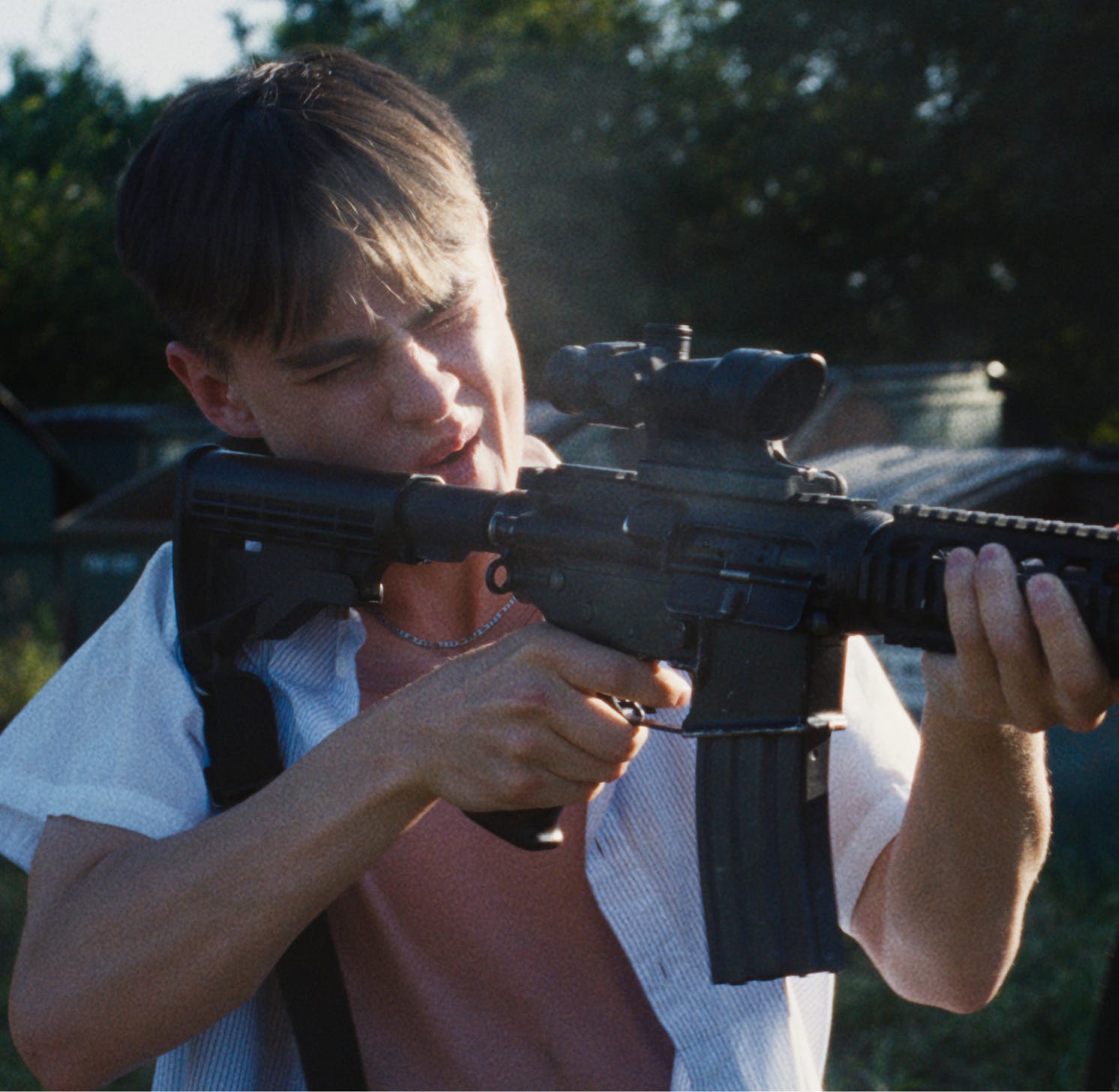
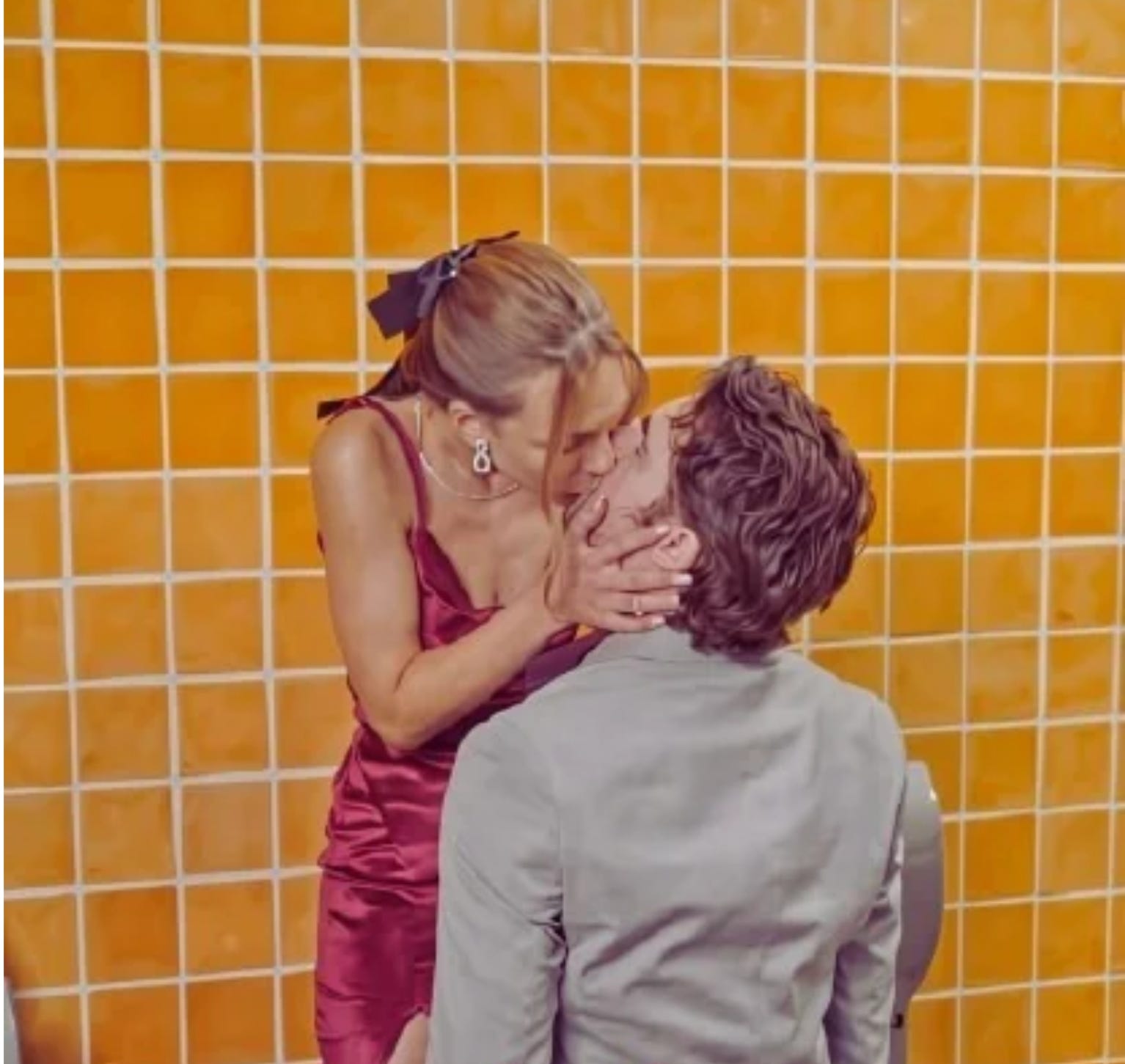
4:53But it was like, I believe it was set up such that I was on the set on the day I arrived in Los Angeles. And then my second and third set visits were not for like 10, 13 days later. And so I just had a lot of time to kill basically in L.A. and I spent that time. I mean, the entire city has been, you know, reoriented. of the entire film industry has been reoriented from production industry around these um micro dramas and so there are endless mixers and festivals and panels and classes and you know parties and gatherings and so i just sort of threw myself into that environment and started talking to people you know there was a lot a lot to see i'll bet can you give it just again for folks that might be coming into this and are not familiar with micro drama you did a great job explaining them but can you give us like walk us through like an example of the plot of one and how it might unfold and what people could like expect upon watching one sure i'm trying to think of a plot of a specific one there's carrying his triplets becoming his wife he was one that really struck struck me when i was first looking into the form and that opens with a woman sort of in a doctor's office learning that she's pregnant and then saying that's impossible here's the thing and i could go through and find you guys sort of the specific plots these things but they proceed in the manner of fever dreams in the sense that the plots change every two minutes you know often it's like um sort of a average everyday woman like the woman in carrying his trip is becoming his wife he works in a factory who is in some way discovered by a billionaire you know and taken into a kind of life of glitz and glamour a lot of it is revenge focused you know like uh slimming revolution is about a woman who um tries to get revenge on her uh cheating husband by losing a lot of weight you know humiliation is very important humiliating your enemies a lot of werewolf action happening oh and werewolf stuff i mean yeah that's mafia stuff right yeah i mean i mean the plot the plot of bound by love i can get into which is like that was the show that i was shadowing and uh that is about a young woman played by savannah coffee who wakes up on her 18th birthday and is informed by her uh mafioso father that she is uh going to be married off to the head of the chicago mafia she's not interested he doesn't want to marry the head of the chicago mob but you know arranged marriages are pretty important to this this form and so she uh she goes through with it it's the first night uh after their wedding when it's expected they're going to have sex she's going to lose her virginity the entire family is congregated outside of the uh marital bedroom waiting for them to do the deed and uh you know she's she doesn't want to do it they're going to come in the family to inspect the sheets for blood afterwards to make sure that it went down uh luca vidiello the head the Chicago Mop, who she's married to, slices his hand, blood drizzles from it onto the sheet.
7:57So he's sparing her from this and says that he's only going to have sex with her when, you know, she's essentially begging him as his other women do in his life. And so then the rest of the show is sort of her coming around slowly to Luca and, you know, the two of them properly falling in love. and mostly it's just sort of repetitive softcore pornographic encounters uh that go nowhere coupled with random violence and um sheer nonsense but yeah that would be one example i think that was that was a pretty pretty good summary if you guys were able to follow all that one descriptor one little quick line i like they use in your piece was like like brain rot soap operas i feel like that's pretty good or was it like a slop soap operas either way much pretty much that kind of gets to the heart of it real degraded degree i mean you know soap operas themselves were always pretty ludicrous but this is really uh turbocharged deep ed fever dreams yeah i would say so yeah i mean it really does feel like like a psychosexual nightmare i have to say some like deep primal horrifying stuff is being expressed to the medium of these micro dramas well so like who is watching these then and so we're i mean your piece kind of is Looking at this sort of in context of the American industry and then I'm assuming American audiences, although the whole audience factor gets kind of obscured here.
9:18But ostensibly, there's a few disparate things that are being said in your piece as far as who the audience is. It's like supposedly primarily women, primarily Gen Z, like then branched into gays, but like also Midwestern Housewives. I found myself being like, which is it? Yeah, I mean, I think, you know, the Gen Z thing is, I think, just a media narrative. It's not clear to me that Gen Z is watching these. I think, you know. You're not supposed to say that. Yeah, I think industry analysts are like, well, it's short and it's, you know, for people with rect attention span. So it must be for Gen Z.
9:51But as we know, older people are even more destroyed by phones than people to some degree. You know, talking to agents, talking to directors, talking to, you know, people involved in the industry. they all say middle-aged midwestern women or you know maybe going somewhat younger 35 to like 65 and i did meet the head of a fan club megan johnson who's since become a micro travel consultant who is a you know true blue midwestern woman um who you know really did love the shows and seemed to have a community of people who loved them as well i she felt a little bit like a front to me like they'd kind of gone to central casting and found a woman who looked exactly like a middle-aged midwestern white woman to you know pose as a representative of the audience you know she's based here in LA or she was no she's based in like Michigan but they'd flown her into LA for like a panel that was happening when I was in town but yeah I mean as far as who actually is watching them I mean I think a large percentage even of the audience for even the english language microdramas is outside of the united states okay um then of course there are like country specific microdramas looking at sort of comments and feedback to the article i wrote it seems like you know people just report you know everyday people watching these on the subway watching them on trains watching them on like you know nursing nurses are supposed to be very into microdramas i mean but there's a possibility that you know no one's watching them i mean then this could be a money laundering operation it's not clear i mean these are black box platforms yeah the same more about that too like because i love the scene in the piece where you're talking about like being on set you know normally what we're used to hearing about is like a director or a producer an exec or someone or a writer you know coming in and giving this creative direction but in fact the direction is coming from some like walled mystery area overseas some person yeah see the numbers but none of the people making the shows get to so anyway you describe it do a You'll do a better job than I am.
11:52Well, they're always talking about the client, you know, capital C, which is like, you know, the platform back in China, the executives in China who are dictating the content according to data, you know, based on what people are watching, when people swipe away, you know, what compels people to click. And so it is the most algorithm optimized form of entertainment imaginable. And so their feeling is like, all right, the key to making a good show is paying attention to what people seem to like, and then reframing the entire viewing experience around whatever the data suggests. And so oftentimes these people will be on set and the client will be watching remotely from China and will be, you know, asking for these micro adjustments that seem baffling in the moment.
12:39Even just adjustments to someone's hair or like swapping out some proper just, you know, all these kinds of minute details. Like from the monitor. They're looking at the monitor. Yeah, exactly. And, you know, they have an intermediary on set. and you know they're carrying out these changes and you just get the sense of this big like algorithmic chessboard sort of people being moved around by these vast global forces you know all of it sort of undergirded by this idea of a vast audience on social media but no one knows what's actually going on I mean yeah they don't have access to the data they also don't have access to the viewing numbers these platforms don't have to report how many people are actually watching these things.
13:19It seems like, you know, they are popular to the extent that they often outrank like Netflix in the app store, you know, on like phones. So there clearly is an audience of some kind. But, you know, that audience is, I think, in large part acquired just by spraying social media with advertisements. And that's a model that I think many are saying is unsustainable. What I was going to say was like, it sort of taps into this like conundrum at the heart of how we talk about quote-unquote content on the internet where you're never sure if something is like racking up a lot of views because it just is like mastering the sort of attentional mechanics of the format and people are like just looking at it because it captured their attention on a feed or if they actually like it and so much of like the decision making in entertainment and media like even our world as a whole is often sort of like made in that the ambiguity of that question where it's like oh this TMZ article with lots of spelling errors racked up millions and millions of views does that mean that people liked it more than you know this really quality long read on a literary publication like the baffler or something does that mean people liked it more and I'm curious if you get the sense that this is like passive or active no totally i mean i feel like uh you know the conventional logic of uh the entertainment industry was let's make stuff that people like and and want to see and that didn't even have to be good i mean a superhero movie or something it's not i i don't really watch any but that at least those movies are made with the idea that there is an audience that will sit down and smile and say oh i love this stuff uh algorithmically oriented entertainment is less concerned about whether someone likes something than whether they will watch them at all pleasure is as useful a reaction is disgust confusion yet bafflement you know it's like it doesn't really as long as it's provoking a reaction of some kind and compelling someone to keep watching one strong reaction is as good as another or anger or outrage or yeah you No, like I'm a really big animal person.
15:37And on certain meta algorithms, meta has discovered that when they show me a picture of a suffering animal, I will stop and look at it. So they're like, oh, Emily likes images of suffering animals. So we're going to show her all this terrible like graphics content whenever she logs on. Yeah, I mean, my feed is filled with stuff that I find repellent and hate, but I'm fascinated by. And so I just see more and more of it. And, you know, again, yeah, it is just strong reaction as opposed to like the light, which I think was the prevailing sort of optimized for capture. Yeah, yeah, exactly. that's funny because another yeah another thing i was gonna flag as far as just like who who is watching these and like who is the audience is one thing emily and i were talking about was like so much of these shows are like also driven by like like rapes and violence and like just straight up like abuse of women um and and we were just like kind of baffled by like you know the fact that so much of the viewership purportedly is women like is the idea that it's that somehow appeals more to this femme audience or is it just that truly like car crash bleeds it leads type energy yeah the thing that we also talked about was is it uh working with women in the same way that romanticy works with women because i think you did bring up romanticy where you can see like these this kind of content will often appear in romanticy books i mean the animal thing you're talking about here is totally apt because yes these programs have become infinitely more violent as the months and years have gone on but it is a kind of violence that is deployed to activate a female viewer's like sympathetic attention so that they keep watching and so they can see the perpetrator of the violence sort of get their comeuppance and so you will see these like hyper violent i mean you'll see like pregnant woman beaten into miscarriage i mean that's like a common trophies.
17:36I know. But then the idea is like, you know, they're this sort of black and white sort of like good and evil world. So the idea is you witness something horrible happen. And the thing that will keep you watching is I want to see that person, you know, get the come up. It's a it's sort of for their perspective, foolproof way to keep people watching is something terrible happens to a woman and progressively terrible things happen to these women because a you know this sort of you know it's obviously a similar mechanism to kind of like porn or something online where it's just sort of desensitization and sort of extremity and uh you continue watching because you want to see you want to see revenge and revenge is just as again really important for these for these platforms the one romantic book that i read was like a draco malfoy hermione shipping story and it literally was like the the relationship began with a metaphysical rape involving like casting a spell and witchcraft and then they fall in love yeah i mean again you know there's the revenge and then there's just kind of like elaborate sort of folk art fetish stuff that is sort of traveling between fan fiction and now corporate entertainment in ways that frankly confuse me uh i don't i don't totally get i I mean, there's something like the Omegaverse, which influences a lot of the microdrama content.
18:56And we can get into that. But yeah. Wait, what is the Omegaverse? Not to go too far. So, you know, I've been chastised in the past for discussing. I talked about the Omegaverse in a different podcast. I don't really. It would take years of my life, I think, to really understand the Omegaverse. I think it's kind of a force. It's this really elaborate world. But to the best of my limit understanding as someone who is not immersed in this particular world, the Omegaverse is a branch of fan fiction that emerged about or around the CW show Supernatural. Not the characters in the show Supernatural, but the actors on the show Supernatural.
19:39It's sort of a sexual universe based on biological wolf hierarchies with alphas, betas, and omegas. It's pretty heavy on something called nodding, which is a kind of wolf sex where there's latching going on of a kind. Now you can see I'm sort of out of my depth here already. But the whole kind of alpha, beta, you know, fade it to my forbidden alpha, that whole thing that comes from the Omegaverse. And, you know, this started as sort of online fan fiction influenced by CW shows. And now people that make CW shows are making their own micro dramas influenced by the sort of demented kink fan fiction that initially came out of, you know, the shows that they made in the fan fiction around them.
20:27So it's a very interesting feedback loop we're looking at. Do all of the micro dramas have this sort of like softcore porn element? Like, is this just kind of like the modern version of like sexploitation movies? Pretty much, I mean, the production quality and the general tone is identical to sort of softcore pornography, which had kind of disappeared. I mean, when I was coming up, you know, as a young boy, they would have like Showtime, like softcore pornography, which would, you know, be like these really wooden interstitial sort of lead up to sex scenes. And then you would have kind of like arcfully blocked sex stuff.
21:06And I think the rise of Internet porn is just like they're just fucking. there's not even the plot there's no plot there's no like you know the pizza guy shows up I mean sometimes there is but if you go like on one of the tube sites or something it's really just sort of disconnected sexual encounters where yes this is almost invariably and for reasons that are not entirely clear to me this format is geared towards a sort of female audience okay it's like a kind of yeah female-oriented porn basically and not to keep harping on the romantic sceneology but it is you know it's notable that some have argued that like romanticity is also a form of soft core literary pornography and that that is or hardcore honestly and sometimes hardcore but it has that valence and you know that is what is one of the things propping up what remains of the uh no i know i mean i you know there was this article in the new yorker last week it was you know quite good about the founder of barnes noble and i thought the article again while very interesting was a bit over-optimistic about the fortunes of the publishing industry because it pointed out that, you know, oh, book sales are actually up significantly, you know, in the last few years.
22:12But I think a lot of that is driven by what is essentially, you know, poor romanticity kind of track. He made the argument, the author, that, you know, well, that's sort of a stepping stone to Jane Austen or whatever. And I'm like, I don't know if that's really true. You know, I don't know if people are really progressing from that. Probably a stepping stone to micro dramas. yes exactly it's something a bit easier to engage with so yeah no i think there's a people who are into romanticy like to read they like to read thousands and thousands of pages it's like volume they like reading it's like they love reading absolutely volume reading yeah there's no question about that and the audio market for this is also booming as well yeah i mean it seems to be propping up a lot of different industries is this sort of well i mean you know the the porn analogy is real And, you know, I think it would not be totally inaccurate to look at the huge popularity of these shows as like, you know, not necessarily.
23:08Well, a threat in some ways to conventional film and television. We can get into that. But in many ways, just a sort of adjunct female oriented pornography industry. You know, I couldn't stop thinking that, you know, all these streamers and sort of conventional Hollywood studios getting into the micro drama boom were operating under like there was like a category error at play where they were viewing this as like, oh, this is the future of entertainment. This is great. We can pump this out cheaply and people love it. Not necessarily thinking of it as essentially porn, which it is, but if resources are being sort of siphoned away from conventional film and television towards microdramas, then we might end up in a future where this is the only thing that gets made, you know?
23:45Right.
23:49The Culture Journalist is an independent project that relies on word of mouth and is funded entirely by listeners. If this pod had something meaningful to your life and you want to access everything we put out, please consider supporting our work by becoming a paid subscriber over at our Substack. Paid subscribers receive access to our Discord community, the Cujoplex, full access to bonus episodes, and more goodies. You can get it all for just$5 a month over at theculturejournalist.substack.com. That's a good segue, I think, into sort of just the model, the economic model. We touched on this a bit, but like, who is behind this?
24:30How are they making money? In what ways do the economics of this venture seem to dictate the form? Well, I mean, from 2023, when the form really took off in the United States to about last year, it was almost entirely a Chinese dominated industry. And, you know, the finances there are quite opaque. I mean, a company like RealShort, which is the biggest micro-drama platform in the United States was founded by a Chinese company and has now cut ties with them. So they're based in Silicon Valley and I think sort of identifies a US company. But the actual economics, again, a bit shadowy. I mean, they operate in a few ways or they generate revenue in a few ways.
25:14There is a subscription model. So for the low price of$39.99 a month, you can subscribe to RealShort and have unlimited access to their content there are tokens that you can buy to buy individual episodes which i just want to say is crazy because that's like a lot more than like your mainstream streamers you know it is like netflix or you know hbm max or whatever well i think that they're operating on a spam logic and you know many people have pointed out i think this is very true of the industry, which is that they are closer to a spammy mobile game than they are to Netflix in the sense that their core business model is spending millions upon millions of dollars to advertise on TikTok and Instagram to get people to then download their platforms and ideally buy a subscription, buy tokens, whatever.
26:07But the sheer amount of money involved in acquiring customers this way and the fact that very few of those customers are sort of retained month to month make the economic model really unsustainable and a lot of people are unclear about you know how they can keep going in this way but the way it worked when i first started reporting this story was let's churn out as many of these as humanly possible for as little money as humanly possible And so, you know, individual seasons are being made for$80 ,000,$100 ,000, essentially$0 on a kind of Hollywood budget scale. It's my understanding. And, you know, non-union, you hire people for cheap, the crews are pretty inexperienced, the actors are pretty inexperienced, most of them are, you know, models, first and foremost, who had never acted in anything before.
27:00and in this way they managed to turn out huge amounts of material you know none of this stuff is meant to last each one of these shows you know has a shelf life of a few weeks if that so that was how things worked when i first got to los angeles and that was what i was first interested in writing about which was you know how algorithmic incentives and the death of conventional hollywood had reduced these Hollywood aspirants and Hollywood veterans to what seemed to be pretty demeaning, low-paying work, churning out this kind of soft pornographic slop. But then as I was working on it, things took a turn, a pretty insane turn.
27:42I had always suspected while I was on these sets that this stuff was going to be used to train AI. I mean, the micro dramas themselves, even the human made ones look like they are ai right you start reading i mean even when i started reading the piece like a third of the way into it before you even got to this point i was just like why are they even bothering with humans you know in the text out there and then i think you like literally ended up writing that line yeah i mean it's true because you watch them and you're like these it's almost as if they were not just like training their own ai but training audiences to be like this is what content looks like you know it's like it was like uh easing us into an ai future because yes of course what happened is that while i was in la the news came out that in china the majority of actors seemingly were being replaced with ai microdrama production studios were shutting down and basically everything was going towards sort of you know ai generated microdramas and there was so much energy around this development in hollywood the human-made microdramas when I was in town that I was like, okay, it'll be a while until this transition happens dead wrong.
28:49I mean, this happened like within two or three months of my being there. Sets were, you know, evaporating, work was evaporating. And now it's like you go on the real short app and it is like 90 % AI generated microdramas and people love them. They're watching them more than the human centered stuff. And so it's kind of crazy in the span of like six months it has gone from like this is the savior of hollywood this is like the future of entertainment you know at least like the trades being excited even if the work on the ground was actually quite bleak and demoralizing and degrading you know it was paying people but now it's like man i wish i could get a job on a micro drama set because that stuff is gone and uh it's all about ai now yeah the question we had was about like who was working on these productions and we mean that both in terms of the performers and the crew.
29:44Did it seem to be people who fell through the cracks of the traditional industry or like a whole new class of creative workers in the sense that like YouTube yielded a new class? People who, you know, weren't setting out to become Hollywood actors but wanted to be YouTubers. I think in the case of the actors, there was a mix. I mean, some of the actors are people who never thought about acting before and who were, you know, recruited from their Instagram pages and they're just kind of models. A lot of them were people that are just sort of, you know, Hollywood has always had a large population of people who are just kind of very attractive and sort of bouncing around auditions for 10 or 15 years and they give up and move back to wherever they're from or whatever.
30:27But a lot of the stars of this forum are people who were trying to be actors for a long time, at least the guys, and who microdramas gave you know a real opportunity to you know suddenly they were famous in this niche world and had hundreds of thousands of instagram followers and had audiences and were getting paid to act i mean as far as the crew the sense i got is that these weren't people that were operating at the highest level of hollywood production you know most of which now takes place outside of Hollywood, takes place in Bulgaria or Atlanta or whatever. But, you know, there were people that might have worked on lifetime shows.
31:06There were people that worked on lower end union productions. I mean, real Hollywood productions, real TV productions, but not like the most prestigious stuff, but stuff that maybe was more conventionally arranged than the micro drama work. And then there were just people who had been in the industry a long time and live in L.A. and don't want to be traveling to wherever production is happening, live in, you know, New Zealand for six months or whatever and this was the work that was available. So would you say it's more of like these tend to be functioning as like the current viable option or the practical option as opposed to like the stepping stone to Hollywood or to...
31:42Oh certainly yeah I don't think anyone is thinking like oh this will give me my... Well the actors are. I mean the actors I think or at least were before the AI turn there was a lot of talk of like these micro dramas functioning in the way that soap operas used to which is most people on soap operas either stay on soap operas or stop acting but some percentage of them it's like oh you know george clooney or whatever was in you know or brad pitt was in a soap opera in the 80s or whatever you know that that was kind of you know it was just a way to to make money as um as an actor and to you know get some visibility and but i think that path is sort of rapidly is closing basically just as quickly as it opens so what are they gonna do next they meaning like the actors yeah i mean that you know it's a great question some of them are getting cast on network yeah some of them are but i i don't i think that pipeline is basically shutting down i mean i just don't i do not see much of a future for human actors in the micro drama space i might be wrong and i haven't been paying as close attention since i finished you know writing the article but you know i can see like actors that i met while i was reporting who are you know posting like hey it's so important to support you know human-made productions like you know check out my new micro drama with flare flow or real short or whatever i think there's just an attitude as there is in a number of industries of like hey support humans support people but it's kind of like a has a bit of a losing battle feeling to it that feels like a good jumping off point for what we wanted to talk about next which was like at the same time as you see this industry sort of like drying up in terms of human labor.
33:18We're also seeing more of the traditional establishment industry taking cues from microdramas. Does this feel like something that is going to work to you? Like one thing that comes to mind is in the 2010s, everyone in like the media industry was lamenting this pivot to video that they didn't believe was going to actually work. And there were all these stories of like publications firing their journalists and hiring video people, but then the video stuff would flop. So they would hire written journalists back. And then now, like a decade later or so, we are seeing actually the pivot to video is really happening.
33:59Does this feel like something that is, we often talk about these technologies or these new formats as inevitable. And do you think that's what the case, like, are we going to be seeing premium style microdramas, premium television microdramas. Are we going to be seeing traditional Hollywood making more elevated versions of this? I mean, yeah, you see it happening already a little bit. You saw, you know, a few months ago, former executives at NBC Universal and Showtime, Jenna Winograde and the other executive names escaping me, starting a twist, which is sort of, I mean, a twist meaning like a twist, you know, because they all and all the episodes ended a twist starting their own platform with sort of, you know, not elevated, elevated fare, but stuff that is, you know, better than kind of the bottom of the barrel, real short content.
34:51I mean, you know, is this going to work? I don't know. I mean, I think that, you know, a lot of these companies are just throwing stuff at the wall. I think they see that this pivot to video that we're talking about, the one that actually stuck, meaning the one sort of post 2020 when TikTok sort of compelled every platform to reorient itself as a short form video app I think Hollywood or conventional entertainment companies are very sort of alarmed by the fact that people are spending so much time watching video that it's not their video I mean until honestly somewhat recently streamers and conventional Hollywood companies kind of had a monopoly on visual entertainment I mean there was YouTube but that was kind of a niche audience you know for the people that made content there and now it's like everyone is watching other people's videos all the time all the social media apps have remade themselves as television and i think their anxiety is like how do we get a slice of that pie how do we get some of that viewing time i think they're seeing micro dramas as a way to do that it's like well you know we do narrative entertainment and so one way that we can compete on the terrain of short-form content is by making our own narratives and we know how to make narratives but you know the question is does anyone even want sort of elevated entertainment in this context like i don't think that's what the people that watch this stuff are looking for i mean the people that do voluntarily seek it out i think people that want let's say good content will go and try to find that and then you will have this as a kind of adjacent or sort of like peripheral enterprise but i don't know if it's going to work out you know i i sort of suspect not but then i don't know what the future is for professionalized entertainment in general there's definitely this narrative in um media entertainment now about like i guess more media but you know everything is about clipping and when you're making you know a youtube show or something it's not really about the full episode it's about the clips you get out of it it makes sense that the next step would be well let's make something that's entirely clips yeah exactly entertainment but i don't know how uh rewarding that is no i mean this is sort of an unsatisfying answer but it's a period of tremendous flux where part of why there's less work to begin with in Hollywood is that there's endless consolidation.
36:58You know, we see in recent weeks that like Netflix is struggling pretty heavily and is like missing all kinds of earnings projections and hemorrhaging viewership. And there are signs of life, I guess, in conventional film going. But I don't know. I think that it's sort of a fragmented, bleak, confusing period. You lead the piece with talking about how in 2020, there was Quibi. We all probably remember Quibi as this pandemic era kind of joke, right? Of this, it was the first kind of vertical focus micro drama or micro TV viewing platform. But the problem that you highlight is that like they were enlisting people like Idris Elba or even Steven Spielberg to like make content for this and it just didn't work.
37:41People didn't want it. And then, you know, one thing we wanted to ask is like, well, what is it? What conditions have changed six years later that now make this such fertile ground. I think we've figured out the question that like, well, one reason it works now is because what they got wrong before wasn't the format. It was the content to live on that format and who that kind of dog whistled to. But why else do you think it's popping off now versus six years ago? Yeah. I mean, I think that we've just seen a massive transformation of social media over the last six years from, I mean, I almost forget that going through the years, you go on Facebook 15 years ago and you're seeing sort of your aunt's updates, you're seeing your sort of a high school friends updates and then progressing to a kind of more open twitter era where you're following people you might not necessarily know and still kind of engaging there's still an idea of a social media but now it is sort of we've reconceptualized vast swaths of social media is purely passive consumption television i think an argument could be made that uh our brains have melted even more in the last six years and thus primed us for this kind of entertainment, you know, sort of a bleak reading of the situation, but it doesn't seem inconceivable to me.
38:54I do think that Quibi erred in simply chopping up regular TV shows into five-minute increments as opposed to making their content feed optimized. And now we just have six, seven, eight years more understanding of what people respond to on a social media feed as far as video content. And I think people are putting that data to use in various ways. What does the microcosm of micro dramas, micro, micro, tell us about the state of labor in the industry a couple years after the strikes? Is this actually piquing studio interest because the labor conditions are cheaper? is this sort of like another version of like you said sort of offshoring production to eastern europe instead of yeah you know i mean i you know i'm not a hollywood observer or expert but i certainly feel confident in saying that people that make this stuff people that make stuff in hollywood uh would like to make things as cheaply as possible and to pay people as little as possible and to get around as many sort of labor restrictions as possible.
40:06And, you know, that is the huge appeal of these micro dramas. They're non-union. You don't have to shell out in the way that you would have on a union production. Just a much more precarious kind of workforce is sort of involved in these. And I think it's also a situation where people are just grateful for work and so are willing to subject themselves, not just to these sorts of semi-degrading working conditions, but to working on these shows that are even more slop-like than sort of whatever bottom-of-the-barrel Hollywood content was before. If you like what you're hearing on this episode, there's a place where you can join the conversation.
40:45It's called Cujoplex, and it's a private online hangout zone on Discord where smart, cool weirdos just like you, you know, people who like talking about the evolving state of independent culture, can congregate, share links, and talk about the news of the day. We've had some great conversations lately about creative economies, media theory, AI, politics, the future of journalism, and even the records and TV shows we've been obsessing over this year. Some of our chats have even inspired episode ideas. You can get access to Cujoplex along with our monthly bonus episodes by signing up for a paid subscription over at our sub stack.
41:23That's theculturejournalist.substack.com. Another thing I find very interesting, kind of riffing off of the offshoring point, is that this story is interesting on a geopolitical level because it's also companies in countries like China kind of offshoring here, right? Yeah, well, I mean, it is, yeah, the Chinese have taken over Hollywood. And, you know, it was just sort of delicate in the analogies I was using in writing the piece. But it is fascinating that Hollywood has become a kind of Chinese company town in recent years. And, you know, especially because the energy, obviously, or the cultural flow was once and I guess probably just still still to some extent is in the opposite direction where, you know, Hollywood studios were designing their films to appeal to Chinese audiences and have global appeal.
42:17And, you know, we're famously sort of self-censoring to appeal to Chinese audiences. And we are now seeing that exchange in another direction where this is a, to its core, a Chinese format. I mean, to the point that, you know, as I mentioned in the article, a huge percentage of the scripts here are just AI translated from Chinese and then localized. Localizing is a profession in the microdrama biz where it's like you take sort of Chinese idioms translated by the AI and try to make them more American sounding. But often they don't even really bother with that. But yeah, all these tropes are born in China.
42:54The form itself obviously is born in China. It is a Chinese heart form that is taken off in America. And if there is any kind of like charge to these microdramas, it is just the bizarre spectacle of watching this weird collision of sort of American act. Because I mean, that's the other thing is that these Chinese These companies have a very set and rigid idea of who should be in these micro dramas and what an American quote unquote looks like, which is to say they almost exclusively cast white people in acting roles. And there's no, you know, the managers, the executives that do this stuff. There's there's no sort of illusions or there's no sort of like they're very open about it, that this is the case.
43:34and you know it's kind of bizarre and obviously not an ideal situation for the non-white actors who might want to engage in this stuff but yeah it's an interesting sort of disturbing cultural exchange we've got going on i mean maybe at least we're getting a taste of our own medicine of like what it feels like for another country to sort of like export its culture onto yeah absolutely yeah yeah did you get a chance uh probably would have been in the piece more if you had but you covered so much the sort of like whispers of the rumors of like is this maybe also money laundering i mean there is such an insane amount of international money tied up in these i just feel like from a global like corporate consolidation financial perspective that there's like there's got to be more in this because there's so there's so much i'm sure tied up in it and i don't know and any any other like little uh half-joking rumors that you uncovered or past you wanted to go down that you just didn't have time to yeah i mean i i was much more focused and to be honest much more interested in sort of the way this was playing out downstream you know among sort of like the everyday people caught up in these sort of grand currents of entertainment history so i didn't get too deep into the actual accounting of these companies i do know that despite massive amounts of money sloshing around these are also very precarious enterprises and i think we're already seeing a wave of sort of shutdowns because they're spending tons of money but they're also losing tons of money and uh i think a lot of these are going to be kind of flash in the pan enterprises how are they losing money people are paying 40 dollars a month and they're like just booking the cheapest locations they're underpaying i know i mean that but it's kind of like chasing like you know because cost of acquisition like market exactly That is the exact problem.
45:27It's the acquisition. It's like they're spending so much money to acquire these customers that in the end, it's probably a wash of a time. But yeah, the exact economics here, I'm not totally clear on. Which is crazy because if it was organically viral, they might not need to do that. Yes, exactly. Huge point, dude. Yeah. Yeah. I mean, that just occurred to me, but it like speaks to how so much of the, you know, of our online environment maybe is manipulated in that way. Big conversation point. Definitely. Lately. And so maybe it's like not even something you could say is like an inevitability of the ubiquity of online of vertical video.
46:08It's just like. No, I mean, what's interesting is that probably just as popular as the micro dramas that are on these siloed platforms are the micro dramas that are sort of Instagram, TikTok native. So even like the fruit cuck, AI, fruit, whatever, like that stuff is in every sense a micro drama, both in its like disturbing psychosexual content and in its, you know, twists and the way it proceeds and the way that it gets, they get crazier and crazier as time goes on. but those are designed to be consumed on platform and those are often naturally viral and so you know the microdramas in a sense are competing with those from a corporate perspective and yeah it's not clear that they have any kind of advantage or edge in that department i think an interesting thing about this conversation is that like the piece is about how media is becoming shorter and shorter and dumber and dumber and more like slop essentially.
47:05But at the same time, we're receiving this story in the form of this amazing piece of long form journalism, which also, you know, made a splash. And you've written a number of pieces lately that have made a splash. And I'm wondering, like, what does that dichotomy tell us about the state of media right now and our cultural appetites? We also this month, everyone is talking about a three hour long movie and it seems like this weird thing where like the middle is dropping out and either we have like the huge long grandiose cultural statement usually elevated or everything is getting shorter and shorter you could also say something like i didn't read that barnes and noble story but like one observation i've had when going into barnes and noble stores lately is like it's either romanticy or it's like hip literary stuff like highbrow or yeah no i mean i I felt the exact same way that the sort of, it's not my sort of original observation, but the middle is dropping out and you have kind of like 824 prestige and you have the micro drama.
48:05And I mean, I would guess that my article was read by one 100th of people who have watched just any average video of a banana getting cheated on by a broccoli or whatever. You know, so it is, the audience is much smaller. Maybe it's more engaged or, you know. maybe that was always the case though you know yes exactly of course but i had more people are gonna watch the soap operas than read your time cover story anyway it's the difference between active and passive consumption you know it's like someone who you know decides to seek something out and also has culture consumption as a part of their identity as opposed to someone who is just sort of passively engaging with whatever comes their way i do think probably the people that are engaging with culture because sort of higher art, even certain kinds of elevated middle brow art are so embattled.
48:56I think there's more of an identity attached to engaging with work of substance. And, you know, even something like Letterboxd, you know, it's like people are making consumption more of an identity, prestige consumption more of an identity. But will that all be swamped in the end by the vast tides of slop that are coming our way? I I don't know. I mean, I think obviously there will always be an audience for work of value. What becomes difficult are just the financial conditions for creating that stuff. So, you know, it is true that even if an appetite exists, if people can't make a living making this stuff, like, you know, Nathan Fielder is already a famous comedian entertainer.
49:39Is the pipeline for another Nathan Fielder open? I mean, is there, you know, is there a way for someone to become a kind of prestige cultural figure in that way i mean he came up recall on a comedy central tv show and developed a reputation in that way comedy central barely exists anymore and is just a sort of receptacle to air south park episodes and you know so i just wonder if those kind of pathways are broken if we're looking at sort of the last regs of this right i don't know yeah that's that's what i was saying on our on last week's weather report we had a bonus episode a weather report about you can see everything.
50:17And I was talking about how potentially part of the reason why the movie is so amazing is that unlike most filmmakers today working entirely DIY, he was given a budget and a small crew, not a huge budget, not a huge crew, a small crew and a budget to go forth and find the story. And so that is obviously a testament to the importance of something like that in creativity, in creating great work. But do you have to be like Nathan Fielder to even get that budget to go find the story? Like, I'm sure you, Daniel, I don't want to make presumptions, but I'm sure that you have taken a lot of labor upon yourself before even pitching something.
50:57Oh, I mean, every time. Yeah. I mean, that's the thing is that like for free. We all have to even sign the story and then pitch it. Right. Yeah. Yeah. I mean, that's always how it works. Yeah. And I mean, you know, you can say everything is an abrasive three hour art documentary. but yeah do you need like a famous comedian fronting it for that to exist i mean it is hard to imagine a movie like that without the kind of front man who's already famous and also became famous through extremely conventional media pathways right it's not just that he's famous it's specifically like who he is and the fact i mean it's like that very particular combo of nathan fielder versus the films that i think made movie theaters sell out like everywhere on opening night yeah i mean it's a unique it's a hugely unique and unreplicable but you know it is kind of the rare hit where it's like well how would how would a studio even go about being like we're gonna make our own you can see everything it's just there's not a right like if it was like ariast i don't know why i said ariaster but or like another documentary yeah sure you know even if it was like werner herzog like i just can't imagine it having the same like buzz and drive it's just like a crazy confluence of circumstances so like it's an it's amazing that it exists but It's just such a strange project, but I don't know if it's a win.
52:08He's mimetic. That's why. Yeah. The win. It was kind of a win. Yeah. Yeah, for sure. Let's talk more about you, Daniel. I read your story in The Baffler about prepaid phones. You also have a new book called Goon World coming out soon. But before we get into all that, what the hell is your beat, man? How would you describe it? I have been, I guess, thinking of myself on the kind of, you know, And just what we've been talking about, the kind of, I don't want to say cultural degradation beat, but trying to map some of the weird new currents that have emerged in culture over the last really few post-COVID era.
52:47You know, I mean, especially in sort of visual content, but really just, I don't know, the strange new environment that we find ourselves in that I think feels newer. Maybe it's just me getting older, but I think there is a widespread sense that we are entering new territory. and I'm trying to figure out what's going on here. So that's how I'd summarize it. Okay, so tell us about Goon World. It's not about Gooning. No, and again, I probably should. I don't know if that was the wisest title, but it's an account of exactly what we've been kind of talking about here, which is, you know... I think it's a very apt title for that reason, actually.
53:23Yeah, well, you know, over the last... I don't know, I'm attached to it in various ways, but over the last 10 years, We've seen the collapse of many of the institutions that fostered traditional cultural production, whether that's Hollywood, whether that's even like the humanities sort of, you know, PhD programs are obviously in free fall, humanities PhD programs. You know, we're seeing sort of the contraction both of conventional cultural production and the death of sort of the pipeline to creating a new audience. I mean, I don't know who's going to be engaging with whatever I'm writing in 20 years.
53:57Are people 10, 20 years younger than me going to be interested in this stuff? I don't know. But obviously, a lot of this has been facilitated by major tech platforms, by the pivot to vertical video, and of course, by the rise of generative AI, which tech barons are pushing on us as the future of cultural production, because it helps prop up their valuations and their grim visions of the world. And they have found not just a willing audience, but large groups of people who have refashioned themselves as content creators in this new environment or as middlemen facilitating the content, as people filming the content, people clipping the content.
54:33and it has just created this entirely new class of individuals who are pumping out this new strain of content that is influencing our kind of psyches and politics and ways of interfacing with the world and just the sort of texture of reality and certainly the look of the internet and the world, the book, is an attempt to immerse myself in all of this and try to get at it from the inside and perhaps derange myself in the process. but I mean I haven't even really started reporting it frankly it's going to be an odyssey of a kind that I will be embarking on it sounds like a dream honestly well and a nightmare but Daniel before you can do any of this you have to learn how to drive first yes that's what's most important I came here straight from a driving lesson and hopefully will not crash and die before I can get at least the first draft of Goonworld into my editor's hand maybe have it be a posthumous release, you know, or they can do an AI hologram or whatever.
55:31Oh, my God. Last question. Something really fun about your stories is that you often end up, I mean, the sheer number of people you speak to is incredible, breathtaking. You often end up getting sort of sucked into the world that you're covering or it takes over your life in some way. Is this like a literary device, like something you set out to do? Or is there something about your working process that leads to this happening? I mean, it's a little of both. You know, it does consume me. It always consumes me because the subjects that I seem to take on are like borderless and sprawl. You know, there's like tens of thousands of micro dramas.
56:06There are, you know, tens of thousands of gooners and all kinds of, you know, porn music videos. There's just always like I never have a sense of like, OK, I understand it now or like I've taken in all there is to take in. So it just sort of like sprawls in such a way that drives me crazy. And they're always sort of sub chambers and new little rooms and things to explore. Or so and then just the process of, you know, embarking on any project of any length can drive a person crazy. And so I often find the task of, you know, writing the pieces. Once I sit down to write, you know, it's not like I'm writing as I go.
56:38It's like I experience the thing in its totality. And then it seems like the the ambition is to sort of recreate that process of immersion and mild psychosis as I write it once I'm somewhat distanced from the experience. And yeah. Yeah. Yeah, Andrew and I met at Vice Media and it kind of feels like a apotheosis of the style you developed feels like a little bit like a really, really good version of what Vice did a lot. No, for sure. I was a Vice head back in the day. The peak of our glory days. That's what it feels like. Vice Media. Love it. I worked in Williamsburg at the time. I remember that.
57:20It was like a jobs program. for all of us yeah or youth of Williamsburg of all the stories you've reported so far which one came the closest to actually like derailing your life it's a good question I mean curiously the micro drama thing really was like because for so much of the period of writing it I was like I didn't know what I was you know that just had to learn like I you know this whole world of like romanticity fan fiction the chinese element corporate entertainment i mean it was just kind of driving me crazy in a way but i mean they all you know every piece drives me drives me crazy in a different ways i'm sure you guys can relate uh so yeah i don't know they're all all uh deranging in their own way i would say sure where can people follow you and find your work yeah just daniel colett's twitter i think daniel dot colett's instagram and that's and that's me when's goo and goo and world coming out i'm guessing late 2028 2029 i don't know we'll have you back on i'll try to get you a reading in philly that would be sick absolutely thank you guys so much for having me yeah definitely
58:38This episode of The Culture Journalist was produced and edited by Emily Friedlander and me, Andrea Dominick. To check out more, head to our Substack. That's theculturejournalist.substack.com. And if you like what you're hearing, leave a rating or review on Apple Podcasts or share us with friends to help support independent journalism.
Are two-minute vertical videos the future of television? On this week’s episode, gonzo reporter extraordinaire Daniel Kolitz walks us through “Secret Billionaires, Mafia Brides, Alpha Kings: The Insane World of Microdramas,” his brain-bending New York Times Magazine cover story on the smutty, histrionic, questionably money laundering-adjacent world of the microdrama, a shortform vertical video-based spin on the traditional soap opera that is sort of the televisual brainrot equivalent of the Romantasy craze.
We dig into how the Chinese-born phenomenon of microdramas rose to become a driving economic engine of post-pandemic Hollywood, what its mercenary production practices tell us about the state of labor in the industry, and the geopolitical implications of companies in countries like China effectively offshoring to the U.S. We also get into softcore pornography’s increasingly central role propping up contemporary cultural industries, and what it means to live in a world where this sort of algorithm-driven slop can co-exist with three-hour movies like You Can See Everything and the sort of ambitious longform journalism Daniel specializes in. Plus, Daniel tells us about his just-announced first book, Goonworld, which is loosely inspired by his ASME award-winning article about the gooning community for Harper’s.
Follow Daniel on Instagram and X
“Paid Phones: Owing the payday loan apps” (The Baffler)
“The Goon Squad: Loneliness, porn’s next frontier, and the dream of endless masturbation” (Harper’s)