In short
Podcast Episode Summary: Bringing back hyper-local media with Hell Gate
Podcast Details
- Title: The Culture Journalist
- Hosts: Emilie Friedlander and Andrea Domanick
- Episode Title: Bringing back hyper-local media with Hell Gate
- Link: [The Culture Journalist](https://theculturejournalist.substack.com?utm_medium=podcast)
Episode Overview In this episode, the hosts discuss the relevance and future of alternative weeklies, specifically focusing on the launch and achievements of Hell Gate, a subscriber-funded, worker-owned digital outlet based in New York City. The conversation highlights the role of local journalism in today's media landscape, the business model of Hell Gate, and the cultural implications of diminished local news coverage.
---
Key Themes and Discussions
- Historical Context of Alt-Weeklies
- Definition: Alt-weeklies are local, often countercultural publications that have traditionally provided insights into local arts, politics, and events.
- Cultural Impact: They emerged from the counterculture movements of the 1960s and 70s, acting as crucial platforms for underground voices and community engagement.
- The Void in Local Journalism
- News Deserts: New York, despite being a media hub, has areas lacking comprehensive local news, with many long-standing publications shuttering (e.g., DNA Info and the Village Voice).
- Impact on Communities: The decline of local journalism affects community engagement, with citizens losing reliable sources of information that foster civic involvement.
- The Launch of Hell Gate
- Origin Story: Hell Gate was created by a group of journalists in response to layoffs and a desire for a publication that could fill the gap left by traditional alt-weeklies.
- Business Model: Aiming for 100% subscriber funding, Hell Gate operates as a for-profit, worker-owned cooperative, allowing its staff to retain creative control.
- Coverage Focus and Editorial Freedom
- Hyper-Local Focus: Hell Gate's stories range from serious topics like policing and labor organization to quirky features like DMV license plate design and subway food trends.
- Editorial Process: The small team (seven members) allows for agile, community-driven storytelling, emphasizing personal passion over traffic metrics.
- The Future of Local Media
- Replicability: The hosts discuss whether Hell Gate's model can be replicated in other cities, emphasizing the need for a dedicated audience and local engagement.
- Civic Engagement: The hosts argue that strong local journalism is crucial for empowering citizens and enriching community life.
- Cultural Consequences of Diminished Local Coverage
- Impact on Arts and Culture: The decline of local coverage has led to less support for emerging artists and cultural movements, affecting the vibrancy of local scenes.
---
Key Takeaways
- Necessity of Local Journalism: Local media plays a critical role in community engagement, civic involvement, and cultural vitality, which is often lost in national narratives.
- Innovative Models: Alternative funding models like Hell Gate's offer a potential path forward for sustainable local journalism.
- Empowerment through Coverage: Local journalism has the capacity to empower citizens by providing insights into local governance and culture, fostering a sense of community and shared identity.
---
Conclusion The episode offers a nuanced exploration of the current state of local media through the lens of Hell Gate, emphasizing the importance of innovative journalism models that prioritize community engagement and authenticity over conventional profit-driven metrics. It serves as a reminder of the valuable role that local journalism plays in enhancing civic life and cultural richness.
Written by AI. May contain mistakes. Listen to the episode to check what was said.
Transcript
Automatic transcript. May contain errors.0:00But let's set terms a little bit. In case you don't know what an alt-weekly is, these were ferociously local. Yes. Tribal almost. And went after city government, went after mainstream media. Also covered local art scenes, the local bands, the local clubs. And there was the whole alternative thing. I mean, these papers grew out really of the counterculture. Hey gang, you're listening to The Culture Journalist, a podcast about culture in the age of platforms. I'm Andrea Dominick. And I'm Emily Friedlander. And pals, we've made it. We are at the end of our summer programming mini season. We're going to be taking a short break after this episode to cook up a new batch of content for y 'all that'll be coming in early fall.
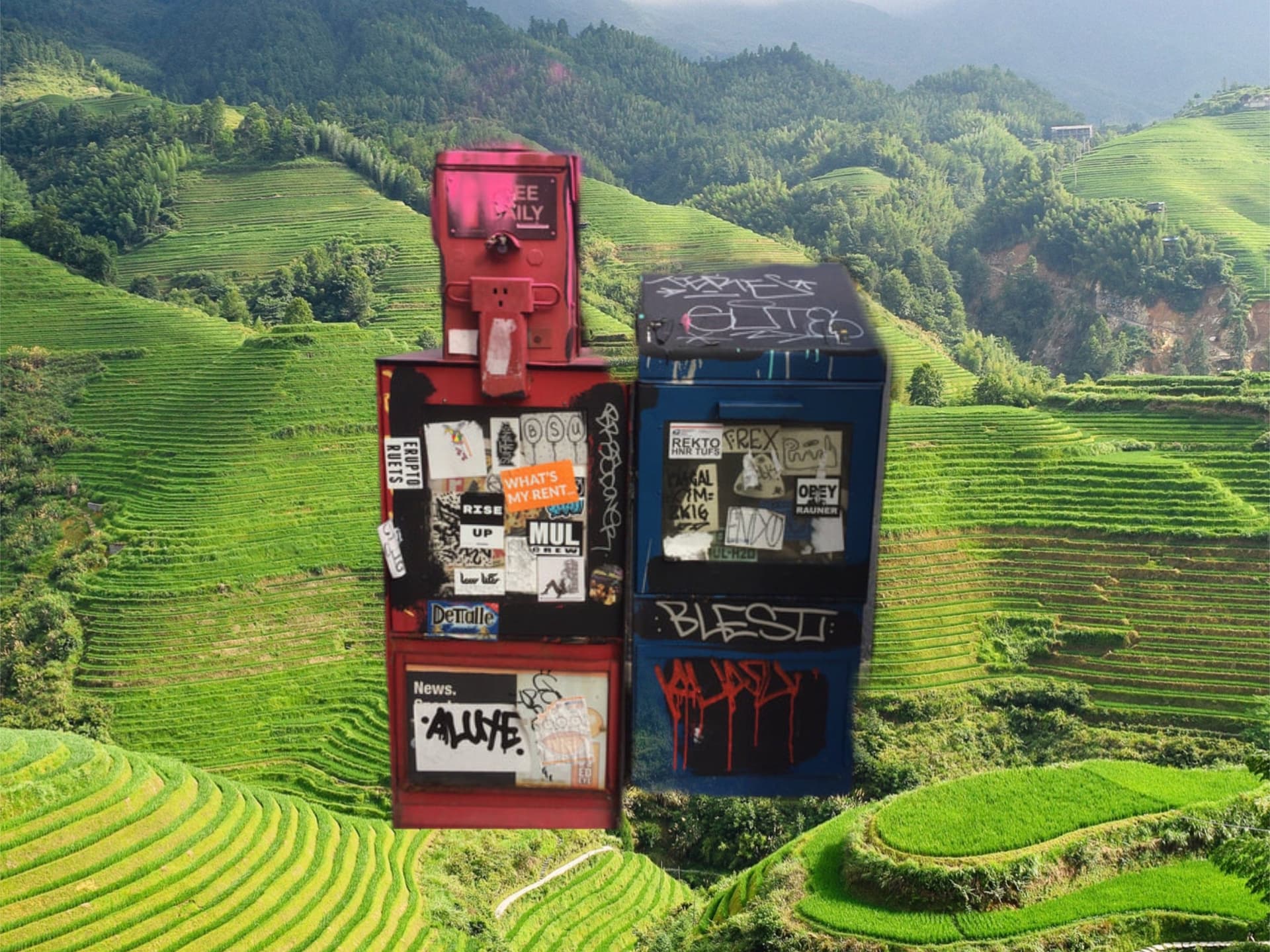
0:49So when I was a teenager, just about every Friday, I would make a pilgrimage down to the East Village of Manhattan, which is where all the punks and ravers and hippies and hipsters and other counterculture kids used to hang out in the early O's. Every Friday was different, but I'd always make two stops. First, I'd go to one of the record stores along St. Mark's Place, where I'd buy a CD with money I'd saved up from my lunch money over the previous week. And second, I'd always stop by one of those graffiti-covered red kiosks, you probably remember them if you've been in New York long enough, and pick up a copy of The Village Voice, an alt-weekly newspaper that Norman Mailer and some friends founded out of a two-bedroom Greenwich Village apartment back in 1955.
1:35It was my guide to New York City in the years before smartphones, the place where I found out about all the new shows and movies I wanted to check out, yes, but also a portal into an entirely new understanding of the place where I lived, one where the things that mattered most, like underground culture and progressive politics and life on the fringes of polite bourgeois society were the things I actually cared about. Andrea, didn't you have a similar experience with the old LA Weekly? I sure did. I mean, I literally grew up reading the LA Weekly because my dad was kind of a rogue columnist for them covering the LAPD and the riots in the early 90s.
2:15So there were always copies of it lying around our apartment. And then as I got older, the Weekly became this kind of Bible for me for understanding culture and politics and especially music in LA. Both similar and different from your experience, Emily, because LA is so diffuse. Unlike New York, you wouldn't necessarily like go to the cool part of town to pick up the LA Weekly, but rather you would pick up the LA Weekly to find out about where and what the cool shit was. A kind of good way to understand it is that the LA Weekly was the first publication to win a Pulitzer Prize for criticism by a food critic.
2:48That really sort of nails it to me. It was my dream to work there one day, and that is where my career started. I owe a lot to the old LA Weekly. Fast forward to 2023, and while New York is still the media capital of the United States, by some measures it may actually be a news desert. According to a study of local news in the U.S. by the University of North Carolina, a news desert is a community with limited access to the sort of credible and comprehensive news and information that feeds democracy at the grassroots level. In other words, even though there are more journalists living in New York than in any other city in America, that doesn't mean that they're actually writing about New York itself.
3:29During my time in New York media, for example, it wasn't uncommon for editors to turn down story ideas on the grounds that they were too quote-unquote local. The idea being that it was better to focus on stories of national importance because they would attract a larger number of eyeballs and therefore, you know, more advertising revenue. Yep, that's definitely something I've also heard working in LA media over the years. Over the last decade, even major newspapers like the New York Times and the Wall Street Journal have cut back on their local news coverage. Factor in the shuttering of institutions like DNA Info and the Village Voice, and an increasingly challenging economic landscape for media orgs of all sizes.
4:11And things aren't looking great for people in New York trying to get information on what is actually going on in their town. And if that's just New York, what does that pretend for people living elsewhere in the country? Yeah, like if New York is a news desert, then everywhere is a news desert. That's why we always get excited when we hear about people starting local news pubs. You might remember our season one episode about the L.A. alt publication The Land with Jeff Weiss. And it's why we're thrilled to welcome today's guests, culture journalist Adlin Jackson and Katie Way onto the show. Adlin and Katie work for a subscriber-funded, worker-owned digital news outlet about New York City called Hellgate.
4:51Launched by a group of journalists who felt that New York deserved to have its own alt-weekly-style publication again, it recently celebrated its one-year anniversary and builds on a growing movement of worker-owned news outlets like Defector Media for Sports, Discourse Blog, which is politics, and other local pubs like Racket and Colorado Sun. Hellgate is delightfully, unapologetically hyperlocal. They say their goal is, quote, to be trenchant, playful, outraged, irreverent, and useful to our readers, deeply skeptical of power, but stubbornly idealistic, and never a chore to read. Their pieces range from topics like policing, labor organizing, and the most recent bizarre utterance from Mayor Eric Adams.
5:37Did anyone see Friend of the Pod Drew's viral tweet about how many apples it takes to make a salad? To we're all thinking it niche fair like the confounding nuances of DMV license plate design and weed bodega aesthetics, to reference two recent pieces by Adlin and Katie respectively, and why people keep seeing gross viral food recipes during their subway commute. Honestly, it's a great and dare I say inspiring read, even if you don't live in New York. Adlin and Katie join us to talk about Hellgate's origin story, how the worker-owned model works, and what it's like to run a daily publication about a city with a population of 8 million people with a staff of just seven.
6:20We also discuss what happens to arts and music communities when local news organizations disappear, how the role of alternative publications has evolved since the heydays of the Village Voice and the LA Weekly, and how local media helps us touch grass amid the digital dysfunction of city life. We'll be back with Adeline and Katie just after the break.
6:43Rip it up and start again. I said rip it up and start again. I said rip it up and start again. I said rip it up and start again.
7:03The Culture Journalist is an independent project that relies on word of mouth and is funded entirely by listeners like you. If this podcast adds something meaningful to your life, please consider supporting our work by becoming a paid subscriber over at our sub stack, which, by the way, has a bunch of other cool stuff beyond podcast episodes. Paid subscribers receive full access to bonus episodes, along with essays, culture recommendations, playlists and more. You can join us in the fight against internet monoculture for the price of a cup of coffee in today's economy.
7:45Hey guys, we are back with Adeline Jackson and Katie Way. Thanks so much for joining us. Thanks for having us. Yeah, happy to be here. So let's start by talking about what is Hellgate and what is Hellgate's origin story? Yeah, so Hellgate was started last year by a group of journalists who had been working in New York at a bunch of different media companies. is my understanding is it kind of like came out of a series of people getting laid off and just kind of like generally being dicked around by the media industry and just kind of seeing if there's a better way to do it by starting a worker-owned co-op where journalists are co-publishers and have a say in the decision making of the company.
8:35Yeah, it's kind of funny. I feel like every time there's a big round of layoffs, whether it's at one publication or a bunch of publications, you'll kind of see people being like, wow, maybe you should all just make a website. How hard can it be? And it feels like this is the sort of end product of actually, you know, taking that prompt and running with it, which is really cool. Yeah, I've heard so many people say that, or at least for like music and culture stuff, like who's going to do it? Who's going to do it? And nobody does. It's like almost like the media version of Learn to Code. you know yeah totally what's the story behind the name again it's named after a specific bridge in yc yeah it's a bridge it's it's up by queens right katie it's between queens and the hat it's off the bqe i definitely like look at it when i'm coming back from upstate i mean it's a badass name like it sounds cool i don't but you know we weren't there so i don't know if like the thinking was just like yeah it's fire or like if there's kind of a deeper meaning Yeah, I think Chris had a really cool explanation for the name of it being like a bridge over treacherous waters where like a bunch of ships would get shipwrecked.
9:47And so like, we are the bridge that's like shepherding our readership through the treacherous waters of New York policy, politics and culture. So I think that that's the kind of like philosophical explanation. I wonder like what percentage of New Yorkers know the bridge because I'm from New York City and I feel weird that I hadn't heard of the bridge. It's so good to know, though. So, you know, what's interesting to me about Hellgate is, you know, like we were saying, there's all these conversations about, you know, OK, well, go go start something yourself. The difference here being that y 'all went local as opposed to like, here's another, you know, national culture and policy site or whatever.
10:30Can you talk a little bit about that and about like why the choice was made to focus in on local? Yeah, I mean, I think that a couple of the co-founders worked at The Village Voice, worked at places like Gothamist, WNYC, freelanced for a bunch of New York publications. And that's really like where the kind of passion was for them. And I think something that I certainly feel that I share with the founders is like this sense that New York deserves to kind of have an alt weekly style voice, you know, kind of to play counterpoint to the legacy media outlets that are dominant in the New York media space.
11:11it's an alt weekly that comes out every day and it's instead of being a magazine it's a website has kind of been the vibe so so how is the business model different from your typical digital media outlet like are there other models that hellgate is based off of that do something similar yeah so i feel like the big one that a lot of people talk about and that we frequently get you know mentioned in the same sentence article whatever as is uh defector which is you know when all of the staff at Deadspin quit at the same time and formed their own worker-owned publication. They're kind of different because they have a much bigger staff than we do.
11:53You know, I don't know if y 'all know this, but Hellgate is seven people. It's six journalists and a business manager. I also think it makes sense that we focused on local because even though, you know, New York is such a big, I mean, it's the biggest city in the country, but it is sort of easier to cover if you're only going to have six people doing the bulk of the coverage. It's like, well, we all live here. We can all go into New York City. If we were sort of trying to cover things on a national scale, we wouldn't be able to get the kind of zoomed in, you know, really like granular stuff that I think we're really, really good at.
12:30Yeah. And I mean, Hellgate just recently, a few weeks ago put out our like annual report uh what we call like opening our books is just basically just being like here's how we make our money and here's how we've been doing so far and like what we're trying to accomplish in the future and the crucial difference between us and defector is that like obviously defector started with their kind of subscriber base from deadspin and hellgate It kind of like started essentially from scratch. And so our goal is to be 100 % subscriber funded. We have a subscriber based business model where people either pay every month or pay every year.
13:10Right now we're about half subscriber based. We also get grants and stuff like that. And also some of the founders put in some of their own money into founding it. But the goal is to be 100 % subscriber funded. Is it a nonprofit or what kind of entity? It's not a nonprofit. That's kind of a big piece of the puzzle is that we're interested in doing a for-profit sort of for the same reasons that we're so happy to be worker owned. It's that, you know, I think the thing that's really special about the model and special about Hellgate is that we are the ones driving the boat. And I think that really allows us to do coverage in a different way.
13:52We're not we're not beholden, you know, to any other entities in a way that we might be if we were a nonprofit, basically. Like, which isn't to say that the other nonprofits in the city aren't, you know, doing great work, doing great journalism. But I think, like Adeline was saying, you know, we get we get to be a little fun. We get to be a little cheeky. We get to be a little irreverent in a way that I think is unique because we don't have those other kinds of constraints. Right. There's not like a board, a nonprofit board that you have to answer to. Yeah. Yeah. We can say fuck, you know. Yeah.
14:28Yeah. Yeah. I mean, we want to be accountable essentially to our audience. Like we don't want to get into a situation where where you can't necessarily rely on the generosity of the same people over and over again in perpetuity, you know, in terms of large donors. And then something changes and all of a sudden most of your money is gone. Can you tell us a bit about your respective journeys through media leading up to this point and what made working at Hellgate an exciting proposition for you? Sure. Yeah. So I this is my first full time media job. Before I started at Hellgate, I had been working for four years as a freelance music journalist, you know, mostly covering music, also some other arts and culture stuff.
15:15Just kind of trying to figure that out, like living in New York, doing like weird freelance stuff for companies and then like getting part time jobs all while trying to like develop a beat and like figure out my own voice as a writer. Yeah, I can talk more about the transition from freelance, but I'll let Katie talk about her story. Oh, yeah, sure. So unlike Adeline, I never had a long period of freelancing because I could not fucking hack it, to be honest. But yeah, my, you know, my last job before this and like the longest job I had in media, I was at VICE, briefly overlapped with Emily, which is, you know, reunion vibes.
15:56But I think for a really long time at Vice and kind of at every, you know, job I found myself at, I was always really hungry for the opportunity to do more in-person reporting. And that was something that I found, you know, repeatedly, there were just like a lot of roadblocks in accessing that, whether it was like the sheer amount of material that, you know, you're expected to generate when you're at a huge website or the beat that I would want to develop clashing with like what my role technically was at the moment. I just found all that like really irritating, really unstimulating. And I feel like I was kind of in a place at my last job where like I didn't really care about what I was doing.
16:47And I was just trying to do as little work as possible to to not get laid off and just like bare minimum, you know. So when you're at an organization that doesn't seem to have a bright, sunny road for one's career development ahead, you feel like you're just trying to tread enough to keep your head above the water, right? Right, exactly. It was so boring. And it's like, on paper, I have the best job in the world and I'm not having any fun and I'm not doing anything that I feel like is meaningful. And I had sort of admired Hellgate since its inception. I had followed a lot of our now co-workers, you know, their work in the city for years and years.
17:27So I thought that was really exciting. So as soon as they opened up applications, I applied because it was like a really special opportunity to do something real and to do something that like would really impact our readership because it does feel like the most personal relationship I feel like I've ever had with an audience. Like now that people are constantly trying to talk to me or anything, but it does really feel like we are really doing this for our subscribers and only for our subscribers. And that feels really unique and special. Instead of just like a faceless mass of as many nonspecific people as possible.
18:04Right. As many eyes as possible. Oh, how to smoke weed? whatever it's like no we're we're trying to write about things that like our readership cares about or write about things that we care about because we think our readership should care about them i think the freedom from yeah traffic like adlin and i are not none of us are measured on like how much traffic we get and that's like pretty crazy you know i feel like that's really unique because it's not about traffic it's about subscribers which is pretty cool it's about community yeah It's about serving your community, being connected to your community and not just like a vast sea of anonymous commenters.
18:42Totally. Yeah, 100%. Being able to write for our audience and then also to be able to write for ourselves because like, you know, everyone knows freelancing is a bunch of there's like a ton of unpaid labor. But like even just like creatively, so much of getting into a groove with freelancing is based on developing a savvy for knowing what outlets want and what they're going to take and kind of like tailoring yourself to being able to like reliably deliver a certain kind of product that you can also expect that they're going to want over and over again. And at the time that I was applying to this position at Hellgate, I was like getting a certain amount of what I wanted when I started freelancing, which is like relationships with editors and like reliable gigs.
19:31But I found myself in a creative crisis. I felt completely like disconnected from like what I wanted to say or what my project is, which feels insane and like crazy to say. But like, you know, it was important to me and I feel like a hell gate. That was always what as a freelancer, I imagined a staff job would be was like, you know, developing your voice, you know, all this all this stuff. Although I know that, as Katie is saying, not every staff job is like that. Yeah. I mean, honestly, I think almost no staff jobs are really like that. That's part of this sell. And I mean, obviously, the insurance was fire, you know, like stuff that, you know, there's a lot of other really big pros.
20:14But I think the way like the general media industry is structured, the stuff that you would think would be a benefit of a staff job, like, yeah, really getting to dig into a beat, really like finding your voice, really, you know, becoming an authority on a topic you really care about often falls by the wayside in service of, you know, something that someone eight levels above you who has not written an article in 15 years wants and thinks will do well. And it's really special to have that no longer, you know, be a consideration. I think that I felt that freedom and like having that platform way earlier in my career, which is like a while ago, like the beginning of like the low interest rate culture vibe or like when publications did have a lot of money.
21:06But then again, I also was paid very poorly at the time. So it's hard to think about, like, I don't know if I would want that job now, But it's definitely gotten worse and worse as time has gone on. So it's super valuable when you find a place that will allow you to have that freedom. But I know that the two of you also did have outlets for the stuff that you were personally interested in. You both have your own blogs, right? Can you quickly tell us a little bit about those? I did a substack. It was called, or it is called Critical Party Studies. It's kind of been made kind of defunct because a lot of what I was doing there overlaps with what I'm now doing at Hellgate.
21:44But it is a nightlife and kind of like live music blog about those things, writing about concerts and nightlife experiences and interviews with different like nightlife personalities. Yeah. And I also have a blog called All Cops Are Posters. And it is about sort of cop culture, especially on social media, but just on the internet in general. And yeah, I mean, I think similar to Adlin, I have not posted in a while. But I mean, I think that, you know, kind of speaks to like, I had that platform because it was something I remain genuinely interested in. But at the time, I was barely doing anything I actually wanted to be doing.
22:33So it felt really important to like develop that out outside of work. And now I don't really have that problem. And I have a job that I devote a lot of energy to being good at. So there's not always a ton left over for the personal blogging, but you know, come back soon. Hopefully we'll see. The job can be a bit more of that creative outlet. totally yeah it was also like i mean doing the sub stack itself was like great because it was just the shit that i'm naturally interested in but in the years i started i think i started in like 2019 and like in those intervening years there was just like such a like kind of like oppressively entrepreneurial energy around sub stack and independent blogging that like led to this like consistent anxiety of like fuck I gotta figure out how to market this fucking blog get these likes up I guess that's just part of writing for the internet but whatever yeah like when you're doing it on your own or like you know Andrew and I do a substack based podcast just the two of us you have to do everything yourself you may also have like expenses and it's different for writers But like, you know, we have to pay for like the recording software and the editing, you know, stuff like that.
23:55But when you team up, it maybe becomes like a little bit more distributed. You don't have to be like everything yourself all the time. Yeah. I mean, with Hellgate, I should say it's a pretty entrepreneurial enterprise in that we write and we edit each other's stuff. And then we also do our events and do our own socials. When I say our own, I mean like we collaborate to do those things like for ourselves and each other. doing your my own sub stack it was like very much like in the fucking like void of my own tastes whereas like it's nice to have it's nice to have editors and people to uh bounce ideas off when i used to do my sub stack i would like write it out read it and then smoke weed and read it again so i was like it's like another person is reading it and it was really it was actually it was very mortifying i'm really glad i don't have to i'm glad i work with other people i have never thought of that as a hack before it kind of does work it would make me really sheepish and embarrassed about what i had written and it made me uh edit it down so you're gonna i feel like i would just like fixate like on every single word yeah i don't know i don't know yeah your mileage may vary i'm not saying i recommend it it is just something i would do yeah my editing process was just like just click publish and then let the ambient like fear of humiliation like make me make different choices to edit the live post so like go back to the live post and just be like what in here is is humiliating and just like edit based on that yeah hellgate we're all about we're all writers with a lot of shame no just kidding just kidding just kidding don't put that in no just kidding um how do editorial decisions actually get made like i said does each person just have a subject area and they can like do whatever they or is there like a committee vibe?
25:43No, I mean, it's pretty fast and loose, honestly. I mean, we have a Slack and we are all gabbing away in there all day, which is awesome. We have a pitch channel. We'll toss out ideas for us. We all know, you know, the things that we're each interested in. If there's like a weed thing, it'll be like, oh, Katie, get on it. If there's like a nightlife thing, if there's a music thing, you know, Adlin, more likely to grab that. But also, I mean, sometimes, you know, it's what we think is funny. It's what we think is interesting. It's what generates a lot of conversation between all of us. You know, that's like the moment that it'll spill over and be like, my God, it's a blog post, you know.
26:25So it's pretty like loosey-goosey, but that's sort of what's like fun about it. Yeah, it's sort of like a hybrid between there being a lot of trust and like everyone respects everyone's kind of like expertise on their respective beats. but then also like always feeling like you can just be like, is this a post? Is 20 variations on Eric Adams' catchphrase of turning your haters into your waiters a post? And then it turns out that it is. And then now it's on our website forever. What were the holes, such as maybe the one you just mentioned about his catchphrases, but what were the holes in the local media landscape that the founders wanted to fill?
27:02I feel like we maybe overused this idea, but like it truly is like the all-weekly sensibility. I know that that's what inspired the founders. And then also like, you know, that's what I felt as like a music and culture journalist was really missing in particular from music journalism was just like a different relationship to power and, you know, the power structures either in the city or like in the culture industry or like in various industries that we cover. at least a relative comfort with writing something that might piss someone off, as long as it's true and something that you come through to your own critical discernment.
27:47In the work of some people speaking truth to power, but then also just being able to speak your mind, being able to voice your opinions and your perspective on life in the city without necessarily feeling like you have to manage a bunch of relationships between your publication and fucking Matador Records or whatever. Were there like specific areas of coverage or just parts of civic life that either you or the founders or just the collective you felt like just weren't getting coverage in mainstream media? I don't know that I could necessarily speak to that. Like, I don't really think so. I think maybe it's more like I think we have the ability to kind of be hyper specific in a way that like not a lot of other publications are able to like, you know, like Chris Robbins got mad that the airport sandwiches were so expensive and wrote like 3000 words about that.
28:44That's not really something another publication is going to publish. And I think that's what is cool about Hellgate is that no matter what the topic is, if we dig and there's something there, it can seem super petty. But yeah, I think the ability to dig into our own weird little grievances or observations or freelancers as well. like Adlin I think you edited that really great piece about the tasty videos on the subway stuff like that where it's such a you know like singular thing that you like look at and you're like what what is that why is that and I think Hellgate has stepped up to be like this is why that is like that thing you think is weird here's what's up with it you know so I feel like that's kind of the that's kind of the niche we we fill I'd say it definitely seems like there's a aspect of like Just the ability to, like, say what we're all thinking and not having that necessarily have to get, like, approved by what's allocated in a larger budget or something like that.
29:49There's a lot of value to that. It doesn't have to, like, be, like, quote unquote important. If we're all thinking it, then it is important.
Read the full transcript
29:59Do you ever wonder why you never hear any ads on this podcast? it's because we do everything all by ourselves and support it entirely through generous contributions from listeners just like you. If you can't shell out, we know things are rough out there right now. We understand. But there's another way that you can help us out, which is heading over to Apple Podcasts and leaving a reading and a review. It literally only takes 30 seconds and it actually goes a long way towards helping people find us.
30:32One story that stood out to me last year that like really put Hellgate on my radar was there were all these think pieces coming out about Dime Square. And a lot of people were like rolling their eyes or, you know, engaging in it. Then y 'all dropped a piece that was like, what do Chinatown residents think of Dime Square? Like no one had really been talking about that. And I thought that that was like a cool example of like an alternate perspective on the topic. Yeah, I mean, for me, like a kind of like pet peeve of mine is like New York has so many publications based out of it that nominally or like part of their remit is to cover New York and its arts communities and its culture.
31:18but there's a sort of eyes in the sky kind of like perspective that I think doesn't always like do justice like it is fitting to think of New York as this like cultural epicenter that is like connected to the country and to the world and to the internet that I think is super important but I've always found it to kind of be a shame that like New York's arts and culture publications don't really cover New York's arts and culture communities as if they're like happening in a real city like with real communities you know speaking of like you know holes in New York coverage that Helgi's trying to fill is like a sense of like covering New York arts communities like they're really happening in a real place and not just like on the internet right like the art itself doesn't exist in a vacuum usually they would just kind of take whatever aspect of like like a cultural scene or what an artist is doing that like, I don't know, isolate the aspect of it that would like travel farthest on the internet or something.
32:19Yeah. It's like, why would generic nondescript internet viewer who may be anywhere care about this New York artist, like covering them from that angle, as opposed to like, why would a person in New York care about this New York artist? Right. Like we're not writing stuff to go viral. You know, obviously going viral is good because more people subscribe you know like we do we do like money we do like money just for the record we we do like money and want more of it but yeah totally like yeah but like no hate it's like we're not writing to get like screenshotted on twitter like we're writing to write about the thing we're writing about we want to describe what we're writing about we're not trying to like coin anything i don't know and i also think like we're really like we're there i don't know it's not stupid i mean i'm sure everyone is sending reporters to stuff but i i I just feel like at bigger publications, kind of like, ironically, because you would think if they have more resources, they would be making people do this more.
33:16Like, we really have to go to pretty much, you know, most of the stuff we write about. Like, it's a lot of in-person reporting, which I think is kind of unique, even from like an arts and music and culture perspective. People are not always having to interact with their subjects as much as like we do at Hellgate. And I think that makes a really big difference. Everything Adlin writes about, like he's going, you know, like if I'm writing about, I'm writing about weed, I'm smoking it. Like, you know what I mean? I think also, again, because we're the ones who are steering our own editorial coverage as a team, like the things that we're choosing to cover are things that we all tend to be really passionate about and engaged in, both in our professional lives and in our personal lives on a personal level.
34:03And I think that makes a really big difference. We're not covering anything that we don't want to cover. And I think you can tell. Yeah. I was just going to say it is part of our sensibility, whether it's culture or news from City Hall or whatever, is just like, as Katie's saying, just like be in the room. Like, it's important to me to just be like, here's what the room was like when this show happened or whatever. That's just an important part of our sensibility. And it's not the only sensibility that's worthwhile. while but like that's something that is attractive to me and like that's just the way that I prefer to cover arts and culture yeah I mean it makes sense because we live in such a like an armchair kind of friendly media climate you know there's armchair reporting armchair commenting like so little like actual like IRL interfacing so it's actually quite it's quite valuable and it makes a difference and I mean it makes you know on a on a personal like kind of selfish level it makes you a better journalist like you should have to go talk to people if you don't talk to regular people who are participating in the things that you're covering you will be weird you will not have the whole story like straight up it will make you weird if you're only talking to other journalists about the things you're all writing about you will become weird and so i think that's something that we work really hard to avoid it is it is something like really with with culture journalism in general just like so many pieces that just like land and people are just like what are you talking about like just like uh it does kind of like help avoid that like just like something you put out just like hitting the timeline with an absolute thunk because people don't know what the fuck you're talking about it helps to like go to places and talk to people hellgate touches grass hellgate touches grass like we are running our fingers through the grass actually i really do feel that again not to yeah suck around dicks but well there was like this sense like definitely when i was starting out in music journalism that like the people you respected what their opinion was were like the people who were in the mix and like knew their shit and had specialized knowledge and expertise whereas like i feel like as the 2010s went on it became this other thing where everyone was i don't know no one was an expert on anything or something not that you had to be the most mass but that everything was just like through this feedback loops of sort of like looking at what culture was bubbling up on the internet already and then writing some piece that's kind of like random about your interpretation of what it was or something and it's interesting that like maybe there's an appetite for going back to the way that things were before yeah not to not to also like i have a ton of respect for like internet culture journalism and some people do it like incredibly.
36:44So like, I'm not being like, I'm just speaking for different ways of doing this. Yeah. And it can be an, it's an and, non, or. Or even in the context of internet journalism, it's like the difference between someone who just like writes about what other people like them who are also media people are saying about something versus the people who like actually embed with the internet communities and like know those people. Totally. Right. Talk to them. For sure. Right. No, it's like no hate to the Internet or whatever. But like you shouldn't be using the Internet as like a crutch if you're writing about, especially if you're writing about stuff that's happening in real life, you know.
37:24And I think that's like a really easy habit to fall into and doesn't, again, like make someone a bad reporter or anything. I just think, again, like the demands of a traditional newsroom, like you are going to find yourself doing the easy thing, like doing the topic du jour. If your metrics are like, how many eyeballs can I get on this? How many pieces can I pump out a week, a day, whatever, and not what am I genuinely interested in? What do I have something to say about? Yeah. It's almost like ridiculous that we're even talking about this just from the perspective of like the fundamental tenet of what journalism is like and has been since the beginning is like going out there and just talking to people or being at the thing and then being able to like trustedly relay that back to an audience who wasn't able to be there.
38:10Like that's literally what it is. Although some people do make an art of being like this most unbelievably internet brain thing in the world is actually the coolest and most important and vital part of culture right now. And if you don't know what it is, you're a fucking idiot. And like just farming people's bewilderment and rage on that. So respect to people who do that too. To zoom out for a second, like, how do you think these holes that we've been talking about have impacted media literacy and like civic involvement on a larger scale? Like just the fact that like news feeds have become so homogenized because even like the big local media orgs are kind of covering things on more of like a top level perspective.
38:50We've talked about how our side of things as a journalist have been impacted by these gaps. But like, how do you think like the lack of this kind of more hyper specific local journalism is like impacting people's relationship with media and kind of like interacting in the world in general now? Well, yeah, I mean, I can speak from the arts and culture perspective of just like, this is conjecture, but I would imagine that it is difficult now to have any like kind of like real tactile sense of like what people are actually excited about. because there's so much press just generated purely through the cycle of like PR and people just kind of operating off of a sense of what is important.
39:31You lose like a sense of like what is actually meaningful and like what is actually exciting people. I mean, I think, you know, if there isn't hyper specific, like field oriented, you know, journalism for people to read, they're going to sort of get their ideas about what's happening in real life. elsewhere and that elsewhere is probably just like social media it's like tiktok creators it's why like when a tiktok about a restaurant or a venue blows up then like that place is mobbed you know just kind of a like funneling effect in like a different way and like i am a journalist because i believe in journalism hell yeah go off sounds a little stupid but but i mean you know there just is like there's a big difference between you know an instagram reel about a about a news event you know dramatic club or like this altercation happened versus like vetted journalism about that thing so i also think you know it's it's kind of scary because when local news isn't like stepping up and providing people with information and like unengaging and exciting and like connected to reality way, less reliable sources of information kind of step in to fill the void.
40:52And I do think, yeah, there's like the journalism versus content thing. And I think when you sort of lose your grip on making local journalism that people want to read and consume, you kind of lose to content, which I clearly think is worse. In New York in particular, the systems of power are so opaque and so intimidating and like deliberately obscure and like hard to wrap your mind around that it's important for people to feel empowered. Not to, again, not to jerk ourselves off too much, but like, you know, I would say that that's part of our mission is just for people to not feel as intimidated and lost among all of the huge mechanisms of power that operate in the city.
41:36And also to like make people aware of those, because I think there's really like, you know New York City is so fun living here is so fun and I think it's easy you know especially when you're younger to interact with it on this kind of like playground level but I think it's really important especially if you're going to live here long term to like not do that and to like invest in what's going on on like a culture level but yeah like Adlin said seeing how you know culture is impacted by policy by like city politics it's just kind of like the respectful thing to do, I think, is to like make yourself aware of what's happening in the city you live in.
42:16And if there isn't, you know, local media that is drawing those connections, like it doesn't have to be us and it's not just us, but that ecosystem kind of needs to be there to help people sort of connect the dots and be, you know, better New Yorkers, I guess. I don't know. Is that lame. No, I mean, very, very few other places are around that are really doing that right now for New York culture. Yeah. And just to make it like a little less like I'm being like, you know, we are the people's voice or whatever. Like I, as a New Yorker feel like condescended to in relation to these like, you know, huge power structures that like I'm absolutely like getting fucked over like in ways that make me feel crazy.
43:00And so less like, oh, like we're like necessarily empowering people but more just being like you're not crazy this shit is fucking nuts like the way the way that the city operates is fucking nuts like penn station is nuts like yeah totally and i want to turn the question around a little bit and like we talked about like the effect that not having a robust local media has on readers and consumers but especially from a cultural perspective i'm wondering how this affects like local scenes like you know we used to have the village voice which was like important in incubating several different kinds of culture across media music film etc and you know during probably even like a decade ago in like the blog era we had like this robust kind of indie music scene bubbling up in Brooklyn right and then you had like a whole network of blogs that were covering it and it was kind of this like feedback loop but we haven't really had that kind of dynamic for a while.
44:01And I'm wondering like what impact you think that has on like local artists or, you know, people starting culture businesses. Yeah, no, I mean, I don't want to be too like New York's ability to incubate scenes is in danger, but I do think you can feel how things have become notably more like internet brained and fashioned to drive engagement on the internet. I don't want to be too moralistic about that, but there's also like a ton of other ways to be, including like engaging with people in community, in real life and like creating spaces for shit to happen. Yeah, totally. I mean, I also just mean like, like the stuff that you are covering, Adlin, I think your first piece was like about Dweller having a reading that was fun.
44:46And you wrote about like Screen Slate, which is a really cool kind of New York focused indie film publication, Mackenzie Wark. But like these things that, you know, there aren't really many places where you can write about that in like a local specific way anymore. And when you can't do that, it doesn't make it harder for people to even like recognize the cool shit that's going on in a city. Does that make sense? Like, does the media need to play a role in terms of culture journalism of sort of pointing to what is there so that people know it is even going on and then creating a virtuous cycle where like interest and money flows towards these things?
45:25yeah and yeah like if you go back and read issues of the village voice from the 90s i think so much about you know these incredible writers that came out of the village voice culture section in particular for me but like a huge amount of what the village voice does was just like straight up service journalism just being like here is what's happening like here is like a bunch of stuff that you can go to and also like you know pairing that with critical perspective and part of that role is being played just by social media. Like obviously so many functions of the traditional media have been relocated to just like the theater's Instagram feed or whatever.
46:03But I do think there's something still useful about like having critics perspective, a arts journalist perspective to connect with an audience and be like, here's why you might like this thing as opposed to just everything being self-promotion or PR or advertising based.
46:39How do you see the role of local media or alt-weeklies having changed since their heyday? I'm thinking like you just mentioned specifically about like the ways that technology or like social media have either like maybe replaced or like hurt things like, you know, concert reviews and calendars and all these kind of staple functions that they served like, you know, in the 90s or the early aughts that we kind of have apps for. I think that that sort of mentality like extends to a lot of other different needs that all weeklies serve. And I think it's kind of like steamrolled a lot of them and has really hurt them.
47:14So how do you see the necessity of them or the role that they fill having changed since then? To me, it's like kind of as simple as it's like an alternative to an algorithm. And like, you know, as speaking as someone who like uses all these social media apps In those cases where people want someone to be like, here's my perspective and here's why I think you should check this out. Or here's why I think that this is fucked up. Or here's why I think that this sucks. It's simply a person-to-person connection. I think people are always going to want that. And, you know, people are also probably always going to want, you know, what song is next when I click next on Spotify?
47:59Like what album, what like what's the algorithm going to serve me? They're two different appetites. And I just think that people are always going to want someone like the radio DJ or like someone to be like, I think this is cool. So you should check this out and decide if you also think it's cool. Totally. In this sea of content, you need the trusted curator again. And I think it's interesting that I don't know if y 'all saw, like, there is some talk on media Twitter this week about how the New Yorker changed its or they didn't they were saying they killed its goings on about town section. They didn't actually kill it.
48:36They just turned it into a newsletter. Like, that's a format that does feel very like all weekly, that that was an important role that all weeklies used to fill to tell you, like, what was happening. I don't know if that's a function that is still essential to the work that needs to be done now. But it's interesting to think about certain formats, like whether they make sense anymore. There has simultaneously, however, been maybe not in mainstream media, but especially on like underground media and Substack, a return to party reporting and like events reporting, not in a way that it's like, OK, we send reporters on a junket to Coachella to write about it more like here's this underground party that may not be written about in like any way that was interesting and people using the party to write cultural criticism like dispatches from your cool smart friend you know yeah i mean if i were to like read the tea leaves or whatever it feels to me like in terms of like getting that cool smart friend whatever perspective people are finding less use less utility in like the you know what we call like the voice of god in criticism of like you know this like uh kind of like assumption of authority that like the big legacy media outlets are good at transmitting and finding more use in like a kind of like personalized perspective as like someone in a room giving their perspective on what's happening and i think that that's kind of like the role that if i if yeah if i were to say that like there's a you know a direction that cultural criticism that I see it going I see it becoming more personal and more uh kind of like a transmission from a particular person's point of view as opposed to like adopting what is this publication's desk how have they judged this work it's just more useful to me as a person living you know with apps that serve me all this shit on demand to get like a personal perspective than a kind of institutional one.
50:40It's almost like how on Google, they found that like people had developed a habit of like searching like something and then Reddit, the term Reddit, which I do sometimes. You're like, I don't know what to trust anymore. Like what's just like branded content or I can't find what I need. So I just want like a real person, even though that's not necessarily authoritative content, but like you want like a real person saying something. Yeah, precisely. Yeah, yeah. Yeah, like it's like I totally do that, too. Just being like, if I search this question, it's just going to be ads. Just like in a world that's just nothing but ads and PR.
51:15Just like finding something that just feels like a person said this shit. On that note, like I'm curious, how did both of you go about thinking about your beat for Hellgate? Or like, what are you thinking about when you decide what stories to cover? Sure. I mean, I honestly don't. I feel like I can never nail down a beat. To be honest, I don't know that I would say I necessarily even have a beat at Hellgate. I think I have a few, you know, I think I've been writing about, yeah, the gray market weed industry a fair amount. I've done a few labor stories. But, you know, kind of like I was saying before, it does feel like it's been a really great space to just kind of follow, you know, whatever sounds interesting.
51:59I guess that's just kind of what I've been thinking about, my own personal interest. So vibes-based, interest-based. Yeah, yeah, pretty much. It is. It honestly is just kind of vibes. It's like, what questions do I have? What do I want to know about? What are my friends asking me about? What am I, you know, if I'm walking around without headphones on, what do I hear people talking about? You know, that's sort of what I have wanted to pursue. So I don't know. So yeah, I think Adeline's definitely gotten a little bit more specific with protest stuff too. But again, that's just what I was interested in before I was at Hellgate.
52:35So it's been cool to kind of continue that and really dig in and do it in a field-oriented way. Yeah, and I guess I started my blog doing concert reviews and writing about nightlife just because... This would be an interesting question for Emily and Andrea. Like if you've ever like tried to like pitch a concert review to a cultural publication in the last like five to 10 years, it's like. Oh, yeah. I've barely bothered. It's just not happening. Yeah, it just that it's just something that I in becoming like a music journalist was always something that I gravitated towards was just like, you know, what's the feeling in the room?
53:16And like as a freelancer, I was just like trying to find different ways to be allowed to do that. Yeah. And then like at Hellgate, I just because we are a local publication, it just makes sense for me to approach the arts that way. It doesn't seem like for the most part you're or it seems like you're doing a lot of stuff that is maybe other places aren't wouldn't be covering. I don't see you covering like a lot of Gov Ball kind of vibe. That makes sense. yeah no i mean i am happy that working at hellgate i get the latitude to write about stuff that i tend to gravitate more towards and try to like cover like arts communities and stuff but you know every once in a while i could go to go fall send them in to go fall 2024 and i i do also think i mean like like we've already mentioned there are it is a team of six.
54:11And I would say, yeah, Adlin, especially, but also like myself, like we're doing the bulk of the culture coverage. So it's like, we just don't, we have to allocate our resources pretty carefully. And one of the biggest resources that we have access to is our personal time and our personal commitment to making Hellgate special and making Hellgate work. And so that kind of forces us, not even for you know it forces our hands such that like we're not necessarily going to just write about like the topic du jour unless we have something really interesting to say about it or really like different than what everyone else is doing like we don't have to do a lot of like compulsory like so that happened like coverage because you know we can't really like afford to be doing that like that just wouldn't be the best use of our time or whatever um so that's kind of nice i think it it does like sort of result in we have yeah kind of stuff that other people aren't talking about because other people already talked about it so we have to uh cover you know the other shit that people aren't discussing that makes a ton of sense it can also make it harder sometimes to like choose your battles yeah i mean it's something a challenge that i've been trying to figure out.
55:29Like the other day I went to the La Tigre show at Brooklyn Seal and I like was trying to find a way to write about it and just came out just being like, I have nothing to say about this. It wasn't a Hellgate angle. Yeah, exactly. Like, yeah. And like, that's like, you know, something, you know, thinking about, like, if I went to Govball, like, what would I write for Hellgate about Govball? I think that those stories are there. It's just, that's something I am trying to figure out. I am in Los Angeles. And so one thing I've been amazed, do you think the Hellgate or Defector model is replicable outside of New York, outside of a big city like New York?
56:09And what obstacles might stand in the way of people doing something like this in other markets? I.e., is this just a New dark thing no do it start start the la hell gate do it now um no but i mean yeah i think the obstacle is always just going to be building and finding like a stable kind of like audience that you can get to pay for the website every month and that's obviously something that we feel pretty good about how we're doing in accomplishing that but like something that we're still you know endeavoring towards. But, you know, like I do fundamentally believe in the product. And I think that like people like this stuff, people like like people writing about their community and like doing rigorous journalism and like covering things in a critical way.
57:02I think people just fuck with that fundamentally. And I think that, yeah, it's just a matter of connecting. Yeah, I think you could do it anywhere if you are able to get together, you know, a dedicated enough team. If you're living in a place that people like feel connected to the fact that they live there, I guess, like I do think that's important. I mean, I think it's kind of a joke about New York is that like if you live in New York City, you do not shut up about the fact that you're living in New York City. But I think there are a lot of places like that. I think even though, you know, we've talked a lot about how, you know, a lot of people are living a lot of their lives socially, culturally, online.
57:46If you live somewhere, you interact with it no matter what. And so if you interact with something, you're going to have questions about it or thoughts about it or want to know hopefully more about it for some reason. And so that's why I think, yeah, also probably easier in some of these places because you don't have to make as much money to live. There might also be less competition in certain markets than there would be in New York. No way. Yeah. It's like, honestly, step up. Like, where's your hell gate, Chicago? my friend's always talking about$800 apartment. Oh, okay. Where's your hell gate?
58:24Where is it? You know? So yeah. Also, yeah, it's like, you know, modeling behavior, you know, like not to be too tech entrepreneur or whatever, but like people see people touching grass and they want to touch grass. And the more people touch grass, the more grass touching is dispersed throughout the community. Yeah. There's kind of an interesting story. I guess it probably would be about contemporaneous with Hellgate, but in North Carolina, where I used to live, I did a stint working for this very long running alt weekly called Indie Week, which is kind of like the progressive alt weekly that has stuck around.
59:01Like it's like the village voice of the Triangle area. Interestingly, simultaneously, a new site called The Assembly, which is, I don't know if It's like a workers cooperative, but they're like a subscription based politics magazine. It's kind of like literary started up a couple of years ago. That's like catering to a little bit more of a niche audience, I guess. And they like they're not acquiring Indie Week, but they might. They're like teaming up and joining forces and like taking Indie Week, which has been struggling financially under their wing, which I think is kind of interesting. And it shows that there's like room for these models and other markets and like underserved markets, especially when a lot of traditional alt-weeklies are having a hard time.
59:46And even just like newspapers and shit in a lot of these places, especially as like the AI creep happens, like, I don't know if from a sheer self-preservation angle, I think it's something that journalists should absolutely be considering. You know, like Adlin and I, we've talked about this a lot. It's like, we have a job we're not going to get fired from. I mean, unless we do something really bad. We're not going to get randomly laid off. The projects might fold, but that's a big difference. That does a lot for you. That does a lot for you in terms of the work that you feel capable of doing when the specter of being unemployed is not constantly hovering over your shoulder.
1:00:27So yeah, other people should absolutely look into making it happen. They don't have to make it happen exactly how Hellgate made it happen, but it is possible and it's absolutely something people should think about because you can you can make some really cool stuff so yeah there are always there is also just like the raw predicament of like if not this then like what else like i'm not like a media business genius or whatever but like at this point shit is so fucked that it's like the way that i kind of look at it is like well yeah we may as well try this because what i like like the fucking like work for a legacy publication or die in a ditch like model that the rest of the industry is on right now, like, doesn't really seem like, like, we have to try something, like, something else.
1:01:08We got to try something else. Yeah, my ass is not taking the LSAT again. I didn't do that well. Totally agree with all that. As sort of, like, a closing thought, I'm from New York, but I don't live there currently. Andrea's over on the other coast. But I think there's sort of, like a perception sometimes, even for me as someone who moved away as things were getting more and more expensive, the scene that I was involved in kind of died down. There's this perception that, you know, New York is not as cool or fun, as exciting as it used to be. As people who are like covering this for a living, like, does this actually feel true?
1:01:46Or is that perception somehow a function of the fact that like the city itself has just become almost arguably a news desert where there's just, you know, fewer people doing work like you to cover what is actually going on. I mean, like, it's certainly real that we're at a crisis point, like, hopefully, as bad as it gets, knock on wood, it is just materially harder to do anything other than, you know, try to extract money from some big corporate business or whatever. And so that's real but also like find me a more lit city honestly i mean that's just how i feel that's how i feel yeah it's like it's not gonna be fun fun fun 24 7 but yeah the whole country is not as fun as it used to be you know what i mean but it's like ew you know am i gonna live somewhere else like that's disgusting so no i'm just kidding but no exactly i think it's it's like how exciting are you willing to be you know if you if you don't think new york is fine it's like maybe you're not fun okay all right calm down new york no but i mean yeah i mean you know shout out to you guys like i just had this conversation with jesse rifkin about his book yay we love jesse yeah and it's like it's unthinkable the idea that like oh new york is over like i don't even know what my retort to that is like because it's just like like there are just there's just millions of people trying really hard to do cool shit here and like that's just the way it is like even though it's really hard and it sucks like there's still just like raw human passion here it just might be like harder you have to either be rich or just like really really committed yeah yeah no and like yeah it like there's a ton of you know struggle and suffering but human ingenuity and like the human spirit or whatever.
1:03:44Like people are trying really hard to do stuff. Totally. And even if you look at like Jesse Rifkin's book, he was on a previous episode of The Culture Journalist as well. Like he talks about how it was always getting harder and harder. Like the prices were always going up and up. And even if you get to like 10 or 20 years ago, people already had to be way more entrepreneurial than they had been, I don't know, during like Patti Smith era or whatever. I think if you're committed enough to having fun and engaging with cool stuff, you can do that almost anywhere. But yeah, if you can't find cool stuff in New York, like you're doomed, you know, I kind of think.
1:04:24All right. Well, Katie and Adeline, this has been wonderful. Big fans of Hellgate. It was really great getting to know it. Thanks so much for coming on. Thanks for having us. I'm a big culture journalist fan and subscriber. So thank you. Subscribe to the culture journalist and subscribe to Hellgate. Yeah. Support your independent media. Yes. Absolutely. Yeah. Thank you all so much. This was super fun.
1:04:55This episode of The Culture Journalist was produced by Emily Friedlander and me, Andrea Dominic, with editing by Tony Giambroni. Our theme music is by Mark Donica. To check out Hellgate and more of Katie and Adlin's work, head to our sub stack. That's theculturejournalist.substack.com. If you like what you're hearing, help people find us by leaving or rating a review on Apple Pods or sharing us with friends.
From the publisher
If you grew up reading publications like The Village Voice and LA Weekly, you probably remember flipping through pages and pages of edgy, hyper-local journalism, concert and movie listings, and classified ads of both the romantic and non-romantic variety. But what is the role of the alt weekly in the 21st century, when a lot of these functions have been swallowed up by the internet? And, perhaps most critically, how do these publications make any money?
In today’s episode, we zoom in on the story of Hell Gate, a subscriber-funded, worker-owned digital news outlet about New York City that is boldly tackling these questions in real time. Launched by a group of five journalists who felt that the city deserved an alt-weekly style publication to fill the void left behind by the Voice, Hell Gate recently celebrated its one-year anniversary, and builds on a growing movement of worker-owned news outlets like Defector Media, Discourse Blog, Racket, and the Colorado Sun.
Hell Gate is delightfully, unapologetically, hyper-local. Stories range from meaty topics like policing, labor organizing, and the most recent bizarre utterance from mayor Eric Adams, to we’re-all-thinking-it niche fare like the confounding nuances of DMV license plate design, weed bodega aesthetics and why people keep seeing gross viral food recipes during their subway commute. There’s even a column devoted to the state of New York’s public restrooms.
Helping Hell Gate chart its path are writer-editors Adlan Jackson and Katie Way, two talented writers who cut their teeth writing for outlets like The New Yorker, Pitchfork, and VICE and are now leading the publication’s arts and culture coverage. They join us to talk about Hell Gate’s origin story, how the worker-owned model works, and what it’s like to run a daily publication about a city with a population of 8 million with just seven people.
We also discuss what happens to arts and music communities when local news organizations disappear; how the role of alternative publications has evolved in the internet era; and how local media helps us touch grass amid the digital dysfunction of city life.
Support our independent journalism by becoming a paid subscriber at theculturejournalist.substack.com. Paid subscribers receive free bonus episodes every month, along with full essays and culture recommendations.
Keep it weird with The Culture Journalist on Instagram.
This is a public episode. If you'd like to discuss this with other subscribers or get access to bonus episodes, visit theculturejournalist.substack.com/subscribe