In short
Podcast Notes: The Culture Journalist - Episode: "Britney Spears and How the Media Lost Its Mind"
Podcast Overview Title: The Culture Journalist Hosts: Emilie Friedlander and Andrea Domanick Description: A podcast about where culture is going — before everybody else catches up.
Episode Title: Britney Spears and How the Media Lost Its Mind Guest: Jeff Weiss, author of *Waiting for Britney Spears: A True Story, Allegedly* Release Date: [Insert Date] Event Announcement: Special book talk and signing at Neon Clown Dream Lounge, Philly, on [Insert Event Date].
---
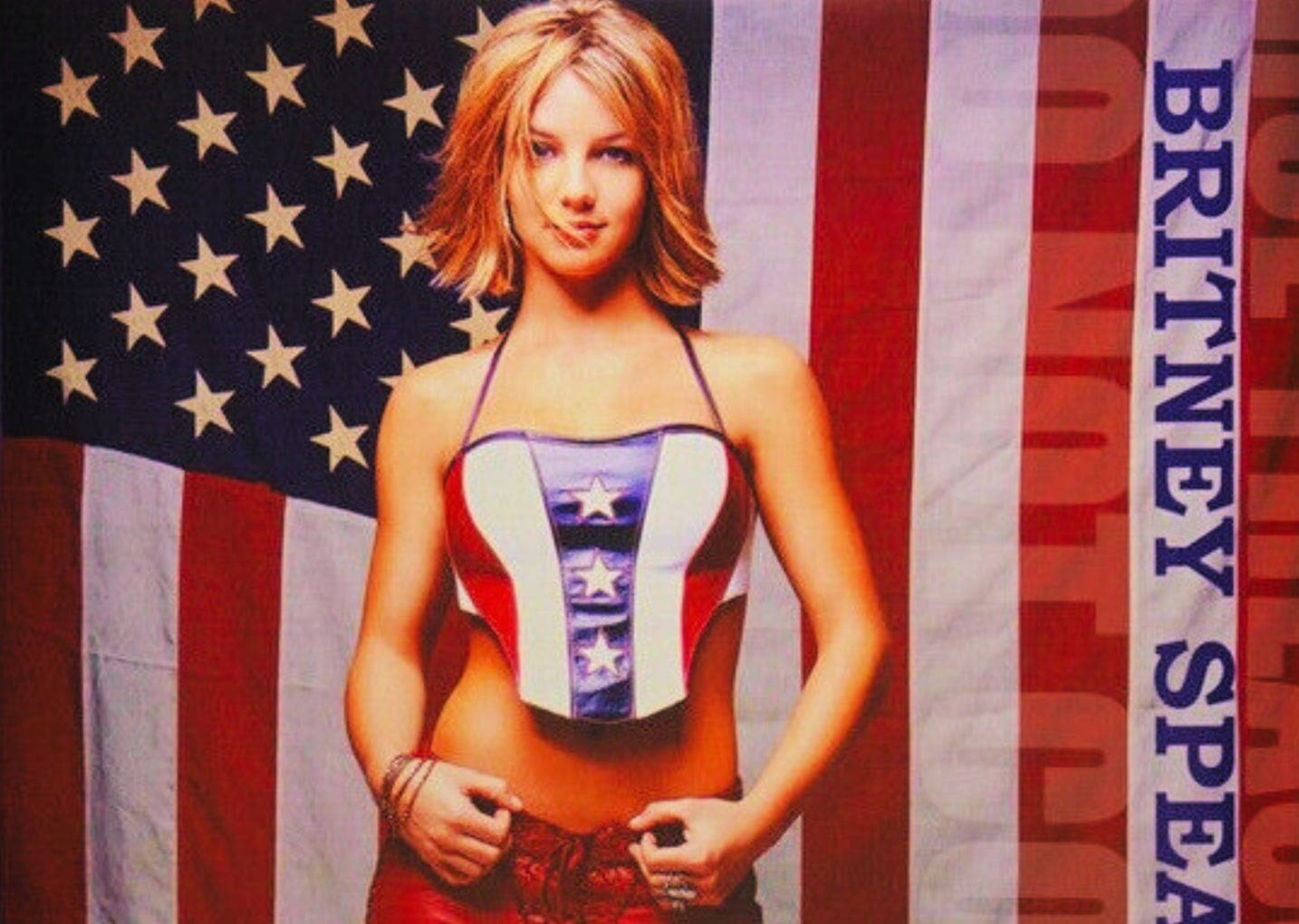
Episode Summary This episode delves into the tumultuous relationship between media and celebrity, epitomized by Britney Spears's rise and fall and the evolution of tabloid culture during the late 90s to early 2000s. Jeff Weiss shares insights from his new book, which reflects on his experiences as a tabloid journalist during Britney's reign, offering a semi-fictionalized account of the era's media practices and cultural norms.
Key Themes
- Cultural Influence of Britney Spears:
- The episode discusses Britney's trajectory from "America's Sweetheart" to a controversial figure facing intense media scrutiny.
- Reflects on the societal attitudes towards female celebrities during this era, particularly regarding their personal lives and public perception.
- Media Morality:
- Weiss examines the ethical dilemmas faced by journalists in the tabloid industry, questioning the morality of their methods and the human cost of sensationalism.
- Discussion on how the tabloid era has set the stage for today's gossip-driven political media landscape.
- Nostalgia for Y2K Aesthetics:
- The hosts discuss a resurgence of interest in early 2000s culture among younger generations, exploring what aspects of this period draw nostalgia.
- Emphasizes the performative nature of contemporary culture influenced by social media, contrasting it with a seemingly simpler time devoid of constant online scrutiny.
Notable Discussions
- Format of Weiss's Book:
- Weiss chose a semi-fictional format to reflect his experiences in a more engaging way, allowing for creative liberties that a straightforward biography wouldn't accommodate.
- He discusses the challenges of capturing the "truth" in journalism, suggesting that the emotional or spiritual truth may be more important than factual accuracy.
- The Evolution of Journalism:
- An analysis of shifting journalistic standards and how the rise of social media has blurred the lines between journalism and entertainment.
- Dialogue on the implications of algorithm-driven content and how it has transformed media consumption and production.
- Cultural Reflection:
- The hosts explore the parallels between the tabloid frenzy of the 2000s and current political discourse, suggesting that society continues to grapple with similar issues of voyeurism and sensationalism.
Key Takeaways
- Understanding of the Media Landscape:
- The episode illustrates how the media's treatment of Britney Spears was emblematic of broader cultural attitudes towards women and fame, highlighting the often predatory nature of celebrity journalism.
- Importance of Context:
- Weiss emphasizes that journalism should provide context rather than merely sensationalize events, and the decline of nuanced storytelling in favor of clickbait headlines is lamented.
- Call for Empathy:
- The discussion calls for a more empathetic approach to journalism, urging listeners to recognize the humanity behind the headlines.
Conclusion The episode concludes with a reflection on the future of journalism and pop culture, as well as an invitation for listeners to support independent journalism. Jeff Weiss's insights serve as a reminder of the ongoing relevance of media ethics, celebrity culture, and the complexities of truth in storytelling.
---
Additional Resources
- Book: *Waiting for Britney Spears: A True Story, Allegedly* by Jeff Weiss
- Follow: Jeff Weiss on [Twitter/X](https://x.com/passionweiss?lang=en)
- Event Info: [Neon Clown Dream Lounge Event](https://lotfortynine.com/products/waiting-for-britney)
Call to Action
- Engage with the Podcast: Listen, subscribe, and leave a rating on [Apple Podcasts](https://podcasts.apple.com).
- Support Independent Journalism: Consider becoming a paid subscriber for bonus episodes and community access [here](https://theculturejournalist.substack.com/subscribe?utm_medium=podcast&utm_campaign=CTA_2).
Written by AI. May contain mistakes. Listen to the episode to check what was said.
Transcript
Automatic transcript. May contain errors.0:00You saw the questions that were being asked. is Britney a bad mom? It's not like, did Britney record a bad song? Is Britney wearing a bad outfit? Is Britney in a bad marriage? Is Britney a bad mom? That's America for you. Hey pals, it's Andrea and Emily here with Cujo. I am back from vacation. Thank you again, Emily, for holding down the fort without me. I am honestly pretty jealous that I missed those two conversations. We missed you. Oh. Okay, so today we are talking about none other than Britney Spears. Andrea, what do you remember about that era in pop culture and media in general? It was a wild and kind of prescient time, wasn't it?
0:49Yeah, that time period, like Britney's reign, some people might say she still reigns, but her pop culture is sent from like 99 to 2009. You know, that definitely overlapped with when you and I were in like middle school and high school. I just remember it being kind of culture shock as somebody who was getting to know popular culture and it feeling very ruthless and like highly visible. I have just like a lot of reproductions of, you know, the boy band, girl band wars on MTV and like a lot of low-raised pants and flat stomachs and like body image issues and glossy magazines in the supermarket aisles talking about she's fat, she's thin.
1:27Like, guess what? They did this. Britney's crazy. She crashed her car. Yeah, it felt so highly visible, like aggressively flouting privacy in the quest for gossip, endless gossip. That's what I think of at that time. Just very, very kind of tacky and superficial and like blindingly bright, if that makes sense. Yeah, totally. I think by the time Britney became such a fixture of the tabloids. I was a little older and had already sort of moved on from that stuff. However, I do remember those images that stick out to me, like Britney's shaved head or the story of like the baby in the car. And I don't know, like being kind of disturbed by it, but also being like, oh, I guess this is how women are talked about or something in the tabloids.
2:16Exactly. And I think that it had already been in some ways normalized by growing up in like the era of the Monica Lewinsky scandal. But now and looking back, I'm like, that was really weird. Totally, totally. Yeah, it was kind of a surreal thing, I think, to experience, you know, as you're like learning what it means to be a young woman in the world. It was the era of millennials coming of age. And a lot of us like participating in that either being the subjects of it ourselves, like in the case of Britney Spears, or being a witness to it. And one person we know who was witness to it in a particularly kind of crazy way is our fellow culture journalist, Jeff Weiss, who was actually right there on the front lines of the gossip rag frenzy at the time.
3:01Yeah, so you might remember Jeff from one of our first ever episodes, which was about local journalism in L.A. And you probably know his work as a longtime hip hop and music writer and founder of the blog and label Passion of the Weiss. But almost no one starts out working their dream job. And one of Jeff's first gigs out of college in the early O's was as a somewhat naive tabloid reporter roving the streets of L.A. with a photographer in pursuit of the rich and famous. And that time is actually the source material for Jeff's debut novel. It's called Waiting for Britney Spears, A True Story, Allegedly.
3:44And it came out last month. The book is a semi-fictional account of his years working as a young tabloid spy in the early 2000s, and of the concurrent arc that saw Britney go from America's sweetheart to Vegas party girl to conservatee, with the book's main character and his paparazzi buddy trailing her on the city's freeways. You could call it a work of fiction, written as a memoir, a work of nonfiction in the spirit of Joseph Mitchell and the beat poets, or, as Jeff himself has described it, a one-person referendum on the impossibility of knowing the exact truth about anything, especially anything refracted and distorted through the lens of electronic media.
4:25However you want to slice it, it's a book that is as much about Britney Spears as it is about the glossy, von Dutch adorned last days of pre-internet media and pop culture at the turn of the millennium. And how that time served as a kind of canary in the coal mine for the ruthless, gossip-obsessed, just downright mean-spirited cultural climate of the present. And who better to embody the spirit of that change to come than the pop star Jeff calls, quote, the coy ick girl at the end of history. So Jeff is back on the show and he joins us today to talk about his days as a gossip reporter and why he chose this experimental format for his book rather than just a straightforward biography.
5:07We also get into how these experiences informed his understanding of the morality and amorality of journalism, how the tabloid era paved the way for our current moment in political media, and why a new generation of young people seems so nostalgic for the fashion and music of the Y2K era, Brittany's included. One other thing, we have a little announcement. Yeah, so if you live in Philly, you can actually come see Jeff talk about the book in person because The Culture Journalist is having its first ever book reading later this month, collaborating with Lot 49 Books, which is a really, really cool bookstore here.
5:43Jeff will be joined for a conversation by his longtime rap journalism buddy Drew Millard, Speedy Ortiz's Sadie Dupuis, and yours truly, followed by a book signing, a Britney and early 2000s-themed DJ set by Domino Dancing, and, rumor has it, Britney-themed drinks. It's all going down on Tuesday, July 29th at Fishtown's Neon Clown Dream Bar. The doors are at 7pm and admission is free. if you're in the area stop by come hang come say hi we'd love to see you we'll be right back with jeff to talk all things britney and his book just after the break
6:34you want a piece of me
6:42The Culture Journalist is an independent project that relies on word of mouth and is funded entirely by listeners. If this pod had something meaningful to your life and you want to access everything we put out, please consider supporting our work by becoming a paid subscriber over at our sub stack. Paid subscribers receive access to our Discord community, the Cujoplex, full access to bonus episodes, and more goodies. You can get it all for just five bucks a month over at theculturejournalist.substack.com. Hey guys, we are back with esteemed culture and music journalist and friend of the pod and author of Waiting for Britney Spears, Jeff Weiss.
7:22Hey Jeff, it is so great to have you back on the show. So glad to be here. Thanks for having me. All right. So why approach the story of Britney in the way that you've done it in this book, rather than say, you know, a straightforward biography, you chose to do it as this semi fictional account of your own time working as a gossip reporter. What were like some of the rules that you quote unquote broke? And why did you decide to break them? Well, I think I started doing it that way because it was sort of the life that I found myself living in my early 20s, where I was just suddenly thrust into a world that I didn't understand.
7:57I didn't want to be a part of. but you know I was like well it's a world of scammers I might as well scam the scammers and by the scammers I meant the tabloids I think I say that in the book where like most of the time a lot of the time I get sent out in red carpets and I would be like well I'm working for like Star Magazine or OK Magazine no one wants to talk to you so I'll stick on my tape recorder and just steal whatever they're telling Access Hollywood and I'll report it as my own or I'd go to you know like the Rob Report party or like I have like a whole thing of receipts for like all these like ridiculous parties that I would sneak into.
8:29And you find yourself you're like, I'm seeing Interpol or I'm seeing the black eyed peas or you don't I mean, it was a bunch of random things. And then obviously, Brittany was kind of the center of the universe at that point. Like the first assignment I ever had. Well, I think it was actually the second, the first assignment I ever actually had. And I thought it was going to be like, really easy sailing in this world. There was a movie called The Hired Hand that Peter Fond made in like 1972 after Easy Rider and and like Star Magazine sent me to go like try to talk to Peter Fonda. So you know, I was like, Oh, great, like this, like cool old 70s like movie like this is gonna be fun.
9:03And then of course, the next assignment is like find Britney Spears, no matter where you are. Yeah, so I found it like she was the through line. And I also found, you know, in my early 20s, she was such a metaphor, because obviously, we all live through it. To me, she was like the end all be all, you know, like childhood crush, like thought I'd marry her didn't work out, I guess, you know, we got personal differences. She was more of a pop person, I was more of a rap person. It just wasn't working. But like writing a pop star biography of Britney Spears seemed so boring, right? And just like also seemed like in many ways even more tawdry than the book that I wrote.
9:35Because like you're like, if you write the pop star biography, like people want you to like actually dig through the trash where I could create this kind of world that somehow even when it wasn't true, would feel very real. And when it was real, it would feel very untrue. To me, it also was a way to symbolize the kind of the post-reality, post-truth moment that we currently inhabit. Right. And it also seems like I never kind of thought about it like this until you just sort of framed it as like writing the pop star biography of Britney Spears, which my gut reaction is like, wow, what a Sisyphean task?
10:06Because it seems like even based on her autobiography, her quotes autobiography, you know, what is the truth of that story? The idea of just a straightforward like biography of her, that sort of superficial versions of those have been written like a gazillion times over. but there's not it feels like specifically this kind of story there's not that kind of truly applicable truth as we're used to seeing you know reading I don't know Ryan Wilson's biography or like you know Keith Richards autobiography it's just almost like doesn't apply and how could anybody actually even get to that when even seems Britney Spears herself doesn't know her own truth right exactly yeah and I you know I think her experience was sort of like obviously so extraordinary but like in a weird symbolic metaphorical way kind of emblematic of the millennial experience kind of you know here's the dream and here's the destruction of the dream and now you are living in the ashes and also like the britney thing to me like i use like the black lodge from twin peaks thing over and over again to the point of where it's completely belabored but like it is kind of one of those things where you're like okay you'll put her in a conservatorship now and 13 years later she'll get out of the black lodge and she's very like it's not you know what i mean it doesn't feel like the same britney at least the britney of 2001 2002 and that's fine like time changes everyone and the other thing i would add too which is so weird is there actually haven't been any britney spears biographies really that like not a good one there was like a bunch of quickie ones were written when she was like really young and on top of the world and then there were a few kind of mediocre british written ones it's actually really funny one of like the three biographies written about britney the guy like there's so much he doesn't know that he hires like a psychic he's like going to the psychic to try to get more insight about britney spears it's so far out it's so weird but yeah I mean like that's the thing right like Brittany is still one of the great mysteries at the heart of American life and I thought like you know at the end of the day what is LA but noir and what is like you know to me this is a noir novel in pink 100 % I just want to circle back to one of the sub questions I started with which is what were some of the you know quote-unquote rules that you quote-unquote broke writing this book the way that you chose to do it and why did you decide to kind of break them like in terms of like what the rules of traditional journalism would like a straightforward journalistic biography yeah i mean i thought like being spiritually honest was very more important than being factually true although like there were certain rules right where i was like everything about britney i want to be as close to the truth as i can find it through all like my research and you know what i mean but at the same time keeping in mind that of course you're never going to know actually what the truth is right This is all based on reporting.
12:43And there were certain things, right? So much of it to me was like meditation on the nature of the truth and being a journalist, right? I had this thing early on where I was like, should I talk to everybody that was there or should I try to? And like, of course, first of all, they're going to be like, no, I don't want to talk to you. But even if they did want to talk to you and like, I'd like to believe that I could have probably gotten, you know, I did talk to people that worked with her for a ringer piece. I wrote like five years ago. So I had a general fundamental understanding of like her working process, what those kind of close collaborators thought about her as an artist, that sort of thing.
13:15And that was definitely informative. But ultimately, when I was trying to seek this out, I realized, oh, they're not going to tell you the truth anyways, because the passage of time shapes memory so profoundly that they probably don't remember it accurately. and even if they do remember it accurately they're going to shade it in their in their own positive light in wake of the fact that britney was in this conservatorship and they want to make it seem that they had no complicity in like kind of her downfall so then i realized that in a way that's potentially very liberating because then i'm not like obligated to have to talk to these people and kind of swallow their lies and i when i say lies a lot of them are air quote because they don't even understand that they're lying i think so much of the human brain just kind of contorts things to make their own ego and lack of guilt.
13:58Okay. Yeah, so I did that. And I wanted the narrator to there are like wink, wink, nod, nod, like of what is going to happen in the future. But I wanted the narrator to not know of anything past 2009. You know what I mean? So there were certain things like that where like, he can't just be like, in the future, Donald Trump is going to be the president. You know what I mean? I didn't want him to be writing from that perspective. And this is the thing that kind of got probably accidentally misrepresented. But I didn't want it to be like the narrator is nameless. And I think a lot of people inherently were like, oh, the narrator is named Jeff Weiss, but it actually isn't.
14:30He's purposely not named. Like when I get caught on a famous, I mean, if I don't want to spoil it, but it's already out there. But if I want to get caught on a famous celebrity's property, I didn't want to have the actual, you know, Jeff Weiss name in the thing because I wanted to create the separation between myself and the character who obviously they're very similar. I mean, like, it's not like a radical difference, but it was important to me to make it. So I didn't want it to be this kind of corny thing where you're like, oh, this is the fictional Jeff Weiss, you know, and I was inspired by the writer John Reschie, who wrote City of Night, and his narrator was nameless.
14:58And he always was he called him like the young man. And in my head, like my narrator was sort of that kind of figure kind of going through the world. I didn't want him to be like my own Marlowe, like it was something kind of different. When you pitch the book for publication, did you like tell them this is somewhere between journalism and fiction and like it's pretty experimental concept to pitch yeah in this conservative landscape yeah it got rejected a lot I don't think anybody got it so thanks to Jackson Howard and Sean McDonald at FSG for getting it because certainly nobody else did it's like one of those things where it doesn't make sense on paper at least in a pitch right it doesn't make sense in an elevator pitch we're like okay so I lived this life but also it's a fictionalized version of this life.
15:43But there's enough of it true where I have the credibility to tell this and like people were like, what's gonzo journalism, but I also didn't want to I feel like there's only one gonzo journalist, not Tanner Thompson. And anyone who calls themselves a gonzo journalist should be kind of like, shot out of, you know, his cannon in Woody Creek. I just think it's kind of disrespectful. You know, I was inspired, of course, by like the new journalists. And that's like, the weird thing is like, I feel like all the things that I'm doing had been done in the past in a different form. And I was kind of carrying on a tradition that for some reason we decided to destroy or pretend it didn't exist.
16:14Obviously, what Hunter Thompson did, what Joan Didion did, what Tom Wolfe did, what Truman Capote did, even going all the way back to like Joseph Mitchell and up in the old hotel. A lot of those stories are not true, but they obviously are true in a certain sense. You just slagged a really great point, actually, that I was thinking about while reading the book. And even years ago, when you were starting to pitch the book and stuff and were telling me about it, you're right, like it was hard for me to wrap my head around it and then I read it and I was like oh my god totally but yeah why why this kind of thing fell away when I feel like at a certain point this I don't want to call it autofiction because that's not necessarily quite what it is and that's unto itself a nebulous kind of concept but this like I remember studying you know Tim O 'Brien and the things that carried like in high school as an example of like this is an important like concept of literature and storytelling and how there's truth and then there's the truth that's not necessarily like literal but but tells you a certain kind of truth through embellishments through a certain recast kind of version of a lived experience and in a lot of ways you'd think that that would actually be more salient than ever right now and yet it's almost kind of forgotten it feels yeah I mean I think there's like a lower case truth and there's a capital letter truth right and like I don't know I feel I've read like one autofiction book in my life.
17:33And when I was telling people about the book, they're like, so it's like autofiction. And like, I, I, I didn't know what it was. I'm not like tapped into like the literary world. It's like a running joke, but with Paul Thompson, Paul Thompson, but he's like, you don't read anything contemporary. And I'm like, yeah, I should. And I like, I'll read my friends books. But ultimately, you know, I talked about Diana Prima's memoirs of a beatnik, which would probably like, that book was so interesting to me, because when I was interviewed her in 2017, if you don't know, like for listeners, if you don't know who Diana Prima is, she's this incredible beat generation poet.
18:05Her actual memoir, Recollections of My Life as a Woman, is one of the best memoirs I've read. But she wrote a book called Memoirs of a Beatnik, which is ironic because it's not really a memoir. It's very proto what now we call autofiction. It was her publisher paid her double if she put her name on it. And it's like these weird like Greenwich Village beat generation, like illicit stories. It's like a wild book. Or like again, City of Night or anything the beats were doing or henry miller was doing what we call autofiction like over a hundred years ago and a lot of it is of course you know people like fucked it up you know people wrote really shitty hunter thompson impersonations and it's like certain things just became a trope in and of themselves so i think like naturally the cycle worked against it jeff do you think people even really want the quote-unquote truth no about you know britney or otherwise anything no or anything like like what is it that they're actually still seeking i mean right not not to quote the most trite joan diddy in line but it is a real we tell ourselves stories to live ass moment with ritney no people do not want the absolute truth like the deeper i dug into the stuff and by the way the stuff has either been never made the internet or is completely memory hold but like it was very dark there were like quotes from kevin federal i'd being like this is like, oh, nine, 2010.
19:21And he'd say things like, you know, I had a lot of differences with her father. But at the same time, like, he's the only person that knew some of the horrible things that I saw that I can never talk about. And you're like, that is so dark. Like, that is such a dark illusion. Like how much crazy stuff and like, and I'm not saying that crazy in the mentally insane, but like any celebrity that lives at that kind of Olympian level is going to go through things that you could never imagine. And there's just a lot of things in this story. And I think most stories. And that's the other thing, too. It's like the nature of the internet right now is like, it's just flat.
19:54It's just like these two opposite extremes. And there's like little room for nuance. And so it's like people when I was, you know, doing the book, like the Britney fan people have most some of them have really like actually been like, No, this is cool. I really like the book. You're supportive of her. And like, I appreciate it. But like, it shouldn't have to be a you love Britney and you worship Britney, or you're one of the haters. Like, that's not really how the world works. And I think now like everything is politics, including art. And that's fucked up. I'm not saying like people should retreat from politics, or I'm not saying art and politics don't have like a long and storied reputation, but it shouldn't be a necessity.
20:33And like, I just don't look at the world like that. I look at the world, unfortunately, in like shades of gray, where I can't really make a concrete statement about everything. That's why I didn't want to be a politician. I don't like the sloganeering and the propaganda. And that's, that's the world that we want, I think, because it's simple and it's comic book and it's character and it's easier to understand in like 180 or 200, 360 characters. So there's a large part of the book that, you know, potentially could have been a lot of the same story and it could have been about the Olsen twins or a number of different tabloid characters at that time.
21:03But making it a that bigger story, but centered on Britney is something else entirely. So why Britney? What do you think it is it makes her such a uniquely kind of enduring pop culture touchstone? And what aspect of her story did you feel hadn't been told? I actually don't think there are that many people you could tell this. I think I really think there's actually only two. I think it's Kanye and Britney are the only two that you could tell the story of the last 25 years. And like, I don't know, like, I'm basically the same age as Britney. It's like she was the only one that made sense. Like, first of all, like Angelina Jolie doesn't feel like, OK, Angelina Jolie, you're falling white.
21:39Like, who cares? you know or like and the Olsen twins that just ends like kind of well right like they're like okay they're like tortured and then like yeah they turn out pretty fine and they're rich like they're married I think or there's like a Heath Ledger thing but like you know what I mean like we're gonna like dramatize like do what she's doing drugs with Heath Ledger I'm like I don't really care and like actually the Olsen twins like for what it's worth I think might have gotten it the worst of anybody when we're like 17 and like they're like charting their weight and like having like these like cocaine monster mary kate and you're like what the fuck is wrong with you what adults let that shit happen but yeah in terms of britney's story i mean like look it was all told but again it was told mostly through conservatorship and like most of the stories like nobody talks about what led to the conservatorship it's like if you watch those documentaries it's like there's like 10 minutes where they like show a bunch of tabloid headlines and then like she's like she was married to kevin federlein and then here are the paparazzis and she dates the paparazzi and And then they have like one clip from Adnan Ghalib and one clip from San Lutfi.
22:41And then they're like, and then, you know, here's where like Brittany's dad like locks her up in a cage and throws away the key, you know, totally interesting. Sad, like haunting. But like, that's what the story was told. And also, like, I wanted to tell like my own story in a way, even though this is not explicitly my true story. And I'm trying to tell people like, you know, it's it's definitely figuratively true. I don't know if it's always literally true. Some of it is literally true, though. And I felt like hopefully I was telling it in a way where, again, it could be like this kind of like synecdoche for something more and deeper that like kind of we all as like millennials face because it's such a millennial story.
23:25And that's the thing. It's like how Marilyn Monroe is to boomers, Britney Spears is to millennials. Clearly, you know, you're not just interested in Britney herself. are also just interested in this time period and the book is a lot of reveling in you know just like the tactile details of that time or the visual details sonic details and stuff which is very alluring and by the way i got through like over 100 pages in the book where i was like wow the internet has not been mentioned that many times at all in this entire book and it's just kind of like an interesting yeah i definitely did not like i have friends that have written well about the internet, I find it the most boring thing to write about.
24:05Like, I think like, I'm a very big, like, everybody needs to go outside way more. And like this book was like the last time that people were like, you could actually only be outside. So yeah, it felt like kind of a tribute to that. It was a good use of literary negative space. It made me really think about like, how quickly that all descended and change things like just I mean, 2009 to 2011, totally different. And that's the end of the book, right? And like the end of the book is like, oh, the iPhone comes in, you know, and that I wanted to kind of trace this like technological shift to because like that's so much the subtext of it all.
24:39And you make a lot of allusions to the sense of like, the end of the 20th century, or Brittany being a pop star for the end of history in some way. And can you tell us a little bit more about like, what about this exact moment you're interested in capturing? yeah I think Britney like emerged that the last time that like that kind of like gilded myth was believable you know where like think about if you had like a pop star today and you're like yeah like uh Sabrina Carpenter says she's a virgin you'd be like what like and also like why would you ask about that like people like have we gotten better and you're like yeah like of course we've gotten better like we're not like asking pop stars about like their implants and like their virginity as much so like on some level like you know there's some slight improvement like girls gone wild there's like not a thing that like we're like yeah girls gone wild of course that's totally where you would buy a vhs video for 1999 at like four o 'clock in the morning like that's no longer like fhm isn't like popping you know or maxim or whatever but britney emerges from this kind of like milieu and becomes the like superstar in it and i just think that we then watch it become whatever the new model is and also it's weird because she had a lot of longevity people don't even like realize it because they think like oh it ends with toxic and you're like no actually her biggest selling albums maybe not like in terms of cultural importance but like she a bunch of like number ones and like a ton of number ones in the conservatorship and kind of the britney era really like on a statistical level goes to around like 2014 2015 and that's like 16 17 years that's insane for a pop star other than beyonce no one really maybe madonna you know before britney you have like debbie gibson and tiffany and like these women that had just like kind of came and went and britney is the one that sort of and also comes up in this environment where now all of a sudden electronic media, like in terms of the internet, becomes a thing, right?
26:41And so Britney then is the first one to have to do with the blogs. Britney is the first one that has to do with TMZ. She's sort of like a guinea pig for her own like sociopathy as a culture. So most people know you as a music journalist or journalist and might be surprised to learn that you actually started your professional career working for tabloids as a gossip reporter. how did you end up doing that in real life and what was a typical day like for you and how closely did it resemble the life of the book's protagonist yeah i mean i think it was actually some of that stuff was like pretty like true to life you know i did find a craigslist ad that i did not know was star magazine and uh i did show up to that interview in my dad's suit and i was 21 and the same woman that hired me, Brenda Yu, like RIP, who did kill herself.
27:34I mean, that story is true. And yeah, she did hire me and promised me a bunch of money and I never got the staff job. It was like, do you want like$45 ,000 on a cell phone? I was like, yeah, sure, of course. Like, I'm so broke. So that was like mostly true. And then yeah, I mean, like I was working for a business journal concurrently and I was writing a novel concurrently. So like a lot of that stuff is like very close to life. And I was thought I'd be like, finish my novel and I'd be like 25. And then everyone would be like, yeah, you're like F. Scott Fitzgerald. I'd be like, great, fame and fortune.
28:05Here I come. I mean, so much of it is like a riff and like on just how, you know, naive I was in terms of being like young and trying to be like this like pseudo poetic, romantic sort of writer and just having my own illusions kind of crashed on the shoals of modern life. what is the name of the like paparazzi character foil guy again oliver in the book but he's mel who's odd in real life okay so then that was based on some oh yeah yeah mel mel like i mean i i tried to capture that as accurately as i could he did not need any fictionalization like if anything like god knows what other stuff i left out you know there was one funny story i think i've told this before but it was so funny because we were reading the audiobook and yeah i was gonna say i think i saw that he's even like actually lending his sort of yeah yeah yeah prognitoon voice like actually to to the oliver character for the audiobook right uh yeah yeah no i have these great videos where he's like he's like i'm the real oliver you know and it's like i should post them but he no he's amazing and he was he was like one of the only people probably the only person that looked out for me in that world and we're talking about the adnan thing and like after he left and adnan if you don't know was uh britney spears paparazzi boyfriend and i didn't even know this when i was writing the book i only learned it when we're doing the audiobook but adnan apparently was like telling people that he drove mel oliver out of la back to england like after like the action so there was like actually a real beef that i was like not necessarily aware of at the time i think that's like the goal right is like you want to tap into this like kind of like you know not to get to union but you want to hit that collective unconscious and like to me like britney spears like coming unstuck from time and getting thrown into like the black lodge this is like pure like lynch you like everything so that's i mean also why i wanted to do it because it just who else you know it really is just kanye you know what i mean kanye like being a neo-nazi divorced angry father, you're like, that's a very American moment.
30:09You know, like he's definitely reflecting a part of the zeitgeist right now. Not a good one, but it's totally like, it's a recognizable American archetype. Yeah. If you like what you're hearing on this episode, there's a place where you can join the conversation. It's called Cujoplex, and it's a private online hangout zone on Discord where smart, cool weirdos just like you. You know, people who like talking about the evolving state of independent culture can congregate, share links, and talk about the news of the day. We've had some great conversations lately about creative economies, media theory, AI, politics, the future of journalism, and even the records and TV shows we've been obsessing over this year.
30:55Some of our chats have even inspired episode ideas. You can get access to Cujoplex, along with our monthly bonus episodes by signing up for a paid subscription over at our Substack. That's theculturejournalist.substack.com. What did it mean to kind of exist in that ecosystem? And how did it go on to inform like working adjacent to paparazzis, for example? How did that go on to inform your understanding of what journalism is and isn't? And maybe like even like your moral understanding of journalism or, you know, do you still see journalism as an inherently moral or publicly beneficial pursuit after like experiencing that, if that makes sense?
Read the full transcript
31:39yeah I mean I think journalism depends on the practitioner right there's such a wide spectrum of what we can call a journalism now I mean like is like the average youtuber I mean a lot of youtubers like will stand outside or like or the people that'll do like kind of the man in the street journalism with you know the little microphone and they consider themselves like doing journalism and you're like is that different from the vox pop thing like no but it's like it kind of depends on who's doing it you know this is one of the things I was like trying to like wrestle with in the book. It's like is knocking on Brad Pitt's manager's door to get some quote about something.
32:14Is that more immoral than when like there's a tragic car accident and a reporter goes like four hours later to the family's house and is knocking on their door at their worst moment, a moment like so grim that you couldn't even imagine it. Whereas like the Brad Pitt thing is just like a trifling column, you know, little note that everyone will forget the next day. Whereas like the family that has suffered this kind of tragedy, they will remember that reporter like haunting them, like wrapping on their fucking door at like they're low. So, I mean, I don't know. Like, I mean, there's obviously the Janet Malcolm kind of theory of like the immorality of journalism, which I think like I'm going to subscribe to to a point.
32:49But again, immorality. Yeah, immorality. Yeah, it's a better way to describe it. But yeah, I think these are the qualities that made me like maybe not like the best. I would never say that I was that Mel was the best photographer, like Oliver, like he was the best paparazzi. Like I was not the best tabloid journalist by any stretch of the imagination. I'm surprised that like people haven't come out like and been like, actually, he was pretty mid, you know, but I think that's probably hopefully because like, it's a redeeming quality. Like, it's also the same quality that makes me like, sometimes I'm like, not enough of a killer.
33:20Sometimes when I'm writing a feature where I'm like, I don't know, I kind of like this person. Like, why do I need to like, I had this conversation the other day where it's like very strange. And this is, I'm sure something both of you guys have done like many, many times where it's like I'm not talking about like Drew's infamous little Dickie profile where you're like Drew is really I mean that was public good where Drew wrote that piece but I'm talking oh where you meet somebody that's like I don't know like Zach Braff like I profiled Zach Braff once like do I think Zach Braff is the greatest filmmaker no do I think Zach Braff was the most likable decent guy no but he didn't strike me as like a bad guy and like how am I supposed to know anything about him really in our one hour conversation it's all a public show so am I supposed to then like turn his quotes into a weapon to punish Zach Braff because I didn't like Garden State enough you know and because I don't like what you do with the shins and it's a very weird psychology of a journalist like taking these little brief windows into a person's psyche that are kind of artificial in the first place like I remember Esquire sent me once to go hiking with Kristen Bell it's like what the fuck it's like put me on this like fake ass date with Kristen Bell like what is wrong you know what I mean why are we doing this yeah like I don't have any insight into how they are, you kind of get like a little glimpse at best.
34:30So I think it's all sort of a dog and pony show in a lot of ways, especially now. And I'm not saying like, what the best reporters that like that, that eight great investigative reporters left, but the rest of us, it's like, I don't know, this is something I was wrestling with when I was doing the music journalism. Like, I mean, like, the Draco case, when I was reporting that, that felt very real to me. And that felt like I was like doing something that was like publicly beneficial. But otherwise, like a lot of the time, you're kind of just doing like, like light service journalism and sort of that's kind of what the tabloids are doing unless they go to the extreme where they're like, you know, digging through Mary Kate Olson's like garbage to find the cocaine residue.
35:03So it didn't lead me with the feeling that journalism was necessarily an amoral tool or like, where do you stand on that? I think it's like hard to say whether it's like moral, amoral or immoral. I think it's capable of being all three. And it just sort of, I mean, I will say that I absolutely hated what I was doing. Like I would call my mom like all the time and my dad, like didn't care. My dad's like, you need to like make money. Don't complain to me about any of this shit. My dad would just be like, you chose a bad profession, go to law school. And my mom would like, you know, have sympathy.
35:34But again, like, I hated what I was doing. It was awful. Like I found it like beneath me and pernicious and and low level malevolent. But then like sometimes like it would be totally like anodyne and sometimes fun. And you know what I mean? It was kind of like a complicated series of manipulation, actually, because they'd kind of like, they'd be like okay well you can go to the palm springs film festival and we're gonna put you up in a hotel for like a night and you're gonna interview and that was true in the book like you know interviewed scarlett johansson for like 30 seconds about like pink floyd that was kind of providing a service that like keeps the wheels moving and the entertainment yeah like you know fans want to read it she wants publicity the movie and yeah and then there's the other thing worth noting that it's like yeah they want this publicity i mean like oliver mel would tell me all the time how people would call him up and be like, we're going to lunch at the Ivy, be there for photos.
36:27I'm pretty sure that like when Britney did call when Britney made her like public debut with Kevin Federline, I'm pretty sure that like they she had called the paparazzi to be there if my reporting and memory serves me right. And very famously, you know, obviously, there's a scene with Brad Pitt and Angelina Jolie and they're like treating me like I'm some kind of like paparazzi monster. And this only came out like I want to say like eight to 10 years ago. But when she made her public, like, OK, I'm ready to unveil Brad Pitt. Like she called like a paparazzi to be there in Africa to take photos of her and him on like this like secluded beach.
37:00And of course, like everyone's like, oh my God, I can't believe these horrible people would follow them to the ends of the earth. And then like there she is like calling them and it was like a speaker or whatever. So again, you know, I worked for people and I thought that people was, you know, they were like the top of the top and totally bloodless and they would never put you into harm's way. And it turned out people put me in like the most severe harm's way. And I was just a dumb kid that didn't know any better. And like, does that mean I don't deserve responsibility? No, of course I deserve responsibility.
37:26I should have thought more. But the irony is the only time I ever got in trouble with it was when I was working for people because I dropped like I didn't have my wits about me because I was like, oh, people would never do that to you. So imagine if you had worked for Vice, you probably also would have ended up in jail. If you wanted to like do like the global news or murdered somewhere like, yeah, I would have liked to have done that like noisy things where they always would tell them. I was like, you guys could get somebody like a little less white. Like, not to say like you don't need to get too crazy, but I was like, you shouldn't hire a guy that's like translucent.
37:59And it's like, show me the dope spot, guys. That era is over, too. I do want to push back a little bit, though, on what you were saying of just like these interviews that we might be doing with like musicians or celebrities. And I mean, I hear what you're saying about like the, are we like obligated if we think someone's like an interesting person or a nice person? Like, are we obligated to like rack up dirt? And I just think the whole, the like why like to even do these kind of pieces has like changed so much. I feel like that's not really like talked about enough really. You know, pre the giant PR machine, pre the social media and all that.
38:38journalists, even like sort of culture journalists, music journalists, we were giving people that information they couldn't otherwise access. And I think above all what we were giving people, and I think this still remains, this is what I'm pushing back on is context. Yeah, for sure. You know, and I don't know where like morality like fits into that anymore. But I think it's less about like truth or, you know, asking tough questions. Of course, of course, it's still about asking tough questions. But especially when it's something that feels a little bit like softer or more featurey. I think the indelible thing that people can't get elsewhere that journalists can still give folks is context, you know, totally.
39:14And I'd argue, obviously, that like criticism is insanely important. And like, you know, when I did the Post Malone story, I remember someone was like, Oh, you should profile him. And I was like, No, I don't want to profile him. Because I know that if I go profile Post Malone, I'll find him kind of like all of his qualities, like kind of charming. And I'll be able to like, overlook the fact that I find his music repulsive. But that was like, well, I was like, okay, criticism is, is arguably more, see, I would argue that kind of service journalism profile is less important than it used to be, even though I love a good, don't get me wrong.
39:43Like I love a good profile, but like, like the negative one, whatever, but I would argue the negative criticism, whether you want to call it a hit piece or just like a thing that reckons with someone's art and why they kind of are this like empty shell of a figure. I think that's never been more important because we live in a society where now everything is marketing. Right. And like now, unfortunately, journalists have become just another like nexus pinpoint in someone's like marketing plan. And like, yeah, just like I mean, social media obviously comes in at the end of this book, too. And that kind of does take away the power of the journalists because people will be like, oh, well, why do the tablets not exist?
40:15And because it's like Instagram exists, you know, and now they can get to stage their own photo shoots and they can stage their own paparazzi style photo shoots. They don't need this kind of medium to get them publicity. I think when I asked the morality question, I was referring less to the idea of like culture journalism profiles, which I think contain usually some degree of like advocacy, especially if it's like a smaller artist. And I was referring more to know the idea that like whatever is in Britney Spears garbage deserves to be reported on or like invasion. The reason why this is on my mind is I've been thinking a lot about the media's treatment of Zoran Mamdani, obviously and that story where they like reported on his college application and they got the information from a eugenicist guy who they granted anonymity the reason why I asked that is like do you see anything different between like the worst of what you saw back then and that and is the difference just that the New York Times has a veneer of respectability and that they're like They're very good at articulating how what they did fell within classic journalistic standards.
41:25You saw the note of the standards editor defending how the story adhered to the letter of the law of journalism, but not the spirit of the law. Or in my opinion, not the spirit of the law of journalism. And do you see anything different there? Well, I'd argue that politicians need to and should be and often aren't held at a higher standard than celebrities. I think who cares about celebrities? Like that, that's like my notion, like who cares about the morality or the perceived morality of a celebrity? Like I assume they're all and I guess you could make the same case where I assume all politicians are generally bad narcissists, like at heart, like I don't I don't believe in a good politician.
42:00Like I just don't anymore. And maybe I'm a nihilist for that. But it's like, I find that about almost all aspects of American life, like the desire for fame and prestige, and like the narcissistic quality that only I can say, you know what I mean? Like, I just find everyone like that personality. it's like people were asking me the question about Puff Daddy, right? Like, and I'm like, well, yeah, like, of course, like Puff Daddy to go to that level that he was at had to be a sociopath. Like, I find that about almost all people that rise to that level. And I think that didn't used to be the case.
42:27I think that's like a bug in American life. And that has now become like the feature of American life. But I would say also the trend of what you're saying does start in this era where I would argue now we are all living in a tabloid world. I think everything is covered like gossip and tabloids. And the blog certainly ushered that in. but the tabloids were kind of the inception moment of it. I mean, like, look, you can obviously go back to the JFK thing where like JFK, like people always say that. They're like, if he was president now, like imagine all the scandals that would have been unearthed.
42:55The book kind of watches it evolve. Whereas like the paparazzi, even the paparazzi who are like these maligned creatures at the beginning of the book are mostly kind of adhering to like a kind of antiquated code that sounds almost like Camelot-esque, you know? And that was the thing that I wanted to express with the Oliver Mel character was, you know, he was not, I'm not going to argue for the morality of what he was doing because like I like I don't think anyone was doing anything that was really good at that time that is like really that defensible. But I do think in contrast to his what became that world, you know, now where it's like you have TMZ cameras like stalking people on video all the time.
43:33And sometimes they're like totally inconsequential people and it has gotten completely worse. And I think didn't unfortunately, our world is just like a ribbon with this, you know, it's just all shallow ephemeral bullshit and like that's what people want though and at the end of the day it all goes back to what people want and now we have like this other algorithmic factor like overriding it all which is like preying upon the most negative impulses of the human brain exploiting us and we're like trapped in this cycle and i don't really know how to get out of it you know i don't think anybody does other than like you know just like burn the computers and kill the robots which i'm before.
44:09Write books about the heyday of the tabloid era and the aughts and how it gave way to all of this, maybe. I don't know. People read. Which takes us to the next question, which is, you know, do you see a mirror of today's internet journalism in what you experienced back then? Do you feel like we were witnessing the end of an era in culture journalism or maybe the beginning of a new one? I mean, I think what's interesting about it was it's like a transitionary period, right? Whereas like the book starts, like right as old media starts to die. You know, it's like a friend of mine once said, like a millennial is somebody that like went to school or went to high school, learning to do like print journalism.
44:48And by the time they got out of college, it no longer existed in any kind of meaningful way. And I found that to be true. I think we we were in this transitionary period, pre social media, but post internet, and you can kind of see these forces kind of beginning to coalesce, right? Like, you know what I mean? What would Perez Hilton have been today, but an Instagram page? What would all of them, you know, they were all proto Instagram pages, they weren't exactly like, they weren't exactly writing like essays, like in the glory days of blog spot, you know, they were just like one line with a cocaine booger, you know, so like, those are proto Instagram kind of influencer type pages.
45:22And yeah, like, I think like, now, there's so many parallels that are easy to kind of spot of that world. one of the things that always struck me was you know going back to kind of i guess the previous question was when britney was interviewed by matt lauer and at the time there were still these um you know of course who like famously got canceled for being like a total creep so like not that shocking i guess when you watch that interview again but you have this like 23 year old young woman who's like you know never went to i don't think she she did graduate high school but like you're not that educated of a person obviously very shrewd in a lot of ways just like never really did anything wrong like britney never really did anything i think like really like out of She never struck me as doing anything like so publicly immoral or anything.
46:01She struck me as like basically a nice person that kind of like started to suffer and got caught up in the storm of it all and eventually couldn't control it. But if you watch this NBC News Matt Lauer interview again, it's like, hey, why the fuck is Matt like, like what? Like going back to your Zoran question, it's like, why is Britney Spears like nightly new? You know what I mean? Like, shouldn't we be covering like an armed conflict somewhere in the world or like the starvation of people or whatever it is, you know, like some natural disaster affecting people. We weren't because ratings and, you know, Matt Lauer is interviewing her and he has this like veneer of the nightly news, right?
46:36Where, you know, the newscaster voice was like, and now Britney Spears, you know, like that voice. But then they're showing all these like tabloid headlines. So like you're using these tabloid headlines to be like, wink, wink, this is actually what's really happening. But I, Matt Lauer, I'm so above this reality. I don't need to come you know what i mean but you are and they would use it and now like i don't think we have like as many layers i think we just got go straight to the thing and maybe it's like less fake in a way but also like shows the degradation of our society i don't know it was a weird fucking time like why is diane sawyer making her cry on national tv like what is wrong with you know what i mean and now like we're like well obviously the sickness in american life didn't necessarily start here but i think this is like the first time we were like oh this is like bad And now we're like 20 something years later.
47:20And, you know, it just just knife dancing, you know, just collectively knife dancing. There's definitely the sense that we've reached sort of a state in like the media industry and the entertainment industry where like sociopathy is an adaptive trait or like that is like more and more the case or something. Totally. It's even promoting this book. Like I've had to be like, I hate it. Like, you know what I mean? It's like posting on Instagram like twice a day. Like, fuck off. Like, you know what I mean? but like that's what you have to do like i i mean like i'm like i get it like you don't have to like theoretically like yeah like who are my favorite artists i'm like i don't know i used to love mad lib and burial like i love thomas bingen but like fucking la-di-da thomas bingen not there's never gonna be another thomas bingen again i can tell you that much and like elena ferrante congratulations like i wish i was an anonymous neapolitan writer but i'm not yeah we have to just like fucking self soap all the time we have been terraformed by these like brands and these social media companies and forced into these little like marching fucking posting monsters and it's just degrading but like i don't know what alternative is you know it's like like capitalist realism is there no alternative it's like i guess not like i don't really know what the answer is just like with ai like i'm like pretty terrified of that i don't need to tell you you guys are very deep in this world but it's uh i don't know i hope someone has some fucking answers and like this book wasn't necessarily my answer at the end of the book was, you know, I wanted to have an answer.
48:45And I was like, the character like wants to dive into like what's left of the underground and try to build something new, which is like, in my own mind, what I attempted to do and like try to be like a decent journalist as best as I could. But to me, like the notion of an internet underground is so uninspiring to me. Like, I think the answers are the same old ones, right? Where it's like physical community and like solidarity and like building organizations that somehow survive. But Again, going back to the algorithms, they prioritize conflict. They prioritize cheap slogans and dim propaganda.
49:17And no matter what side you're on, the algorithm does not favor the thing that journalism used to do best, which was provide nuance. Yeah, a thing I've said a few times on the show before is we live in a moment where the algorithm has really just conditioned us to know so deeply what we don't like and to lean into that and push for that to the point where we're completely disenfranchised around being able to identify, let alone advocate for what we do like and what we do want. We just know what we don't want. And it's like that rule of writing, like it's more effective to say what something is and what something isn't.
49:53And so we're always going to be impaired and disempowered that way.
50:09to kind of put a coda on this part of the conversation i just want to read a quote from one part of the book and this follows and what we were just talking about with the relationship between today's internet journalism and what you experienced back then and what the character experienced and you write that this comes you know after you detail this particularly brutal skirmish that Brittany has with the paparazzi. The famous incident where she puts her baby on her lap while driving, which she received endless public hate for after the paparazzi captured a photo of that. And again, the context is that they kind of forced her into that situation, essentially just chasing her out of a Starbucks to the point where she didn't even have time to strap her child in.
50:47And your character is kind of reflecting on what just happened and you write, or he says, you might think we witnessed something inhuman, but it's just humanity unleashed on a world where all the guardrails are actively being dismantled. A food chain where everyone happily consumes the product, but no one wants to take a visit to the abattoir that hides it. You know, this actually feels pretty salient to a lot of, I think, what we're witnessing in media today. You know, everything from what Emily just mentioned about Zoran to anything in the political realm. And I'm wondering, do you think that what you capture there at that moment has just shifted from pop culture to politics?
51:25You know, we're talking about how it doesn't seem to exist as much in pop culture anymore, because it's all kind of controlled by the pop stars. Now they can set up their own photo ops, they have their own Instagram accounts, blah, blah, blah. But yeah, do you think there's just been this transference from pop culture to politics? And do you think that that era maybe laid the groundwork for what we're seeing today? yeah I definitely do and that like of course that's what I was alluding to when I was writing that you know it was like sort of a prelude to where we are now I also think that like our politics they followed pop culture you know it's usually like everyone's like politics moves downstream from pop culture and like to some degree that's like probably still true I mean of course it does like we elected a reality tv show star and like even Zoran like I'm like no matter what you think of him like he's a very telegenic instagram ready personality like that guy used to want he tried to be a rapper.
52:12You know, I mean, it's the same type of personality that like wants to be a politician. Now it's like, I don't see that much of a difference. And it's like, not good. I don't think writers should have to be TV personalities. I don't think journalists should have to be podcasters. I mean, it's great that you guys are and you guys do an amazing job. But like, that shouldn't be a prerequisite, right? I think about this, of course, like in relation to myself, because that's like the thing I have to think about by necessity. But I don't want to do anything like I want to just like write books in the forest.
52:38but I don't have that luxury anymore because journalism doesn't exist really. And literature doesn't really exist, even though like, I mean, like it's great that people care about my book and like eight people reviewed it, but like what is going to move the needle more? I don't know. Probably Addison Rae put it on a fucking TikTok. That's what would move the needle. Like we're so far removed from the reality. And like everyone has to do 75 things and like you're lucky to do four of them well. And I would argue you're lucky to do one thing well. and like now we're in a reality where it's like the one thing I want to do is write and now I have to do everything else to get to the point where I can make enough money where I can actually write the thing to not make any money because like writing doesn't make any money and like I got into the economics of this book like we all start like weeping so I'm not rich off this book unfortunately I wish I was I'd be flexing but maybe you know maybe I'll get it adapted into a Hulu miniseries and they can have me do a guest appearance where I'm like a paparazzi in the background.
53:32I went to see Jurassic Park this weekend and every single trailer was for like a remake or a sequel. And I was like, wow, that's incredible. But at least your book is original IP. It does have the like pre visibility of Britney Spears. So you have that going for you? Yeah, I kind of got lucky. I think in this respect, I had came up with this idea like 20 years ago. I didn't know what it had late. I didn't know that she was going to have her breakdown the way that she had the breakdown or whatever. I didn't know that she had the conservatorship did not never but I had the title and I had the idea of a tabloid reporter and did I know it was going to completely center on Britney Spears no but I did see her even then as a symbol and a metaphor for something deeper about ourselves but yeah it's weird if it wasn't called waiting for Britney Spears would people care probably not honestly maybe they would because like the 10 ,000 people that like my writing but like would I be on like WGN or something like no of course not like that's ridiculous.
54:26And that is sad. But that is like how the human brain works. And like, that's how we become conditioned even more. It's all like flashing lights now not to quote the Kanye thing. We've shifted from this like literate society to a completely post literate one, which isn't such a novel conceit to say and everything is now like streaming video. There was an article in New York Magazine this morning about how like New York Times is trying to make all the journalists video stars. And again, like I have a podcast that is on video. So I'm completely of the mindset of that's reality and you have to move to reality but it's certainly not the world which i think any of us would have chosen and we certainly wouldn't have done this profession because like again i thought the coolest thing in the world was just like putting out a book maybe doing a few interviews in print or something and then just shutting the fuck up for four more years and kind of having an element of mystery and and like what have we lost about this world we've lost like mystery and mystique and those are very uh precious commodities we've lost a sense of enchantment.
55:22Yeah, exactly. So Jeff, you've been deliberately coy on this press cycle about divulging, you know, how much of the book is based on your real experience and how much is it kind of fine-tuned fantasy. But you've chosen to do that even when it might mean not necessarily casting yourself then in the most, shall we say, ethically formidable light. Why are you hesitant to reveal what's which? Well, I think it cheapens it. I think like the whole point of the book is like it's supposed to be like, you know, like a pop song or a magic spell or something where you're like, what the fuck is this? Like, where did this come from?
55:53Like kind of like a dispatch from like an alien society that once existed, maybe in some kind of close form to this, but no longer exists now. And I mean, definitely when I was writing it, I was like, people are gonna really think that I'm like a terror, you know what I think? But I thought that was important, like for the the literary element of it, where it's like, the character does have to wrestle with his own morality and kind of like grapple with like what he's doing. And I think that is important for anybody in general to call bullshit on yourself and not allow yourself to kind of believe these lies that you're trying to tell yourself in order to feel like a sense of being exculpated from all this.
56:24But in terms of what I wanted to fictionalize and what I didn't, I did get caught on like Brad Pitt's property. And like, you know, it's like my 50 cent getting shot nine times moment. You know, it's like also like Draco had a line where he was like, it might sound real, but it's fictional. And so much of it was like, what in his raps was true and what wasn't. And like, we're so comfortable with that with rappers, but we're so uncomfortable with it with writers, you know, and like, I don't think we should because rappers are writers, like first and foremost, I mean, they're musicians, but like the good ones are really also like amazing writers too.
56:54And like, I always see rappers as like being like the first ones to see reality before the rest of the world sees it. Or in this case, probably post reality before the rest of the world sees it. Rap being such a postmodern art form, right, where it's like, not only is it based upon like kind of the fossil fuel of great samples from the past it's also based on like our own like collective myths and this artificial blurring of the line between the self and the projected reality of it as it appears on record and they've always been doing that right i wanted to have like known and have people know that i in fact did live my raps but i didn't think it was important to kind of like people never ask a rapper did you really know your hitman since high school you know which is a draco line i don't even think draco had him i don't know i don't want to know I never you know what I mean like and that to me is sort of I think what I took from like having covered rap for this long I don't even know if I knew like understood this necessarily consciously when I started to write the book but I think definitely like on an unconscious level I'd supplemented all these ideas and kind of because you do write to figure out what you actually think and a lot of the times you write to figure out what you don't even know that you think and the unconscious is so much of a text in it not to get too like deconstructionist or whatever.
58:01But yeah, that definitely was important to me to kind of blur those lines. So then without giving away what's fiction and what's real, what did inform your choices, Jeff, about what to fictionalize and how to do it? Was it more practical, like filling in the gaps of things you didn't maybe experience yourself or, you know, writing around legal gray areas? Or was it more creative and intentional than that? I think there was a certain pragmatic element of it where you like the character has to do this to get to this point. You know what I mean? Like not everything is going to necessarily comport to like how you actually lived your life.
58:32In terms of the legal element of it, actually, the lawyer was pretty like, it was pretty funny. Like he was like, we had our conversation and there were very few things that were actually changed because it's like, I know what's libel and what in defamation, what isn't. And you know, the lawyer was like, yeah, it's like kind of like Gonzo, right? I'm like, yeah, you get it. But definitely, like I said, like, I wanted to make the Britney stuff as true as I could. And like, I had a conversation with a friend between drafts, where I was like about to write what mostly became the final draft and this was like a critique that someone gave of the book which i thought was like an unfair critique because they're like the stakes weren't high enough of the main character and i'm like well like a the stakes were pretty high because he like did like get caught on brad pitt's property and like he was nationally humiliated so i'd say like yeah that's like kind of like some kind of stake for sure like to get nationally canceled before cancellation exists i think was something and like to kind of almost like lose his life to this like paparazzi nether world i think is a stake but i thought there was also a way in which you kind of once upon a time in Hollywood it right where you kind of like you change the accepted facts of the narrative and that's what by the way that's what Norman Mailer kind of did in his Marilyn Monroe book which I didn't really care for but he kind of like melded fact and fantasy but I didn't like that idea honestly I thought that was cheap and I thought like then it was like and then my character was there inside the house of like Brittany at the end and tries to say no don't you know what I mean it's like it would have felt so corny and stupid to me and like then that does give your character stakes, but at what cost, it then breaks the spell of what is real and what isn't real.
59:56Because like the books that I like, always feel like real. And that's not to say I don't like like fantasy books. Like I love Invisible Cities by Calvino is like one of my favorite books ever. But for me, at least what I'm writing in terms of this book, like I'm gonna have a talking cat book traveling through time that does not feel real. But I think like every book has to have its own rules, right? That's what what makes a good book versus a bad book, right? Like does this make sense within the rules that you've established for it? And the rules that I'd established for this book were, you know, tabloid reporter, like young, kind of caught up in the morality of it, like basically getting shuttled through this world trying to get out of it.
1:00:28But like, you know, just when he tries to get out, they pull him back in and Brittany with these accepted facts of her existence and the mystery inherent and trying to kind of like meld the two where it made sense as a as like a seamless whole. Fascinating. How do you account for a new generation of young people being sort of fascinated by this time, the aesthetics of this time, call it Y2K or slightly different, but indie sleeves or whatever. Is it just the usual stuff cycling back every 20 years sort of thing? Or are there aspects of that moment in culture that you think feel particularly resonant or refreshing in this moment?
1:01:06I think the answer is both. I think, of course, there is always that 20 year cycle, which you could set your watch to and it never fails. But also, there's the fact that this is the area before social media. And I feel so bad for people that didn't grow up with it, because we now live in a society where everything feels performative and nothing kind of feels real. And like, is it? And like, I think about that all the time. It's like, whatever I post, it's like, it's not really me. It is the shadow. And we live in a world where the shadow has become the substance instead of the other way around.
1:01:34Right. And there's always like been that case where like, you know, you have to sell the shadow to support the substance. But now the shadow has total primacy. And I think young people are nostalgic for a world which maybe didn't exist in the way that they kind of now see it refracting back at them, but it certainly doesn't exist in any meaningful fashion. Now, people have described the book as nostalgic. And I'm like, No, it's certainly not nostalgic. I think this era was I hated at the time I hate it now. Not to say it didn't have any charming moments of it that I enjoy. And of course, I do think the world has gotten in most respects worse, although I think you could point to the kind of the misogyny and kind of the toxicity of like men at this time have gotten a little bit better collectively, you know, not to say in individual case, it hasn't but like, we don't stand for the bullshit anymore that we definitely stood for at the time.
1:02:16And I think you can chart that, which is great. But the other thing I would say is I'm very sentimental. And I think I'm sentimental. And I would probably argue like romantic and the kind of like old school sense of the word, like where it's like a world in which you didn't necessarily have to kind of be this performative creature, you didn't have to worry about your outfit, because I mean, obviously, you did to get into a club. But like, when you stepped outside the house, like you were just a normal person, like, you know, I mean, like, you weren't in danger of being filmed somewhere or going to a show and having to show it and like seeing the world like as mediated through a screen.
1:02:46And, you know, this world is sort of the moment when the shift happens. And hopefully that idea is conveyed. We've discussed how in this book, we at least in the beginning and have it a world that is much more, you know, as I said, IRL centric than digital. Do you feel like this book has some nostalgia, if not for the era, then for that era in media, words and all? I mean I'm happy that Joe Francis is gone that guy was like a real like monster like that that type of I mean Dove Charney still doing his LA apparel thing but like that was kind of I always found kind of like lame and tacky and gross but like I mean I was saying it's like I'm sentimental for it I'm not nostalgic for it I think like it was like a gross awful lurid nightmare you know what I mean these clubs were the worst places to be in the world the music largely sucked that you'd hear out you know I guess it got worse with Drake in some ways, but I'm like, yeah, Crunk was kind of fun for a moment.
1:03:42But I don't know. It was kind of a nightmare era. I think actually I'm nostalgic for like the era of like 2012 to 2015. That like to me seemed like the moment where like you asked about the media, like the media was a horrible place to be in between like 03 and 08. Like there was no internet media that had supplanted print media. It just was like constant layoffs. And then like people still hadn't even figured out how to start a blog. But like, I think I'm nostalgic for like 2012 to 2015, because it seemed like we were living now in retrospect in a bubble where like these companies were being valued at insane rates, well more than they actually were.
1:04:14And there was this boom where you could get paid pretty well to do pretty cool stuff. And like there were jobs and people were hiring and the music was good. And like, it seemed like social media was there if you needed it, but it wasn't like the only way to promote things, you know, and the structures had shifted to the digital world well enough, but not where the algorithm was driving every single thing and deflating every single thing if it didn't, you know, meet its right criteria. So yeah, I'm not a praying person. But like, I do pray that things do get to a better cycle. It has felt particularly bleak, though, for a long time.
1:04:49Like, I want to say the last decade has felt like a constant series of L's. Like, you're always trying to like, be like, what the fuck happened? Like, you know what I mean? Like, I feel like we're on to something new before you even understand what the old thing was. And then with AI coming in, you're like, get this the fuck away from me. Like, I don't know. I read those like chat GPT articles about like the college New York magazine story. And I'm like, that feels very real and accurately reported. And I've never been more scared of anything in my life. Post literate society. Yeah. I just people need to read.
1:05:18I mean, there's been like a bunch of articles about how reading teaches you empathy. But like, yeah, it does. Like it actually does. Like, I think that if you were wanting to teach about like gay rights and the struggle for liberation and like empathy for trans people would i weave a flag nothing against waving a flag i'm not being negative to that but i would tell you to read john resci's city of night because all the things were written about this in 1963 with like such tenderness and love and beauty and empathy that are so much more powerful than any kind of slogan that you can say and people don't read those things anymore so like they are just reduced to doing what they believe which is fine i assume most people are just trying to do their best because it's a fucking brutal and unyielding world but like I do think reading and I would hope you know obviously very very different but I would hope in this element you know I've been on like a bunch of things where people feel guilt and I'm like you should read the book and I think we're all kind of complicit and I hope the book would have a sense of empathy for everybody involved with maybe the exception of like Justin Timberlake who deserves no empathy and sympathy because he you know fuck him but you know on that note thank you for coming on the show and also if somebody wants to read your book especially someone who wants to get back into reading, your book could be a good gateway for that.
1:06:30Very, very, I don't want to say easy read because it sounds derogatory. It's just being a smart beat. It's absorbing. Very absorbing, enjoyable read. If you haven't just gotten absorbed in a book for a while, this will make you rediscover that. Yeah. Like I said, I wanted to write a pop song and it's like, I don't know, like some pop songs are really great. You know what I mean? And like, hopefully some kind of profundity in it. But they're like, at the end of the day, it's like, what am I going to write? like a bunch of metaphysical essays about Britney Spears. It's like, no, write the fucking form, need to match form.
1:06:59Yes, the noir. Where can people find the book? I would say call your local independent bookstore because like they probably need the support. But if not, there's like a Macmillan link that is like, it's my pin tweet on twitter.com. I'm not calling it the new thing. And yeah, I'm at Passion Weiss on all socials and Passion Weiss website. You can find it in this episode description too and on our sub stack. And also, if you are in Philadelphia or want to drive to Philadelphia, The Culture Journalist is actually putting on its first ever book reading at the Neon Clown Dream Lounge in Fishtown. I believe it is above Kung Fu Necktie.
1:07:37We are co-presenting it with Lot 49 Books, and there will be a live conversation between Jeff here, Drew Millard, and Sadi Dupuis, and a Britney-slash-early-2000s-inspired DJ set and dance party at the end by Domino Dancing, aka my friend Wesley Bunch. It is on Tuesday, July 29th at 7 p.m. Free, free of charge. All right. Thanks, Jeff. Well, thank you so much, Rox. Appreciate it.
1:08:17This episode of The Culture Journalist was produced and edited by Emily Friedlander and me, Andrea Dominick. Our theme music is by Mark Donica. To check out more, head to our sub stack. That's theculturejournalist.substack.com And if you like what you're hearing, leave a rating or review on Apple Podcasts or share us with friends to help support independent journalism.
From the publisher
Join us in Philly on Tuesday, 29 for a special book talk with this week’s guest, Jeff Weiss, co-presented by CUJO and Lot 49 Books. The event kicks off at 7 pm, at Fishtown’s Neon Clown Dream Lounge — and will feature Jeff in conversation with Emilie, Drew Millard, and Sadie Dupuis, followed by a book signing, a Britney-themed DJ set by Domino Dancing, and, rumor has it, Britney-themed drinks. Admission is free, but you can pre-order Jeff’s book here to support him and one of the city’s best independent bookstores.
As a younger generation obsesses over Canon PowerShots, low-rise jeans, flip phones, Von Dutch, and other relics of the Y2K era, it’s easy to forget that the 00s were actually a pretty terrible era for pop culture. And while some of that has to do with aesthetics (looking at you, Boho Amnesia Belt), it was especially true when it comes to media. Think: award-winning news anchors contemplating pop stars’ virginities and making them cry on primetime TV; reality shows about celebrities in rehab funded by commercials for dubious diet pills; supermarket check-out aisles lined with magazines asking whether your favorite actor was “hot” or “not.”
Few people got to know that world quite like music writer, friend-of-the-pod, and Passion of the Weiss founder Jeff Weiss, and he just published a book about it. It’s called Waiting For Britney Spears: A True Story, Allegedly, and it’s a semi-fictional account of Jeff’s years working as a young tabloid reporter in the early 2000s, roving the streets of LA with a paparazzi buddy in pursuit of the rich and famous — and the concurrent arc that saw Britney Spears go from America’s Sweetheart to Vegas party girl to conservatee.
You could call it a work of fiction, written as a memoir; a work of non-fiction in the spirit of Joseph Mitchell and the Beat poets; or, as Jeff has described it, “a one-person referendum on the impossibility of knowing the exact truth about anything — especially anything refracted and distorted through the lens of electronic media.” Either way, it’s as much about Britney as it is about the glossy, Ed Hardy-adorned last days of pre-internet media and pop culture at the turn of the millennium — and how that time set the stage for the ruthless, gossip-obsessed cultural climate of the present.
Jeff joins us to talk about his days as a gossip reporter, and why he chose this experimental format rather than a straightforward biography. We also get into how these experiences informed his understanding of the morality (and amorality) of journalism, how the tabloid era paved the way for our current moment in political media, and why a new generation of young people seems so nostalgic for the fashion and music of the early 2000s.
CUJO is a podcast about culture in the age of platforms. For access to paywalled episodes and an invite to our Discord, become a paid subscriber.
Buy Waiting for Britney Spears, and follow the book’s Instagram account. There’s also an official playlist.
Follow Jeff on X and check out his new podcast, The Truth Hurts.
This is a public episode. If you'd like to discuss this with other subscribers or get access to bonus episodes, visit theculturejournalist.substack.com/subscribe