In short
The Culture Journalist Podcast: Coachella 2024 Trend Report
Episode Overview
- Hosts: Emilie Friedlander and Andrea Domanick
- Episode Title: Coachella 2024 Trend Report
- Episode Description: A detailed exploration of trends in fashion, music, and culture observed at Coachella 2024. This is a free preview of a paid episode.
Key Themes
Introduction
- Co-host Andrea Domanick shares her experiences from attending Coachella for the 12th time.
- The festival serves as a microcosm for contemporary music and cultural trends.
Festival Organization and Experience
- Improvements:
- Andrea notes that this was the best-organized Coachella she has attended.
- A dedicated team focused on logistics (e.g., providing Gatorade for ground staff).
- Enhanced cleanliness and reduced plastic waste with the adoption of aluminum water bottles.
- Attendance Trends:
- Weekend one sold out but weekend two did not, marking a significant change from previous years.
- Observations of a visibly emptier venue, attributed partly to the festival site being larger.
Industry Context
- Economic Factors:
- The music industry is still recovering from the pandemic, affecting ticket sales and artist touring costs.
- Increased affordability issues for Gen Z and the general audience lead to lower attendance.
- High-profile tours (e.g., Taylor Swift, Beyoncé) may divert spending away from festival tickets.
- Cultural Shifts:
- A narrative exists that millennials are aging out of the festival scene, while attempts to attract Gen Z are underway.
- Nostalgia plays a significant role, with many reunion acts appealing to millennial memories.
Trends Observed
- Lineup:
- The festival featured artists appreciated by both millennials and Gen Z (e.g., Lana Del Rey, Blink-182).
- There is an effort to include acts that cater to TikTok's influence on music consumption.
- Demographic Insights:
- The growth of a "TikTok crowd" as a distinct demographic influencing curation.
- Young attendees who missed out on festival experiences during the pandemic are being targeted.
Closing Thoughts
- The discussion underscores the complexities of balancing nostalgia with the need to attract new audiences.
- The evolving nature of music festivals and cultural consumption patterns are highlighted, suggesting that Coachella remains a vital space for cultural reflection despite changes in attendance and artist dynamics.
Takeaways
- Coachella's Role: Serves as an annual cultural barometer for music and societal trends.
- Festival Dynamics: Changes in attendance and curation strategies reflect broader economic and cultural shifts.
- Audience Diversification: Ongoing efforts to engage younger demographics while honoring legacy acts.
Further Exploration
- For full access to the episode and more insights, listeners can subscribe to [The Culture Journalist](https://theculturejournalist.substack.com/?utm_medium=podcast&utm_campaign=CTA_7) for a monthly subscription.
Written by AI. May contain mistakes. Listen to the episode to check what was said.
Transcript
Automatic transcript. May contain errors.0:00Hey, pals, you're listening to a subscriber-only episode of The Culture Journalist. This is Emily here with Andrea. Say hello, Andrea. Hi, guys. And we are back with our, I believe, second annual Coachella report. If you're a listener of this podcast, you probably know that Andrea here is our sort of West Coast half of the podcast. She's been going to Coachella for how many years now in a row? This is technically year 12. 2012 was my first one, but you have to remember there was no Coachella in 2020 and 2021. So I don't know, do that math. I don't think I went in 2015. But yeah, it's like my ninth or 10th.
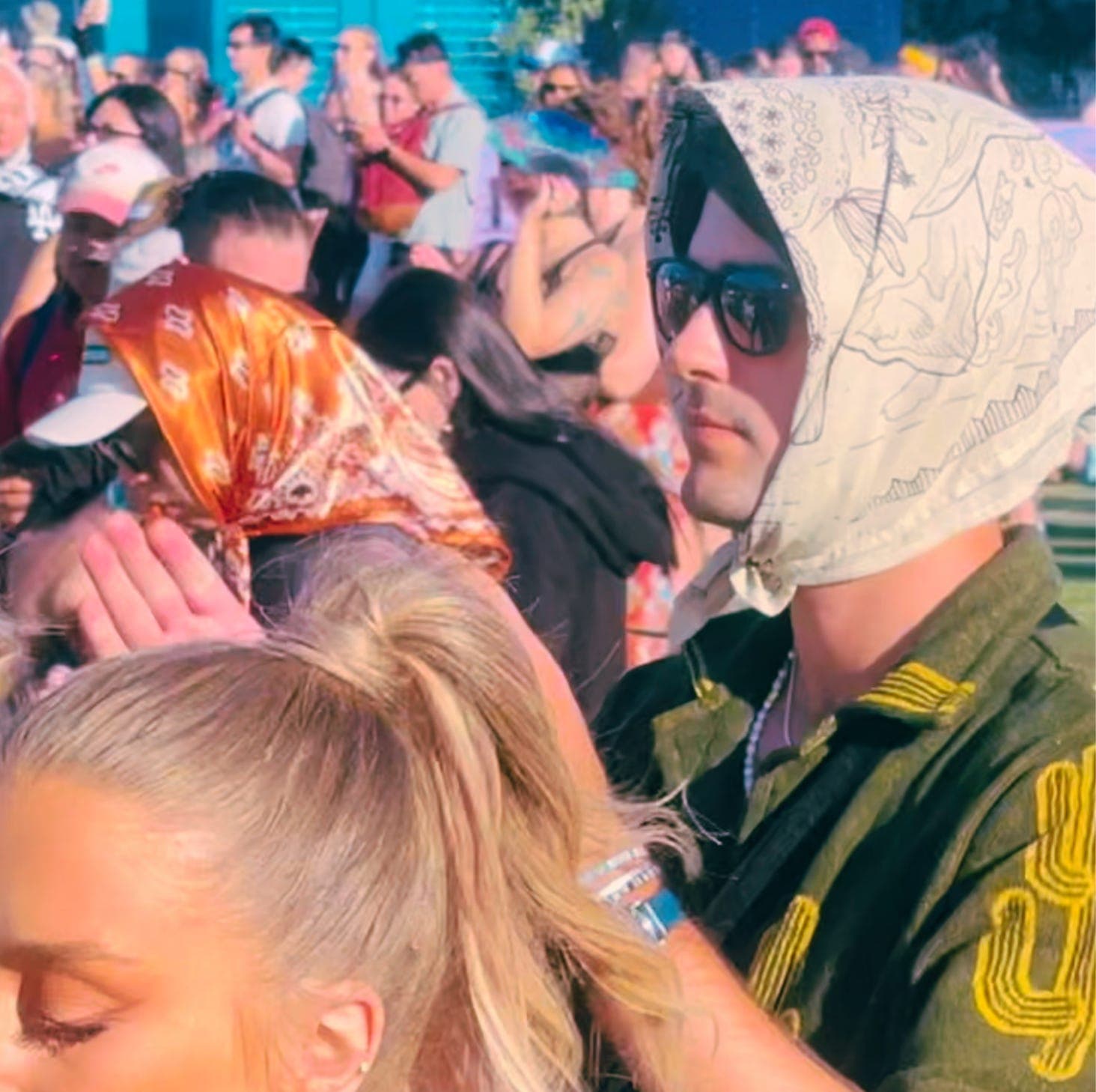
0:46Got it. And so basically every year over more than a decade, I've never been personally, I'm a East Coast character, but it seems like the festival that just keeps giving in terms of being this annual happening that allows us to check in with the state of the music industry, contemporary culture, maybe how contemporary cultural trends are filtering into the music industry. right? Totally. It's like a weekend long or two weekend long, depending, you know, microcosm of popular and contemporary culture. It's a really wild opportunity to check in with all that. You know, it's stupid or corny to say, but like, I'm not just going there for the music.
1:33Like it's sociologically and culturally like fascinating to me. And like you're saying more than 10 years in, you know, I kind of had this longevity behind me of a decade of generational cultural evolution, whatever to compare it to because it's the same thing happening over and over. But we're the ones who's changing music is what's changing technology is what's changing. Coachella is still there. Very well said. So today we're just going to take you through some top line thoughts on what Coachella was like and what trends you observed on the ground in music, fashion, the state of music journalism etc um so just to start off what stood out to you this year as someone who goes every year how did it go it was great i do have to give a shout out to the organizers that this was far and away like the best organized or best run coachella that i've been to which is no small feat um someone told me that they actually have a five-person team who's and I don't this is not confirmed but I heard they have a five-person team whose job it is to just make Gatorade all weekend for the people who are picking up the trash.
2:45Wow. If that like gives you some kind of scale for it. I would love to hear about the festival from their perspective. Yeah me too. There's a few people out there who have done stories about that too but it's like it was really like clean this year like last year they switched to all aluminum water bottles which we love you know i definitely remember like 10 years ago it was just like a field like littered with plastic water bottles which is terrible i mean there was some parking lot nightmare but like that can't you can't really totally avoid that when you have like 125 000 people all trying to like get out of the same parking lot and you know they had little signs up with information about the artist they actually had like the schedule posted on these like like mall kiosks things throughout the field instead of having the like paper pamphlets which also yay for the earth we love um yeah i do have to give them props for that like say what you will about golden voiced aeg giant corporations giant festivals whatever but like it does make a big difference and you can tell they're really really putting in a lot to make sure people are safe and having a good time noise yeah one thing that we have on our notes here is that you said this is the first year that weekend two didn't sell out was did weekend one actually sell out i know there was like oh they did okay yeah so weekend one sold out normally or historically like since they've been doing the two weekends which i think started the first year that i went which was 2012 weekend one has always sold out in like a matter of hours and i think this time it took almost a month.
4:18And then last year, weekend two, it ended up selling out, but it like took a while. I think it was like right up leading right up until the second weekend. So this is the first time that that didn't happen, which a lot of people in the music industry and otherwise love to talk about. I think it's a little bit more complicated. You know, people are really inclined to be like, Coachella is over. I don't think that's the case. So yeah, how would you potentially explain it? Right. So there's a few things at play here. You know, people have also been saying that it looked really empty. I mean, it definitely did look emptier, especially I went both weekends because I'm a Wook.
4:52I went weekend one for work and then weekend two for pleasure. But weekend two definitely obviously did feel a little emptier, which honestly not a bad thing. It like sucks to be in crowds that are like that huge. But they also made the festival site like even bigger. So that could also be why it looked emptier. You're seeing reports of it feeling emptier. Like it's just bigger. Like the traffic flows are better. Also, there's a lot of bigger things at play in context of the music industry right now. I mean, you have to remember that we're still recovering from some really massive, unprecedented changes to live music and the world as a whole in the wake of the pandemic.
5:30And it's still sort of negotiating what that looks like. So, you know, touring is more expensive. Artists are wanting bigger spends. And so ticket prices are expensive inflation and people might not have as much money yeah yeah exactly like there's issues like ticket flipping that have driven up prices for volume events and that's caused sales to drop across the board for big music events yeah um also you know they're trying to cater to a young you know to gen z a little bit more now or get them to start coming to coachella and like they don't have as much disposable income so it's like this balancing act of having to like shell out a lot of money to get giant artists who are going to be able to draw people, right?
6:14But then like needing to get people to pay. And it can be a little bit of like a snake eating its tail that way. I think there is a really big misconception that I haven't looked at the, I don't think they've put out earning stats in a while or like gross earning stats, but Coachella doesn't like make a ton of money off of it. Like a lot of what they make goes back into the festival itself. So it's like with anything in live music, it's always walking this fine line of being profitable. you know fans are kind of looking you know they had this new precedent of like Taylor Swift and Beyonce and those are the big tours that they're kind of really like shelling out money for right now rather than these festivals so that's part of it as well you also have the fact that like they have this like really really great live stream I have a ton of friends that watched some of the sets on the live stream and I think that's a great service I also think for a lot of people that might be on the fence like maybe they'll just stay home and watch like the three sets they were interested in rather than, you know, paying the like 500 ish dollars for a ticket and money for gas and for an Airbnb.
7:16And, you know, you have to like really want to go to be there and experience the whole thing and not just go to catch like a few bands that you might like. What about this narrative of sort of their prime generation of millennials, maybe growing up and having kids and like they're trying to court Gen Z, but, you know, maybe it's a festival that sort of has something very millennial to it. Yeah, it definitely does. And Jeff Weiss also wrote a nice piece about this. Shout out, Jeff. That's about, you know, and it's something I noticed as well, which is like it there's definitely like a nostalgia play that's happening that's emerged over the past couple of years.
7:51And there's always been that. I mean, dating back to like the Tupac hologram, which was, I think, 2012. And, you know, in a way, Coachella also helped like sort of pioneer like the reunion act like going back to I want to say 2006 with the Pixies so I think that's a narrative that should be taken with a little bit of a grain of salt but you know you had bands like No Doubt and Sublime and like Taking Back Sunday last year you had Blink-182. These are very very millennial artists that I think you know are getting folks to come out you know just to see those bands that they love because they're not really like playing as much anymore.
8:27But also the lineup was, you know, very heavy on, I mean, Lana Del Rey, hello, like maybe the most millennial act. But also very appreciated by Zoomers. Very appreciated by Zoomers. Yeah. You know, and then you had a lot of acts that I think were sort of catering to the TikTok crowd as well. And so I think there's some of that too. Maybe you're not going to Coachella because like now you like have a baby and a family and all that. But oh, like maybe I'll go for one night and get a babysitter. I know a lot of people who did that like they came for one night to see sublime and no doubt or whatever but then yeah having to bring in a new generation and a new generation that's like extremely online right and appeal to that with this thing that they really know about but maybe haven't experienced so much especially when you think about like a festival demographic of like people you know in their 20s like those are people that were maybe still in school and like stuck at home during the pandemic and like didn't really have like the festival rite of passage you might have in college or high school or whatever.
9:26So how do you translate that experience to them if they're coming of age, like post the big hype that was Coachella is like we kind of came to know it. Does that make sense? Totally. I guess that kind of brings me to the trends that we wanted to discuss. Maybe we can start with sort of the curation and what you think the sort of logic of the curation was this year. You actually did mention like a TikTok crowd, which I had never heard put that way before. The TikTok crowd as a real space demo. What role did TikTok play in the curation of the festival this year? And that's it for the free preview version of this episode.
10:08There's lots more ahead. You can get full access by becoming a paid subscriber for just five bucks a month over at theculturejournalist.substack.com.
From the publisher
Hey pals. The 23rd edition of Coachalla wrapped up last weekend, and you know what that means: It’s time for The Culture Journalist’s annual Coachella Report, where co-host Andrea Domanick returns from Indio, CA ready to dish on all the trends in fashion, music, and media she spotted on the ground. You can think of it as a little capsule review of the 2…