In short
Podcast Episode Notes: The Culture Journalist - Emilie's Trial by Fire as a Kim’s Video Clerk
Episode Overview
- Podcast Title: The Culture Journalist
- Episode Title: Emilie's Trial by Fire as a Kim’s Video Clerk
- Hosted By: Emilie Friedlander and Andrea Domanick
- Episode Type: Free preview of a paid episode
Description In this episode, Emilie Friedlander shares her experiences of working as a video clerk at Kim's Video, reflecting on the cultural significance of the establishment and its impact on the East Village counterculture during the late 90s and early 00s. The discussion serves as a companion piece to the earlier conversation with David Redman, co-director of the Kim's Video documentary.
Key Themes and Concepts
Cultural Significance of Kim's Video
- Historical Context:
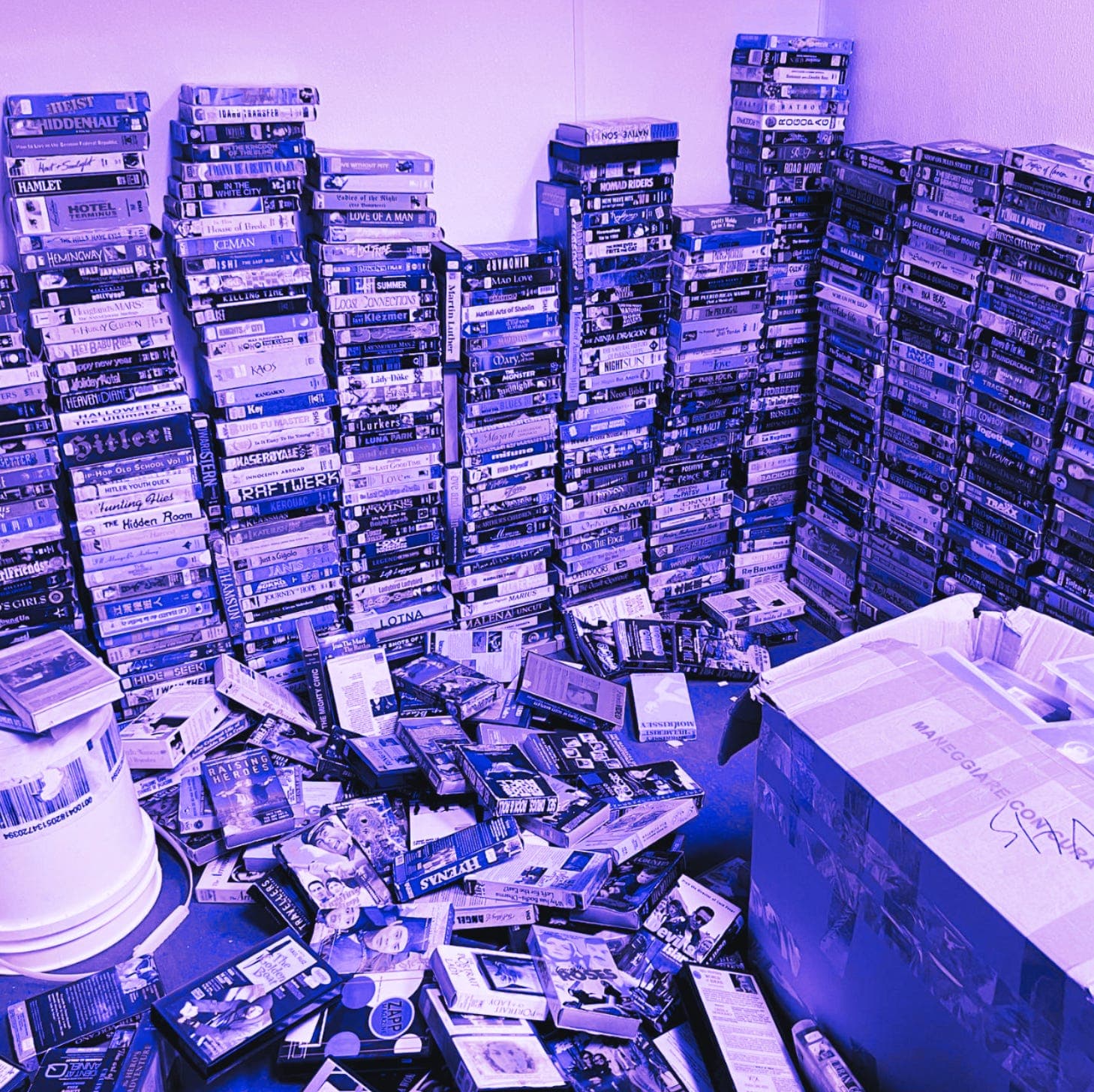
- Kim's Video was a prominent film and music store in New York, especially recognized for its influence in the East Village.
- The store served as a cultural hub during a time when video and record stores were more prevalent before the rise of the Internet.
- The "Music Snob" Culture:
- The reputation of Kim's clerks as being elitist and knowledgeable about music and films created an air of exclusivity.
- Customers often felt intimidated, trying to navigate their selections without attracting negative comments from the staff.
Personal Reflection
- Emilie's Experience:
- At age 17 in 2003, Emilie landed a summer job at Mondo Kim's, marking a significant point in her life.
- She recalls her journey from being a hesitant customer to becoming part of the store's legacy and culture.
- Emilie reflects on how her mother encouraged her to apply for the job, showcasing a personal connection to the establishment.
Changes Over Time
- Shift in Cultural Landscape:
- Emilie discusses how the closure of Kim's Video symbolizes the end of the hipster era.
- The conversation touches on the decline of independent record and video stores and the broader cultural shifts associated with the rise of digital media.
Key Takeaways
- The episode provides insight into the nostalgia surrounding Kim's Video and its role in shaping cultural identities in New York City.
- It invites listeners to reflect on their own experiences in similar cultural spaces and consider how these environments have evolved or disappeared over time.
- The essay Emilie reads adds depth to the discussion, connecting personal anecdotes with larger cultural narratives.
Conclusion The episode serves as a thoughtful exploration of memory, culture, and the transformation of music and film consumption. Emilie's narrative highlights the significance of personal experiences in understanding broader cultural shifts. For further insights, listeners are encouraged to subscribe for complete access to the episode.
[Listen to the full episode here](https://theculturejournalist.substack.com?utm_medium=podcast&utm_campaign=CTA_7).
Written by AI. May contain mistakes. Listen to the episode to check what was said.
Transcript
Automatic transcript. May contain errors.0:08Hey, everyone. This is Emily from The Culture Journalist. And today we're switching things up a little bit. Instead of a typical episode, we are doing a little bonus follow-up to our amazing conversation with David Redman, the co-director of the Kim's video documentary. You know, I mentioned on the pod that I actually used to work at Kim's. It was my first job out of high school and that I would be sharing a little bit about my experiences of working there because everybody's experiences are, you know, different. It was a place shrouded in a lot of lore and mystery. So what I wanted to do today was actually read aloud an essay that I wrote for The Fader in May 2014, almost exactly 10 years ago to this day, and also just a couple of months before the last Kim's Video Store closed down.
0:58And I think it's a really interesting window because I was looking back at the time of the documentary, which starts in like the late 90s and early 00s and, you know, Kim's role in the East Village counterculture of that time. But I'm looking at it from the vantage of 2014 when a lot of that world had already started to kind of disappear and was being replaced by, you know, like the rise of the Internet. We're seeing the disappearance of this world. we're seeing the disappearance of more and more record stores and more and more video stores so yeah i invite you to listen and think about what things were like back then or imagine them if you weren't there to experience it and then also maybe think about how much things have changed between then and now but yeah the article was called why the closure of kim's marks the end of the hipster era and just know that it's been updated slightly for clarity in certain places because, well, it's been a while.
1:55We hope you enjoy it.
2:07When I was 17 in 2003, I landed a summer job working on the third floor of Mondo Kim's on St. Mark's Place in Manhattan. This was back in the days when a massive emporium of film and music like Kim's Video was still a profitable business proposition. There were four of them in New York at the time. And when the people who worked at Kim's Video had a citywide reputation for being the snobbiest video and music clerks in the world. Starting at the beginning of high school and before I'd gotten a job there, I used to try to eat cheaply all week so that I could go to Kim's on Fridays with whatever money I had saved up and buy a CD.
2:46Part of the Kim's experience, which myself and thousands of other New Yorkers willfully subjected ourselves to, was trying to get in and out of there without attracting any off-color remarks from the people behind the counter, who were rumored to be so allergic to subpar music and film that they wouldn't even help you find something if they didn't think that it was aesthetically worthwhile. I, for one, was afraid of the people who worked at Kim's, and I never would have become one of them myself if it weren't actually for my mother. One day, when we went to Mondo Kim's to inquire about some obscure French corset movies she was looking for, she did what I never would have had the guts to do and straight up asked them if they would be willing to hire me.
3:26I guess she thought that it was time that I got a job. And that's it for the free preview version of this episode. There's lots more ahead. Get full access by becoming a paid subscriber for just five bucks a month over at theculturejournalist.substack.com. Please stand clear. The doors are closing.
From the publisher
In the second installment of our Kim’s Video series, Emilie Friedlander reads a 2014 essay she wrote about her experiences working as a teenaged video clerk at the beloved film and music emporium’s Saint Mark’s location. In it, she explores the cultural significance of the figure of the “music snob” in the …